Hellenistic
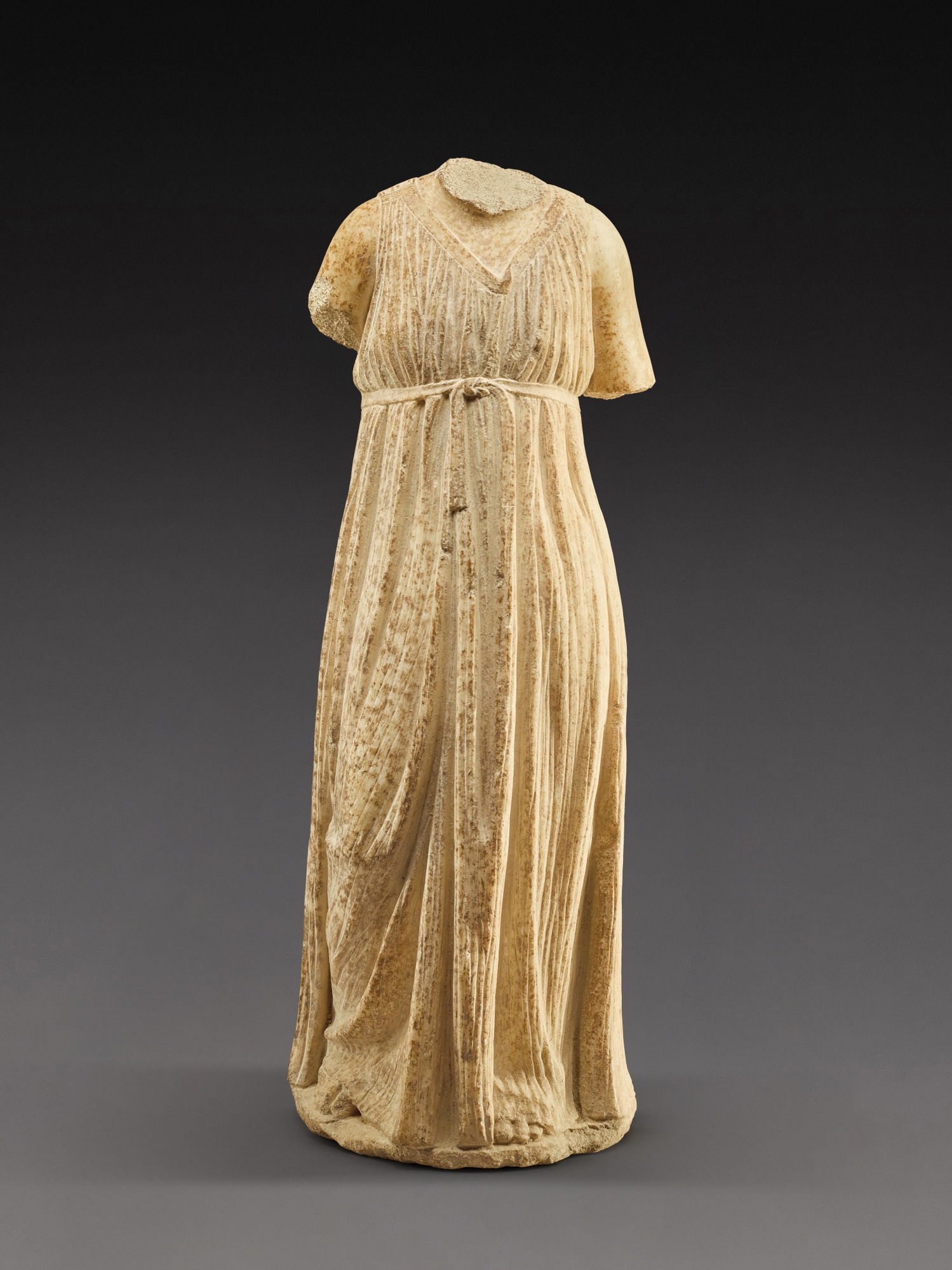
A Greek Marble Figure of a Girl
A Greek Marble Figure of a Girl, circa 4th/2nd Century B.C.
After Alexander, the World Changed Forever
There is a moment in art history when restraint gives way to feeling, when idealism loosens its grip and something rawer and stranger takes its place. That moment arrived with the death of Alexander the Great in 323 B.C. and inaugurated one of the most psychologically complex and geographically expansive periods the ancient world had ever produced.
The Hellenistic age, stretching from that pivotal year through to the Roman absorption of Egypt in 30 B.C., gave us art that wept, aged, ached, and astonished. It remains, even now, one of the most alive chapters in the entire story of human image making.
Ancient Levantine
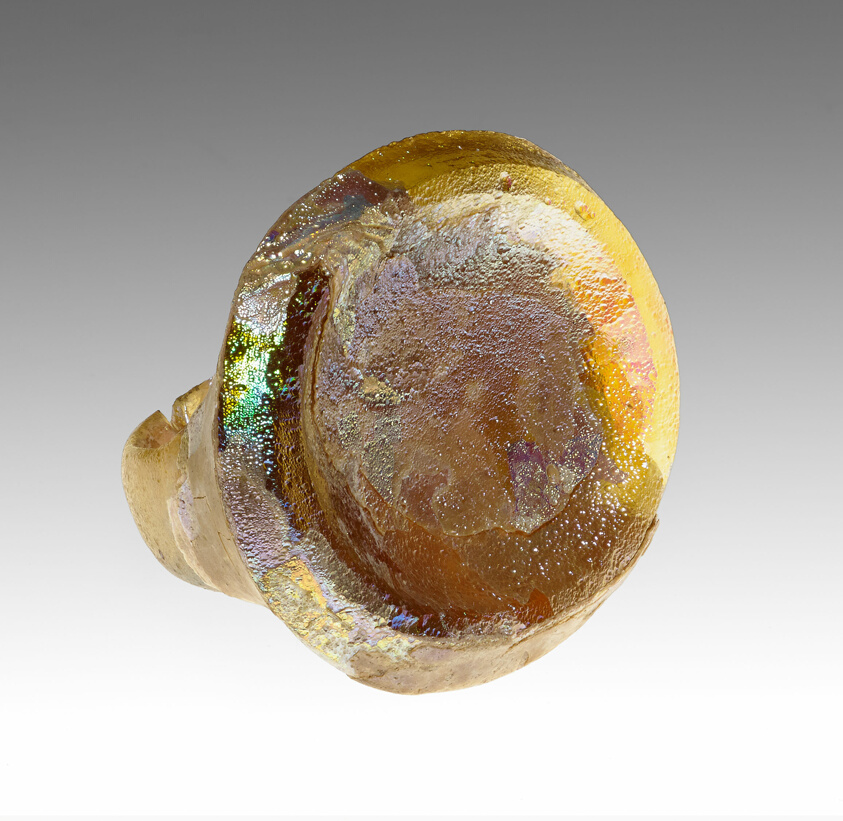
Finger Ring, -300
To understand what made Hellenistic art so radical, you first have to understand what it was reacting against. The Classical period, centered on fifth and fourth century Athens, had perfected a vision of humanity as it ought to be: balanced, serene, architecturally composed. The Doryphoros of Polykleitos, carved around 450 B.C.
, embodies this entirely. It is a body as argument, as theorem. The Hellenistic sculptors who came after were not interested in theorems. They were interested in theater, in time, in the particular weight of a specific face at a specific moment.
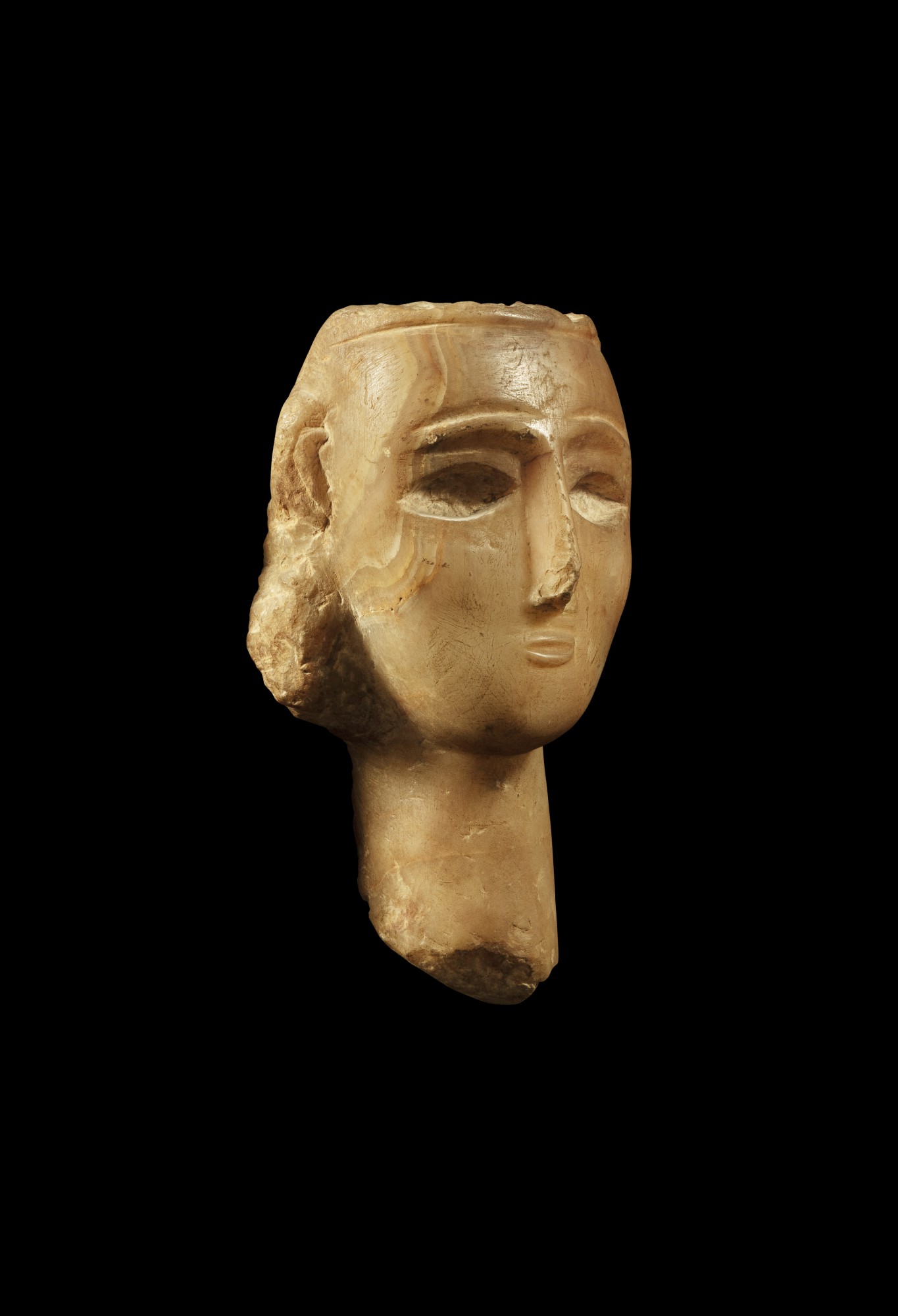
A South Arabian Alabaster Head of a Woman, Qataban
A South Arabian Alabaster Head of a Woman, Qataban, 3rd Century B.C./1st Century A.D.
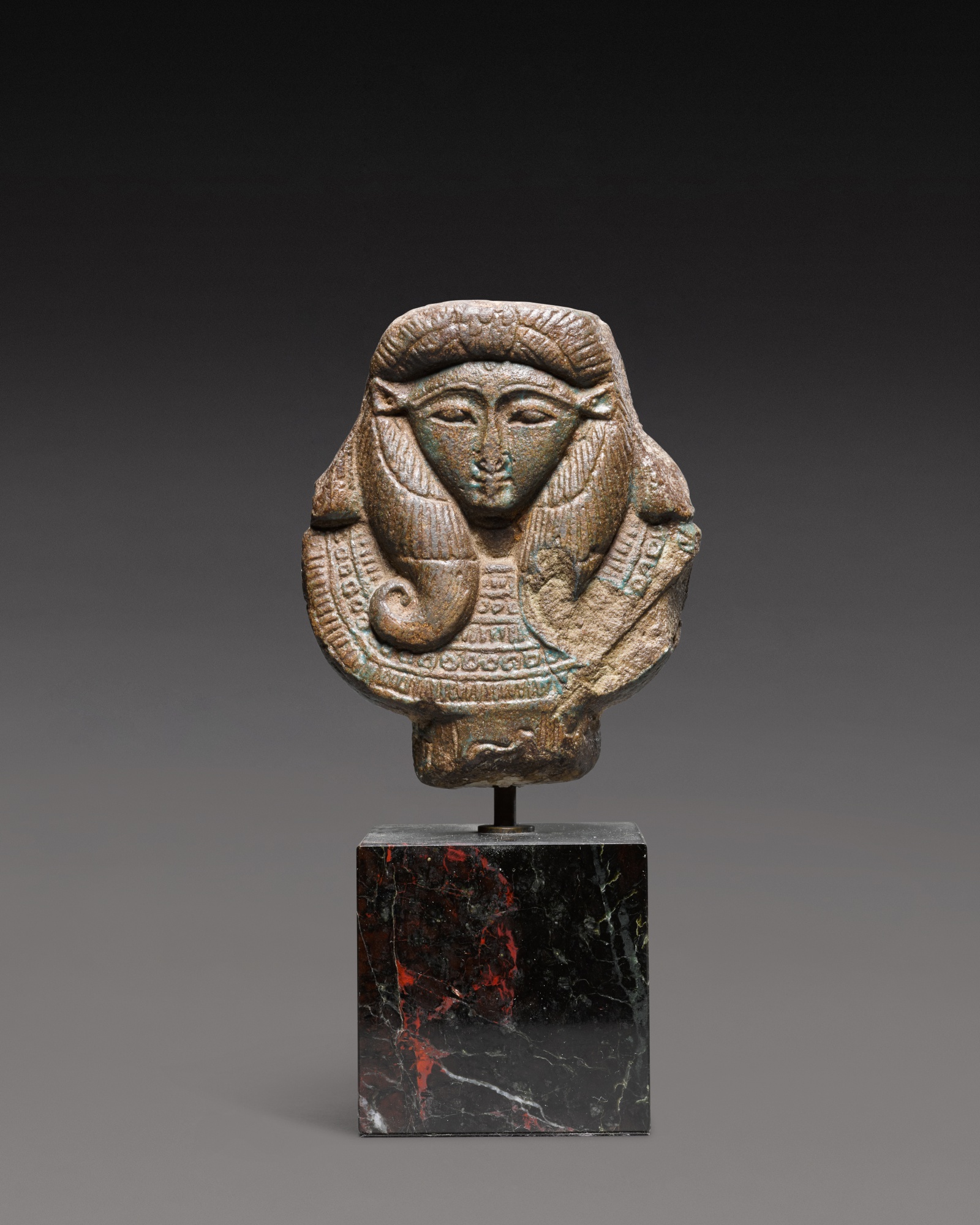
The shift was seismic. Alexander's campaigns had opened a corridor from Greece through Persia, Egypt, and into the edges of India, and the art that emerged from this new cosmopolitan world carried the evidence of those encounters everywhere. Alexandria became one of the great cultural engines of the period, a city where Greek aesthetics fused with Egyptian tradition and produced objects of startling sophistication. A Hellenistic marble head of a Ptolemaic ruler, for instance, speaks volumes about this synthesis: you can read in such a work both the Greek concern for psychological presence and the Egyptian insistence on dynastic authority.
Similarly, a marble head of a Ptolemaic queen from this era carries a kind of serene, almost abstract power, the features composed yet charged with the particular authority of a court that understood image making as statecraft. The period's geographic reach gave it a material richness that still dazzles collectors. Glassmaking, jewelry, and small decorative arts flourished in workshops across Asia Minor, the Levant, and the eastern Mediterranean. A Hellenistic core formed glass amphoriskos, produced using an ancient technique in which molten glass was wound around a sand core before the core was scraped away, represents the technical ambition of the age in miniature.
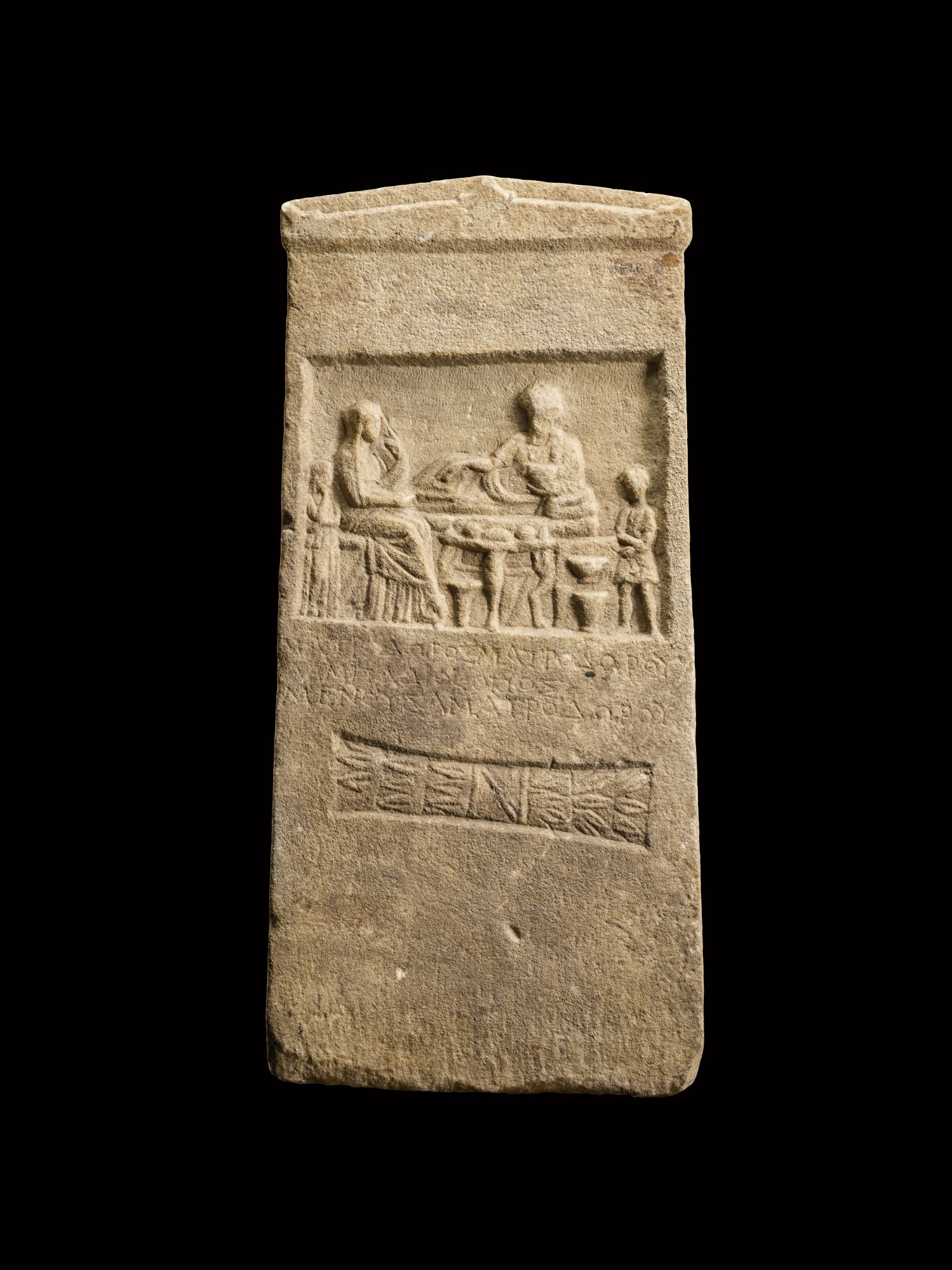
A Hellenistic Marble Funerary Stele for Matrodoros and Menousa, Asia Minor
A Hellenistic Marble Funerary Stele for Matrodoros and Menousa, Asia Minor, 2nd half of the 2nd Century B.C.
These objects are small but they carry enormous cultural freight: they moved along trade routes, passed through many hands, and carried with them something of the period's restless, border crossing energy. Equally telling is a Hellenistic gold, garnet and green glass necklace, the kind of object that places you directly in the sensory world of the period, in a room where rank and beauty were inseparable. Sculpture, though, remains the defining medium of Hellenistic ambition. The Laocoön group, now in the Vatican Museums and believed to date to the first century B.
C., represents the apex of Hellenistic theatrical intensity: bodies in extremis, agony made architectural. But the period's genius also showed itself in tenderness and intimacy. A marble head of Aphrodite from this era, even in fragment, can carry an expression of extraordinary inwardness, the goddess caught not in divine triumph but in something approaching reverie.
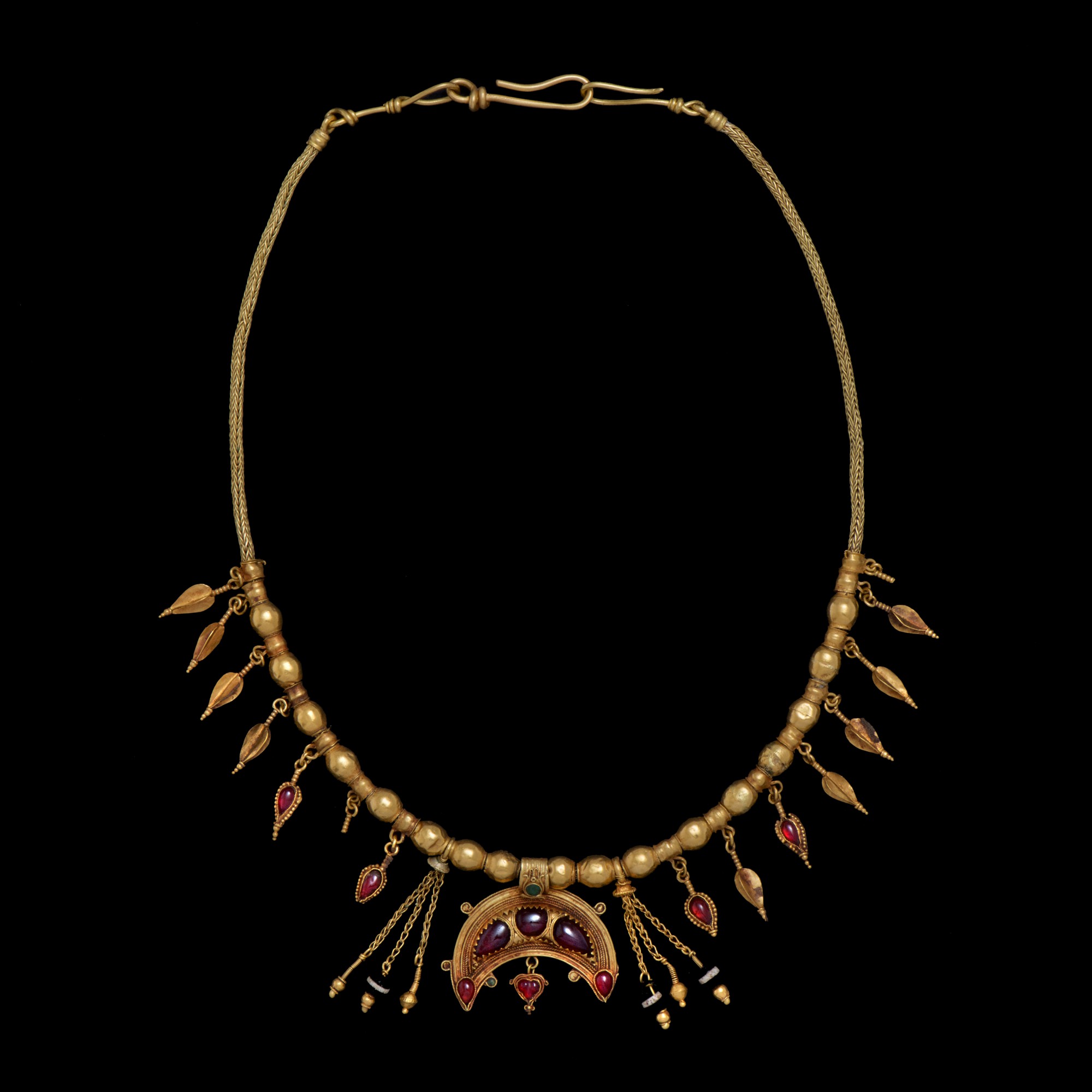
A Hellenistic Gold, Garnet and Green Glass Necklace,
A Hellenistic Gold, Garnet and Green Glass Necklace, circa 2nd/1st century B.C.
A Hellenistic marble funerary stele commemorating individuals like Matrodoros and Menousa, from Asia Minor, tells us about a different register entirely, one in which ordinary people commissioned works that insisted on their grief, their love, their particularity. These are not anonymous types. They are people asking to be remembered. Terracotta production flourished during this period with equal sophistication.
The workshops of Tanagra in Boeotia produced small figurines of women in domestic poses, draped in delicate painted fabric, that influenced taste across the Mediterranean world and continued to do so long after their makers' names were forgotten. A Hellenistic terracotta figure of an actor connects this tradition to the period's passionate relationship with theater: comedy and tragedy were not just entertainment but civic and philosophical events, and the masks and costumes of theatrical life became subjects worthy of fine craftsmanship. Alongside this, a Canosan terracotta group depicting Nike on her chariot demonstrates how even in provincial centers, Hellenistic workshops achieved compositions of genuine dynamism and ambition. The period also embraced what we might call the poetry of the fragment.
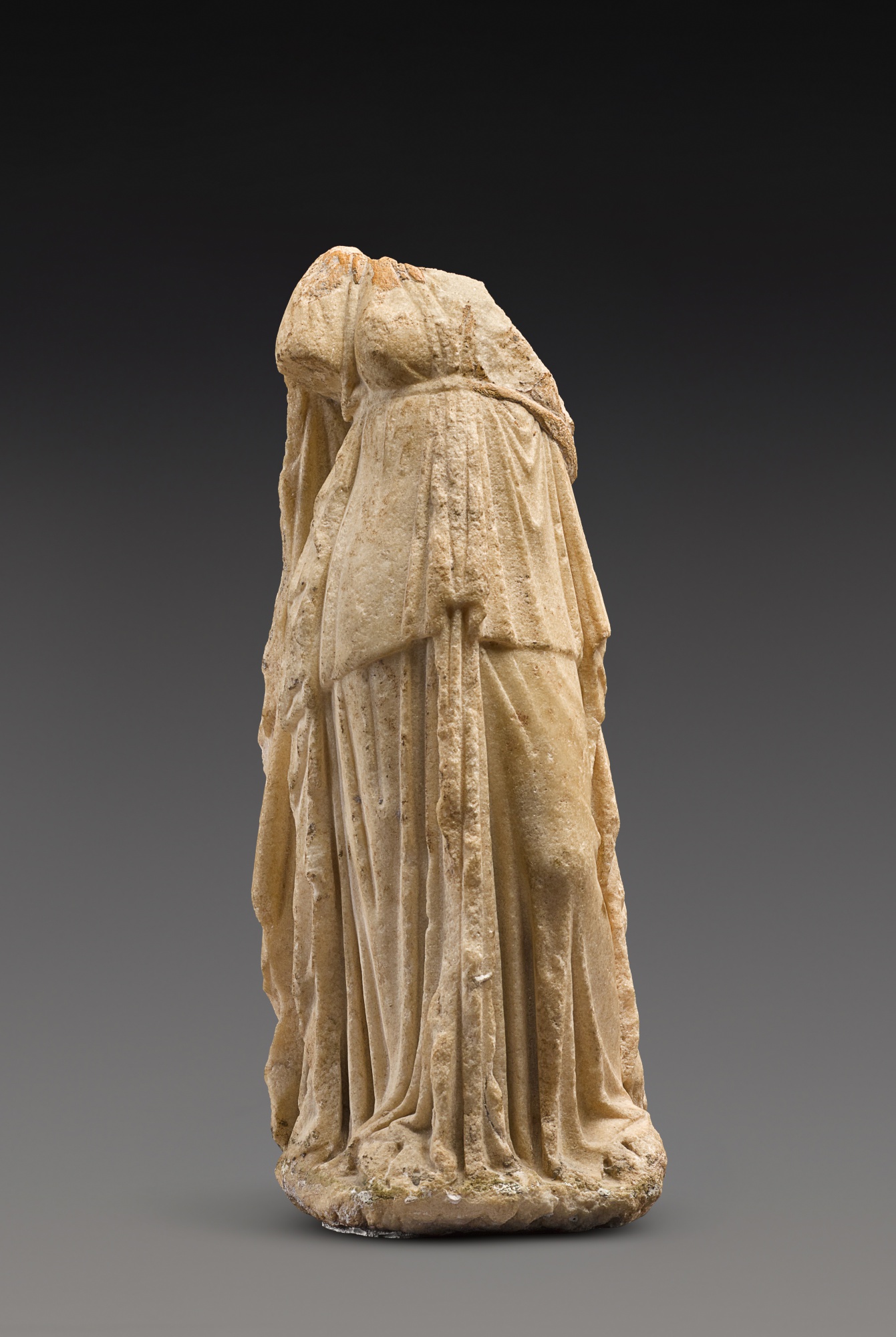
Works that survive in partial form, a torso without its head, a head without its body, carry a particular kind of authority. A Hellenistic or Roman marble torso of a woman communicates extraordinary things through the logic of drapery alone, the way cloth responds to the body beneath it, the torsion of movement implied in stillness. Collectors who engage with ancient fragments are not settling for something incomplete. They are engaging with a different kind of wholeness, one in which the imagination is invited to collaborate with the object.
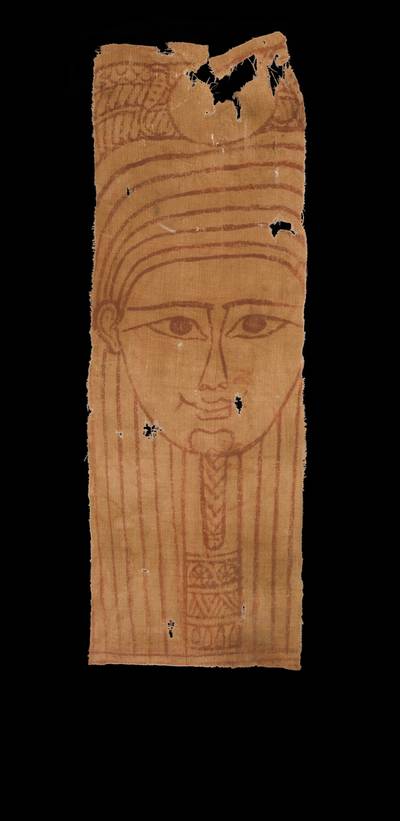
The Hellenistic world, for all its expansiveness, was also preoccupied with mortality. The funerary arts of the period, from stelae to painted linen burial wrappings in Egypt, remind us that this was a culture acutely conscious of time's passage. An Egyptian painted linen fragment carries this awareness in its very materiality: something preserved against the odds, still speaking across millennia. The works represented on The Collection from this period reflect the full breadth of that world, from the monumental to the intimate, from the sacred to the theatrical, from the Greek heartland to the Levantine coast and the Arabian south.
What makes Hellenistic art feel so contemporary to us now is precisely its ambivalence about perfection. It was made by people who had inherited a tradition of ideal beauty and chose, consciously and deliberately, to complicate it. They wanted truth alongside beauty, feeling alongside form. In that tension, we recognize something of our own condition.
The great art of this period does not resolve into easy answers. It opens outward, the way all the best work does, into more questions than it arrived with.