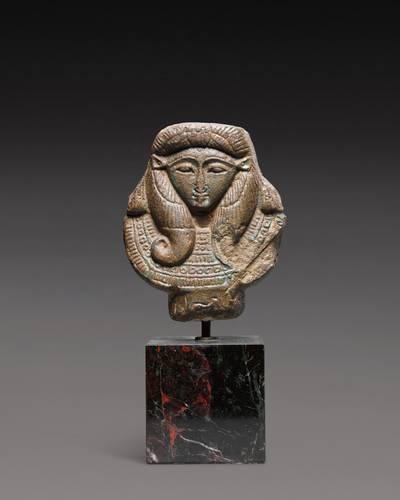
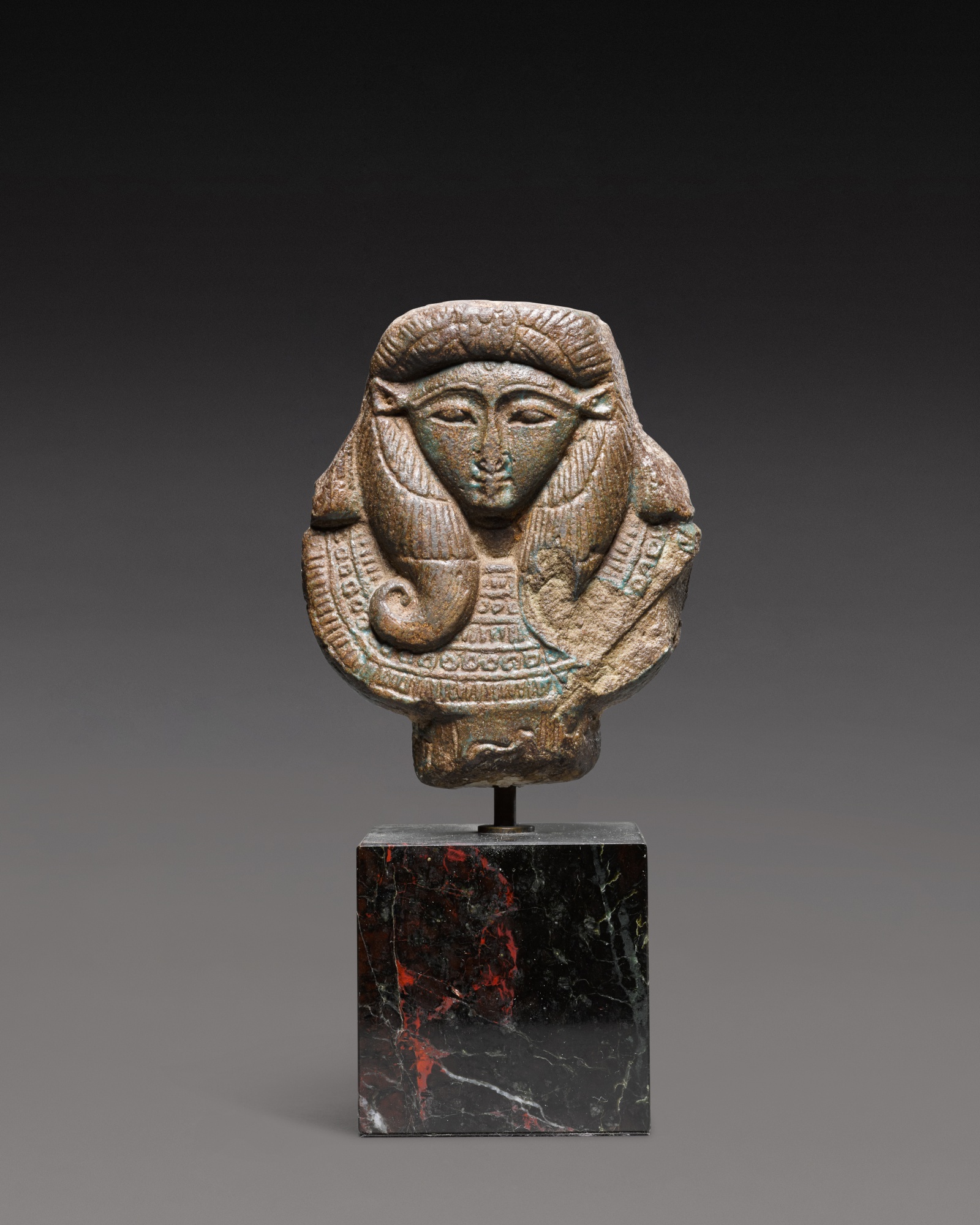
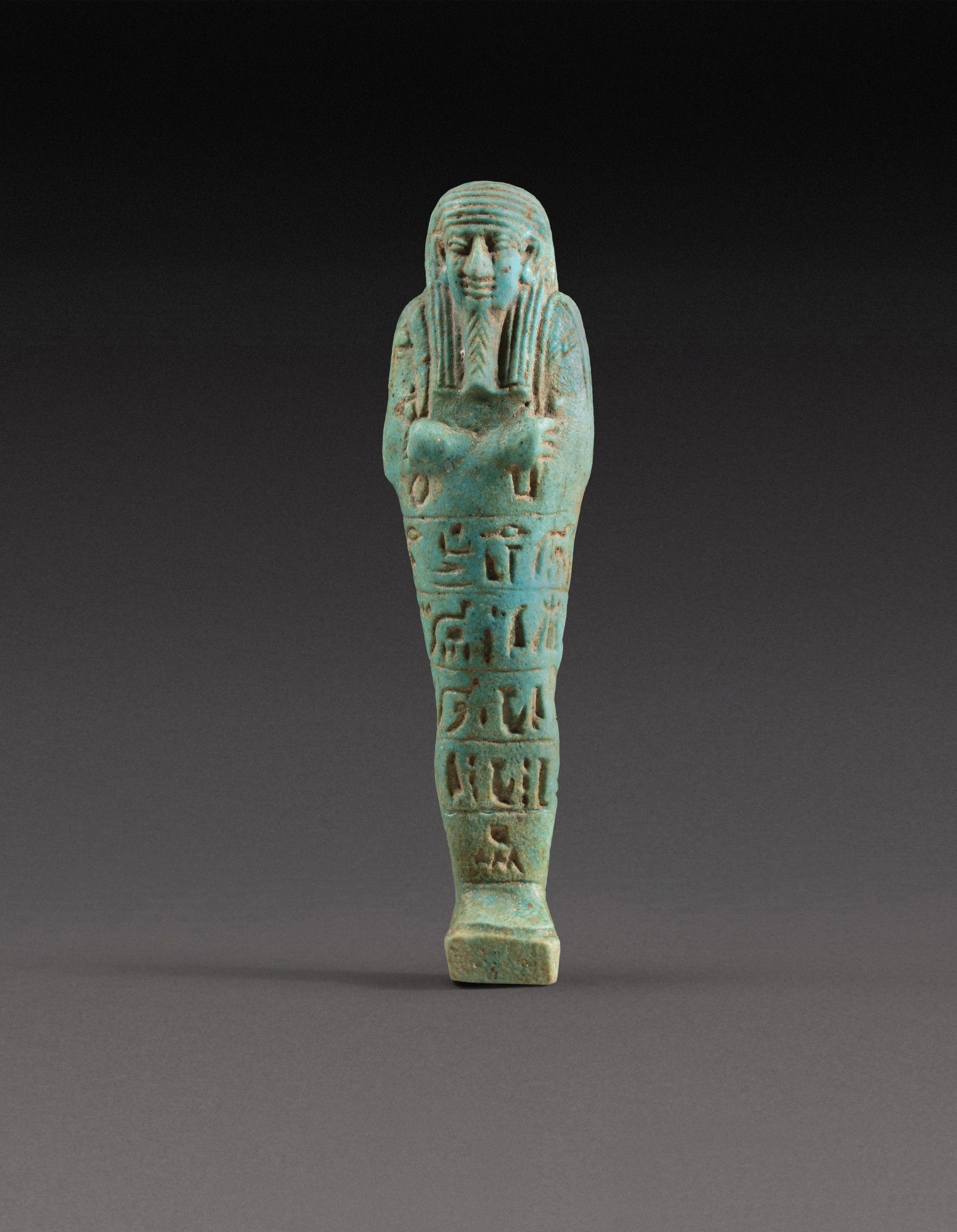
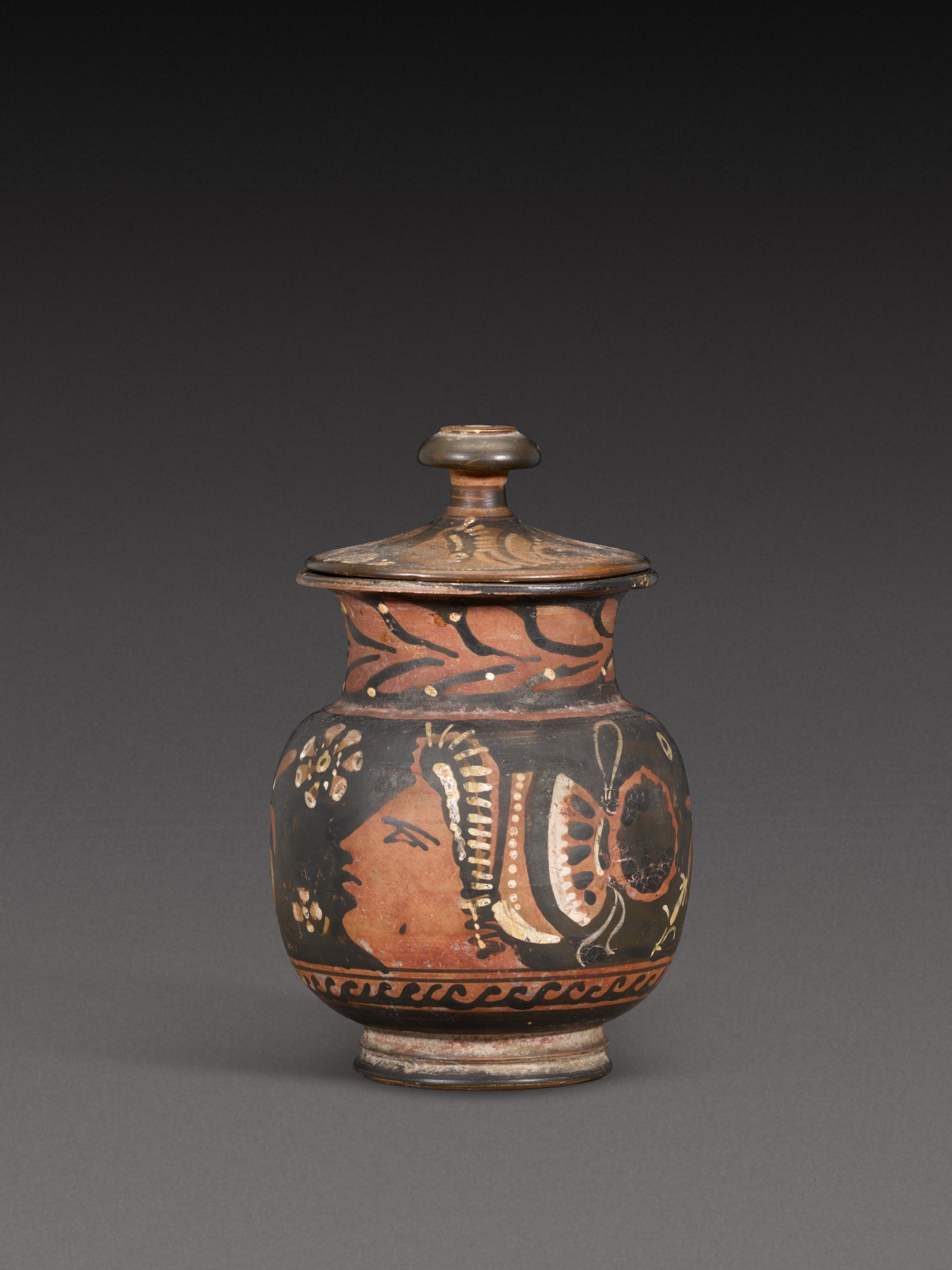
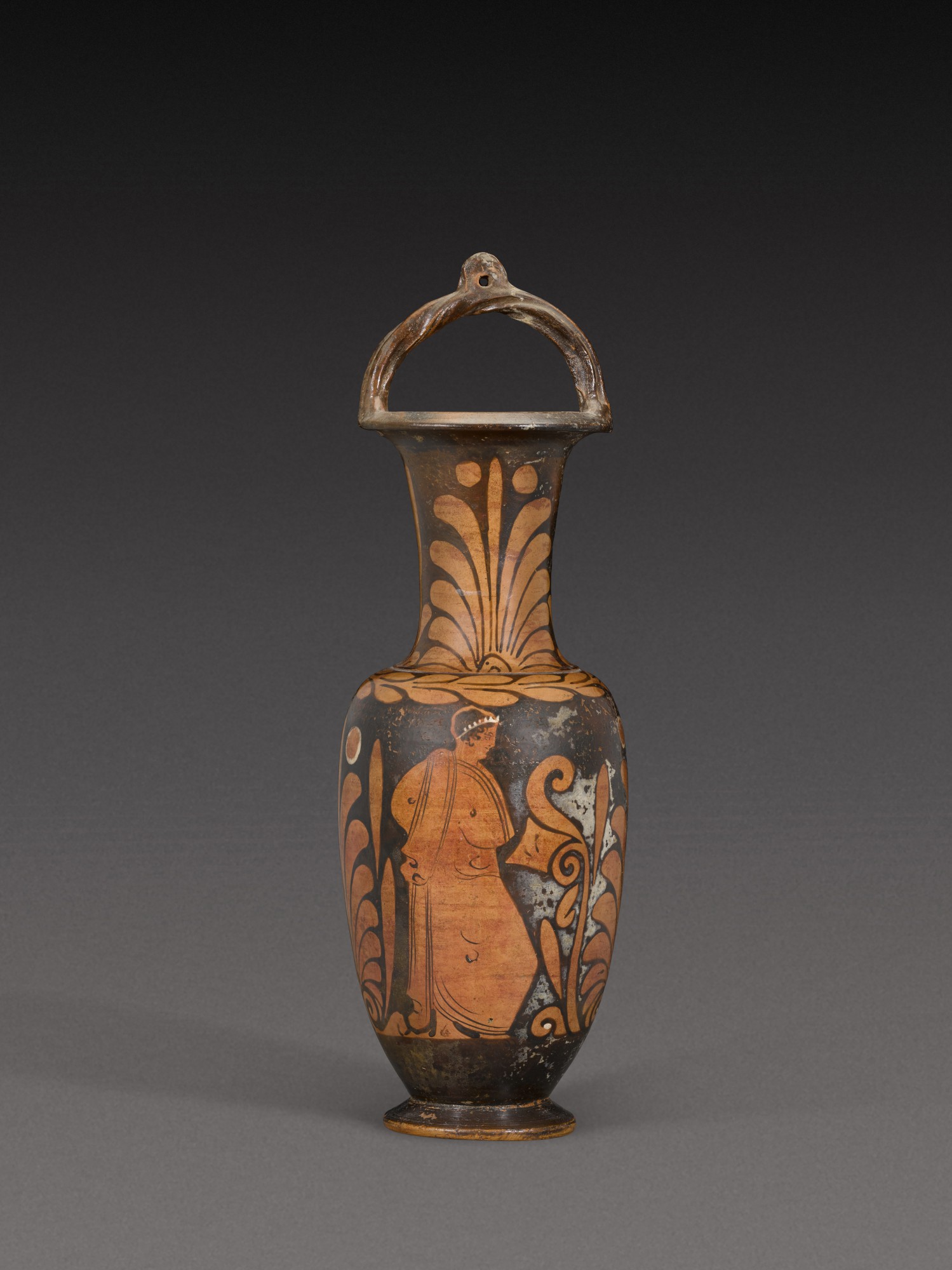
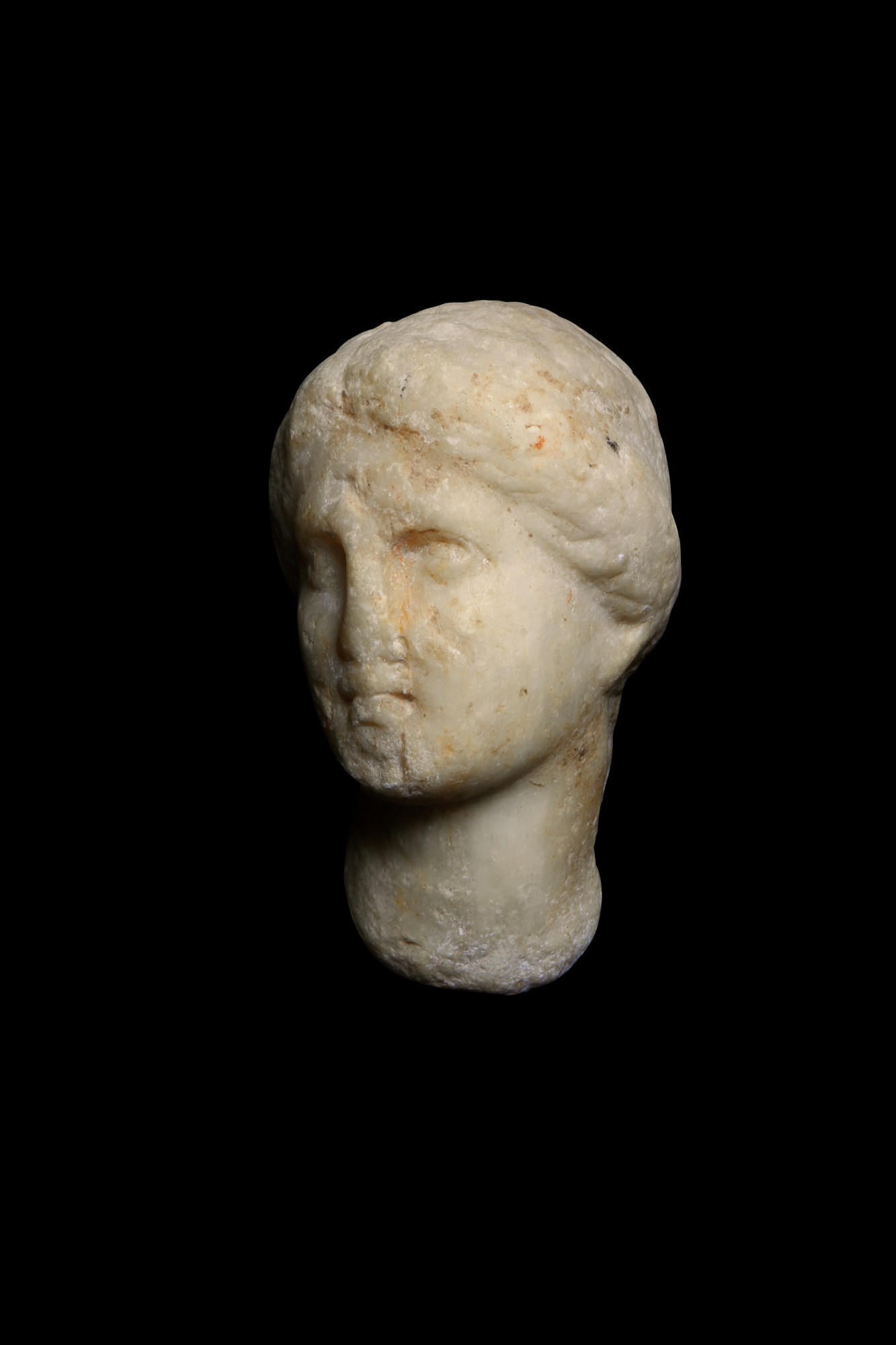
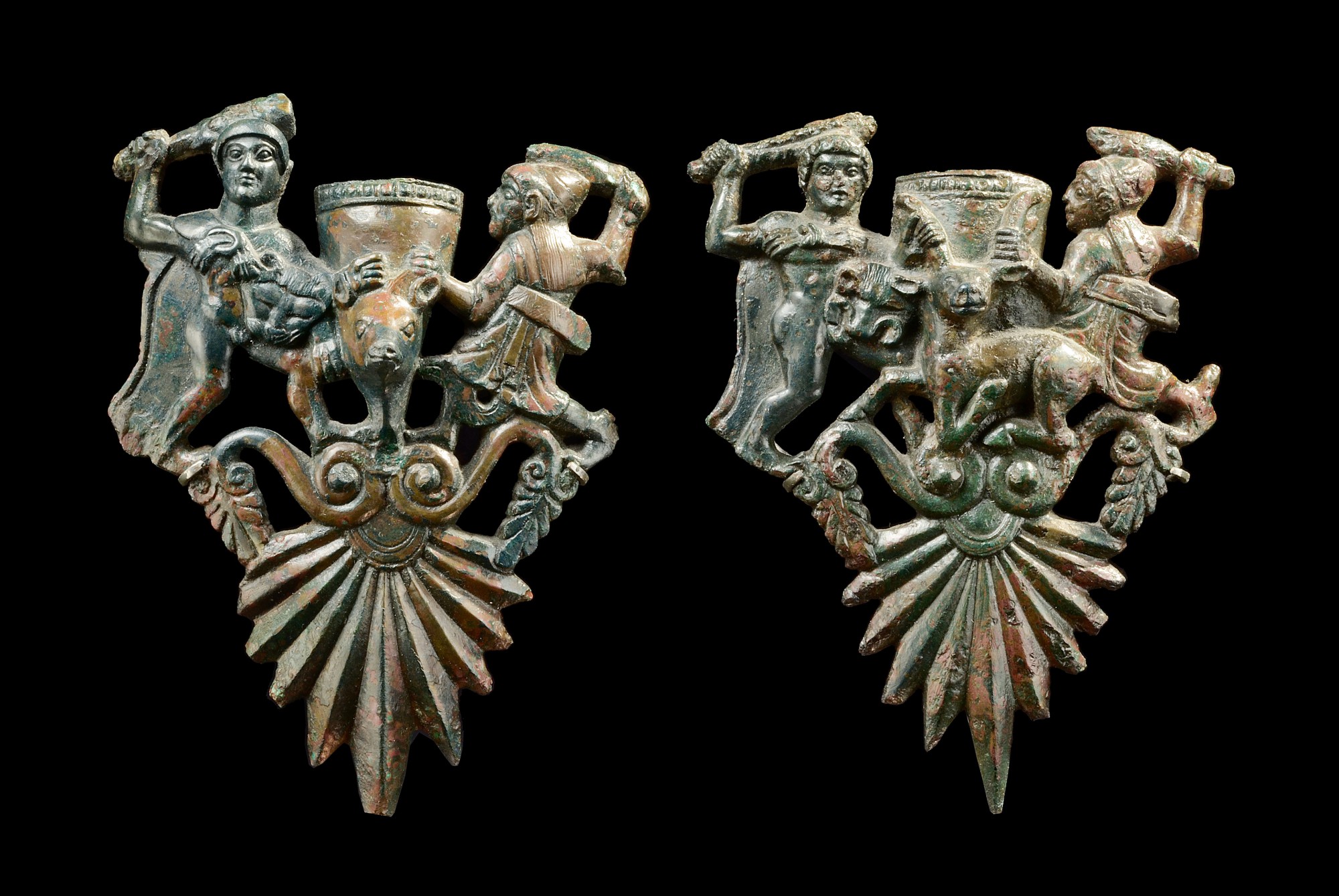
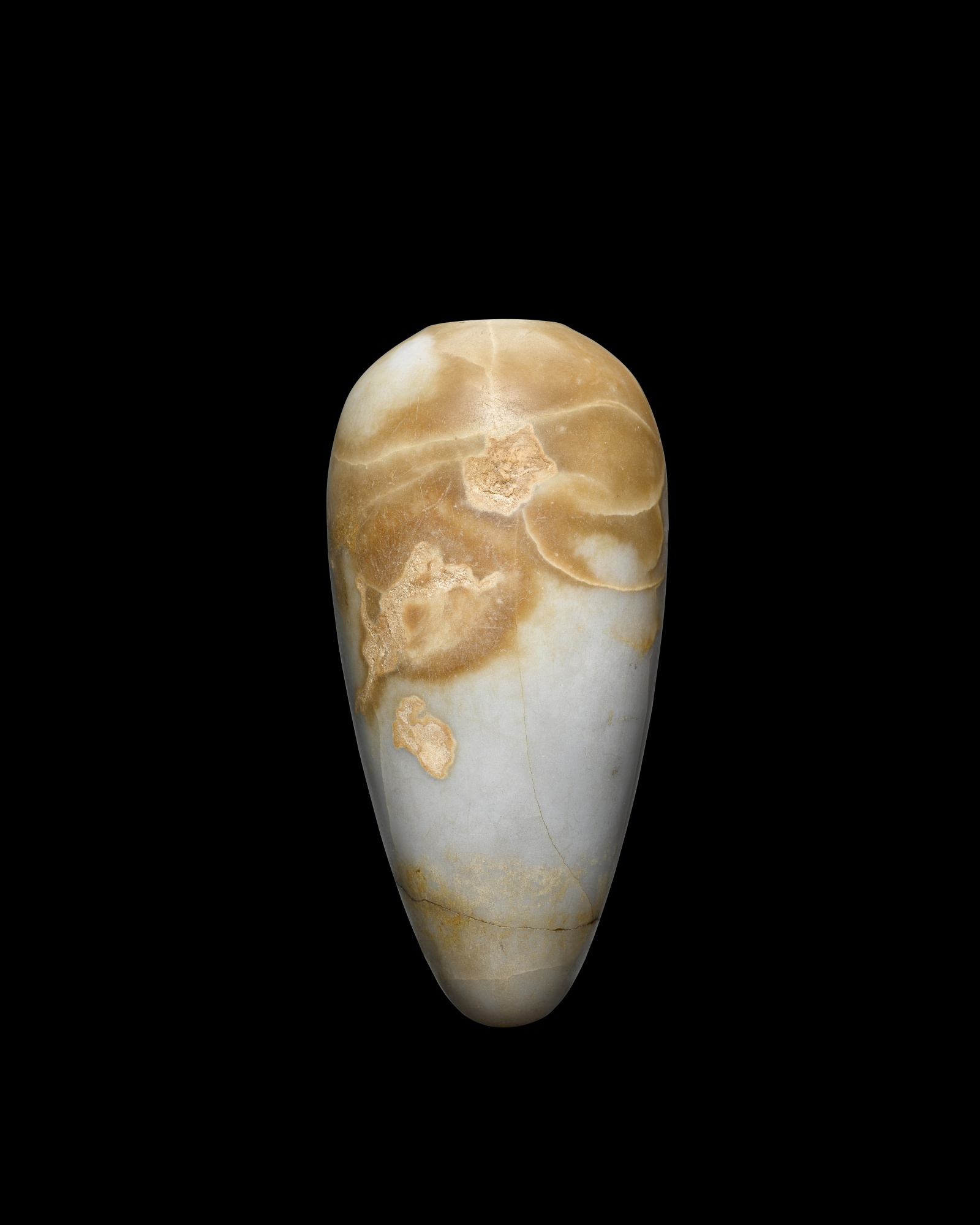
There is a moment, standing before a small Egyptian faience object in a well lit gallery, when the distance of millennia collapses entirely. The color is still there. The intention is still there. Whoever shaped that brilliant turquoise surface was thinking about permanence, about the passage of the soul, about beauty as a form of devotion. This is the world that the objects gathered under the designation B.C. inhabit, a designation that is itself a kind of editorial poetry, a shorthand for the vast civilizational span from which these works emerge. To collect within this designation is to collect time itself. The works that fall under B.C. on The Collection span an extraordinary arc of human creative achievement, reaching from the refinements of Egypt's 12th Dynasty, roughly 1938 to 1759 B.C. , through the flowering of Greek and Italic cultures in the 4th and 2nd centuries B.C., and into the twilight years of Ptolemaic Egypt. What unites them is not geography or a single hand, but rather a shared commitment to craft as cosmology. These objects were not decorative in the modern, diminished sense of that word. They were functional in the deepest possible way: functionally sacred, functionally political, functionally eternal. Consider the Egyptian Anhydrite Cosmetic Vessel from the 12th Dynasty, one of the most compelling works in this grouping. Anhydrite, a calcium sulfate mineral, was prized in ancient Egypt for its subtle translucency and its association with ritual purity. The 12th Dynasty, a period of extraordinary cultural consolidation under pharaohs such as Senusret III and Amenemhat III, produced some of the finest small scale objects in the ancient world. A cosmetic vessel from this era is not merely a container. It is an argument about the relationship between the body, beauty, and the divine, made physical in stone that has survived nearly four thousand years. The Late Period faience objects, including the Sistrum Terminal dating to between 712 and 30 B. C. and the 30th Dynasty Ushabti from 380 to 342 B.C., speak to a different register of Egyptian cultural life. The sistrum was a percussion instrument used in the cult of Hathor and Isis, and its terminal, the ornamental piece at its head, would have been handled by a priest or priestess in ritual contexts. Faience, that distinctive Egyptian ceramic material with its characteristic blue green glaze, carried cosmological significance: its color evoked the Nile, fertility, and the resurrection of Osiris. The Ushabti, a funerary figurine intended to serve the deceased in the afterlife, represents one of the most sustained artistic traditions in human history, produced in Egypt across more than two millennia with remarkable consistency of purpose. The Italic and Greek works in this grouping introduce a different but equally serious creative intelligence. The Apulian Red figured Mug and Lid and the Campanian Red figured Bail Amphora, both dating to approximately 350 to 330 B.C., situate themselves within one of the great chapters of decorative art: the South Italian red figure tradition. As Attic pottery exports declined in the later 5th century B. C., local workshops in Apulia, Campania, Lucania, and Paestum developed their own distinctive vocabularies. Apulian workshops in particular, centered in and around Tarentum, produced vessels of exceptional ambition and painterly sophistication. The bail amphora form, with its distinctive overhead handle, is associated especially with Campanian production and suggests objects made for specific ritual or domestic purposes. The Hellenistic Marble Head of a Goddess, dating to approximately the 2nd century B.C., is perhaps the most immediately arresting work in this constellation. Hellenistic sculpture represents a pivot point in Western art history, the moment when Greek artistic tradition moved decisively toward individualism, psychological depth, and expressive realism. The identification of the subject as a goddess opens a productive field of interpretation: she may be Aphrodite, Demeter, or Persephone, or perhaps a mortal woman idealized in divine form. What matters aesthetically is the quality of carving, the attention to the fall of hair, the particular tilt or expression that distinguishes this head from workshop production and suggests genuine artistic personality. Hellenistic marble heads of this quality have been central to major museum collections for over a century, with significant examples held at the Metropolitan Museum of Art in New York, the British Museum in London, and the Museo Nazionale Romano in Rome. The Pair of Etruscan Bronze Attachments from the early 5th century B. C. rounds out this remarkable grouping with a reminder that the ancient Mediterranean was never a single story. The Etruscans, whose civilization flourished in central Italy roughly between the 8th and 1st centuries B.C. , were among the most gifted metalworkers of the ancient world. Bronze attachments of this kind, likely decorative elements from a larger vessel or piece of furniture, demonstrate the Etruscan capacity for combining functional engineering with visual wit and elegance. The early 5th century B.C. was a period of intense cultural exchange between Etruscan cities and the Greek world, and these attachments almost certainly reflect that dialogue. For collectors approaching ancient art, the appeal of works like these operates on several levels simultaneously. There is the purely aesthetic pleasure of extraordinary craftsmanship in materials ranging from translucent stone to brilliant faience to subtly worked marble and bronze. There is the historical gravity of objects that have passed through dozens of hands and survived the collapse of the civilizations that made them. And there is the particular satisfaction of stewardship: the sense that to collect these objects well is to participate in a chain of care that stretches back thousands of years. Responsible collectors in this category attend carefully to provenance documentation, and the most desirable works are those with clear, traceable collection histories, often passing through major European and American collections during the 20th century. The market for ancient art of this quality has remained remarkably resilient across economic cycles. Auction houses including Sotheby's, Christie's, and Bonhams maintain dedicated antiquities sales in New York and London, where works of comparable type and quality regularly find serious bidders. Museum quality Egyptian faience objects, well preserved red figure vessels from Apulia and Campania, and Hellenistic marble sculpture all command strong collector interest globally, with particular depth of buying from North American, European, and increasingly Asian collections. The rarity of intact examples, combined with ever tightening regulations on the international movement of antiquities, means that works with solid pre 1970 provenance are increasingly valued by the market. To spend time with B.C. on The Collection is to be reminded of what collecting at its most serious has always been: an act of attention, an argument that these objects deserve to be seen and known. The ancient makers whose work survives here were themselves collectors of a kind, gathering the best available materials and techniques, absorbing influences from across the Mediterranean world, and transforming them into something that would outlast their own lifetimes by unimaginable margins. The thread between their ambition and ours is unbroken. These objects are not relics. They are conversations still very much in progress.