Greek Mythology
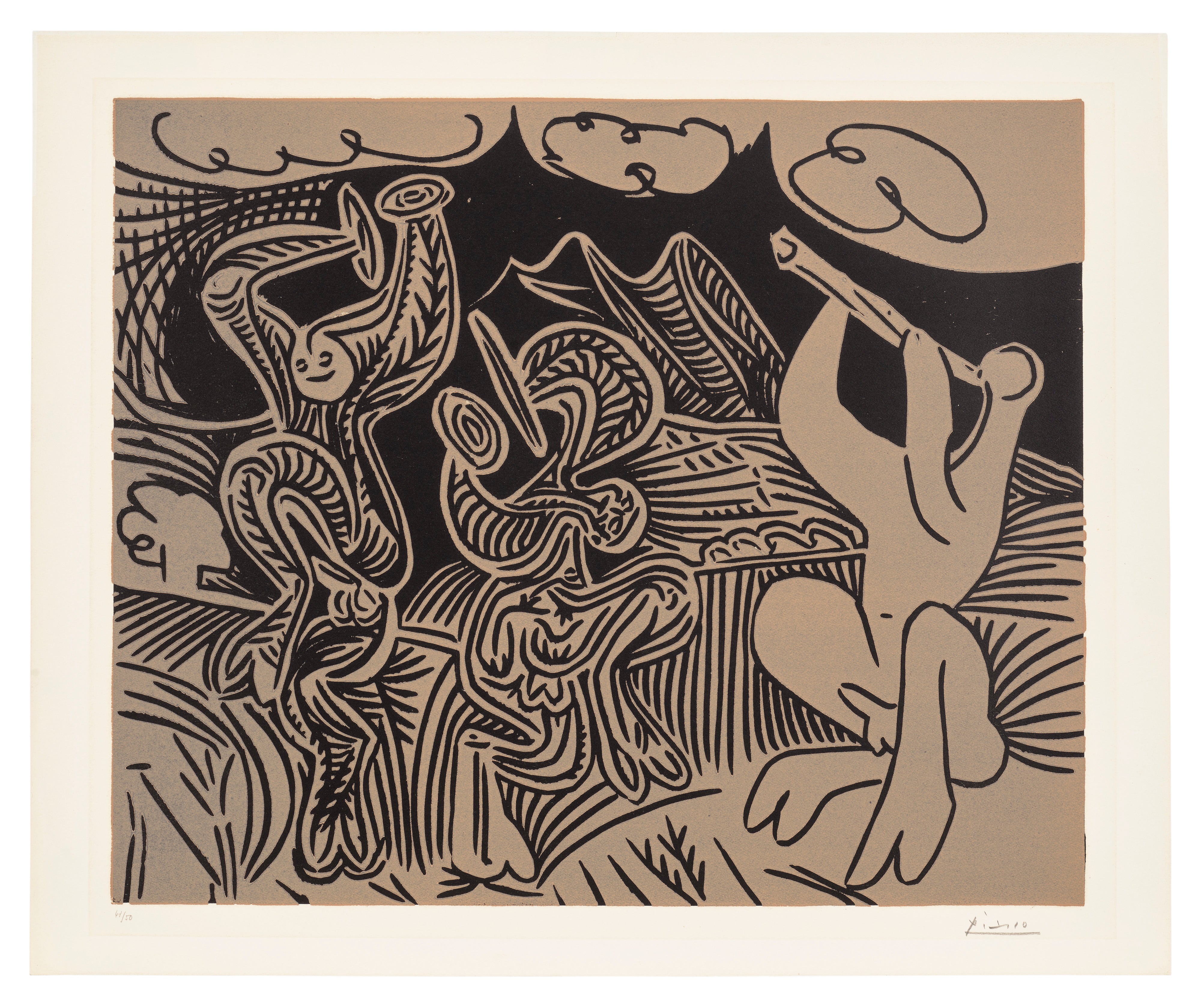
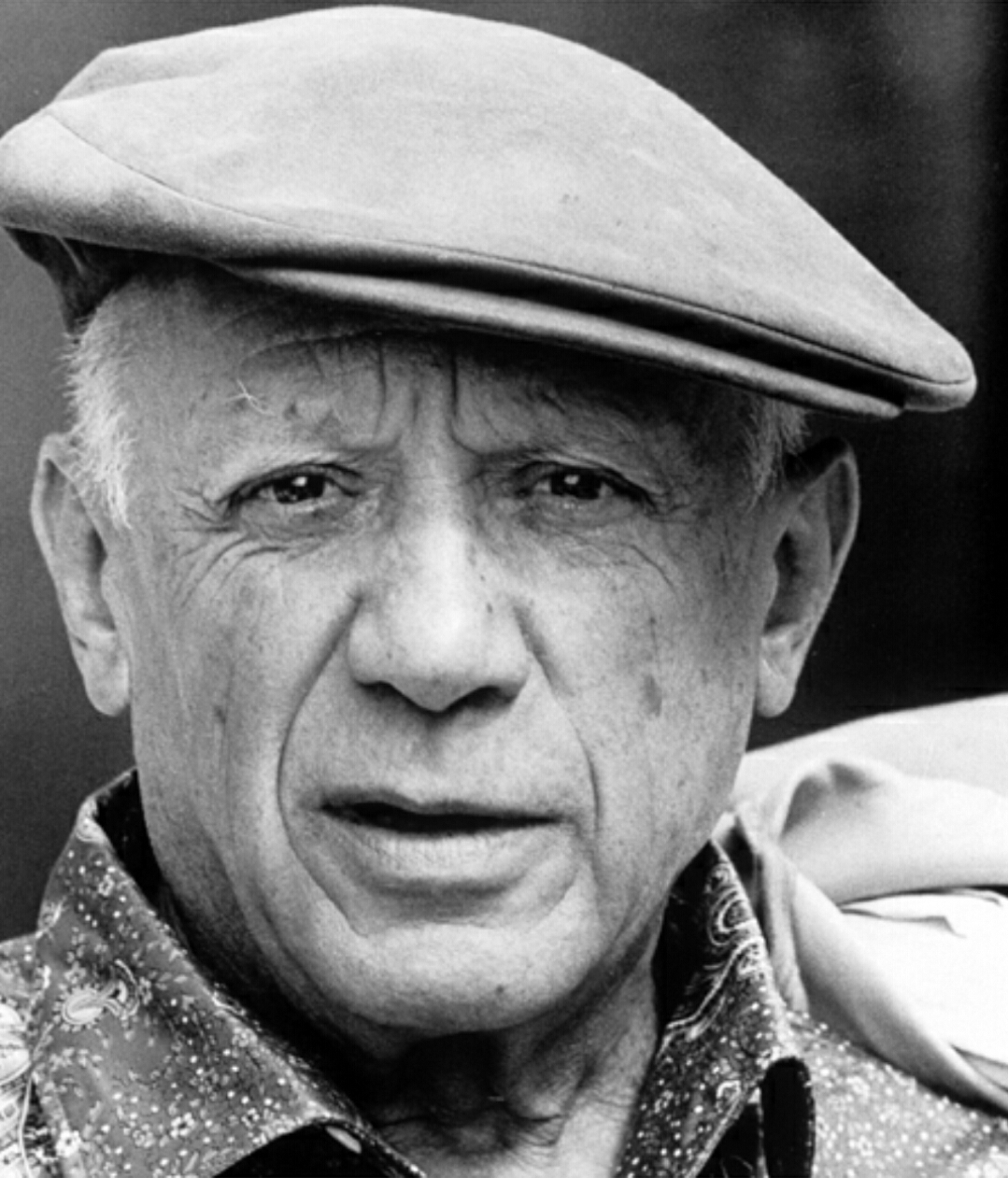
Pablo Picasso
Bacchanale: flûtiste et danseurs aux cymbales (Bacchanal: Flautist and Cymbal Dancers) (Bl. 939, Ba. 1251)
The Gods Are Back, and Bidding Is Fierce
Last spring, when a Roman marble head of Apollo sold at a major New York auction for well above its high estimate, the room went quiet for a moment before the paddles went up again. It was the kind of moment that tells you something has shifted. Not that ancient sculpture was ever ignored, but there was a palpable hunger in that room, a sense that collectors were competing not just for an object but for something the object represented: continuity, gravitas, and the long thread of Western imagination stretching back to the Aegean. Greek mythology as a collecting category spans an almost vertiginous range.
It takes in Roman marble torsos excavated centuries ago, Baroque canvases dense with narrative, Victorian bronzes, and contemporary painting that uses the old stories as a kind of encrypted language. What unites them is a refusal to be merely decorative. These works carry meaning the way mythology itself does, in layers, with each generation reading something new into the same essential drama. The market has recognized this, and prices across the category have been climbing steadily since the mid 2010s.
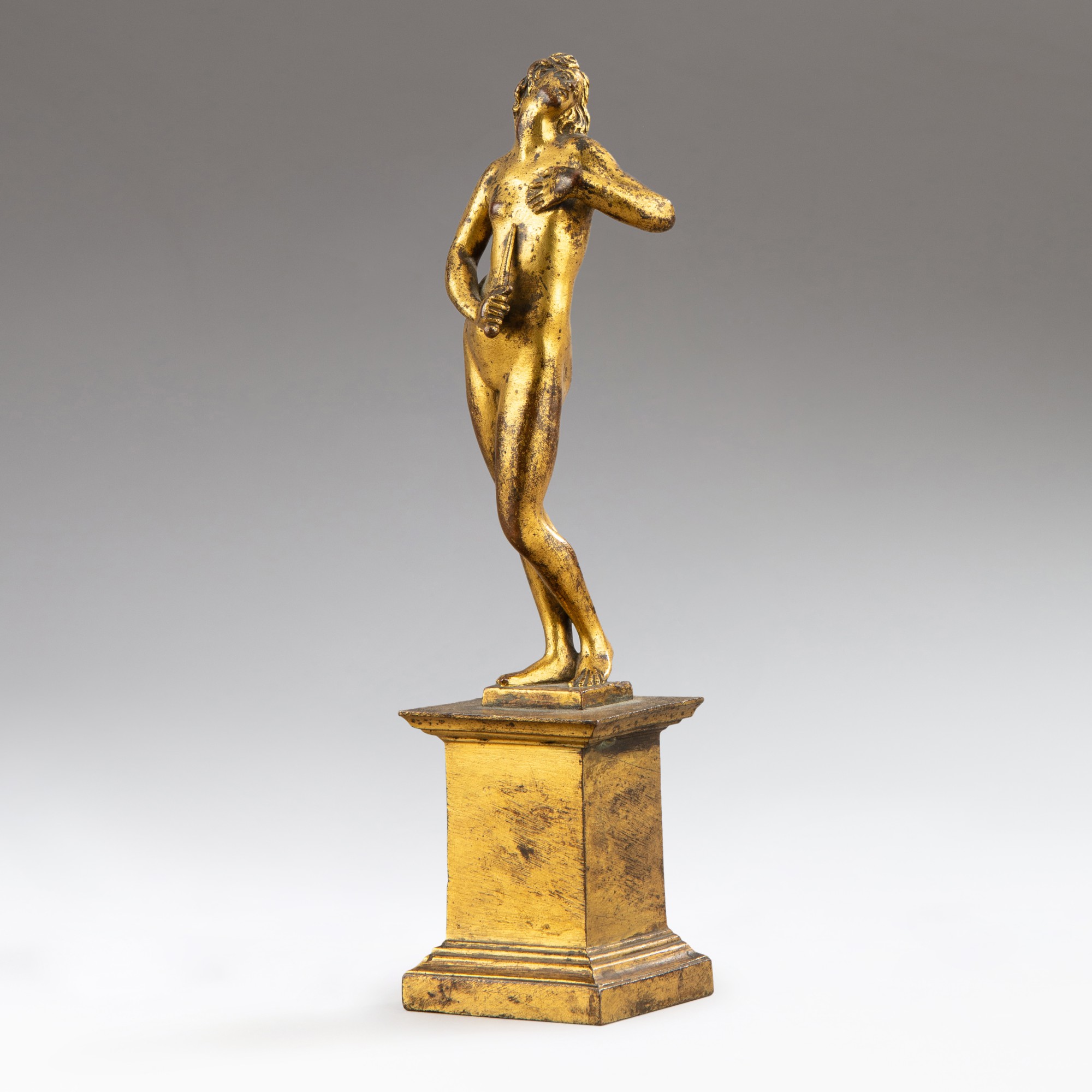
Italian, 17th century
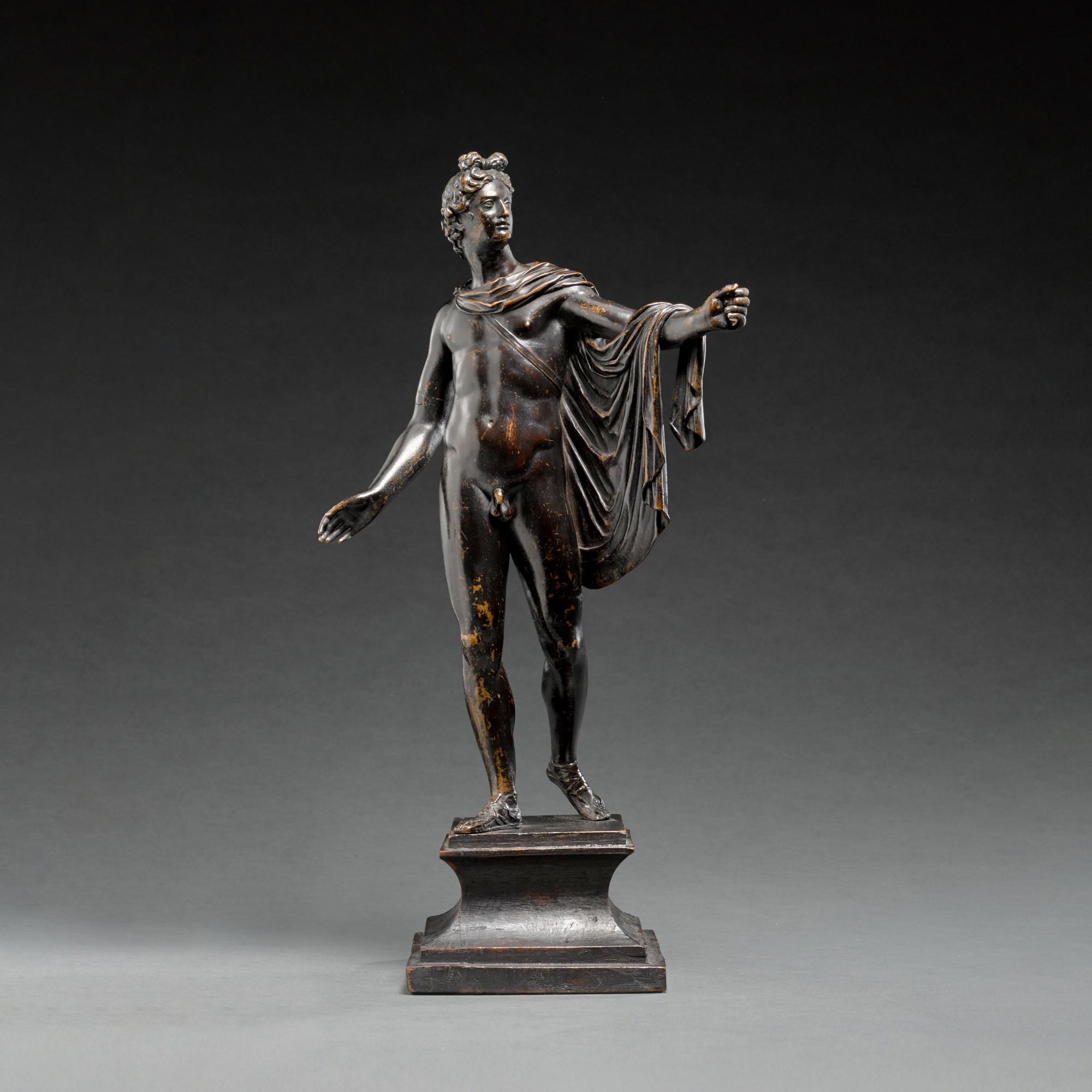
Apollo Belvedere
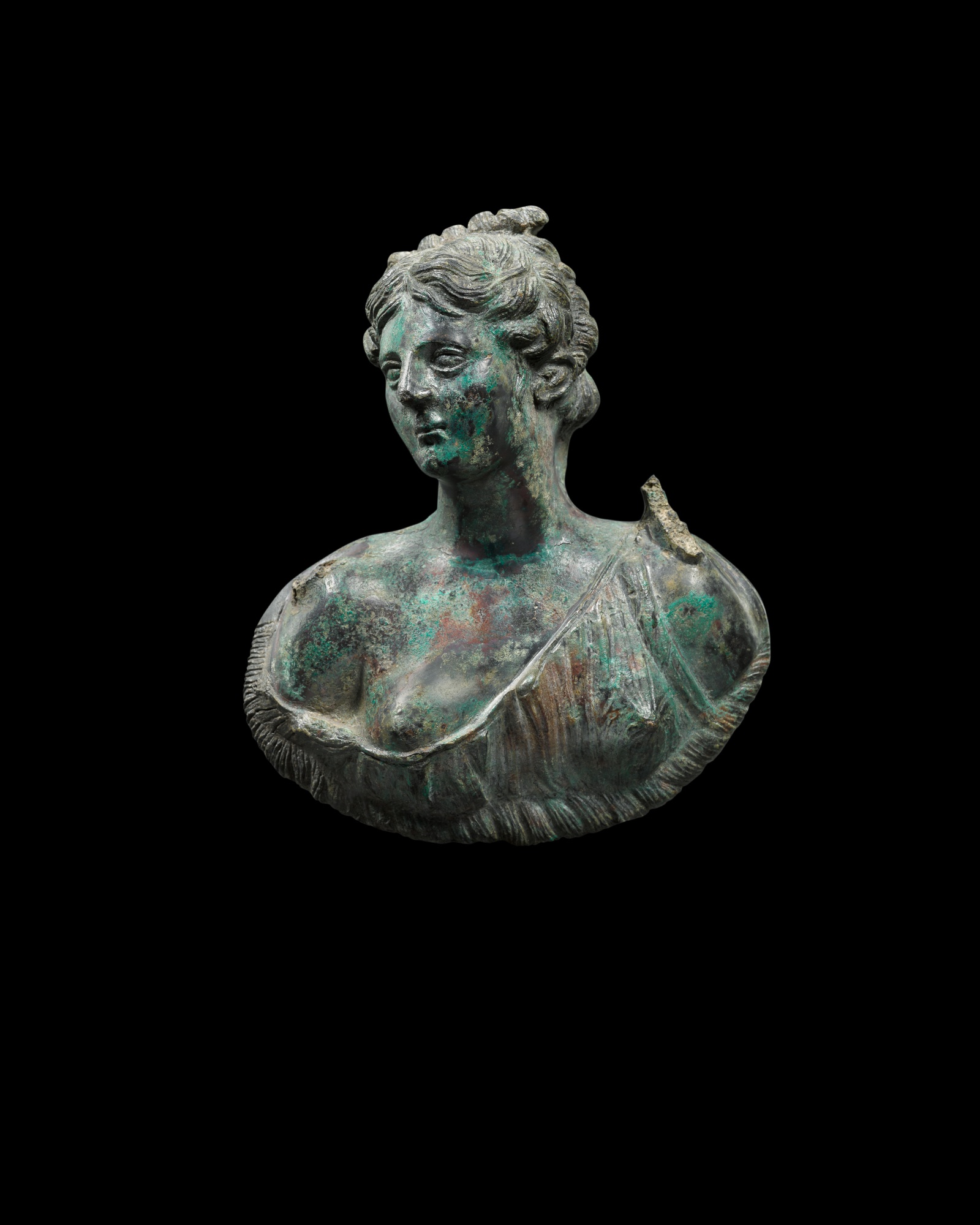
Among ancient works, the appeal is partly material and partly symbolic. A Roman bronze bust of Artemis carries the weight of nearly two millennia, and serious institutional collectors have long competed with private buyers for pieces of that caliber. The Getty, the Metropolitan Museum of Art, and the British Museum have all made significant ancient acquisitions in recent years, though increased scrutiny around provenance has changed the landscape considerably. The 2006 agreement between the Met and the Italian government, which returned major works including the Euphronios krater, sent a signal that the market was entering a new era of accountability.
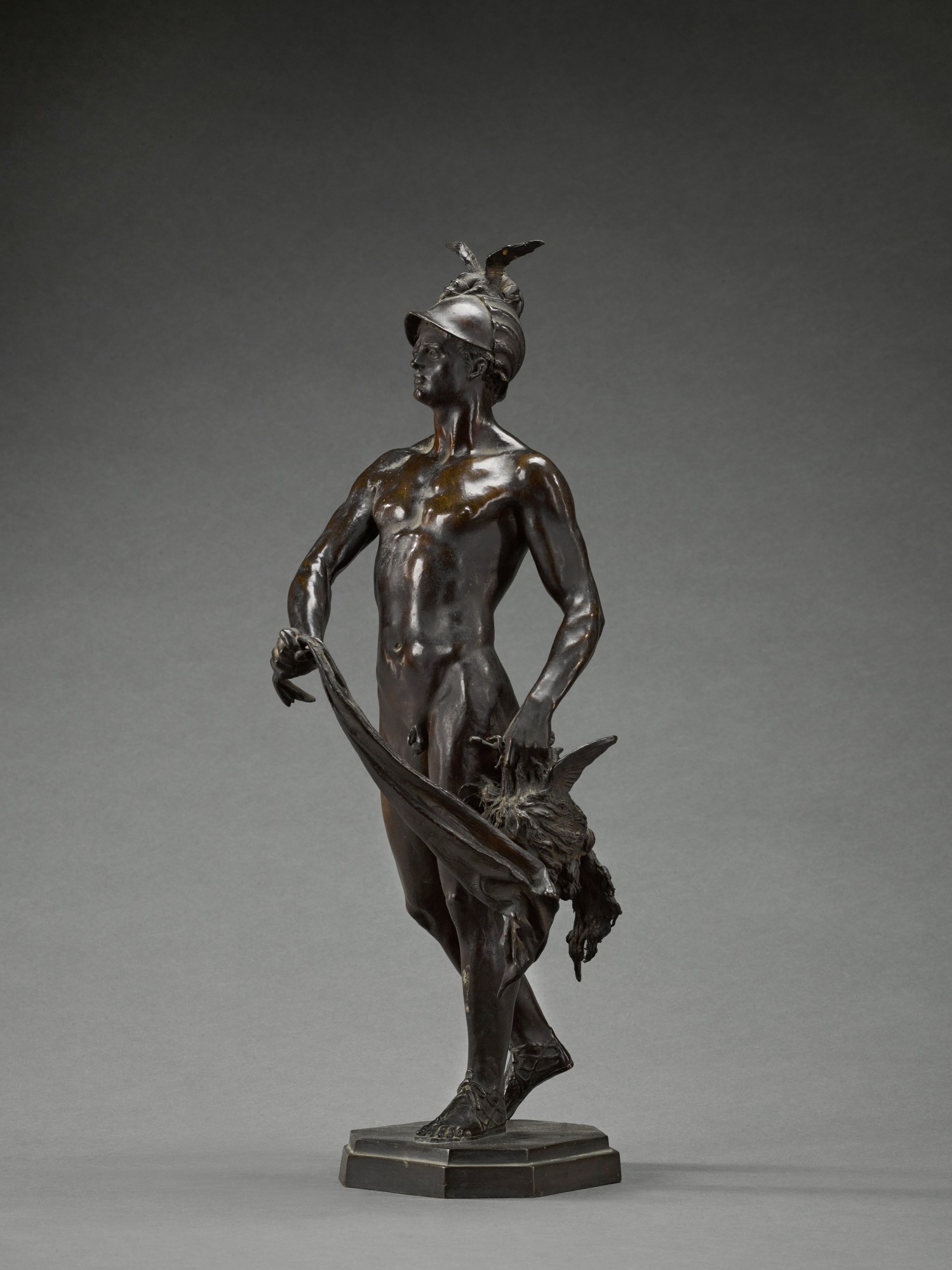
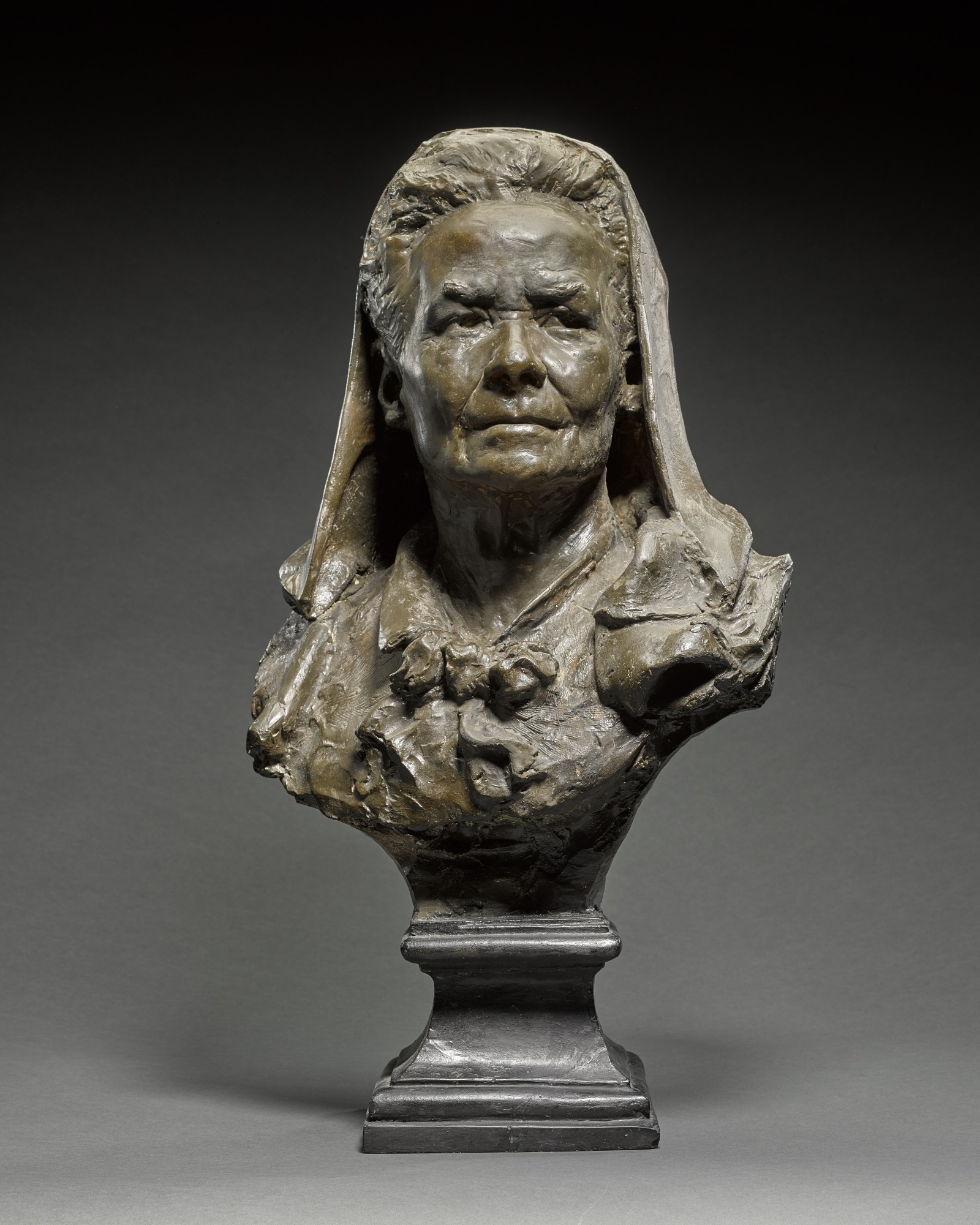
Collectors who do their due diligence have not retreated from the category, but they are more careful, and in some ways more discerning. The Victorian and Edwardian responses to antiquity have their own dedicated following. Alfred Gilbert, whose influence on late nineteenth century British sculpture was profound, worked with mythological subjects in ways that feel genuinely expressive rather than merely illustrative. George Simonds belongs to a similar moment, a period when artists were trying to reconcile academic tradition with a growing appetite for psychological depth.
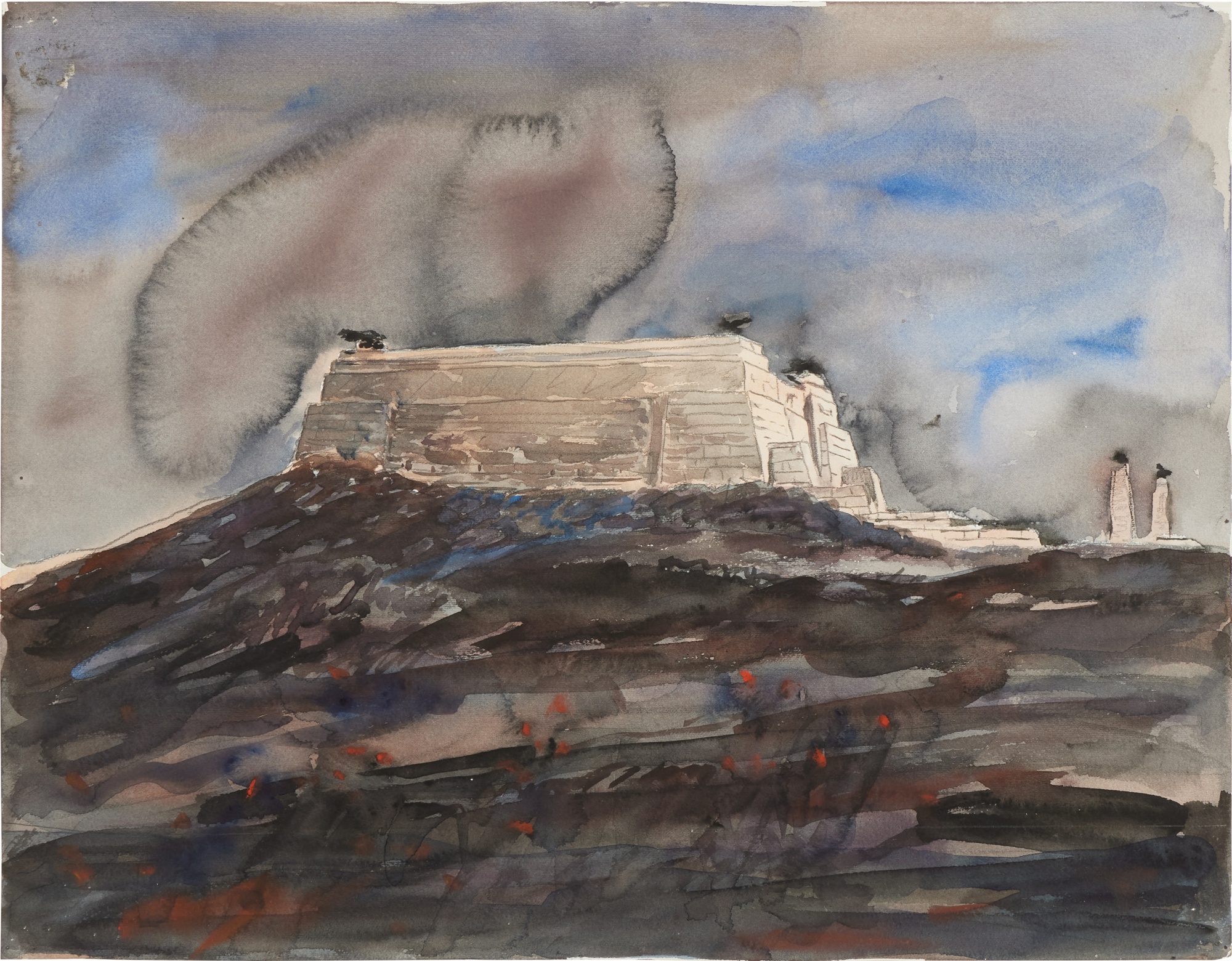
Anselm Kiefer
The Argonauts, 2014
These works have found renewed appreciation as curators and collectors have revisited the Victorian era with less condescension and more curiosity. The 2018 exhibition at Leighton House Museum in London did important work in reframing how we understand this period, and the market has followed the scholarship. The contemporary end of the spectrum is where the energy feels most volatile and most interesting. Anselm Kiefer has spent decades metabolizing mythological and cosmological sources into paintings of immense physical and emotional scale.
His engagement with figures from Greek and Near Eastern traditions is never illustrative. It is more like a confrontation, and the auction market has responded accordingly. Major Kiefer canvases regularly achieve seven figure results, and his work on The Collection reflects the breadth of his ongoing engagement with these themes. Pablo Picasso's interpretations of mythological subjects, particularly his etchings and ceramics from the 1940s and 1950s, remain among the most studied and collected works of the twentieth century, with his Suite Vollard etchings serving as a kind of touchstone for how a modern artist can inhabit ancient narrative without being consumed by it.
Pablo Picasso
Bacchanale: flûtiste et danseurs aux cymbales (Bacchanal: Flautist and Cymbal Dancers) (Bl. 939, Ba. 1251)
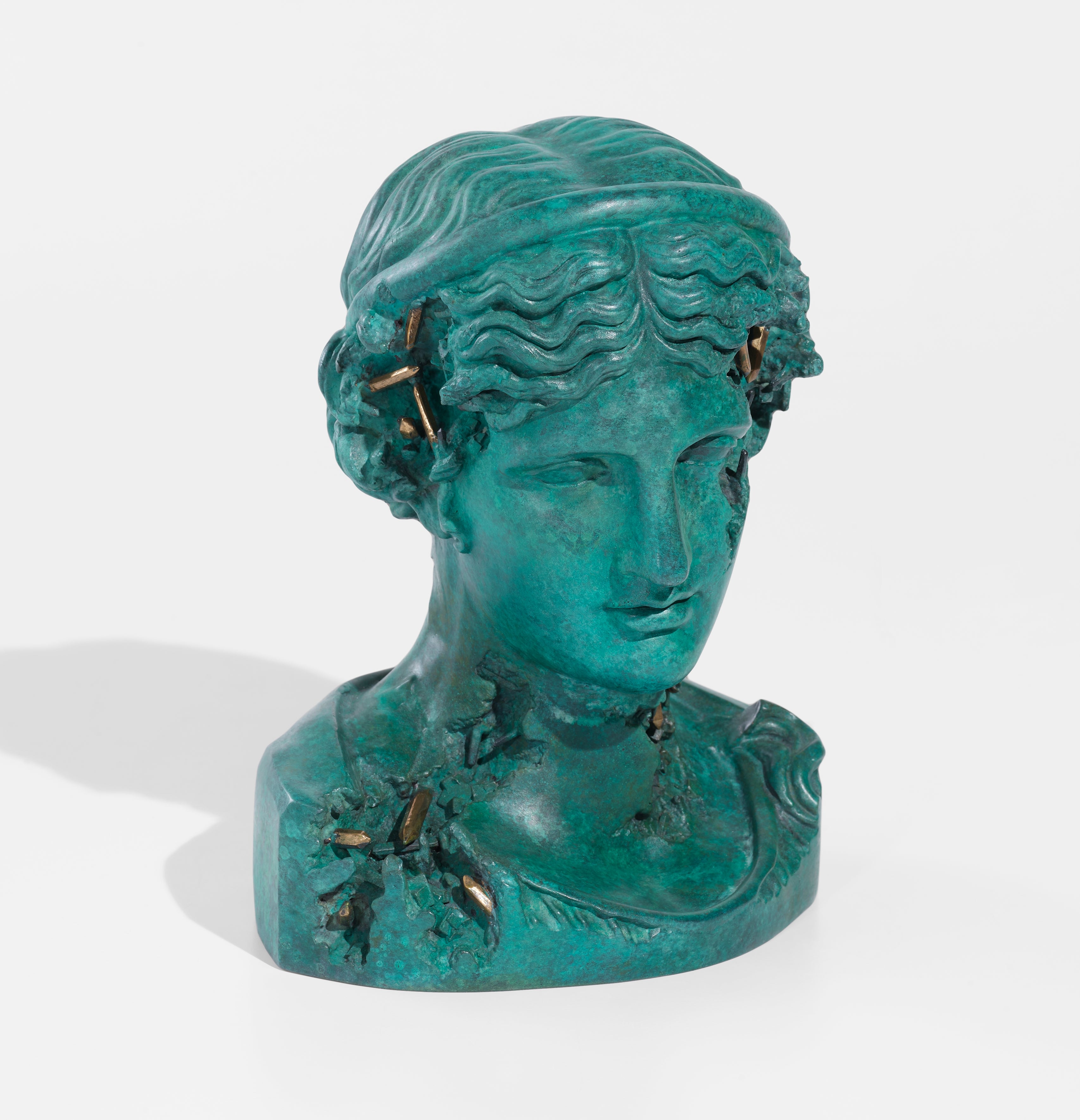
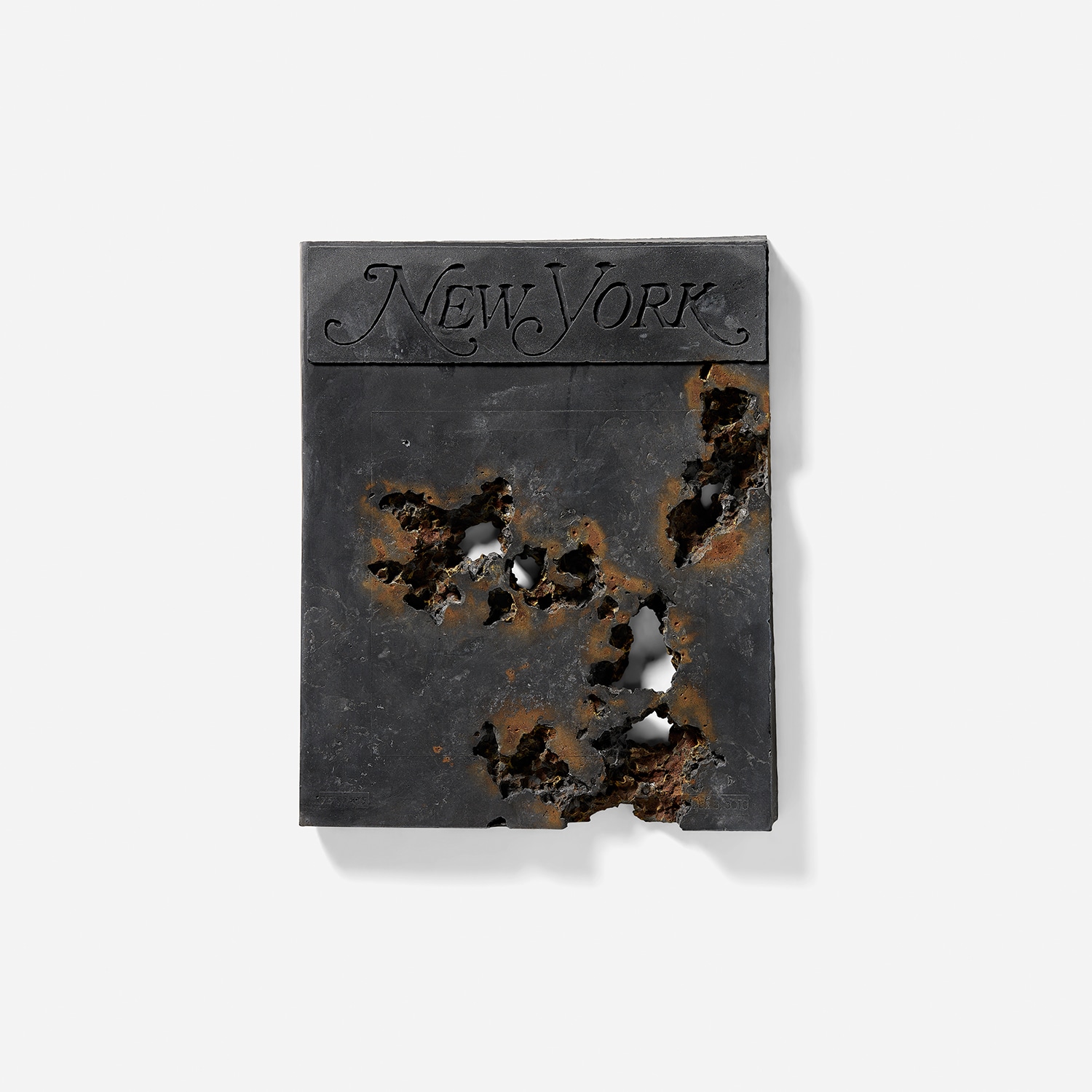
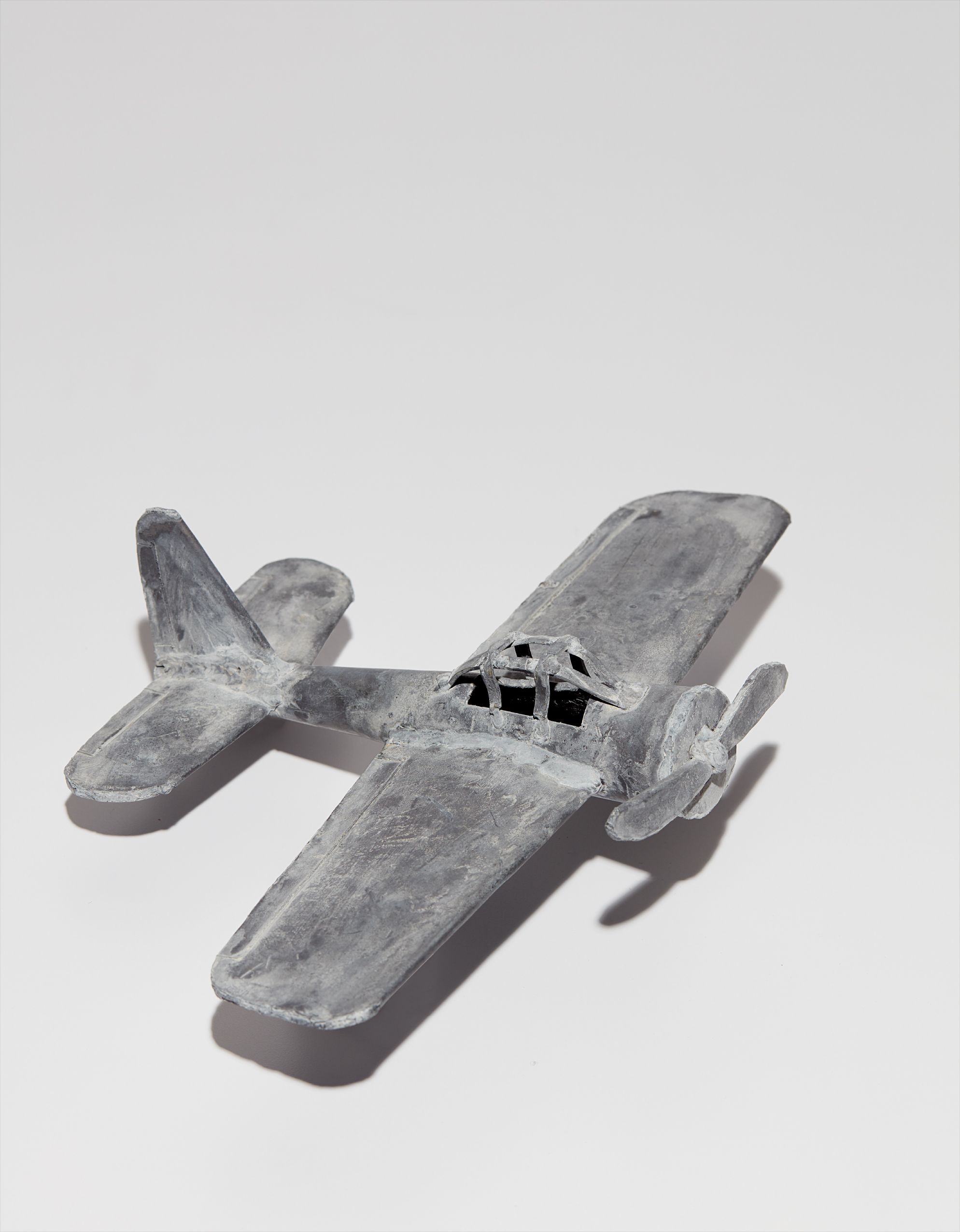
Daniel Arsham represents a more recent and perhaps surprising entry into this conversation. His practice involves what he calls fictional archaeology, a process by which contemporary objects are rendered as if excavated from some imagined future. The effect is that his work feels simultaneously ancient and futuristic, and when he applies this sensibility to mythological figures, the results occupy an unusual space between homage and commentary. His work has attracted a younger generation of collectors who might have come to the category through streetwear collaborations or social media before discovering the longer tradition his practice is in dialogue with.
The critical conversation around mythology in contemporary art has grown richer and more contested over the past decade. Writers like T.J. Clark and Michael Squire have both, in different registers, pushed back against lazy uses of classical reference, arguing that the tradition demands real engagement rather than surface quotation.
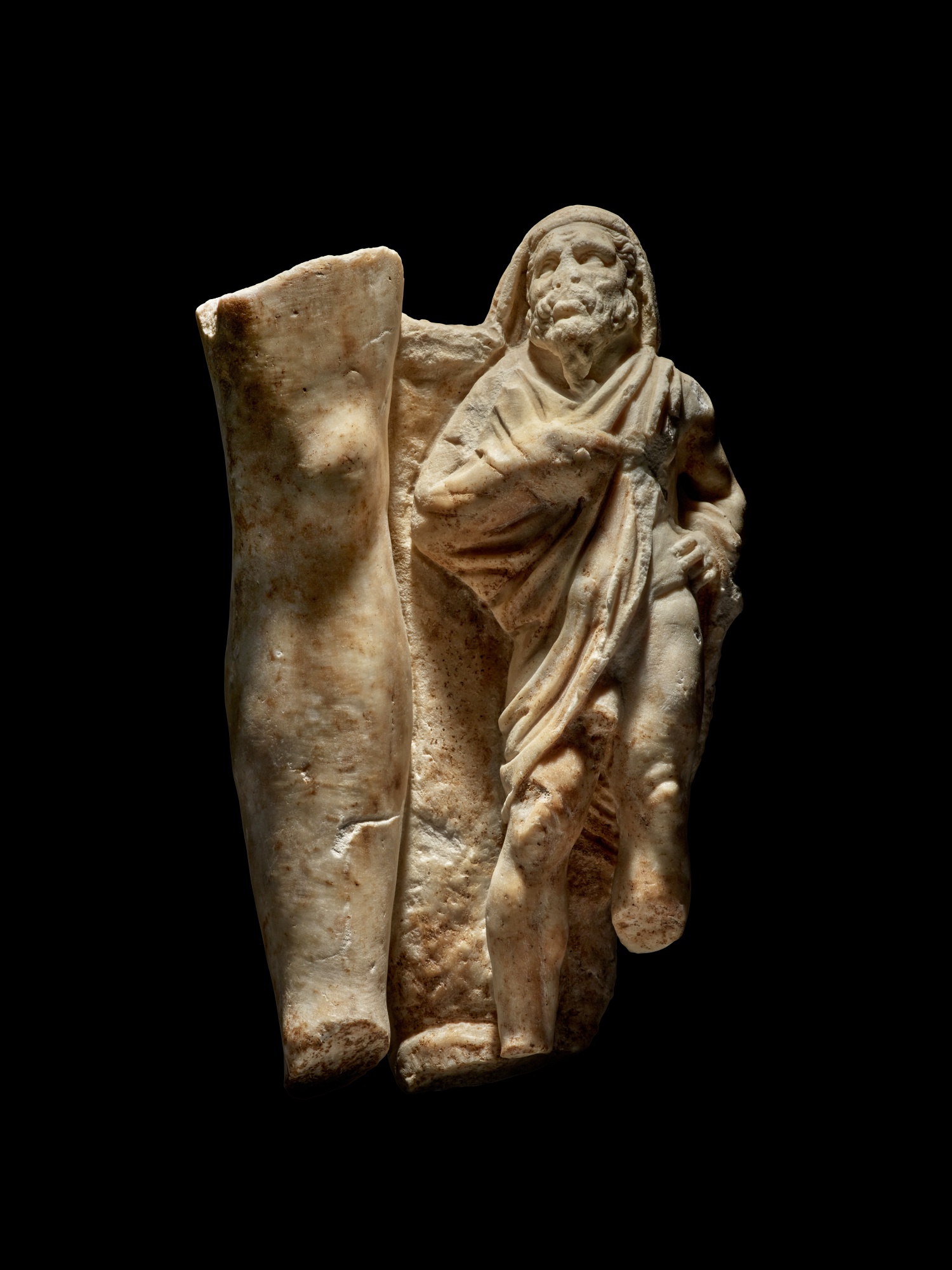
A Roman Marble Figure of Priapos, circa Early 3rd Century A.D.
A Roman Marble Figure of Priapos, Circa Early 3rd Century A.D.
Frieze and Apollo magazine have published important features on how artists from Kara Walker to Cy Twombly have used myth as a structure for exploring power, violence, and desire in ways that feel urgently contemporary. This intellectual grounding has given serious collectors more confidence in the category and more language for discussing what they are drawn to. What feels alive right now is the intersection between the archaeological and the contemporary. Collectors who might once have kept these interests in separate rooms are beginning to see them as part of a single conversation.
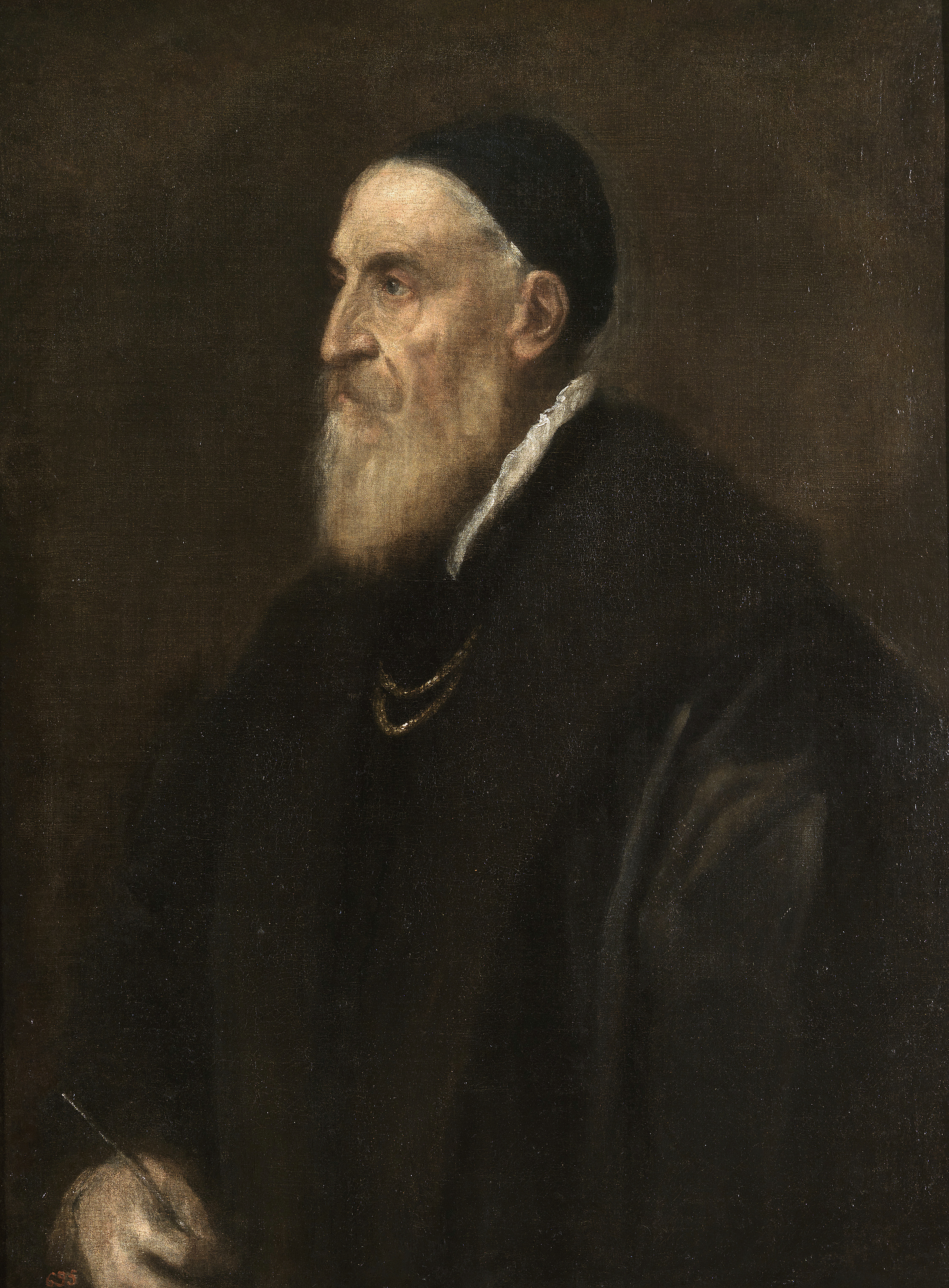
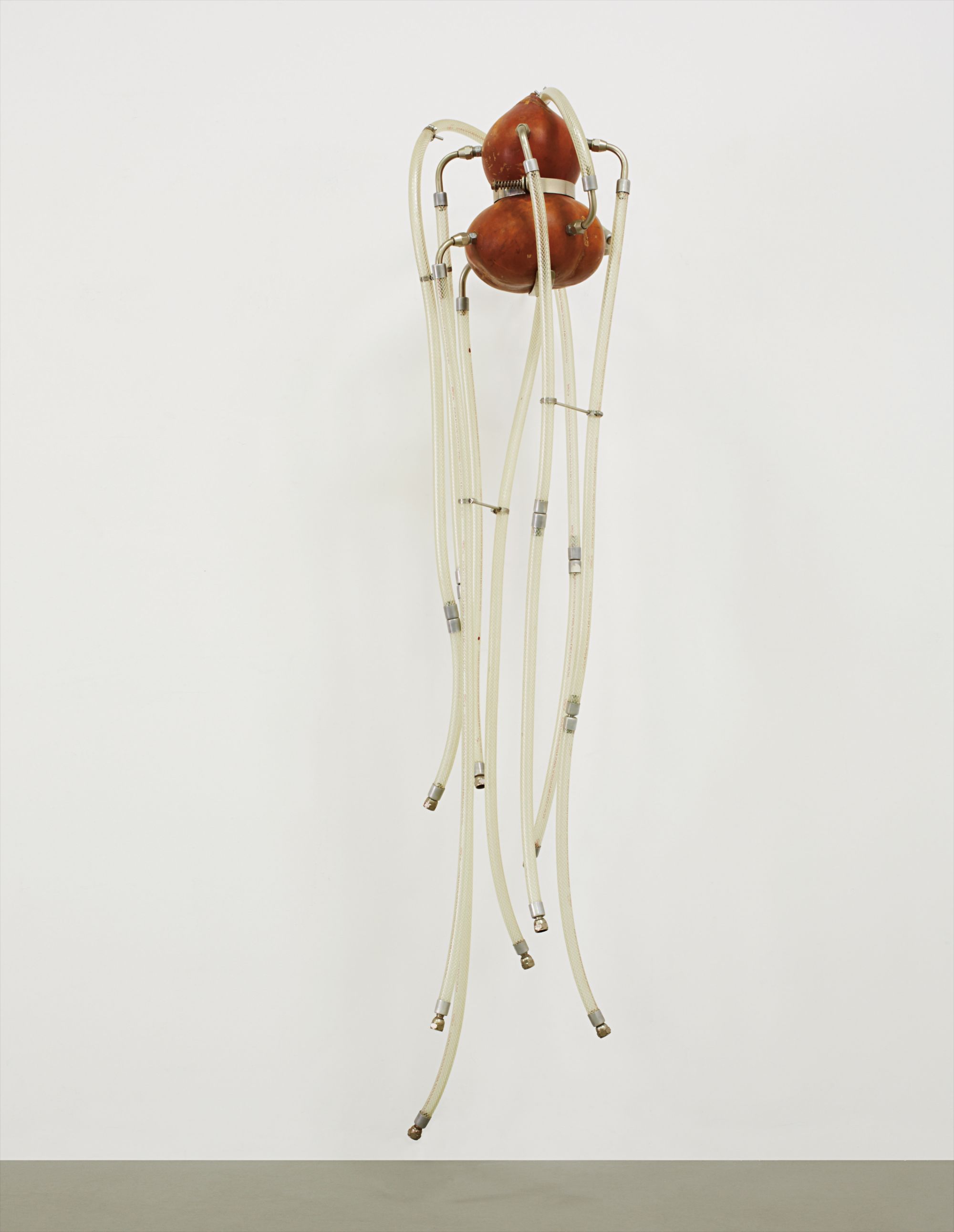
A Roman marble figure of Triple Bodied Hekate and a Thomas Glassford sculpture are not so different in their ambition. Both are attempts to give form to something that resists easy representation, to make the numinous visible. The Italian seventeenth century tradition, represented on The Collection by a richly worked canvas in the manner of that period, provides another entry point, a moment when painters were wrestling with exactly the same questions about how to make ancient stories feel immediate and alive. The surprises ahead are likely to come from two directions.
One is the continued rehabilitation of periods and practices that were dismissed during the era of high modernist criticism, particularly the Victorian and Edwardian work that is finally getting the scholarly attention it deserves. The other is the growing appetite among collectors in Asia and the Middle East for works that engage with Western mythological traditions from a position of informed distance, bringing a freshness of interpretation that European and American collectors have sometimes lost through too much familiarity. The gods, as ever, are generous to those who approach them with genuine attention.