Georgian Era
Samuel Cotes
Portrait of Major John Cornwall
Power, Polish, and the Georgian Gaze
There is something almost hypnotic about a Georgian portrait. The sitter looks back at you across two and a half centuries with a composure that feels entirely deliberate, a composure that was, in fact, purchased. To commission a portrait in Georgian England was to participate in one of the most sophisticated image making enterprises the Western world had yet devised. It was an act of social declaration, of dynastic ambition, and occasionally of genuine vanity, wrapped in the finest pigments London could supply.
The Georgian era spans the reigns of the four King Georges, from 1714 to 1830, a period that coincided with Britain's emergence as a global imperial power, the flowering of the Enlightenment on English soil, and the birth of a professional art world as we would recognise it today. The founding of the Royal Academy of Arts in 1768 under George III was perhaps the single most consequential institutional moment in British art history. It gave painters a stage, a set of standards, and crucially, an annual exhibition that transformed the act of viewing art into a public and fashionable occasion. By the 1780s, the Royal Academy's summer exhibitions at Somerset House were social events as much as aesthetic ones, drawing crowds of thousands and generating fierce critical debate in the London press.
George Romney
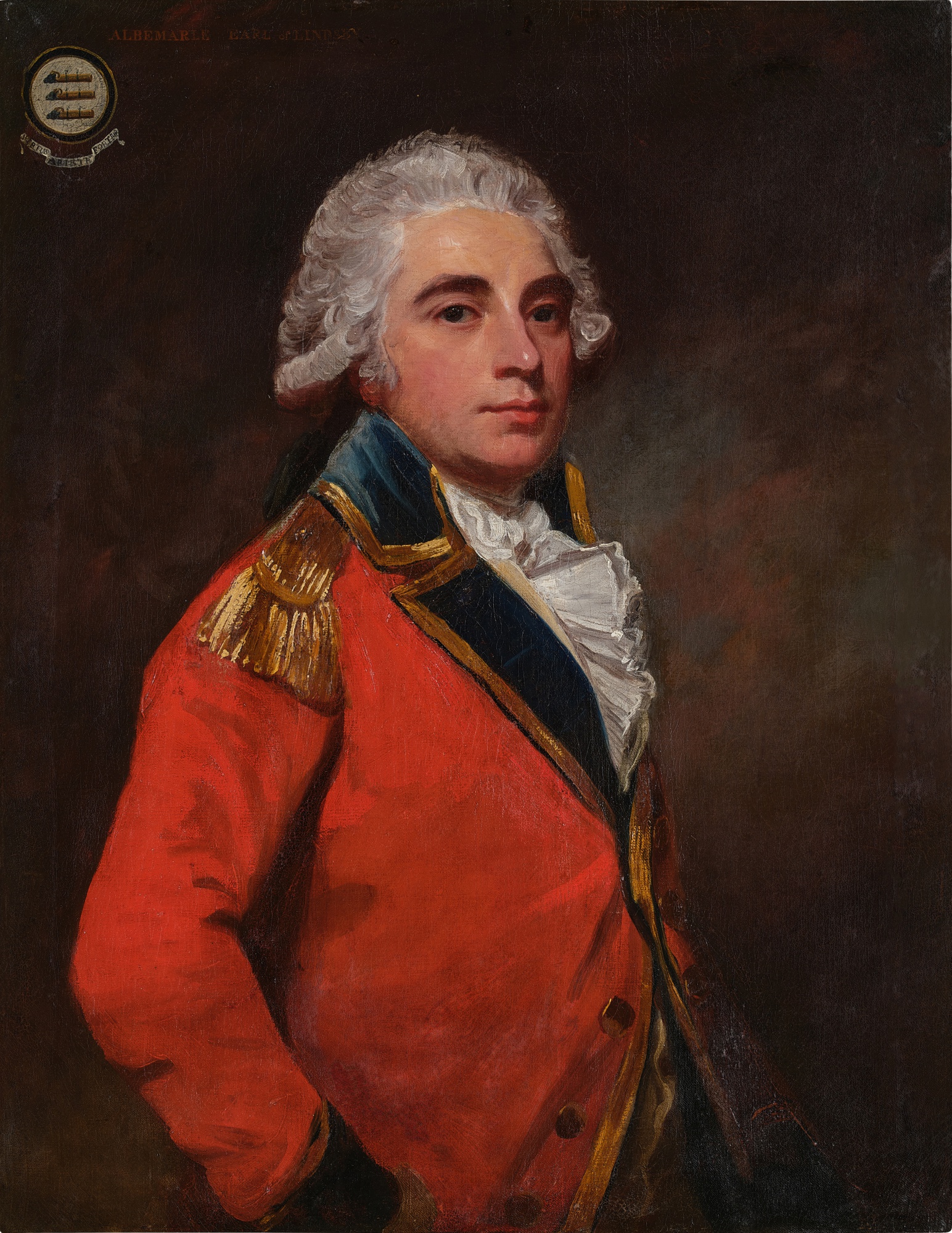
Portrait of Colonel Albemarle Bertie, 9th Earl of Lindsay
At the centre of that world stood Sir Joshua Reynolds, whose influence over Georgian visual culture is almost impossible to overstate. As the first President of the Royal Academy, Reynolds used both his brush and his famous Discourses on Art to argue that portraiture could aspire to the grandeur of history painting. He borrowed poses from classical sculpture and the Italian Renaissance, draping his sitters in a borrowed antiquity that flattered their pretensions. His portraits of aristocrats, actors, and intellectuals defined what it meant to be seen in Georgian England.
The works by Sir Joshua Reynolds P.R.A. held on The Collection carry that weight of intention, that sense of an artist who understood that likeness was only the beginning of what a portrait could do.
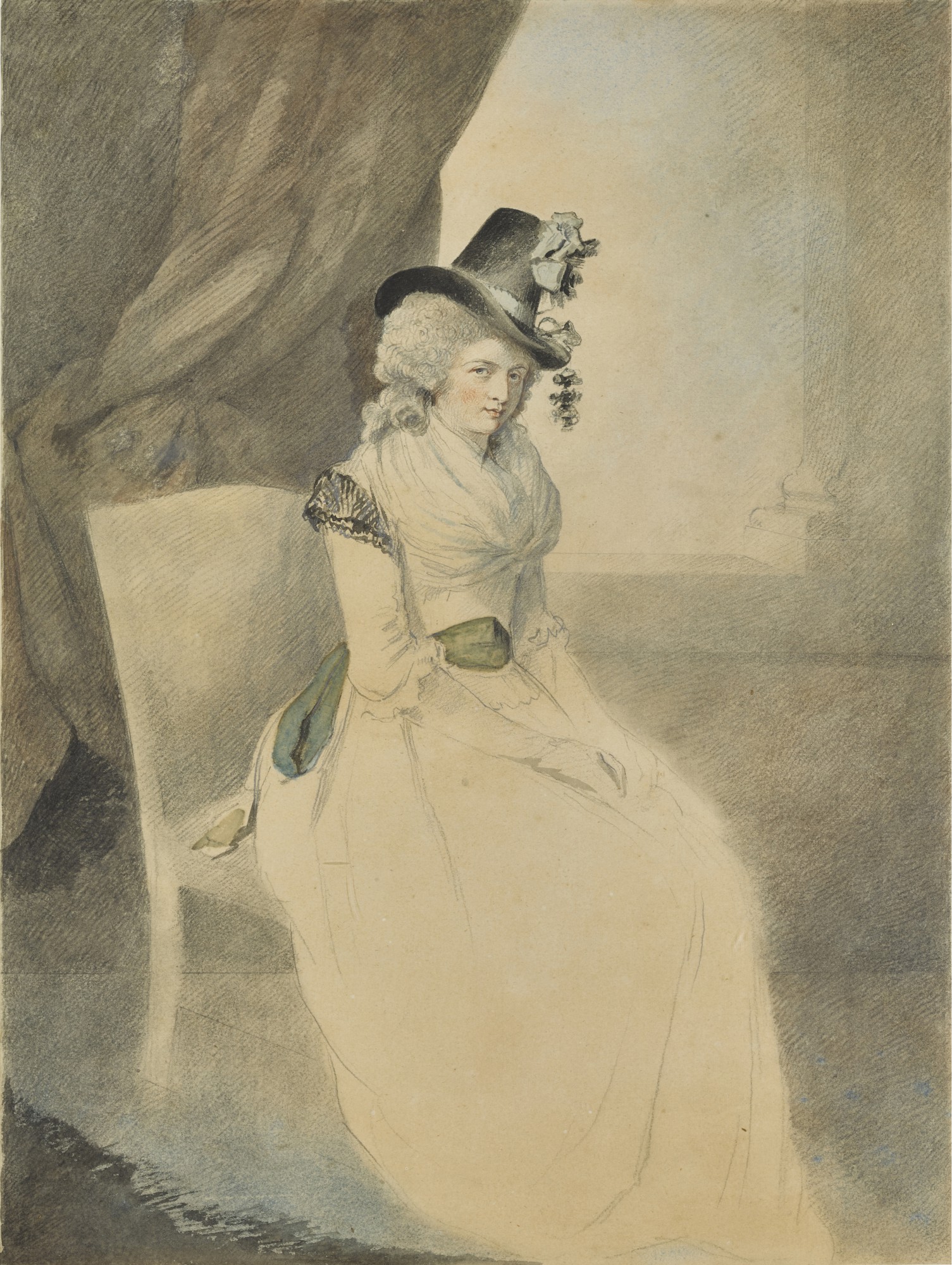
Edward Edwards
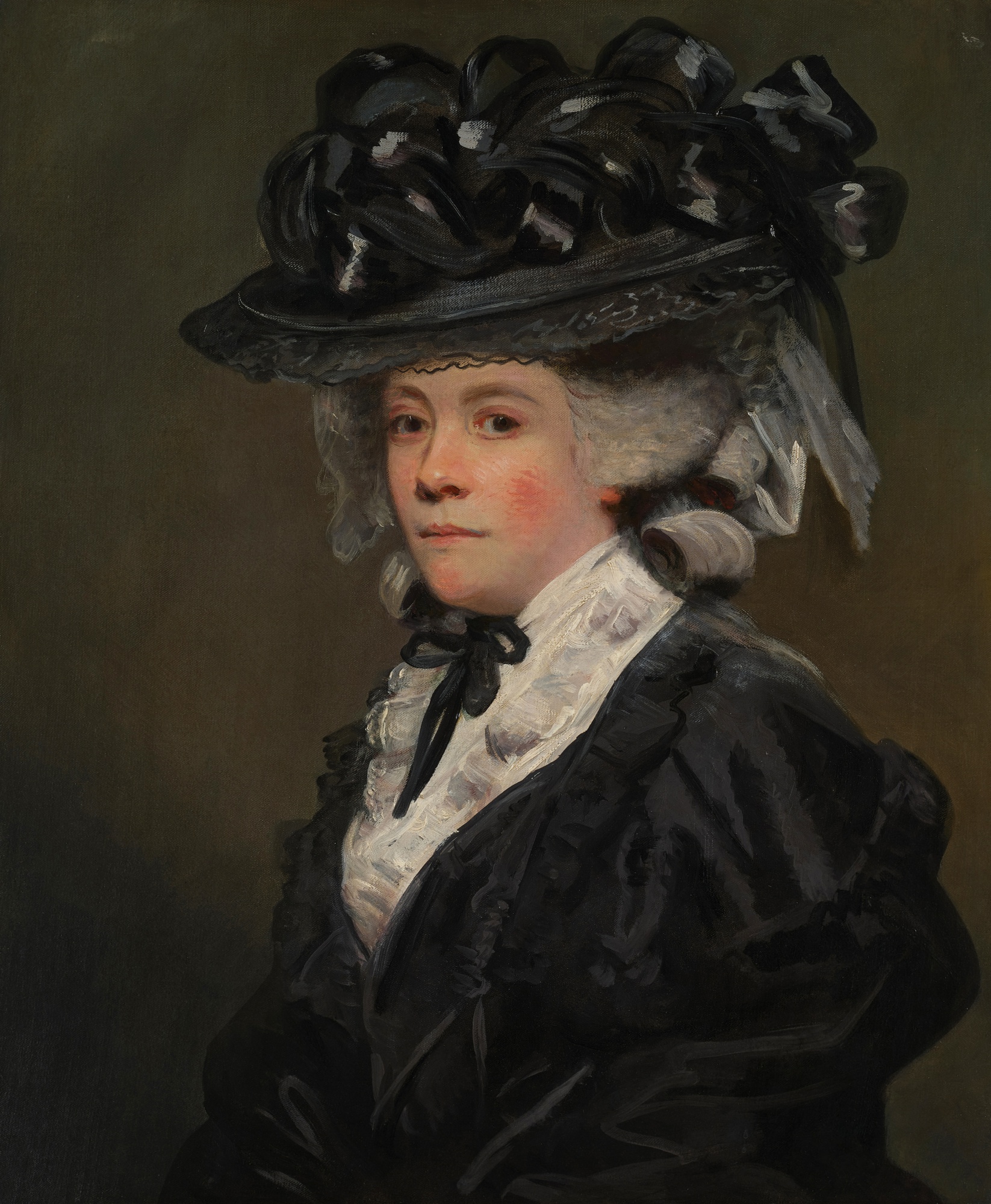
Portrait of a lady seated and wearing a tall hat, circa 1785
George Romney was Reynolds's great rival and in some ways his temperamental opposite. Where Reynolds was academic and socially ambitious, Romney was restless, emotionally intense, and notoriously ambivalent about the portrait commissions that nonetheless consumed most of his career. He left London for Italy in 1773 and returned two years later transformed, his handling of light softer and more atmospheric, his compositions looser and more psychologically searching. His obsessive series of portraits of Emma Hamilton, later Lady Nelson, produced across the 1780s and 1790s, pushed portraiture toward something closer to character study, even mythology.
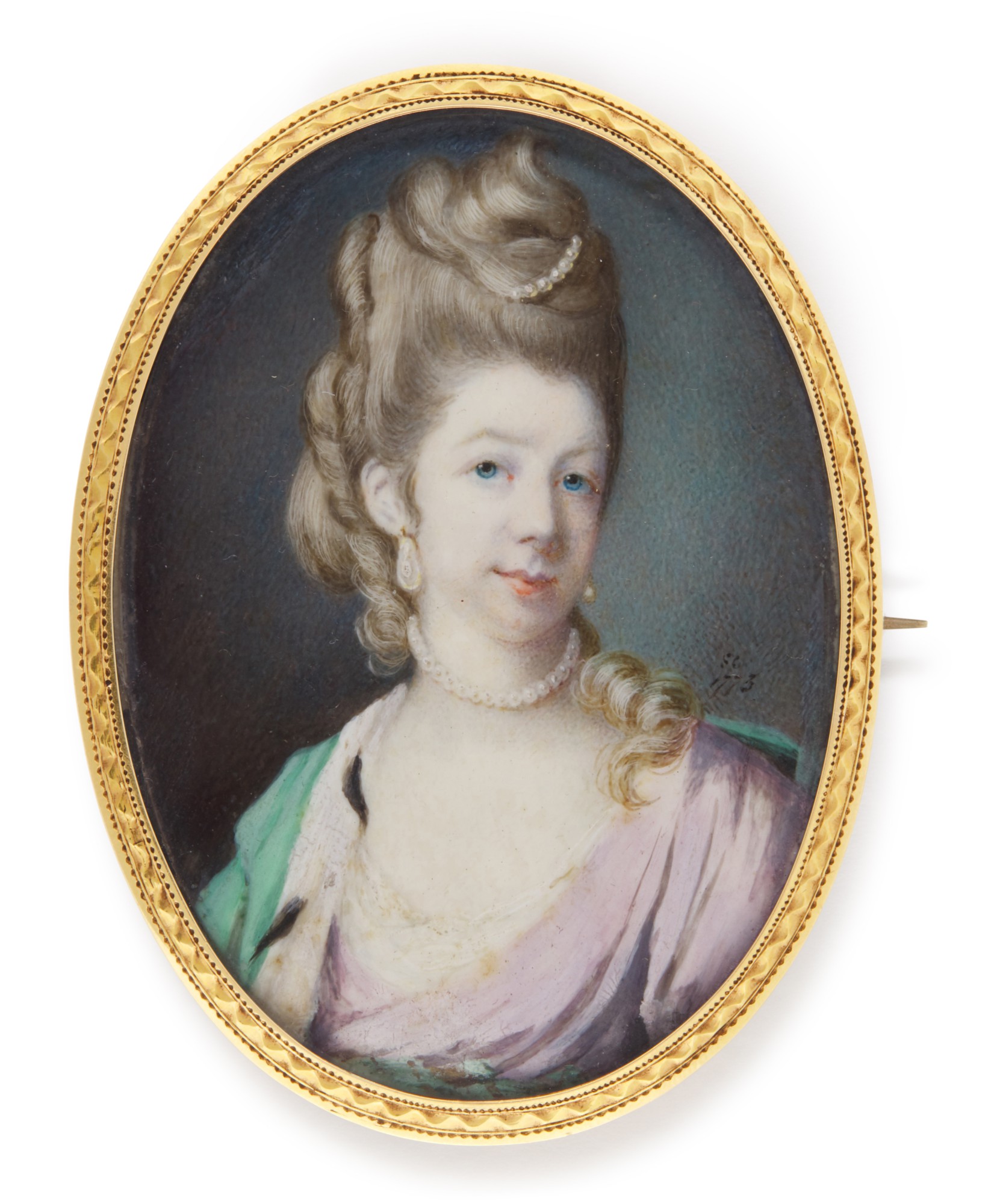
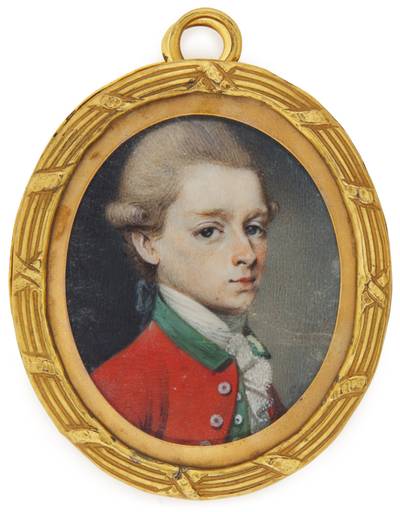
The single work by Romney on The Collection rewards exactly this kind of close looking, the sense that the surface is a door rather than a wall. Beyond the grand oil portraits that dominated the Royal Academy walls, the Georgian era also sustained a thriving culture of miniature painting. These small, intimate objects, typically painted on ivory or vellum and often worn or carried on the body, served a deeply personal function in an age before photography. George Engleheart was among the most prolific and technically accomplished miniaturists of the period, producing thousands of likenesses over a career that stretched from the 1770s well into the nineteenth century.
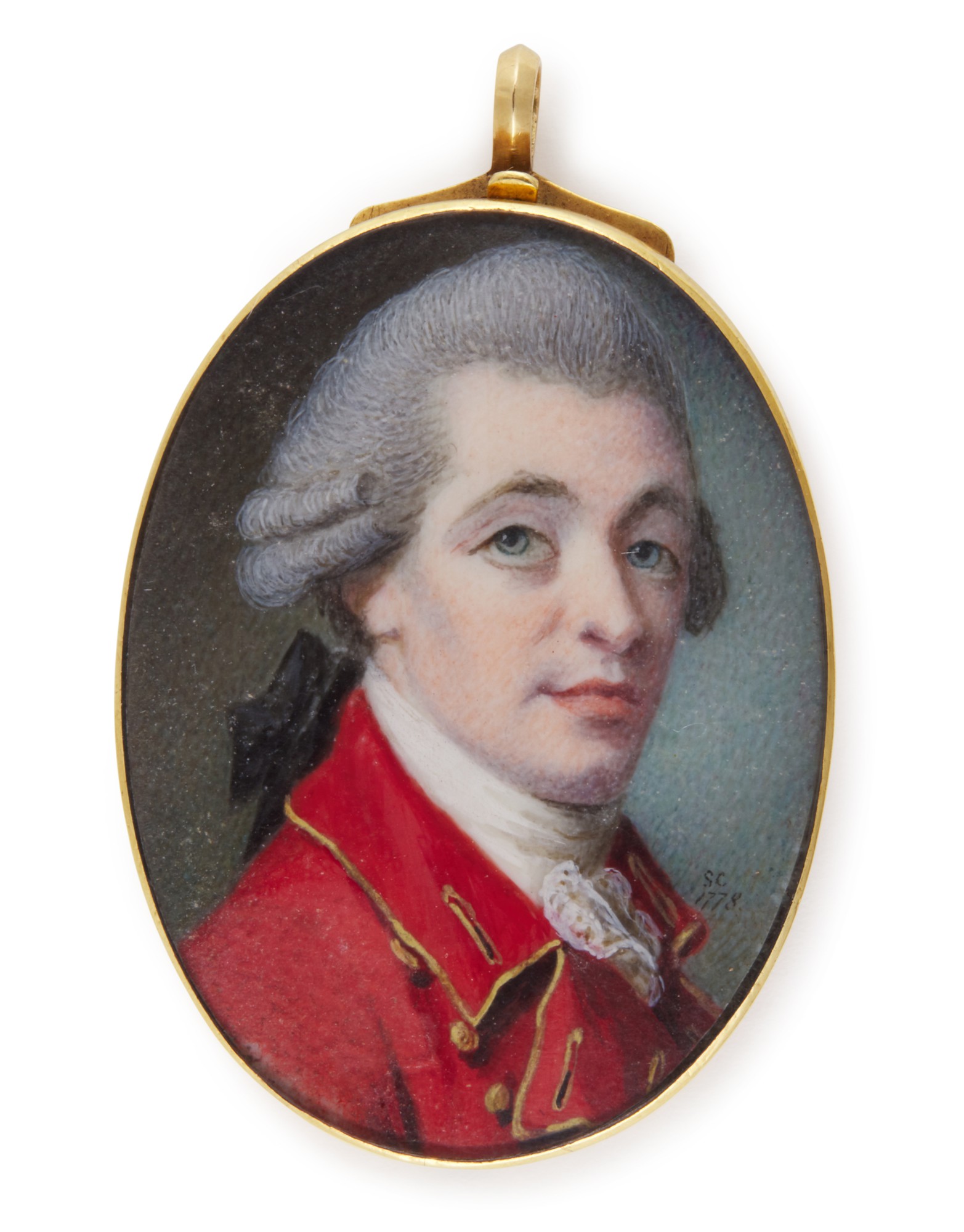
Samuel Cotes
Portrait of Major John Cornwall
His work, like that of his contemporaries, demanded extraordinary delicacy of touch and a sophisticated understanding of watercolour as a medium. The miniature on The Collection by Engleheart is a reminder of how much emotional cargo these small objects were expected to carry, tokens of presence for those separated by distance or death. Samuel Cotes, working in the mid eighteenth century, represents an earlier moment in the Georgian story, a period when the conventions of portraiture were still being negotiated between the baroque inheritance of Kneller and the emerging naturalism that Reynolds and his generation would bring to full fruition. Cotes worked in both oil and pastel, the latter a medium fashionable across Europe following the sensational success of Rosalba Carriera's London visit in 1720.
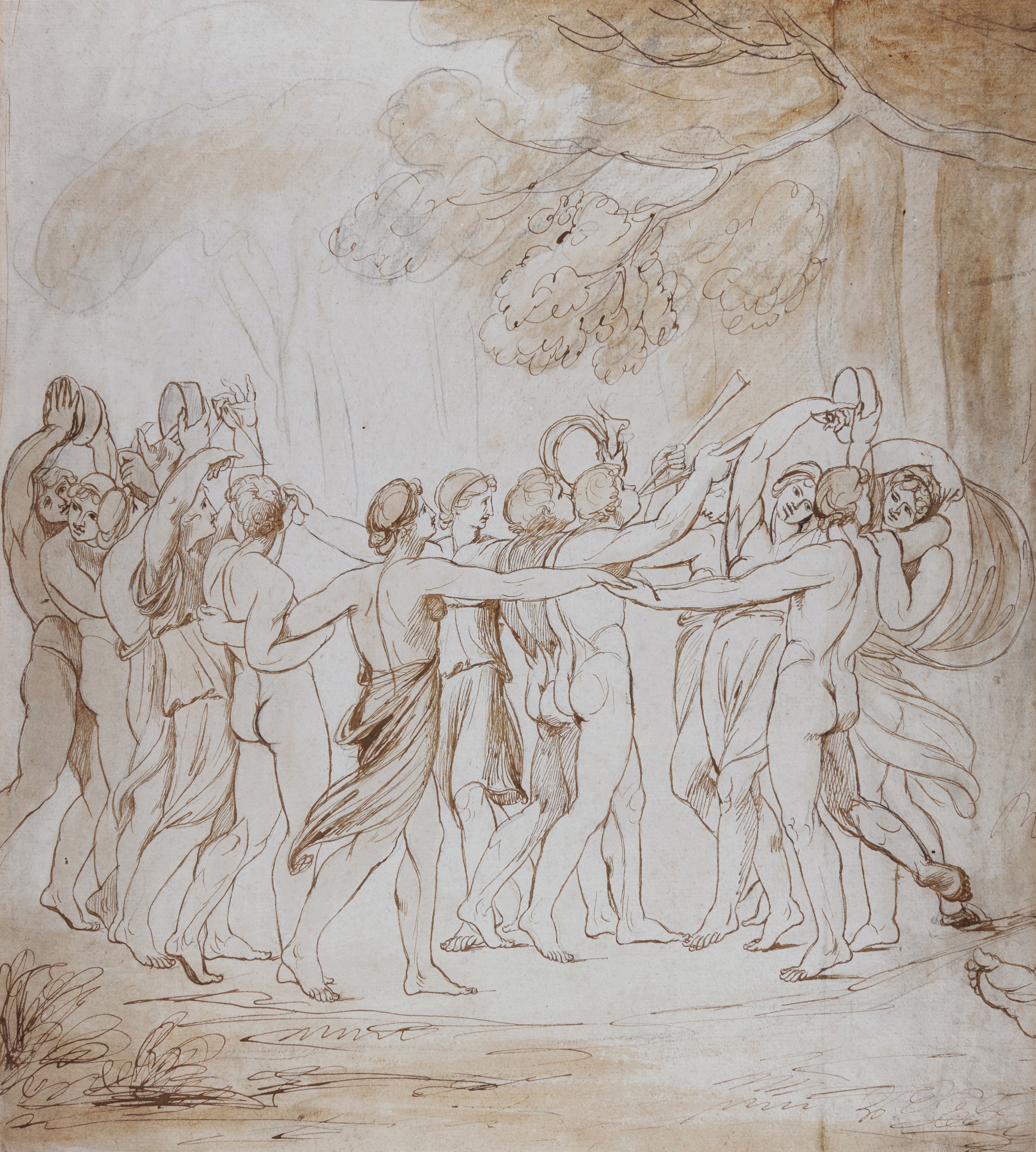
Pastel suited the Georgian temperament in some ways, quick, elegant, and capable of capturing the texture of powdered wigs and silk with an almost uncanny immediacy. Edward Edwards, meanwhile, occupies a different and sometimes overlooked corner of the Georgian art world, better known today for his Anecdotes of Painters, published in 1808, a primary source of enormous value to art historians, yet also a practising artist whose work reflects the broader ambitions and limitations of the period. What makes Georgian art endure as a collecting field is precisely the complexity of what it was asked to do. These were not merely decorative objects.
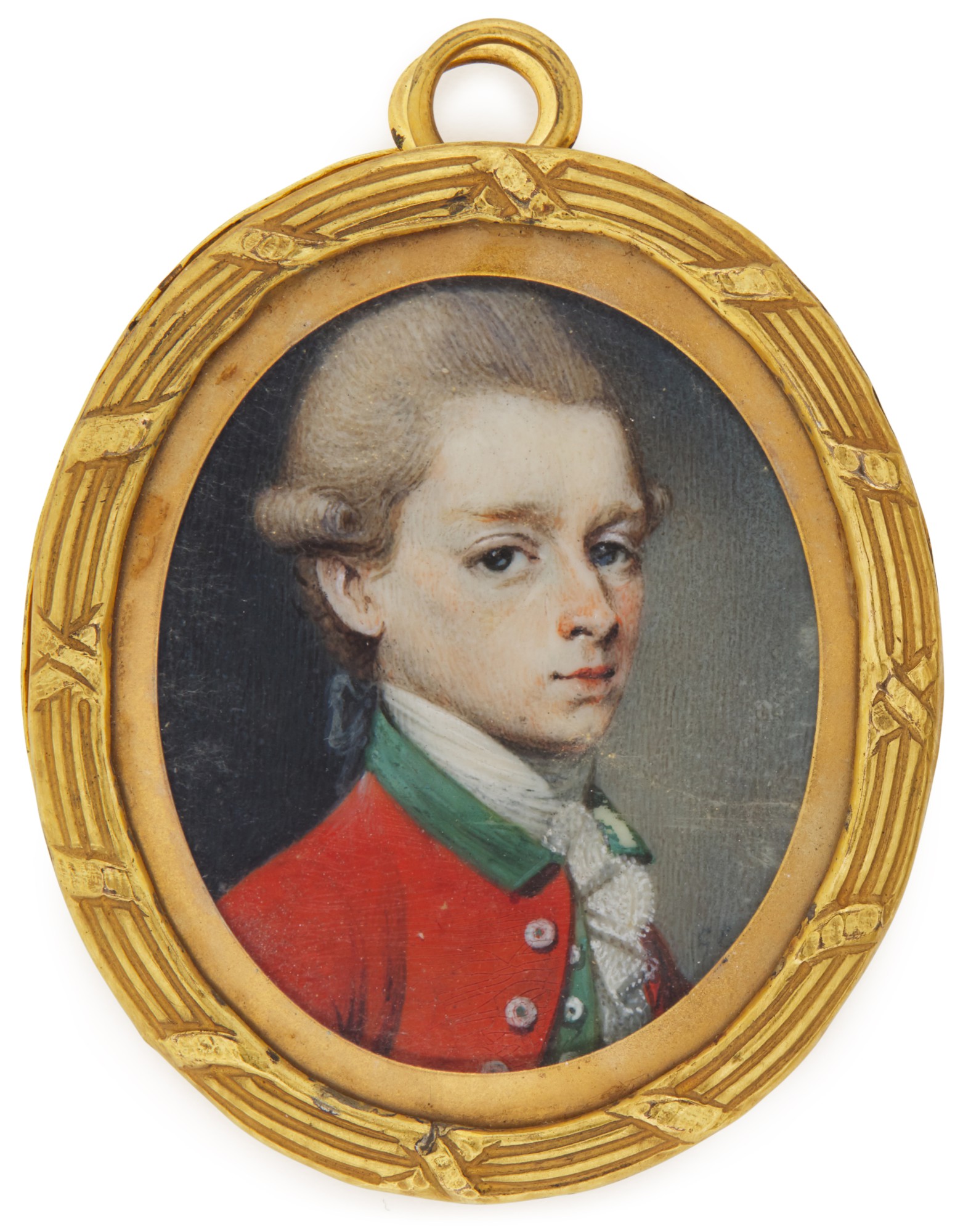
George Engleheart
Portrait of Richard Bethell Cox (1753-1832), circa 1775
They were arguments, made in oil and ivory and pastel, about who mattered and why. The sitters were negotiating their place in a rapidly changing social order, one shaped by new money from trade and empire, by the destabilising philosophies of the Enlightenment, by the distant thunder of revolution in France and America. To look at a Georgian portrait today is to look at that negotiation frozen in time, the anxiety underneath the composure, the aspiration beneath the elegance. The Georgian legacy runs deeper in contemporary art than is often acknowledged.
The language of portraiture that Reynolds and his circle developed, the relationship between the individual and the institutions that frame them, the question of who gets to be represented and how, these are not historical curiosities. They are live questions in painting studios and critical journals right now. For collectors, the Georgian works on The Collection offer not just beautiful objects but entry points into a foundational conversation about representation, power, and the persistent human desire to be seen.