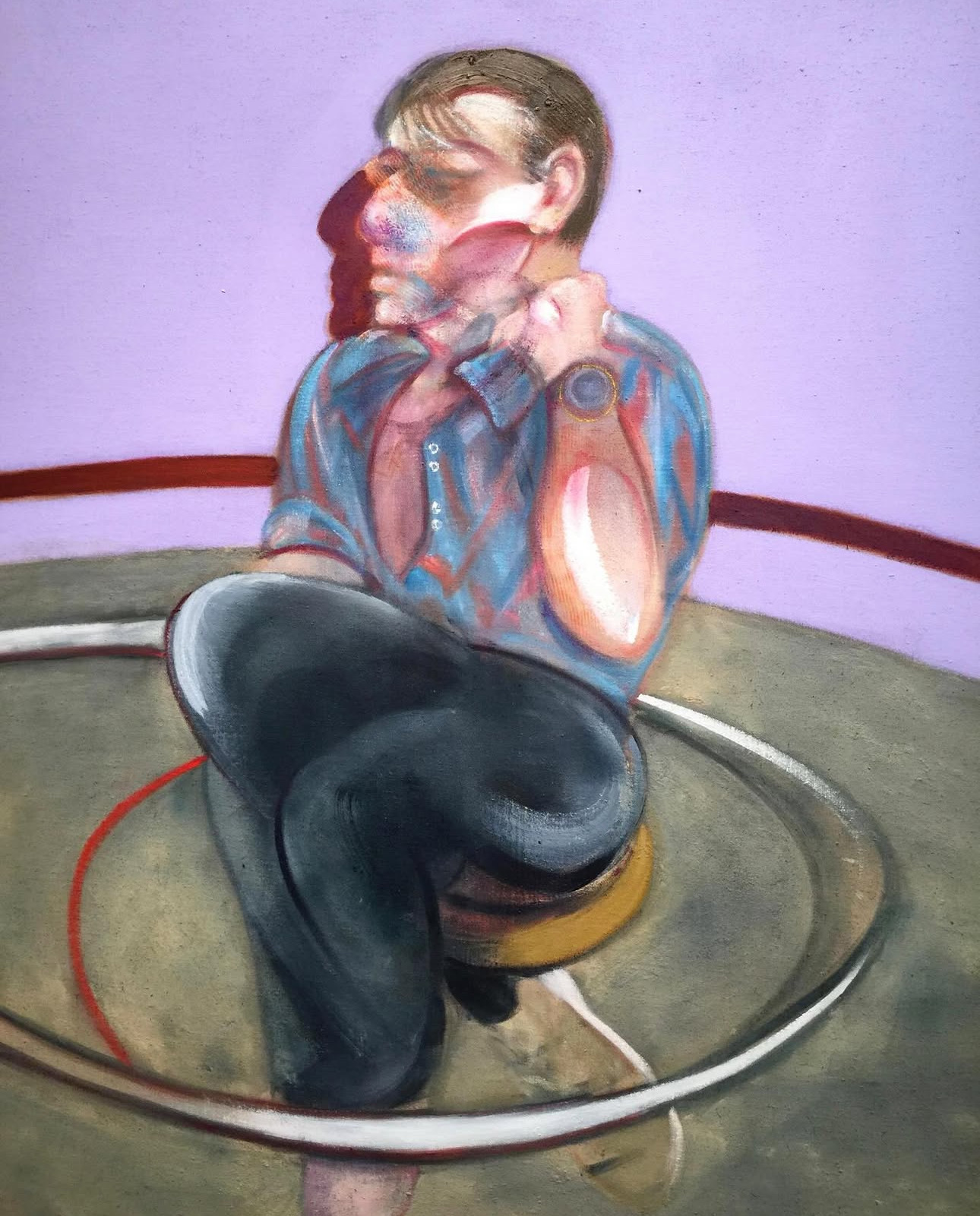
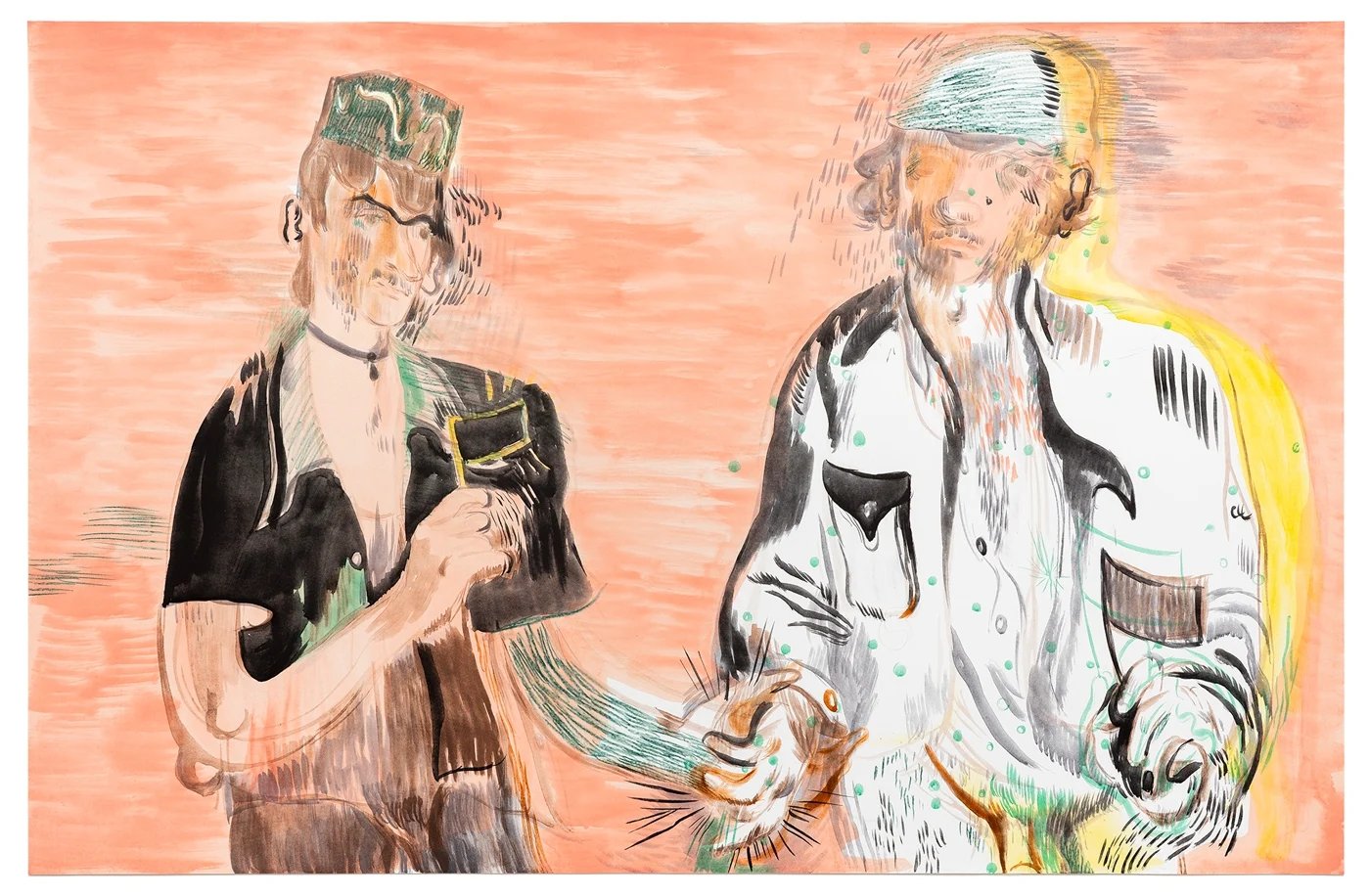
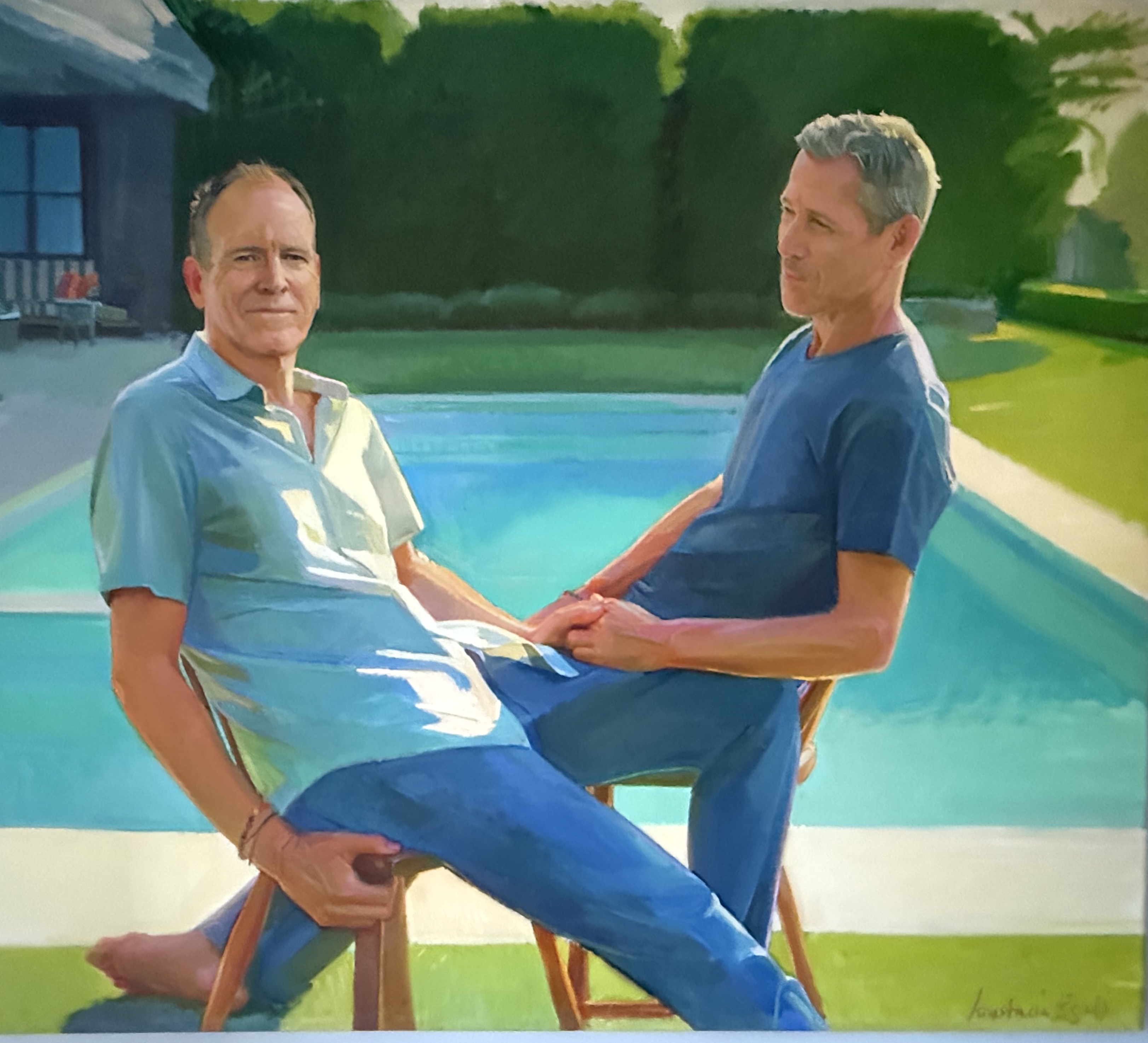
Generative Art
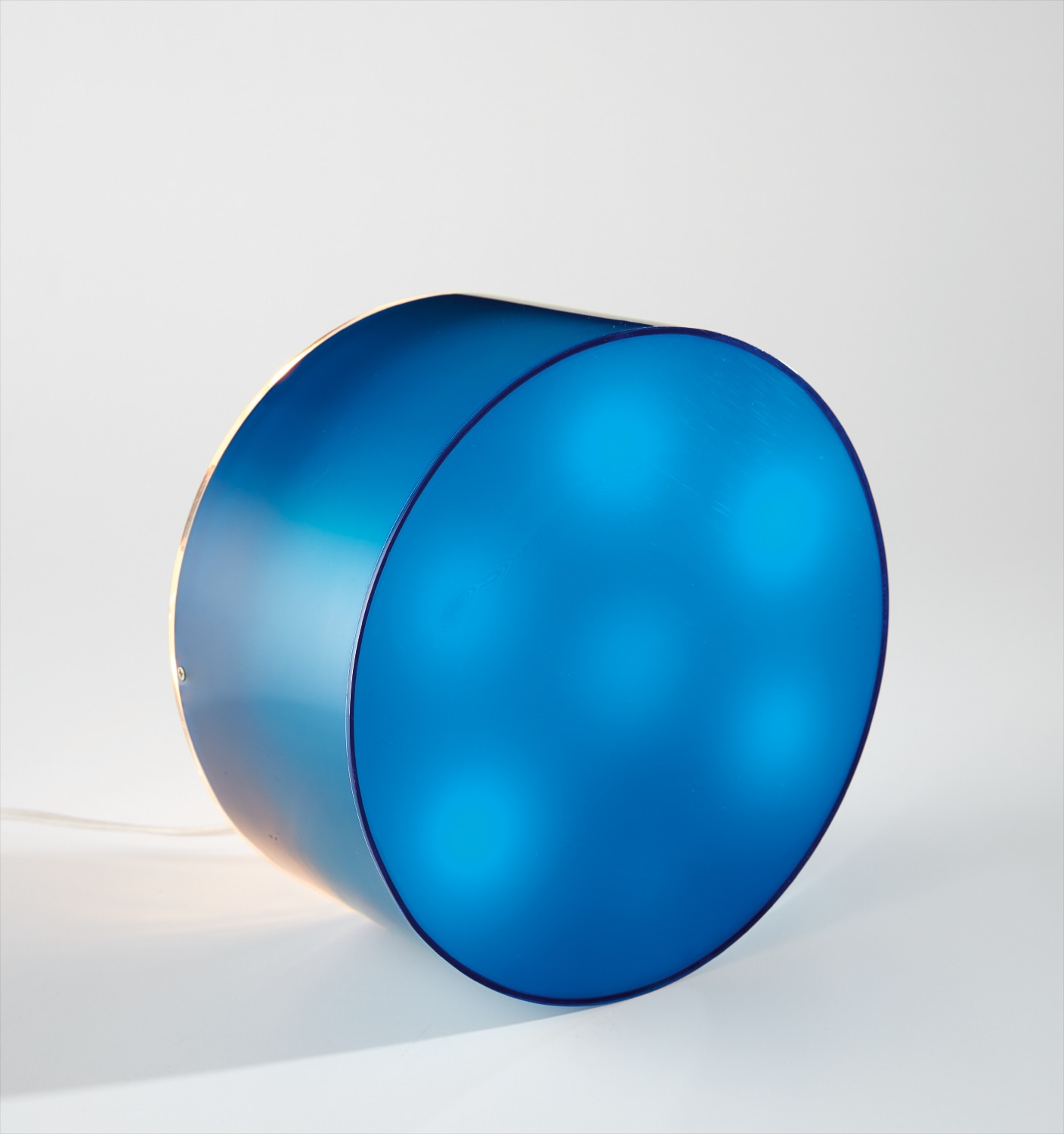
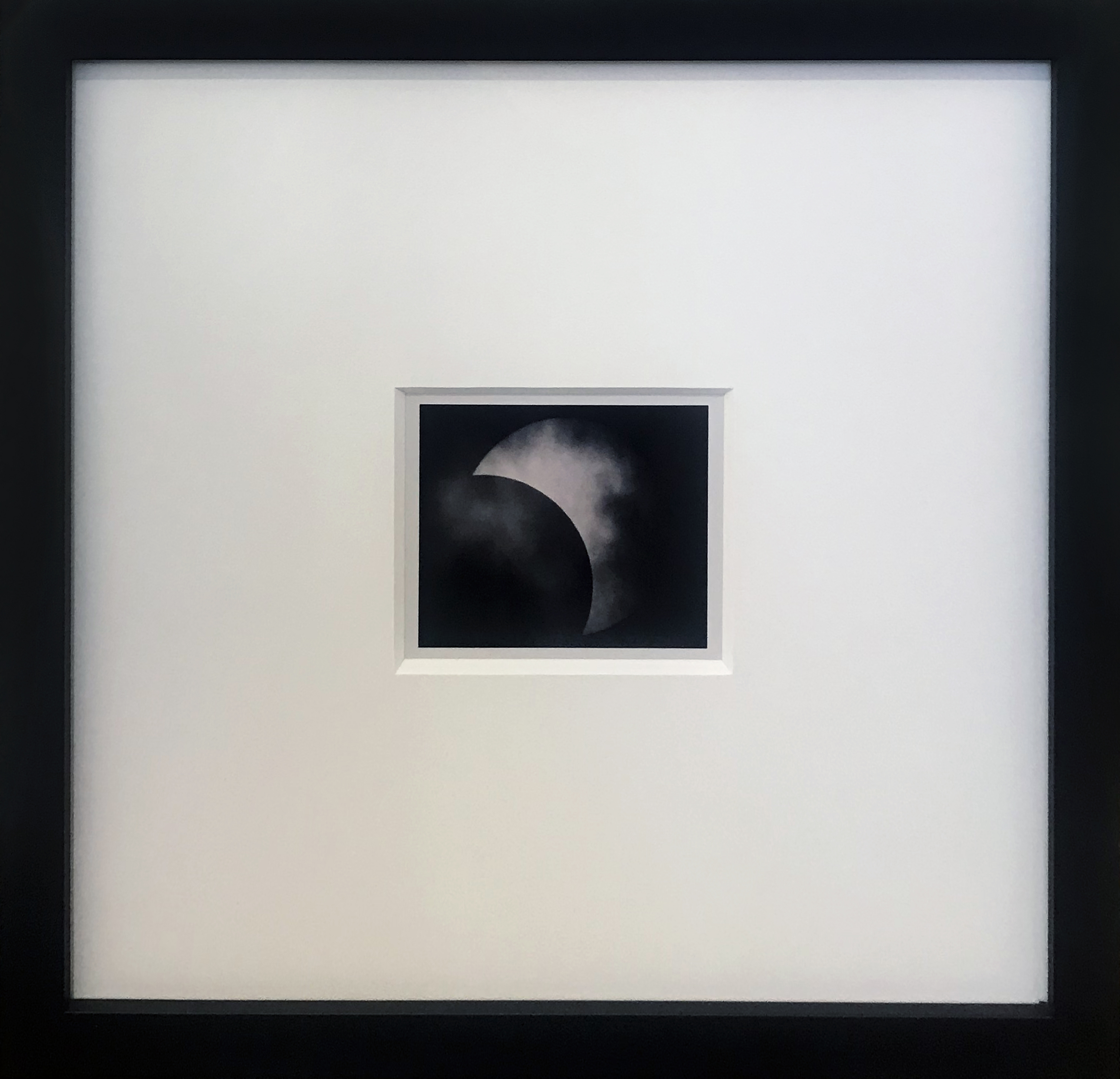
Leo Villareal
Bulbox 2.0

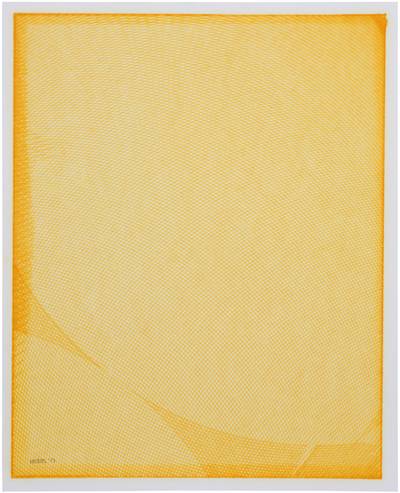
The Algorithm Was Always the Artist
There is a moment, familiar to anyone who has spent time with truly ambitious generative art, when the question of authorship dissolves entirely. You are standing before something that was written before it was seen, something that exists because of a set of rules and yet could not have been predicted from those rules alone. That paradox, creative intention married to productive randomness, is not a contemporary invention. It is, in fact, one of the oldest ideas in art, only now arriving at the scale and visibility it always deserved.
The story of generative art begins earlier than most people assume. In 1965, the German mathematician Georg Nees exhibited computer generated drawings at the Studiengalerie der Technischen Hochschule Stuttgart, in what is widely considered the first public exhibition of computer art. That same year, Frieder Nake and A. Michael Noll were producing algorithmically derived works independently, on opposite sides of the Atlantic.
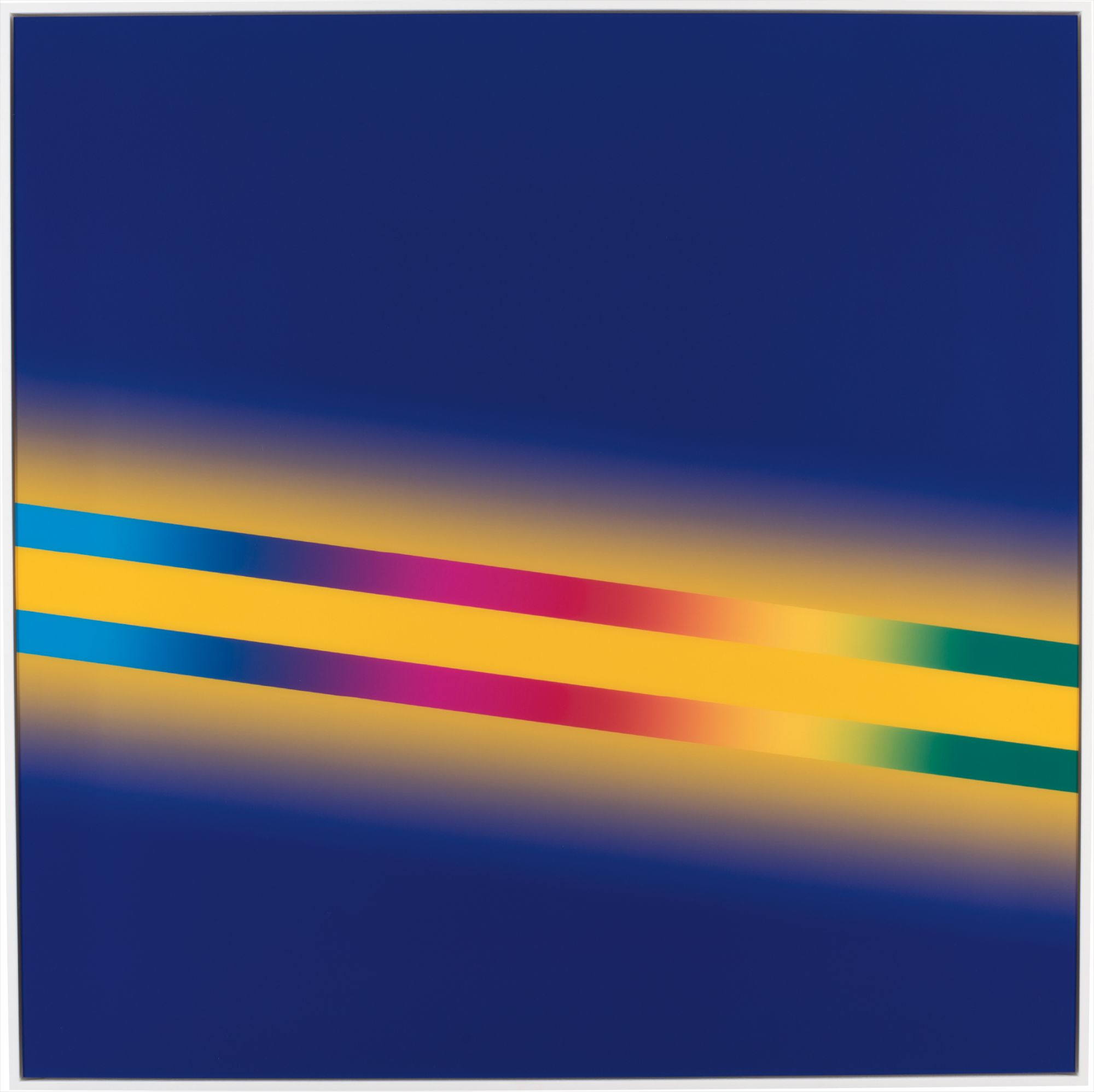
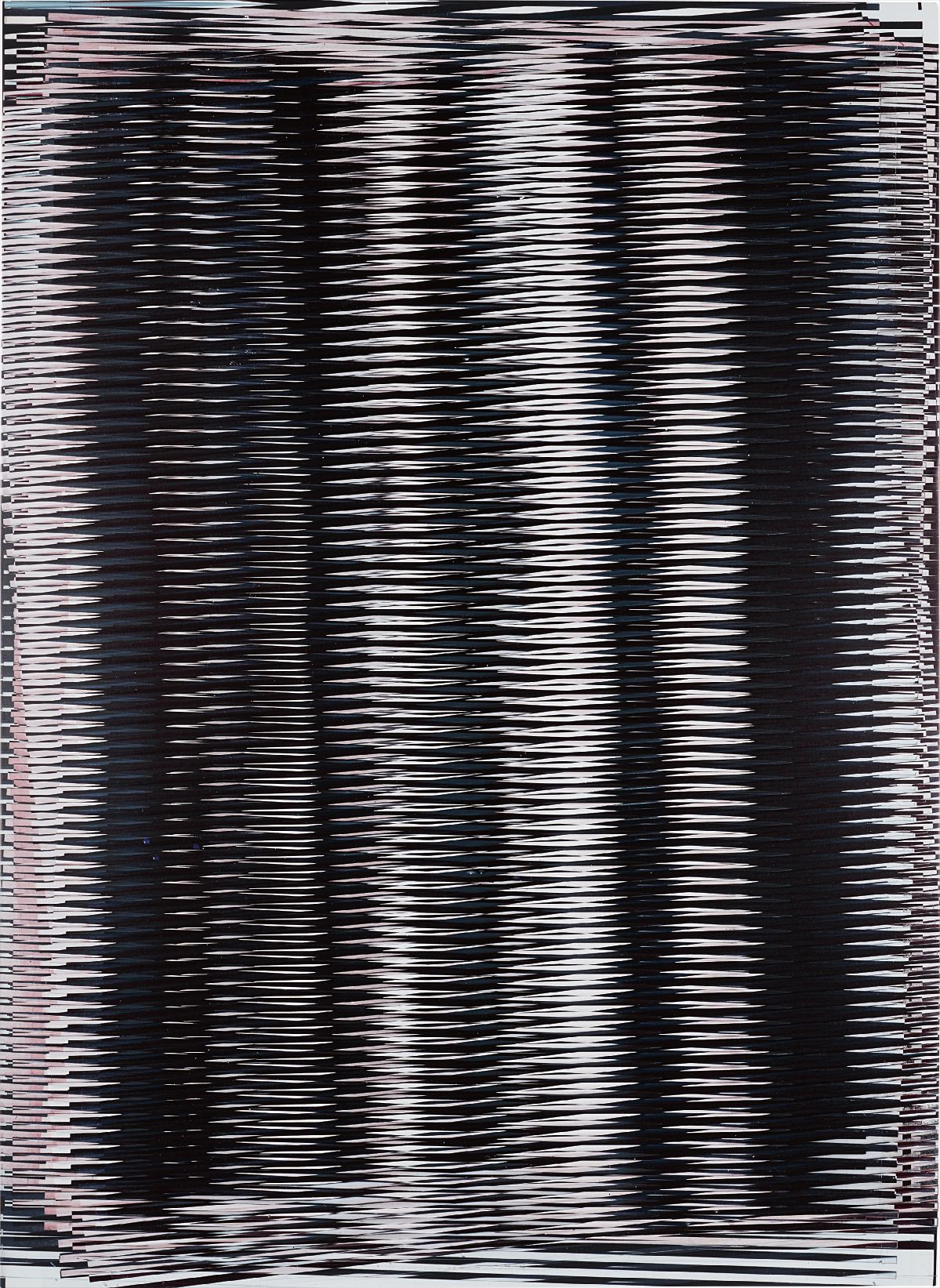
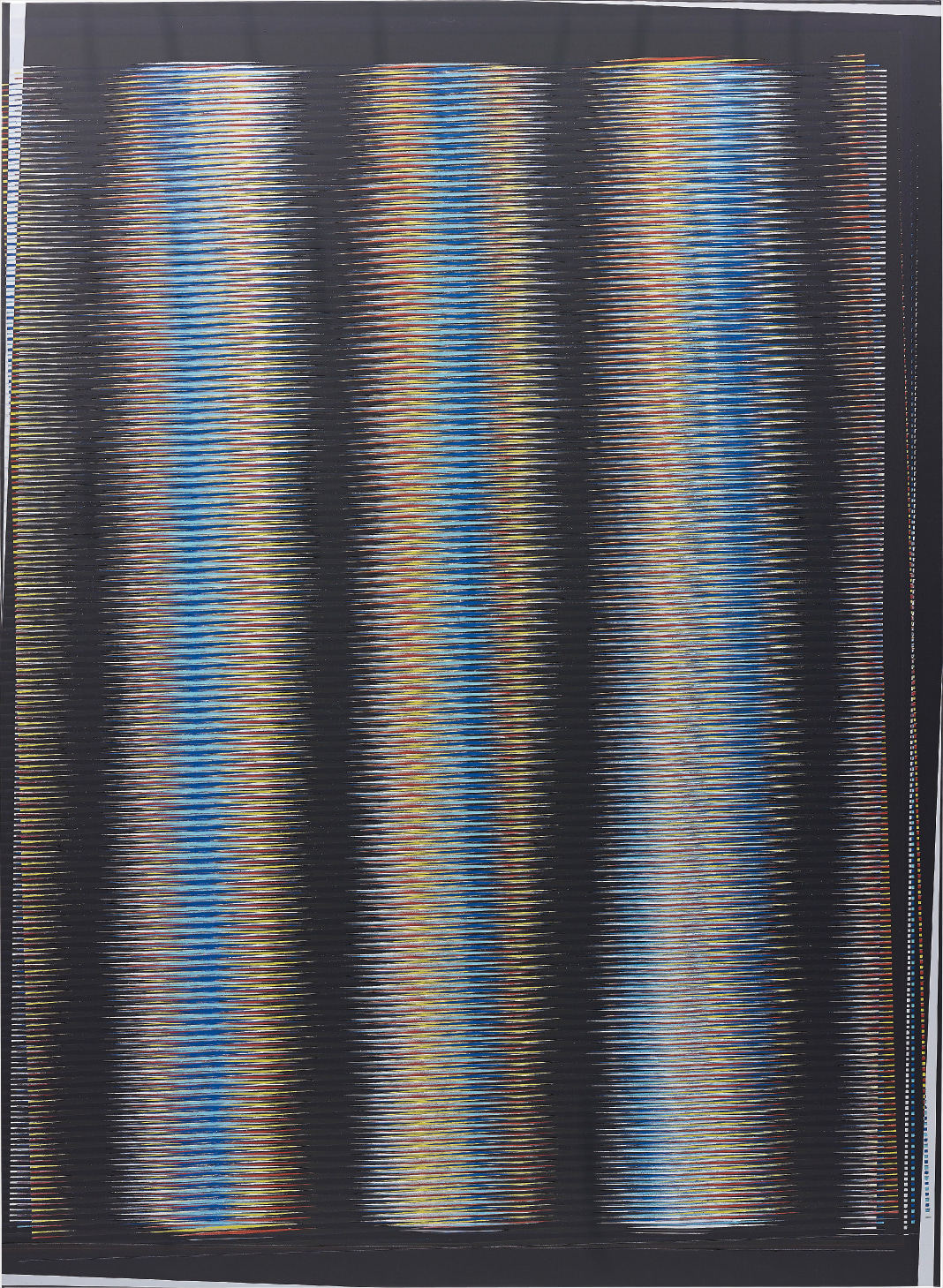
Cory Arcangel
Photoshop CS: 60 by 60 inches, 300 DPI, RGB, square pixels, default gradient "Blue, Yellow, Blue", mousedown y=15000 x=2130, mouseup y=4680 x=3570; photoshop tool "Wand", click= y=9120 x=4780, tolerance=30; default gradient "Spectrum", mousedown y=8790 x=1410, mouseup y=10770 x=16230, 2013
These were not technologists dabbling in aesthetics. They were asking a genuine philosophical question: if a machine executes a set of instructions conceived by a human mind, where does the creative act actually live? Through the 1970s and 1980s, the conversation expanded. Harold Cohen developed AARON, a computer program that could generate original drawings and eventually paintings, which Cohen continued to refine over decades.
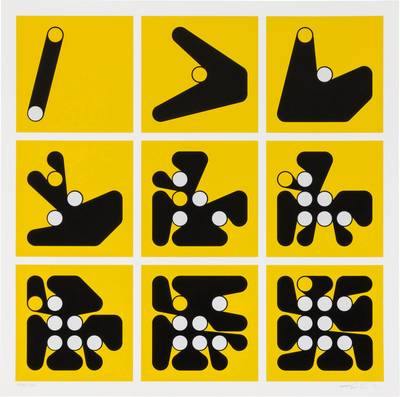
Vera Molnár, working in Paris from the early 1960s onward, used algorithmic systems to produce works of extraordinary geometric sensitivity, establishing a vocabulary of controlled deviation that still resonates deeply in the work being made today. These early practitioners understood something essential: the rules are the art. The output is only evidence. What changed in the twenty first century was not the underlying logic but the infrastructure surrounding it.
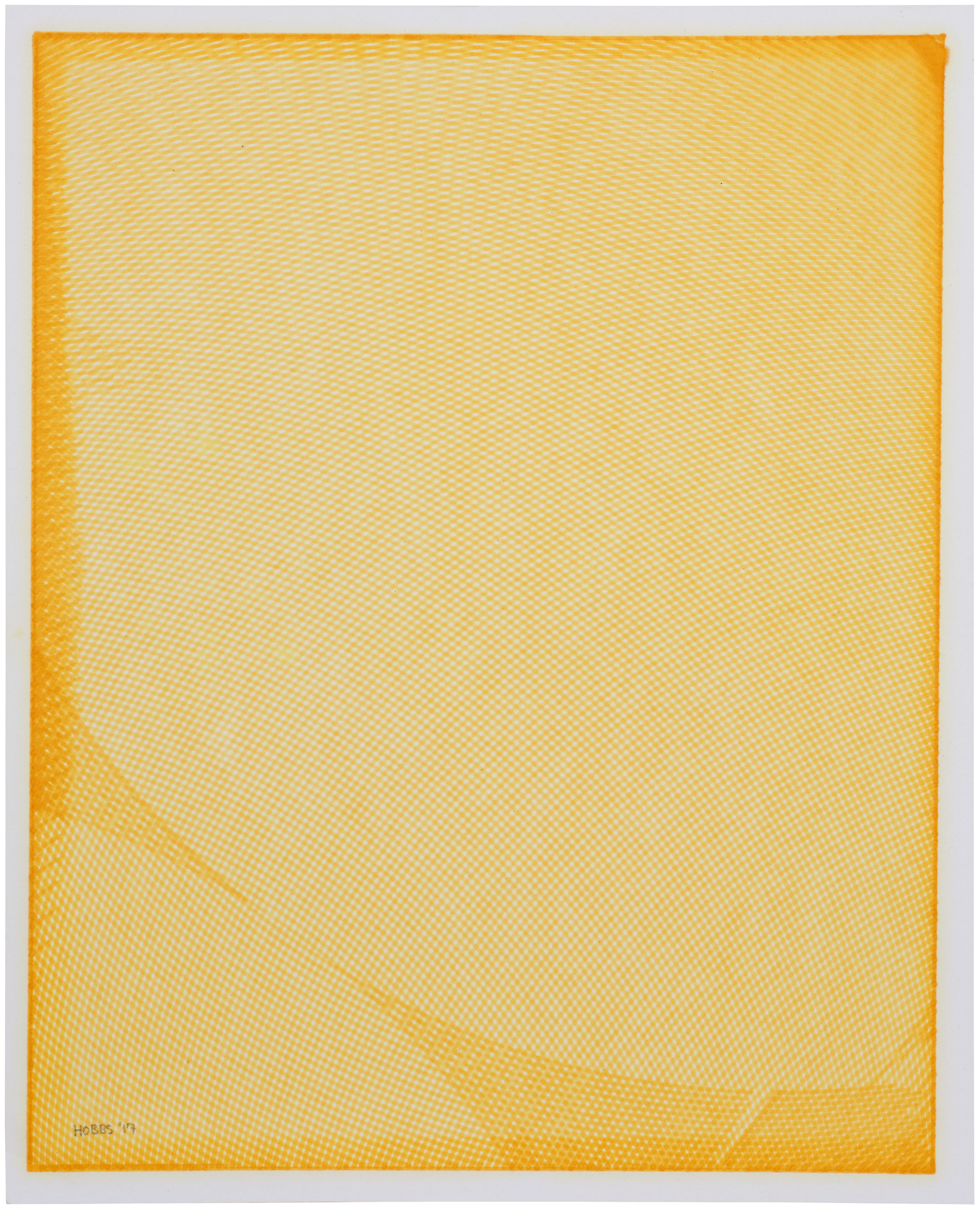
Tyler Hobbs
Plotter Drawing with Marker, 2017
The internet made code shareable. Open source tools democratized access to computational environments. And the emergence of blockchain technology between 2020 and 2022 gave generative art something it had never had before: a native market, a provenance system, and a collector base that arrived already fluent in the language of systems thinking. Tyler Hobbs, whose work is represented on The Collection, became one of the defining figures of this moment.
His Fidenza series, released on the Art Blocks platform in 2021, drew on the aesthetics of flow fields and algorithmic composition to produce works of remarkable warmth and physical presence, proving that code could generate something that felt handmade, even intimate. Dmitri Cherniak occupied a similarly pivotal position. His Ringers project, also released on Art Blocks, used a deceptively simple constraint, a string wound around a series of pegs, to generate outputs of extraordinary variety. Cherniak, whose work appears on The Collection, understood that generative systems are most powerful when they are elegant rather than exhaustive.
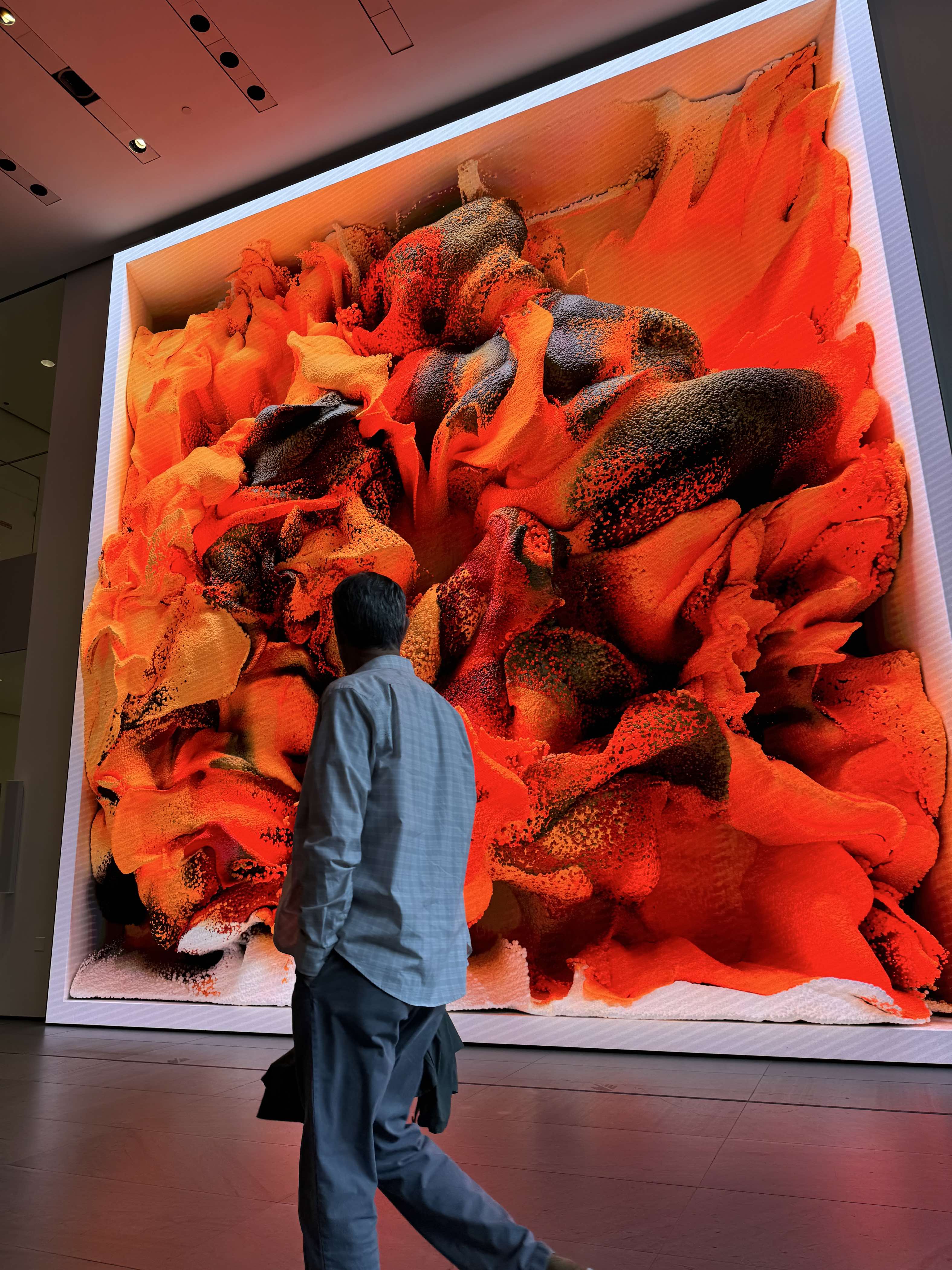
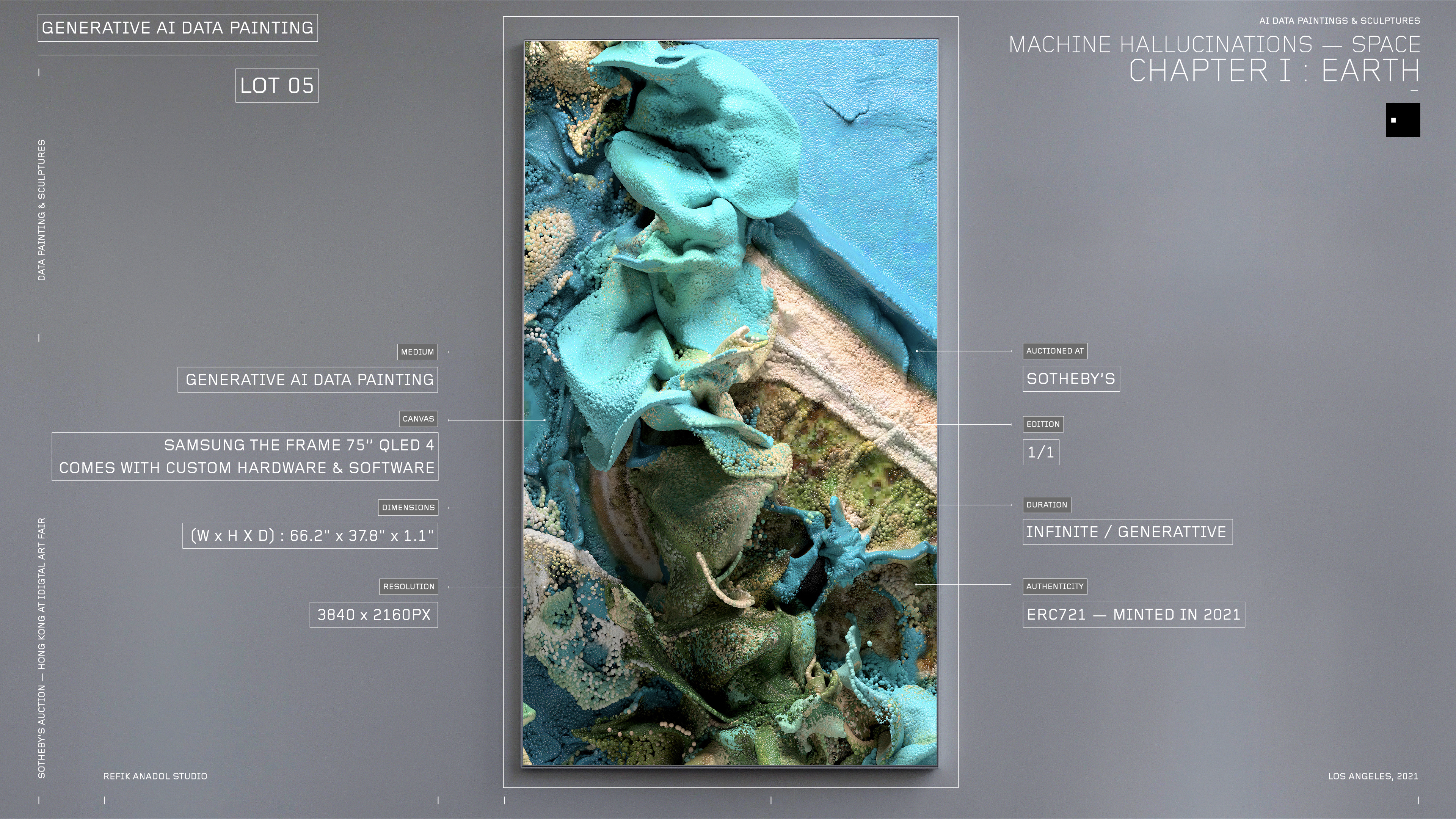
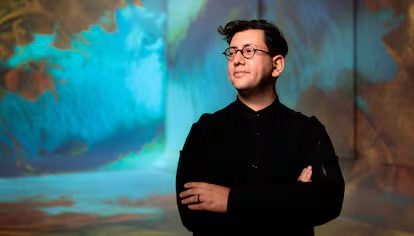
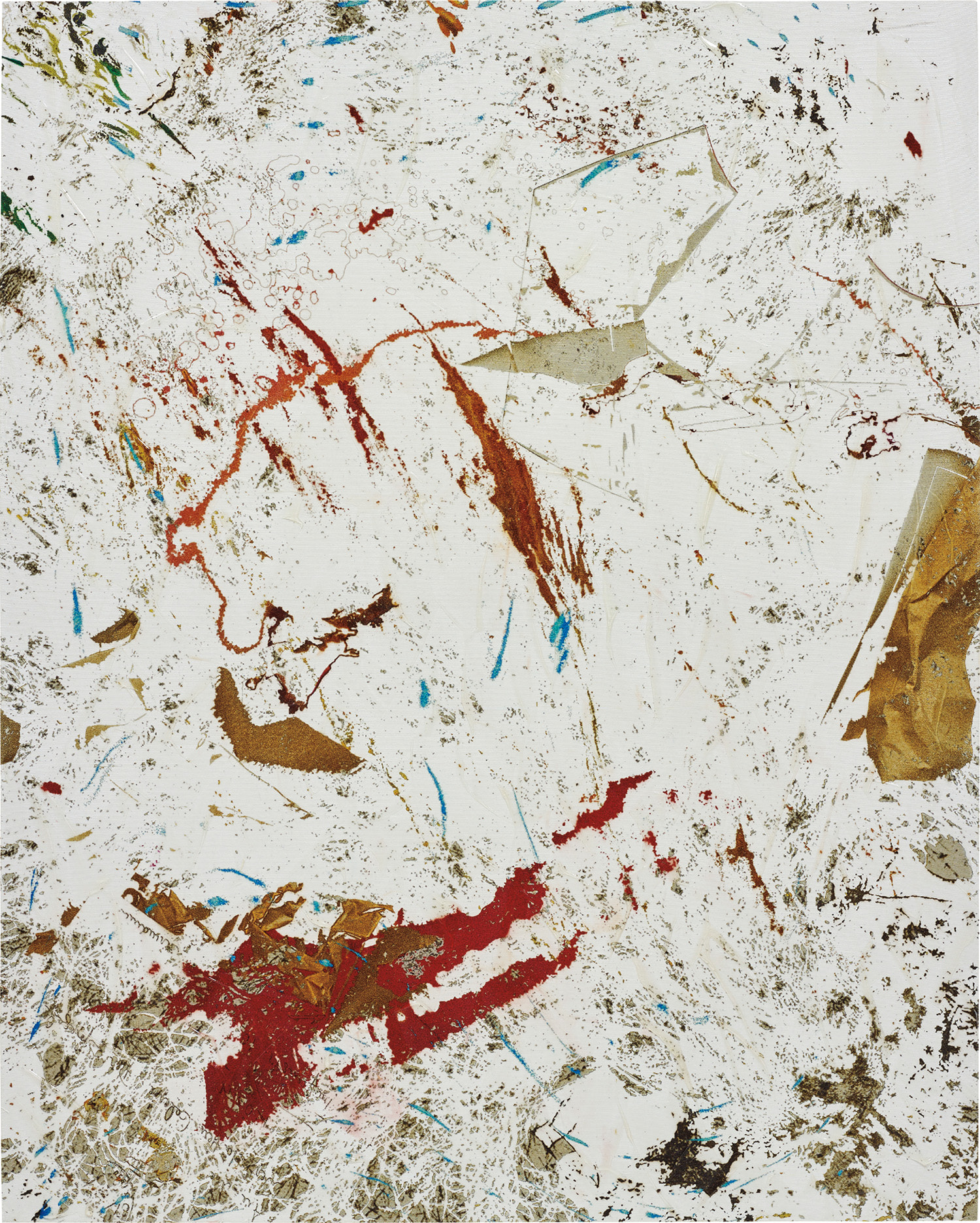
Refik Anadol
Untitled
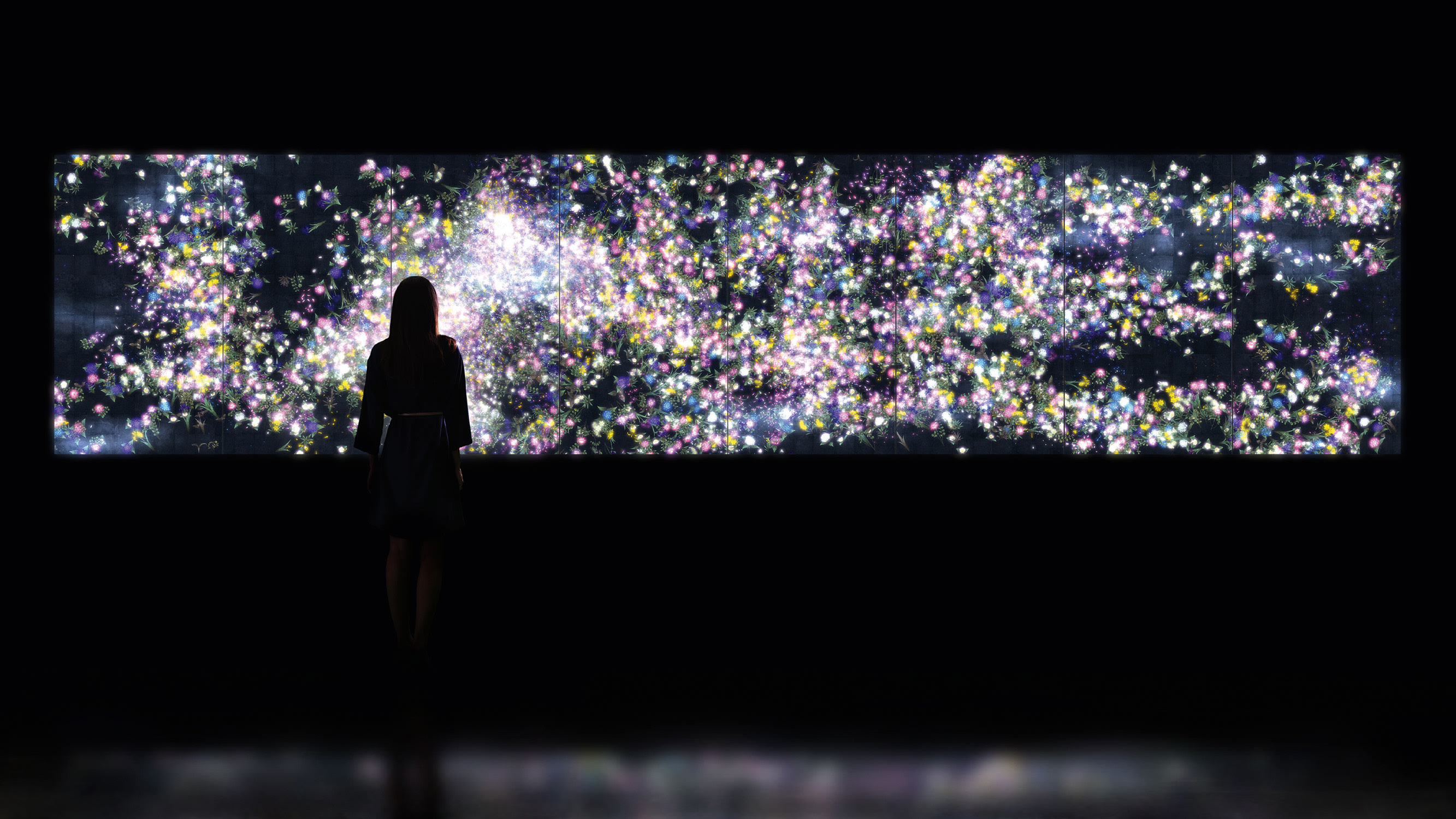
A tight set of rules, applied across a vast possibility space, produces something closer to nature than to engineering. That insight connects him directly to Molnár and Nake, across a gap of more than fifty years. Not all generative art operates within the intimate scale of a screen or a print. Refik Anadol, represented here on The Collection, works at the scale of architecture, using machine learning algorithms to process enormous data sets and render them as immersive, flowing visual environments.
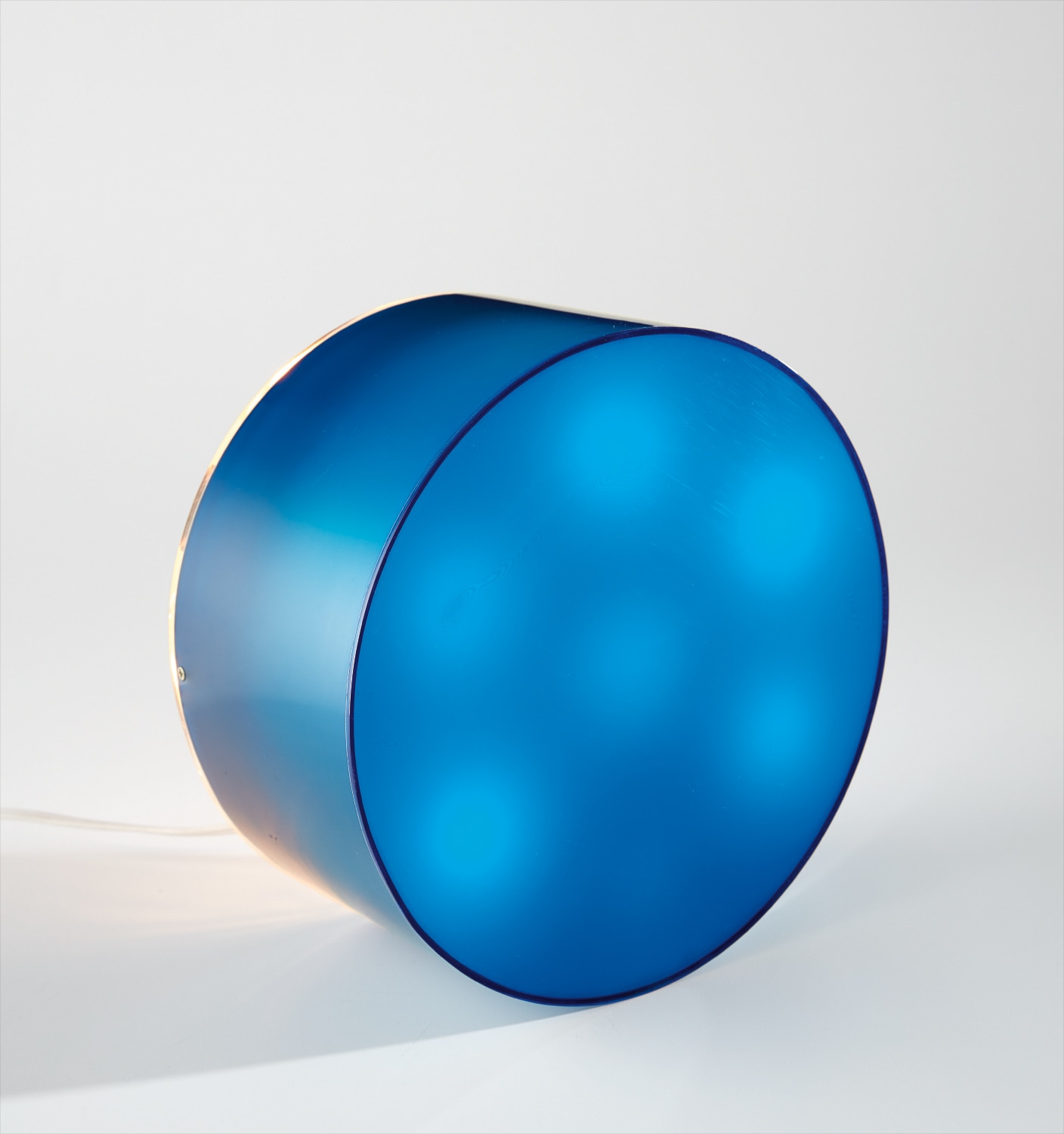
His installations at the Museum of Modern Art and elsewhere have introduced generative practice to audiences who might never seek it out in a gallery context. There is something genuinely democratic about that ambition, art that exists in public space, that changes in real time, that has no fixed state. Leo Villareal works in a related register, using software driven light sculptures to animate large scale environments, from the Bay Lights installation on the San Francisco Bay Bridge to architectural commissions worldwide. His practice reminds us that generative systems do not require a screen at all.
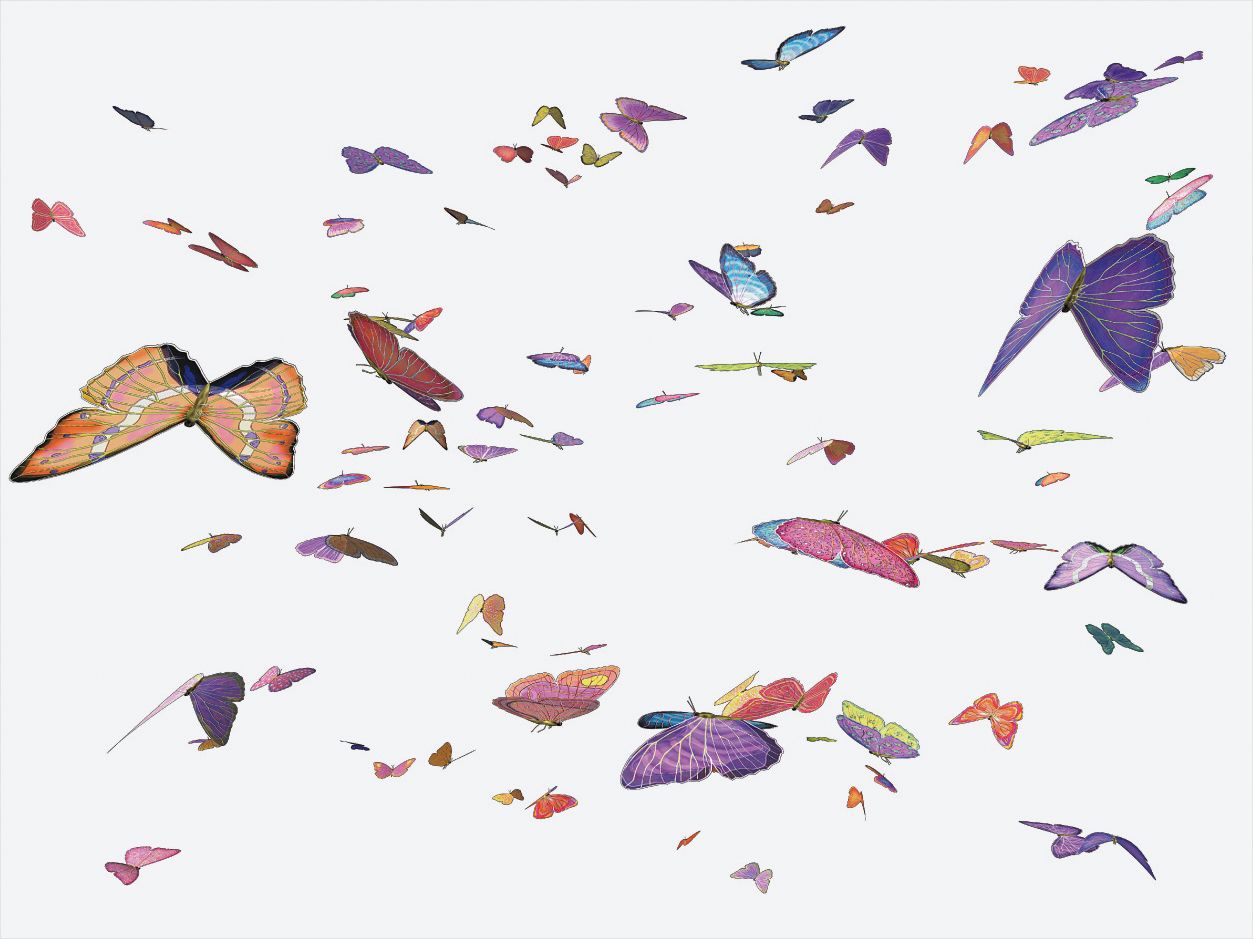
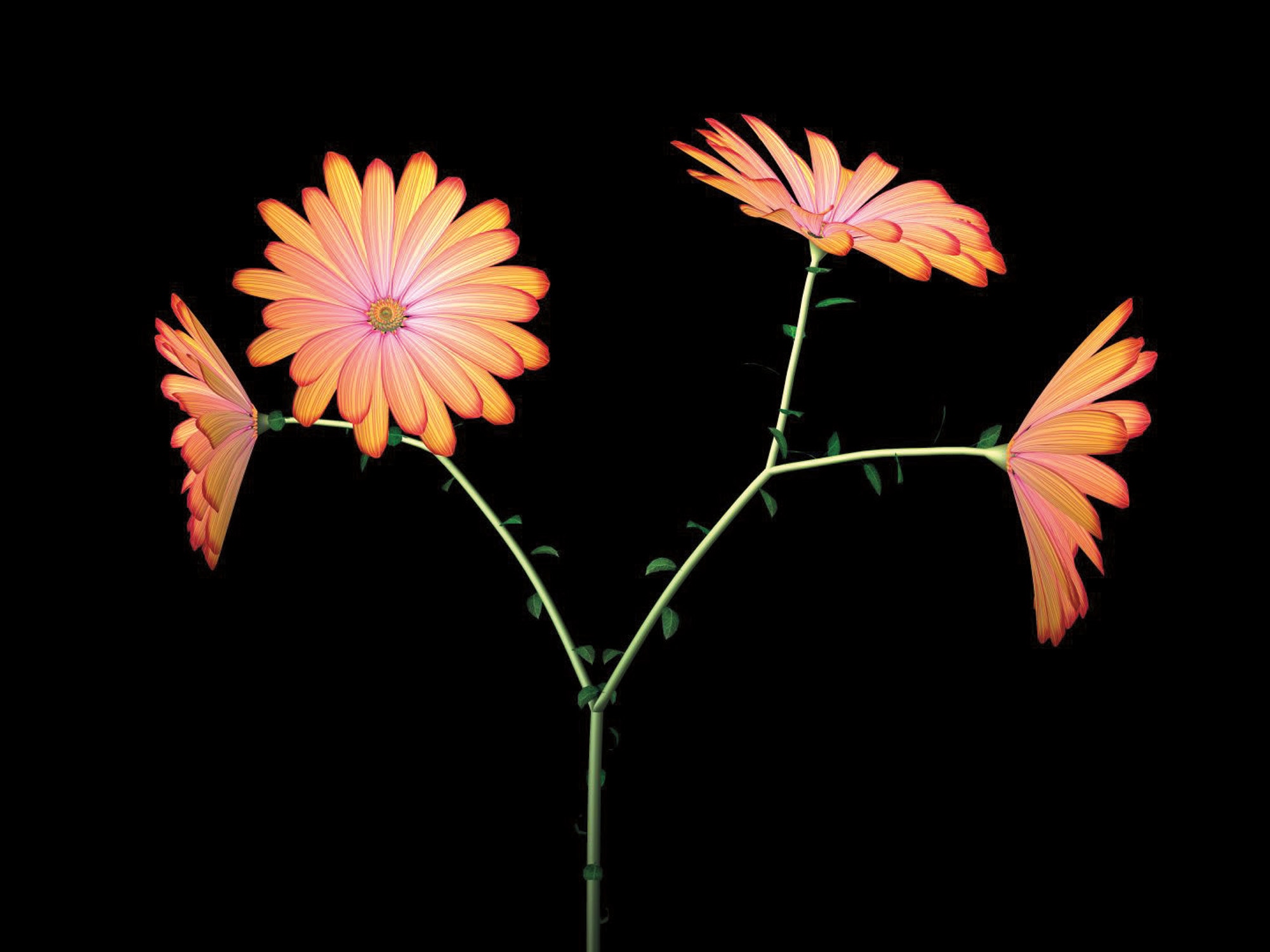
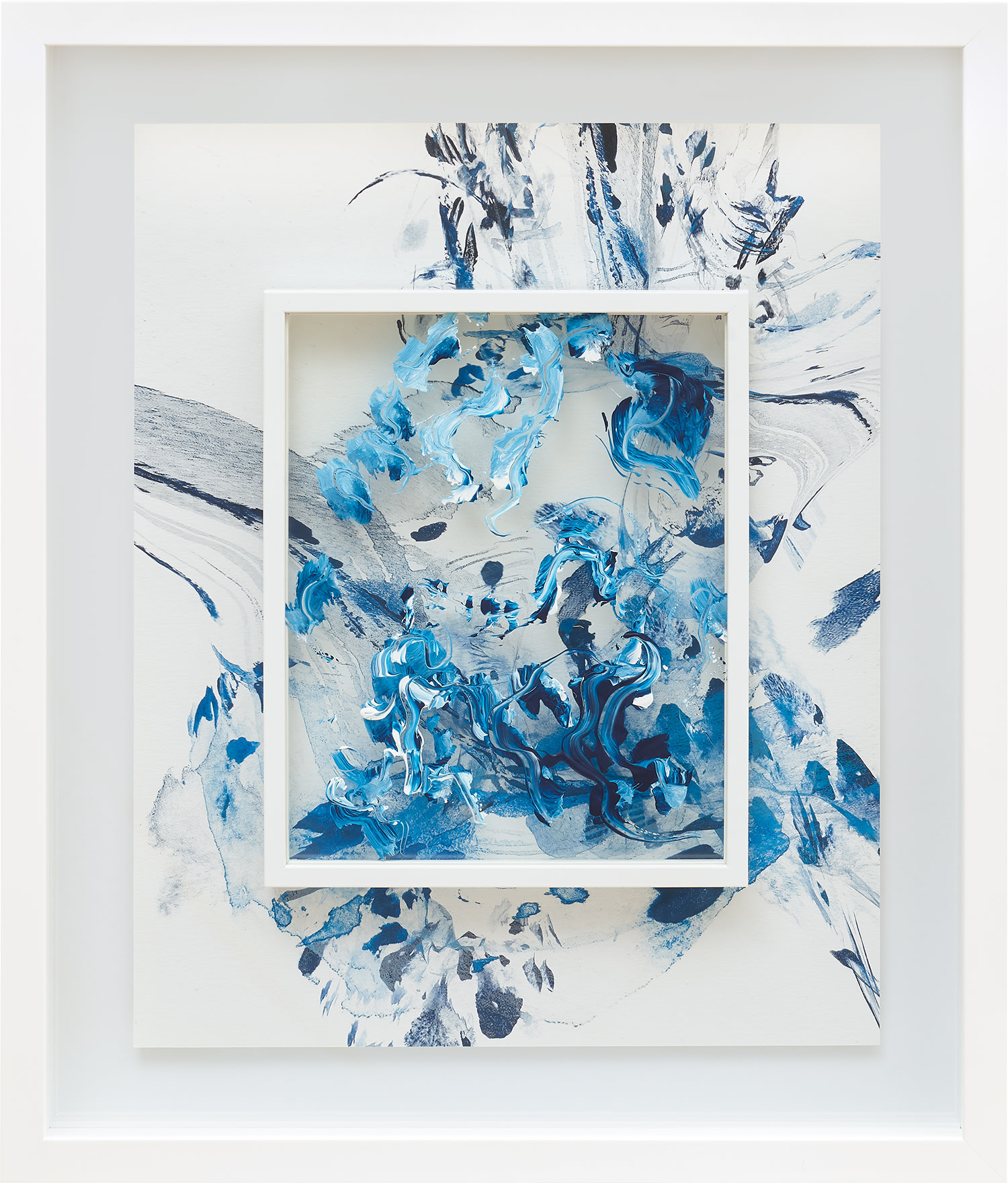
Jennifer Steinkamp
Ronnie Reagan 1
The conceptual range within this movement is genuinely striking. Cory Arcangel, whose work on The Collection spans his ongoing engagement with obsolete technologies and software culture, occupies a more critical position within the generative tradition. His work uses the tools of computation not to celebrate their outputs but to interrogate the systems that produce them, the platforms, the formats, the cultural assumptions baked into every line of code. Jennifer Steinkamp brings organic movement and botanical forms into her software driven installations, creating work that feels biological rather than mechanical, blurring the line between natural process and algorithmic simulation.
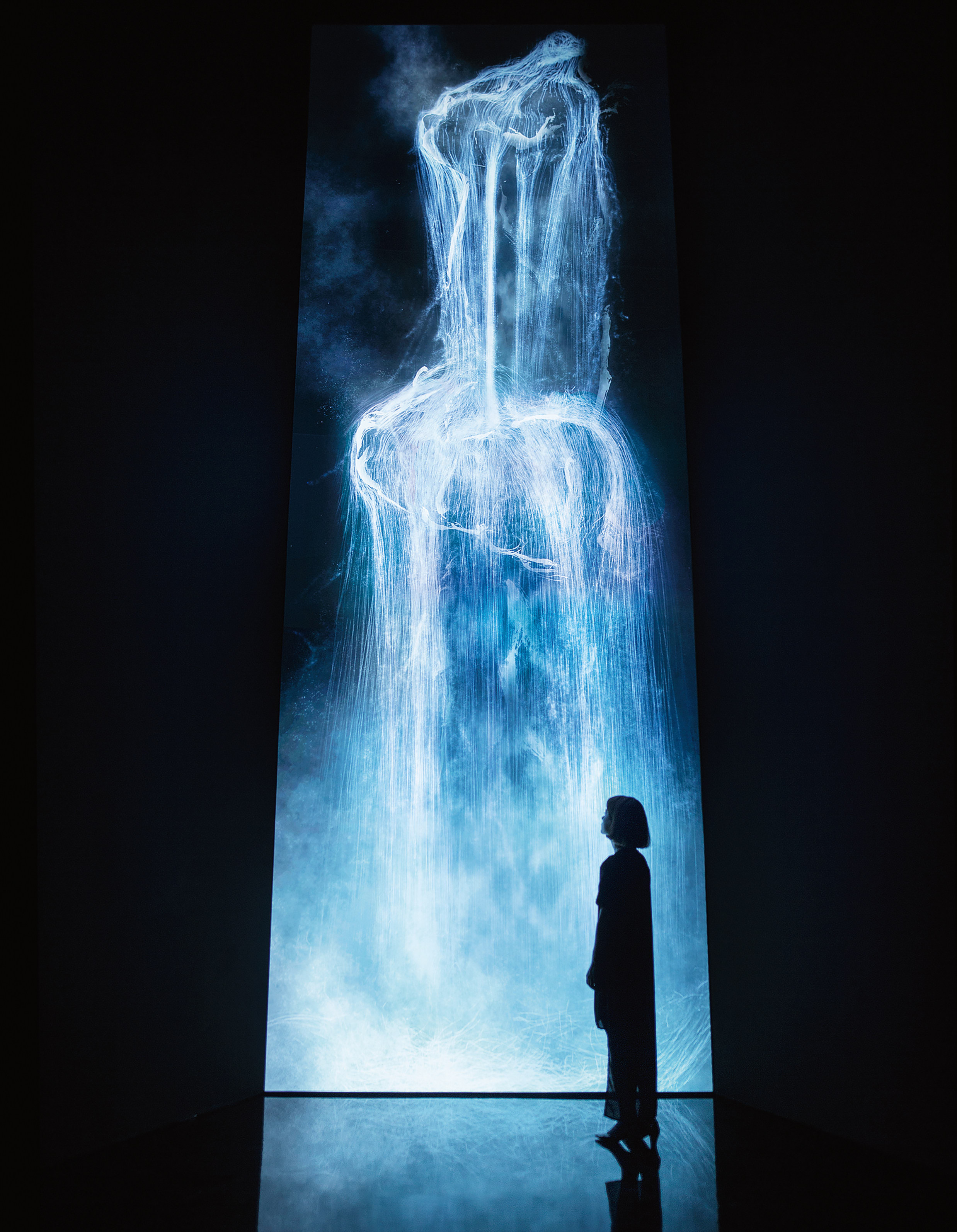
Sougwen Chung goes further still, collaborating directly with robotic drawing systems trained on her own mark making, producing works that exist in genuine dialogue between human gesture and machine response. teamLab, the Tokyo based collective whose immersive digital environments have reached millions of visitors globally, and Travess Smalley, whose work investigates the aesthetic possibilities of digital color and pattern, represent the breadth of generative practice as it now stands. From the monumental to the screen based, from the philosophical to the sensory, the field accommodates approaches that would have seemed incompatible in any earlier artistic context. Jonas Lund adds yet another dimension, using algorithmic systems to generate not just images but entire artistic strategies, turning the logic of generative art back on the art world itself.
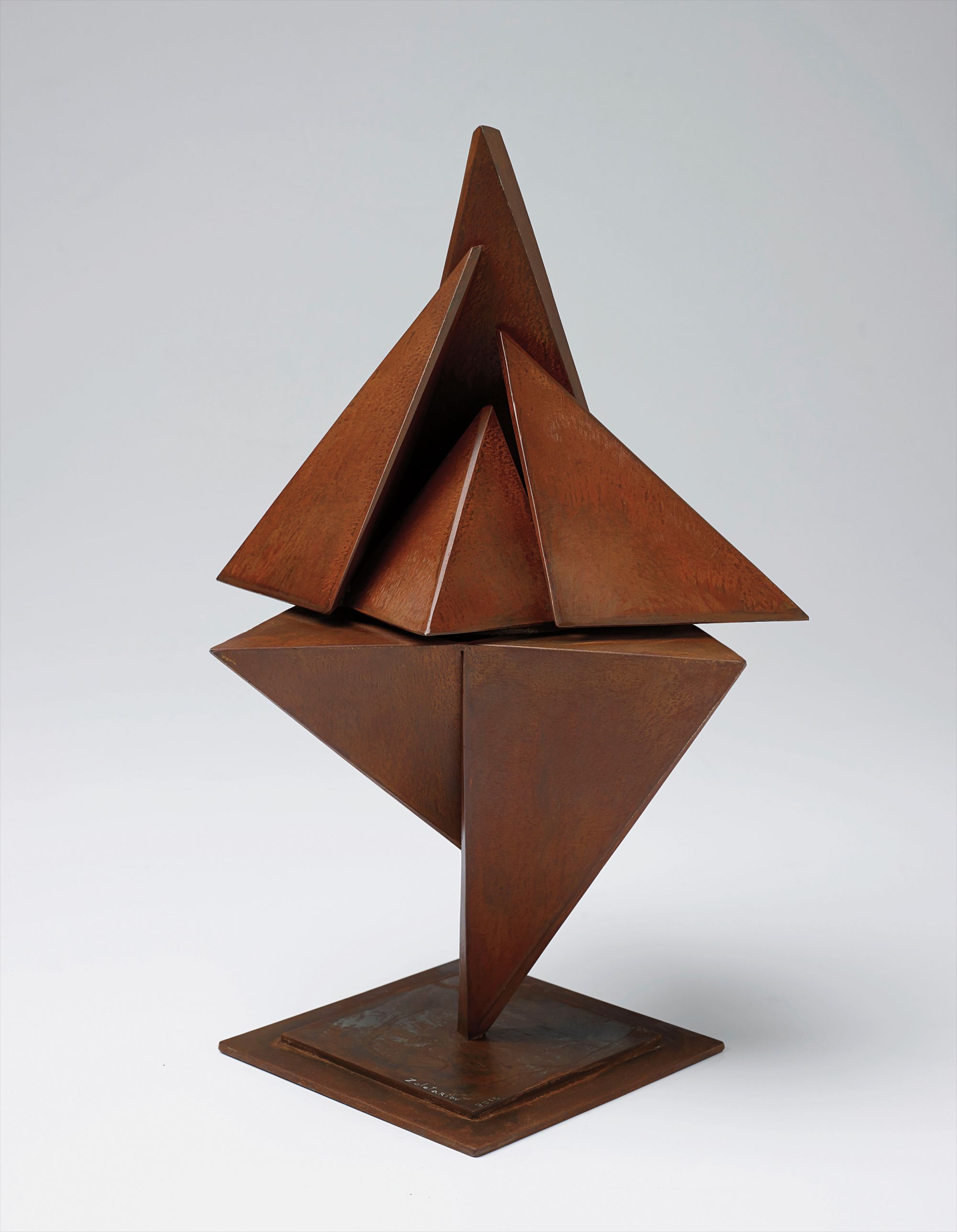
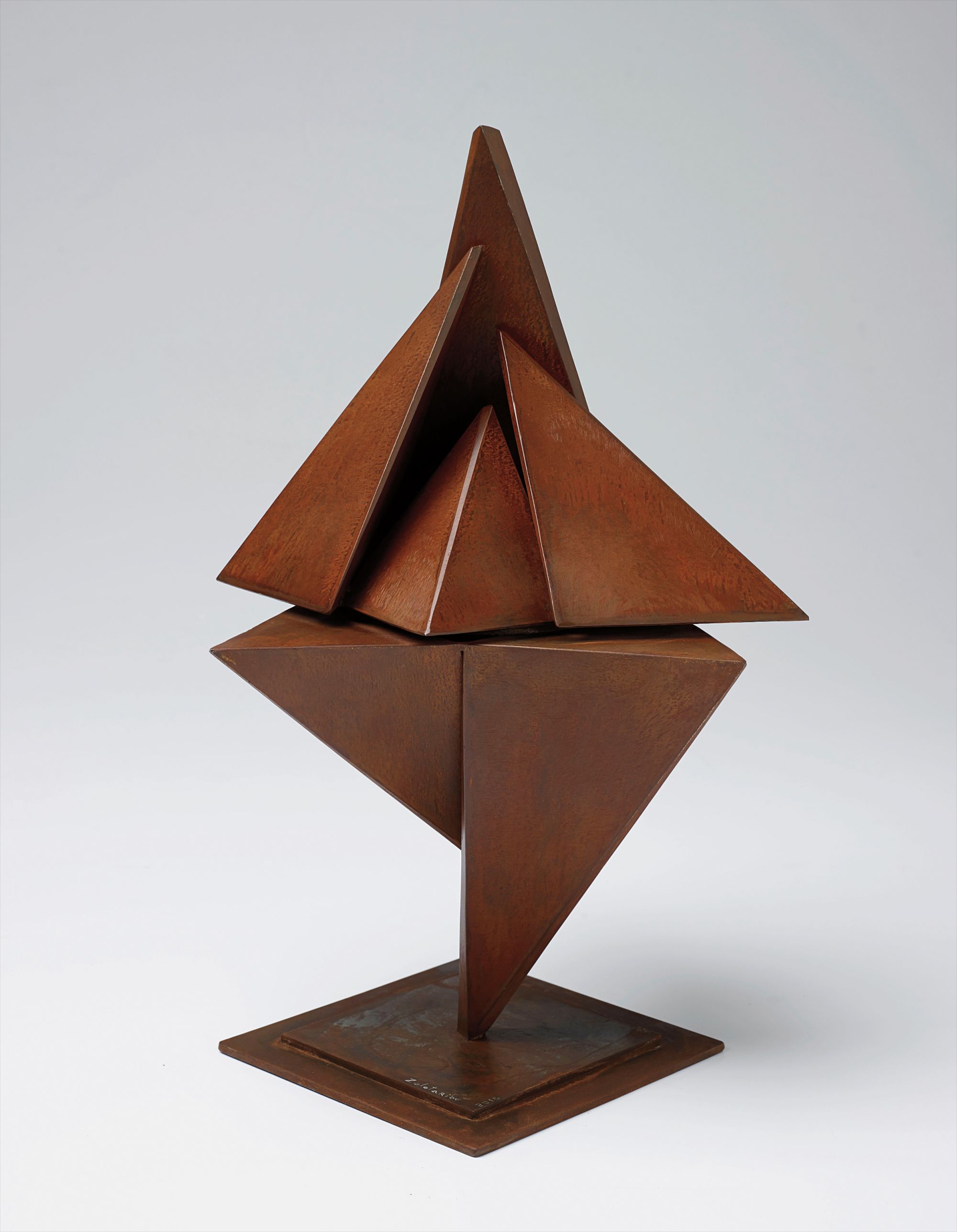
Stepan Ryabchenko brings a sculptural and conceptual dimension to digital form, expanding the conversation beyond the flat plane. What unites all of this work, across five decades and wildly different practices, is a shared conviction that process is not merely a means to an end. The system, the code, the set of rules, these are the primary material. The resulting image or object or environment is a kind of proof, evidence that the system was real and that it ran.
Collecting generative art means collecting that evidence, which is also to say it means collecting an argument about how creativity actually works. In a market still largely organized around the singular gesture of a singular hand, that argument feels more necessary with every passing year.