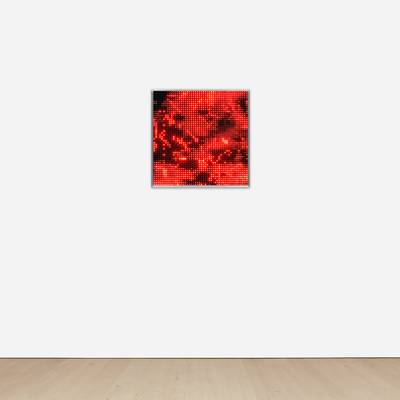
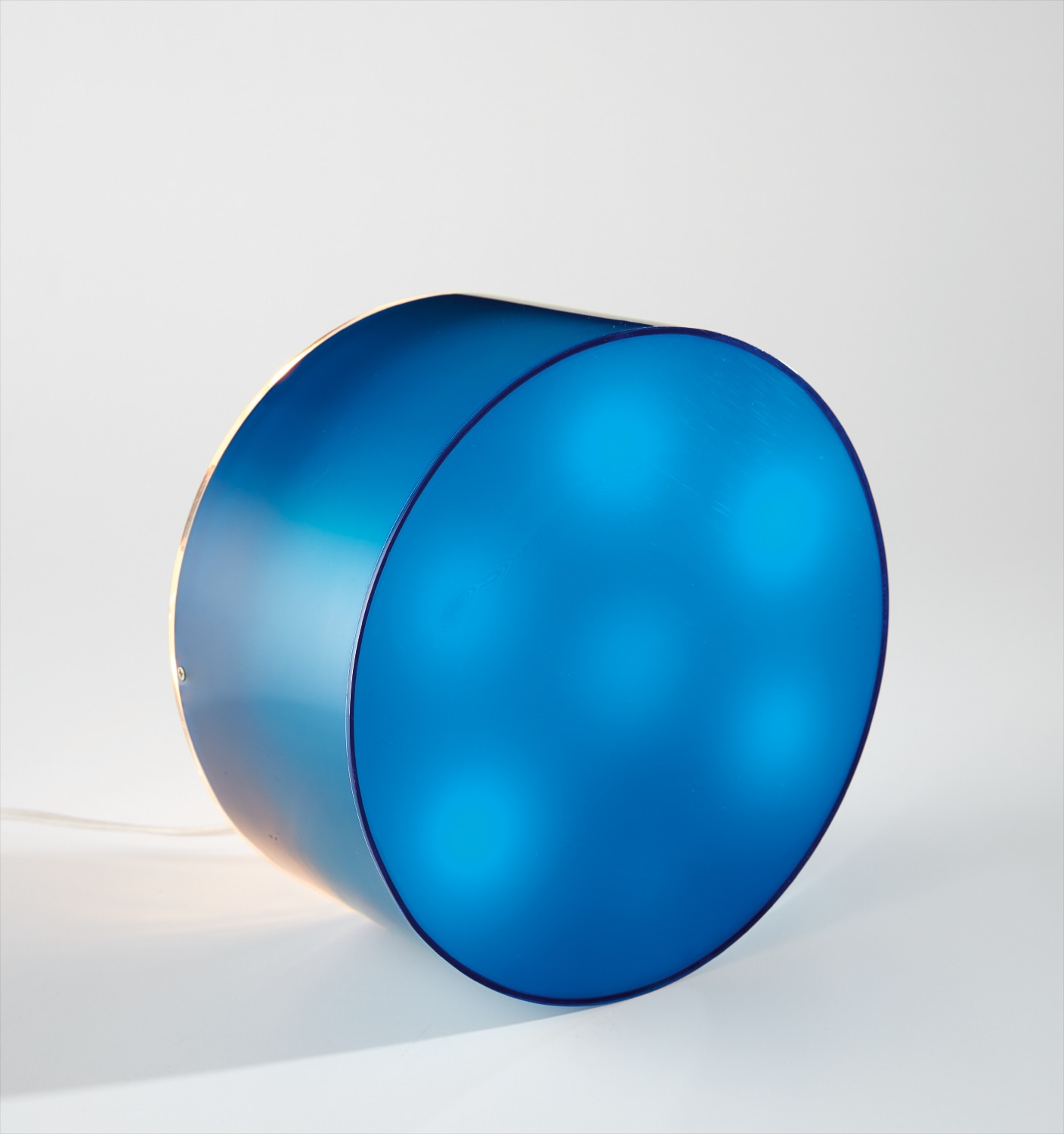
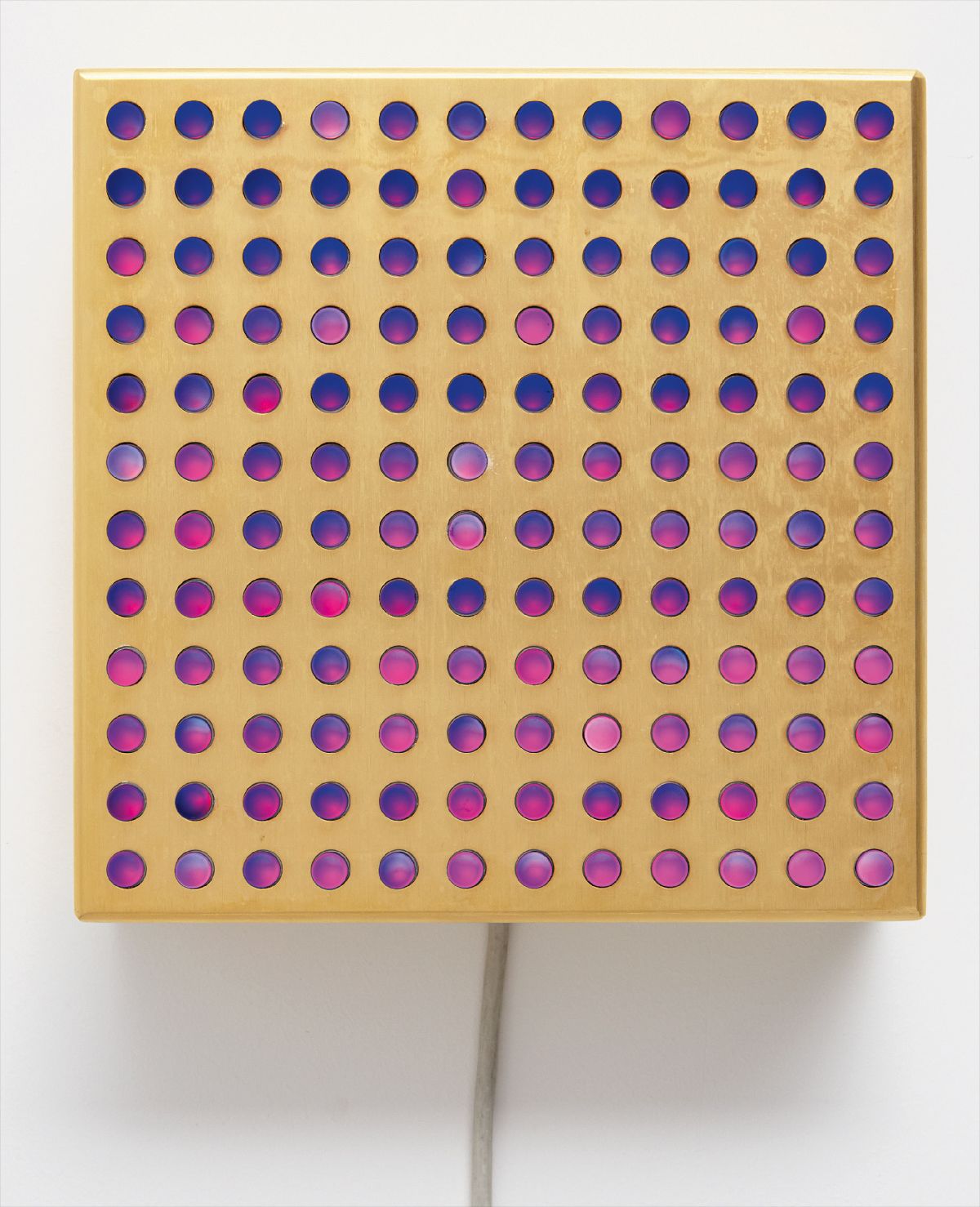
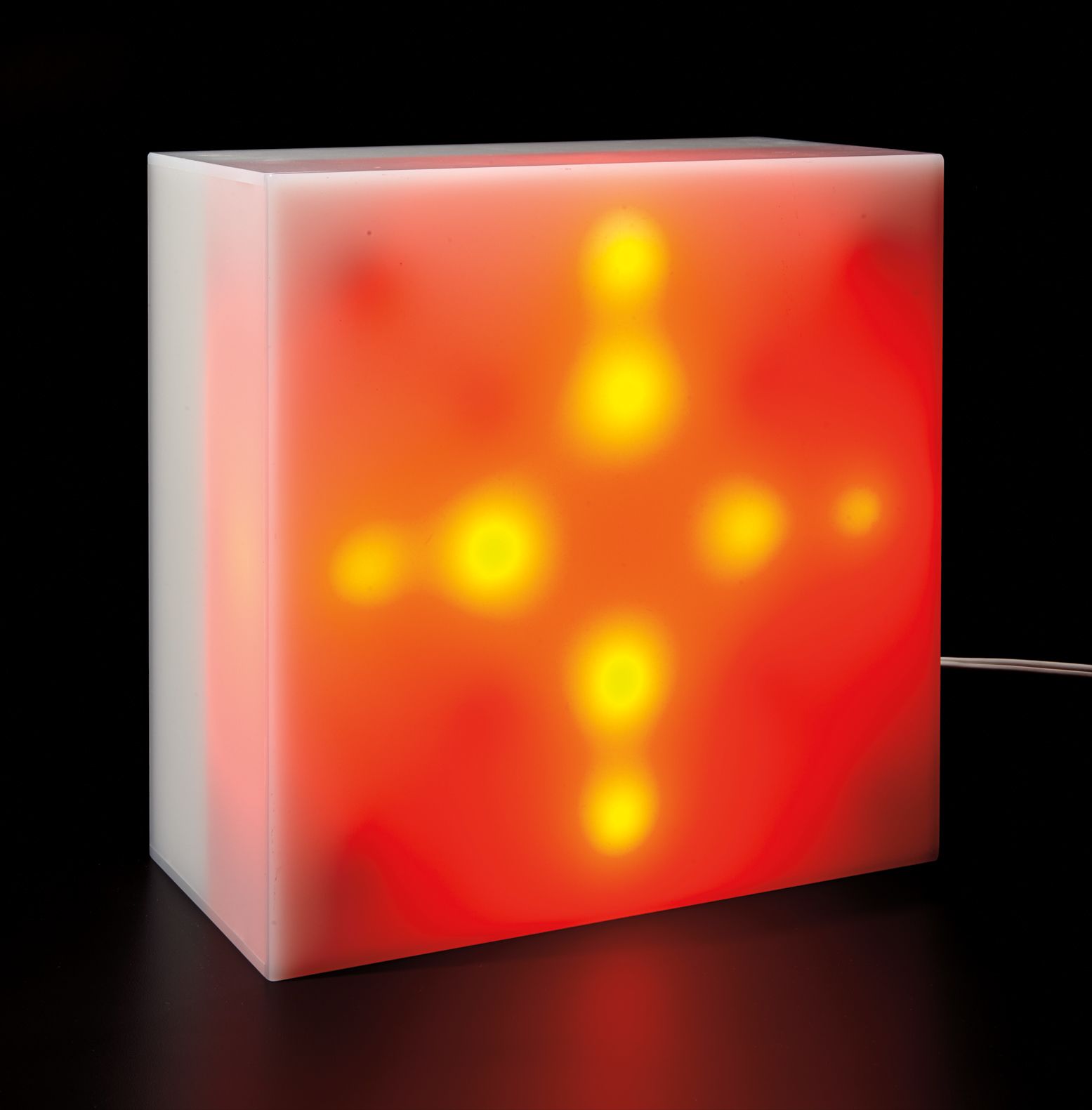
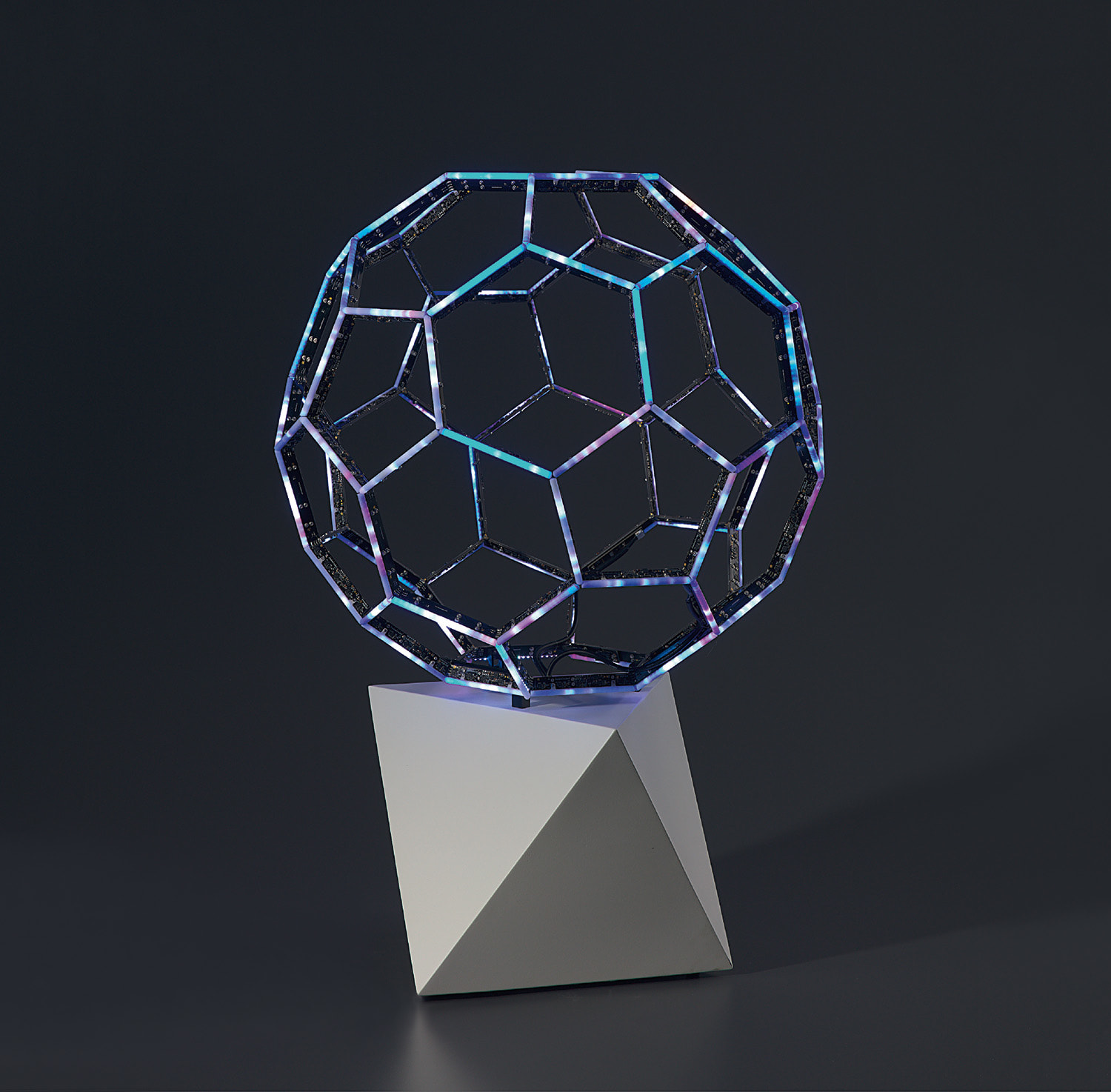
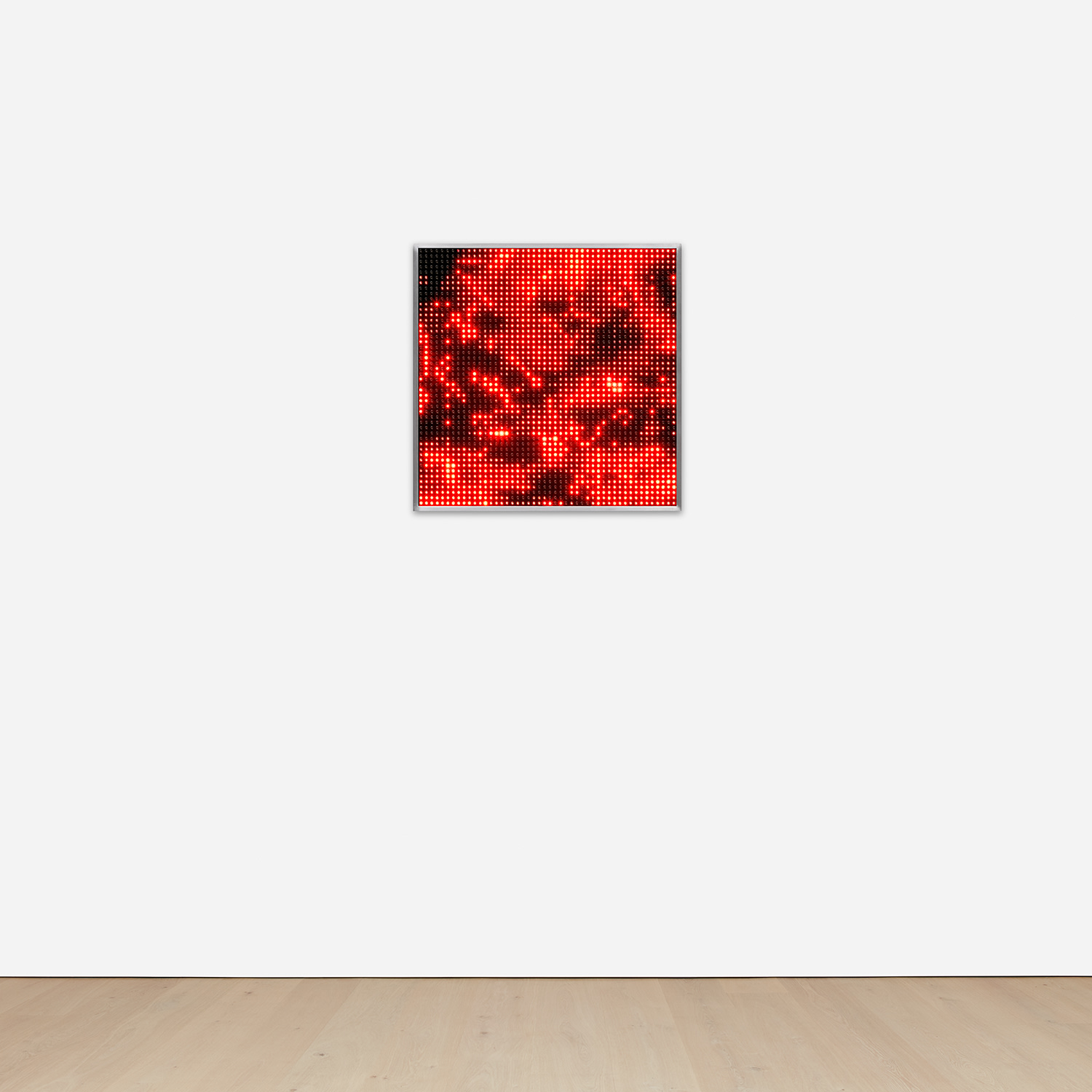
On a given evening in San Francisco, pedestrians crossing the Bay Bridge encounter something that stops them mid stride. Rippling, cascading sequences of white light travel across the suspension cables, appearing to breathe and pulse with an intelligence all their own. This is Illuminated River's spiritual predecessor and one of the most visited public artworks in American history, The Bay Lights, a permanent large scale installation that Leo Villareal completed in 2016 after its triumphant debut in 2013. That work, comprising some 25,000 LED nodes across the western span of the Bay Bridge, announced to the world that light itself had found one of its most eloquent and ambitious spokespeople. Villareal was born in 1967 and grew up in El Paso, Texas, a landscape defined by vast skies, intense desert sunlight, and the peculiar quality of illumination that comes from existing between two countries and two cultures. That early immersion in extremes of light and open space has never entirely left his practice. He studied at Yale University, where he received his Bachelor of Arts degree, and later attended New York University's Interactive Telecommunications Program, a graduate environment that placed artists, engineers, and technologists in productive, generative friction with one another. It was precisely the kind of training that would allow Villareal to move fluidly between artistic vision and computational rigor. A formative period working at Interval Research Corporation in the mid 1990s, a technology research lab founded in part by Paul Allen, brought Villareal into close contact with emerging ideas in computer science, human perception, and interactive media. He also attended the Burning Man festival during the 1990s, an experience frequently cited as catalytic, exposing him to the radical possibilities of light, scale, and communal experience in open desert space. These intersecting influences converged into a singular artistic proposition: that light, governed by algorithmic rules and yet capable of infinite variation, could produce experiences as profound and meditative as any painting or sculpture in the Western canon. Villareal's breakthrough into institutional recognition came in the early 2000s, when he began exhibiting works that combined LED technology with custom software of his own design. His 2003 installation Cylinder II at the Guggenheim Museum in New York announced a fully formed sensibility, one that used the rotunda's famous spiral architecture as a stage for luminous, endlessly mutating sequences. The critical response was immediate and enthusiastic. Viewers described standing beneath the piece as a quasi spiritual experience, a response that Villareal has consistently provoked and that situates his work within a longer tradition of American light and space art associated with figures such as James Turrell and Robert Irwin. Yet where those artists often work with existing light or simple architectural interventions, Villareal codes his own visual languages from scratch, writing the software that determines every flicker and transition. Among the works available to collectors today, the Bulbox series occupies a particularly important place in understanding Villareal's development. Bulbox 1.0, co published by Sandra Gering Gallery and Editions Fawbush in New York and issued in an edition of 25 plus six artist's proofs, represents one of his earliest forays into the collectible, object based format that would make his work accessible to private collections beyond institutional settings. The numbered editions carry the intimacy of a signed print alongside the dynamic presence of a living, changing light object. Bulbox 4.0, constructed from gold plated aluminum with LEDs, a microcontroller, and embedded circuitry, pushes the material language further, treating the hardware itself as a sculptural element worthy of refinement and precious finish. Devil's Playground (Orange) from 2005, rendered in orange LEDs set within aluminum with custom software driving its sequences, captures the artist in a period of concentrated formal experimentation, using a restricted palette of color to focus attention entirely on pattern, rhythm, and the hypnotic quality of controlled repetition. Buckyball from 2015, a reference to the geodesic structures associated with Buckminster Fuller, demonstrates Villareal's ongoing dialogue with modernist idealism and his interest in geometric forms that carry their own philosophical weight. For collectors, the appeal of Villareal's work operates on several levels simultaneously. There is the obvious sensory pleasure, the way his pieces transform any environment they inhabit, shifting the mood and atmosphere of a room in ways that static works simply cannot. But there is also a conceptual depth that rewards sustained engagement. Each work runs on algorithms that incorporate principles of randomness and non repetition, meaning that what a collector lives with is never quite the same twice and is in a meaningful sense inexhaustible. The edition structure of works like the Bulbox series also offers a point of entry that is genuinely considered, with pieces that feel personal and crafted rather than simply reproduced. Sandra Gering Gallery in New York has been a long standing institutional partner in making this work available, and their stewardship of Villareal's editions has helped establish clear provenance and market integrity for new collectors approaching the work. Within the broader history of art, Villareal belongs to a conversation that stretches from the California Light and Space movement of the 1960s and 1970s through the emergence of generative and digital art in the 1990s and into the present moment, when questions about the relationship between human creativity and algorithmic process feel more urgent than ever. He shares with James Turrell a devotion to light as primary medium and with artists such as Ryoji Ikeda a fascination with data and code as aesthetic material. Yet his sensibility remains distinctly American in its optimism and its embrace of public space as a site for genuine wonder. The Bay Lights and the subsequent Illuminated River project in London, which lit the bridges of the Thames in 2019, confirm that his ambitions extend beyond the gallery or the private home to the shared civic experience of the city itself. Villareal's legacy is still very much being written, and that is part of what makes collecting his work at this moment so compelling. He is a mid career artist at the height of his powers, with a practice that has proven itself across intimate editions and monumental public commissions alike. As generative and computational art moves from the margins of critical discourse toward its center, and as institutions and collectors worldwide reassess the history and future of light based work, Villareal stands as one of the essential figures through whom that reassessment must pass. To own a piece of his practice is to hold a small, endlessly alive fragment of a larger vision, one that asks, with genuine warmth and intelligence, what it means to share light with another human being.