Gender Identity
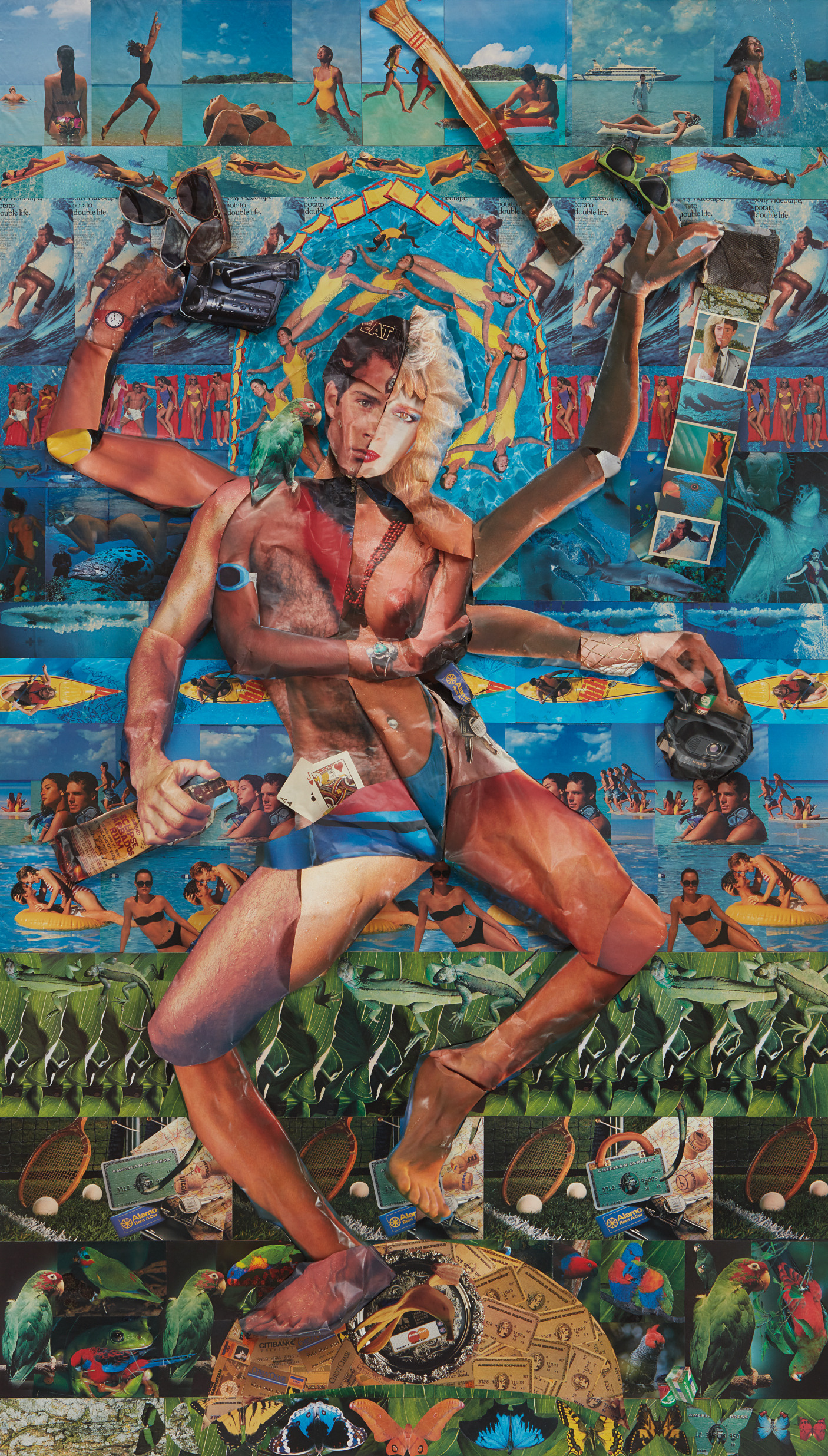
Robert Heinecken
Shiva, the Lord Whose Half Is Woman

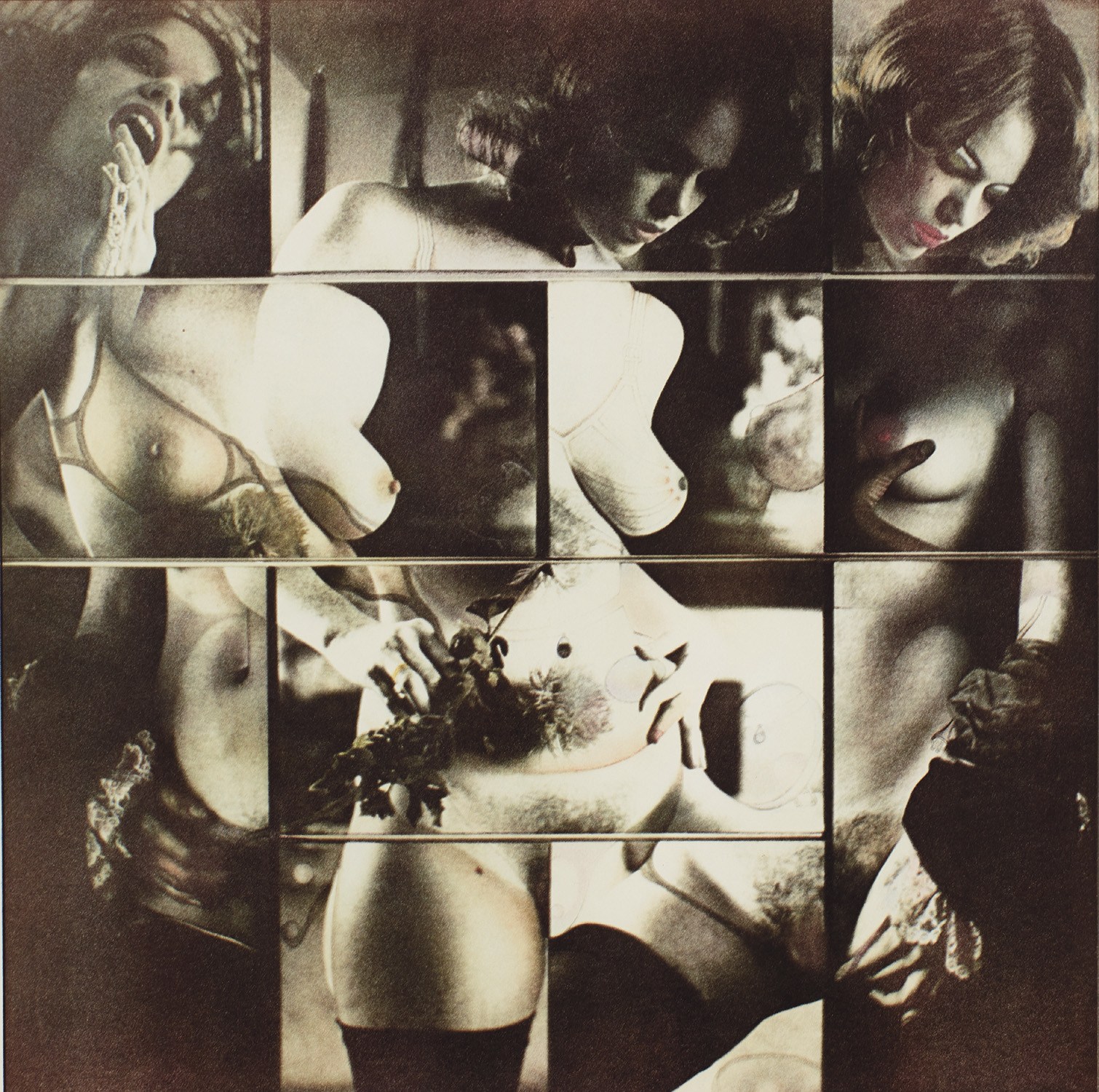
The Body Knows: Art Rewrites Gender
When Grayson Perry took the Turner Prize in 2003, arriving at the ceremony in a ruffled dress he had made himself, the art world had one of those rare moments where a single gesture seemed to crystallize something much larger than the individual. Perry was not making a statement so much as living one, and the critical response was split between those who saw transgression and those who recognized something more ancient and more human: the body as the primary site of self invention. That moment feels newly relevant now, as the market for work exploring gender identity reaches a kind of maturity, with institutional appetite and auction results confirming what many collectors already sensed years ago. The exhibition landscape has been particularly rich in the past decade.
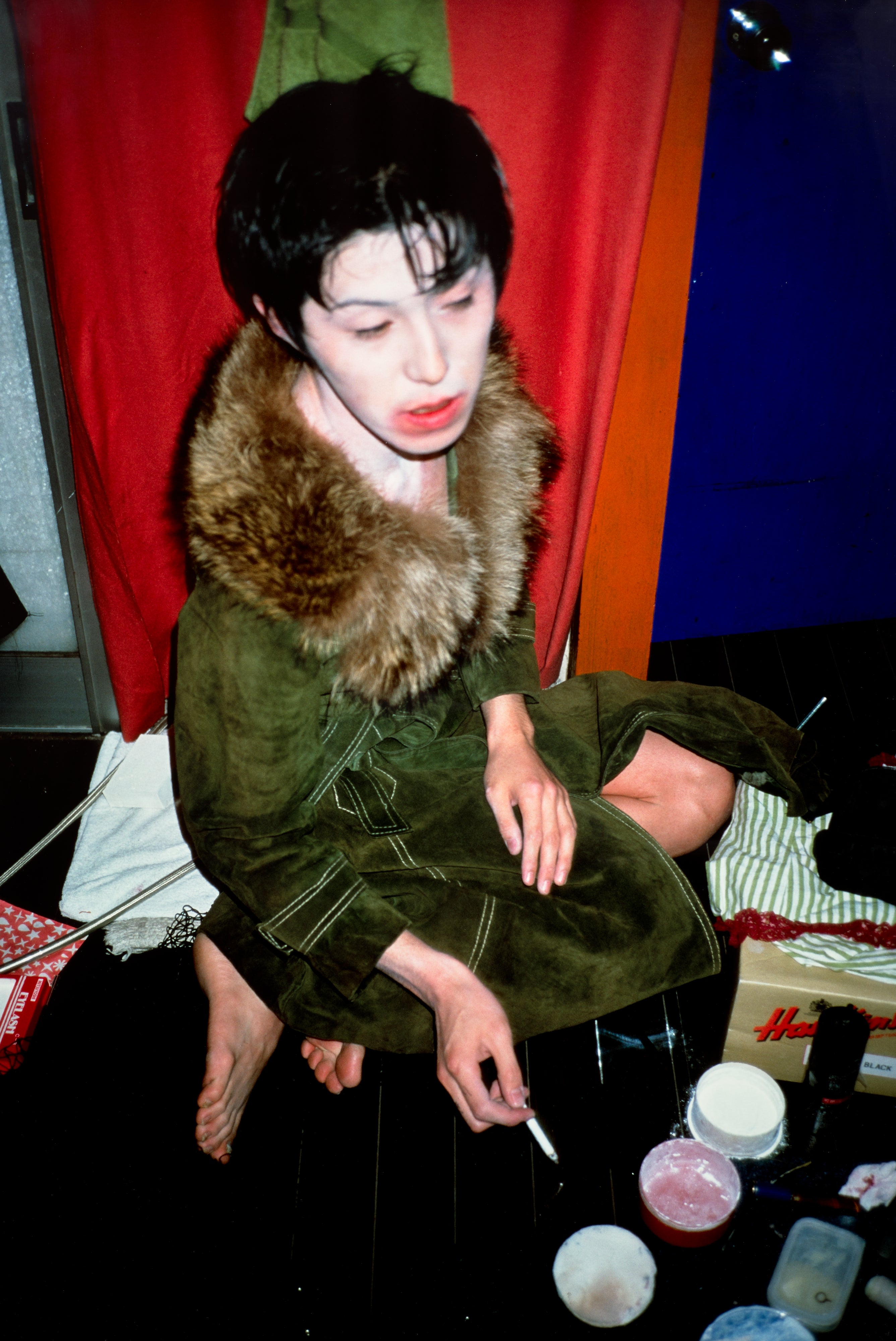
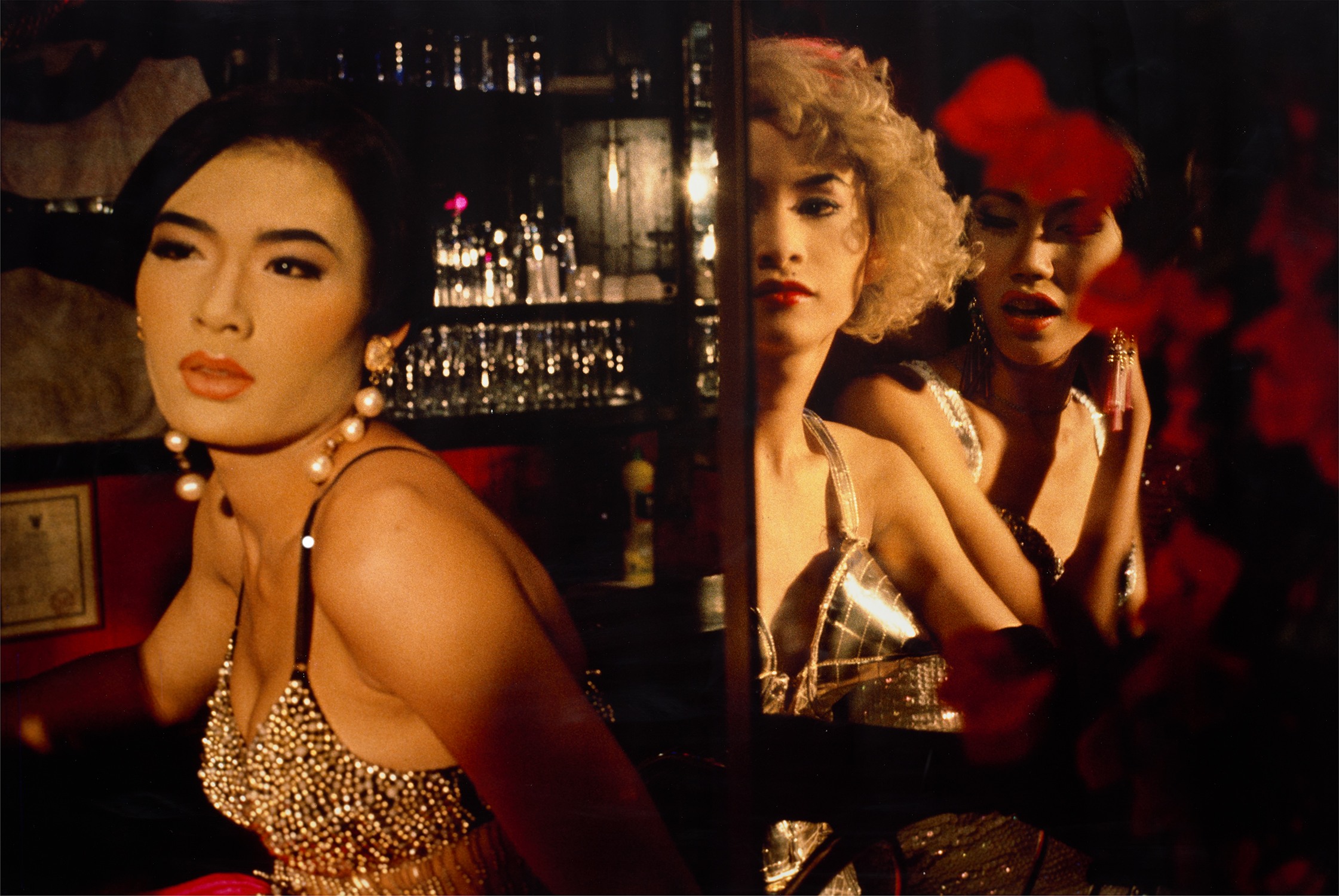
The Whitney Museum's 2016 retrospective of Nan Goldin's work brought renewed attention to the way she built an entirely new visual language for queer life and chosen family beginning in the late 1970s. Her photographs do not document so much as they witness, and that quality of radical presence has only deepened in critical estimation. The show reminded younger visitors that so much of what feels contemporary in image culture about intimacy, vulnerability, and gender performance was worked out in Goldin's loft in Boston and on the streets of the Lower East Side long before it became a theoretical framework. Collier Schorr has long occupied a similarly essential position in the conversation, using photography and drawing to interrogate masculinity with a tenderness that disarms.

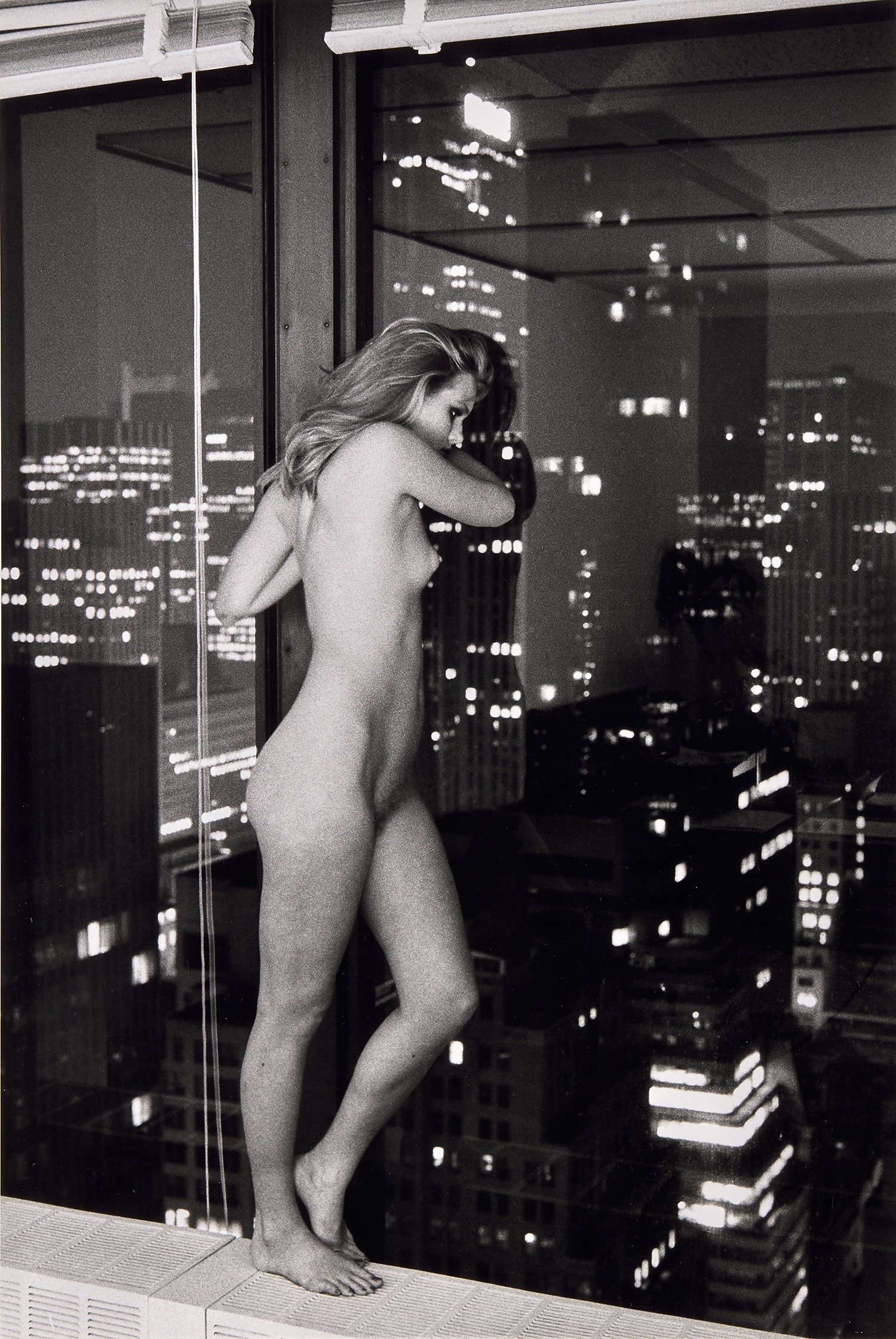
Collier Schorr
This work is number 1 from an edition of 5.
Her work, well represented on The Collection, often involves young men in staged or semi staged situations that feel at once documentary and fictional. The tension in her images is never resolved, which is precisely the point: gender as Schorr sees it is always in the middle of becoming something. Her exhibitions at 303 Gallery in New York have attracted serious institutional attention, and her work sits in major museum collections including the Museum of Modern Art, a signal that the art historical case for her practice is already being made. Auction results over the past five years have tracked a meaningful shift in how the market values work in this area.
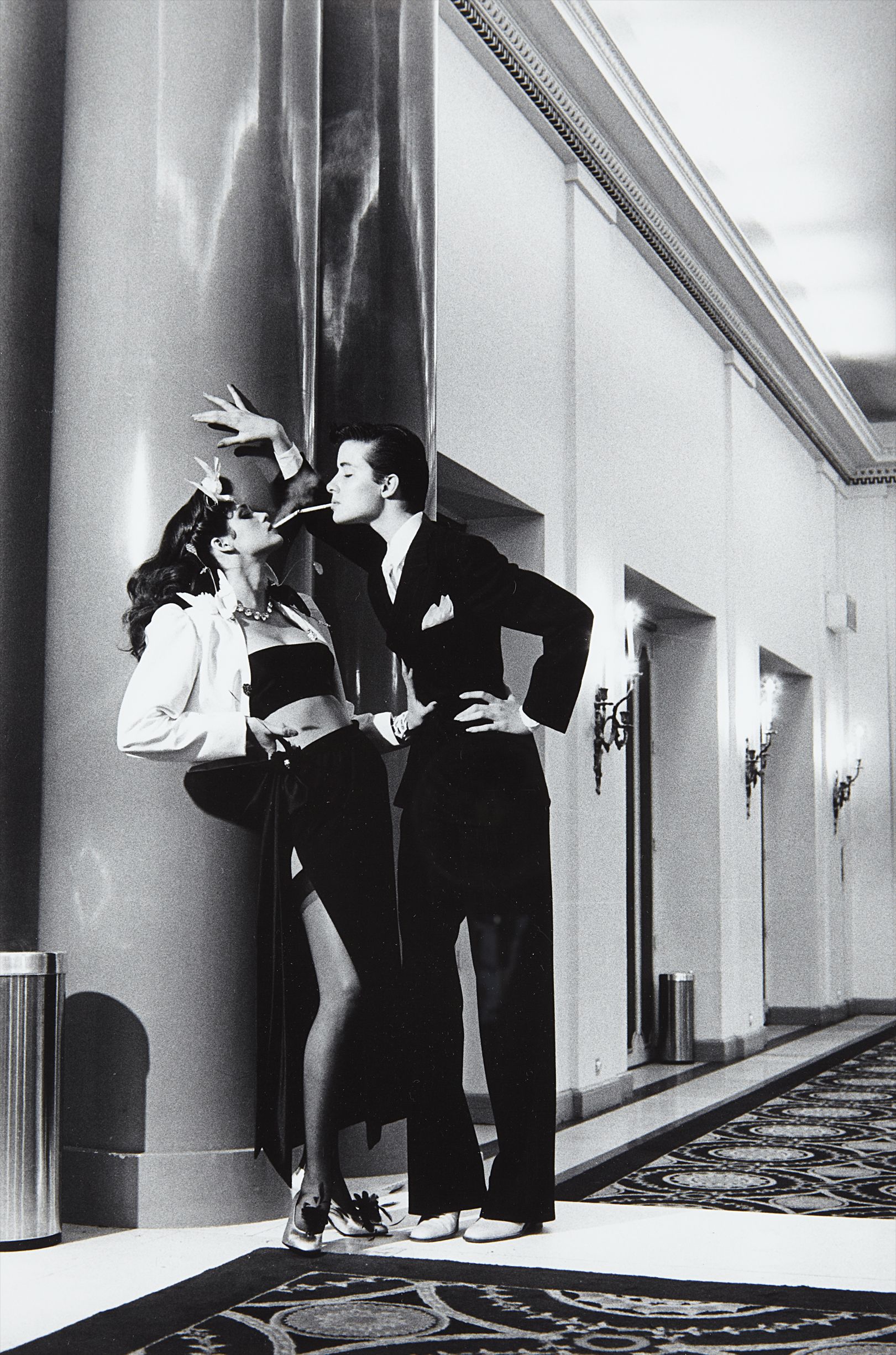
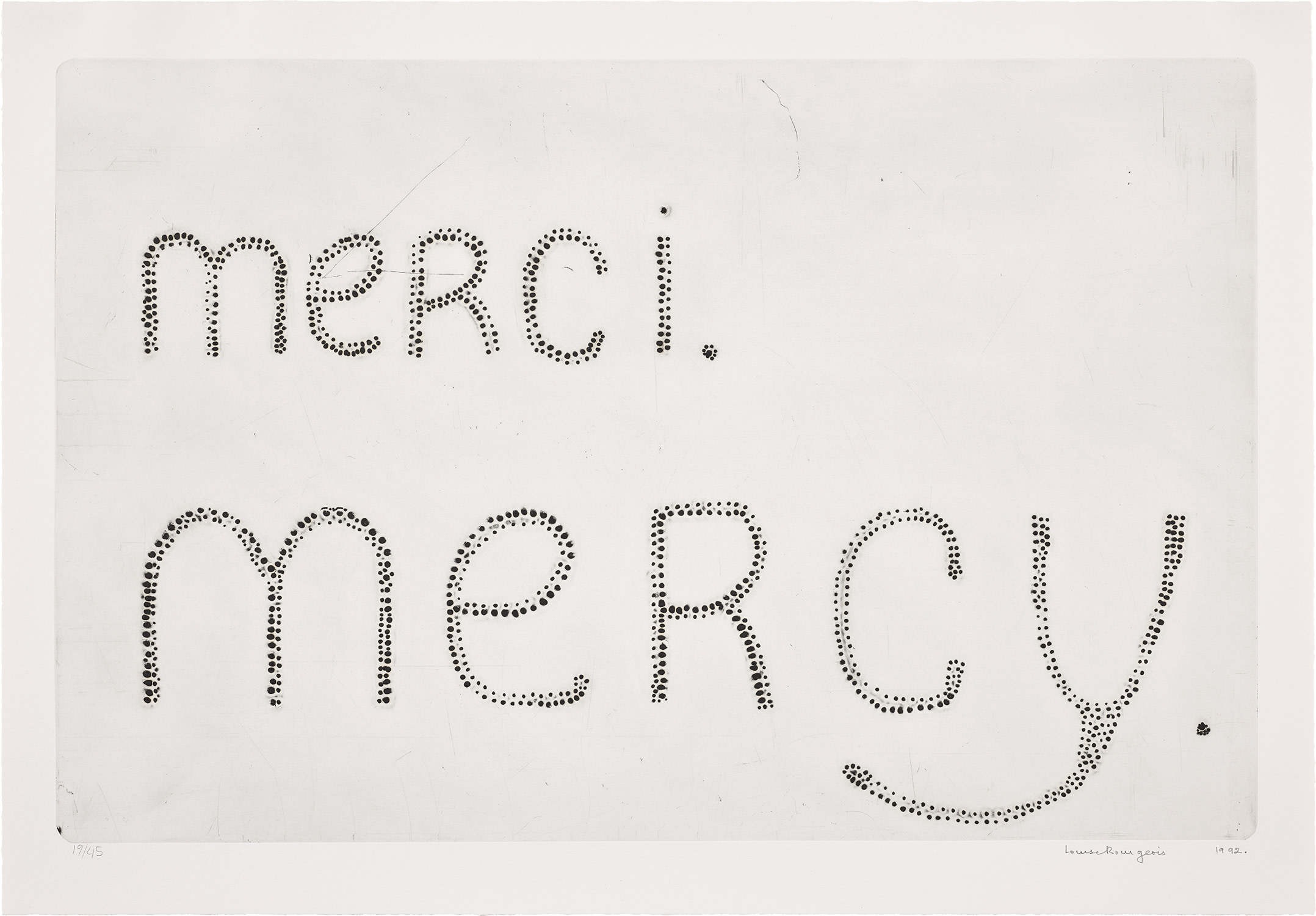
Louise Bourgeois, whose exploration of the body, sexuality, and psychological inheritance was decades ahead of its theoretical moment, has seen extraordinary prices at Christie's and Sotheby's. Her fabric works in particular, assembled from old clothing and domestic materials, carry an understanding of gender as something accumulated and worn rather than declared. Helmut Newton, whose work sits at a more complex and contested edge of this conversation, continues to attract strong bidding, with prints regularly clearing six figures at major houses. The appetite for Newton reflects an ongoing collector fascination with work that destabilizes easy readings, that implicates the viewer rather than comforting them.
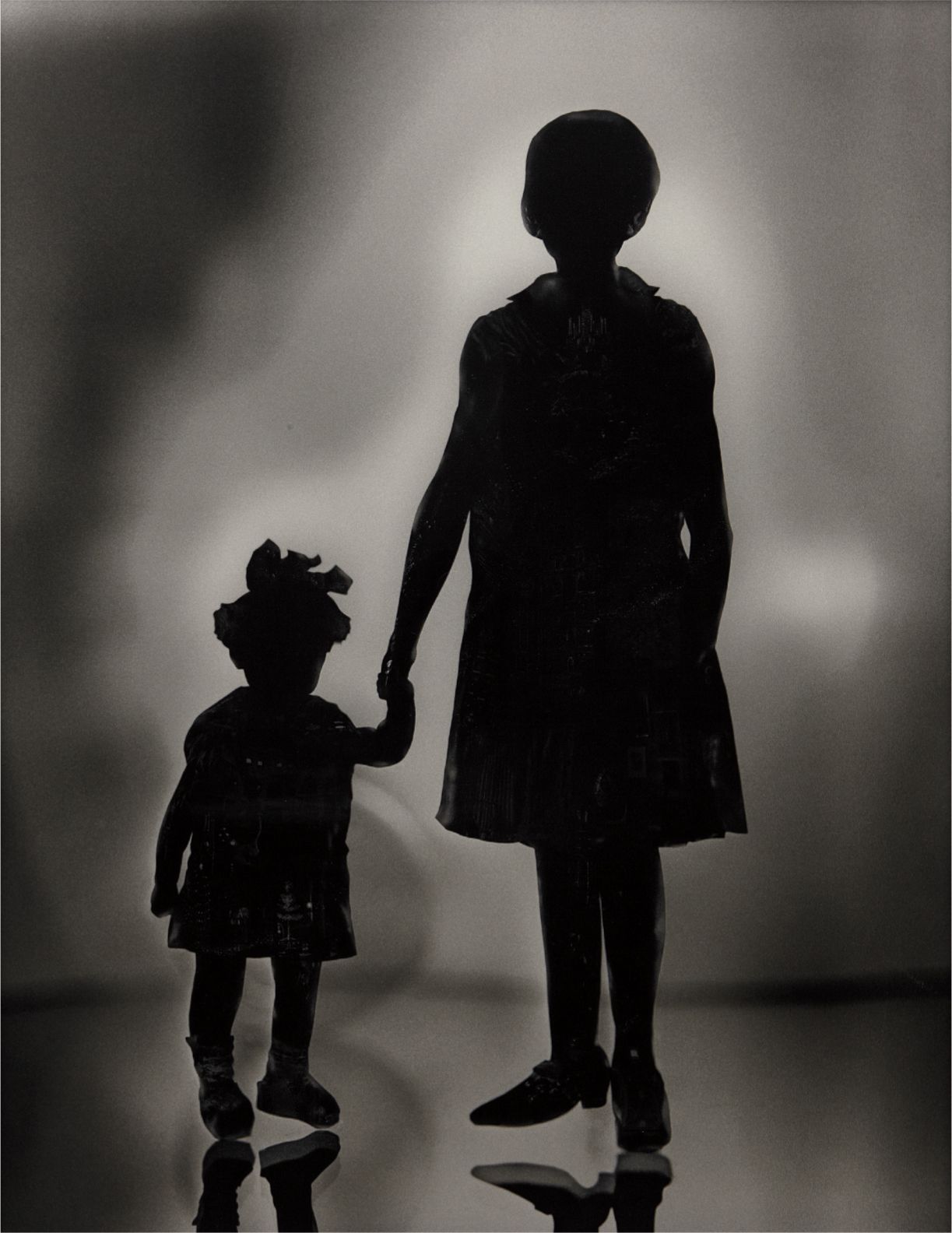
Robert Heinecken
Shiva, the Lord Whose Half Is Woman
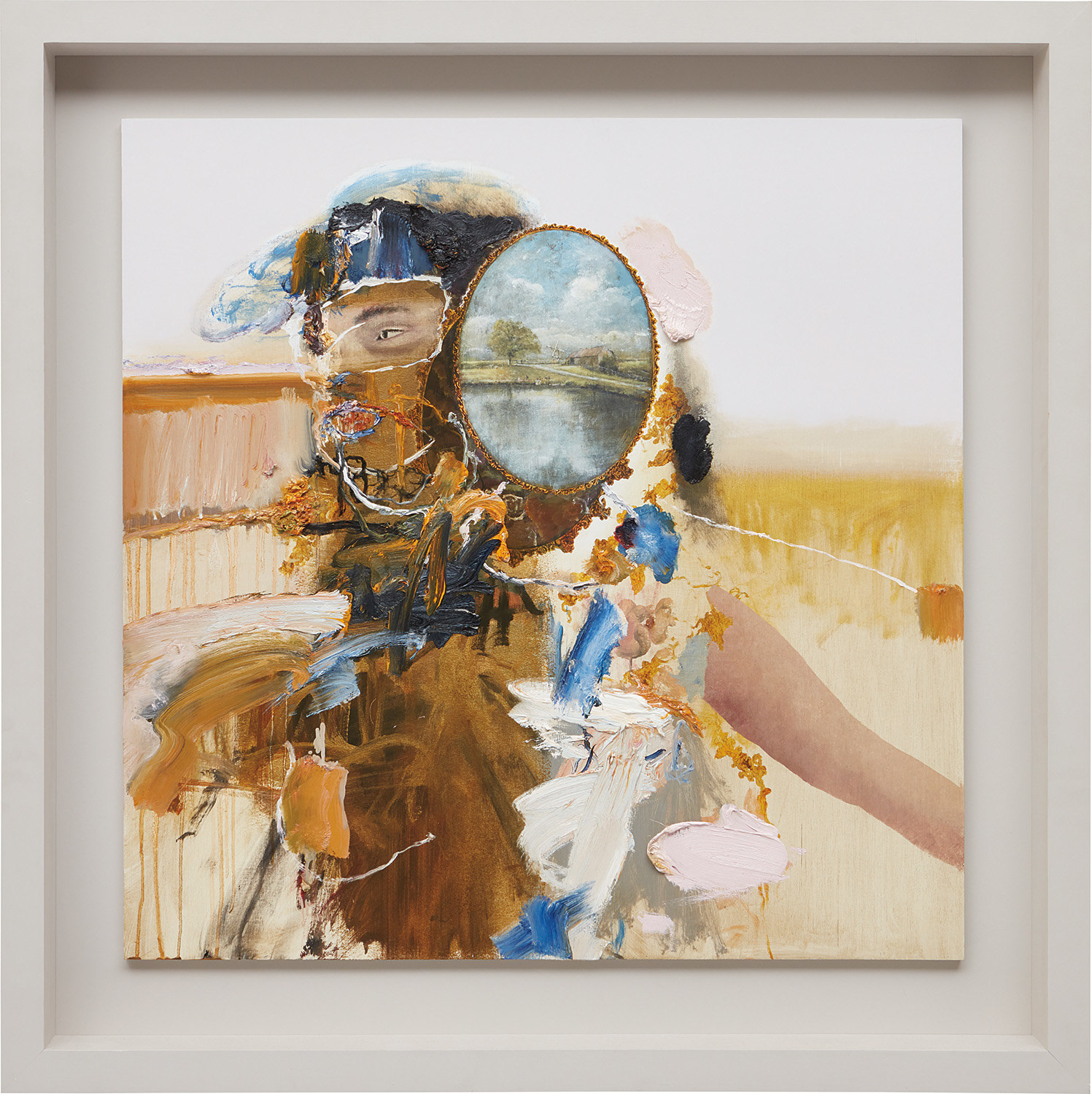
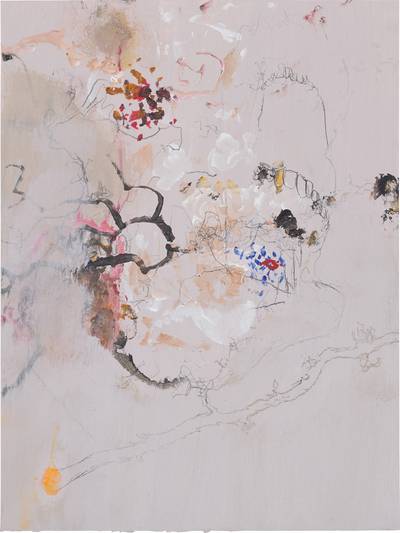
Robert Heinecken occupies a different corner of this market, one that rewards the adventurous collector willing to engage with work that remains genuinely strange. His manipulation of found magazine imagery to expose the mechanics of gender performance anticipated so much that followed, and institutions including the Art Institute of Chicago and the Museum of Contemporary Art Los Angeles have made significant commitments to his legacy. Tony Lewis brings a contemporary drawing practice that addresses the body through text and mark in ways that feel urgently of the present moment, while Yuki Onodera works with photography to create images where identity becomes unstable and multiple in beautifully unresolved ways. David Kim Whittaker rounds out a group of artists on The Collection whose work suggests that the most interesting practice in this area is happening across disciplines and across generations simultaneously.
The critical conversation has shifted considerably from the identity politics debates of the 1990s toward something more nuanced and more philosophically grounded. Writers like Jennifer Doyle, whose book on affect and the body in art remains essential reading, and curators like Natalie Bell have helped reframe the question away from representation and toward experience, asking not only who is depicted but what the work asks of the viewer's own body and assumptions. Publications including Artforum and Frieze have dedicated sustained critical space to this area, and the emergence of dedicated platforms and journals focused on queer art history has created a parallel critical infrastructure that often moves faster and with more specificity than mainstream art media. Institutional collecting has become one of the most reliable signals of where the field is heading.
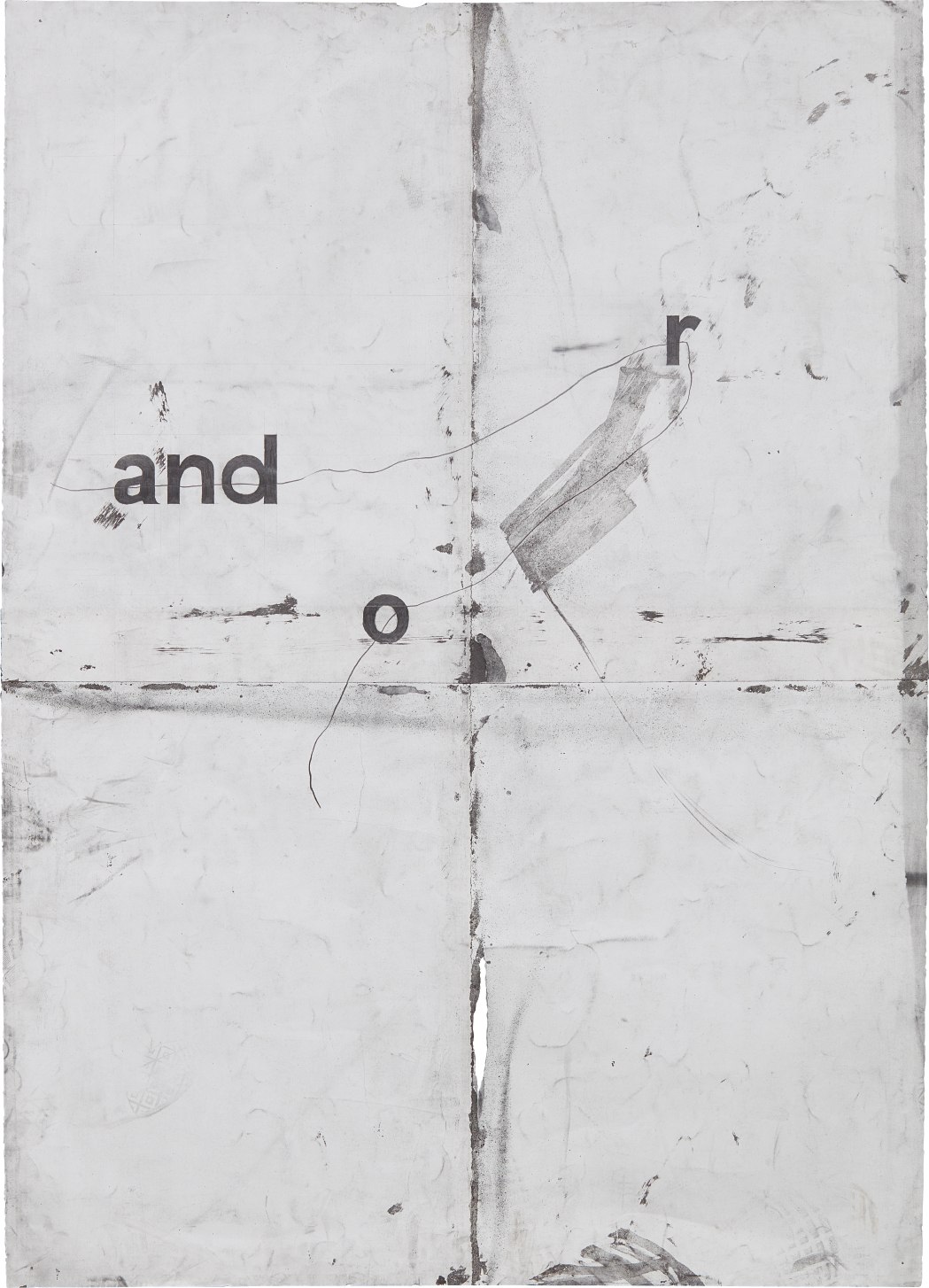
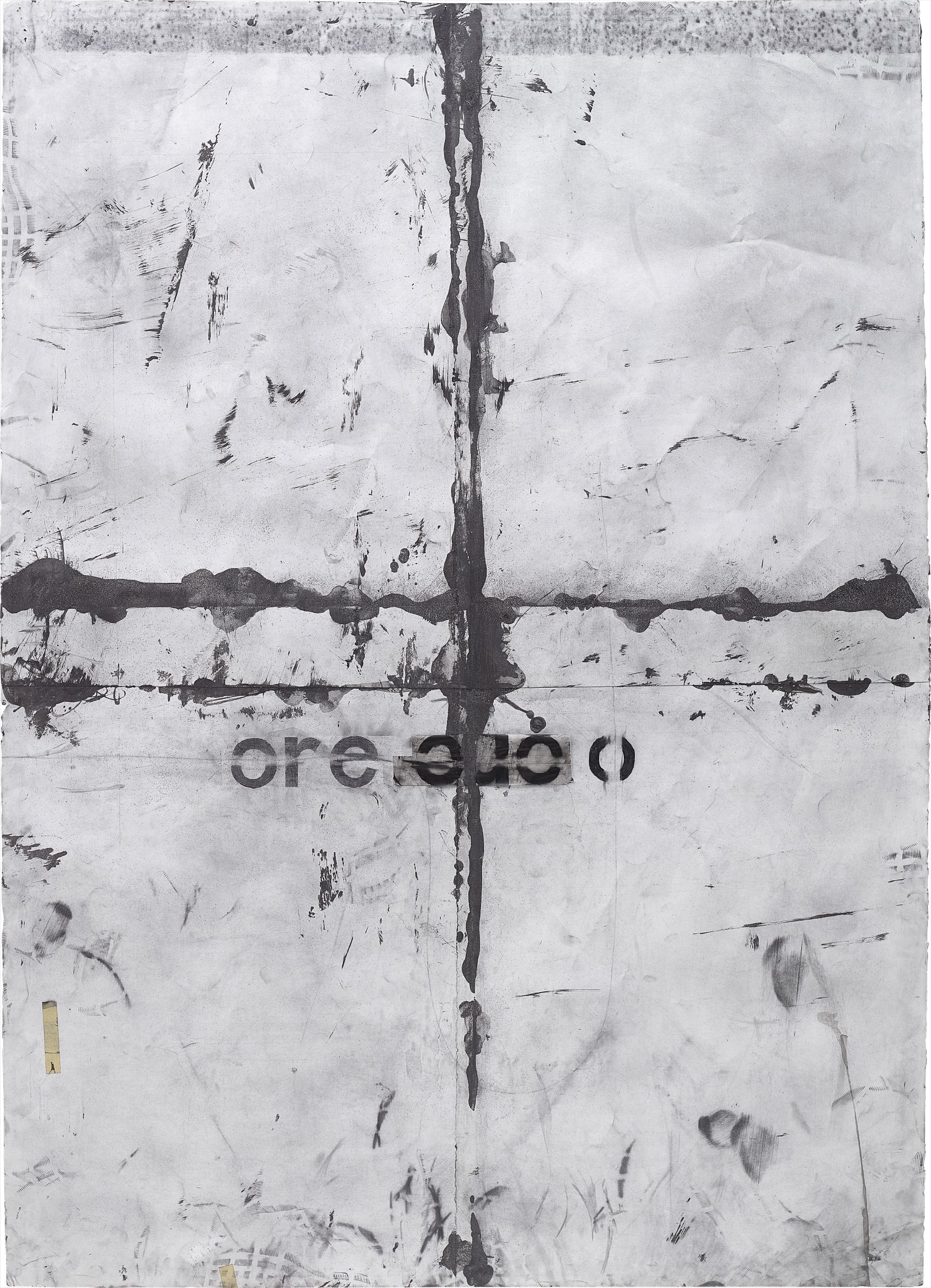
Tony Lewis
rando and/or andro, 2013
The Tate's acquisitions over the past decade reflect a sustained commitment to building a collection that can account for the full range of gender experience, not as a niche concern but as central to understanding how twentieth and twenty first century art works. The San Francisco Museum of Modern Art and the Hammer Museum in Los Angeles have been similarly active, and there is a growing conversation among European kunsthalles about how to present this material to audiences who bring very different frameworks to the work. When museums collect strategically in a particular area, prices at auction tend to follow within five to ten years. What feels alive right now is the work that refuses the comfort of legibility.
The most compelling younger artists working in this space are not interested in visibility as an end in itself but in using the body and its representations to ask harder questions about how meaning is made and by whom. What feels more settled is the canonical status of artists like Goldin and Bourgeois, whose market position is no longer speculative but established. The surprise, for many collectors who came to this area through photography, has been the strength of performance documentation and textile based work, categories that once seemed difficult to sell and now attract serious bidding. The body, it turns out, is not a subject the market has finished thinking about.
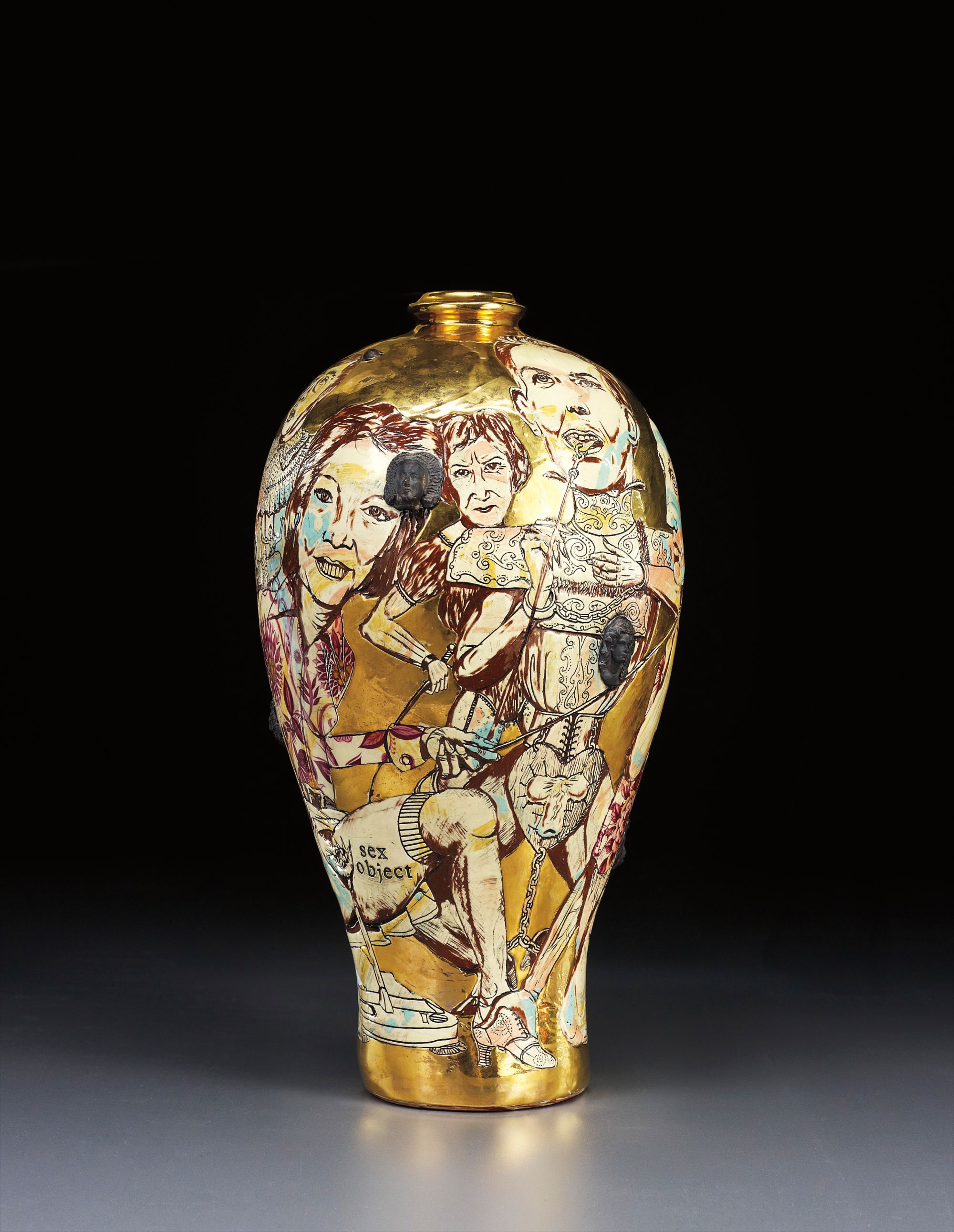
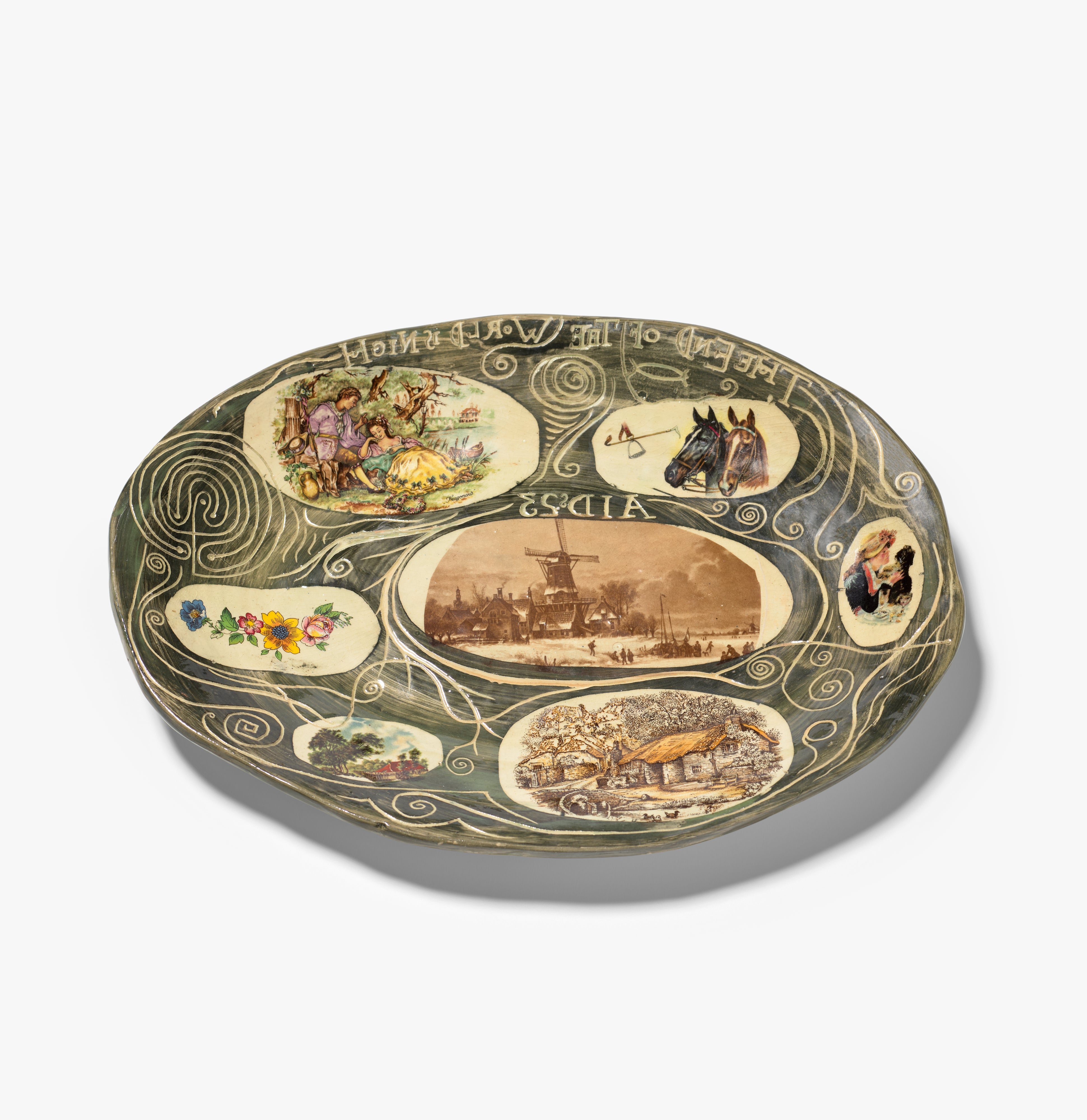
Grayson Perry
Sex Object
Neither is the rest of us.