Feminist Art
Archived article
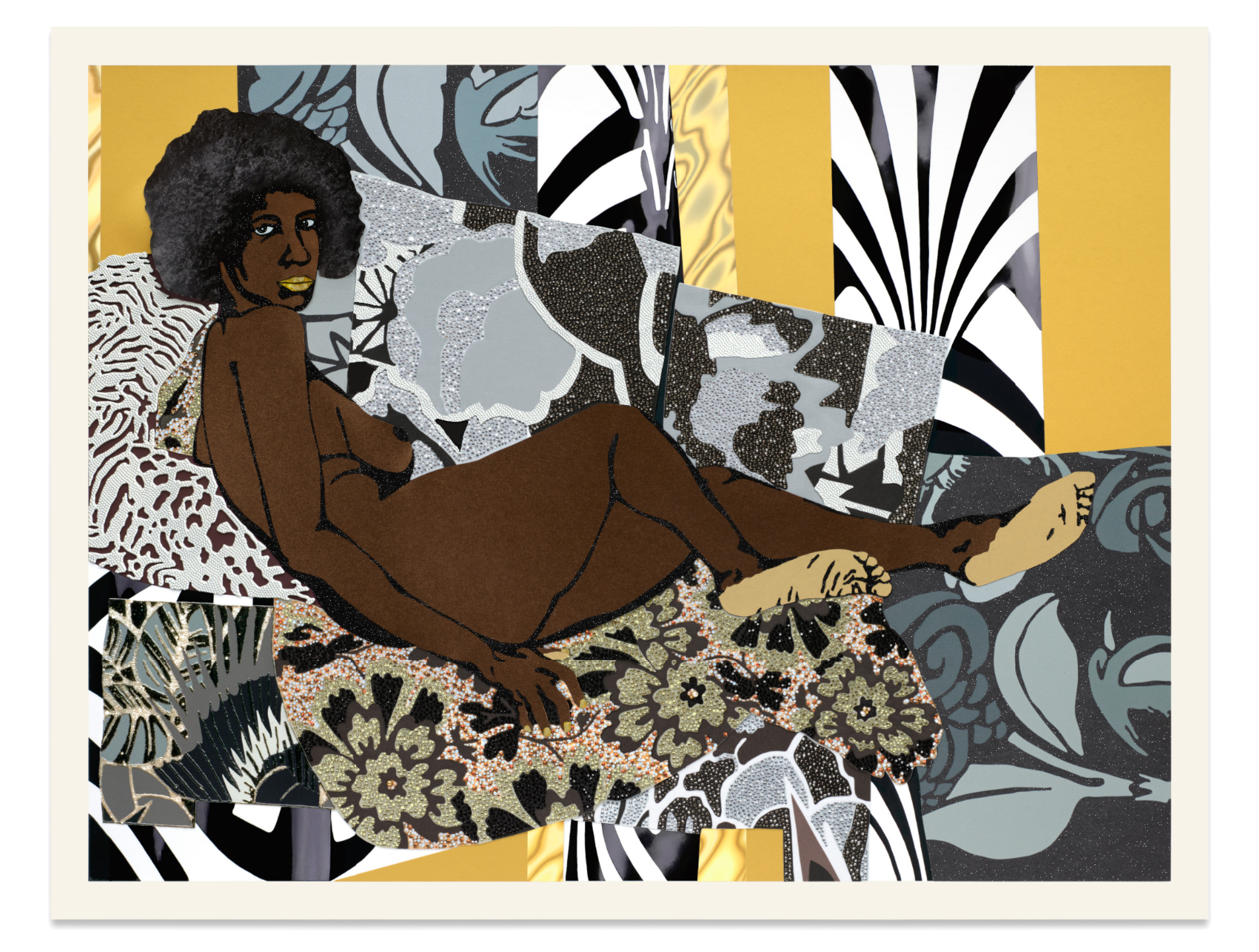
Mickalene Thomas
A Little Taste Outside of Love
You are reading a previous version of this article.
Read the latest version```json { "headline": "The Art That Refuses to Be Quiet", "body": "There is a particular kind of collector who discovers feminist art and never quite looks at their walls the same way again. These works do not simply hang. They occupy space, ask questions, and occasionally make guests uncomfortable in ways that spark the most interesting conversations a dinner party has ever produced. Part of the draw is intellectual: feminist art operates at the intersection of politics, psychology, and formal innovation in ways that reward sustained looking.
But there is also something deeply personal about living with work that takes seriously the experience of being a body in the world, of navigating power, desire, and identity on a daily basis.", "Since the movement gained critical momentum in the early 1970s, work made under this broad and contested banner has moved from institutional margins to the absolute center of contemporary collecting. What was once dismissed, overlooked, or undervalued is now among the most contested material at auction. Collectors who understood this early, who acquired Louise Bourgeois sculptures when her retrospective at MoMA in 1982 was still considered a risky institutional bet, or who bought Cindy Sherman photographs in the 1990s before her market fully ignited, made some of the most prescient decisions in postwar collecting history.
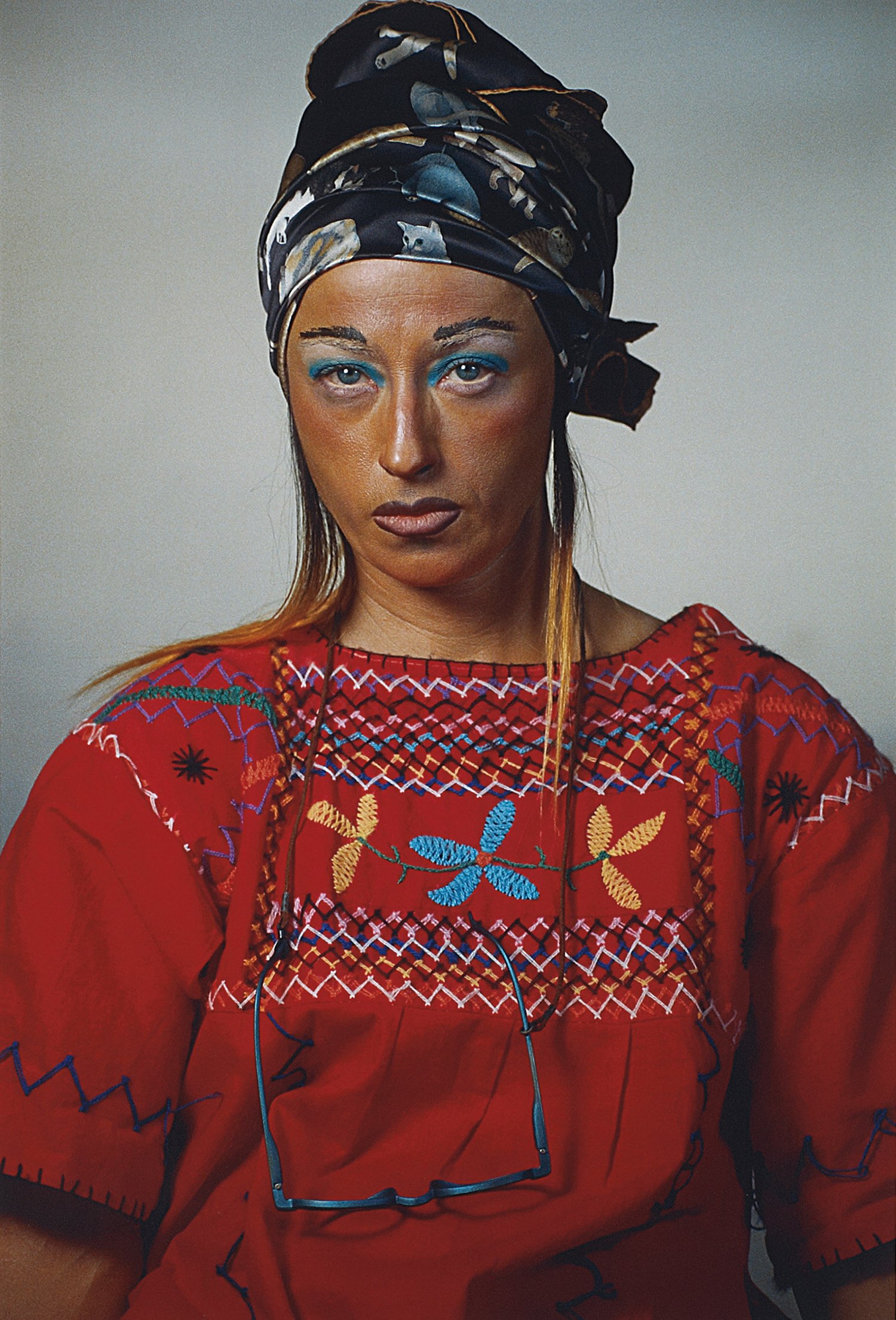
Cindy Sherman
Sans Titre, 2000
The lesson has not gone unlearned by the generation of collectors active today.", "Knowing what separates a strong work from a genuinely great one in this area requires looking past subject matter alone. A work is not powerful simply because it engages feminist themes. The greatest pieces carry formal conviction alongside conceptual weight.
In Barbara Kruger's work, for instance, the tension between her graphic language and the precision of her text is inseparable from the meaning. A work that feels formally compromised rarely recovers its authority no matter how urgent its politics. Similarly, with Cindy Sherman, the photographs that collectors consistently prize are those where the psychological pressure of the image feels unresolved and open rather than illustrative. Ambiguity is a marker of quality in this space.
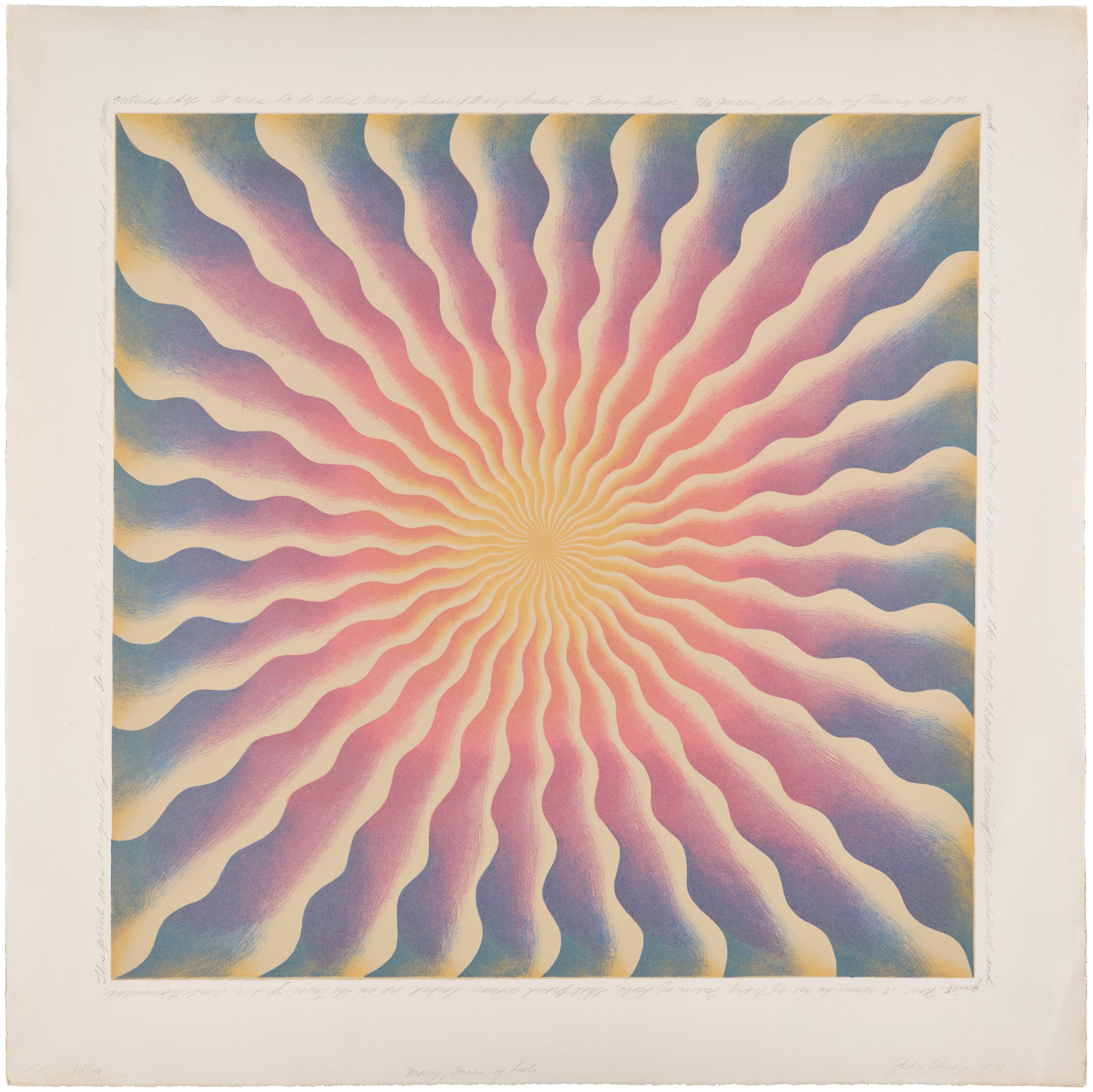
Judy Chicago
Mary, Queen of Scots
When a work tells you exactly what to think, it has already given up its most powerful tool.", "Among the artists well represented on The Collection, several stand out from a market perspective as offering genuine long term value. Judy Chicago's work, particularly anything connected to her practice around collective authorship and material culture, remains undervalued relative to her art historical importance. Chicago has had sustained institutional support in recent years, including the major retrospective at the de Young Museum in San Francisco in 2023, and the market has responded, though not yet fully caught up with her critical standing.
Ghada Amer occupies a similarly interesting position: her paintings, which layer embroidered imagery drawn from pornographic sources over acrylic grounds, have a material complexity that photographs cannot capture, which means there is a persistent gap between how they are understood from a distance and how they function in person. Collectors who see them in the room tend to become serious very quickly. Shirin Neshat's photographic works, dense with calligraphic script and charged with the politics of gender and the body in Islamic contexts, have proven to hold exceptionally well in the secondary market precisely because they operate at so many registers simultaneously.", "For collectors thinking about emerging or underrecognized figures, the opportunity right now sits with artists whose work has been genuinely rigorous but whose markets have lagged behind.
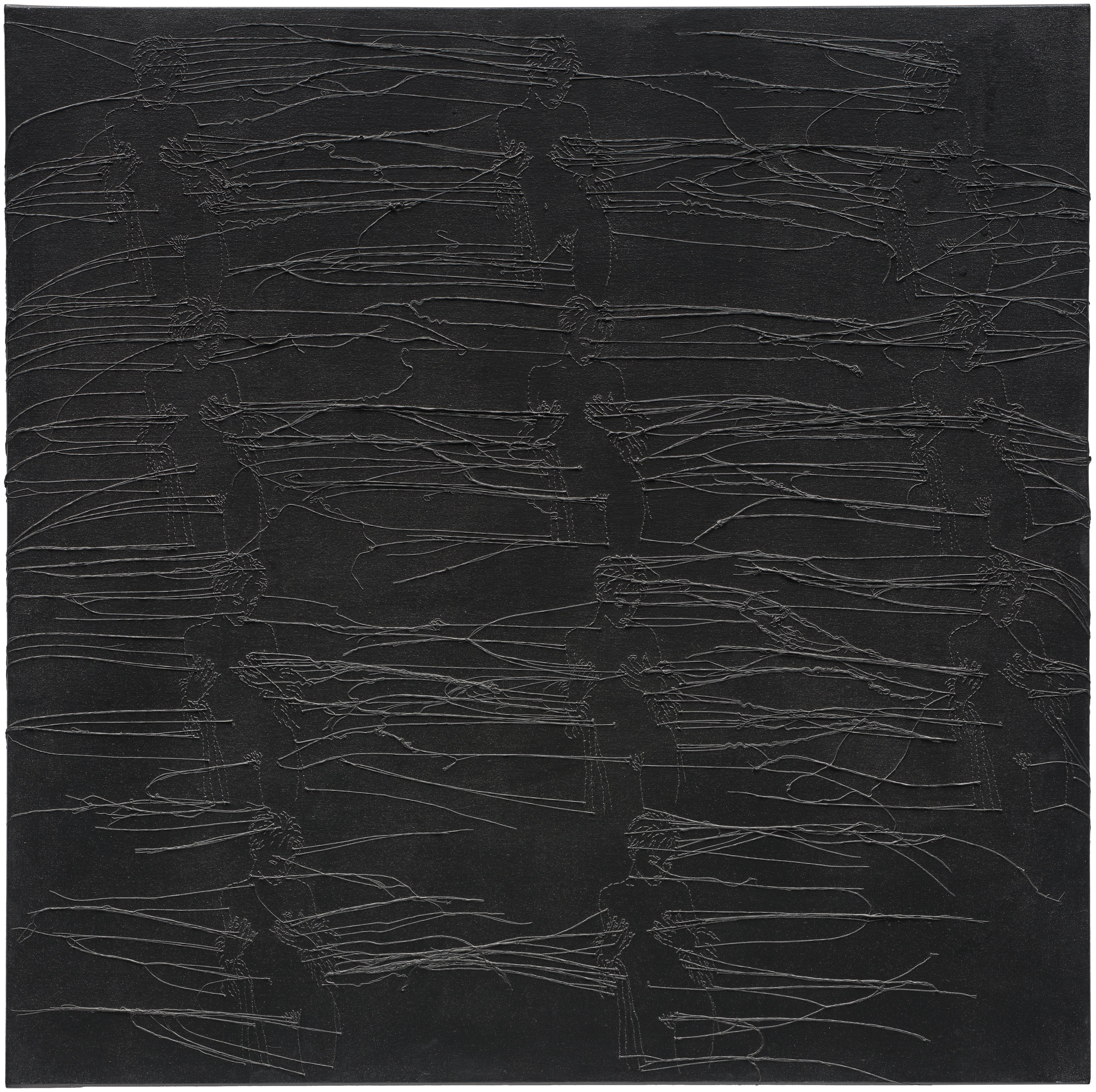
Ghada Amer
3 Diagonales Noires, 2000
Lalla Essaydi, whose work draws on Orientalist painting traditions and reframes them through the lens of Arabic calligraphy and the experience of Moroccan women, is represented on The Collection and deserves far more sustained attention from the broader collecting community than she currently receives. Mickalene Thomas has seen growing institutional recognition and her market has strengthened accordingly, but there is still a sense that her most significant work has not yet been fully absorbed into the highest tier of pricing. Miriam Cahn, the Swiss artist whose raw and often disturbing figurative paintings have gained substantial momentum in Europe, is now receiving serious attention from American collectors and the window for acquiring her work at relatively accessible prices may be narrowing.", "At auction, feminist art has shown a pattern worth understanding.
Works by artists with strong institutional narratives, major retrospectives, and academic literature behind them tend to perform with consistency. Bourgeois is perhaps the clearest example: her spider sculptures and cell installations have set records that reflect genuine market depth rather than speculative peaks. Cindy Sherman's photographs from her Untitled Film Stills series, made between 1977 and 1980, remain among the most reliably valued photographs in any category. What collectors sometimes underestimate is how much provenance and exhibition history contribute to premium pricing in this area specifically.
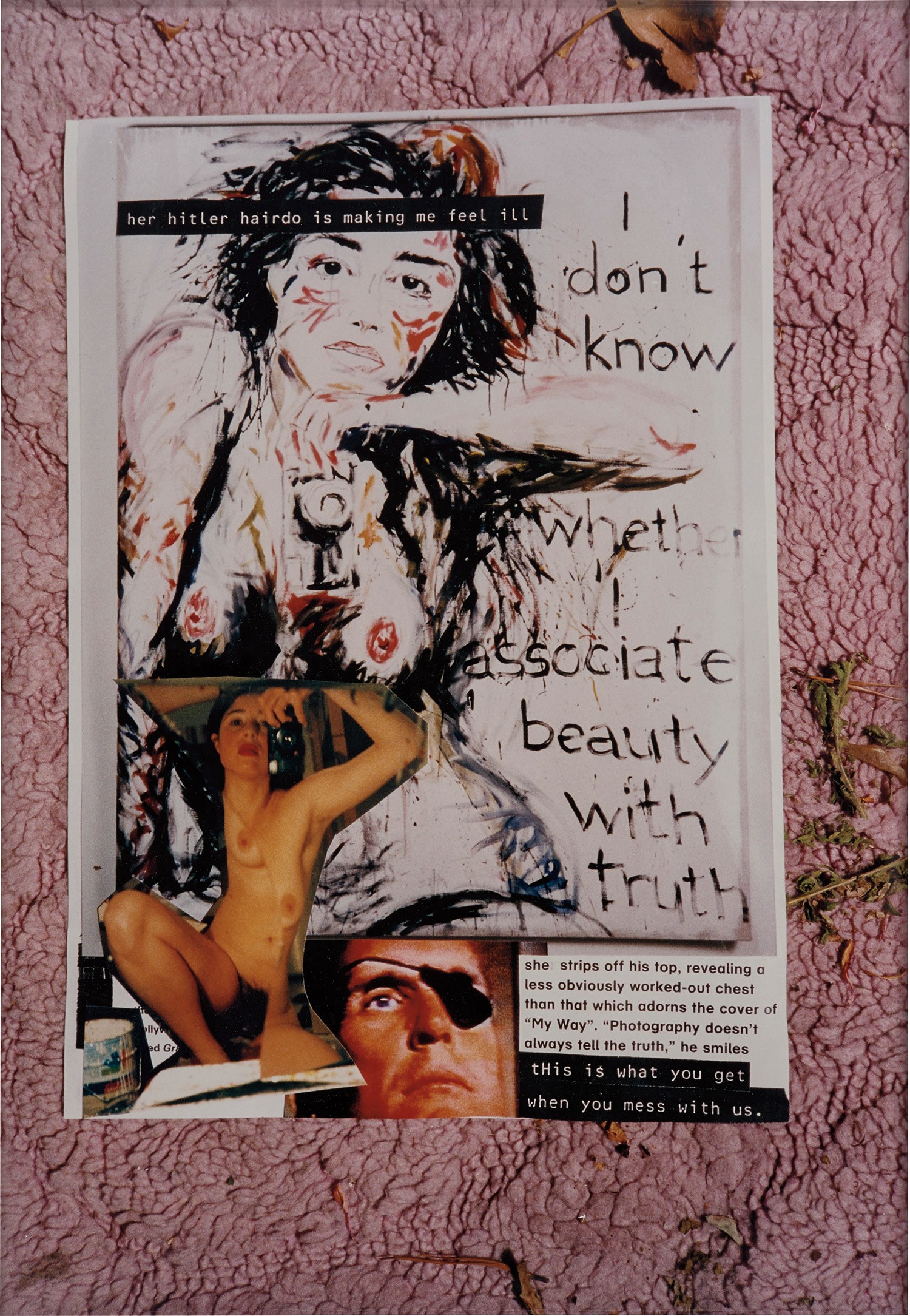
Elke Krystufek
Economical Art (Hitler Hairdo), 1998
A work that appeared in a landmark survey such as Bad Girls at the New Museum in 1994, or in any of the major feminist art exhibitions of the 1970s and 1980s, carries a historical weight that translates directly into value.", "Practically speaking, there are questions every collector should ask before acquiring works in this space. For photographic editions, which represent a significant portion of the market across artists like Cindy Sherman, Laurie Simmons, and Carrie Mae Weems, edition size and print date matter enormously. An early print from a small edition is a fundamentally different object, and a fundamentally different investment, than a later impression from a larger run.
Ask the gallery directly about the full edition size, how many prints have been sold, and whether artist proofs exist outside the numbered edition. For works on paper and textile based works, which appear throughout the practices of artists like Ghada Amer and Miriam Schapiro, light exposure is the primary condition concern. Understand the framing history and ask whether conservation grade materials were used throughout. These works can be extraordinarily stable or genuinely fragile depending on how they have been handled, and the difference is not always visible at first glance.
", "Installation and display deserve real thought with this material. Many of these works were made with specific spatial relationships in mind, and scale is rarely incidental. A Kruger work installed in a cramped corridor loses something essential. A Bourgeois textile piece needs breathing room to allow the viewer to move around it, to experience the way it shifts with the body's position.
Before acquiring something significant, think honestly about where it will live and whether that space is equal to the work's demands. The collectors who build the most coherent holdings in this area are not simply buying great individual works. They are building an environment in which the works speak to each other and to the people who move among them, which is ultimately what feminist art has always asked us to do.
Works tagged Feminist Art
Cindy Sherman
Sans Titre
Elke Krystufek
Economical Art (Hitler Hairdo)
Ghada Amer
3 Diagonales Noires
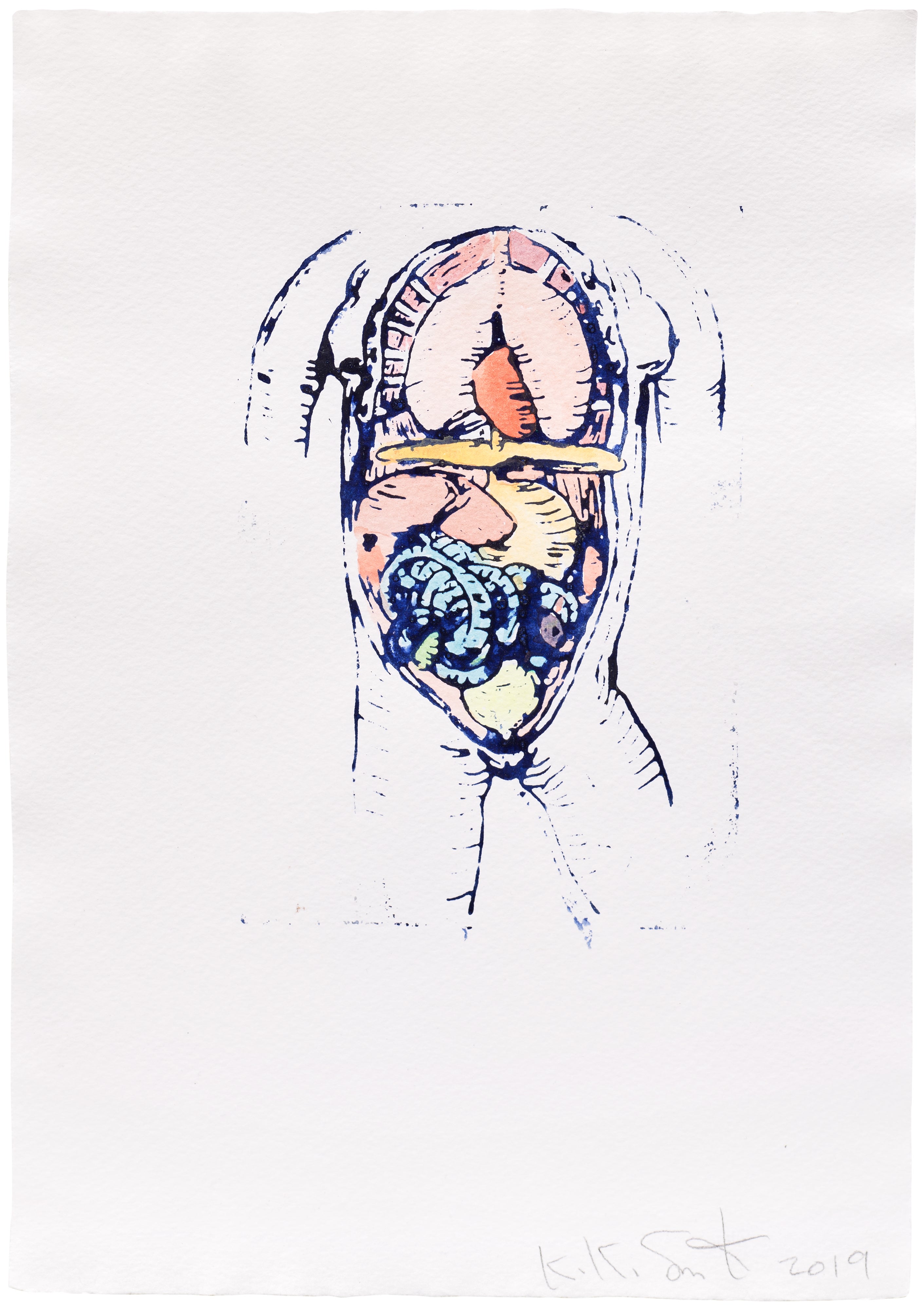
Kiki Smith
Open
Judy Chicago
Mary, Queen of Scots
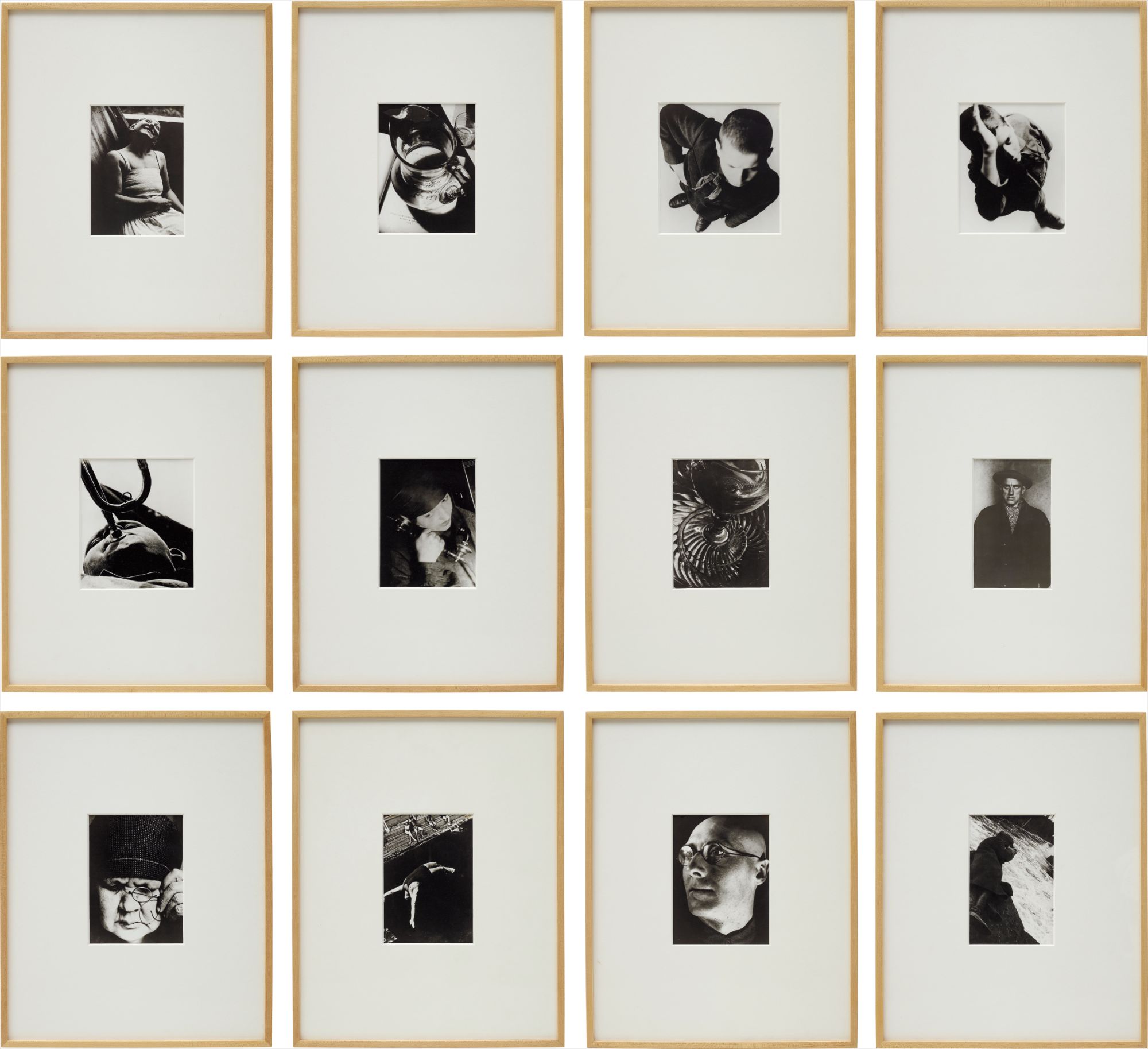
Sherrie Levine
After Rodchenko: 1-12
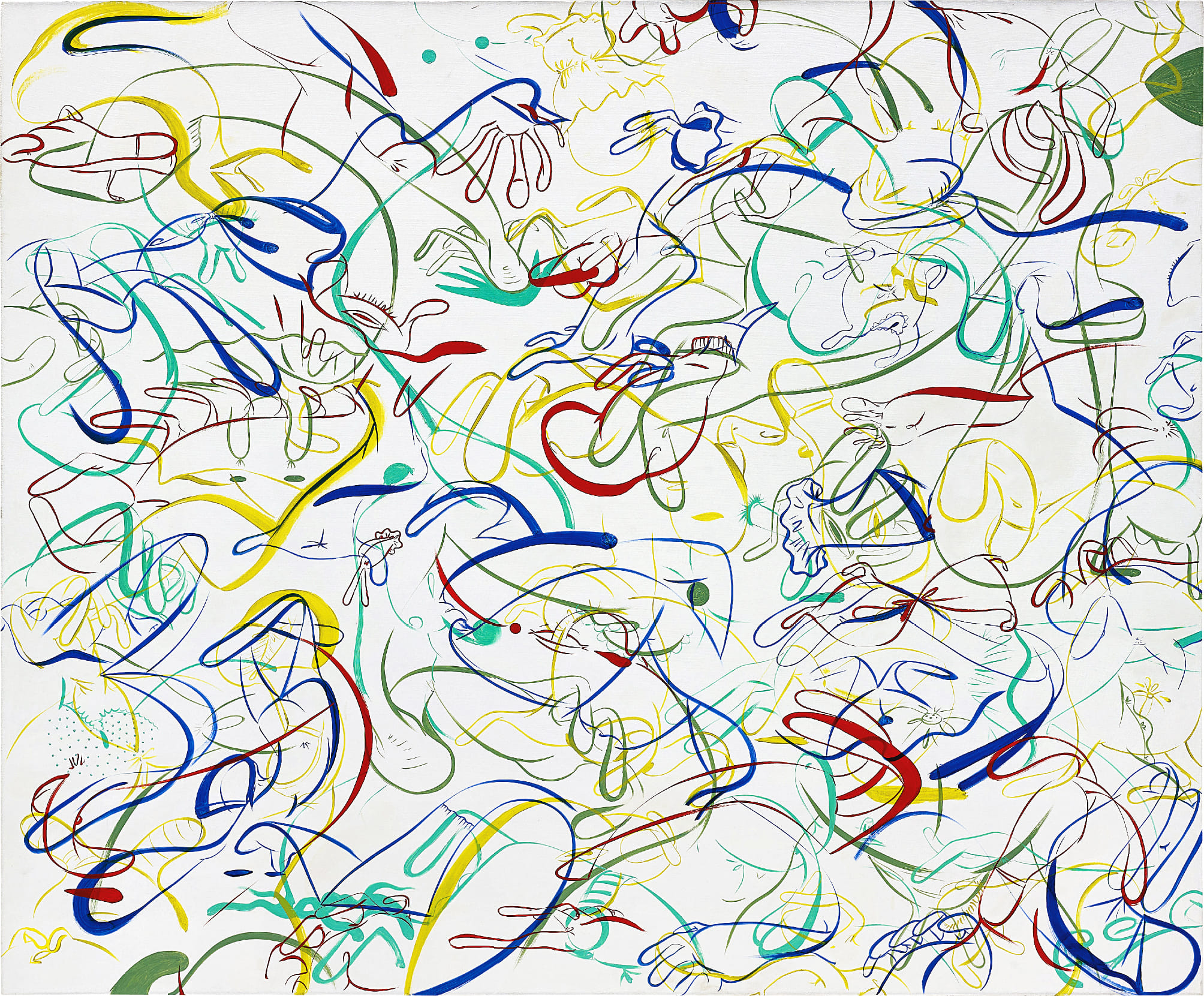
Sue Williams
Cute Outfit
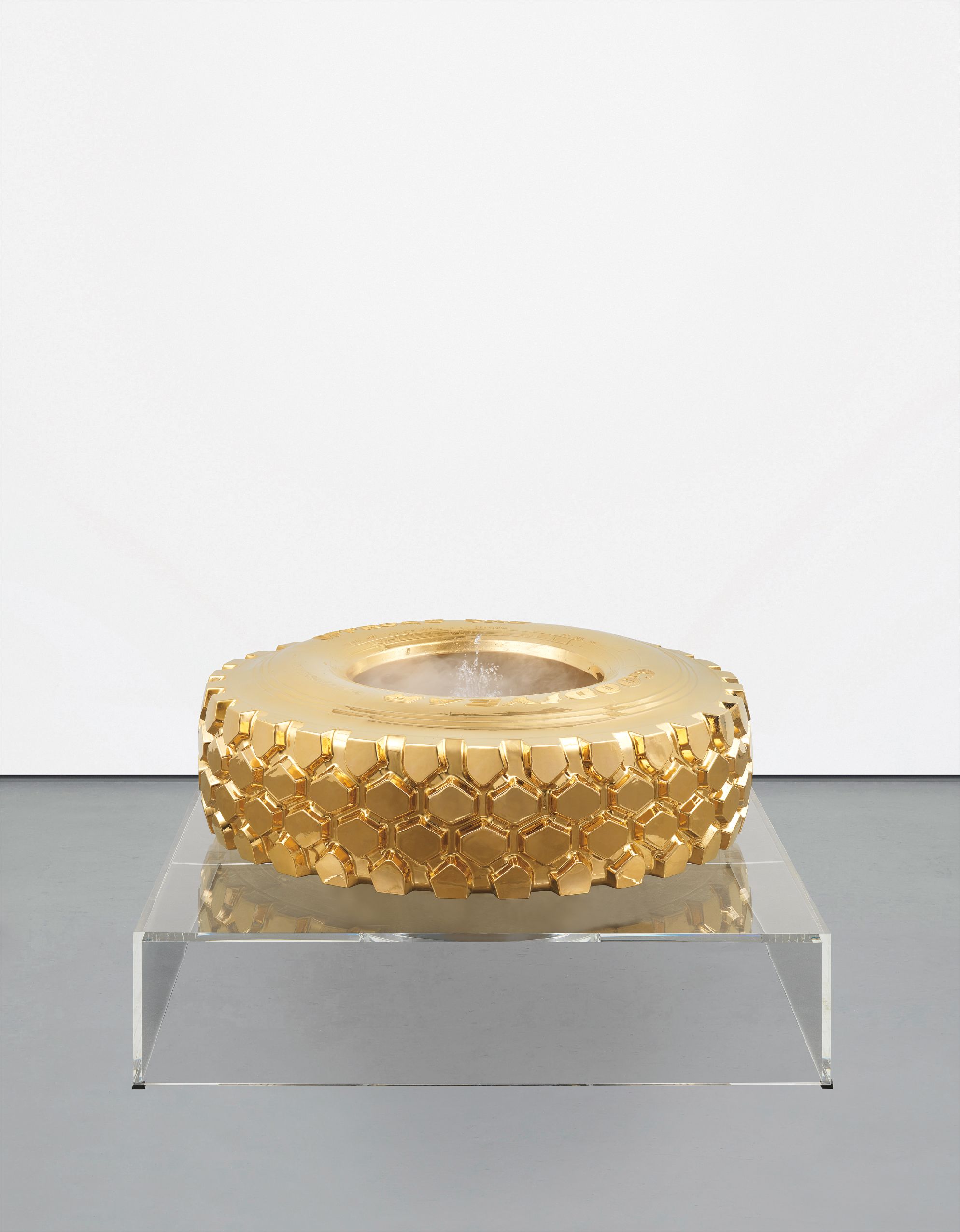
Sylvie Fleury
(Gold) Fountain LKW
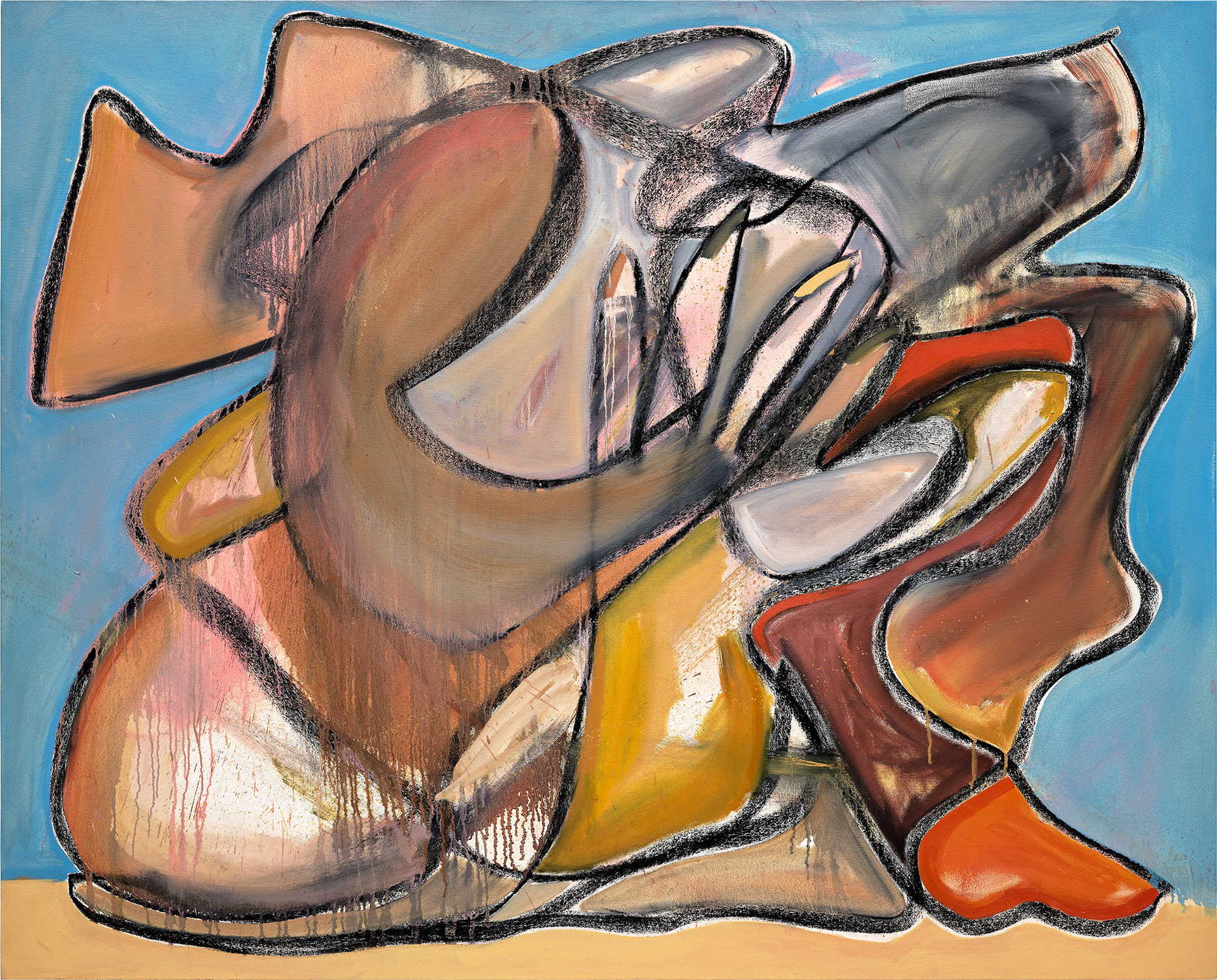
Jenny Holzer
Living Series: There's the Sensation of a lot of Flesh...
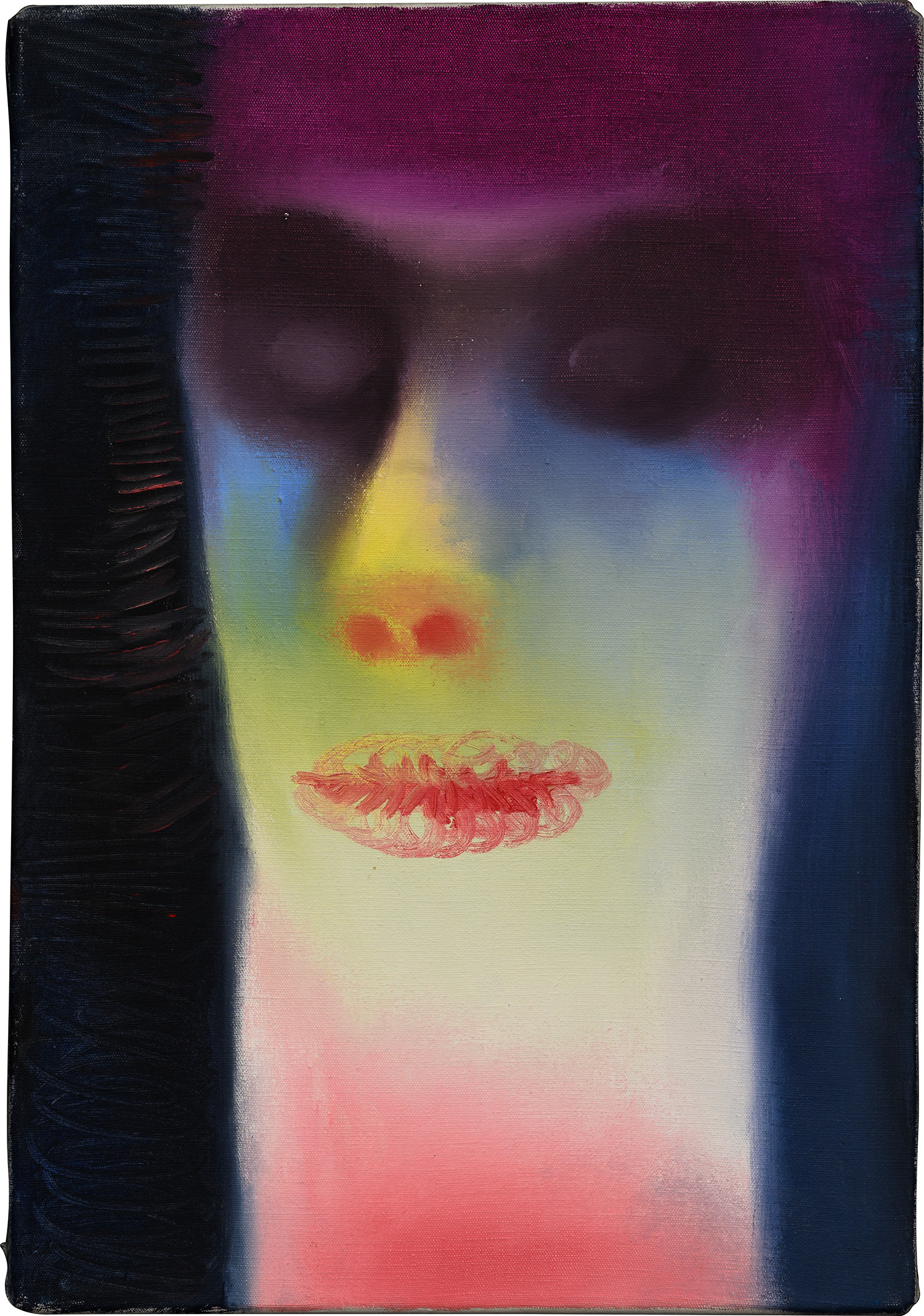
Miriam Cahn
Ohne Titel
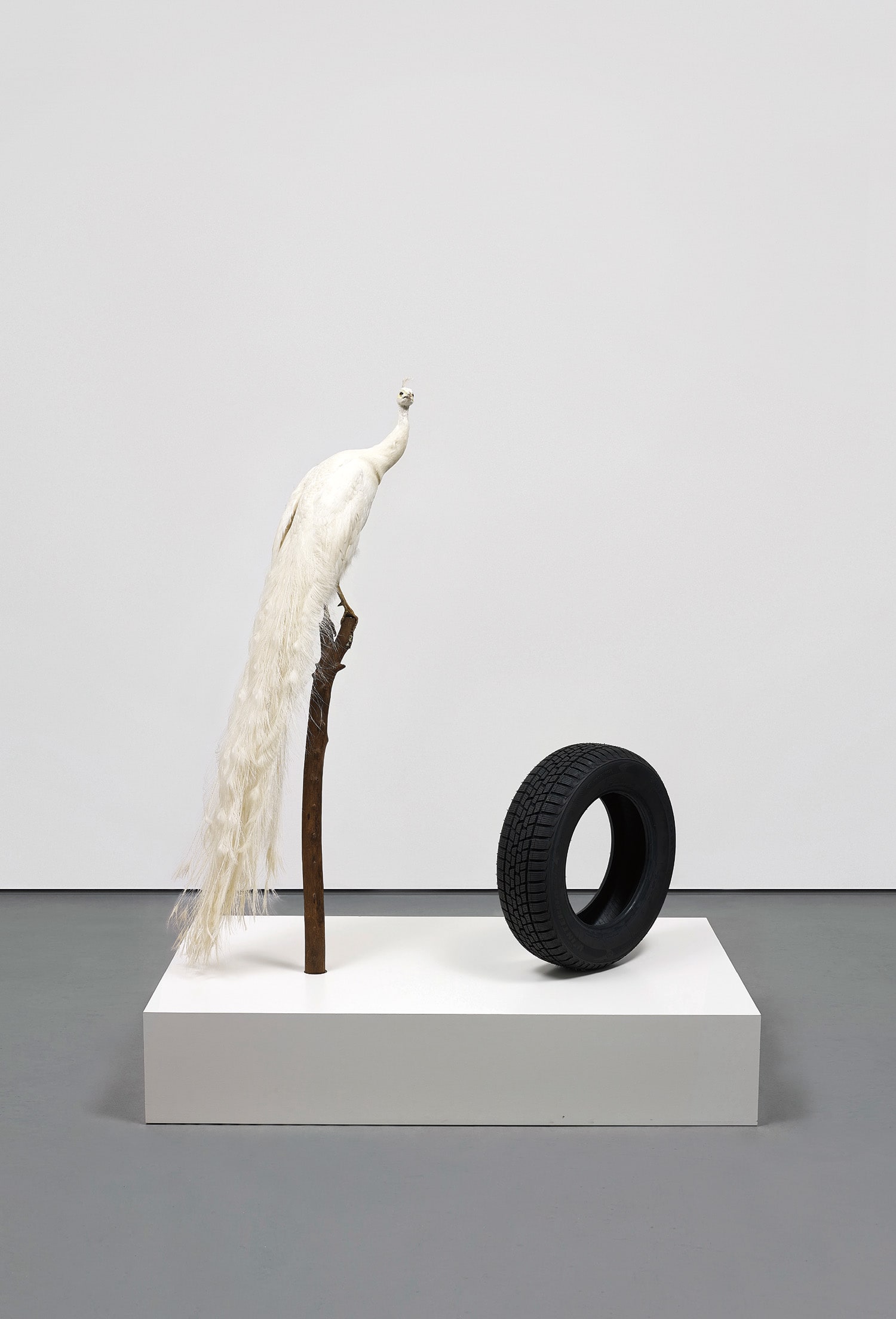
Sylvie Fleury
Color Lab - Free study with white peacock
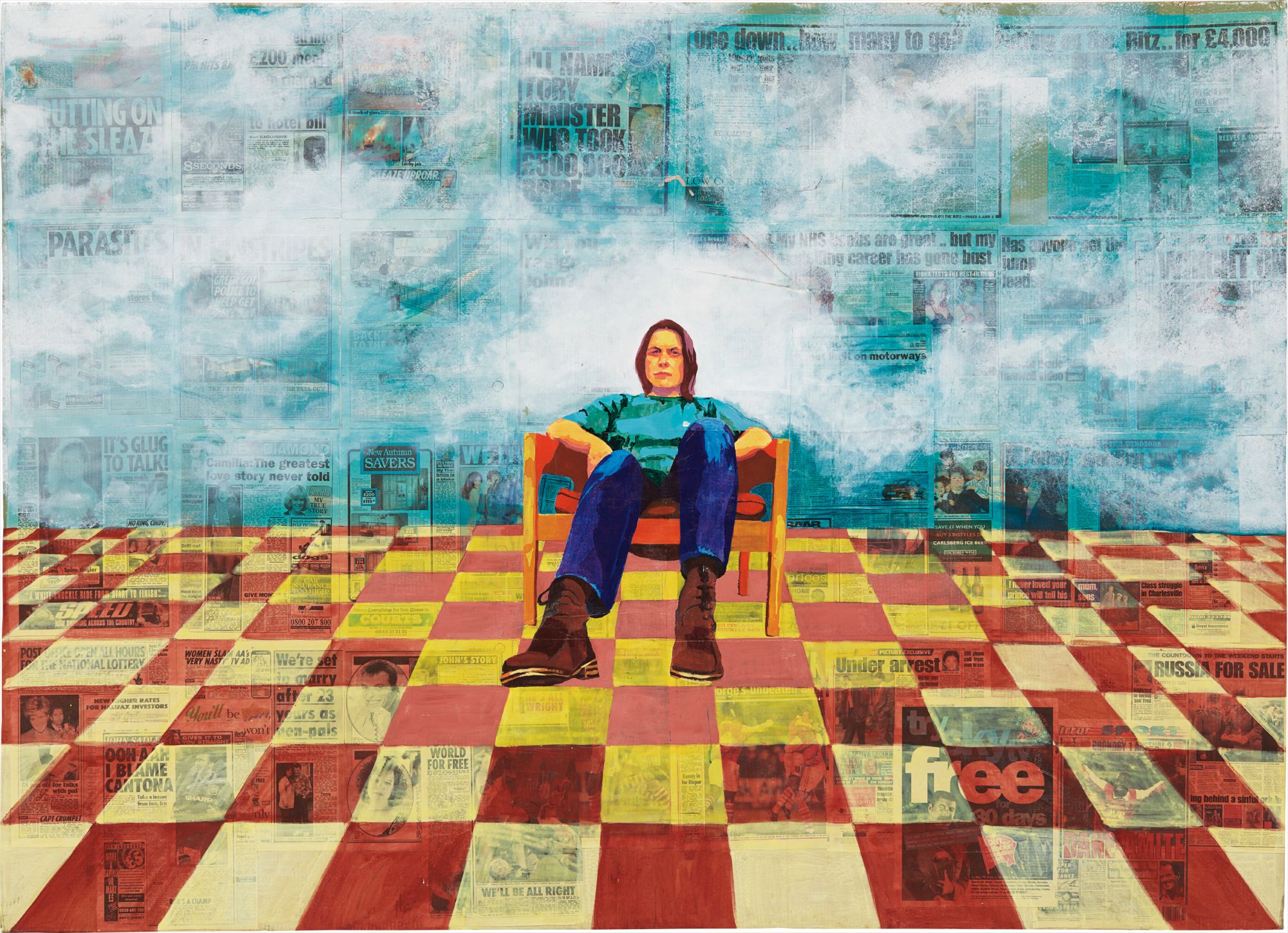
Sarah Lucas
Supersensible
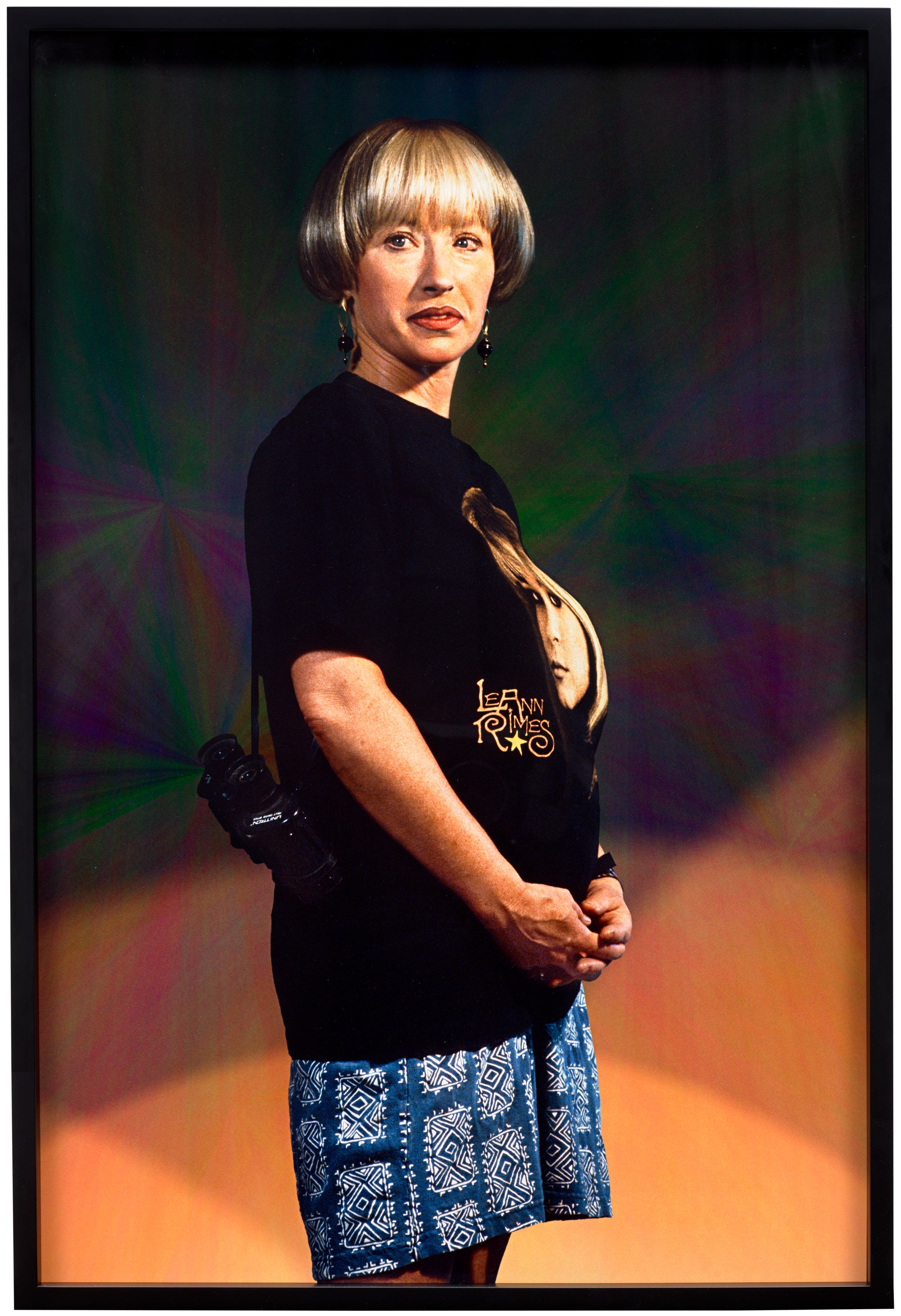
Cindy Sherman
Untitled #601
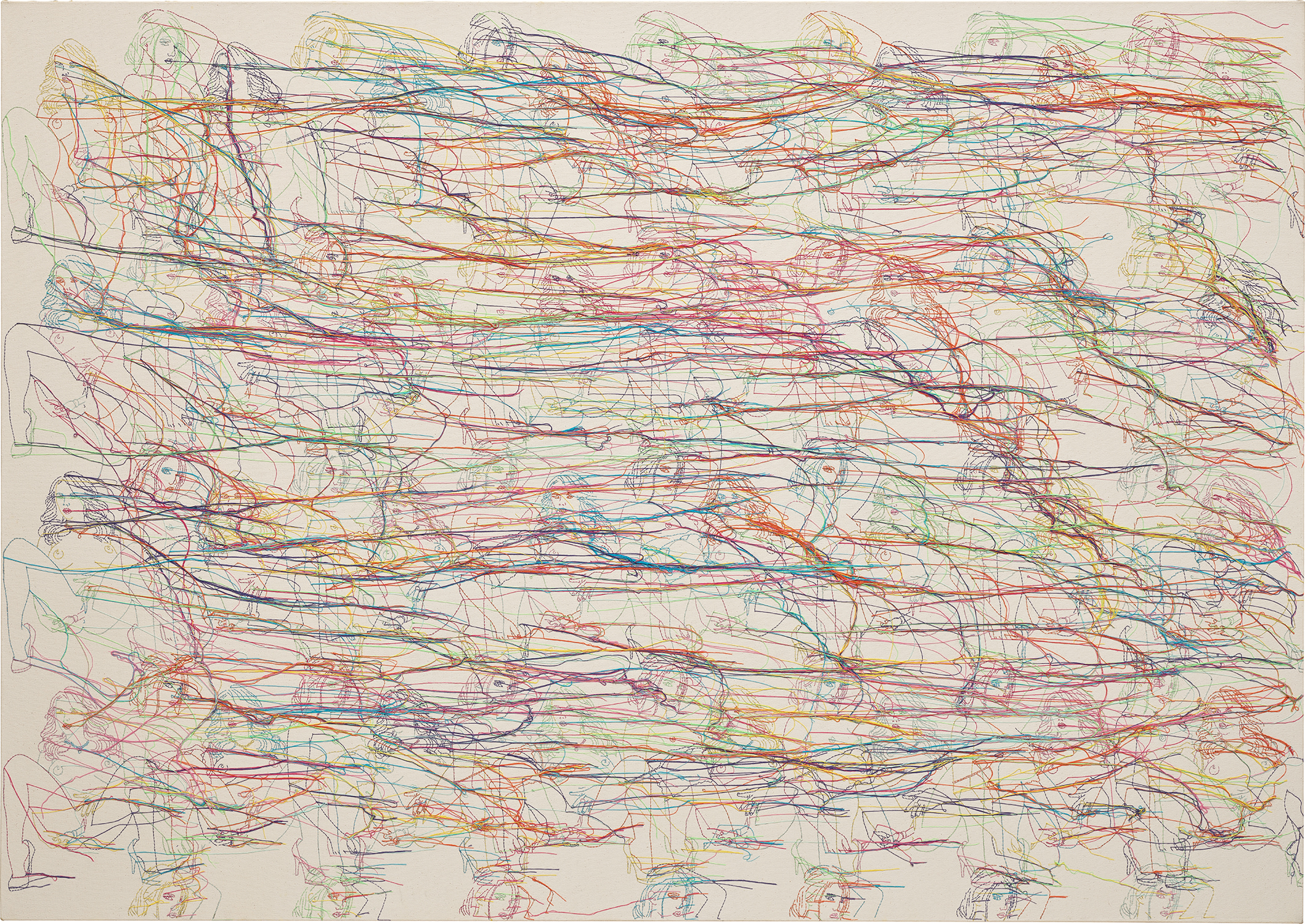
Ghada Amer
A Beautiful Day for Trini
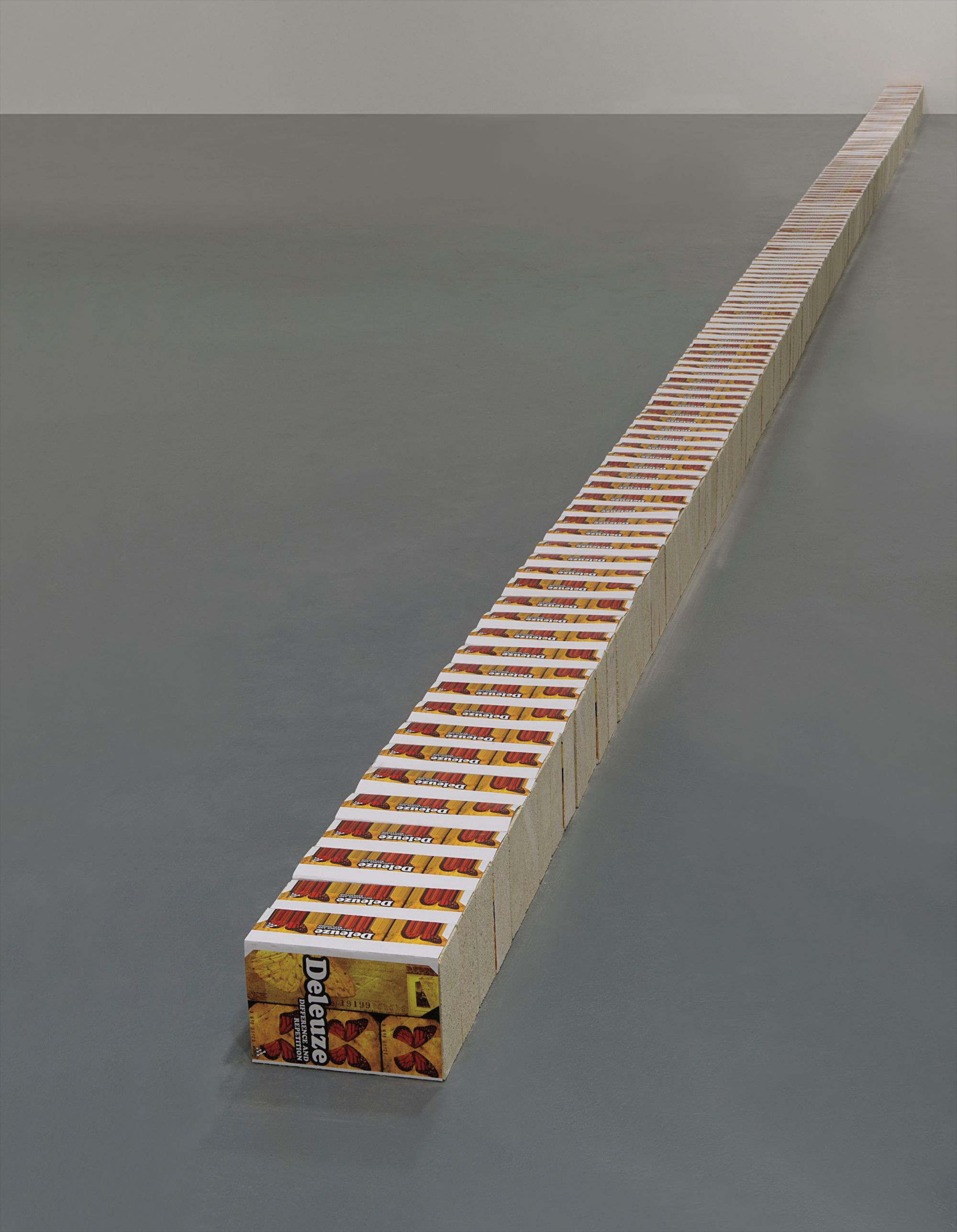
Claire Fontaine
Laver (version britannique)
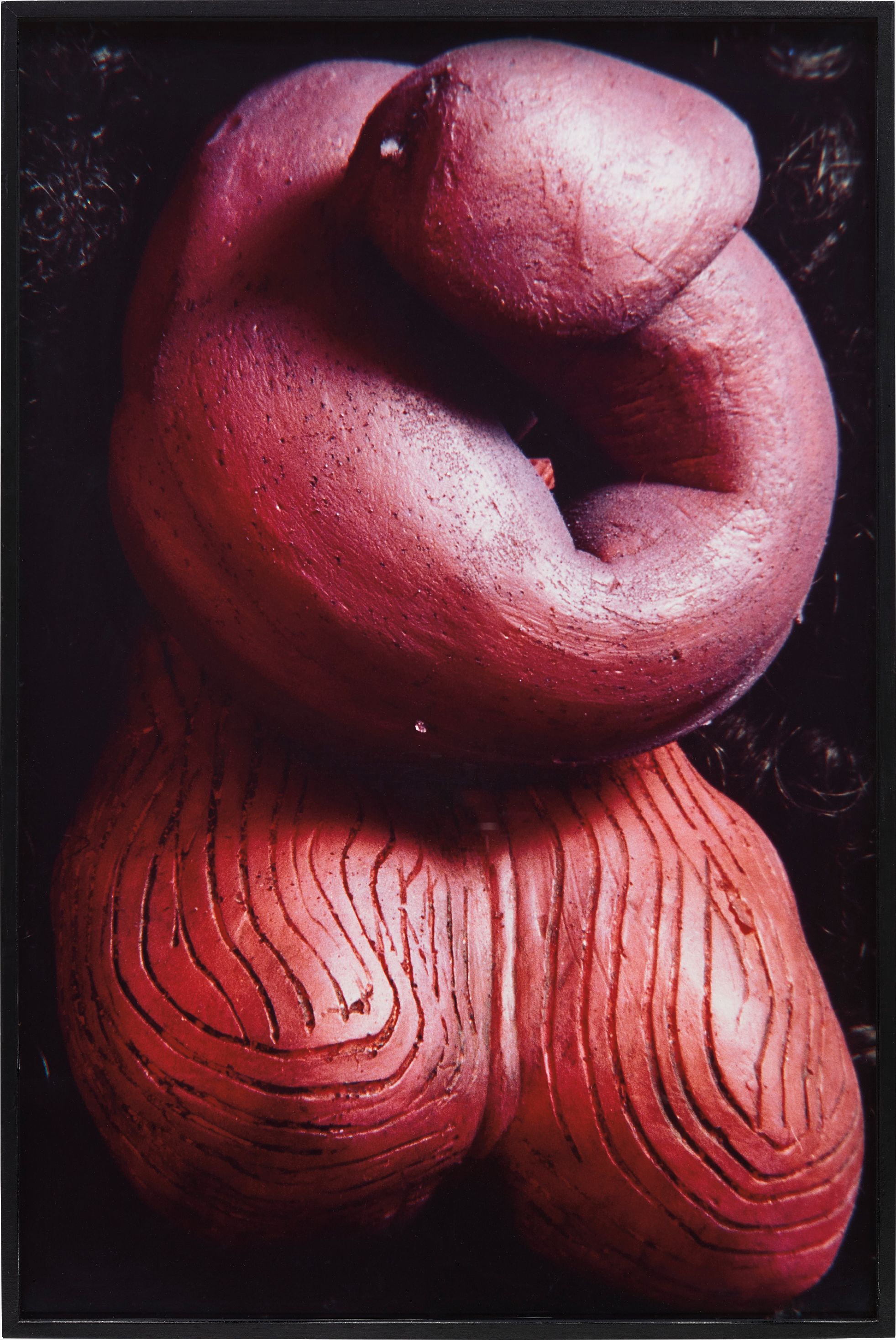
Cindy Sherman
c-print, in artist's frame
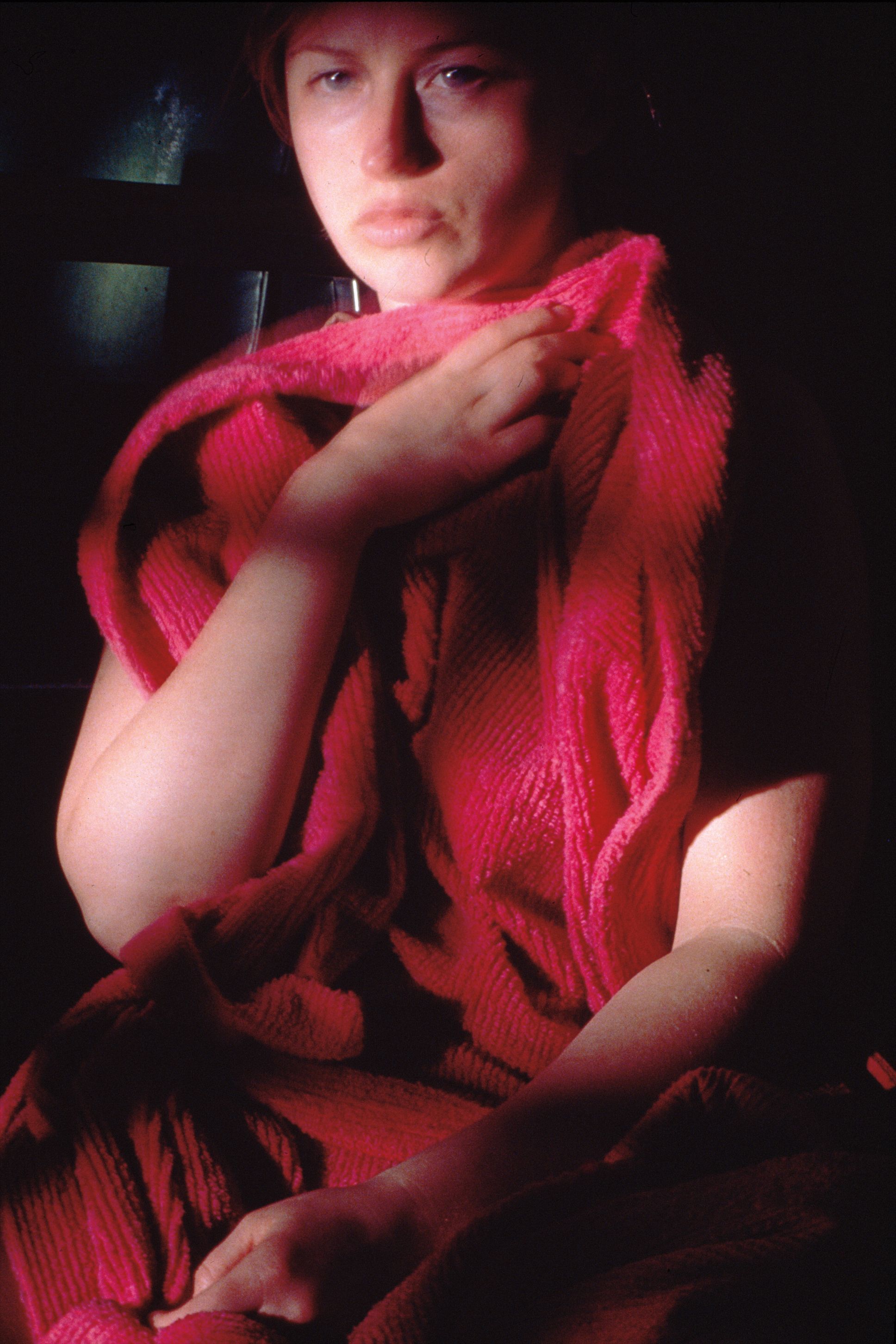
Cindy Sherman
color coupler print
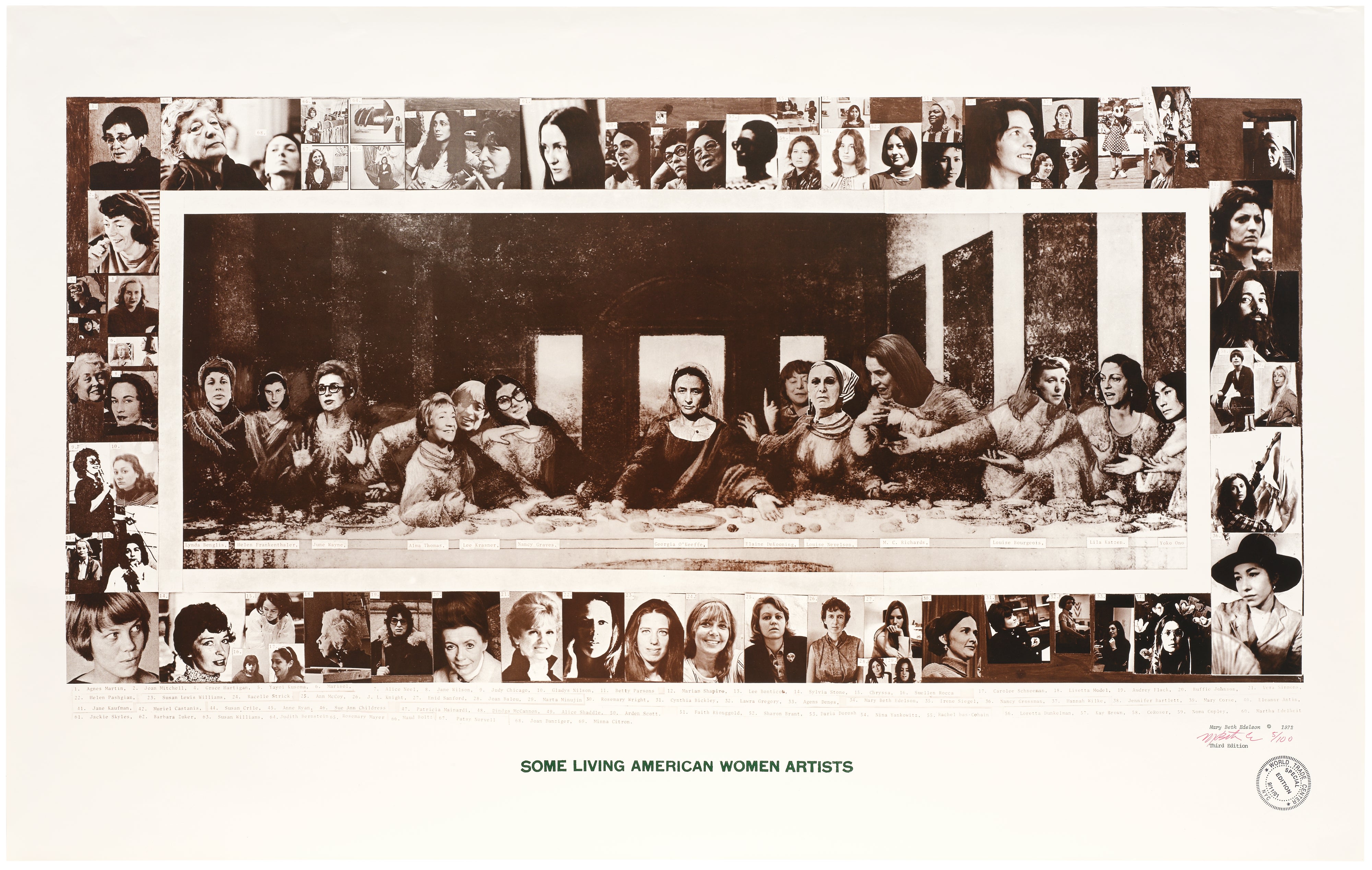
Mary Beth Edelson
Some Living American Women Artists: Last Supper
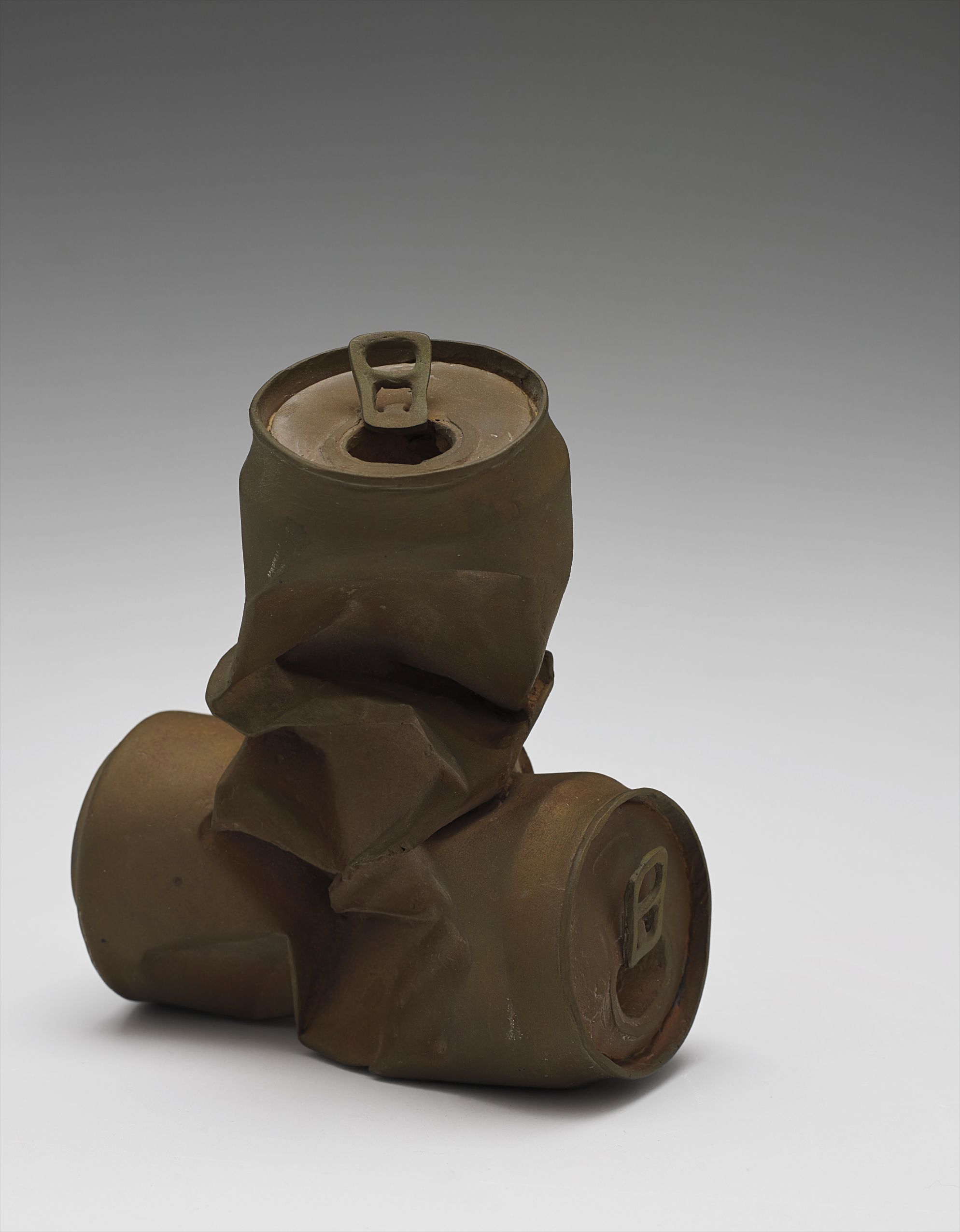
Sarah Lucas
Beer can penis
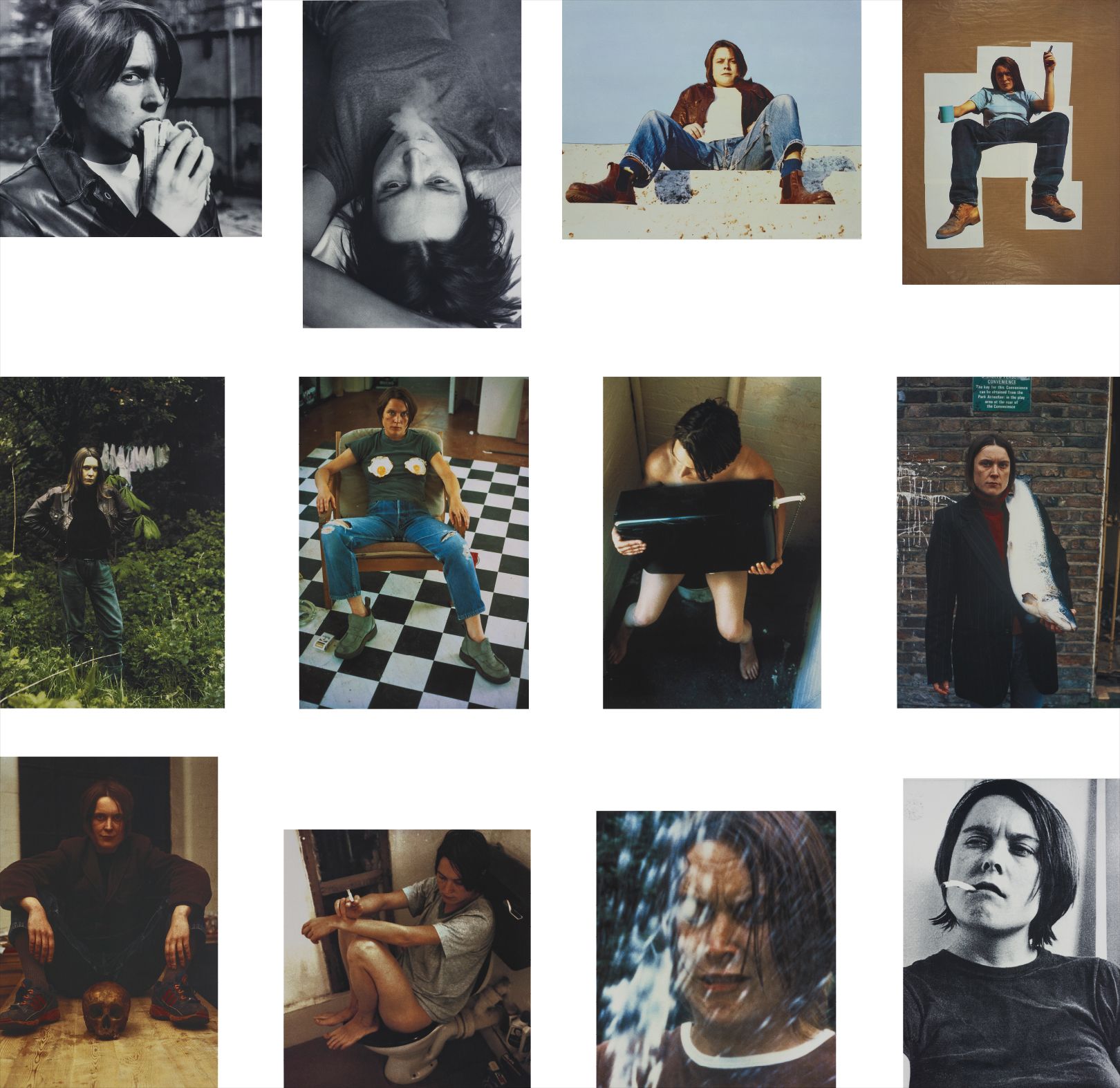
Sarah Lucas
Self Portraits, 1990-1998 (complete portfolio of 12 works)
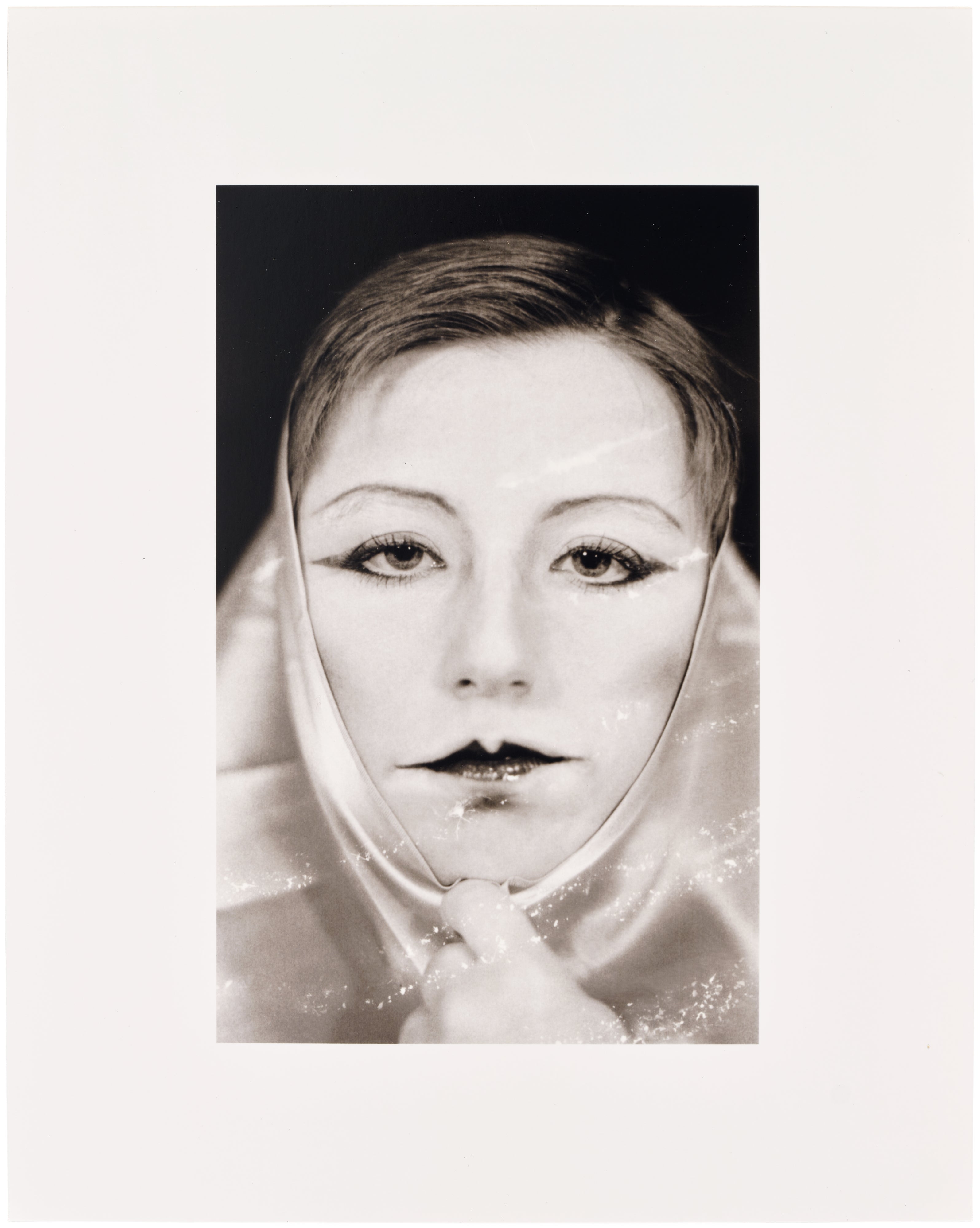
Cindy Sherman
Untitled (Homage to Claude Cahun)
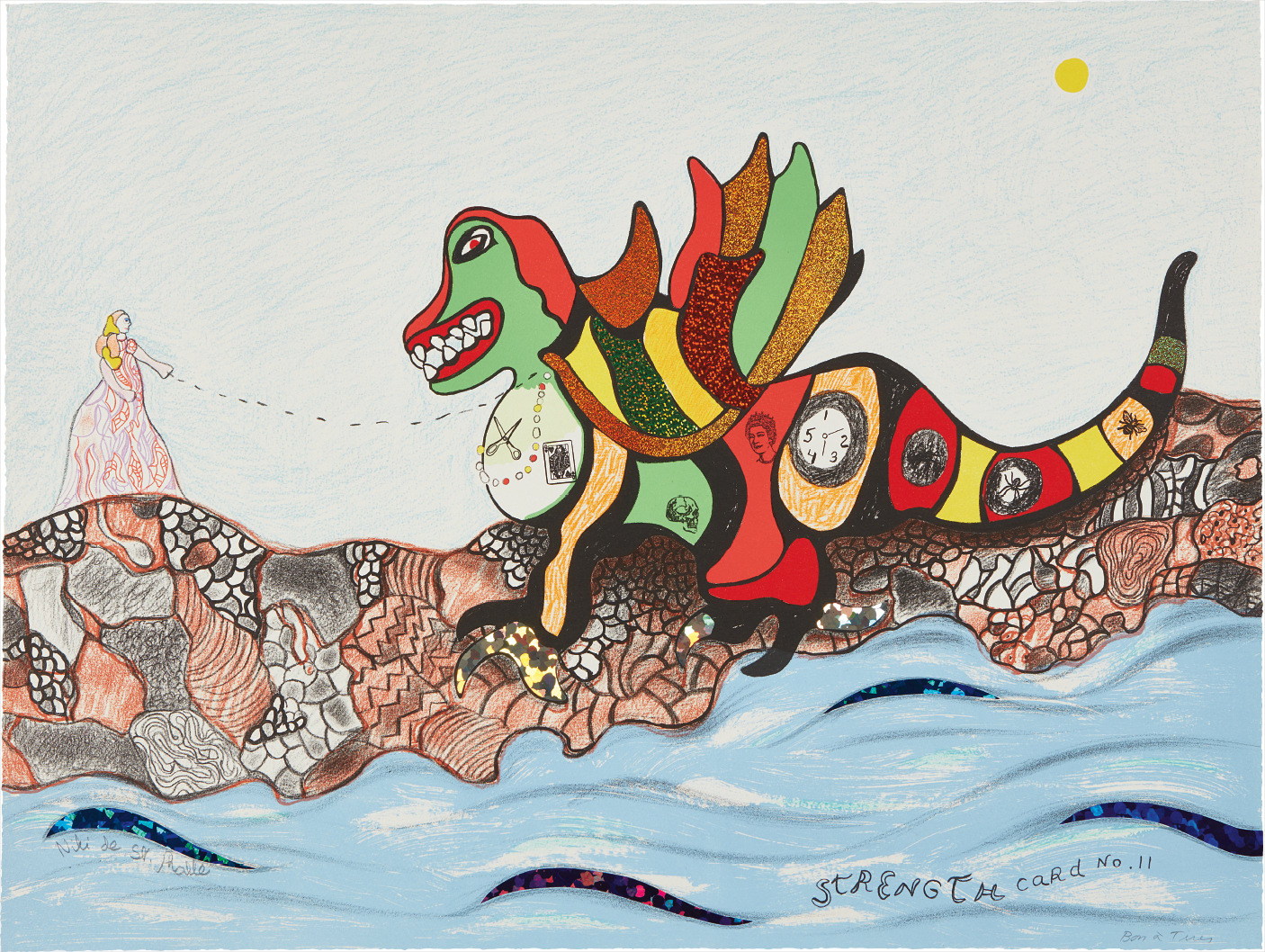
Niki de Saint Phalle
Strength Card No. 11, from Tarot Cards
Mickalene Thomas
A Little Taste Outside of Love
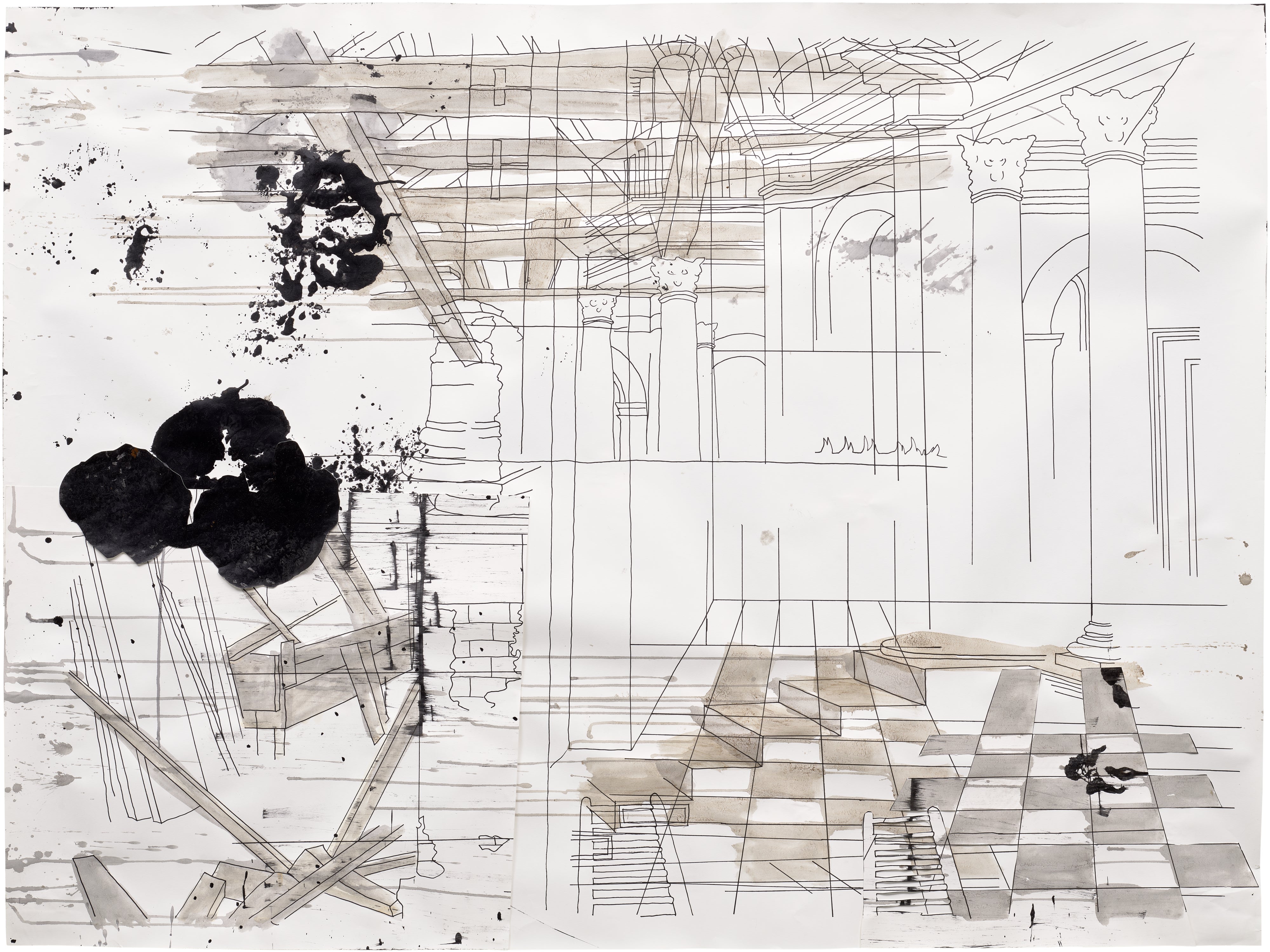
Monica Bonvicini
No Angels