Experimental Texture
Ryan Sullivan
October 4, 2010 - October 21, 2010
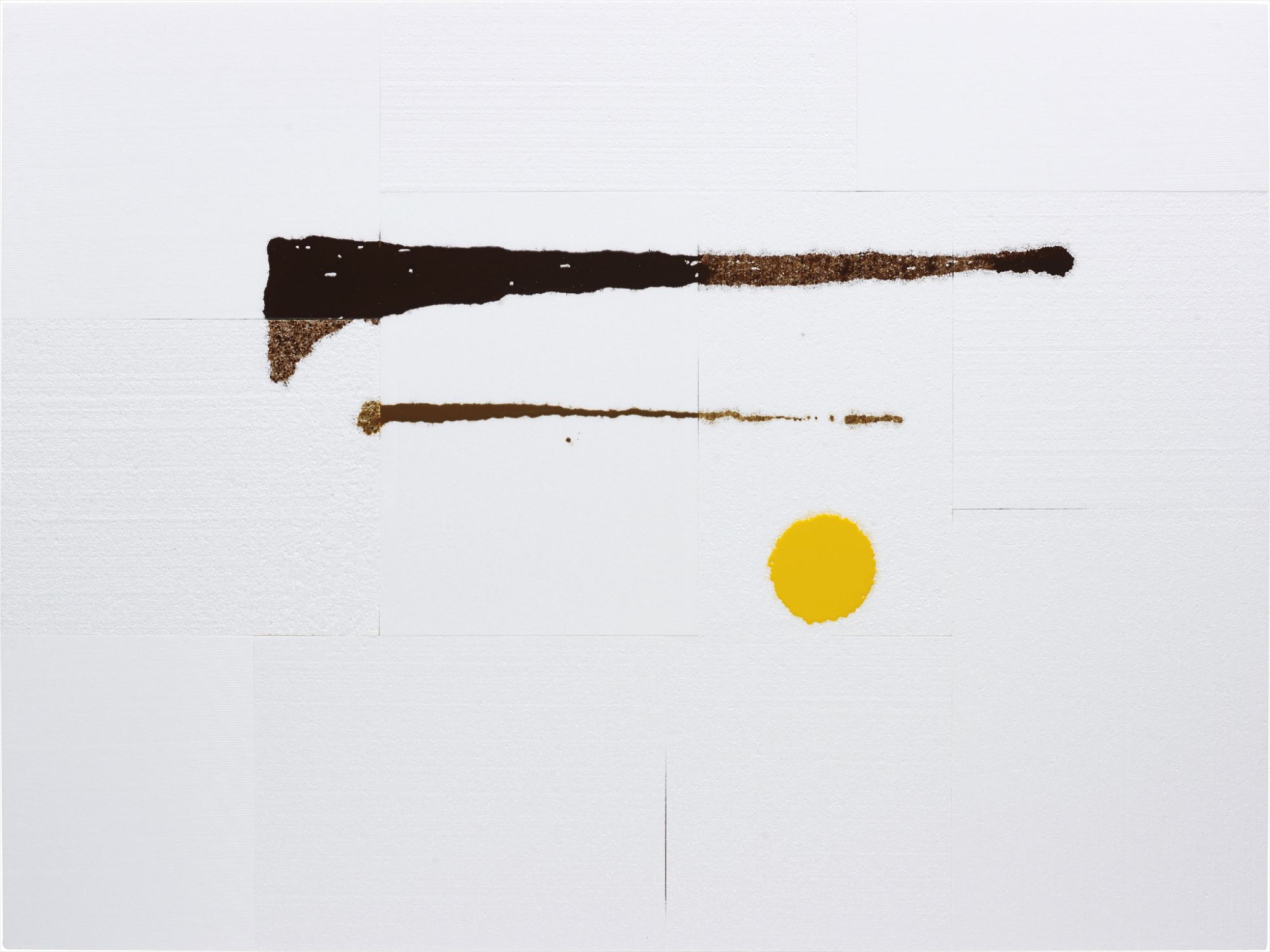
Surface Tension: Where Paint Becomes Phenomenon
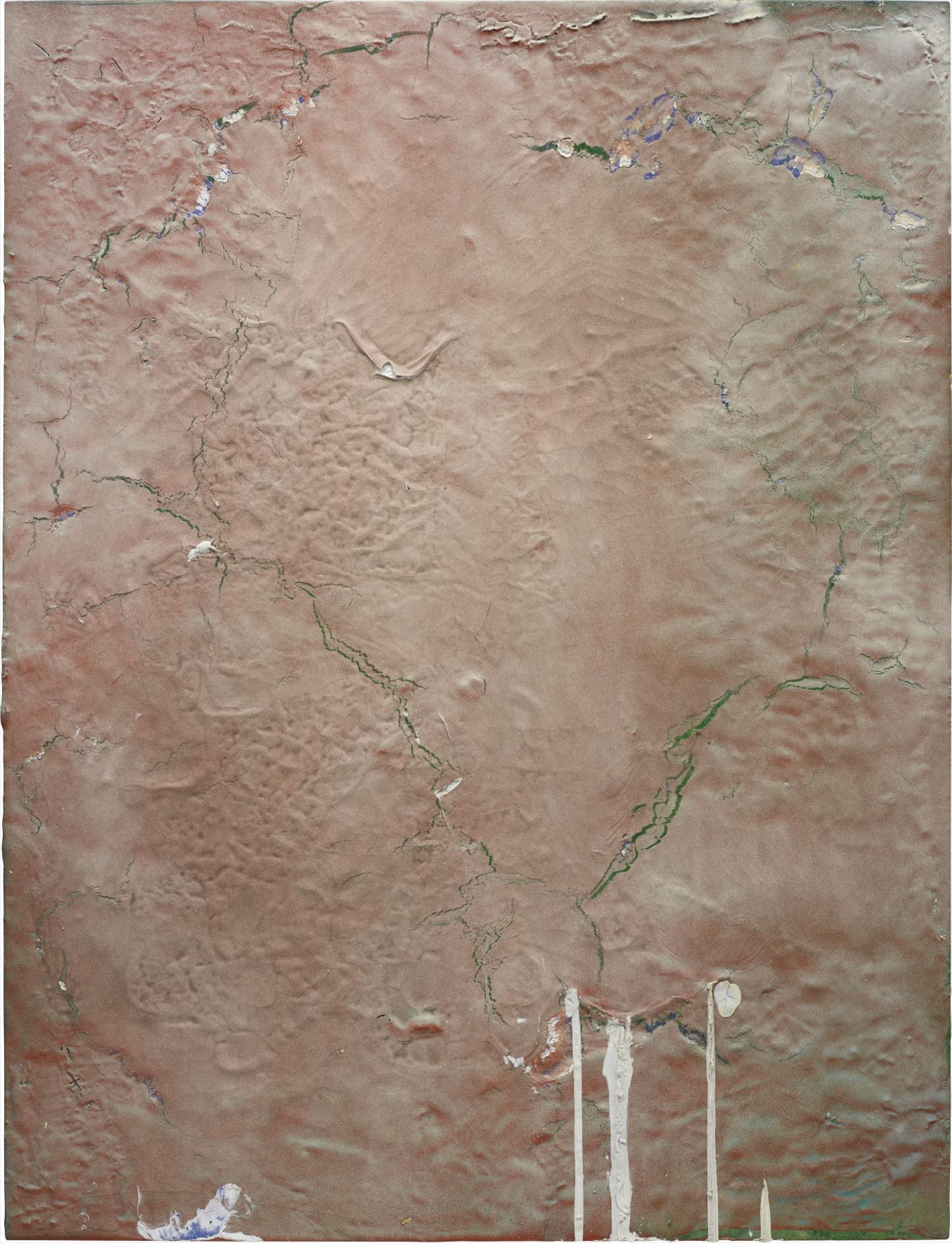
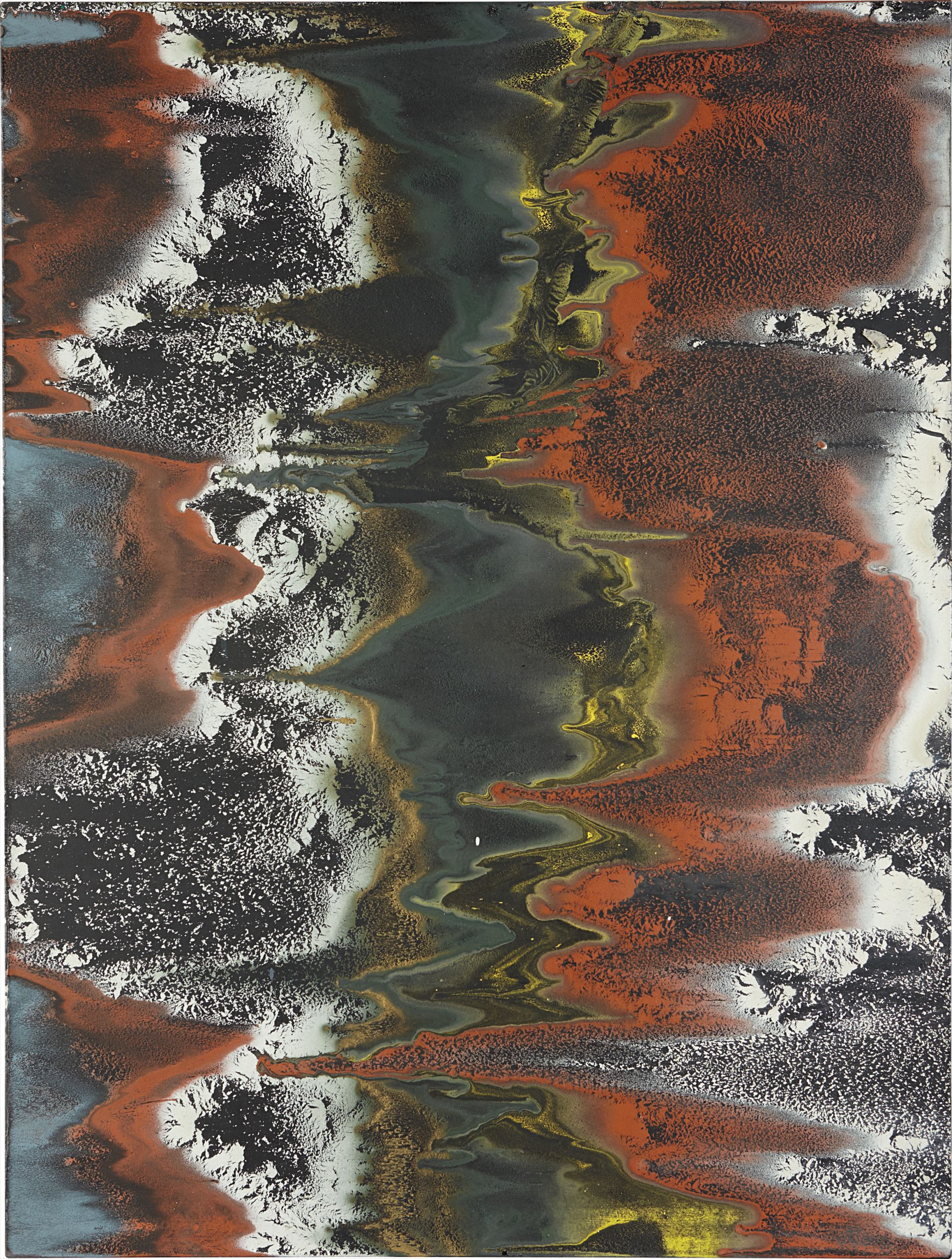
When Ryan Sullivan's large scale paintings came to auction at Christie's in recent years, the bidding told a particular story. These works, built up through a process where paint is poured and allowed to cure against studio floors and walls before being repositioned as finished paintings, generated genuine competitive heat among collectors who understood that they were not simply buying an aesthetic but buying into a rethinking of how a painting comes to exist. The results confirmed what many in the room had quietly suspected: experimental texture is no longer a niche concern for the adventurous few. It has become one of the defining conversations in contemporary collecting.
The term experimental texture covers a range of practices that share a commitment to material as meaning. These are works where the physical substance of paint, its thickness, its resistance, its capacity to absorb light or repel it, is the primary carrier of content. This is distinct from gestural abstraction in the older sense, where the drama was about the hand and the mark. What makes the current moment feel different is a generation of artists who are as interested in chemistry and process as they are in composition, and whose results often look like nothing that came before them.
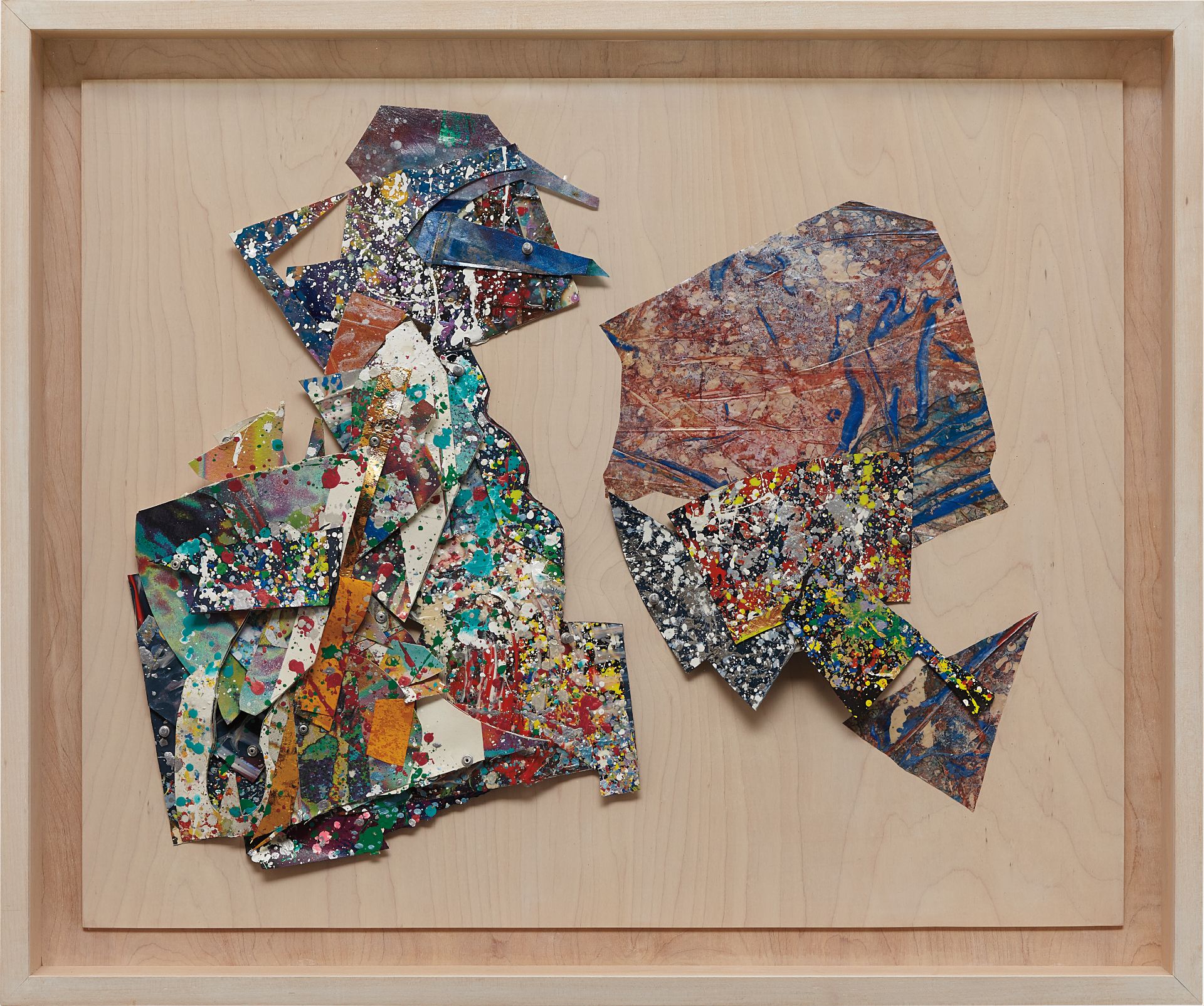
Sam Gilliam
Map II
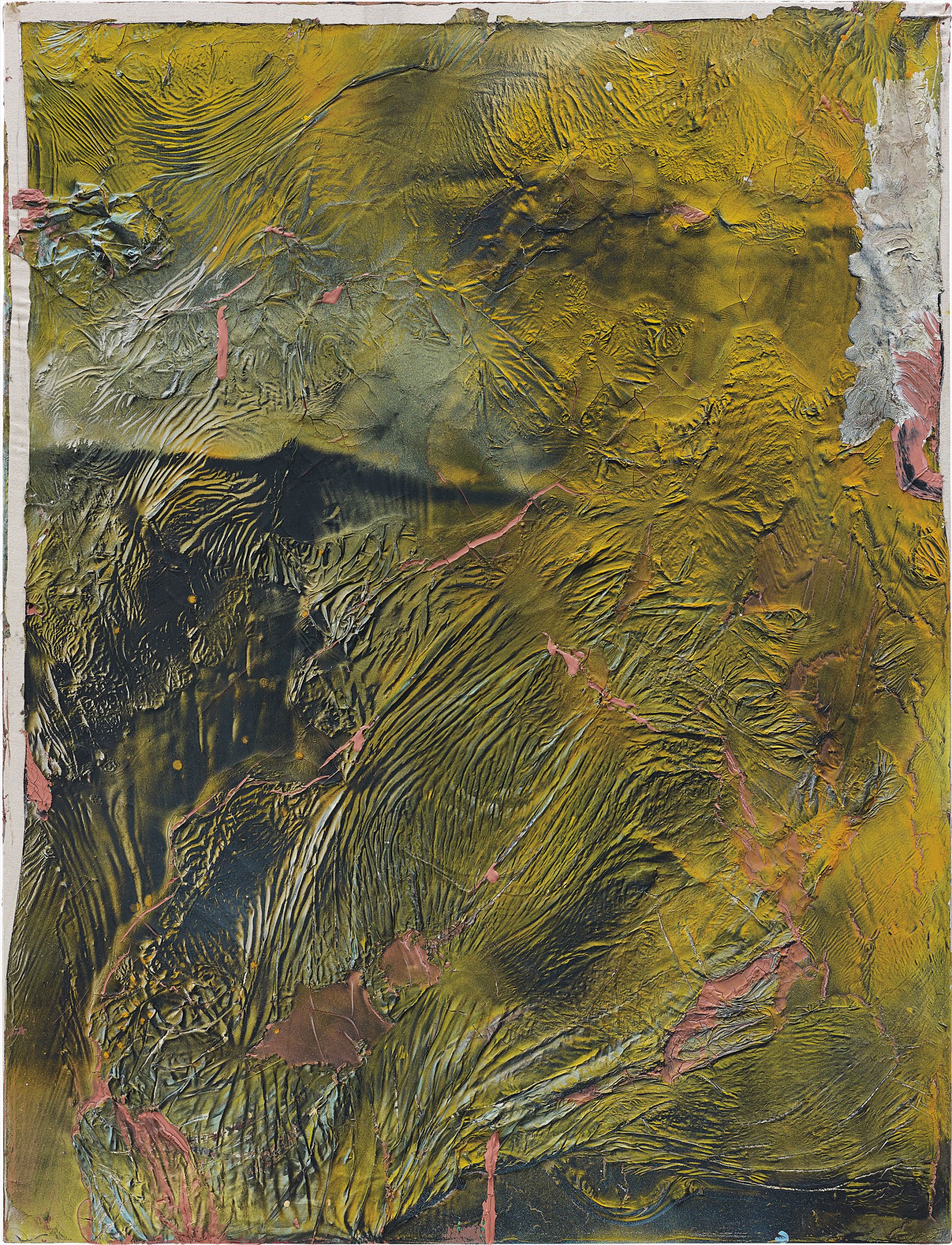
Sam Gilliam remains a touchstone for any serious conversation about this territory. His draped canvases from the late 1960s onward, works that literally removed the painting from the stretcher and let fabric and pigment interact with gravity and space, established a precedent that younger artists are still metabolizing. Gilliam's major retrospective at the Hirshhorn Museum in Washington in 2022 reintroduced his work to a new generation of collectors and curators who saw in it not historical curiosity but living possibility. The market responded accordingly, with significant results at both Sotheby's and Christie's in the years surrounding the show.
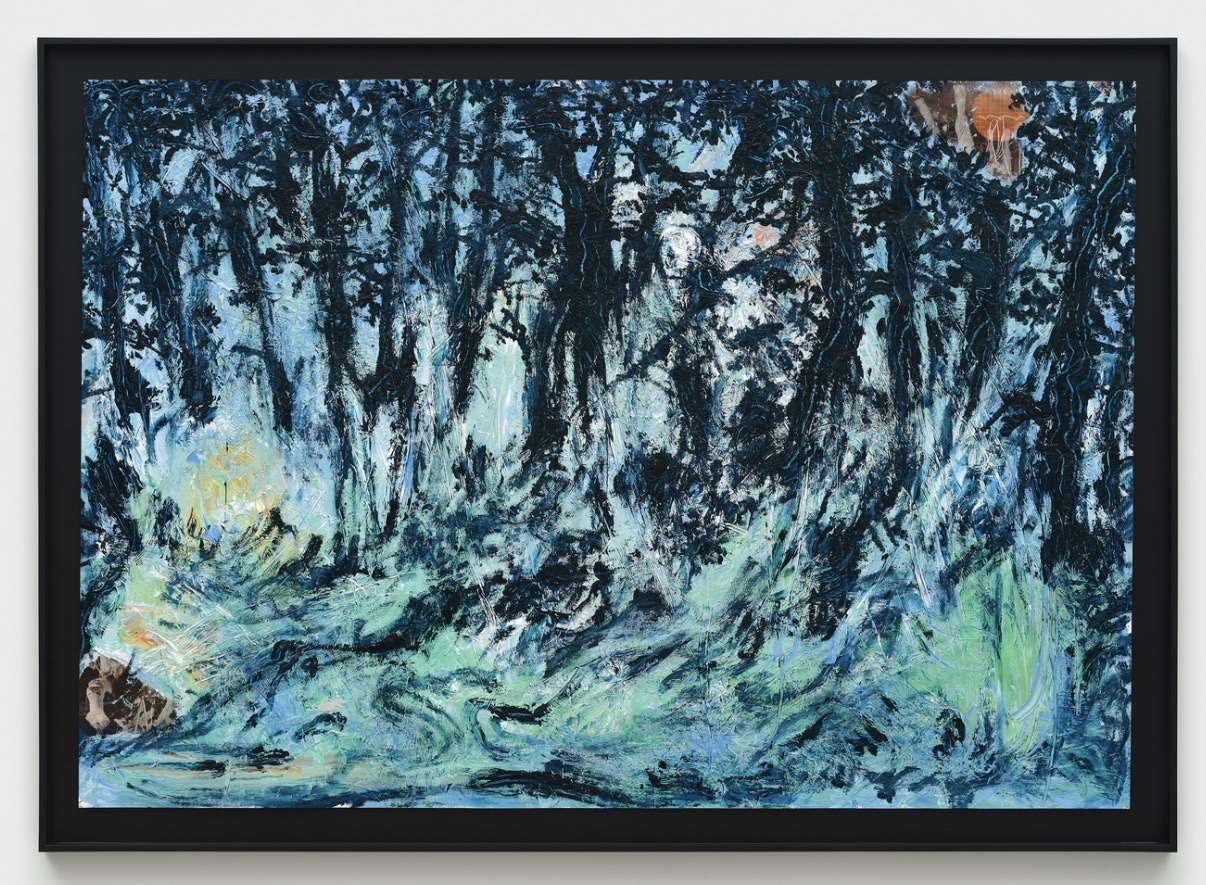
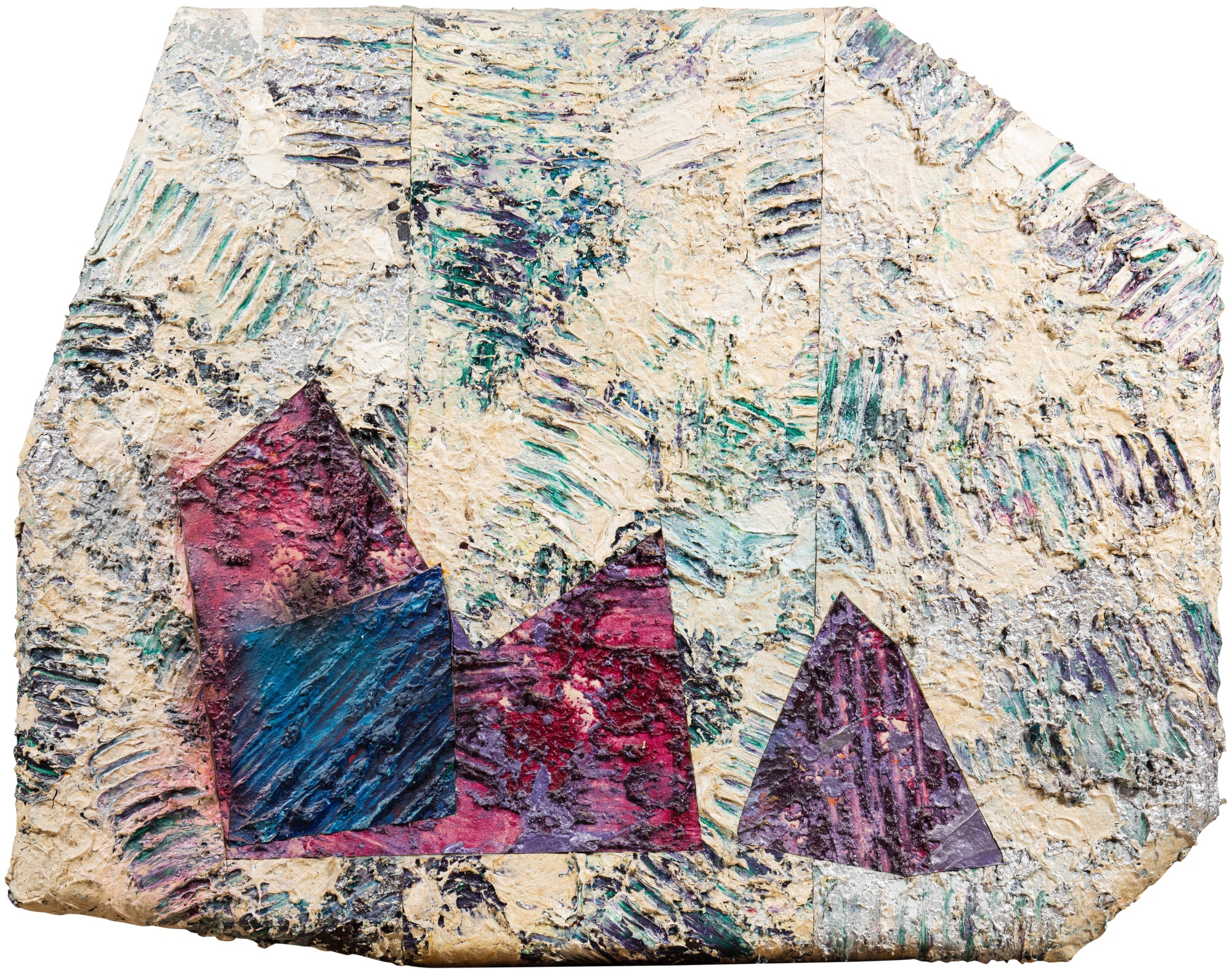
His presence on The Collection signals an understanding that this lineage matters and that its finest examples remain in genuine demand. Thilo Heinzmann and Daniel Lergon represent a European strand of this inquiry that has been gathering institutional momentum for some time. Heinzmann, based in Berlin, works with pigment suspended in unusual binders and applied to surfaces in ways that resist easy description. His paintings seem to shift as you move around them, absorbing and releasing light in ways that feel almost meteorological.
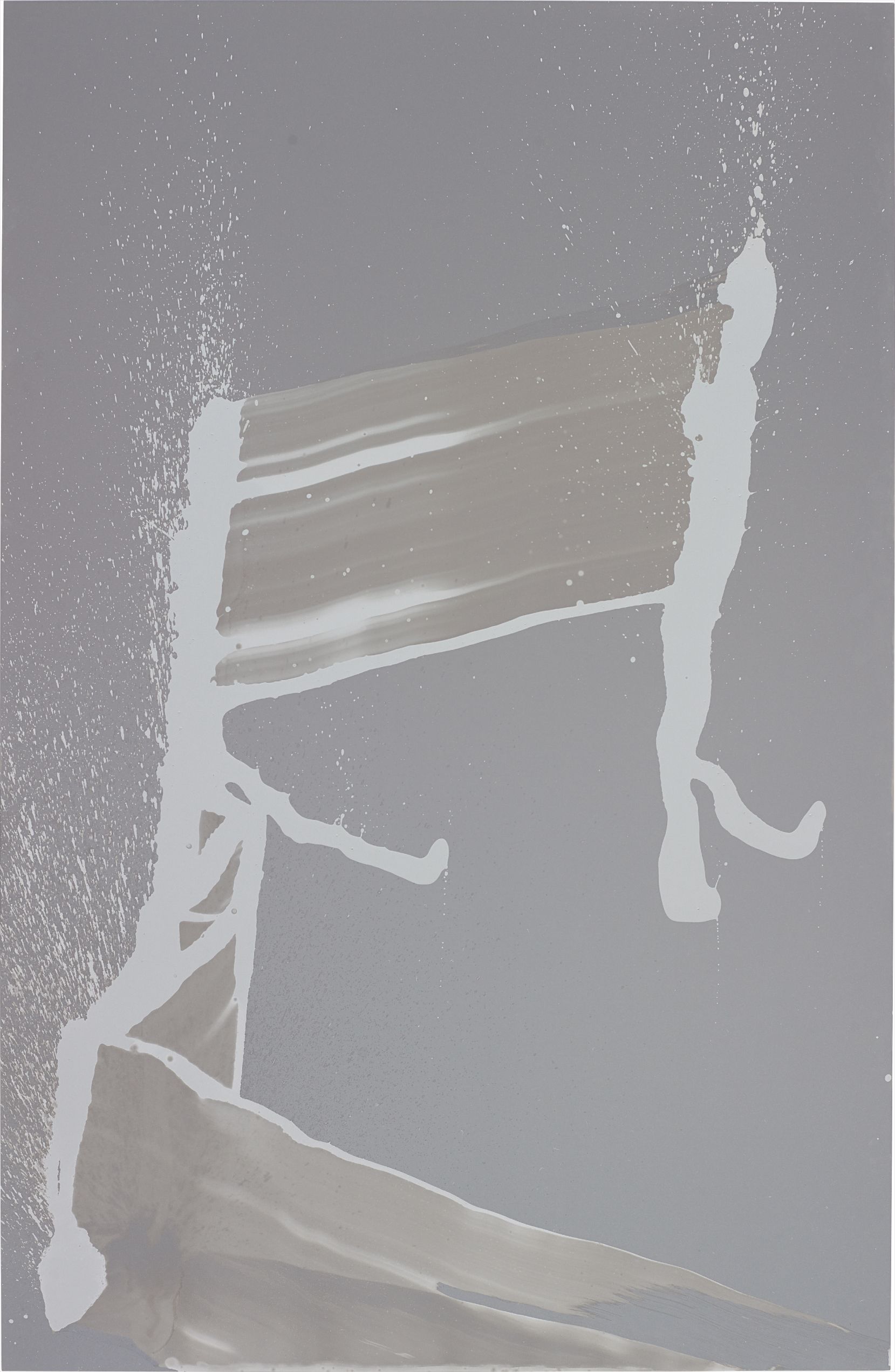
Daniel Lergon
lacquer on retro-reflective fabric
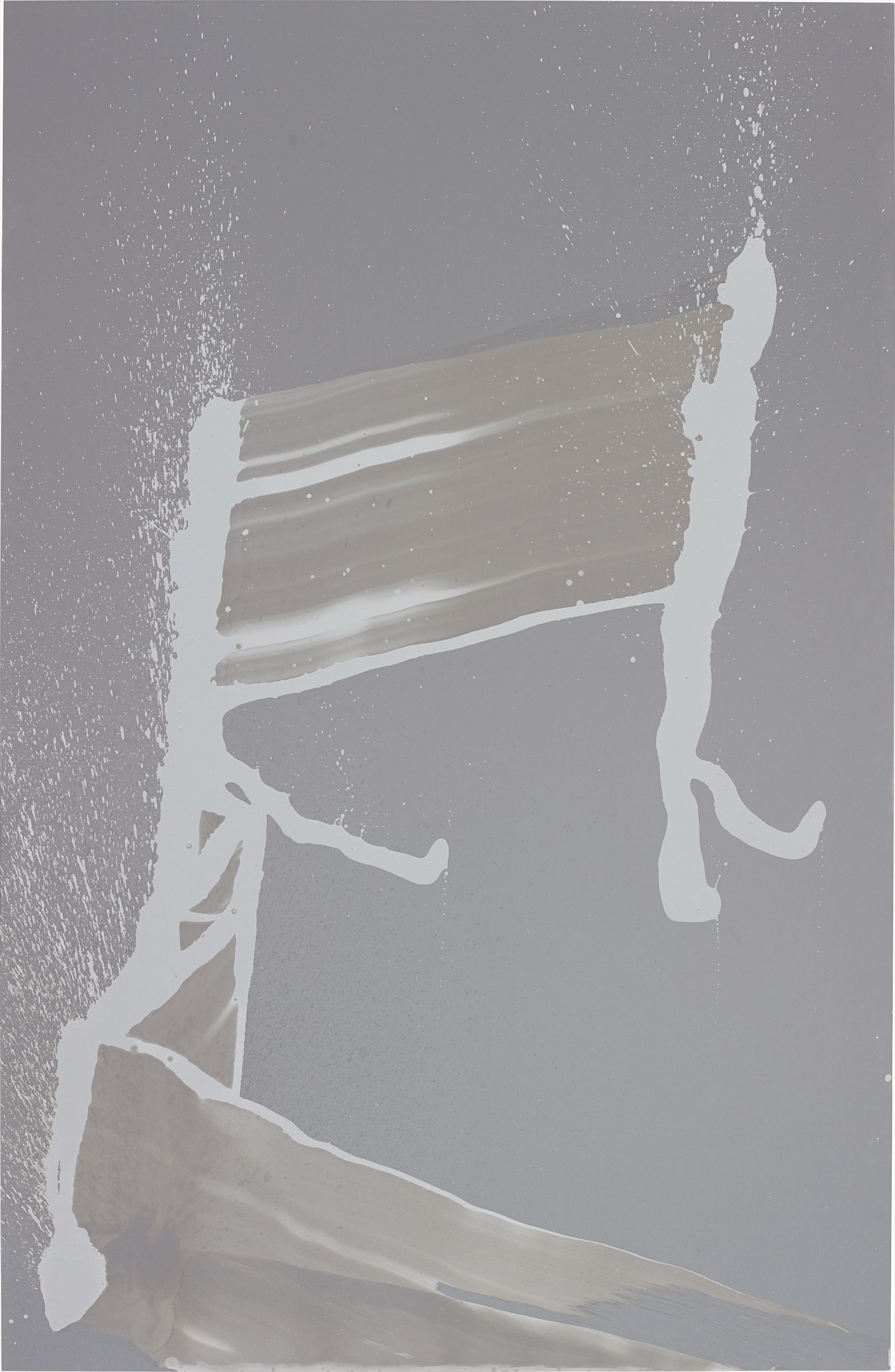
Lergon, also working in Berlin, brings a quieter but equally rigorous intelligence to questions of surface and material. Both artists have been shown extensively in European institutional contexts, and their works have entered collections that signal long term confidence rather than speculative enthusiasm. When Heinzmann appears in a group show at a Kunsthalle alongside painters twice his profile, it tends to reframe how the room reads the whole enterprise. The critical writing around experimental texture has become more sophisticated in the past decade, moving away from purely technical description toward something that tries to account for why these surfaces create the experiences they do.
Writers associated with publications like Texte zur Kunst and Artforum have been particularly attentive to the philosophical stakes involved, asking what it means for a painting to prioritize its own becoming over any fixed image or narrative. Curators including Katy Siegel and Neville Wakefield have written thoughtfully about the relationship between process based abstraction and broader questions of contingency and control, framing these works not as decorative objects but as arguments about how meaning is made under uncertainty. Institutionally, the collecting signals are clear and consistent. The Museum of Modern Art, the Los Angeles County Museum of Art, and the Städel Museum in Frankfurt have all made significant acquisitions in this area over the past several years.
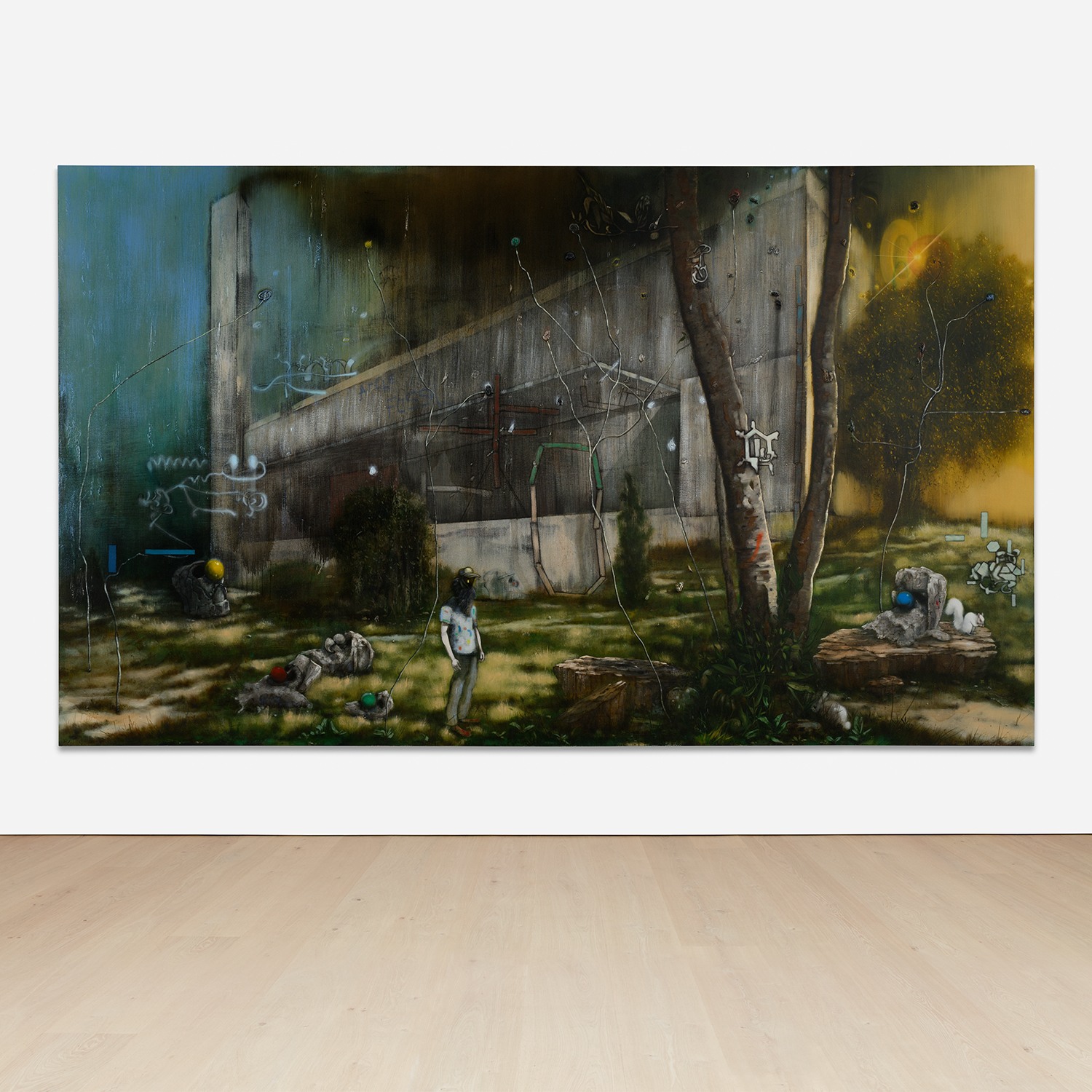
Thilo Heinzmann
O.T., 2013
When the Städel adds a work by a living painter whose practice centers on material transformation, it is not simply expanding a collection. It is making a claim about where the longer art historical narrative is heading. Private foundations in Europe and North America have been equally active, and their acquisitions often precede museum attention by two or three years, functioning as an early indicator of where institutional confidence will eventually settle. Sullivan's work deserves particular attention in the context of this market moment.
His prices have moved steadily upward as the logic of his practice has become clearer to collectors who initially found it disorienting. The works are genuinely difficult to reproduce photographically, which in an era of image saturation is not a liability but a form of rarity. Seeing a Sullivan in person produces a different experience than seeing it on a screen, and collectors who have made that discovery tend to return to the work with increased conviction. This gap between reproduction and presence is something the best experimental texture artists have in common, and it is one reason the category continues to reward serious looking over casual scrolling.
Ryan Sullivan
October 4, 2010 - October 21, 2010
What feels alive right now is the intersection of material experimentation with questions about environmental and atmospheric experience. A number of younger artists, not yet widely collected but increasingly visible in gallery programs in New York, London, and Berlin, are working with industrial materials, organic compounds, and processes that reference geological or biological time. This is not a trend in the superficial sense but a deepening of questions that Gilliam and others opened decades ago. What feels more settled is the canonical status of the generation now in their fifties and sixties, whose prices reflect genuine consensus rather than speculation.
The surprise, if there is one, is how broadly that consensus has spread, reaching collectors in Southeast Asia and the Gulf who might once have been expected to favor other categories. Experimental texture has become, quietly and without fanfare, a genuinely global conversation.