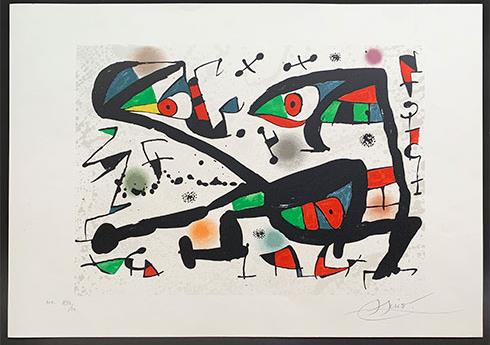
Exhibition Catalogue
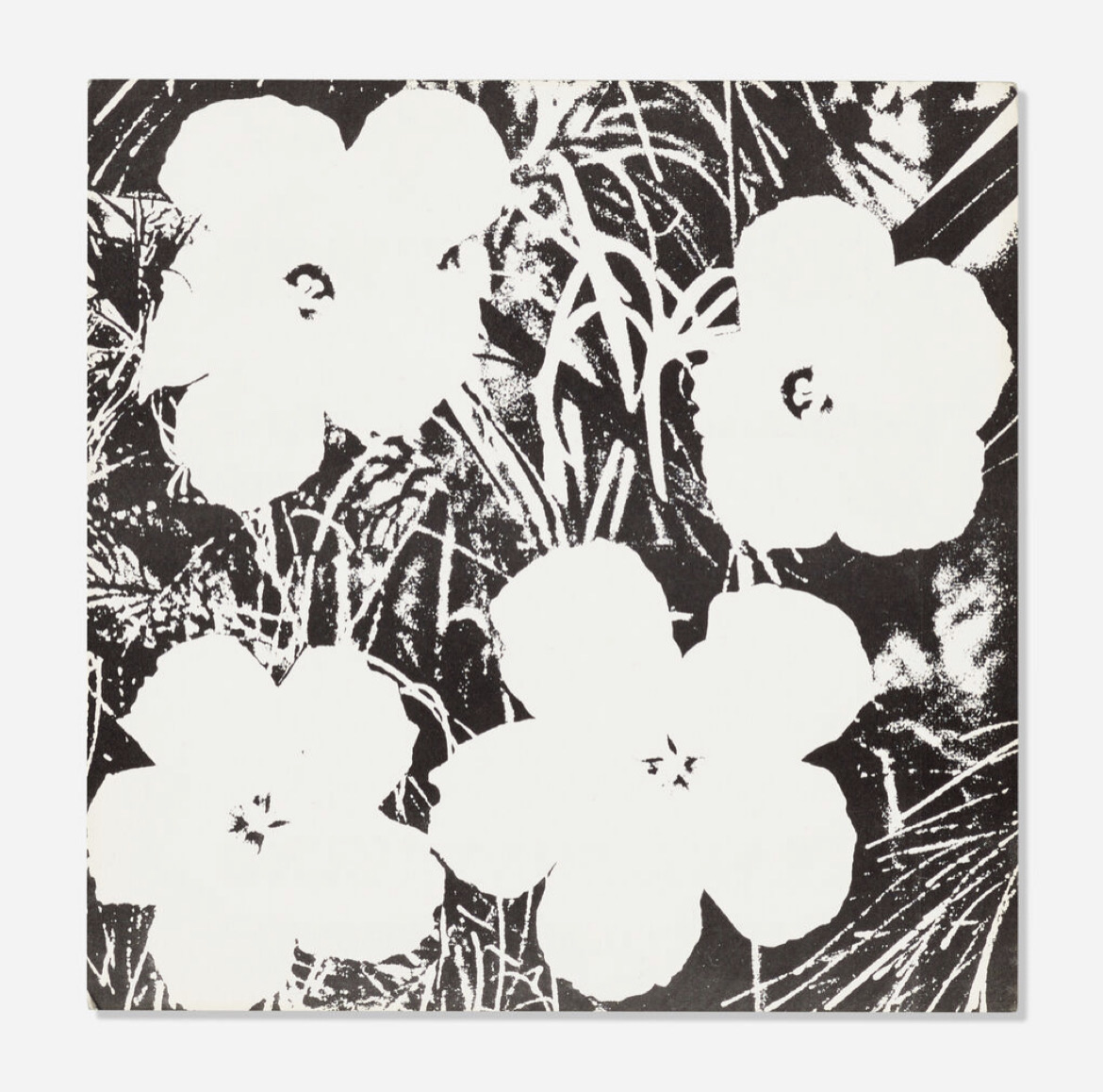
Andy Warhol
Exhibition Catalogue with Opening Announcement Card, 1965

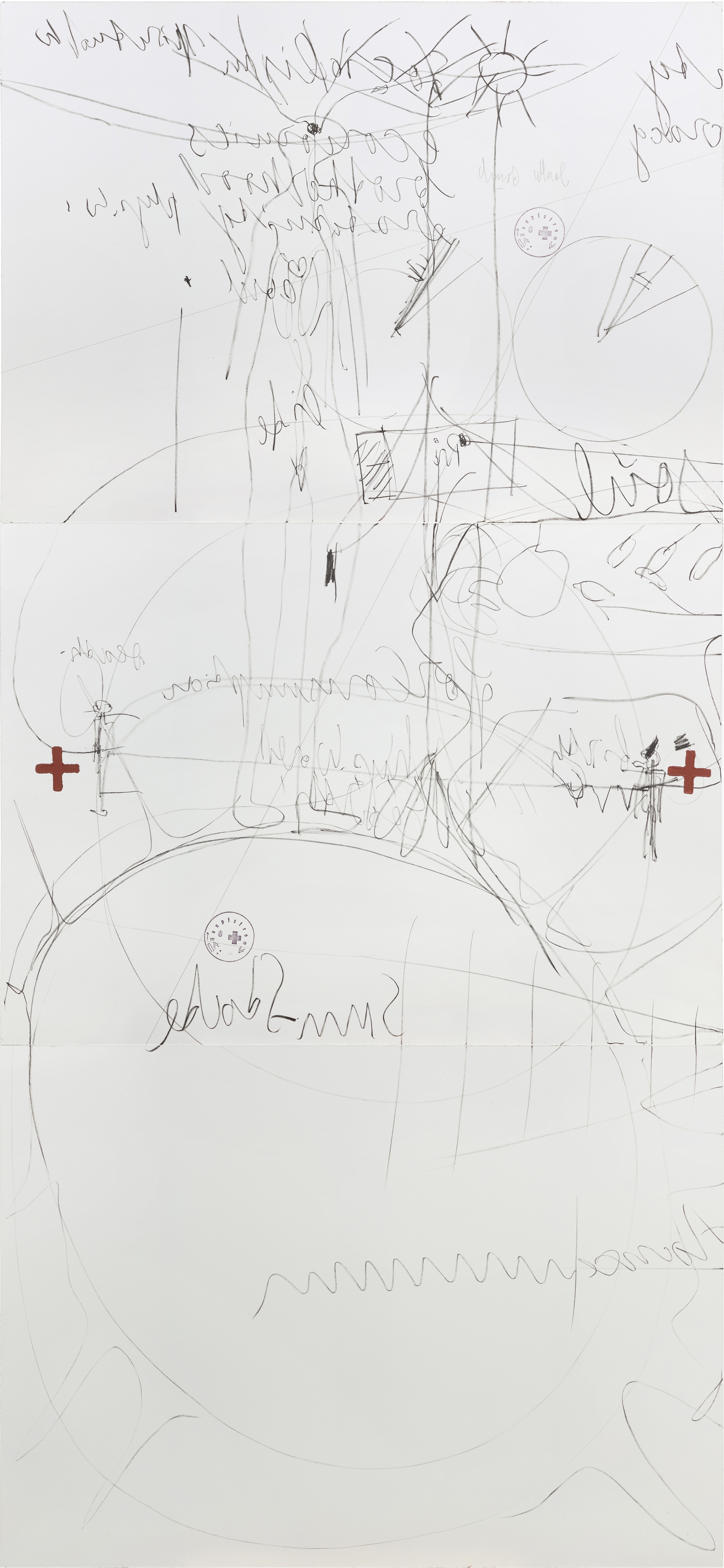
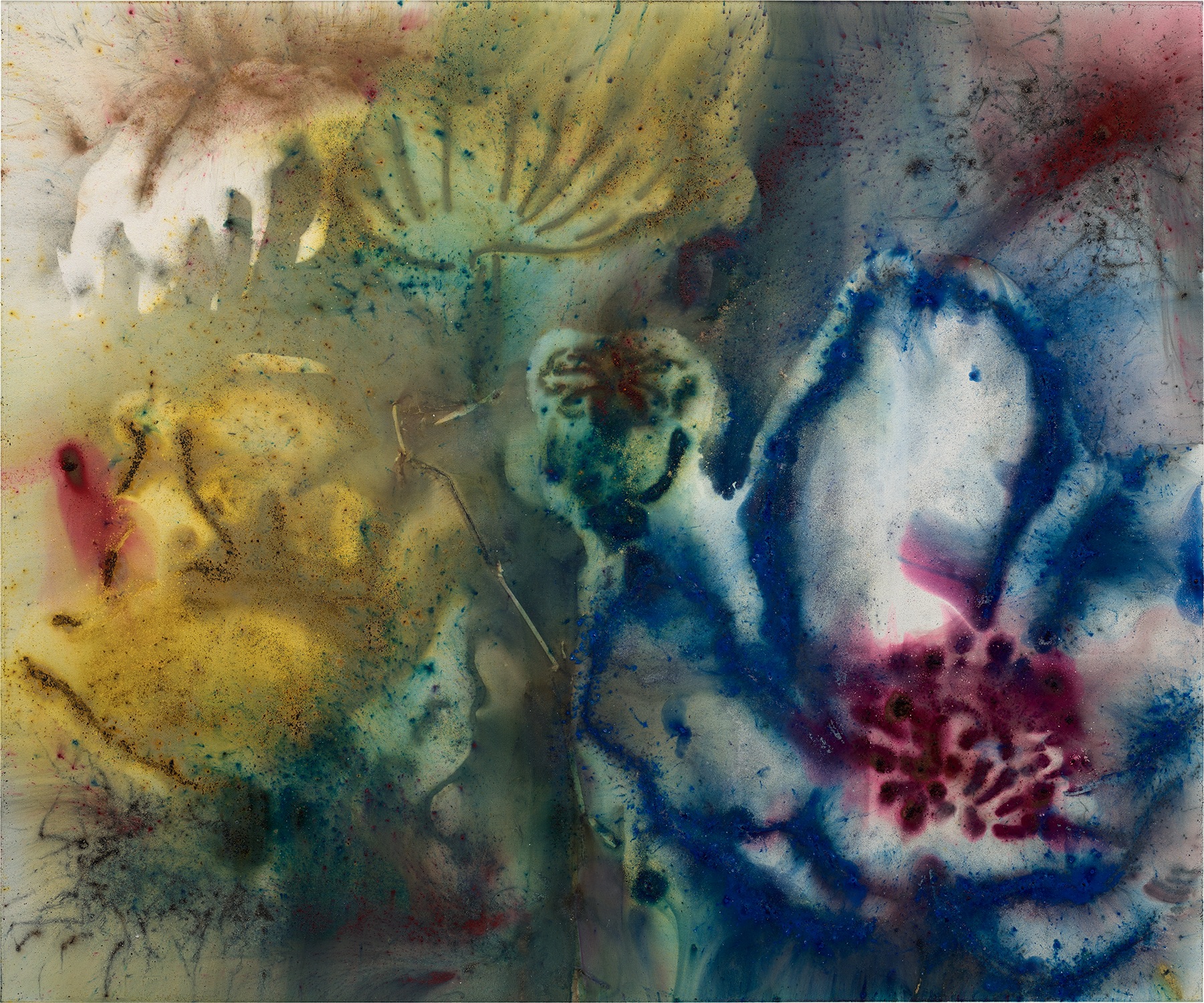
The Catalogue as Art Object, Reconsidered
There is a particular kind of collector who keeps the books. Not the ledgers or the insurance documents, though those matter too, but the catalogues: those dense, beautifully produced volumes that accompany major exhibitions and sometimes outlast the shows themselves by decades. To live with an exhibition catalogue is to live with a secondary layer of meaning around the works you love. It is a form of devotion that goes largely undiscussed in the wider art world, yet among serious collectors it is nearly universal.
The appeal is not simply archival. Exhibition catalogues occupy a strange and generous middle ground between scholarship and desire. They are the place where curatorial thinking becomes readable, where conservation notes sit alongside philosophical essays, where an artist speaks in their own voice without the mediation of a dealer or auction house. For collectors who want to understand what they own, or what they might one day own, the catalogue is often the most honest document available.
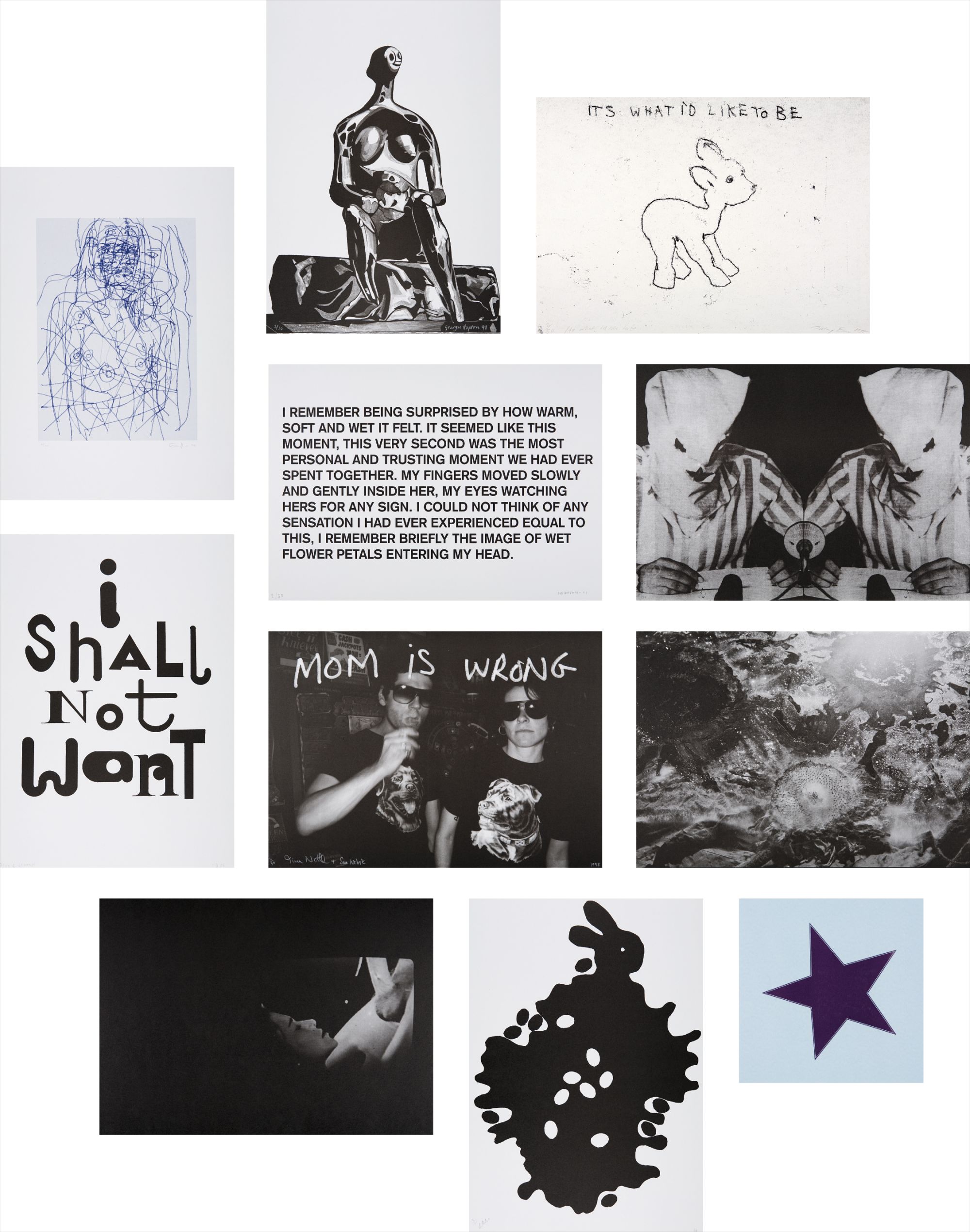
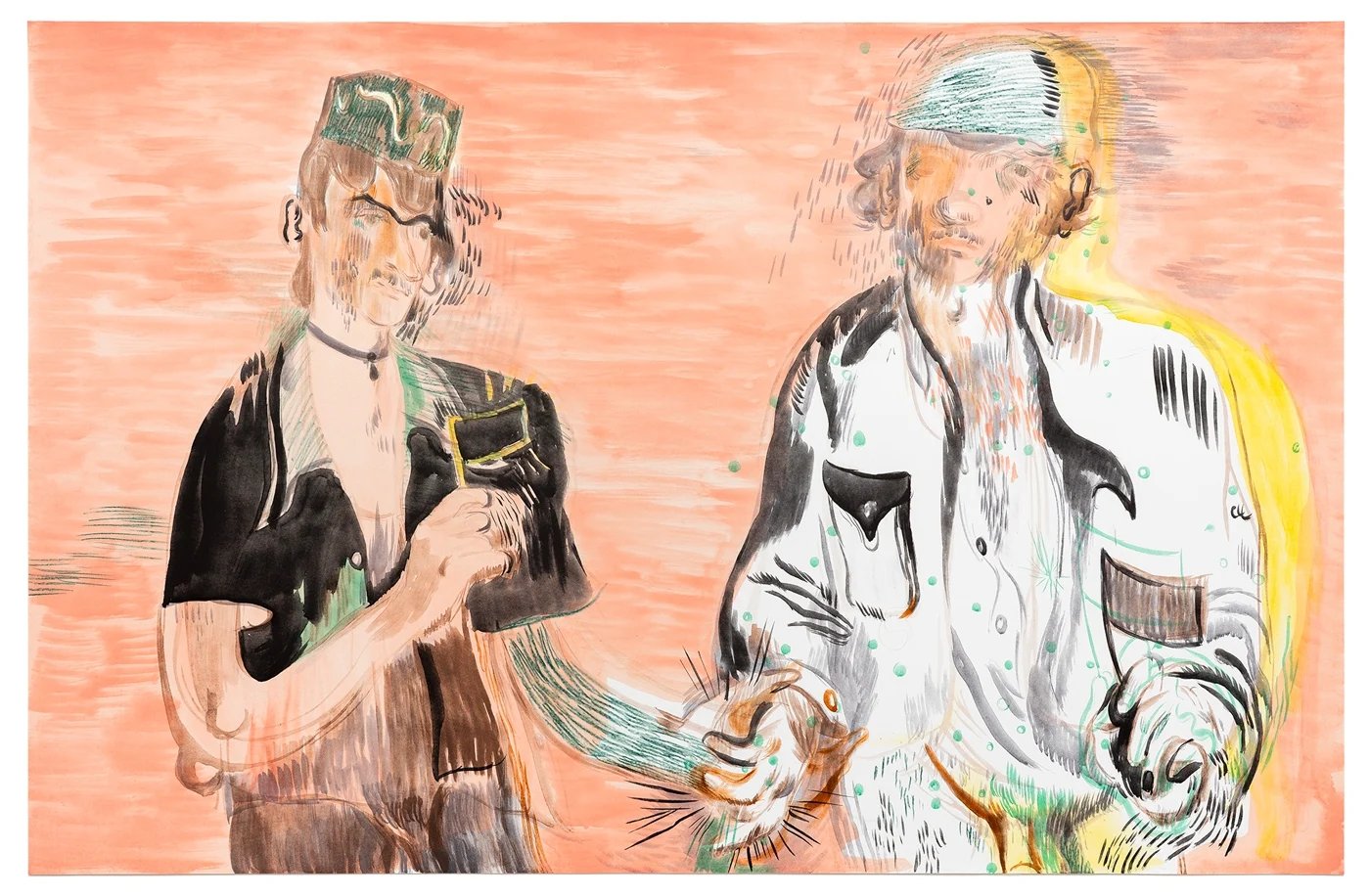
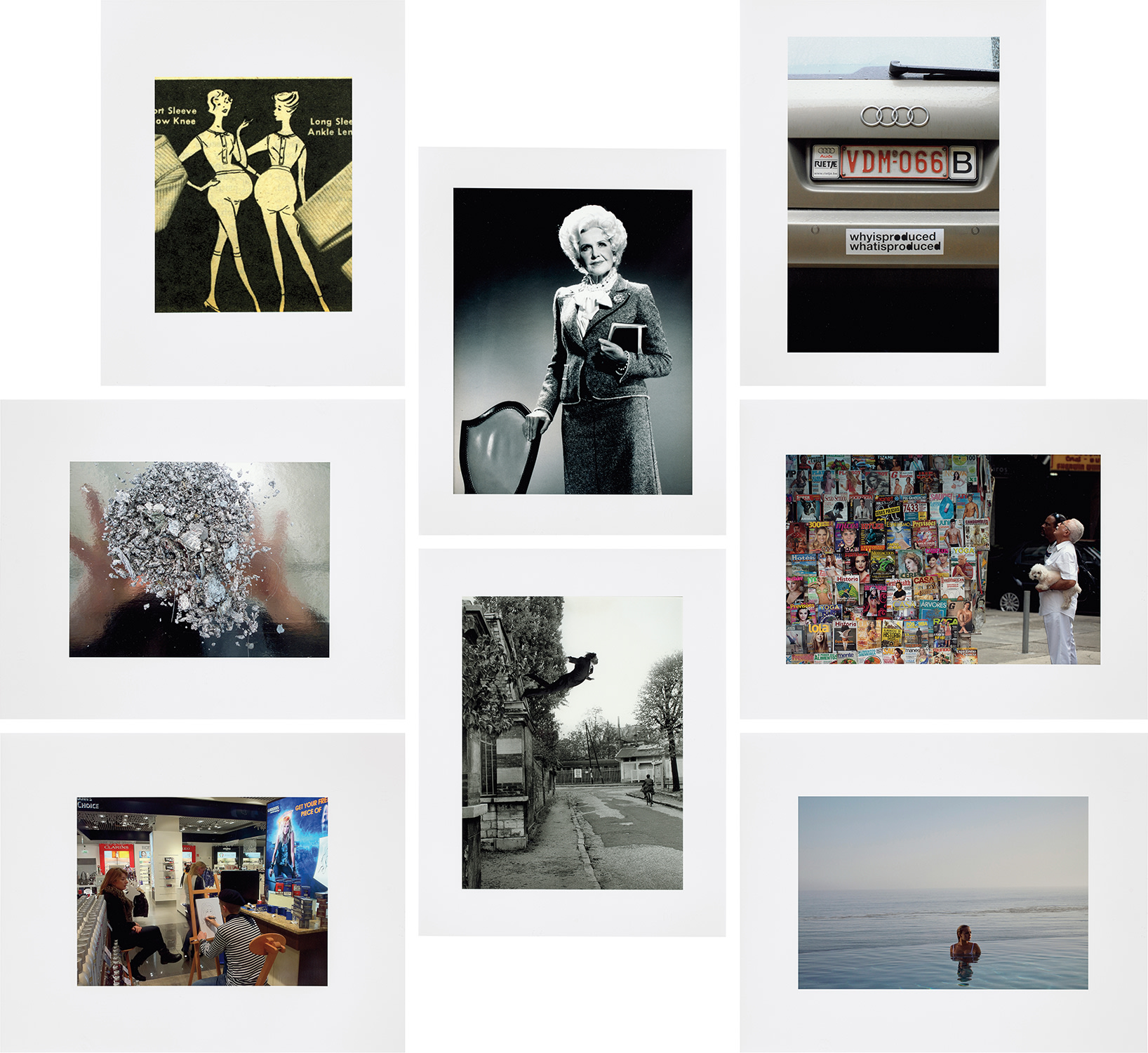
Various Artists
10 SupaStore SupaStars
It rewards slow reading and rewards it again years later, when the market has shifted and the critical conversation has moved on. What separates a good catalogue from a truly great one comes down to several things that experienced collectors learn to assess quickly. Depth of scholarship is the obvious starting point. A great catalogue does not simply document; it argues.
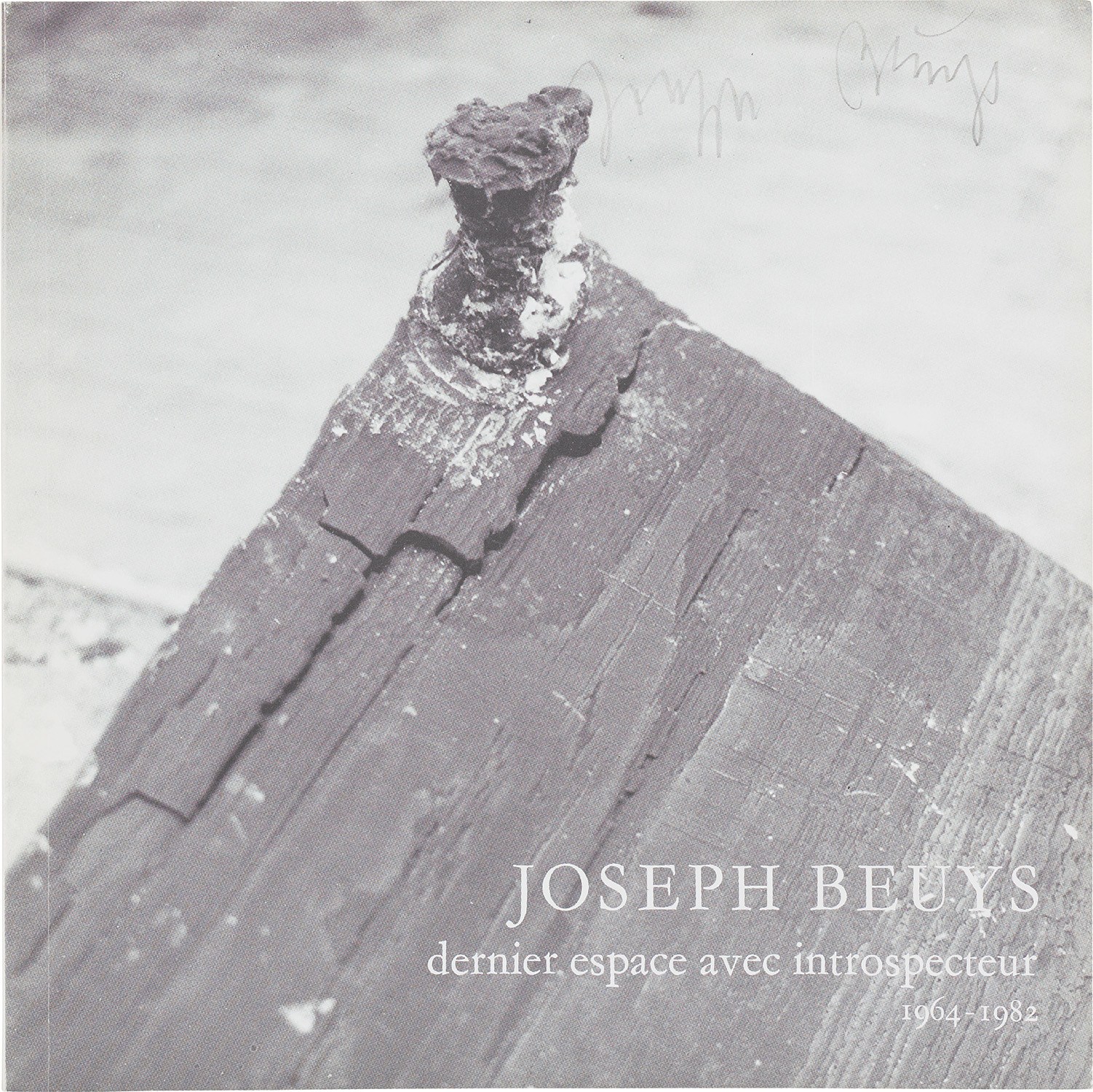
It places the work in a specific intellectual context and defends that placement with evidence and conviction. The essay by Joseph Beuys for the 1972 documenta 5 catalogue, for instance, remains a remarkable record of an artist thinking through his own practice at a pivotal moment. Catalogues that capture an artist in transition, or that document a genuinely contested exhibition, tend to hold their significance longer than those produced to celebrate work already canonized. Production quality matters enormously and should not be dismissed as superficial.
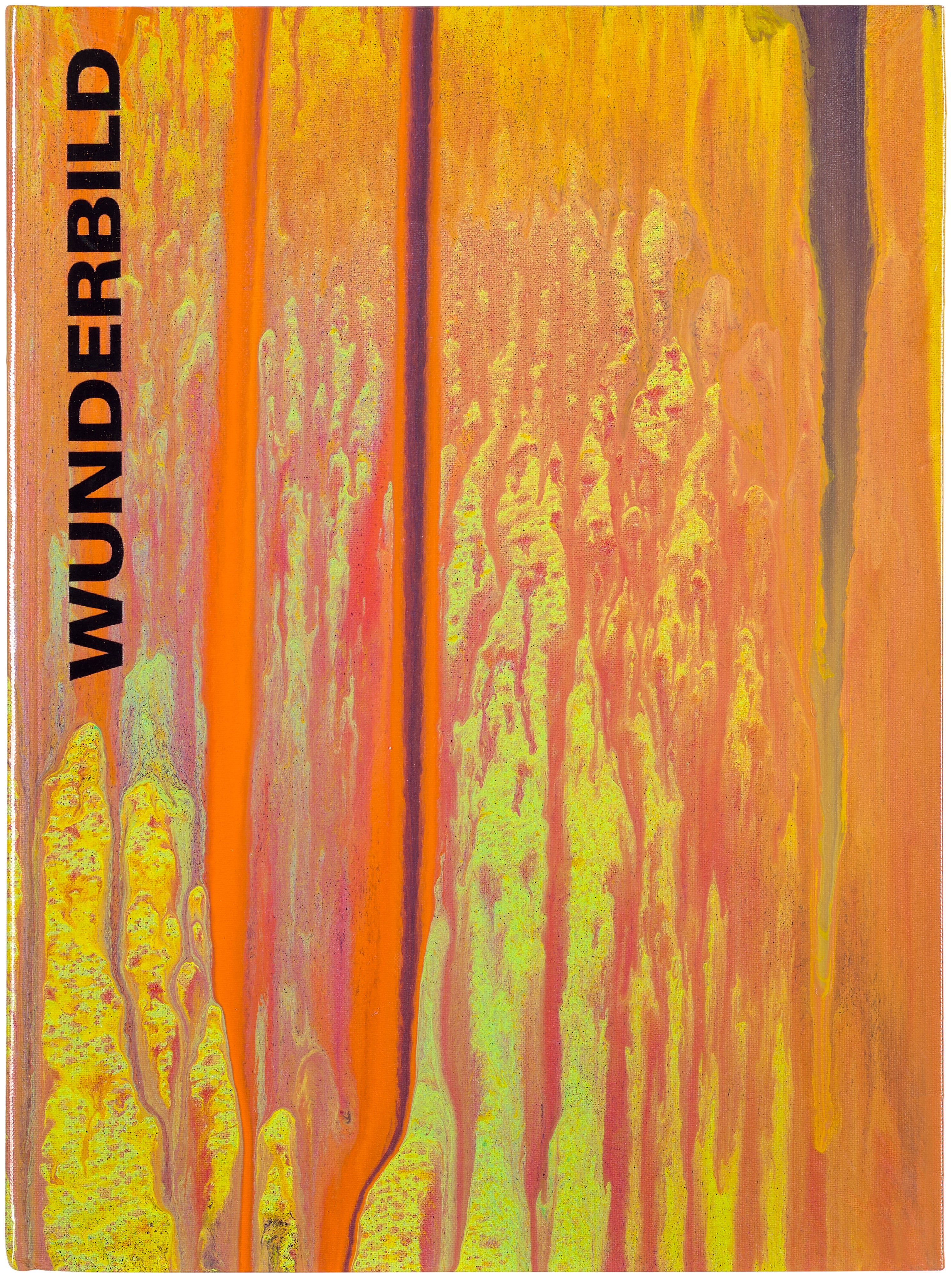
Katharina Grosse
Wunderbild
The relationship between a reproduction and the original work it represents is a serious one. Collectors who have spent time with, say, the catalogues produced for Katharina Grosse's large scale installations know how much curatorial and design intelligence goes into conveying the spatial experience of her work through a printed page. Grosse's practice floods architectural space with color and challenges the boundaries between painting and environment, and the best catalogues of her work find ways to honor that ambition rather than flatten it. Paper stock, binding, the quality of the color separations, the decision to include or exclude installation photography: all of these choices signal how seriously the publishing institution has taken its responsibility to the work.
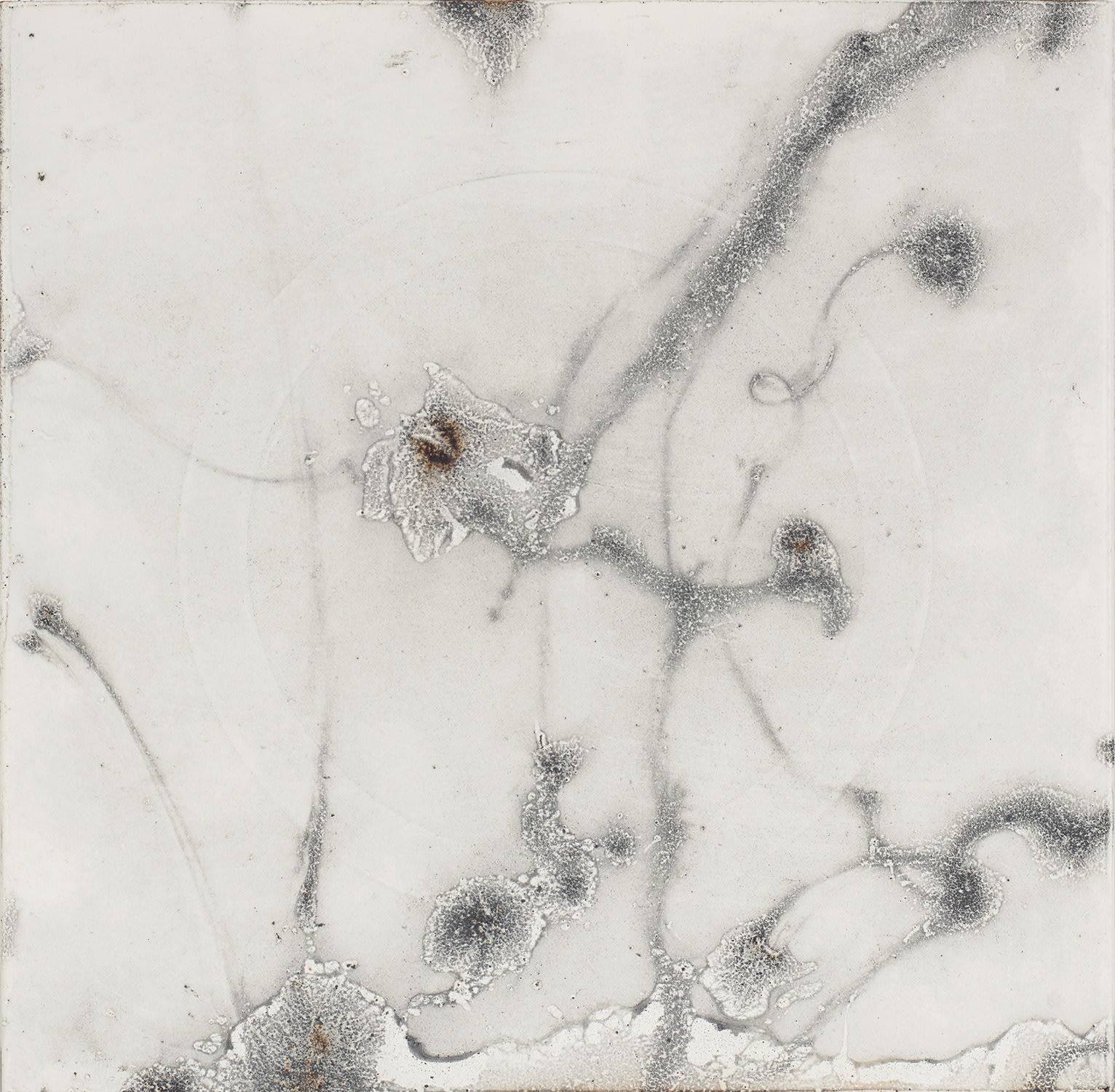
When thinking about which artists make catalogue collecting most compelling from a value perspective, it is worth considering names whose critical reputations have deepened significantly over time. Cai Guo Qiang, whose work with gunpowder drawings and large scale pyrotechnic installations has been documented in catalogues from major institutions including the Museum of Modern Art and the Guggenheim Bilbao, represents a case where the printed record has become genuinely valuable as primary documentation. His events are unrepeatable, and the catalogues that document them carry a kind of evidentiary weight that is unique to time based and ephemeral practice. Andy Warhol presents a different kind of case: his catalogues exist in such number that condition and edition become everything.
Andy Warhol
Exhibition Catalogue with Opening Announcement Card, 1965
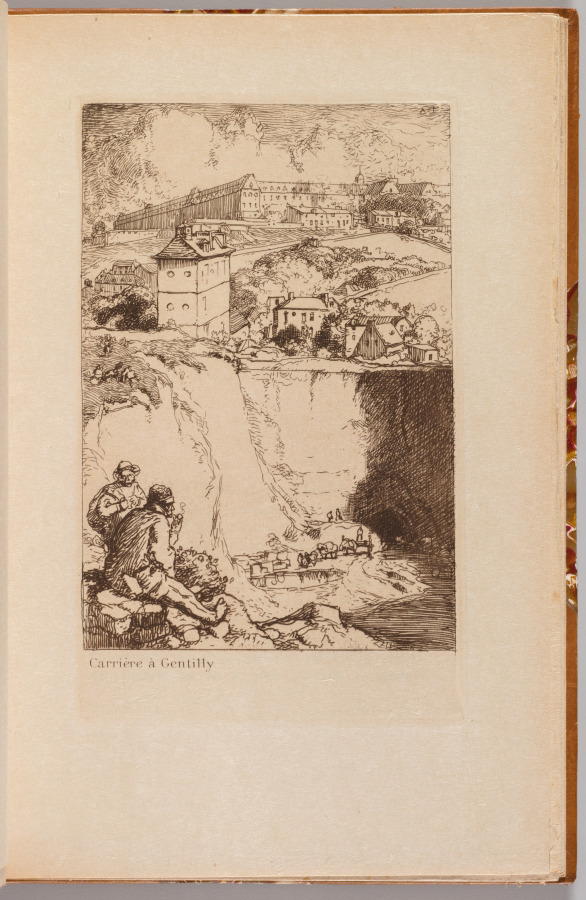
Early Factory publications, or the catalogues from his first retrospectives in the late 1960s, command serious attention from bibliophile collectors and Warhol specialists alike. For those interested in the longer arc of printmaking history, the work of Auguste Louis Lepère offers a compelling entry point. Lepère was one of the most technically accomplished wood engravers of the late nineteenth century, and the documentation of his work in period publications and exhibition catalogues represents a form of collecting that intersects beautifully with the broader revival of interest in that era's graphic arts. His presence on The Collection reflects a growing collector appetite for work that sits at the intersection of fine art and the history of print as a medium of public communication.
Catalogues documenting this tradition, particularly those published by French institutions in the period between 1880 and 1910, are undervalued and worth pursuing. At auction, exhibition catalogues have historically been treated as ancillary material, bundled into library sales and priced well below the works they document. That is changing. Specialist sales at Christie's and Sotheby's have increasingly featured artist publications and catalogues as standalone lots, and the prices achieved for rare or artist annotated examples have surprised even experienced book dealers.
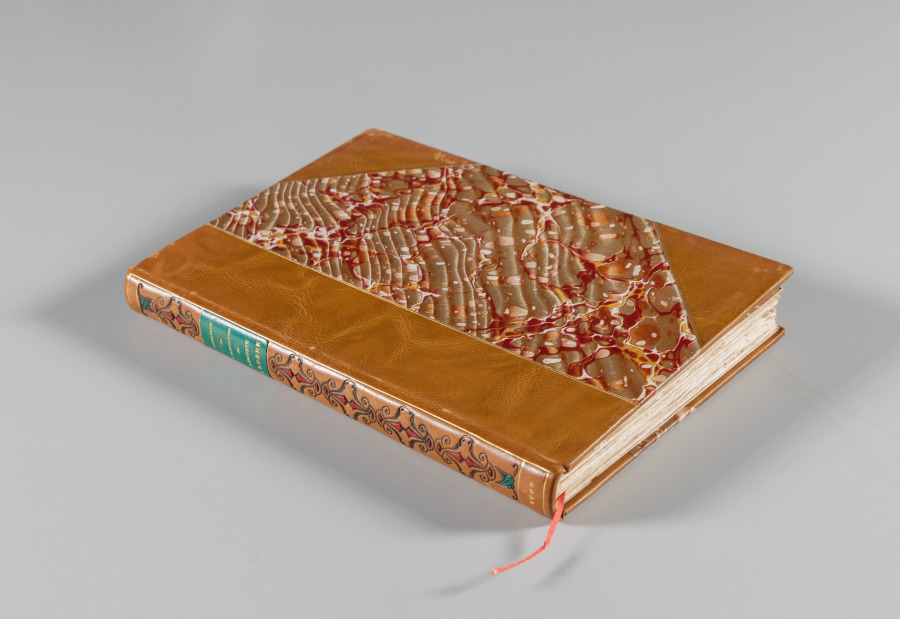
Auguste Louis Lepère
Catalogue de L'Exposition de August Lepère, 1908
The catalogue produced for Beuys's participation in the 1974 Edinburgh arts festival, which included his famous lecture performances, has appeared at auction several times in recent years and achieved prices that reflect both its scarcity and its documentary importance. The secondary market for catalogues remains less liquid than the market for works on paper or prints, but for patient collectors that is precisely the opportunity. Practical advice for anyone beginning to collect seriously in this area begins with condition. Spines crack, dust jackets fade, and insertions fall out.
Ask any gallery or dealer selling a catalogue whether it is complete, whether any loose plates or posters are present, and whether the binding is intact. For significant catalogues, the difference in value between a fine copy and a reading copy can be substantial. On the question of editions versus unique works, remember that some catalogues exist in multiple states: trade editions, deluxe editions with original prints, and occasionally artist proofs or presentation copies with inscriptions that transform the object entirely. When approaching a gallery about a catalogue purchase, ask specifically about provenance and whether the copy has any association with the artist or the original exhibition.
That history, however modest, is what turns a book into a collectible.