European Subject
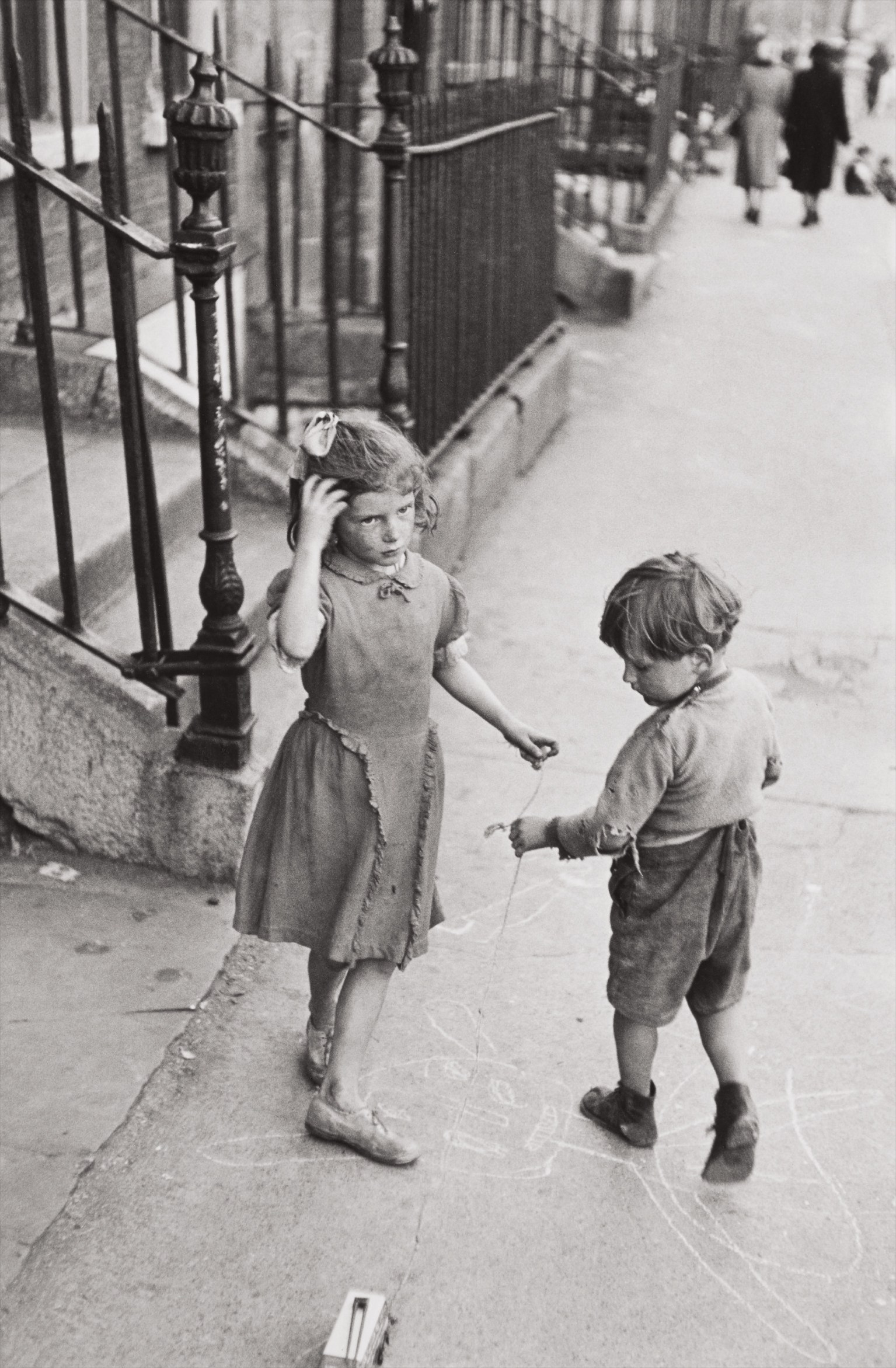
Henri Cartier-Bresson
Brussels, Belgium
The Old World Still Has Something to Say
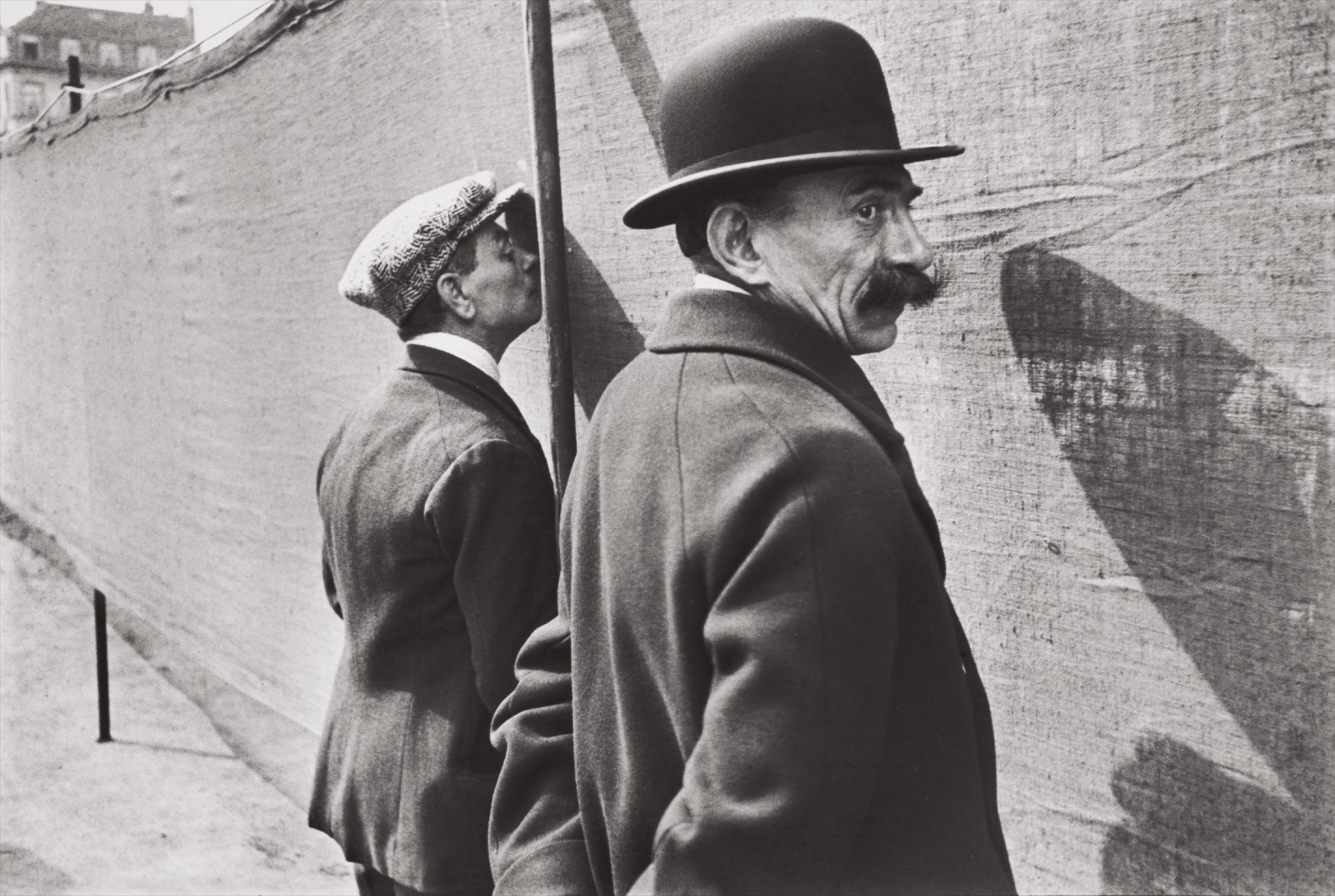
When a vintage print by Henri Cartier Bresson sold at Christie's Paris in 2023 for well above its high estimate, the room paid attention. The work, a gelatin silver print from his postwar European wanderings, reminded everyone in attendance that the appetite for a certain kind of looking at Europe, that quality of alert, unhurried attention to the texture of daily life, remains genuinely undiminished. If anything, the distance of decades has sharpened the hunger. Collectors are not buying nostalgia.
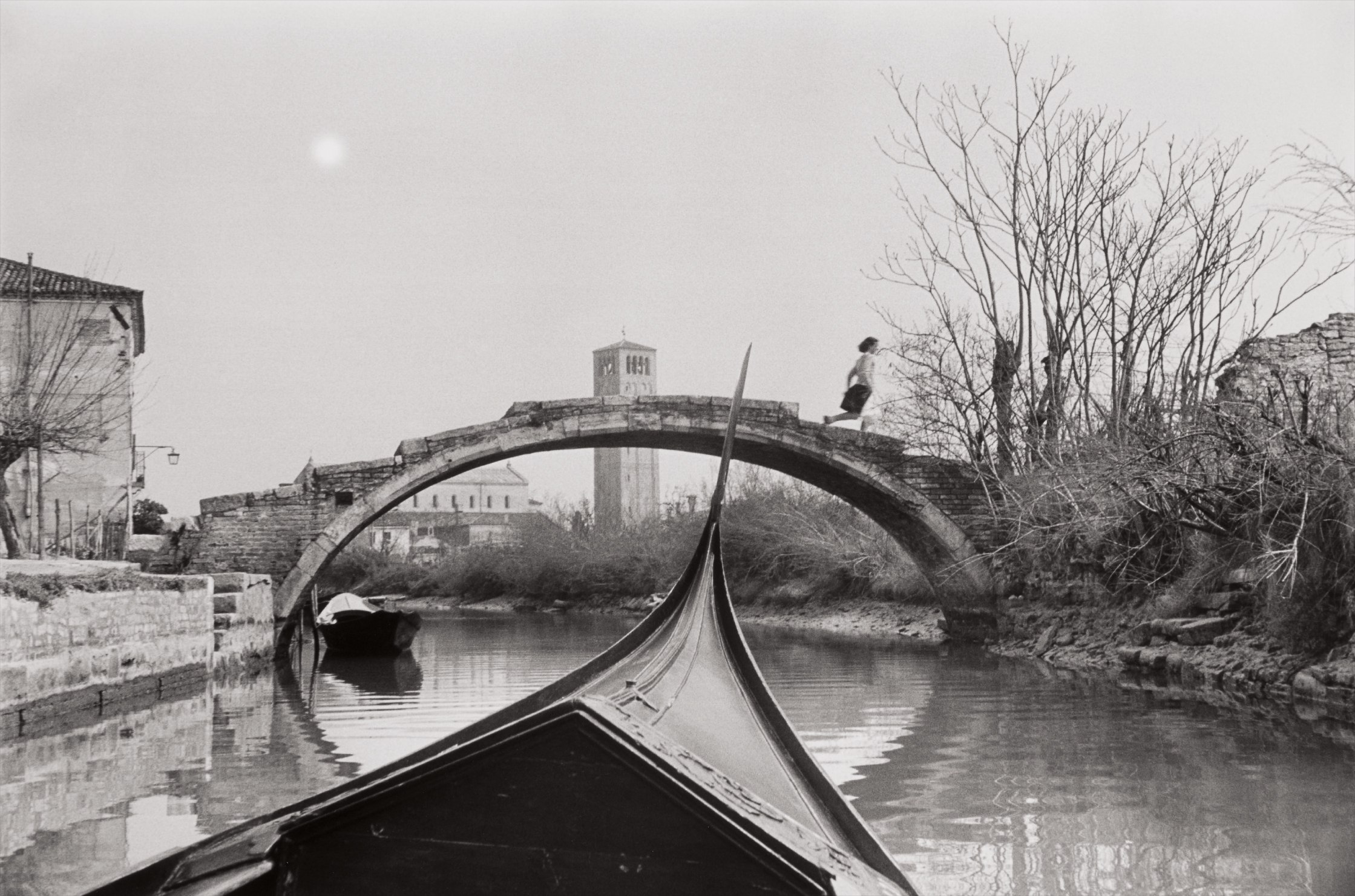
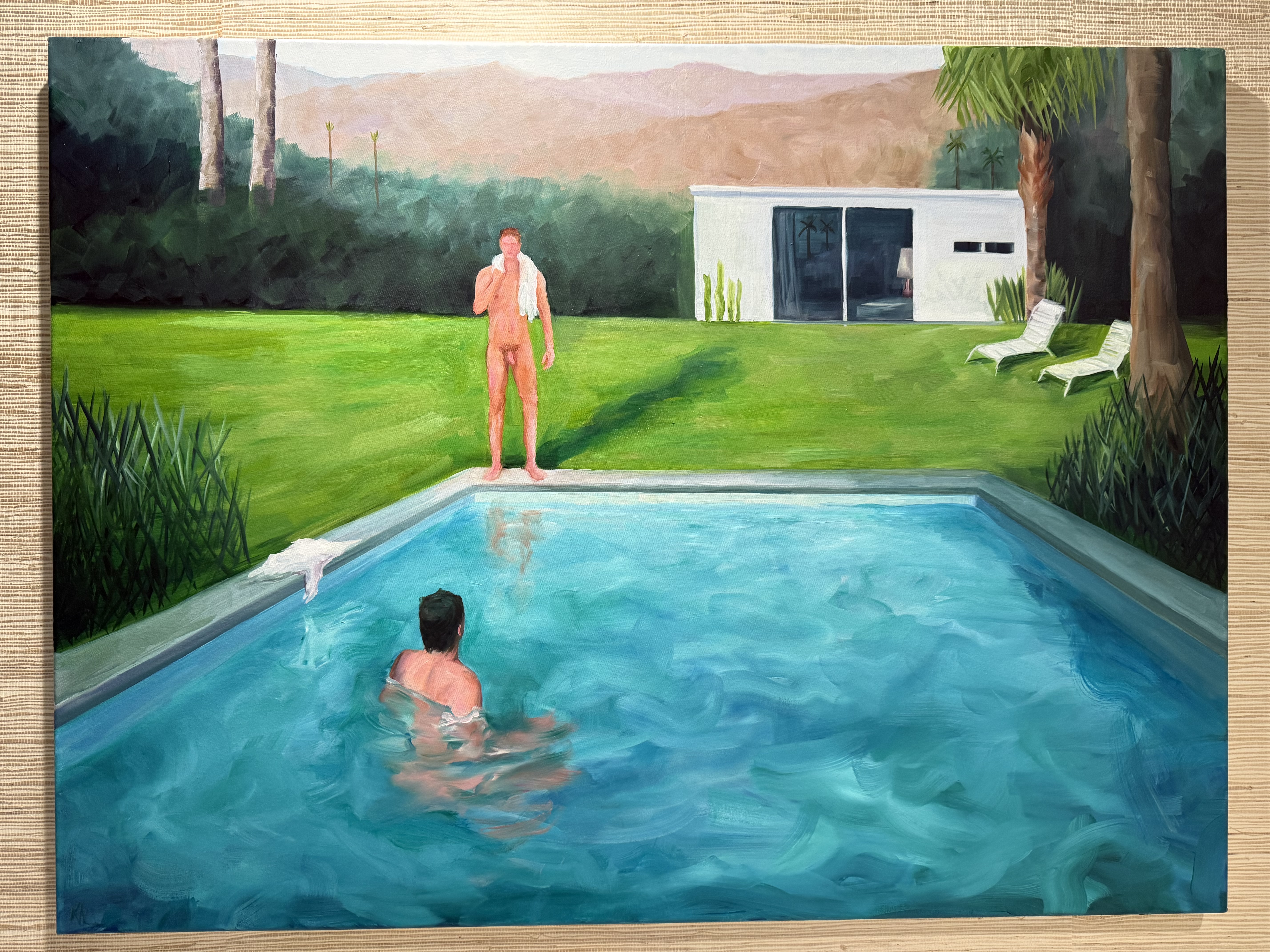
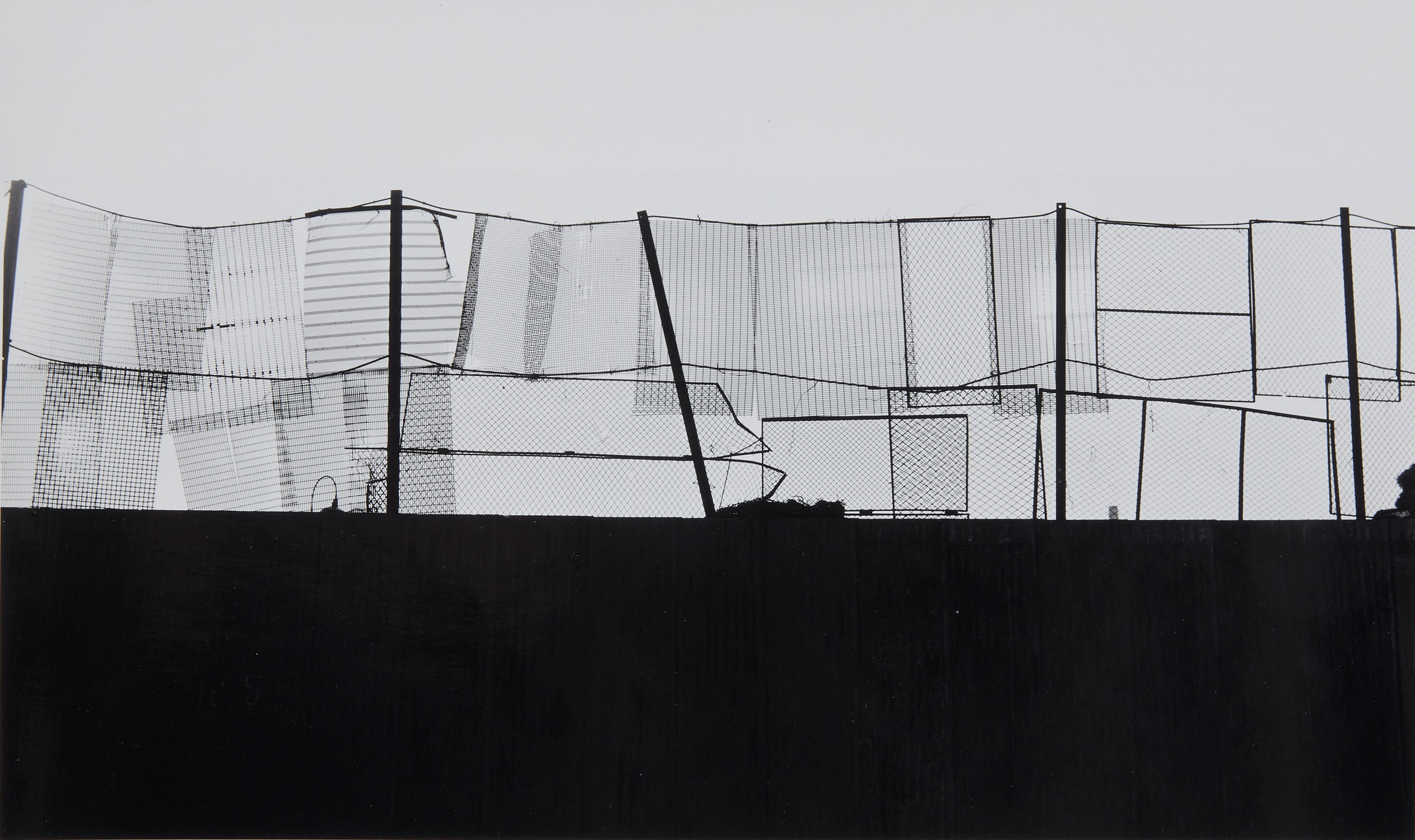
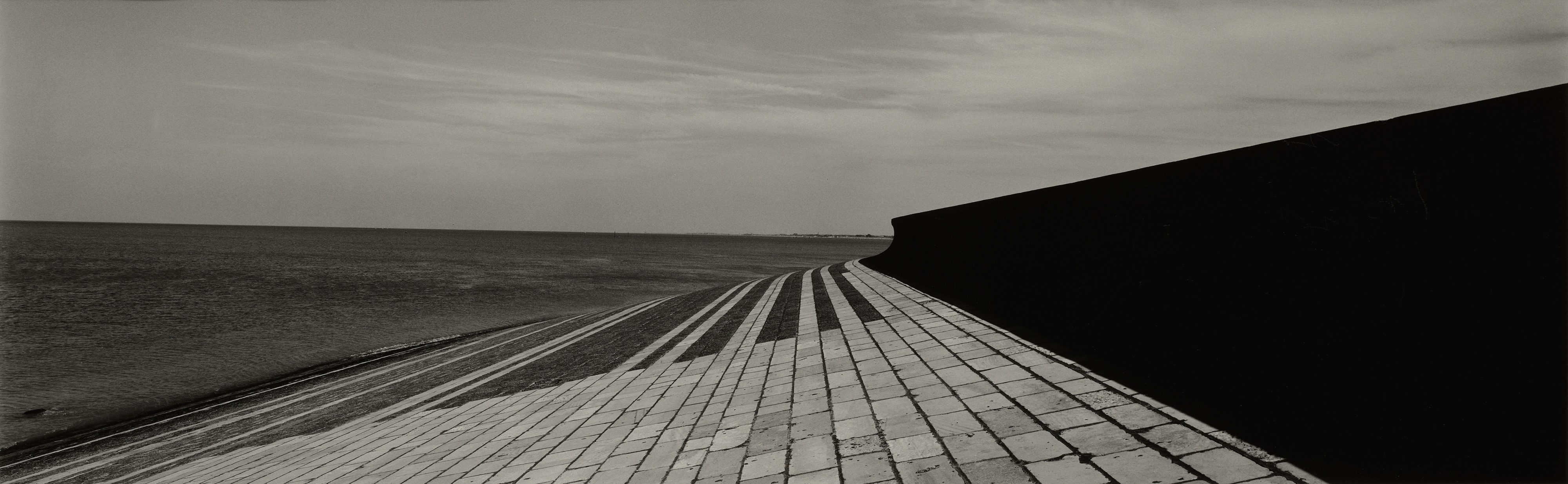
They are buying a form of witness. The phrase European subject covers a lot of ground, and that breadth is part of what makes it such fertile collecting territory right now. It encompasses the sun bleached piazzas of Prendergast's turn of the century Venice, the raw, borderland Europe that Josef Koudelka spent decades walking through with a camera, and the more cerebral, conceptually loaded photographic investigations that a figure like Kenneth Josephson pursued when he brought his American sensibility to bear on European landscapes and monuments. These are not interchangeable visions.
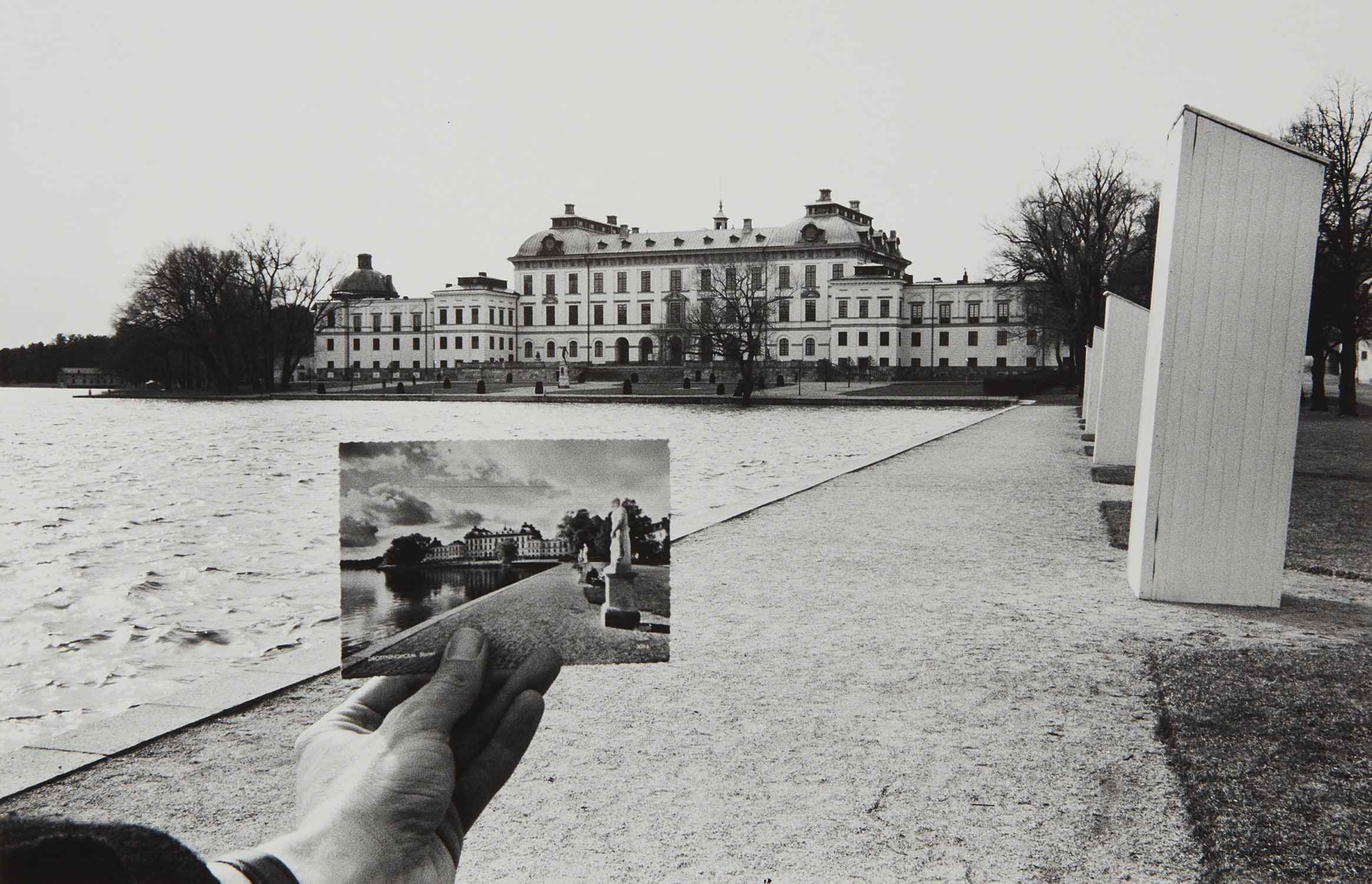
Kenneth Josephson
Drottningholm, Sweden
What they share is the proposition that Europe, as a subject, is inexhaustible, and that each generation of artists finds something in it that the previous generation could not quite see. Museum programming over the past several years has reinforced this sense of renewed critical energy. The Fondation Cartier Bresson in Paris, which maintains one of the most serious permanent presentations of his work anywhere in the world, has continued to frame his practice not as a closed archive but as an ongoing conversation with contemporary photography. Major retrospectives of Koudelka, including the expansive survey that traveled through European institutions in the early 2010s and generated lasting scholarly attention, positioned his work less as documentary record and more as a sustained philosophical inquiry into displacement, belonging, and the physical memory embedded in landscape.
The critical literature that emerged from those shows is still shaping how curators write wall text and how collectors talk about what they are acquiring. On the auction side, the market signals are instructive. Cartier Bresson consistently commands the highest prices among photographers working with European subjects, and his prints have become genuine blue chip assets in a way that was perhaps predictable given his canonical status but is no less remarkable for that. Vintage prints, particularly those from the 1940s and 1950s when he was moving through postwar France, Spain, Italy, and beyond, routinely achieve six figures at the major houses.
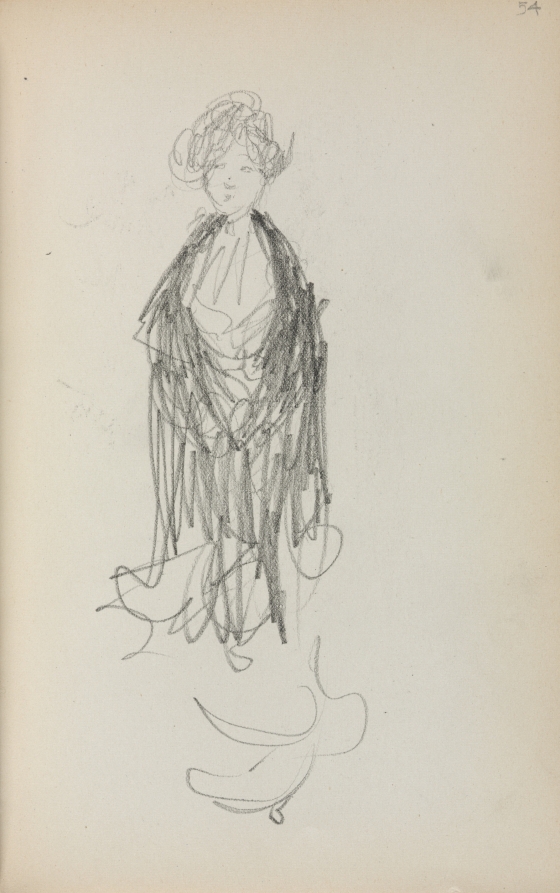
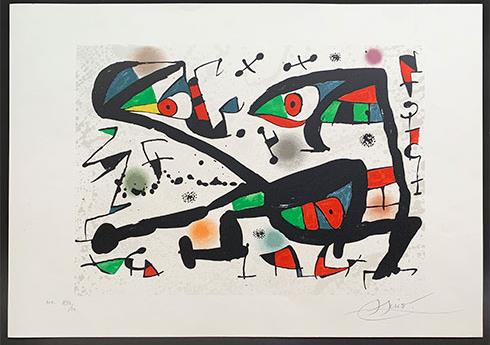
Maurice Prendergast
Italian Sketchbook: Standing Woman with Shawl (page 54), 1898
What is more interesting is the upward pressure on works by Koudelka, whose market has matured considerably as institutions have acquired his prints and as the photography world has come to understand that his long projects, particularly Gypsies and Exiles, represent something close to a definitive statement about a particular European experience. Works on paper and prints by Maurice Prendergast, whose European canvases and watercolors from his Paris and Venice periods have always attracted a loyal following, continue to perform steadily at auction, with his most animated crowd scenes drawing real competition. The institutional collecting picture tells you a great deal about where the critical weight is settling. The Museum of Modern Art has long held Cartier Bresson in its permanent collection and has lent those works generously to international shows, which sustains visibility and, not coincidentally, market confidence.
The Art Institute of Chicago and the Metropolitan Museum of Art have been active in acquiring photographic works with European subjects over the past decade, and their curatorial departments have made clear through acquisitions and programming that they view this area not as a historical category but as a living set of questions about looking, travel, and representation. When institutions of that scale commit to an area, private collectors take notice, and the secondary market adjusts accordingly. The critical conversation has grown more nuanced and, frankly, more interesting. Writers like Gerry Badger, whose collaborations with Martin Parr on the history of the photobook brought rigorous attention to how European photographers structured their work across sequences and editions, helped shift the discussion away from individual iconic images and toward bodies of work understood as coherent arguments.
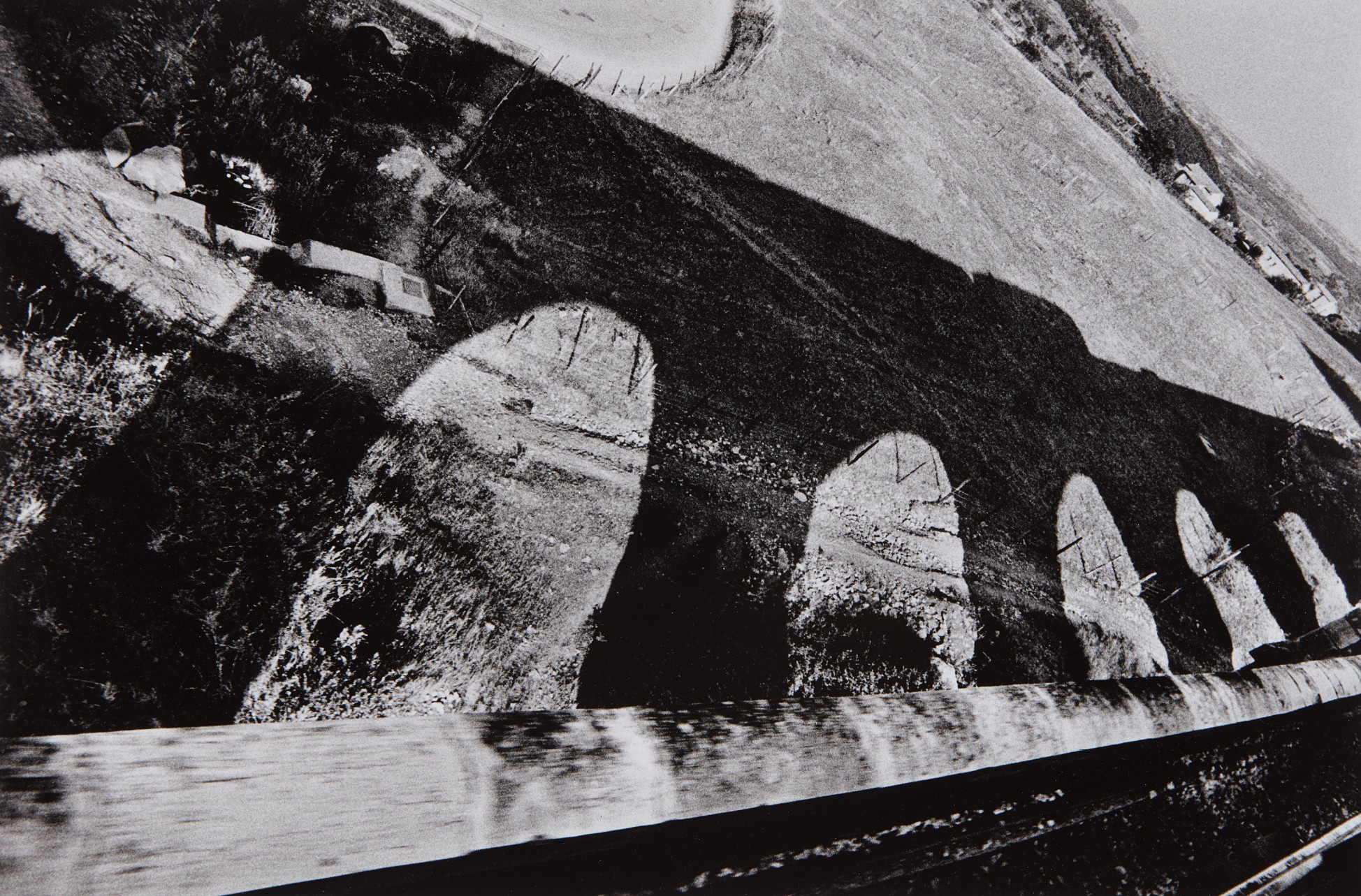
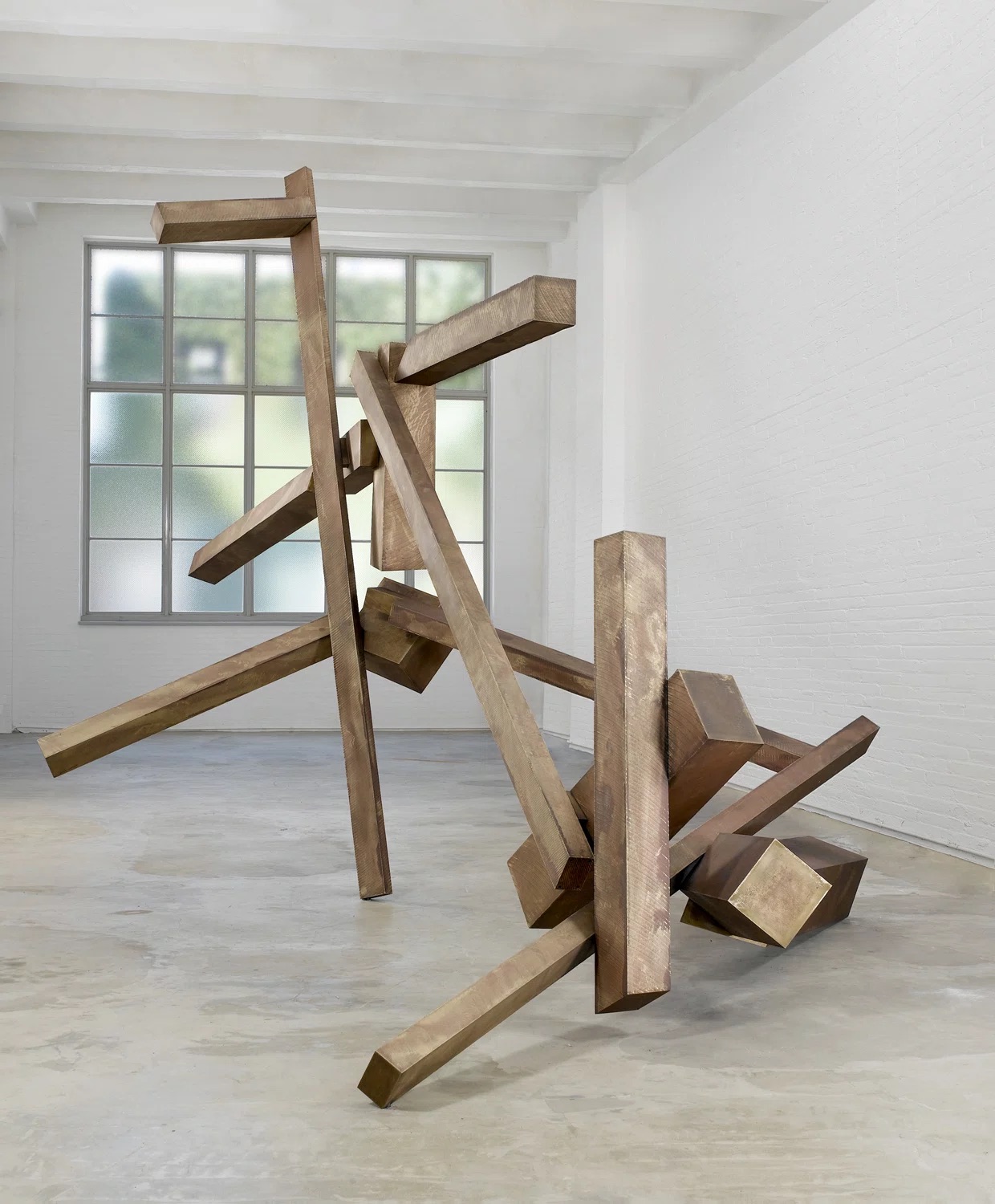
Josef Koudelka
Italy
Curators at the Tate Modern and the Centre Pompidou have been similarly influential in insisting that photographers like Koudelka be read alongside conceptual artists and not sequestered in a separate photography ghetto. That cross pollination has been good for the work and good for the market. What feels alive right now is the renewed interest in works that complicate the romantic or picturesque European subject. Josephson is a useful figure here.
His practice involved a kind of gentle, affectionate skepticism about the very idea of the photographic document, and his images of European monuments and landscapes carry within them a quiet question about what photography actually records when it points itself at history. That conceptual undercurrent is resonating with a generation of collectors who came up through contemporary art and bring those habits of reading to the photography market. The work rewards that kind of attention. What feels settled, by contrast, is the pure topographic tradition, the beautifully composed view of the cathedral or the canal that prioritizes atmosphere over argument.
Henri Cartier-Bresson
Brussels, Belgium
That work still sells, and will always find buyers, but it is not where the critical energy is concentrating. The surprises are coming, as they often do, from the edges of the category: works that sit between photography and painting, artists who were underexhibited during their lifetimes and whose European subjects are being reassessed with fresh eyes, and the ongoing recontextualization of well known figures as their full archives become more accessible to scholars and curators. The European subject, in other words, is not a destination. It is a direction of travel, and the journey, as ever, is the point.