East Asian Influence
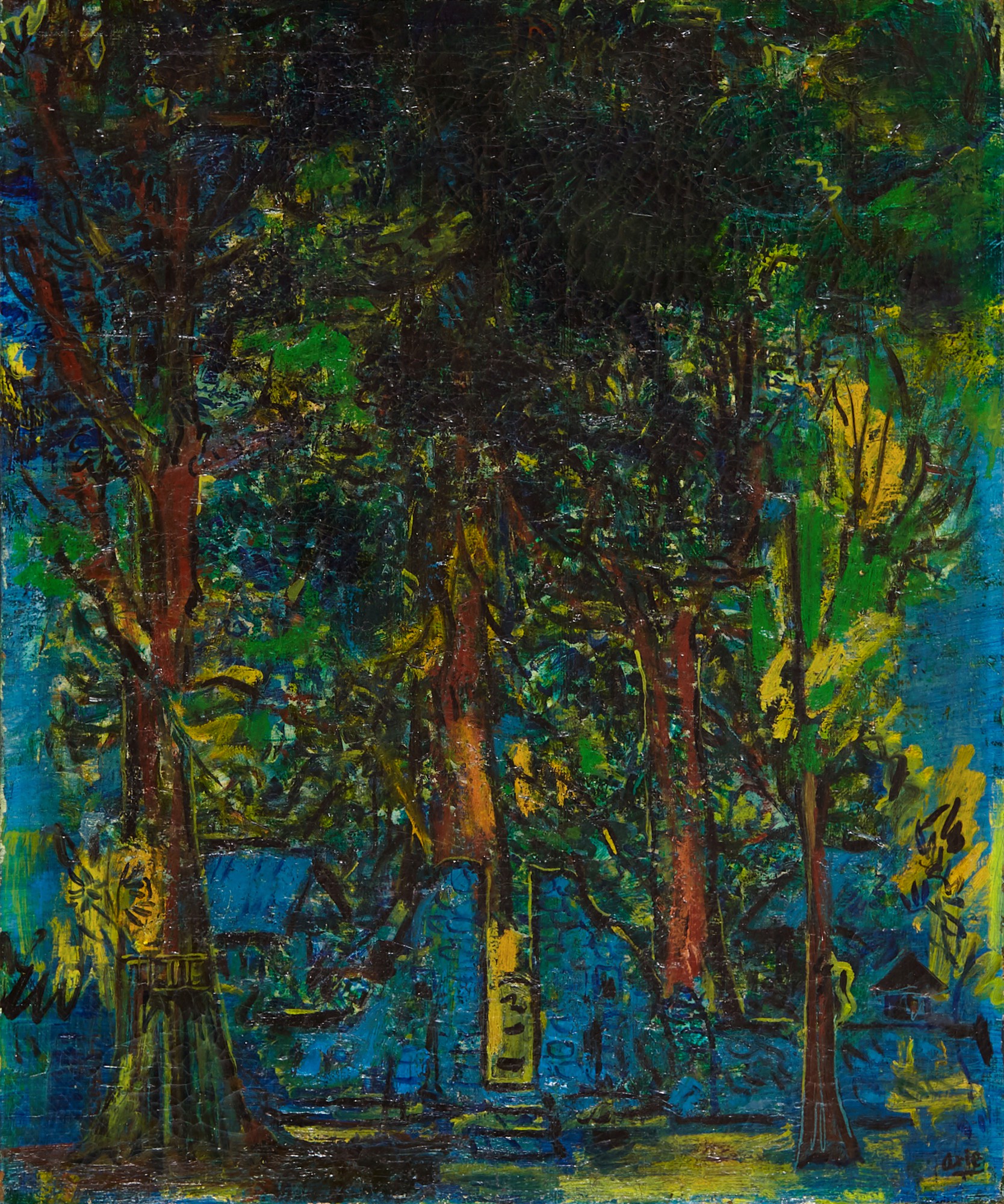
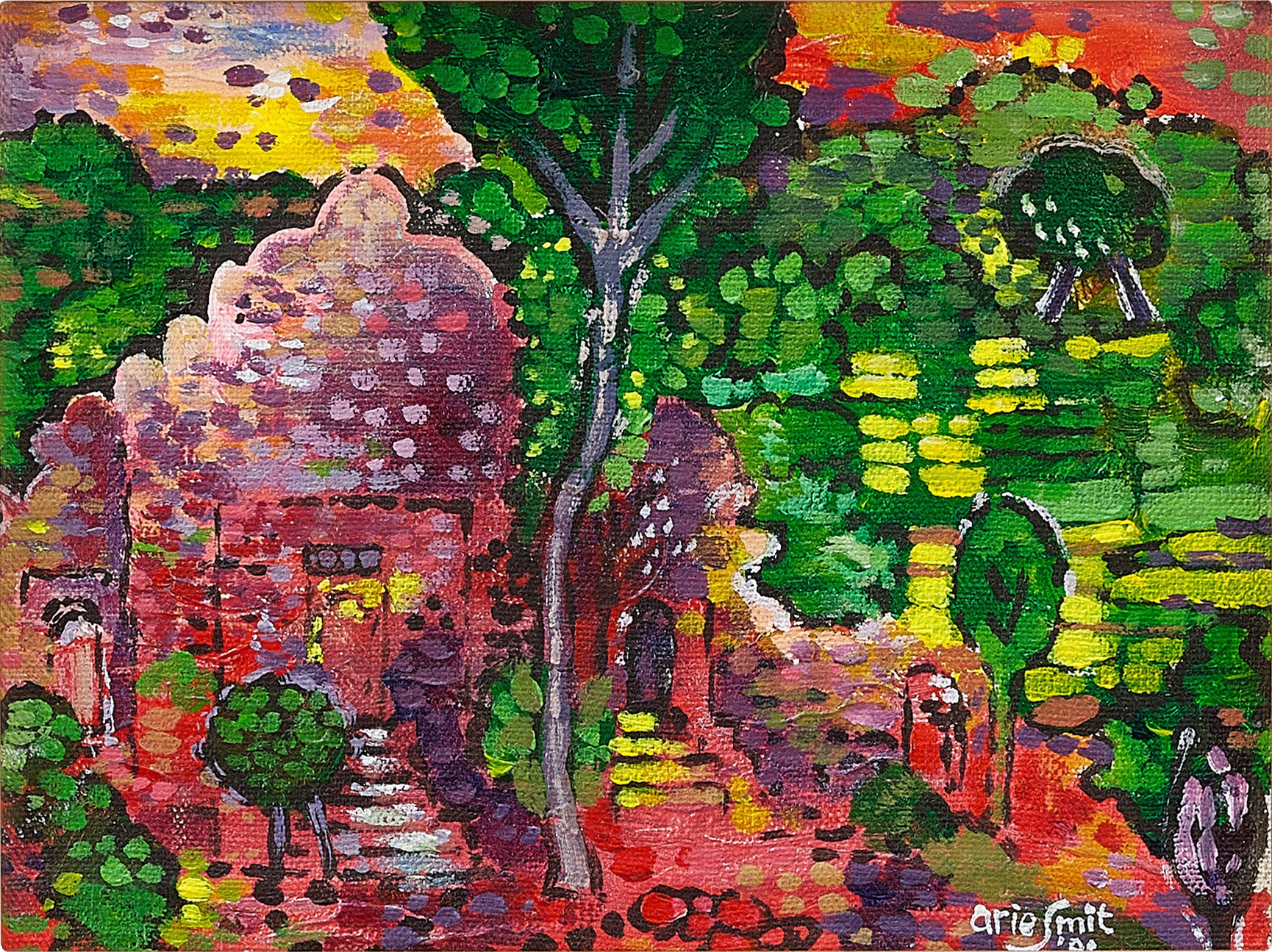
Arie Smit
The Blue Temple 藍色神殿, 1967
Where East Meets Canvas: A Conversation Across Centuries
There is a moment, standing before a work deeply informed by East Asian visual traditions, when Western categories of looking simply stop working. The composition breathes differently. Space is not filled but inhabited. Line carries weight that color alone cannot explain.
This is not exoticism or appropriation at work, but something far more interesting: a centuries long conversation between traditions that has produced some of the most formally rigorous and emotionally resonant art of the modern era. The story of East Asian influence on Western art is usually told beginning in the mid nineteenth century, with the arrival of Japanese woodblock prints in Europe following the forced opening of Japanese trade routes in the 1850s. When Edgar Degas, Claude Monet, and Mary Cassatt encountered ukiyo e prints, they found a visual logic that challenged everything Academic painting had taught them about perspective, figure placement, and the relationship between foreground and ground. The term Japonisme, coined by art critic Philippe Burty in 1872, gave a name to what had already become an obsession.
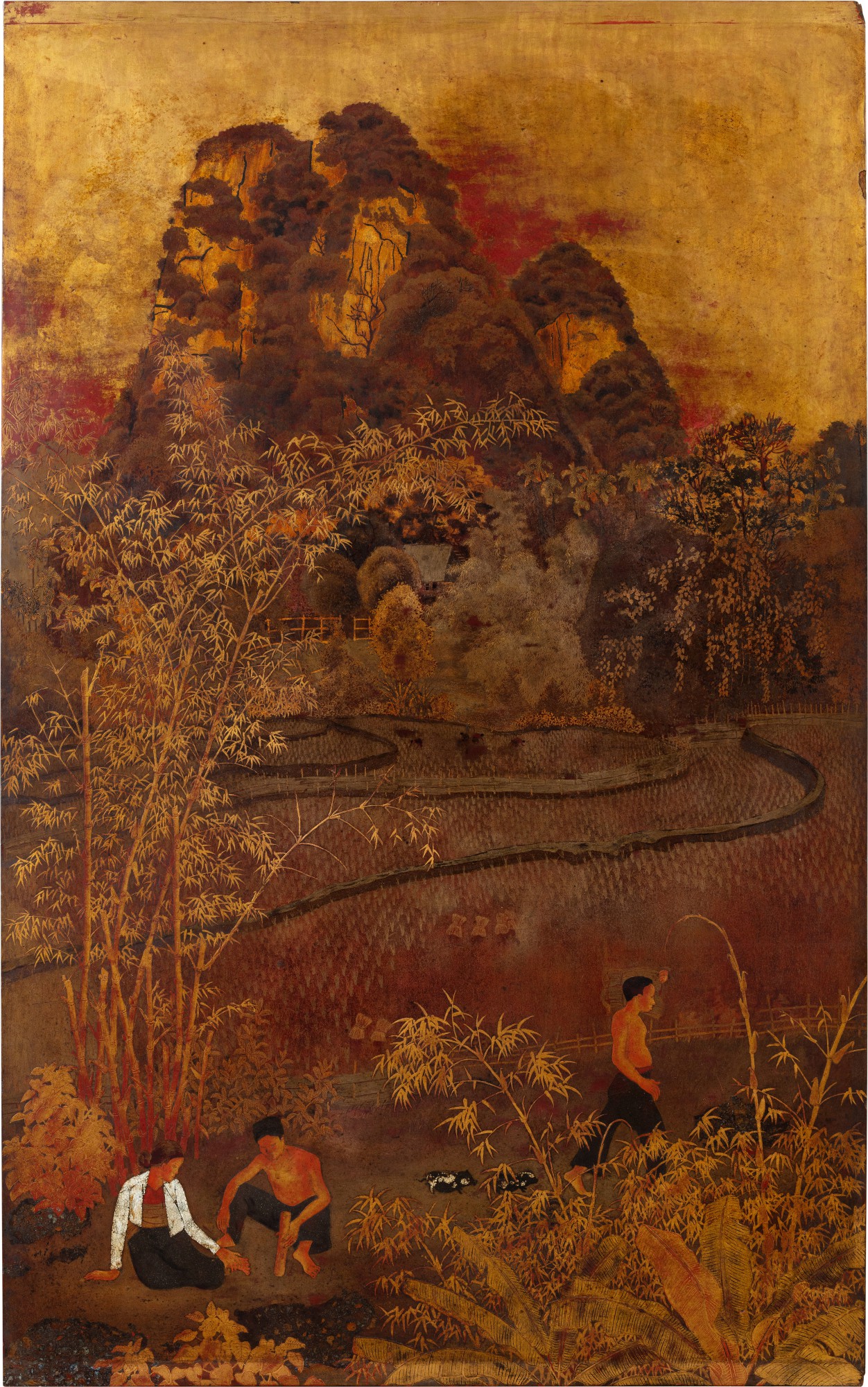
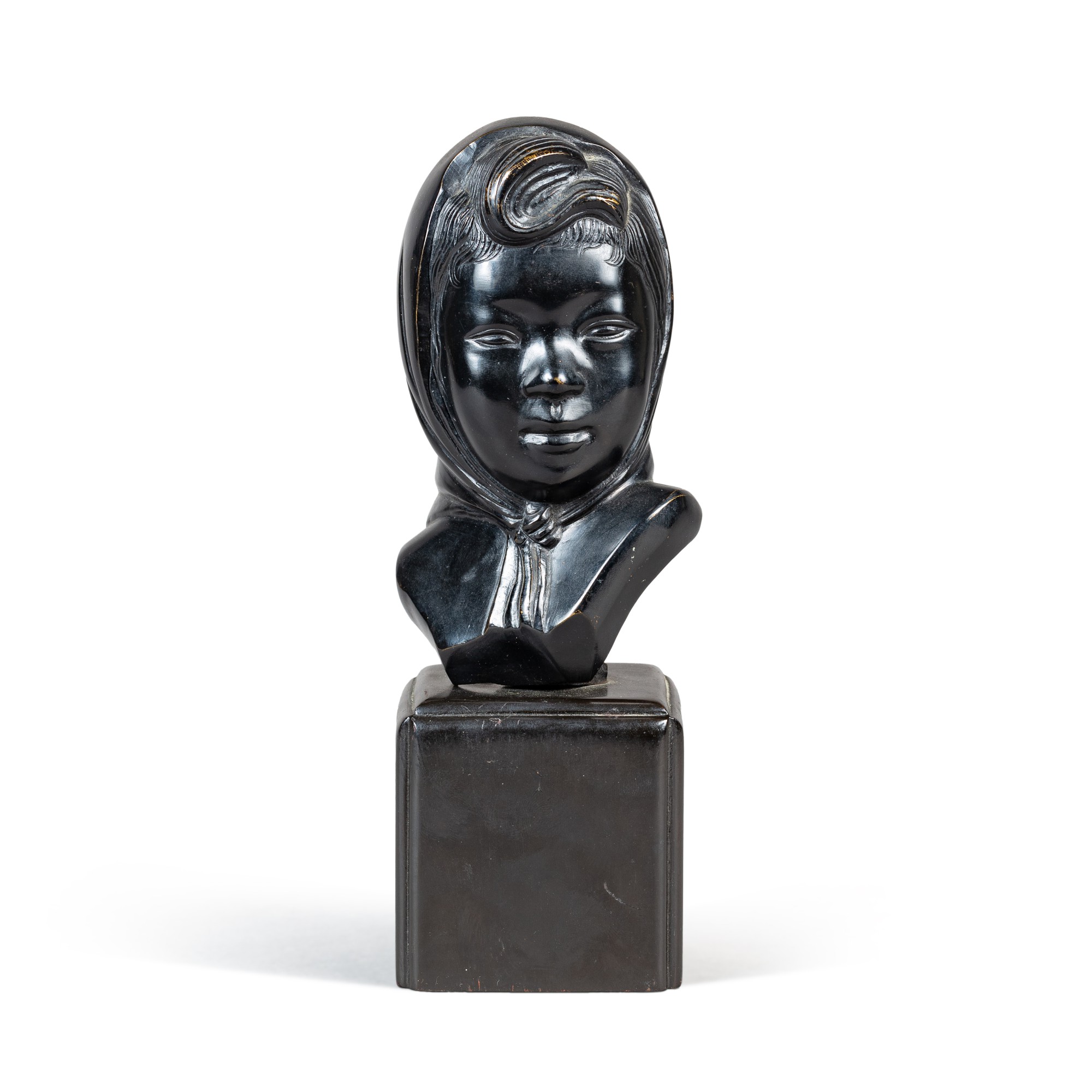
The Hanoi College of Fine Arts
河內美術學院 (1925-1945), 越北風景, 1930
But the influence was never merely stylistic borrowing. It was a rethinking of what a picture could fundamentally be. Chinese landscape painting, with its roots in the Song Dynasty (960 to 1279) and the philosophical traditions of Taoism and Chan Buddhism, offered a parallel set of propositions. Ink wash technique, known in Chinese as shuimo, prized the suggestion of form over its literal rendering.
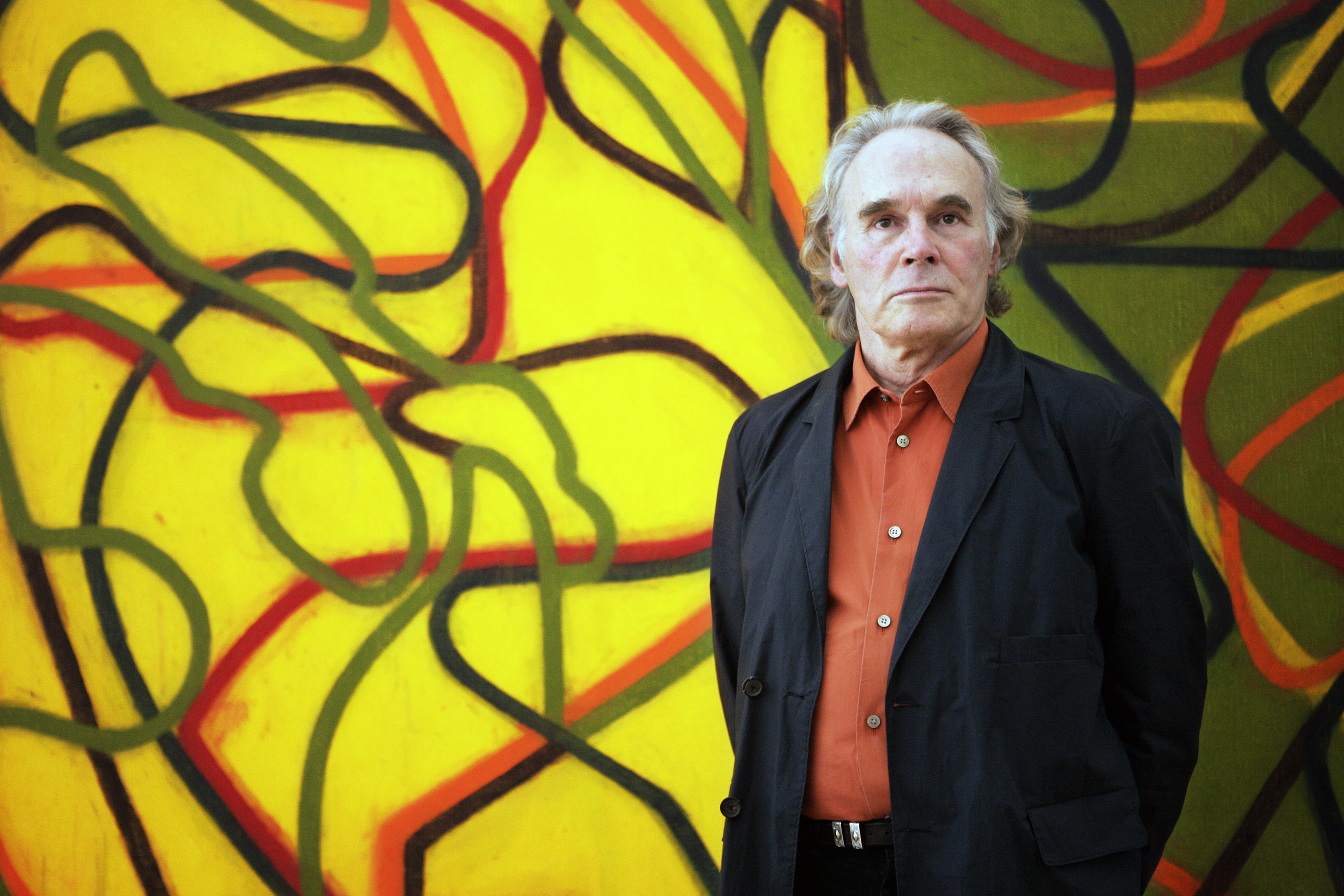
Empty space was not absence but presence. These ideas would travel slowly and unevenly into Western consciousness, arriving with particular force during the mid twentieth century when American Abstract Expressionists began engaging seriously with Zen Buddhist thought. The painter Brice Marden is among the most thoughtful inheritors of this lineage. His Cold Mountain series, developed through the late 1980s and into the 1990s and named after the Tang Dynasty poet Han Shan, brought the calligraphic gestures of Chinese brushwork into a distinctly Western painterly context, producing works that feel simultaneously ancient and urgently contemporary.
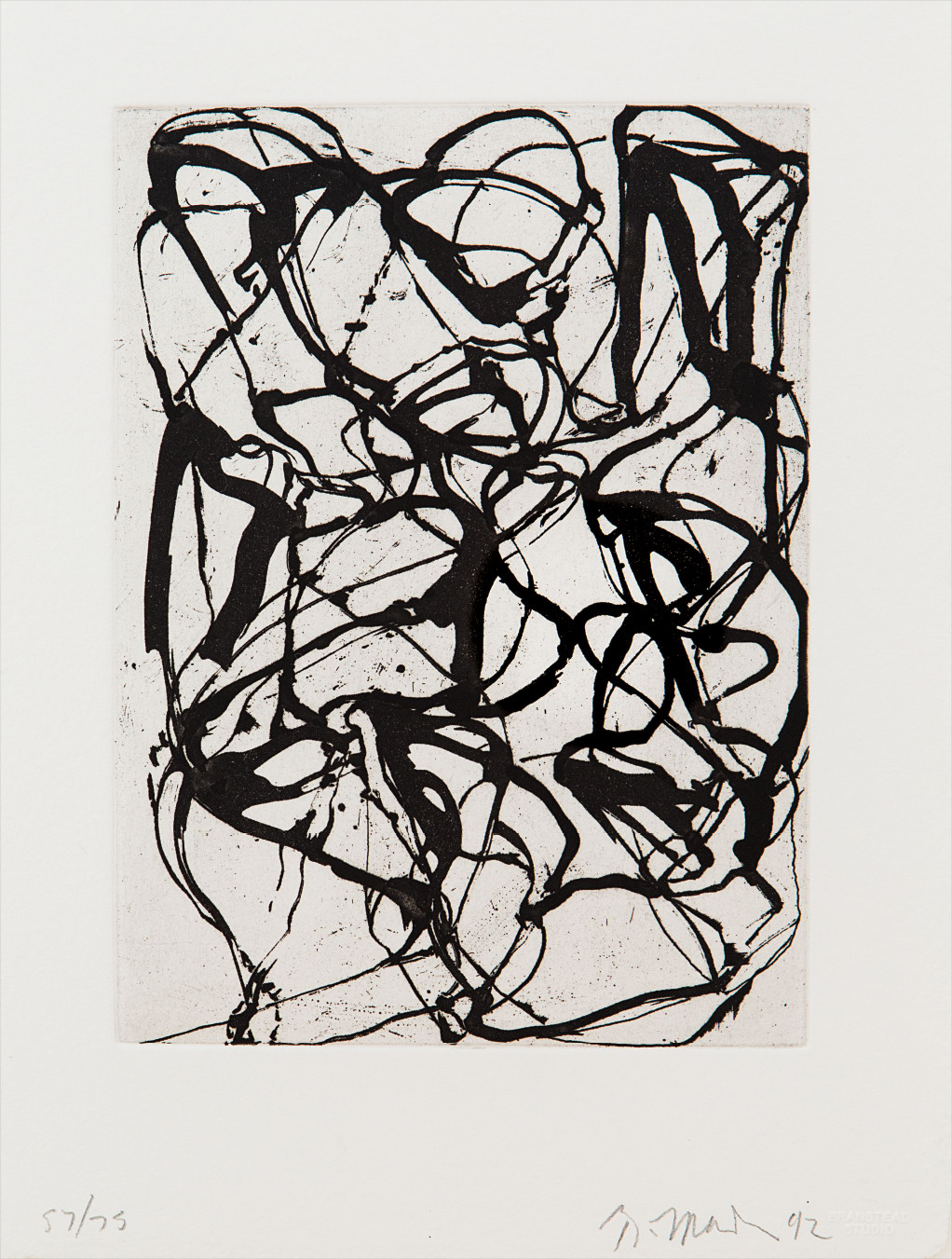
Brice Marden
Han Shan Exit
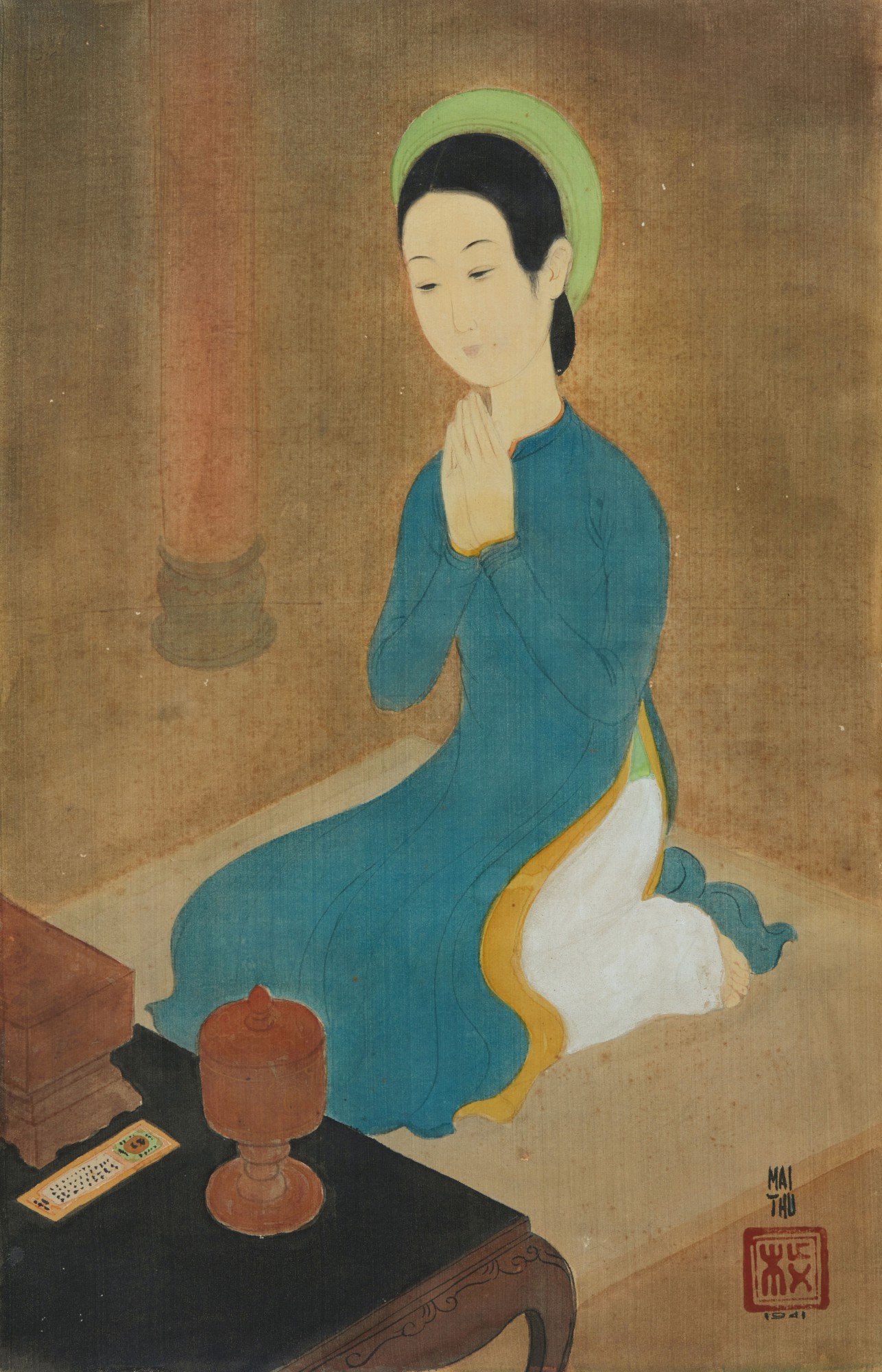
The postwar period also saw East Asian artists themselves navigating the complex terrain between inherited tradition and international modernism. In Vietnam, Mai Trung Thu studied at the École des Beaux Arts de l'Indochine in Hanoi during the 1920s, a colonial institution that nonetheless gave a generation of Vietnamese painters access to French technique while also reconnecting them with traditional lacquer and silk painting methods. His work represents a genuinely hybrid sensibility, one that European collectors began to appreciate seriously only decades after his death. The Hanoi College of Fine Arts, which grew from that same colonial institution, has continued to produce artists grappling with these layered inheritances, trained in both socialist realist traditions and older Vietnamese artistic vocabularies.
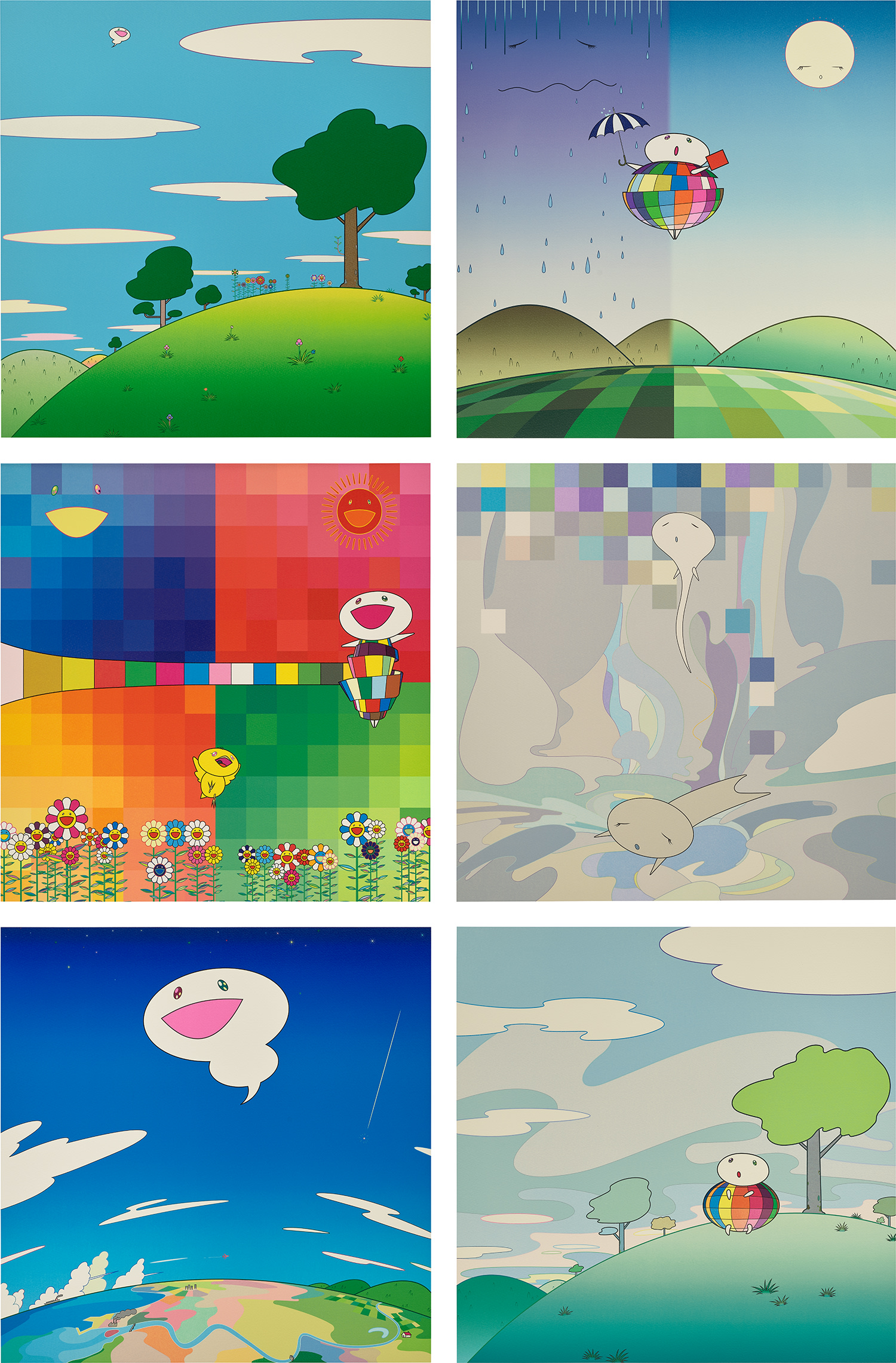
In Japan, the postwar generation faced its own negotiations. Takashi Murakami, who emerged in the 1990s with what he called the Superflat theory, offered one of the most articulate and provocative frameworks for thinking about East Asian visual influence in contemporary art. Murakami argued that Japanese art history, from the decorative flatness of Edo period screens to the compressed visual planes of manga and anime, constituted a coherent alternative to Western pictorial depth. His Superflat Manifesto and the accompanying 2000 exhibition of the same name in Los Angeles were genuinely catalytic moments, forcing Western institutions to take seriously an aesthetic logic they had previously treated as peripheral.
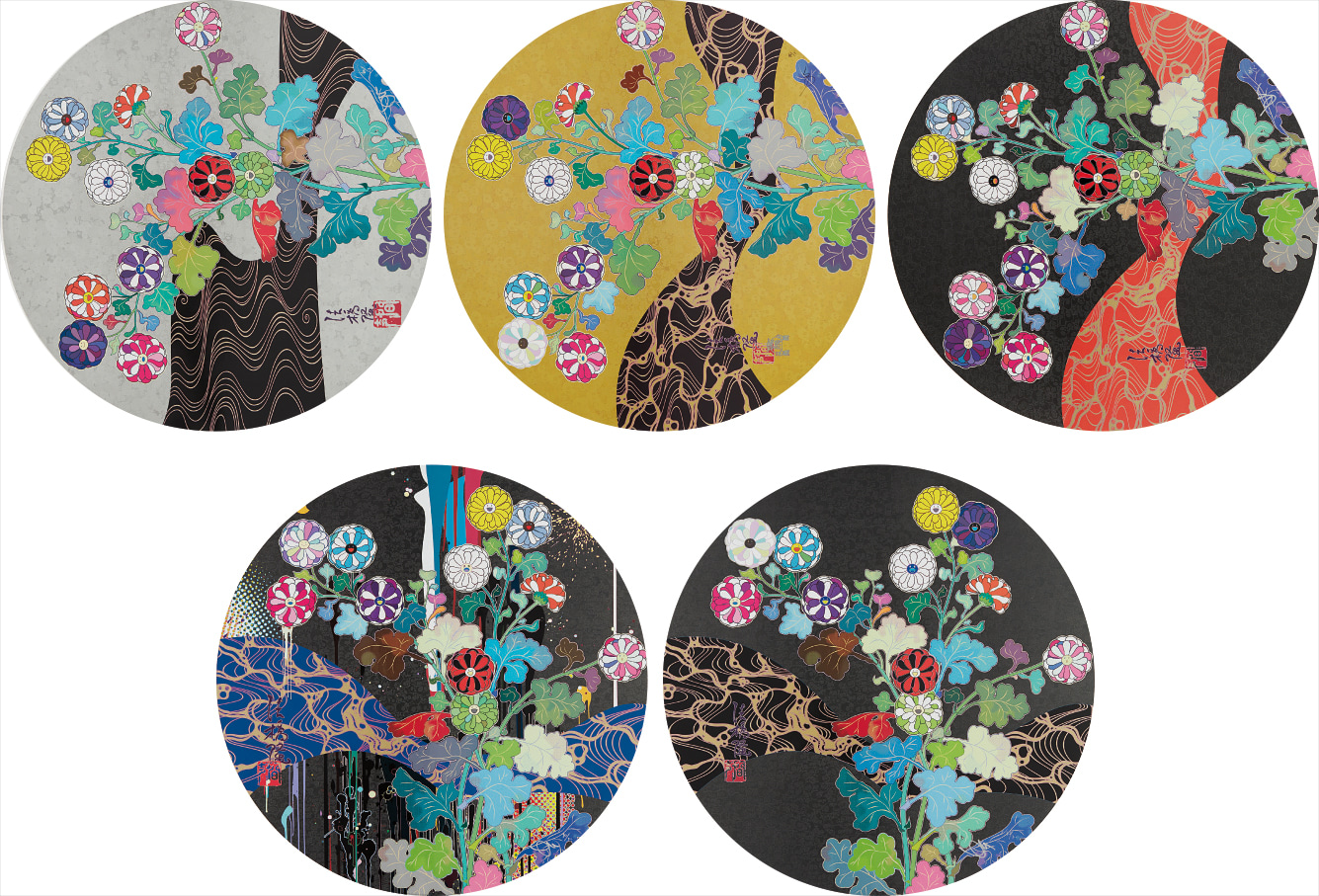
Takashi Murakami
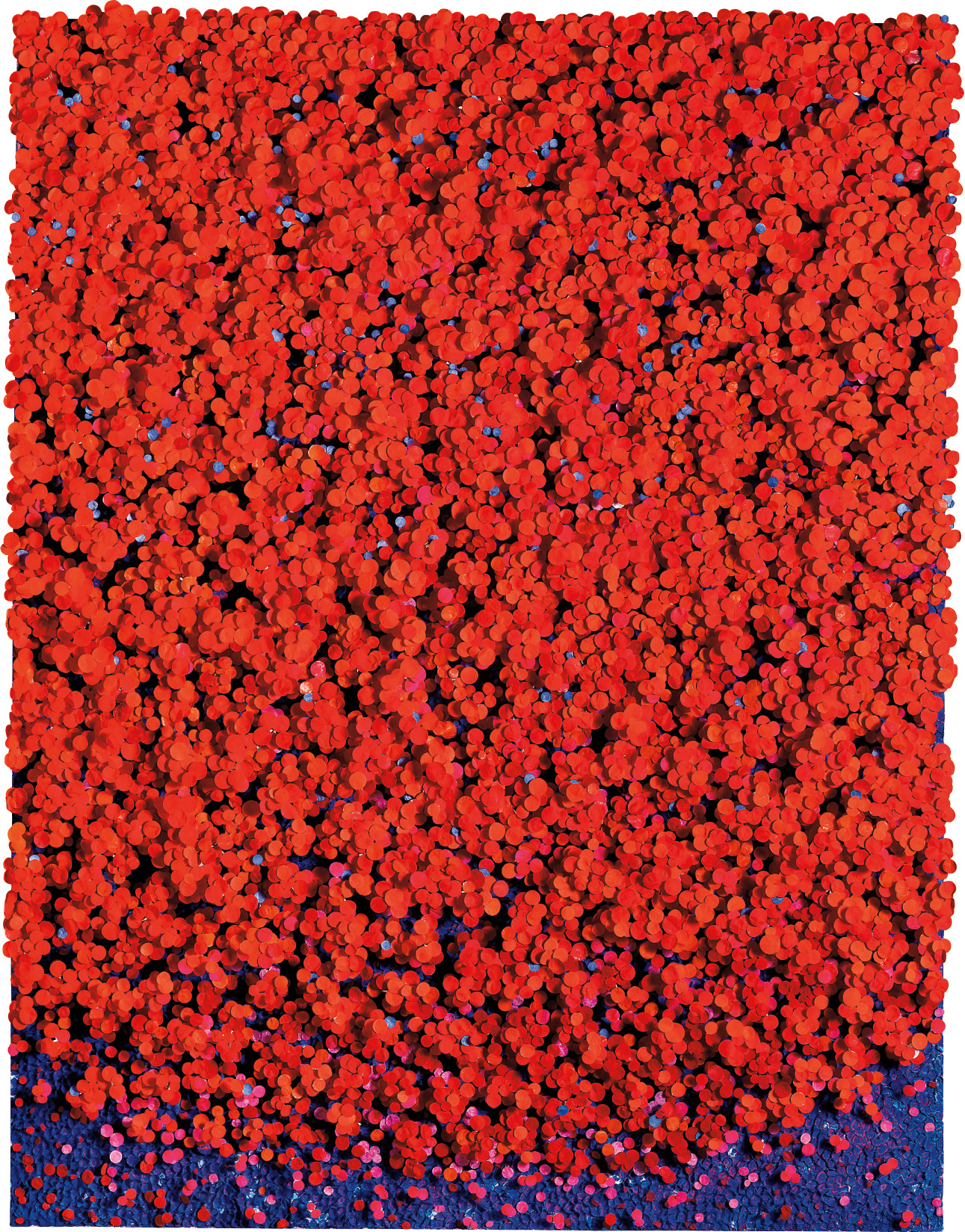
A Red River is Visible; Kansei: The Golden Age; Hokkyo Takashi - Kansei; Kansei: Wildflowers Glowing in the Night; and Korin: Stellar River in the Heavens
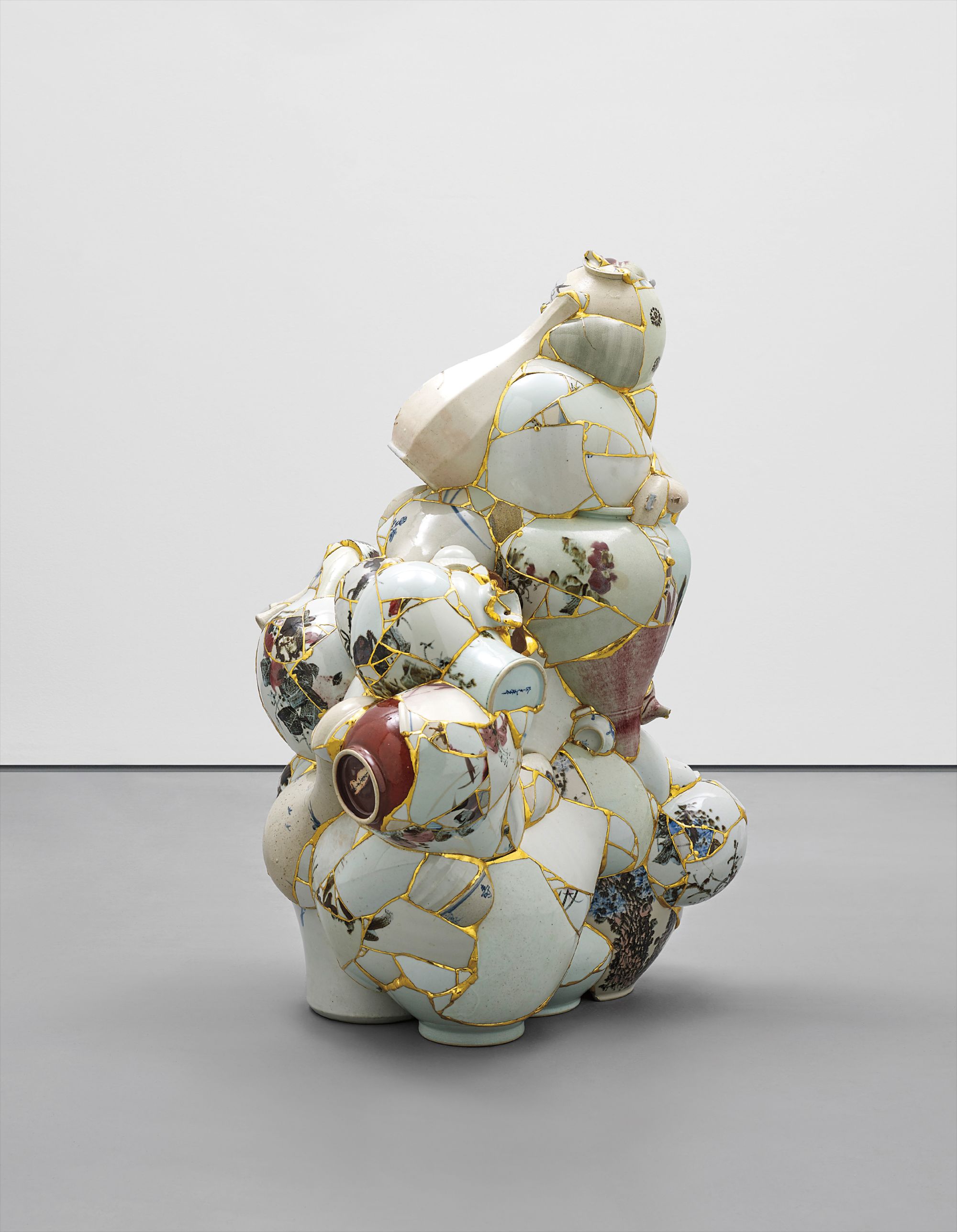
Whether one finds the work celebratory or critical of consumer culture, its formal arguments are undeniable. Korean artists have brought their own distinct perspectives to these questions. Cho Sung Hee and Yee Sook Yung both work within traditions informed by Korean aesthetics, a sensibility often characterized by a preference for asymmetry, natural materials, and what the art historian Choi Soon Woo once described as the beauty of imperfection. Kyung Soo Kim similarly navigates between the contemplative traditions of Korean ink painting and the demands of a global contemporary art market, finding a space that resists easy categorization.
The works of these artists on The Collection reward close and patient looking, the kind of attention that East Asian aesthetic philosophy has always demanded. The Dutch painter Arie Smit, who settled in Bali in the 1950s and spent the majority of his long life there, offers a different angle on these questions. His engagement with Balinese visual culture and the Indonesian artistic traditions he encountered produced work that complicates any simple narrative of influence flowing in one direction. Smit was also instrumental in nurturing the Young Artists movement in Ubud during the 1960s, encouraging local Balinese painters to work in ways that merged traditional narrative subject matter with brighter, more expressionistic color.
Arie Smit
The Blue Temple 藍色神殿, 1967
The exchange was mutual and genuine. What unites the artists gathered under this broad category is not a single style or geography but a shared relationship to certain foundational questions. How much can a line carry? What does emptiness do within a composition?
How does surface relate to depth when depth is understood philosophically rather than perspectivally? Xinyi Cheng, whose figurative paintings have attracted significant attention in recent years, brings these questions into dialogue with the traditions of European figure painting, producing work that feels inflected by East Asian approaches to the placement of the body in space even as it operates within a recognizably Western genre. Dan Walsh similarly works with repetition and rhythm in ways that recall the meditative disciplines of calligraphy and pattern making traditions that have deep roots across East Asia. The continued relevance of this conversation in contemporary art is not a function of trend or market appetite, though both exist.
It reflects something more durable: the genuine philosophical challenge that East Asian visual traditions pose to assumptions so embedded in Western art history that they have often passed for natural law. Collectors and curators who engage seriously with this body of work find themselves not simply adding to a collection but revising the terms by which they understand everything else they have ever looked at. That is a rare thing for any category of art to accomplish, and it is precisely what keeps this conversation so alive.