Early Modern
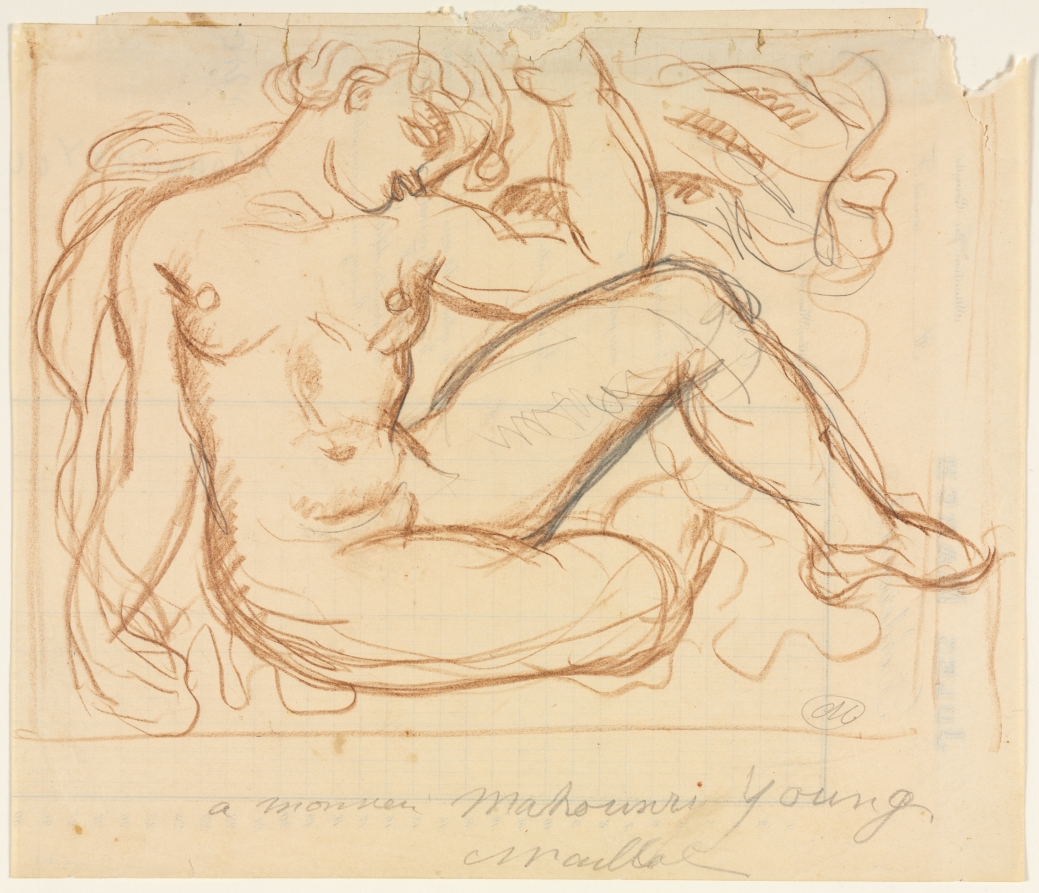
Aristide Maillol
Nude Study, 1881
The Century That Broke Everything Open
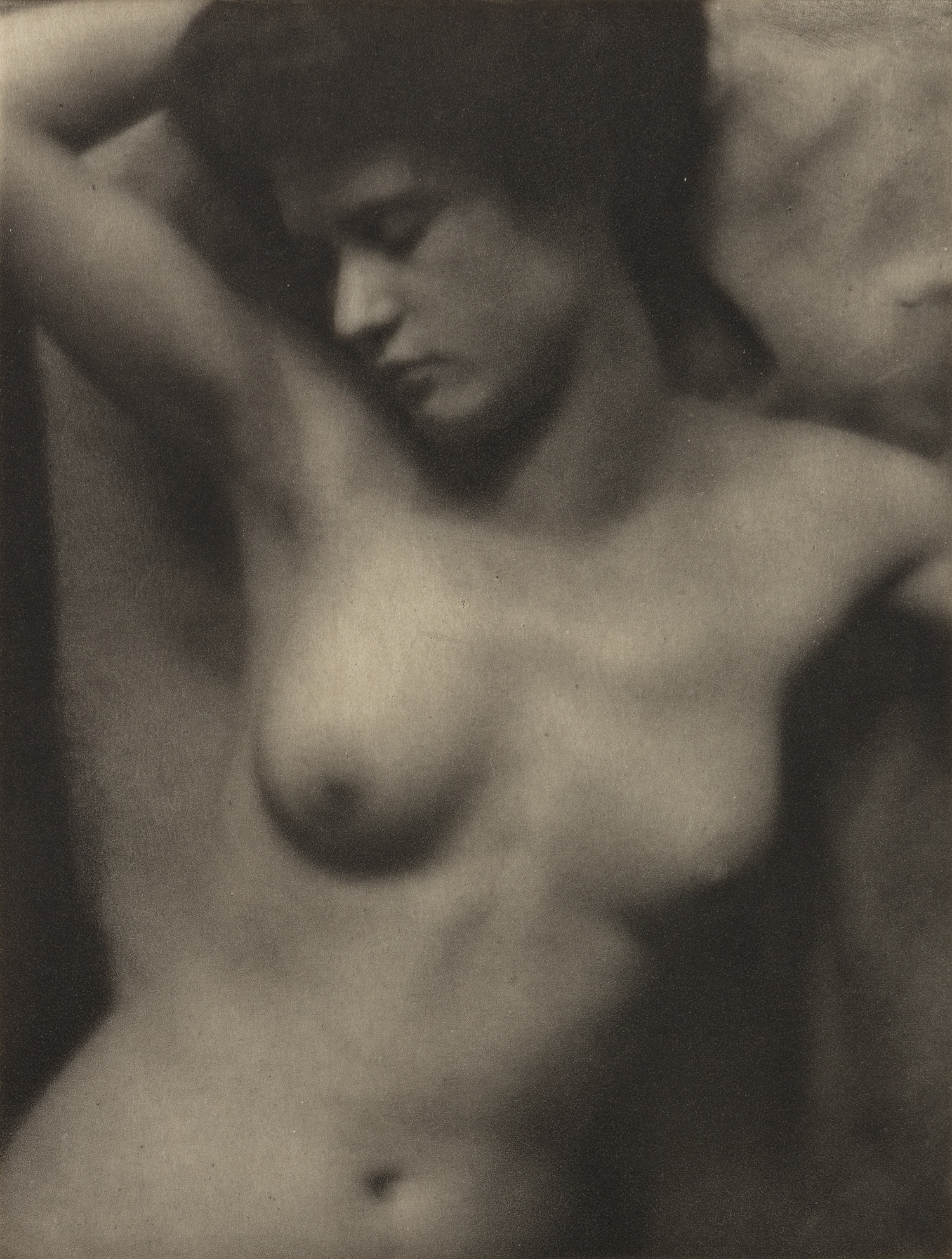
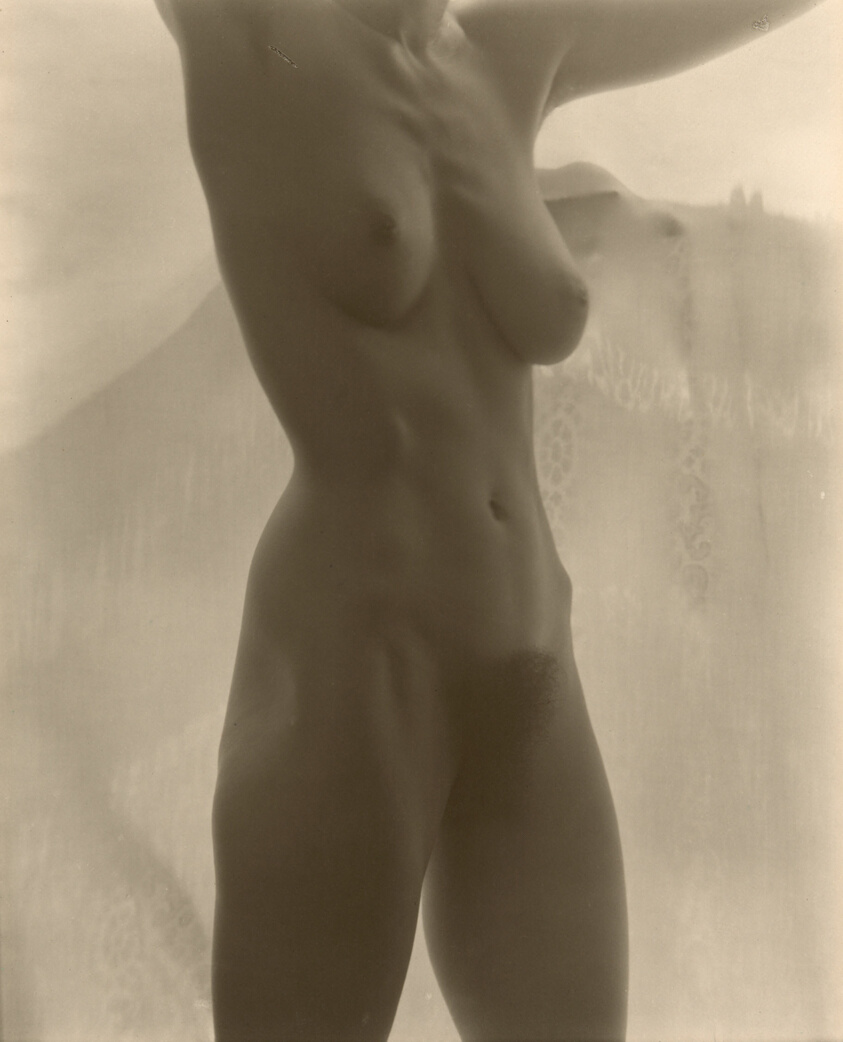
When Christie's New York brought a suite of Alfred Stieglitz photographs to auction in recent years and watched serious bidders compete well past estimate, it confirmed something collectors and curators had been quietly discussing for some time: Early Modern is no longer a category defined by art history textbooks. It is a living market, a critical obsession, and increasingly the place where the smartest institutional money is going. The period spanning roughly 1890 through the 1940s now reads less like a transition between Victorian convention and postwar abstraction and more like the whole story, the moment when everything we care about in contemporary art was actually invented. The most significant exhibition of recent memory to reframe this conversation was MoMA's 2014 retrospective on Paul Strand, which pulled photography into the same room, conceptually and physically, as painting and printmaking.
It reminded audiences that figures like Stieglitz were not simply chroniclers of modernism but its architects. Stieglitz's gallery 291 in New York, open from 1905 through 1917, introduced Cézanne, Matisse, Picasso, and Rodin to American audiences before most American museums had caught on. That kind of institutional audacity, the willingness to insist that photography and fine art shared a common ambition, now feels less radical than simply correct. The photography market within Early Modern has been particularly instructive.
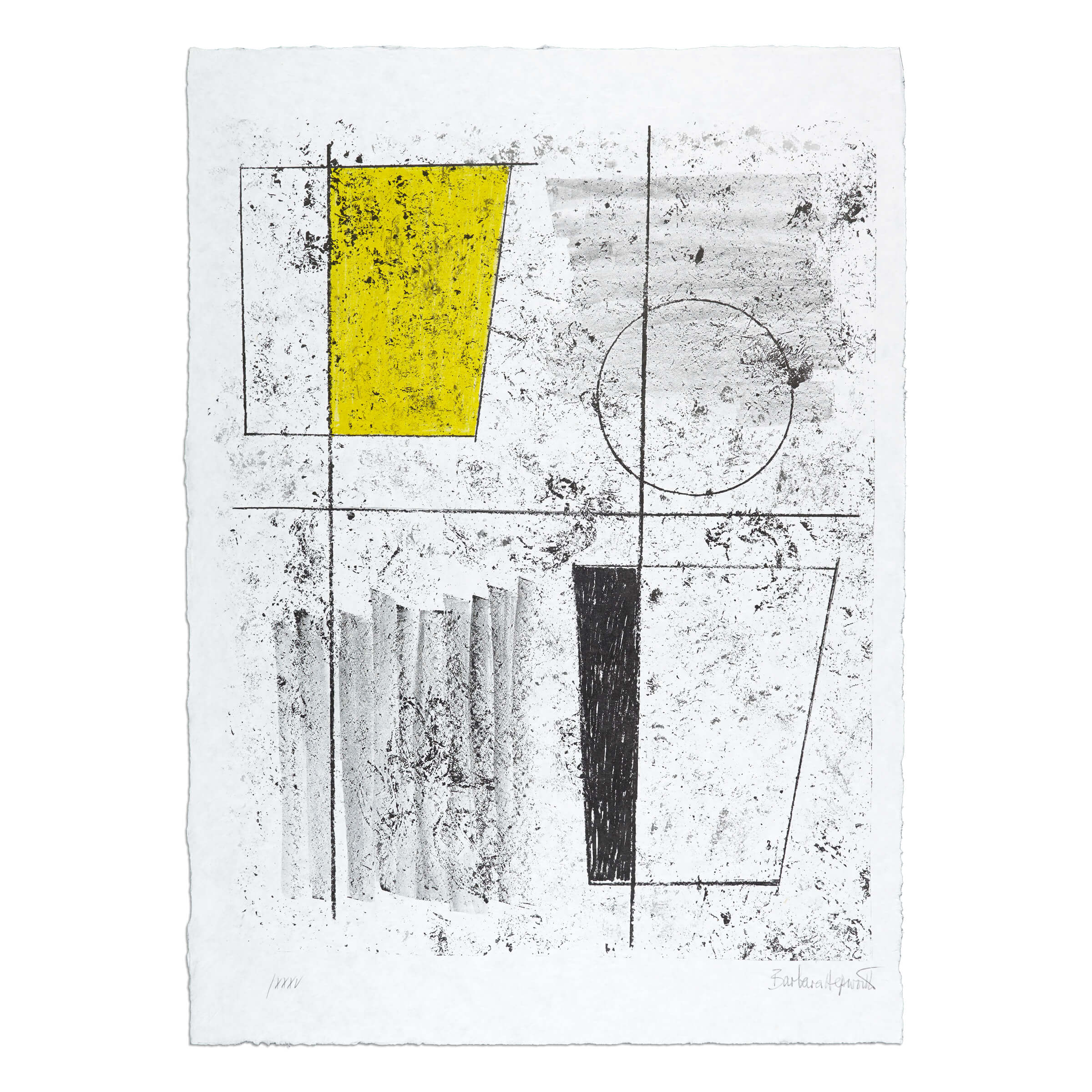
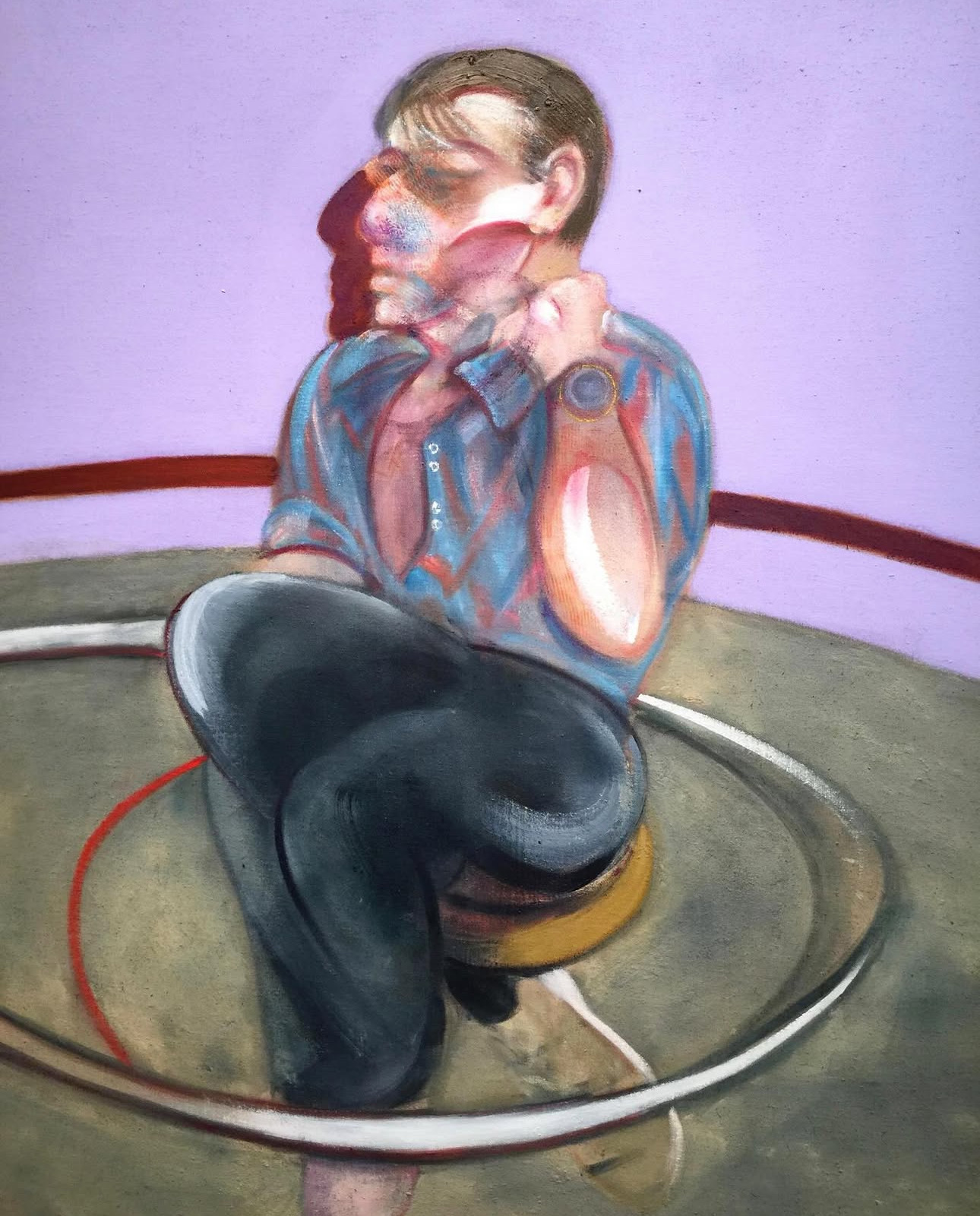
Barbara Hepworth
Three Forms Assembling, 1903
Works by Clarence H. White, the Ohio born pictorialist whose soft focus luminism influenced generations of image makers, have found serious collectors at institutions and in private hands alike. White co founded the Pictorial Photographers of America in 1916 and his prints carry a tenderness that feels genuinely modern even now, formal without being cold, decorative without being empty. Similarly, the photographs of J.
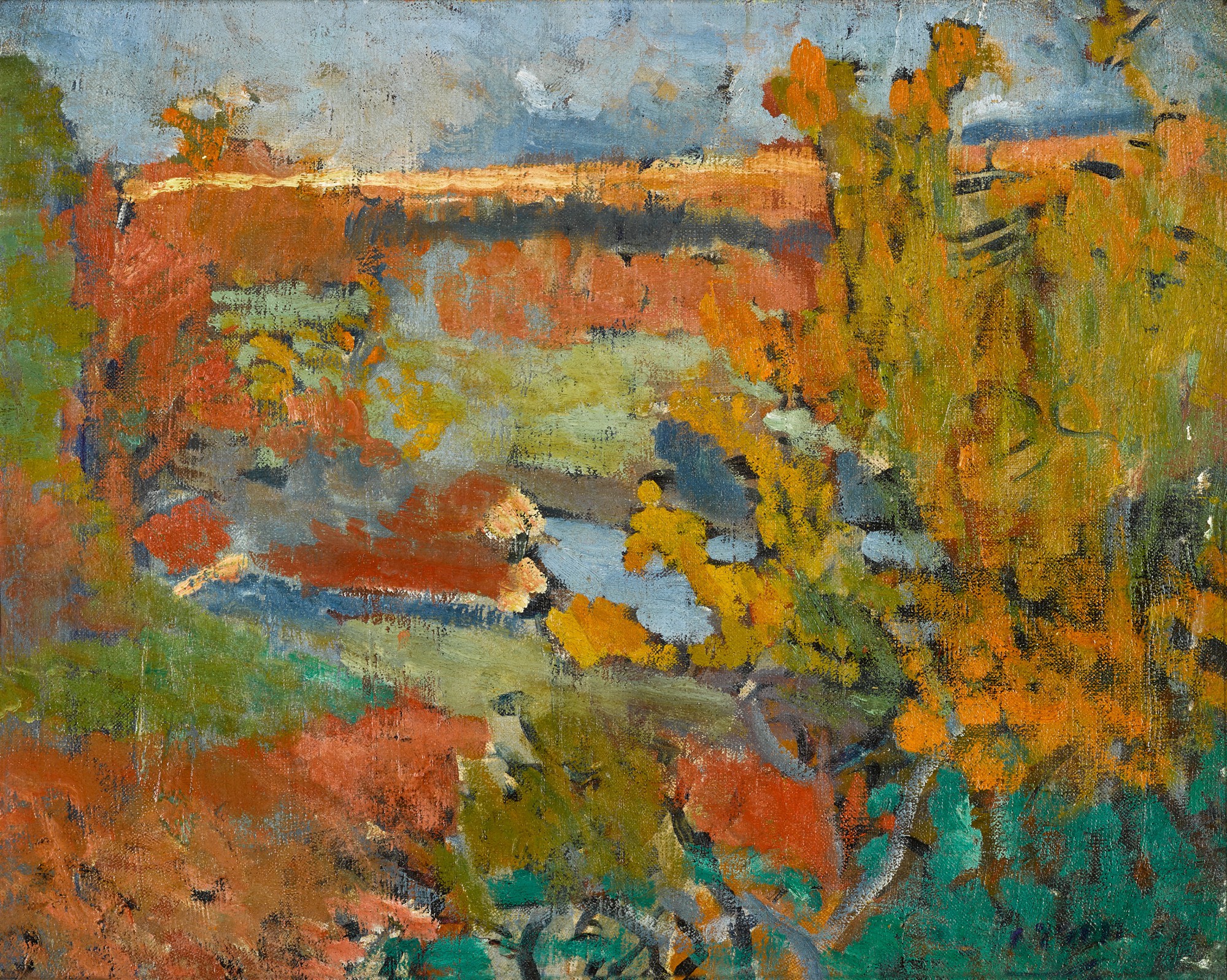
Craig Annan and Gertrude Käsebier have attracted renewed attention, both artists working in that electric window when photography was arguing for itself as high art and winning. Käsebier's portraits in particular have appeared at auction with increasing frequency, drawing collectors who understand that her work predates and in some ways predicts everything that came after in fine art photography. On the painting and works on paper side, the market appetite for Fauvism and its extended circle has remained remarkably durable. Raoul Dufy continues to command strong results at the major houses, his gouaches and watercolors especially desirable for their combination of accessibility and genuine art historical weight.
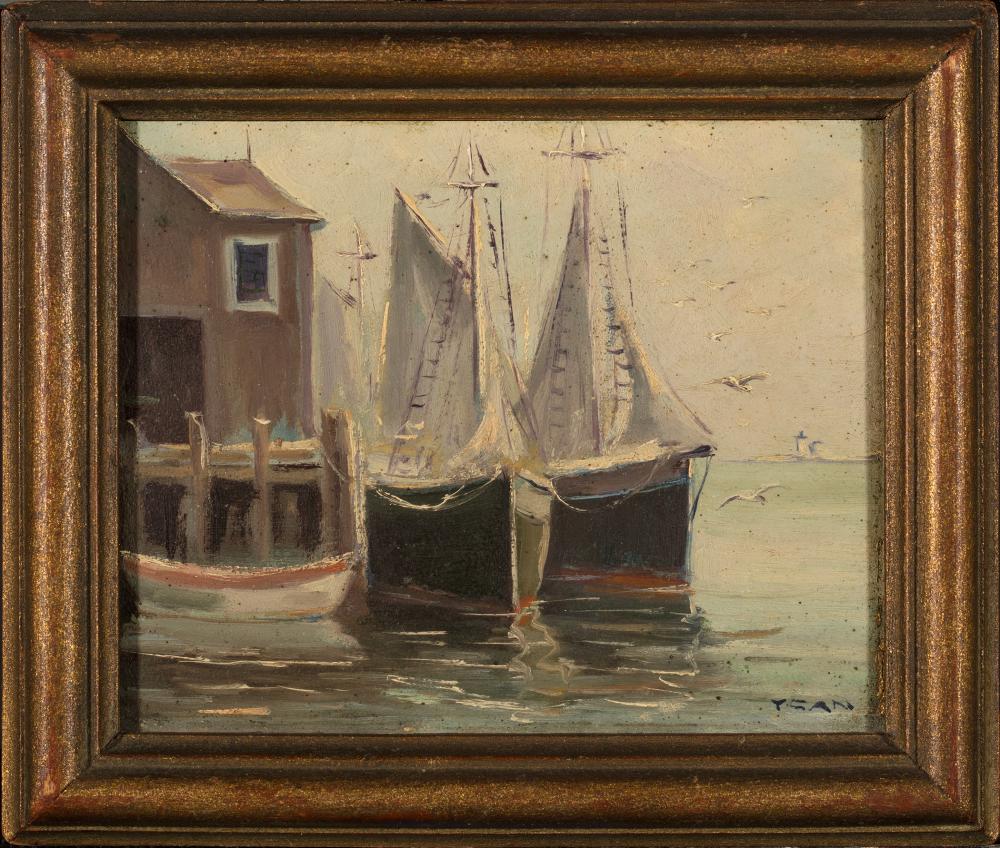
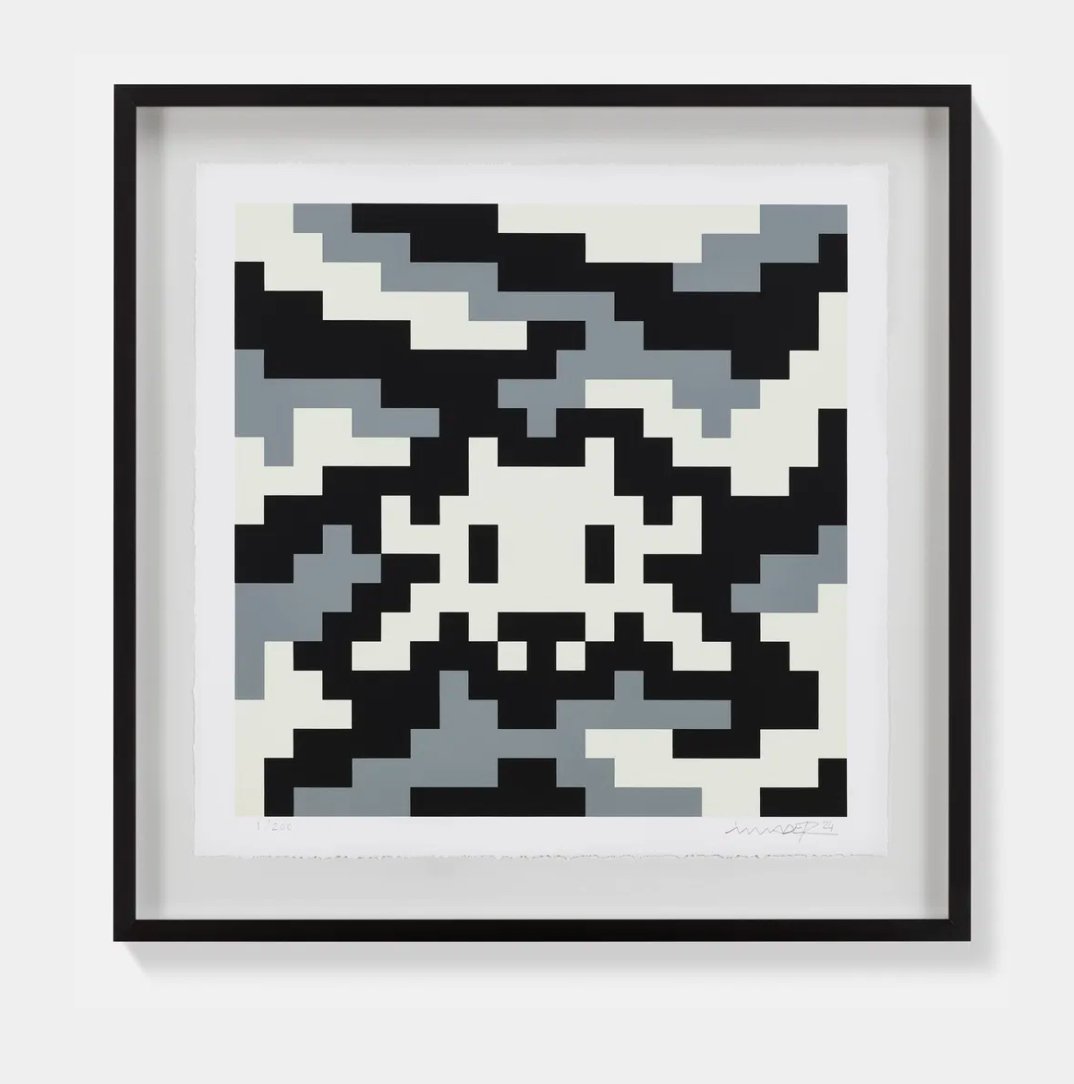
Laszlo De Nagy
Provincetown Harbor
André Derain, whose early work alongside Matisse essentially invented Fauvism as a movement in 1905 and 1906, has been the subject of sustained critical reexamination, with curators arguing that his trajectory is more complex and more interesting than the standard narrative of early brilliance followed by conservative retreat. Kees van Dongen, the Rotterdam born portraitist who became the social chronicler of Parisian excess, has seen particular auction strength in his pre First World War work, the canvases where color functions almost as emotional violence. Pierre Bonnard and Maurice Prendergast occupy a different but equally contested space in this conversation. Bonnard has been the subject of major retrospectives at the Tate Modern and the Museum of Modern Art, the 2019 exhibition at the Royal Academy in London reestablishing him as something more than a Post Impressionist footnote, a painter of radical interiority whose domesticity was never merely comfortable.
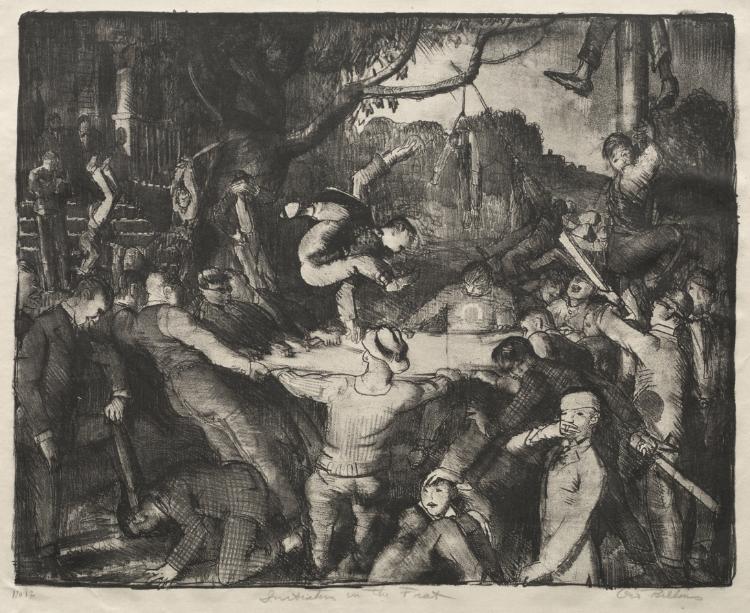
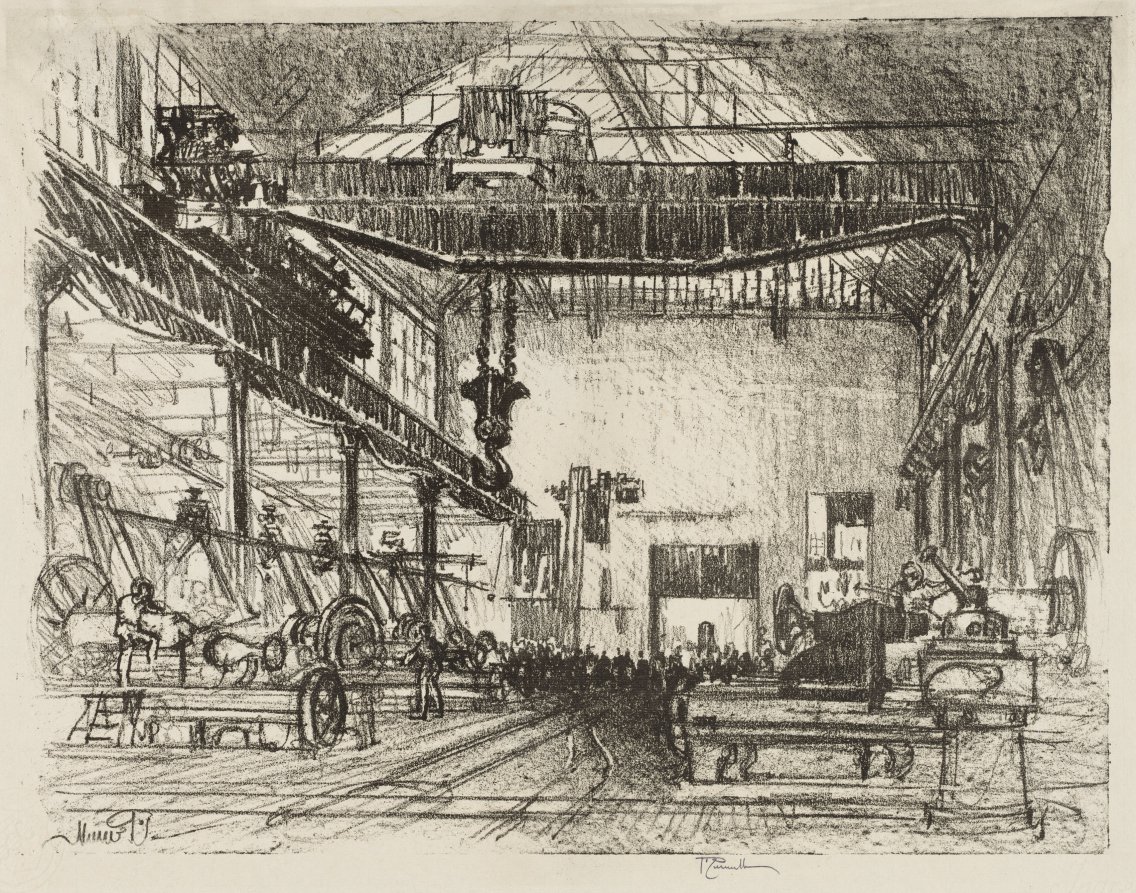
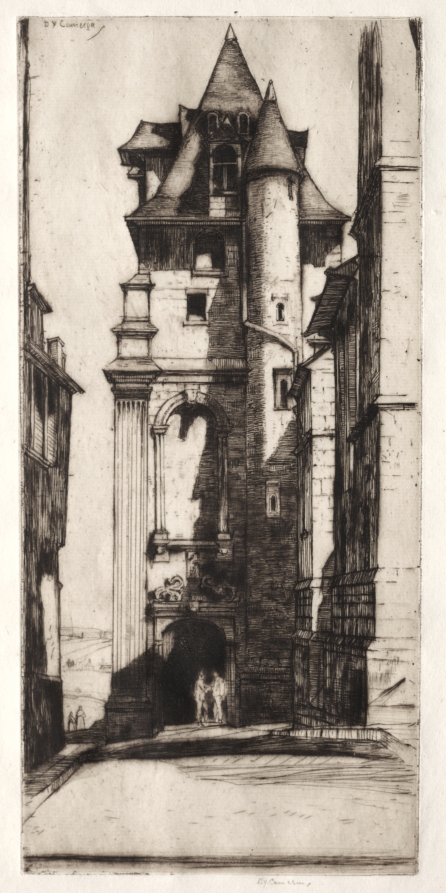
Prendergast, the Boston born artist who absorbed the lessons of Cézanne and the Nabis and brought them back to American beaches and parks, remains somewhat undervalued given the quality of his work, which makes him interesting to collectors paying attention. His panels and monotypes have appeared steadily at auction, and the gap between his critical reputation and his market position feels like it is narrowing. The printmaking tradition within Early Modern deserves more attention than it typically receives in the broader cultural conversation. Auguste Louis Lepère in France and Joseph Pennell in the United States were among the figures who argued most forcefully for the print as a serious artistic medium at the turn of the twentieth century.
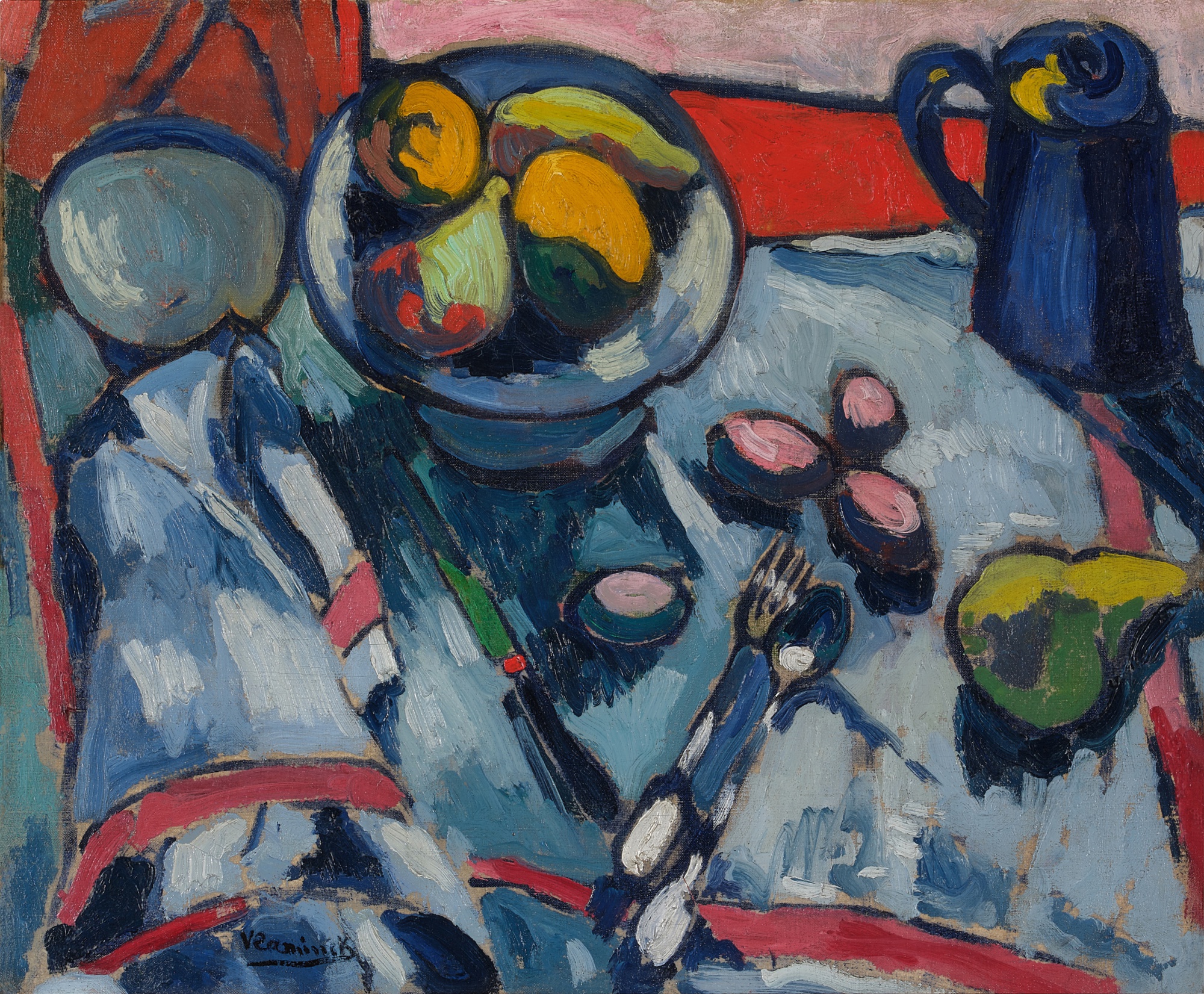
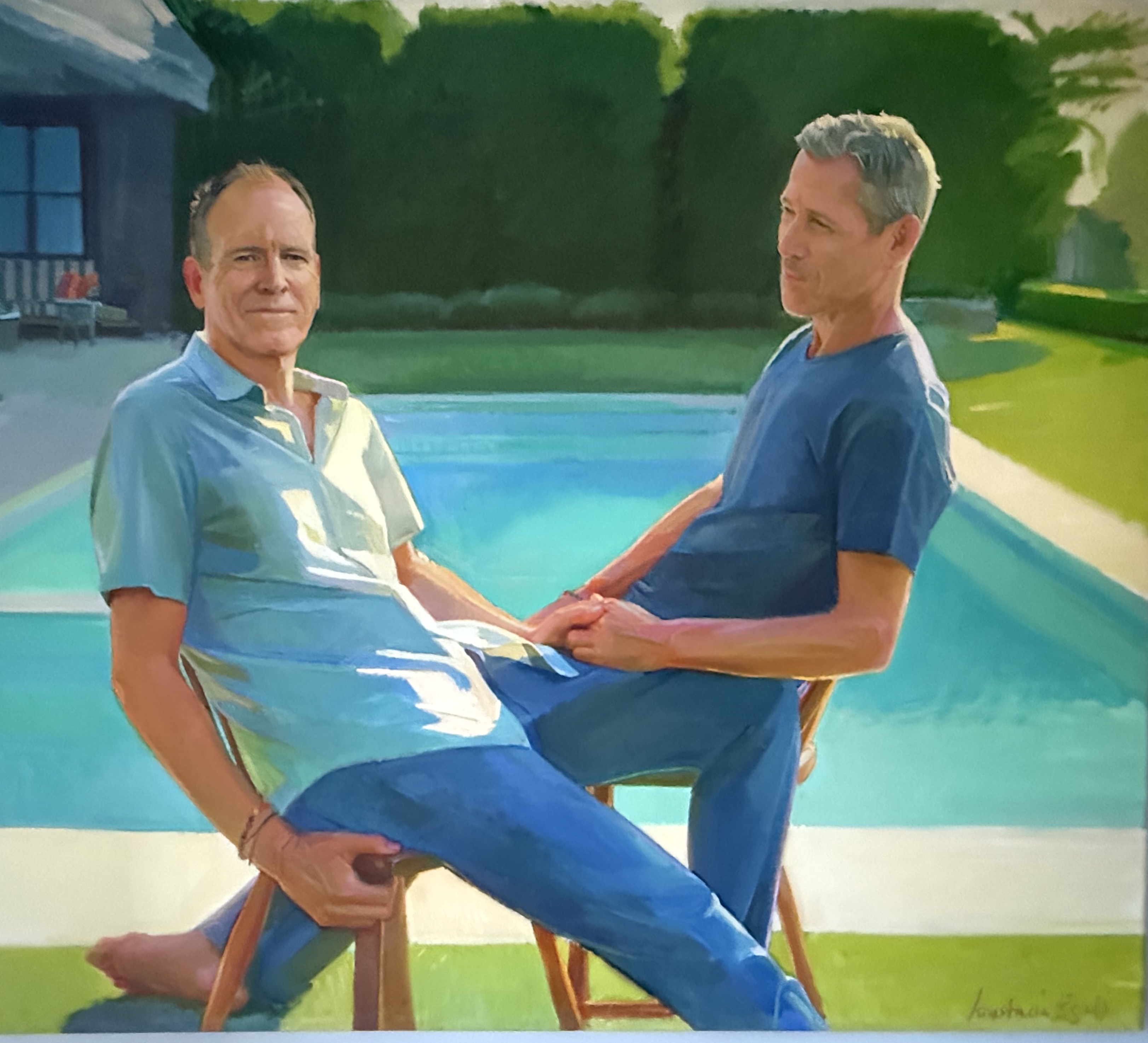
Maurice De Vlaminck
La Table or Nature morte aux amandes, 1906
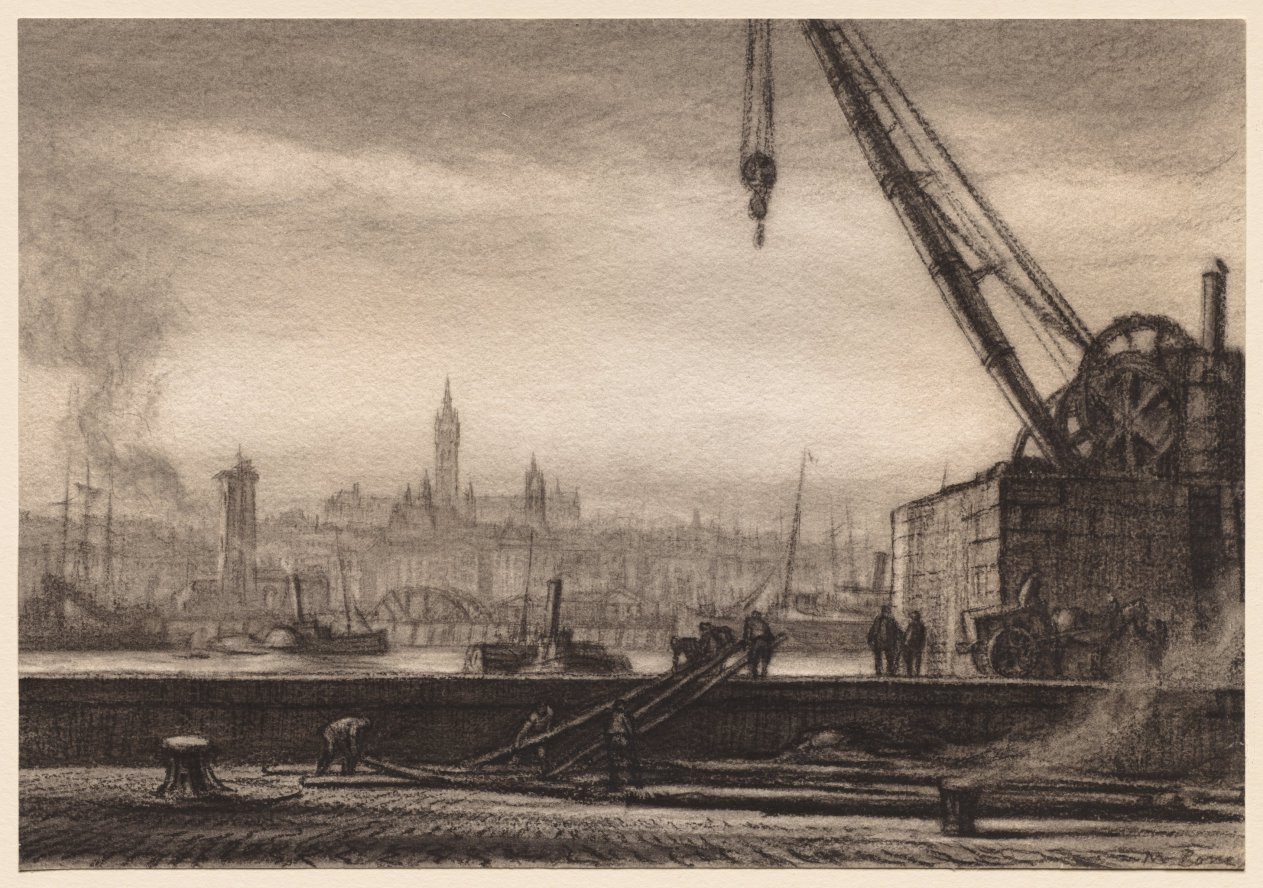
Pennell's etchings of industrial America and European cities carry a documentary urgency that connects them to the social documentary photography of Lewis Hine, whose images of child labor in American factories from the 1900s and 1910s are now understood as both art objects and historical testimony. The fact that both Pennell's prints and Hine's photographs are well represented on The Collection reflects a genuine curatorial intelligence about how these practices spoke to each other across medium. Institutionally, the signal moves have come from the photography departments of major museums expanding their mandates to encompass Early Modern works that might once have sat uncomfortably between curatorial divisions. The Getty Museum, the Metropolitan Museum of Art, and the Art Institute of Chicago have all made significant acquisitions in pictorialist and straight photography from this period, and their scholarship has reshaped how auction houses contextualize and present similar works.
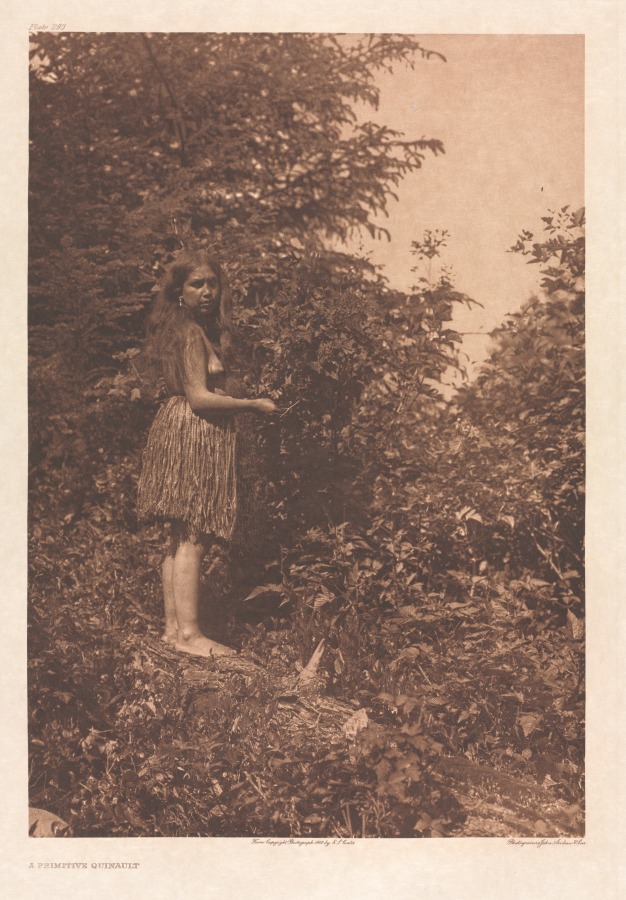
The critical writing of Maria Morris Hambourg, formerly of the Met, and Geoffrey Batchen, whose work on photographic desire and early practice has been widely influential, continues to set the intellectual terms for how this material is understood. Edward S. Curtis presents a particular case study in how critical conversation and market appetite can move in genuinely complicated directions at the same time. His large scale photogravures of Native American subjects, produced in his landmark project The North American Indian between 1907 and 1930, have always drawn strong prices at auction.
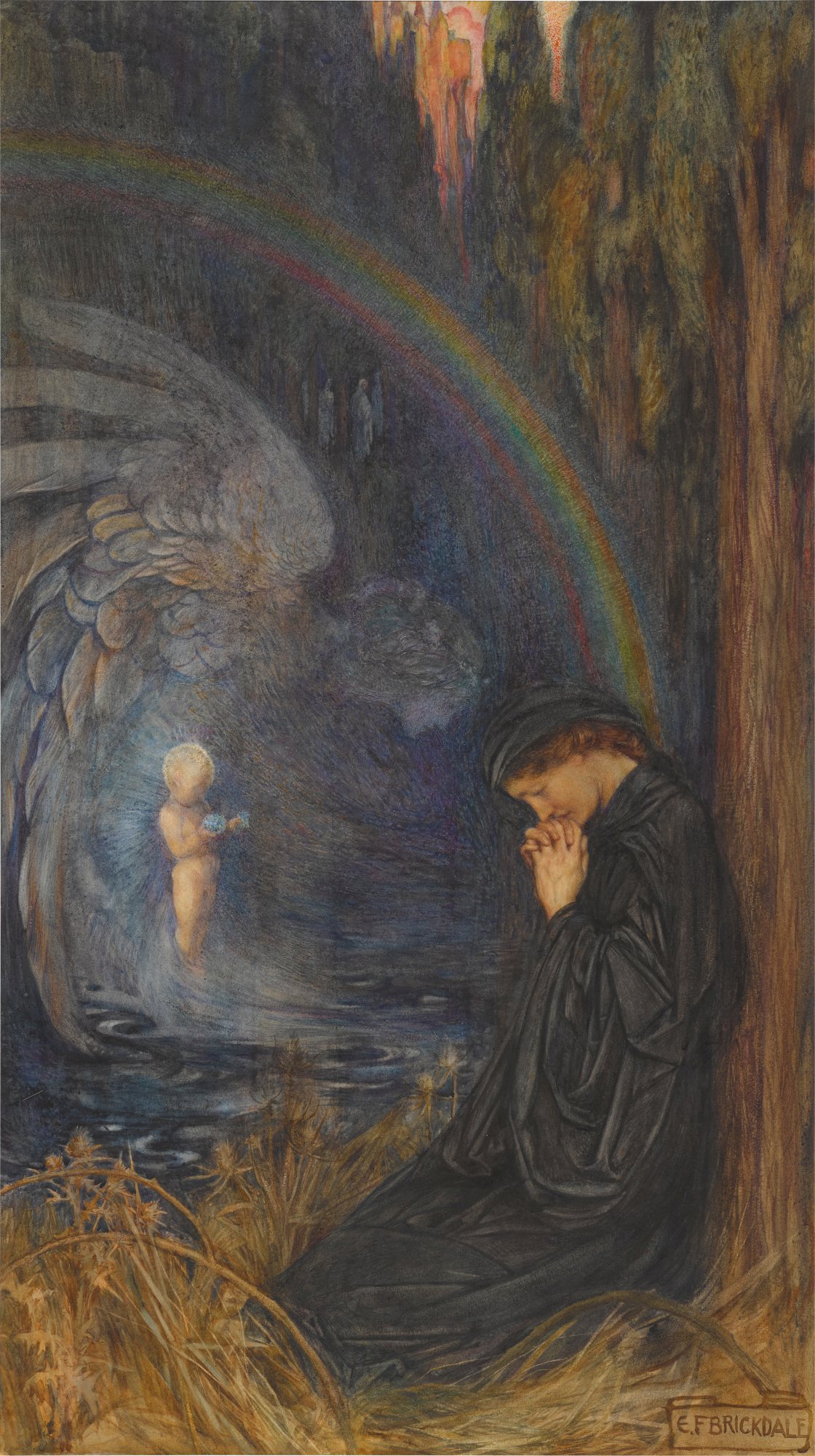
Eleanor Fortescue-Brickdale
The Posthumous Child
The ongoing reckoning with questions of representation, consent, and the colonial gaze in documentary photography has made his work the subject of serious and necessary debate. That debate has not suppressed the market so much as made it more self aware, with serious collectors approaching his work through a more rigorous ethical and historical lens. Where the energy is heading feels genuinely open in a way that makes this category exciting rather than settled. The borders between Early Modern photography, printmaking, and painting are dissolving at auction and in museum programming alike, with works by figures like Pierre Bonnard, Pablo Picasso, and Henri Matisse appearing in conversations alongside Stieglitz and White rather than in separate categorical silos.
The collectors coming into this space now tend to be drawn by precisely that cross medium conversation, the sense that the early twentieth century was not a series of separate movements but a single sustained argument about what images could do and why they mattered. That argument, it turns out, is still very much alive.