Double-Sided Work
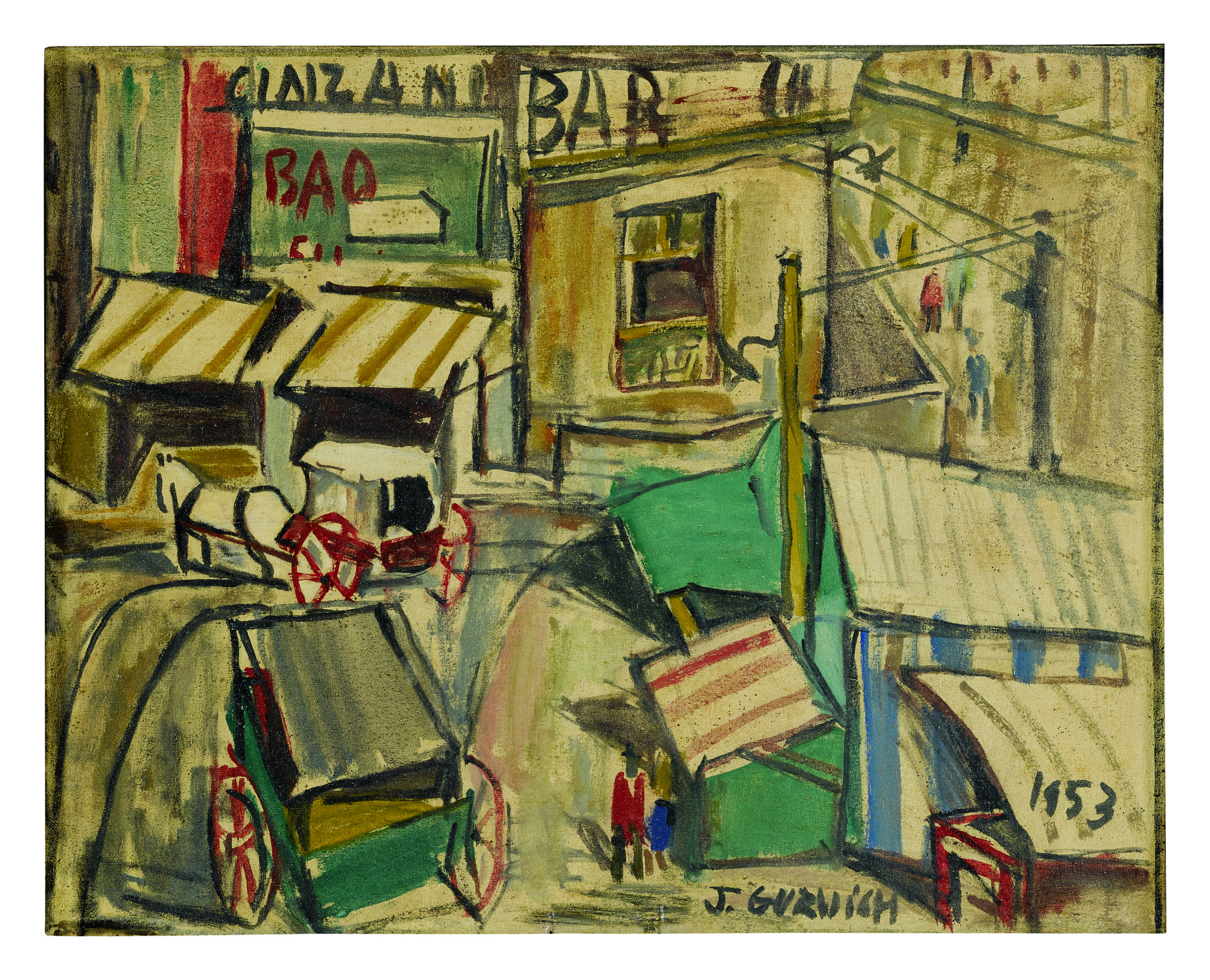
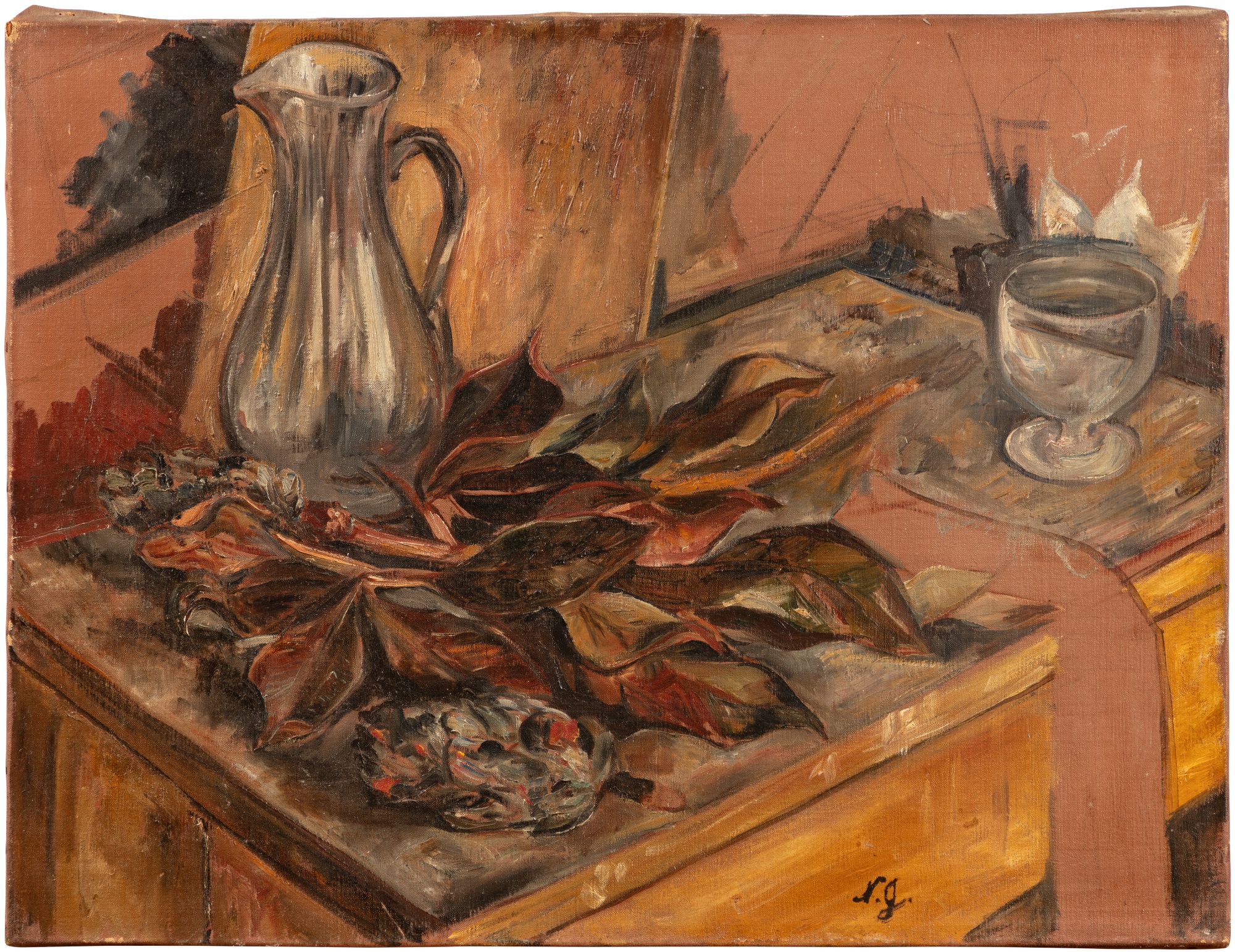
José Gurvich
Escena Ciudad And Paisaje (a Double-sided Work), 1953
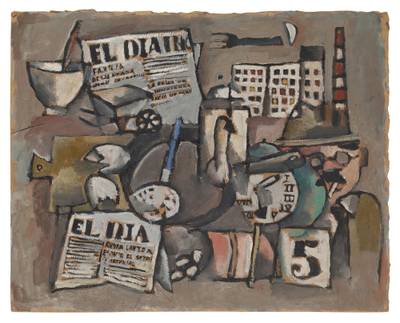

The Secret Life of the Other Side
There is something almost voyeuristic about turning a painting over. The front face of a work is its public self, composed and deliberate, the version the artist chose to send out into the world. The reverse is where the story gets complicated. Double sided works occupy a peculiar and thrilling position in art history, objects that refuse the singular reading, that carry within them the evidence of process, second thoughts, or simply the economics of a stretched canvas treated as a precious and finite resource.
To collect one is to hold two objects in your hands at once. The tradition of painting on both sides of a support is ancient, predating the modern conception of a work as a fixed and finished thing. Medieval altarpieces were among the earliest double sided objects to be considered seriously as unified wholes, with their hinged panels painted on front and back to serve liturgical functions as they opened and closed. The logic was practical before it became philosophical.
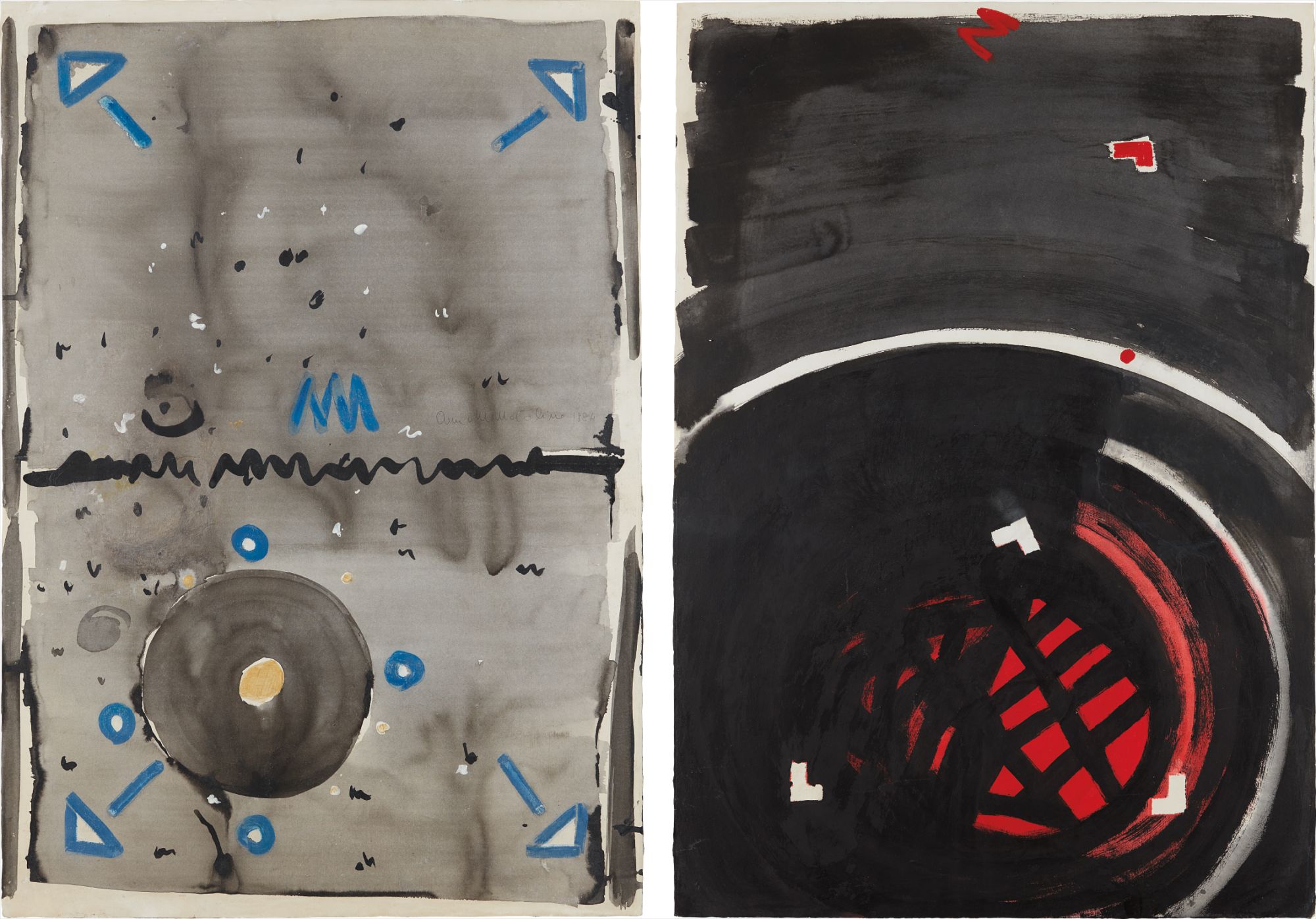
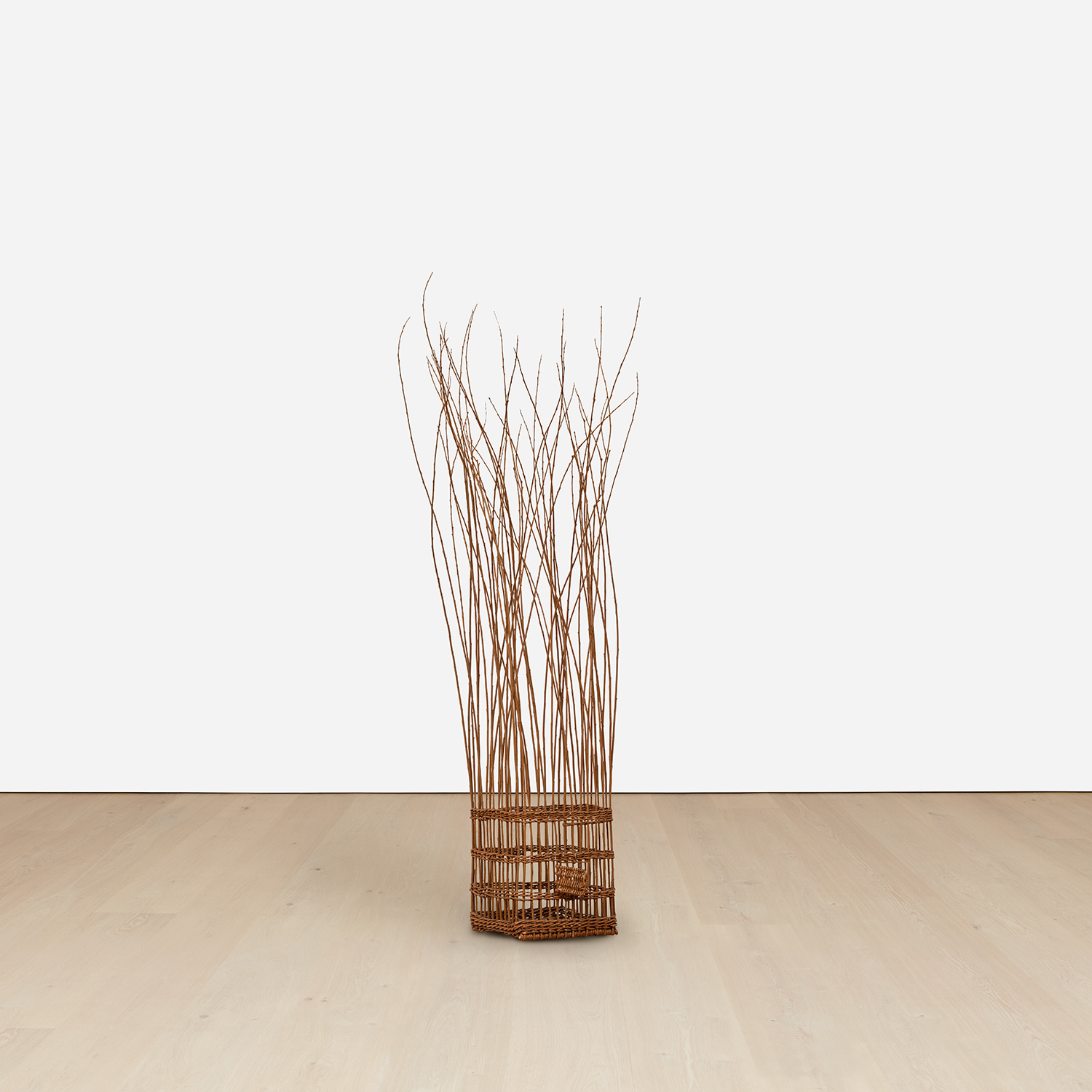
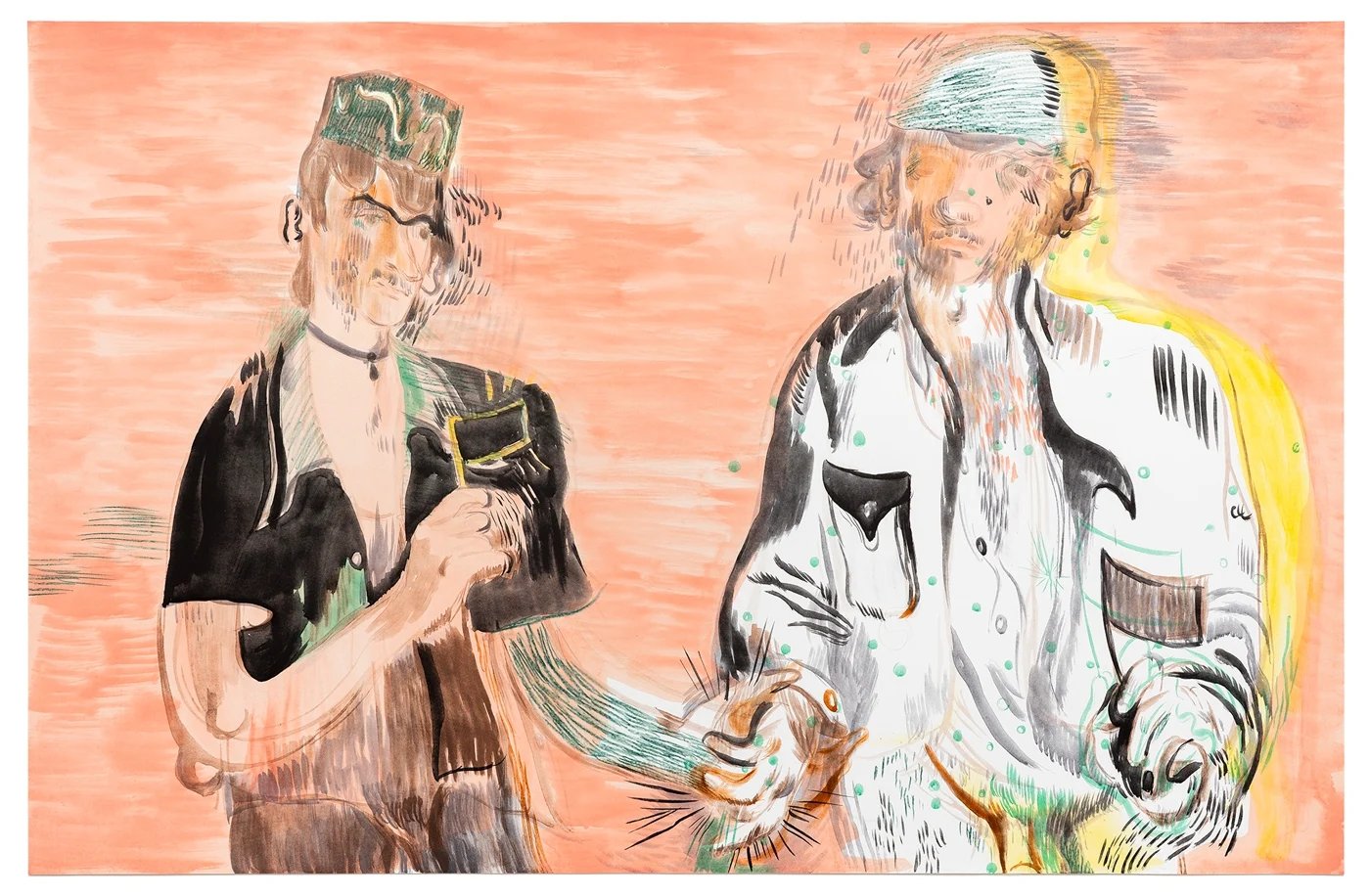
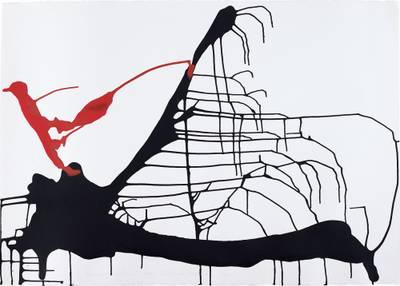
Anna María Maiolino
Disco, 1984
Panel painters in the workshops of Siena and Florence routinely used both faces of their wood supports, and it is from this culture of resourcefulness that so much of what we now consider double sided painting genuinely descends. The duality was built into the work before anyone thought to celebrate it as such. By the late nineteenth and early twentieth centuries, the phenomenon had shifted in character. Artists working under financial pressure, or simply in the heat of creative momentum, turned canvases around and began again.
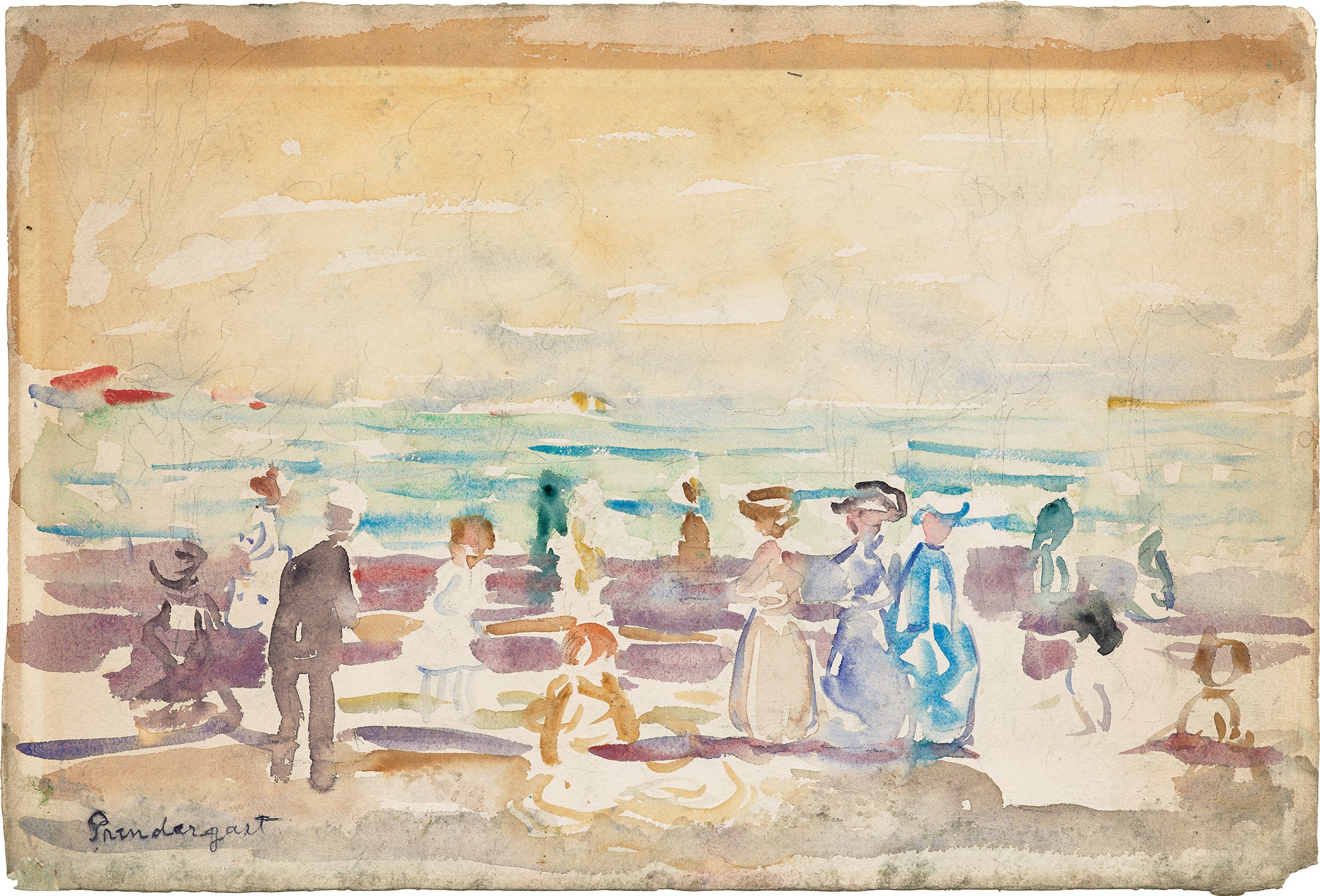
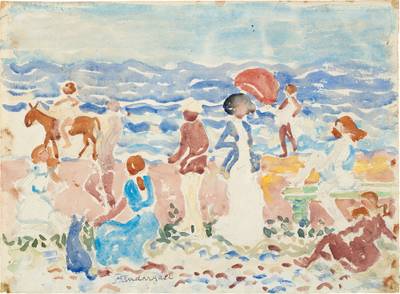
Maurice Brazil Prendergast, the Boston born Post Impressionist whose shimmering crowd scenes placed him at the edge of the American avant garde, produced works on both sides of canvas and panel with a frequency that scholars have found revealing. His double sided pieces complicate the tidy narrative of his output, suggesting a working method more turbulent and exploratory than his luminous finished surfaces imply. You see the artist thinking, which is a different experience entirely from seeing the artist resolved. Natalia Goncharova, that restless force of Russian modernism, operated within a similar economy of urgency.
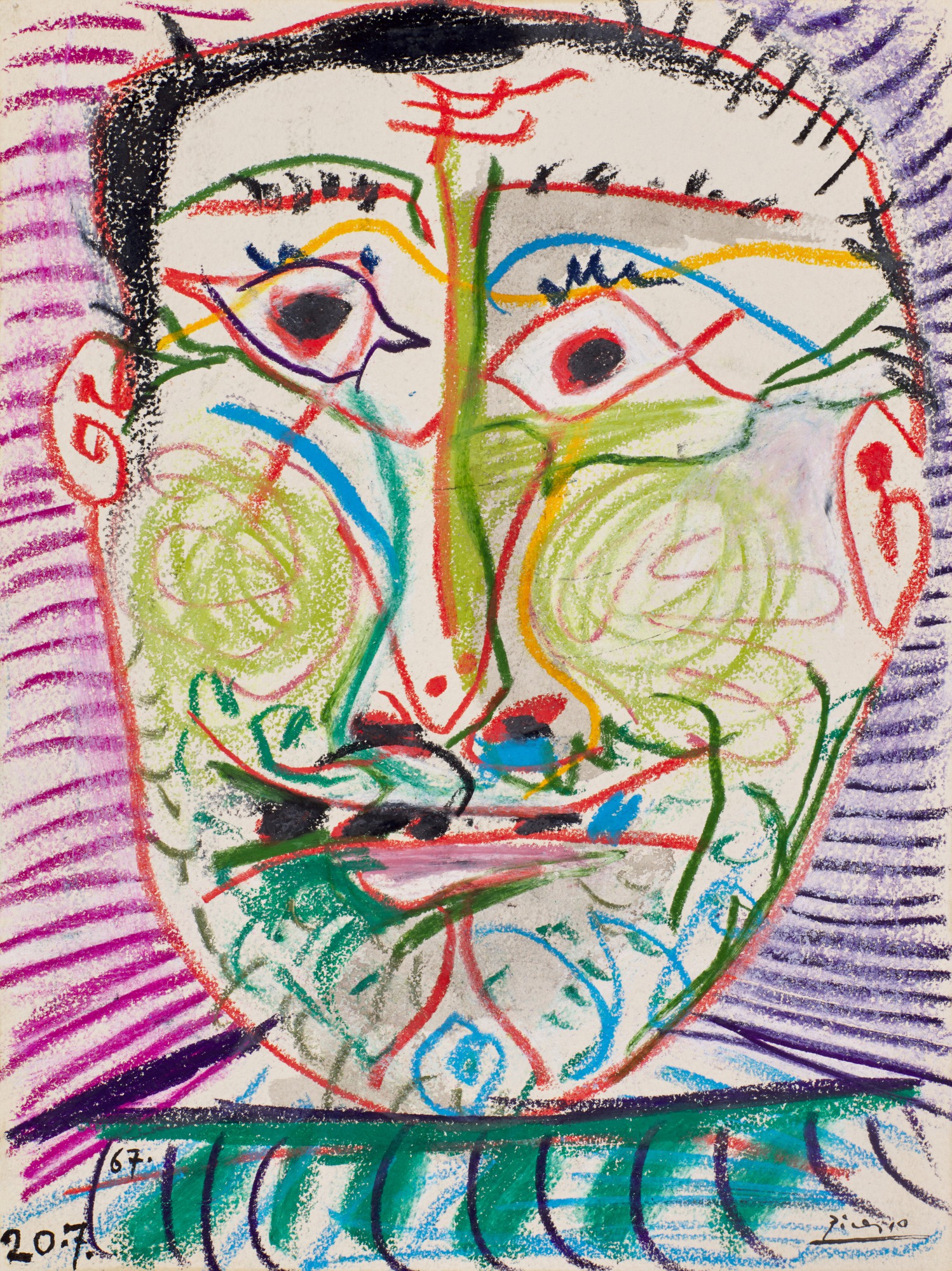
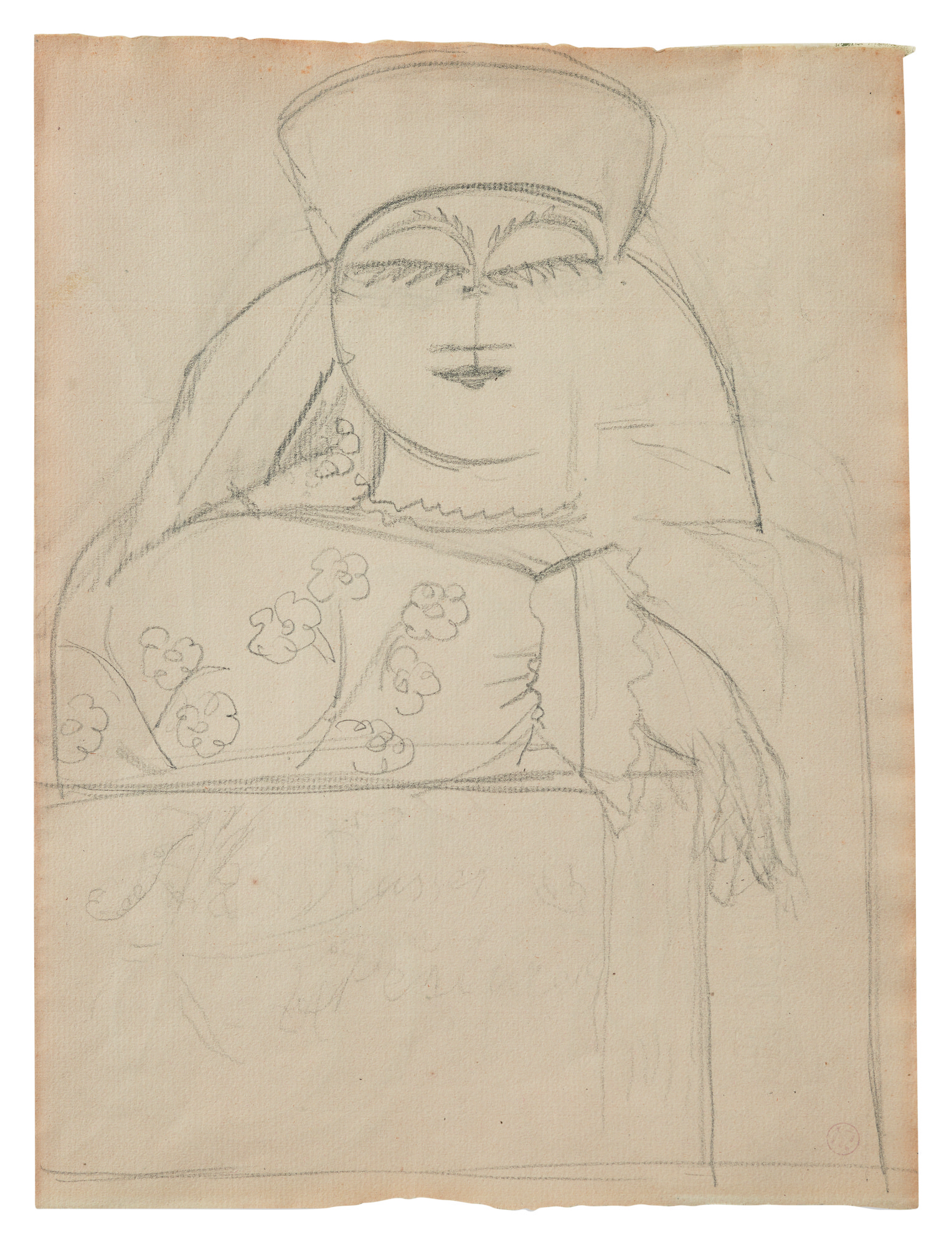
Pablo Picasso
Tête (recto); Tête (verso)
Her output in the years surrounding the 1913 exhibition of her work in Moscow was staggering in volume, and the double sided canvases that appear in her catalogue speak to a practice driven as much by compulsion as by constraint. Goncharova moved between Rayonism, Neo Primitivism, and religious iconography with breathtaking speed, and the verso of a canvas was simply another invitation. Pablo Picasso, too, is well documented in this regard. His early Barcelona and Paris years produced numerous double sided works, and art historians have used X ray and infrared reflectography to map the hidden compositions beneath his more famous surfaces, finding portraits beneath still lifes, figures beneath abstractions, the archaeology of a mind working faster than any single canvas could contain.
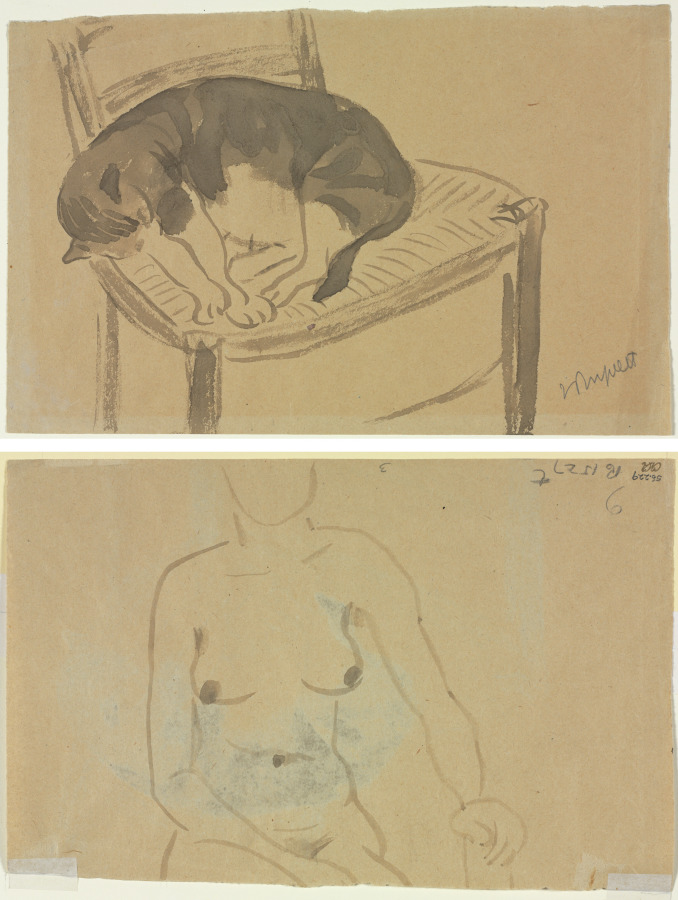
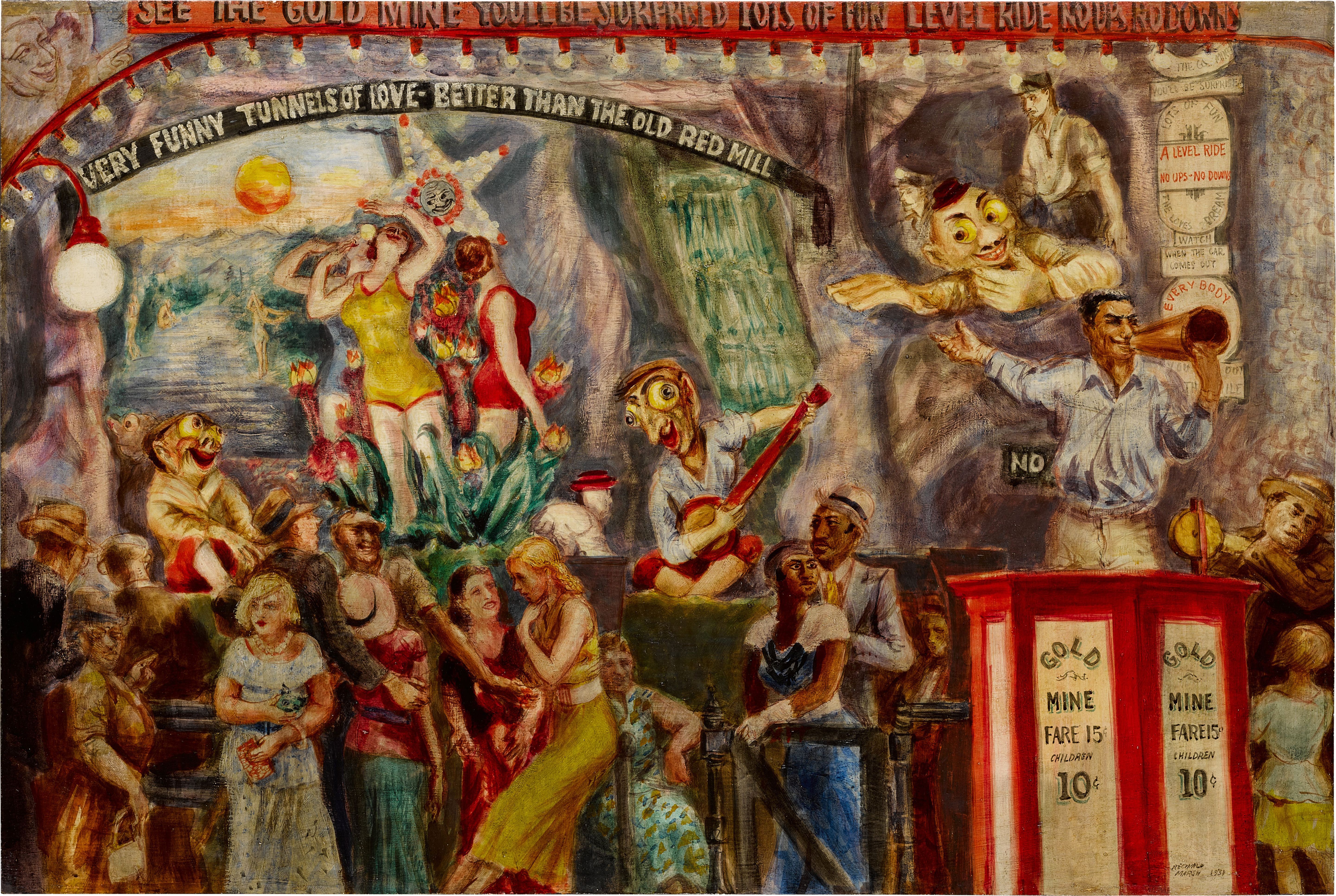
What makes double sided works conceptually significant is the question they raise about intentionality. When an artist paints both sides of a support, we are forced to ask which face was primary, whether sequence implies hierarchy, and what it means when two distinct works share a single physical object. Reginald Marsh, the American Social Realist known for his densely populated scenes of New York in the 1930s, produced double sided works that sometimes feel like arguments with himself, one register of imagery pressing against another through the skin of the canvas. Jane Poupelet, the French sculptor and draughtsman whose tender figurative works brought her international recognition in the early twentieth century, approached double sided works on paper with a similar intimacy, treating the sheet as a conversation rather than a declaration.
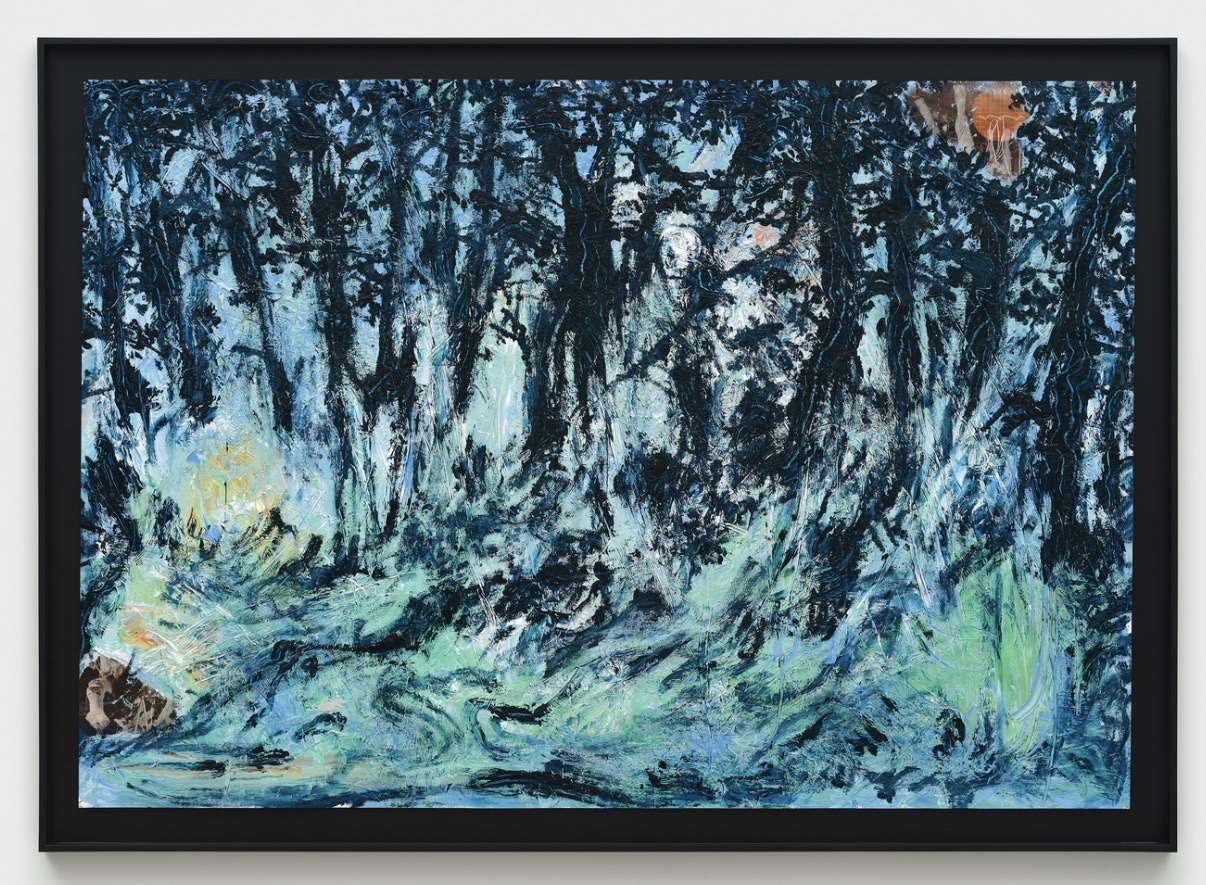
José Gurvich
Escena Ciudad And Paisaje (a Double-sided Work), 1953
José Gurvich, the Uruguayan artist shaped by his years at the Torres García workshop in Montevideo, brought to his double sided works a cosmological earnestness, as though both faces of the support could participate in the visual grammar of the universal constructive order he spent his life elaborating. Anna María Maiolino, the Brazilian and Italian artist whose work spans poetry, sculpture, video, and drawing, introduces another dimension to this conversation entirely. Her practice has always been preoccupied with thresholds, with what exists between states, between inside and outside, between the said and the unsaid. A double sided work in her hands becomes something closer to a philosophical object than a painting in the traditional sense.
The reverse is not a back, it is another front, and the space between the two surfaces is where the meaning lives. This approach reflects the broader conceptual expansion of double sided work that occurred throughout the 1960s and 1970s, when artists associated with Arte Povera, Fluxus, and Conceptualism began treating the physical support itself as a subject rather than a vehicle. The market and curatorial implications of double sided works are considerable and still not fully settled. Exhibition presents obvious challenges.
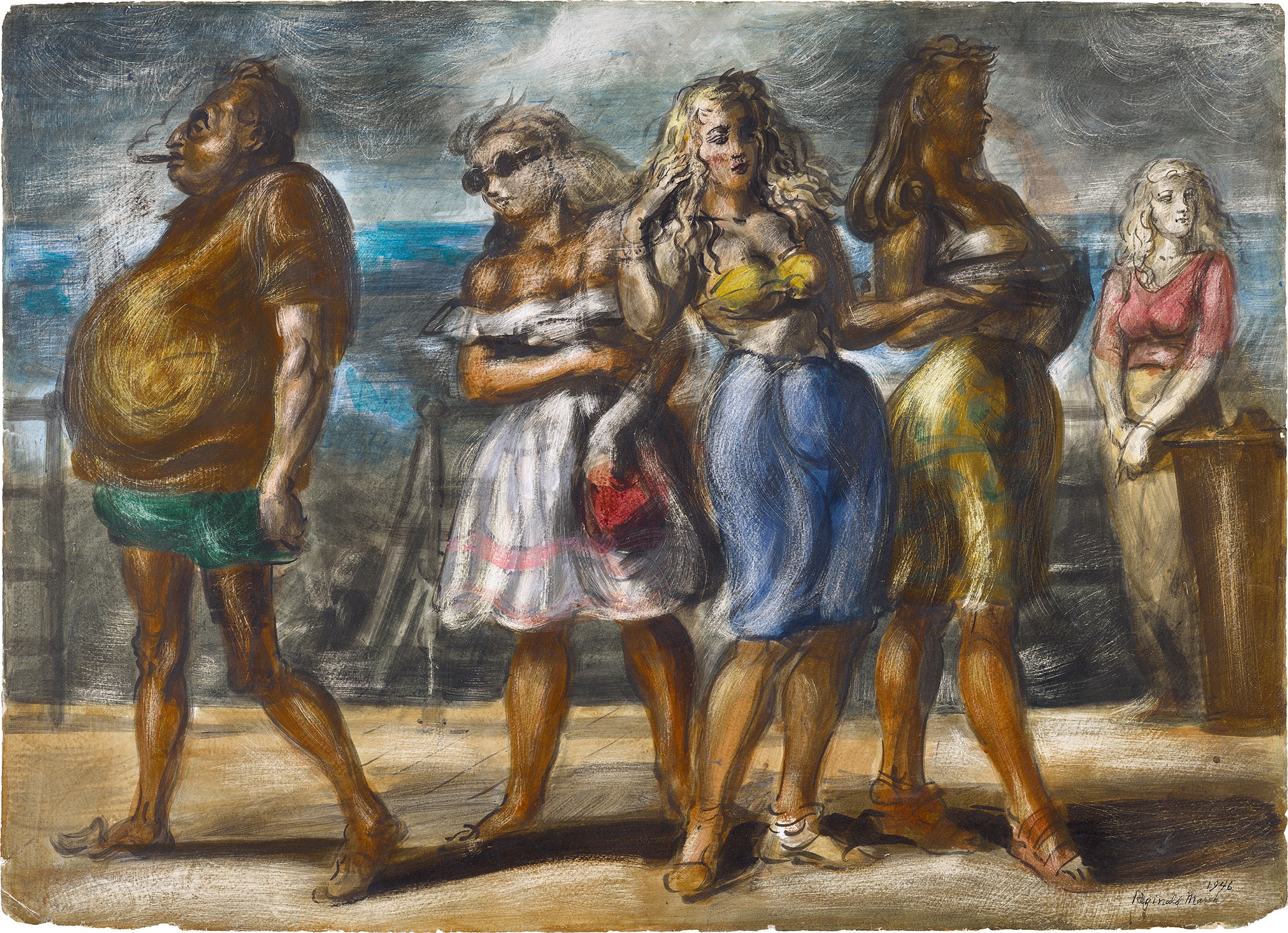
Reginald Marsh
Coney Island (double-sided), 1946
A work that cannot be seen from both sides simultaneously asks the institution to make a choice, to privilege one face over the other, and that choice becomes an interpretation. Some museums have solved this with freestanding display structures, others with mirrors, and others simply by rotating the work across the run of a show. Conservation is equally complex. Varnishing, cleaning, and climate control all become more fraught when two distinct campaigns of paint share one support with potentially divergent needs.
Collectors who hold double sided works often find themselves in conversation with conservators and curators more frequently than with any other category of object. What endures in the appeal of double sided work is precisely this resistance to resolution. In a market increasingly oriented toward the legible and the immediately gratifying, an object that rewards patience and genuine looking, that offers a second image to those who bother to ask, feels genuinely countercultural. The artists represented on The Collection who have worked in this mode understood something important about the nature of making: that the surface we see is never the whole of the story, and that the most interesting things often happen just out of sight.