Cultural Art
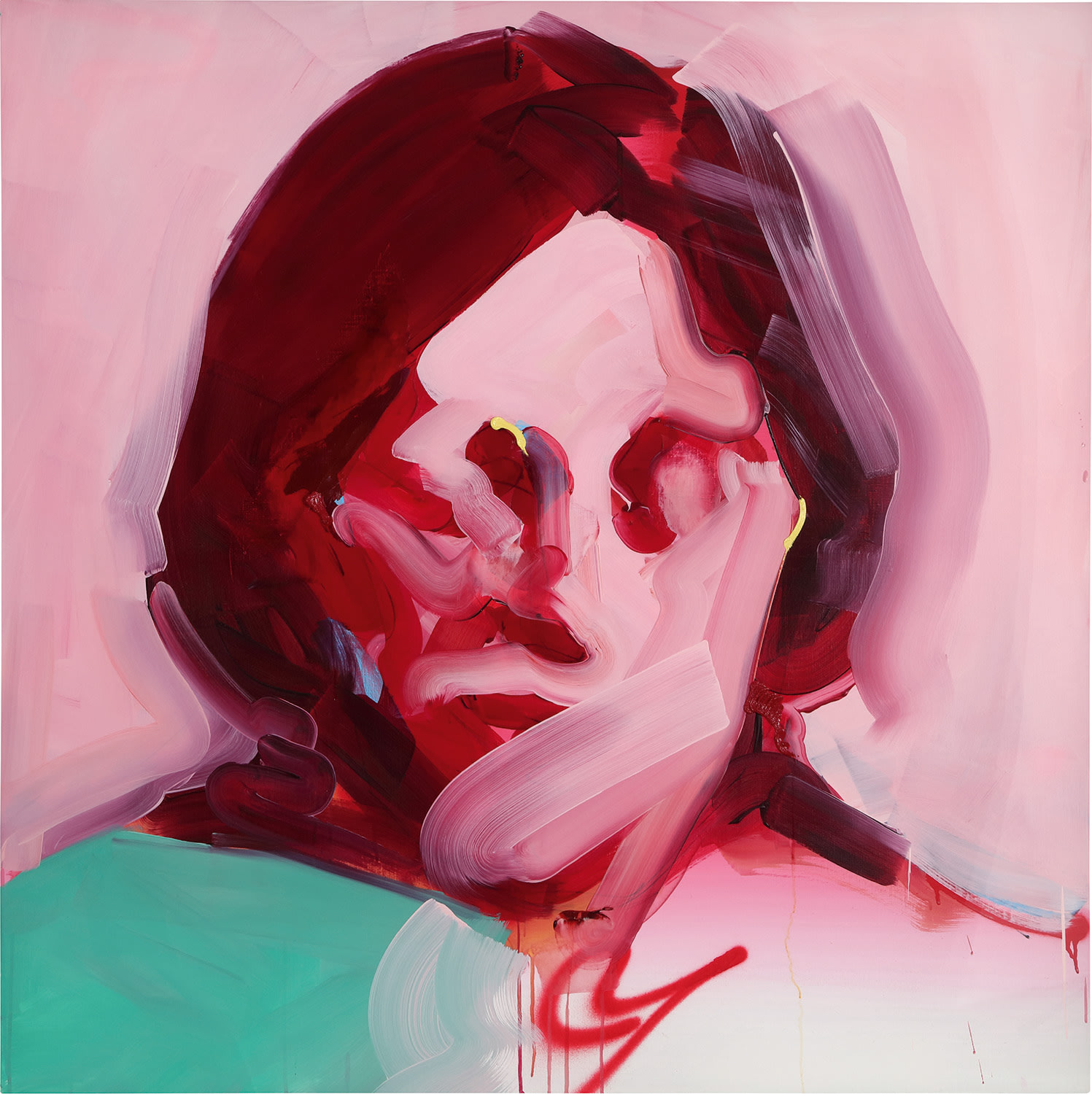
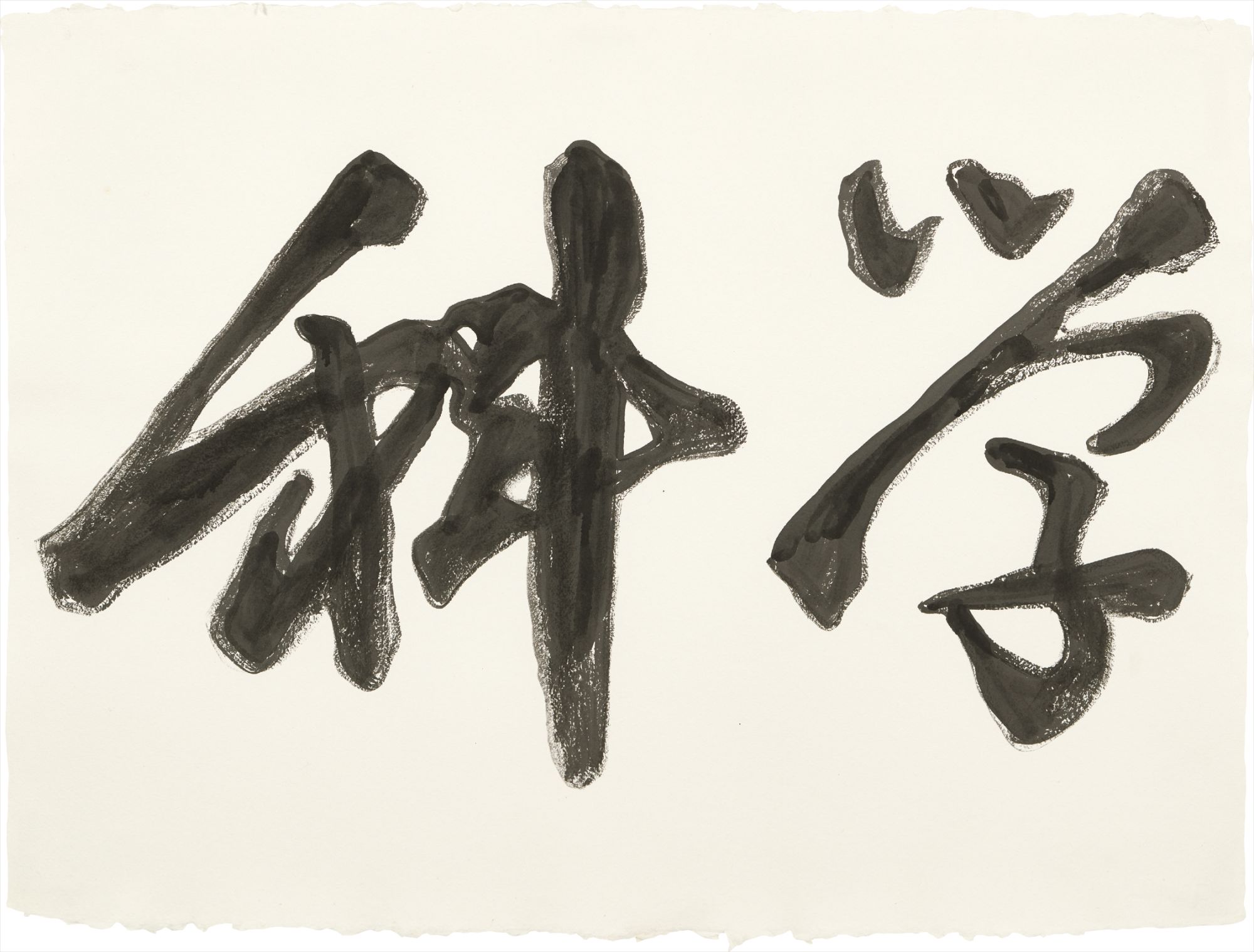
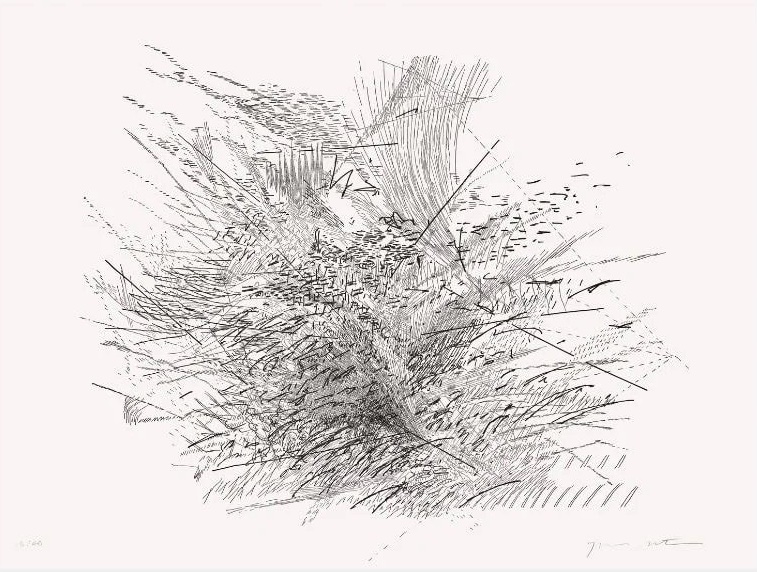
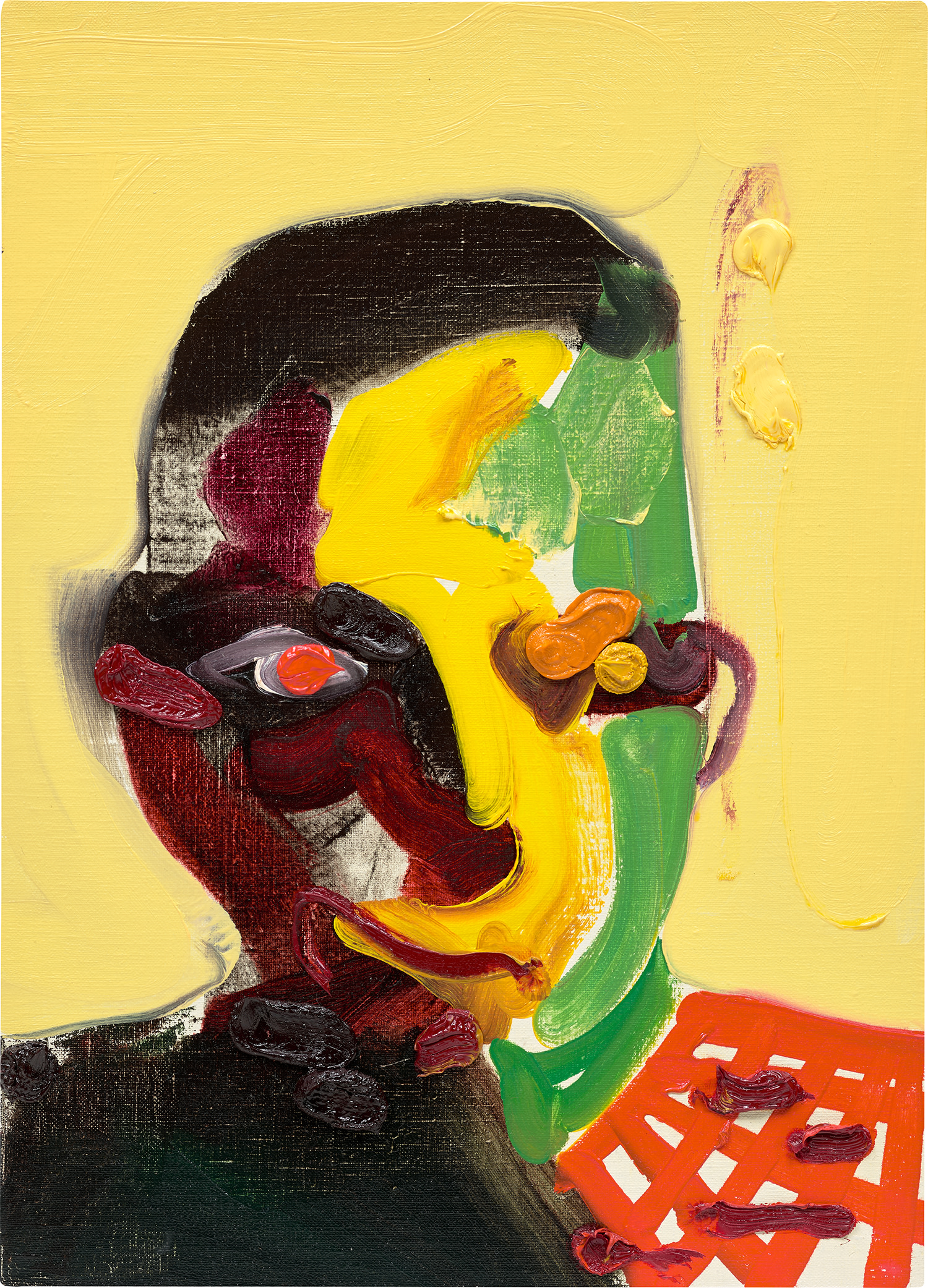
Yukimasa Ida
Miko
Whose Story Gets Painted Into History
There is a particular charge that runs through cultural art, a category that refuses to be neutral. It insists on presence. It insists that the act of painting, sculpting, or assembling is never simply an aesthetic exercise but is also an argument about who belongs in the frame, whose traditions deserve reverence, and whose experiences have been systematically excluded from the grand narrative of Western art history. To collect in this space is to engage with some of the most urgent and enduring questions the art world has ever posed.
The story begins long before the term had any institutional currency. Indigenous and non Western artistic traditions have always been culturally embedded, always understood by their makers as expressions of community, cosmology, and identity rather than objects of detached contemplation. The problem was the context into which those objects were dragged during the colonial era, displayed in ethnographic museums alongside bones and artifacts, classified as anthropological curiosity rather than art. The early twentieth century saw modernists like Picasso draw heavily from African sculptural forms without credit or context, a transaction that shaped the entire trajectory of Western avant garde painting while erasing its sources.
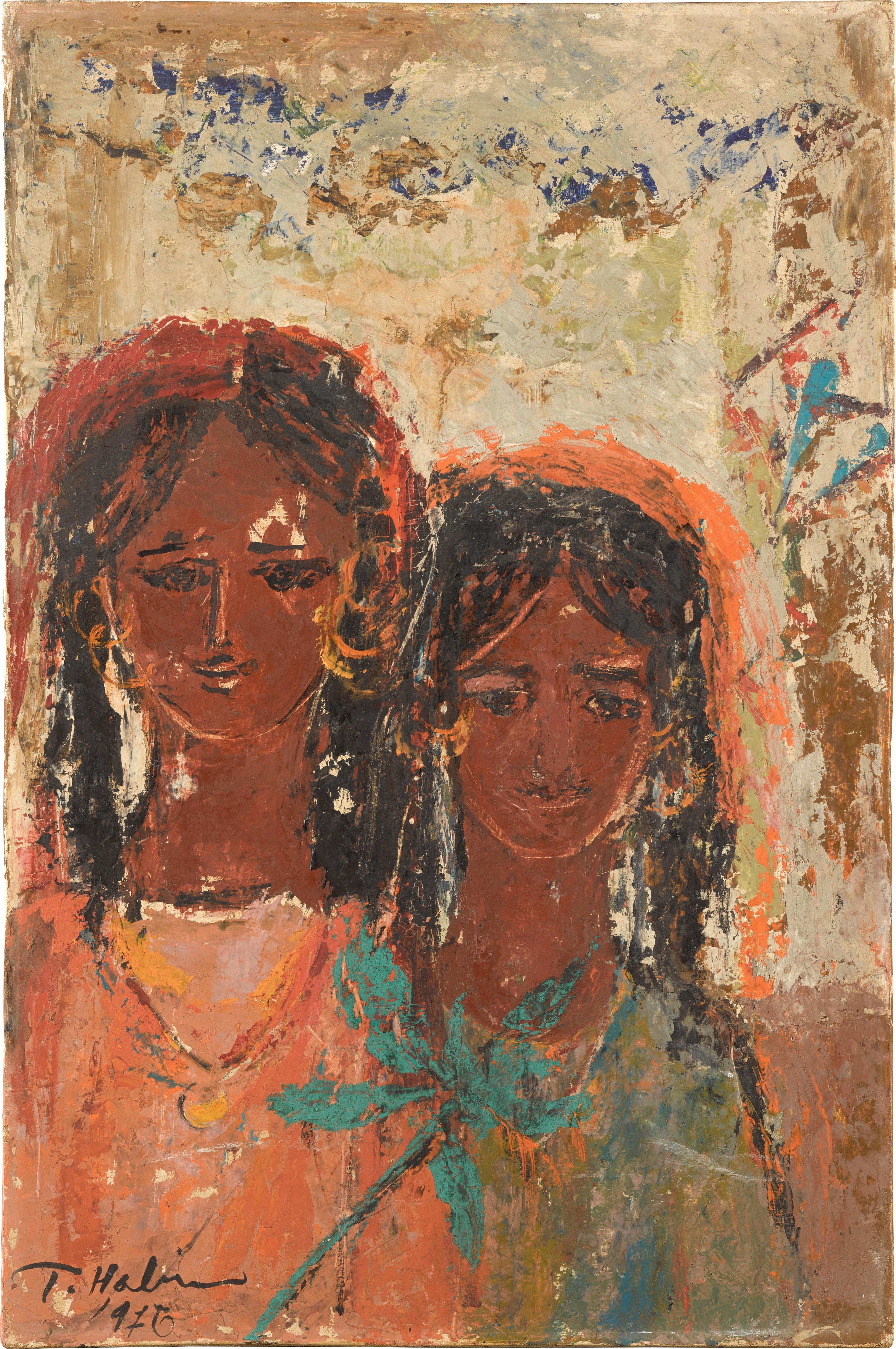
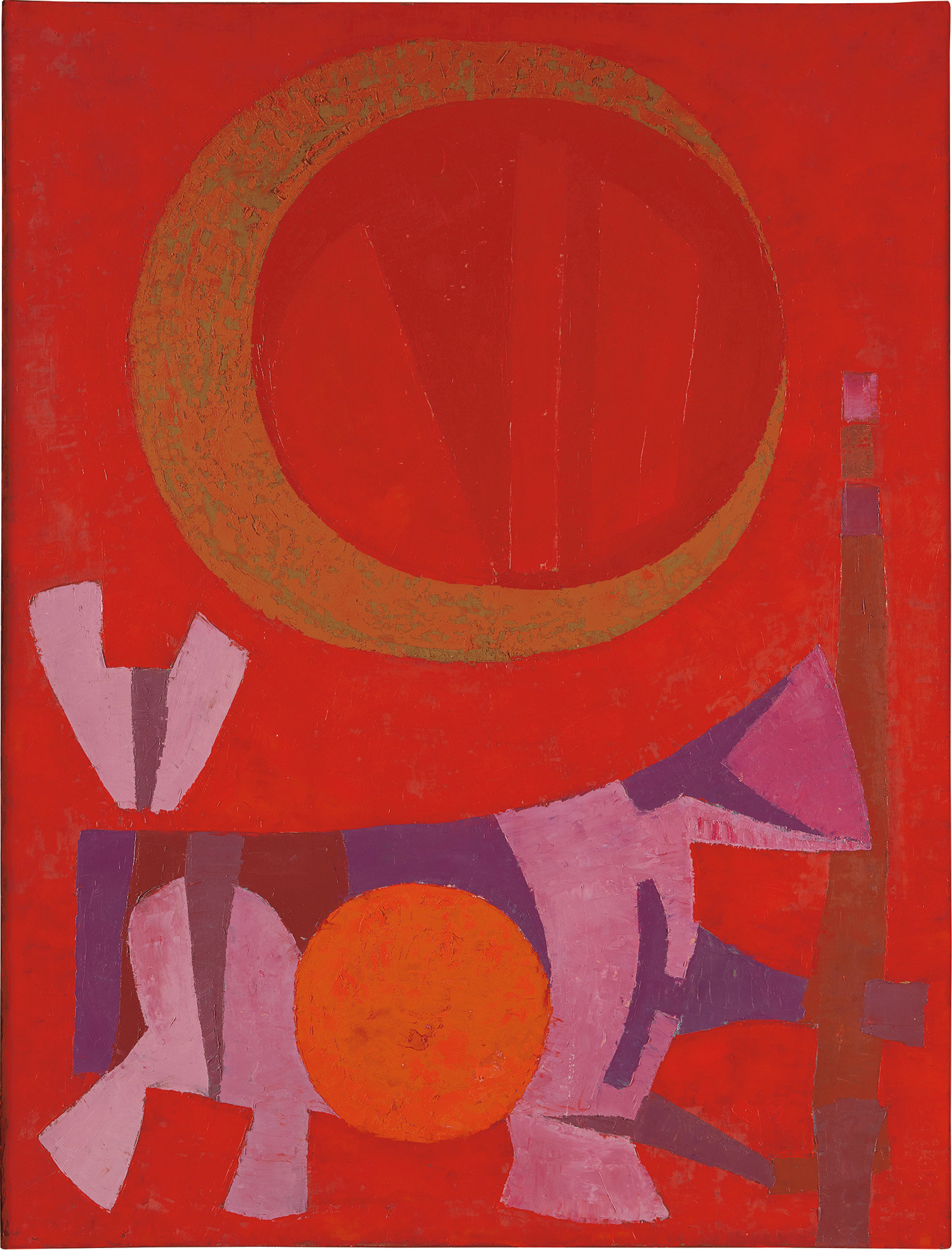
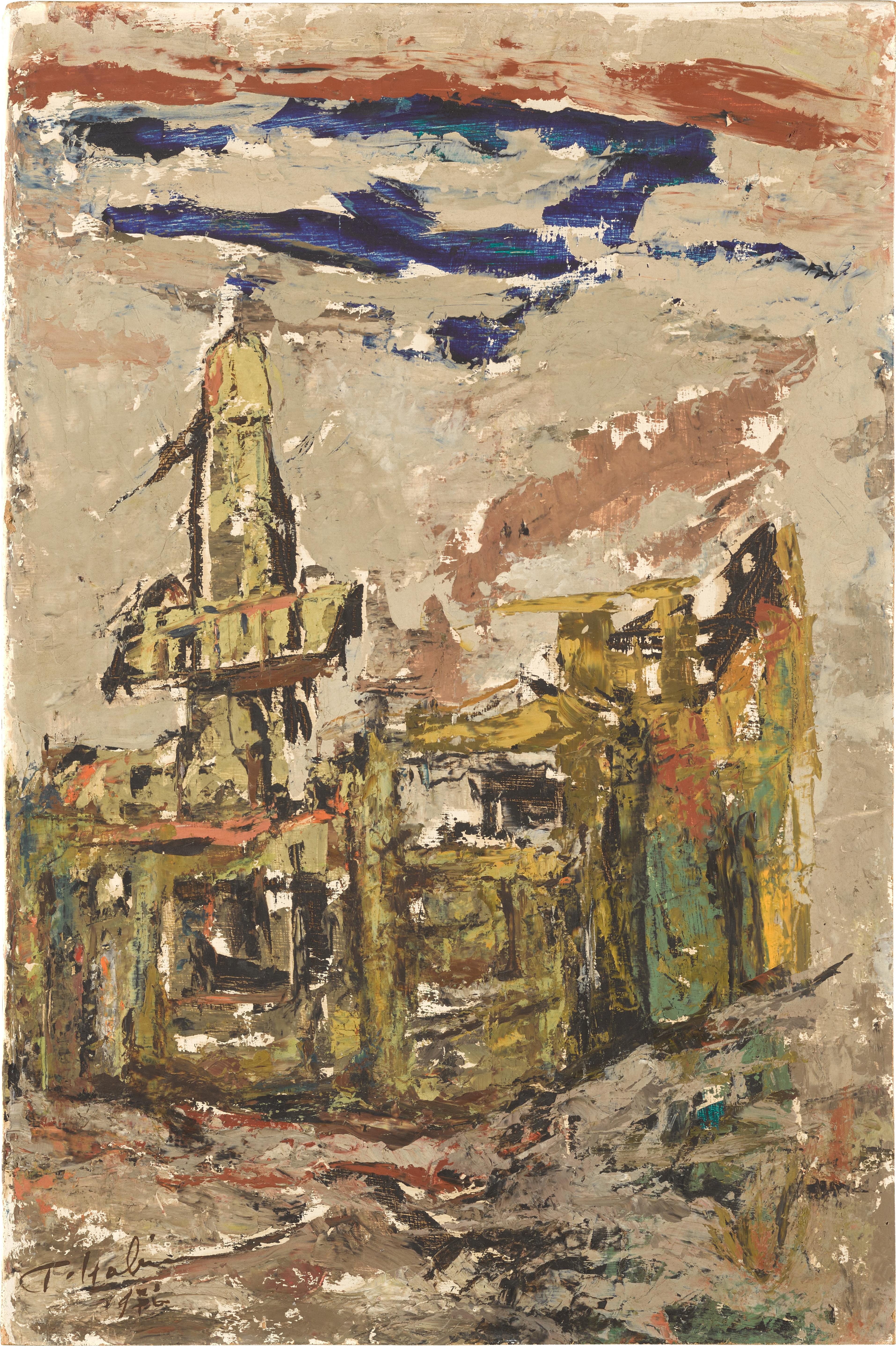
Tahia Halim
From Nubia (Nubian Girls), 1976
That wound has never fully healed, and much of the most important cultural art made since the 1960s has been a reckoning with it. The civil rights era opened something irreversible in American art. By the late 1960s and into the 1970s, artists across the United States were refusing the false universalism of Abstract Expressionism and demanding that specificity, racial, ethnic, diasporic, be treated as legitimate subject matter rather than a limitation. The Harlem Cultural Council, the formation of AfriCOBRA in Chicago in 1968, and the emergence of community muralism movements across Los Angeles, New York, and Chicago created infrastructure for a new kind of practice, one rooted in accountability to a community rather than to the gallery system.
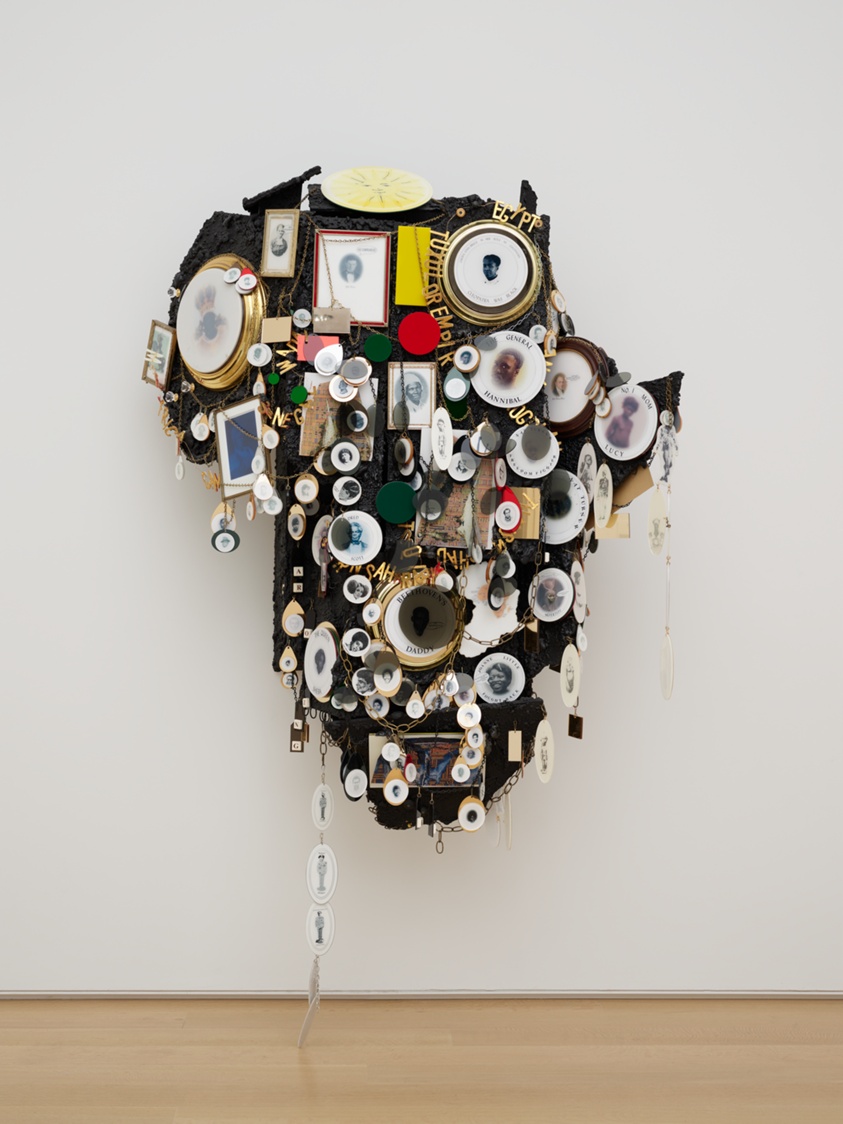
These movements produced artists who understood beauty and politics as inseparable. Kerry James Marshall stands as one of the defining figures of this lineage. Born in Birmingham, Alabama in 1955, Marshall grew up in the Watts neighborhood of Los Angeles and came of age during the civil rights movement, an experience that shaped his lifelong commitment to putting Black figures at the center of art history rather than its margins. His monumental paintings, dense with art historical reference and deliberate beauty, insist that the Black subject deserves the full weight of the painterly tradition.
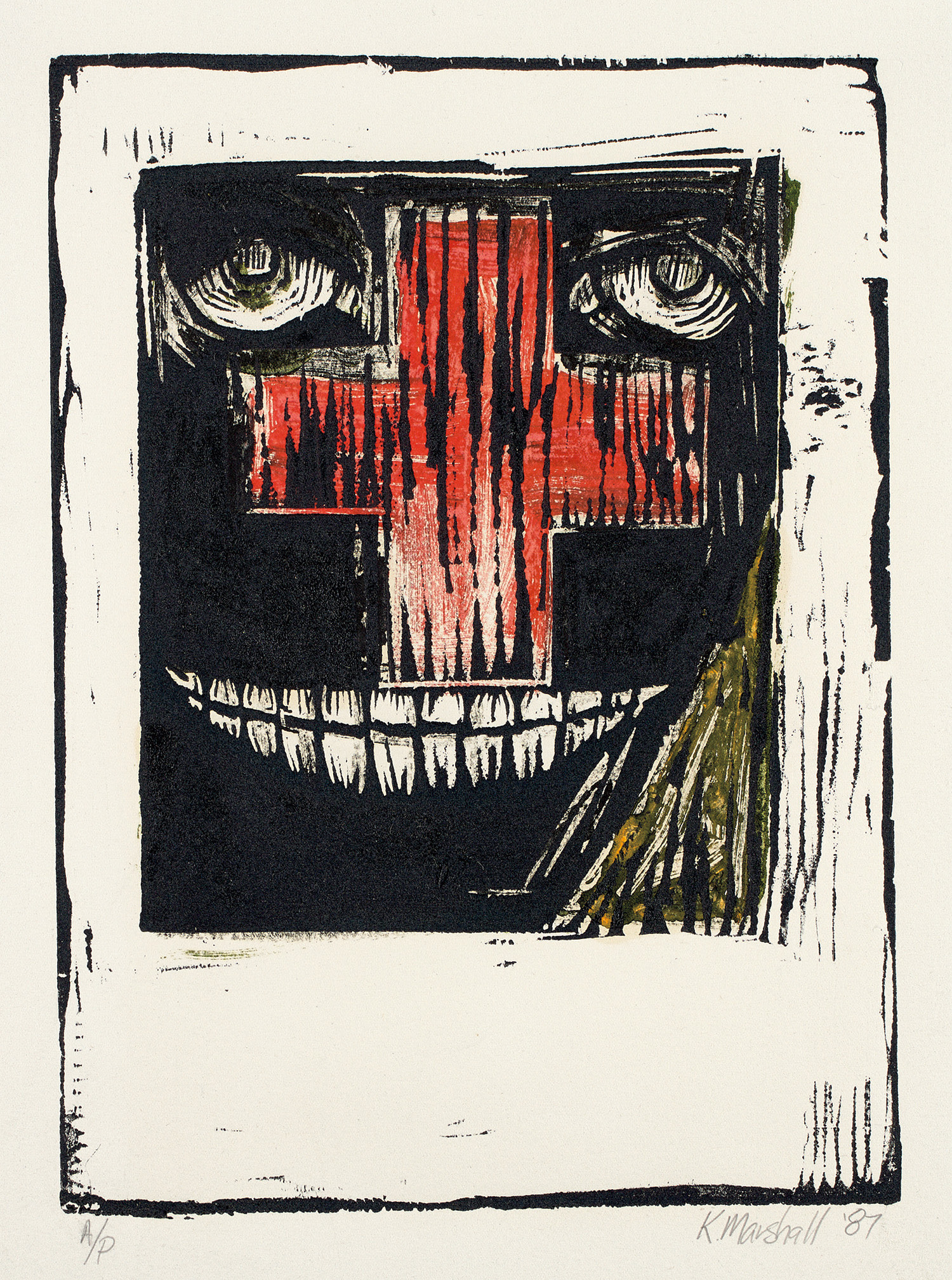
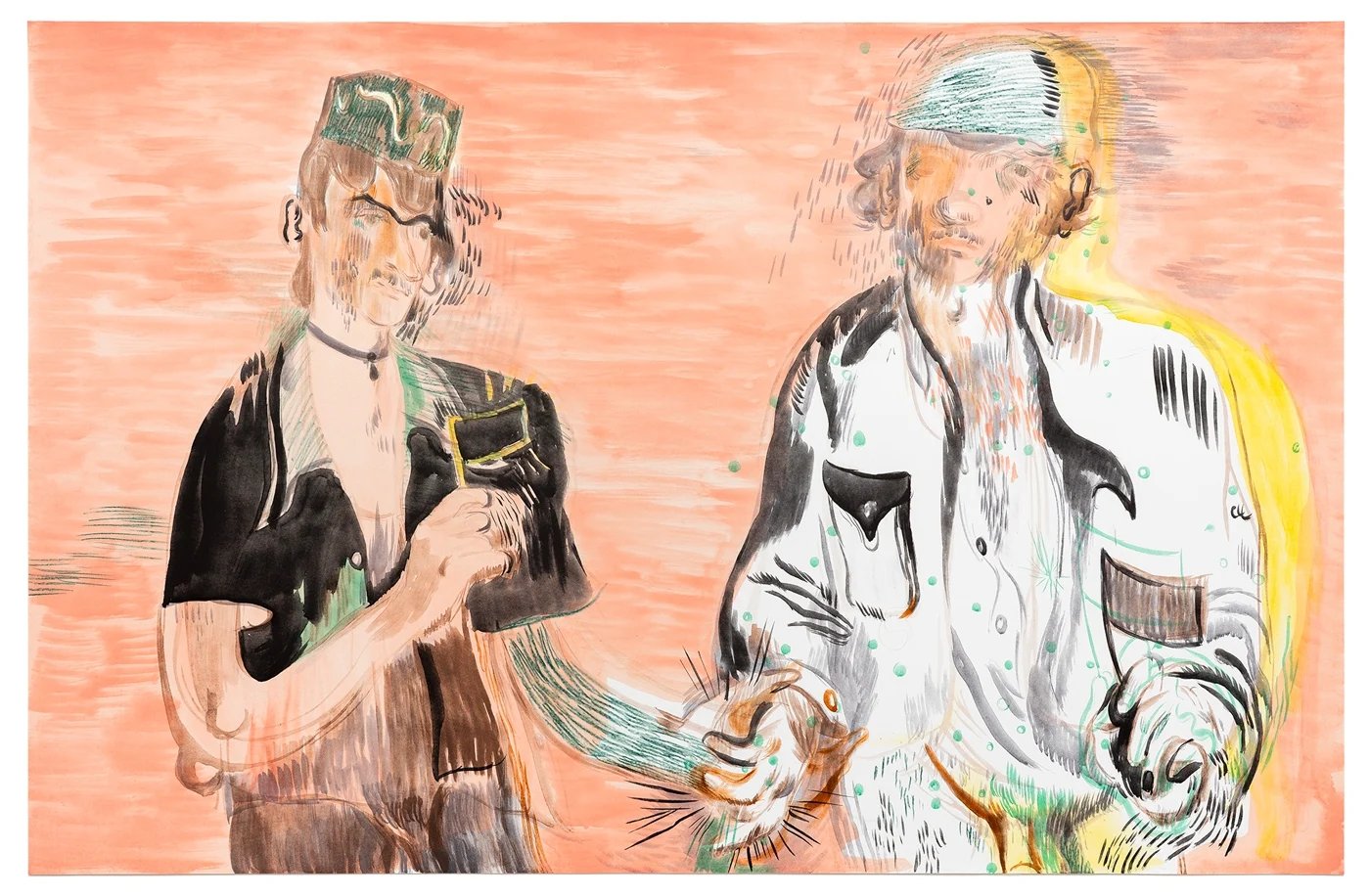
Kerry James Marshall
Eschu - Crossroads
His work does not demand inclusion as a concession. It claims the tradition as something that always should have included these figures, and corrects the record with extraordinary skill and confidence. Works by Marshall are among the most significant touchstones for any collector serious about cultural art. Beyond North America, the category opens into a rich and genuinely global conversation.
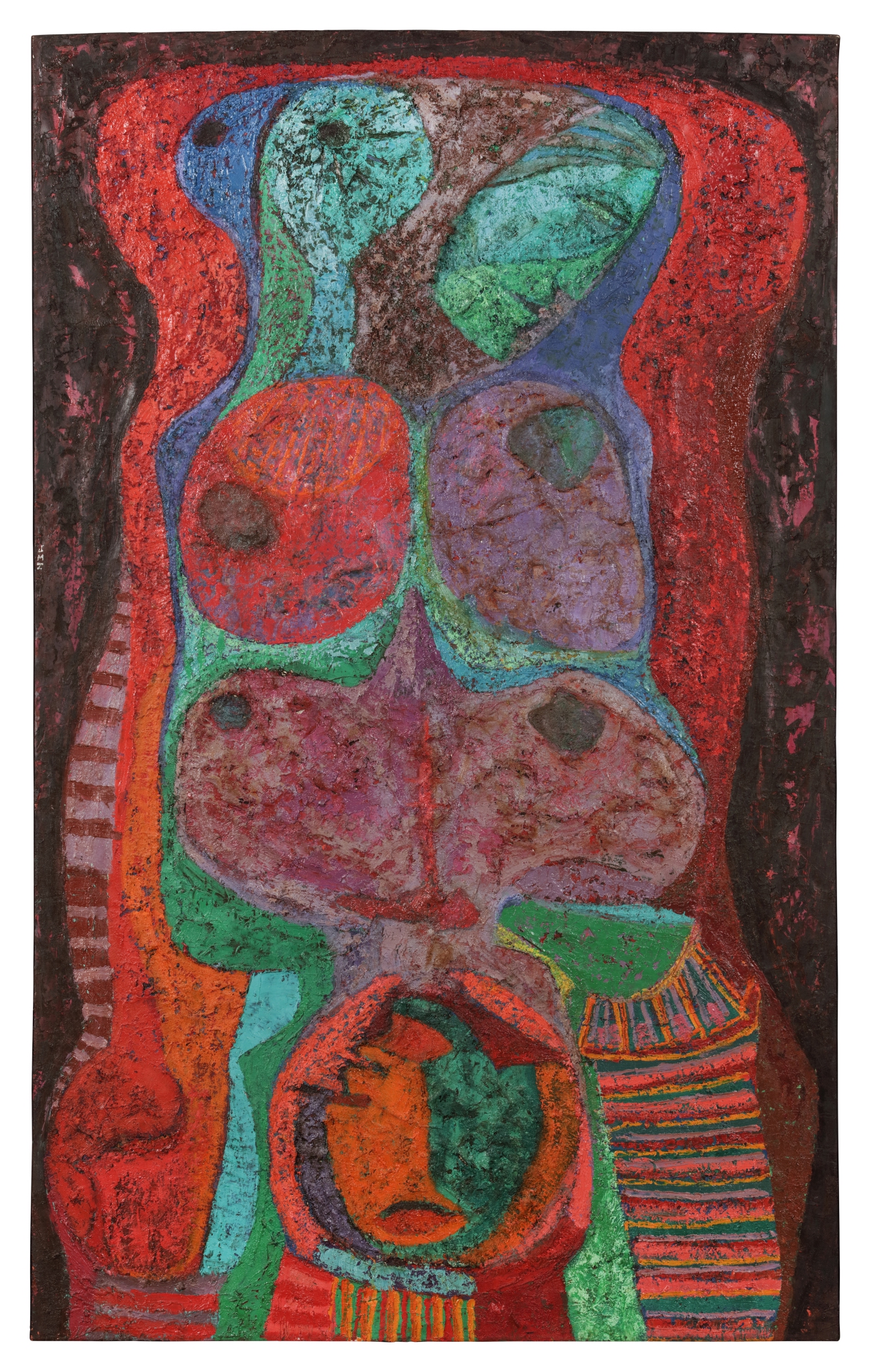
The Egyptian painter Tahia Halim, born in 1919, brought together Pharaonic imagery, Nubian color traditions, and influences absorbed during her studies in Paris to create a visual language that was entirely her own. Working in a Cairo art world that was itself negotiating the relationship between modernism and postcolonial identity, Halim produced paintings that felt both deeply rooted and formally inventive. Her work exemplifies what the best cultural art achieves, a synthesis that could only have come from one specific person standing at one specific crossroads of history and place. Similarly, the Mexican painter Pedro Coronel, a close associate of the muralist generation and a Zacatecan artist who bridged indigenous visual culture with international abstraction, created canvases charged with mythological energy.
Yukimasa Ida
Miko
His relationship to pre Columbian form was not decorative but structural, a genuine reimagining of how ancient imagery could be made to live inside a modern pictorial space. Coronel's work, like that of his compatriots, emerged from a Mexican art scene that had been genuinely wrestling with questions of national identity and indigenous heritage since the revolution of 1910, making it one of the richest contexts for cultural art in the twentieth century. The Japanese painter Yukimasa Ida works within yet another tradition of cultural negotiation. Japanese contemporary art has long engaged with the tension between Western influence absorbed after the Meiji Restoration and the deep continuities of Japanese visual culture, from ink painting to woodblock print, from Buddhist iconography to the aesthetics of wabi sabi.
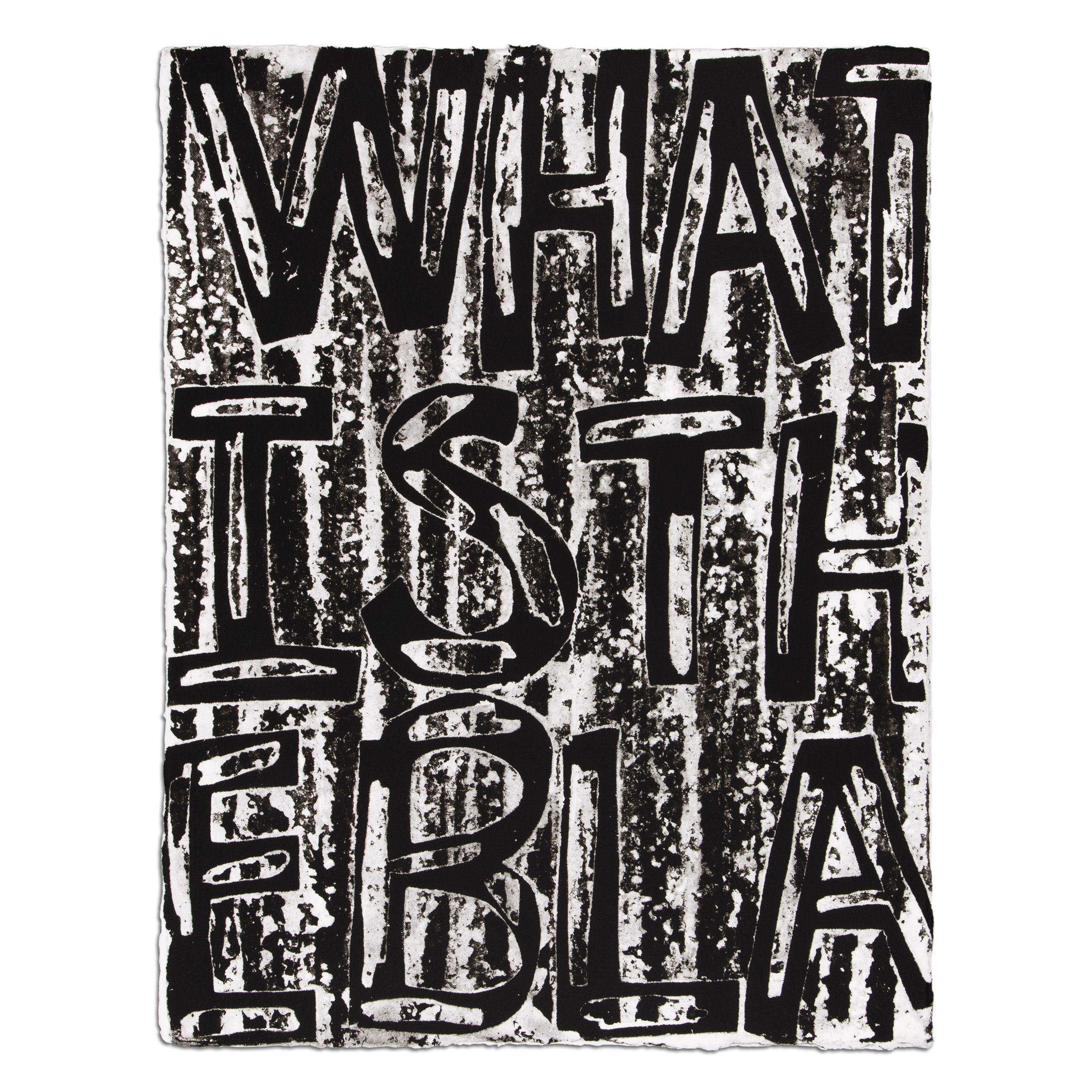
Ida's practice navigates that terrain with a distinctive intensity, and his presence alongside artists like Marshall and Halim on The Collection speaks to the genuinely international scope of what cultural art encompasses. Adam Pendleton represents the category's more conceptually driven edge. Working at the intersection of language, abstraction, and Black radicalism, Pendleton has consistently interrogated how meaning is constructed and contested in visual culture. His Black Dada project, developed across paintings, films, and installations from the late 2000s onward, drew on Dada's destabilizing tactics and applied them to questions of race and resistance, arguing that abstraction and political urgency are not in opposition but are in fact natural allies.
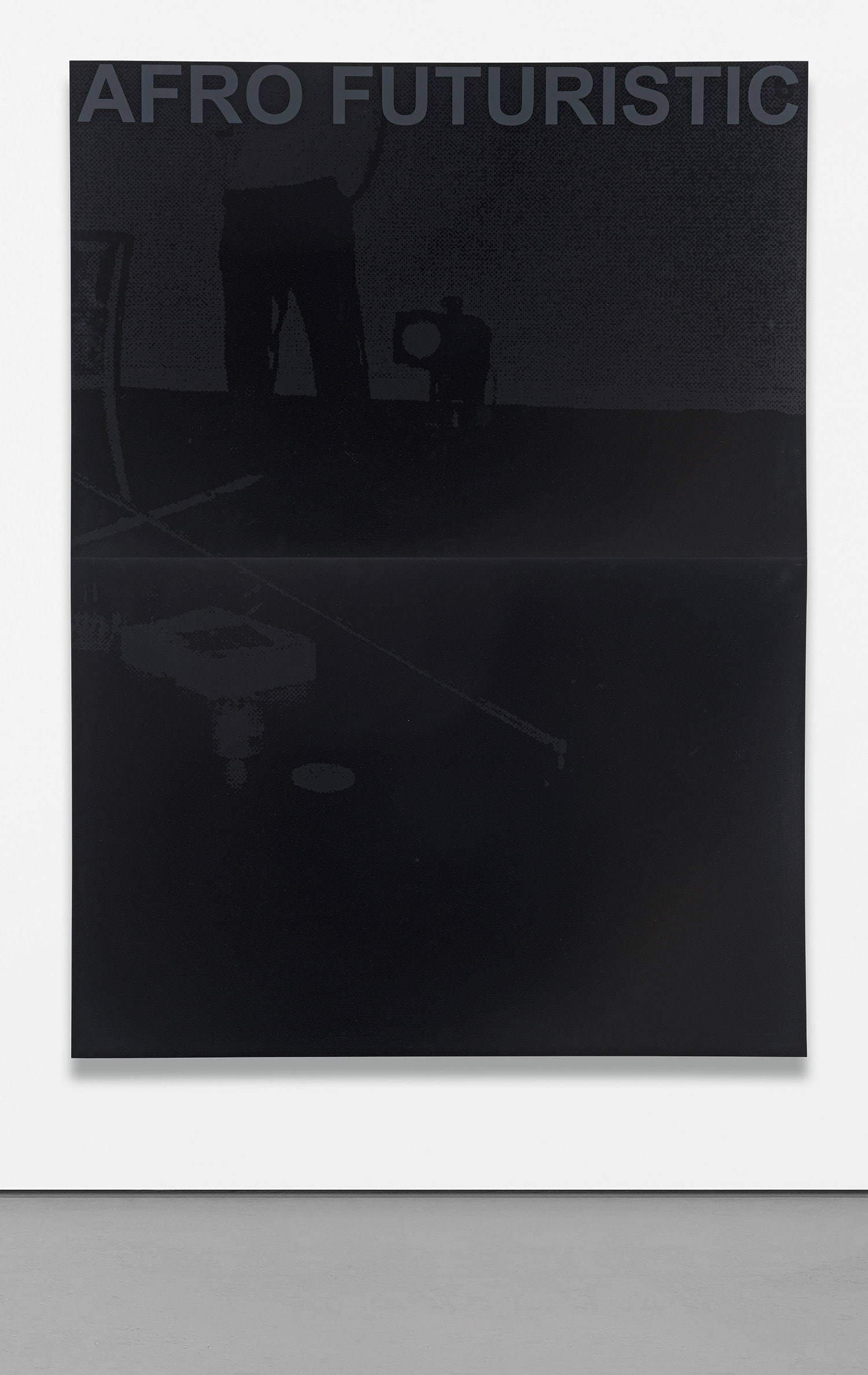
Adam Pendleton
Afro Futuristic (Top Type), 2006
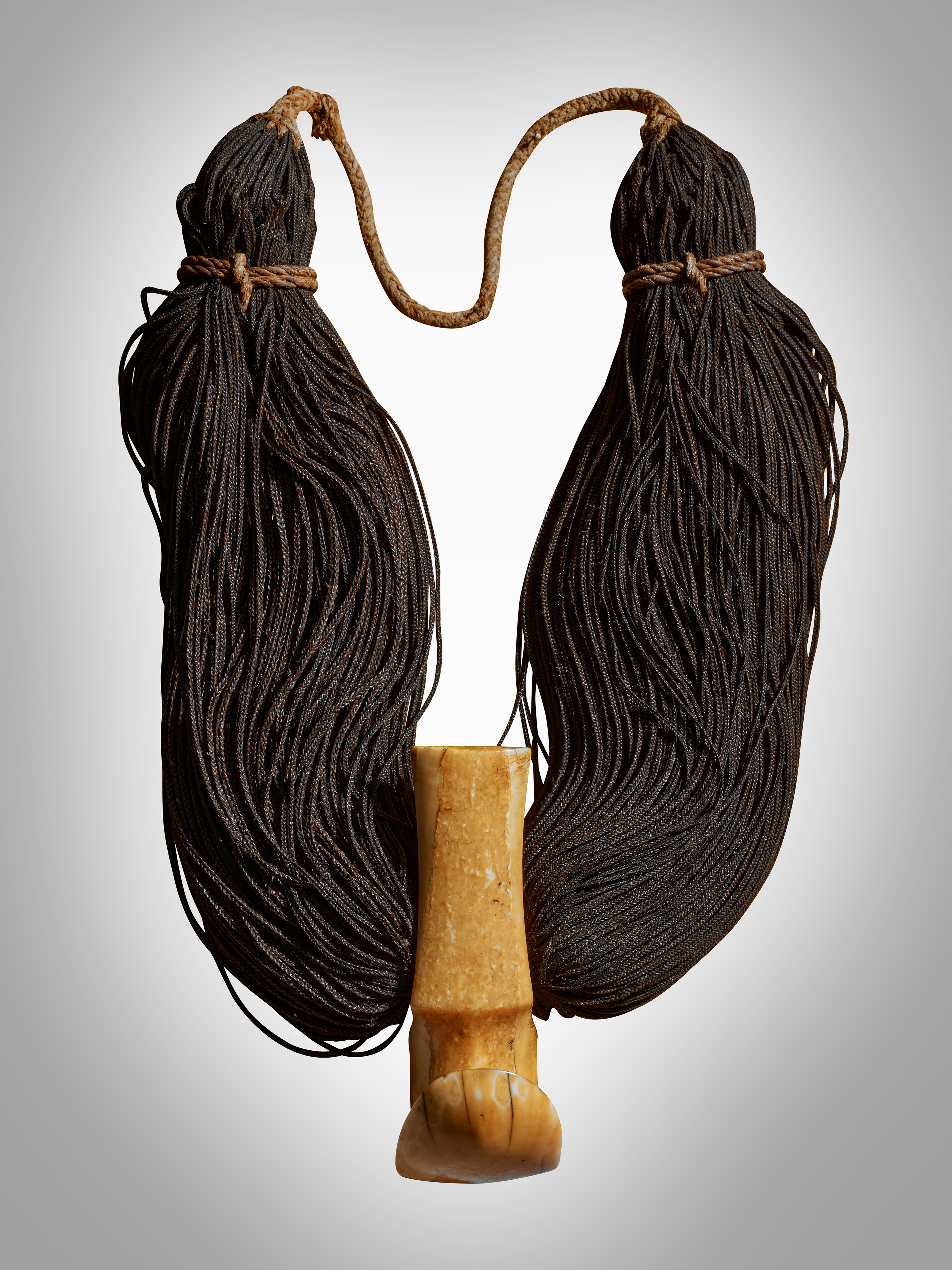
It is a position with deep roots, echoing the work of artists like Norman Lewis and Alma Thomas who worked in abstraction while their identities were treated as inherently separate from the art they made. Even an object like a Hawaiian Islands necklace, when understood within the framework of cultural art, carries an enormous amount of weight. Material culture from indigenous and Pacific traditions reminds us that the category does not belong exclusively to canvas and paint. Adornment, craft, and ceremonial object making have always been artistic practices.
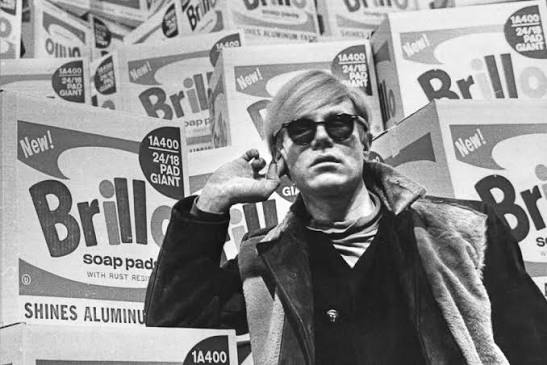
Their presence within a collecting context that also includes Andy Warhol, whose own work was deeply engaged with the cultural landscape of postwar America, suggests something about how the most thoughtful collectors are now building collections. They are building arguments, tracing connections across geographies and generations. Cultural art is not a niche or a subcategory. It is the mainstream, insisting on its own centrality.
The most important auction results of the past decade, the most discussed retrospectives, the acquisitions that have reshaped major museum collections have all pointed in this direction. To engage with this work is to engage with art history as a living, contested, and genuinely exciting ongoing project.