Couple
Archived article
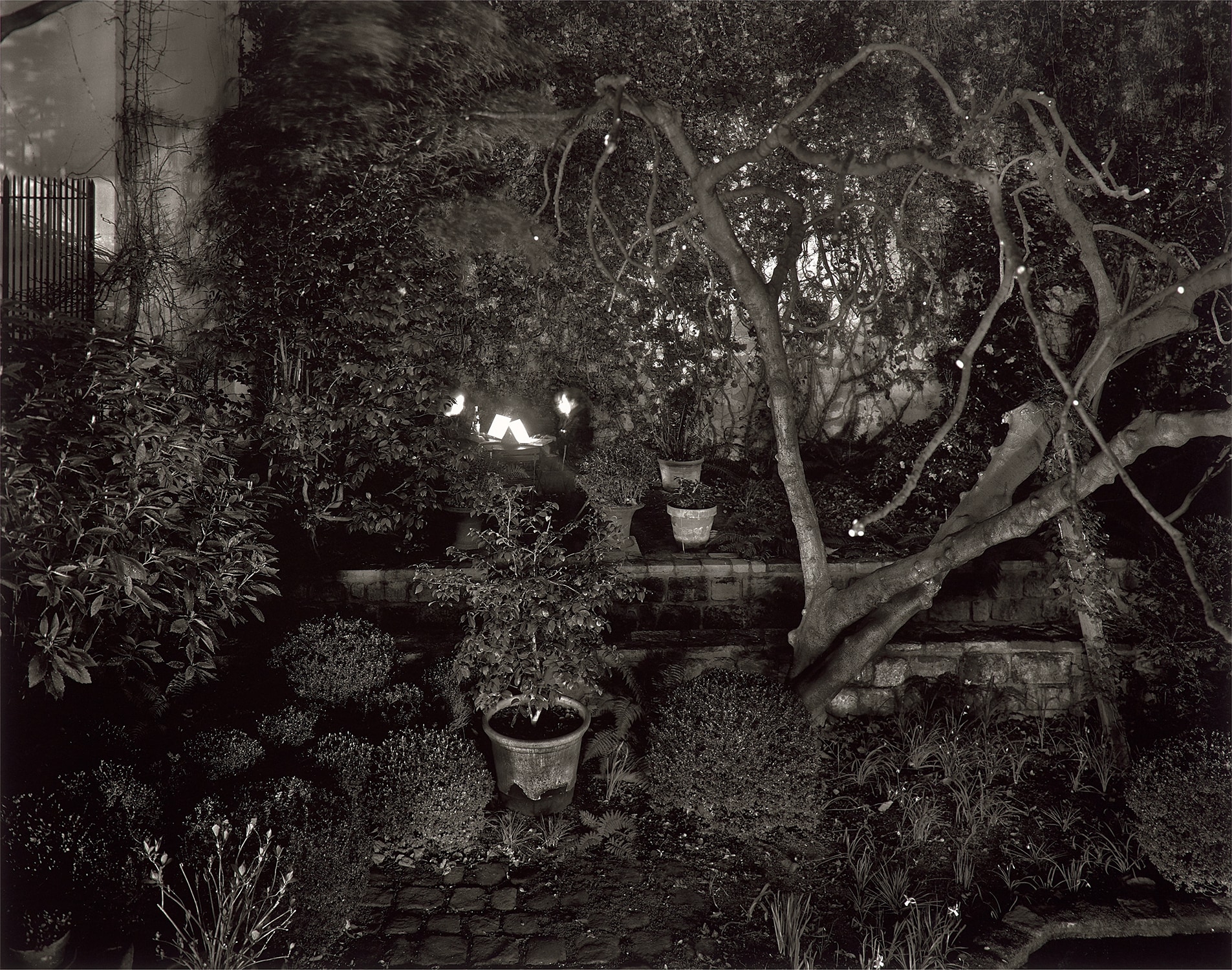
Matthew Pillsbury
Allison & Matthew Pillsbury, Sunday March 14th, 2004, 11pm-12am
You are reading a previous version of this article.
Read the latest version```json { "headline": "Two Bodies, One Eternal Obsession", "body": "There is something almost primal about the image of two people together. Before portraiture became portraiture, before painting had a name, human beings were pressing hands against cave walls in pairs. The couple as subject is not simply a theme in art history. It is the engine of so much that we make and why we make it, a way of asking what it means to be witnessed by another person, to desire and be desired, to stand beside someone in the world and say: here we are.
", "The formal history of the couple in Western art begins in earnest with devotional painting, where holy pairs like the Virgin and Child or Christ and Mary Magdalene carried immense theological weight. But the secular couple arrived with the Renaissance, and with it came a new kind of intimacy on canvas. Jan van Eyck's Arnolfini Portrait of 1434 is perhaps the first painting that asks a viewer to understand a relationship rather than simply observe two people. By the time the Dutch Golden Age produced its domestic interiors in the seventeenth century, artists were genuinely curious about what happens in the spaces between people who share a life.
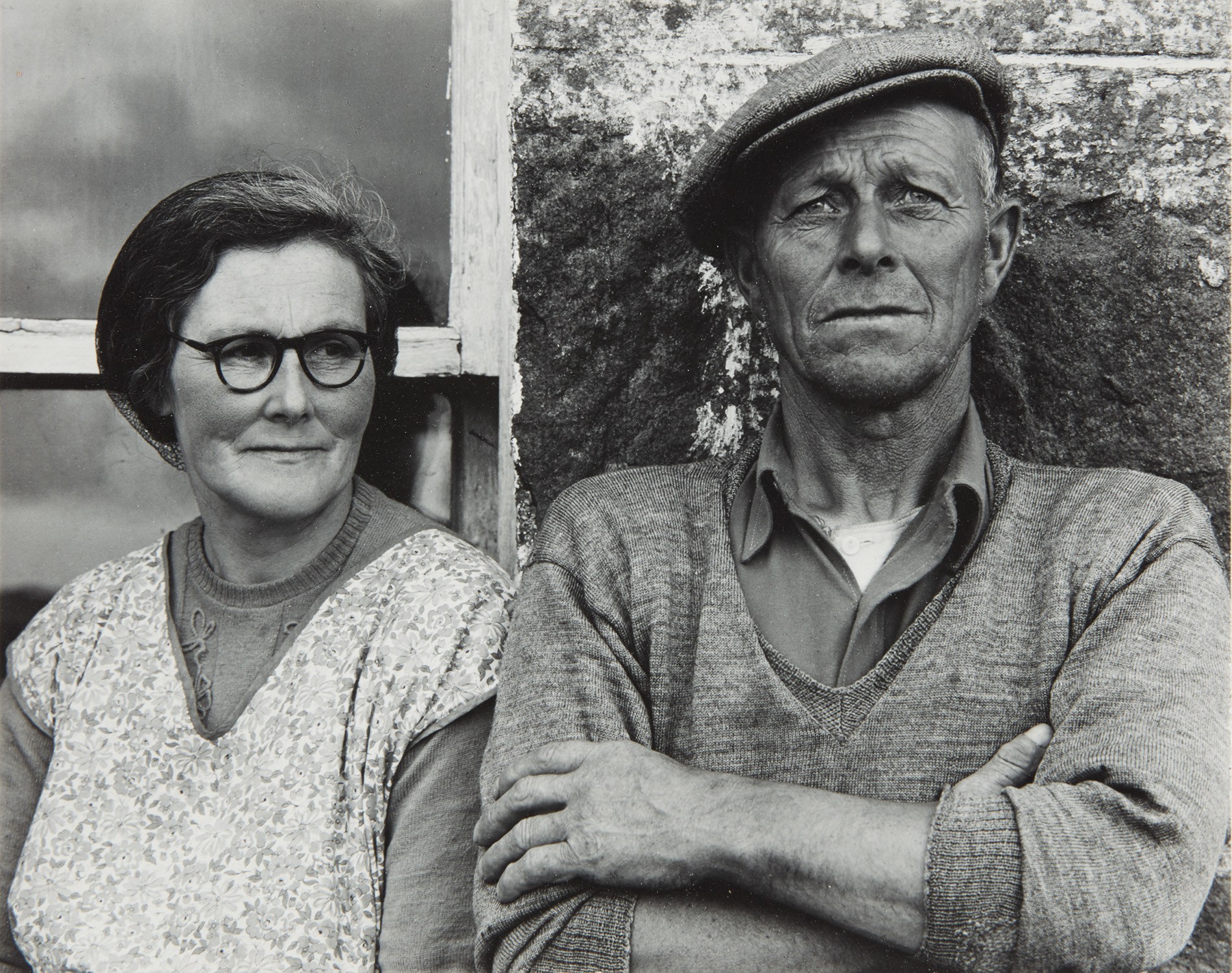
Paul Strand
Couple, South Uist
Esaias van de Velde, whose work bridges the late Mannerist period into early Dutch realism, understood that the social rituals of couples were also a kind of theater worth documenting.", "The nineteenth century cracked the subject wide open. Rodin's sculpture brought the couple into three dimensions with a rawness that shocked the Salon. His most celebrated works collapsed the distance between tenderness and violence, between longing and possession, in a way that clay and bronze seemed uniquely able to hold.
Auguste Rodin understood that the couple in sculpture is always about surface meeting surface, about the weight of one body leaning into another, about what skin and stone have in common. Around the same time, painters like Anders Zorn were working in a looser, more impressionistic register, using light and the body together to suggest heat, breath, closeness.", "The twentieth century fundamentally destabilized what a couple could mean in art. Cubism shattered the unified body, and Pablo Picasso returned obsessively to paired figures throughout his career, treating the couple as a structure he could break apart and reassemble according to his own emotional mathematics.
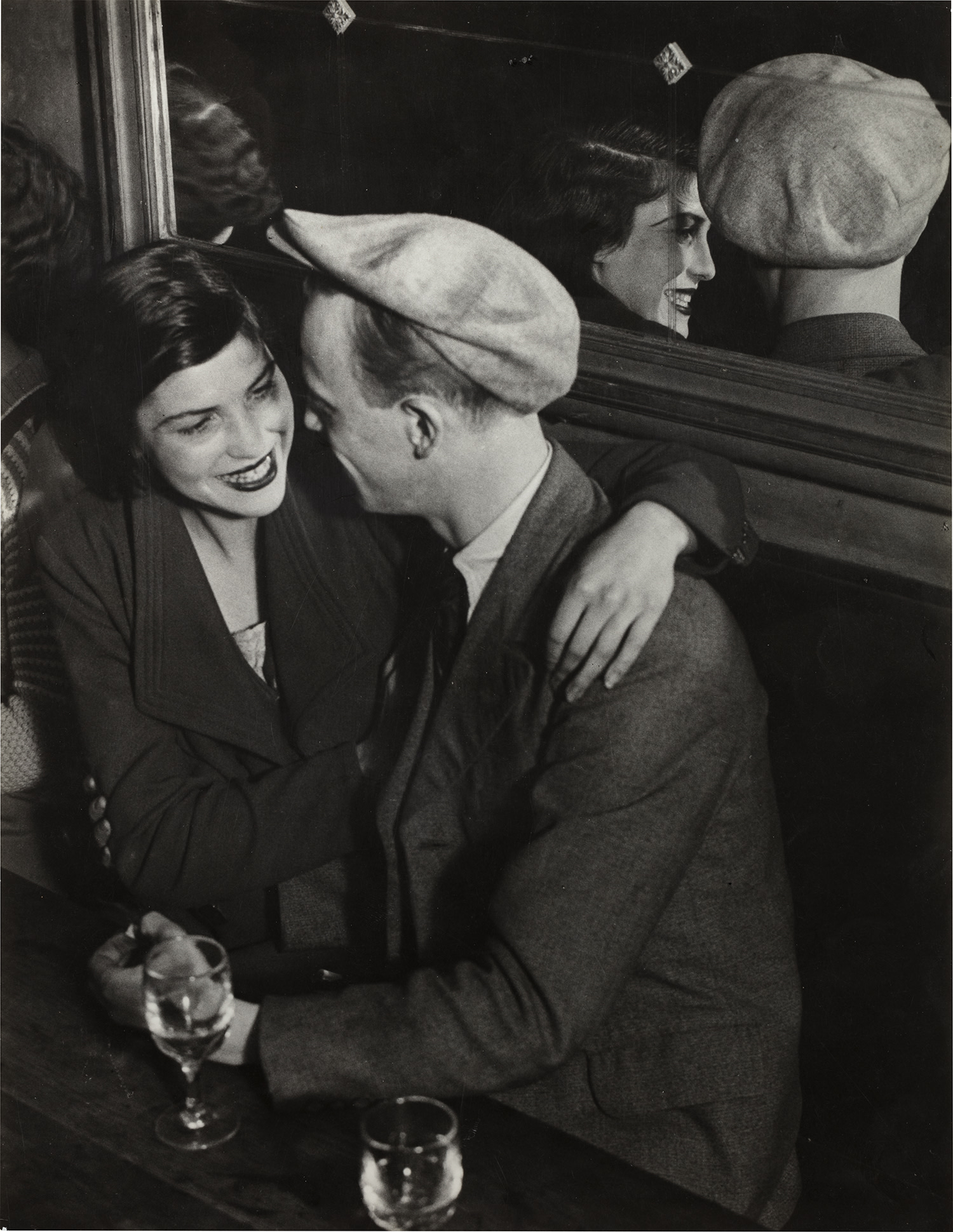
Brassaï (Gyula Halász)
Couple at the Bal de Quatres Saisons, Rue de Lappe
In works spanning from his Blue Period through his late neo expressionist canvases, Picasso never really stopped asking what two people look like when one of them holds more power than the other. Marc Chagall, his contemporary and in many ways his opposite, answered that question with tenderness rather than dominance. Chagall's floating couples, drifting above the rooftops of Vitebsk or Paris, remain among the most recognized images of romantic love in the Western canon, though they carry within them a sense of fragility that his admirers sometimes overlook.", "Sculpture in the postwar period brought its own vocabulary to the theme.
Lynn Chadwick, the British sculptor who won the Venice Biennale's International Sculpture Prize in 1956, developed a series of paired figures that feel simultaneously monumental and anxious. His couples stand apart from each other even when they are side by side, their angular forms suggesting not warmth but wariness, a recognition that proximity does not equal intimacy. Fernando Botero came at the subject from a completely different angle, using his signature volumetric inflation to give couples a kind of comic gravitas, as though love itself were something substantial you could hold in both hands.", "Photography changed everything, as it always does.
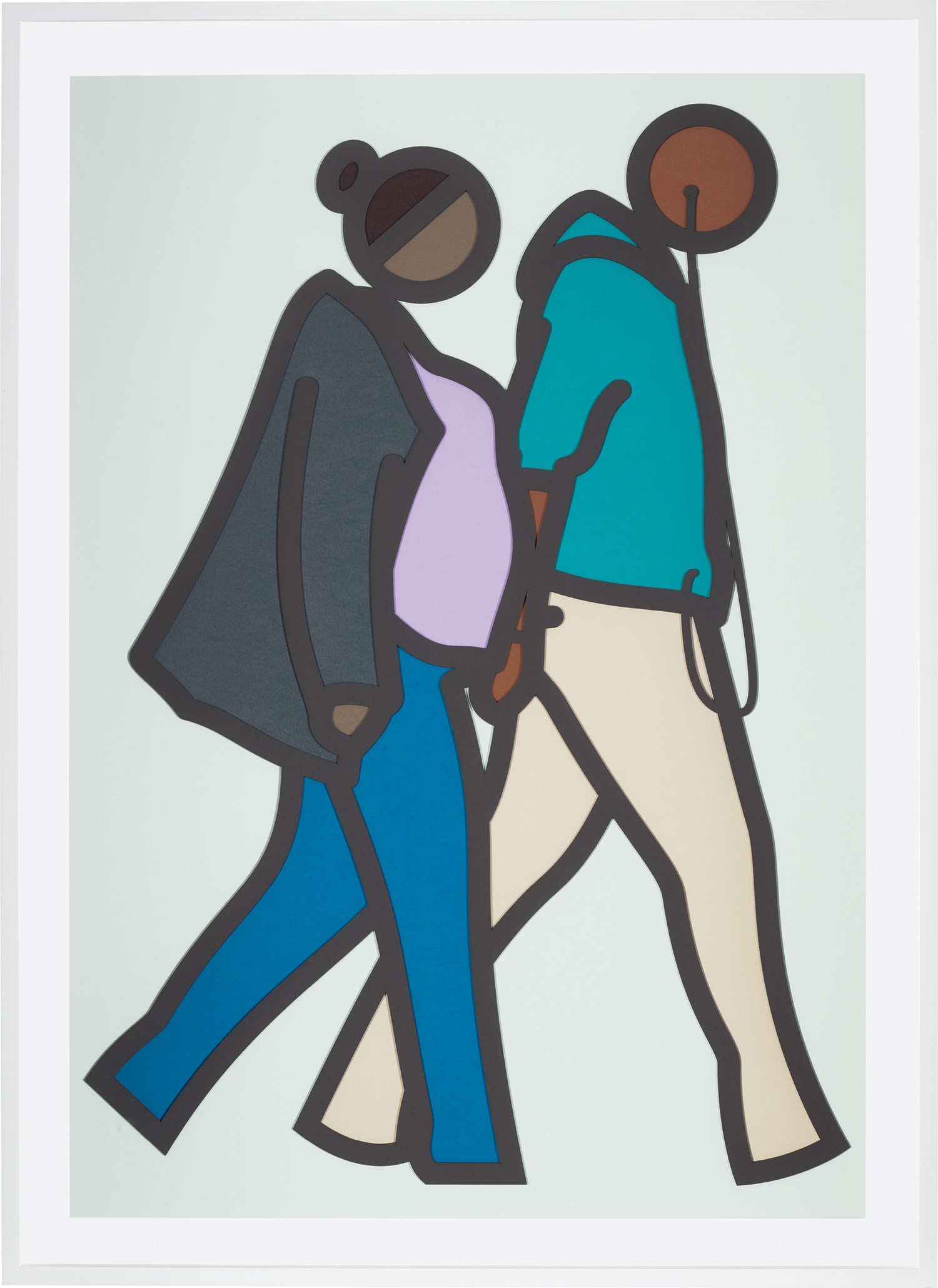
Julian Opie
New York Couple 6, from New York Couples
When Brassaï began documenting Parisian nightlife in the 1930s, he found couples in cafes and on benches and in ballrooms, and he photographed them with the same attention he gave to criminals and prostitutes and artists. His couples are never sentimental. They are observed. Diane Arbus pushed this further, finding couples at the edges of social legibility and treating them with the same unflinching regard she brought to everyone else she photographed.
Her paired subjects, whether twin sisters or a couple in a nudist camp, asked viewers to confront their own assumptions about what belonging looks like. Robert Frank, documenting America across the 1950s, caught couples in the background of his images as much as the foreground, letting them become part of the nation's unconscious rather than its self image.", "Contemporary artists have inherited all of this and then some. Salman Toor brings to his intimate domestic scenes a queer sensibility and a diaspora consciousness that reshapes what couplehood can mean in painting.
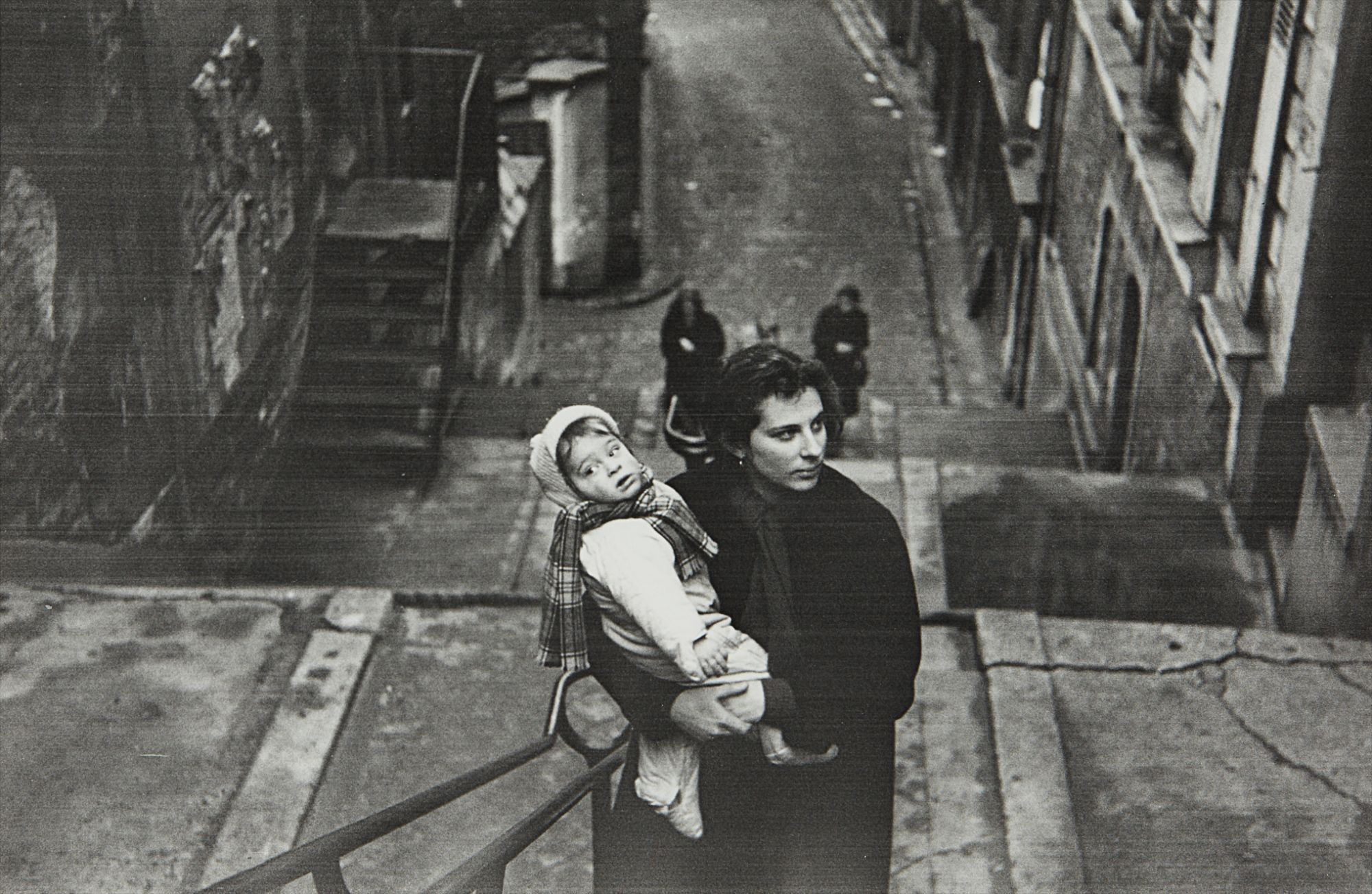
Robert Frank
Mary + Pablo, Paris
His figures are tender and slightly uncertain, existing in interiors that feel both safe and precarious. Julian Opie strips the couple down to its barest graphic form, using his signature flat line style to show two figures walking or standing together, and somehow still managing to suggest desire through the most minimal of means. Tomoo Gokita works in a more unsettling register, his greyscale gouache figures emerging from obscured or erased faces into something both seductive and strange. Javier Calleja, known for his wide eyed characters, finds in the couple a vehicle for vulnerability, his paired figures carrying the same mix of longing and humor that makes his work feel genuinely alive.
", "What draws collectors to works about couples is something worth pausing on. There is the obvious identification, the sense of seeing one's own relationship or longing or memory reflected back. But there is also the deeper pleasure of watching artists across centuries grapple with the same impossibility. No one has ever fully solved the problem of depicting two people together without either flattening them or projecting onto them.
The best works in this category hold that tension rather than resolving it. They show the couple as a question the artist could not stop asking. That restlessness is exactly why the subject never exhausts itself, and why the works gathered around it on The Collection feel so alive to each other across time.
Works tagged Couple
Matthew Pillsbury
Allison & Matthew Pillsbury, Sunday March 14th, 2004, 11pm-12am
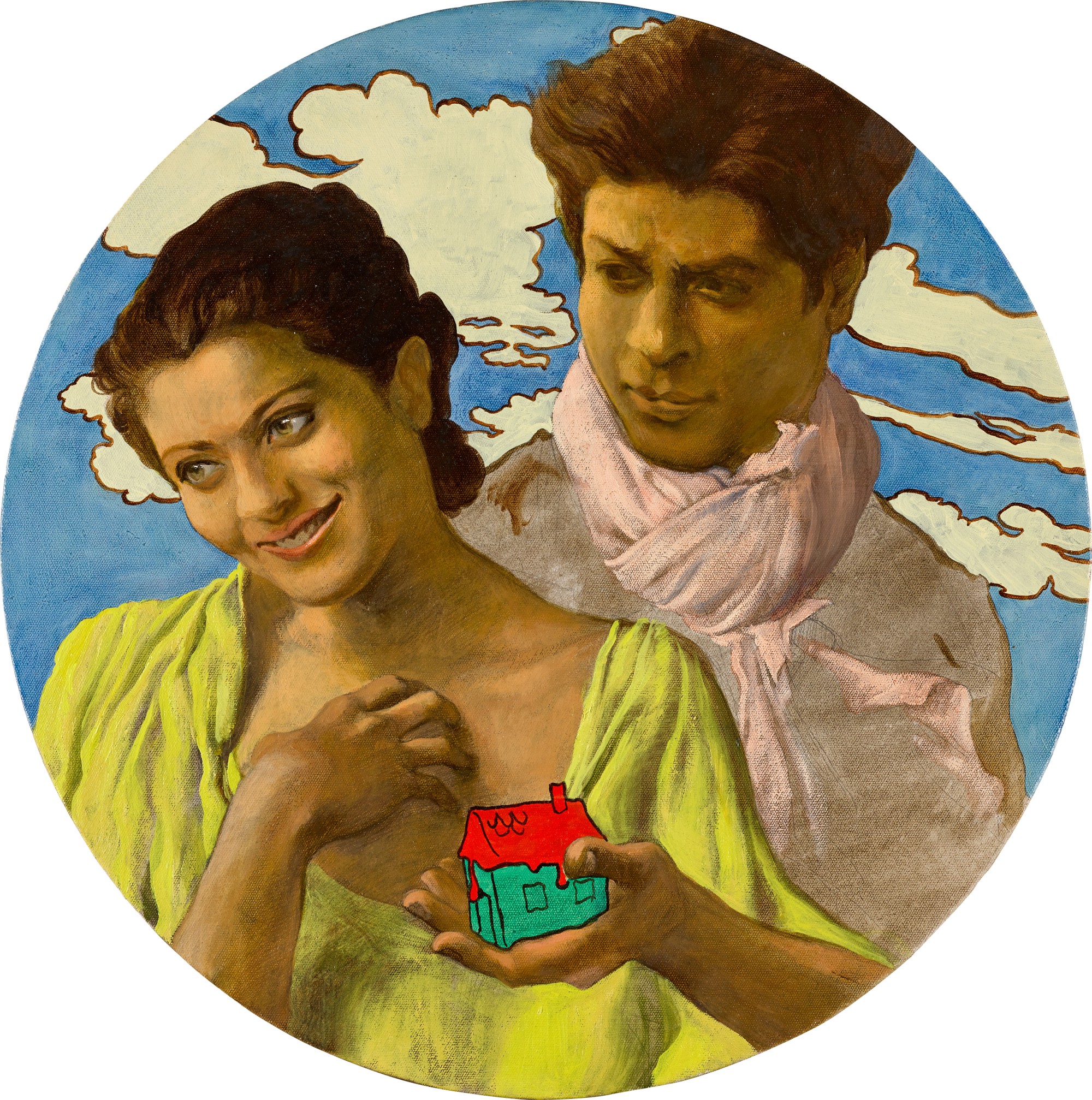
Salman Toor
Decent Couple
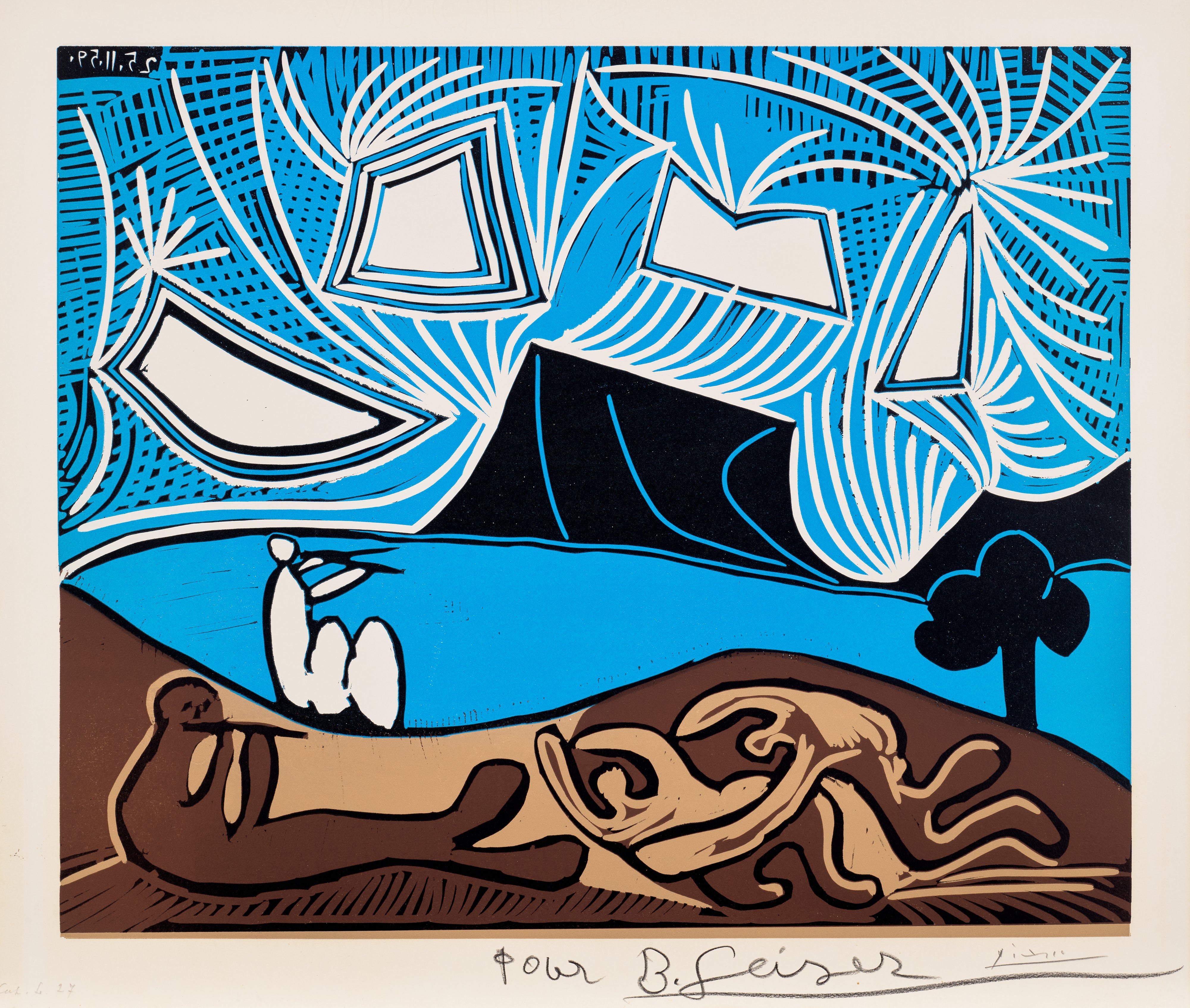
Pablo Picasso
Couple et flûtistes au bord d'un lac
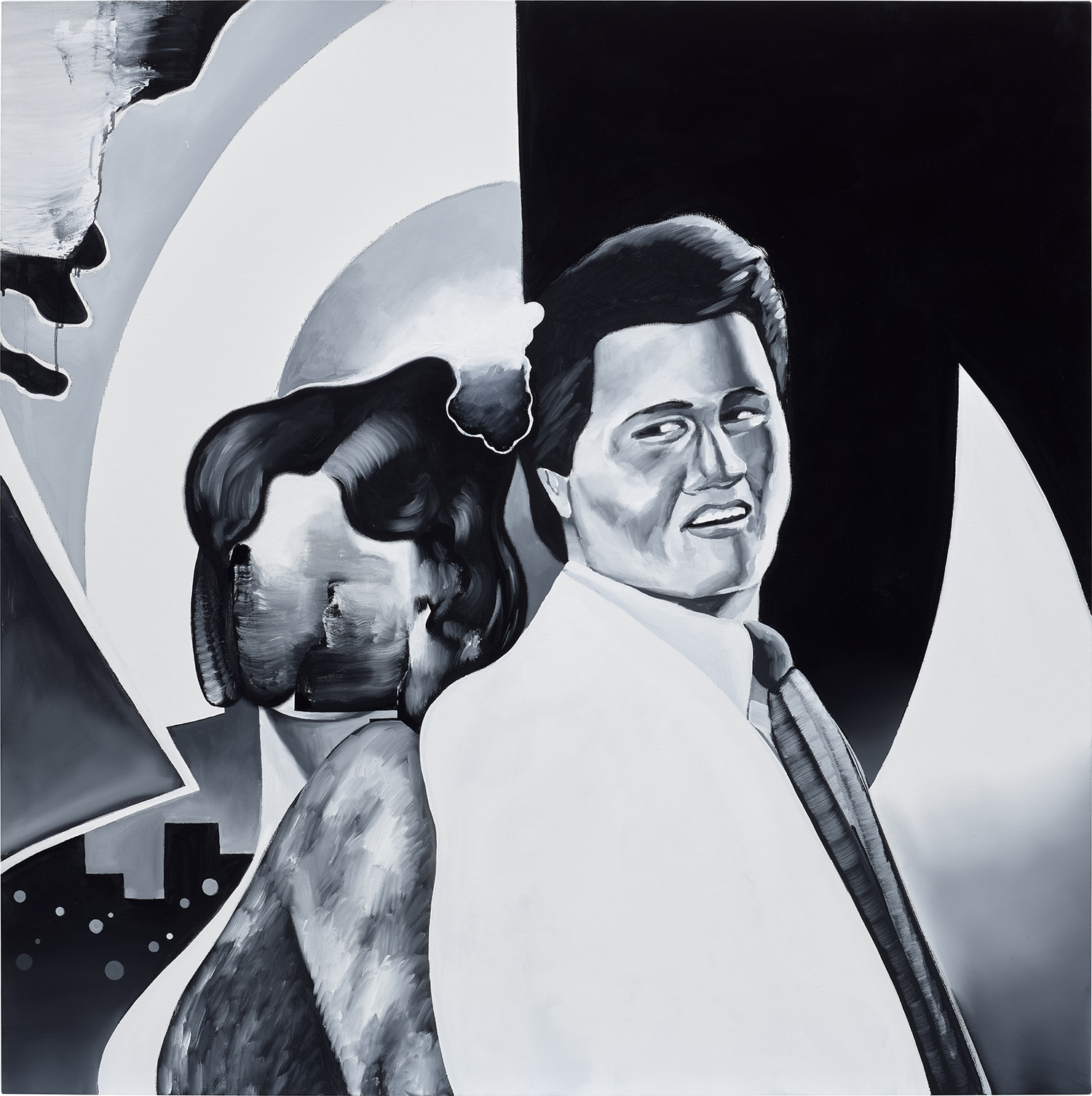
Tomoo Gokita
Love Duet
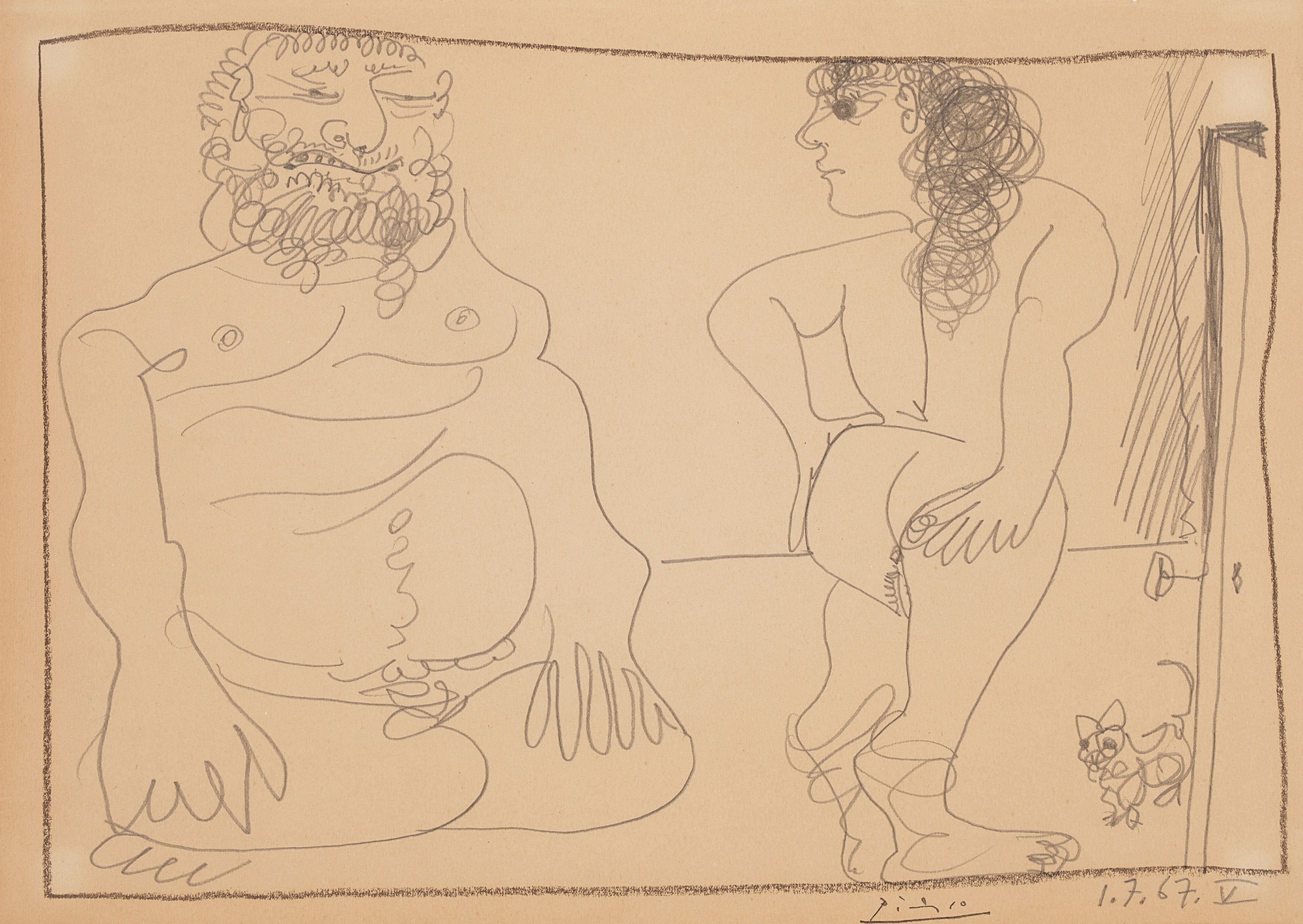
Pablo Picasso
Homme et femme
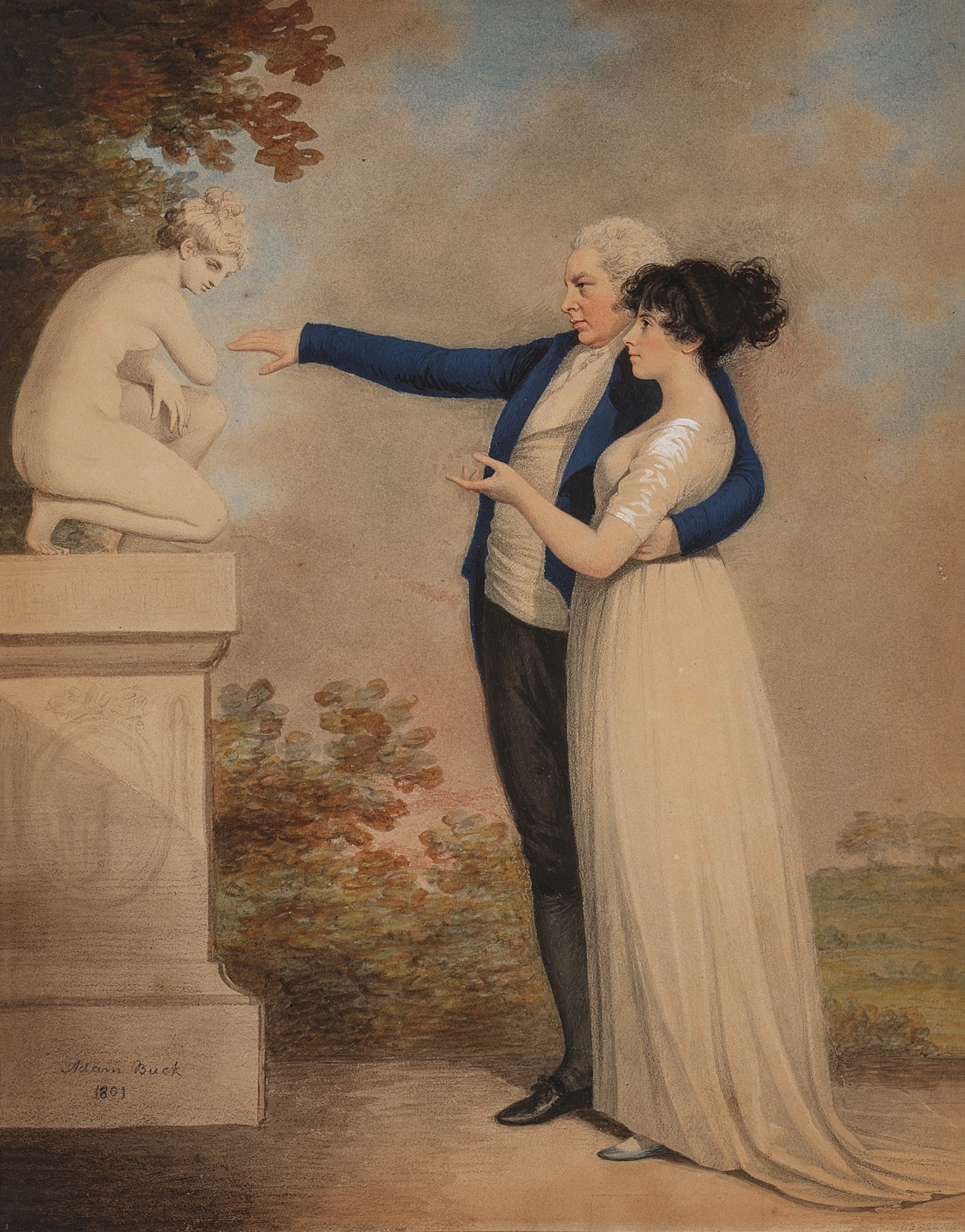
Adam Buck
An Elegant Couple Admiring Lely’s Venus
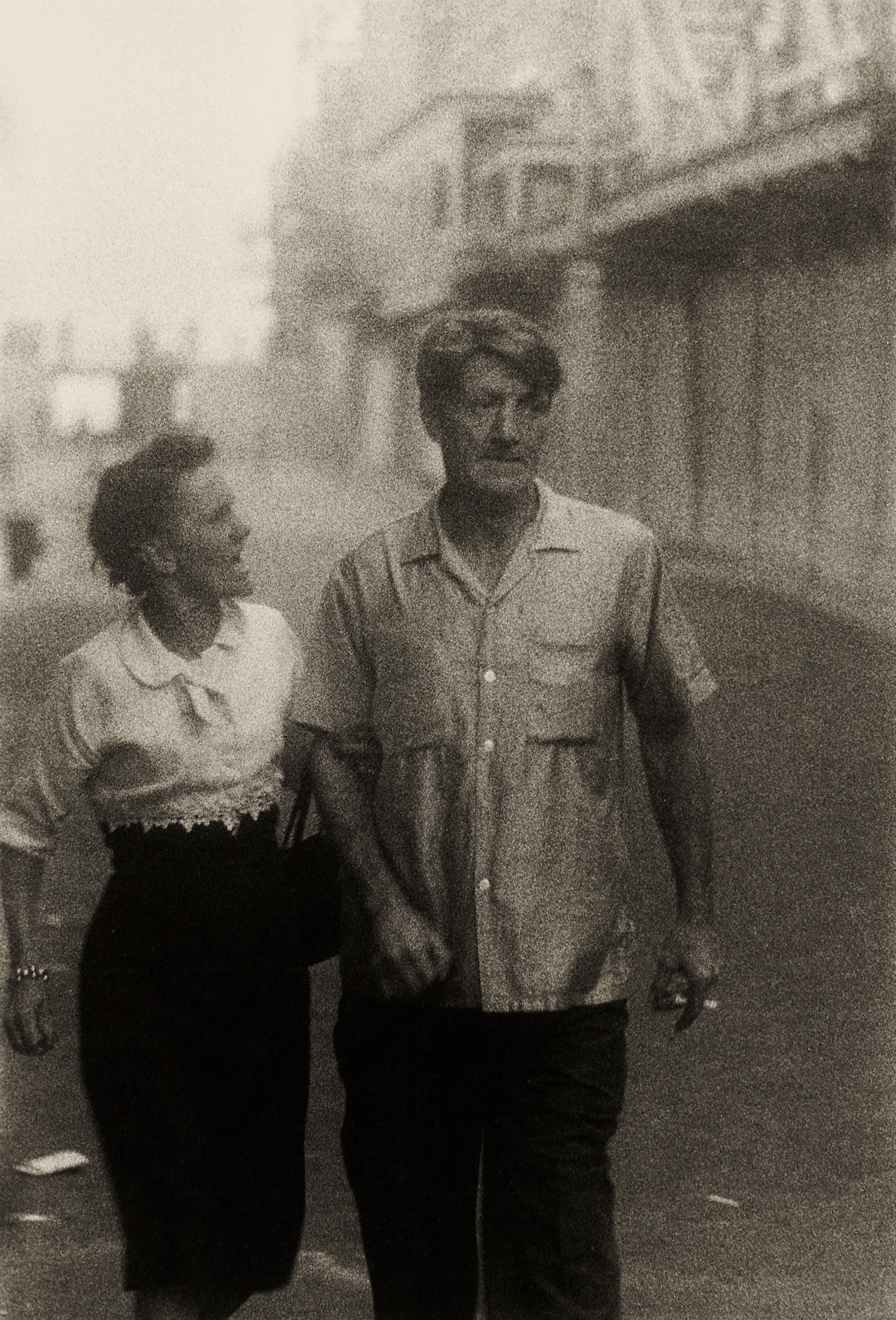
Diane Arbus
'Couple Arguing, Coney Island, N. Y.'
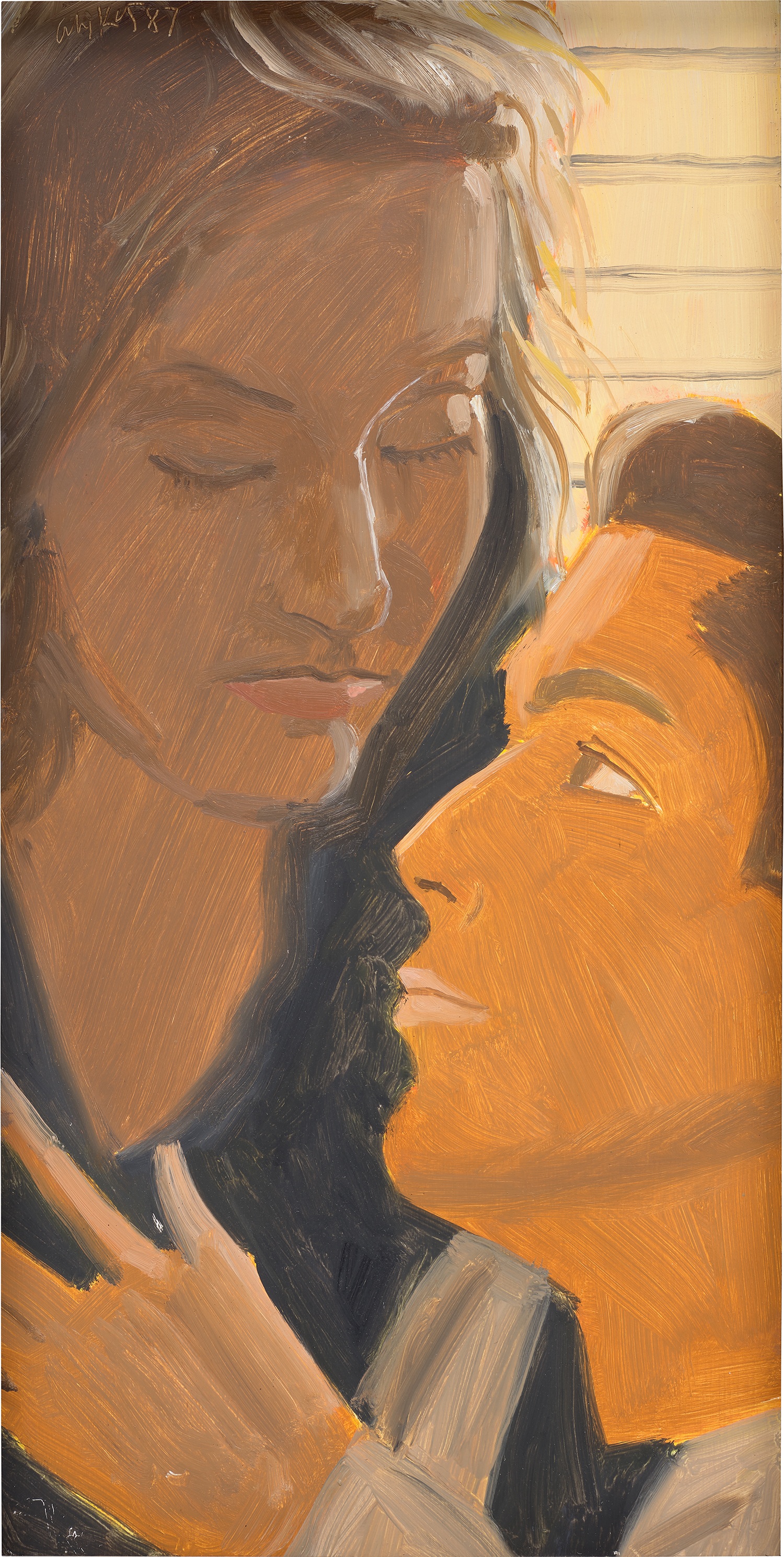
Alex Katz
Julian & Jacqueline
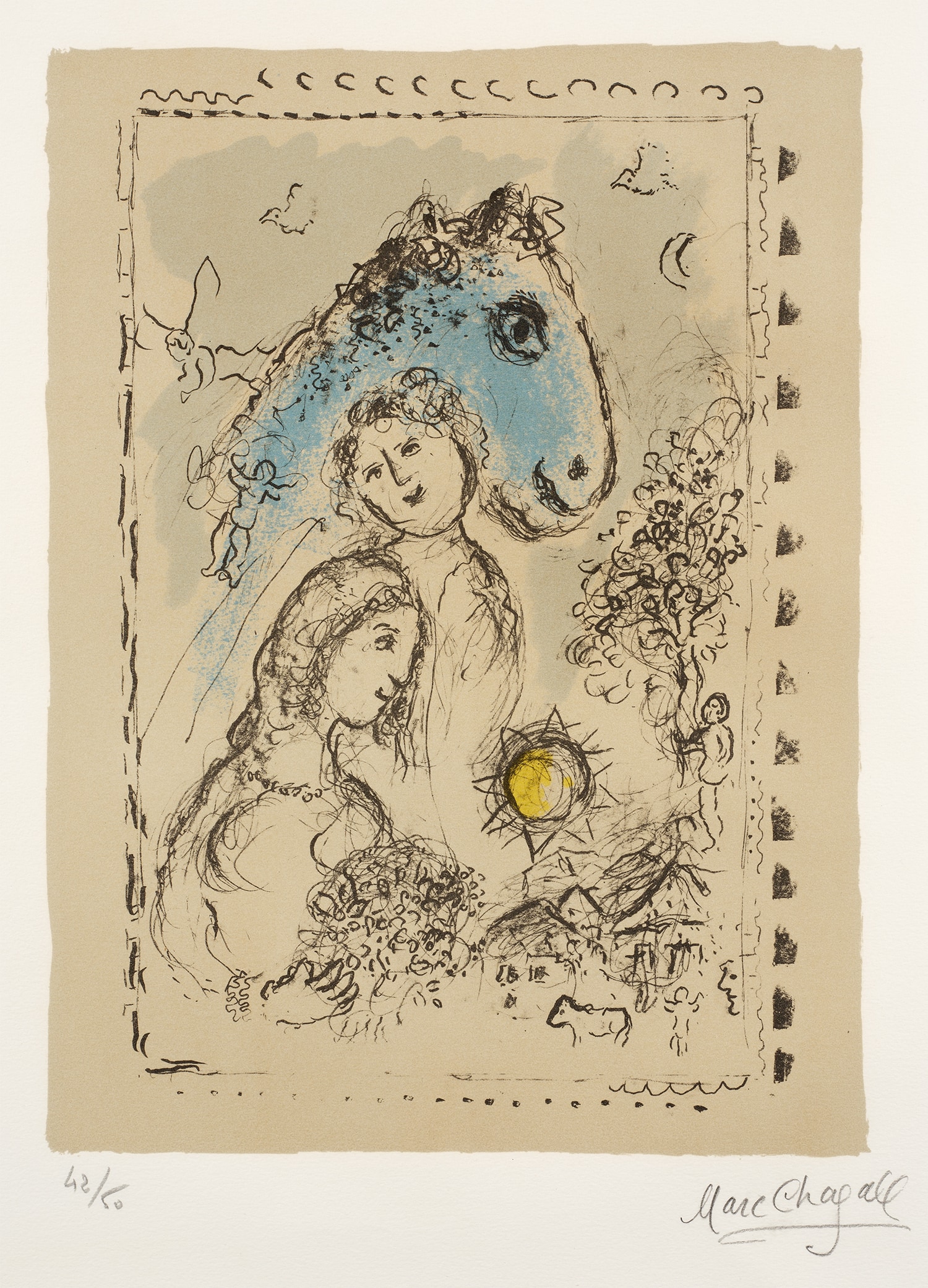
Marc Chagall
Cheval bleu au couple (Blue Horse with Couple) (M. 993)
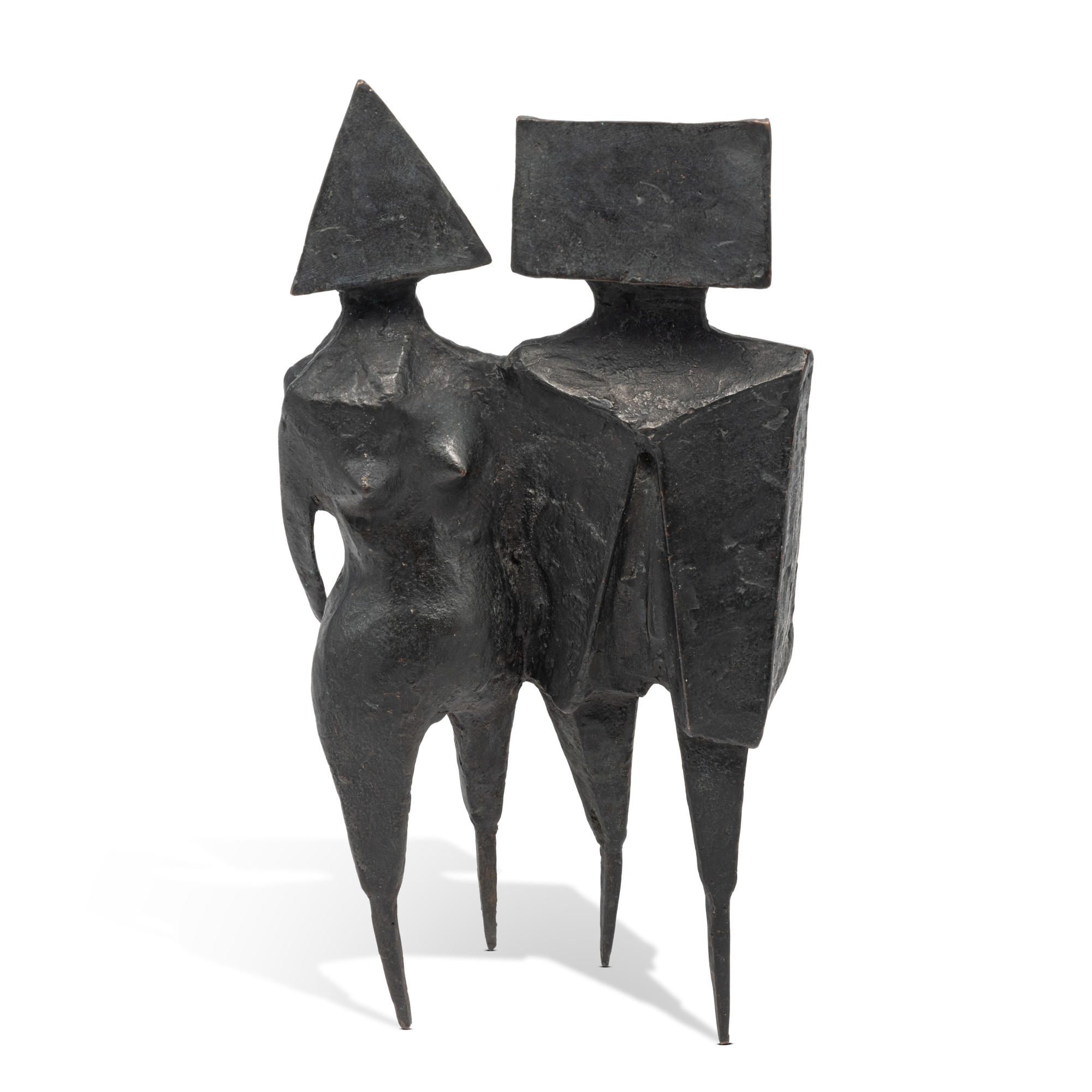
Lynn Chadwick
Walking Couple II
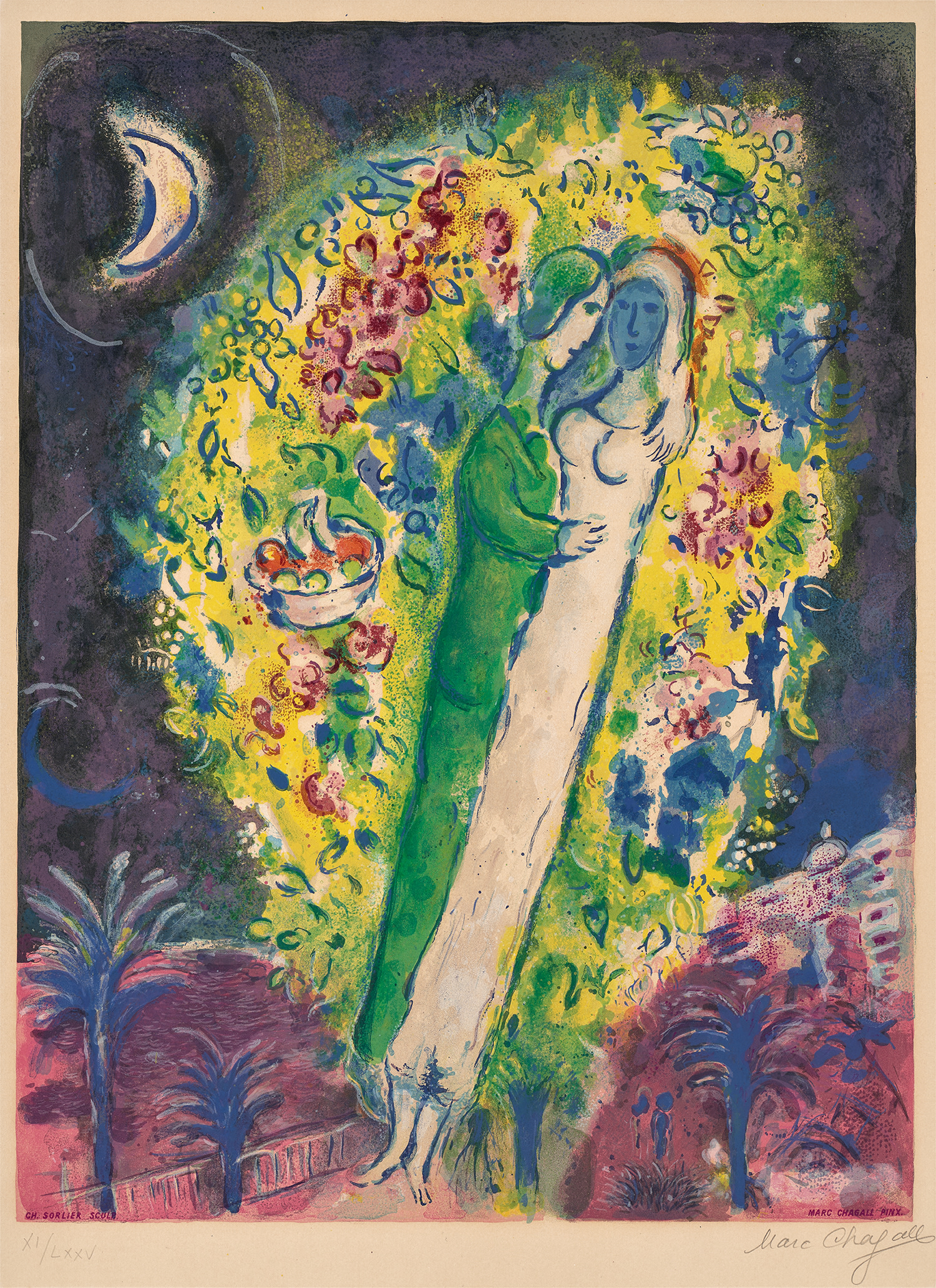
Marc Chagall
Couple dans les mimosas (Couple in the Mimosas), from Nice et la Côte d'Azur (Nice and the French Riviera), by Charles Sorlier
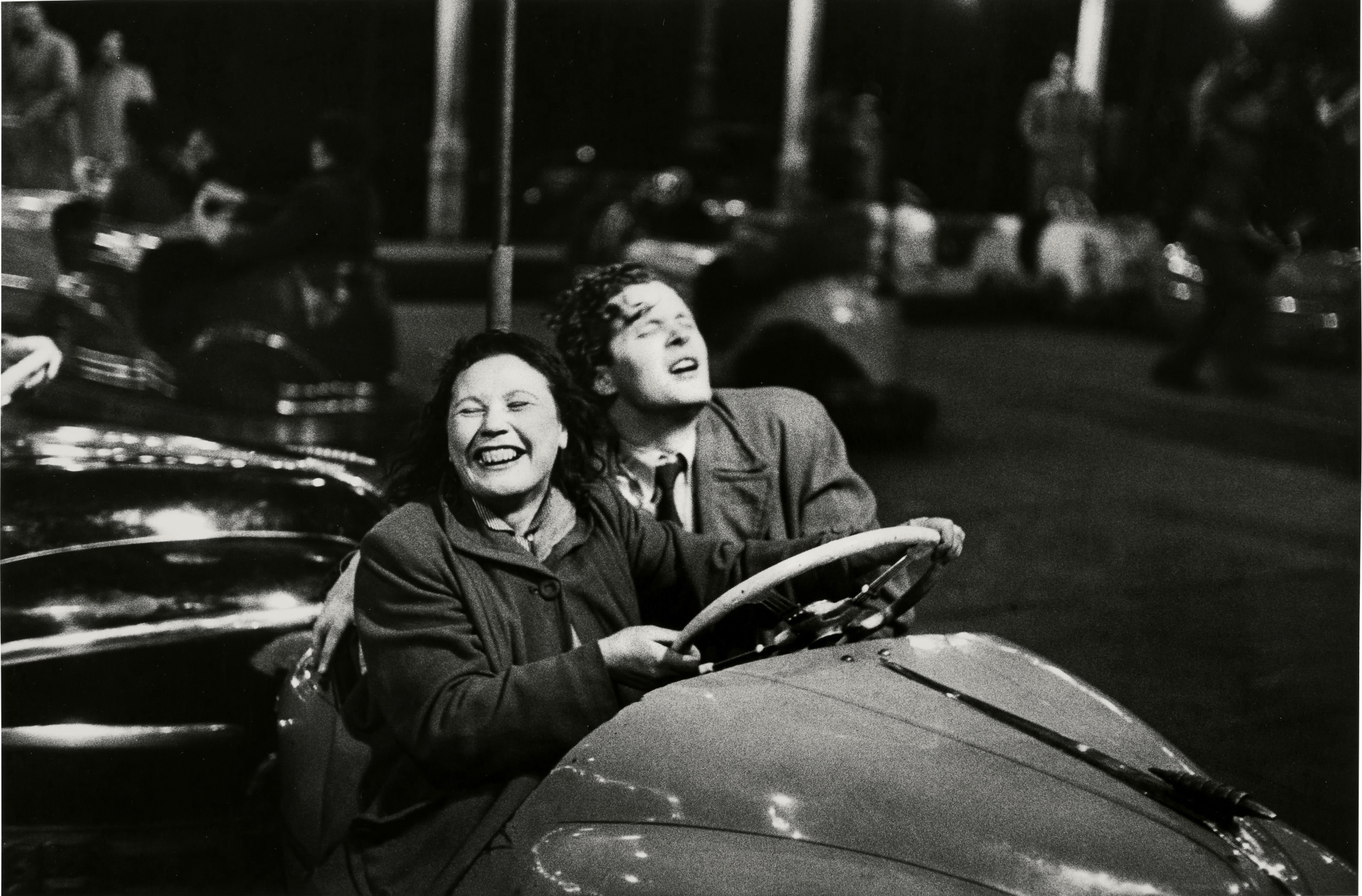
Robert Frank
'Paris' (Couple in a Bumper Car)
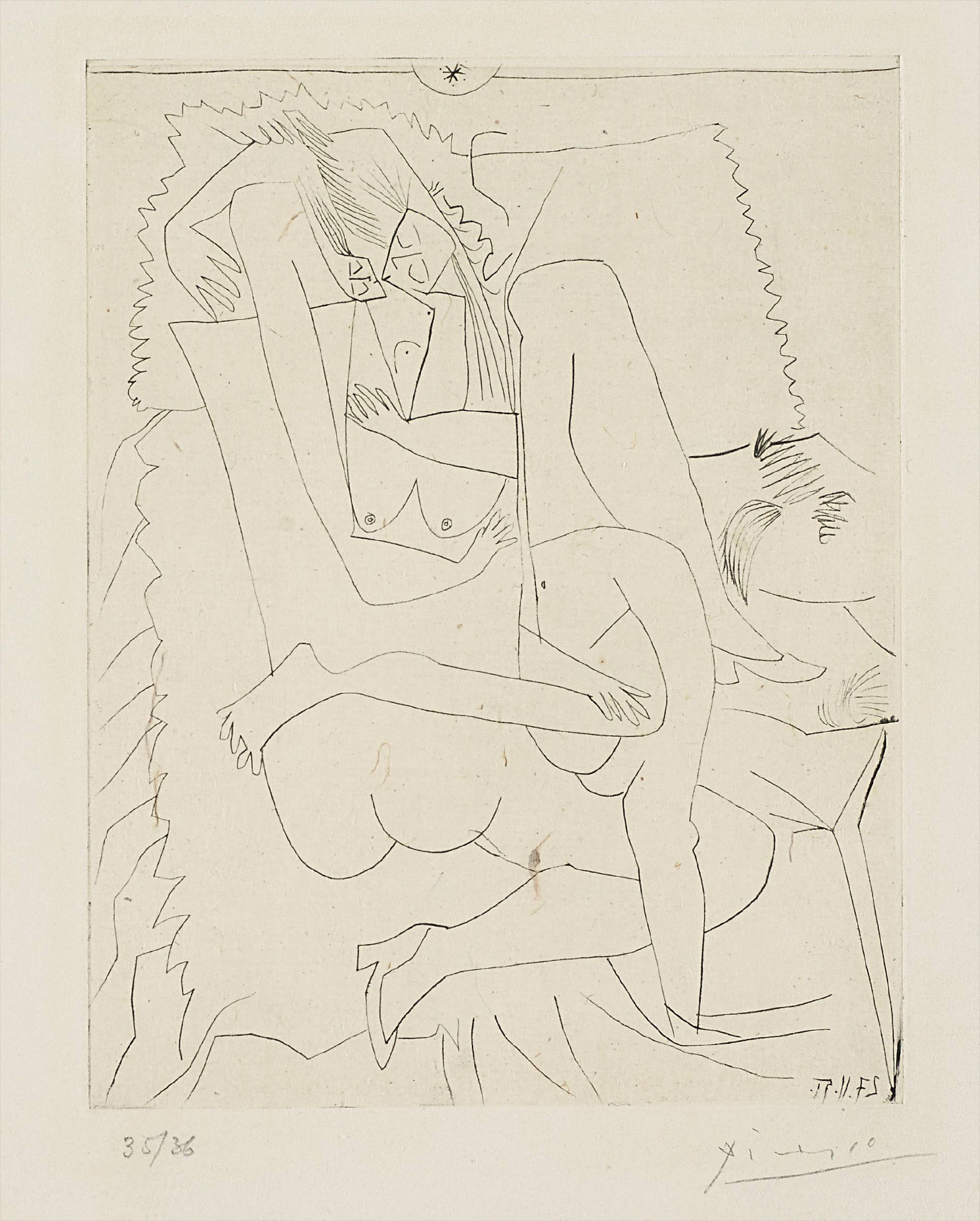
Pablo Picasso
Le Couple (The Couple)
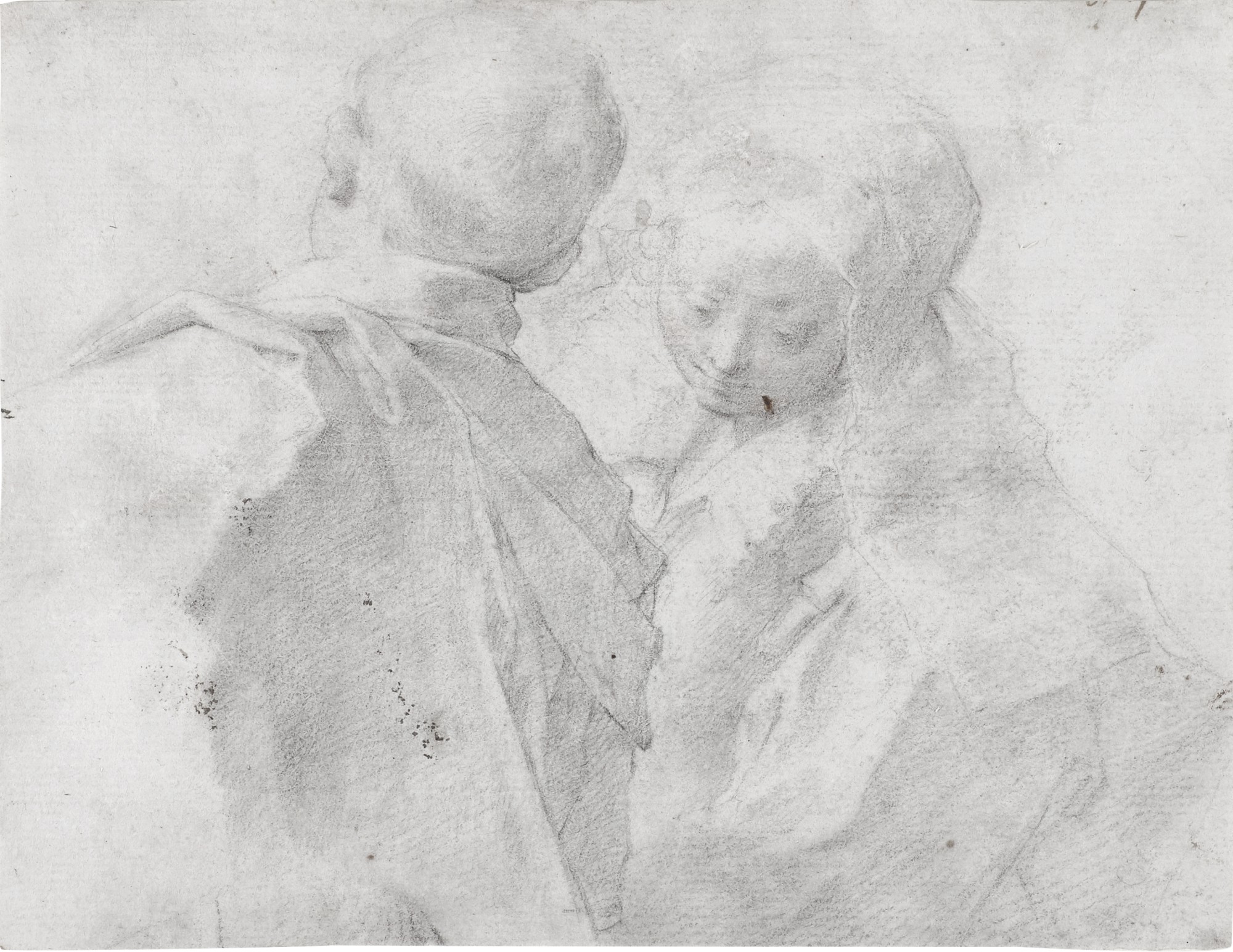
Attributed to Peter Oliver
Recto: A young couple leaning towards each other, seen from behind; Verso: Study of Saint John the Baptist
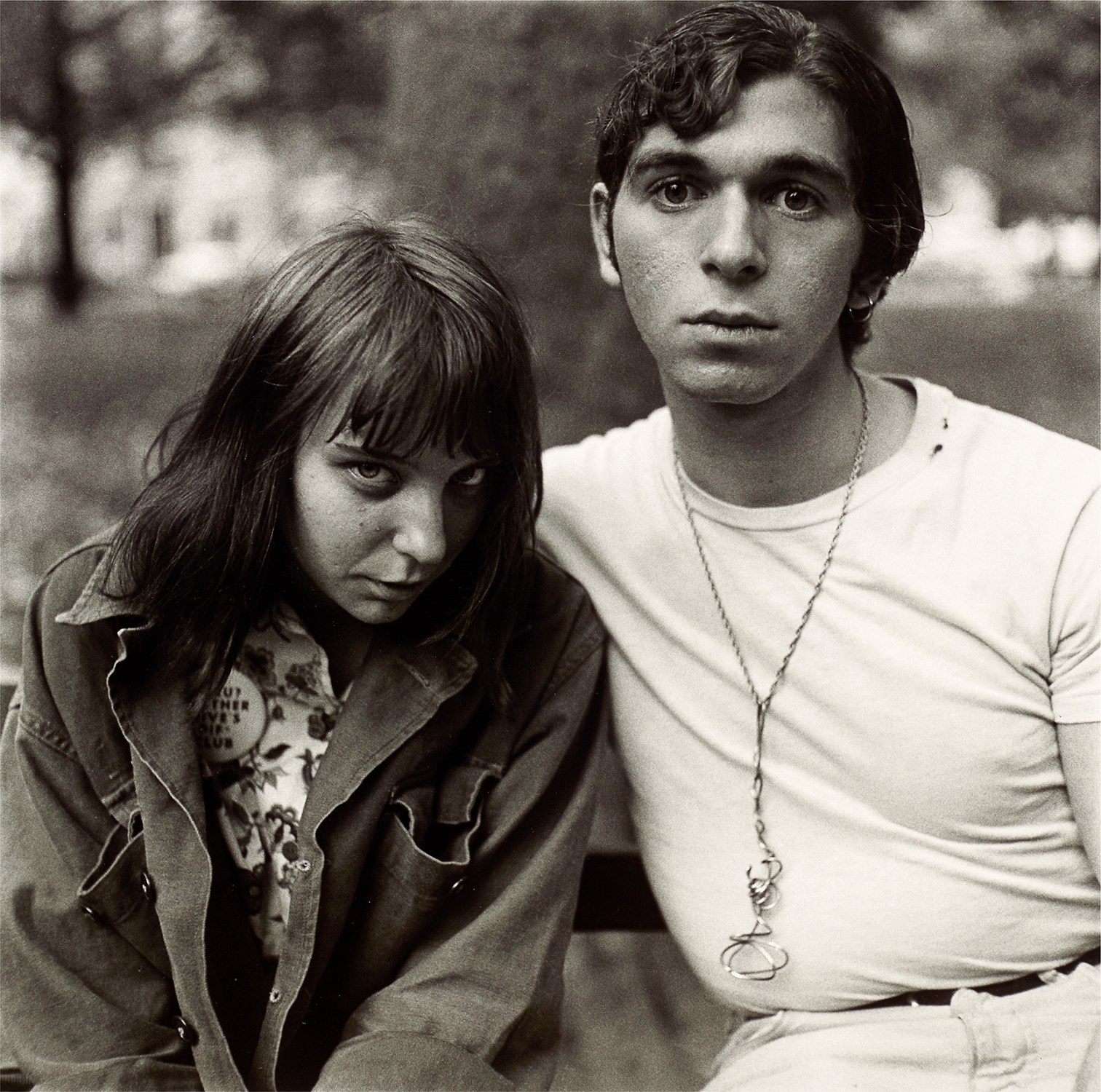
Diane Arbus
Young Couple in Washington Square Park, N.Y.C.
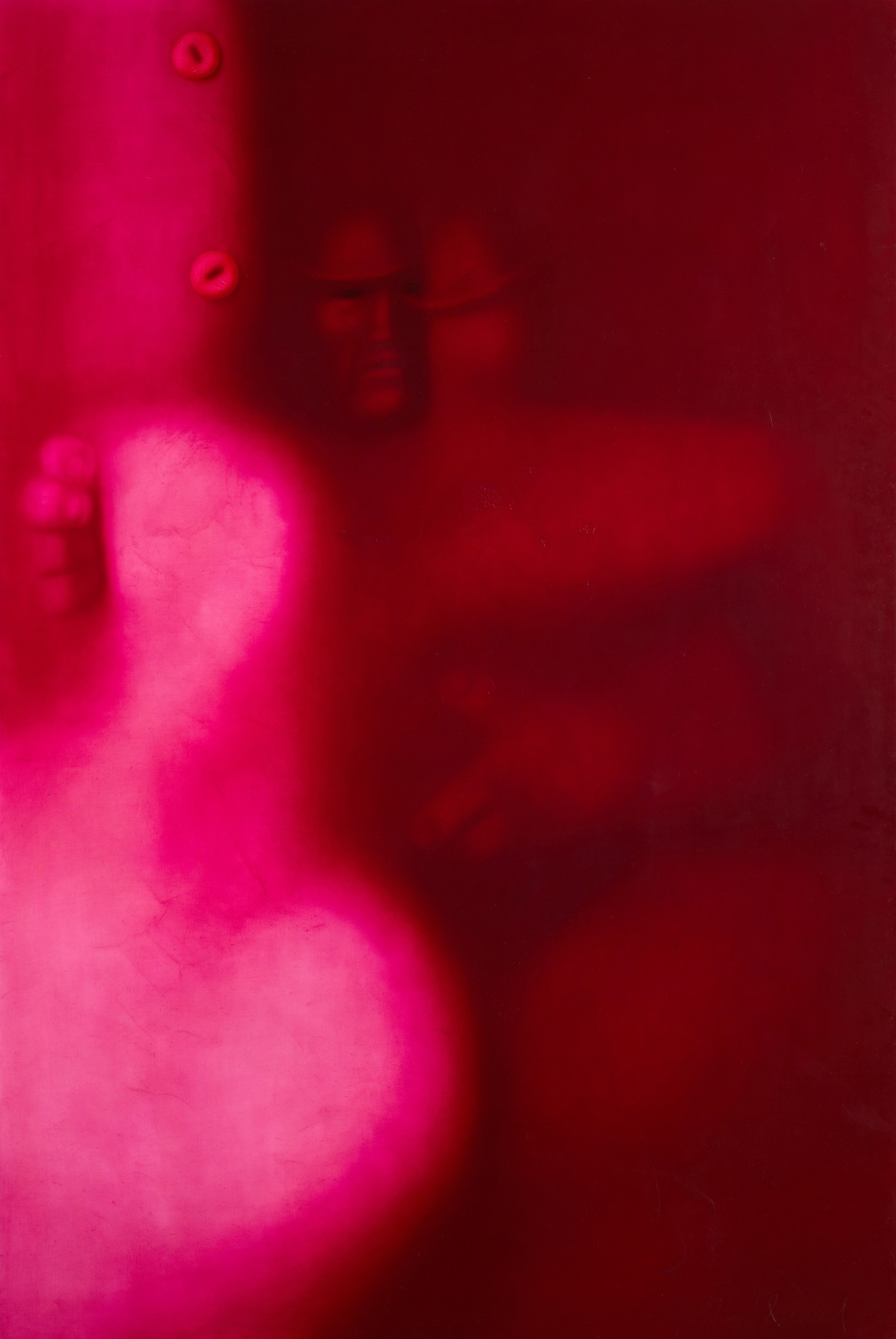
Oleg Tselkov
Couple
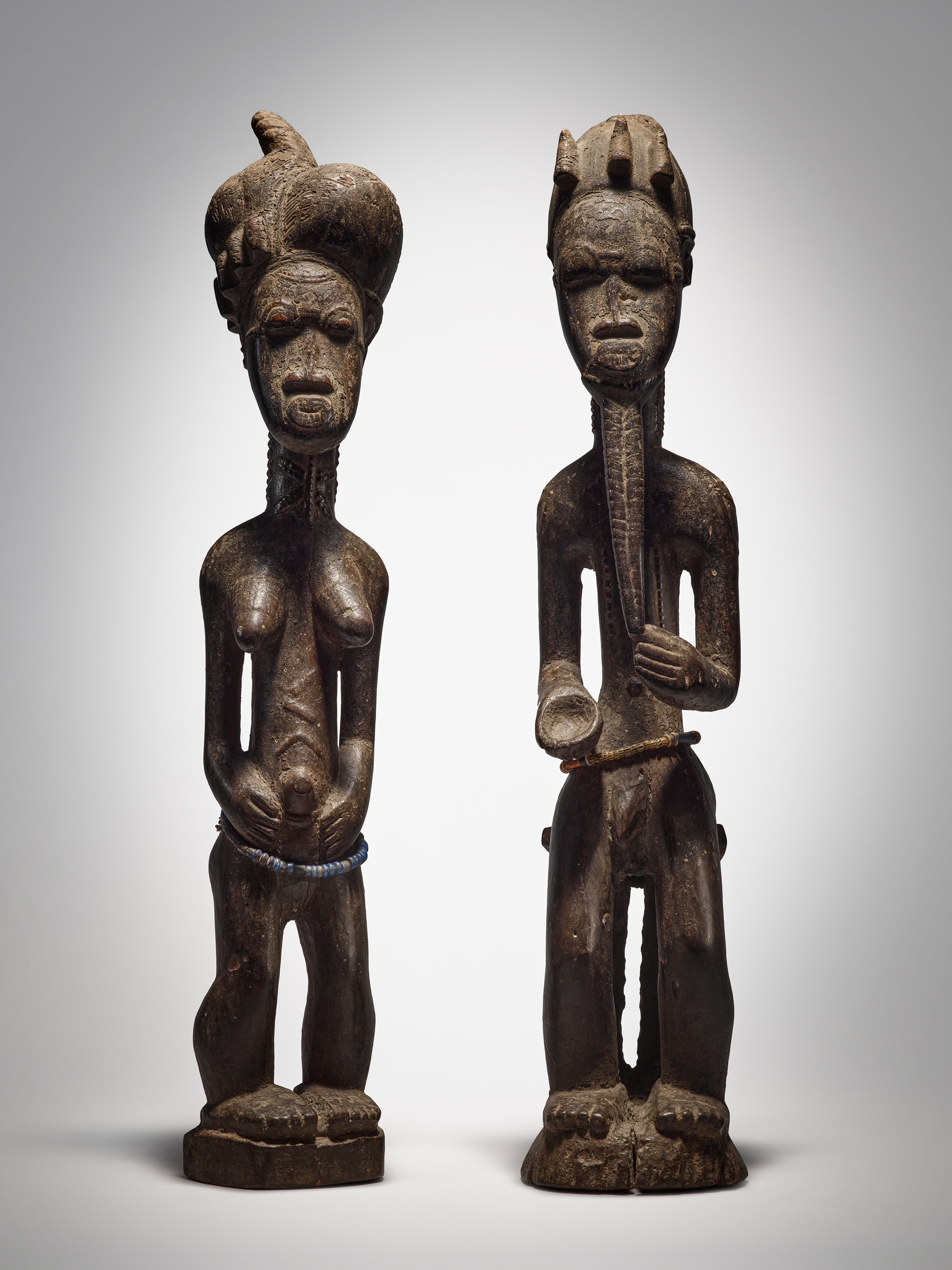
Baule Male and Female Couple, Côte d'Ivoire
Baule Male and Female Couple, Côte d'Ivoire
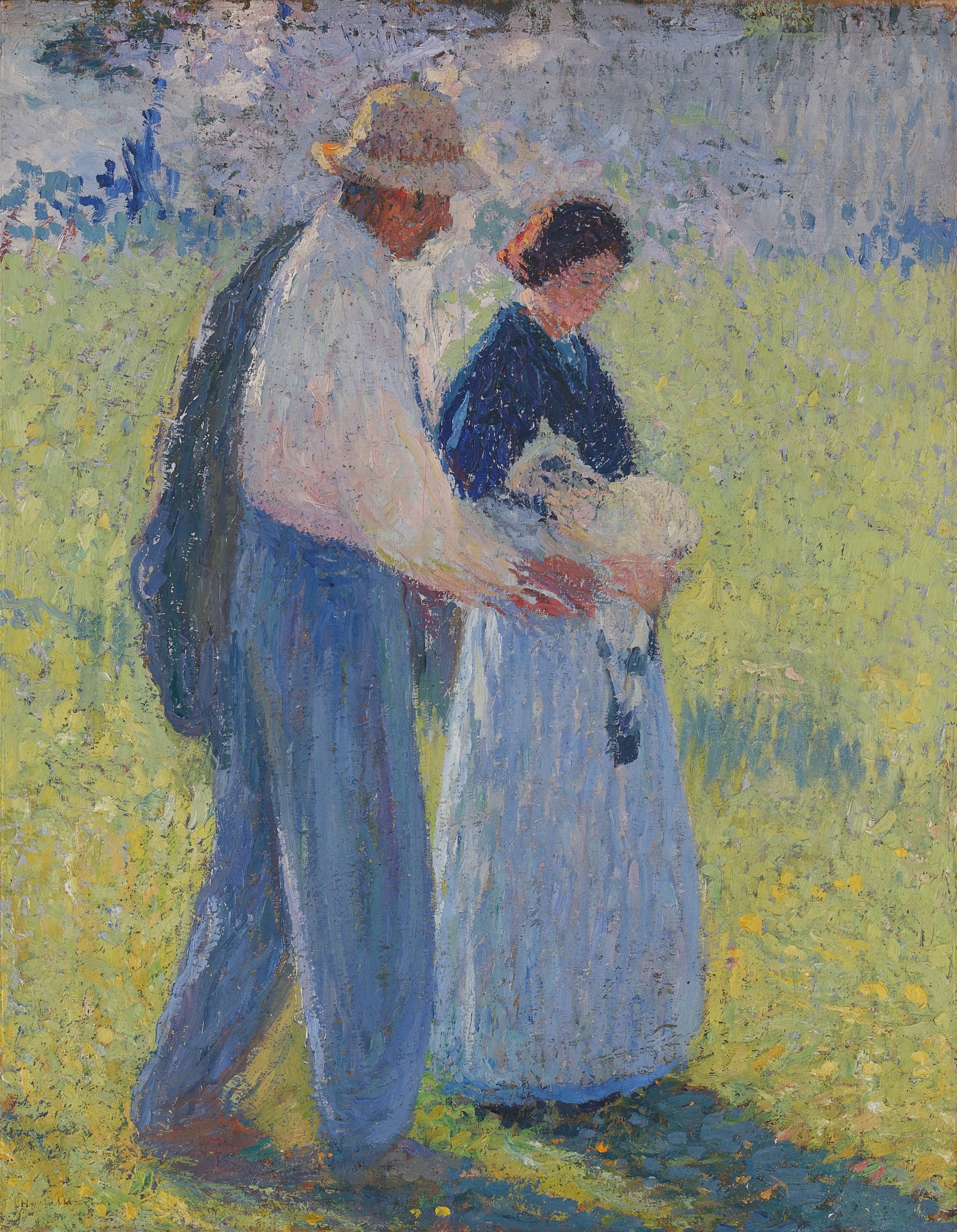
Henri Martin
Couple avec un agneau
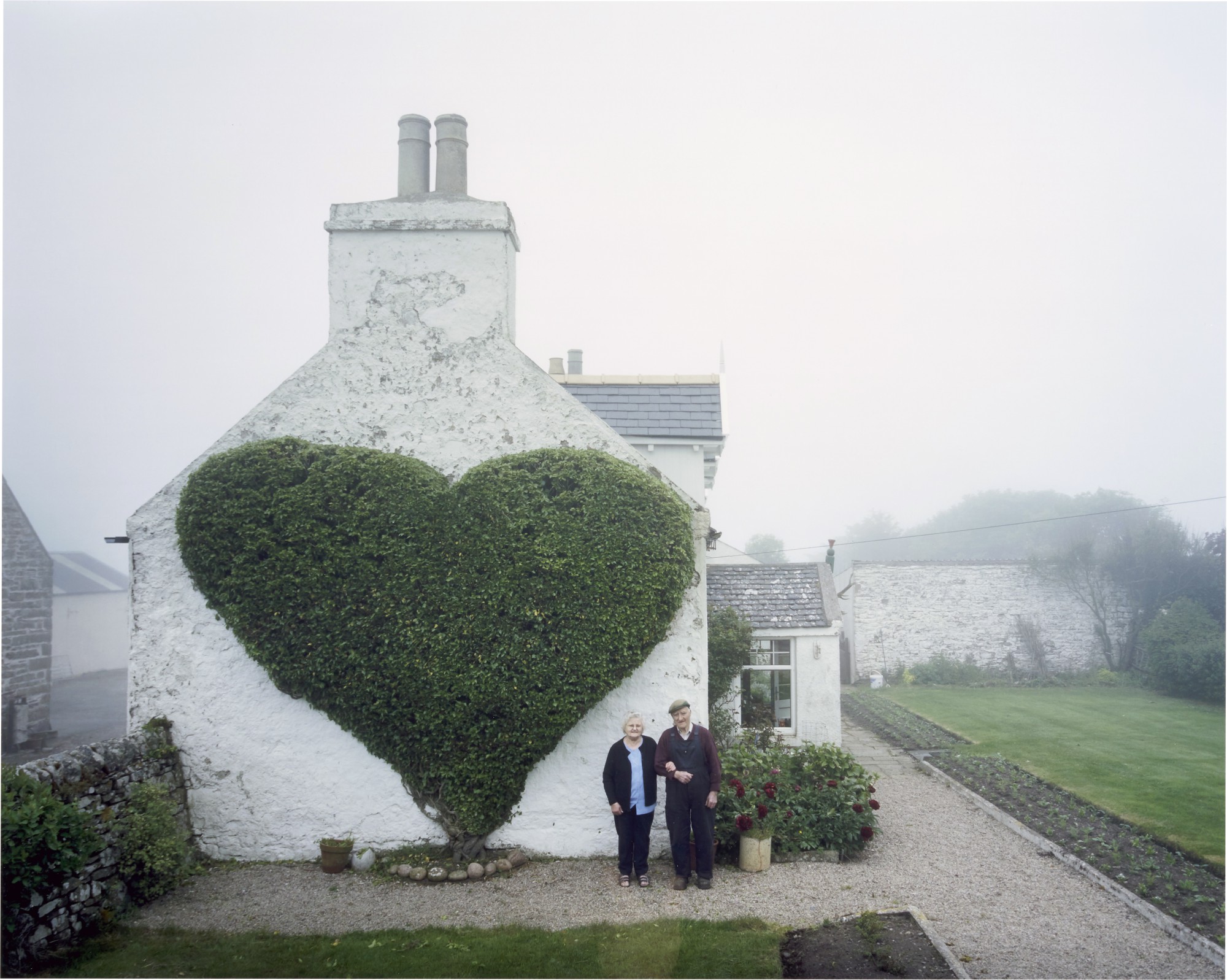
Unknown
Mr & Mrs McDonald, Caithness, Scotland, 2015
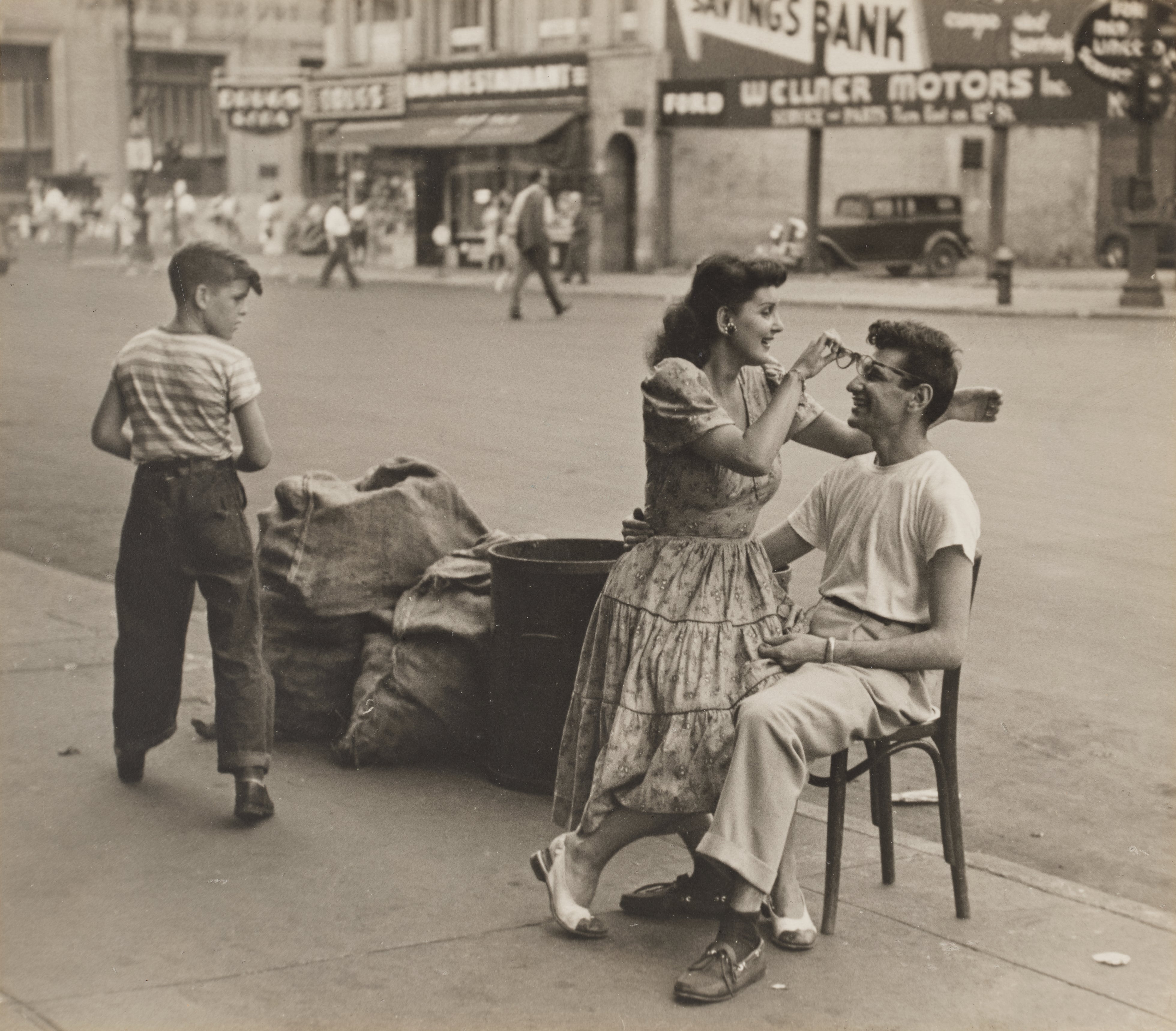
Ruth Orkin
Young Married Couple, NYC (8th avenue and 14th street)
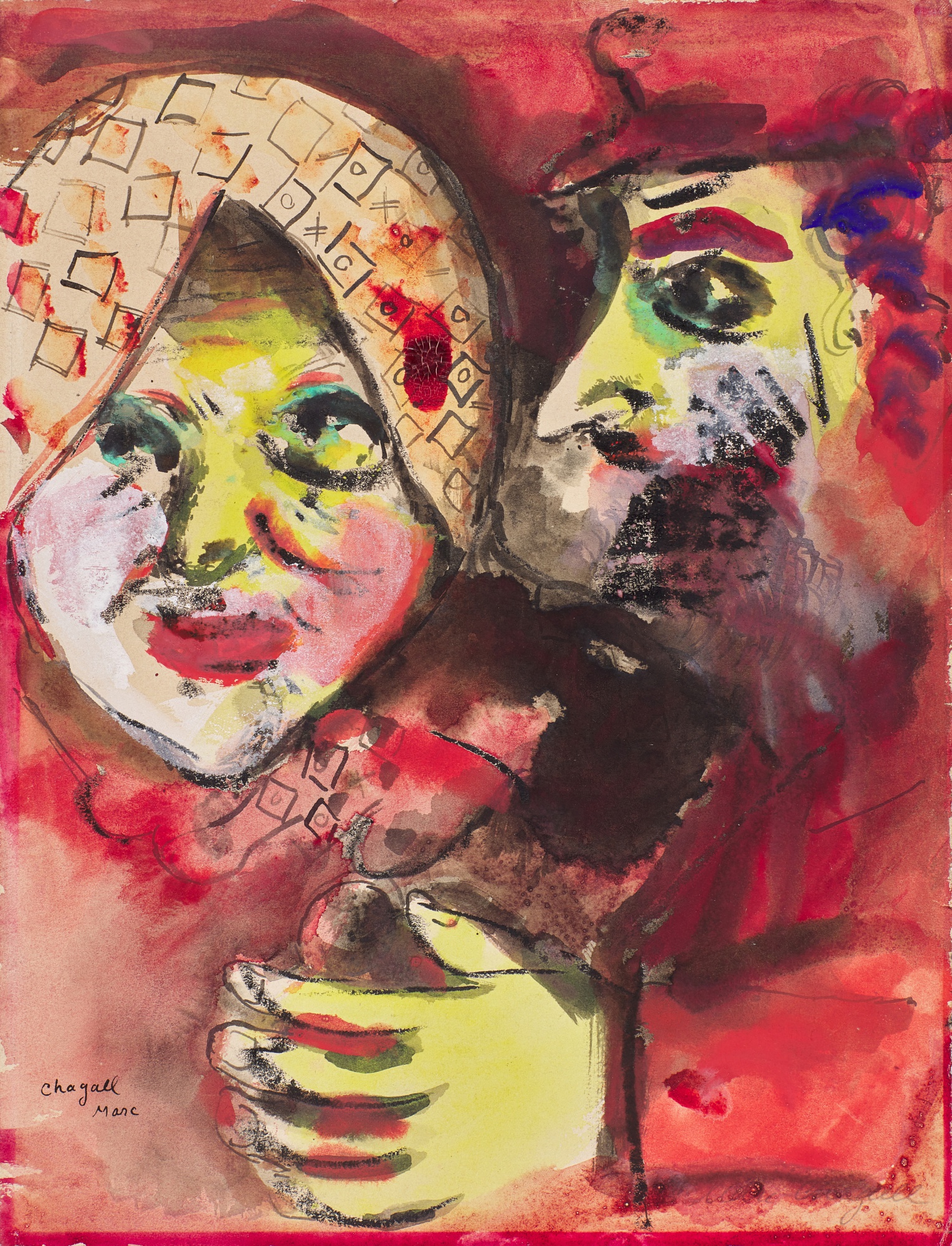
Marc Chagall
Couple russe
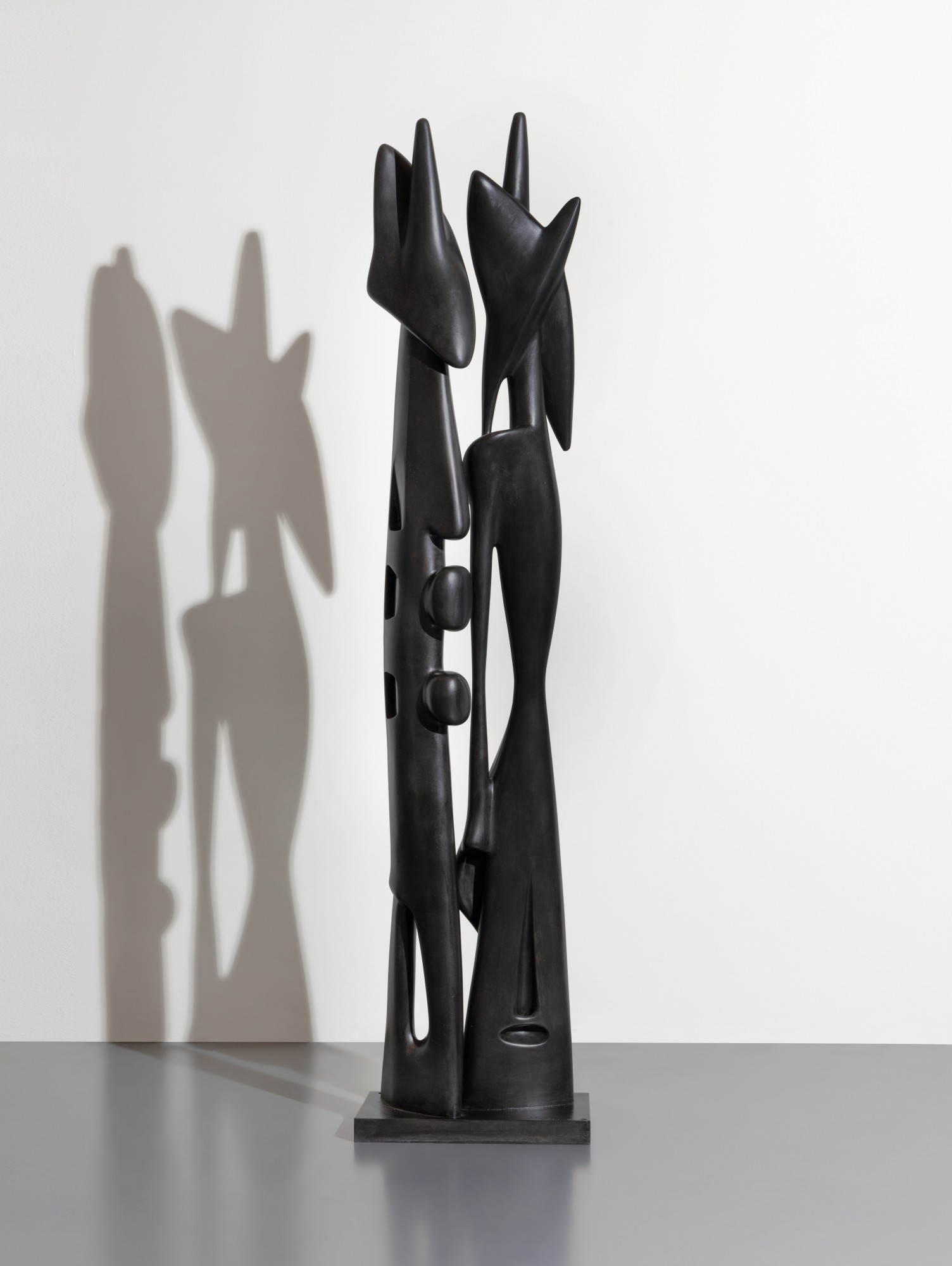
Agustín Cárdenas
Couple antillais
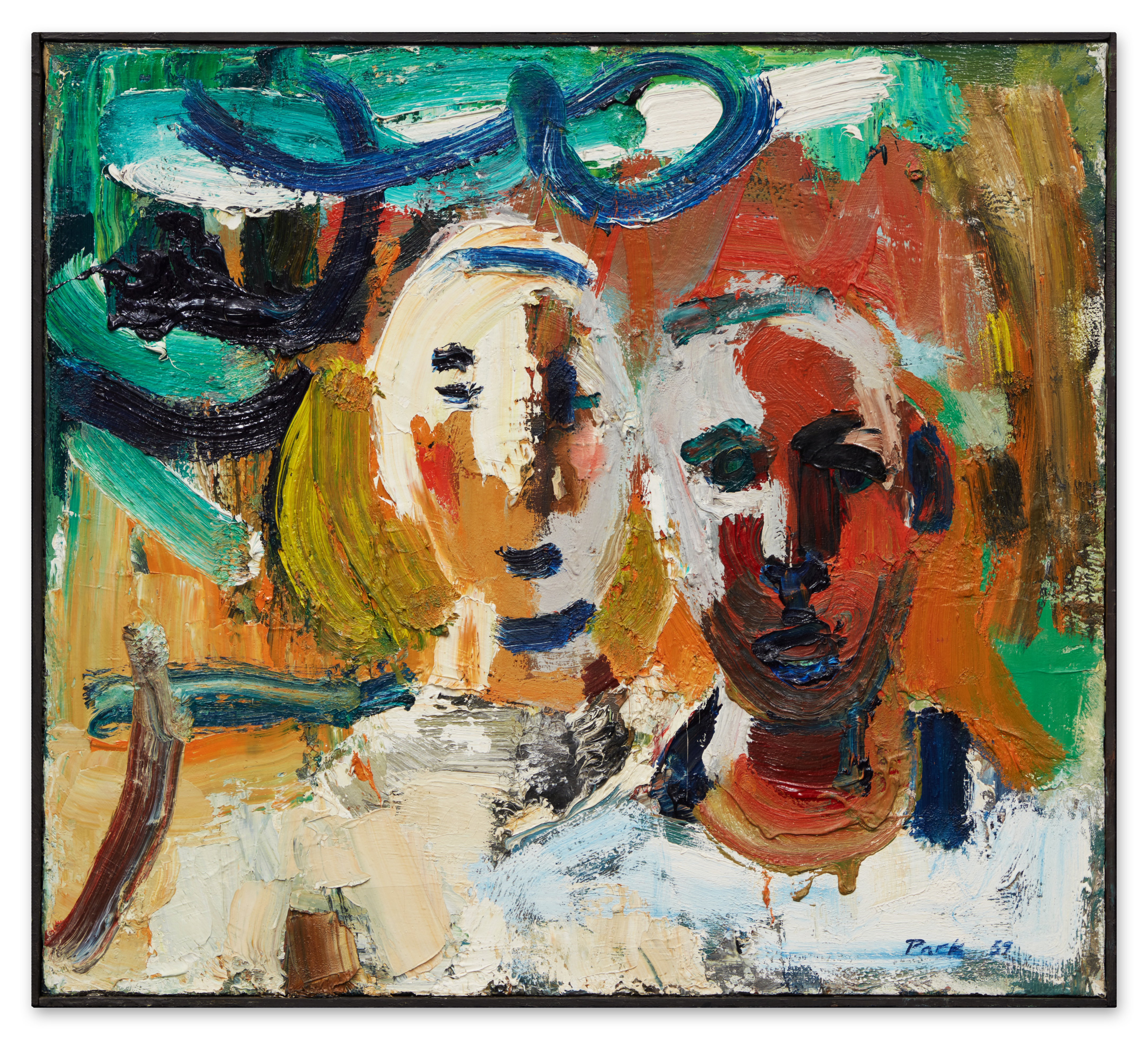
David Park
Couple in a Landscape
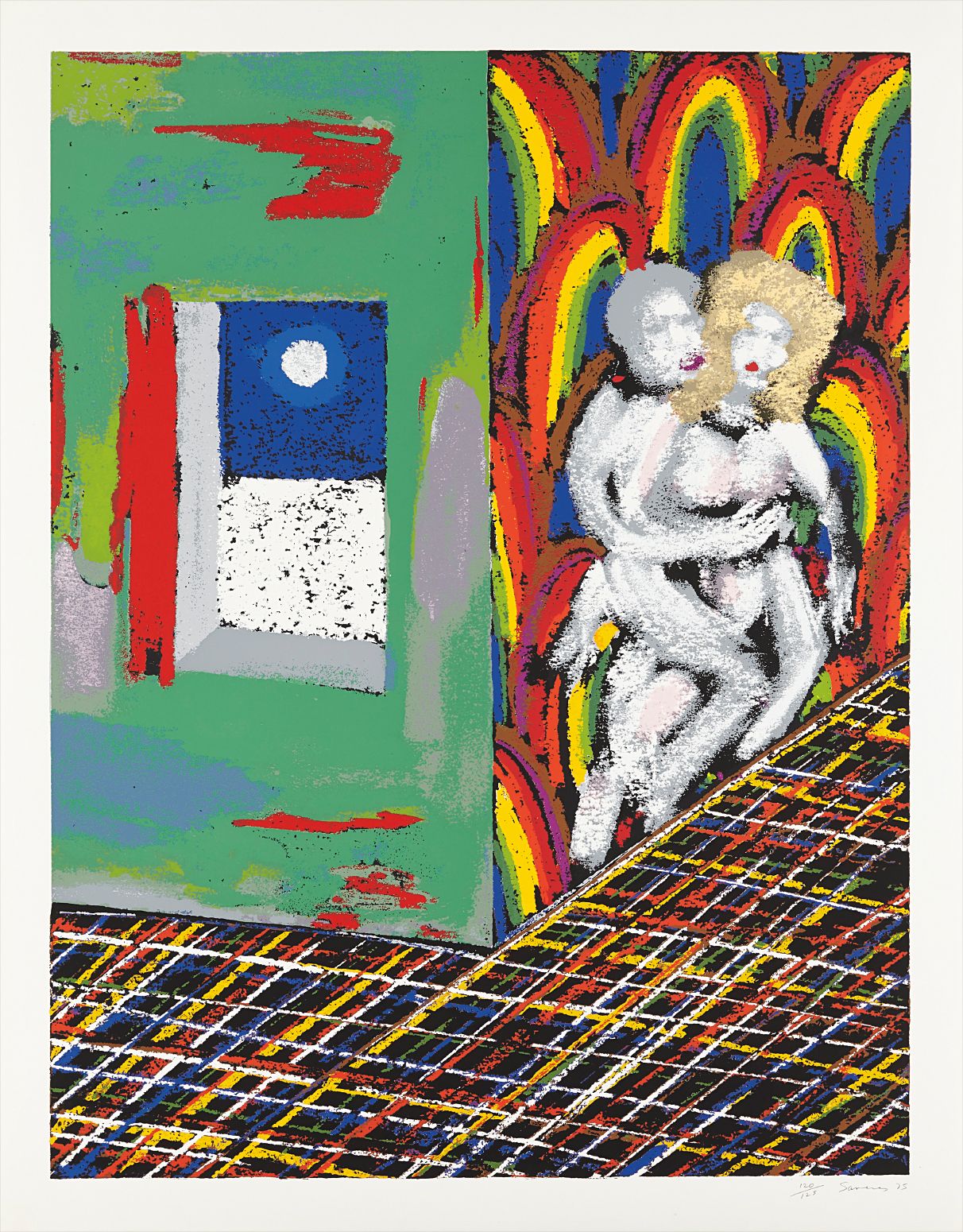
Lucas Samaras
Clenched Couple