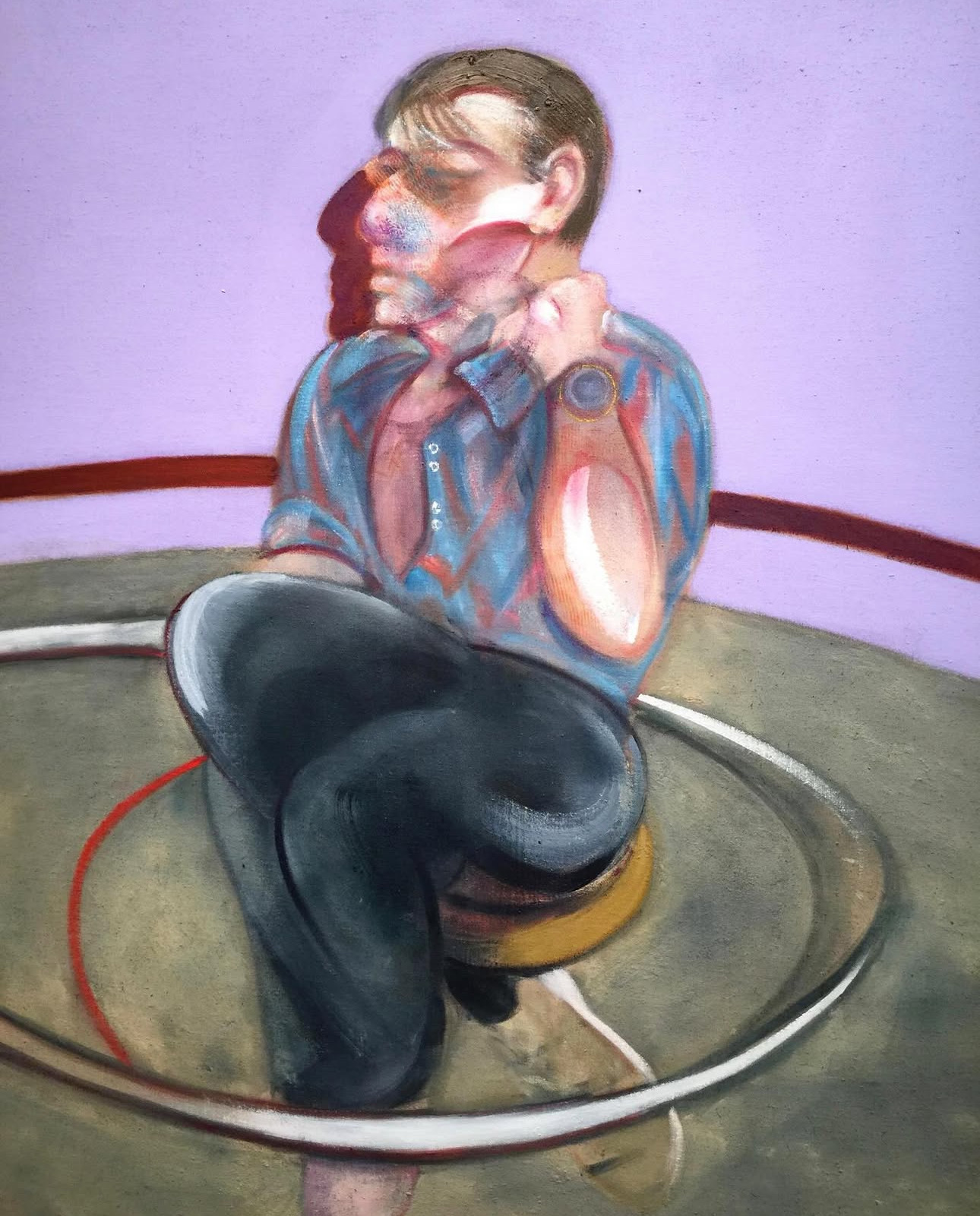
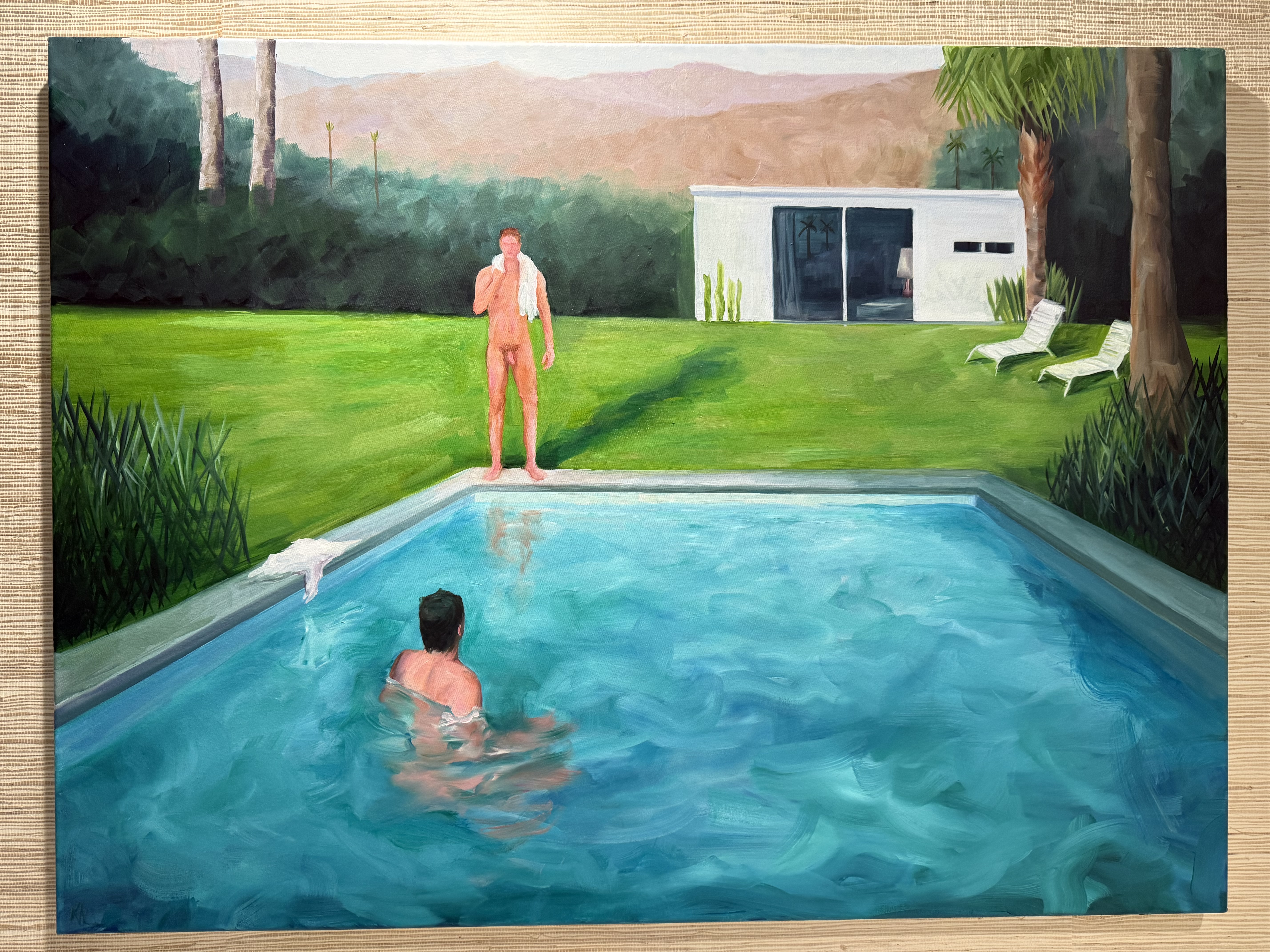
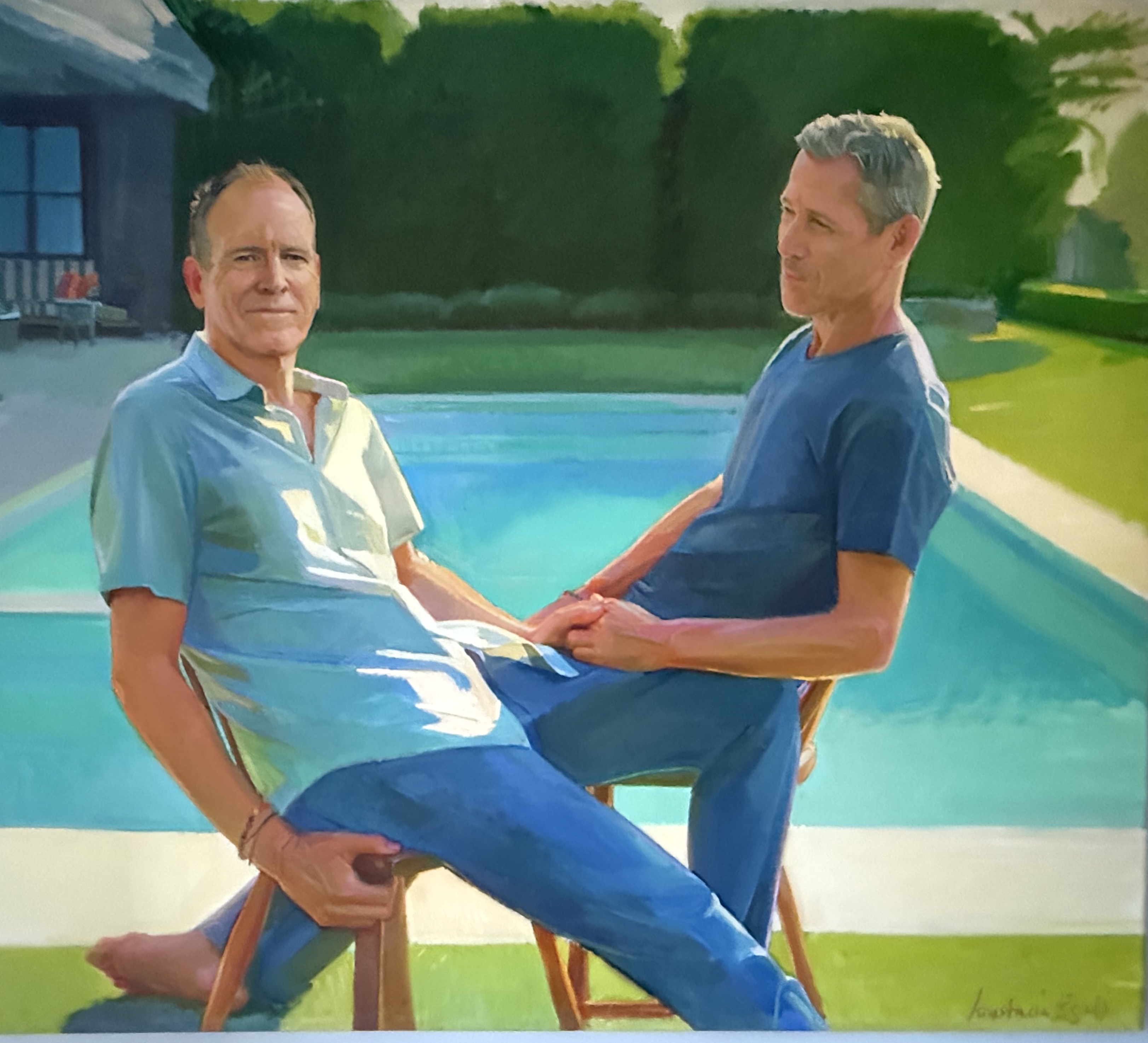
Couple
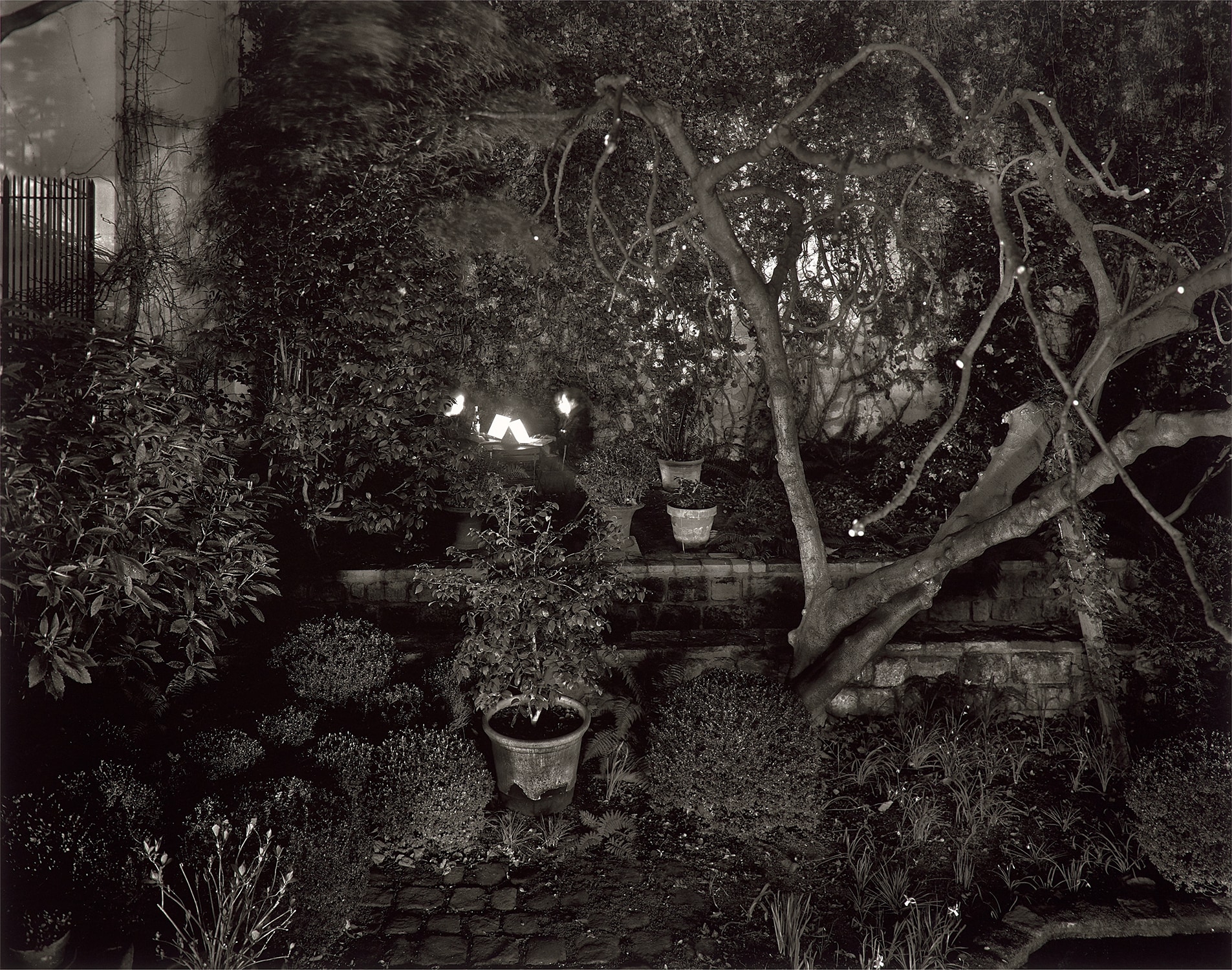
Matthew Pillsbury
Allison & Matthew Pillsbury, Sunday March 14th, 2004, 11pm-12am
Two Bodies, One Gaze: The Couple Endures
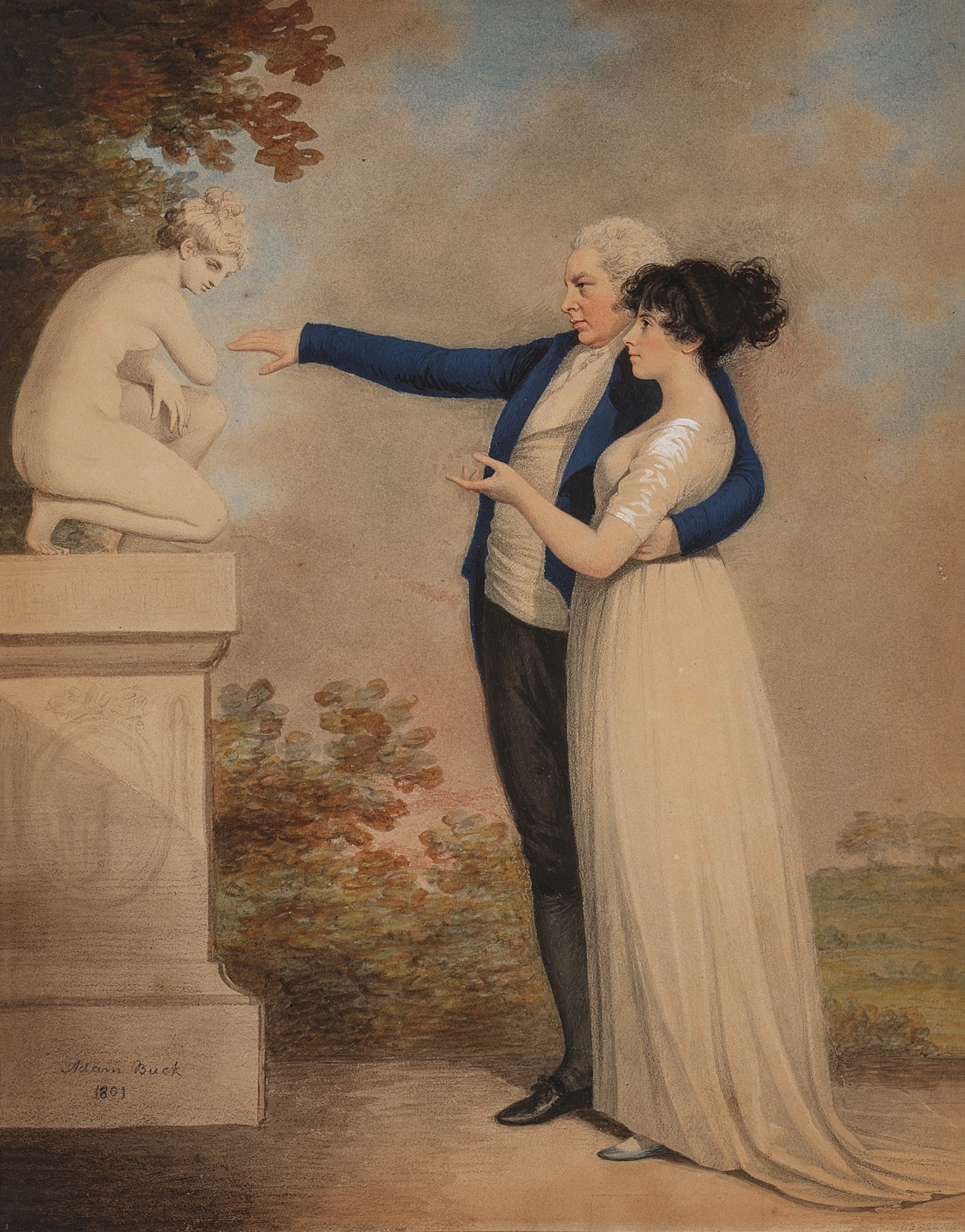
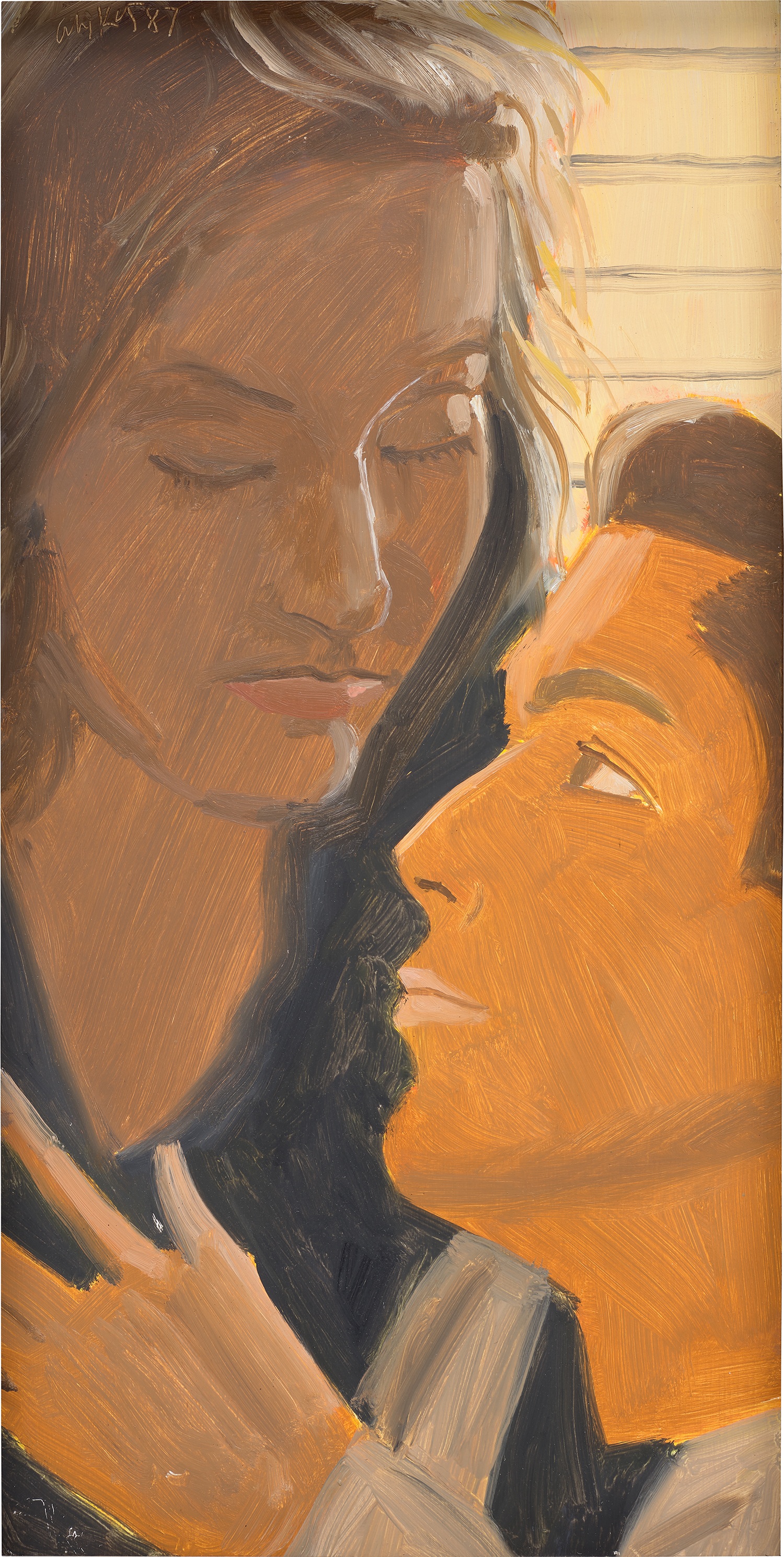
There is no more persistently human subject in the history of art than two people together. The couple is not simply a compositional arrangement. It is a compressed drama, a site of tension and tenderness, longing and familiarity, power and vulnerability. From the entwined limestone lovers of ancient Mesopotamia to the quietly radical pairings in contemporary painting, artists have returned to this subject again and again not because it is easy but because it is inexhaustible.
What passes between two people, what remains unspoken, what is performed for the world and what is held privately between them, this is the terrain that has kept painters, sculptors, and photographers reaching for their tools across millennia. The Western tradition anchors the couple in myth and religion. Adam and Eve gave the pairing its original moral weight, its sense of consequence and exile. By the Renaissance, the couple had expanded its vocabulary considerably.
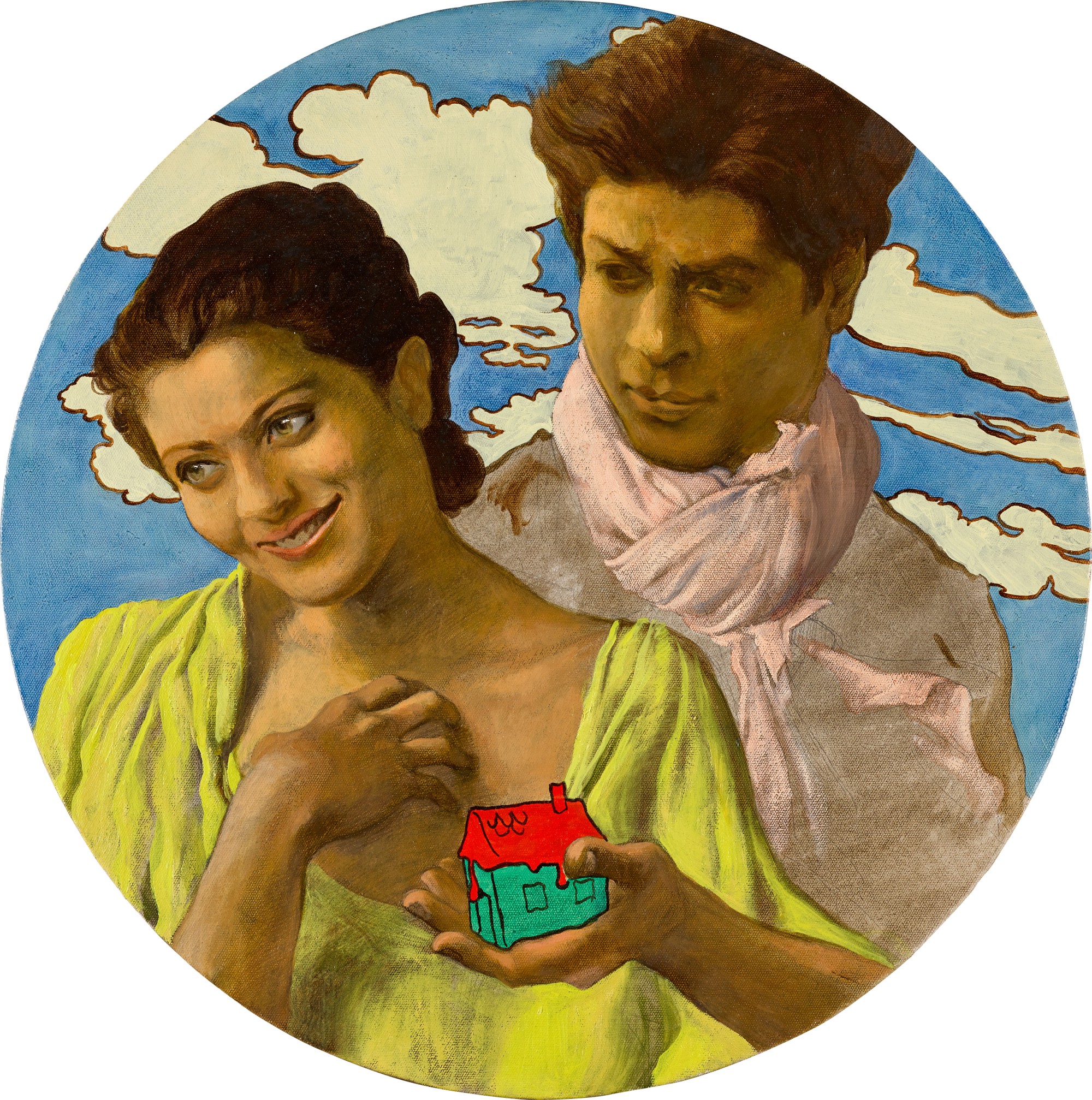
Salman Toor
Decent Couple
Marriage portraits by Jan van Eyck and later Lucas Cranach introduced a new civic dimension, the couple as social contract, as dynastic statement, as proof of standing. But even within these formal commissions, something more private kept leaking through. The Arnolfini Portrait, painted in 1434, is technically a document of alliance, yet it hums with psychological complexity, with the particular strangeness of two people occupying the same space and the same fate. Artists seemed incapable of painting the couple without also painting the mystery of what it means to be bound to another person.
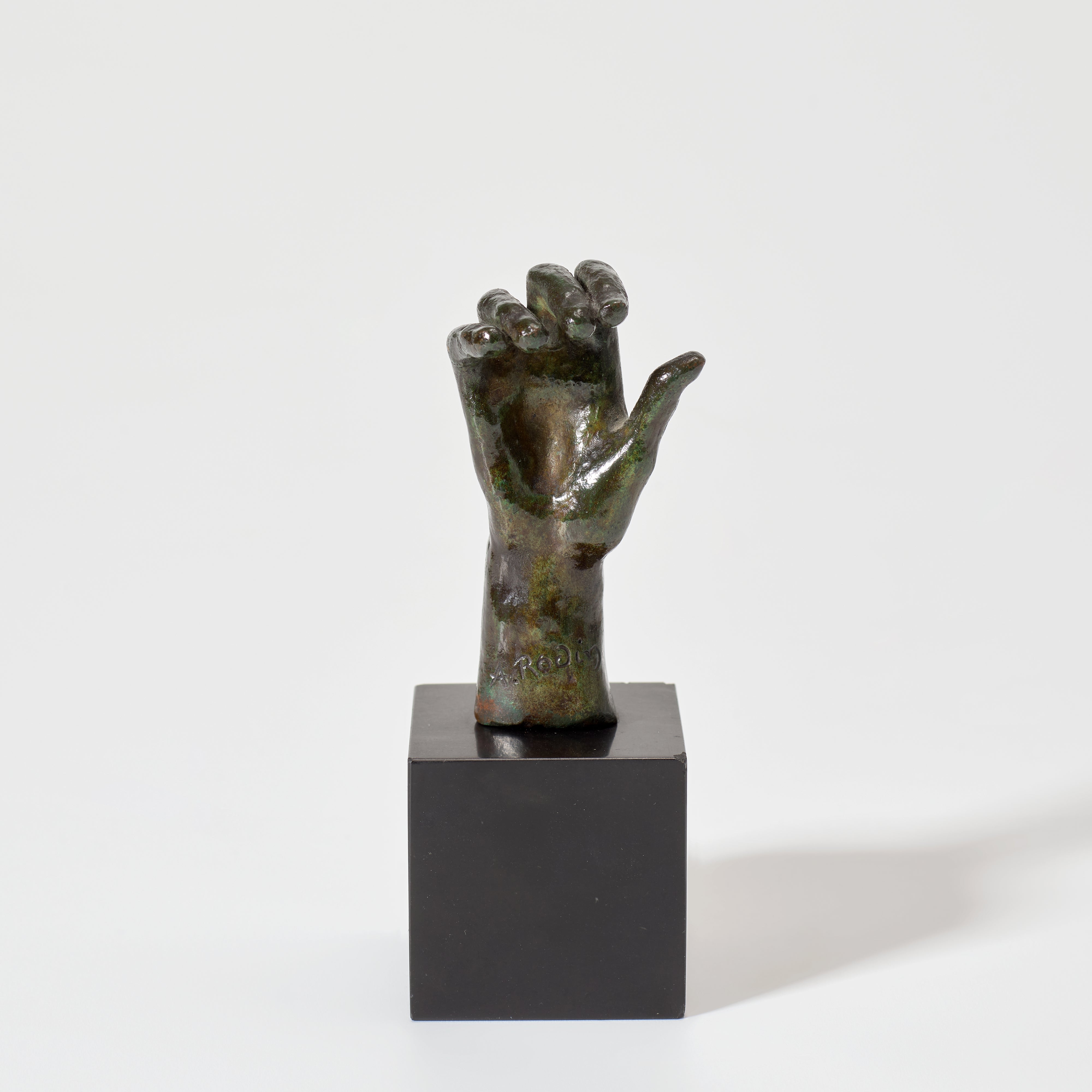
By the nineteenth century, Rodin had torn the couple loose from narrative altogether. His sculptures treated two bodies not as social units but as forces in collision and communion. Works like The Kiss, conceived in the 1880s as part of The Gates of Hell, gave the couple a new kind of monumental intimacy. Auguste Rodin understood that sculpture, with its insistence on weight and volume and the relationship between mass and space, was uniquely suited to exploring what it means when two bodies orient themselves toward each other.
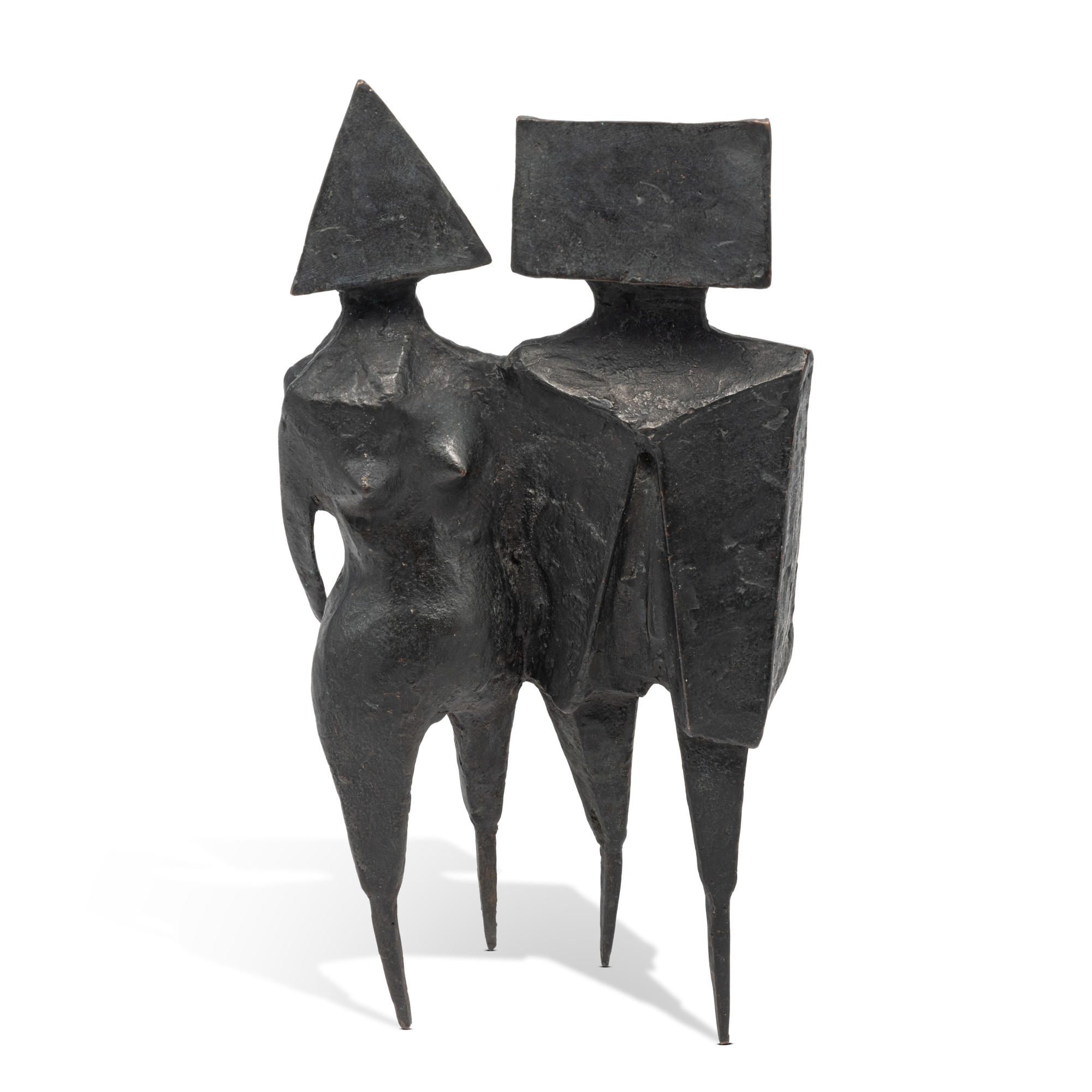
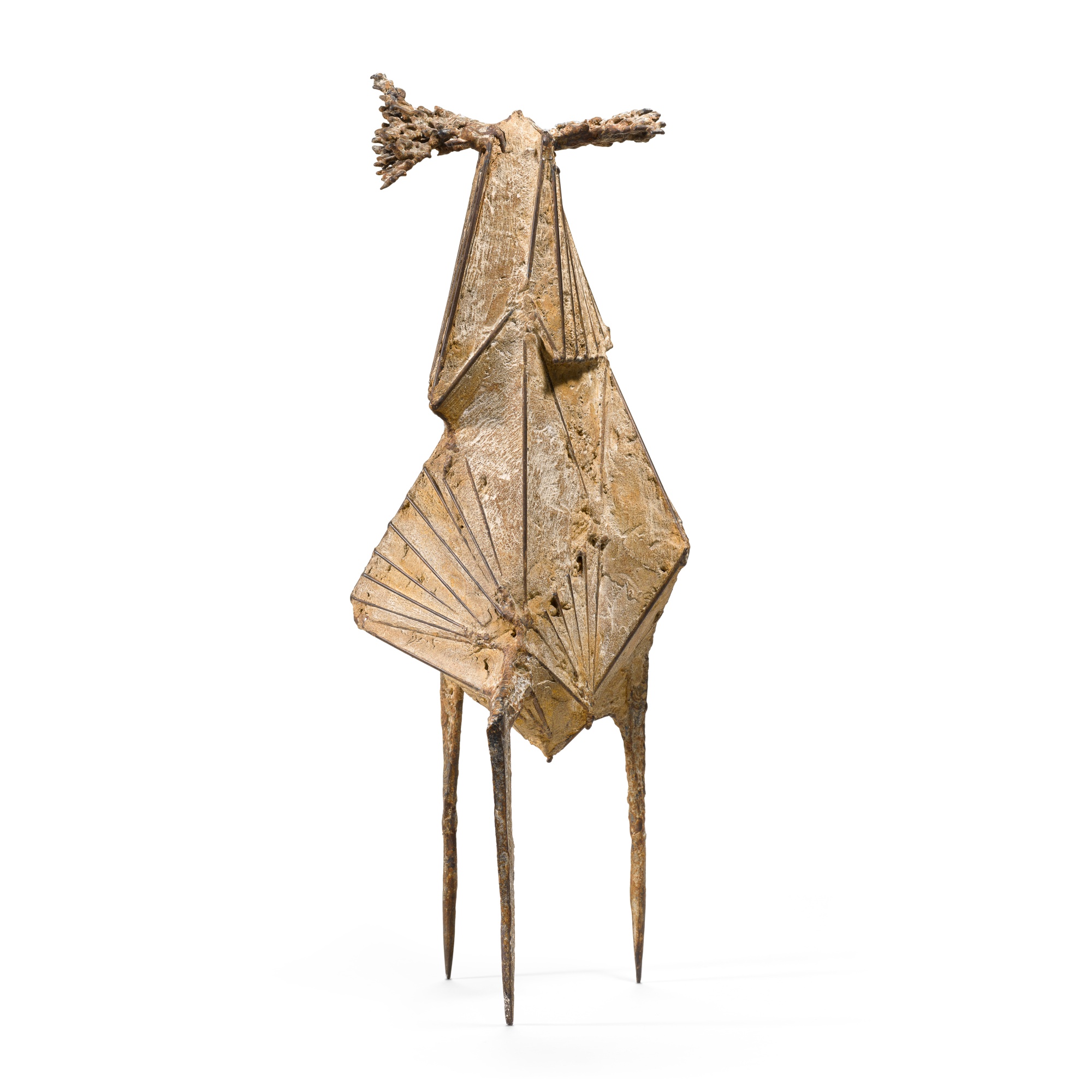
Lynn Chadwick
Walking Couple II, 1975
His influence on how artists think about the sculptural couple is still felt acutely today. Lynn Chadwick, whose work is well represented on The Collection, pushed this lineage into the postwar period with an entirely different emotional register. His bronze couples are angular and watchful, figures sealed inside their own material density, together but not quite touching in spirit. There is something of the Cold War in them, something of a world where intimacy had grown armored.
Photography arrived as a medium precisely when modernity was reshaping what couplehood looked like and meant. The industrial city threw strangers together, loosened old social ties, and created new kinds of anonymous intimacy. Robert Frank, whose work appears on The Collection, understood this keenly. His images from The Americans, published in 1958, catch couples mid gesture, mid glance, their togetherness always slightly provisional, always set against the vastness of a restless country.
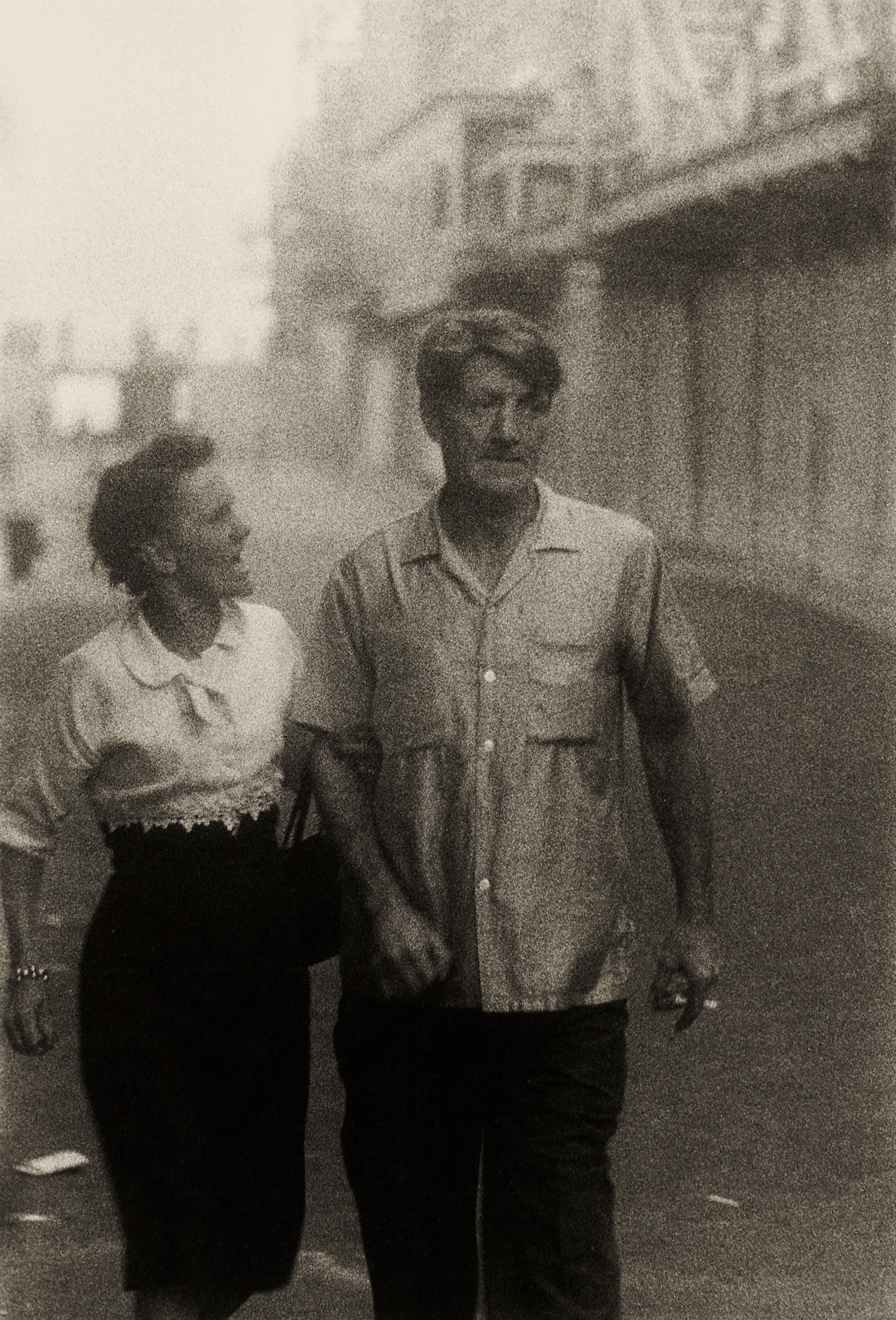
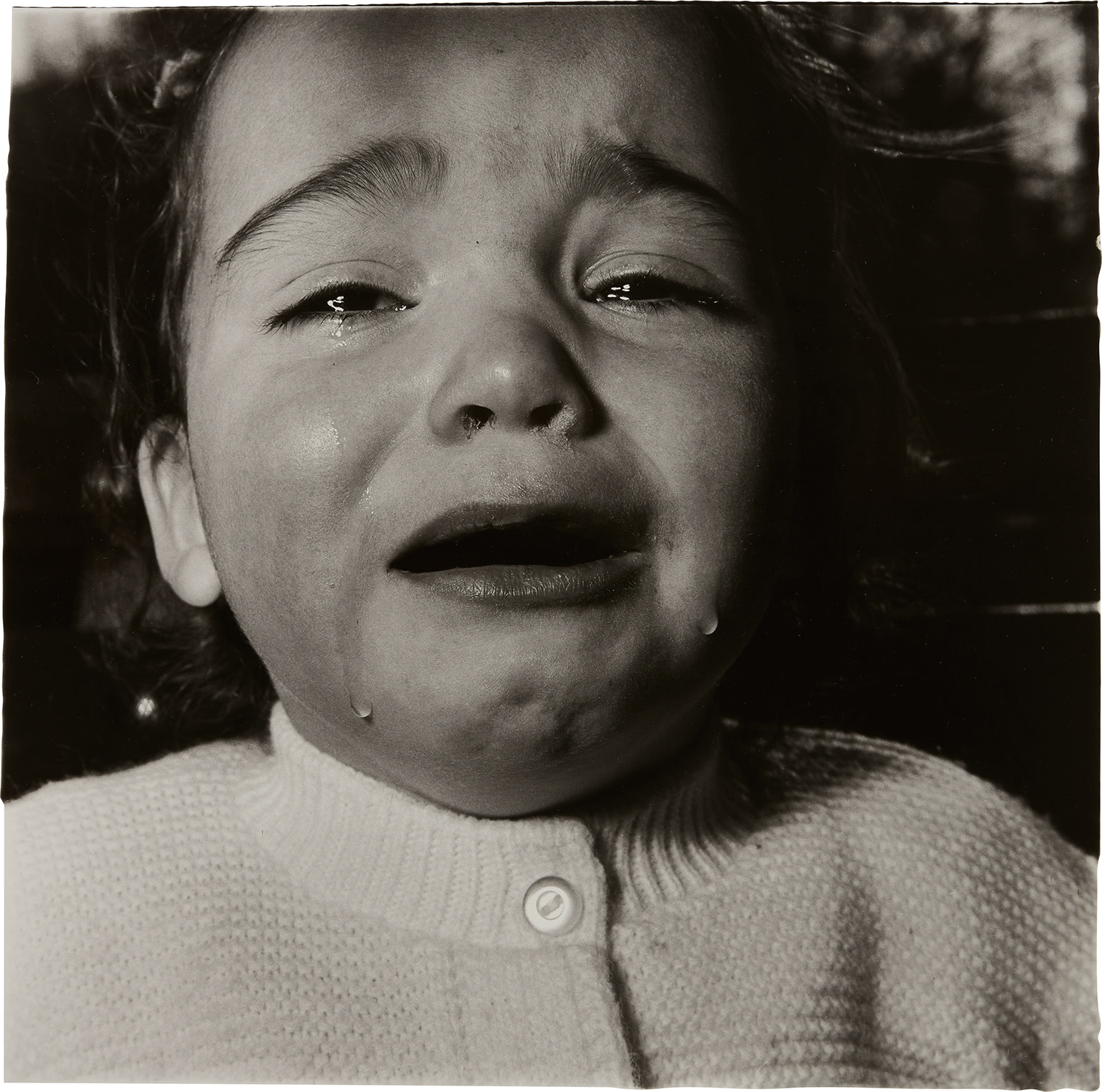
Diane Arbus
'Couple Arguing, Coney Island, N. Y.', 1960
Diane Arbus worked in a register that was both more confrontational and more tender. Her photographs of couples, including her extraordinary images of twins and matched pairs, interrogate the performance of sameness and the strangeness that persists even within the most intimate bonds. Both photographers, coming out of the mid twentieth century documentary tradition, understood the couple as a lens through which to read the larger culture. Brassaï, the Hungarian photographer who made Paris his subject in the 1930s, brought a different quality of attention to couples.
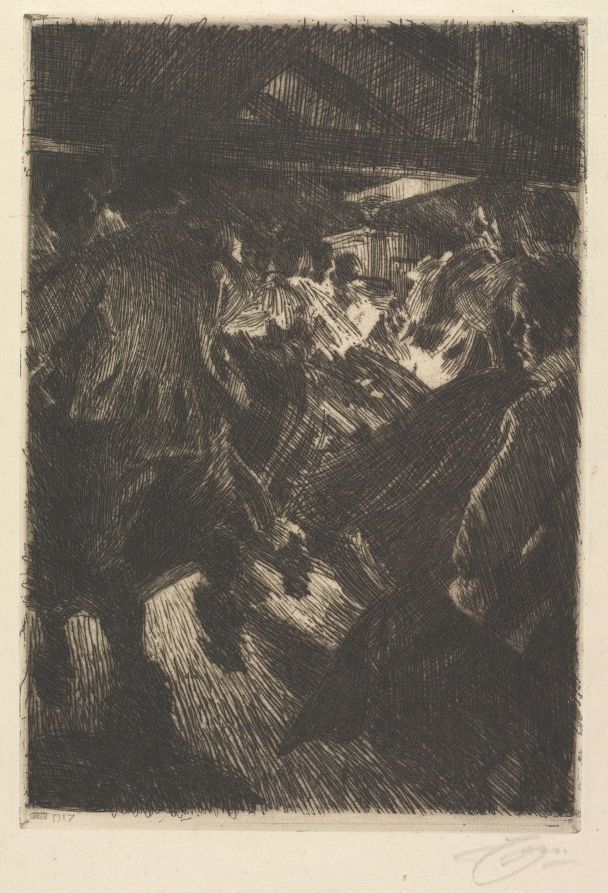
His nocturnal images of lovers in cafes and dance halls have a warmth that is almost tactile, a sense that he genuinely loved the people he photographed. His work sits usefully in conversation with that of Anders Zorn, the Swedish painter whose oil and watercolor works capture bodies in easy, unguarded proximity. Both artists shared an ability to render togetherness without sentimentality, to find the specific gravity of a particular moment between two people. This is harder than it sounds.
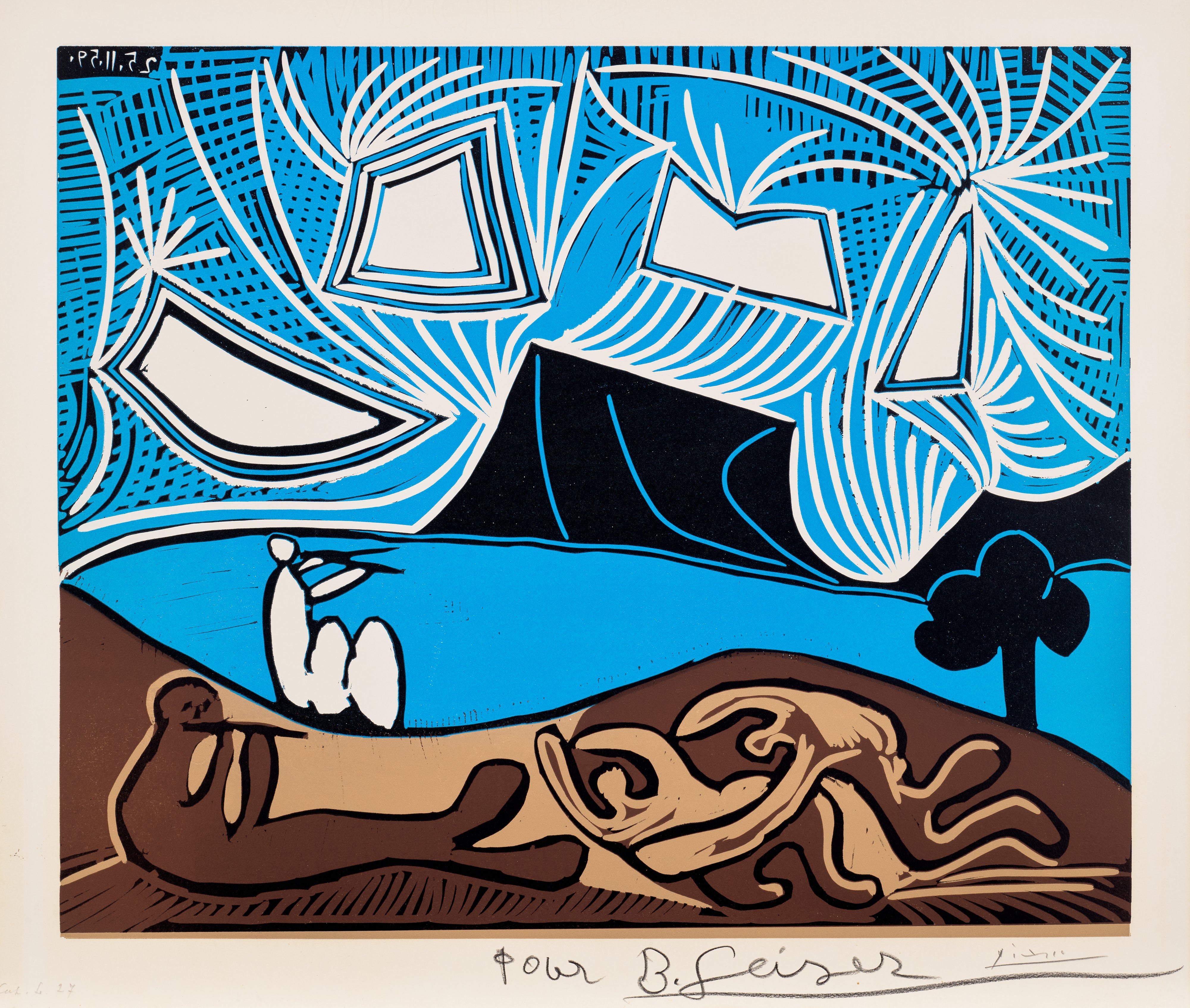
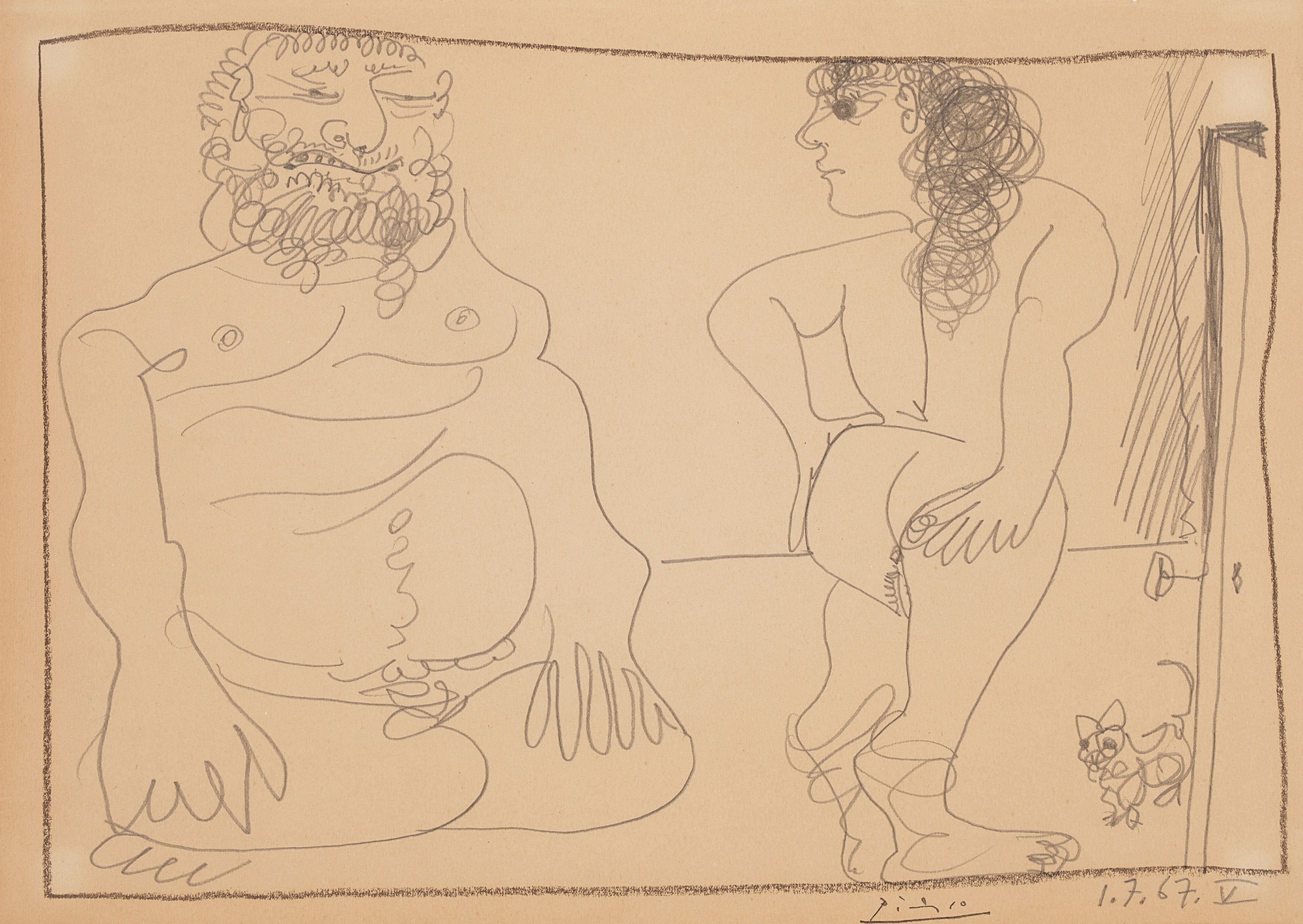
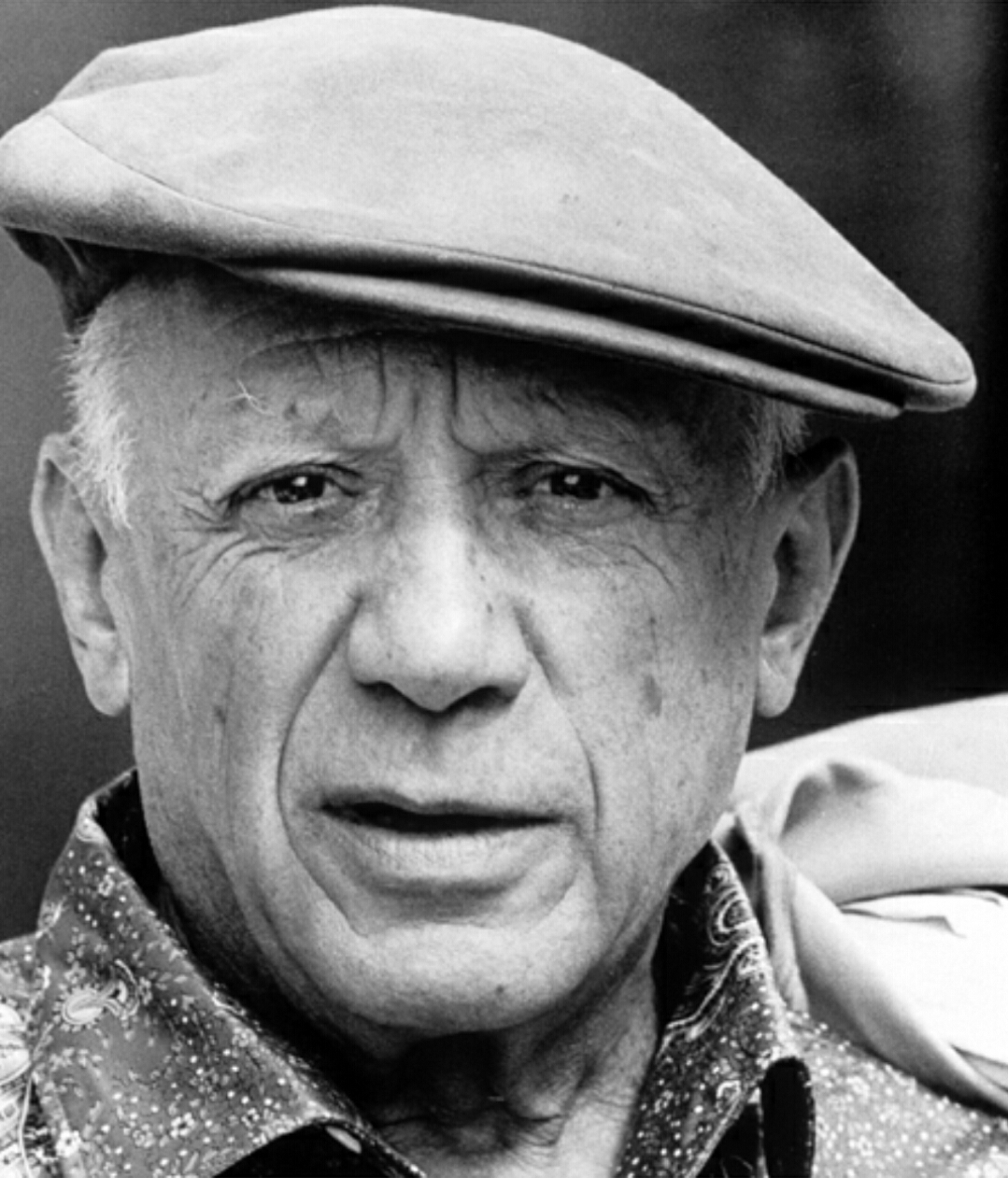
Pablo Picasso
Couple et flûtistes au bord d'un lac
The couple as subject invites cliché at every turn, and the artists who have handled it most memorably are precisely those who have found a way to make the familiar strange again. Picasso's engagement with the couple spans decades and encompasses some of the most psychologically complex images in modern art. His Rose Period works from the early 1900s present couples and families with a muted, almost elegiac tenderness. Later, in the context of Cubism and his ongoing reworkings of old master subjects, the couple became something far more fractured, the two figures no longer simply together but analytically dismantled and recombined.
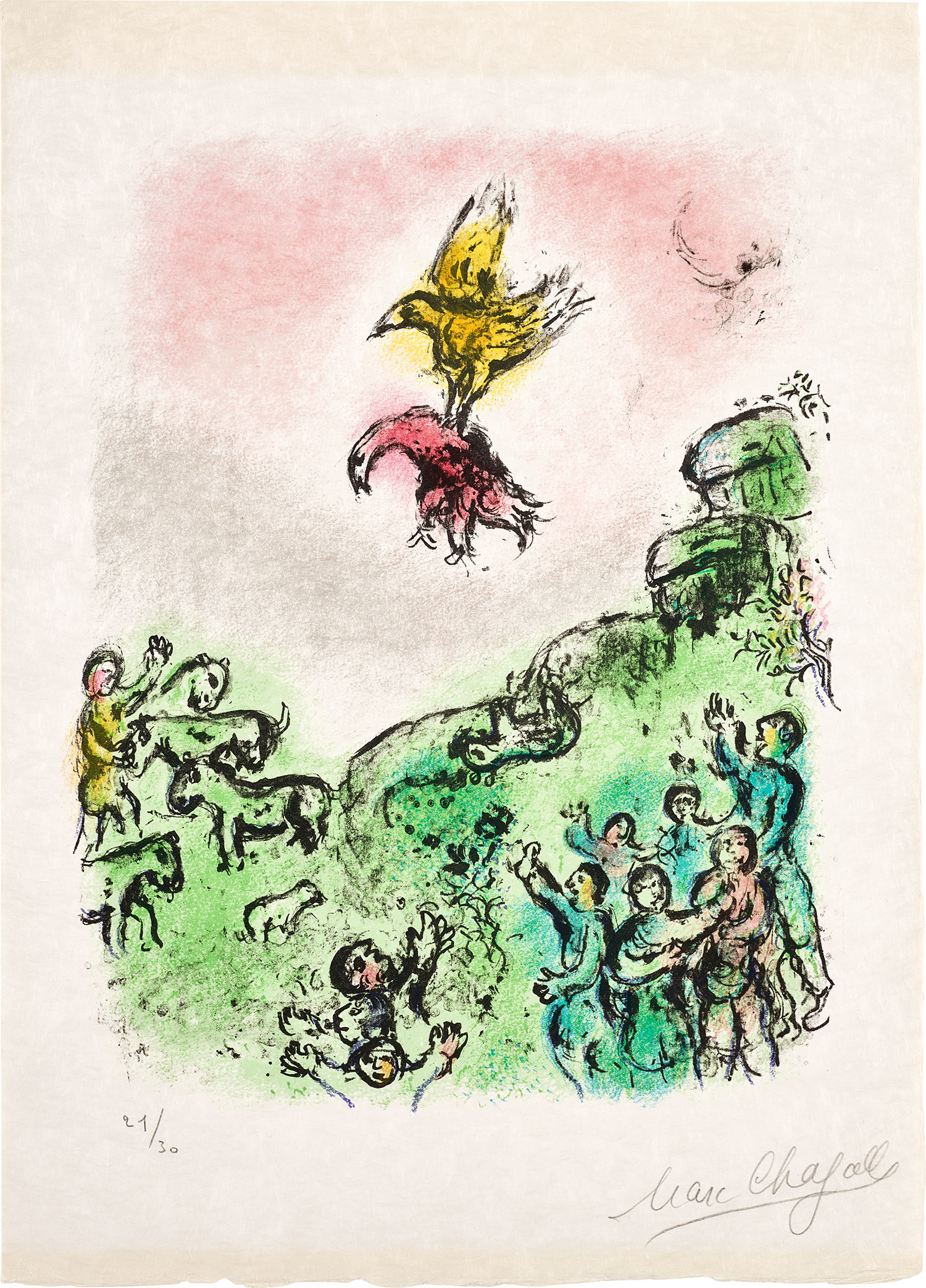
Marc Chagall, by contrast, returned throughout his long career to the couple as a site of lyrical levitation. His floating lovers, carried aloft above Russian villages and Paris rooftops, made the couple into an emblem of imagination itself, of the way love alters perception and makes ordinary space feel reimagined. Both artists are represented on The Collection, and the contrast between their approaches to essentially the same subject illuminates how much conceptual and emotional range the theme contains. Contemporary artists have kept this conversation going while expanding its terms considerably.
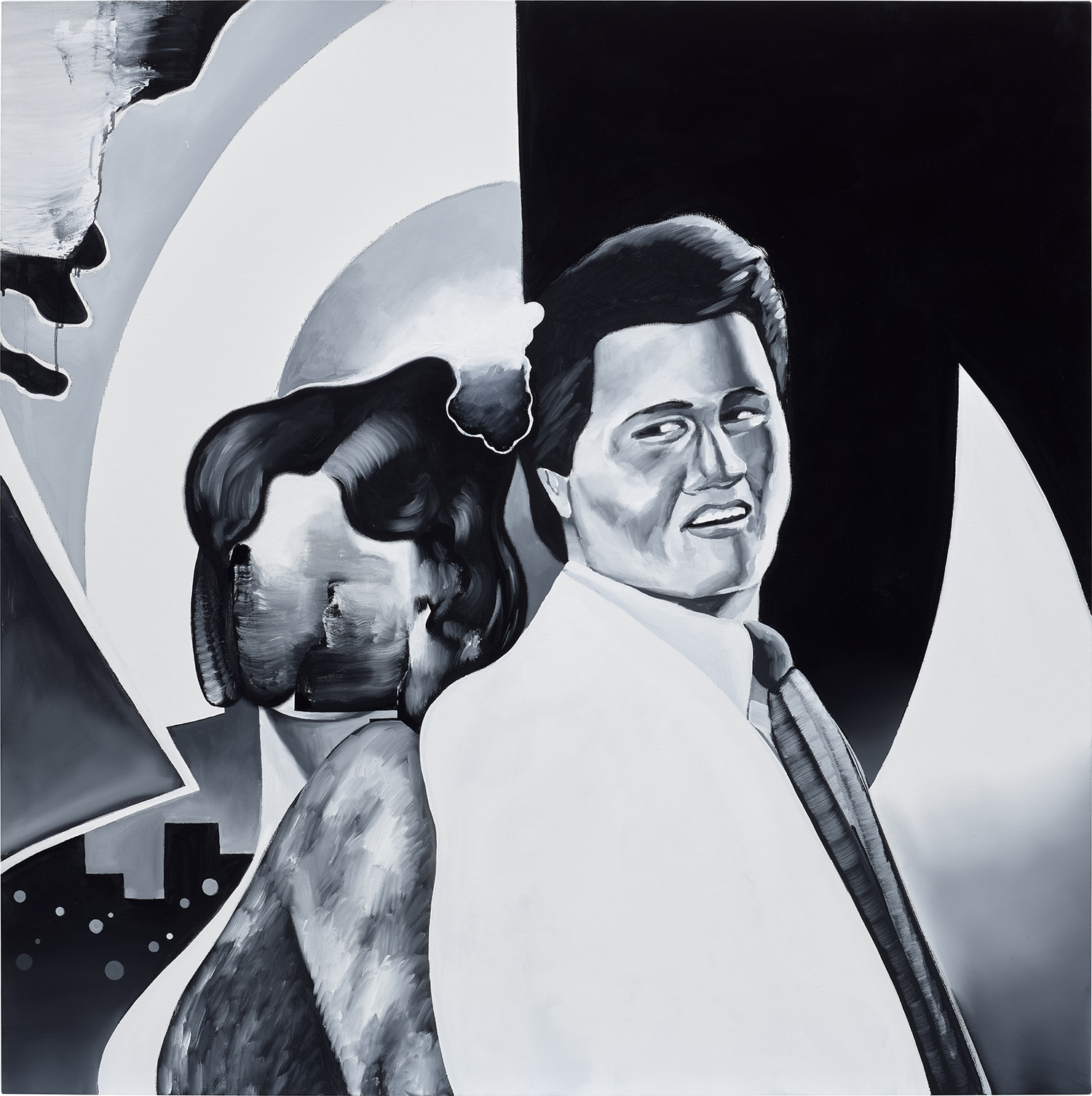
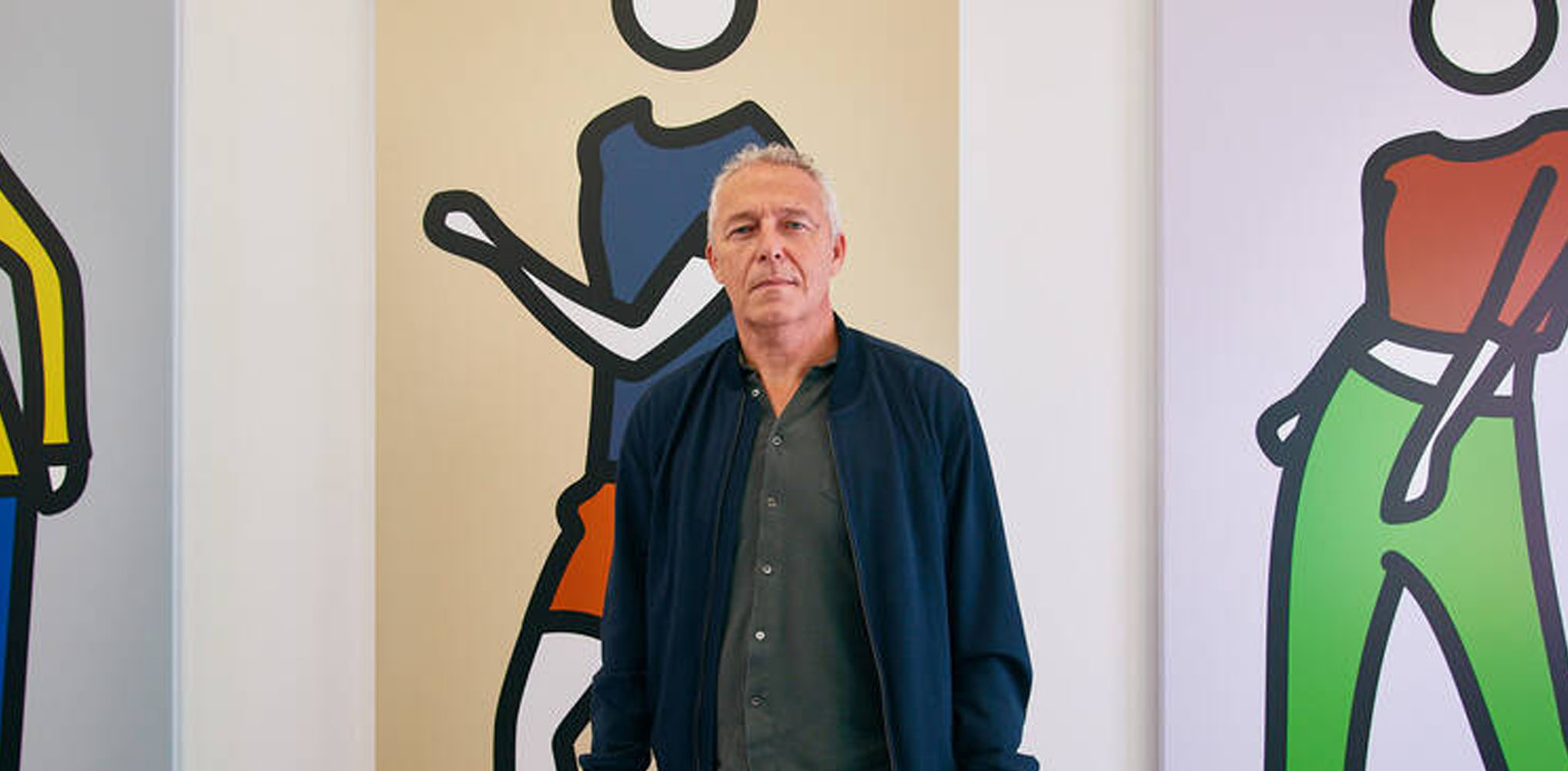
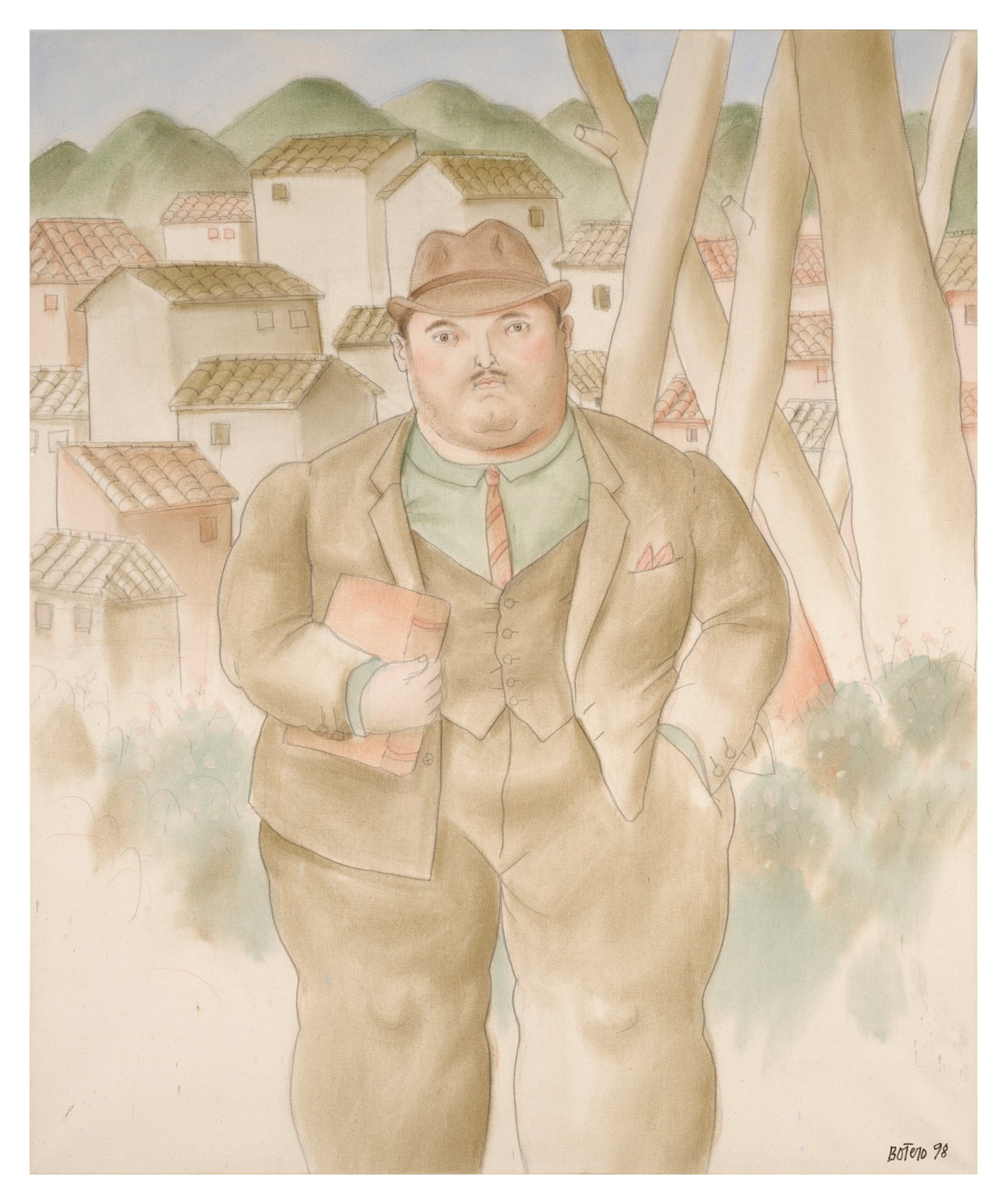
Salman Toor brings South Asian queer experience into the intimate space of the couple, painting figures in domestic interiors with a palpable sense of both pleasure and precariousness. Julian Opie reduces the couple to elegant graphic notation, stripping away everything except silhouette and movement, finding in that reduction something both playful and genuinely affecting. Fernando Botero inflates his figures to monumental rotundity, making couplehood a kind of comic abundance. Each of these artists, working in entirely different visual languages, confirms what the history of the subject already suggests: the couple is not a fixed form but a continuously renewable question.
What do we owe each other. What do we reveal when we are seen together. What does it mean to choose, or to be chosen by, another person. Art has been asking these questions for as long as there have been two people standing close enough to notice each other, and the answers keep changing in ways that make the asking worthwhile.