Conceptual Art Pioneer
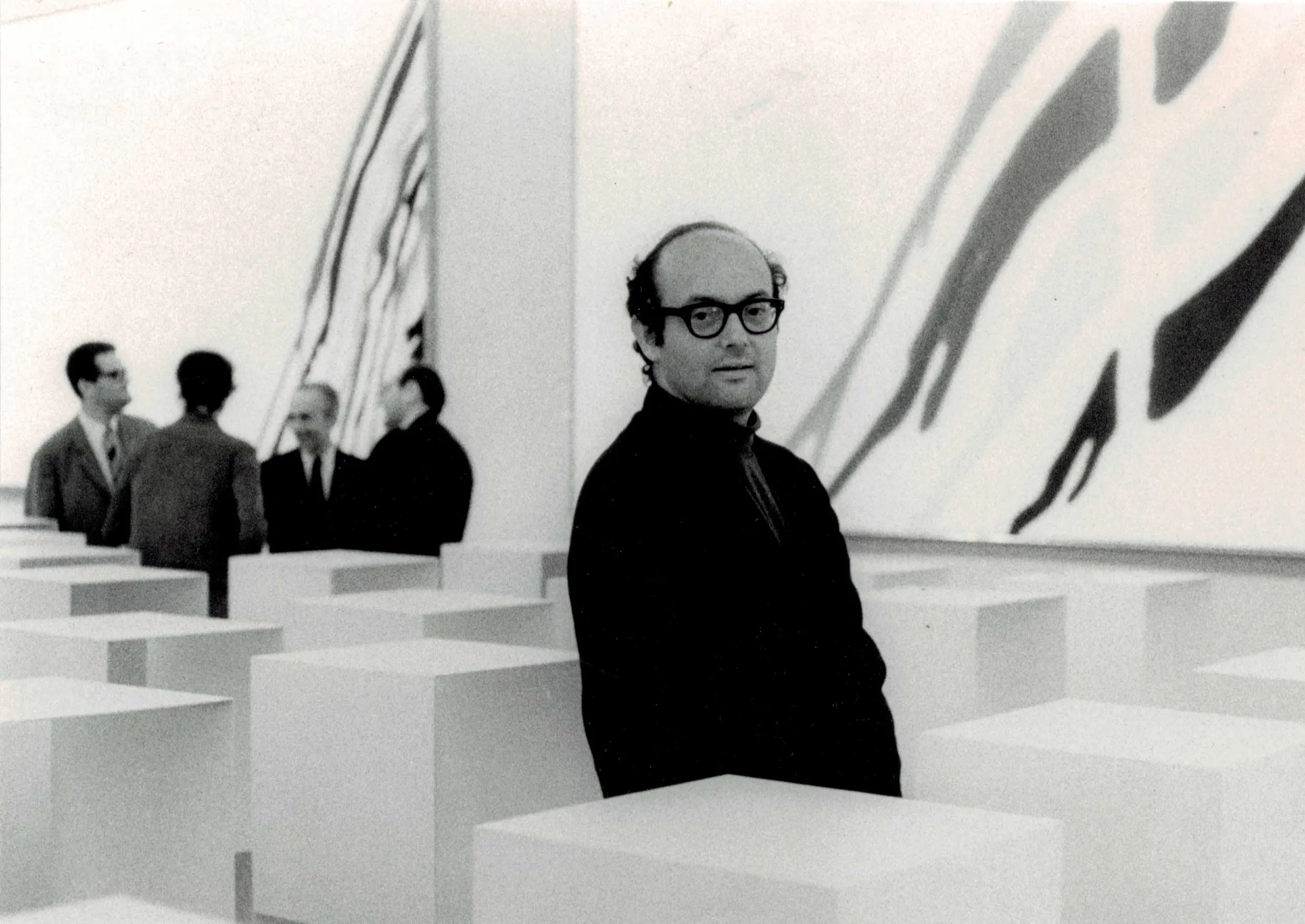
Sol LeWitt
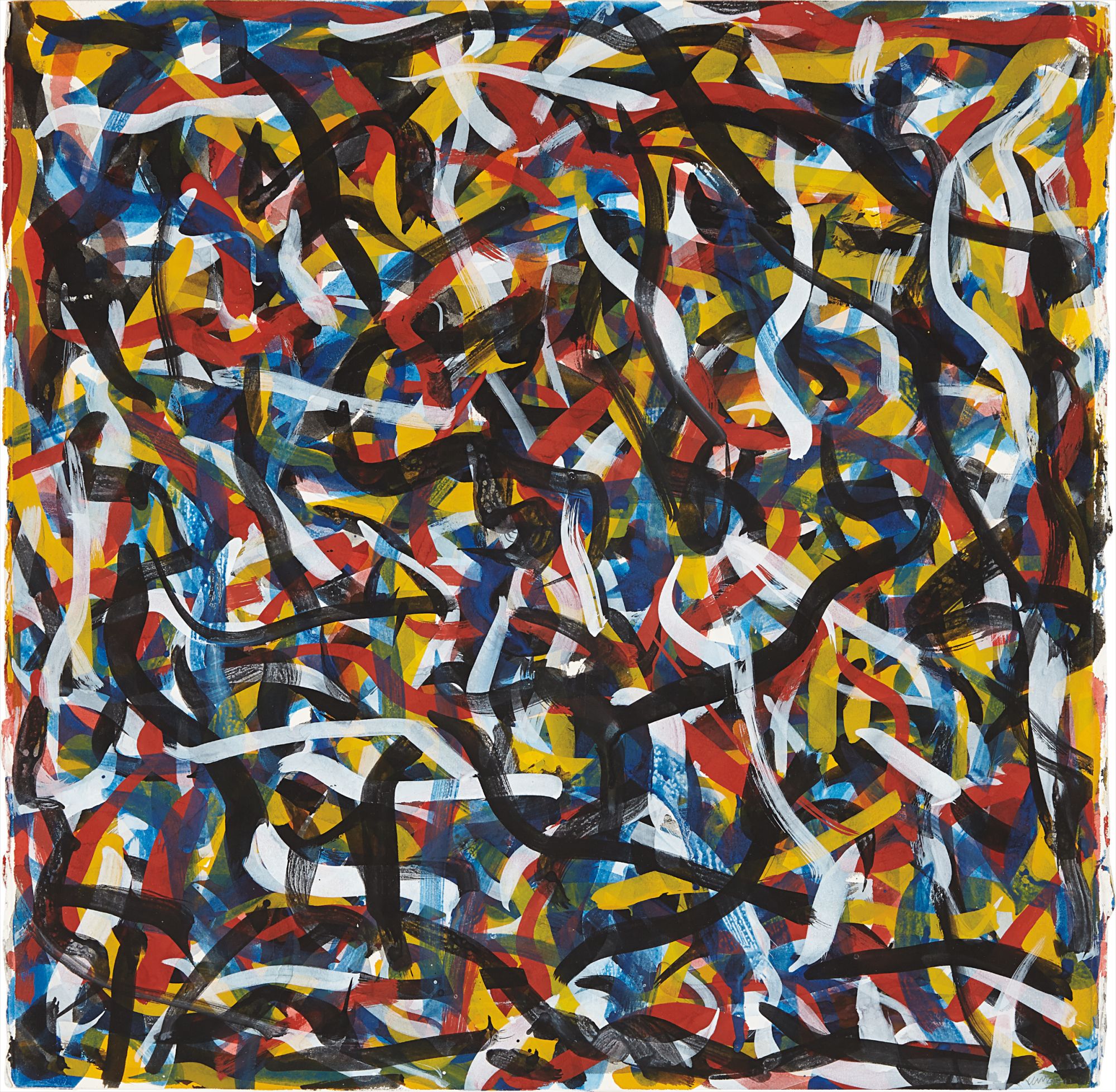
Not Straight Brushstrokes In All Directions
The Idea Was Always the Object
When Christie's New York brought a wall drawing certificate by Sol LeWitt to auction a few seasons ago, the room paid close attention. The work itself, a set of instructions for producing an image that may never have been physically executed in that particular form, sold well above estimate. What that result confirmed was something collectors in this space have understood for years: in conceptual art, the authority of the idea and the document that carries it can be worth considerably more than any painted surface. The market has absorbed this logic completely, and the prices are now making the argument for it.
Conceptual art spent much of the 1990s and early 2000s in a strange limbo. Critics who had championed its original insurgency in the late 1960s were writing retrospective assessments, and the market, always more comfortable with objects it can hang and touch, was cautious. That caution has since dissolved. The last decade has seen major retrospective energy around the movement's first generation, and institutional appetite has followed.
Sol LeWitt
Not Straight Brushstrokes In All Directions
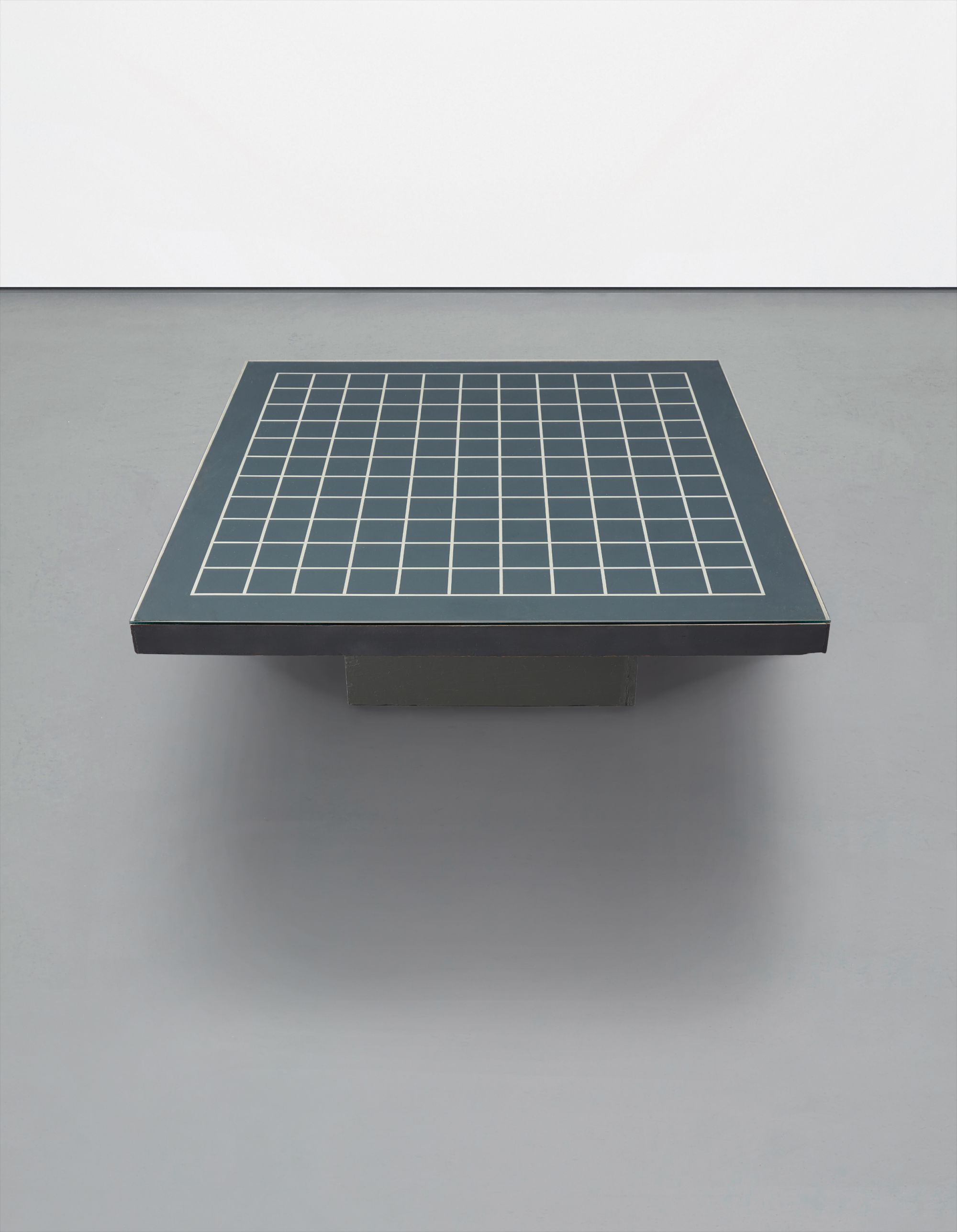
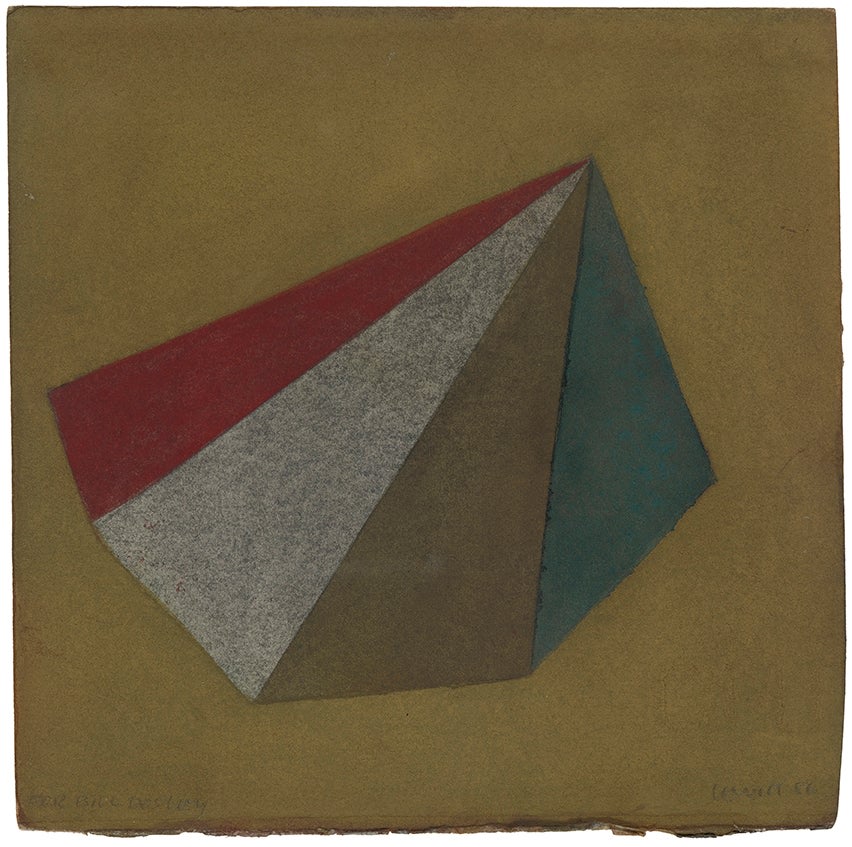
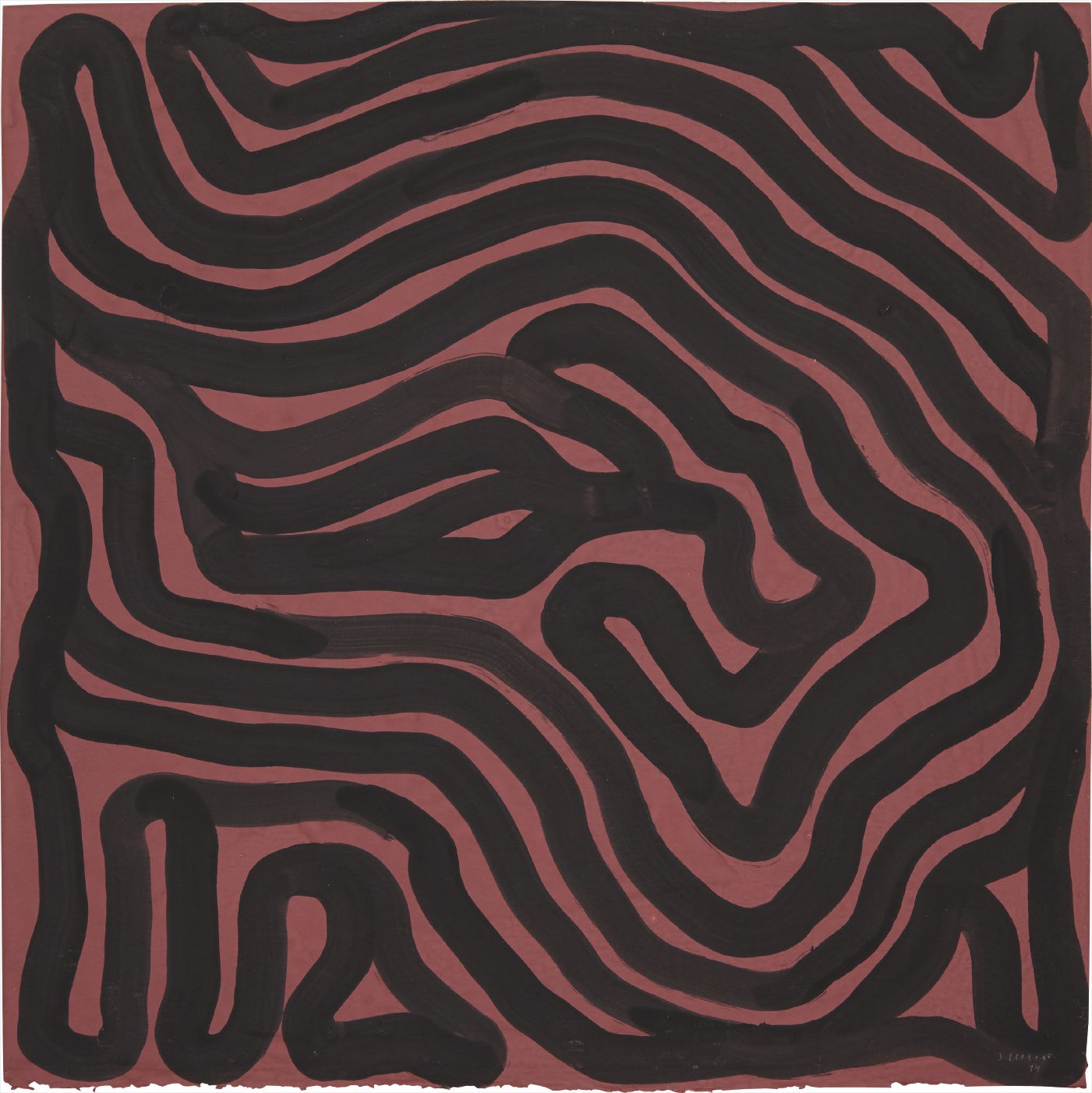
What we are watching now is not rediscovery but recalibration: a clearer sense of which figures defined the territory and which are essential to any serious collection. Sol LeWitt remains the gravitational center of this conversation. His wall drawings, his structures, and his notebooks have moved through auction with increasing confidence. The works on The Collection reflect the range that makes him so enduring: the geometry that feels both rigorous and generous, the instructions that invite participation without surrendering authorship.
MoMA's holdings of his work have long been central to how institutions frame the movement, and when the Dia Art Foundation dedicated significant gallery space to his wall drawings, it reaffirmed his standing not simply as a pioneer but as an artist whose ideas continue to generate new experiences with each installation. Joseph Kosuth occupies a different but equally vital position. His 1965 work "One and Three Chairs," which presents an actual chair alongside a photograph of that chair and a dictionary definition of the word chair, remains one of the most taught and reproduced works in twentieth century art. But its influence goes far beyond the classroom.
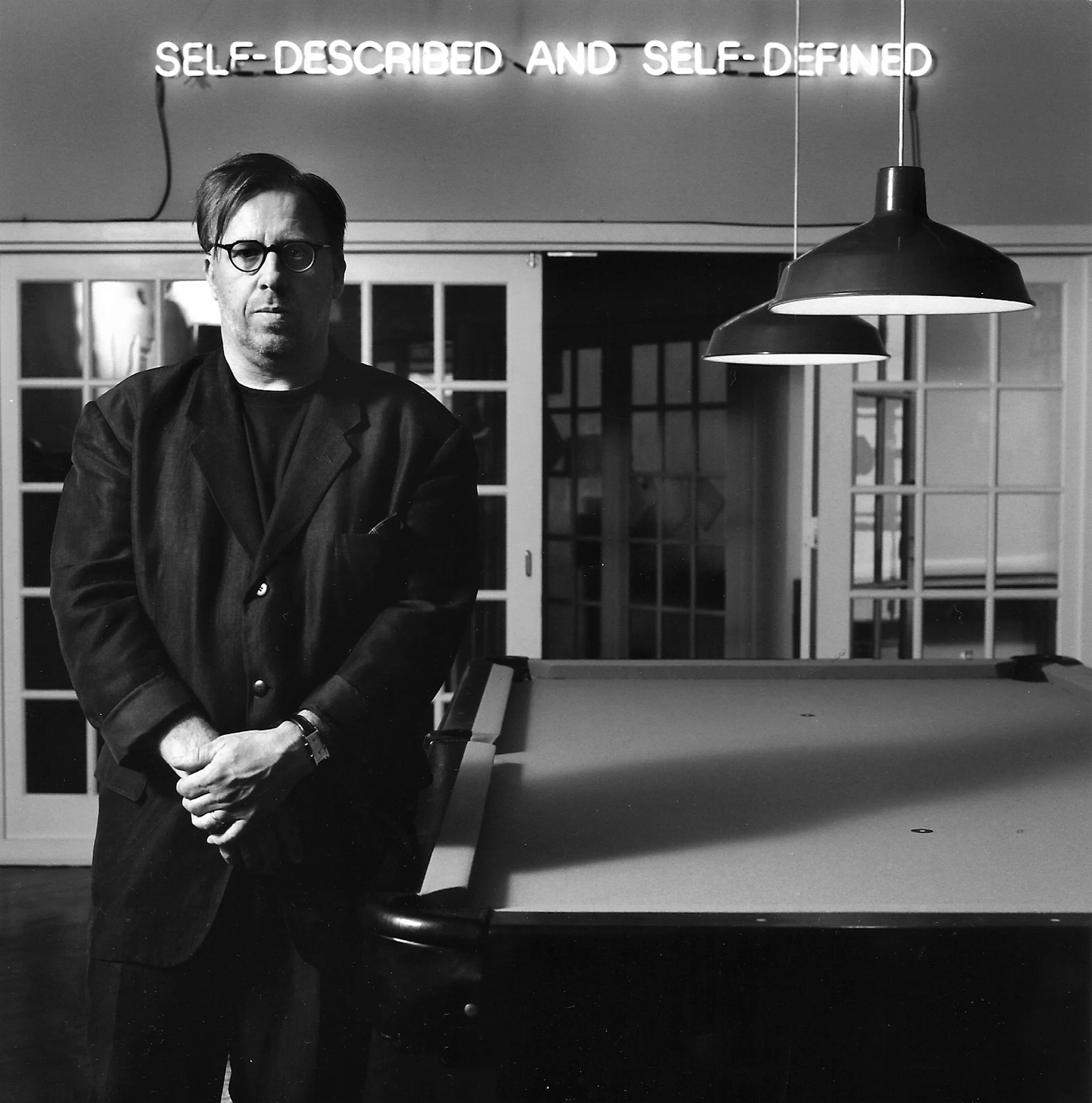
Joseph Kosuth
Wittgenstein's Colour
Kosuth's insistence that art is fundamentally a proposition about meaning, not a visual sensation, gave subsequent generations of artists permission to work with language, philosophy, and institutional critique as primary materials. His presence on The Collection signals a commitment to the intellectual foundations of the movement, not merely its aesthetic legacy. Museum programming has been notably active. The retrospective of Lawrence Weiner at the Whitney in 2007 set a high watermark for how American institutions frame language based practice, and its influence on curatorial thinking persists.
The Tate Modern has consistently acquired and exhibited work from this period, and its displays of Arte Povera alongside Anglo American conceptualism have helped European audiences situate these gestures within a broader postwar rethinking of what art could be. In Germany, institutions like the Museum Ludwig in Cologne have held substantial conceptual holdings since the 1970s, and they continue to lend authority to the market by treating this work as genuinely canonical rather than historically interesting. The critical conversation is rich and genuinely contested. Alexander Alberro and Blake Stimson's anthology "Conceptual Art: A Critical Anthology," published in 1999, remains a foundational text, but younger scholars are pushing on its frameworks.
Writers associated with October magazine have long interrogated the politics of dematerialization, asking who benefits when the commodity form of art is supposedly dissolved. More recently, curators like Rattanamol Singh Johal and others working across diasporic and postcolonial frameworks have raised productive questions about whose conceptualism gets canonized and whose gets described as ethnographic or activist. These arguments are making the field more interesting, not less, and they are beginning to shape acquisition decisions at forward thinking institutions. The auction market for primary conceptual figures has been one of the more stable corners of the contemporary space over the past several years.
Certificate works, instructions, and multiples have found consistent buyers partly because their edition structures make entry points accessible and partly because the arguments for their importance are now settled enough that advisors recommend them with confidence. LeWitt works across multiple price tiers depending on period and scale, which means collectors at various stages can build meaningful holdings. What the top results reveal is that the market rewards provenance, exhibition history, and institutional connection, the same values that animate any serious collection. What feels alive right now is the generation of artists who inherited conceptualism's tools and pushed them into digital, postinternet, and socially engaged territories.
Artists like Hito Steyerl and Cally Spooner have absorbed the movement's logic of the proposition and the document while working in video and performance contexts that LeWitt and Kosuth could not have anticipated. Galleries representing younger artists in this lineage are finding that collectors who built their eye on first generation conceptualism are curious about where the thread leads. The genealogy is legible and that legibility is a commercial asset. What feels settled is the hierarchy of the founding generation, which is not a criticism but a clarity.
The arguments about whether conceptual art matters are over. The arguments now are about which works within an artist's practice represent the most essential thinking, and those are exactly the right arguments to be having. For collectors working with The Collection, the presence of LeWitt and Kosuth together is an invitation to think seriously about this lineage, to understand the range of what the movement produced, and to position a collection that speaks to one of the twentieth century's most consequential aesthetic revolutions with something more than casual acknowledgment.