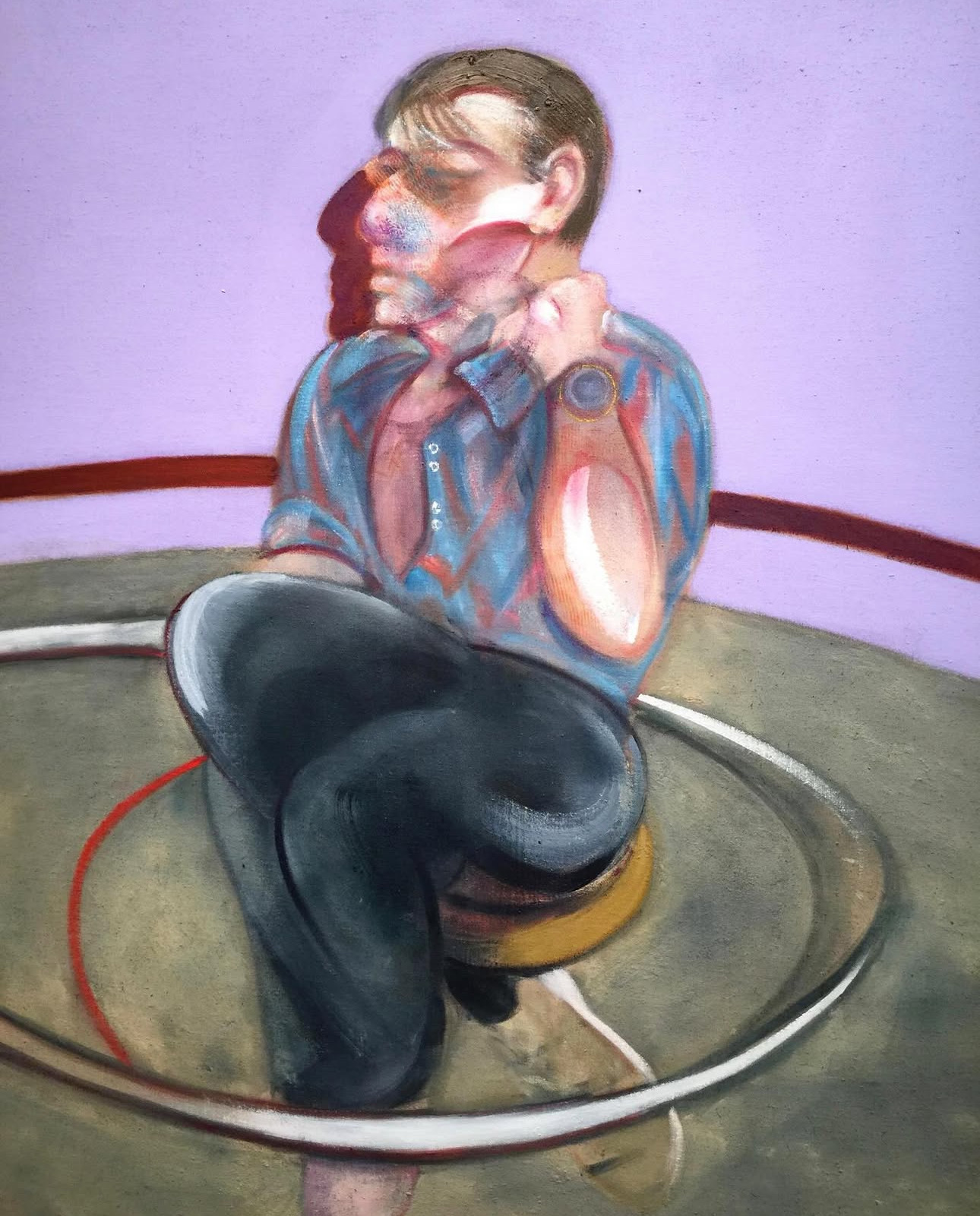
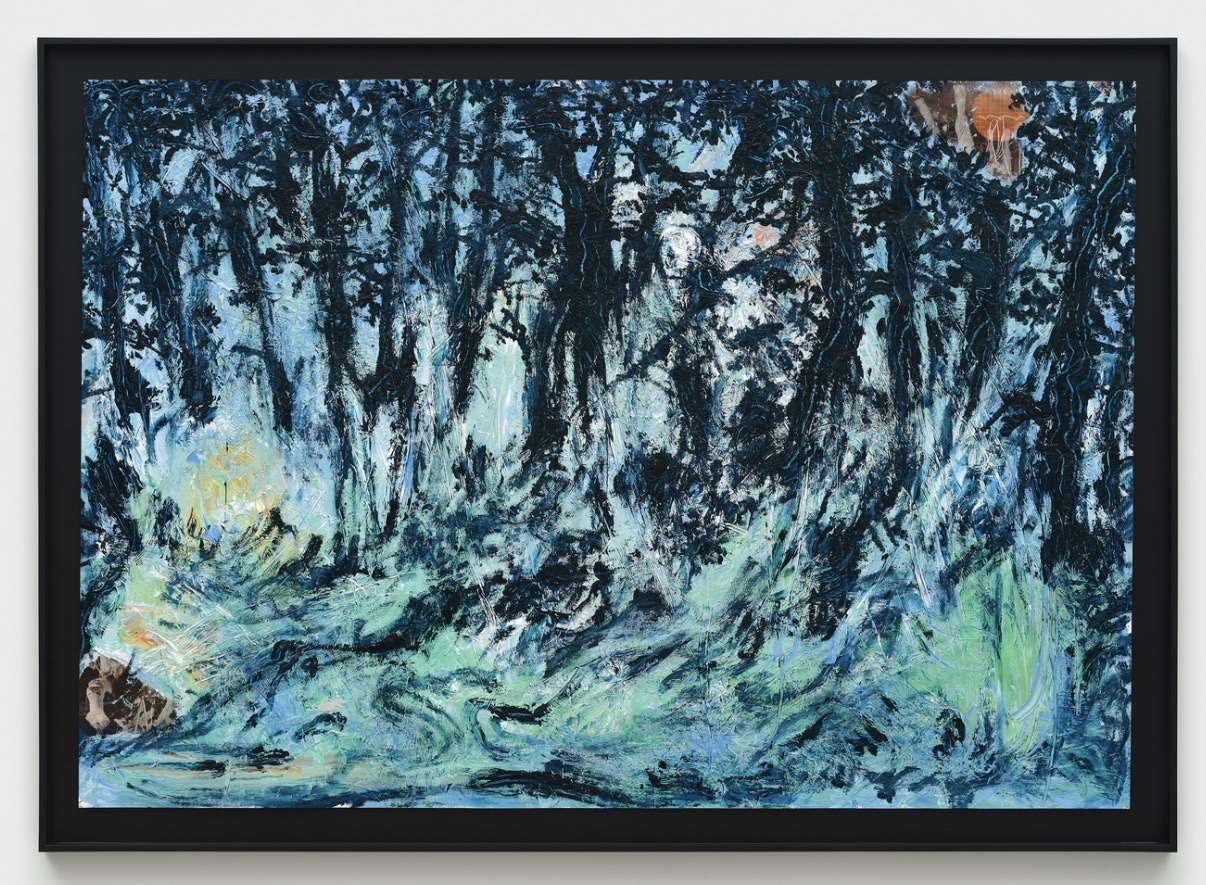
Collage Elements
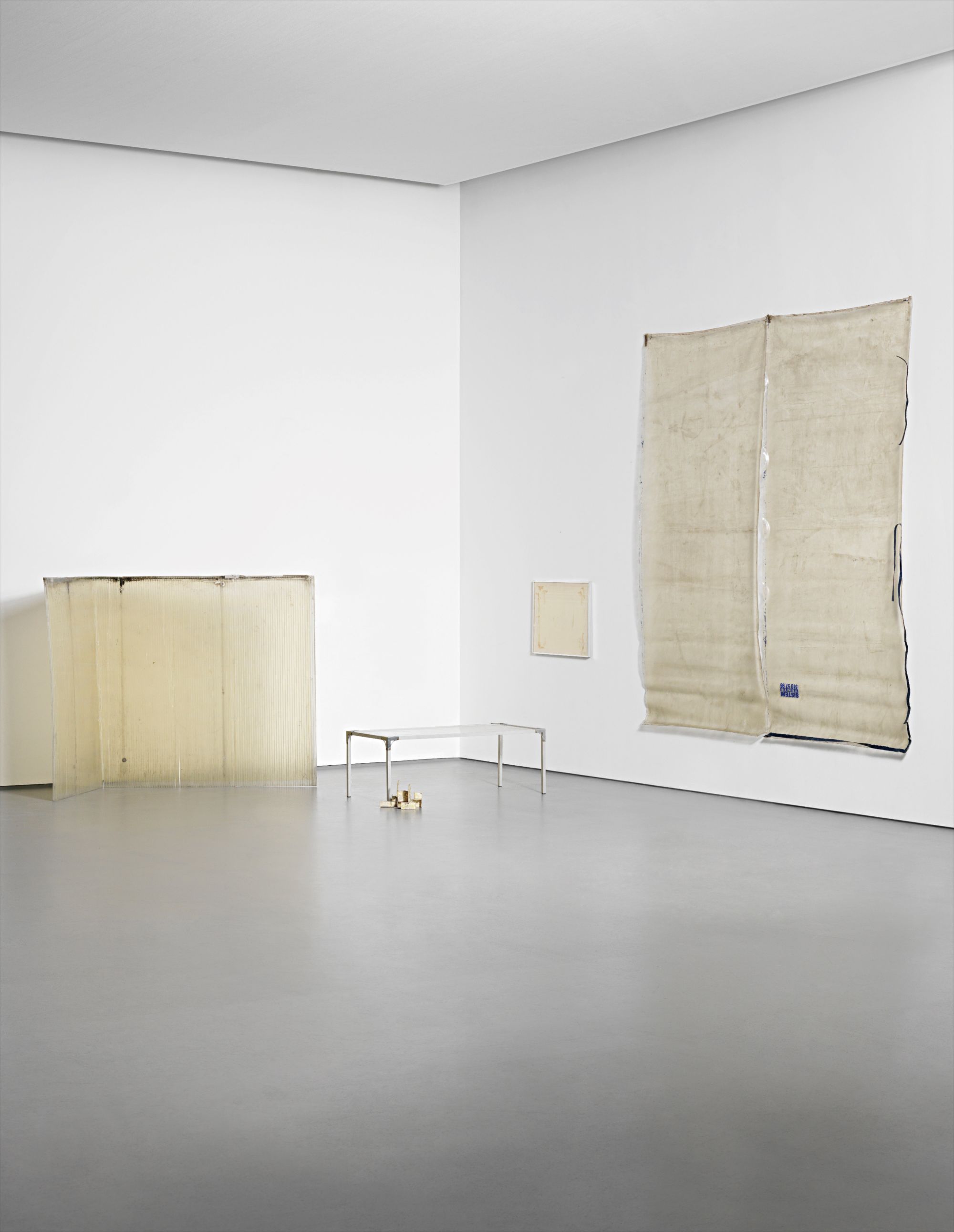
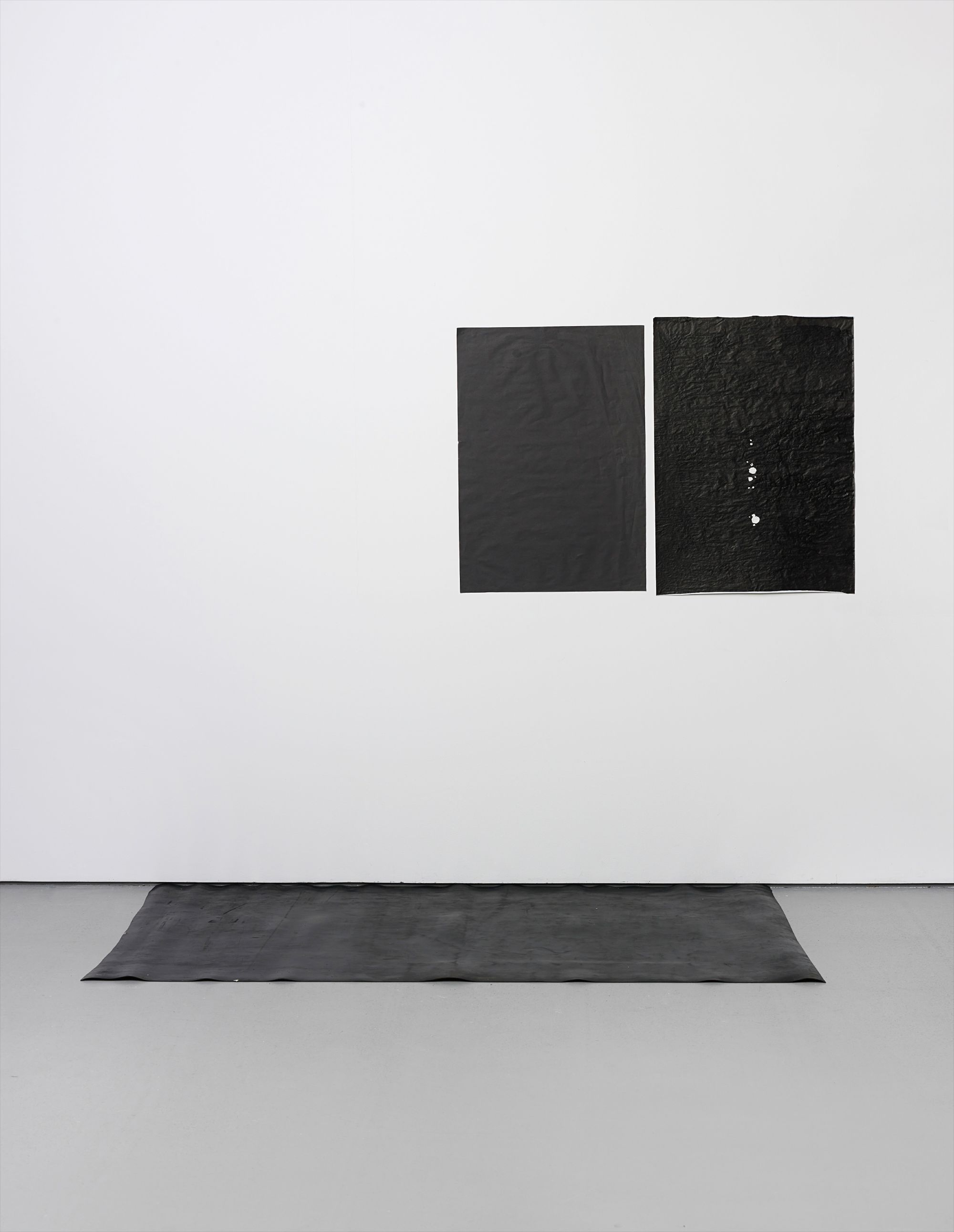
Ian Kiaer
Instanbul Endless House project: Anali
Cut, Torn, Reassembled: Collage Owns the Room
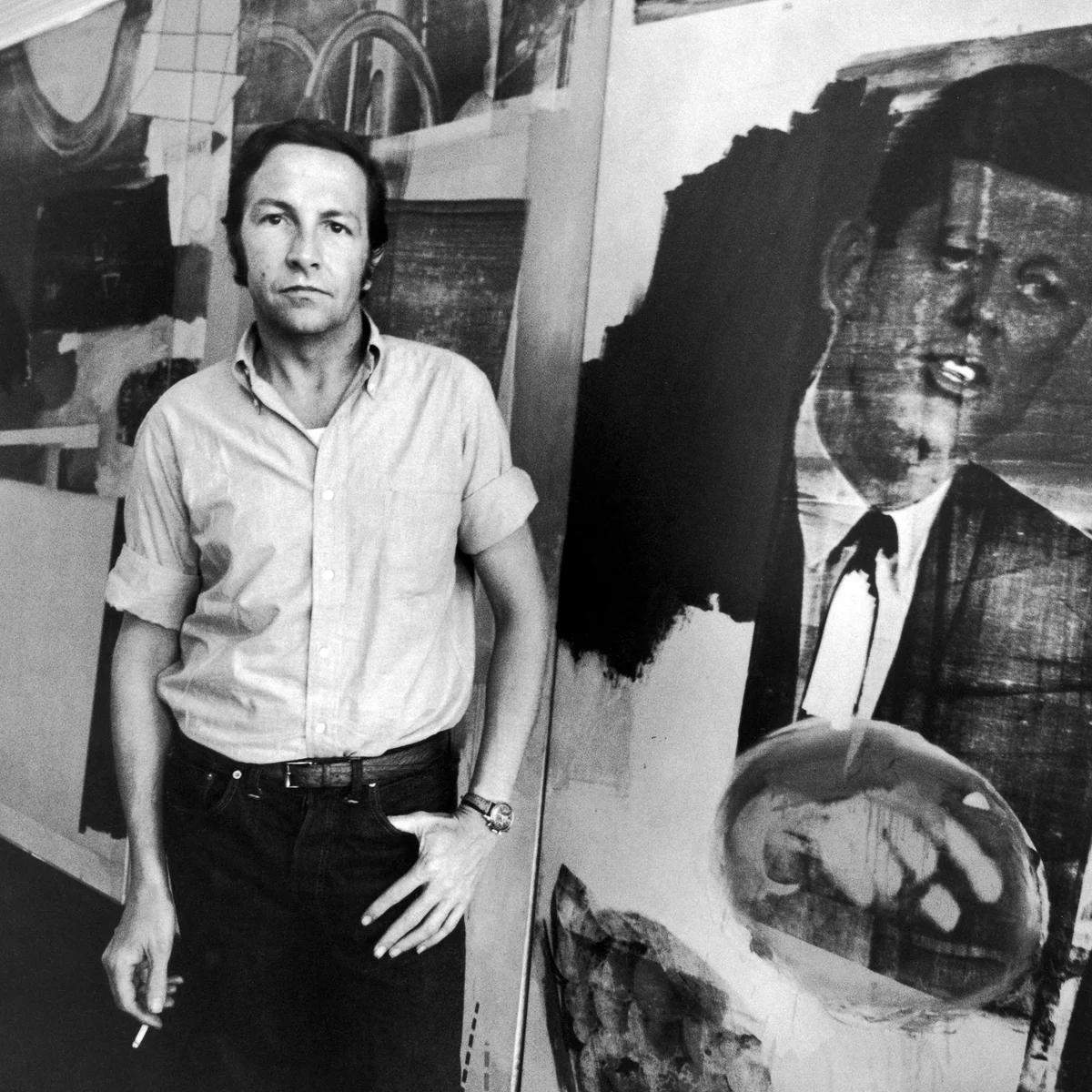
When a mixed media work by Robert Rauschenberg sold at Christie's for well over twenty million dollars in recent years, it confirmed something collectors had already been sensing in the rooms of major fairs and galleries: collage is no longer a supporting act. It has moved to the center of the conversation about what contemporary art can do and mean. The medium that Picasso and Braque treated as a radical provocation in 1912 has shed its reputation as a preparatory exercise and emerged as one of the most intellectually serious and commercially commanding categories in the market today. The critical rehabilitation of collage has been building for over a decade, but several landmark exhibitions accelerated its standing considerably.
The Museum of Modern Art's sustained attention to Robert Rauschenberg's combines, culminating in the traveling retrospective that opened in 2016, reframed his entire practice as a sustained interrogation of how meaning accumulates when images and objects are forced into unexpected proximity. That show reminded a generation of younger collectors and curators that the combine was not merely a formal experiment but a genuinely philosophical proposition about representation, desire, and the texture of American life. The work on The Collection from Rauschenberg rewards exactly this kind of looking. Robert Motherwell sits in a different register, but his presence in this conversation is essential.
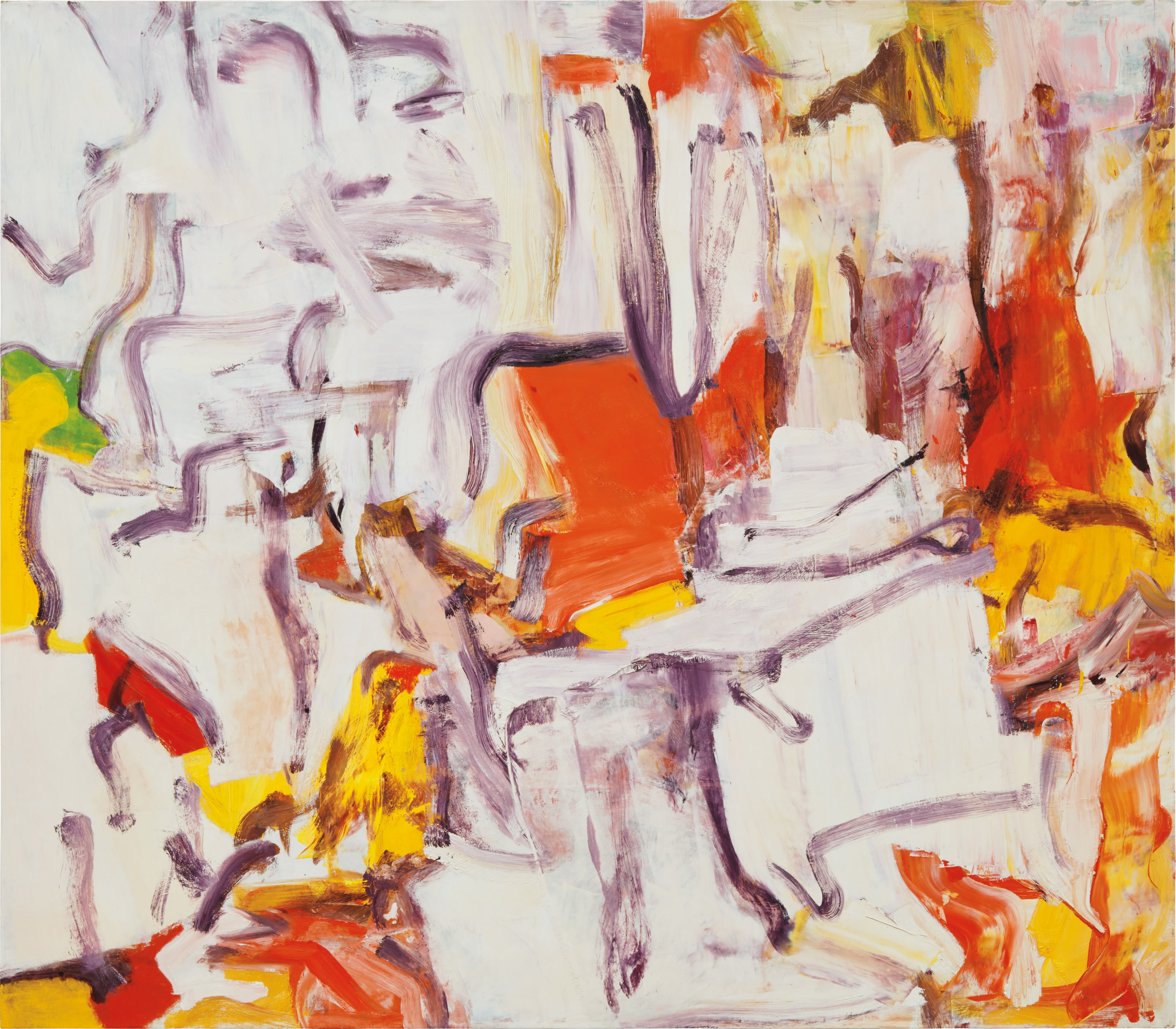
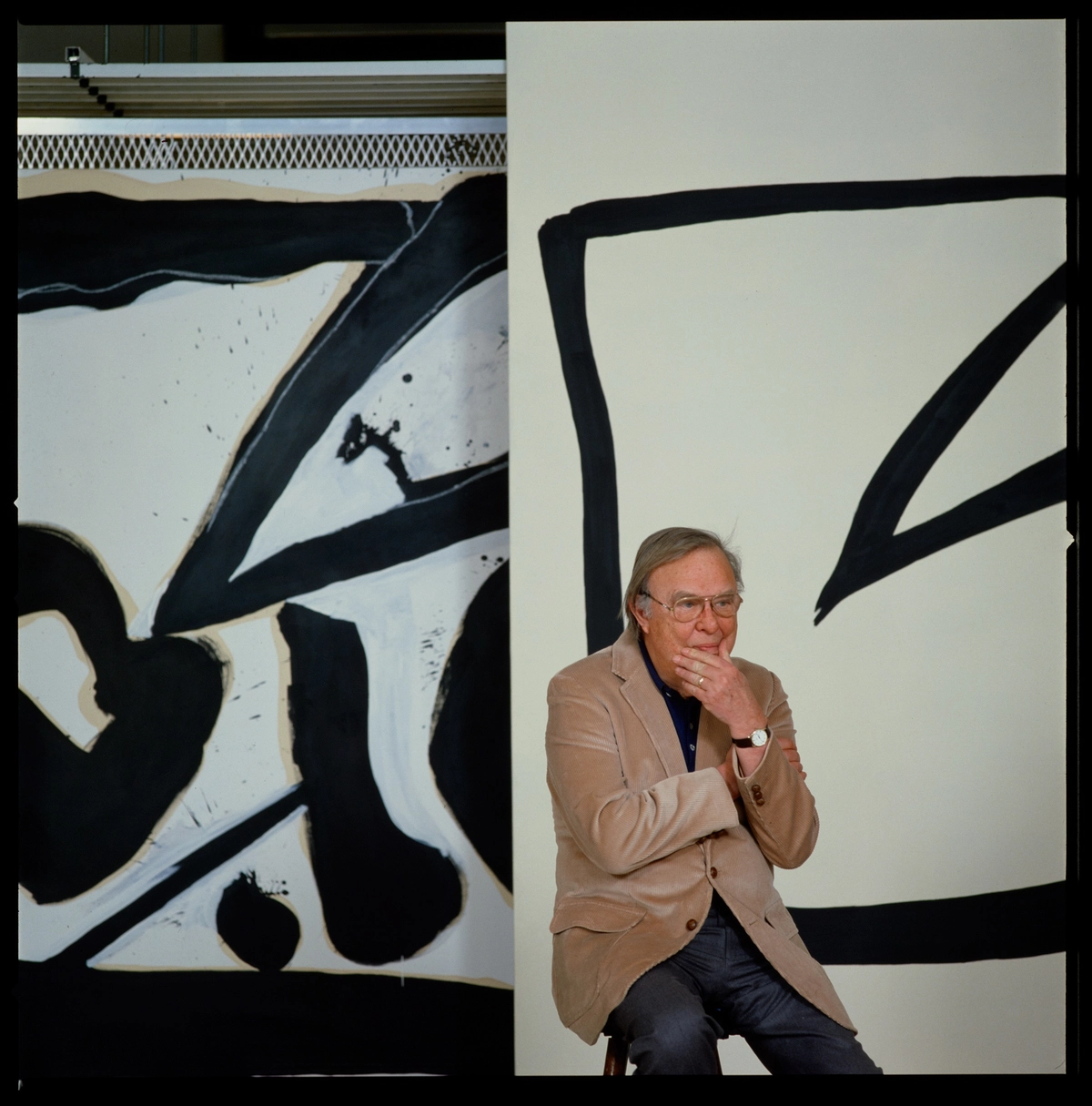
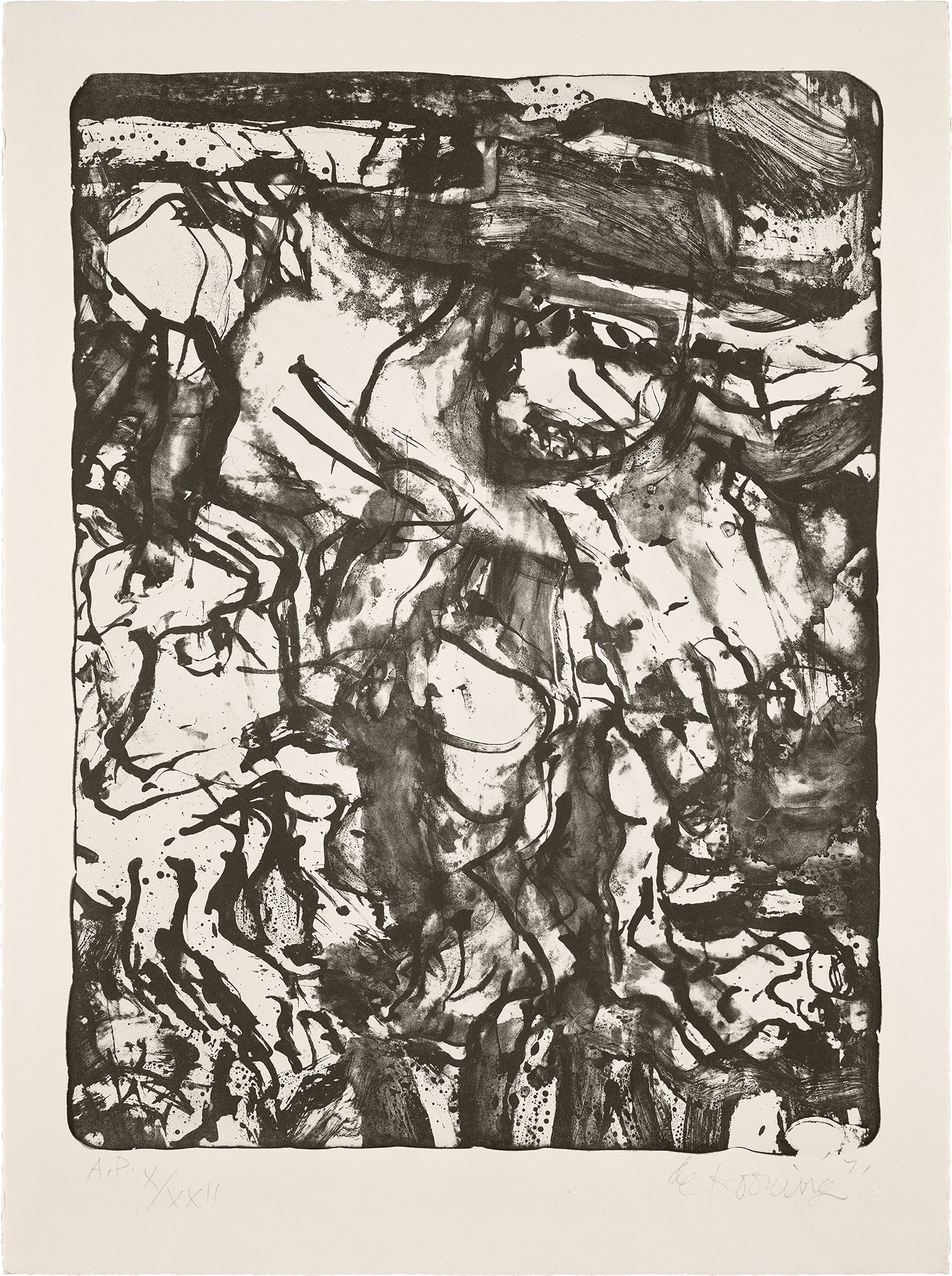
Robert Motherwell
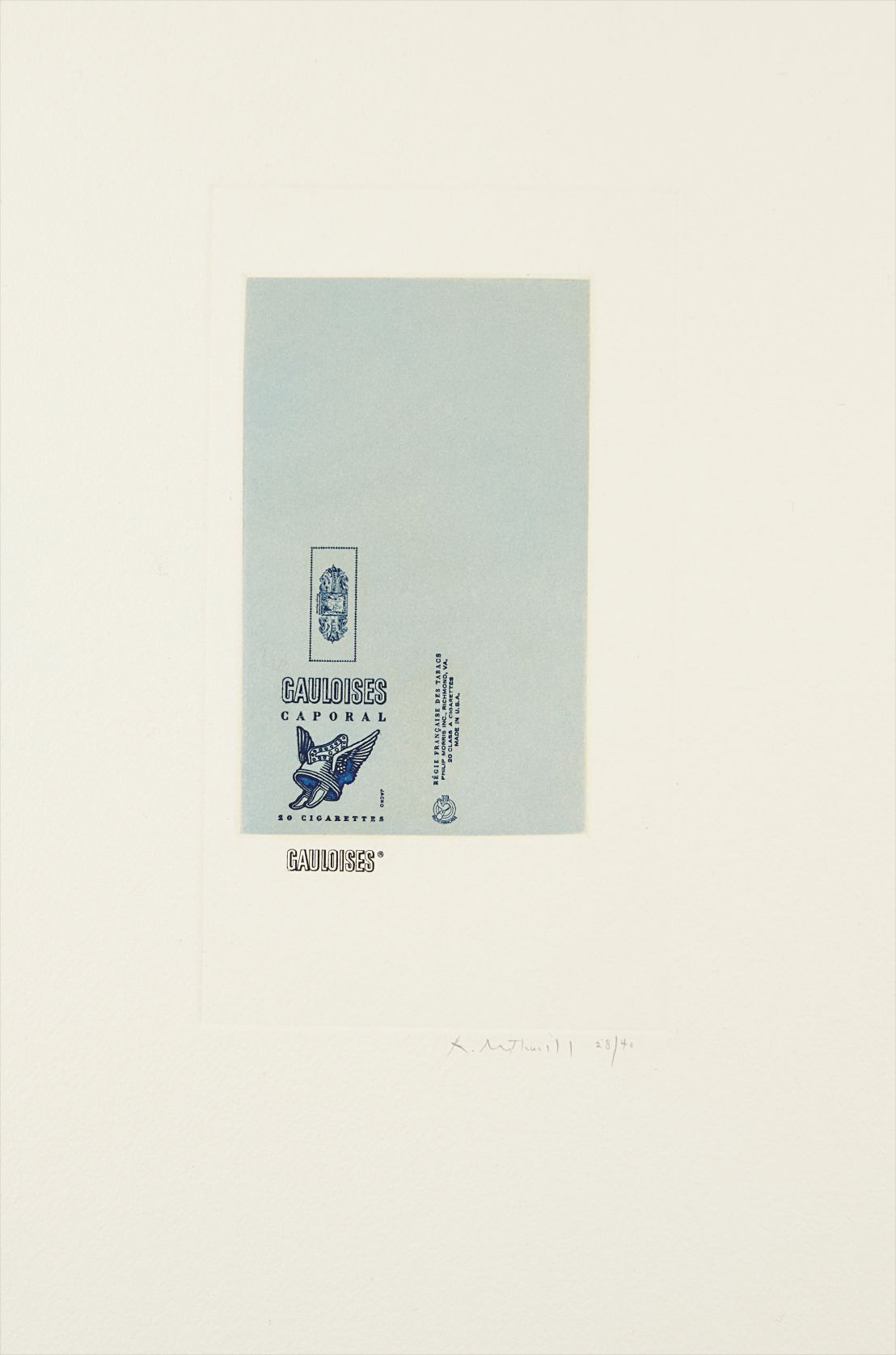
Gauloises Bleues (White)
His Elegies to the Spanish Republic series are collage and painting so thoroughly fused that separating the two impulses feels beside the point. Motherwell understood that tearing paper was an expressive act as loaded as the brushstroke, and auction results have consistently reflected that understanding. His works regularly achieve seven figures at the major houses, with Sotheby's and Christie's treating each appearance as a genuine event. The critical literature around Motherwell, including essays by Stephanie Terenzio and the scholarship gathered around the Dedalus Foundation, has given collectors a rich framework for understanding why these works matter beyond their considerable visual authority.
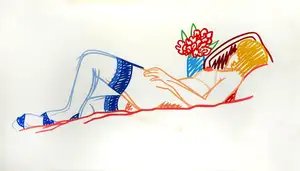
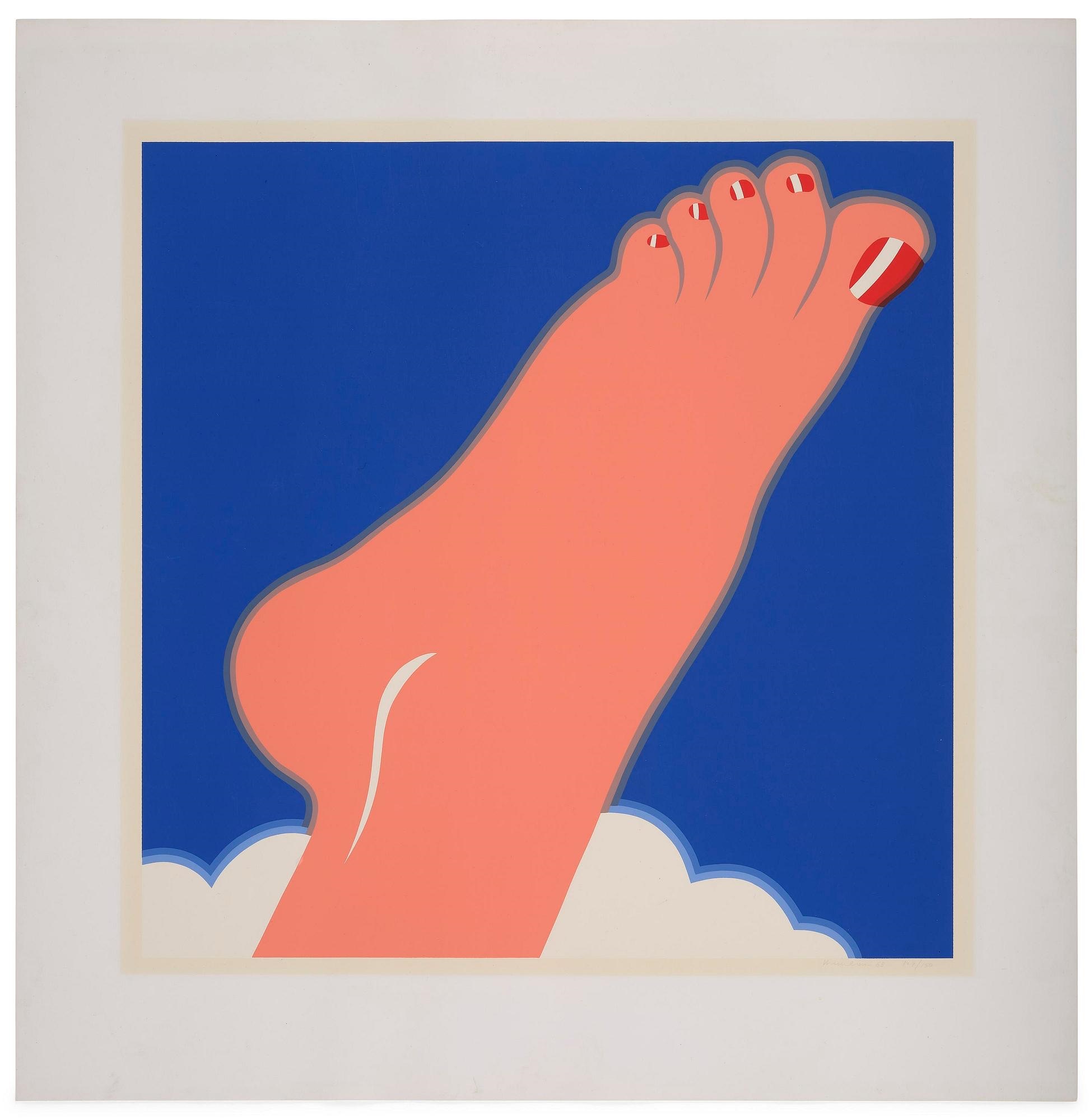
Tom Wesselmann and James Rosenquist brought collage into the Pop arena with a different kind of aggression. Wesselmann's Great American Nude series deployed collaged advertising imagery and mass produced surfaces to create something at once celebratory and deeply unsettling about consumer culture. Rosenquist, who trained as a billboard painter, brought a monumental scale and a cinematic fragmentation to his assembled images that still feels genuinely strange and powerful. Both artists are well represented on The Collection, and their work reminds us that collage is not necessarily an intimate medium.

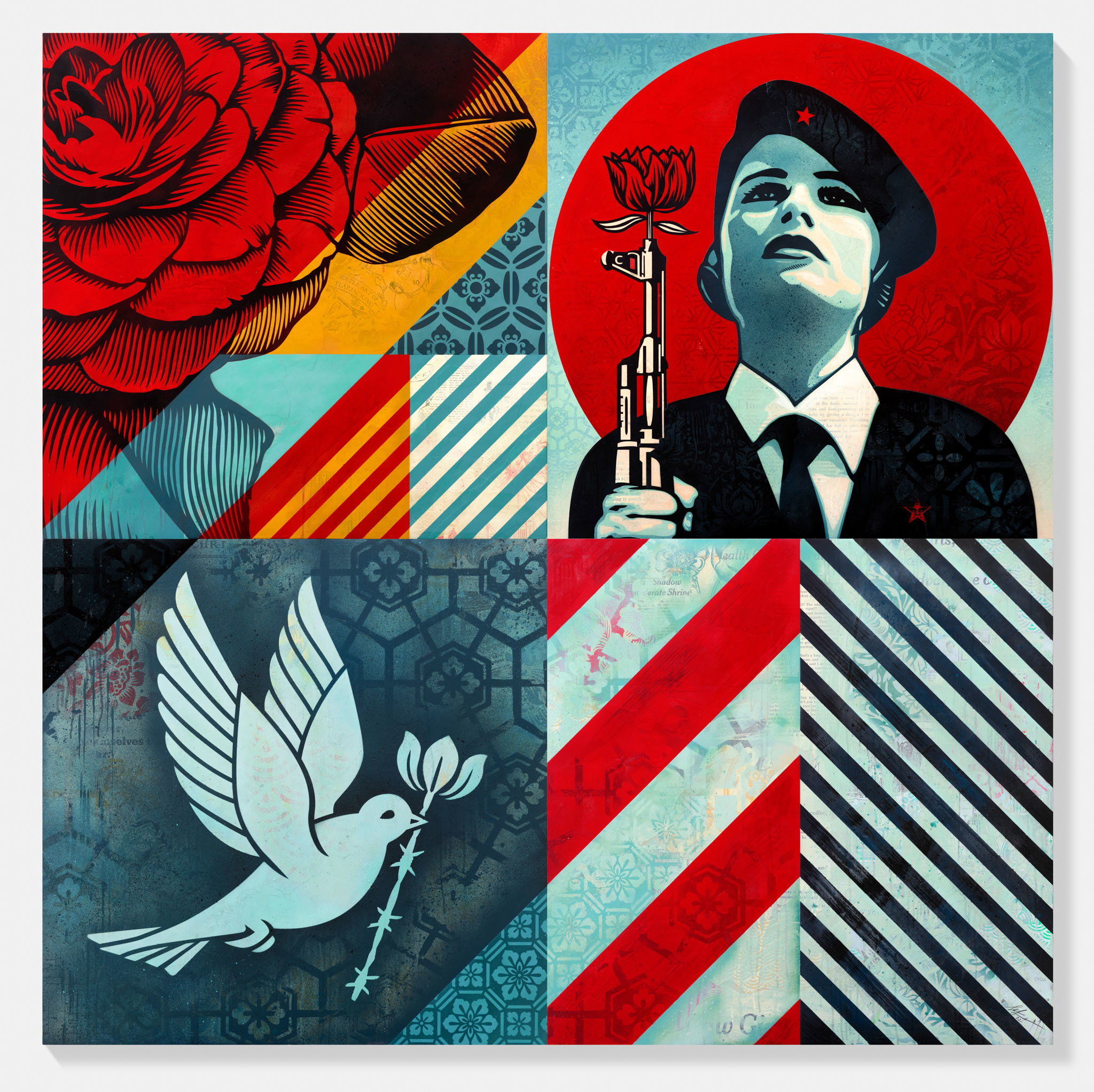
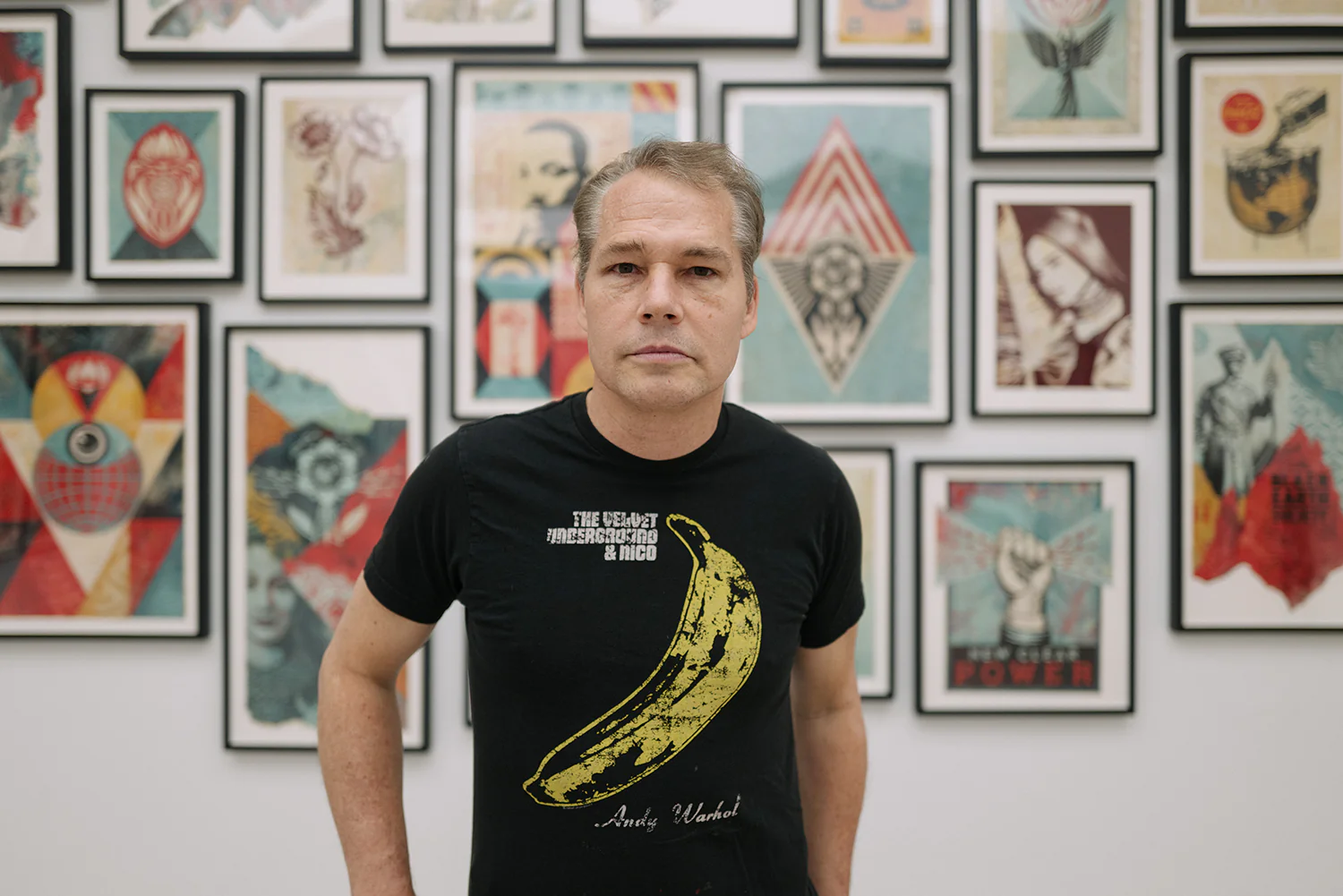
Shepard Fairey
Search and Destroy, 2024
It can be confrontational, expansive, and public in its ambitions. The market for Shepard Fairey has matured considerably, and his presence on The Collection signals something important about where collecting energy is moving. Fairey works in a tradition of appropriated imagery and layered graphic language that connects directly to the Dada and Surrealist roots of collage, even as it draws from street art and political poster traditions. His prices have stabilized in the mid five figure to low six figure range for strong works, and institutional interest has grown as museums take street art seriously as a historical category rather than a passing phenomenon.
The Los Angeles County Museum of Art and the National Portrait Gallery in Washington have both engaged with his practice in ways that legitimize collecting at this level. The critical conversation around collage has been shaped significantly by curators and writers willing to move across historical periods rather than siloing the work. Briony Fer's writing on Surrealist objects and assemblage provided theoretical grounding that later scholars built upon. More recently, curators at the Tate Modern and the Guggenheim Bilbao have organized shows that refuse to treat collage as a historical genre and instead present it as a living methodology.
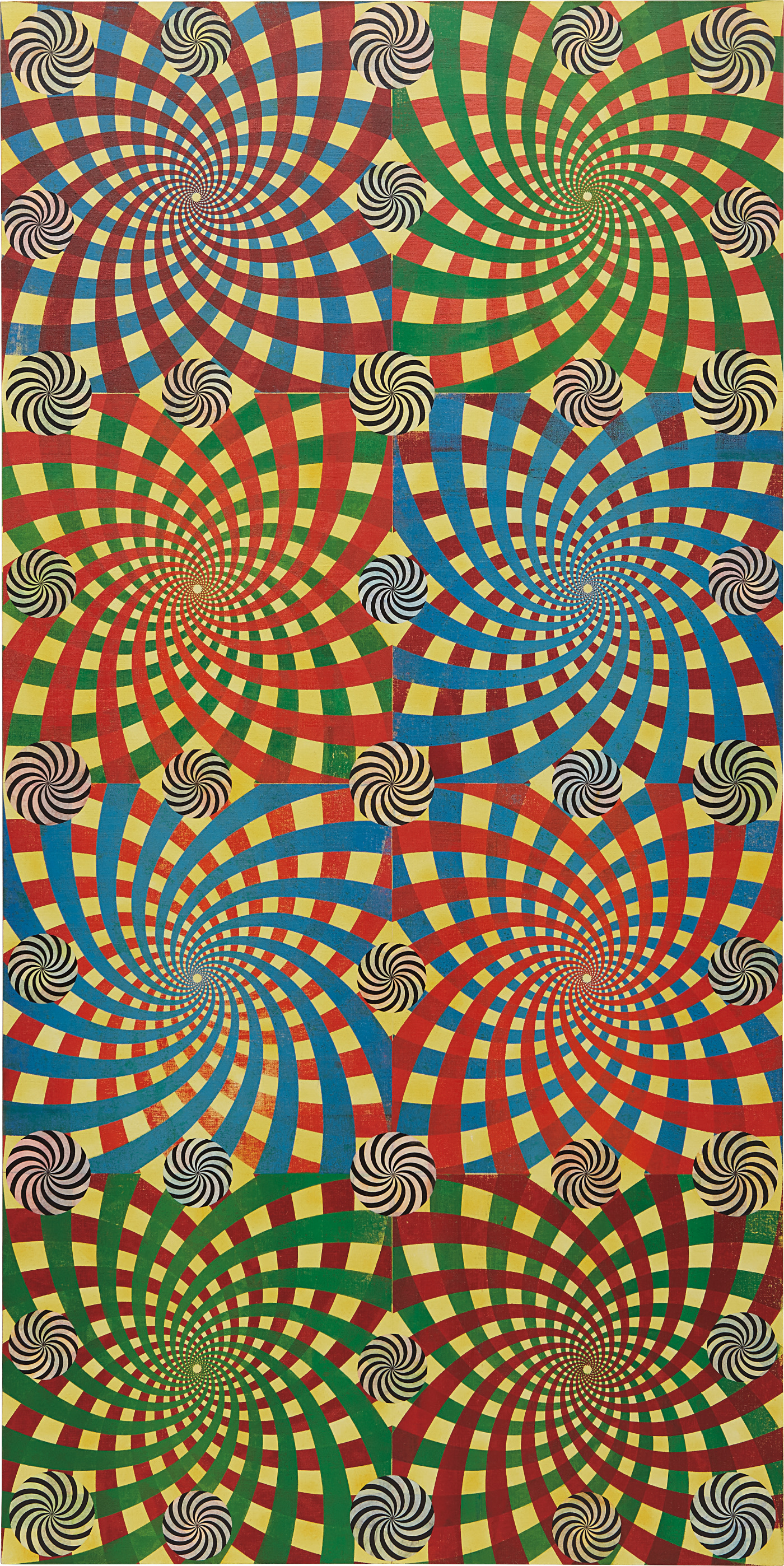
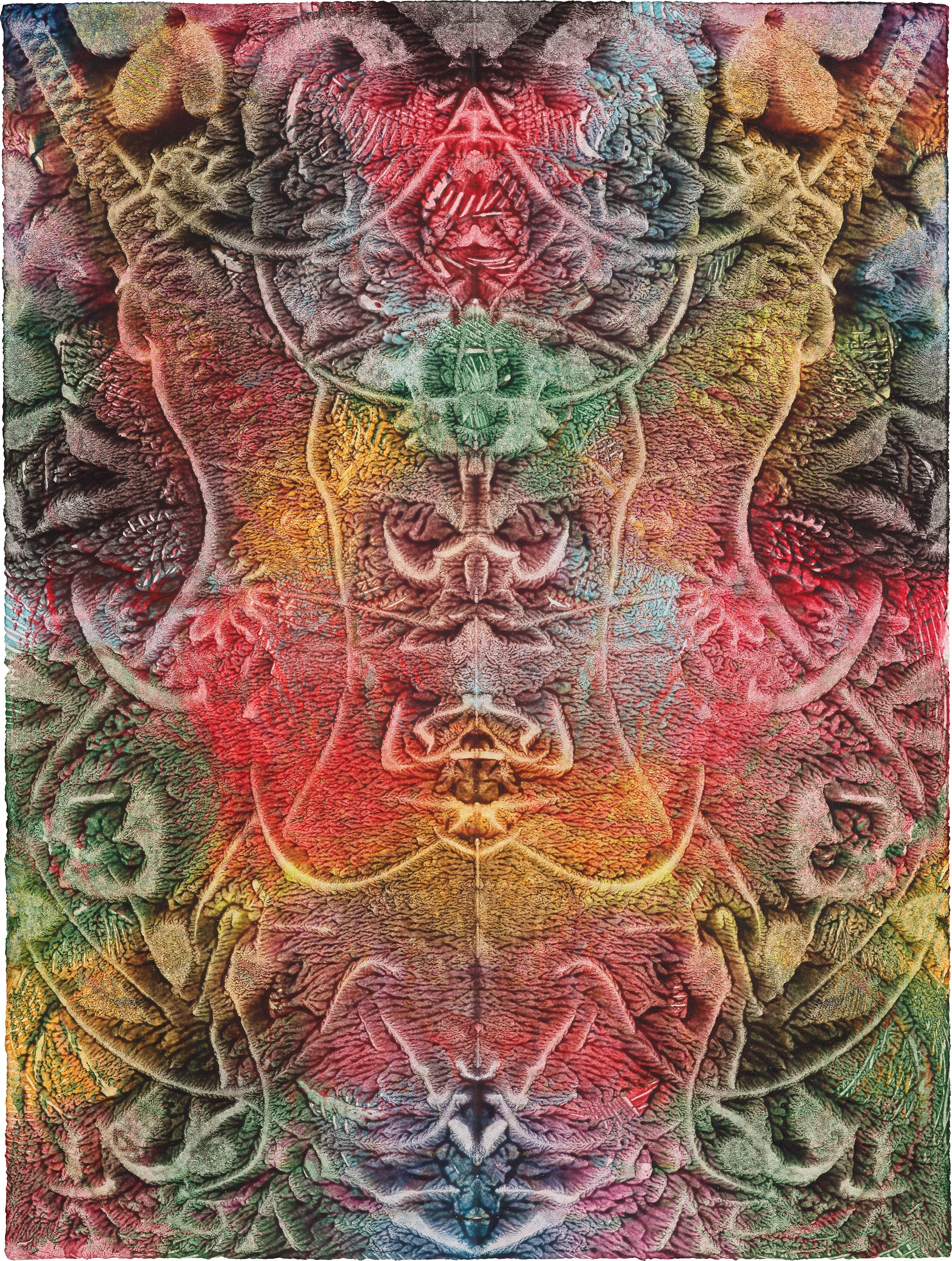
Philip Taaffe
Spiraling Portal
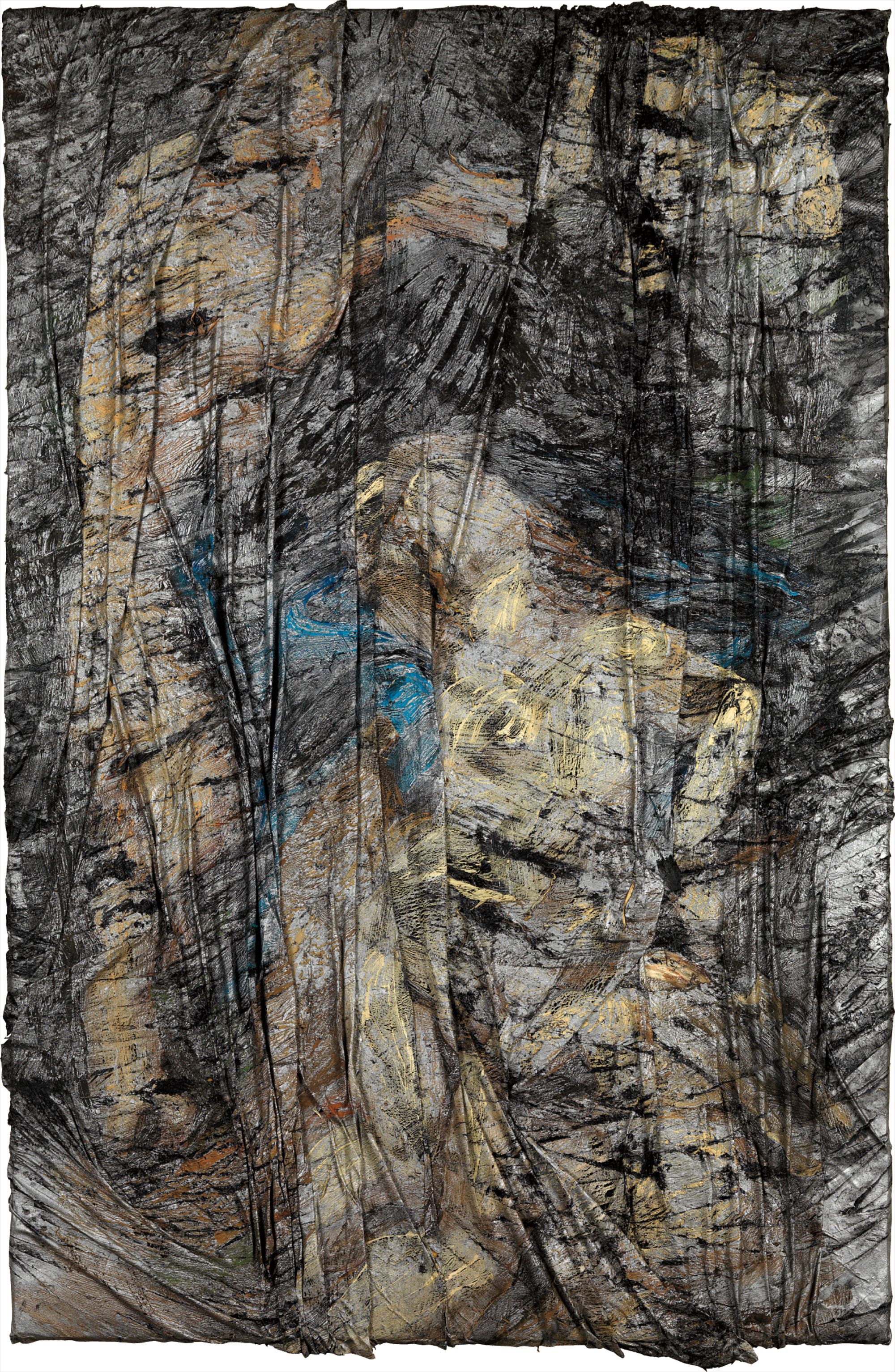
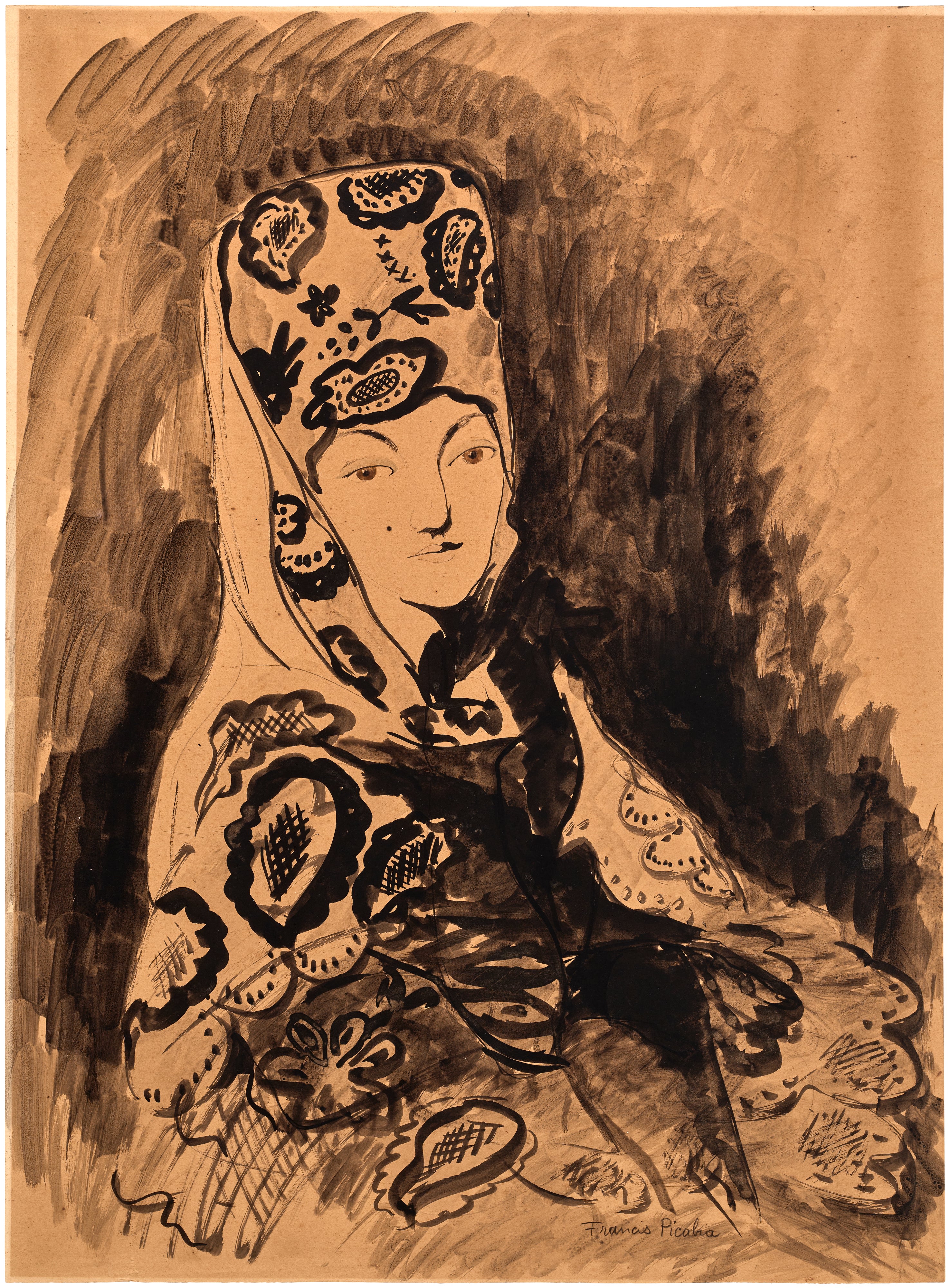
Francis Picabia, whose mechanomorphic works deploy collage logic even when they are not technically collaged, has attracted renewed scholarly attention that positions him as a more central figure than earlier surveys acknowledged. His work on The Collection sits within this broader revaluation. Niki de Saint Phalle and Philip Taaffe represent two very different ways that artists have absorbed and transformed the collage inheritance. Saint Phalle's assemblages, dense with found objects and mythological energy, are increasingly sought by museums looking to complicate narratives about postwar art that have historically centered male practitioners.
Taaffe, whose work draws on ornamental and decorative traditions from across cultures, uses collaged and printed elements to build surfaces of extraordinary richness. His critical reception has strengthened as the field has become more interested in pattern, repetition, and the politics of beauty. Works by both artists carry the kind of layered art historical reference that serious collectors find endlessly generative. Where is the energy moving?
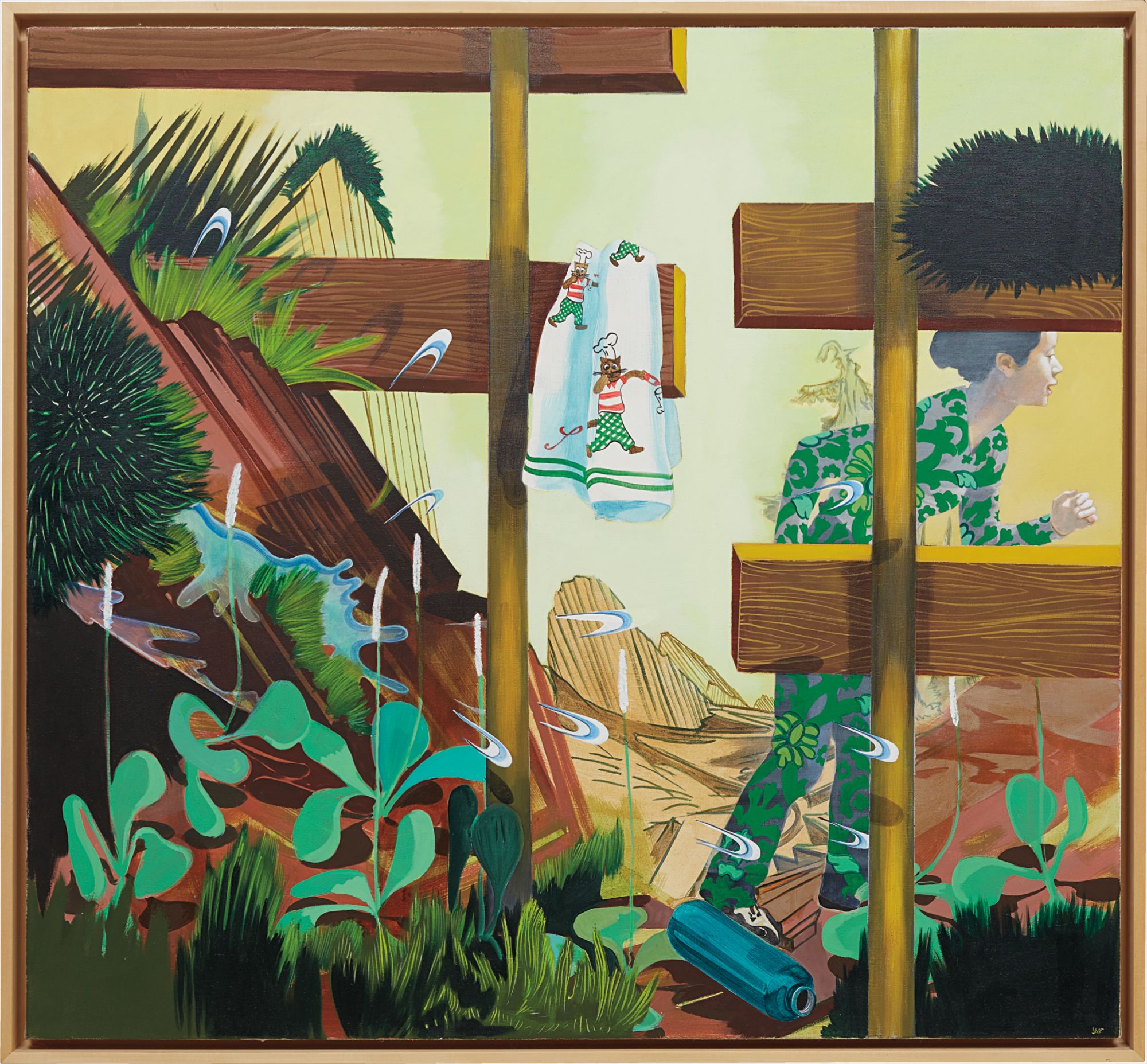
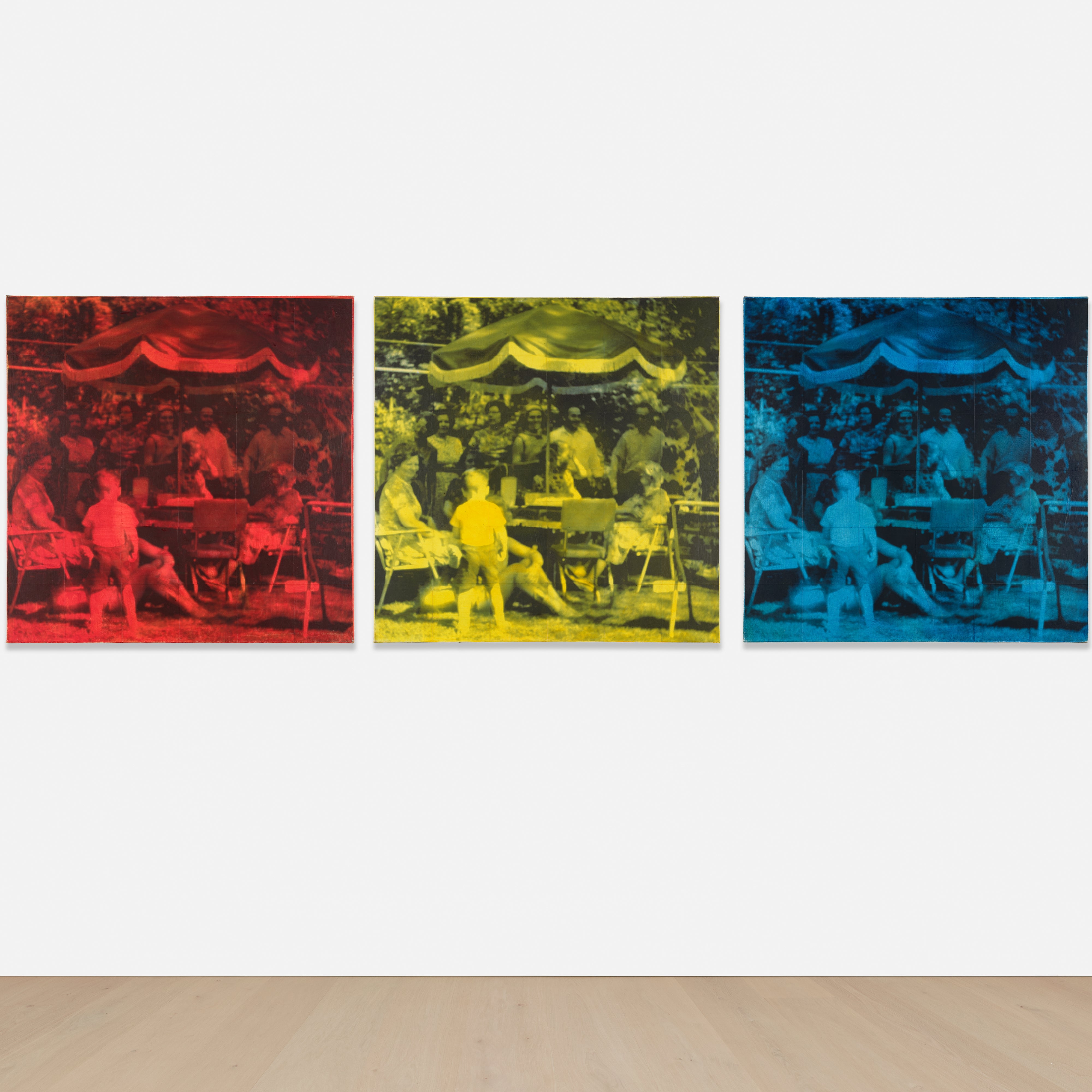
Ian Kiaer
Instanbul Endless House project: Anali
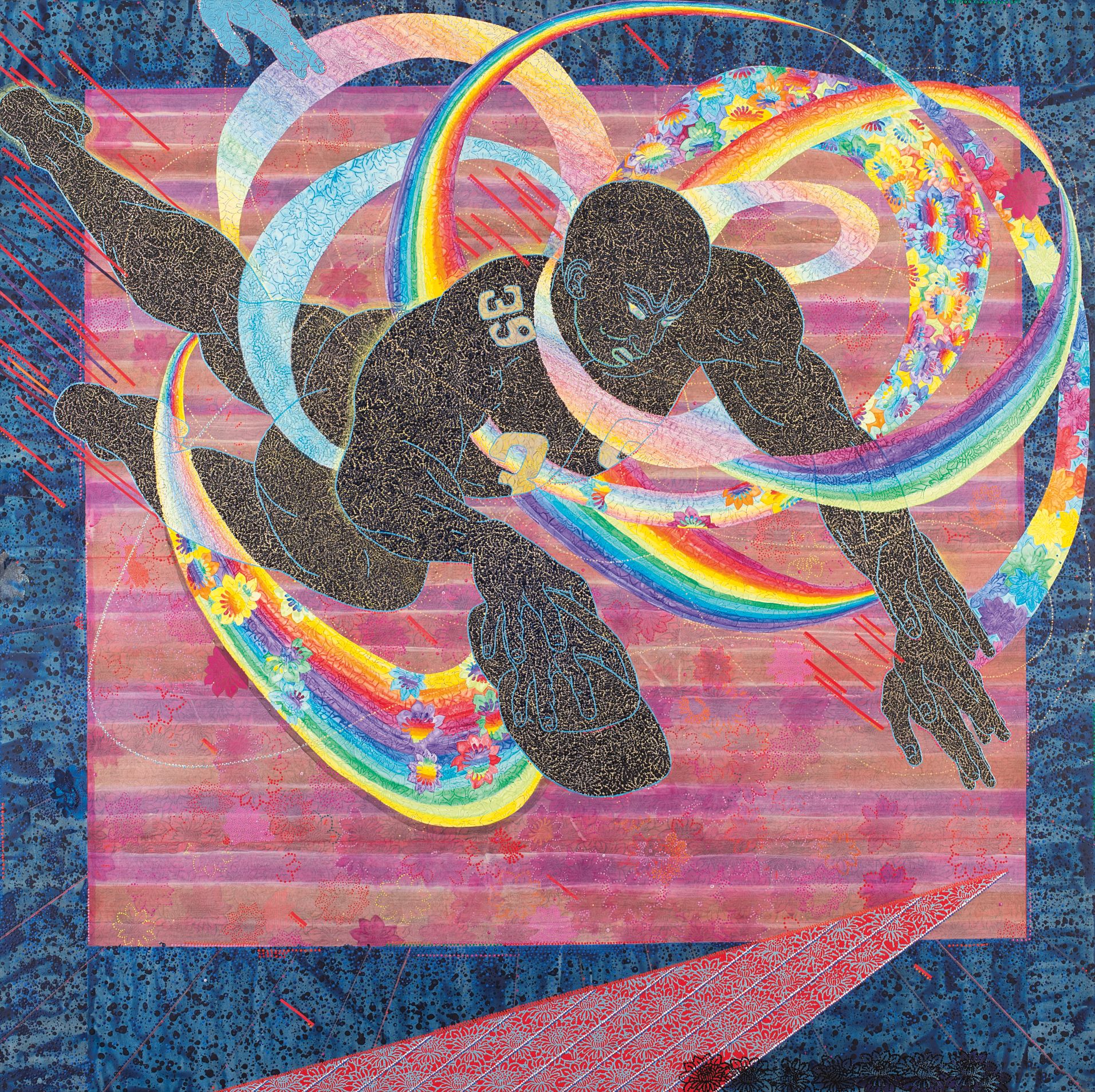
Younger artists like Angel Otero, whose poured and peeled paint creates collages of material memory, and Chie Fueki, whose intimate works on paper combine drawing and found imagery with a quiet authority, suggest that the next chapter of collage is being written with attention to surface, time, and the residue of process. Ian Kiaer's installations, which often incorporate printed and collaged elements alongside objects and architectural fragments, point toward a version of collage that dissolves the boundaries of the picture plane entirely. These artists are appearing in stronger institutional contexts with each passing season, and their auction presence, while still developing, is building on a foundation of serious critical engagement. The surprise that is coming, and that some collectors have already registered, is the full market recognition of artists like Manolo Valdés and Gino Rubert, whose work engages collage traditions in ways that connect Spanish visual culture to international modernism in deeply personal terms.
Isca Greenfield Sanders and Erik Lindman represent still another direction, one in which collage logic informs painting at a structural level even when torn paper is not the literal material. The medium has always been porous, always willing to absorb other practices and lend its logic to them in return. That generosity is precisely why it keeps producing work that feels genuinely new.