Children
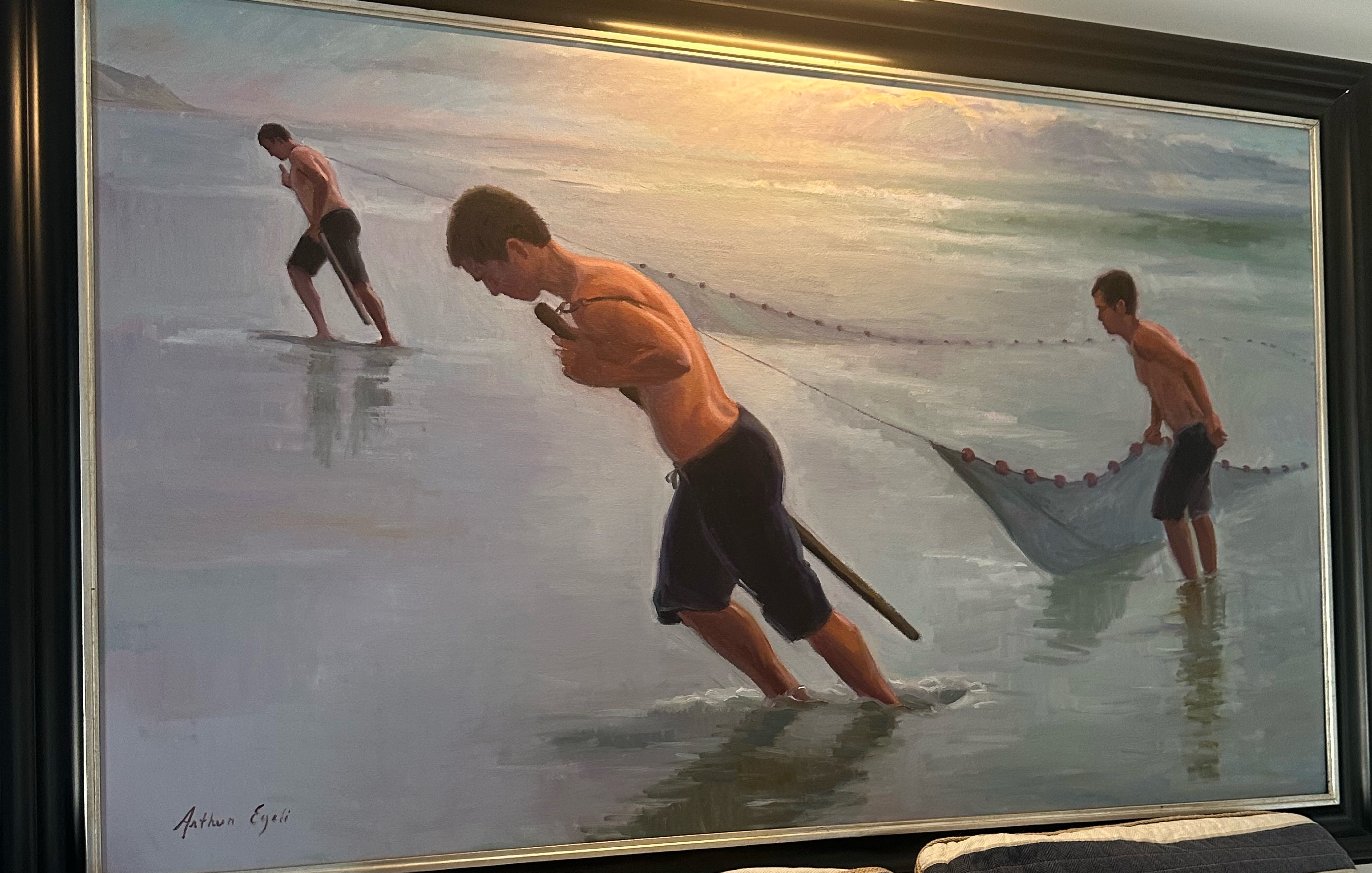
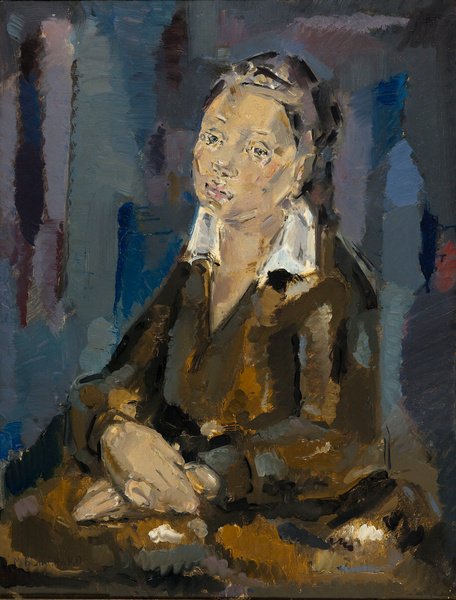
Arthur Egeli
The Big Catch

The Gaze That Never Grows Old
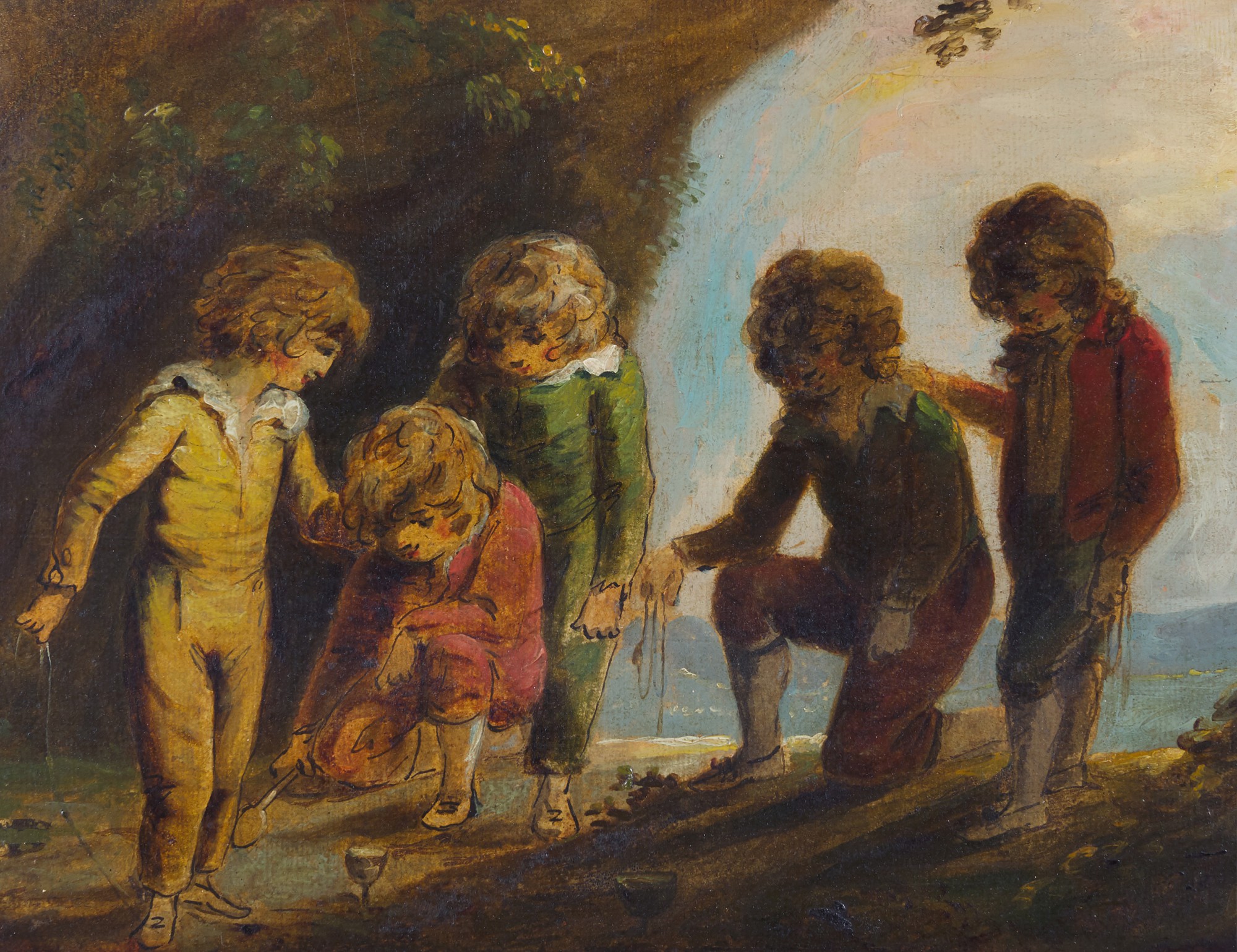
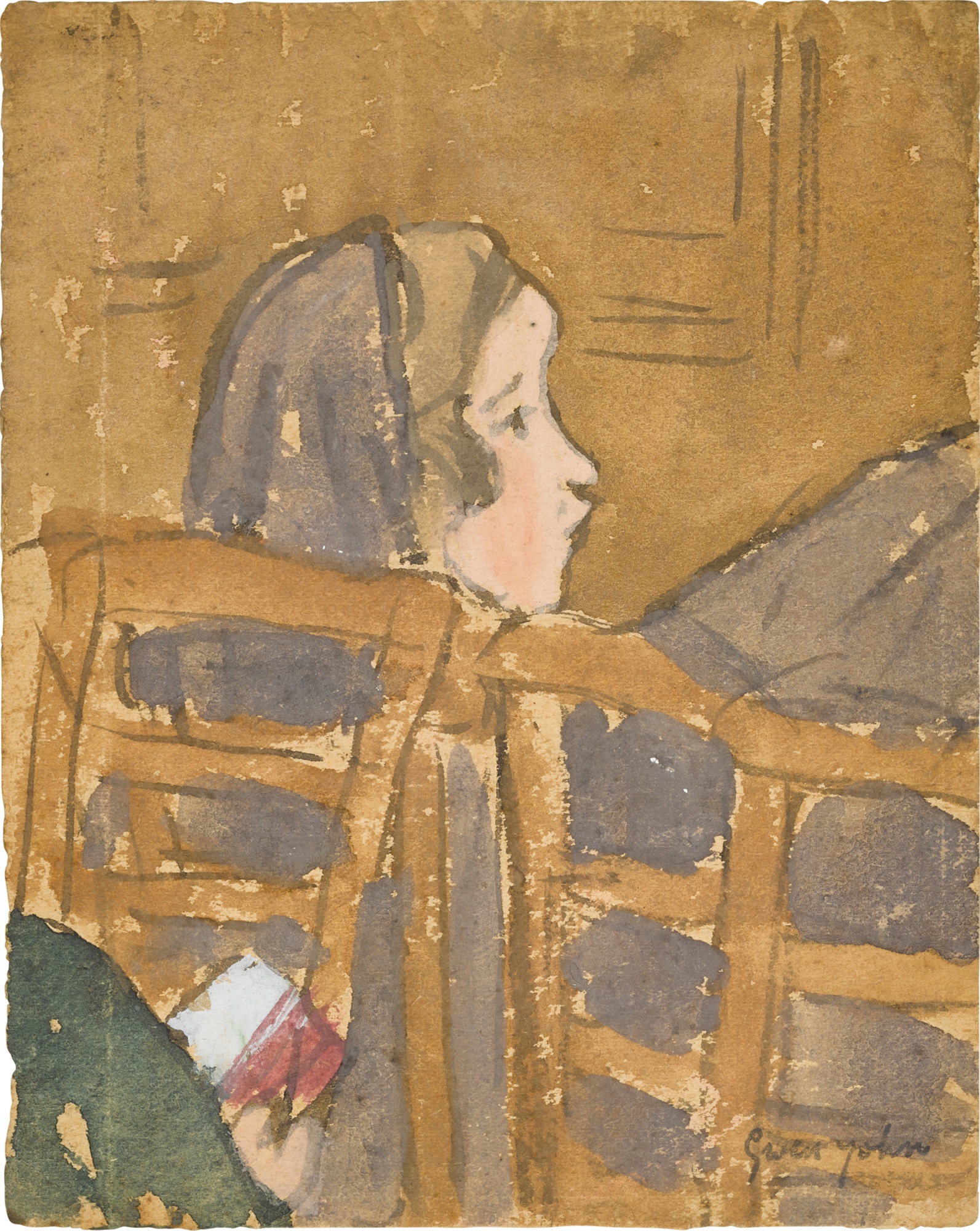
There is something quietly disarming about living with art that centers the child. Collectors who have brought these works into their homes often describe a particular quality of attention that the subject demands, a kind of moral seriousness disguised as innocence. Unlike portraiture of adults, where status and self presentation tend to organize the composition, images and sculptures of children carry an openness that resists easy categorization. They ask something of the viewer without quite stating what it is, and that unresolved quality is part of what makes them so compelling to return to day after day.
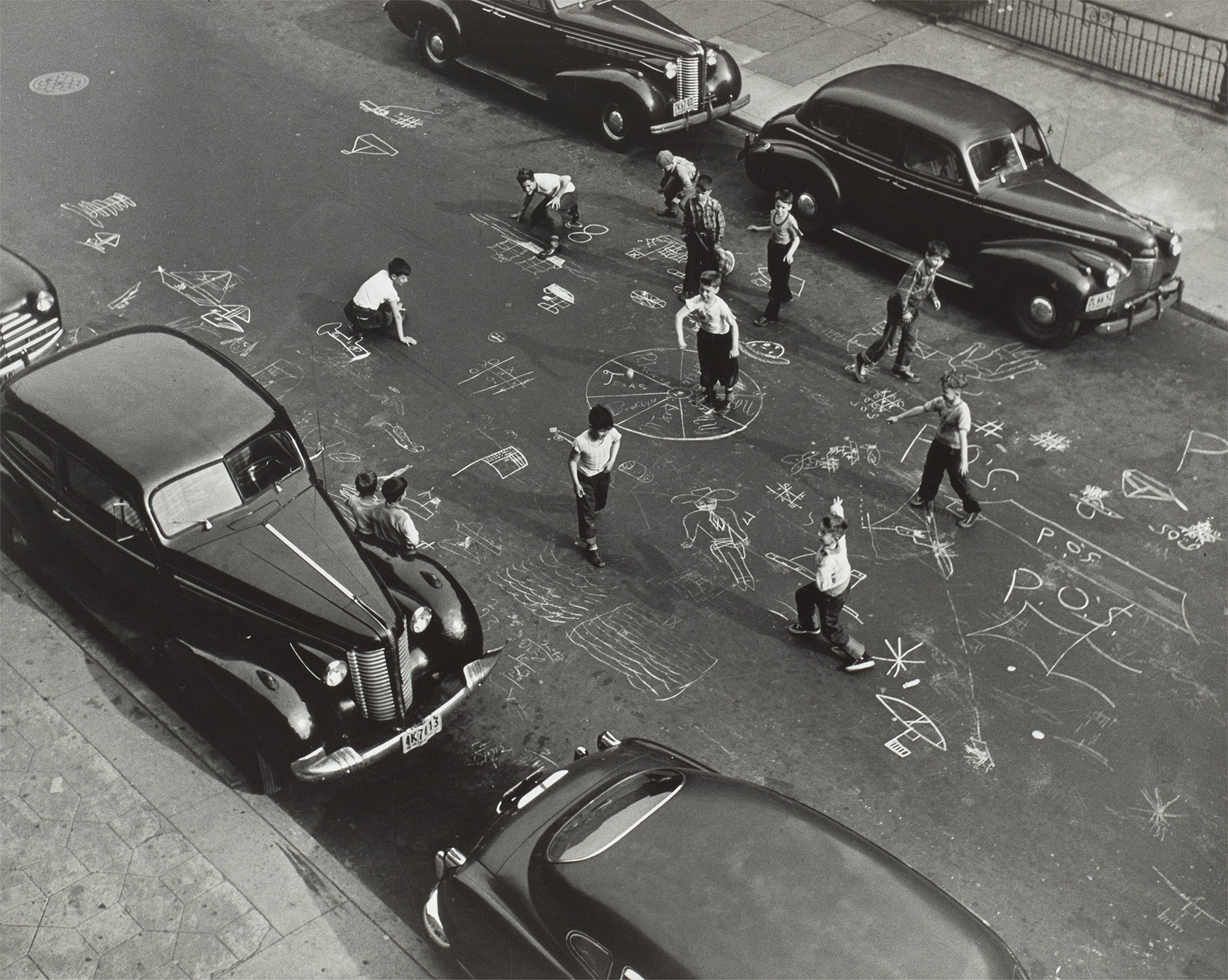
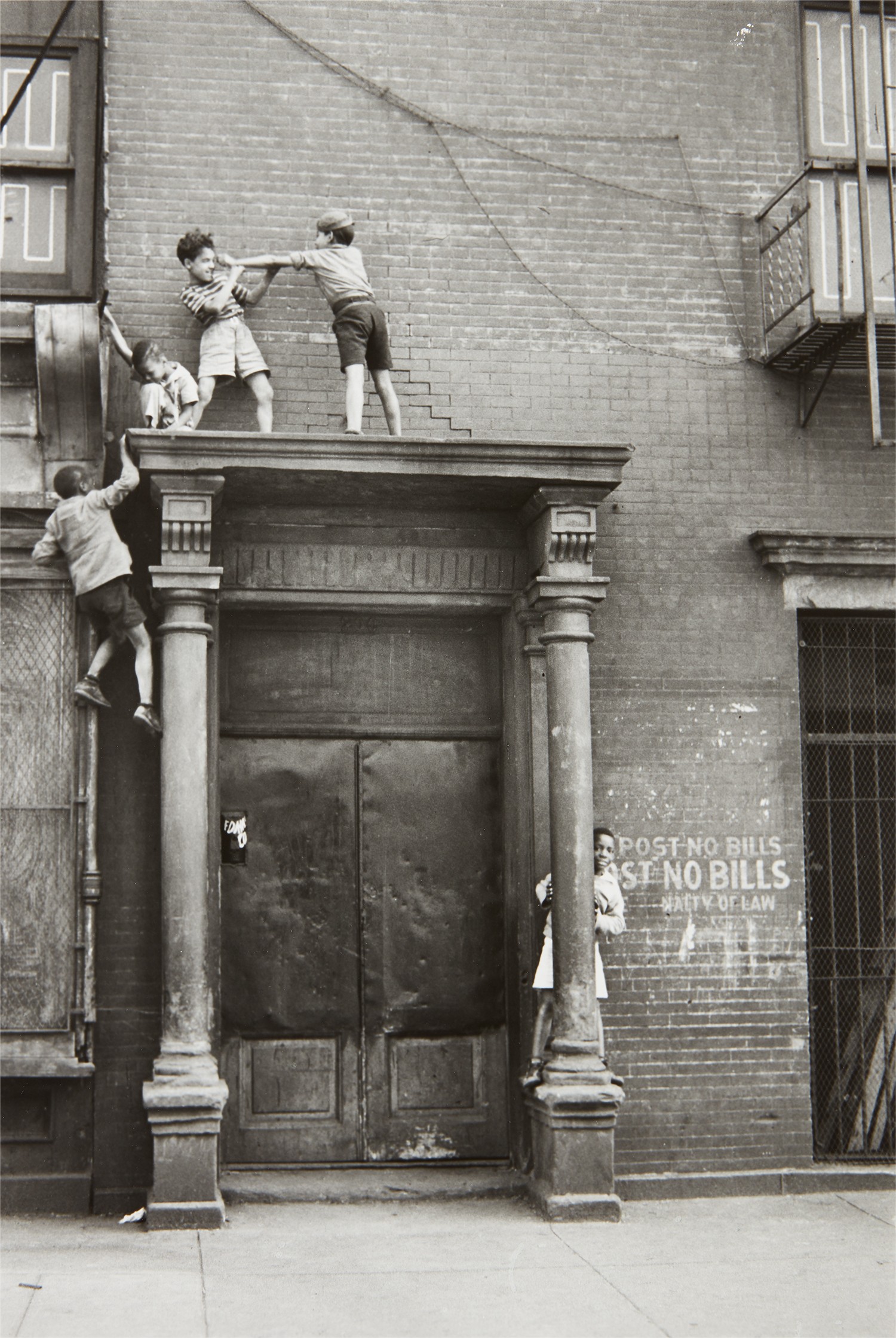
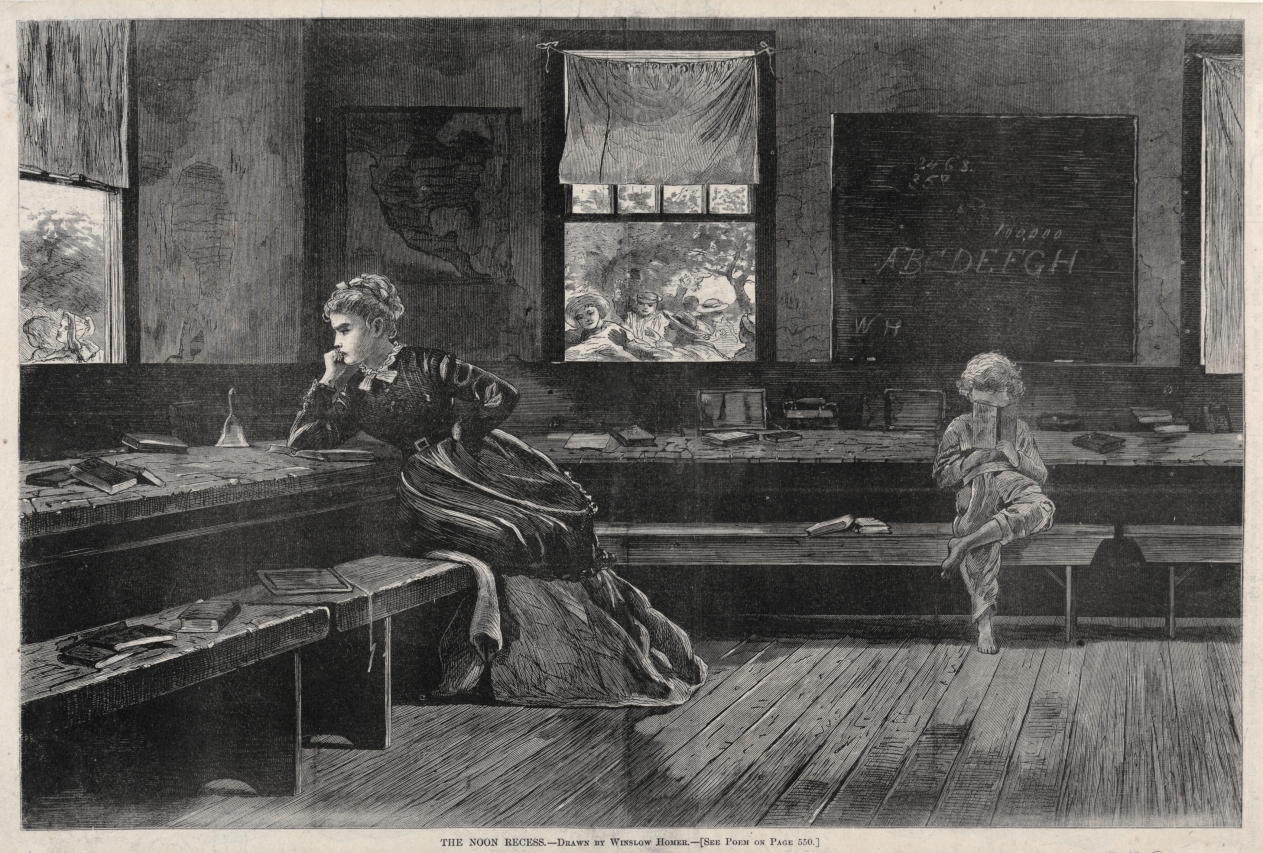
The category spans an enormous range of media and intention, from the sentimental to the quietly radical, and understanding that spectrum is essential before acquiring. Winslow Homer's depictions of rural American childhood in the 1870s and 1880s carry a documentary weight that elevates them beyond genre painting. Helen Levitt's street photographs of children in New York, made largely in the 1940s, remain among the most psychologically acute bodies of work in the history of the medium. What separates a good work from a great one in this area often comes down to the degree of unselfconsciousness captured, whether the subject appears aware of being observed, and whether the artist has imposed a reading or left genuine ambiguity intact.
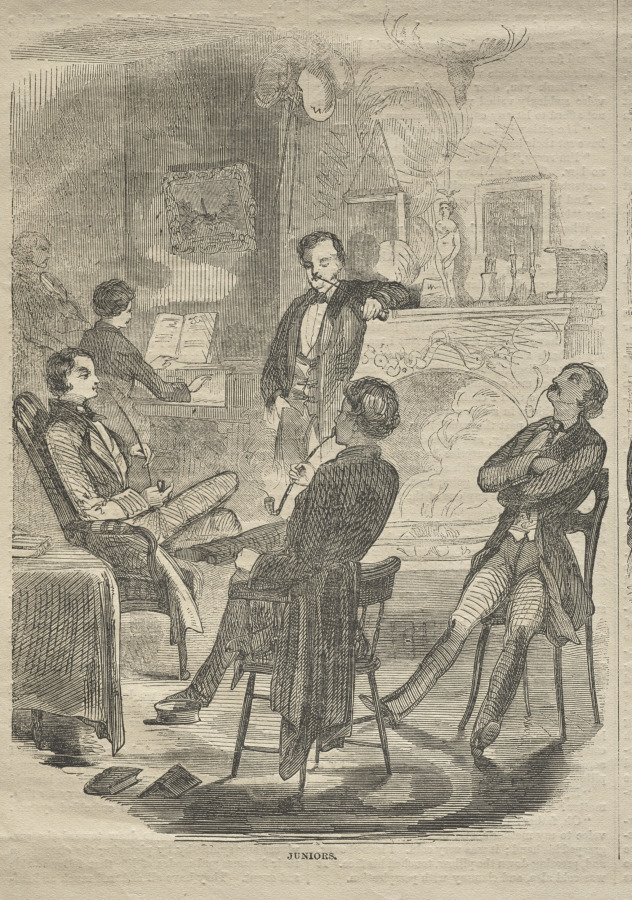
Winslow Homer
Juniors, 1857
The works that endure tend to treat children as full human subjects rather than symbols of purity or lost time. For collectors building a serious collection, Lewis Wickes Hine represents one of the most important and undervalued propositions in American photography. His early twentieth century documentation of child labor, made for the National Child Labor Committee beginning around 1908, straddles the line between social reform and formal portraiture in a way that feels startlingly contemporary. The prints carry institutional provenance and historical weight, and the market has not yet fully caught up with their significance relative to more fashionable names.
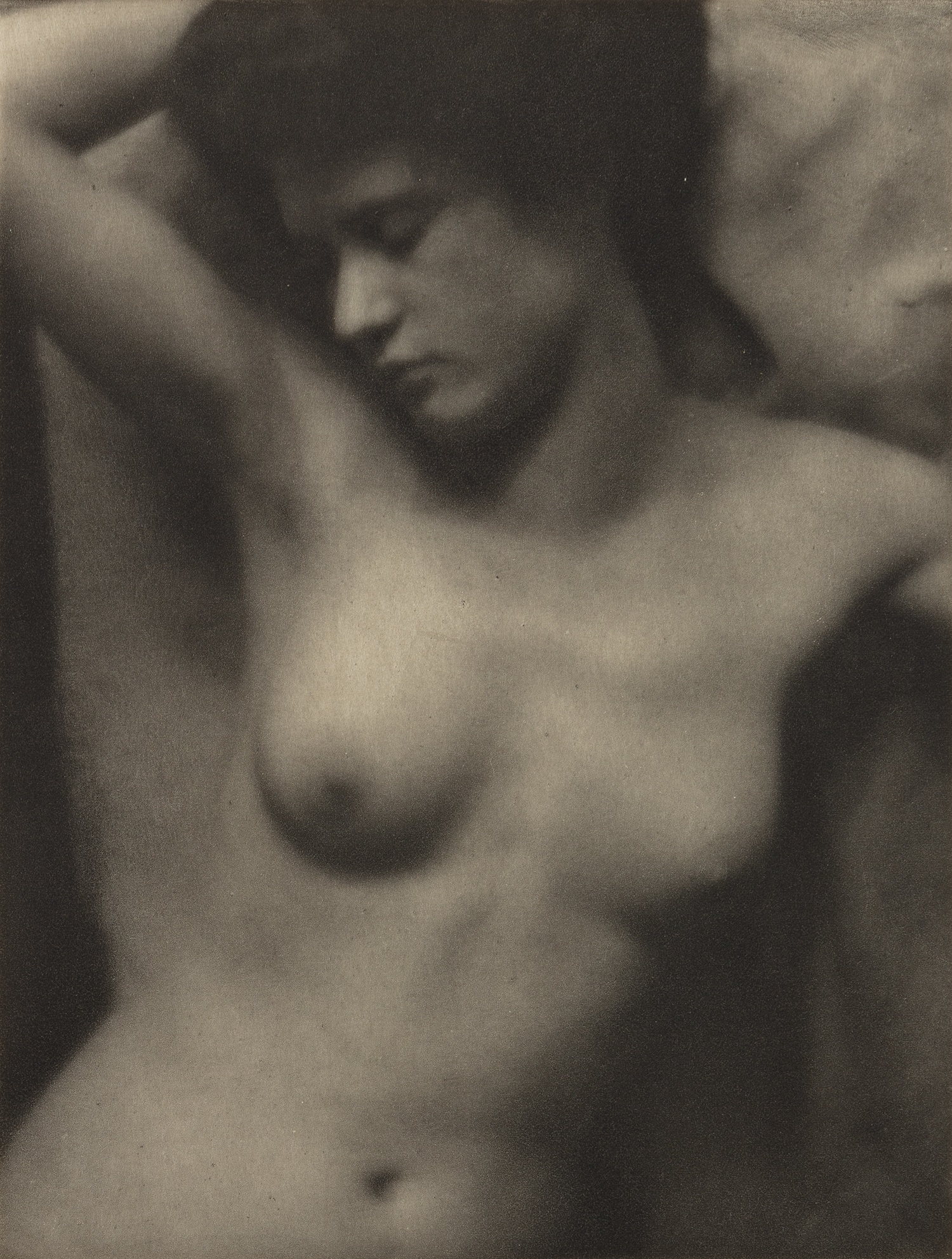
Similarly, Clarence H. White, a founding member of the Photo Secession alongside Alfred Stieglitz, produced images of childhood that belong in any serious discussion of pictorialist photography, and his work remains more accessible than his historical importance would suggest. In the realm of sculpture and works on paper, Jean Baptiste Carpeaux stands apart. His studies of children from the mid nineteenth century demonstrate an understanding of anatomy and psychological presence that influenced Rodin directly, and institutional acquisition pressure on his work has been building steadily.
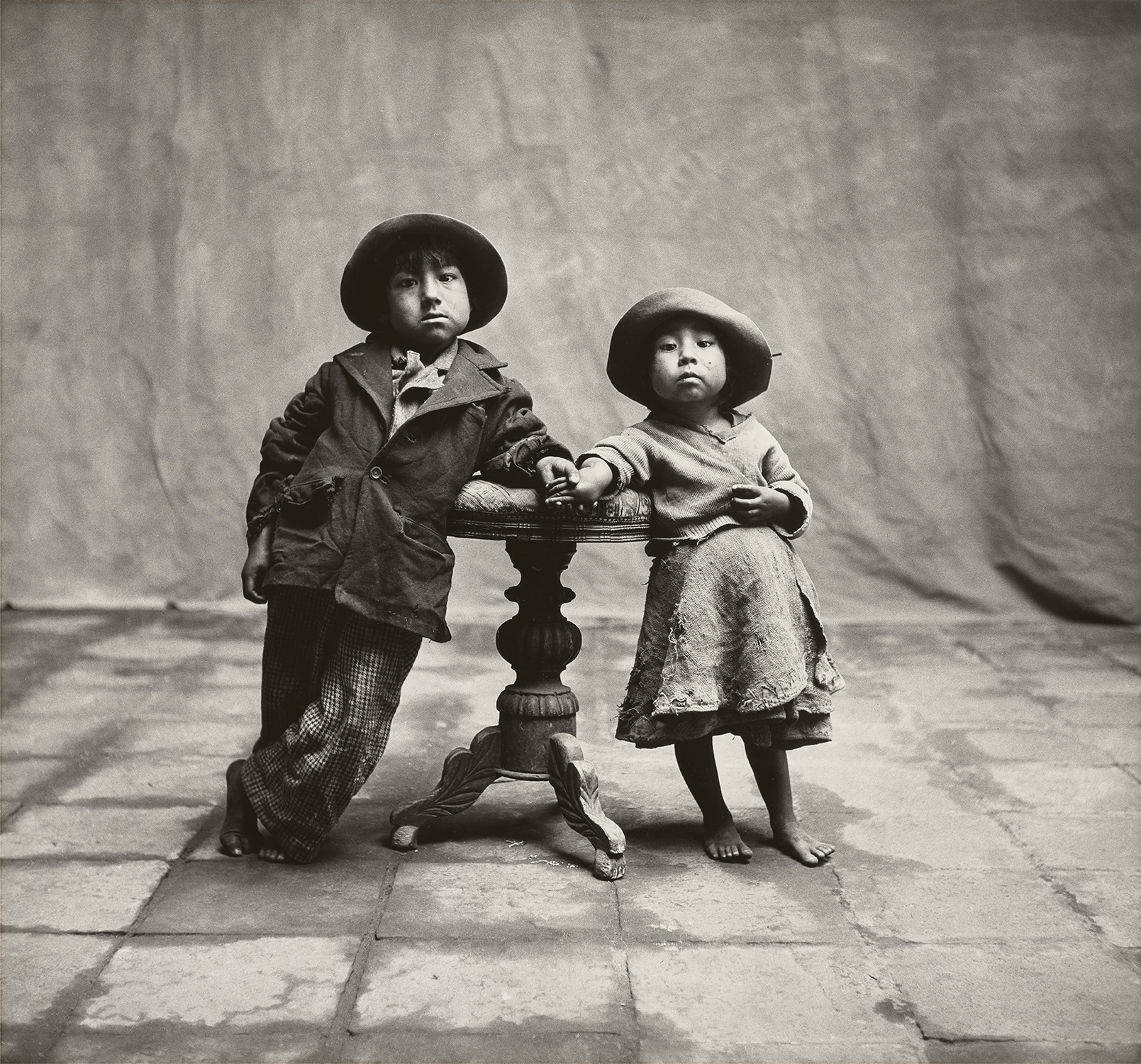
Irving Penn
Cuzco Children
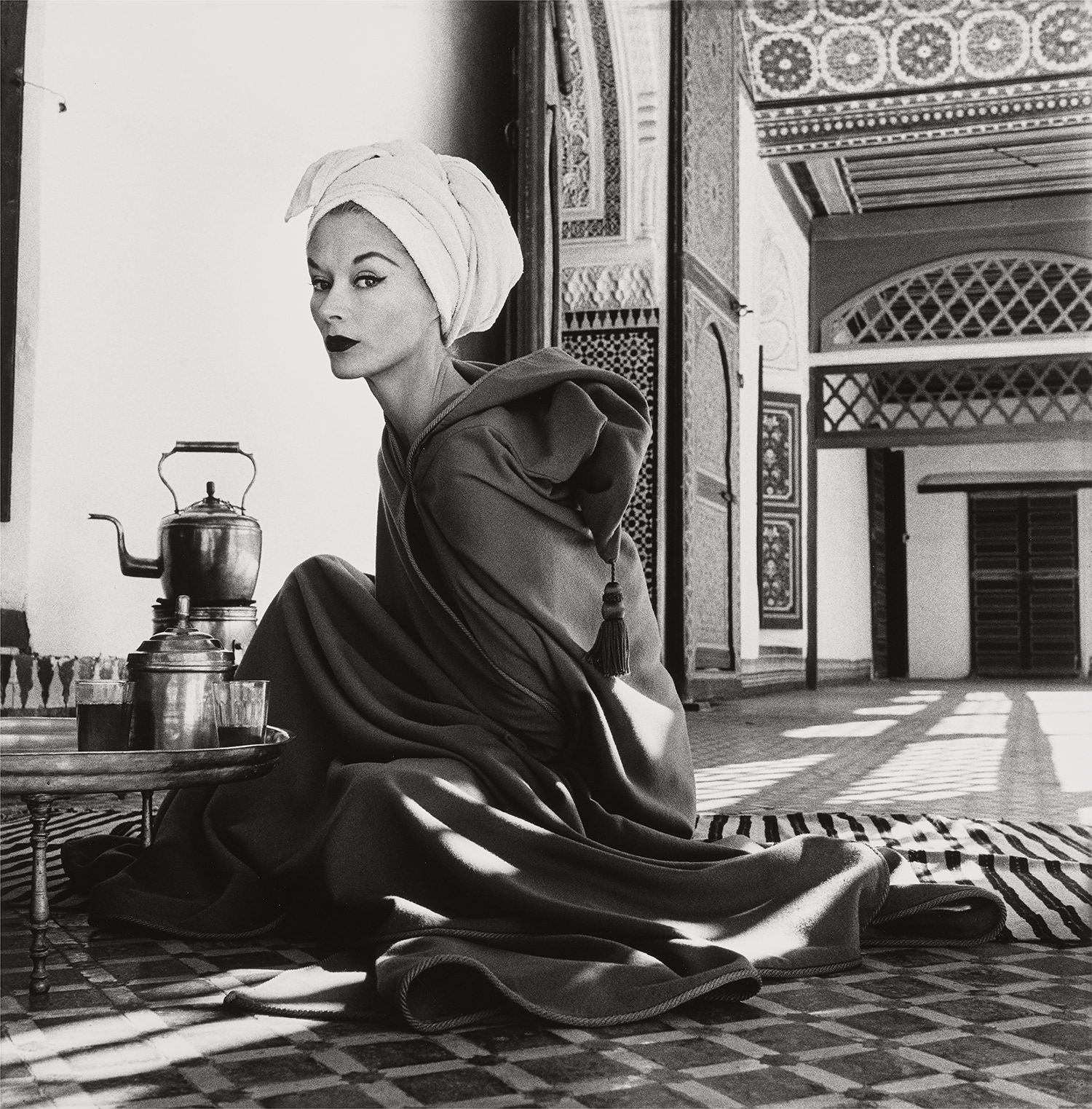
The question for collectors is whether to pursue finished bronzes or the more intimate plaster and terracotta studies, which often reveal more of the artist's thinking and carry their own market logic. Irving Penn's photographs of children, produced within his commercial and fine art practice at Vogue and beyond, offer another entry point: tightly controlled, formally precise, and backed by the kind of estate infrastructure that provides long term market stability. Among younger and less recognized figures, Claire Tabouret has built a practice around the uncanny possibilities of the painted child, drawing on art historical precedents while arriving at something genuinely her own. Her large scale paintings of groups of children in theatrical or ambiguous settings have attracted serious museum attention in recent years, and prices at auction are moving accordingly.
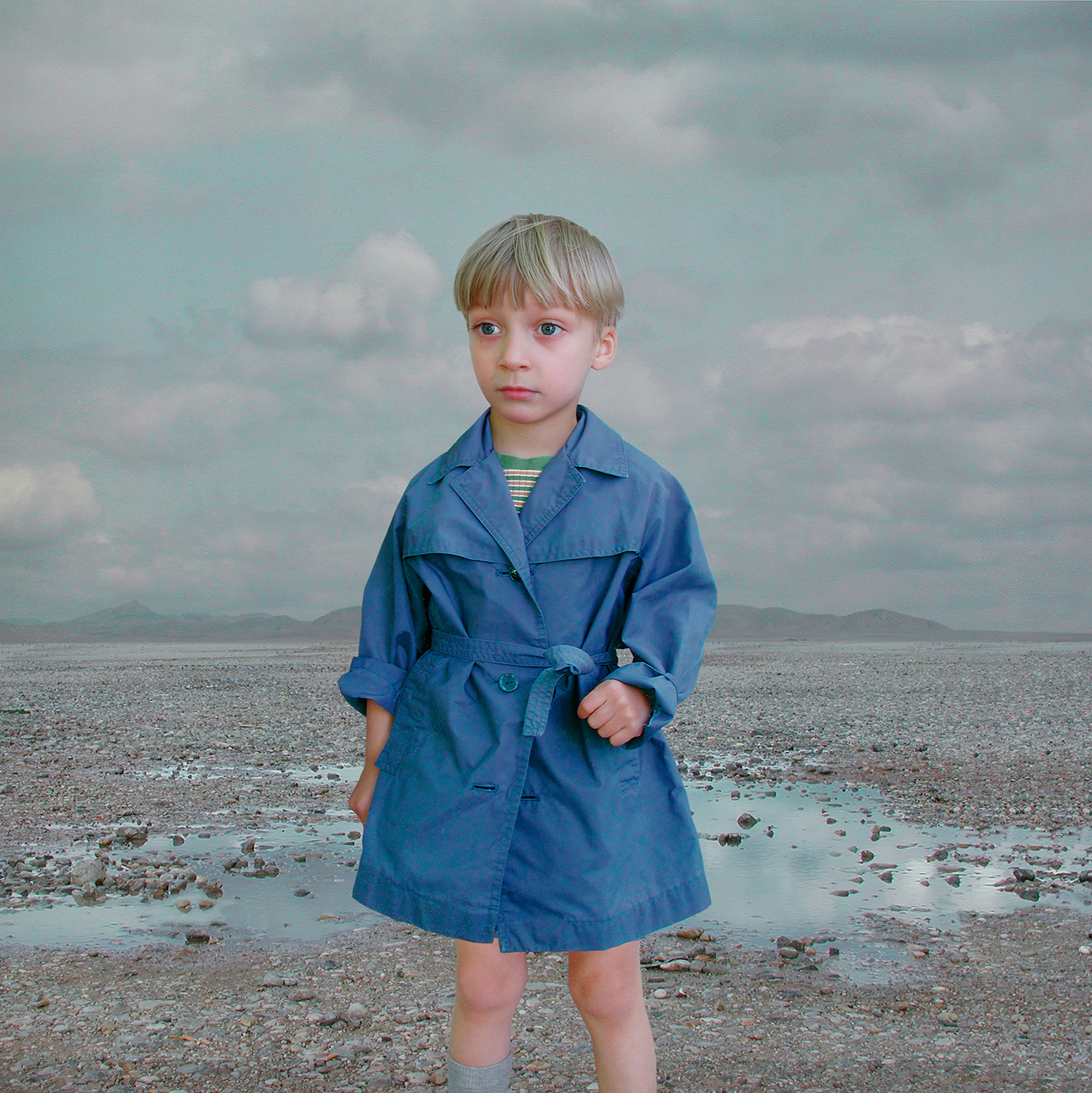
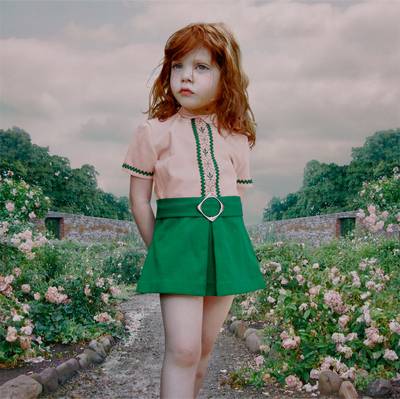
Loretta Lux, the German photographer whose digitally constructed images of children appeared to anticipate anxieties about childhood and technology in the early 2000s, remains a compelling figure whose market has been quieter than her critical reputation warrants. Works by both artists on the primary and secondary market deserve close attention from collectors who are thinking five to ten years ahead. Aboudia, the Ivorian painter whose raw depictions of children caught in the aftermath of conflict in Abidjan brought him international recognition, represents a different kind of urgency in this category. His work has moved through major auction houses with strong results, and his presence in international collections has grown significantly since his early exhibitions in the 2010s.
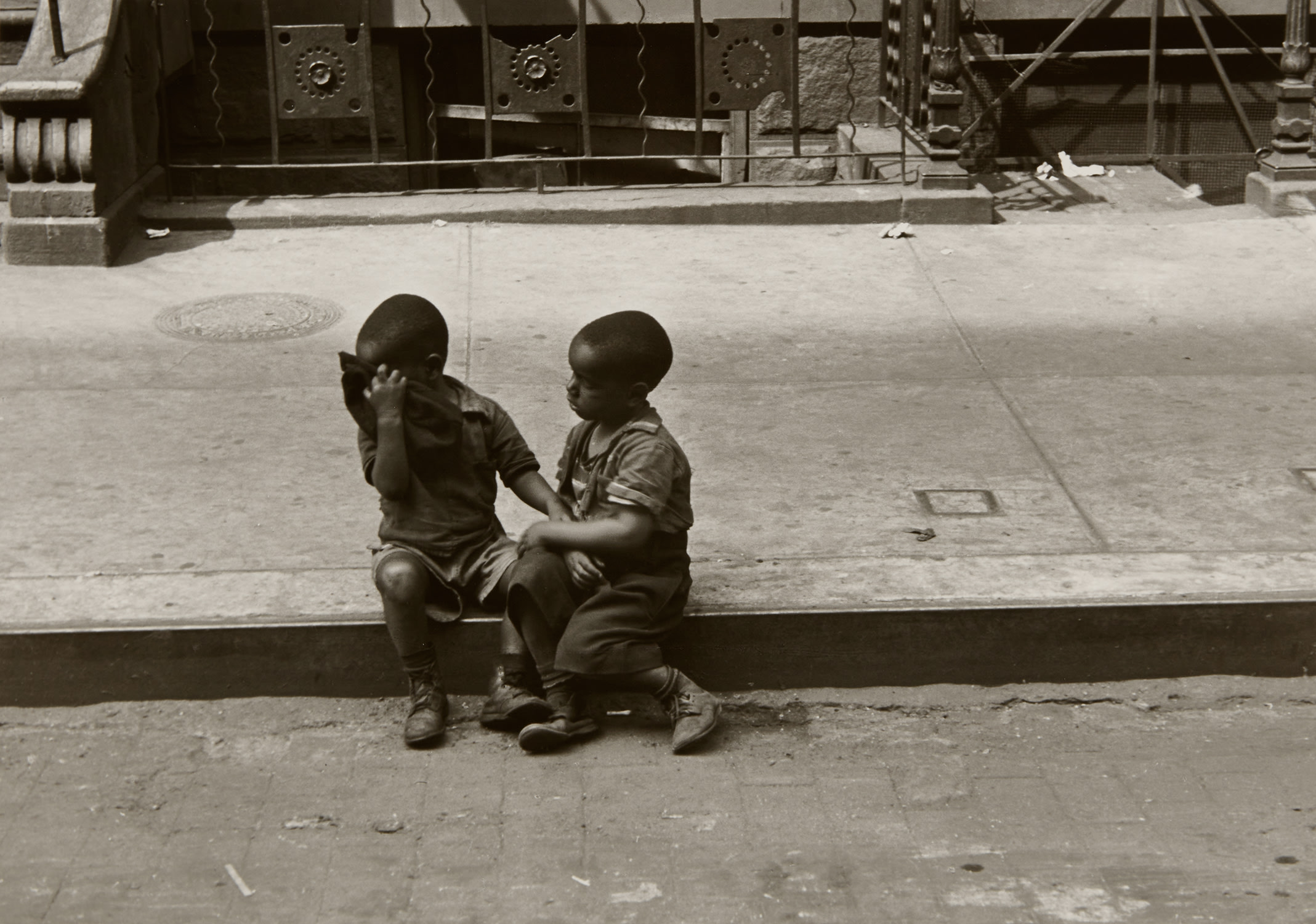
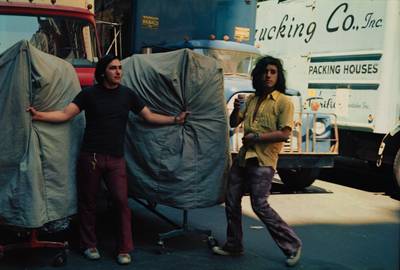
Helen Levitt
New York (two boys sitting)
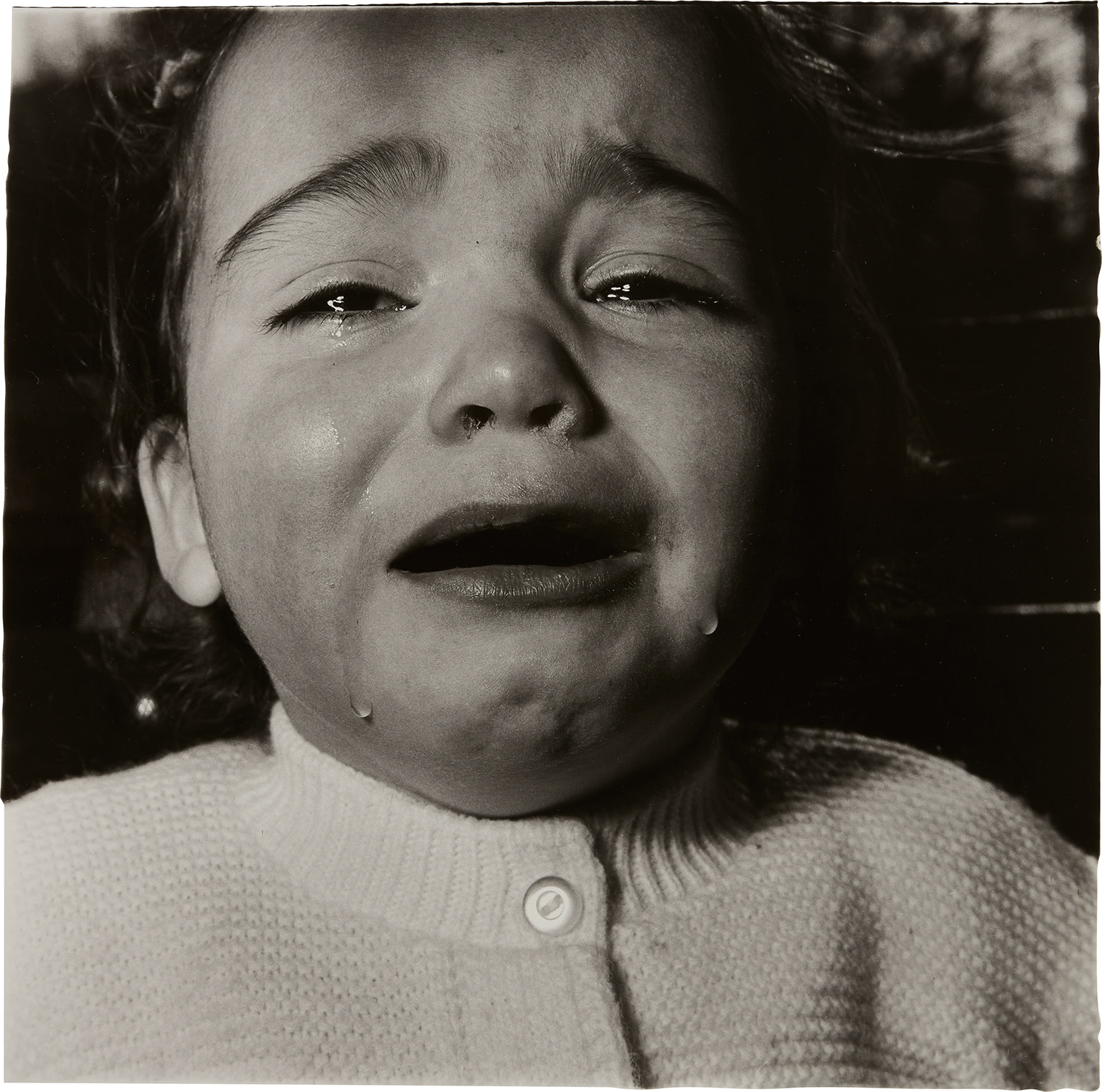
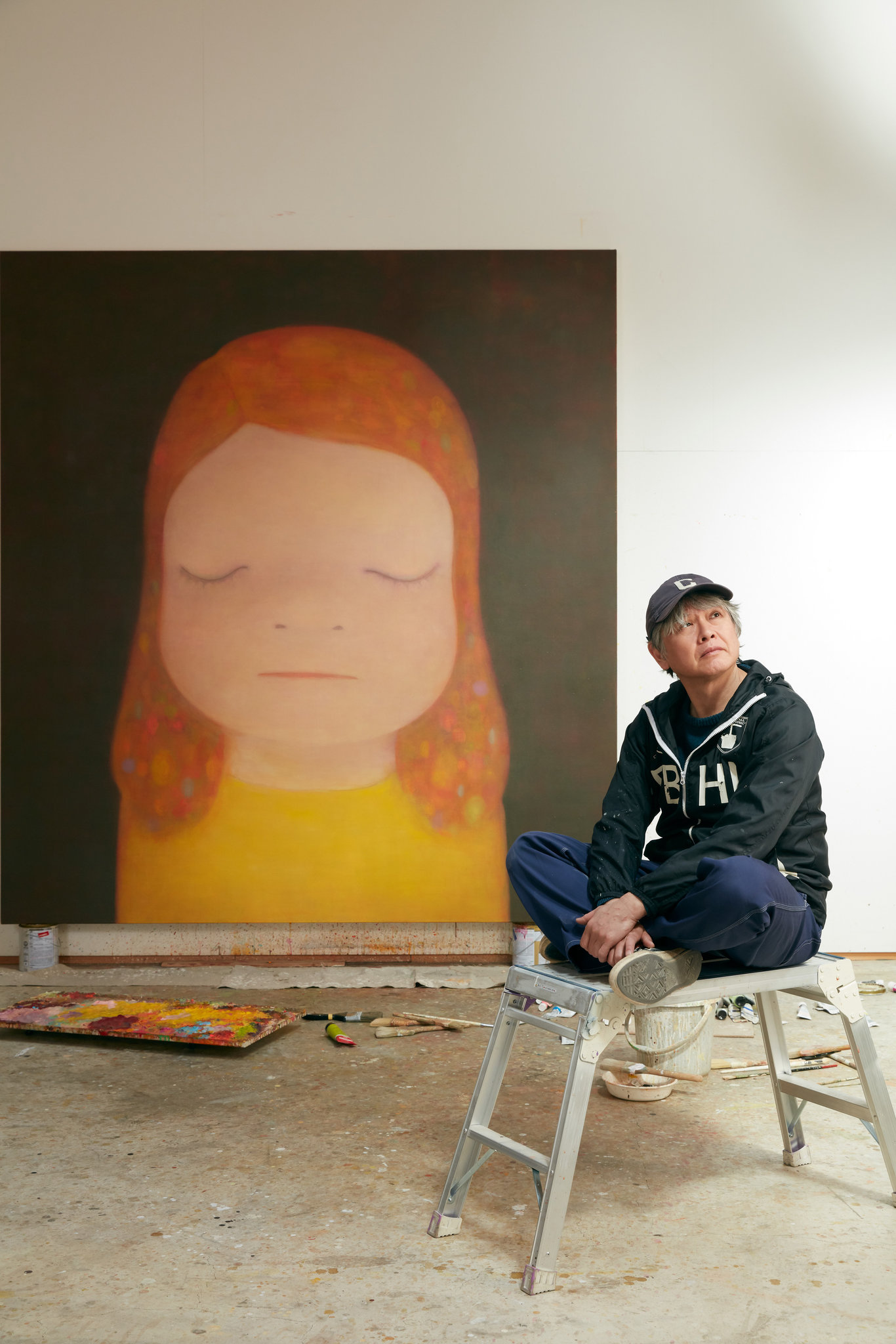
Yoshitomo Nara, whose wide eyed solitary children in paint and drawing have become among the most recognized images in contemporary art globally, demonstrates what happens at the top of this market when an artist achieves that rare crossover between critical credibility and broad cultural resonance. His auction records are well documented and his work remains highly sought, though the entry price reflects that status clearly. At auction, works in this category tend to perform with particular strength when they carry clear provenance, period exhibition labels, and condition reports that confirm the integrity of the surface. Photographs especially require careful scrutiny: print dates matter enormously, and a vintage print by Helen Levitt or Diane Arbus will always command a premium over a later edition regardless of edition size.
When approaching a gallery or auction specialist, ask specifically whether a photograph is a period print made close to the time of capture, a later authorized print, or a posthumous edition. The distinction affects not only value but the quality of the encounter with the work itself. A vintage print carries the physical history of the image in a way that a later edition simply cannot replicate. Display considerations for this category are worth thinking through carefully.
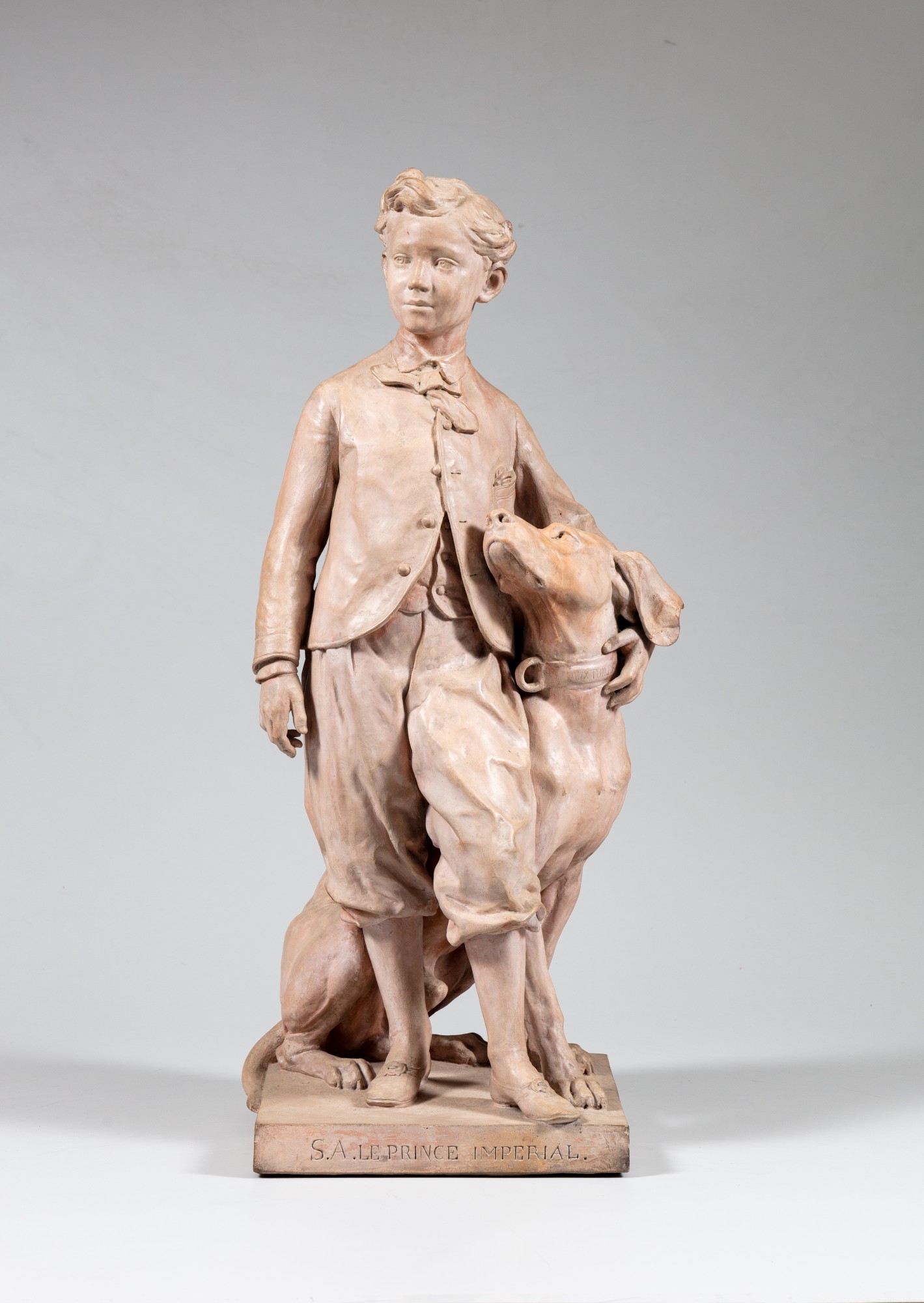
Jean-Baptiste Carpeaux
Le Prince Impérial et son chien Néro n° 2 (The Imperial Prince and his Dog, Nero)
Works that center the child operate at eye level in a particular way, and hanging them too high tends to diminish their intimacy. Sculptures by Carpeaux or Harriet Whitney Frishmuth benefit from placement that allows for movement around them, since the sense of arrested motion is central to what they do. For collectors considering works on paper or photographs, UV filtering glass and stable humidity are non negotiable, not merely as conservation measures but as basic respect for the fragility that is often the work's actual subject. The best works in this category repay the kind of care you give them.