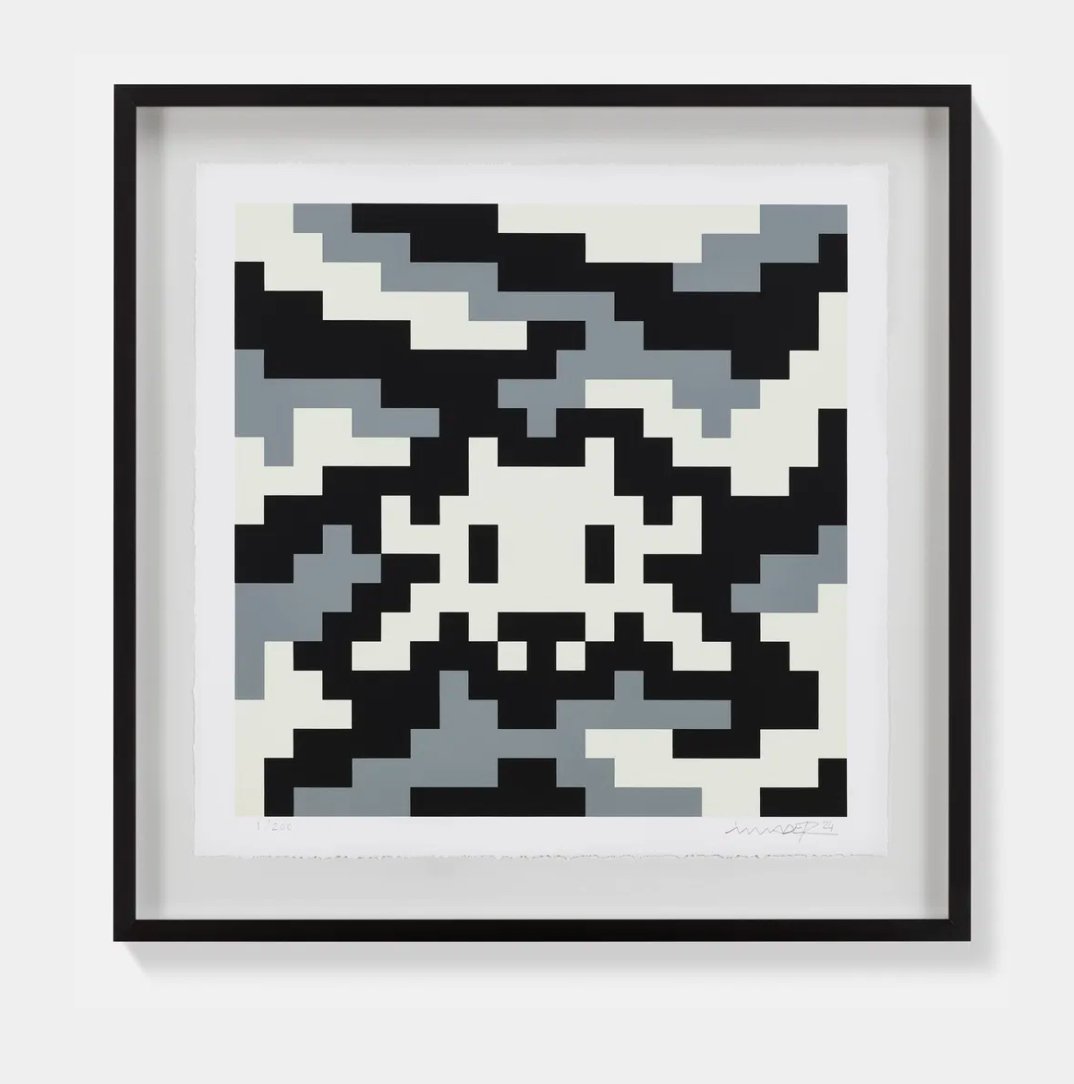
Back View
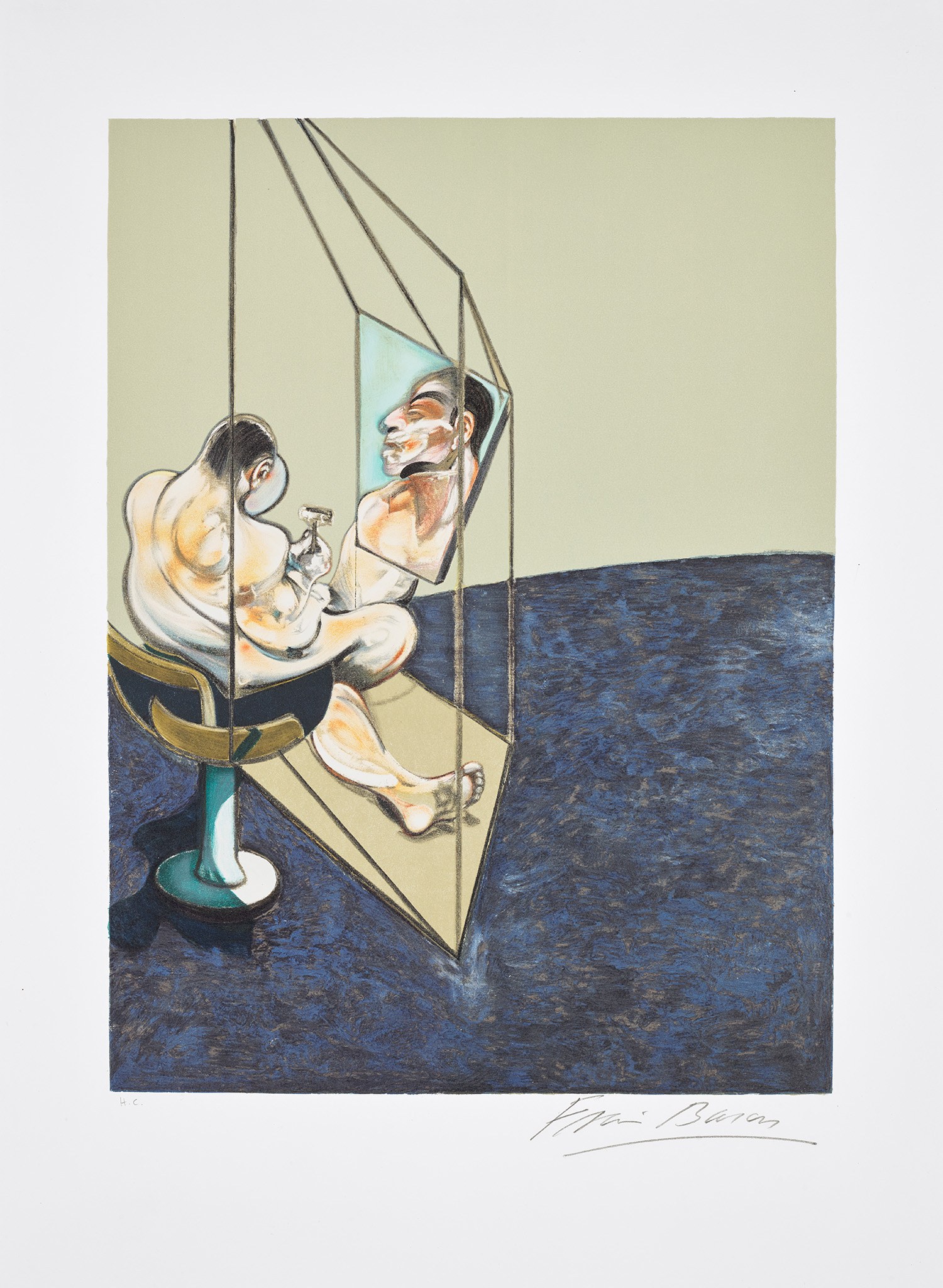
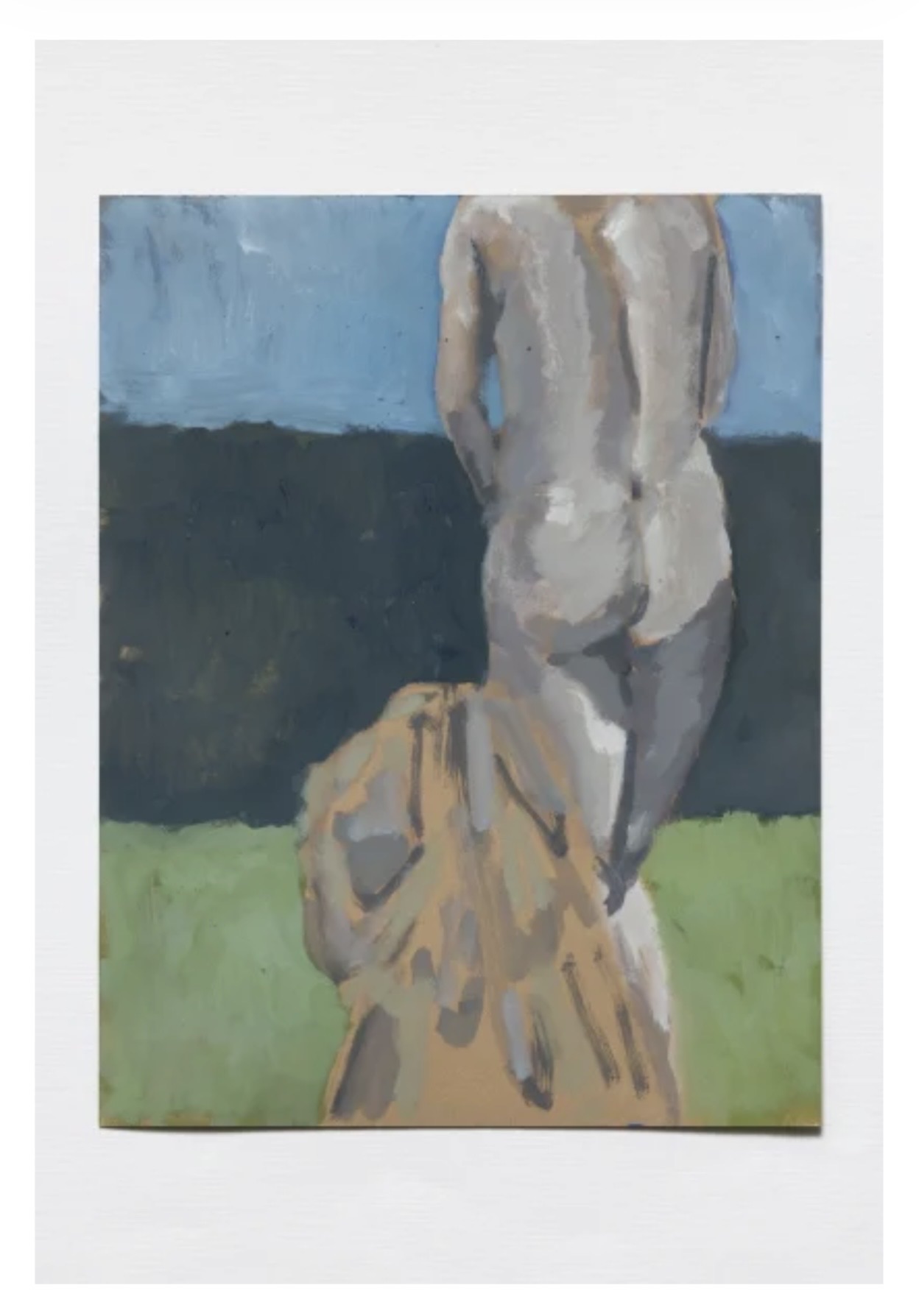
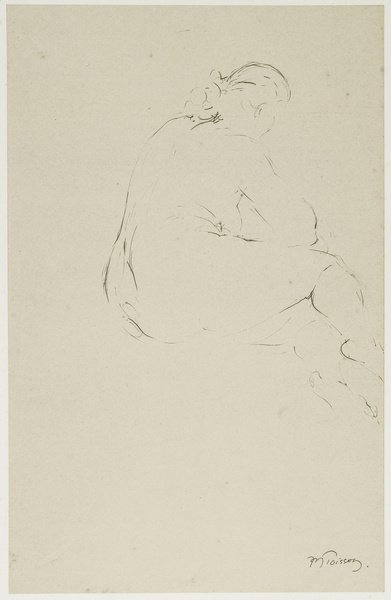
Emil Sands
Watchmen 18, 2025
The Turn Away That Says Everything
There is something quietly radical about a figure that refuses to meet your gaze. The back view in art that deliberate withholding of the face creates a psychological pull that few other compositional choices can match. Collectors who live with such works often describe the same experience: a sense of being invited into a private moment, of standing just behind consciousness itself. It is this peculiar intimacy, combined with the formal challenge of making the back of a head or the curve of a spine as expressive as any portrait, that draws serious collectors to this territory again and again.
To live with a back view is to accept a relationship built on projection rather than confrontation. The figure never demands anything of you. Instead, it opens a space that the viewer fills with their own interiority, their own sense of solitude or reverie. This quality makes such works surprisingly versatile in a domestic context.
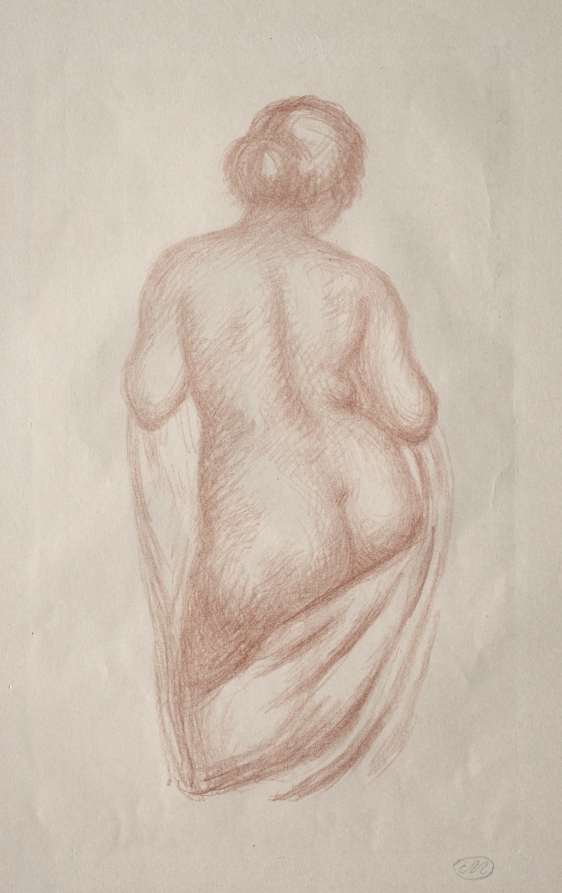
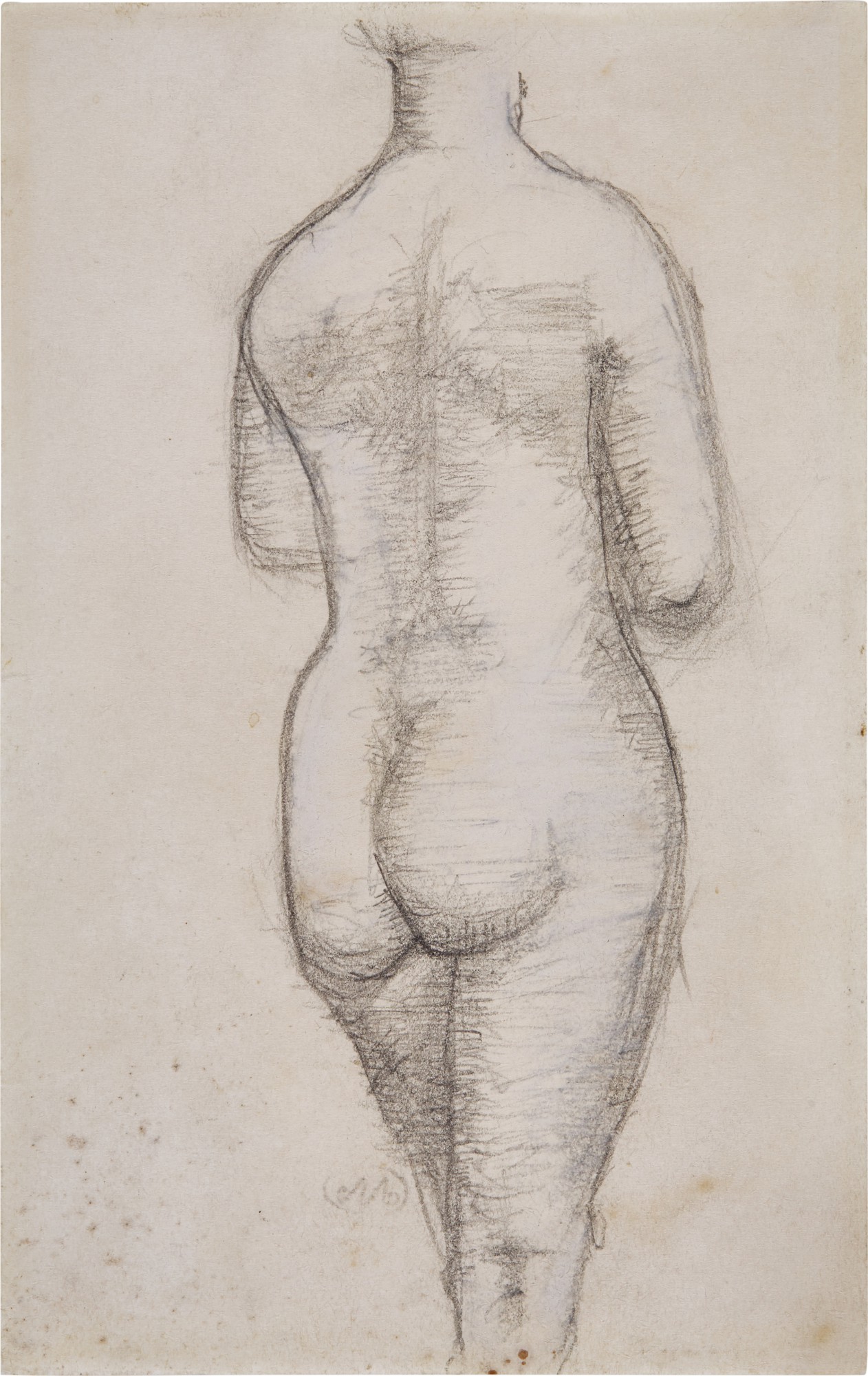
Aristide Maillol
Woman Seen from the Back, 1900
They neither dominate a room nor recede into decoration. They simply exist, quietly insistent, asking to be contemplated rather than admired. What separates a good work in this category from a truly great one has everything to do with the weight the artist places in what is hidden. A competent back view renders anatomy with skill.
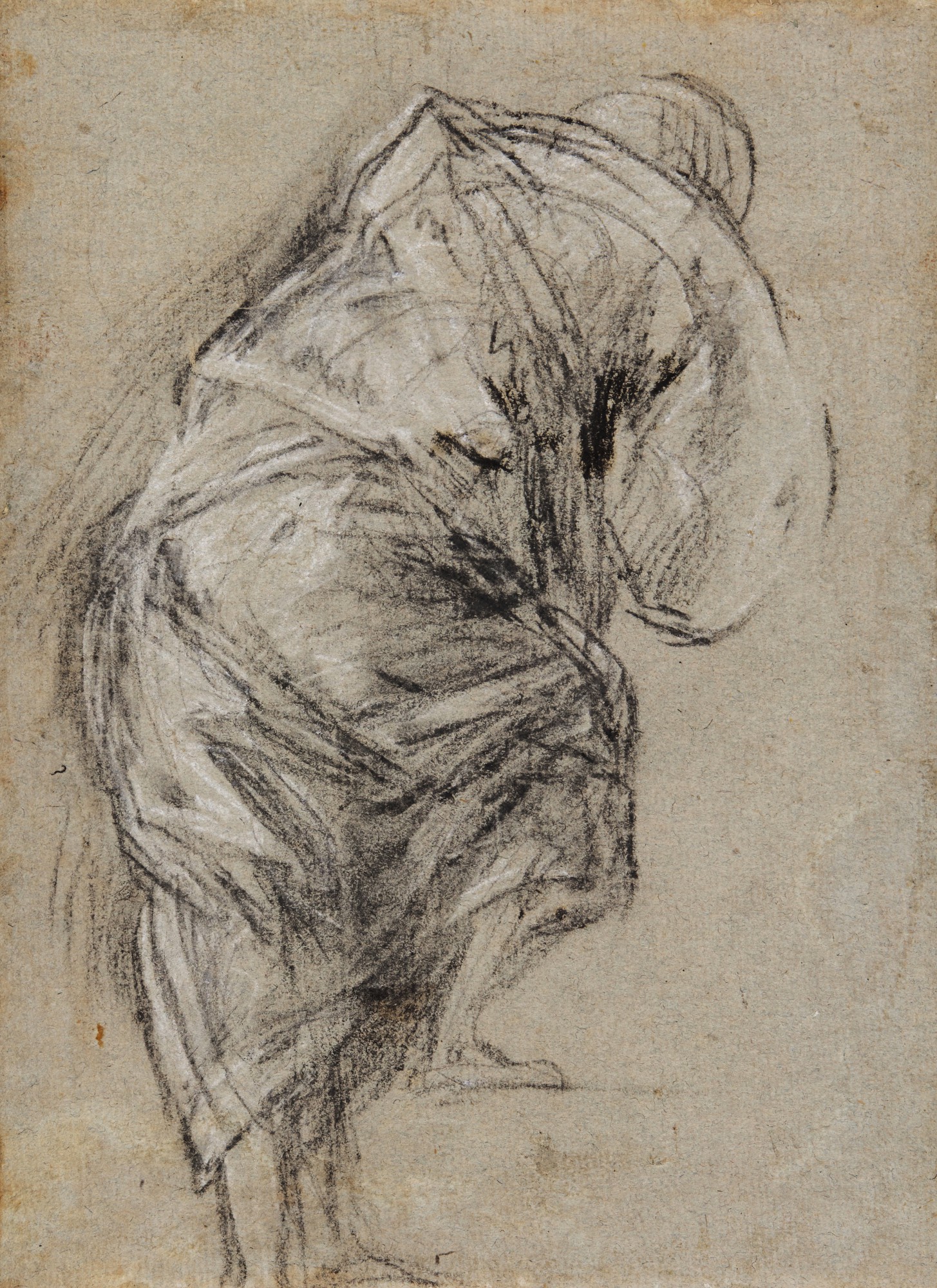
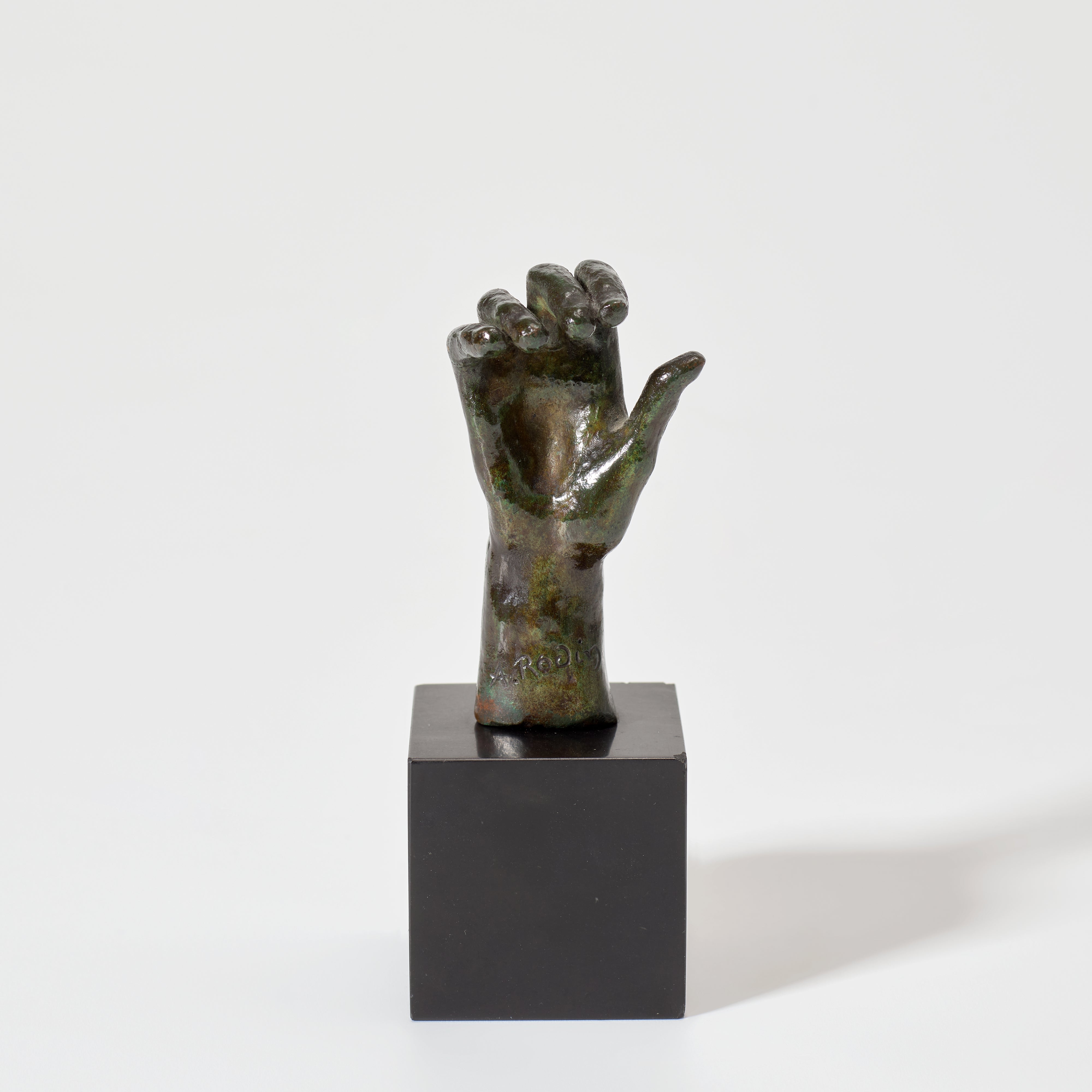
A great one makes you feel the thought happening inside the skull you cannot see, the emotion carried in a set of shoulders or the tension running down a spine. Auguste Rodin understood this perhaps better than anyone. His treatment of the back as a landscape of psychological state remains the benchmark against which sculptors in this tradition are measured. When considering a work in this category, ask yourself whether the withheld face is a weakness or the entire point.
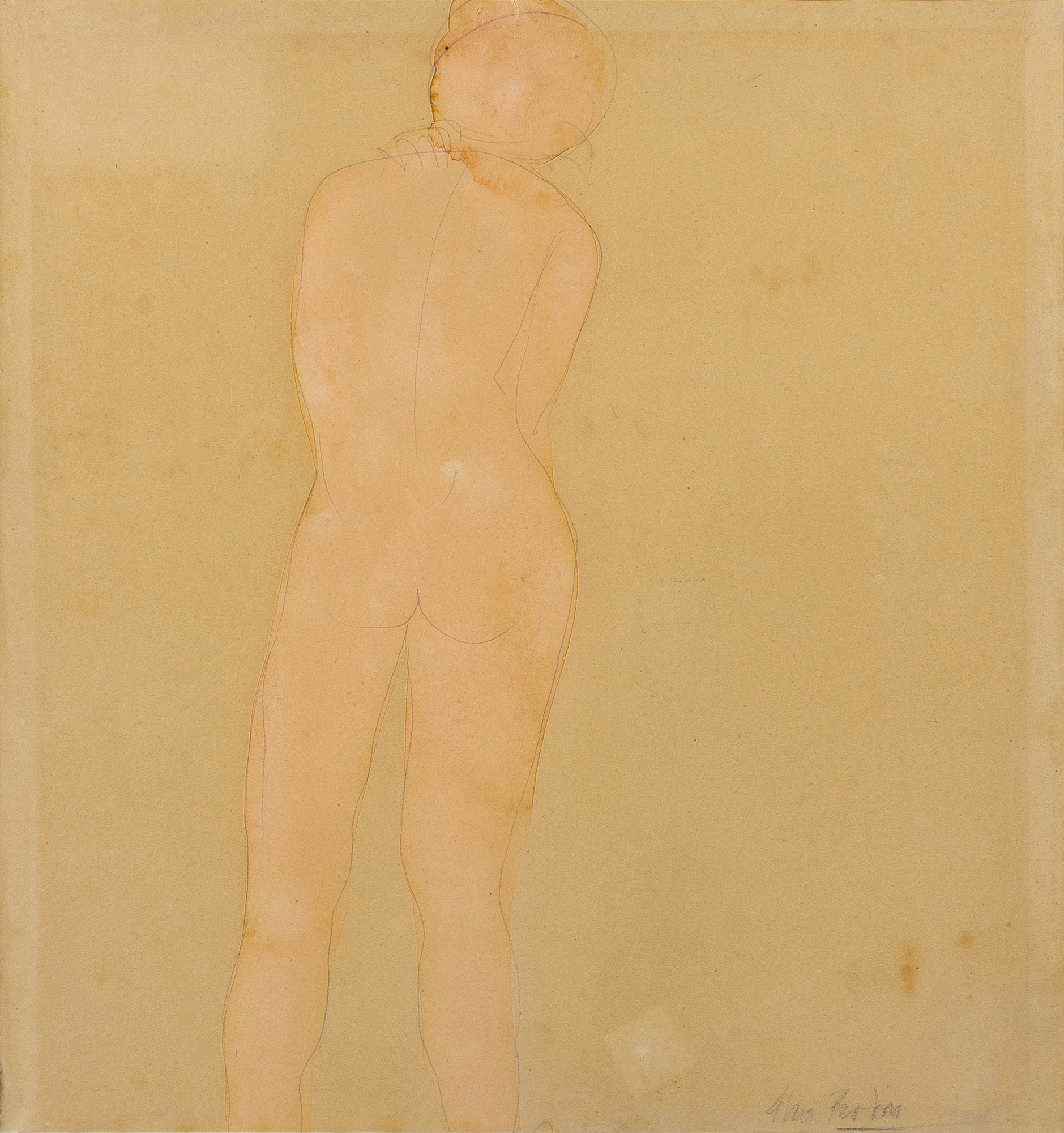
Auguste Rodin
Femme debout, de dos, 1900
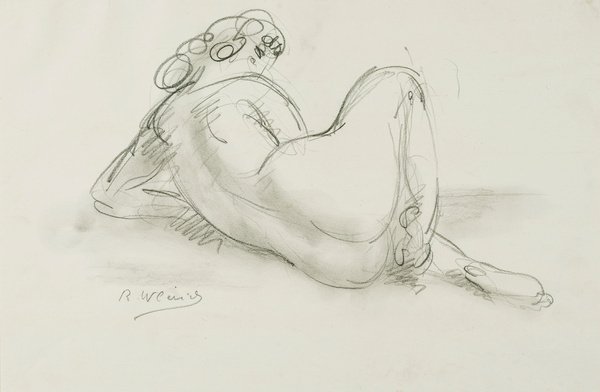
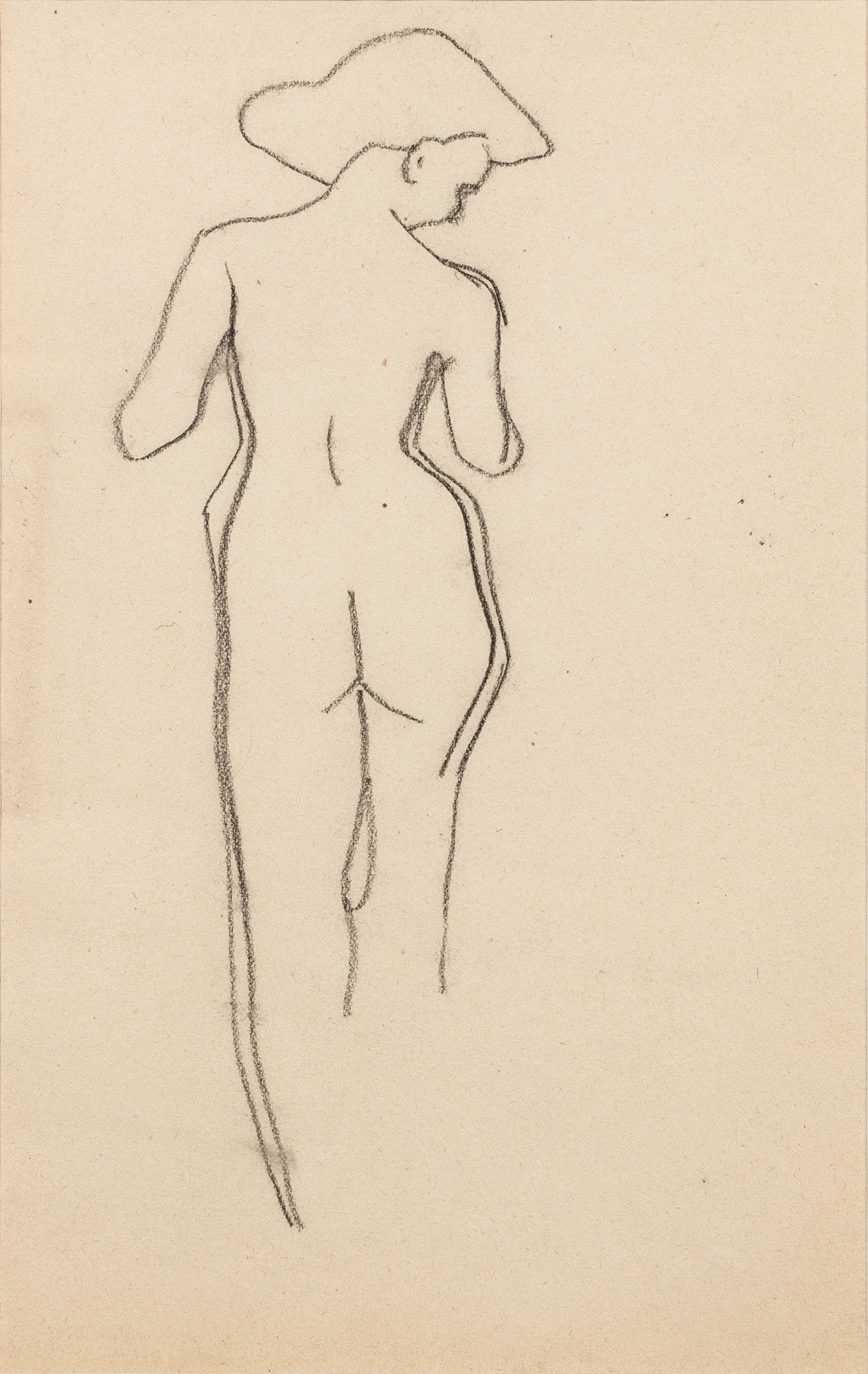
The finest examples make that ambiguity feel purposeful and inevitable. In terms of collecting strategy, the artists represented on The Collection across this theme span a genuinely remarkable range of period and medium. The sculptural tradition finds expression in the work of Aristide Maillol, whose treatment of the female back carries a monumental stillness that reads beautifully in both domestic and institutional settings. Maillol's backs are not absent faces.
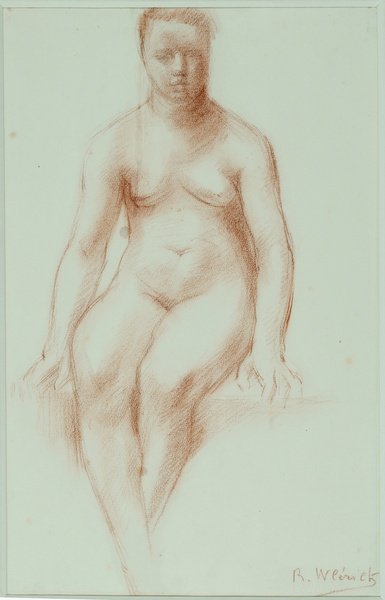
They are complete statements about the body as architecture. Robert Wlerick, less well known outside of France but increasingly valued by European collectors, works in a similarly classical vein with a sensitivity to surface that rewards close attention. Pierre Marie Poisson brings yet another dimension to the sculptural conversation, and his work represents an area where patient collectors can still acquire at prices that reflect reputation rather than speculation. In painting and works on paper, the case for Sanyu is by now well established, though his market trajectory continues to surprise even those who followed him early.
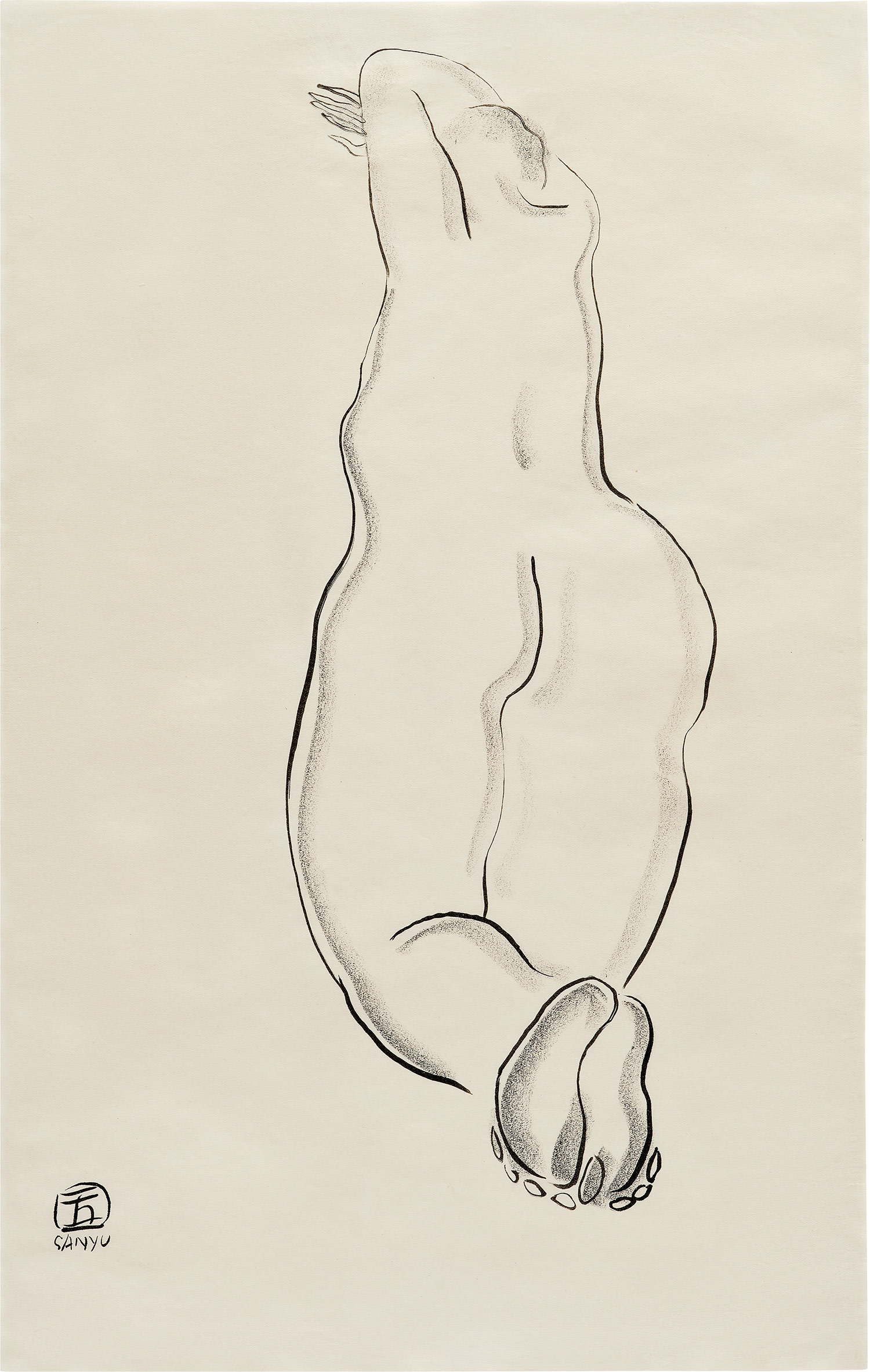
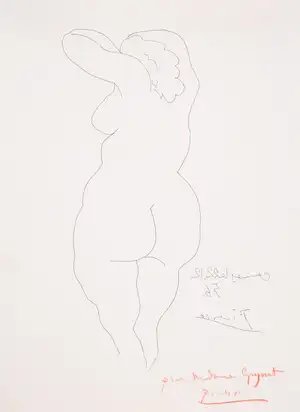
Sanyu
Nu agenouillé de dos
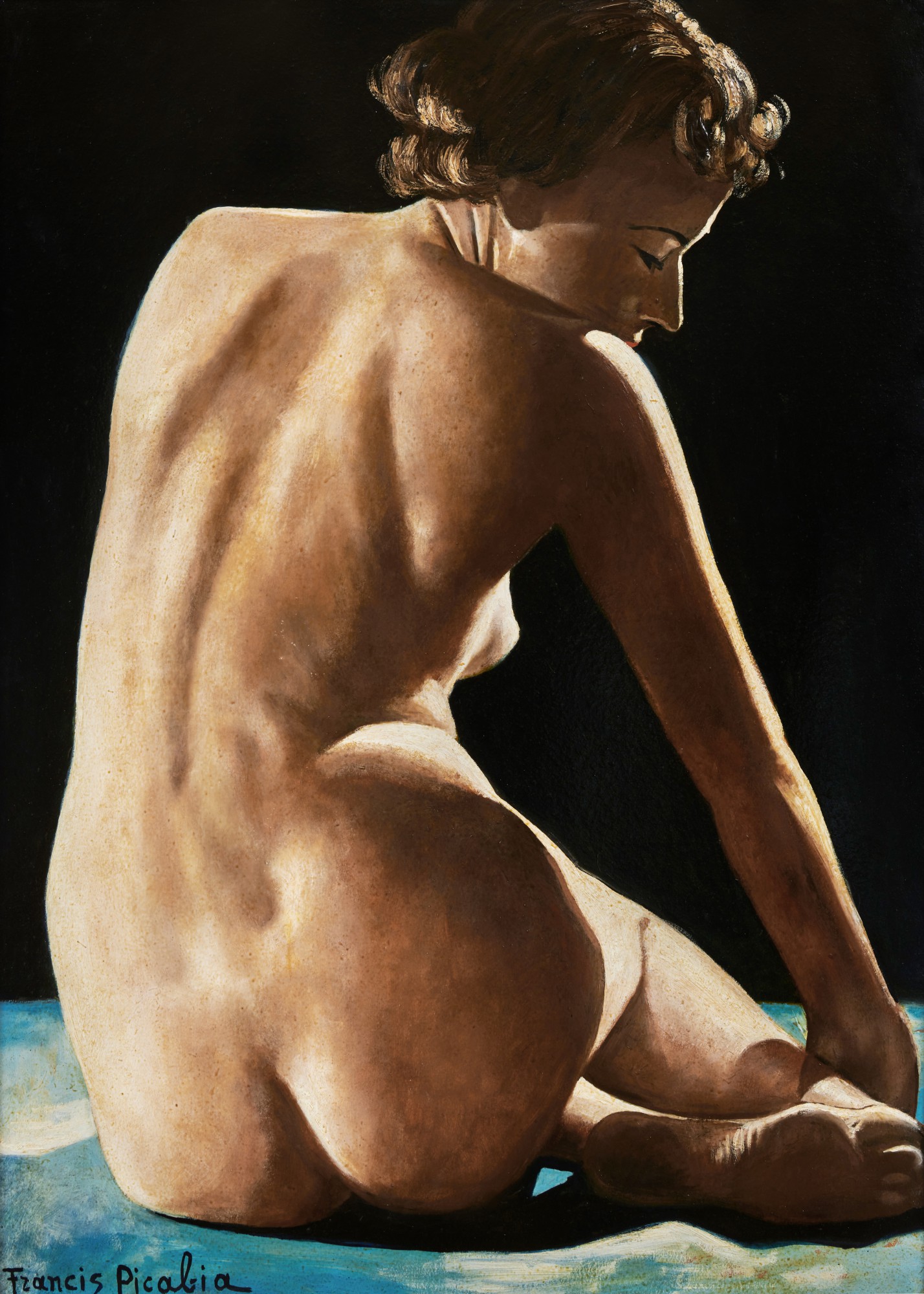
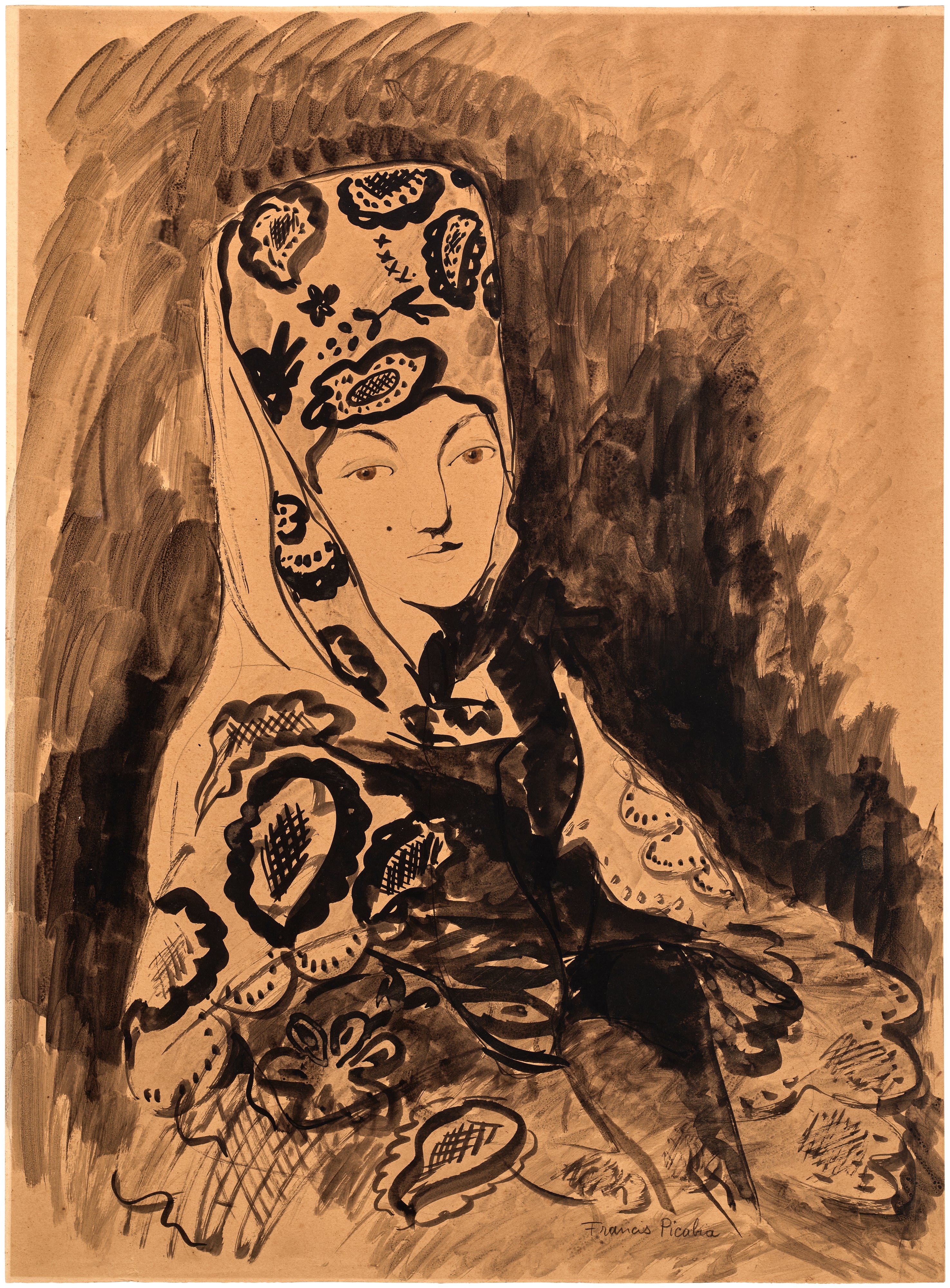
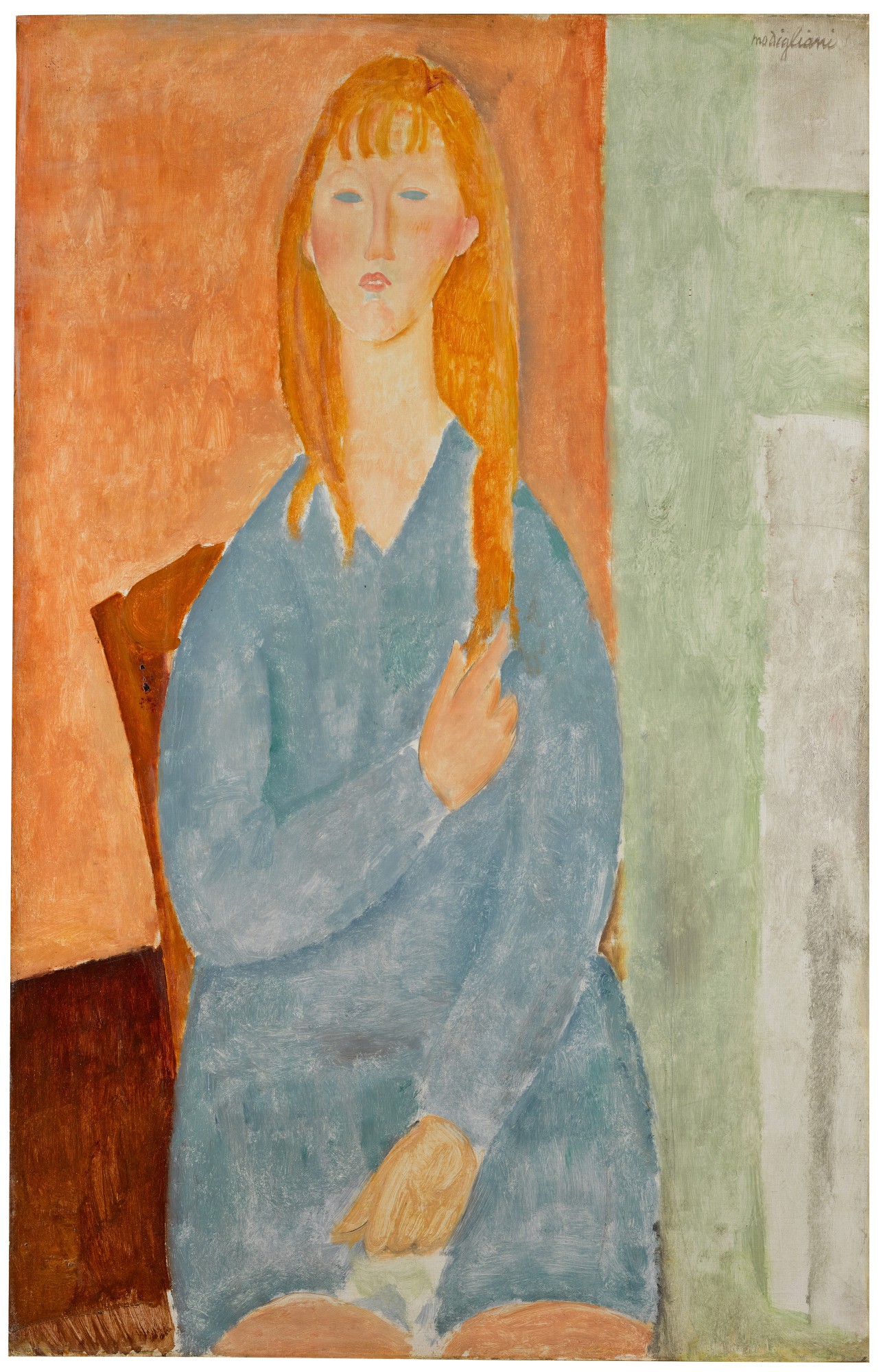
The Paris based Chinese painter built a body of work in which the nude figure, often viewed from behind or in fragmentary profile, achieves a delicate tension between Eastern ink sensibility and Western modernist form. His auction results at major Asian sale houses have been extraordinary, and Western institutional interest has continued to grow. For collectors who missed the first wave, the secondary market still offers access, though the window for undervalued acquisition has narrowed considerably. Francis Picabia and Amedeo Modigliani each bring their own disruptions to figuration, and their works in any category carry the kind of art historical weight that supports long term value.
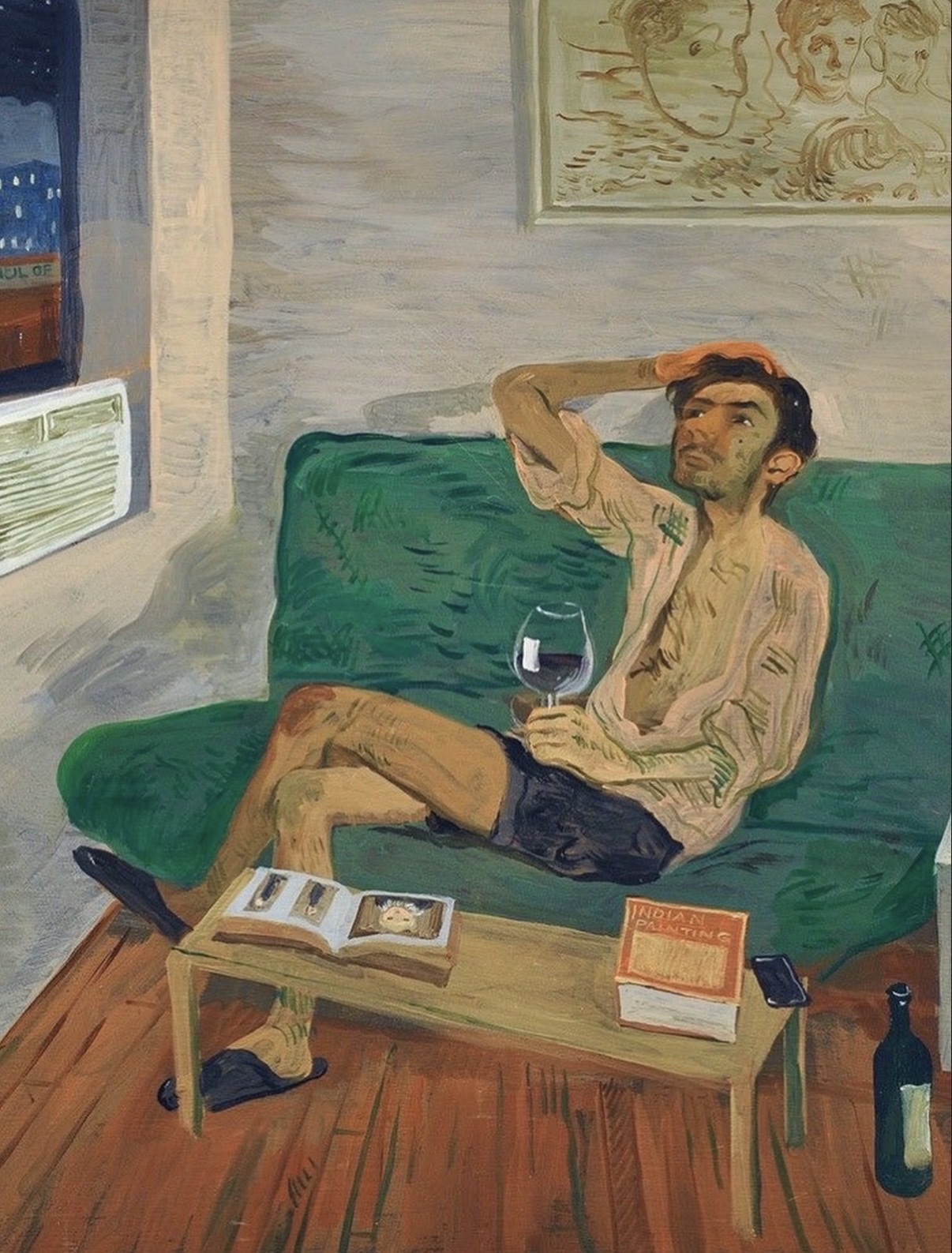
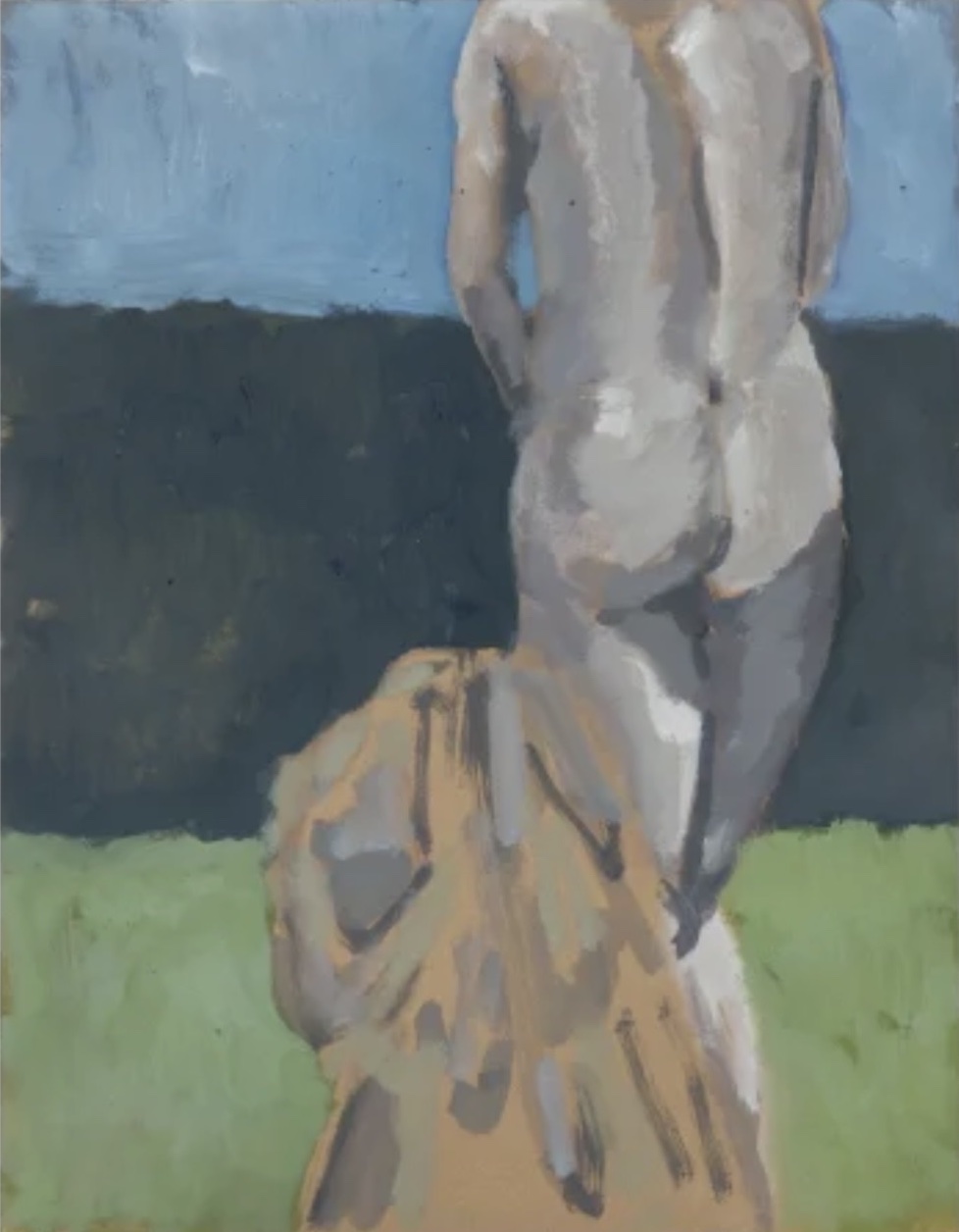
Geli Korzhev represents a different kind of opportunity and deserves more serious attention from collectors who think beyond the Western canon. The Soviet era Russian painter worked with a psychological intensity that sits oddly and wonderfully out of time. His figures carry a gravity that feels earned rather than performed, and the secondary market for his work remains underappreciated relative to his standing among those who know him. Emil Sands is another name worth tracking, a younger voice in a tradition that benefits enormously from fresh energy.
Emil Sands
Watchmen 18, 2025
The photography of Harry Callahan offers a distinct entry point for collectors interested in how the back view translates across medium. Callahan's studies of his wife Eleanor, often seen from behind against stark urban or natural environments, are among the most quietly devastating images in twentieth century photography and remain genuinely collectible. At auction, works in this category perform with notable consistency rather than the volatility that can affect more trend sensitive areas. Figurative sculpture with strong provenance and exhibition history tends to hold value exceptionally well through market cycles.
The key variables are condition, casting edition number in the case of bronzes, and documentation of exhibition history. For unique works in any medium, provenance becomes paramount. A work that passed through a significant collection or was exhibited at a major institution in the artist's lifetime carries a premium that the market reliably acknowledges. Be cautious with works that have unclear ownership histories in the mid twentieth century period, particularly for European artists whose markets were disrupted by conflict and displacement.
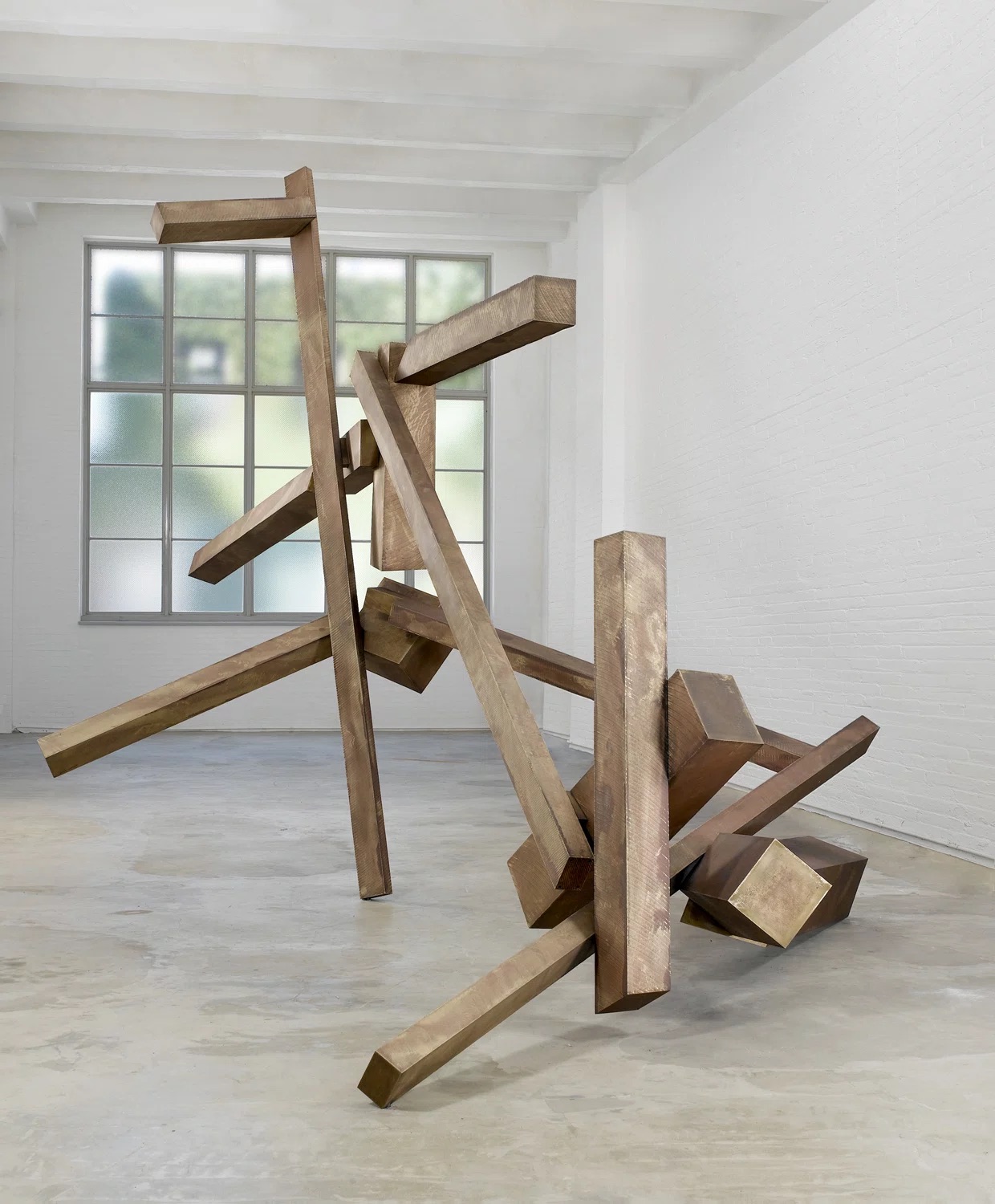
Practically speaking, back views in sculpture reward placement that allows circumnavigation. A work designed to be seen from multiple angles but anchored by the back view will tell a different story depending on where you stand, and this is part of what you are acquiring. In photography, edition number and print date matter enormously. A vintage print by Callahan carries a fundamentally different market value from a later edition, and any serious dealer should be able to provide clear documentation.
For paintings and works on paper, ask about past conservation treatments, exhibition loan history, and the condition of any support or stretcher. These are not defensive questions. They are the questions that separate a considered acquisition from an impulse. The back view rewards patience and genuine looking in ways that more immediately seductive categories sometimes do not.
Collectors who spend time with these works tend to find their appetite for them deepening rather than cooling. There is always more to see in a figure that will not turn around.