Architectural Intervention
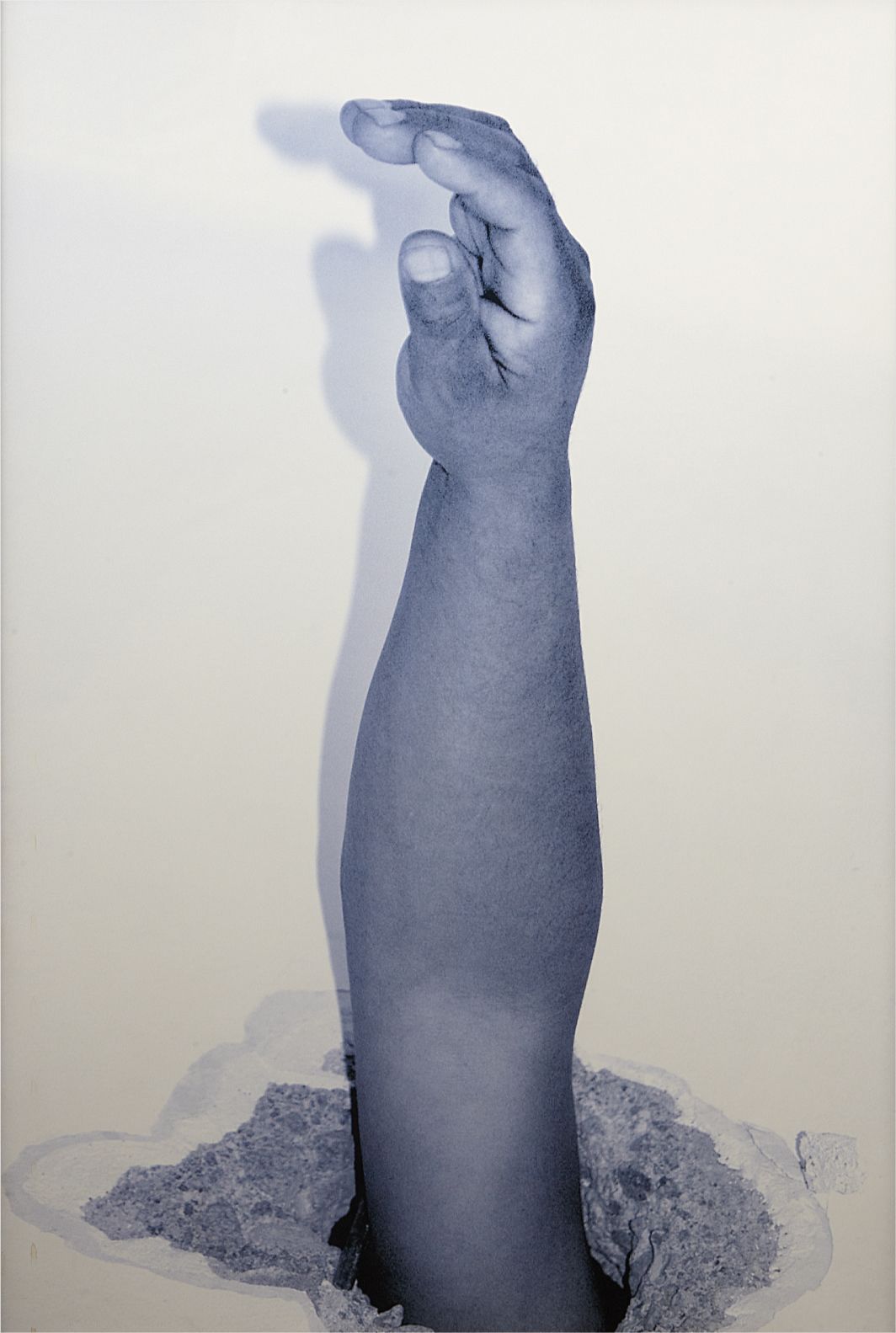
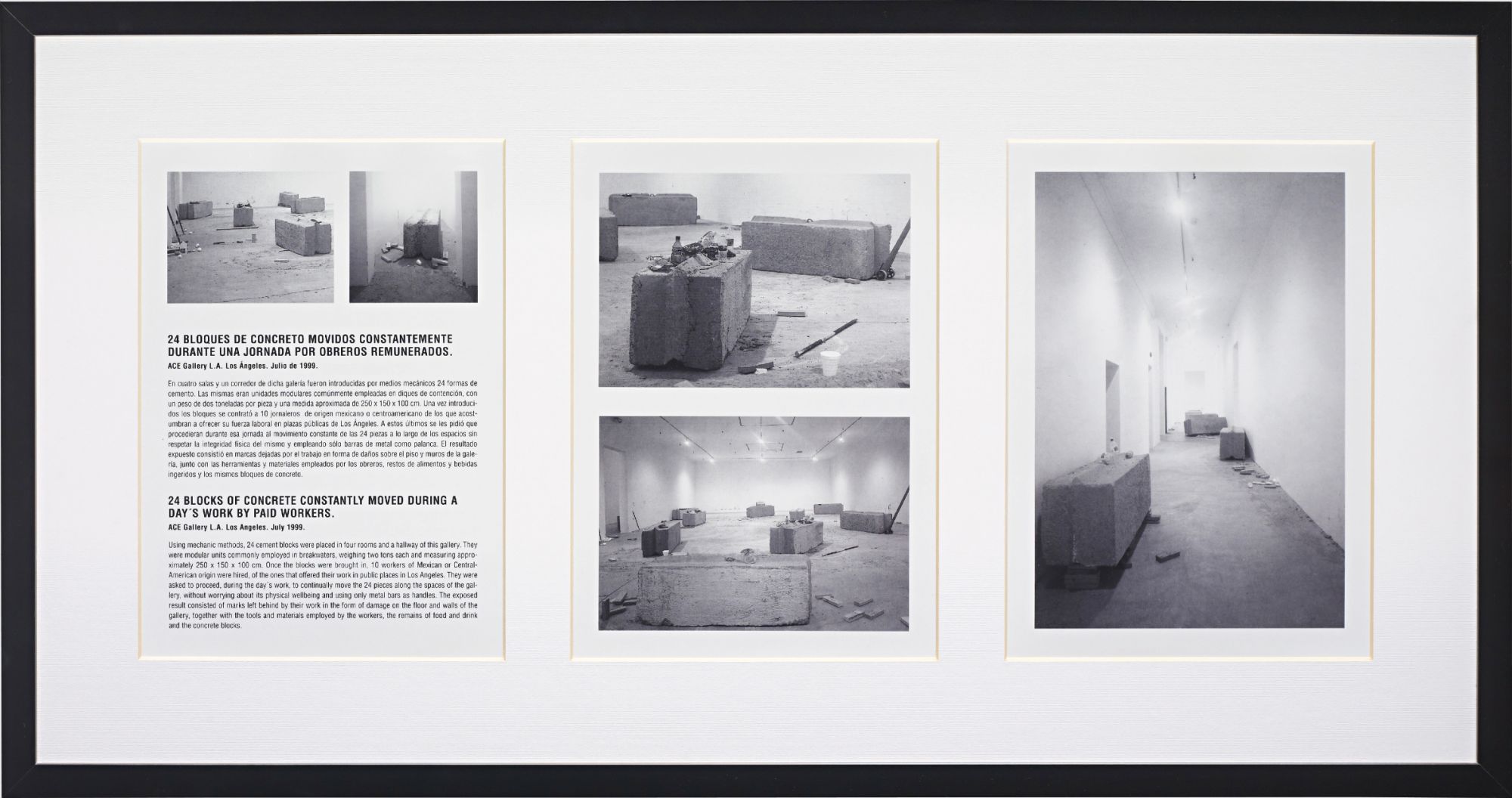
Santiago Sierra
Brazo de obrero atravesando el techo de una sala de arte desde una vivienda


The Art That Rewires the Room Around You
There is a particular kind of collector who is not satisfied by something that simply hangs on a wall. They want work that pushes back, that changes the experience of moving through a space, that makes architecture itself a collaborator in the act of looking. Architectural intervention as a collecting category attracts people who understand that the most powerful art does not decorate a room but rather transforms it. Living with this kind of work demands attentiveness and flexibility, and in return it offers something most art cannot: the feeling that your environment is genuinely alive.
The appeal runs deeper than novelty. Collectors drawn to this area often describe a shift in perception that happens over time. Work that alters light, modifies passage through a space, or introduces unexpected materials into a domestic or institutional setting has a cumulative effect on how you inhabit that space. You stop seeing walls as neutral.
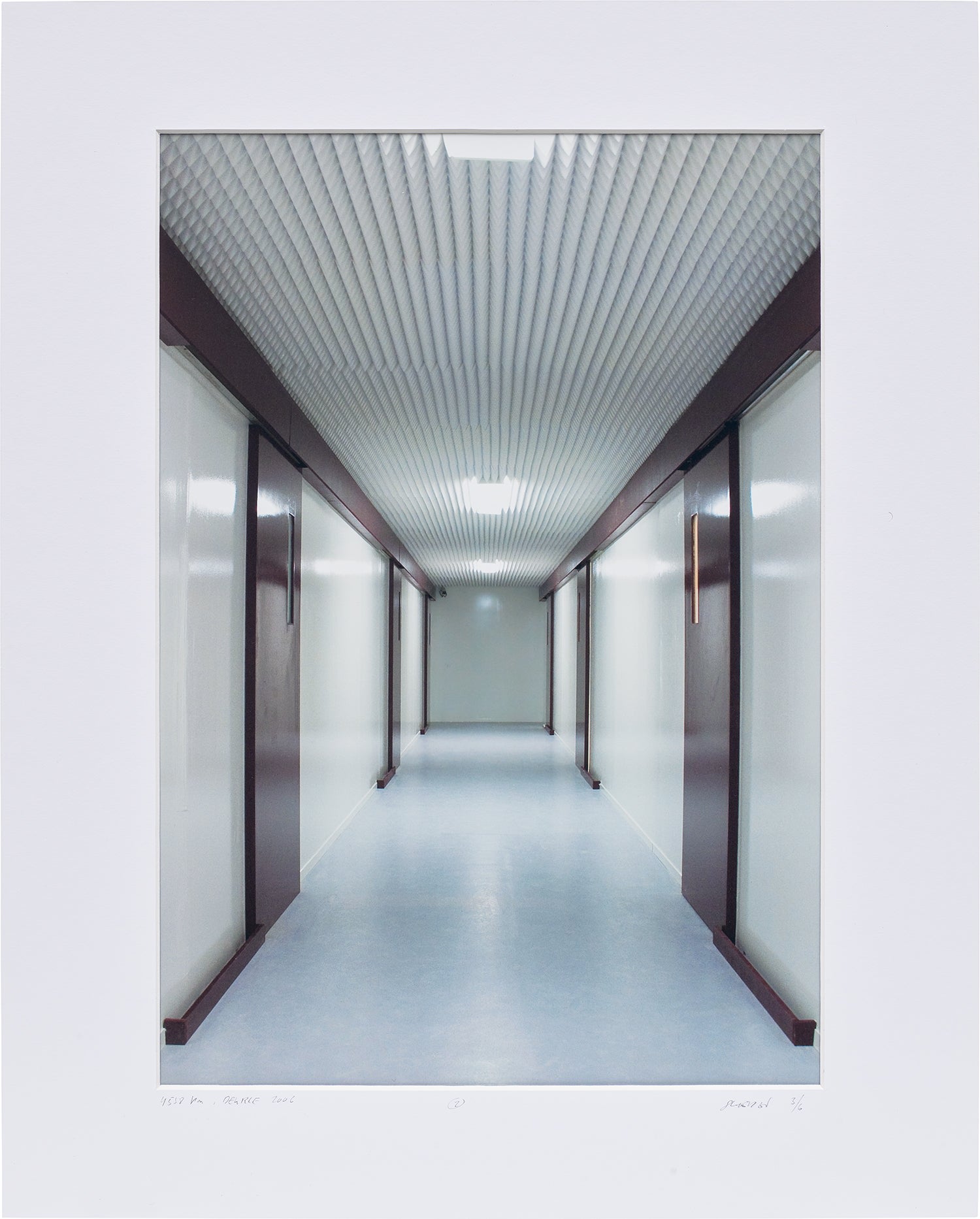
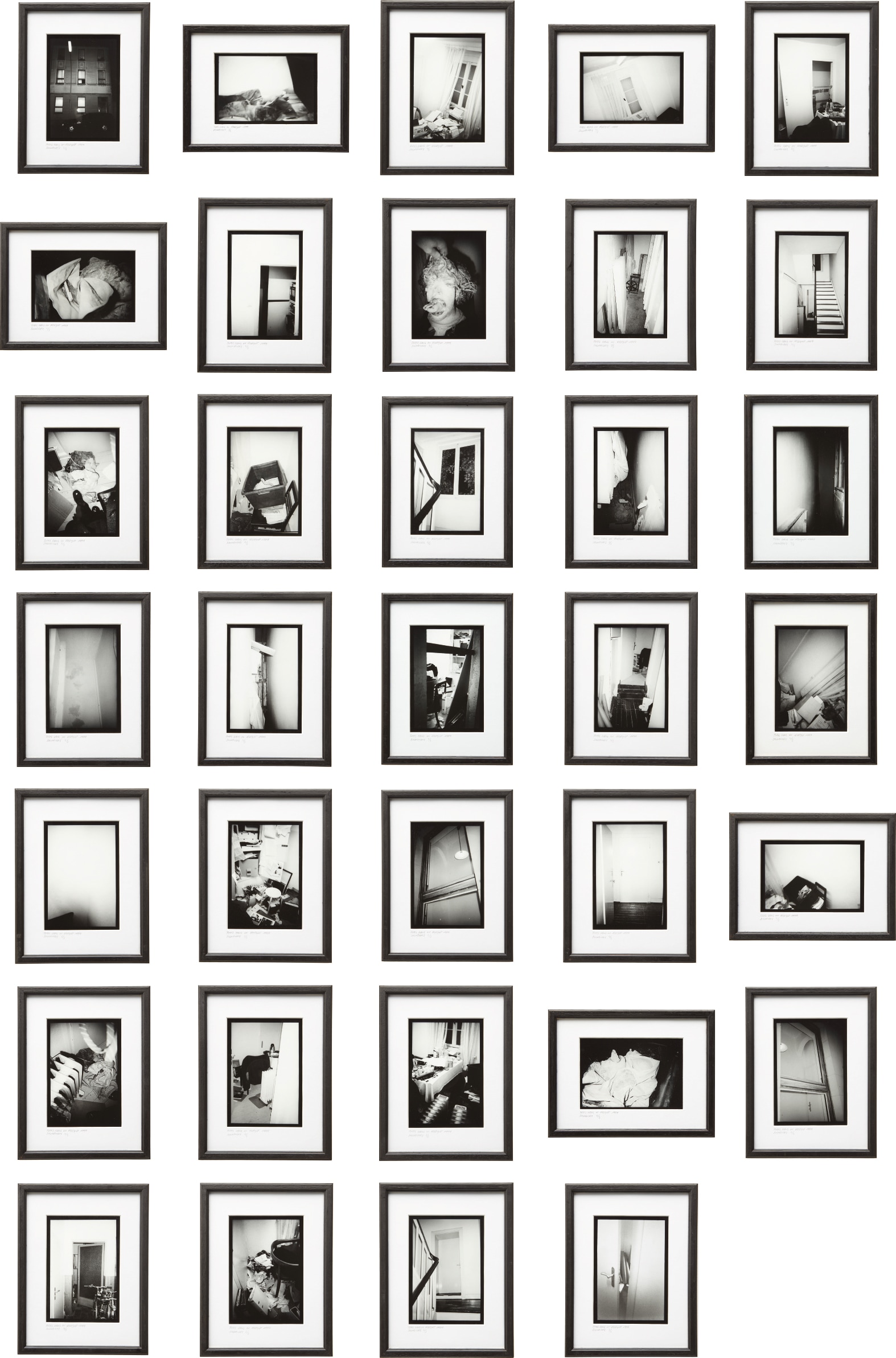
Gregor Schneider
4538KM 2, Deurle, 2006
You start noticing thresholds. This is not a comfortable category in the conventional sense, but for the right collector it is deeply rewarding precisely because discomfort and curiosity are built into the encounter every single day. Separating a good work from a great one in this field comes down to specificity and necessity. The strongest architectural interventions feel as though they could not exist anywhere else, or alternatively that wherever they are installed they will fundamentally redefine that site.
Great works in this category do not merely occupy space but interrogate it, asking why a room is shaped the way it is, who it was built for, and what assumptions are embedded in its proportions. When you are considering a work, ask yourself whether the intervention would retain its power in a completely different setting, and whether the answer to that question is itself meaningful. If the work travels and transforms each destination rather than simply arriving in it, you are looking at something exceptional. The artists currently represented on The Collection offer a compelling cross section of how this sensibility has been pursued across different generations and geographies.
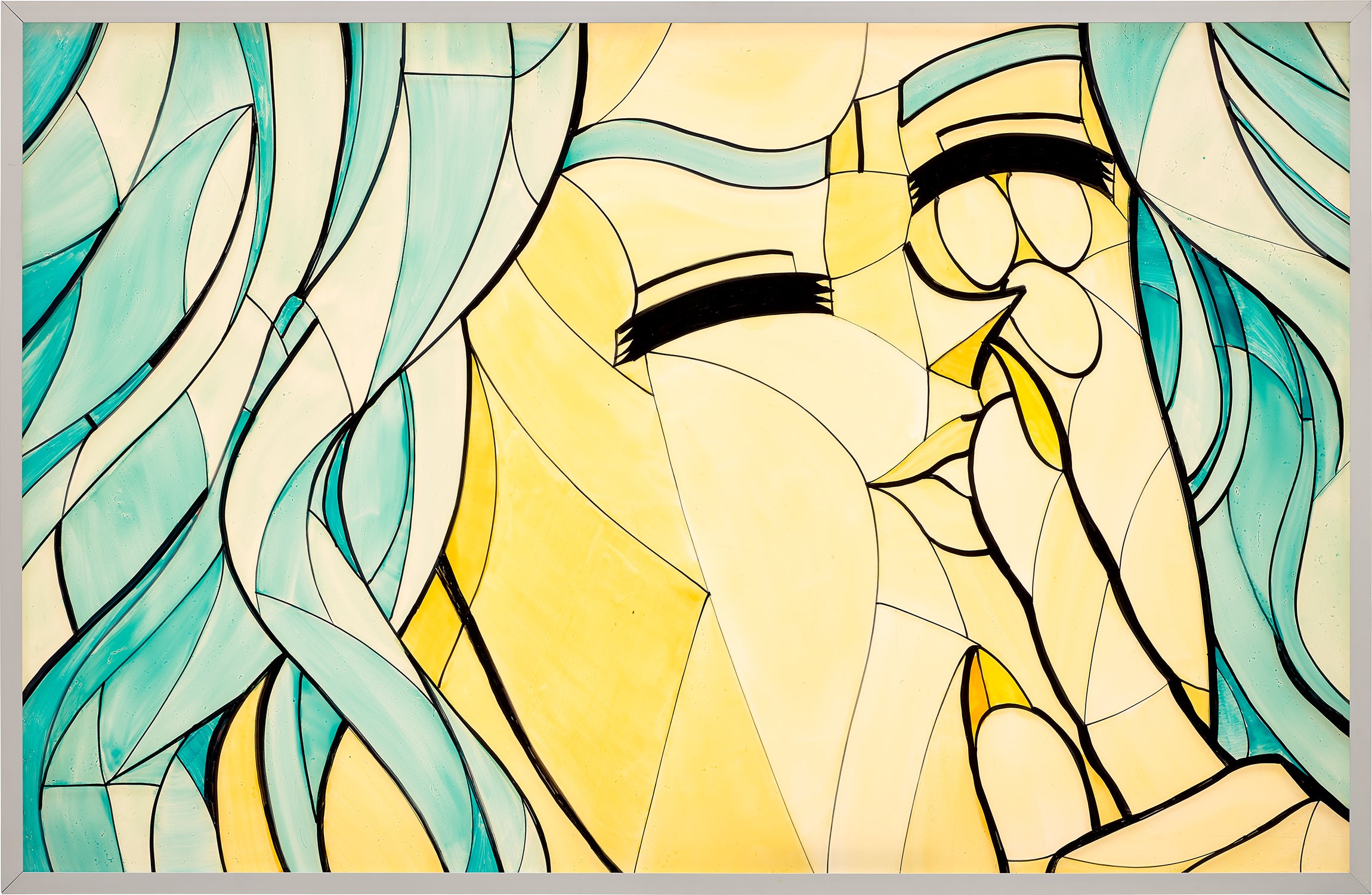
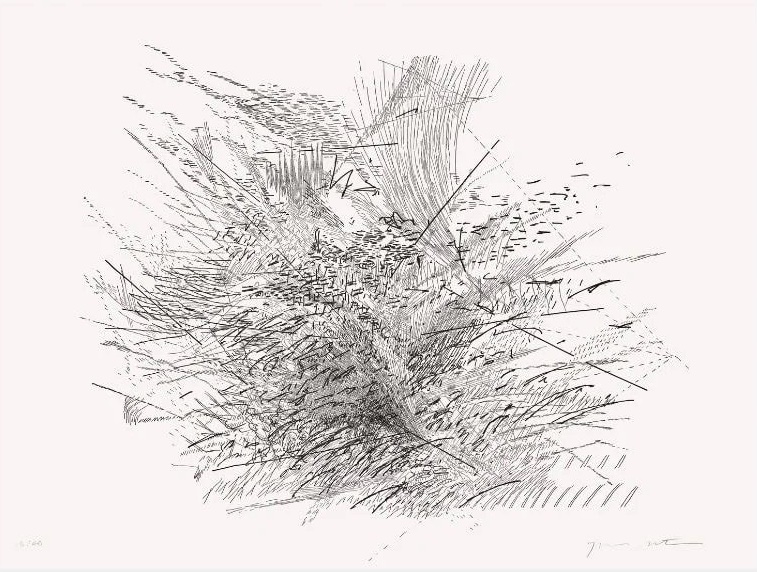
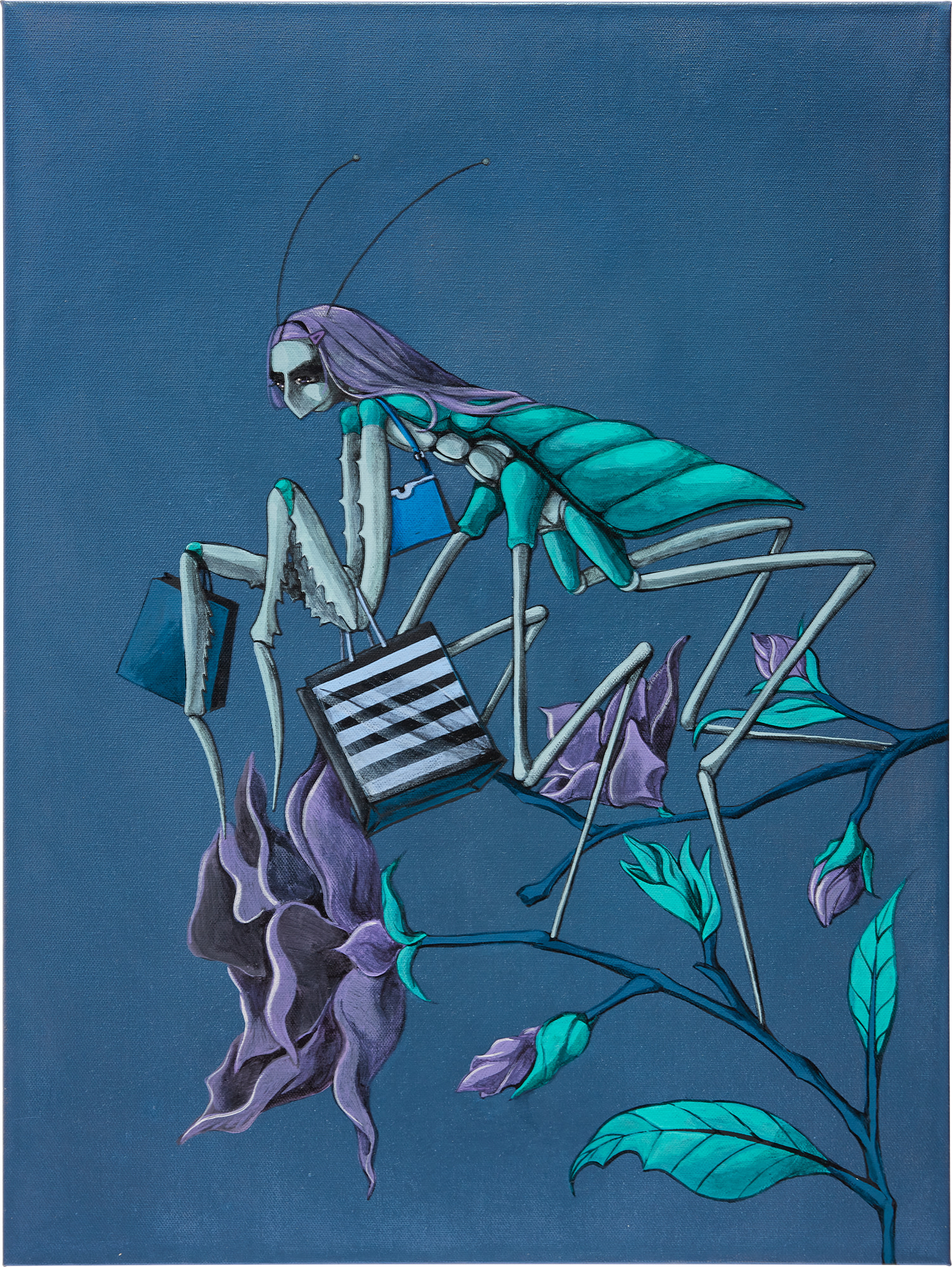
Julien Ceccaldi
See Thru, 2014
Gregor Schneider is perhaps the most uncompromising figure here. His practice, rooted in the obsessive reconstruction of rooms within rooms inside his family home in Rheydt, Germany over decades, produces work that carries an almost unbearable psychological weight. Schneider constructs sealed, doubled, and replicated spaces that make the familiar feel profoundly wrong. Collecting his work means accepting that domesticity itself is the subject, and that the home you hang it in becomes part of the piece.
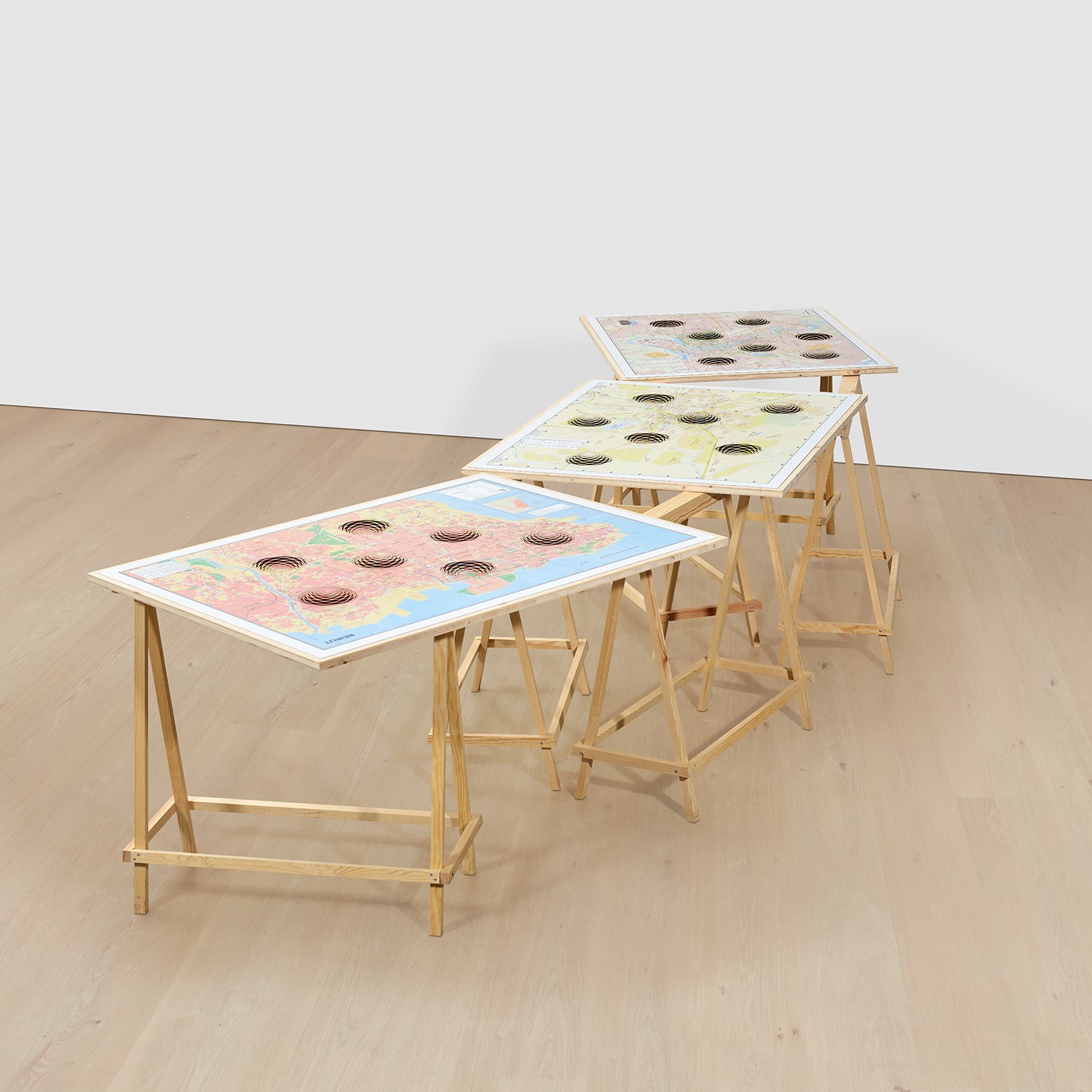
Mona Hatoum approaches the built environment from an equally rigorous but distinct angle. Her installations have long engaged with the body's relationship to architecture, using materials like steel mesh, electrified elements, and transparent floors to generate vulnerability and estrangement within institutional and private spaces alike. Works on paper or smaller sculptural objects from Hatoum's practice can serve as entry points for collectors before committing to a larger installation. Santiago Sierra's work operates through a blunt confrontational logic that is difficult to separate from its political content.
Santiago Sierra
Brazo de obrero atravesando el techo de una sala de arte desde una vivienda
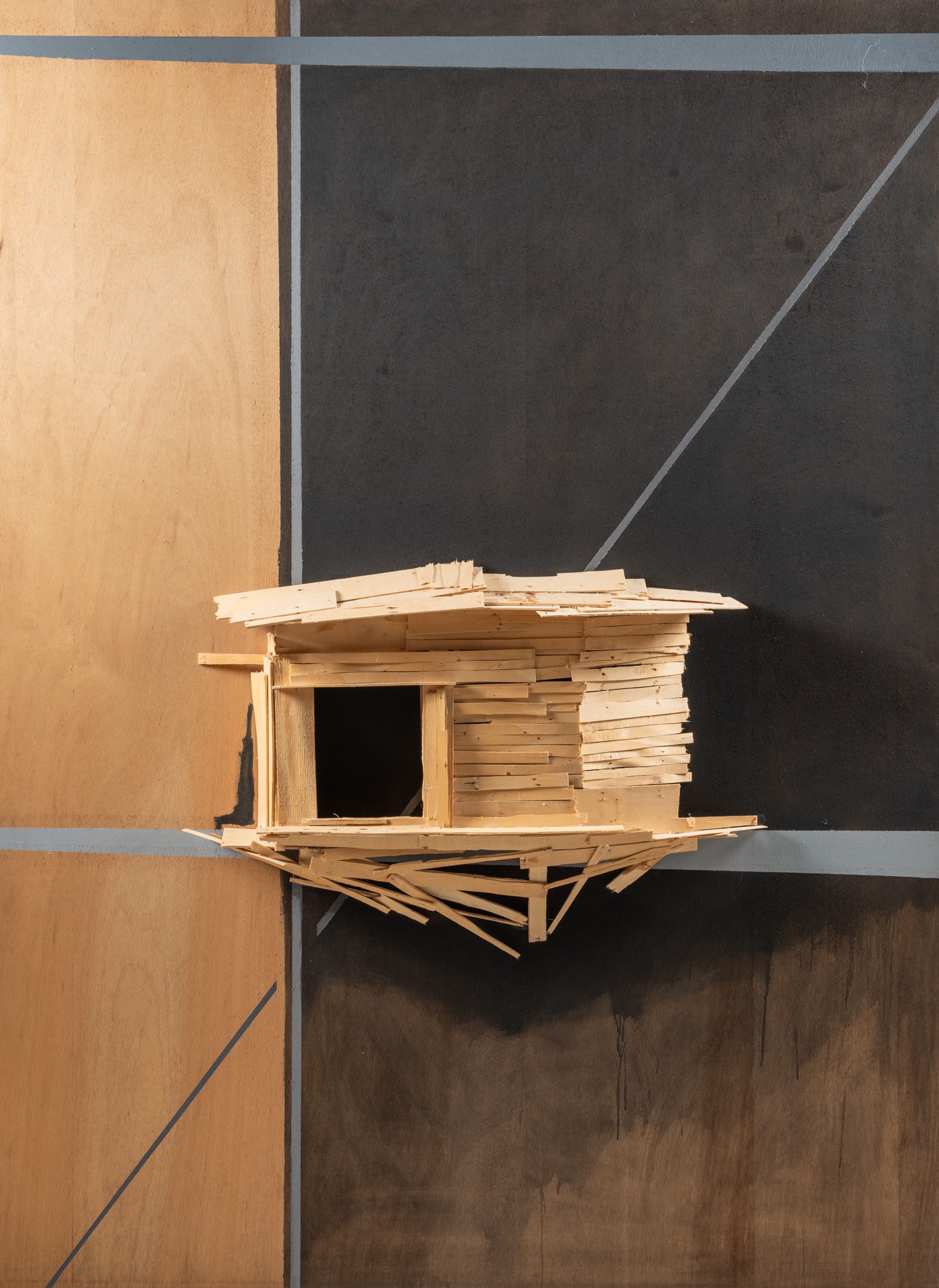
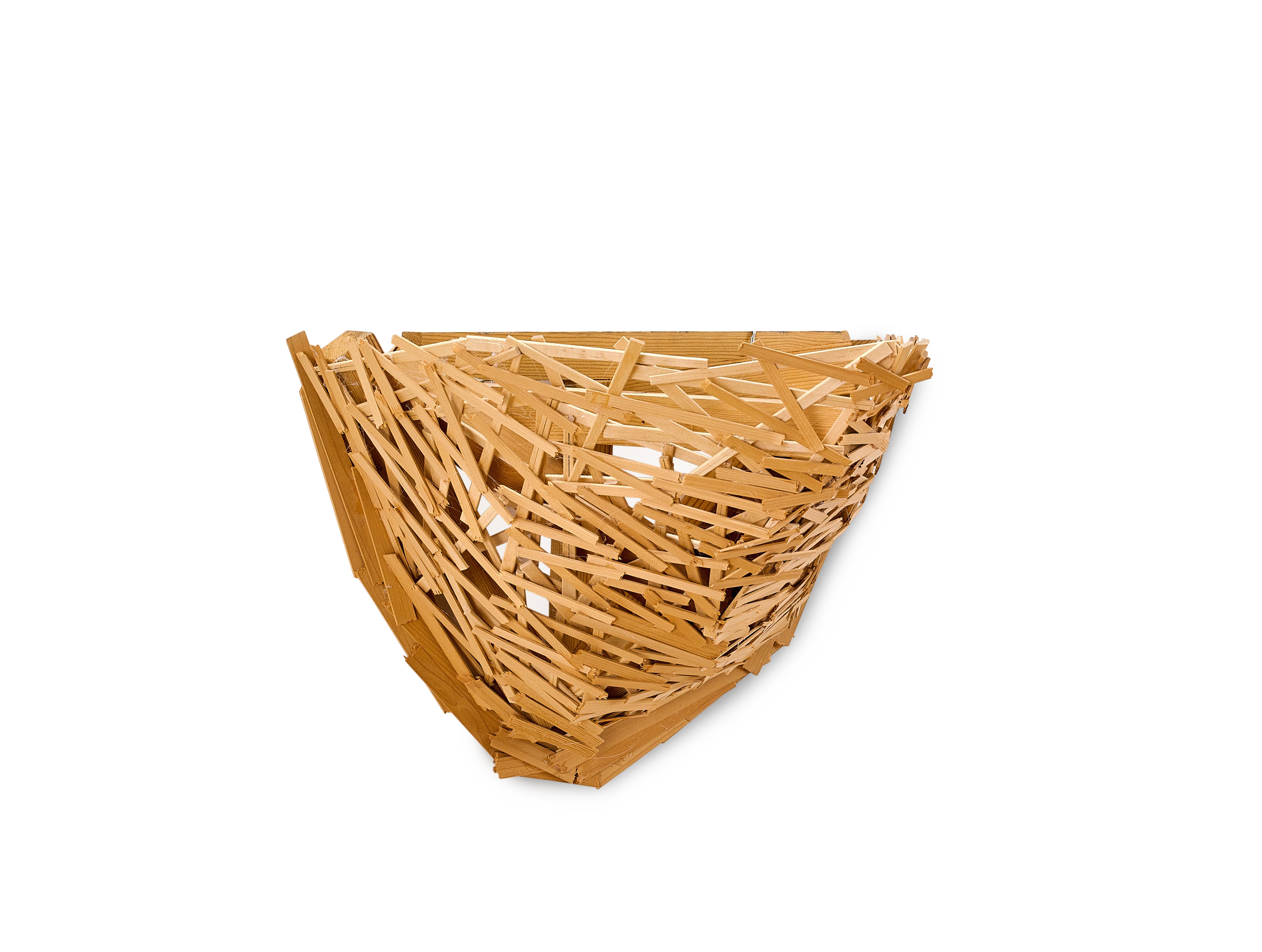
His interventions have involved blocking entrances, hiring workers to perform meaningless or degrading tasks, and using the physical facts of architecture to expose the structures of economic power. For collectors, engaging with Sierra means being willing to hold work that carries genuine ethical weight and that will generate strong reactions. This is not work that disappears into a collection. Tadashi Kawamata works on an entirely different register, using accumulations of salvaged timber to create organic, almost rhizomatic structures that grow across and through existing spaces.
His practice has a warmth and an ecological consciousness that makes it approachable even as the scale can be immense. Smaller works and studies by Kawamata are worth seeking out as his institutional profile continues to build. For collectors interested in where this field is moving, Julien Ceccaldi represents a genuinely interesting case. Primarily known for figurative painting and animation with roots in manga and queer subculture, Ceccaldi has shown an increasing interest in how his characters and environments bleed into physical and architectural space.
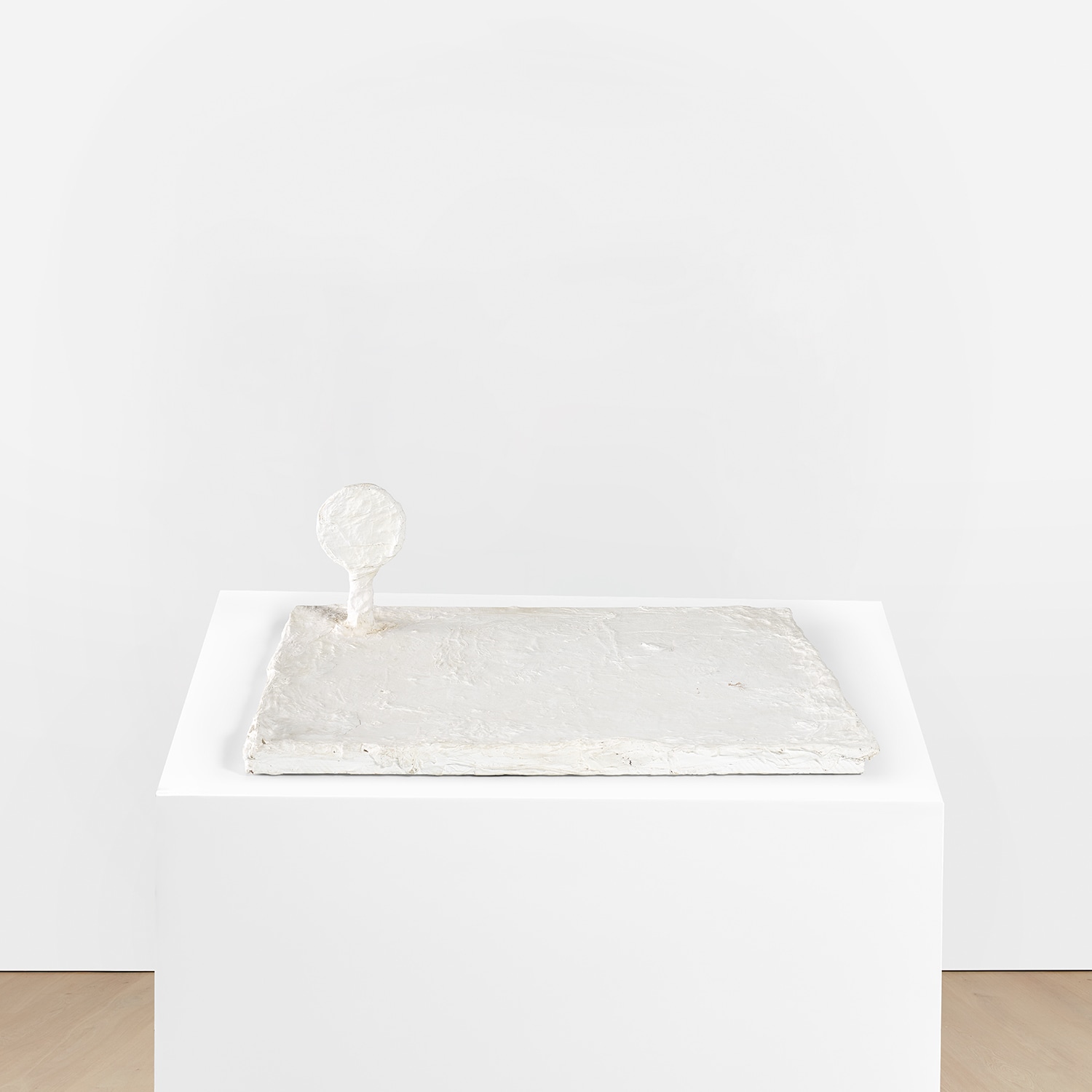
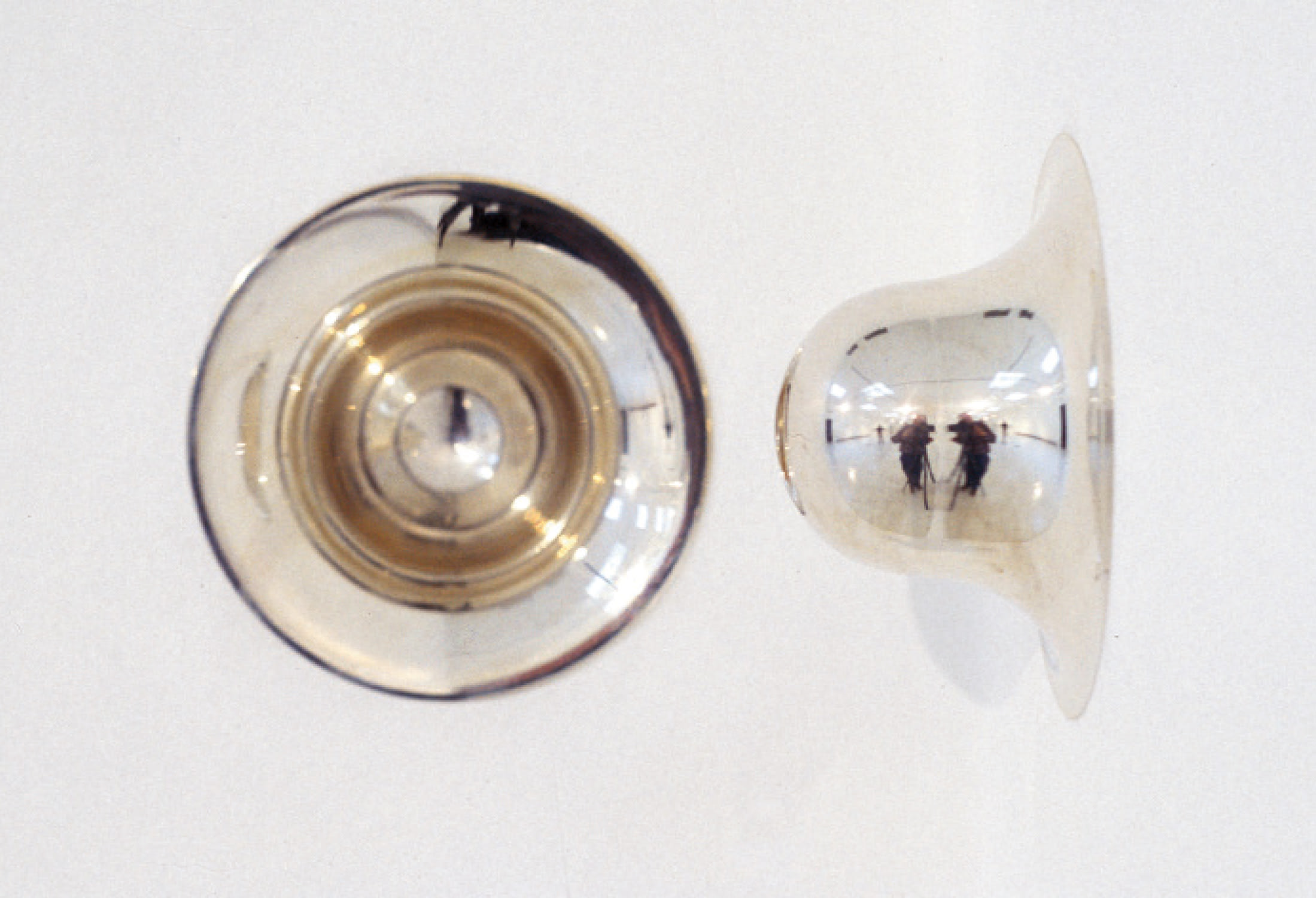
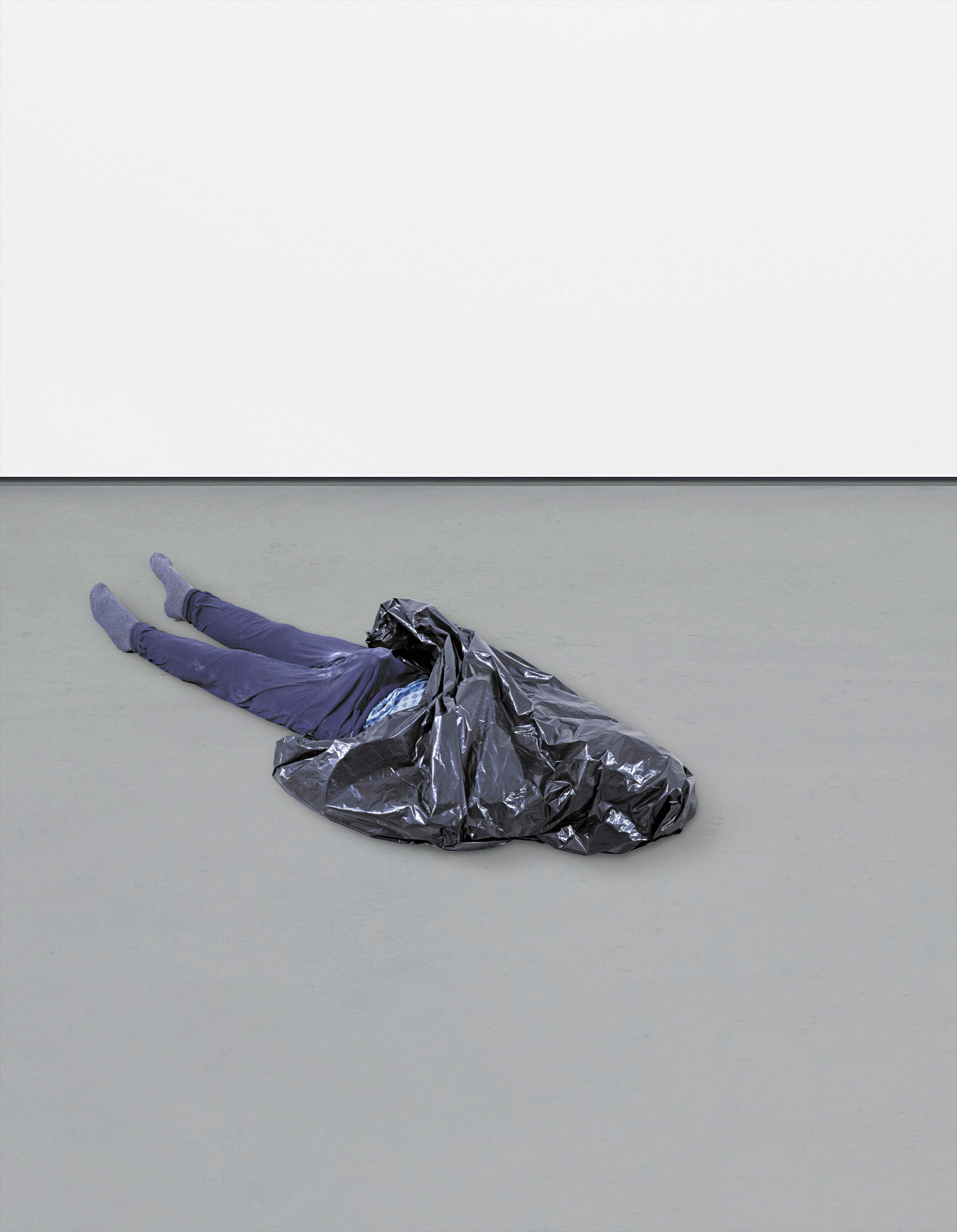
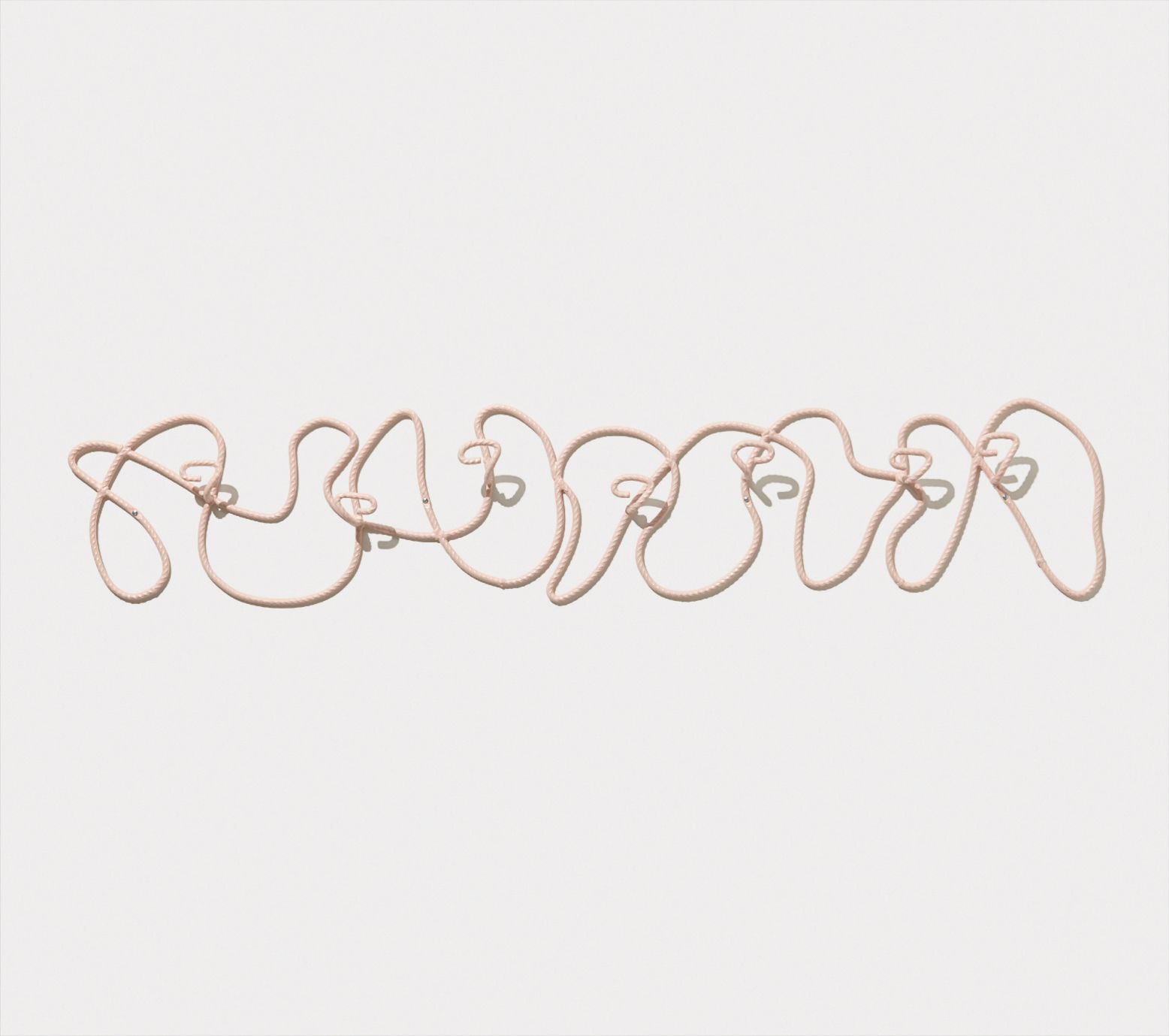
Franz West
Immobiles Passstück Dusche, 1981
The work sits at an unusual crossroads and is still at a price point that rewards early engagement. Franz West, whose Passstücke or Adaptives were designed to be worn, carried, and interacted with in ways that deliberately upended the neutrality of the gallery space, remains a strong secondary market performer, and his estate has been careful about stewardship. Martin Creed, whose practice is built around deceptively simple propositions about what art and space can mean to each other, has shown consistent resilience at auction. His light installations and text works carry significant name recognition and offer accessible entry points into a body of work that rewards deeper collection.
At auction, architectural intervention works can be volatile precisely because they resist the standardization that drives reliable price discovery. Unique installation works often require negotiation about reinstallation rights, technical support, and materials, and these factors can suppress bidding among less experienced buyers. However, this same complexity creates opportunity for informed collectors. Edition works by artists like Creed or Hatoum tend to perform more predictably and offer cleaner secondary market transactions, but unique installation pieces by figures like Schneider, when they do come to auction, can generate serious competition because supply is genuinely constrained.
Practically speaking, there are questions every collector should ask before acquiring in this category. What are the reinstallation requirements and who bears that cost over time? Is technical documentation thorough enough to allow reconstruction by a future owner? For works that involve specific materials or structures, is there a certificate of authenticity that also functions as an instruction set?
Condition in architectural intervention is not just about the physical object but about whether the concept can be faithfully realized again. Ask the gallery whether the artist has personally overseen installations and whether they remain available for consultation. In a category where the work and the space it inhabits are inseparable, provenance is not just about ownership history. It is about every room the piece has ever changed.