Agricultural Labor
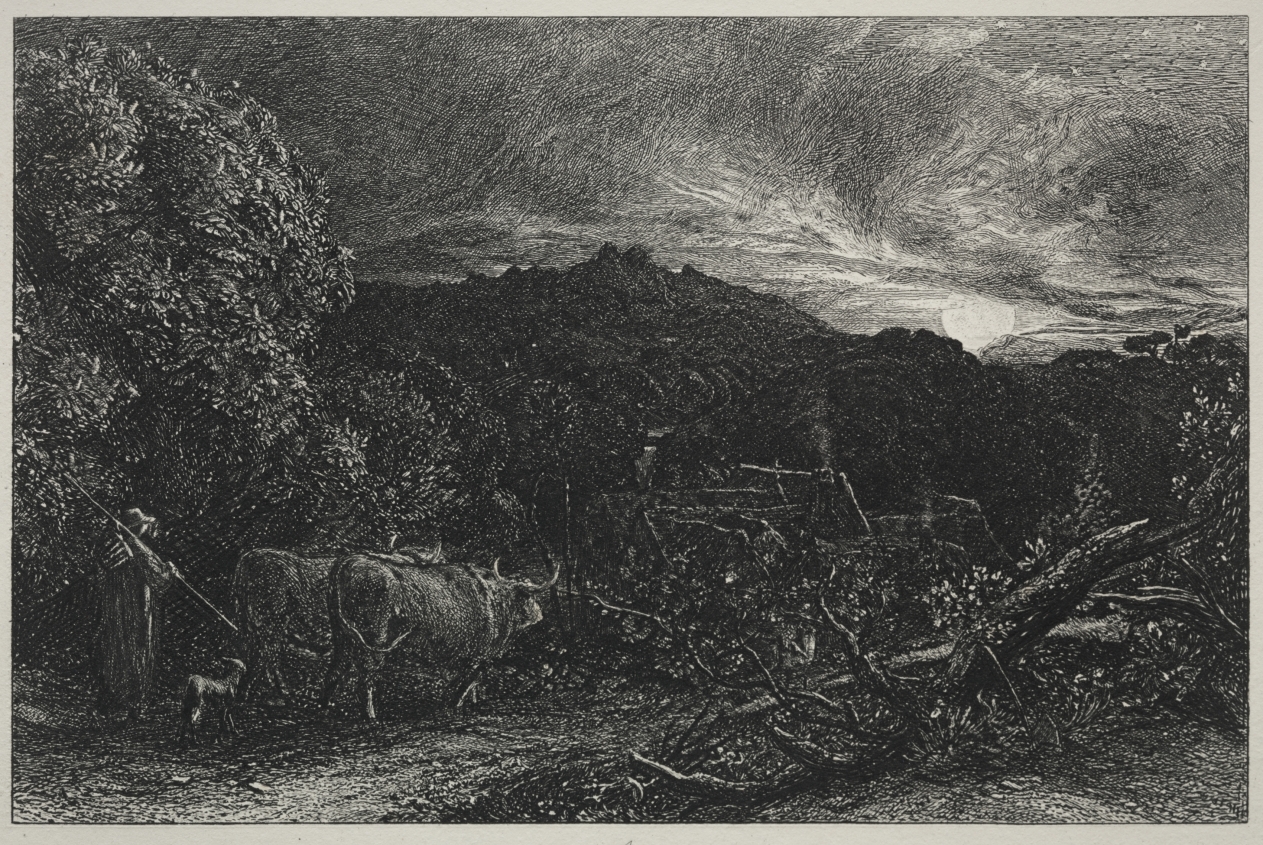
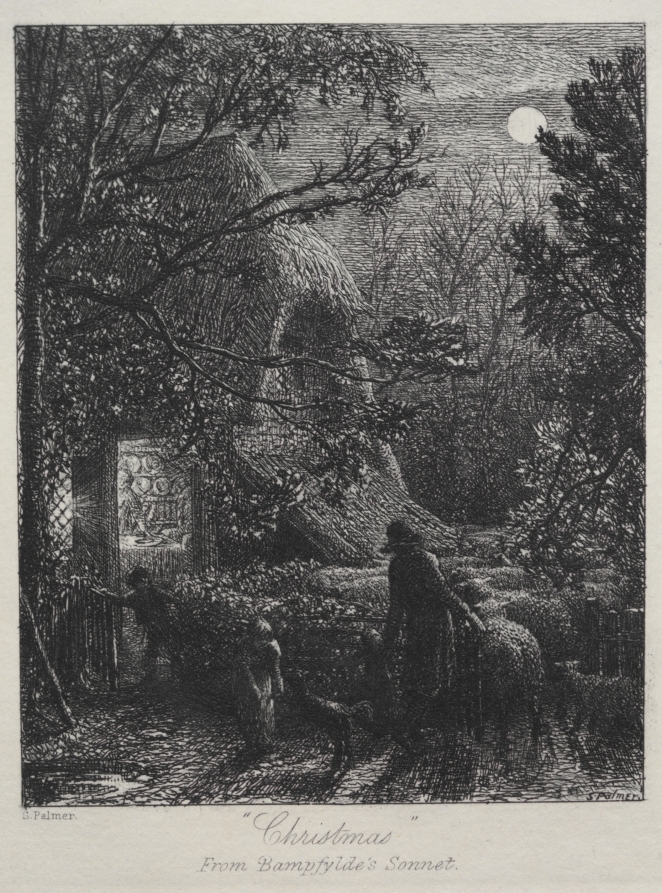
Samuel Palmer
The Weary Plowman, 1858
The Field as Canvas, Labor as Light
There is something quietly radical about art that refuses to look away from work. Not the glamour of industry or the romance of invention, but the grinding, physical, deeply human labor of growing food. Agricultural labor as a subject has threaded through Western art for centuries, and yet it never feels exhausted. It keeps finding new urgency, new moral weight, new formal possibilities.
The best works in this tradition do not merely document toil. They ask us to reckon with who feeds the world and what that costs them. The roots of this subject reach back to medieval illuminated manuscripts, where calendar pages depicted peasants harvesting grain and pressing grapes in tidy, seasonal cycles. These early images were not sympathetic portrayals so much as orderly cosmologies, placing labor within a divine arrangement of time.
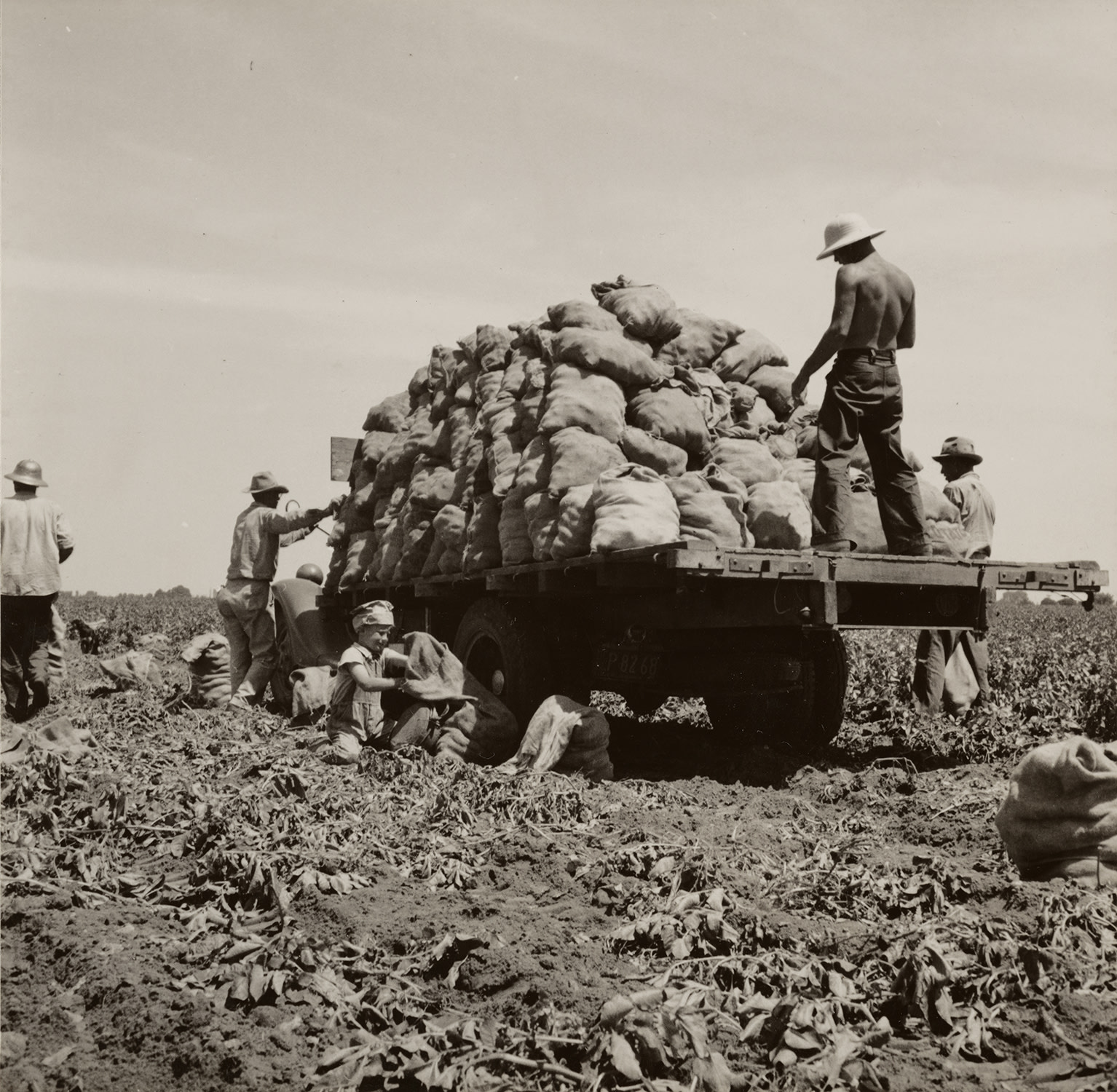
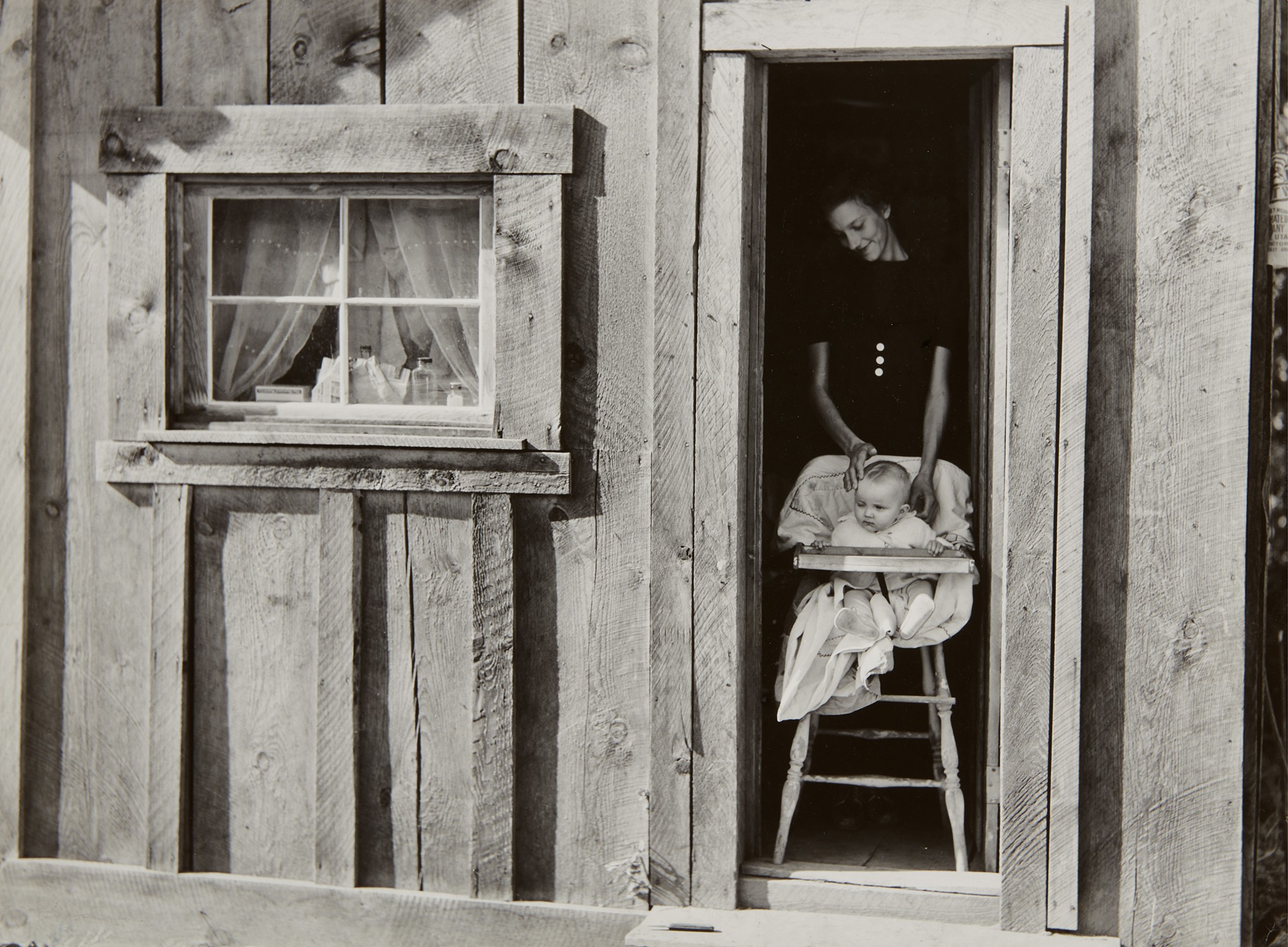
Dorothea Lange
Potato picking, Shafter, California
The emotional register shifted dramatically in the nineteenth century, when industrialization and rural displacement forced artists to look at farming life not as a timeless ritual but as a human condition under pressure. Jean François Millet stands as the pivotal figure of this turn. His 1857 painting The Gleaners, shown at the Paris Salon that year, presented three stooped women gathering leftover grain from a harvested field with a gravity and monumentality previously reserved for saints and kings. The French bourgeoisie understood the political charge immediately.
Samuel Palmer, working slightly earlier in England, approached agricultural landscape from a different angle entirely. His visionary pastoral scenes from the Shoreham period of the late 1820s and early 1830s transform orchards and wheat fields into something almost mystical, suffused with a golden spiritual intensity drawn in part from his friendship with William Blake. Palmer's laborers exist within a world that feels blessed rather than burdened, yet there is nothing naive in his vision. The richness of the harvest in his work speaks to a yearning for an England he feared was disappearing, consumed by the same industrial forces that would later drive documentary photographers to rural America in search of what remained.
Samuel Palmer
The Weary Plowman, 1858
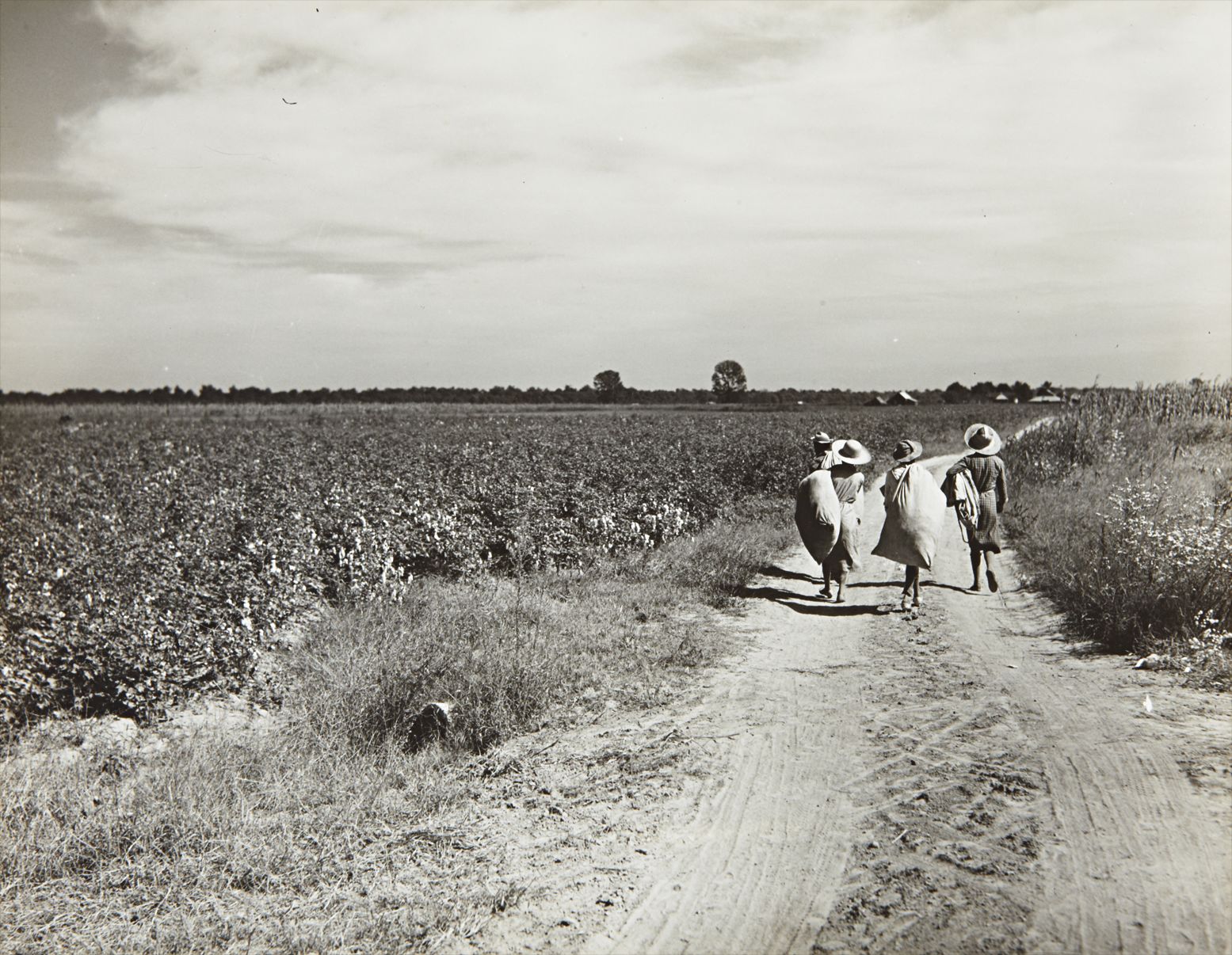
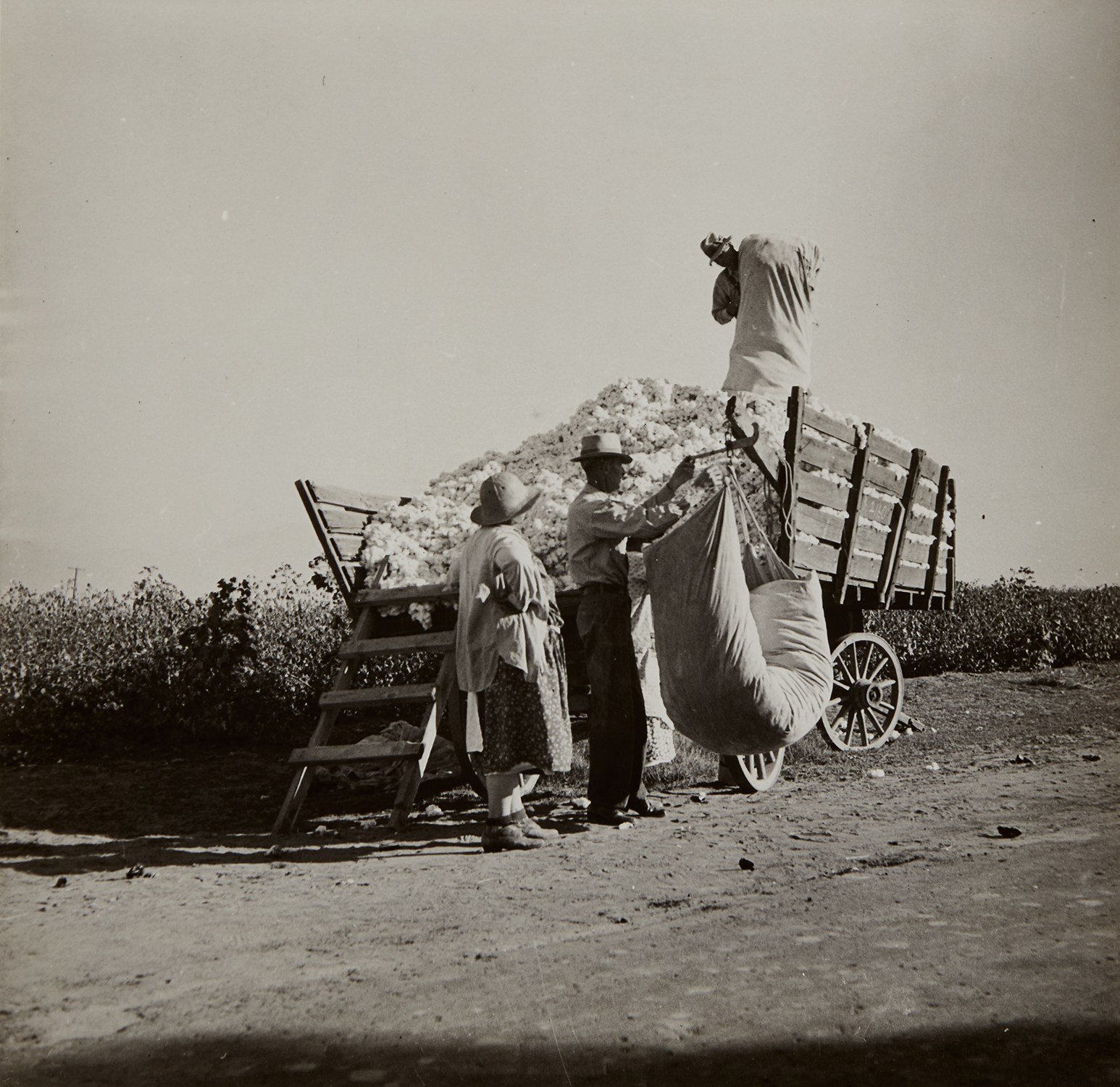
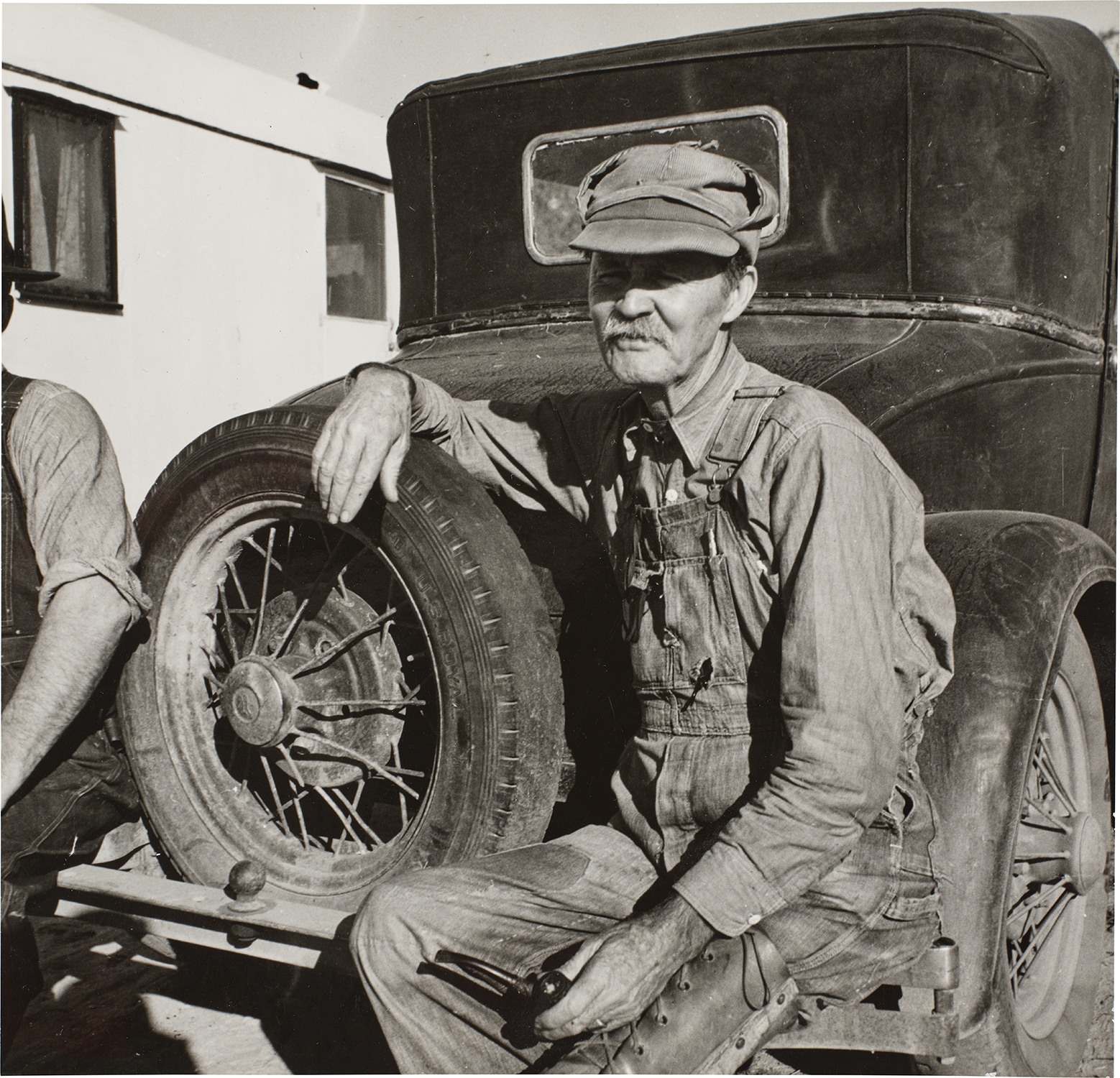
That documentary impulse reached its most powerful expression during the 1930s, when the United States Farm Security Administration commissioned photographers to record the realities of rural poverty during the Depression. Dorothea Lange became the conscience of that project. Her images of migrant farmworkers in California, including the iconic Migrant Mother from 1936, did something photographs had rarely done before with such directness: they placed the viewer in an ethical relationship with the subject, making indifference almost impossible. Lange's work on The Collection represents this commitment across different moments and geographies, each image carrying her characteristic ability to find dignity within devastation.
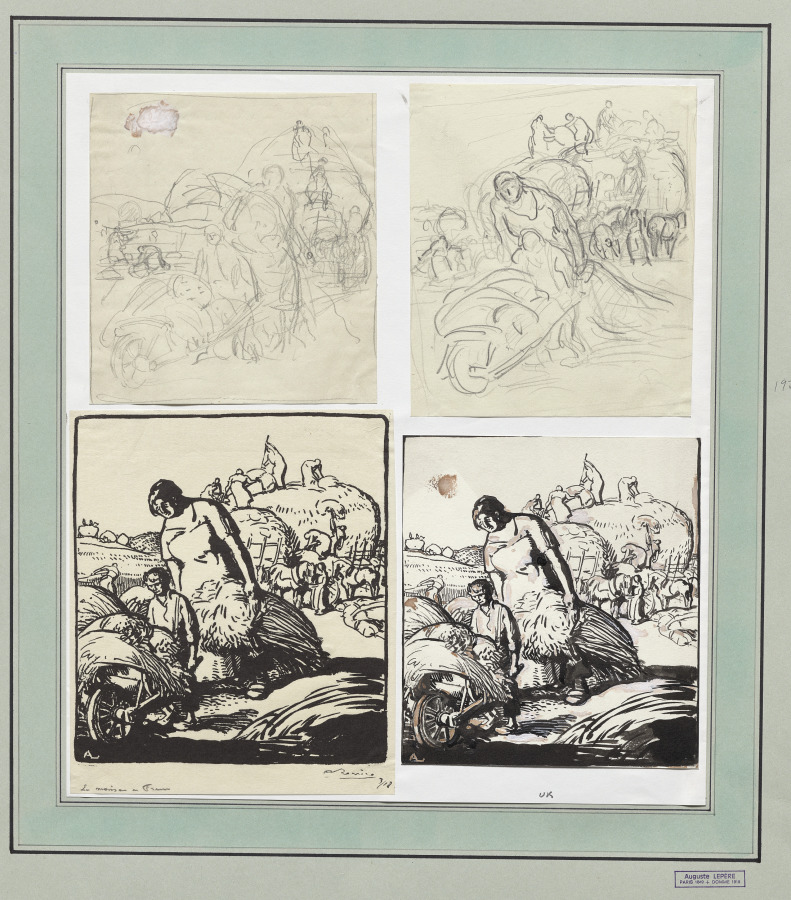
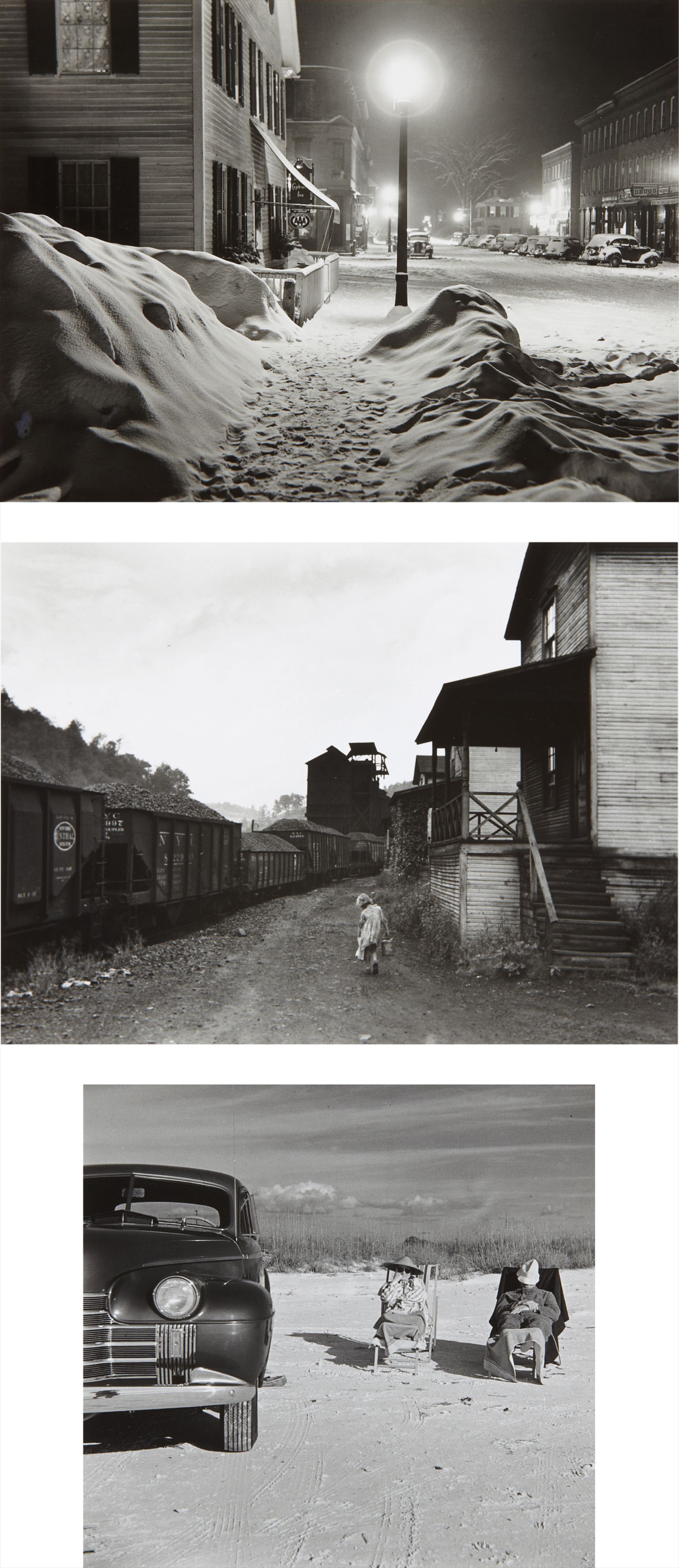
Marion Post Wolcott, another FSA photographer and somewhat less celebrated than she deserves to be, brought a similarly sharp eye to the rural South, photographing the lives of sharecroppers and seasonal workers with both intimacy and political clarity. Her images remind us that the FSA project was not monolithic but was shaped by many individual visions. Auguste Louis Lepère, the French printmaker working at the turn of the twentieth century, offers a different kind of witness. His wood engravings of peasant life carry the tonal richness and graphic directness that made the medium central to popular illustration before photography displaced it.
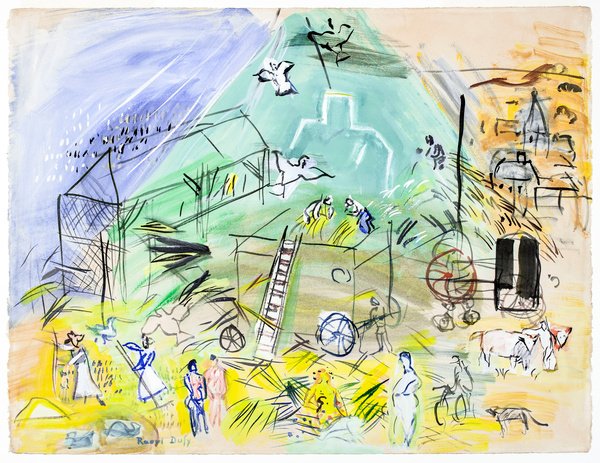
Raoul Dufy
La batteuse, 1942
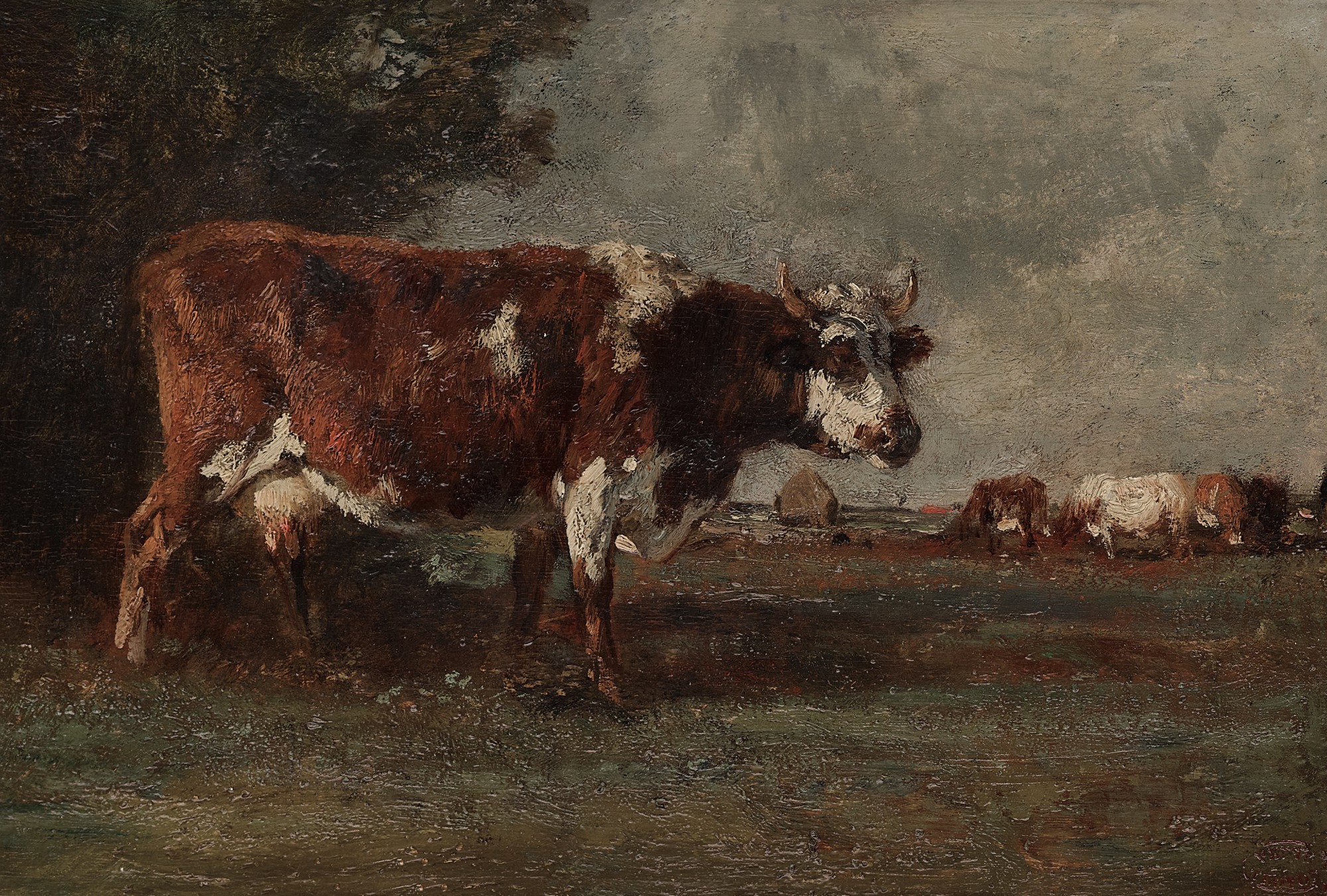
Lepère was deeply invested in reviving the woodcut as a serious artistic form, and his depictions of rural labor have a textured, almost tactile quality that suits the subject perfectly. Raoul Dufy, better known for his bright, loosely painted scenes of leisure and festivity, also turned at times to Normandy landscapes that capture the rhythms of agricultural France, though with a lightness that sits in interesting contrast to the heavier moral weight carried by his contemporaries. Constant Troyon, a core figure of the Barbizon School, gave animals their own starring role in the agricultural scene, his cattle and working oxen rendered with a painterly warmth that elevated them beyond mere livestock into subjects worthy of serious attention. By the mid twentieth century, British artists were processing both the memory of wartime rural mobilization and the rapid mechanization of farming.
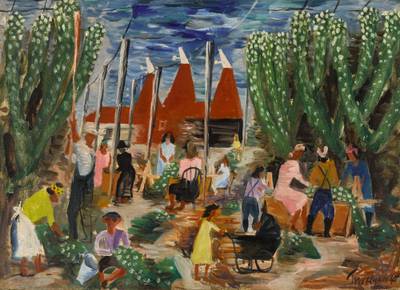
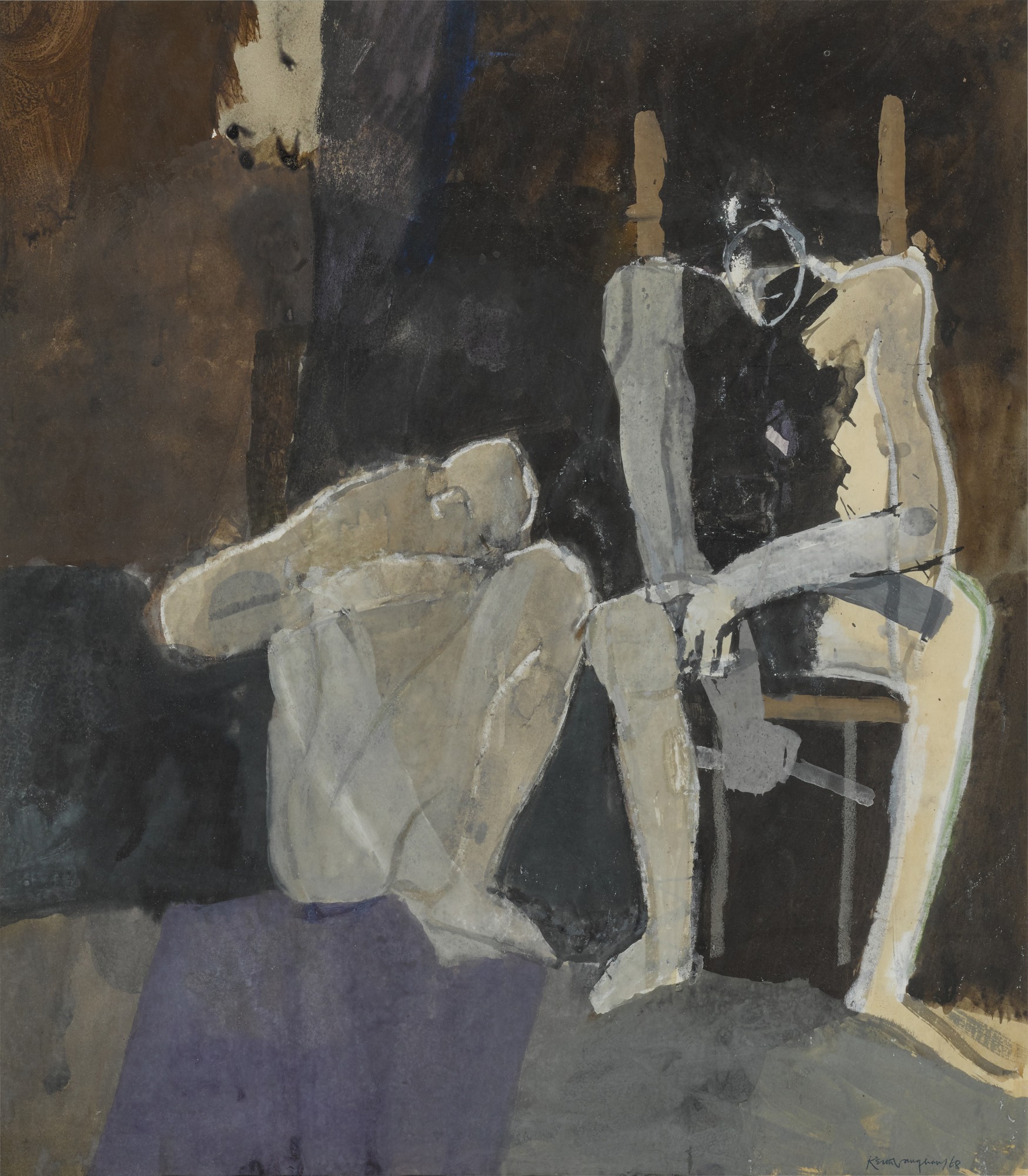
Keith Vaughan, associated with the Neo Romantic movement, brought a charged psychological atmosphere to his depictions of figures in landscape. His male laborers exist in a world of heat and effort that feels simultaneously physical and inward. Julian Trevelyan, who studied in Paris and was deeply influenced by Surrealism, created prints and paintings of industrial and agricultural England that carry a social conscience embedded in formally inventive compositions. For Trevelyan, a field of workers was never simply a field of workers.
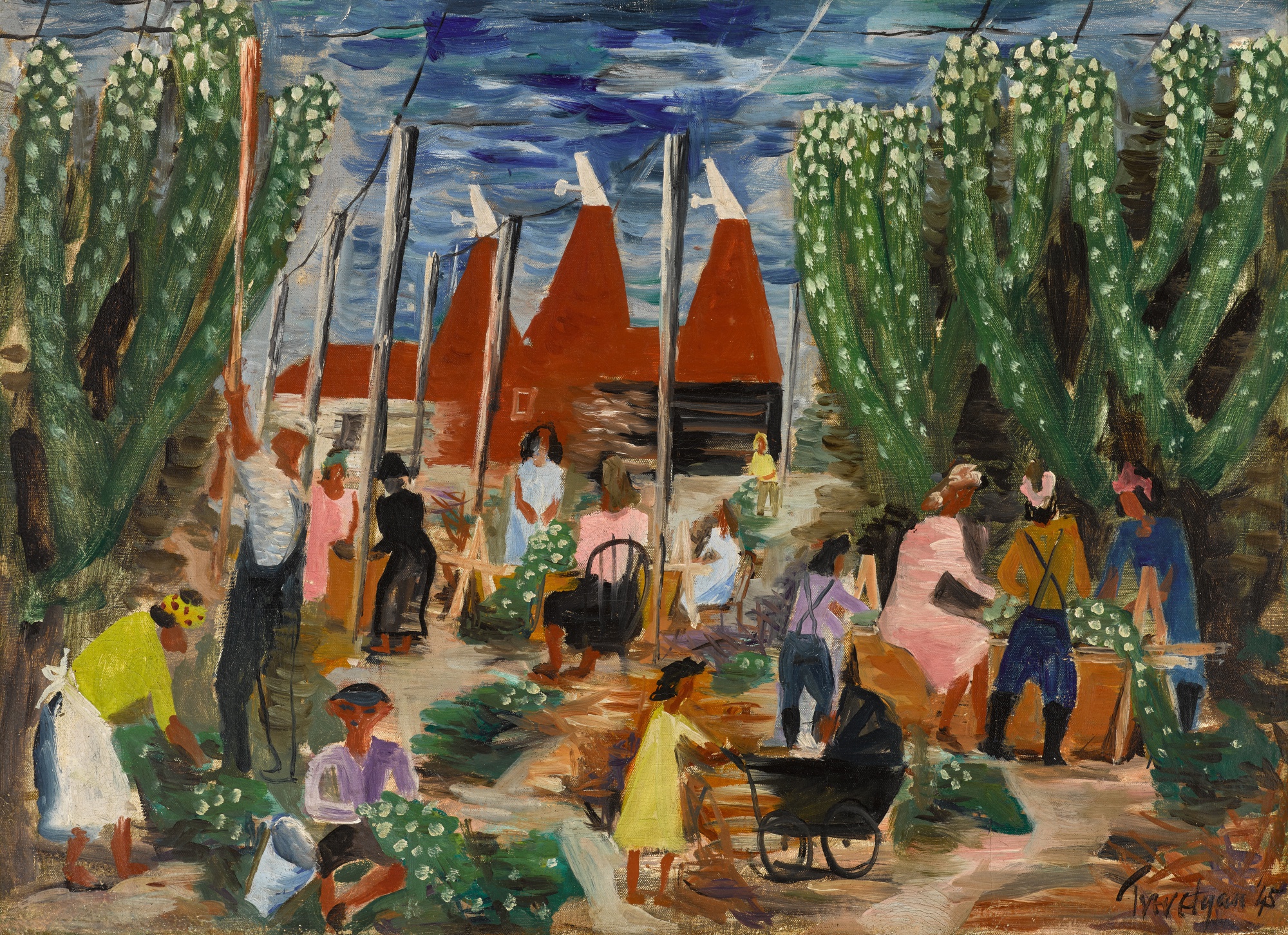
Julian Trevelyan
Hop Picking, 1945
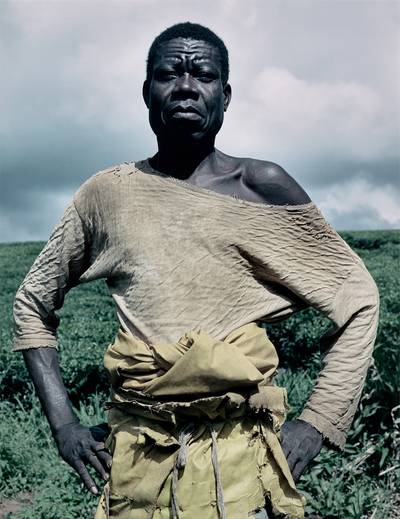
It was evidence of a society's values, its hierarchies, its relationship to land and ownership. Contemporary photographers have continued to ask hard questions about who performs agricultural labor and under what conditions. Jackie Nickerson's Farm series, made in southern Africa in the late 1990s and exhibited widely in the early 2000s, is among the most striking bodies of work to emerge from this tradition in recent decades. Her large format portraits of farmworkers in Zimbabwe, Malawi, and Mozambique photograph her subjects wearing or carrying the tools and materials of their labor in ways that feel ceremonial, dignified, and deeply unsettling all at once.
The images refuse both sentimentality and easy outrage. They simply insist on being looked at carefully, which is perhaps the most demanding thing an image can do. What connects Millet's gleaners to Lange's migrants to Nickerson's farmworkers is not style or medium but an insistence that this labor matters, that the people performing it are worth sustained, serious attention. The artists gathered around this theme on The Collection span more than a century and several continents, working in paint, woodcut, and photography, but they share a refusal to treat the field as mere backdrop.
For collectors who care about art that carries genuine stakes, agricultural labor as a subject offers something rare: beauty that is inseparable from conscience, and formal achievement that earns its emotional weight.