1970s
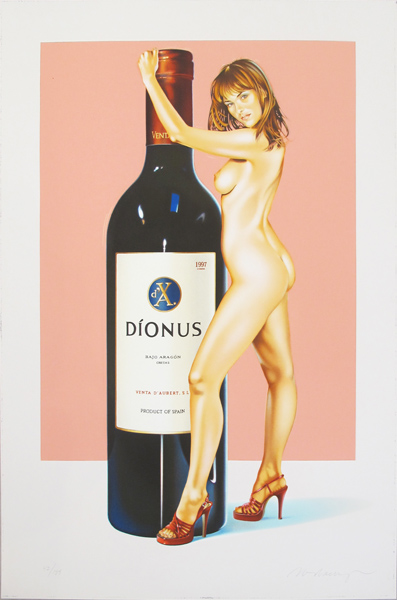
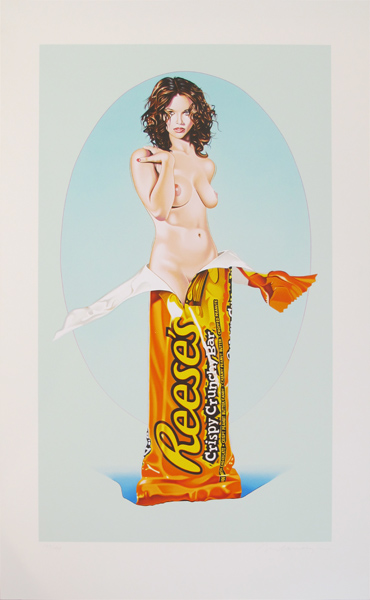
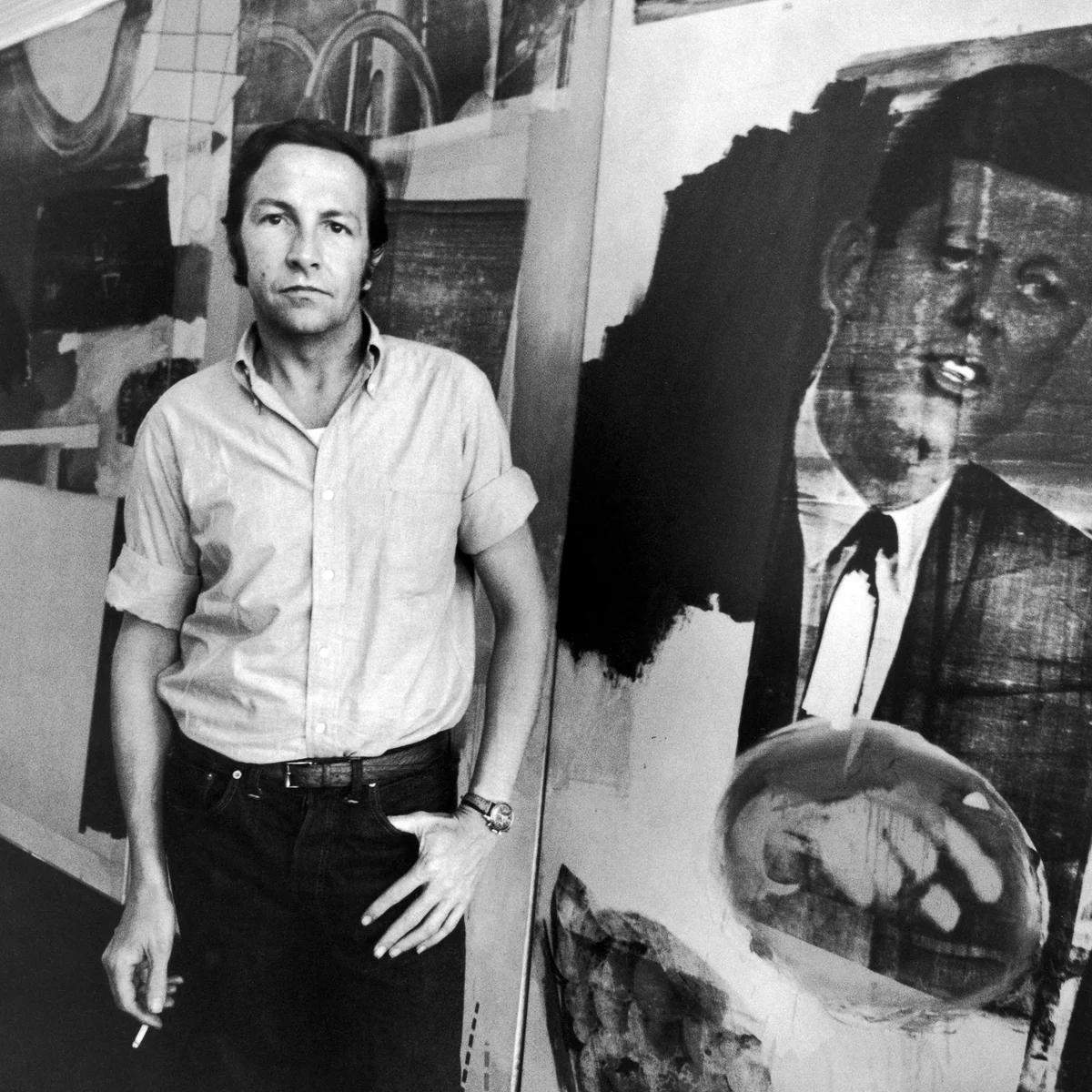
Mel Ramos
Dionus, 2002


The Decade That Still Sets the Room
There is something about a work made in the 1970s that announces itself without trying. Maybe it is the scale, the confidence, the particular quality of light that photography from that era seems to hold onto. Maybe it is the sense that the artists working through that decade genuinely did not know what art was supposed to be anymore, and went looking anyway. Collectors who find their way into this territory tend to stay.
The works are demanding in the best possible sense, and they carry a density of meaning that rewards years of looking. What draws people to collecting from this period is often not a single artist or movement but a feeling. The 1970s were a moment of genuine aesthetic plurality, when Conceptualism, feminist art, photorealism, color field painting, and early institutional critique were all happening simultaneously, often in the same city, sometimes in the same building. Living with a work from this decade means living with that complexity.
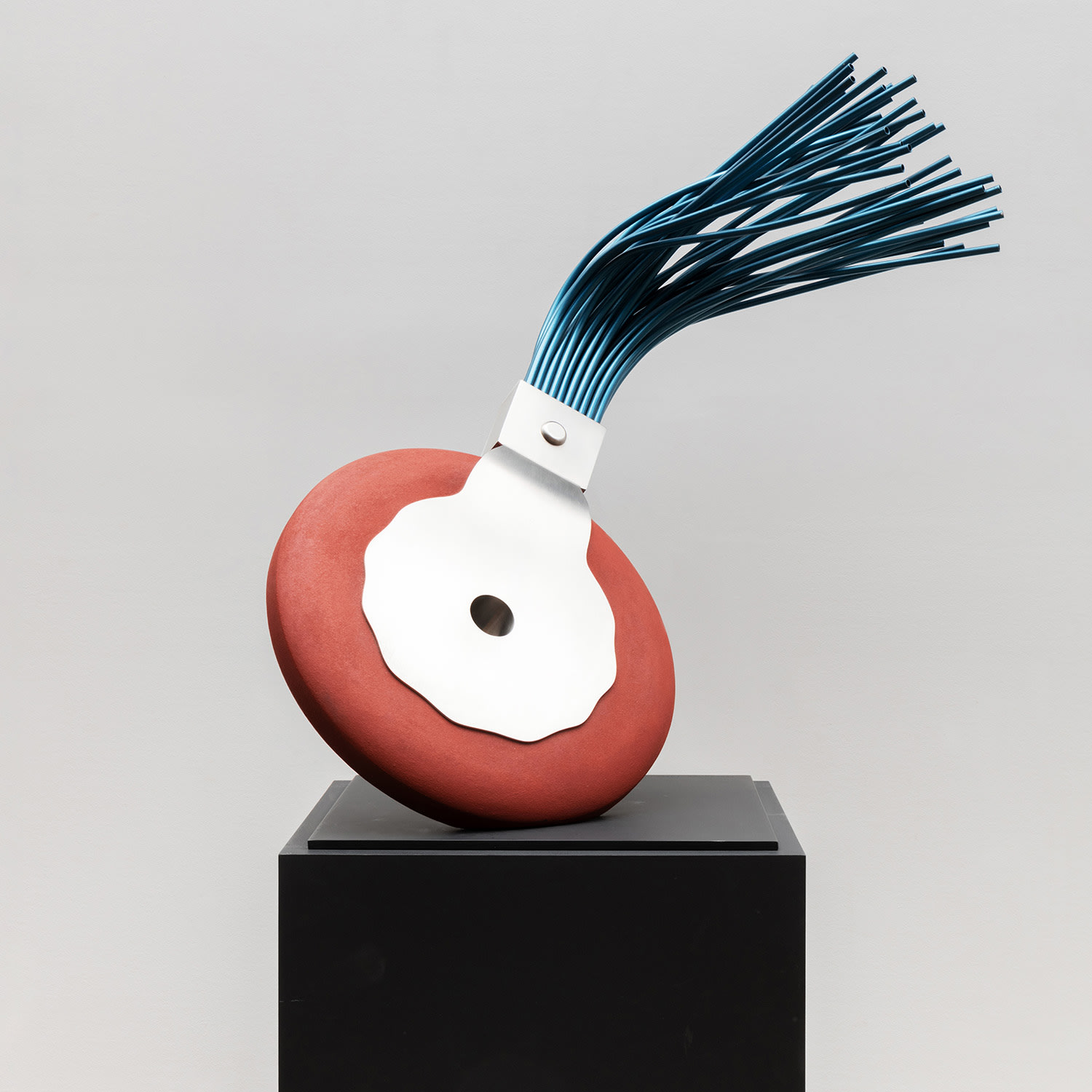
Claes Oldenburg
Typewriter Eraser, 1977
It is not decorative in any simple way. The best pieces from this period hold a kind of productive tension, they ask something of the room they are in. When it comes to separating a good work from a great one, condition is the starting point but it is far from the whole story. Works on paper from the 1970s are particularly vulnerable to light damage and acidic mounting materials from the period, so provenance and storage history matter enormously.
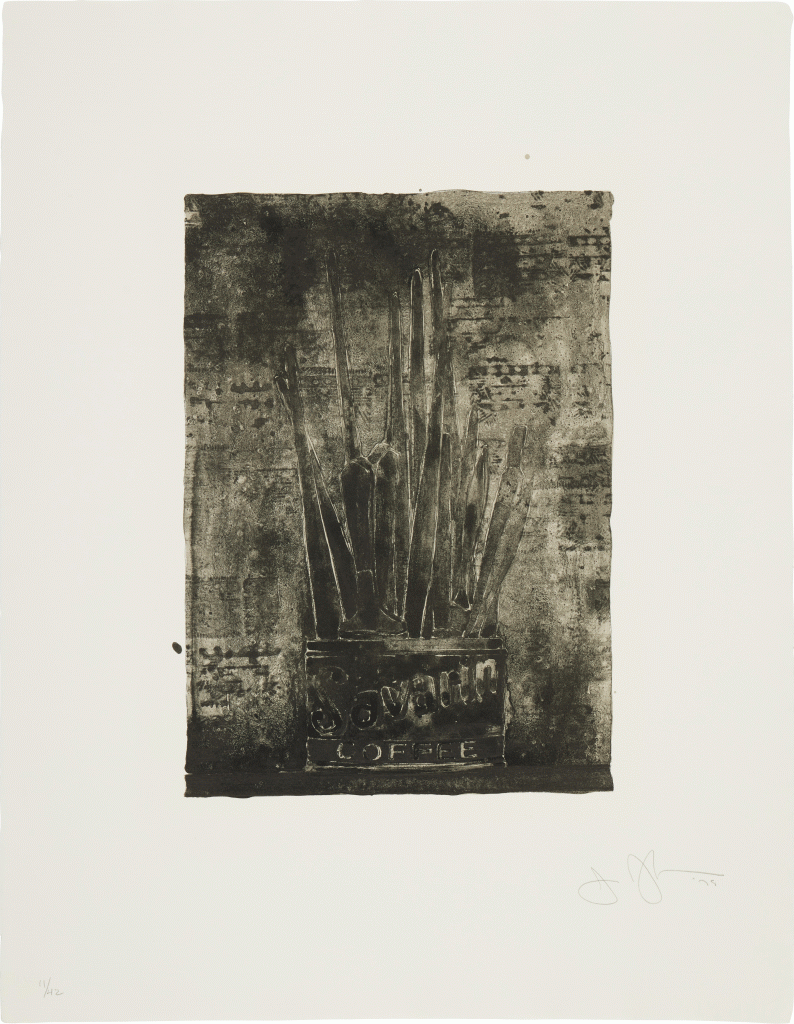
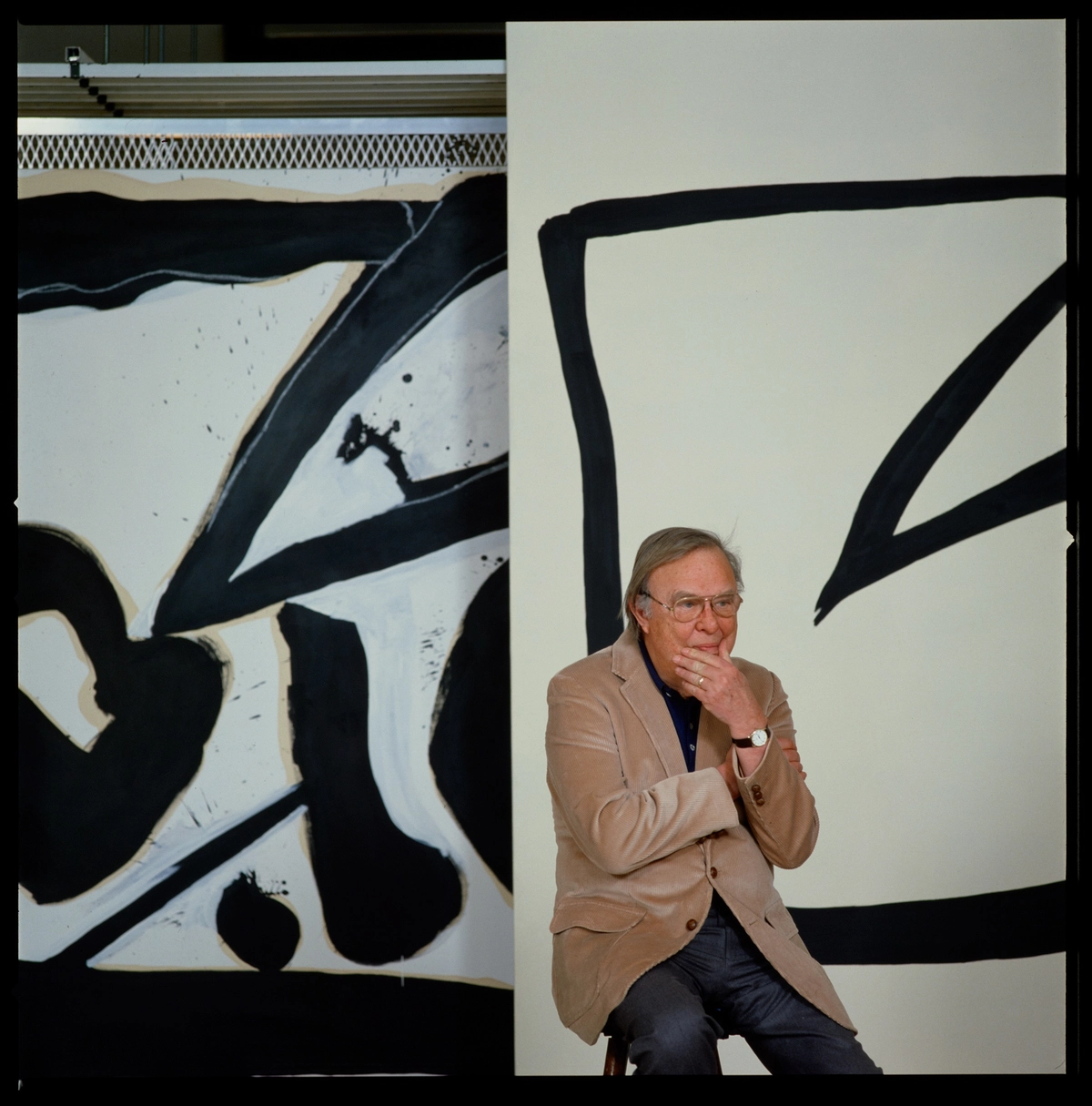
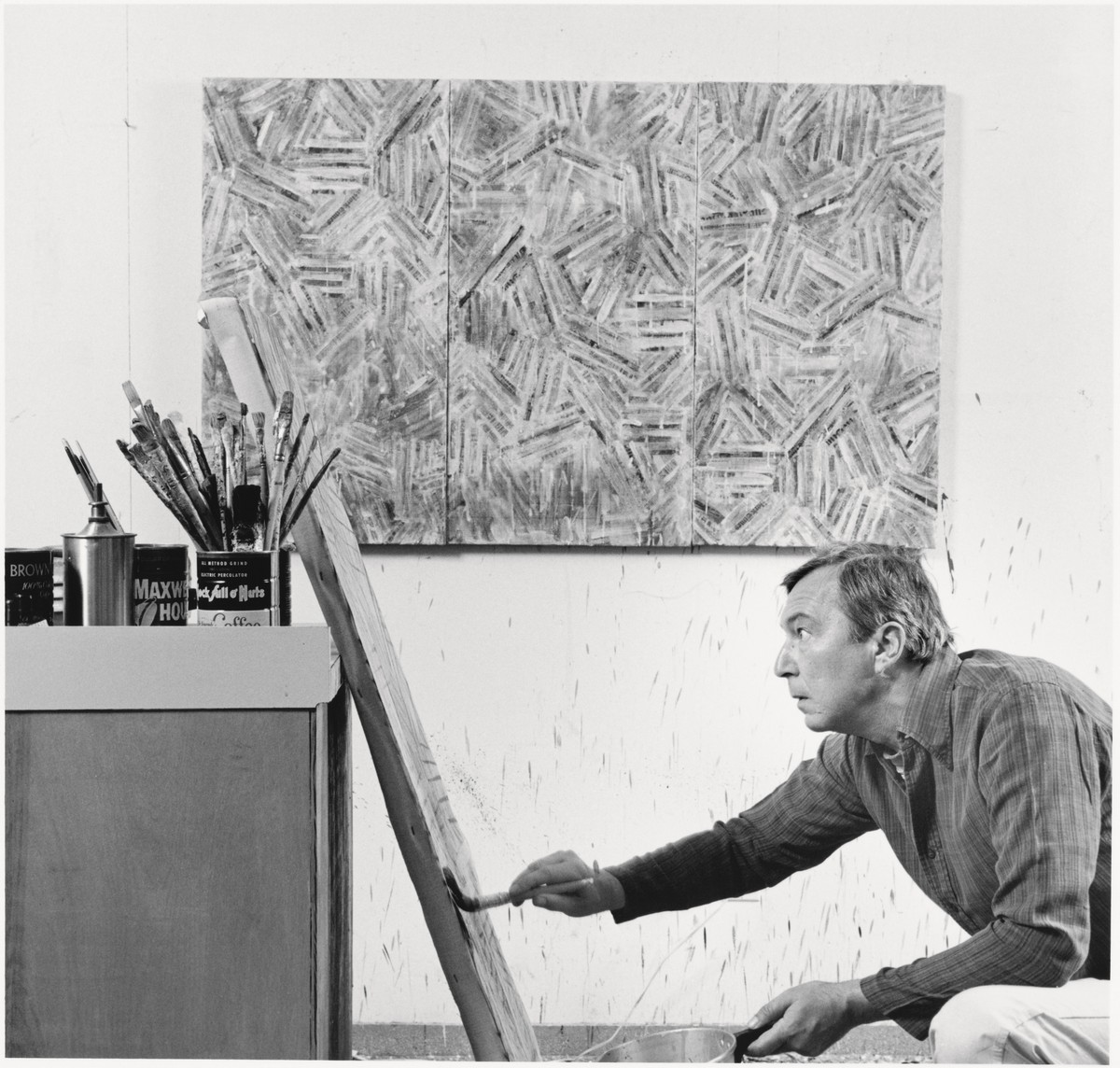
Beyond condition, look for works that feel central to what the artist was working through at the time rather than peripheral or transitional. A Jasper Johns print from the 1970s made during his crosshatch period carries a completely different weight than something from the edges of that investigation. Similarly, a Robert Motherwell collage or gouache from this decade sits at the heart of the Elegy tradition he was extending and refining throughout his career. Centrality to the artist's core inquiry is the quality that tends to hold value and meaning over time.
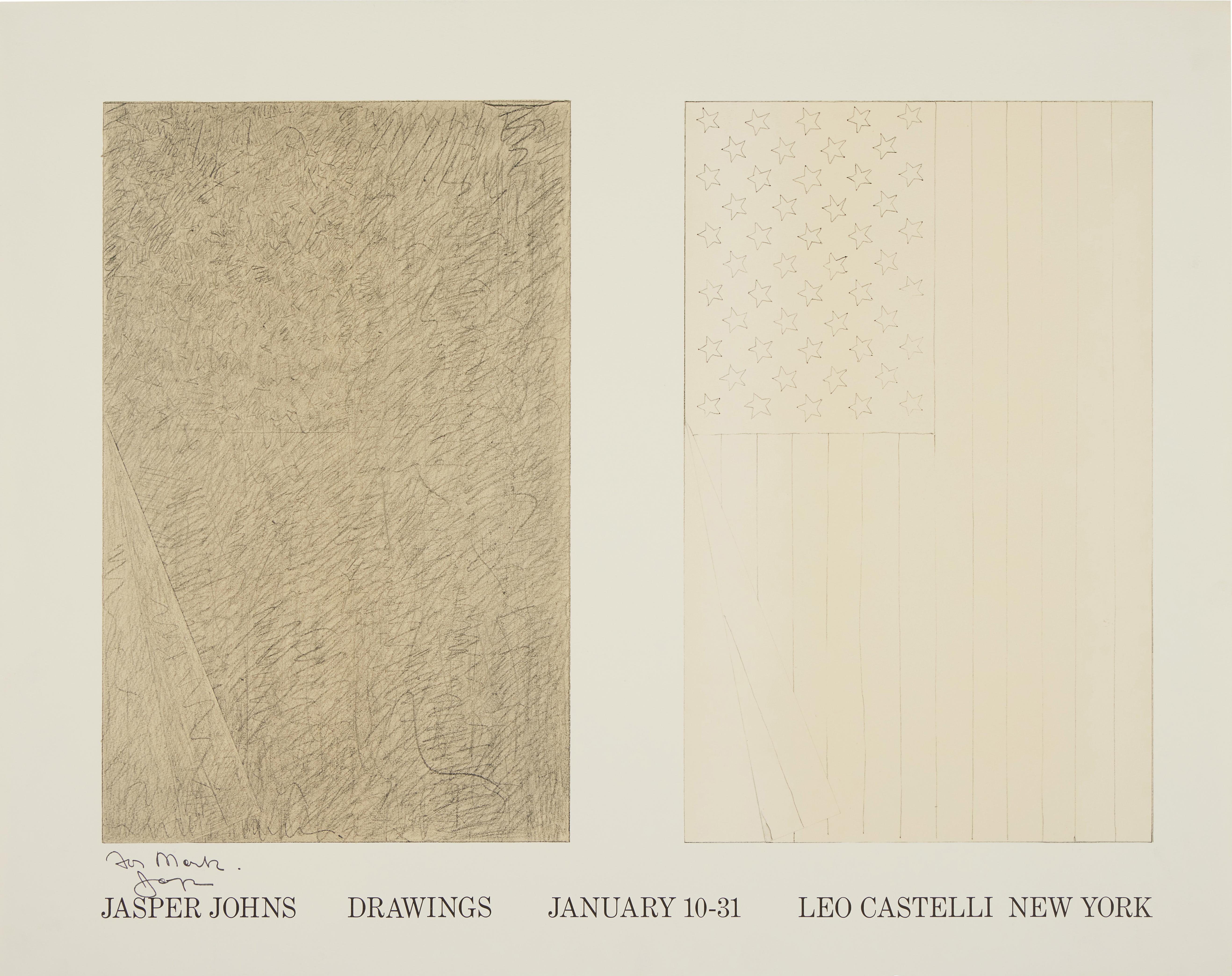
Jasper Johns
Jasper Johns Drawings, January 10-31, Leo Castelli, 1970
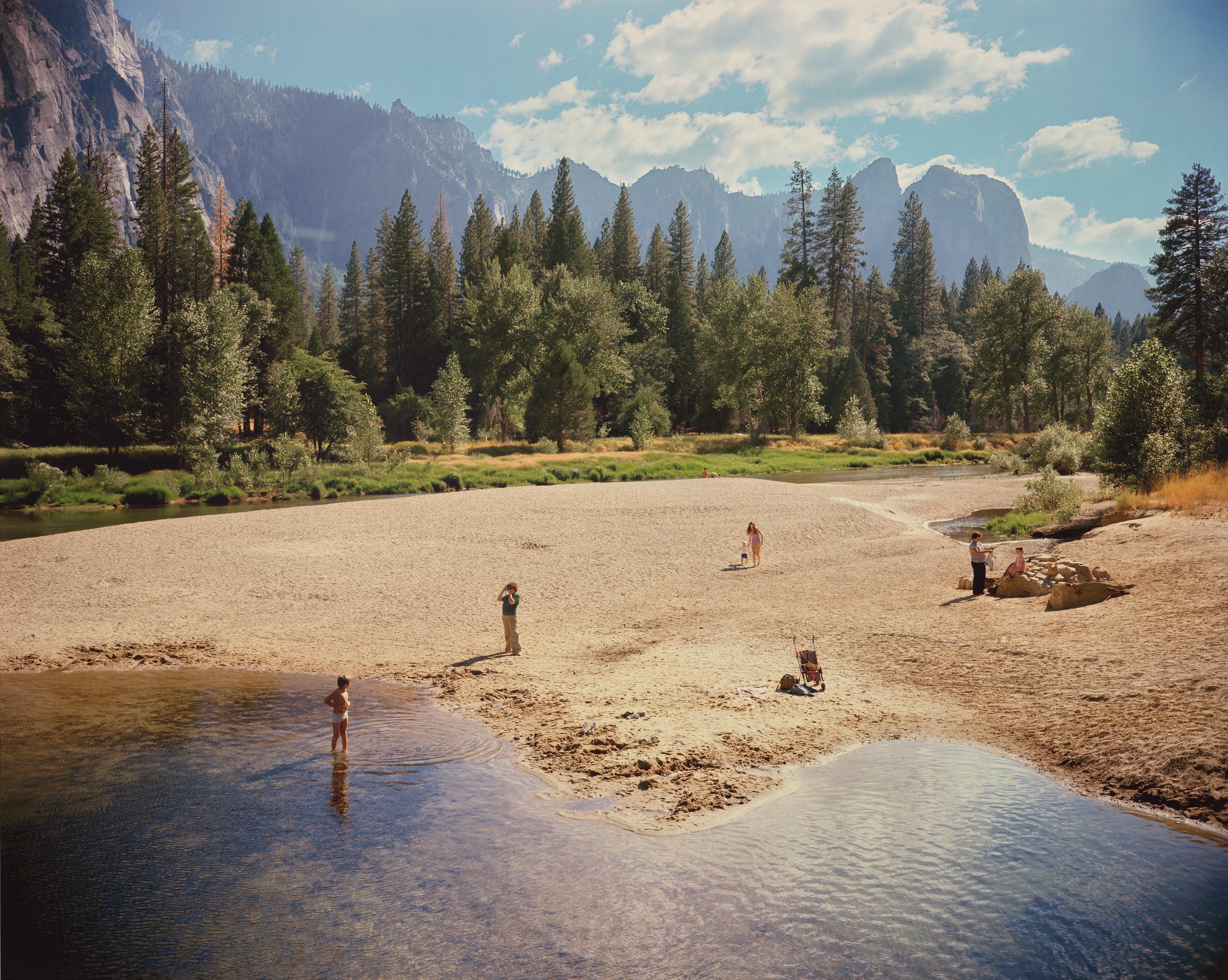
Sol LeWitt is worth serious attention right now. His wall drawing certificates and works on paper from the 1970s represent a rare category: Conceptual art that is also genuinely beautiful and surprisingly livable. The instructions based nature of his practice means collectors need to understand what they are actually acquiring, whether it is a certificate, a drawing, or an approved execution, each carries different implications for display and resale. Stephen Shore's photographs from his American Surfaces series and his large format color work are similarly compelling.
Shore was essentially inventing a visual language for documentary color photography in the early to mid 1970s, and the market has recognized this steadily without yet fully catching up to his historical importance. The strongest values in 1970s art often sit just adjacent to the names that dominate auction headlines. Alice Baber, whose luminous color paintings from this period draw on both Abstract Expressionist feeling and a very particular sense of translucency, remains underpriced relative to her peers. Her work appeared in major galleries during her lifetime and she was taken seriously in the discourse of her moment, but she has not yet received the sustained critical reassessment she deserves.
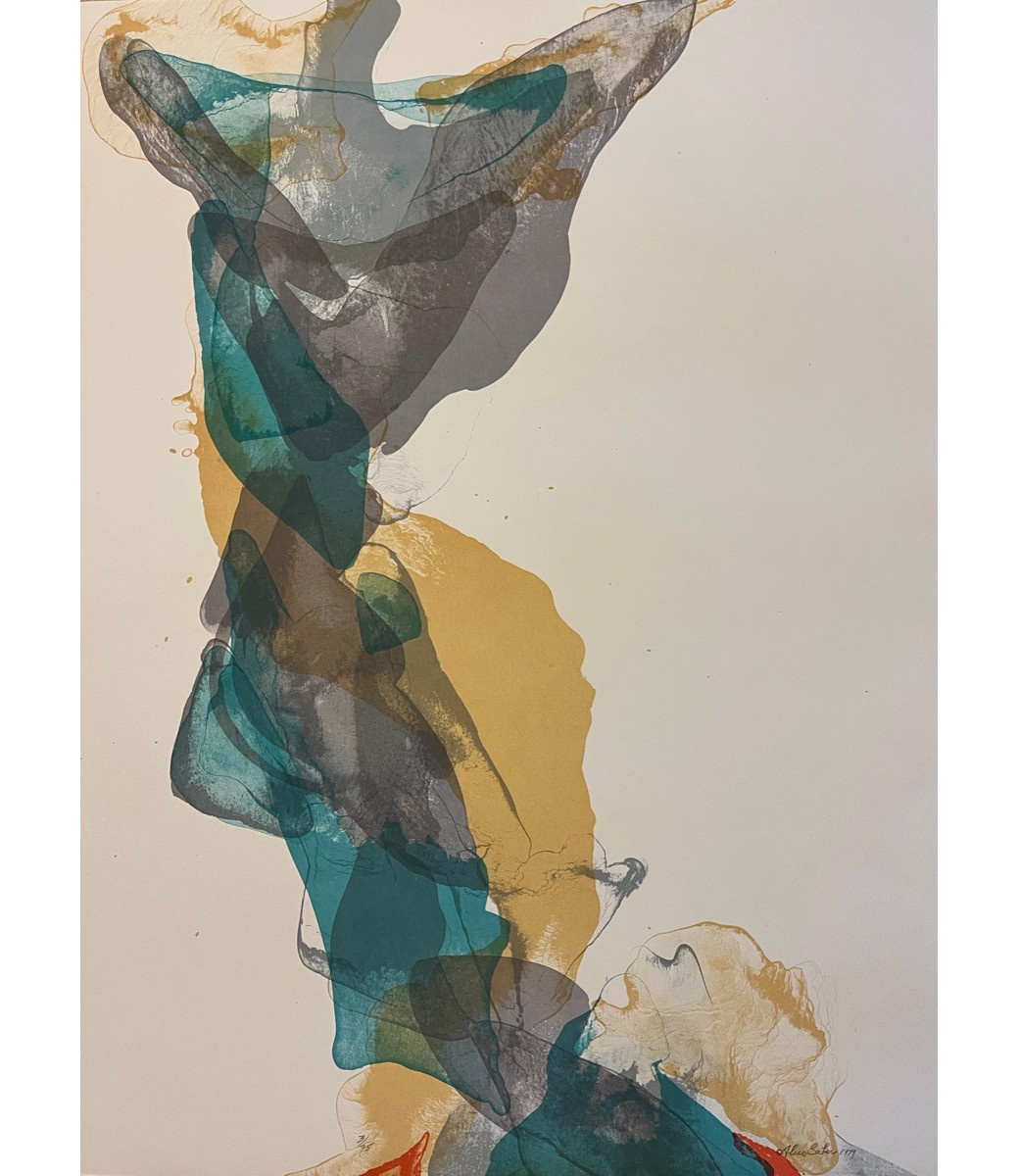
Alice Baber
The Shadow of the Mountain Becomes the Light (6/10), 1979
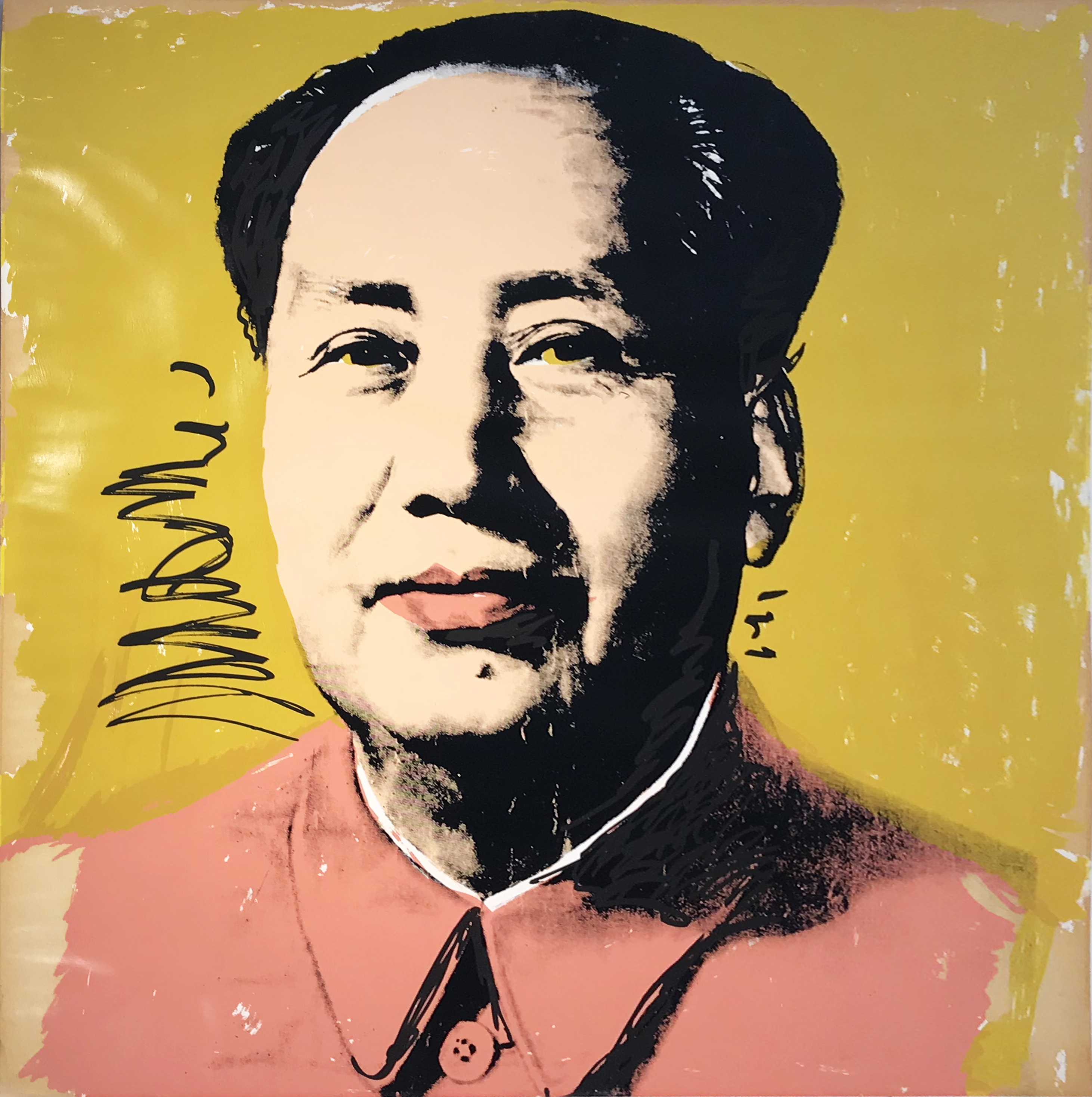
Paul Jenkins is in a similar position. His poured pigment paintings carry a genuine relationship to both Frankenthaler and the wider stain painting tradition, but without the auction premiums those names command. For collectors willing to do the research, these are the kinds of positions that reward patience. At auction, 1970s works by the canonical figures, Warhol, Rauschenberg, Lichtenstein, Richter, tend to perform with consistency at the major houses, though the spread between top condition works and average examples has widened considerably over the past decade.
The secondary market for this period is active enough that liquidity is generally not a concern for works with clean provenance, but it is also sophisticated enough that overpriced or poorly conditioned material sits. Cindy Sherman's Untitled Film Stills, completed between 1977 and 1980, represent one of the more interesting ongoing market conversations. The complete portfolio appears rarely, but individual prints from museum deaccessions or estates continue to generate serious competition when the provenance is right. For collectors approaching this period for the first time, a few practical considerations are worth keeping close.
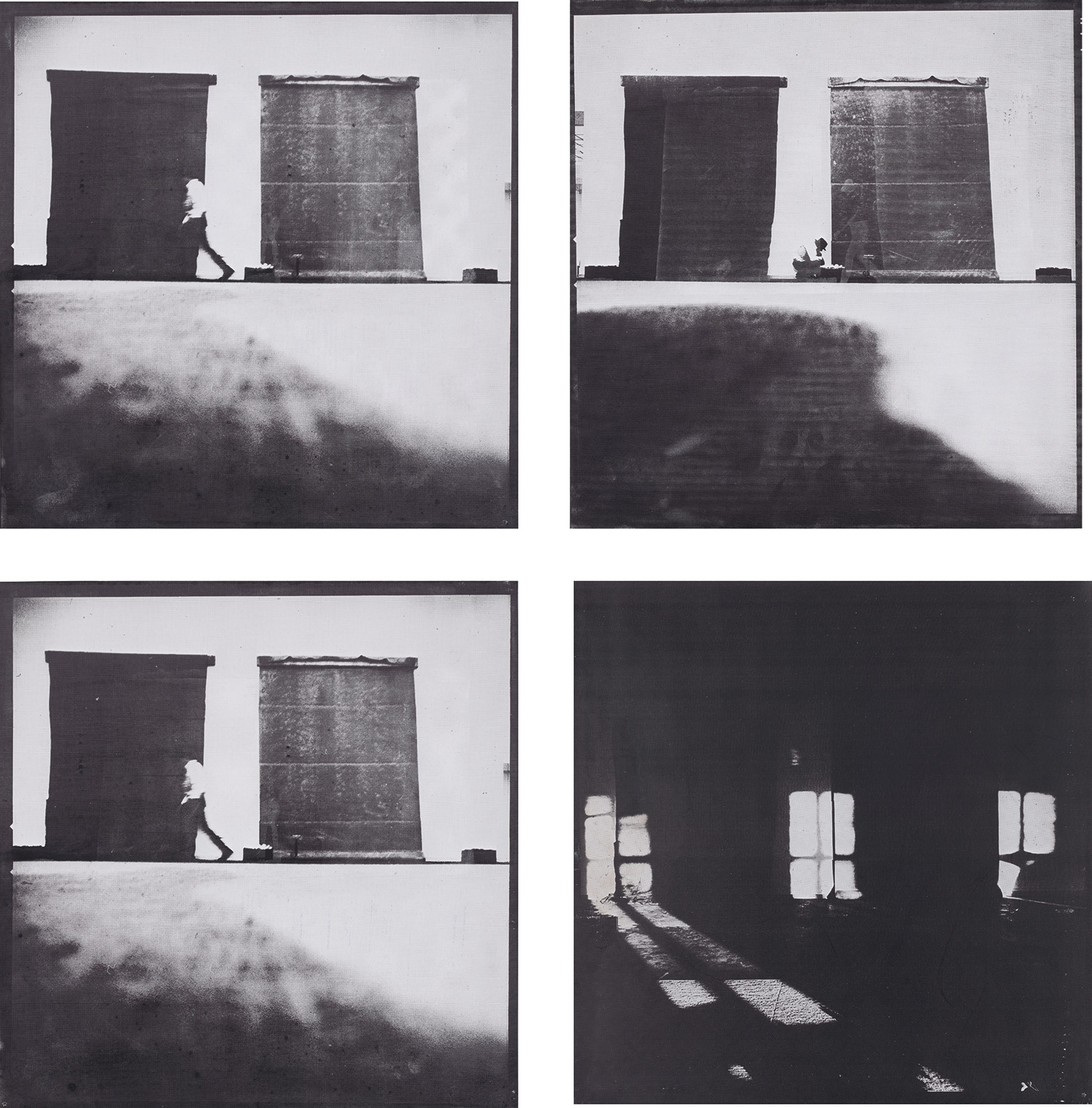
Joseph Beuys
3 Tonnen Edition (3 Ton Edition) (S. 74)
Ask any gallery or dealer for the full exhibition and loan history of a work, not just the provenance chain. Works that have been in major museum exhibitions carry implicit authentication and scholarly endorsement that matters both for your own confidence and for future resale. With editions, understand the total edition size, the printing date relative to the artist's active involvement, and whether the work was published during the artist's lifetime. A Warhol print published posthumously by the estate exists in a genuinely different category than one made in the 1970s under his direct supervision, even if the image is the same.
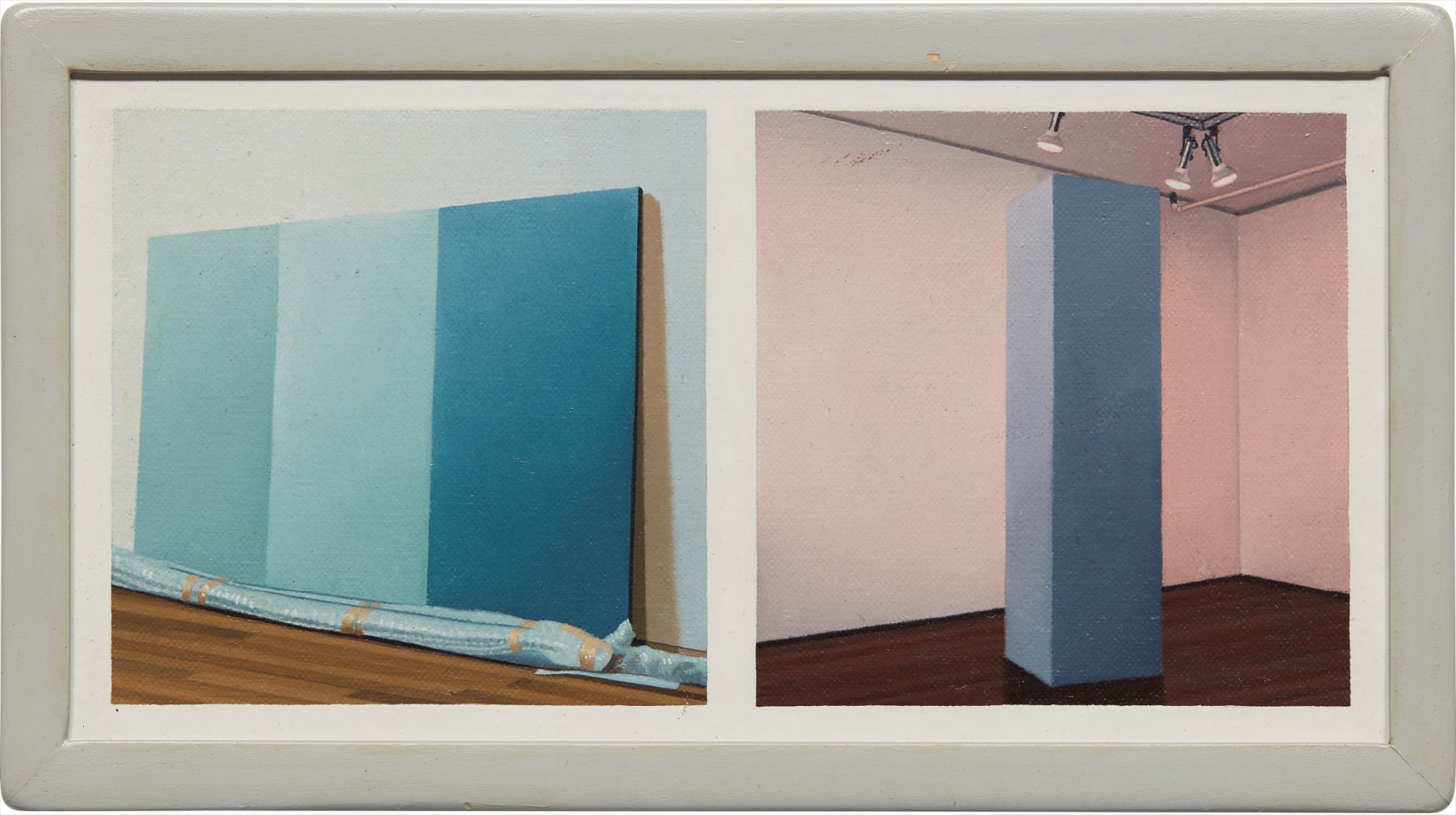
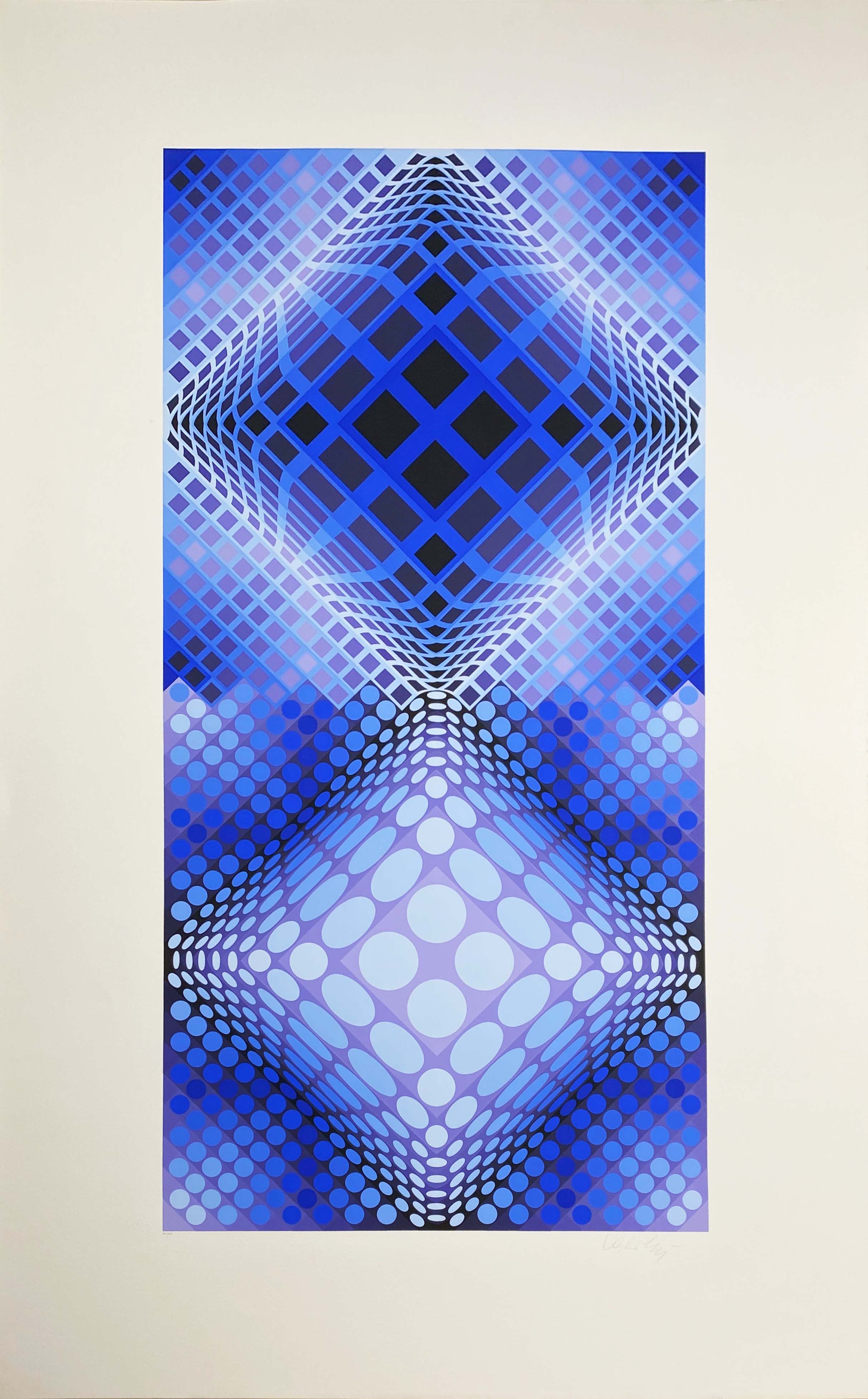
Victor Vasarely's multiples from this decade are another area where edition history requires careful reading, as his work was reproduced extensively and the difference between an authorized edition and a later reproduction can be significant. The honest case for collecting 1970s art is not primarily financial, though the financial case is real. It is that this was a moment when artists genuinely rewrote the conditions of the possible. The work of Yayoi Kusama in this period, her Infinity Net paintings and the early conceptual objects, or the proto appropriation gestures of Richard Pettibone, who was already repainting canonical modern masterworks at a fraction of their scale, these are not just historical documents.
They are still asking questions. Works that continue to ask questions after fifty years tend to be the ones worth living with.