1880s
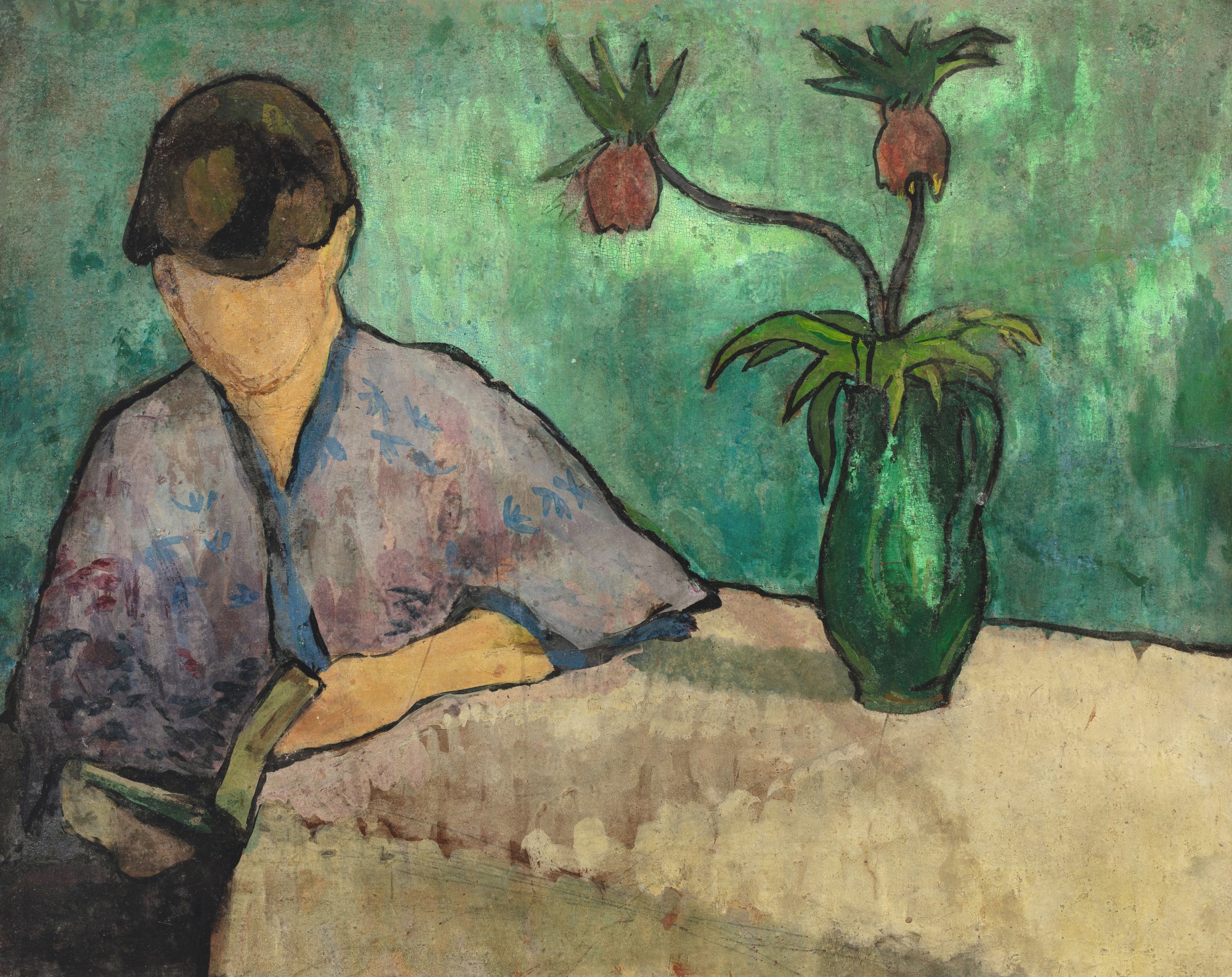
Émile Bernard
Jeune femme lisant en kimono, 1887

The Decade That Broke Everything Open
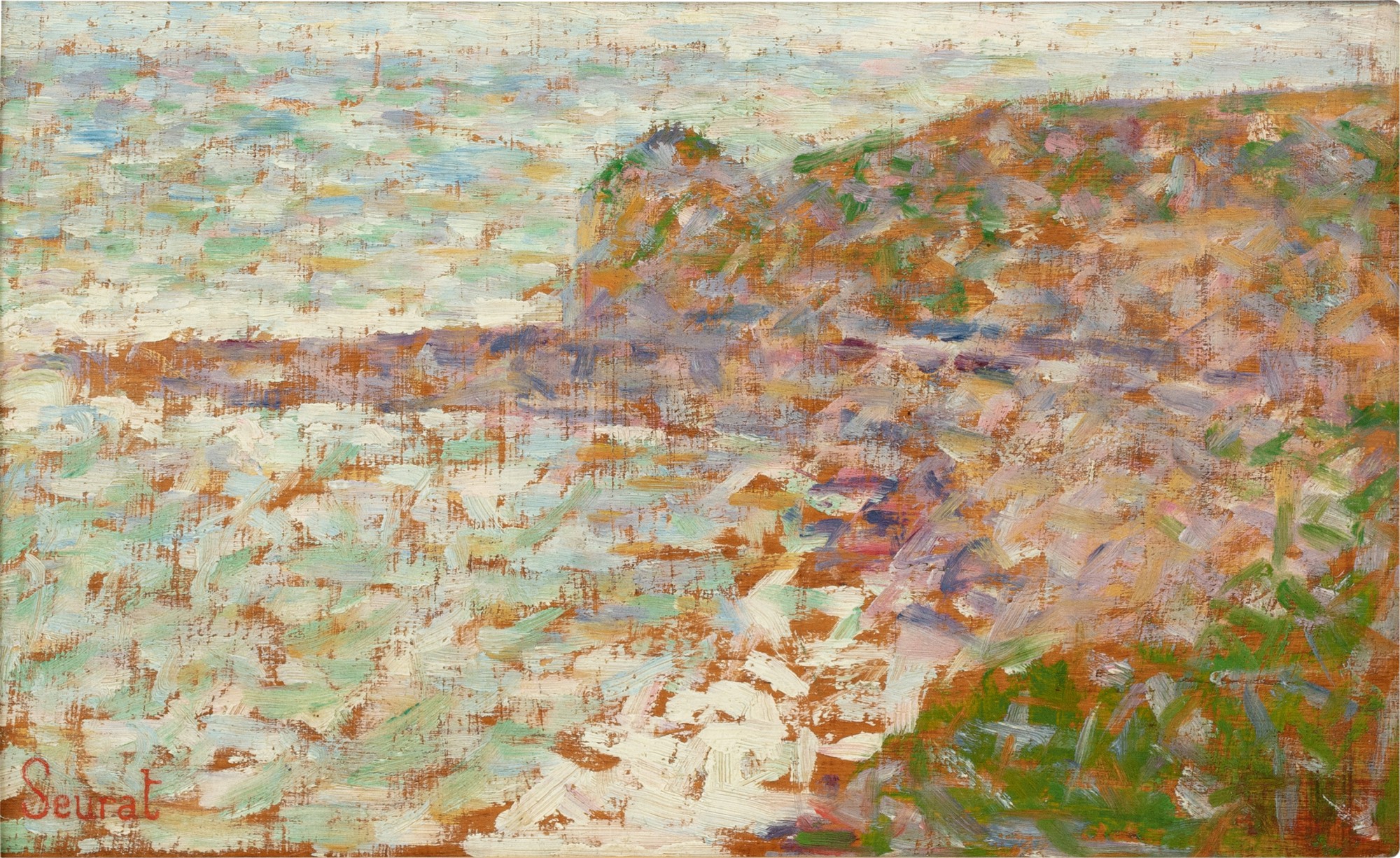
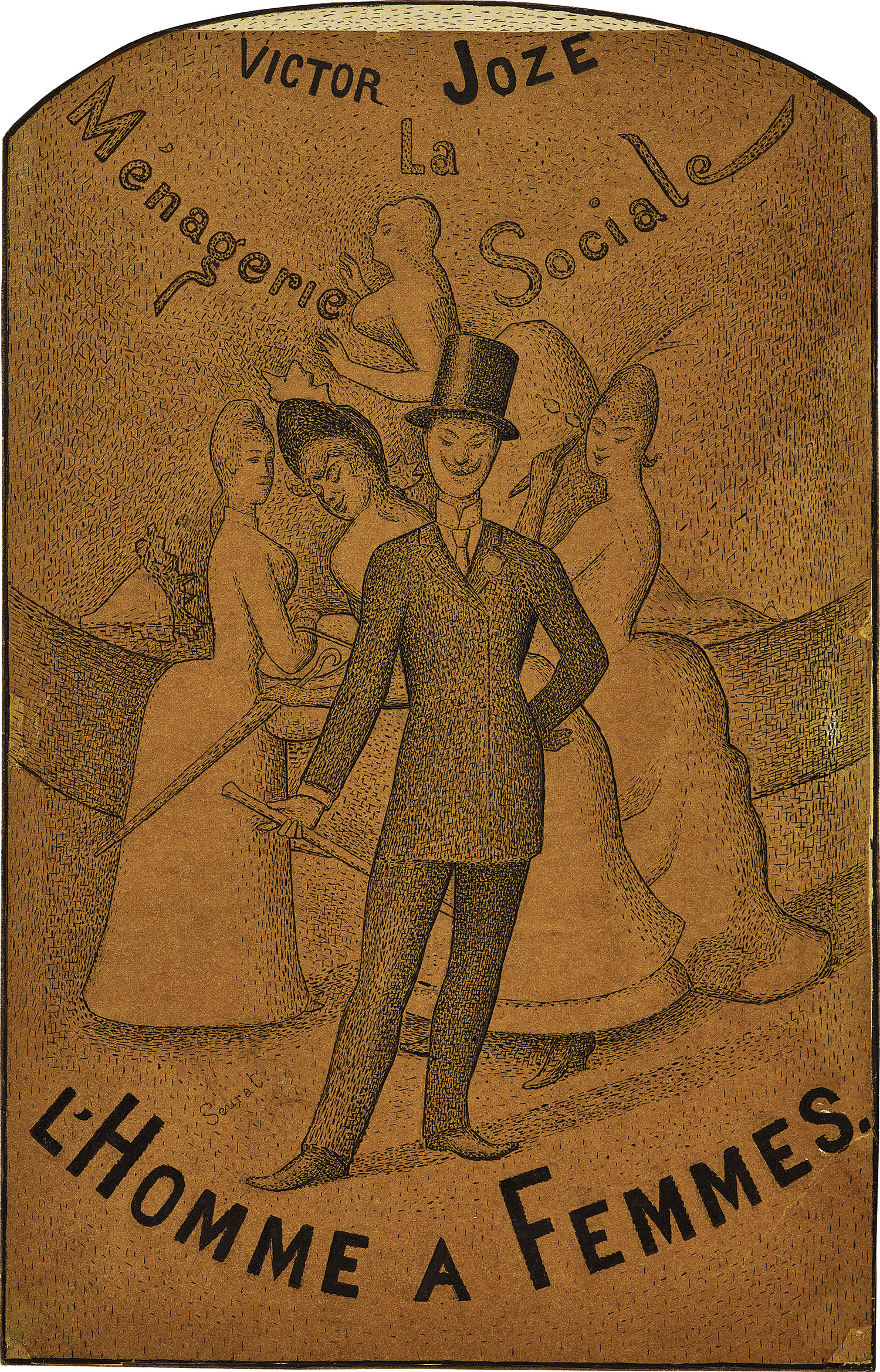
When Christie's brought a major group of Impressionist and Post Impressionist works to auction in recent seasons, the results confirmed what serious collectors have understood for some time: the 1880s remain the most generative and contested decade in the history of Western art. A single work by Georges Seurat, even a modest drawing or study, now commands prices that would have seemed extraordinary a generation ago. The appetite is not nostalgia. It is recognition that this ten year window produced something unprecedented, a simultaneous explosion of competing visions for what art could become, and that the conversation those visions started has never really ended.
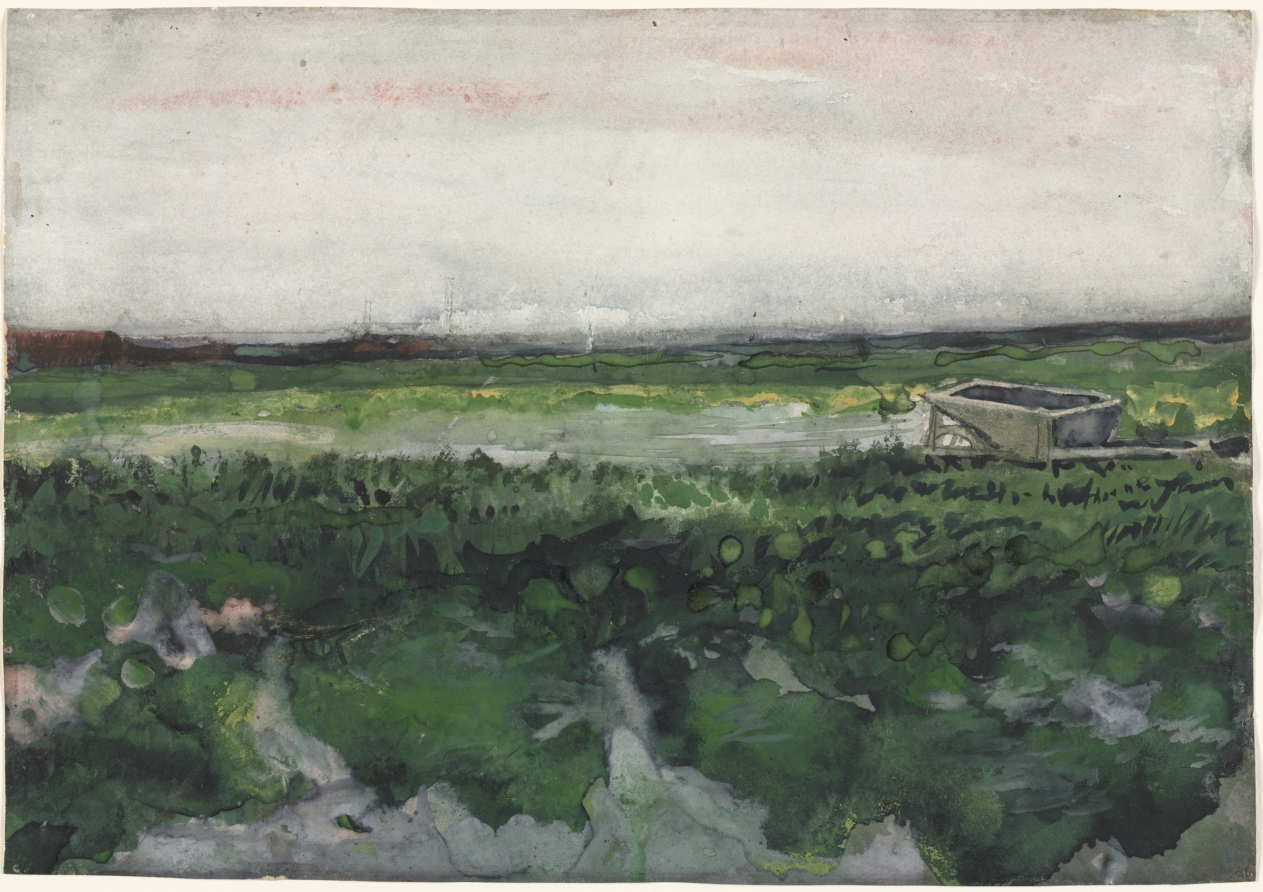
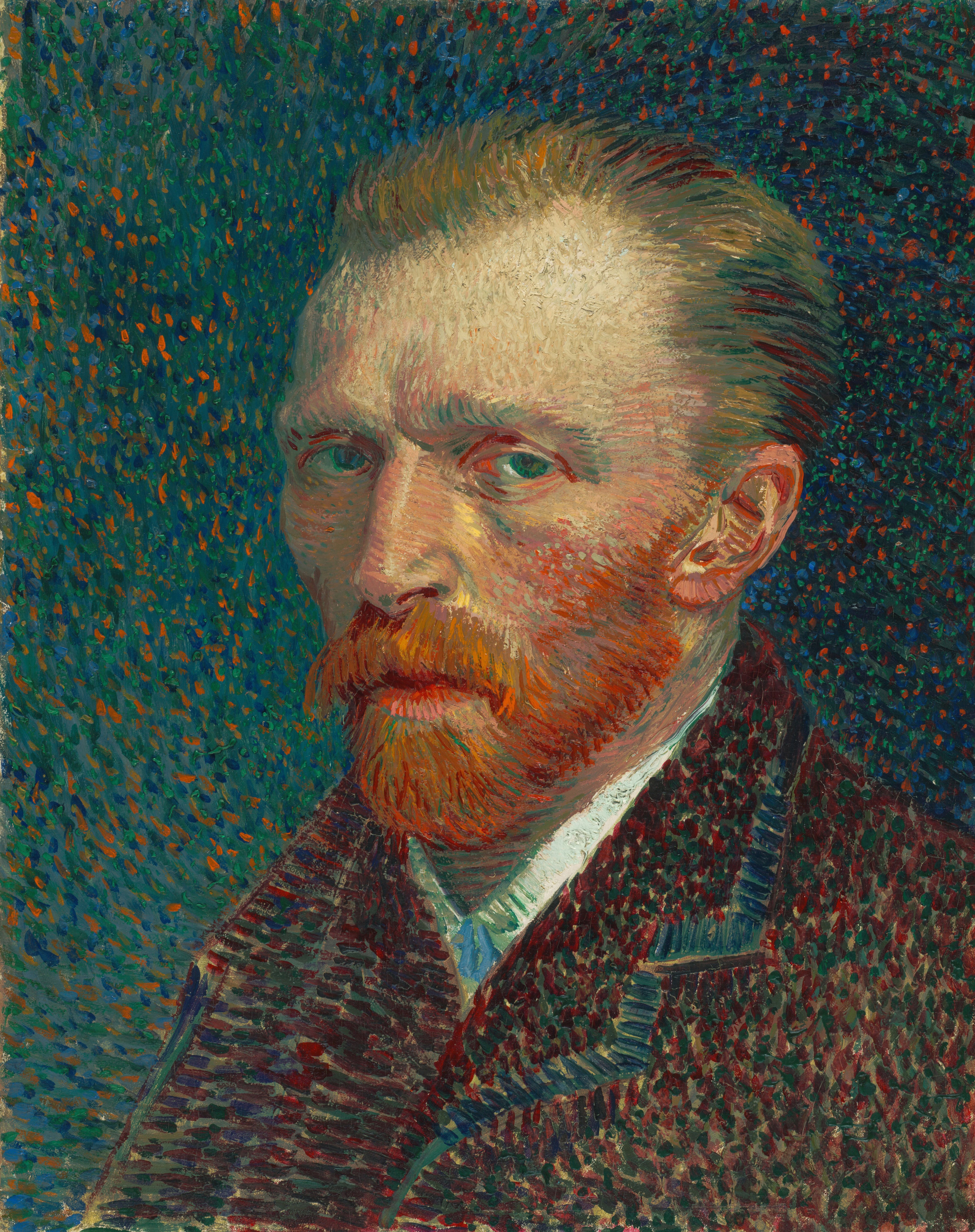
Museum programming has tracked this energy faithfully. The Van Gogh Museum in Amsterdam has staged successive exhibitions examining Vincent van Gogh's years in Nuenen and Antwerp, roughly 1883 to 1886, as a distinct and underappreciated chapter rather than mere prologue to the famous later work. The Musée d'Orsay, which holds perhaps the greatest concentration of 1880s painting anywhere, has returned repeatedly to Camille Pissarro and Paul Gauguin's overlapping circle, treating their relationship during this decade as a laboratory for ideas that would reshape European painting for the next fifty years. What these shows share is a willingness to slow down and look at a period once reduced to a stepping stone toward Modernism as a rich, strange destination in itself.
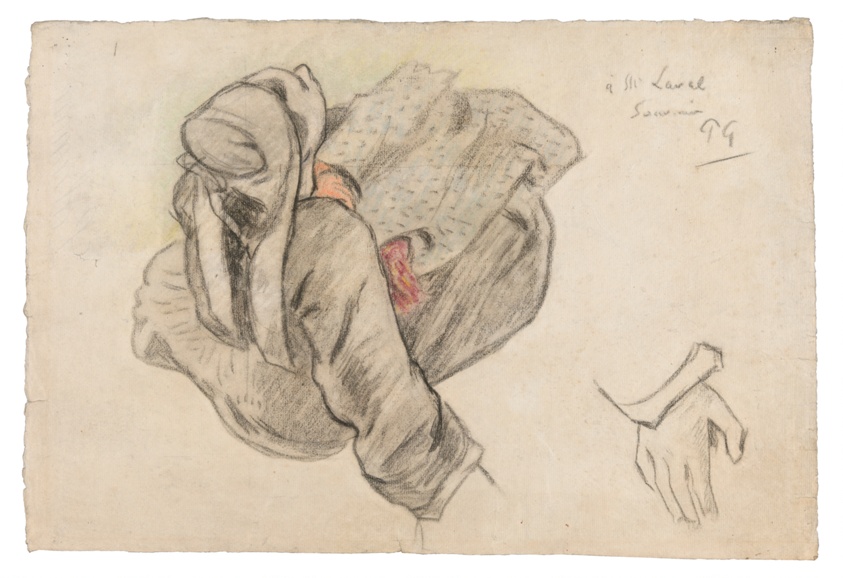
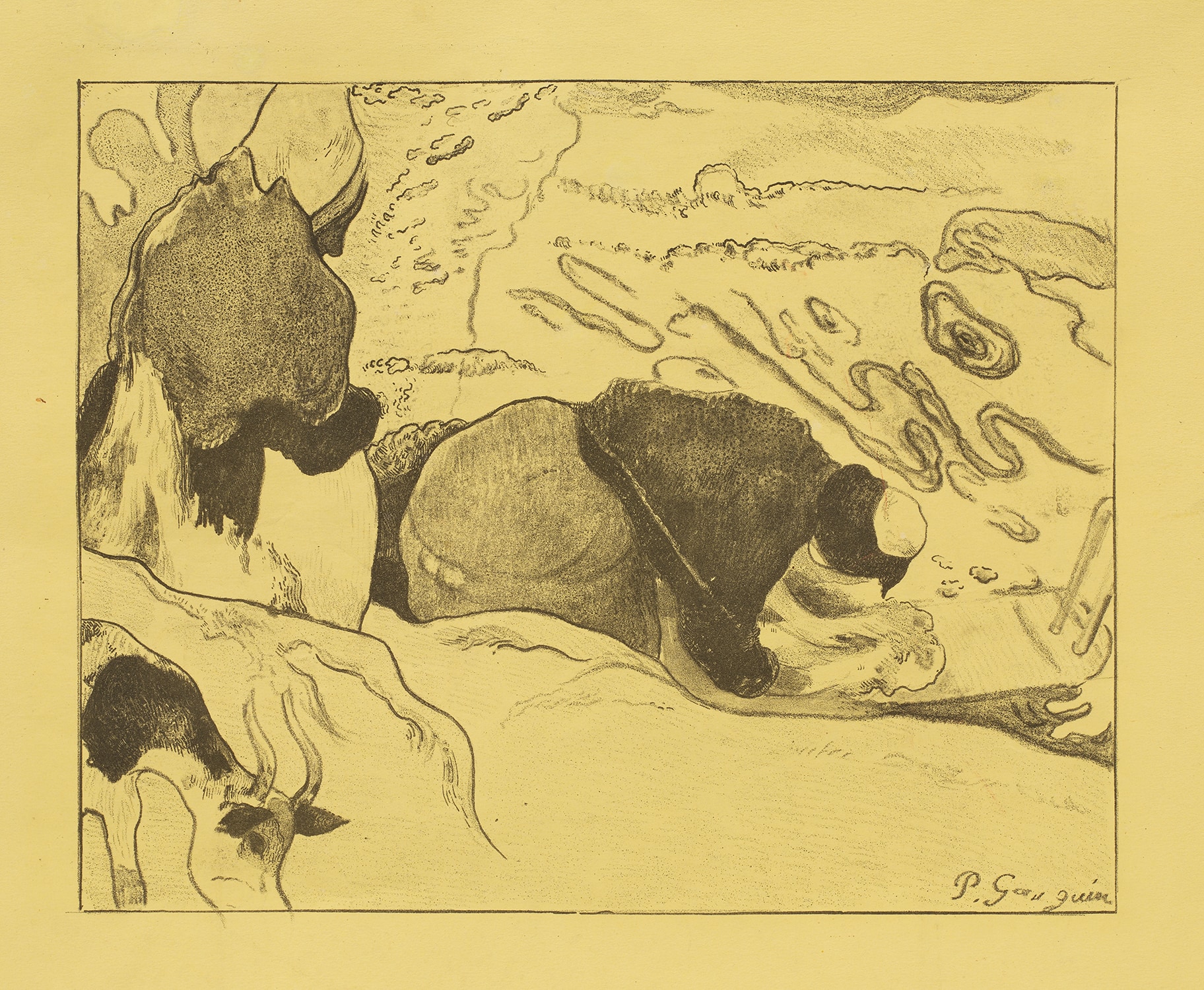
Paul Gauguin
Seated Breton Woman, 1886
The auction market has been particularly revealing about which figures within the decade collectors actually trust. Gauguin's Brittany period, the years before his departures to Martinique and eventually Tahiti, has attracted serious institutional and private buying. Works from 1888 and 1889, when he was working alongside Émile Bernard at Pont Aven and developing what Bernard himself would later claim to have invented in Cloisonnism, arrive at sale with significant scholarly attention and leave with significant prices. Bernard, for his part, has benefited from renewed curatorial interest in the collaborative and contested nature of that moment, with collectors increasingly aware that his position in the narrative was undervalued for decades.
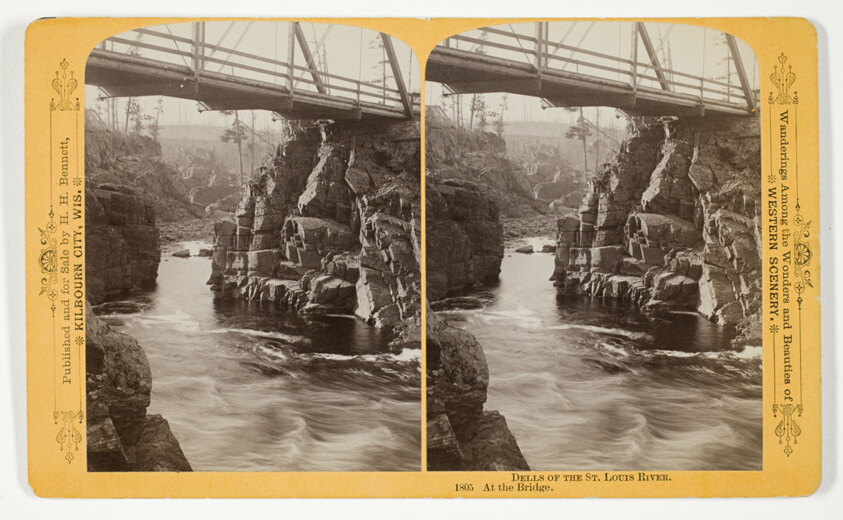
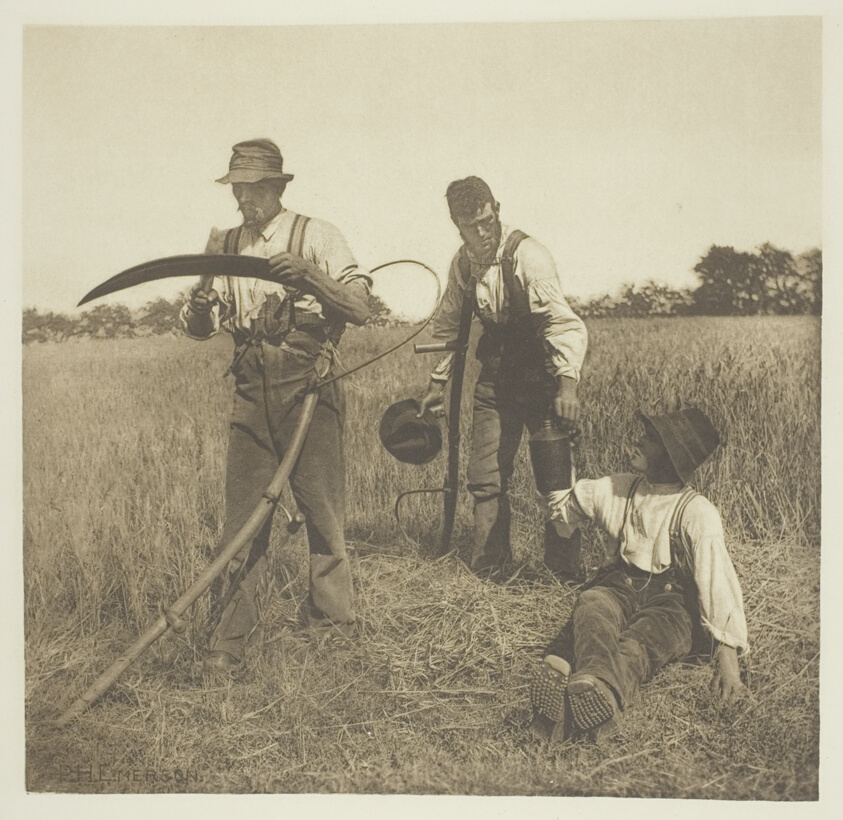
The works on The Collection reflect exactly this broadening sense of who mattered. Photography from the 1880s occupies a fascinating and somewhat underpriced corner of the market, and this may be the area where the most interesting movement is coming. Peter Henry Emerson's platinum prints, made in the Norfolk Broads during the late 1880s and arguing for a naturalistic aesthetic that would shape documentary photography for generations, have attracted growing attention from both photography specialists and collectors who came to the medium through painting. Henry Hamilton Bennett's work from Wisconsin during the same years, and Raja Deen Dayal's portraiture and documentary work in India, remind us that the decade was global in ways the canonical Paris narrative tends to obscure.
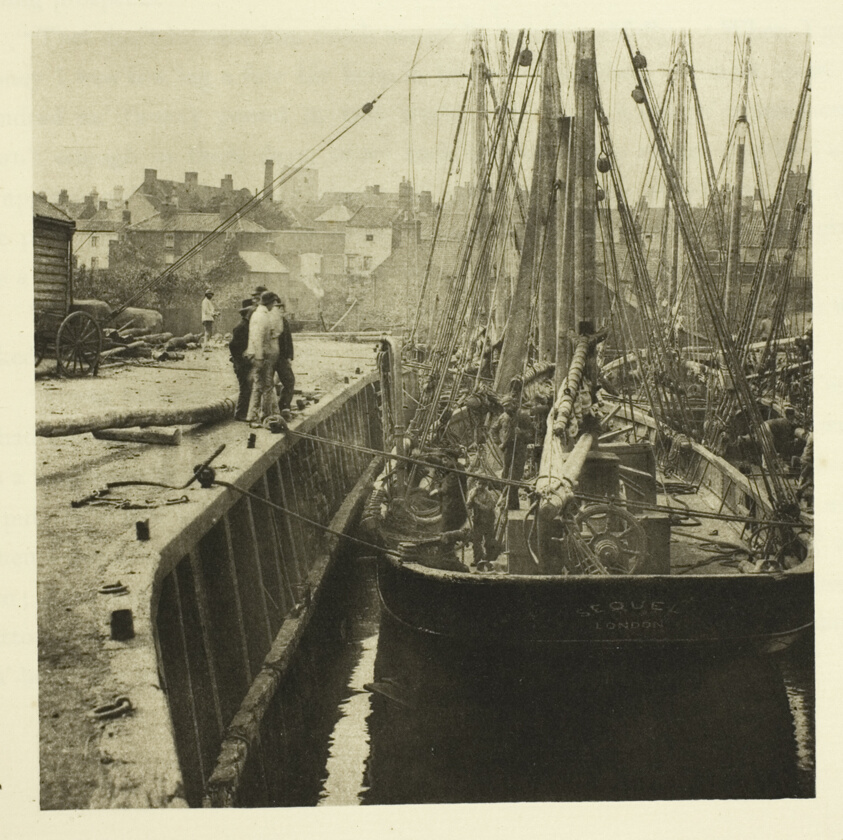
Peter Henry Emerson
In Dock, 1887
Institutions like the Getty and the Victoria and Albert Museum have been building in this direction, acquiring 1880s photographic work with a seriousness that signals a coming reassessment of how the medium fits into the broader art historical picture. The critical conversation has shifted considerably in the past decade, partly through scholarship and partly through the kind of sustained attention that comes from major retrospectives. T.J.
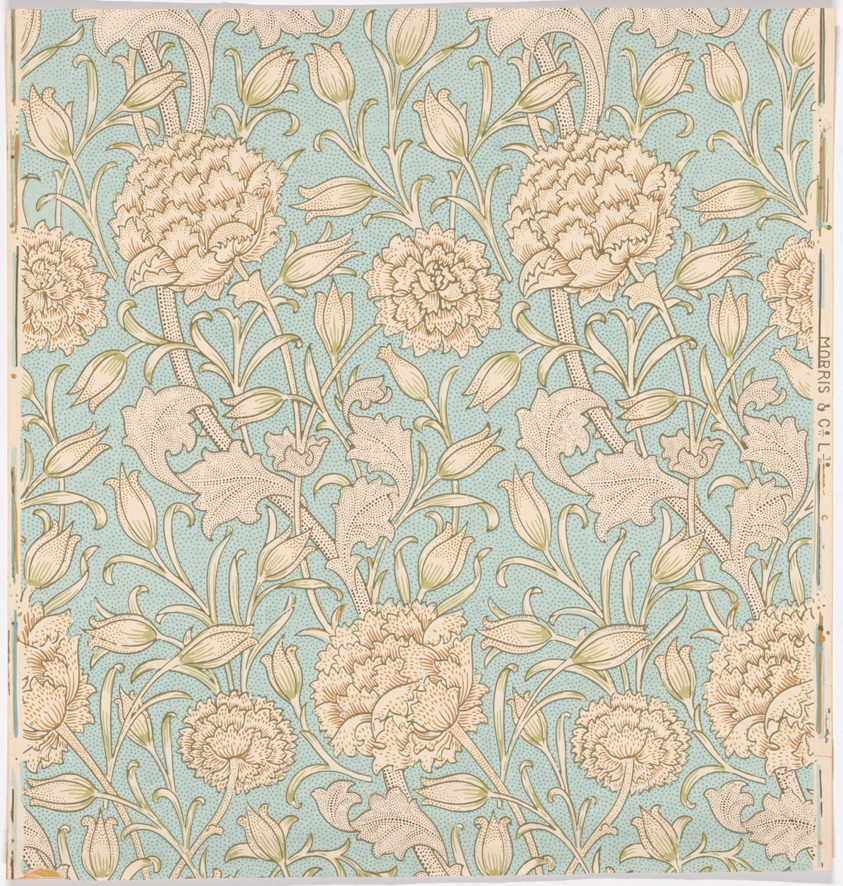
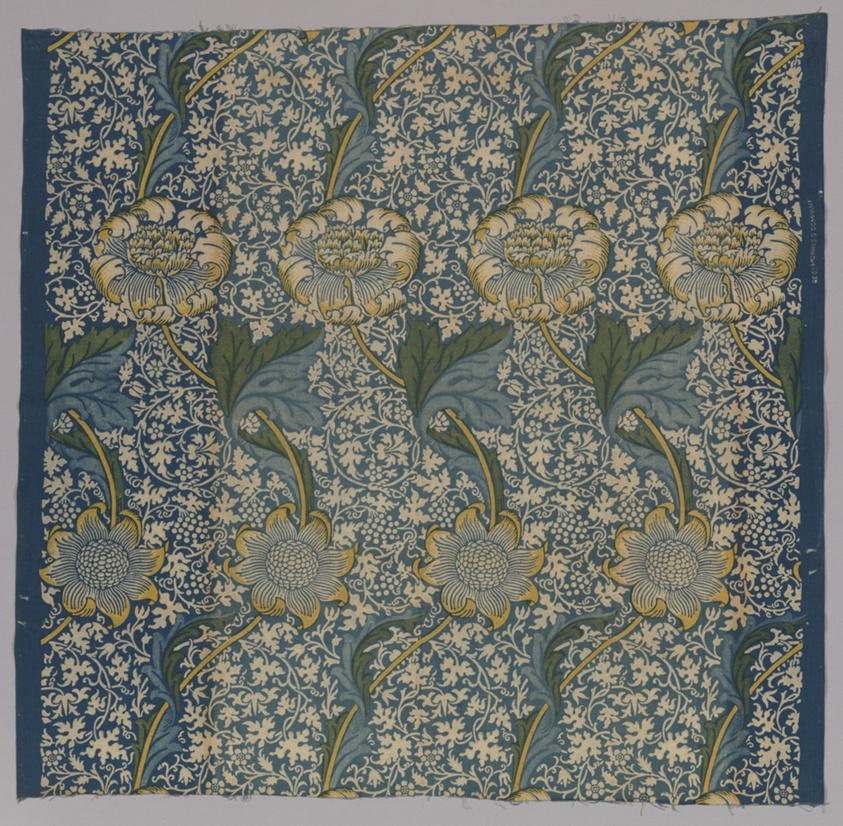
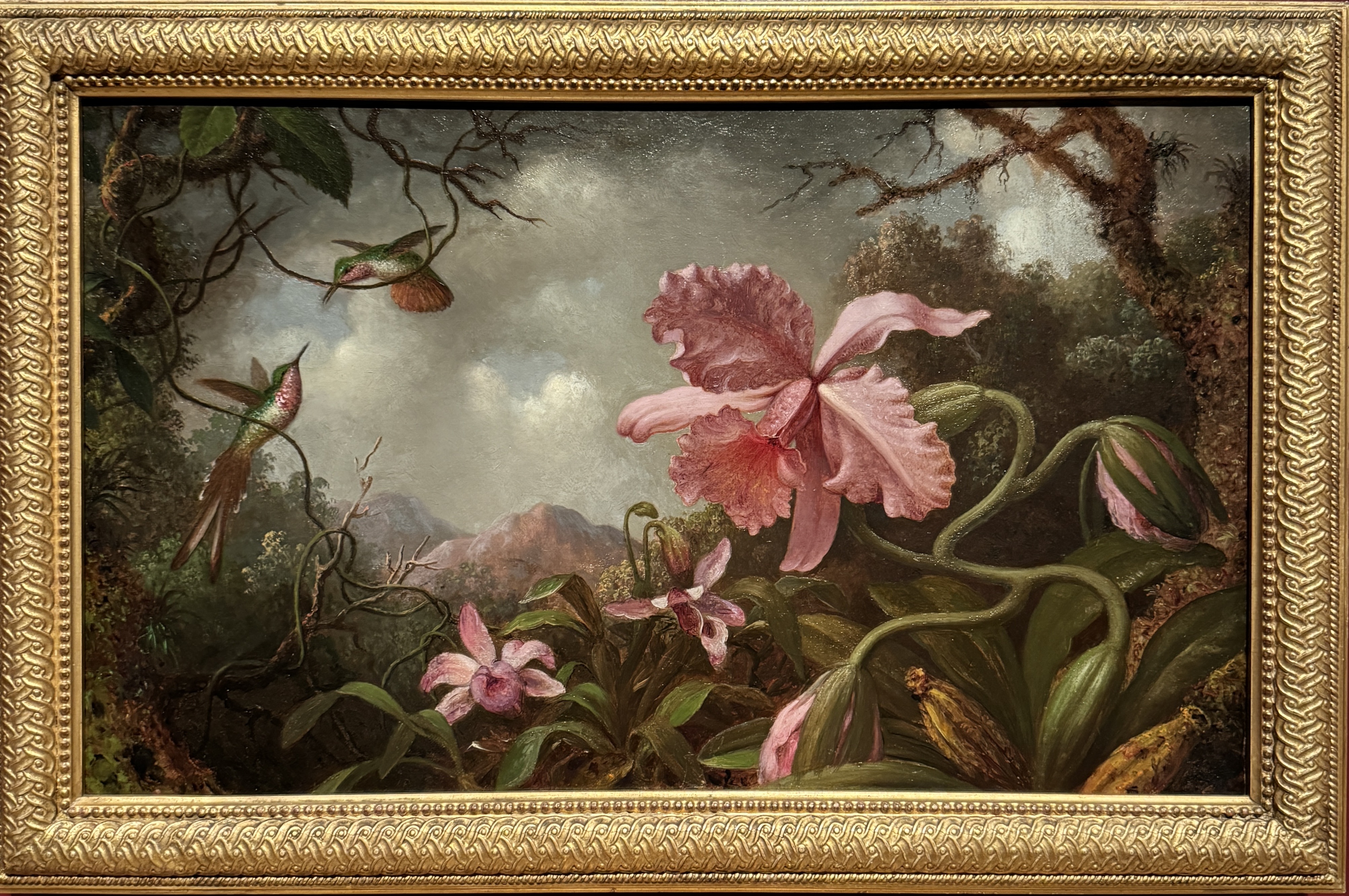
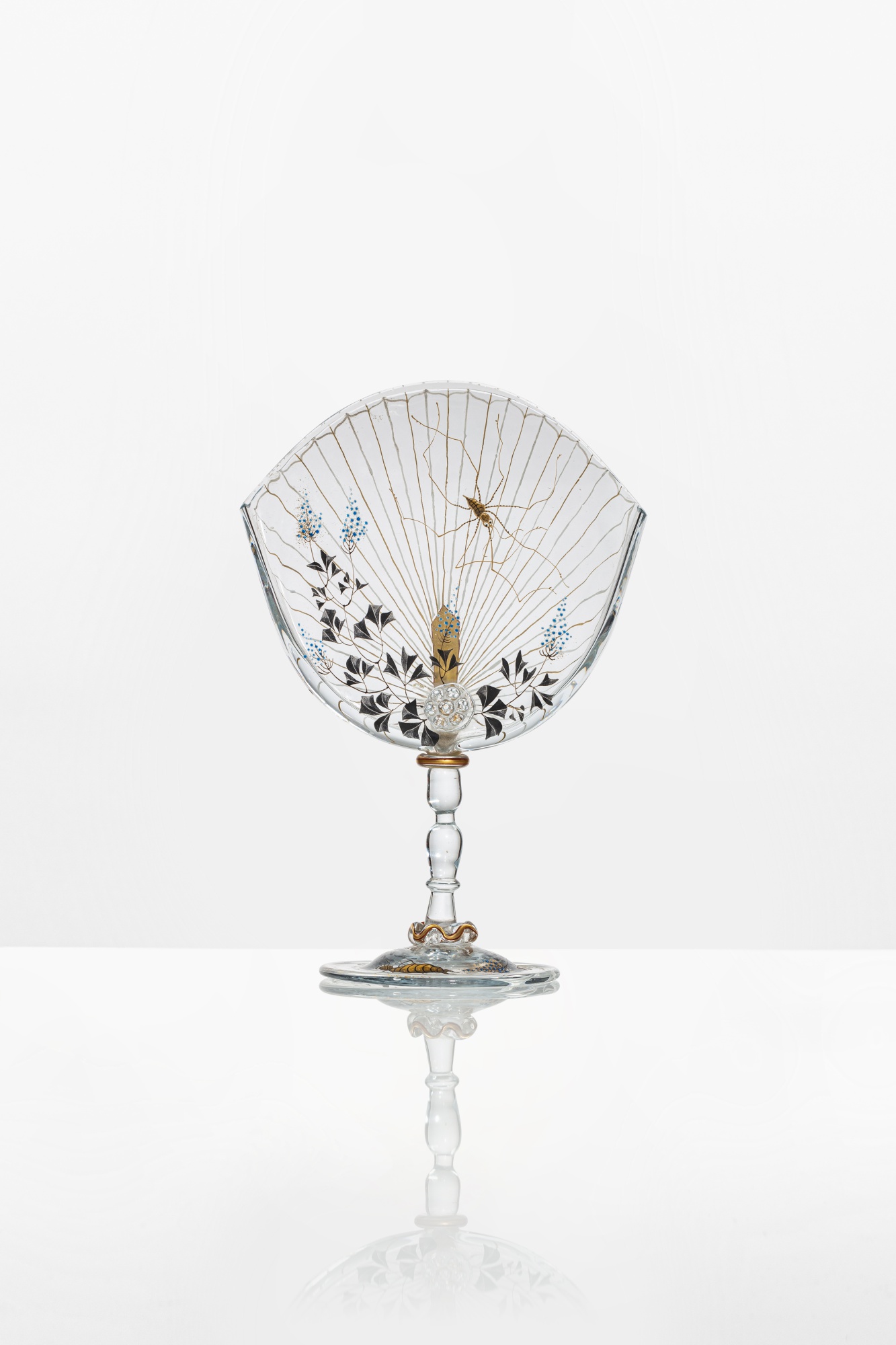
Clark's writing on the social conditions of Impressionist painting, though rooted in earlier work, has continued to shape how curators frame Gustave Caillebotte and Edgar Degas in relation to the changing experience of Paris. More recently, scholars working on gender and visibility have brought Marie Bracquemond forward as a figure whose relative obscurity says more about institutional biases than about the quality or ambition of her work. The decorative arts dimension of the decade, represented by William Morris in Britain and Émile Gallé in France, has been drawn more firmly into the fine art conversation, with collectors who once kept these categories separate now moving comfortably across them. What feels most alive right now is the global dimension.
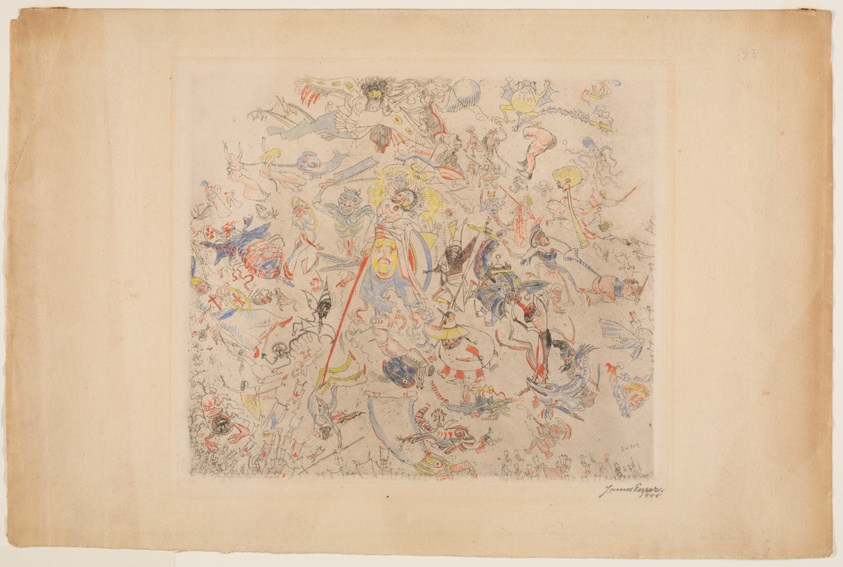
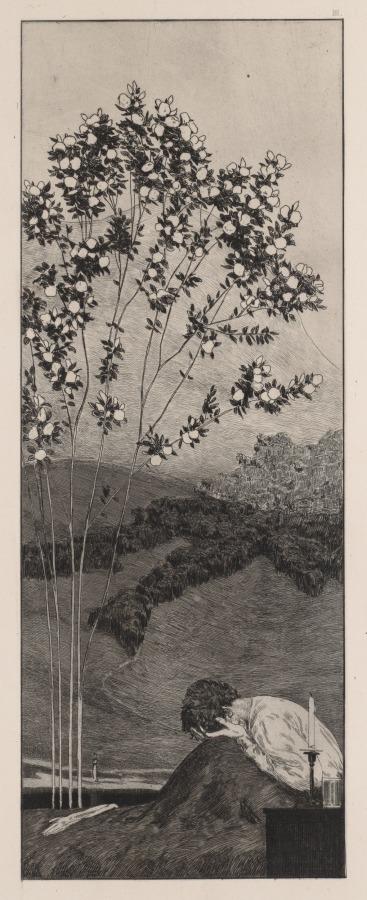
James Ensor
Devils Thrashing Angels and Archangels, 1888
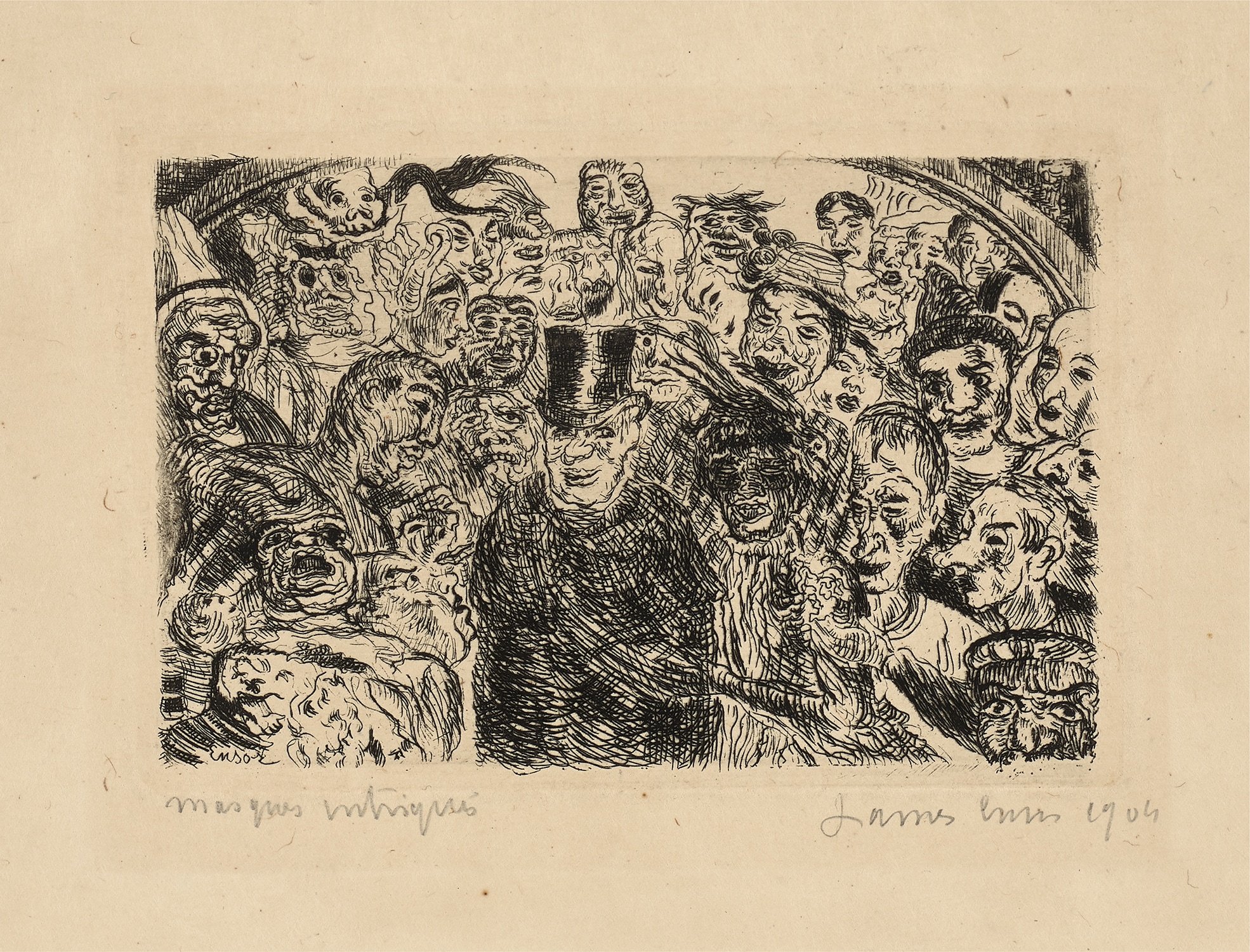
Lai Fong's studio photography from Hong Kong, Félix Bonfils's documentation of the Levant, the Thompson Studio's work from North America: these practices were happening simultaneously with everything in Paris and London, in dialogue with the same photographic technologies and some of the same aesthetic ambitions, yet they have been treated as peripheral. The question of how to integrate this work into a coherent account of the 1880s is genuinely open, and the collectors and curators willing to sit with that openness are the ones finding the most interesting things right now. James Ensor in Belgium, Ferdinand Hodler in Switzerland: even within Europe the decade was far less centered on France than the standard story suggests. What feels settled, in the best sense, is the stature of the major figures.
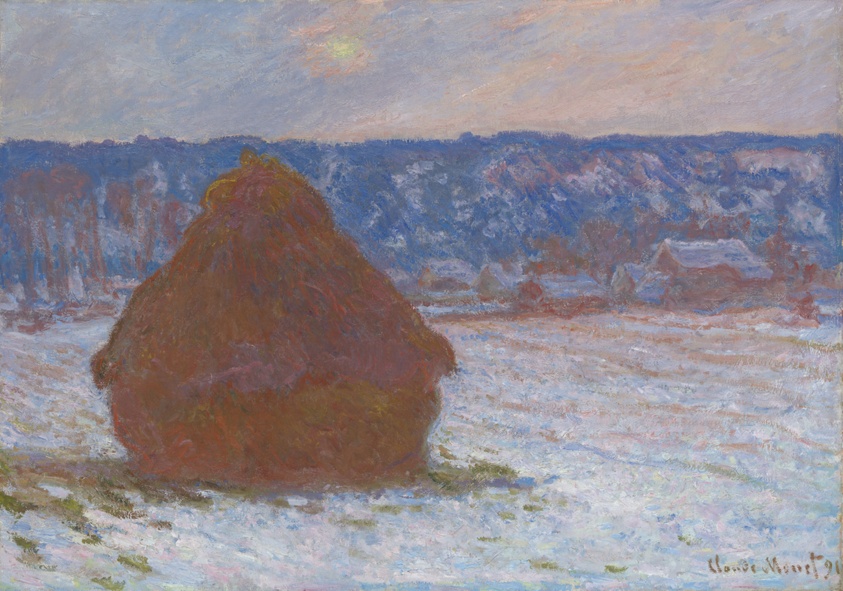
No one is discovering Van Gogh or Monet or Seurat in the sense of arguing for their importance. But what feels genuinely surprising, and where the energy is building, is in the reassessment of the relationships between figures, the collaborative experiments, the arguments, the mutual influence that the solo retrospective format tends to flatten. Henri de Toulouse Lautrec in the late 1880s, Edouard Vuillard and the Nabis circle beginning to form at the decade's end, Otto Bacher working in Venice alongside Whistler: these are stories about exchanges and entanglements, and the scholarship catching up to that complexity is making the market more nuanced in turn. The collector who approaches the 1880s not as a list of canonical names but as a volatile, interconnected field of practice will find it endlessly rewarding, and will almost certainly find value that the more familiar approach keeps missing.