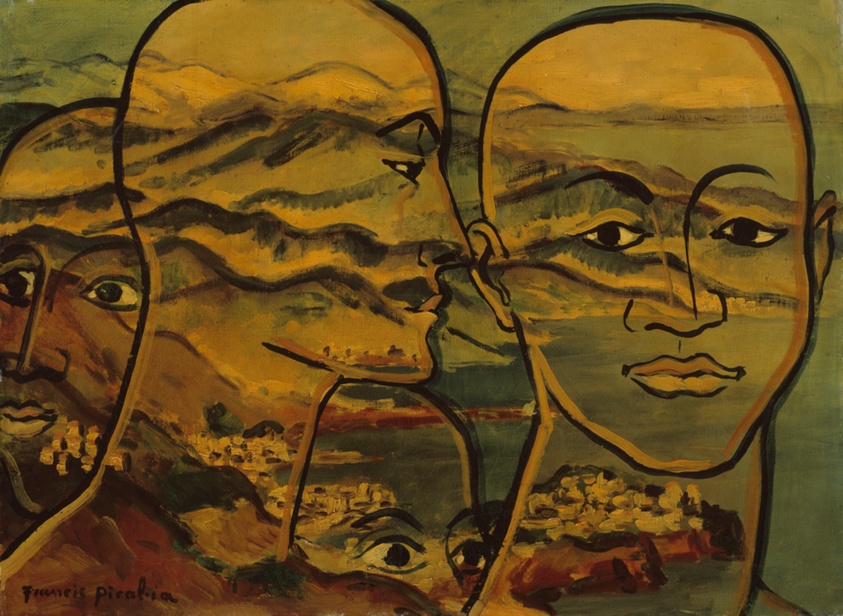
Têtes-paysage
1928
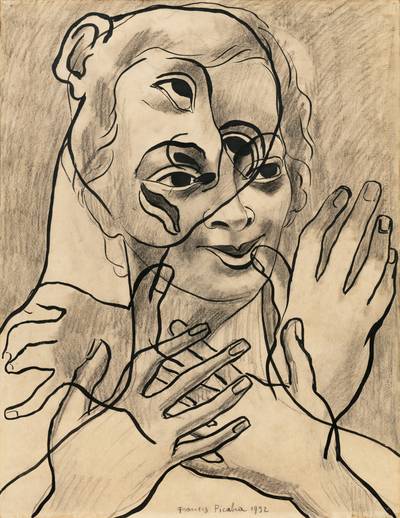
Têtes-paysage (Heads-landscape) belongs to Picabia’s “Transparency” series, a group of works so named for the artist’s use of multilayered, transparent images. In the dreamlike tableaux of the transparencies, Picabia referenced visual sources ranging from ancient Rome to the Renaissance, often juxtaposing the sacred with the profane. These works draw on mythology, religion, and conventions of beauty and, in their blending of the unexpected, project a distinctly Surrealist sensibility. As much as they reflect the traditional world, however, they also mirror modern times: indeed, Picabia derived his simultaneous, nonhierarchical use of images from his experiments in film, especially his 1924 masterpiece with René Clair, Entr’acte.
- Medium
- Oil on canvas
- Dimensions
- Location
- Art Institute of Chicago, Chicago, IL
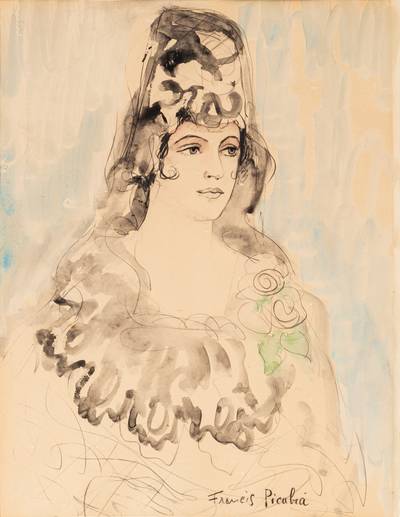
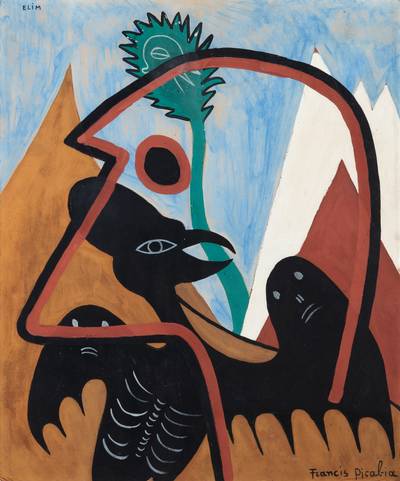
Spotted works by Francis Picabia
Artists in conversation
Max Ernst
German · b. 1891
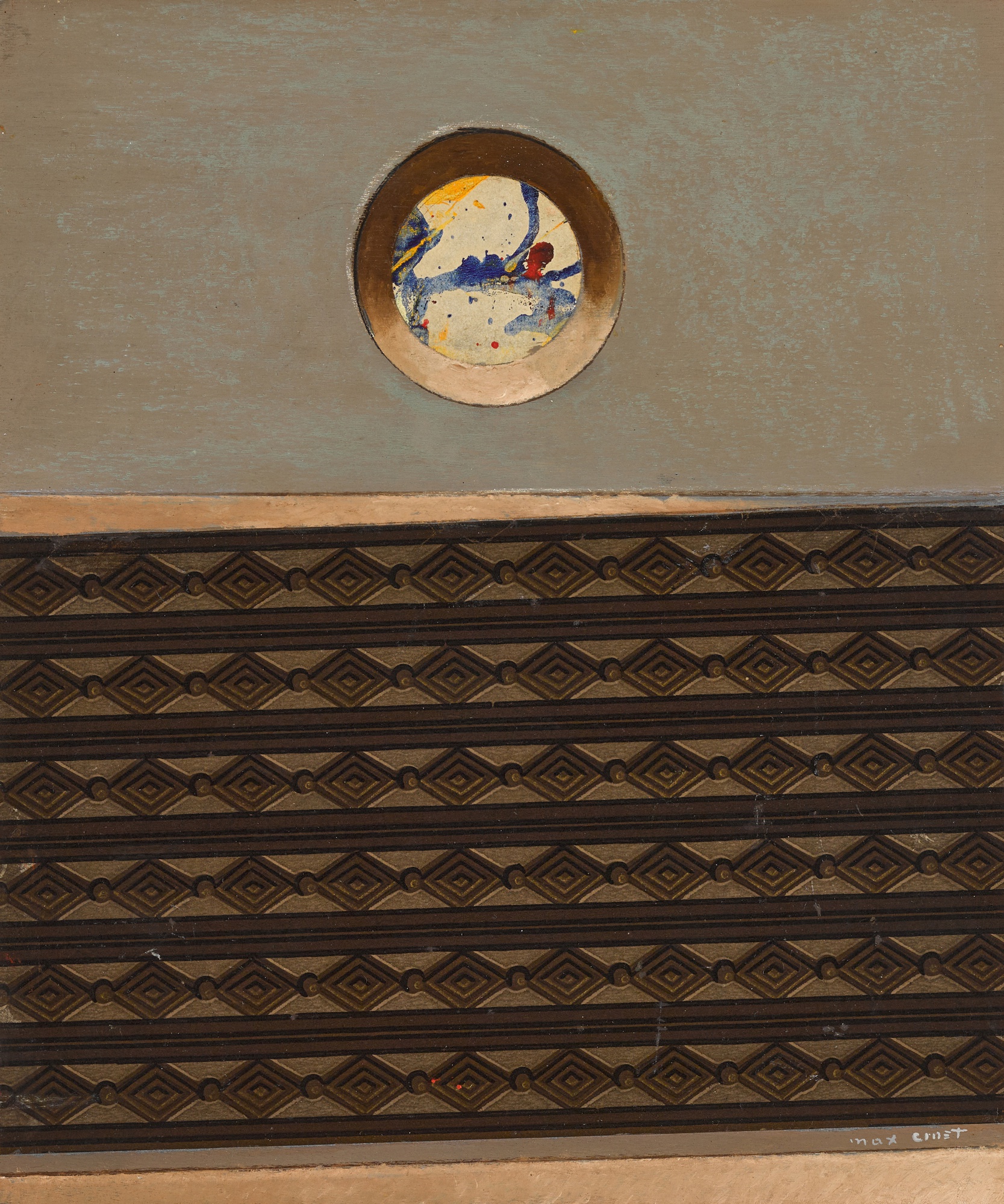
Ernst similarly layered mythological and dreamlike imagery with a Surrealist sensibility, creating paintings where multiple visual planes overlap to produce uncanny, poetic juxtapositions of figures and landscapes.
Salvador Dalí
Spanish · b. 1904
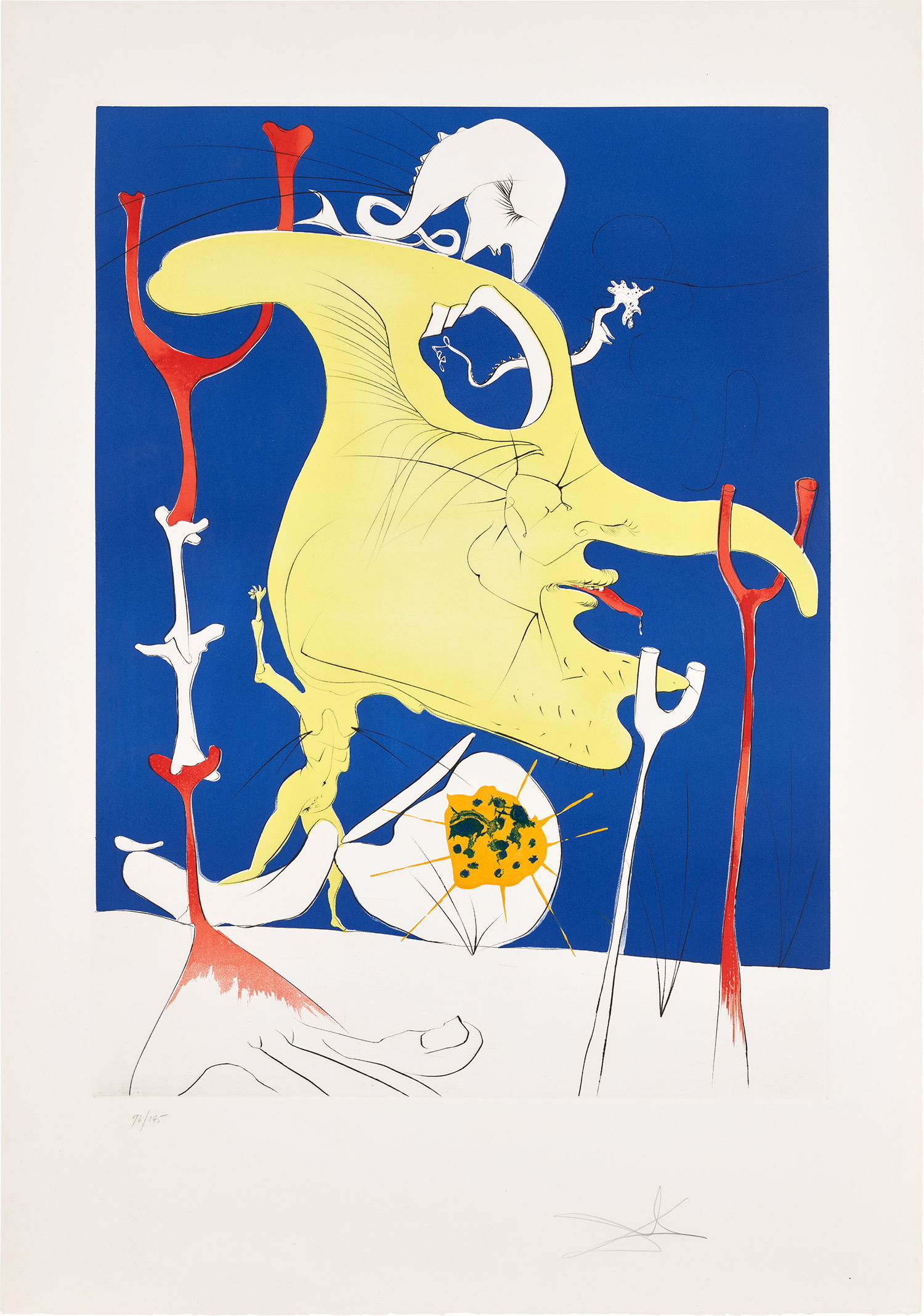
Dalí shared Picabia's interest in blending classical Renaissance references with Surrealist dreamscapes, often superimposing transparent or dissolving figures onto landscape settings to create disorienting multilayered compositions.
Giorgio de Chirico
Italian · b. 1888
De Chirico referenced ancient Roman and classical mythology in richly layered figurative works that project a similarly mysterious and dreamlike atmosphere, bridging historical visual traditions with a modern Surrealist mood.
Start the Discussion
Request access to join the discussion