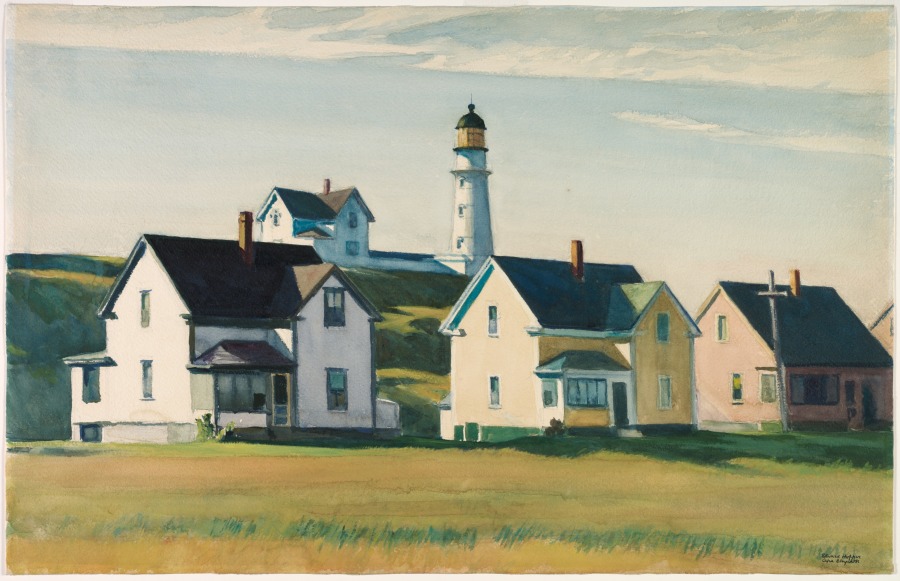
Lighthouse Village (also known as Cape Elizabeth)
1929
Edward Hopper made this watercolor during the last of several painting excursions that he took to Maine. He had painted the lighthouse at Cape Elizabeth once two years before, but found the structure so interesting that he returned to it in this drawing. Hopper was especially attracted to the varying green tones of the grass and the combination of buildings, each with a different purpose, including one where the lighthouse keepers slept and the three at the bottom where coast guard families lived. He used a slightly different tone of watercolor for each of the structures to accurately convey the reflection of light on them.
- Medium
- watercolor with gouache over graphite
- Location
- Cleveland Museum of Art, Cleveland, OH
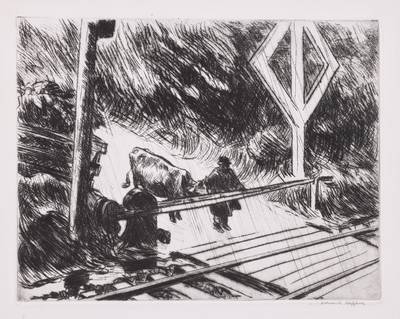
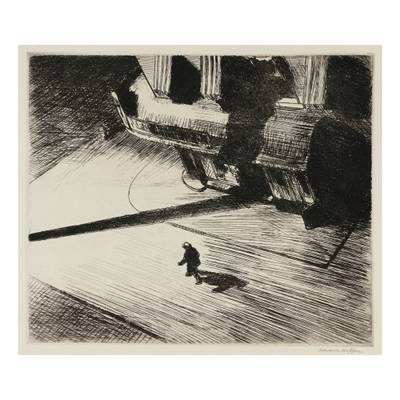
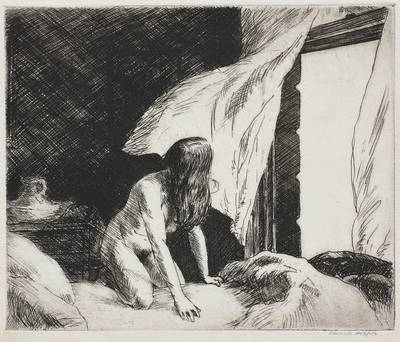
Spotted works by Edward Hopper

Artists in conversation
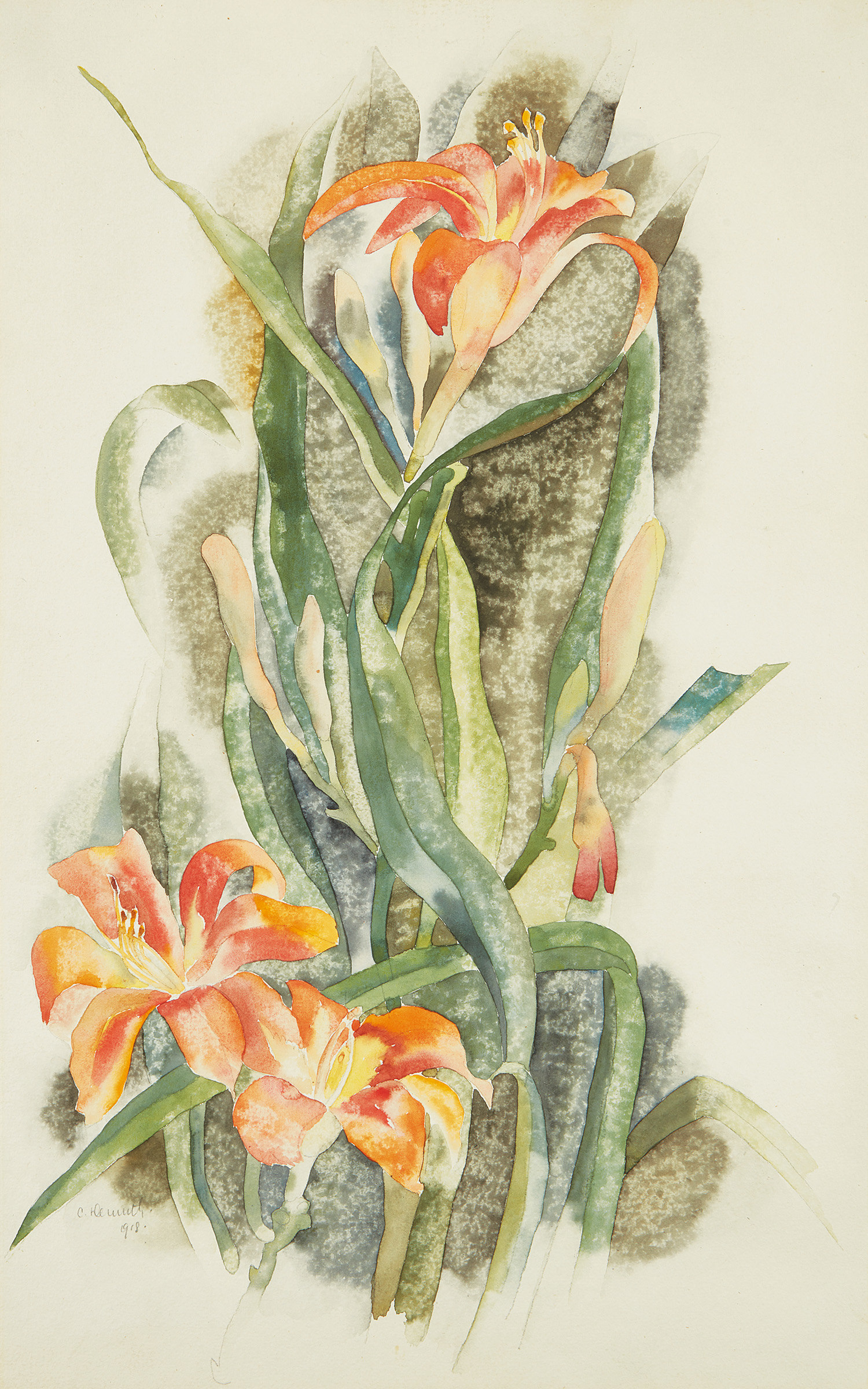
Charles Demuth
American · b. 1883
Demuth worked extensively in watercolor to depict American architectural subjects including lighthouses and coastal New England structures, sharing Hopper's precise attention to building geometry and luminous atmospheric light in works on paper.
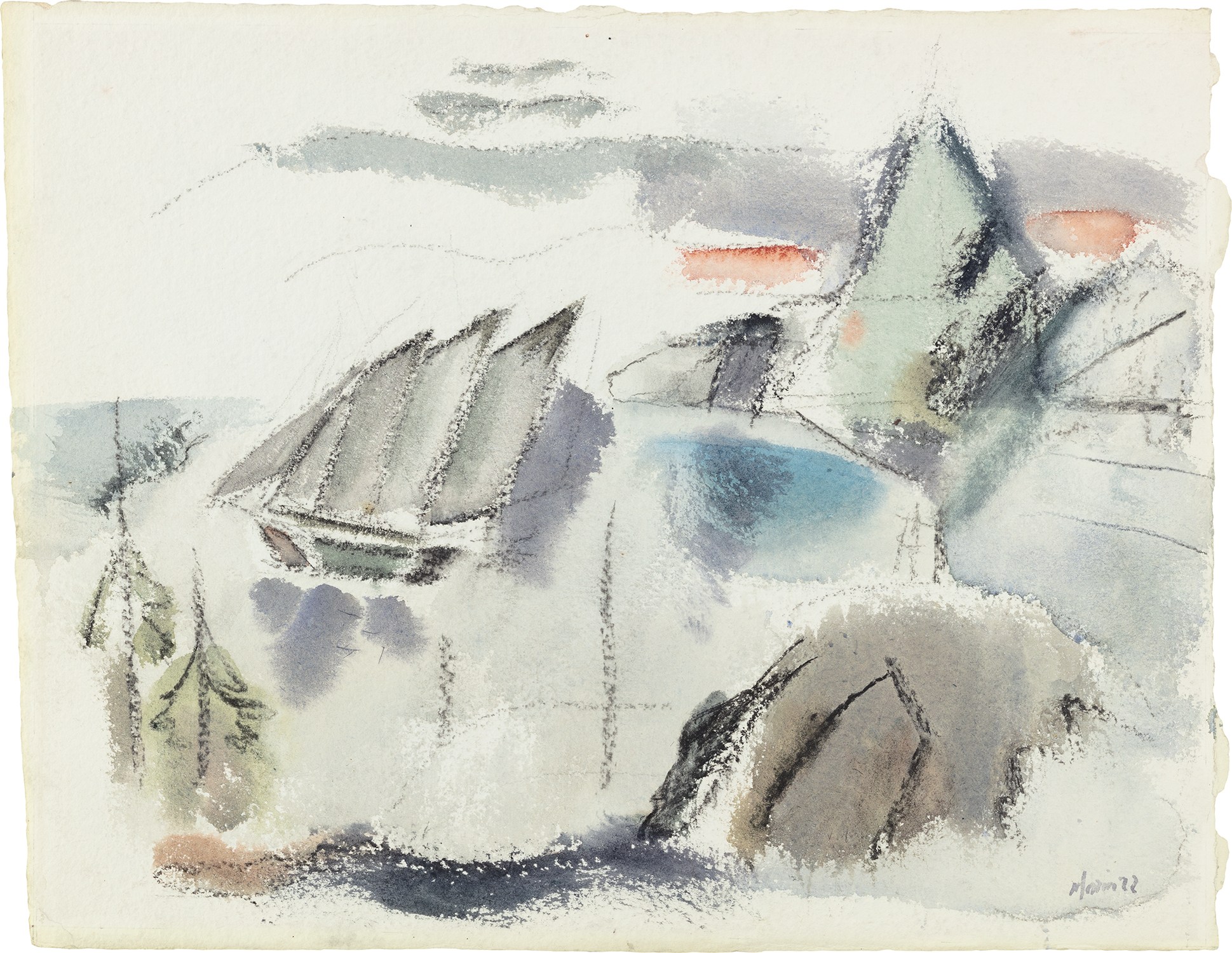
John Marin
American · b. 1870
Marin produced prolific watercolor studies of the Maine coast during the same era as Hopper, capturing rocky shorelines, coastal buildings, and the vivid greens and blues of New England landscapes with comparable modernist sensibility and fluid brushwork.
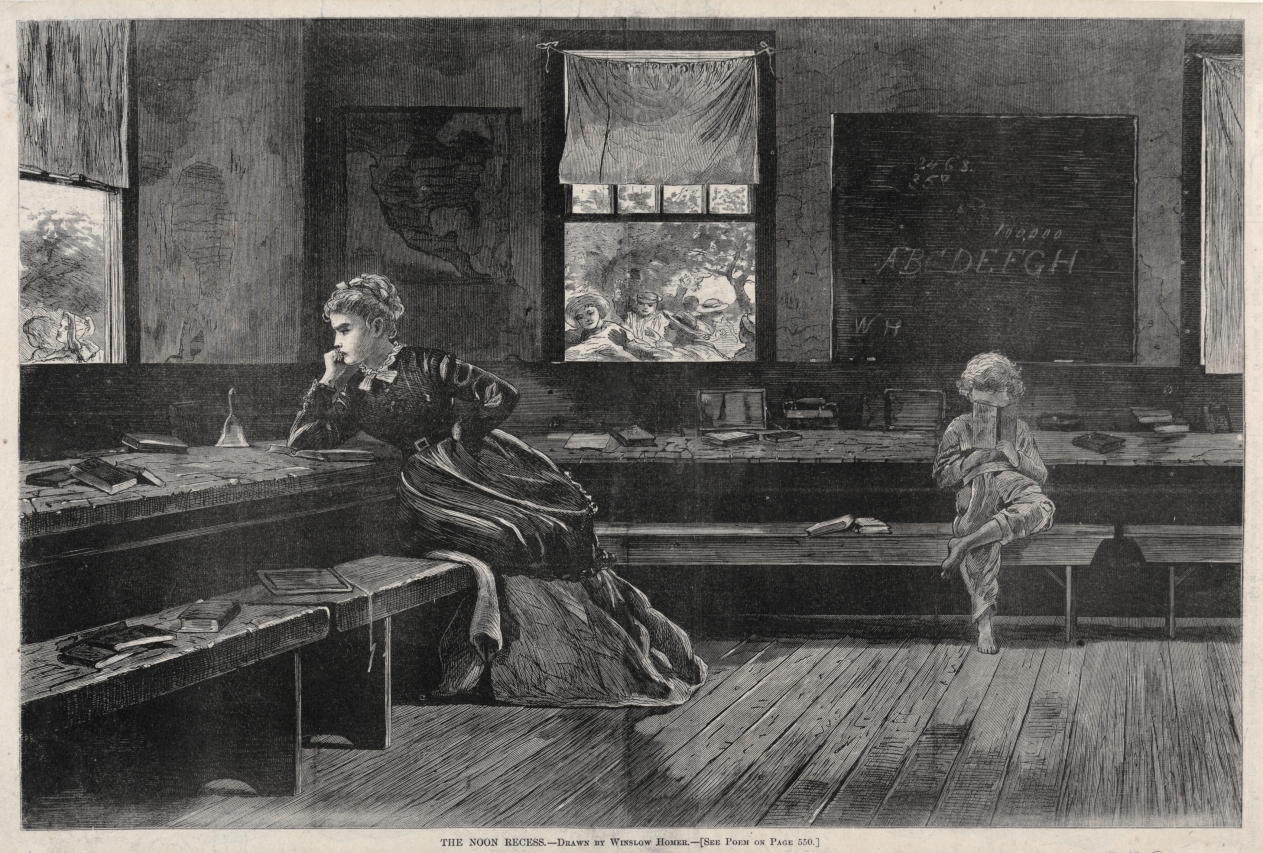
Winslow Homer
American · b. 1836
Homer was a master of American watercolor who repeatedly depicted Maine coastal subjects including lighthouses and keeper structures, rendering rugged green landscapes and functional seaside architecture with a directness and tonal sensitivity very close to this specific Hopper piece.
Start the Discussion
Request access to join the discussion