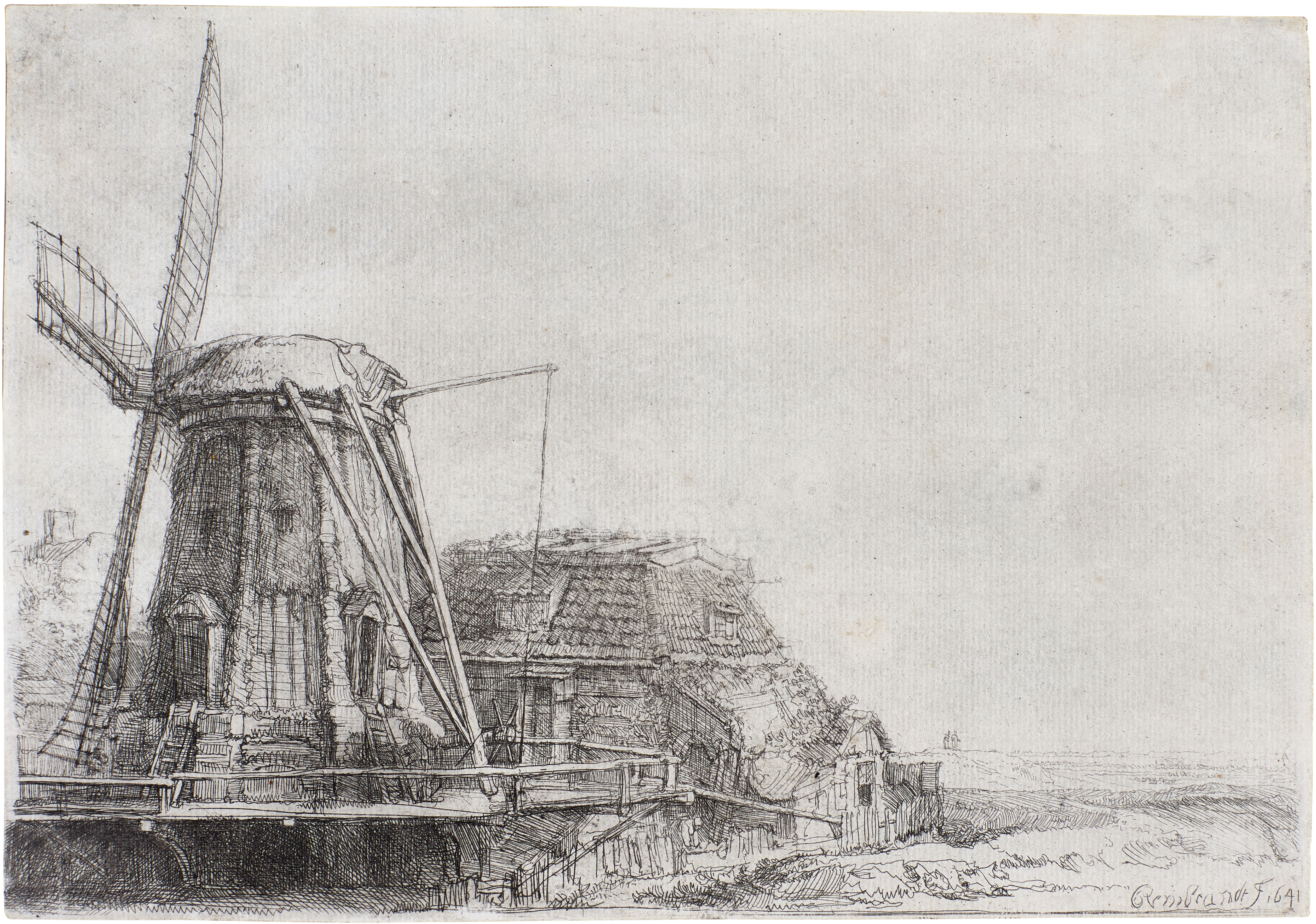
The Windmill
Rembrandt's "The Windmill" is a masterwork of the printmaking medium, executed in etching with drypoint additions on delicate laid paper, techniques that showcase his virtuosity in manipulating light and shadow through inked lines. The composition captures a Dutch windmill in atmospheric perspective, demonstrating Rembrandt's characteristic ability to infuse architectural subjects with dramatic tonal depth and a sense of place. Created during the artist's most prolific period of printmaking, this work exemplifies his fascination with everyday Dutch landscapes transformed through sophisticated printmaking techniques into scenes of profound visual and emotional resonance.
- Medium
- etching with touches of drypoint on thin laid paper with an indistinct watermark
- Location
- Sotheby's, New York, NY
- Spotted At
- Auction House · Sotheby'sView on map
🔨 Auction Lot
Old Master Prints
November 29, 2024
Estimate: $15,000 to $25,000
Lot 637
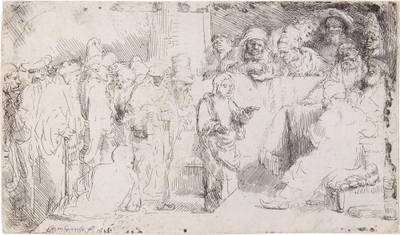
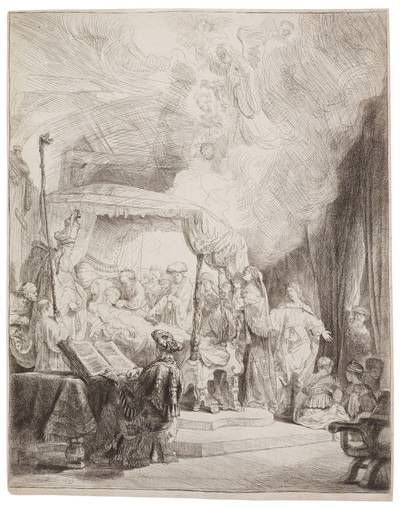
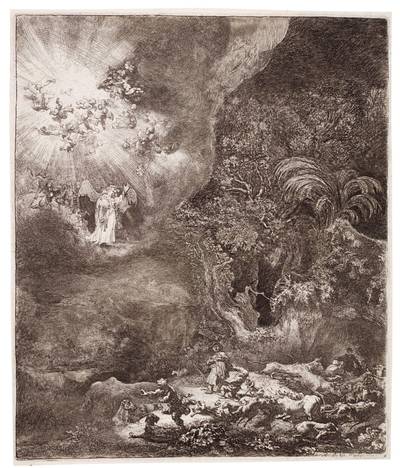
Artists in conversation
Hercules Segers
Dutch · b. 1589
Segers was a pioneering Dutch etcher whose atmospheric landscape prints share Rembrandt's dramatic manipulation of light and shadow through inked lines on paper. His deeply tonal and moody printmaking approach, particularly in depicting expansive outdoor scenes, closely mirrors the atmospheric perspective and emotional depth seen in The Windmill.
Jan van Goyen
Dutch · b. 1596
Van Goyen was a master of 17th century Dutch landscape art who frequently depicted windmills, waterways, and atmospheric skies with a tonal economy that parallels Rembrandt's approach in this etching. His ability to capture the quiet drama of the Dutch countryside with subtle gradations of light makes his work deeply resonant with this particular piece.
Charles Meryon
French · b. 1821
Meryon was a celebrated etcher whose architectural and atmospheric prints demonstrate the same dramatic tonal depth and precise linework seen in Rembrandt's windmill composition. His mastery of drypoint and etching to convey brooding atmospheric moods and strong structural subjects makes his work a compelling parallel to this piece.
Start the Discussion
Request access to join the discussion