Dutch
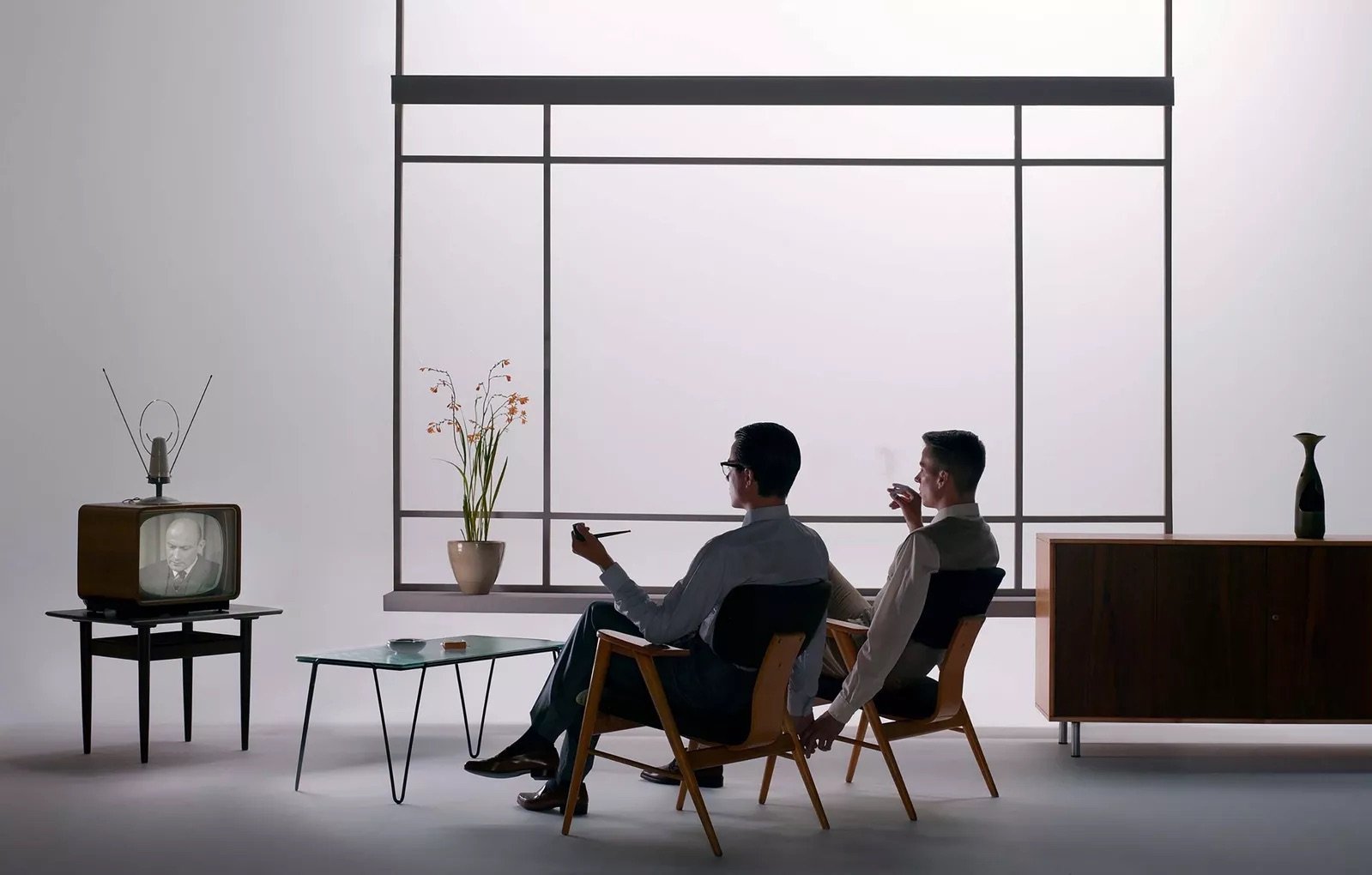
Erwin Olaf
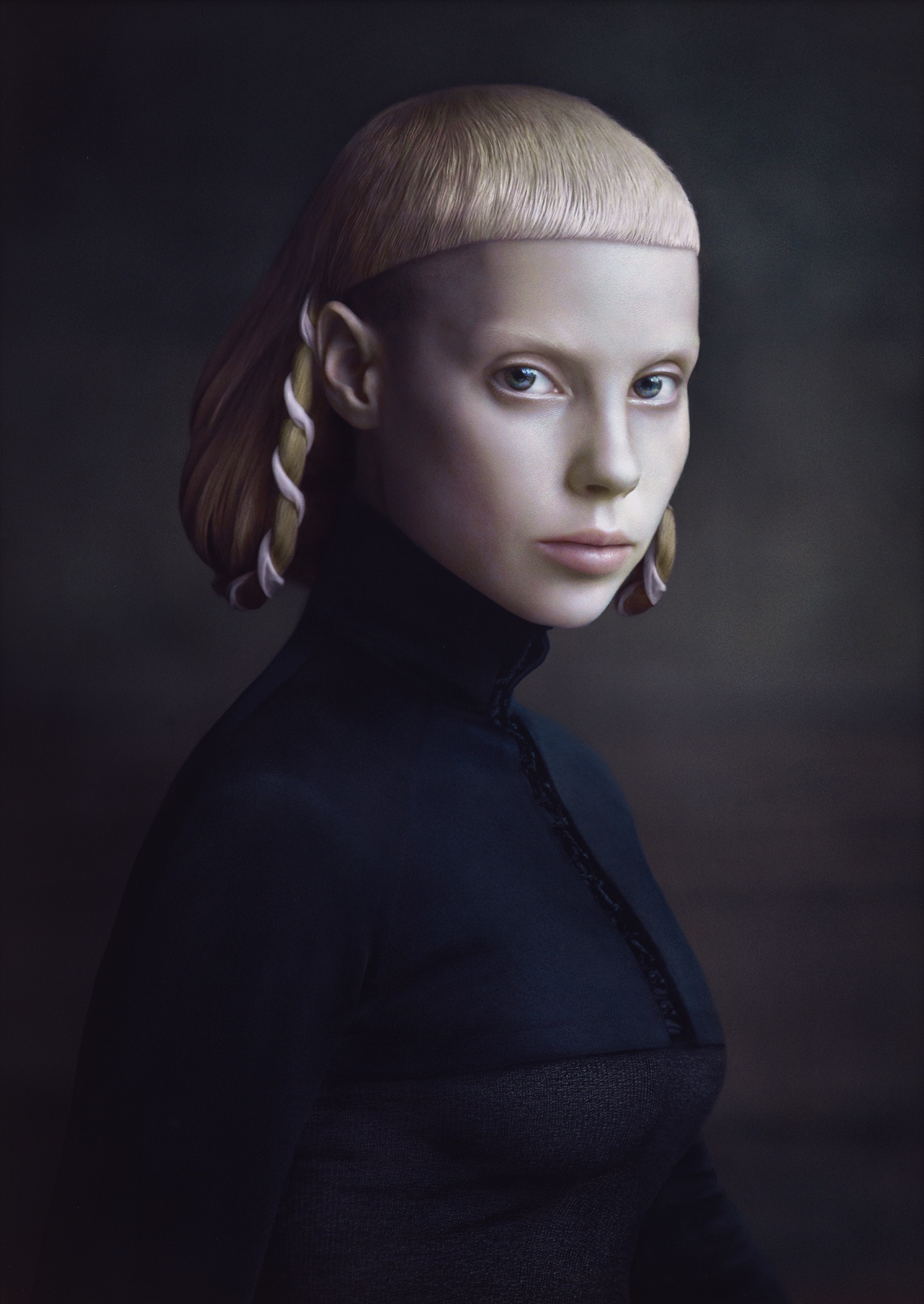
Broadcast, Benno Premsela, 2015


The Dutch Gaze, Still Unsettling Us
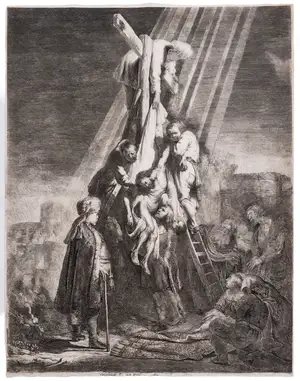
When Rembrandt's 'Portrait of a Man with Arms Akimbo' sold at Christie's New York in January 2009 for just over 33 million dollars, it confirmed something the market had long suspected: the appetite for Dutch Golden Age material is not cyclical the way other categories are. It is structural. Collectors do not merely want these works. They need them in the way serious collections need gravity, the kind of weight that makes everything around it more legible.
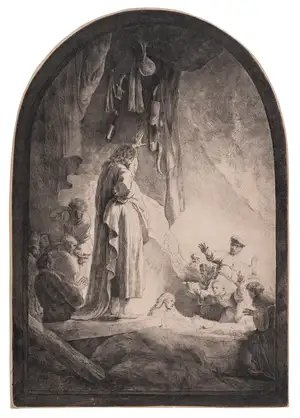
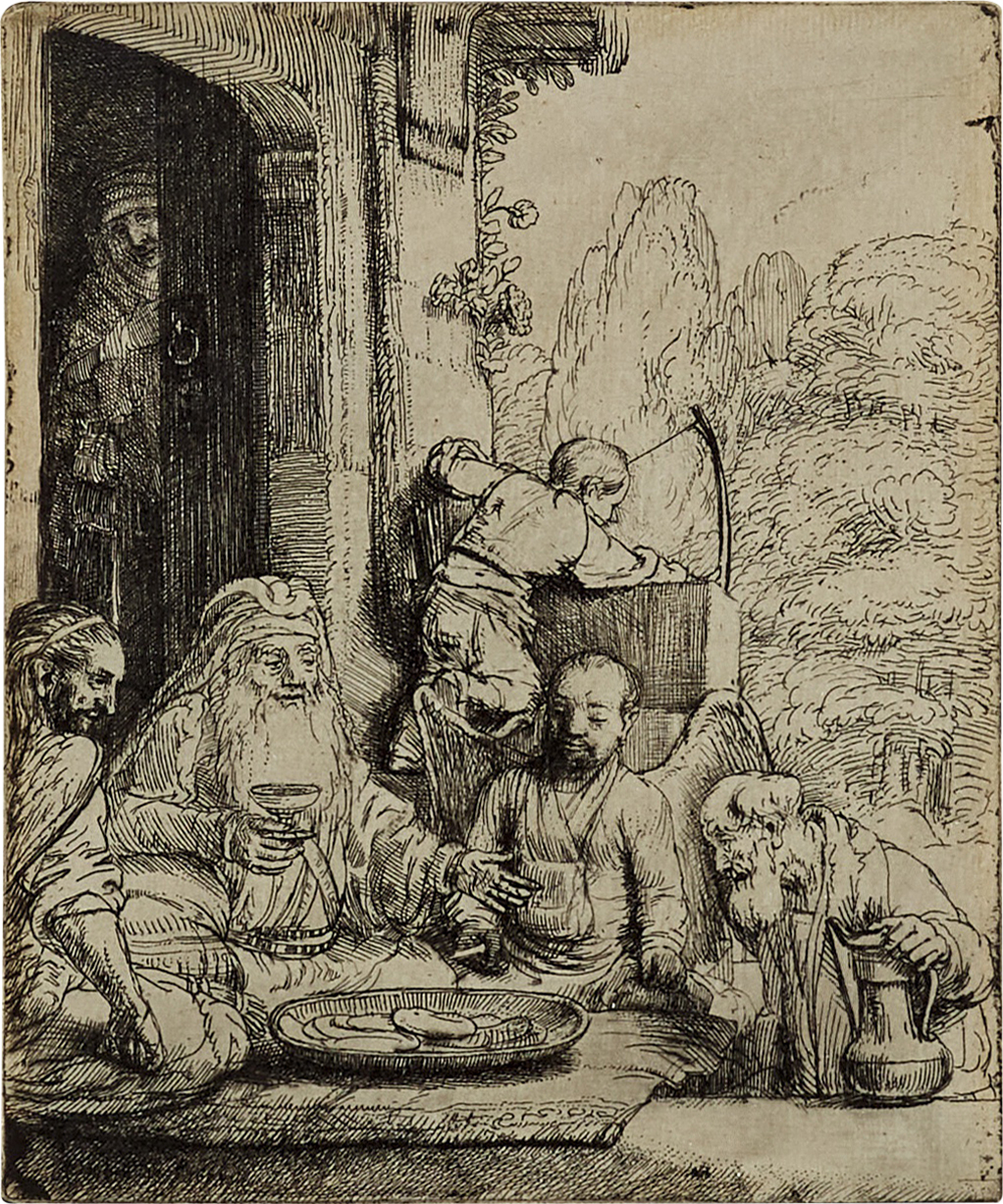
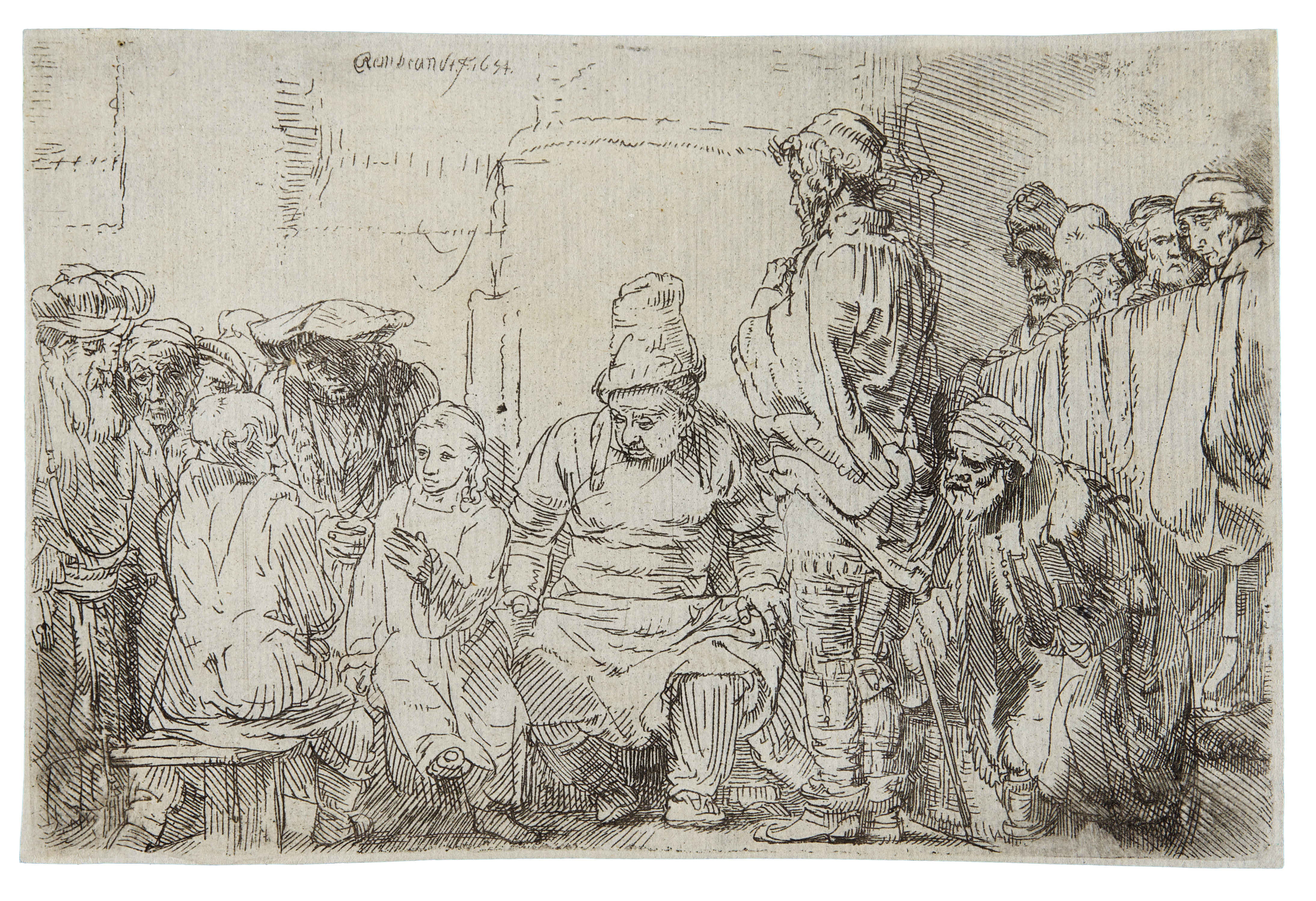
That sale also confirmed that Rembrandt, who is exceptionally well represented on The Collection, remains the anchor around which the entire conversation about Dutch art orbits. The current cultural moment for Dutch art is genuinely unusual because two centuries are competing for the same oxygen. The seventeenth century, with its Rembrandts and its van Goyens and its Rachel Ruysches, still commands the largest sums and the most institutional reverence. But contemporary Dutch photographers and conceptual artists are generating the kind of critical heat that pulls serious curators out of their offices and into auction previews.
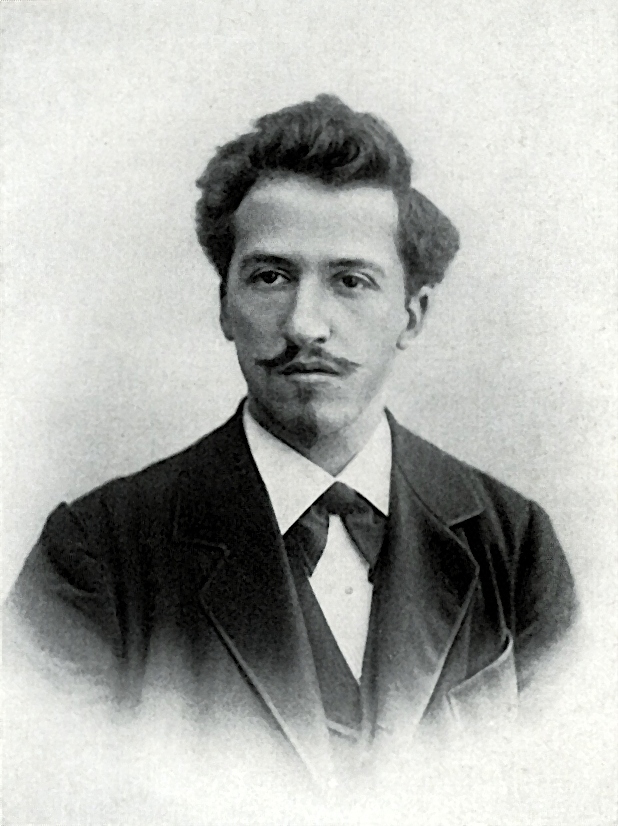
Piet Mondrian
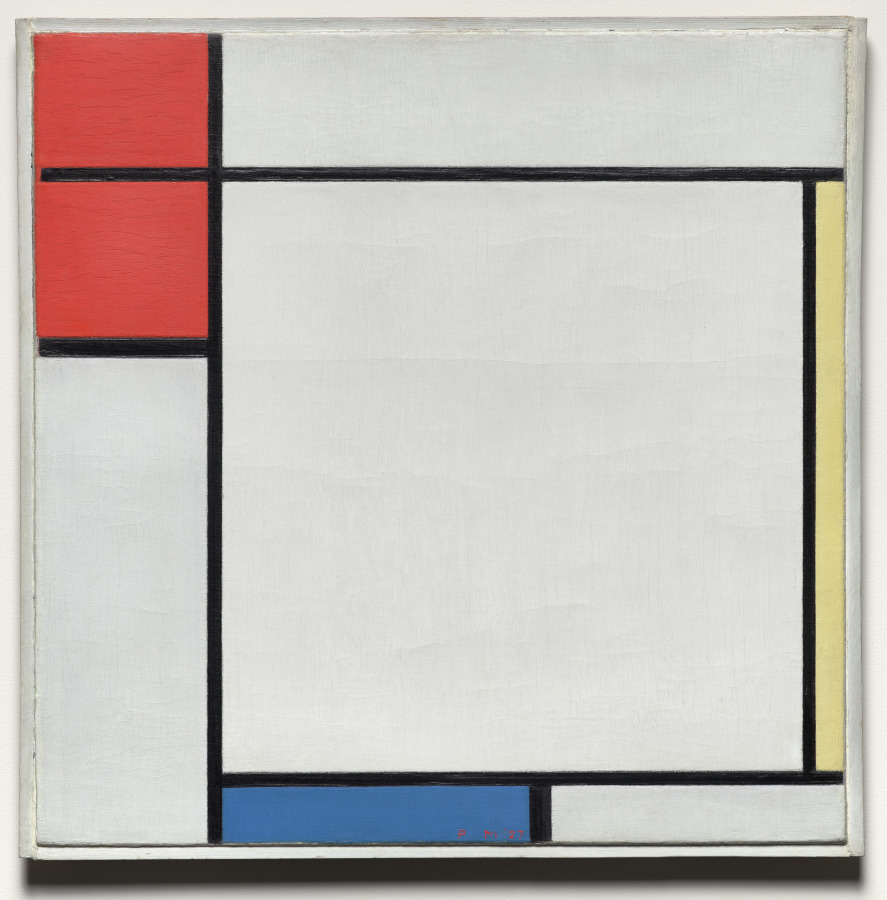
Composition with Red, Yellow, and Blue, 1927
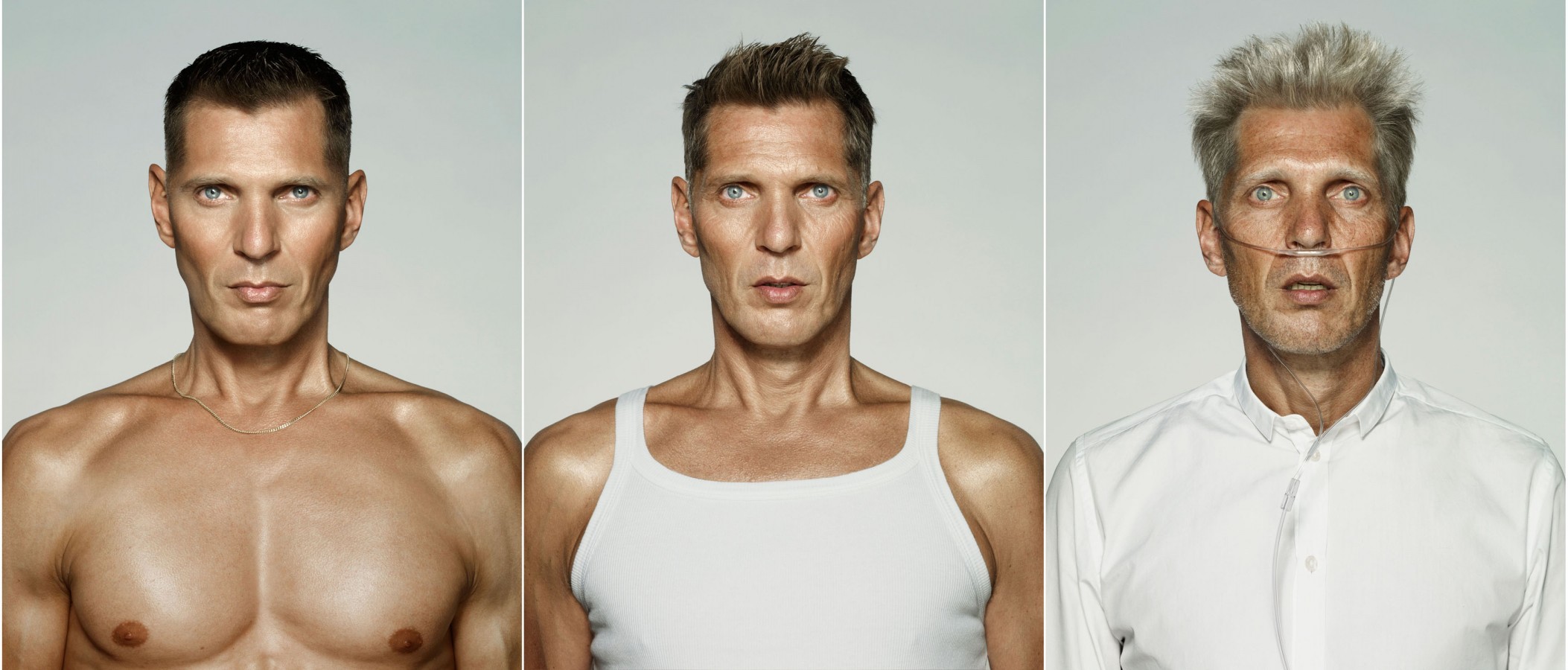
Erwin Olaf and Rineke Dijkstra are being discussed in the same breath as Diane Arbus and Nan Goldin in ways that would have felt premature fifteen years ago. The Rijksmuseum's ongoing program of acquisitions and loans has done much to frame this continuity, presenting Dutch visual culture not as a closed chapter but as an argument that is still being made. On the auction side, the results from the past several years tell a layered story. Piet Mondrian's abstractions have long held a place in the uppermost tier of the modern market, with major works breaking through nine figures at the right moment with the right provenance.
Willem de Kooning, who was Dutch born before becoming synonymous with American Abstract Expressionism, occupies an interesting dual citizenship in the market. His prices reflect his canonical status in New York, but the Dutch claim on him is reasserting itself, particularly in European institutional contexts. Works by both artists appear on The Collection, offering collectors access to two figures who define different moments in the story of how Dutch visual instinct transformed international modernism. The real market surprise of the past decade has been the sustained rise of Dutch photography.
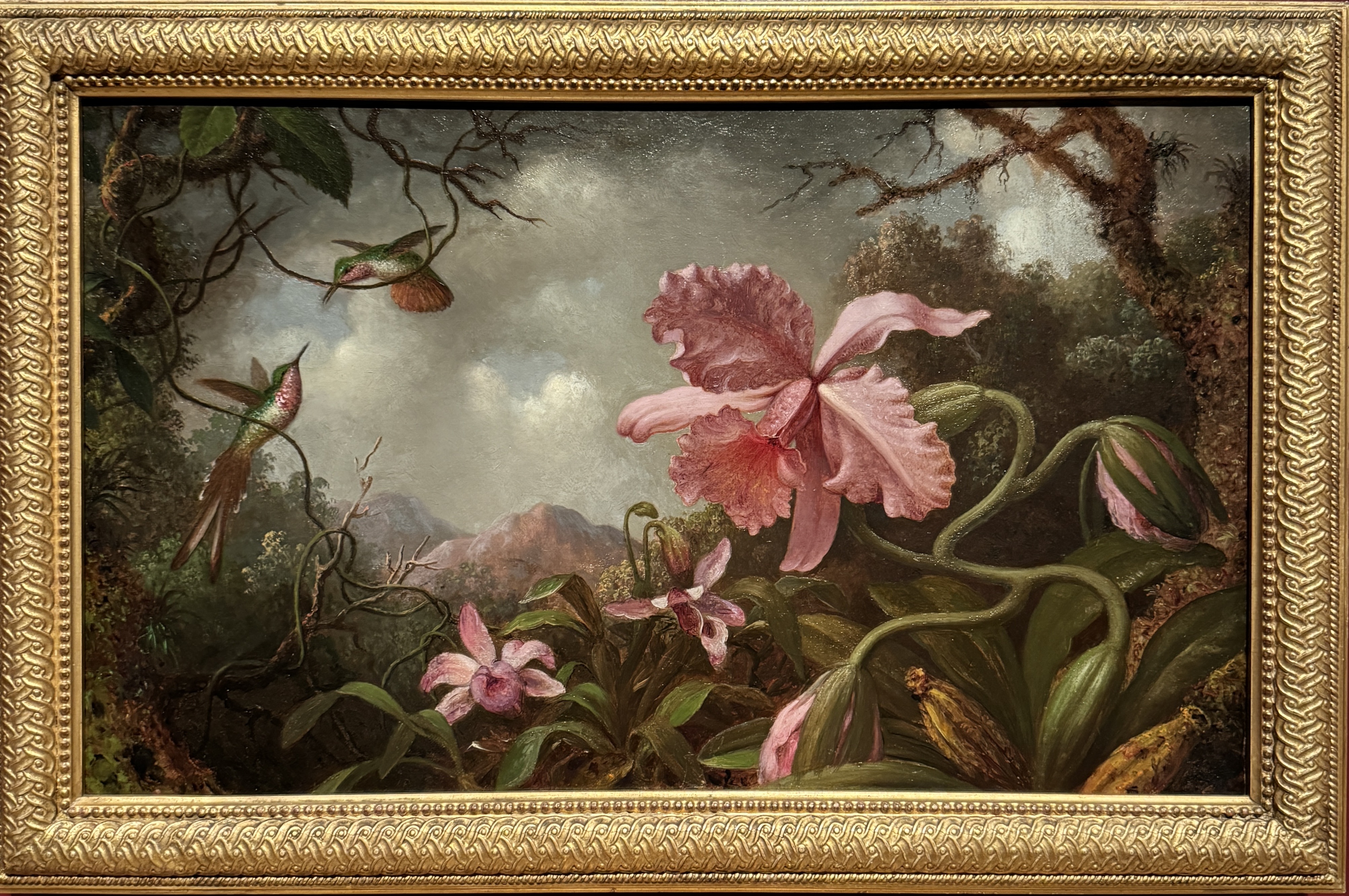
Circle of Pieter Lastman
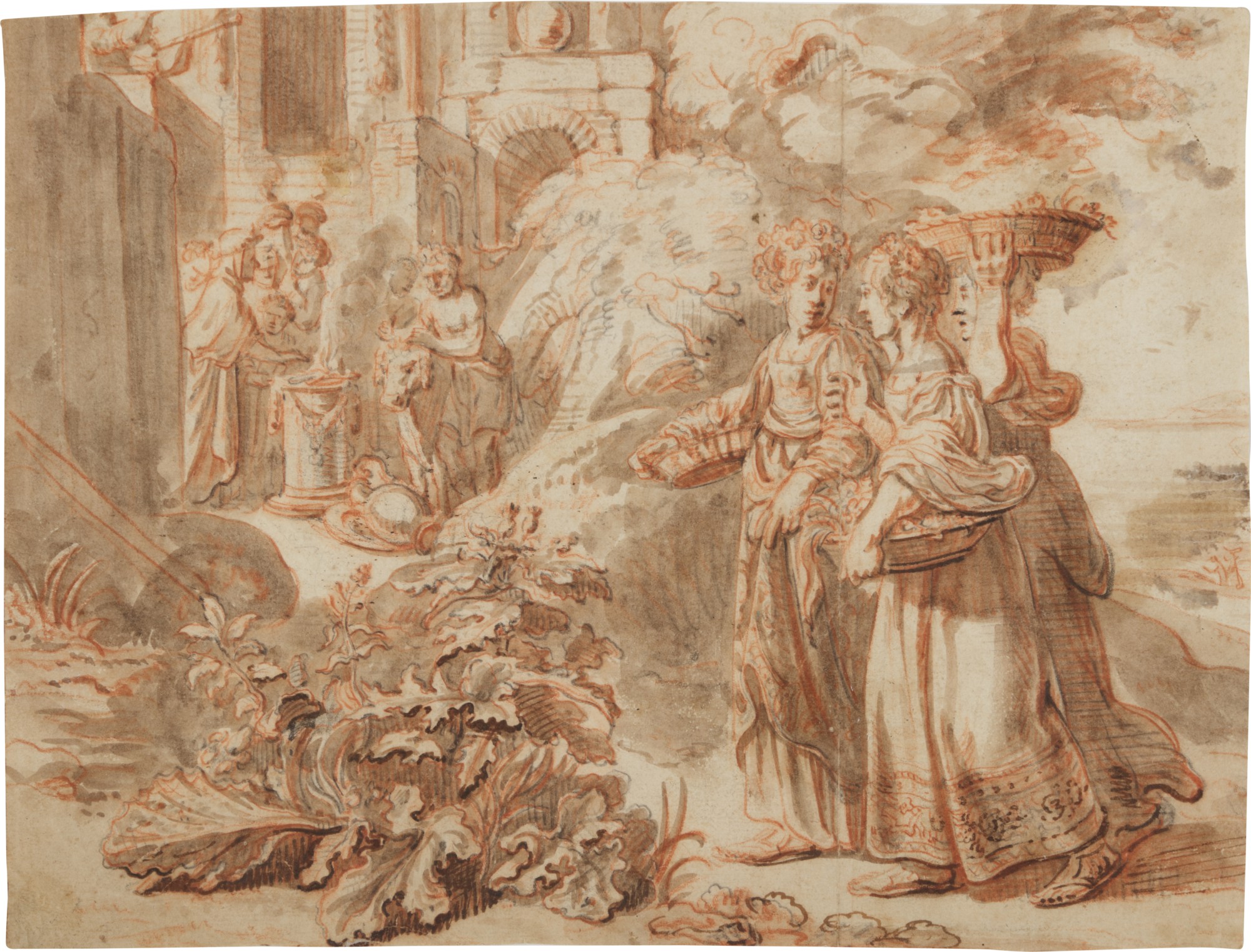
Woman carrying baskets up to the walls of a city, a sacrifice being prepared in the background
Rineke Dijkstra's large format portraits of adolescents on beaches, begun in the early 1990s, now regularly achieve six figure results at auction, with institutional demand from MoMA, the Guggenheim, and the Stedelijk applying consistent upward pressure. Desirée Dolron's eerily lit interior figures have attracted a quieter but equally devoted collector base. And Ruud van Empel's digitally constructed children, strange and luminous in their manufactured innocence, have moved from novelty to necessity for collections focused on the late twentieth and early twenty first century. What these artists share is a relationship to stillness and to the examined face that feels like a direct inheritance from Nicolaes Maes and Caspar Netscher, even when the medium is entirely different.
M. C. Escher is perhaps the most interesting case study in reputational rehabilitation. For decades he was considered popular rather than serious, beloved by science students and poster shops but not taken up by major institutions with any conviction.
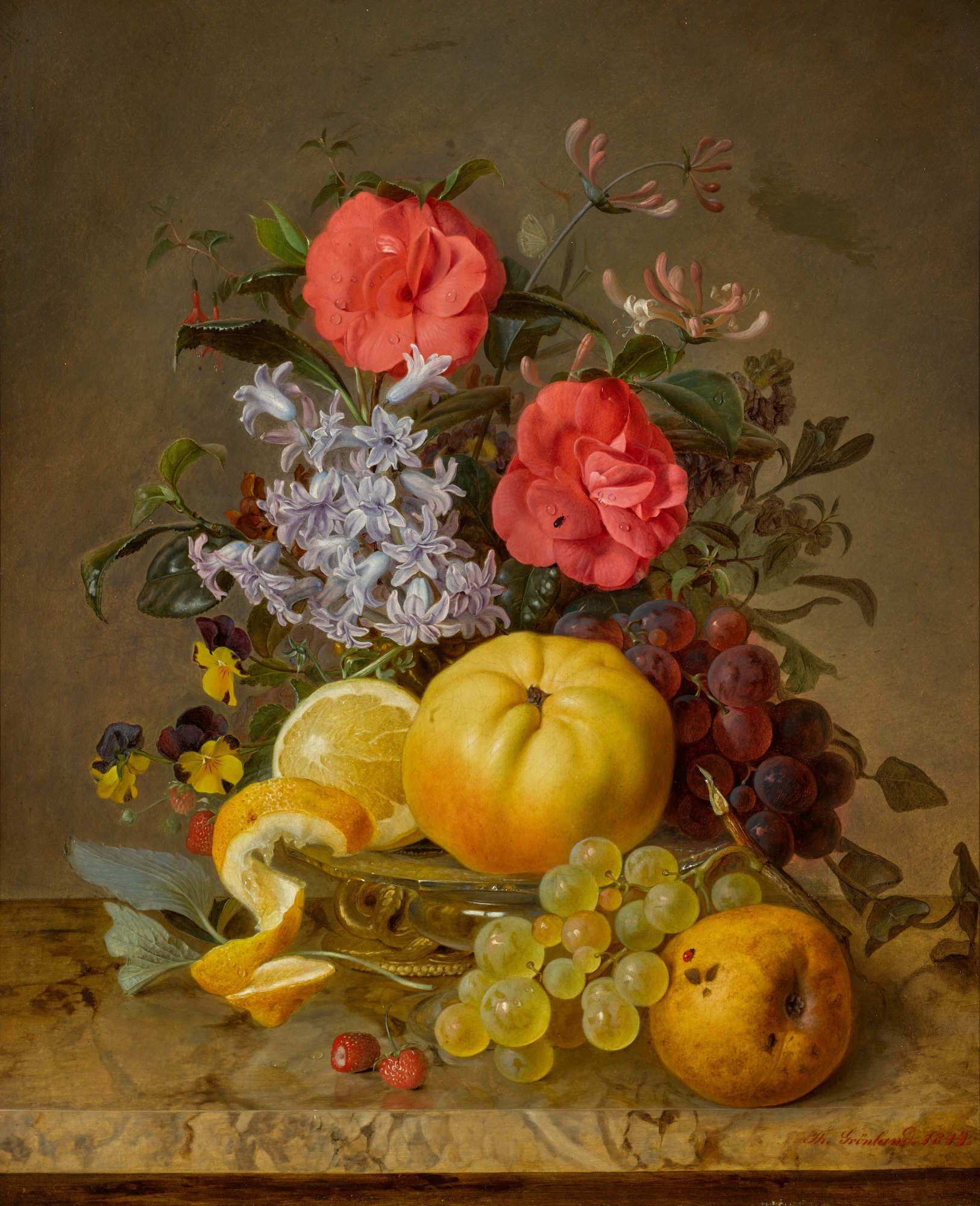
Theude Grönland
Still life with Fruit and Flowers on a Marble Ledge
That has changed. The 2023 Escher retrospective at the Gemeentemuseum Den Haag drew extraordinary numbers and prompted a genuine critical reassessment, with writers arguing that his structural preoccupations anticipated both conceptual art and computational thinking in ways that deserve more than admiration. His works on The Collection are being looked at differently now, not as curiosities but as contributions to a visual tradition of rigorous inquiry. The collector who acquired Escher ten years ago on instinct is looking quite prescient at this moment.
The critical infrastructure shaping this space is worth paying attention to. Gary Schwartz's writing on Rembrandt continues to set the scholarly standard, but it is the curatorial work coming out of the Rijksmuseum under Taco Dibbits that is most actively reframing how the collection and its context are understood by an international audience. The museum's decision to present the Golden Age in fuller historical context, acknowledging the colonial networks that financed much of the collecting, has been controversial in some quarters and illuminating in others. Frieze and Artforum have both given increased space to Dutch contemporary photography, while the Dutch art magazine Metropolis M has been essential reading for anyone tracking the conversations that happen before they reach the major English language platforms.
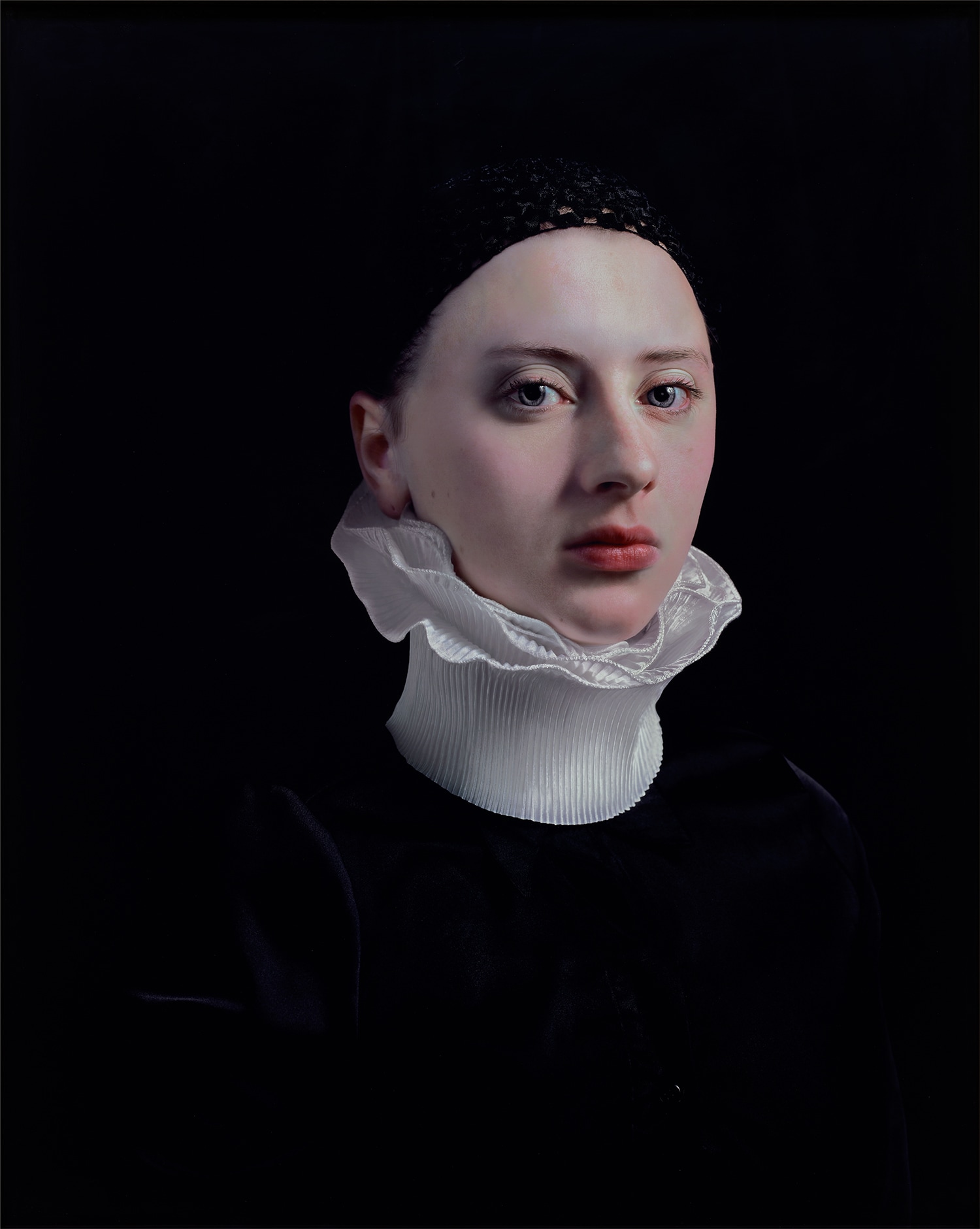
Hendrik Kerstens
Flange
Karel Appel and the COBRA movement represent a chapter that feels undervalued relative to its importance. Appel's raw, urgent figuration was a direct reaction against both wartime trauma and bourgeois taste, and his prices at auction have been steadily climbing as collectors who cut their teeth on Neo Expressionism come to understand him as a precursor rather than a cousin. Kees van Dongen, who bridges Dutch origins and Fauvist Paris, similarly benefits from renewed interest in the early twentieth century as a moment of productive disruption. Jan Toorop, stranger and more symbolist than his contemporaries, is attracting a quieter following among collectors drawn to the uncanny.
Where is the energy heading? The answer is somewhere between the seventeenth century and the present, with Hendrik Kerstens as something like a living bridge. His photographs of his daughter, staged with all the formal precision of Dutch Golden Age portraiture, are among the most elegant statements of continuity in contemporary photography. They suggest that the Dutch gaze, that particular quality of attention to light falling on a face, to the psychological weight of the ordinary moment, is not a historical artifact.
It is a living practice, being handed forward. For collectors on The Collection, that continuity is not just aesthetically compelling. It is a structural argument for why Dutch material, across every century and every medium, belongs at the center of any serious collection.