Tom Otterness
Tom Otterness: Joy Sculpted in Bronze
Artist Spotlight · The Collection Editorial
“I want people to be able to look at my work and feel that it is accessible, but there is also a lot going on beneath the surface.”
Tom Otterness, interview with Sculpture Magazine
Walk through any major city and you may find yourself smiling before you quite know why. A rotund bronze worker tips his hat from a ledge. A tiny figure clutches an oversized coin. A cat and a turtle share a quiet moment on a bench.
Tom Otterness
Kindly Geppetto, 2001
These are the unmistakable works of Tom Otterness, and in recent years, as cities have increasingly turned to public art to restore a sense of shared humanity, his sculptures have never felt more essential. His permanent installation Life Underground in the 14th Street and Eighth Avenue subway station in New York City continues to delight millions of commuters annually, and institutions from the Nelson Atkins Museum of Art in Kansas City to museums across Europe have affirmed his place as one of the most beloved and consequential public sculptors of his generation. Otterness was born in 1952 in Wichita, Kansas, a detail that feels quietly important when you spend time with his work. There is something deeply American about his sensibility, a kind of populist warmth and democratic instinct that traces back to the heartland.
He arrived in New York City in the early 1970s, studying at the Art Students League of New York, one of the oldest and most storied art schools in the country. New York in the 1970s was raw, broke, and electrifying, and it left an indelible mark on everything Otterness would become. The city's social tensions, its visible inequalities, and its irrepressible street life all found their way into his sculptural vocabulary. In the late 1970s and early 1980s, Otterness became a central figure in Colab, short for Collaborative Projects Incorporated, the legendary artist collective that also counted Jenny Holzer, Kiki Smith, and David Wojnarowicz among its members.
Tom Otterness
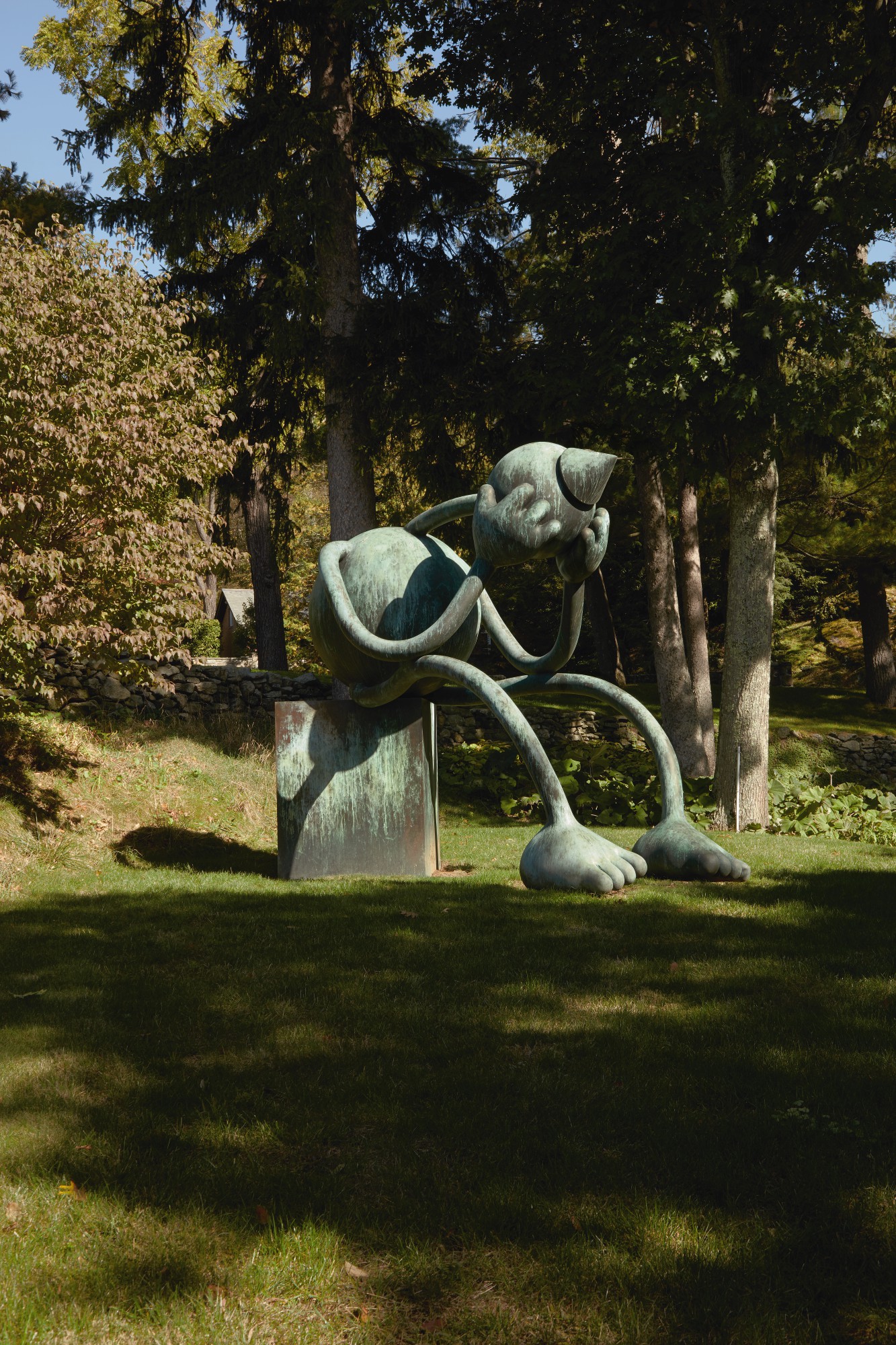
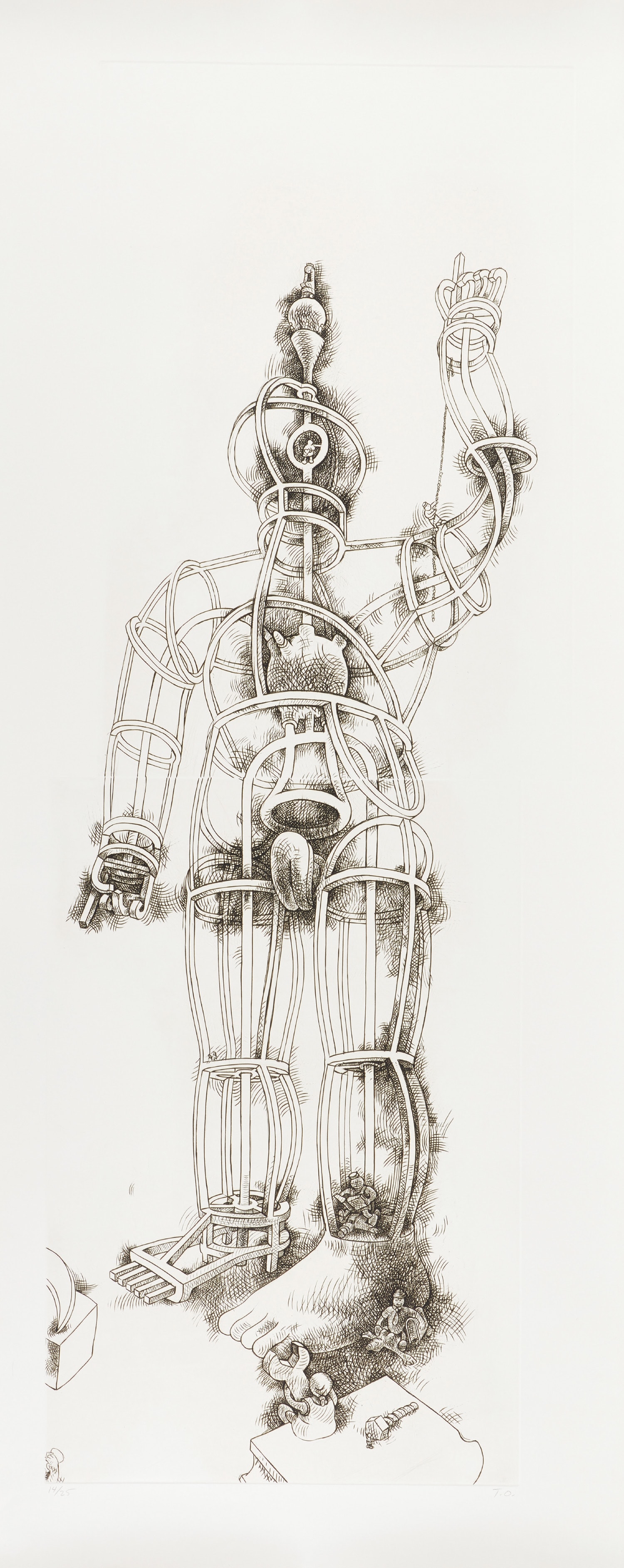
Giant
Colab was defined by a spirit of collectivism, urgency, and a deep skepticism of the commercial gallery world. The group organized exhibitions in unconventional spaces, most famously the 1980 Times Square Show, which turned an abandoned massage parlor near Times Square into a sprawling, anarchic exhibition space that helped define the downtown New York art scene. This immersion in collective action and socially conscious practice gave Otterness a framework he would carry forward, even as his formal language grew increasingly refined and accessible. The breakthrough into the distinctive style that collectors and the public now recognize came in the early 1980s.
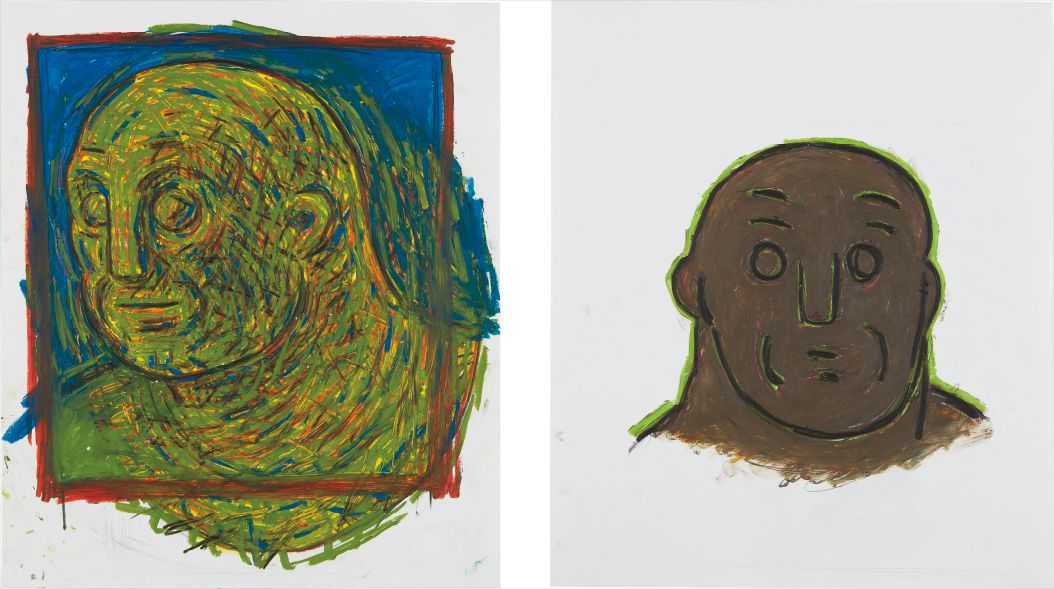
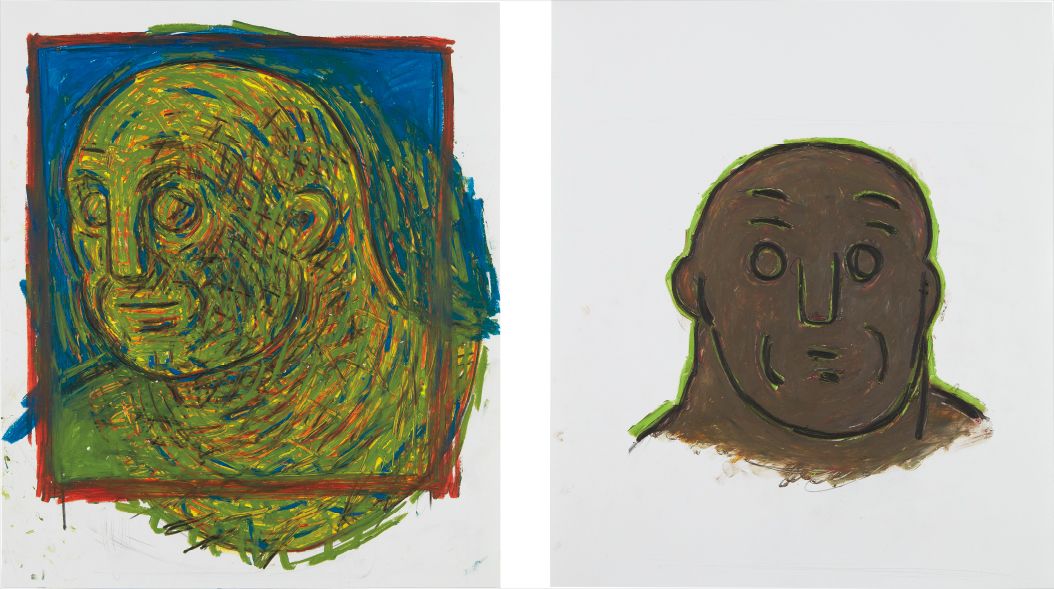
Works like Surprised Worker and Everyday Worker, both from 1983, announced a new vocabulary: simplified, almost cartoonish figures rendered with enormous care and craftsmanship, their rounded forms somewhere between ancient fertility figures and Warner Bros. animation cels. This was not naivety but strategy. By working in a register that felt approachable and even playful, Otterness could smuggle genuinely complex ideas about class, labor, money, and power into spaces where people were entirely off their guard.
Tom Otterness
Two works: (i) Surprised Worker; (ii) Everyday Worker, 1983
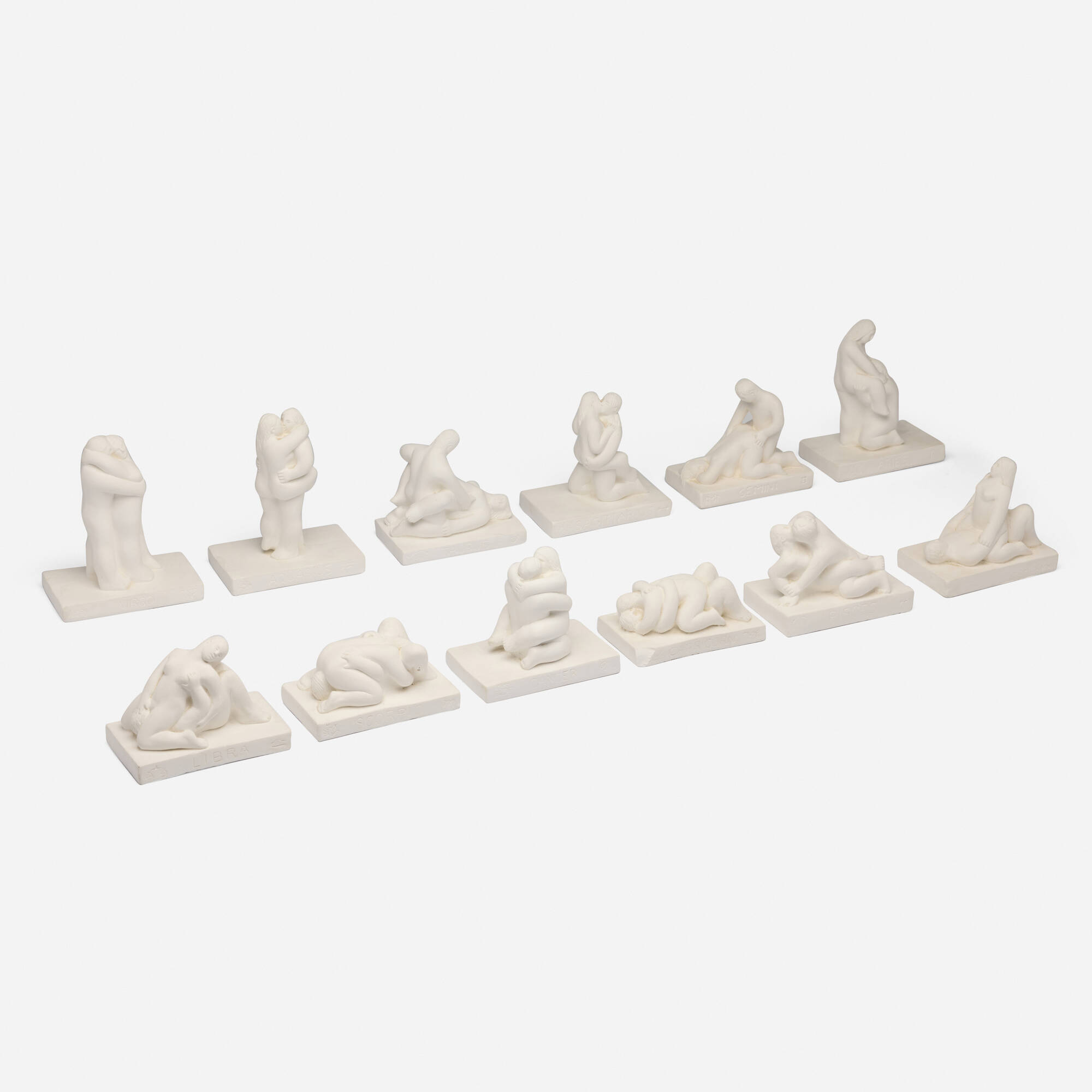
His Zodiac Love from 1982, executed in painted hydrocal, demonstrates this early fluency, combining mythological reference with an almost childlike directness that is entirely his own. The sculptures that emerged through the late 1980s and into the 1990s cemented his reputation. Nero's Apartment House from 1989, rendered in bronze, exemplifies his ability to layer historical and political allusion within forms that reward both casual and scholarly attention. The Crying Giant and Kindly Geppetto, both from the early 2000s, show the emotional range he commands: pathos and tenderness sit comfortably alongside satire and wit.
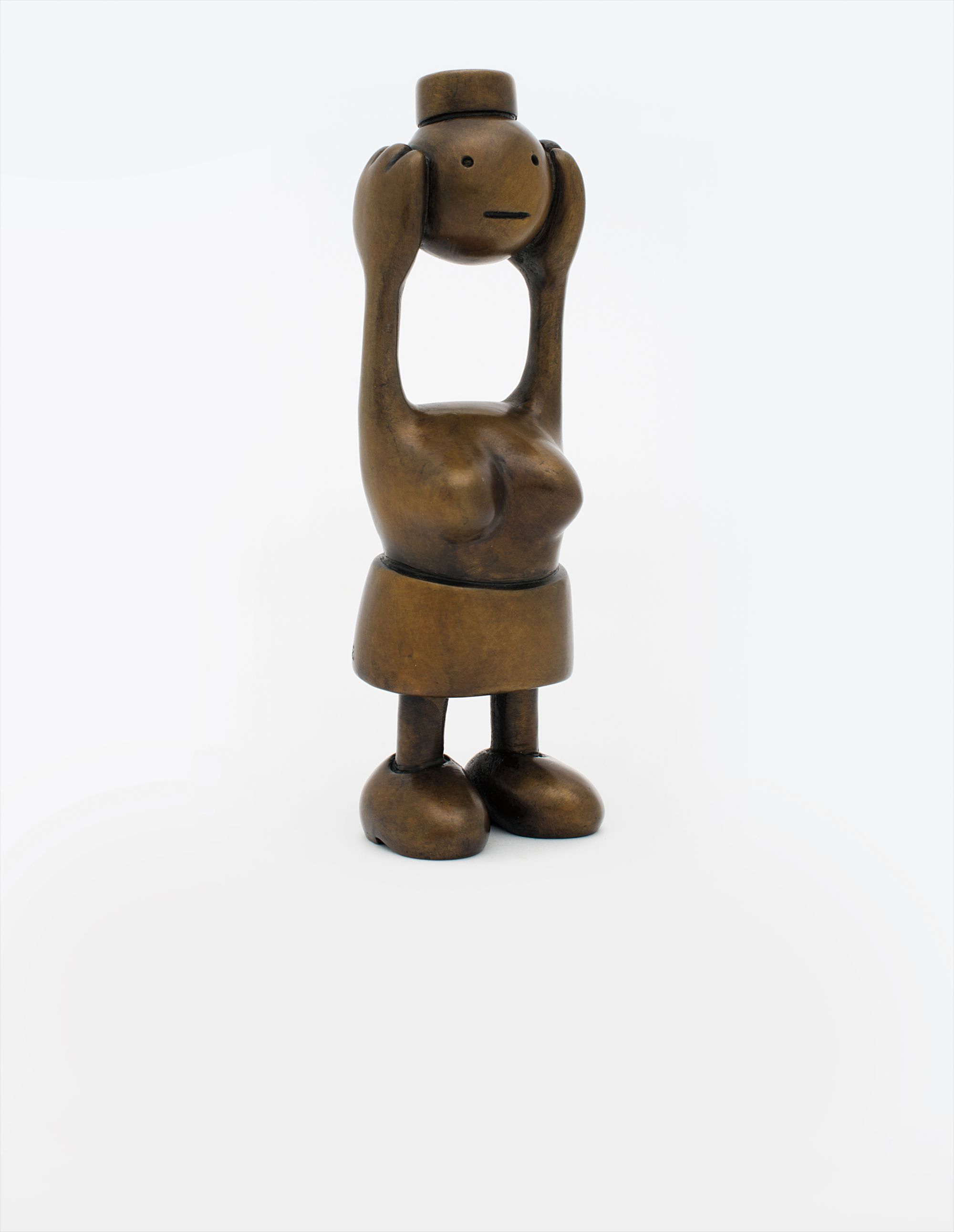
The Crying Giant, in green patinated bronze, is particularly striking, a monumental figure whose scale inverts the expected power dynamic, making vulnerability heroic rather than diminished. Works like Small Visionary and the Rich Visionaries pair, bronze multiples with their characteristic warm patinas, have become especially sought after by collectors for their perfect balance of intimacy and conceptual ambition. On the secondary market, Otterness works have demonstrated consistent strength and growing collector enthusiasm. His prints, including drypoints on wove paper, offer a compelling entry point for new collectors, combining the tactile quality and rarity of works on paper with the full wit and imagery of his sculptural practice.
Tom Otterness
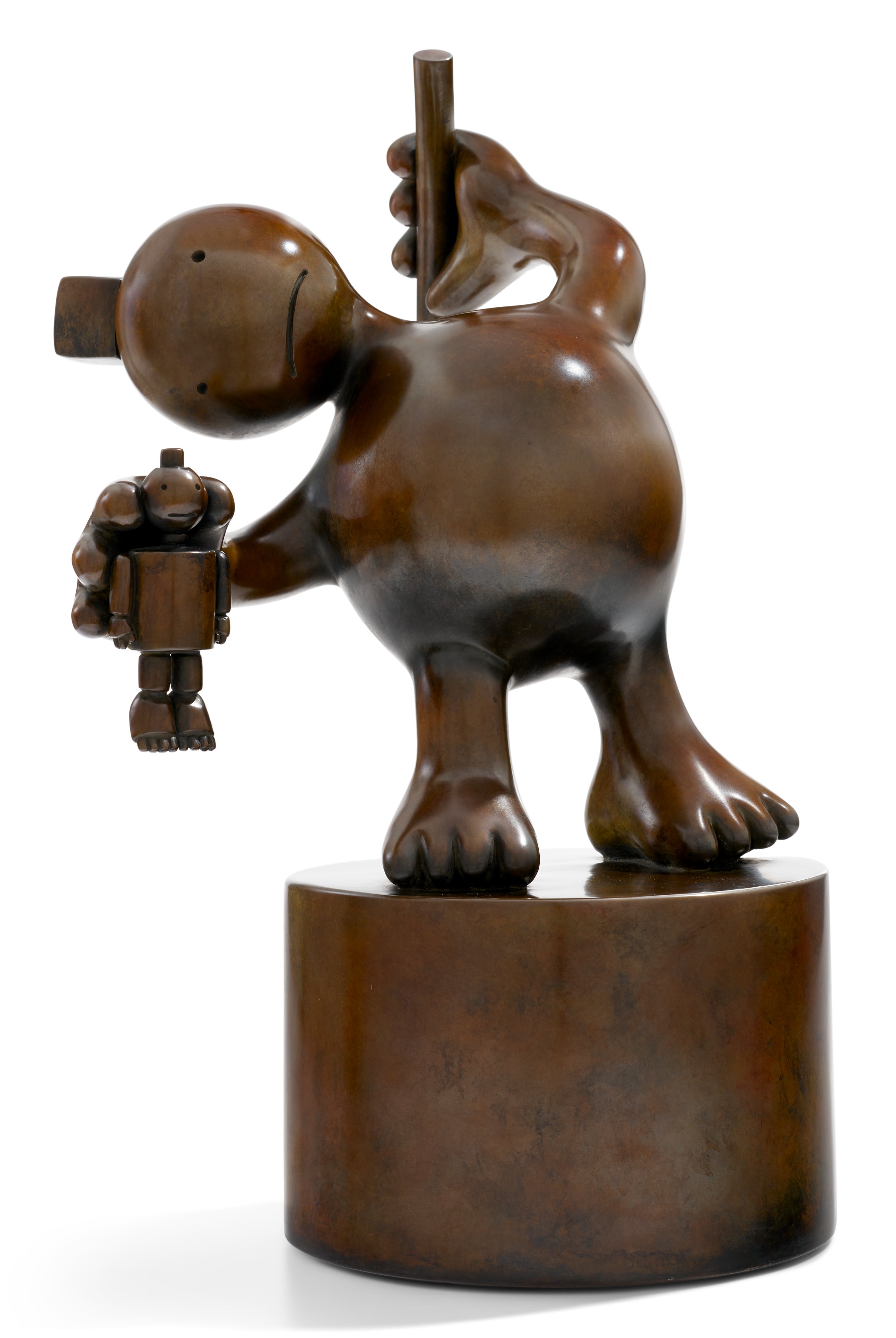
Small Visionary
Bronze multiples with brown or green patinas represent the core of serious Otterness collections, and condition, provenance, and the presence of full margins on works on paper are the details most attentive collectors focus upon. The market reflects a broader truth: works that function simultaneously as aesthetic objects and as vehicles for ideas tend to hold and build value in ways that purely decorative or purely conceptual works sometimes do not. Otterness sits in that ideal intersection. In terms of artistic lineage and context, Otterness occupies a distinctive position.
He shares with Keith Haring a commitment to accessibility and a belief that visual art can speak to everyone without sacrificing sophistication. Like Jeff Koons, he engages knowingly with popular imagery and the language of consumer culture, though with a warmth and political conscience that sets his work apart. His interest in the figure as a vehicle for social commentary places him in a conversation with artists like George Segal and Duane Hanson, while his bronze multiples and edition works connect him to a tradition of democratic art making that stretches back to Honoré Daumier. He is, in the best sense, an artist who knows exactly where he stands in history and uses that knowledge generously.
What makes Otterness matter so deeply today is precisely what made him seem playful and approachable when he began: his insistence that art should be for everyone, and that humor and beauty are not lesser modes of engagement but among the most powerful available to an artist. In a cultural moment that often prizes difficulty and exclusivity, his work offers something rarer and more demanding than it first appears. It asks you to laugh, then to think, then to look again more carefully at the world around you. For collectors, owning an Otterness is owning a piece of that generous, subversive, deeply human project.
His figures may be small, but the vision they carry is genuinely large.
Featured Works