Philip Guston
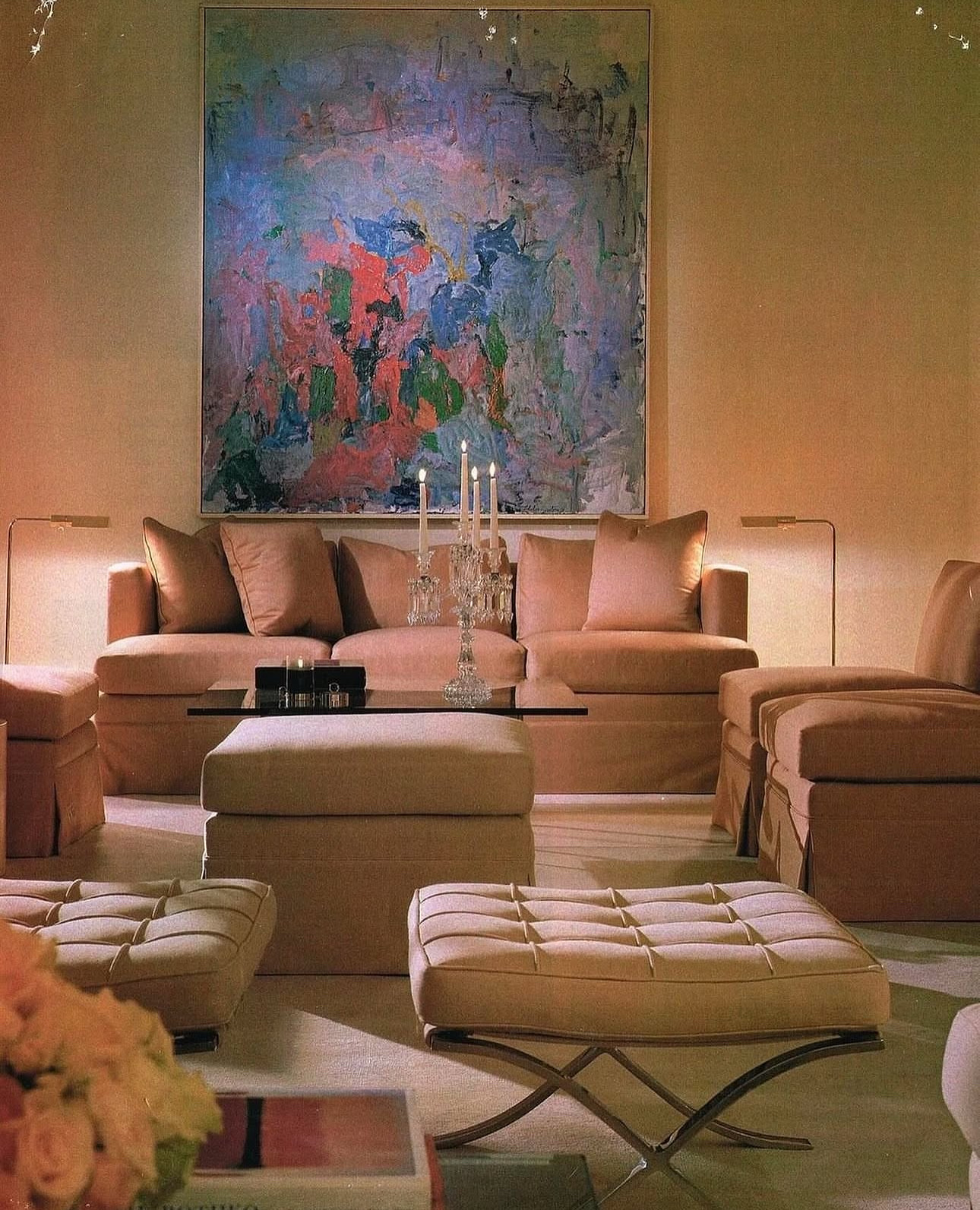
Philip Guston: The Painter Who Remade Everything
Artist Spotlight · The Collection Editorial
“I got sick and tired of all that purity. I wanted to tell stories.”
Philip Guston, interview with David Sylvester, 1960s
When MoMA, Tate Modern, and the Royal Academy joined forces to mount a landmark retrospective of Philip Guston's work, the art world paused to take stock of a painter who had, in many ways, predicted everything. The exhibition, which traveled between 2022 and 2024 after a delay that itself became part of the cultural conversation, drew record crowds and reminded a new generation just how visceral, funny, tragic, and alive Guston's canvases remain. Standing before his late paintings, viewers encountered something rare in modern art: work that refuses to let you look away, not because it shocks, but because it tells the truth. Philip Guston was born Phillip Goldstein in Montreal in 1913, the seventh child of Jewish immigrants from Odessa.
Philip Guston
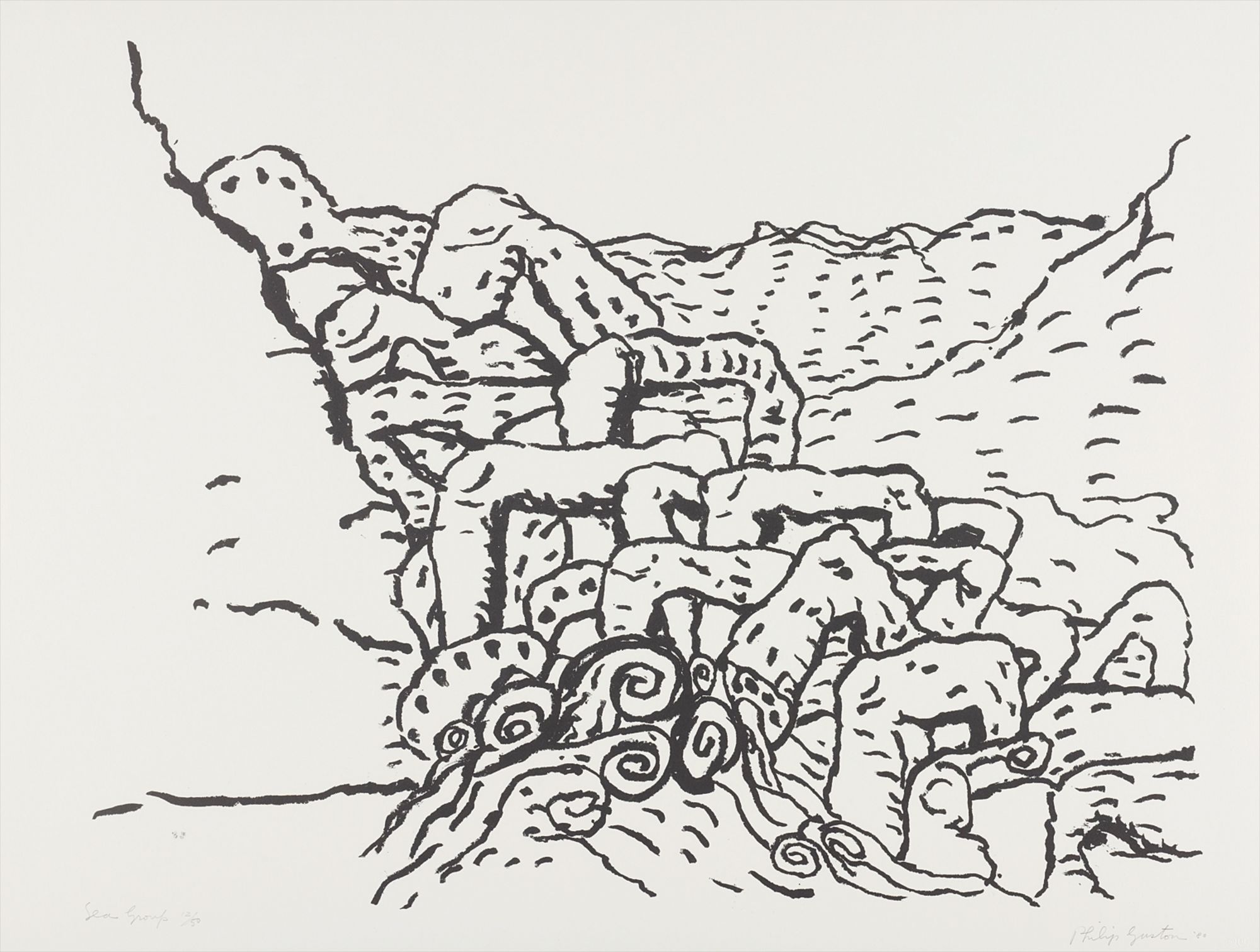
Sea Group
When he was still a child, his family relocated to Los Angeles, and it was there, in the sunshine and sprawl of a city still inventing itself, that his artistic imagination took root. His early life was marked by loss and difficulty. His father died by suicide when Guston was ten years old, an event that cast a long shadow over his inner life and one that scholars have long identified as a formative wound, the kind that turns sensitive people either inward or outward, and in Guston's case it did both. He discovered drawing and painting as a teenager, largely self taught, and won a scholarship to the Otis Art Institute in Los Angeles, though he left after only a year, impatient with formal instruction and hungry to learn on his own terms.
In the 1930s and 1940s, Guston came into his own as a muralist, working under the influence of the Mexican muralists Diego Rivera and José Clemente Orozco, whose monumental social realism he absorbed with genuine passion. He painted public murals under the WPA Federal Art Project, large scale works addressing themes of racism, injustice, and community, and these early commitments to subject matter and moral weight never entirely left him, even when his painting moved far from the figurative. He relocated to New York and found himself at the center of what was becoming the most significant art movement in American history. By the late 1940s and through the 1950s, Guston had become a leading figure among the Abstract Expressionists, exhibiting alongside de Kooning, Kline, and Rothko and earning a reputation as one of the most lyrical and searching painters in the group.
Philip Guston
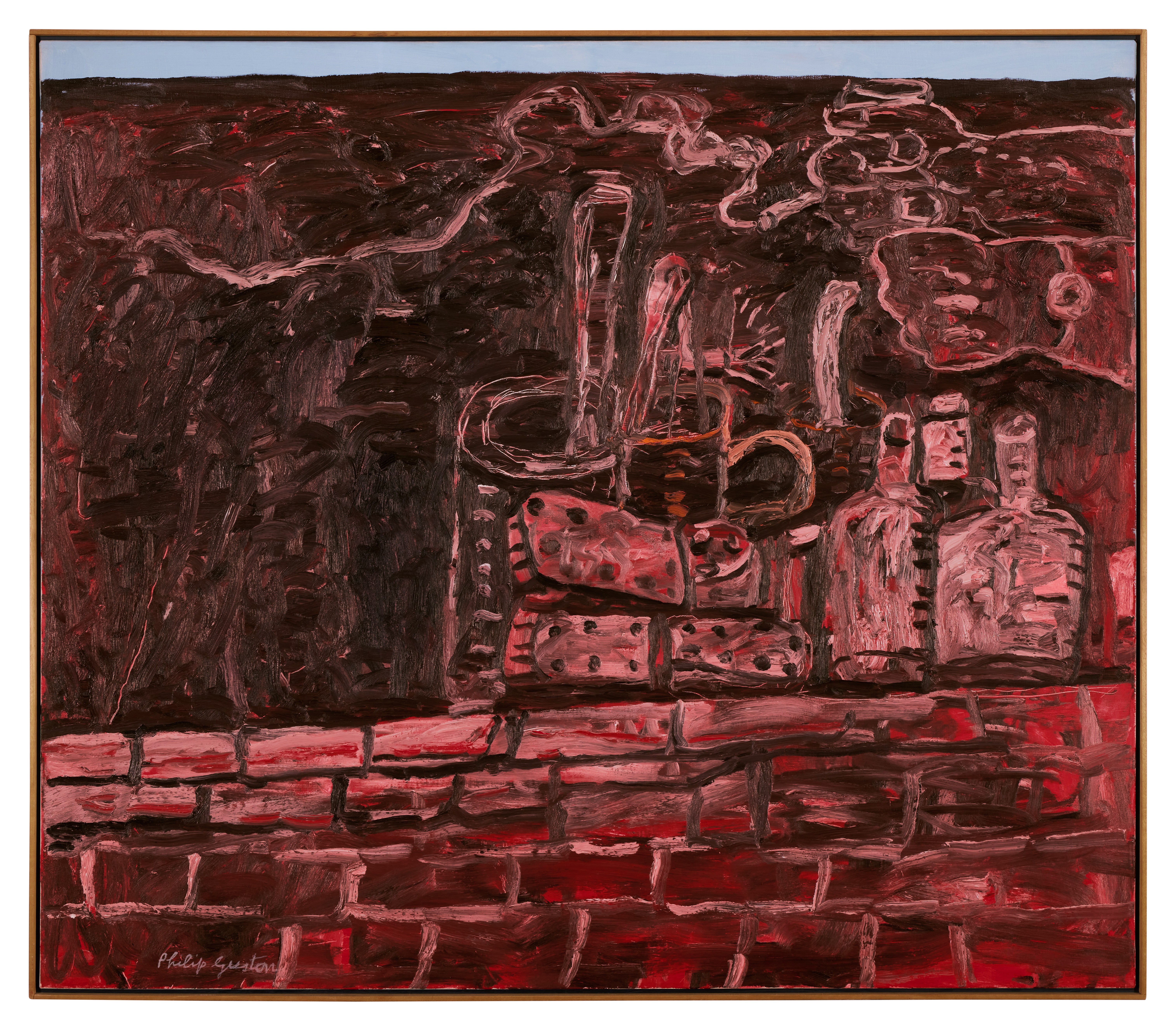
Studio Celebration, 1978
His Abstract Expressionist paintings of the 1950s are among the most beloved works in his catalog. Canvases such as Dial from 1956 and works from the same period show a painter in full command of atmosphere, using loose, luminous clusters of pink, rose, and gray to build surfaces that seem to breathe. Critics admired his ability to suggest light and interior feeling without recourse to imagery. He was awarded the Rome Prize, spent time at the American Academy in Rome, and returned to the United States with a deepened sense of history and mortality.
“There is something ridiculous and miserly in the myth we inherit from abstract art: that painting is autonomous, pure, and for itself.”
Philip Guston, lecture at the University of Minnesota, 1978
Yet by the mid 1960s, something was shifting. The world outside the studio, its assassinations, its wars, its civil unrest, was pressing against the studio door, and Guston found himself unable to keep making what he once called, with characteristic candor, the beautiful evasions of pure abstraction. In 1970, Guston opened a solo exhibition at the Marlborough Gallery in New York that stunned the art world. The canvases on view were nothing like what anyone expected.
Philip Guston
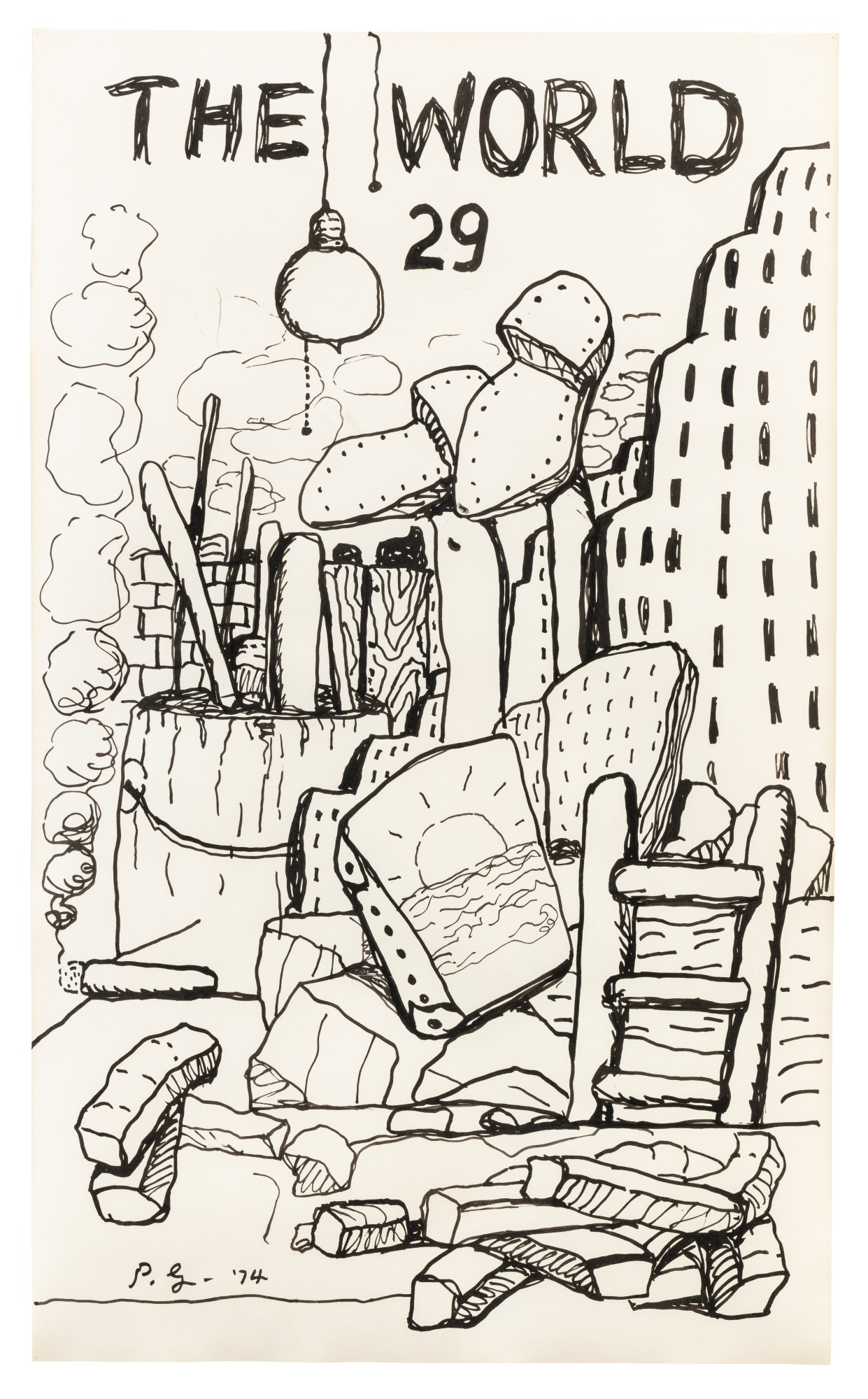
The World, 1974
In place of shimmering fields of color were cartoonish, thickly painted figures wearing Ku Klux Klan hoods, driving through American cities, smoking cigars, painting pictures. The critical response was brutal. Former admirers accused him of betrayal. Clement Greenberg, the high priest of formalist criticism, was dismissive.
“When you are in the studio, you are alone with the painting. It either lives or it doesn't.”
Philip Guston
But Guston remained resolute, and history has vindicated him absolutely. These paintings, including works such as The Studio from 1969 and the extraordinary late canvases featuring disembodied legs, shoes, clocks, and books, are now understood as among the most important American paintings of the twentieth century. His work from this period, including the ink drawings and the large oil paintings he produced through the 1970s until his death in 1980, forms a body of work of extraordinary moral and pictorial ambition. For collectors, Guston represents one of the most compelling propositions in postwar American art.
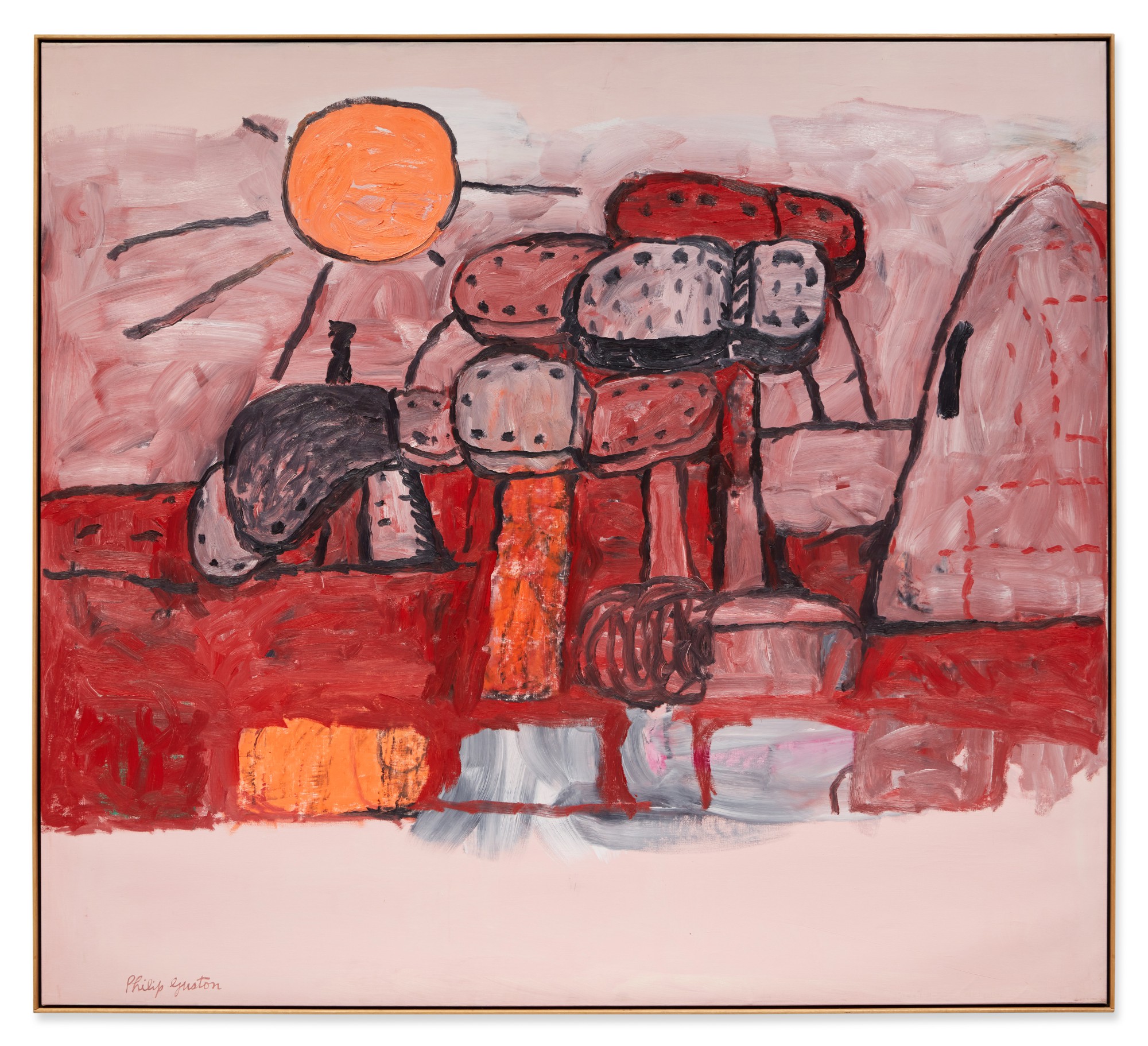
Philip Guston
Ominous Land, 1972
His prints and works on paper offer a remarkable point of entry into his visual world. The lithographs produced in collaboration with Hollanders Workshop in New York, including the celebrated suite works and individual prints on Arches 88 and Rives BFK papers, demonstrate the full range of his draftsmanship and his ability to compress enormous emotional weight into a single image. Works such as Sea Group and Elements reveal how completely Guston translated his painterly intelligence into the print medium, with all the urgency and wit that characterize his canvases. The ink drawings, swift and declarative, show an artist who thought in line as naturally as he thought in paint.
When these works appear at auction, at Christie's, Sotheby's, and Phillips, they attract serious competition from both institutional and private buyers, and the market has shown consistent strength across categories. Guston's place within the broader narrative of postwar art is both singular and deeply interconnected. He bridges the heroic generation of the New York School and the figurative painters who came after him, artists like Eric Fischl, Susan Rothenberg, and later Neo Expressionists such as Georg Baselitz and Markus Lüpertz, who recognized in Guston a precedent for reclaiming the human figure as a legitimate and urgent subject. The painters who emerged in the 1980s and again in the 2000s, when a new figurative movement took hold, consistently name Guston as a touchstone.
His influence runs through the work of artists as different as Peter Doig and Nicole Eisenman, which is itself a testament to the breadth and generosity of what he achieved. What endures about Philip Guston is not simply his courage, though that was real and considerable, but the quality of his thinking. He was an artist who read widely, who engaged deeply with philosophy and poetry, who corresponded with writers including Philip Roth, and who understood painting as a form of ethical inquiry rather than merely aesthetic production. His studio in Woodstock, New York, where he spent his final and most productive years, became a place of genuine intellectual adventure.
The paintings he made there, now housed in major collections including the Museum of Modern Art, the Tate, and the San Francisco Museum of Modern Art, feel as pressing and necessary today as they did when the paint was still wet. To collect Guston is to collect a mind at full stretch, a sensibility committed to honesty above comfort, and a vision that continues to shape how painters think about what they are for.
Explore books about Philip Guston
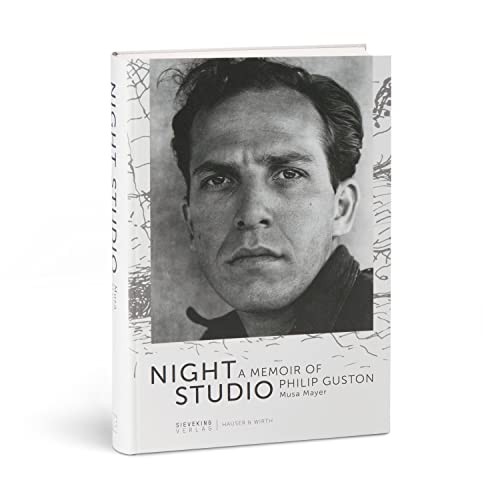
Philip Guston: A Life
Musa Mayer
Philip Guston: Collected Writings, Lectures, and Conversations
Clark Coolidge (editor)
Philip Guston: Retrospective
Michael Auping (editor)
Philip Guston: The Studio
Robert Storr (editor)
Night Studio: A Memoir of Philip Guston
Musa Mayer
Philip Guston: The Paintings
Bill Berkson and Nicolas Calas
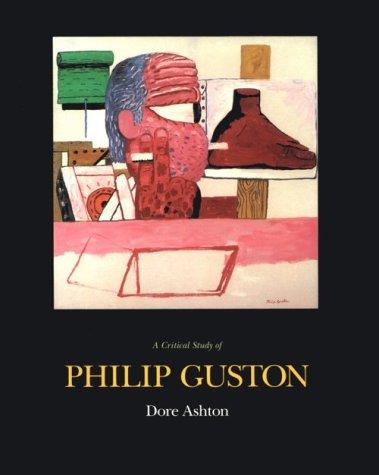
Philip Guston: Paintings 1969-1980
San Francisco Museum of Modern Art
Philip Guston: Ink and Oil on Paper
Gagosian Gallery