Maximilien Luce
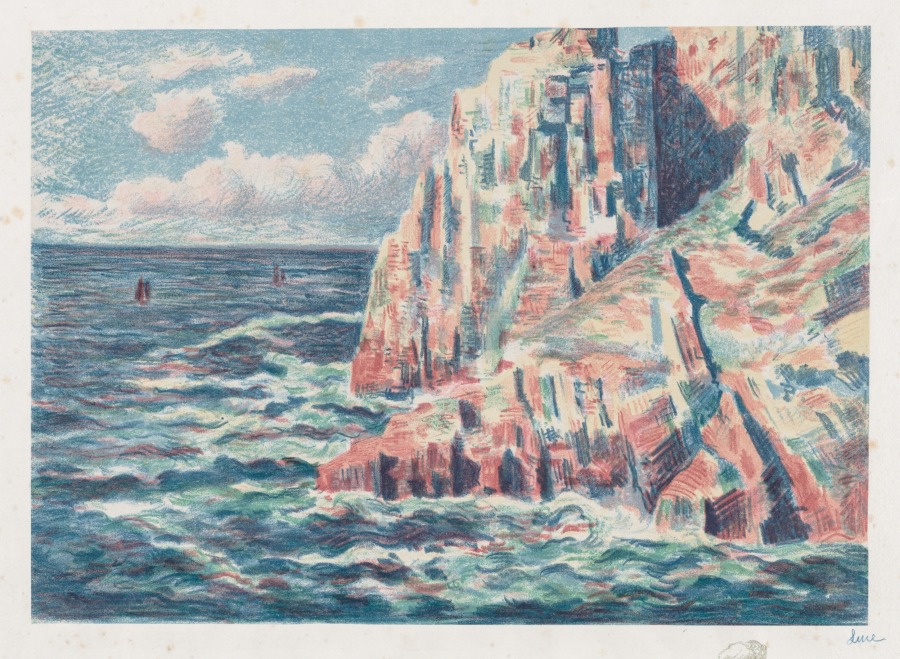
Light, Labor, and Luminous Beauty
Artist Spotlight · The Collection Editorial
There is a particular kind of painter whose work rewards patience, whose canvases open slowly like a conversation deepening over time. Maximilien Luce is such a painter. Though his name may not ring out as immediately as those of his celebrated contemporaries Georges Seurat or Paul Signac, museum curators and serious collectors have long known that Luce represents something singular within the Neo Impressionist canon: a voice at once technically brilliant and morally committed, a man who painted sunlight on water with the same conviction he brought to depicting the dignity of workers and the turbulence of social change. The past decade has seen sustained scholarly and market interest in his work, as institutions and collectors alike recognize that his contribution to Post Impressionism was deeper and more emotionally complex than has sometimes been acknowledged.
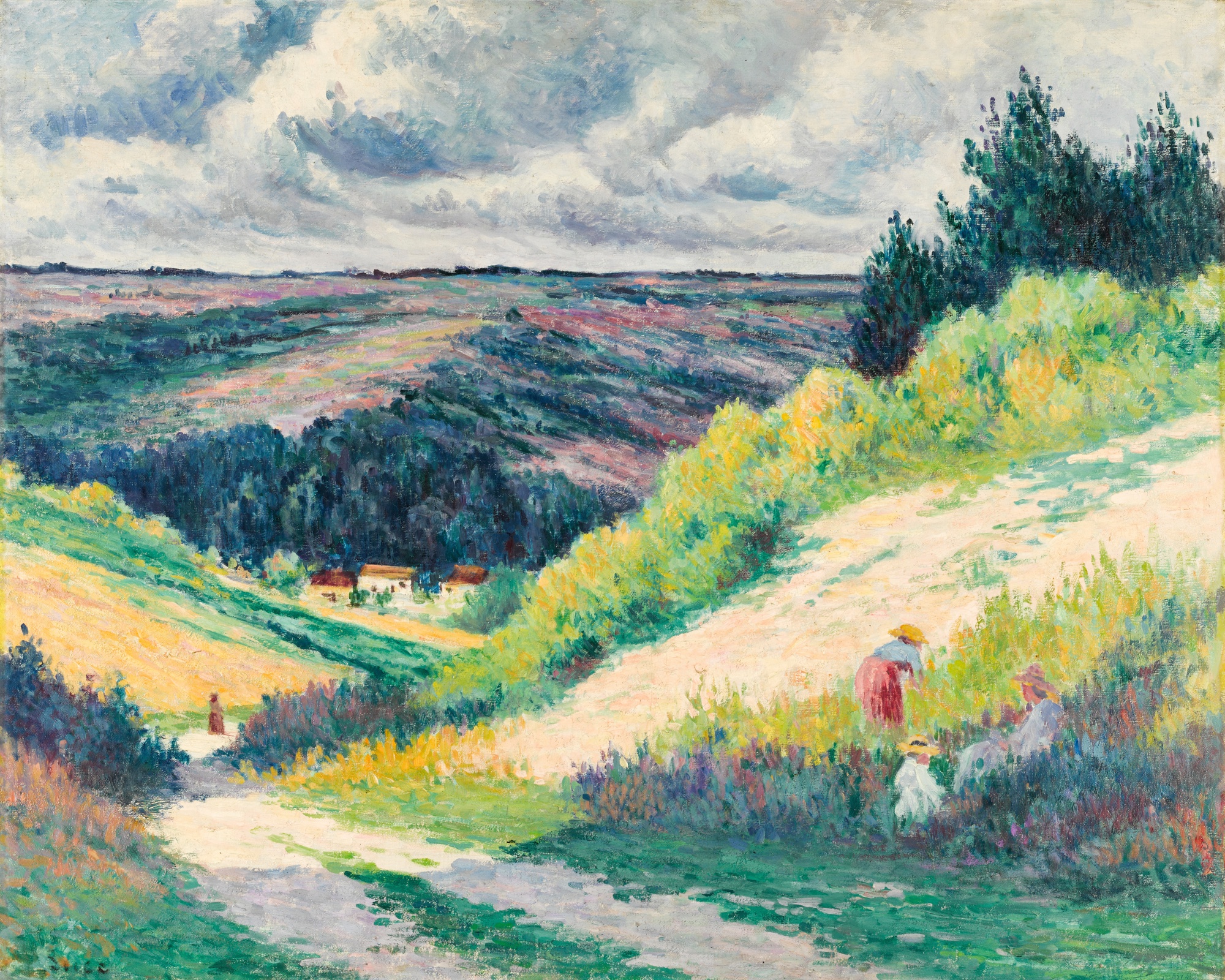
Maximilien Luce
Paysage vallonné près de moulineux, 1903
Luce was born in Paris in 1858, into a working class household that gave him an intimate and unsentimental understanding of urban labor. His father was a clock maker and his family lived in the Montrouge district, on the southern edge of Paris, a neighborhood defined not by salons or galleries but by workshops and tenements. He trained as an engraver, studying under the printmaker Eugène Froment and later at the École des Beaux Arts, and this grounding in graphic technique would remain visible throughout his career in the precision of his mark making and his lifelong commitment to printmaking alongside painting. The engraver's discipline gave Luce an unusual relationship with surface and structure, qualities that would later make his adoption of Divisionism feel instinctive rather than programmatic.
The pivotal turn in Luce's practice came in the mid 1880s when he entered the orbit of the Neo Impressionist circle forming around Georges Seurat. His friendship with Camille Pissarro, then in his own Pointillist phase, proved especially formative: Pissarro's combination of radical technique with radical politics resonated deeply with Luce's own convictions. Through Pissarro he met Paul Signac, and by the late 1880s Luce was exhibiting with the Société des Artistes Indépendants alongside the leading figures of the movement. He embraced the Divisionist method, building his canvases from thousands of individual touches of pure color that coalesce into shimmering light at viewing distance, but he consistently directed that luminosity toward subject matter that his colleagues did not always pursue with the same directness: factories, foundries, the Seine at industrial quays, miners at rest, women sewing by lamplight.
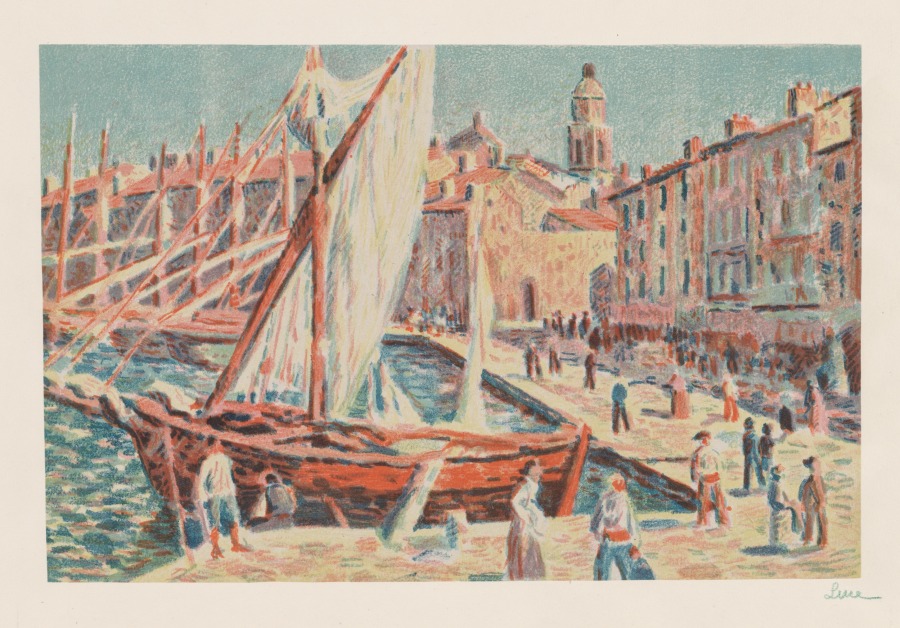
Maximilien Luce
Saint-Tropez, 1897
Among his most discussed paintings, "A Street in Paris in May 1871" stands as a landmark: a meditation on the aftermath of the Paris Commune, depicting a rubble strewn boulevard whose cold, precise light feels almost unbearable in its detachment. The work is remarkable because it turns the Neo Impressionist vocabulary, so often associated with leisure, beaches, and bourgeois calm, toward historical trauma and political memory. Yet Luce was equally a painter of pure landscape beauty, and it is in this mode that many of the works available to collectors today reveal the full range of his gifts. His paintings of Rolleboise, the small town on the Seine west of Paris where he spent much of his later life, are among the most tender and accomplished of his output.
Works such as "Rolleboise, baigneurs près du bras de Seine" from 1930 and "Environs de Rolleboise, le repos sous les arbres" from 1932 show a painter who had internalized Divisionism so completely that the technique had become a kind of breath, natural and unconstricted, flooding his riverside scenes with a warm, particulate light that feels alive on the canvas surface. The pastoral works from around the turn of the century, including "La meule de foin" from 1897 and "Paysage aux bergères et vachers" from 1900, demonstrate the breadth of Luce's geographic and emotional range. These are paintings that hold their own against the great rural canvases of Pissarro, sharing that elder artist's gift for making agricultural life feel both monumental and tender. The 1897 color lithograph "Saint Tropez," produced during visits to the south that connected Luce to the sun soaked coastal work of Signac, shows the printmaker's hand fully integrated with the painter's eye, producing a work of graphic elegance and chromatic vitality.
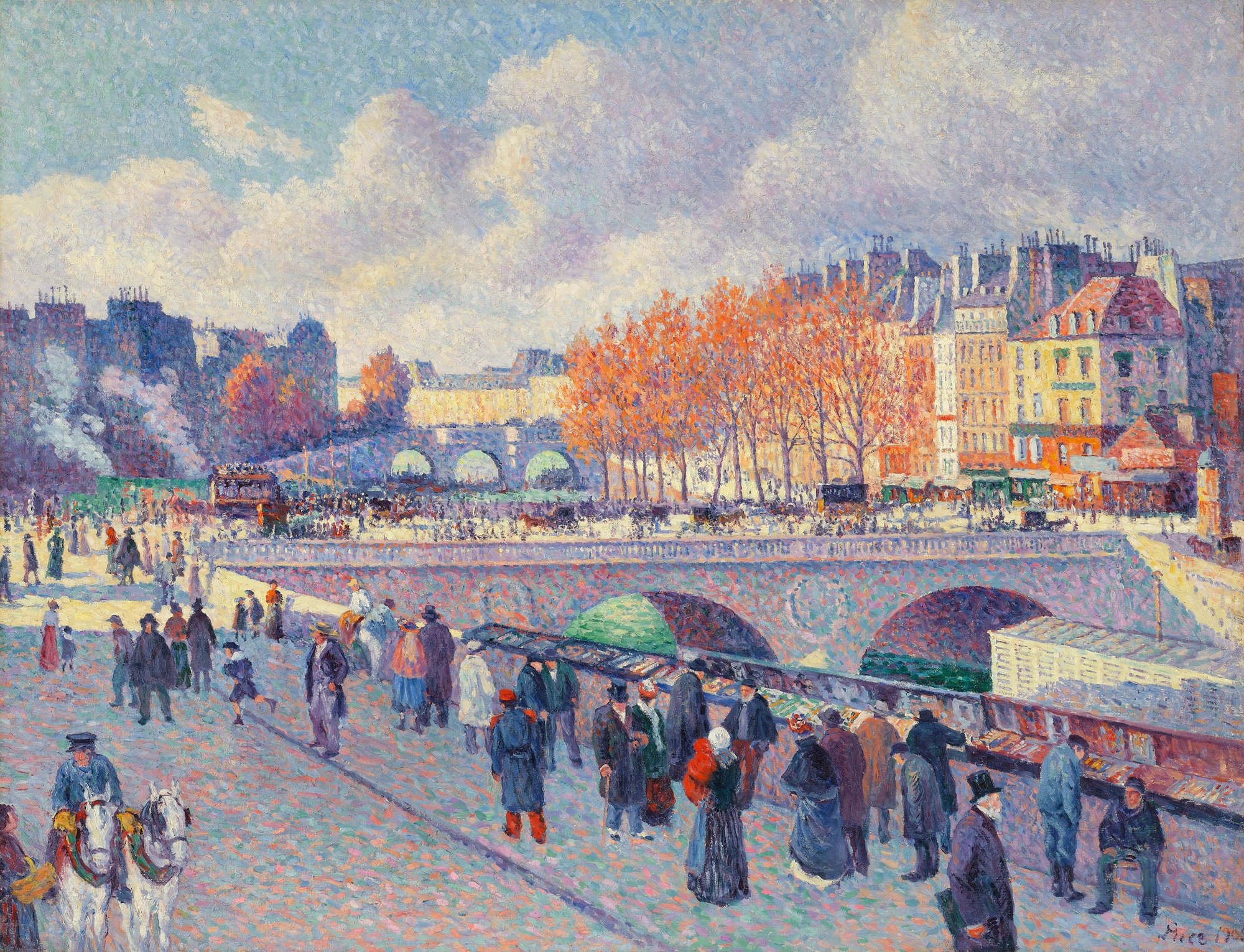
Maximilien Luce
La Seine au Pont Saint-Michel, 1900
"Femme cousant" from 1893 is in many ways a quiet masterpiece: an interior scene of a woman sewing that transforms the most ordinary domestic moment into something luminous, private, and profound, recalling the great intimist traditions of Vuillard while remaining entirely its own. For collectors, Luce occupies a genuinely compelling position in the market. He is categorically a Blue Chip artist within the 19th and early 20th century French school, with works held in major public collections including the Musée d'Orsay in Paris, and his paintings appear regularly at the major auction houses. Landscapes and river scenes from his mature period, particularly those depicting Rolleboise and the surrounding Seine valley, command strong prices and have shown consistent appreciation.
His industrial subjects, while rarer on the market, attract specialist collectors interested in the intersection of art history and social history. When acquiring works by Luce, condition and provenance are paramount: his Divisionist canvases reward close inspection of the paint surface, and the characteristic mosaic of color touches should be vivid and unrestored where possible. Works on canvas are preferable to those on board for long term preservation, and dated works from identifiable series carry a particular premium. To understand Luce fully is to understand him in relation to his closest artistic neighbors.
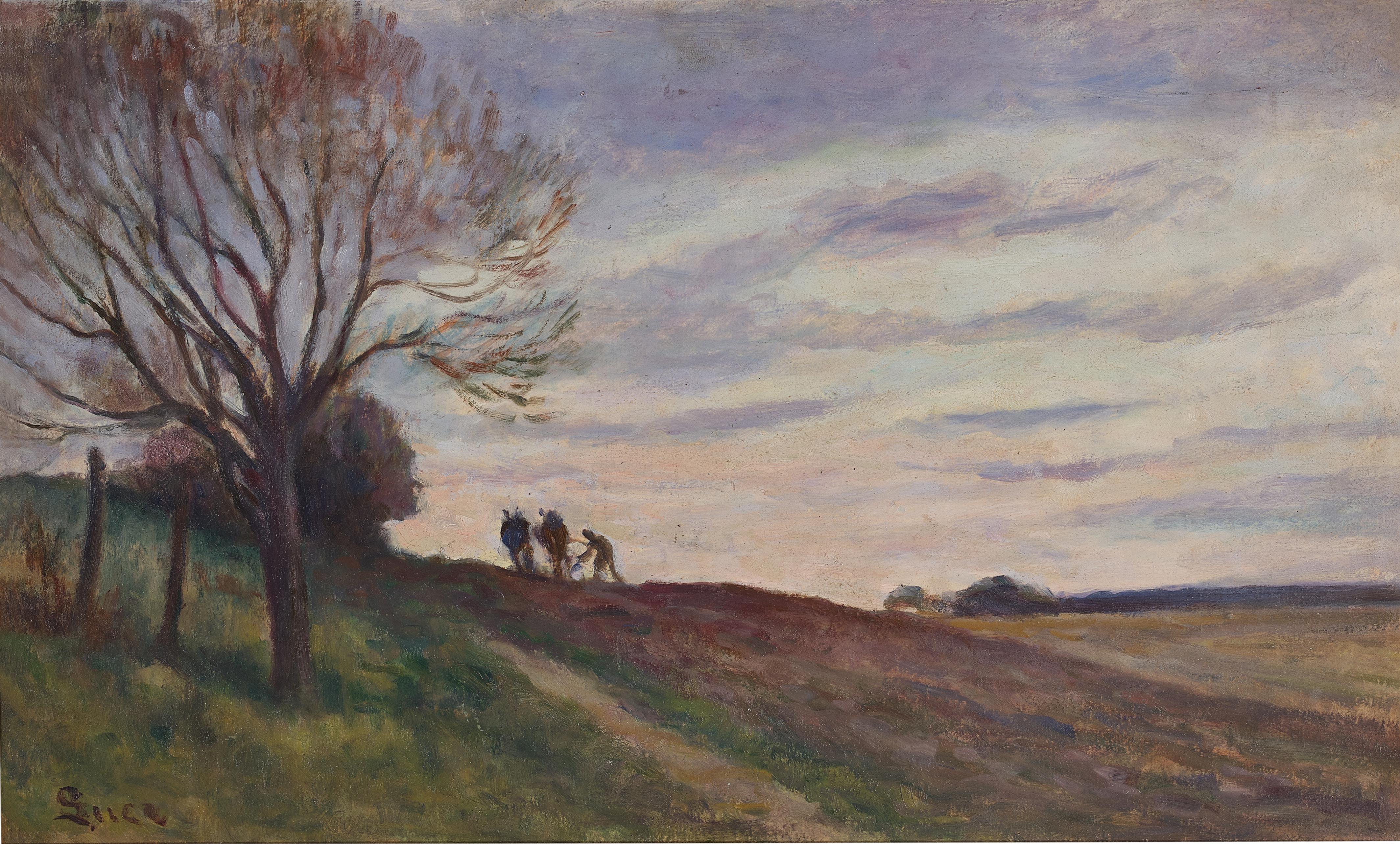
Maximilien Luce
Rolleboise, les coteaux, 1930
The influence of Seurat's structural rigor is evident in his compositional organization, while Pissarro's humanist warmth infuses his treatment of figures and labor. Signac, with whom Luce maintained a close friendship across decades, provided a model for the most purely joyful and coloristically ambitious uses of the Divisionist touch. Later artists who combined social conscience with Post Impressionist technique, including Théo van Rysselberghe and Henri Edmond Cross, form a natural constellation around his practice. Collectors drawn to any of these figures consistently find their way to Luce, recognizing in his work a synthesis of political seriousness and painterly pleasure that none of his peers quite matched.
Maximilien Luce died in 1941, leaving behind a body of work that is still in the process of receiving its full due. His insistence on bringing Neo Impressionism into contact with the realities of working life gave the movement a dimension of human weight that transforms what might otherwise be a purely formal achievement into something deeply felt. The river light at Rolleboise, the shimmer above a haystack in late afternoon, the quiet concentration of a woman at her sewing: these are images made by a man who believed that the poorest subject deserved the most luminous treatment. That belief, expressed across hundreds of paintings, prints, and drawings, is precisely what makes Luce not merely a significant figure in art history but a painter whose work continues to move, instruct, and delight anyone fortunate enough to spend time with it.
Featured Works
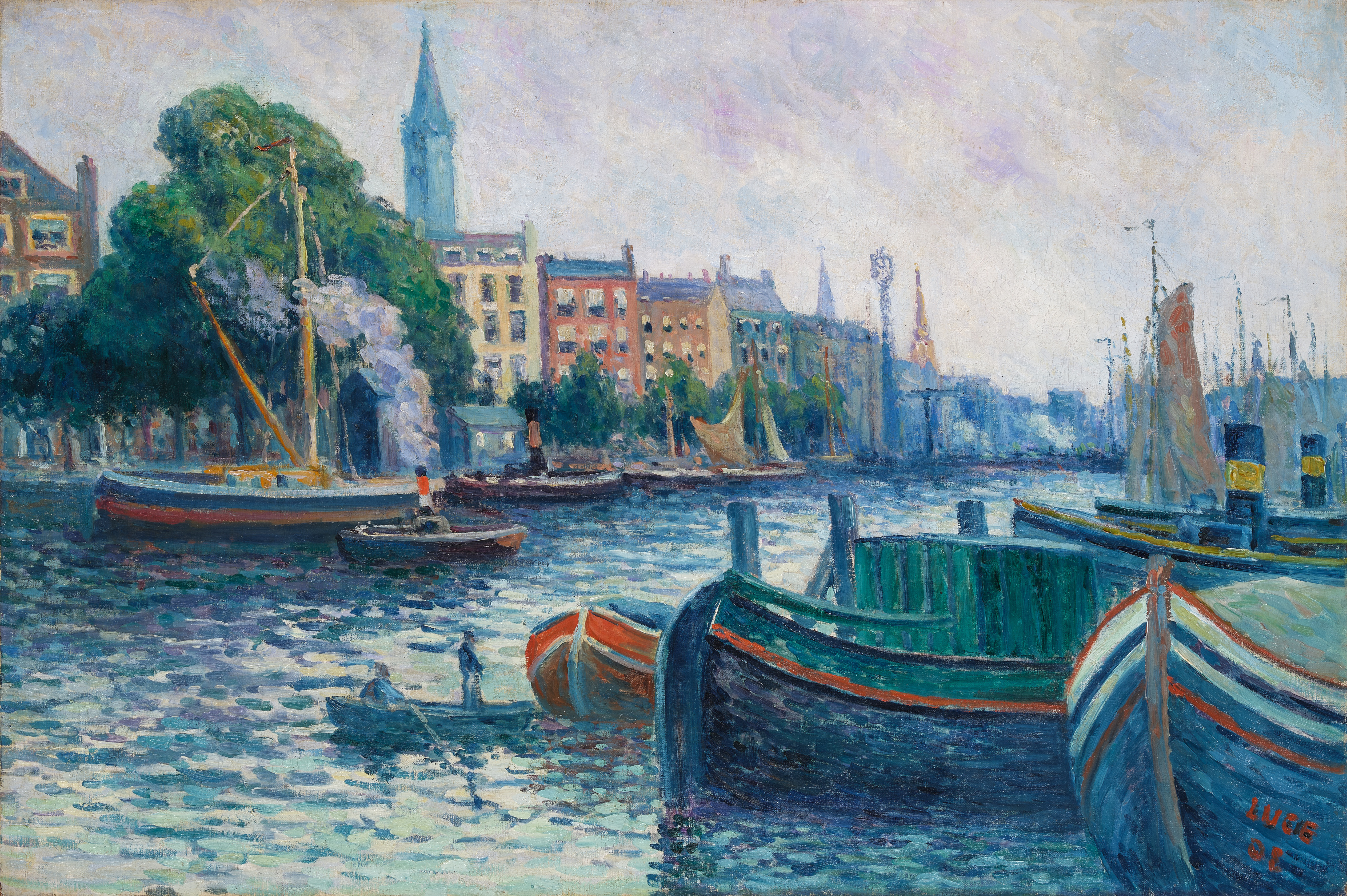
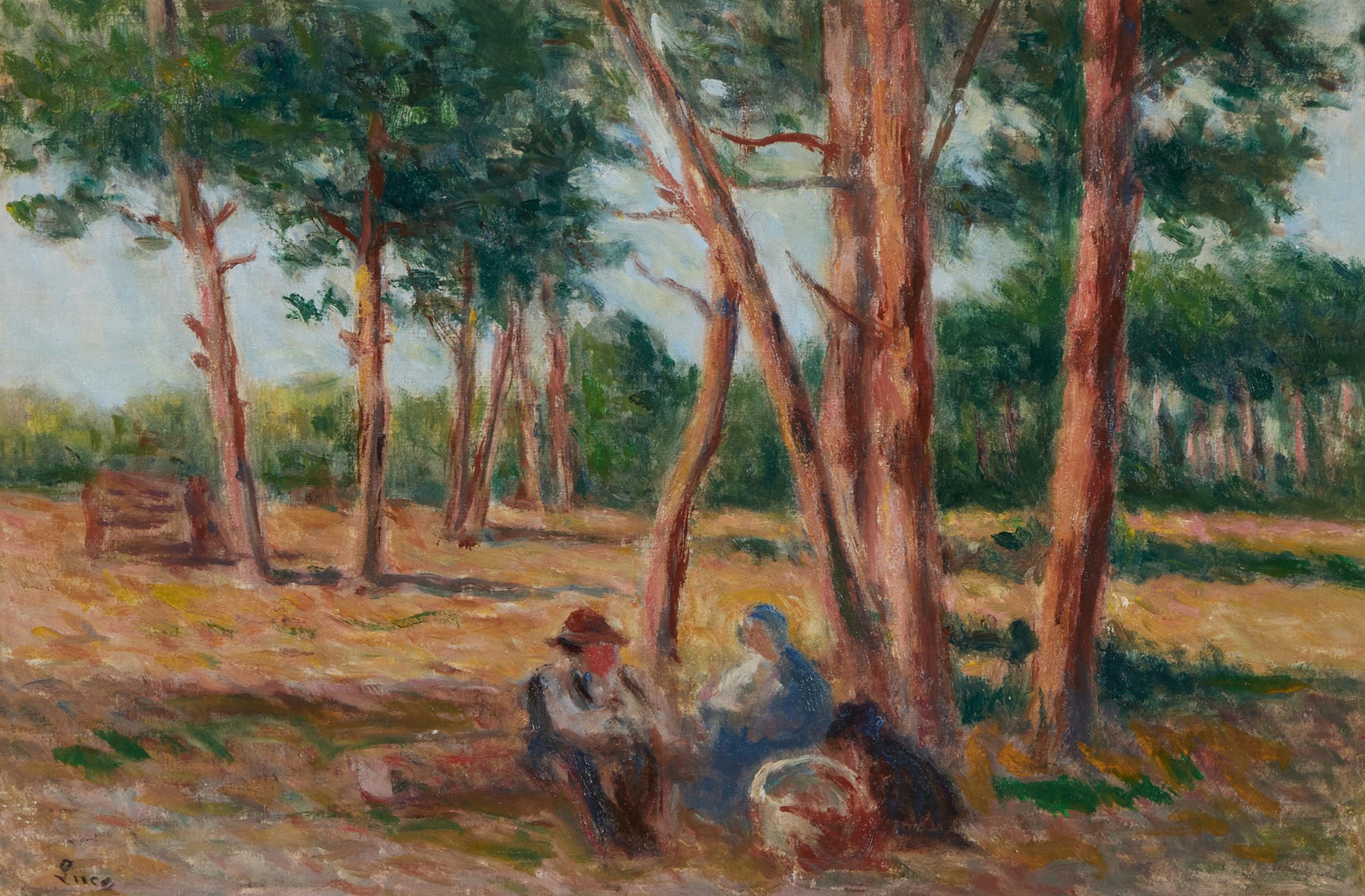
Explore books about Maximilien Luce
Maximilien Luce: Catalogue Raisonné de l'Œuvre Peint
Françoise Cachin
Maximilien Luce
Gustave Coquiot
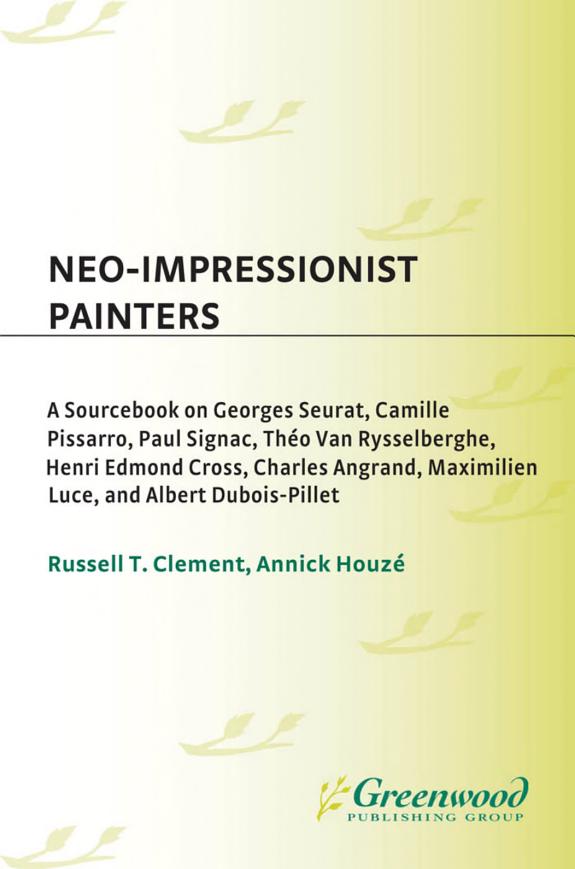
Maximilien Luce: A Neo-Impressionist Master
Denys Sutton
Maximilien Luce: Works on Paper
Marina Ferretti Bocquillon
Maximilien Luce: 1858-1941
Monique Nonne