Vibrant Colors
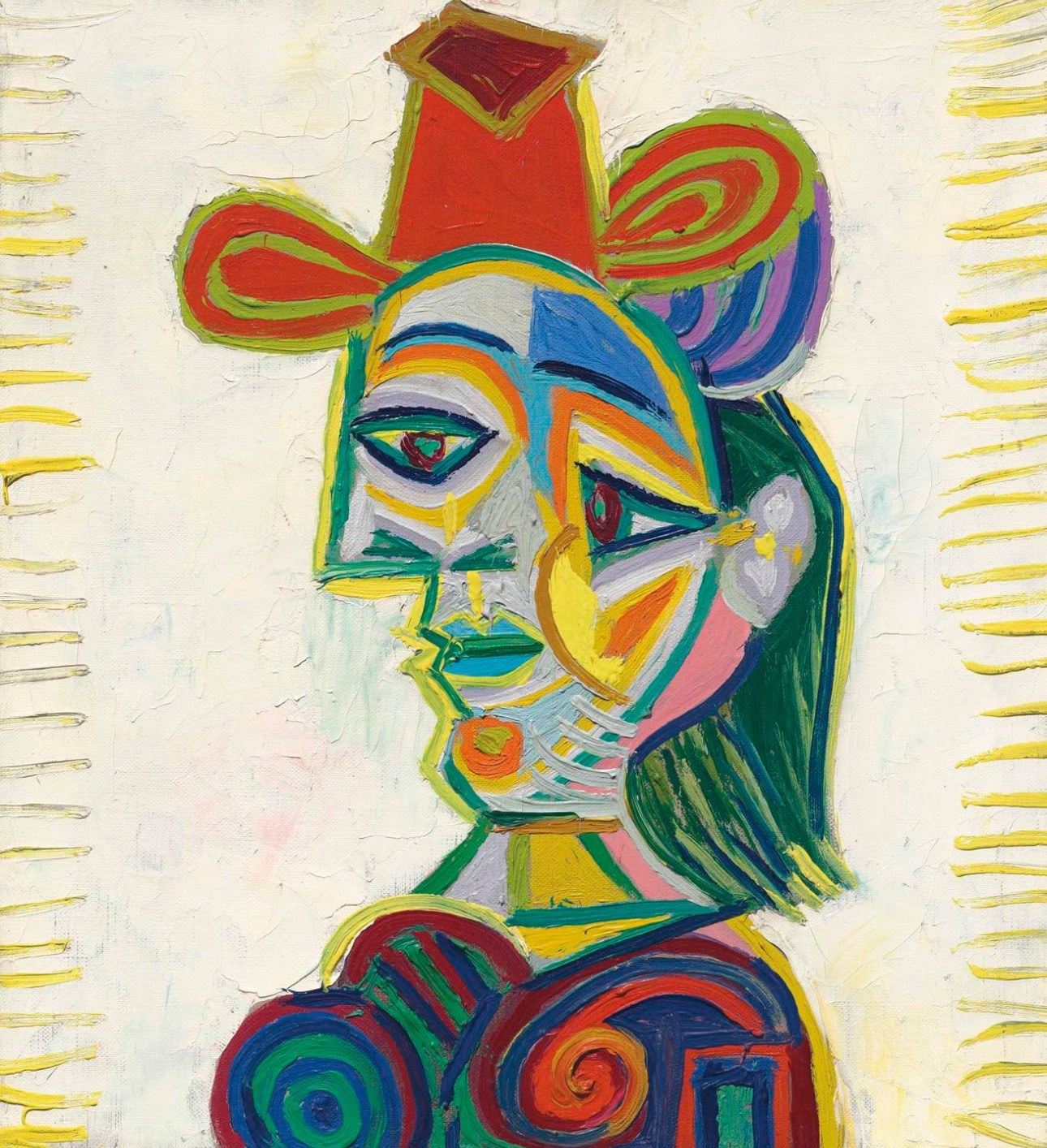
Pablo Picasso
Buste De Femme (Dora Maar), 1938
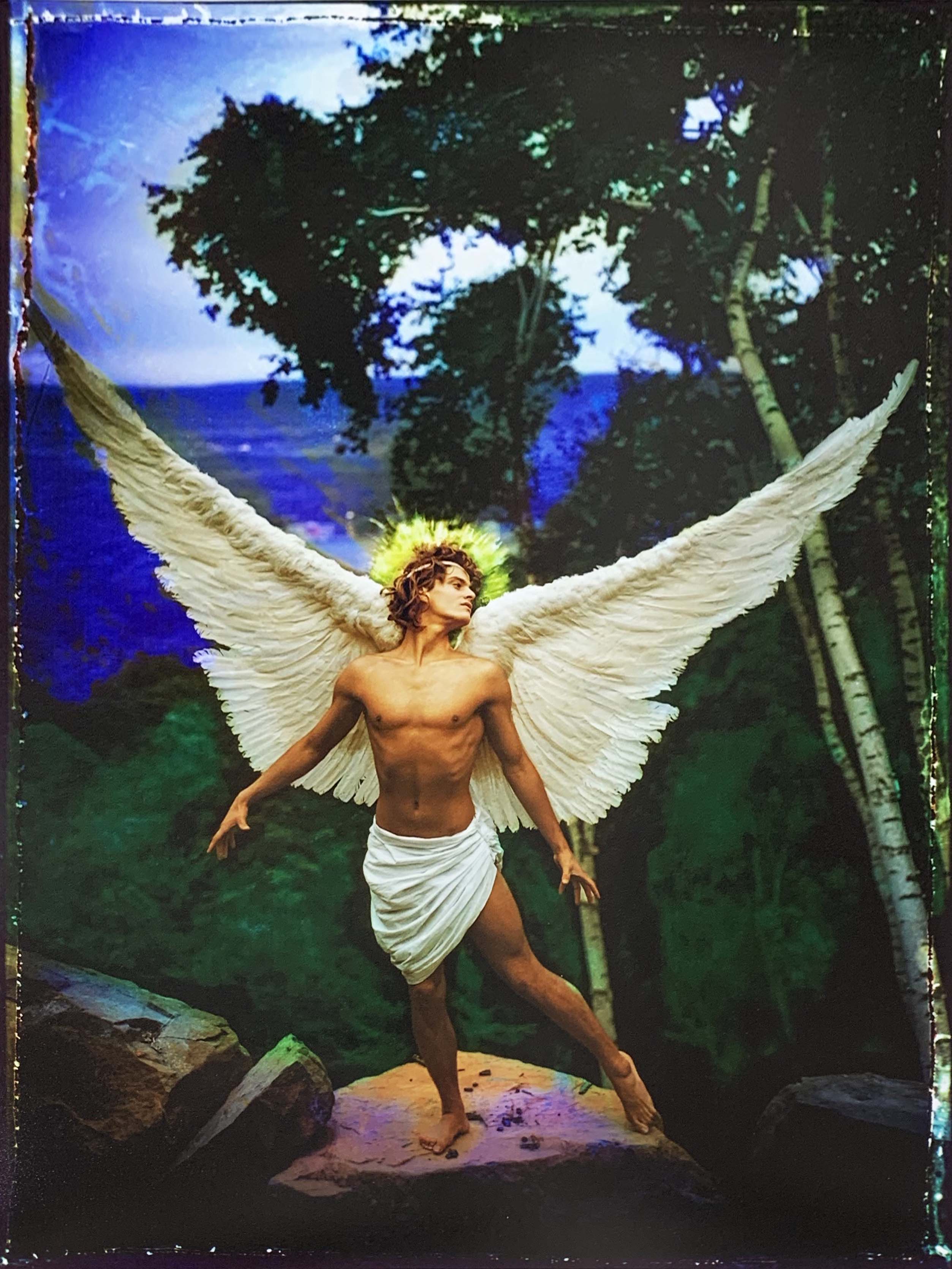

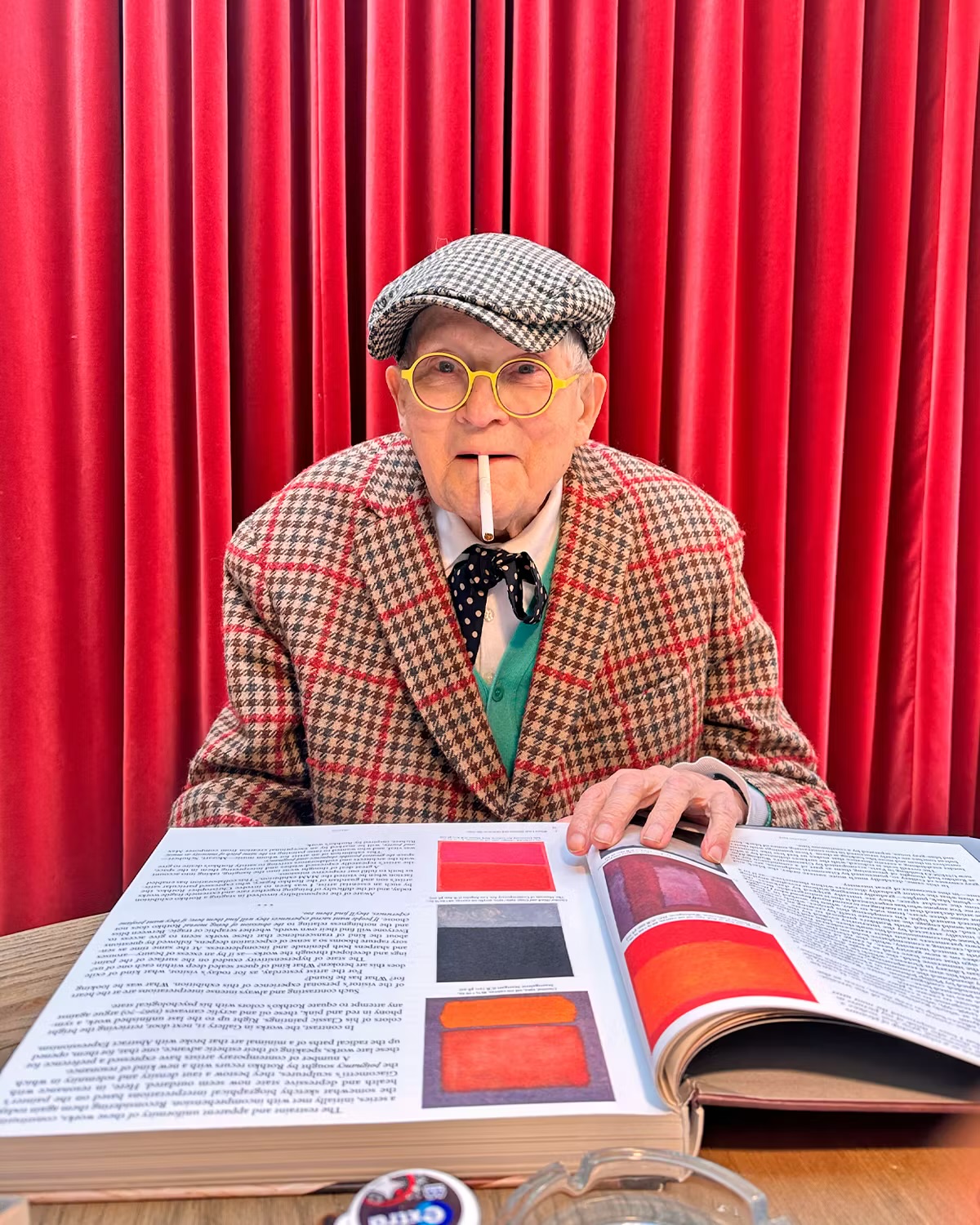
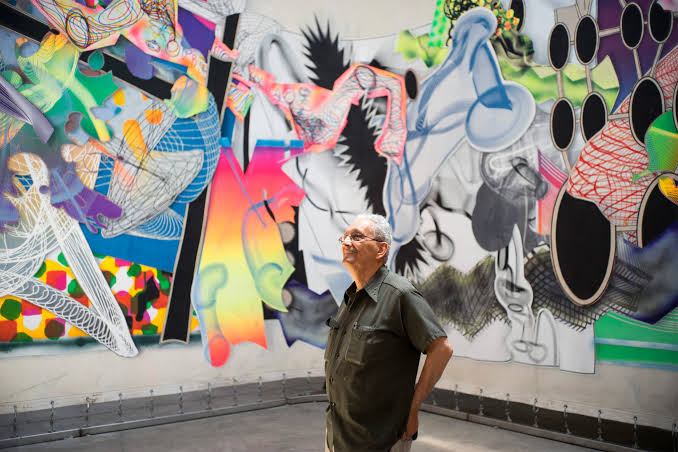

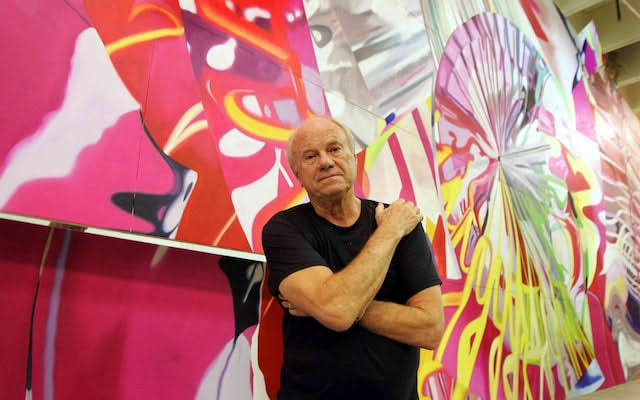

Color Is Having Its Loudest Moment Yet
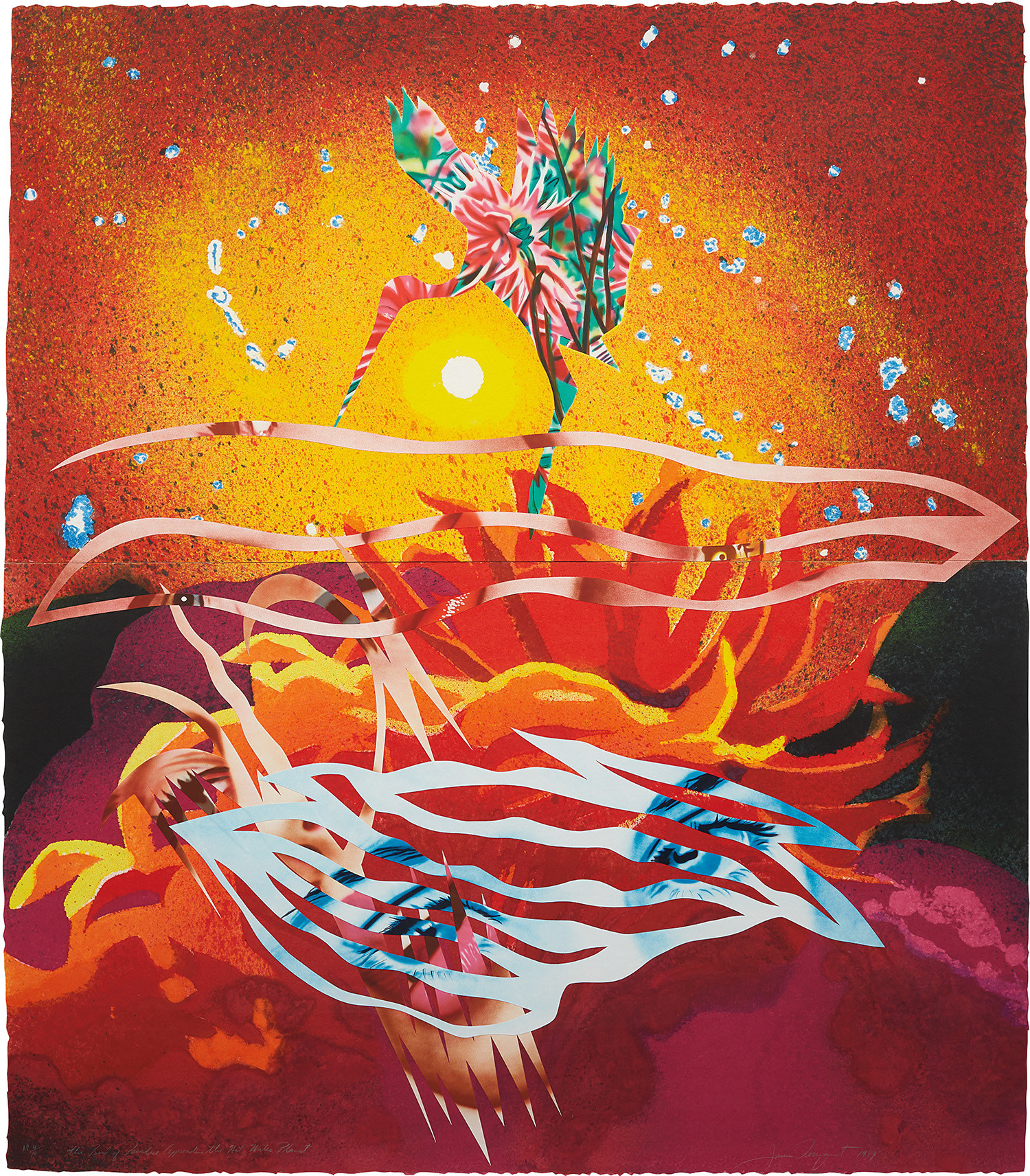
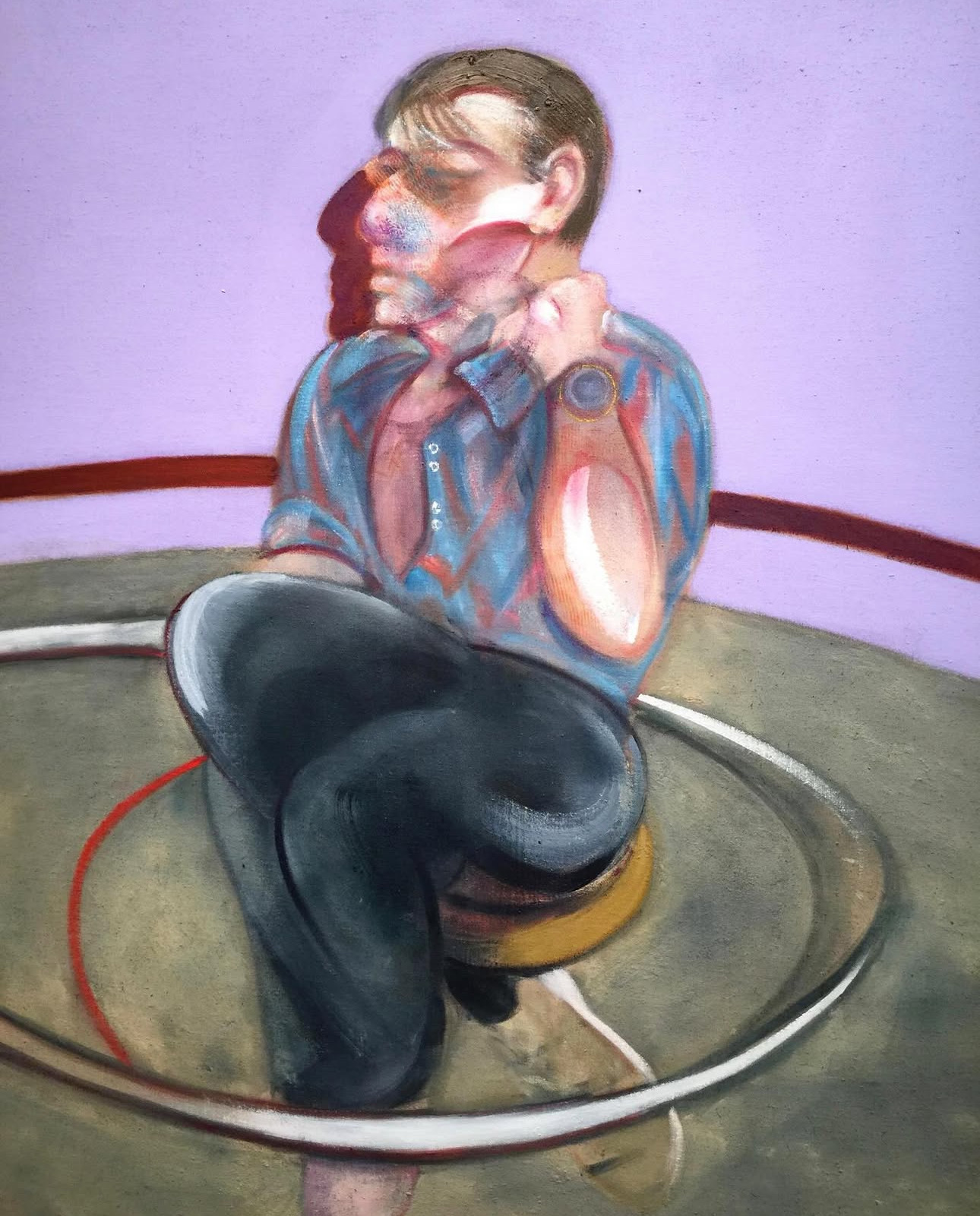
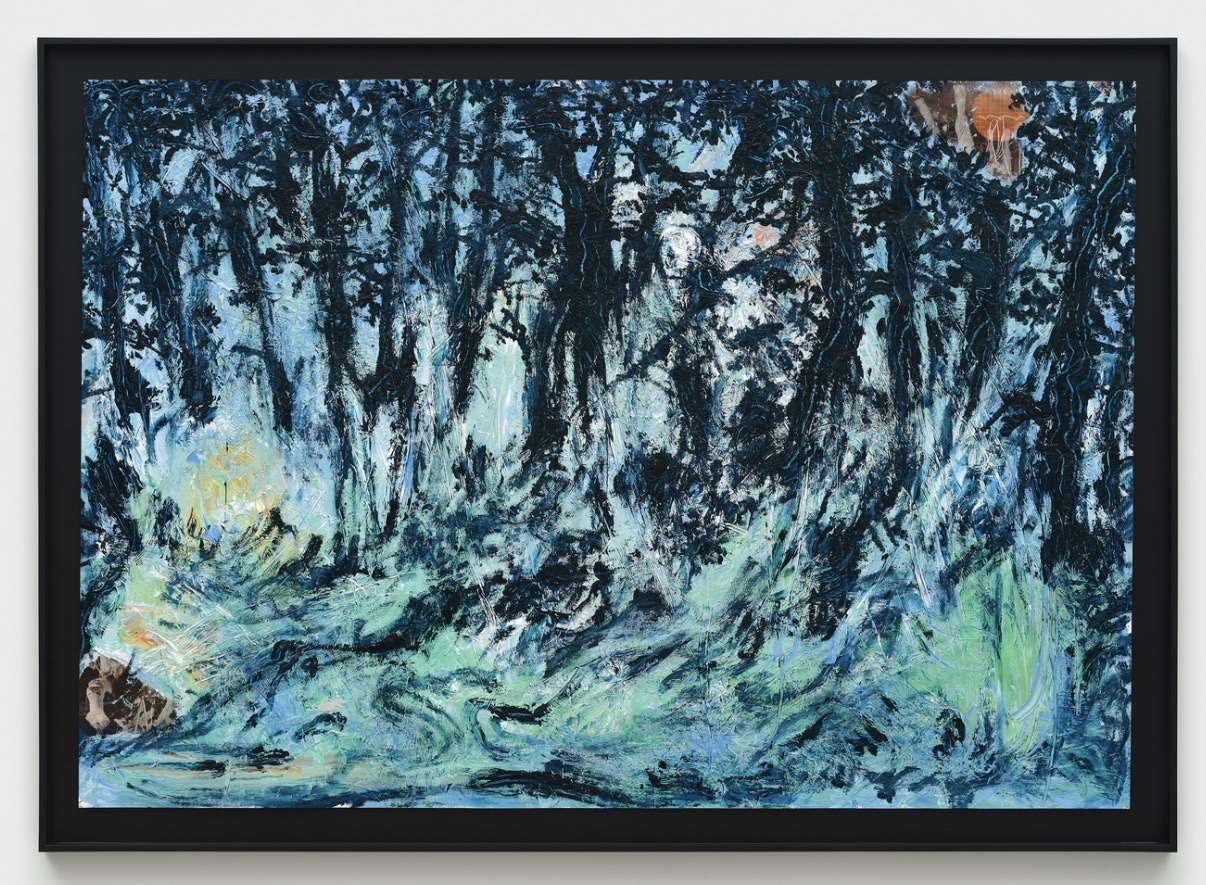
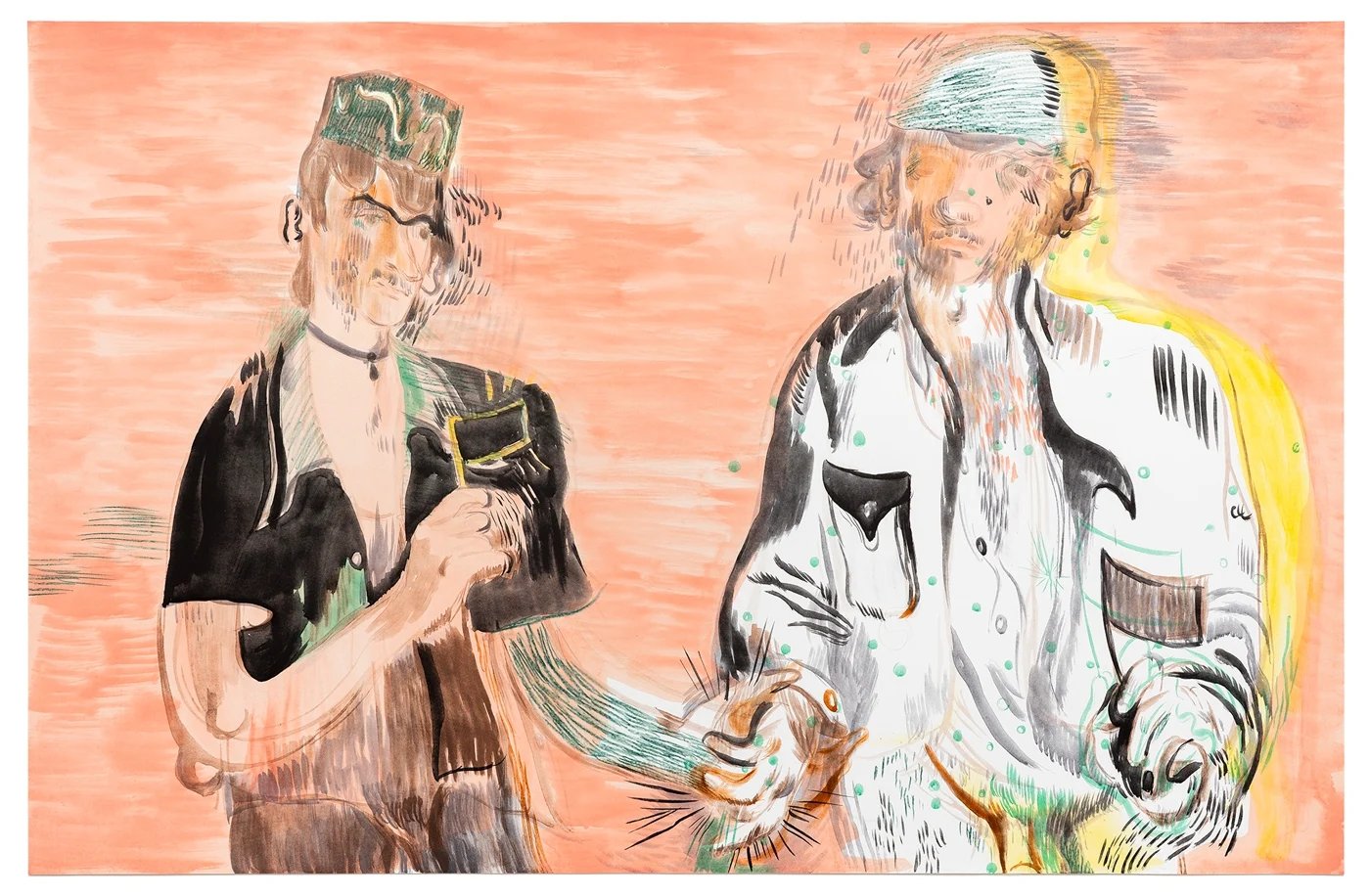
When Sotheby's New York brought a major Sam Francis canvas to auction in 2023 and watched bidders push it well past its high estimate, it was not exactly a surprise. What was striking was the energy in the room, the sense that something had shifted, that color itself had become the argument collectors were making. After years in which cool conceptualism and monochromatic restraint dominated the critical conversation, vibrant, saturated, unapologetically expressive color is back at the center of the market, the museum, and the gallery. This is not nostalgia.
It is a genuine reappraisal. The case for color as a serious critical category has been building quietly for some time, but recent exhibition programming has made it impossible to ignore. The Tate Modern's survey of Helen Frankenthaler, which travelled to significant institutional venues and introduced her soak stain canvases to a generation raised on digital saturation, was a turning point. Frankenthaler's work, with its radical openness and its insistence that color could carry emotional and spatial meaning without the scaffolding of drawing or form, suddenly read as prophetic rather than decorative.
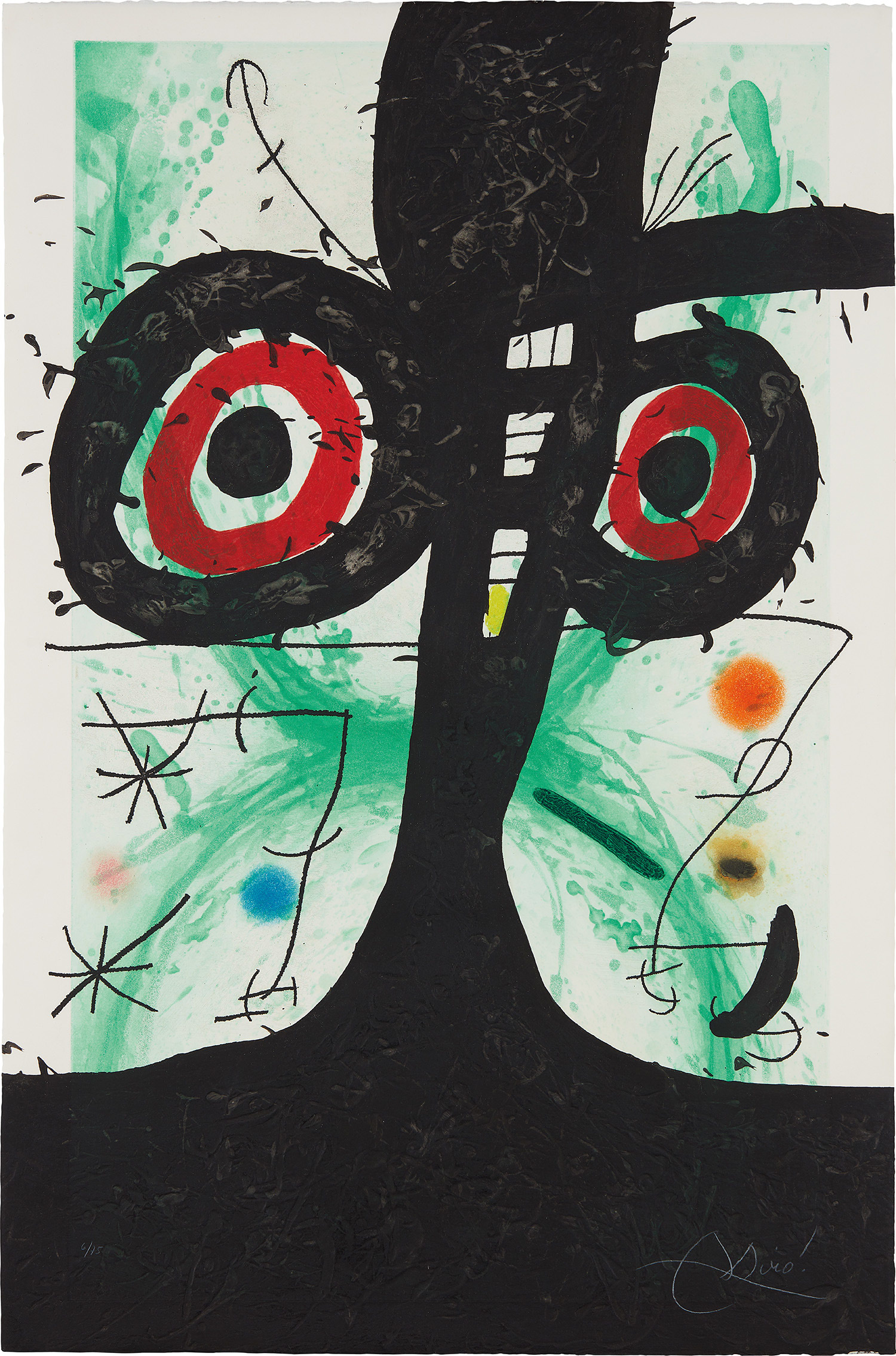
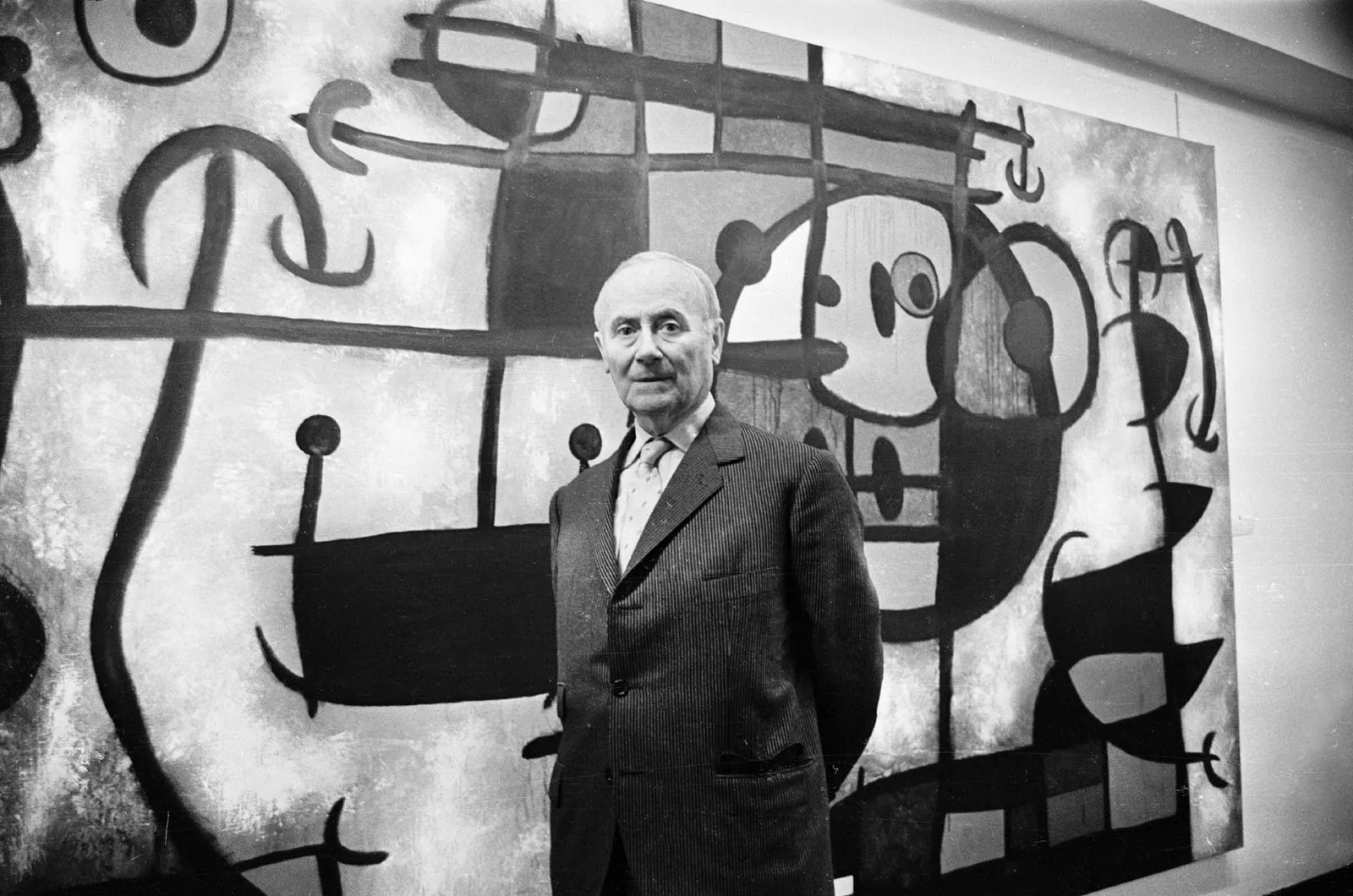
Joan Miró
Le Vieil Irlandais (The Old Irishman)
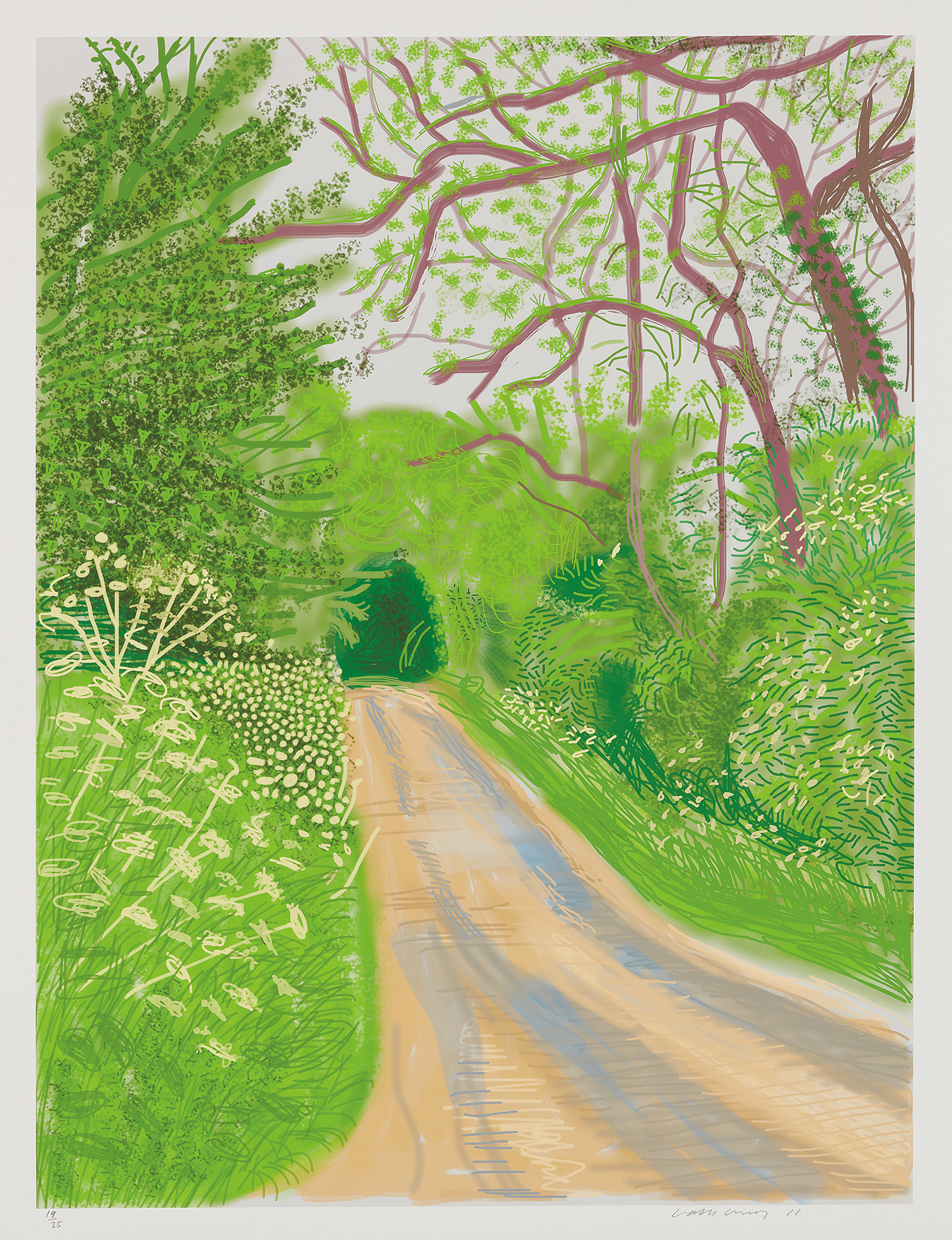
Curators who once filed her under second generation Abstract Expressionism were reconsidering her as a pioneer of something far more expansive. The market has responded accordingly. Works by Joan Miró, whose biomorphic vocabularies in cadmium yellow and cobalt blue feel as urgent now as they did when Surrealism was a living movement, consistently perform above estimate at the major houses. David Hockney's swimming pool paintings remain among the most competed for works in any sale that includes them, with collectors drawn as much to the optical intelligence of that particular turquoise as to any art historical narrative.
Frank Stella's early maximalist work from his Protractor series has found renewed appetite among institutions and private collectors who understand that his investigation of color interaction was as rigorous as anything happening in the minimalist camp he is often positioned against. What the auction record reveals, beyond individual price points, is a shift in what collectors believe color actually does. For much of the late twentieth century, the critical establishment treated high keyed, joyful color with a certain suspicion, as though pleasure and rigor could not coexist on a canvas. The rehabilitation of artists like Keith Haring, whose work once risked being dismissed as graphic rather than painterly, tells a different story now.
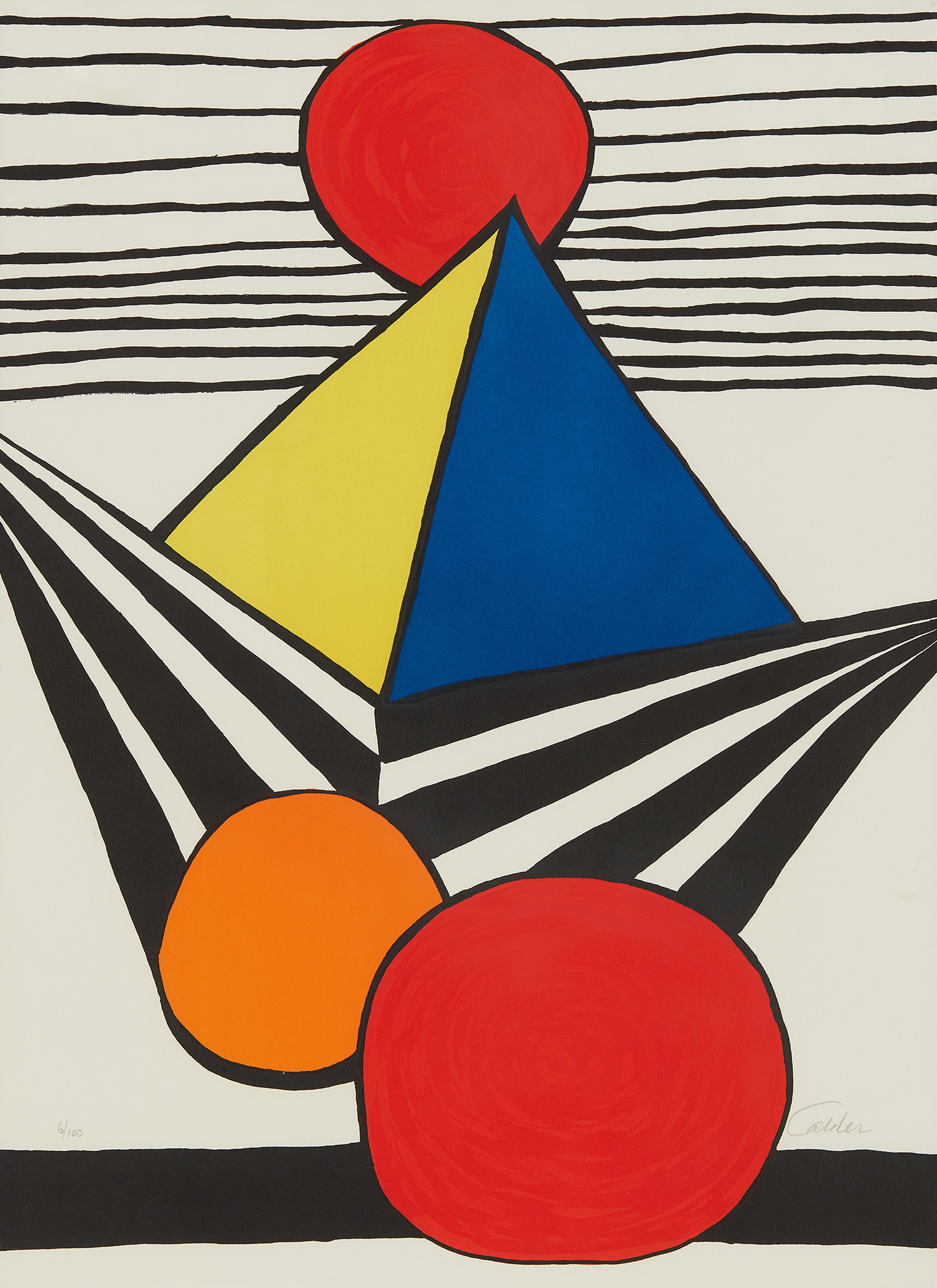
Alexander Calder
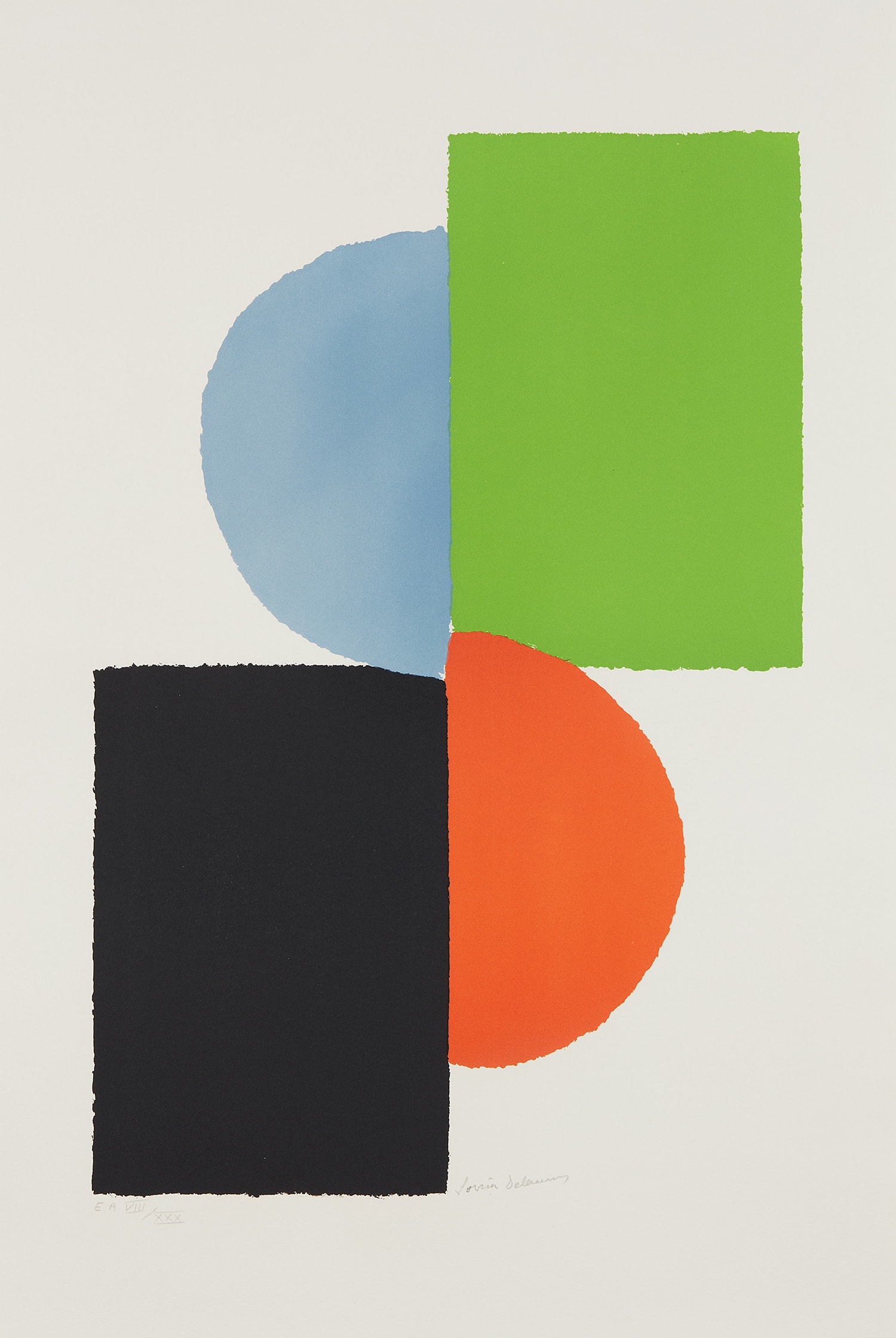
Pyramid and Red Sun, from La Mémoire élémentaire (The Elementary Memory)
Institutions including the Brooklyn Museum, the Whitney, and the Stedelijk have all mounted serious reconsiderations of artists working in bold chromatic registers, and the scholarship that accompanied those shows has changed the terms of the conversation entirely. Color is no longer a feature of a work. It is understood as its subject. The collecting institutions most active in this space are telling in their choices.
The Broad in Los Angeles, with its deep holdings in work by artists like Jeff Koons and Cindy Sherman, has also quietly built around color as an organizing principle. MoMA PS1 has shown consistent interest in artists who push color into uncomfortable or politically charged territory. When Takashi Murakami had his major retrospective travel from the Museum of Contemporary Art Los Angeles to the Brooklyn Museum and then to Guggenheim Bilbao, the institutional endorsement was clear. His use of flat, saturated anime influenced color fields, drawing on both Japanese artistic tradition and the aesthetics of mass consumer culture, was being taken seriously as a contribution to the longer history of color in Western art.
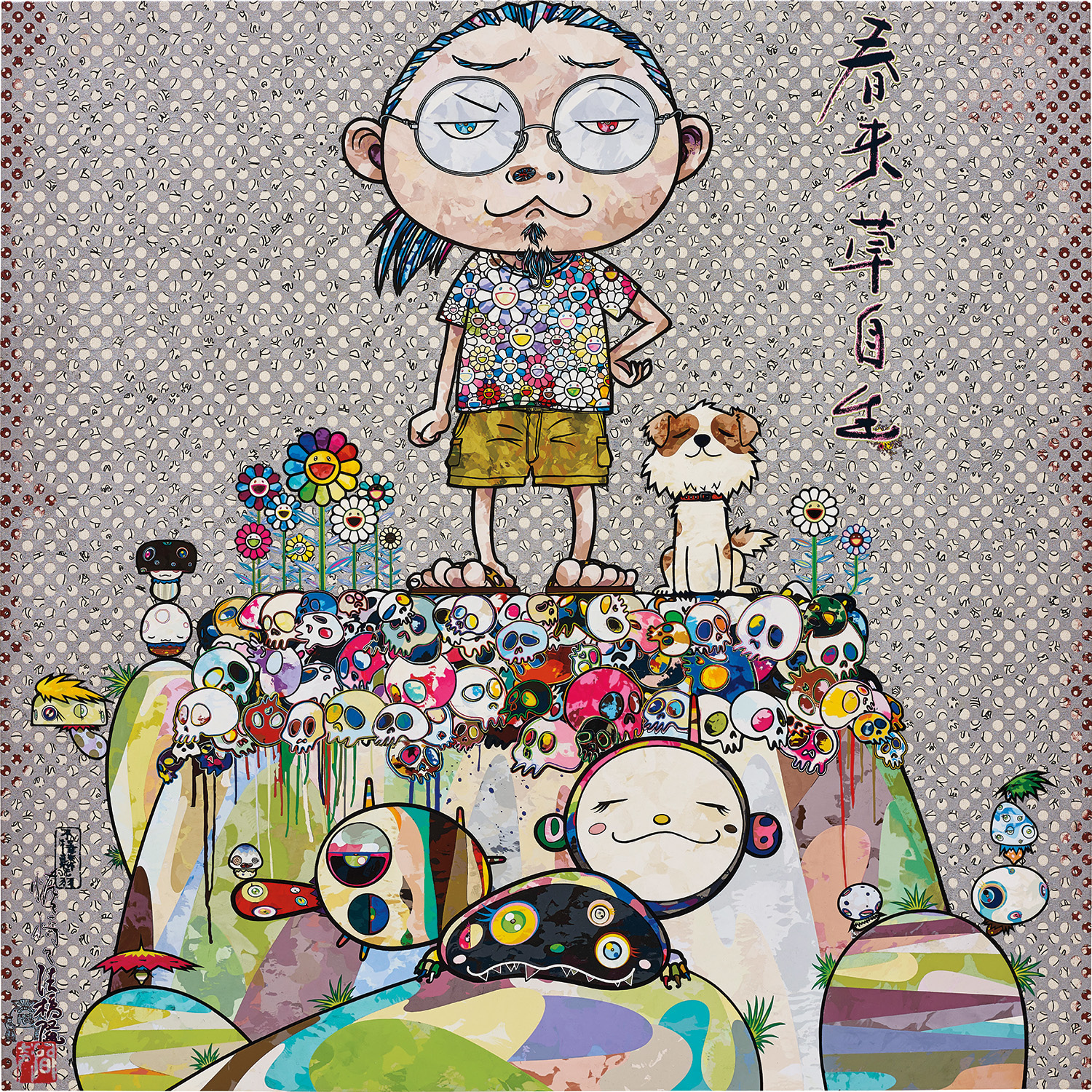
Takashi Murakami
With Eyes on the Reality of One Hundred Years from Now, 2013
For collectors paying attention, that signal was unmistakable. The critical writers shaping this conversation are worth knowing. Briony Fer at University College London has written compellingly about color and optical experience in postwar art. Darby English's thinking about abstraction and its relationship to identity and politics has opened up new ways of understanding artists like Sam Gilliam, whose draped canvases redefined what a color field painting could be structurally and conceptually.
Artforum and Frieze have both published extended critical pieces in recent years on the politics of joyful color, asking why certain chromatic registers were marginalized and by whom. This is not academic housekeeping. It is the kind of critical recalibration that moves markets. Among the artists well represented on The Collection, the range is genuinely exciting.
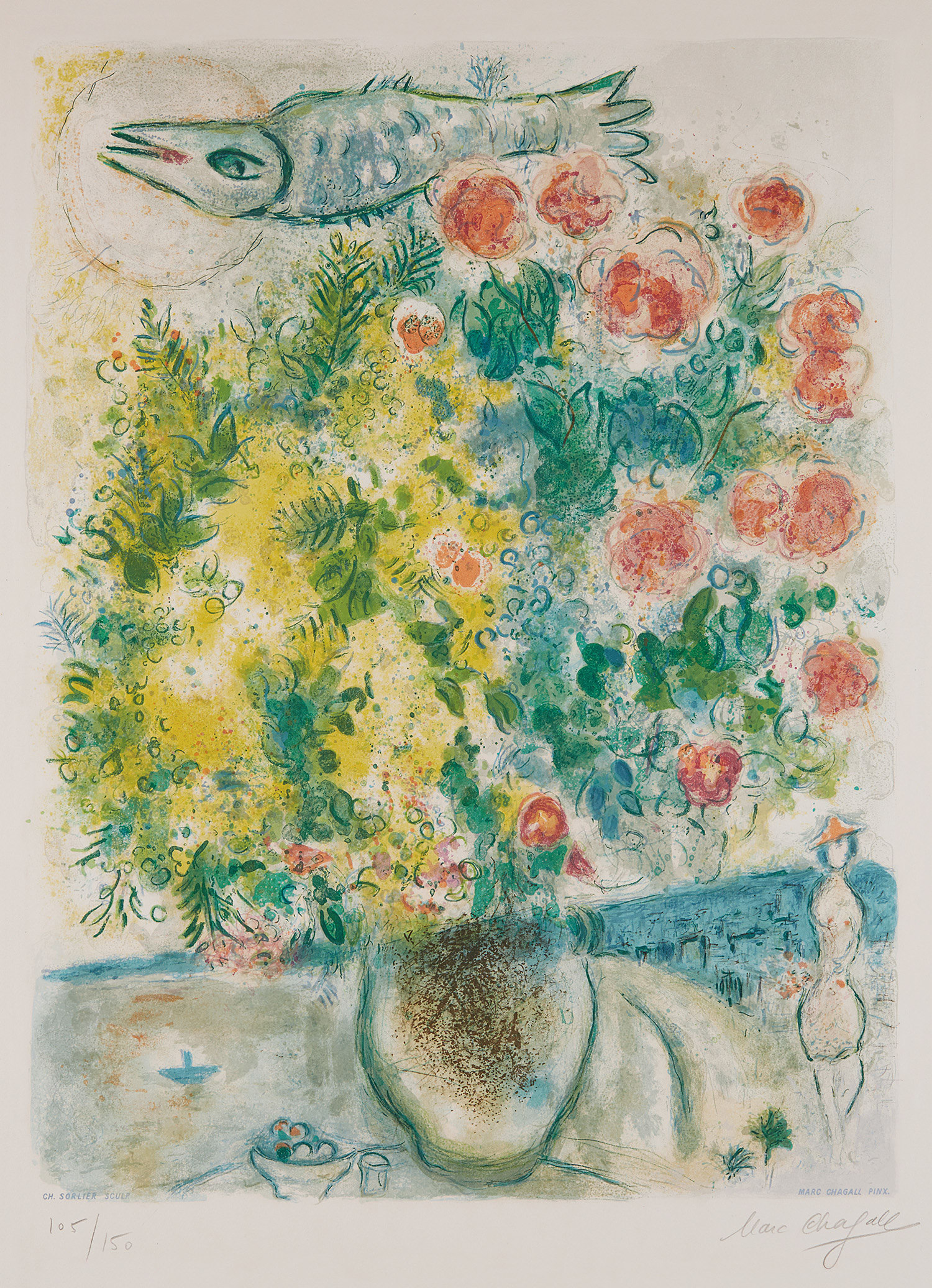
Marc Chagall
Roses et mimosas, from Nice et la Côte d'Azur (Roses and Mimosas, from Nice and the French Riviera), by Charles Sorlier
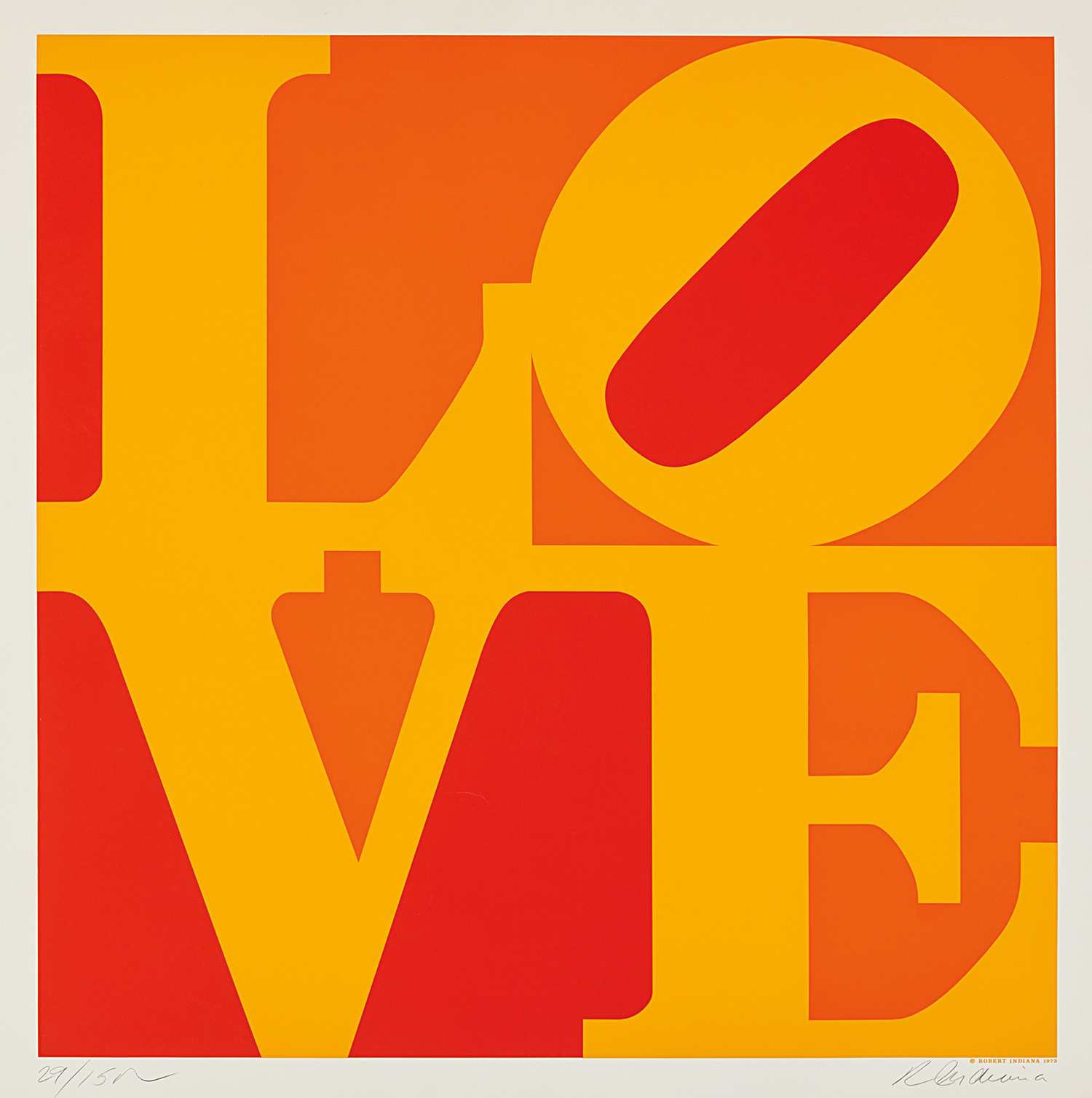
Marc Chagall's luminous dreamscapes and Victor Vasarely's optical color experiments occupy very different poles of the chromatic spectrum yet both feel relevant to a moment in which collectors are thinking seriously about how color functions perceptually and emotionally. Kenny Scharf and Niki de Saint Phalle bring a carnivalesque intensity that is increasingly understood as politically meaningful rather than merely exuberant. Shepard Fairey's graphic color language sits at the intersection of street culture and fine art in ways that continue to generate critical debate. Shara Hughes, one of the younger voices working in this territory, has seen her prices move dramatically as institutions catch up to what the market already knew.
What feels alive right now is the intersection of digital culture and painterly color. Artists like Petra Cortright and Michael Manning, who work with screens, software, and the particular luminosity of light emitting color rather than pigment, are raising genuinely new questions about what color saturation means when it is not a property of matter but of light itself. Collectors with an eye on where the conversation is going are paying close attention. What feels settled is the case for the postwar color field painters and the Pop artists, whose chromatic ambitions are now canon.
What surprises may be coming involves the deeper integration of non Western color traditions into the mainstream critical narrative, a conversation that is already beginning and that will reshape how we read the entire history this editorial has been tracing. The room is getting more interesting, and the colors are getting louder.