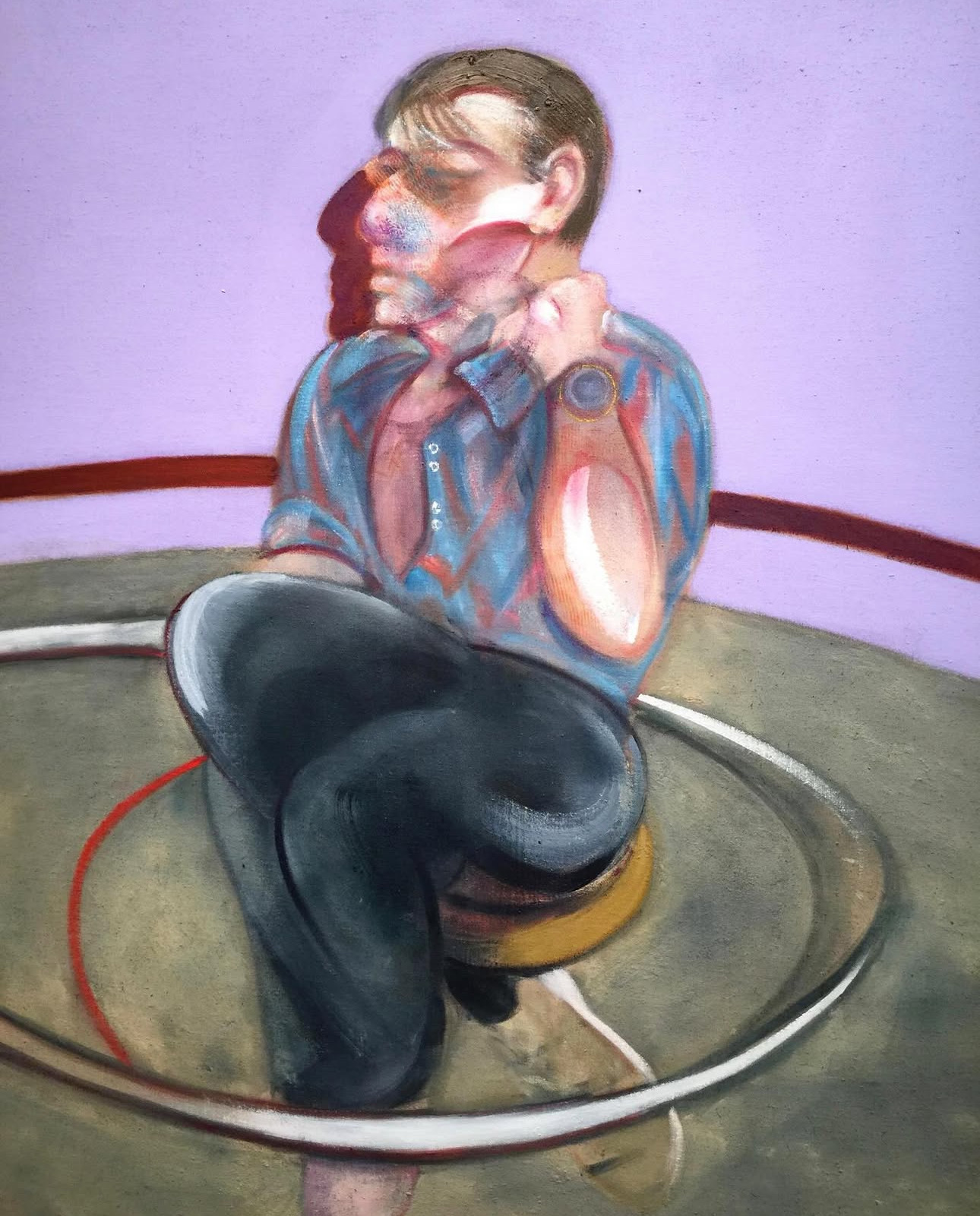
Photorealism
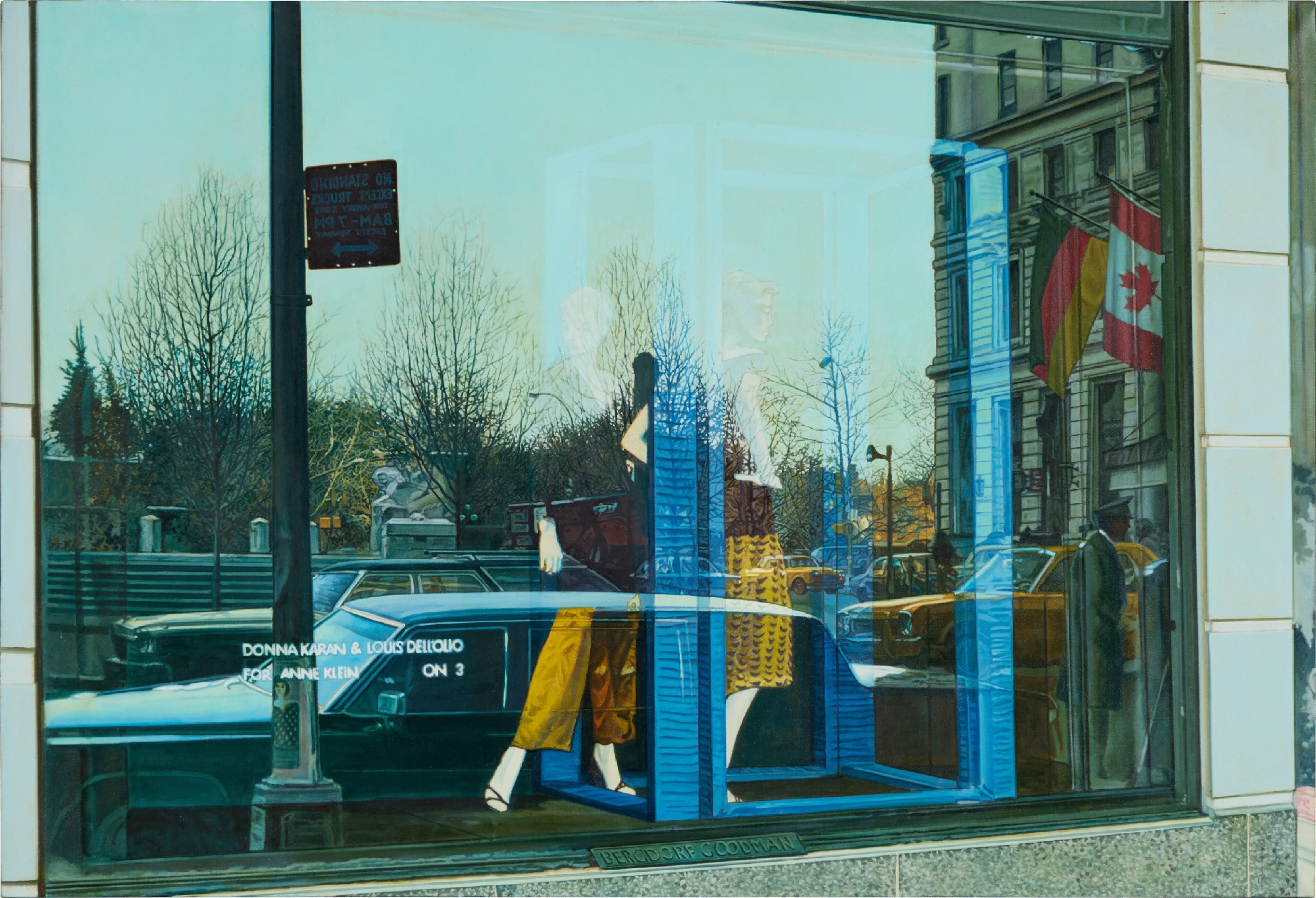
Tom Blackwell
Bergdorf's and the Park, 1984



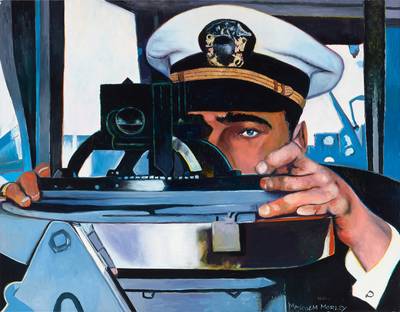

The Painting That Out-Photographs the Photograph
There is something quietly destabilizing about living with a great photorealist work. You walk past it in the morning, half awake, and for a split second your brain registers it as a window or a screen rather than a painted surface. Then the recognition arrives, and with it something close to awe. This is not a mechanical trick or an act of mimicry.
It is an act of profound intellectual commitment, and collectors who understand this find themselves drawn back to these works again and again in a way that more gestural or conceptual painting rarely demands. The relationship between viewer and photorealist canvas is unusually active. You keep looking for the seams, and the best works never give them to you. What separates a good photorealist work from a truly great one is precisely this sustained resistance to resolution.
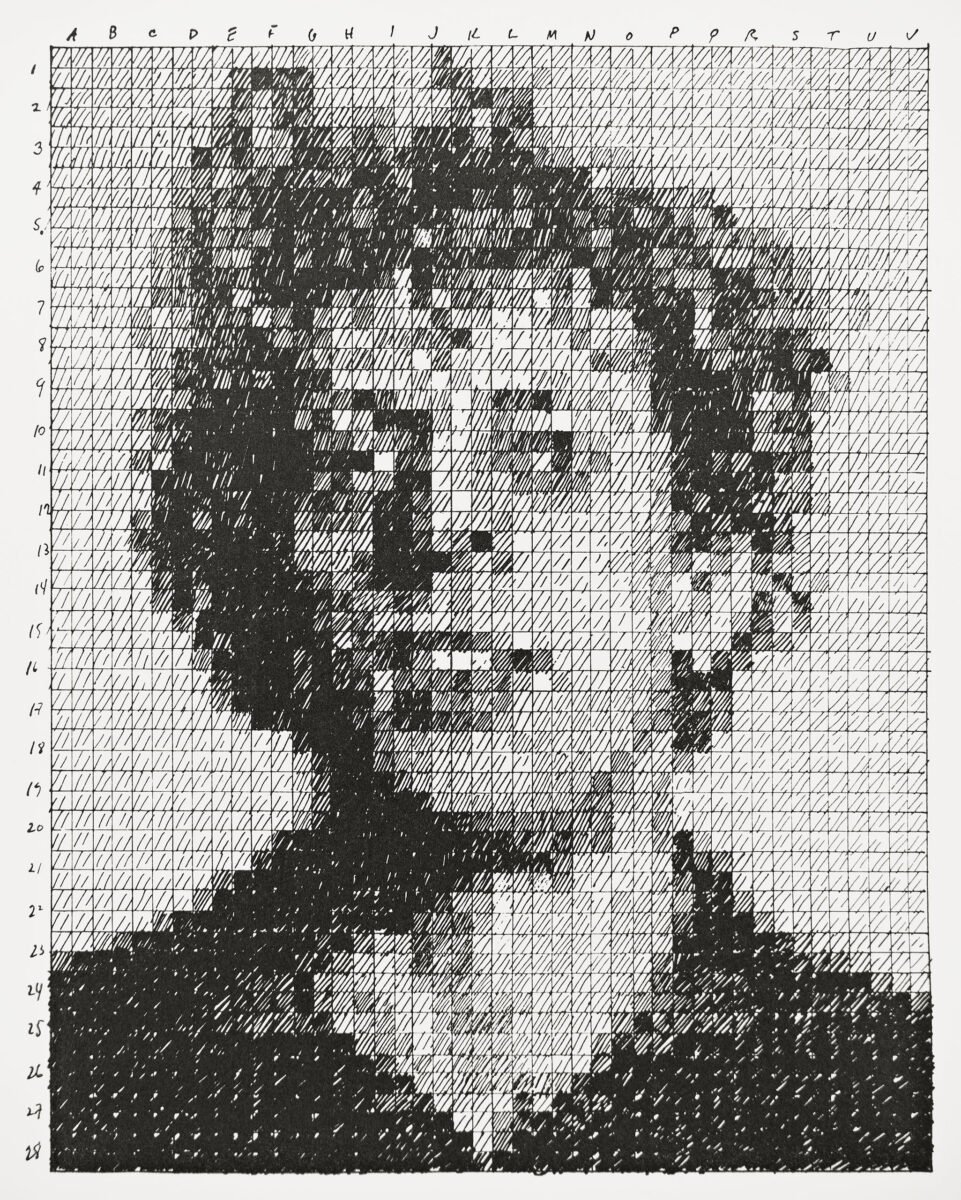
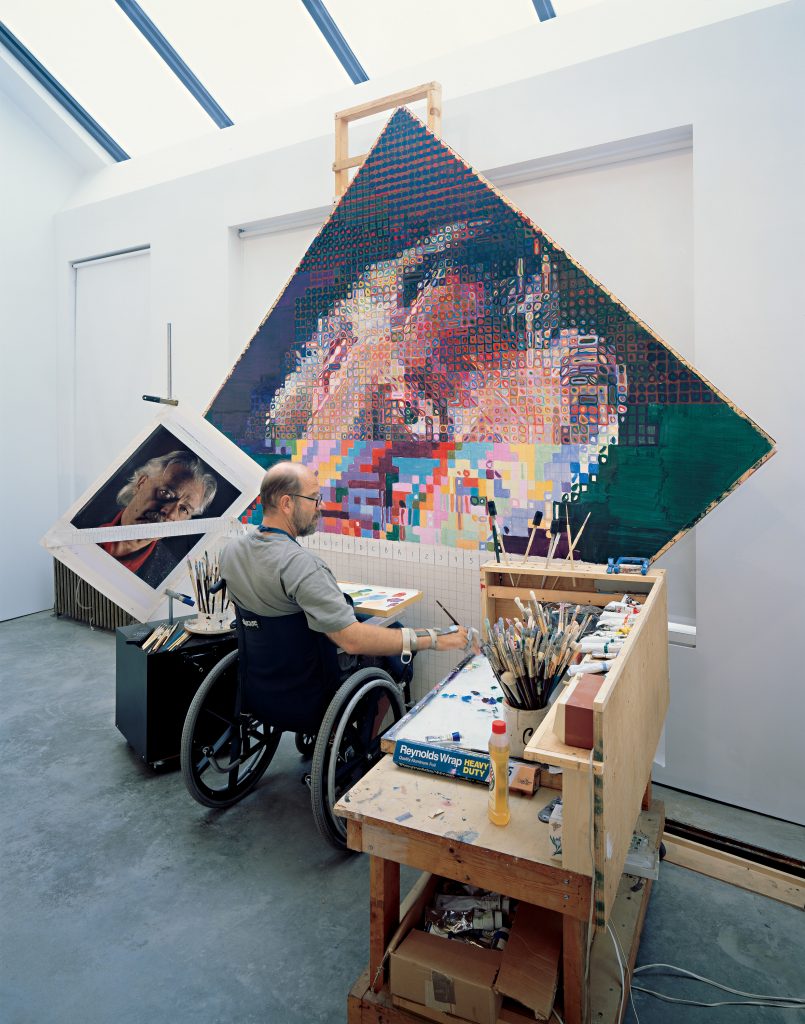
Chuck Close
Phil, 1976
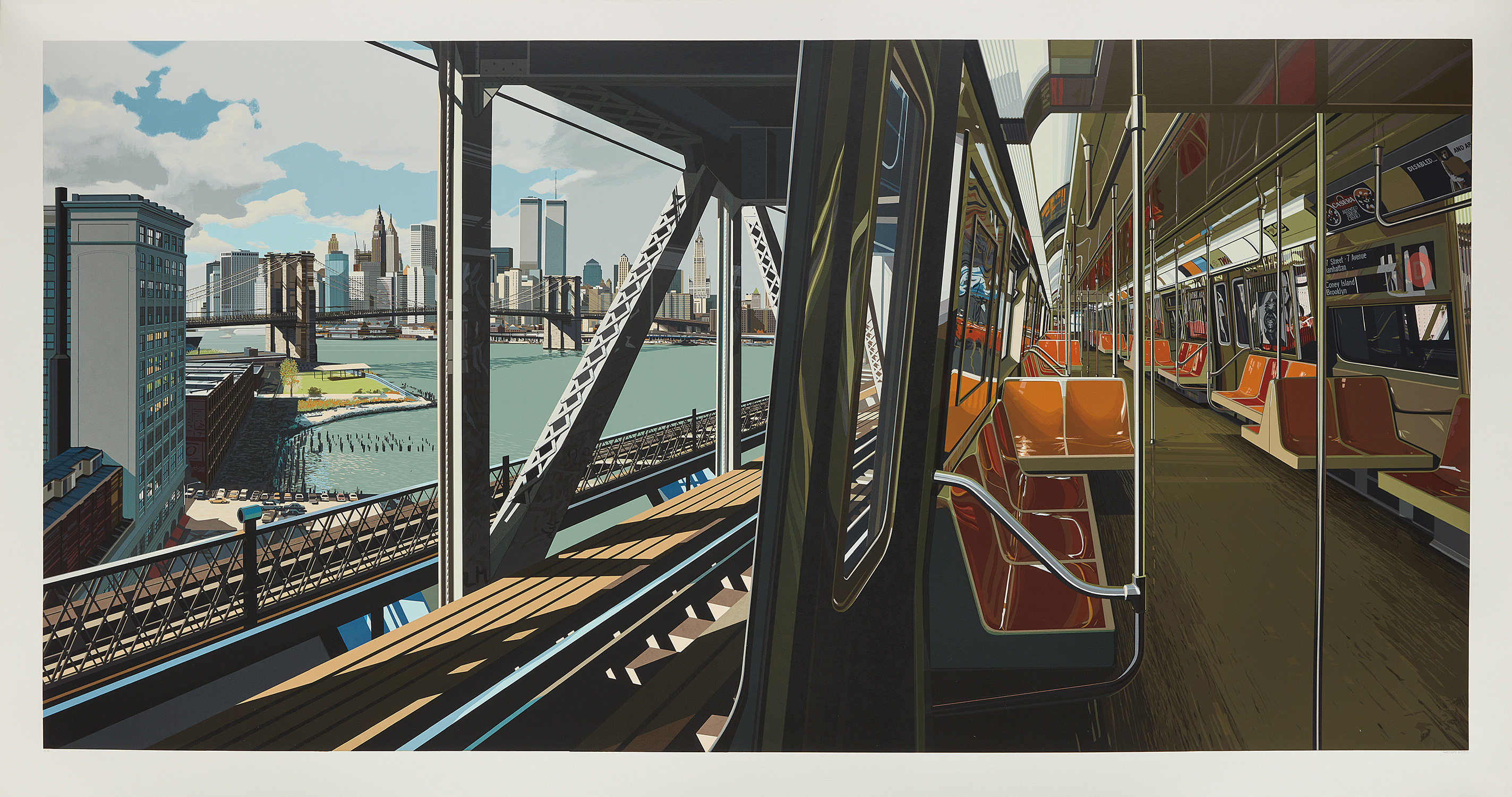
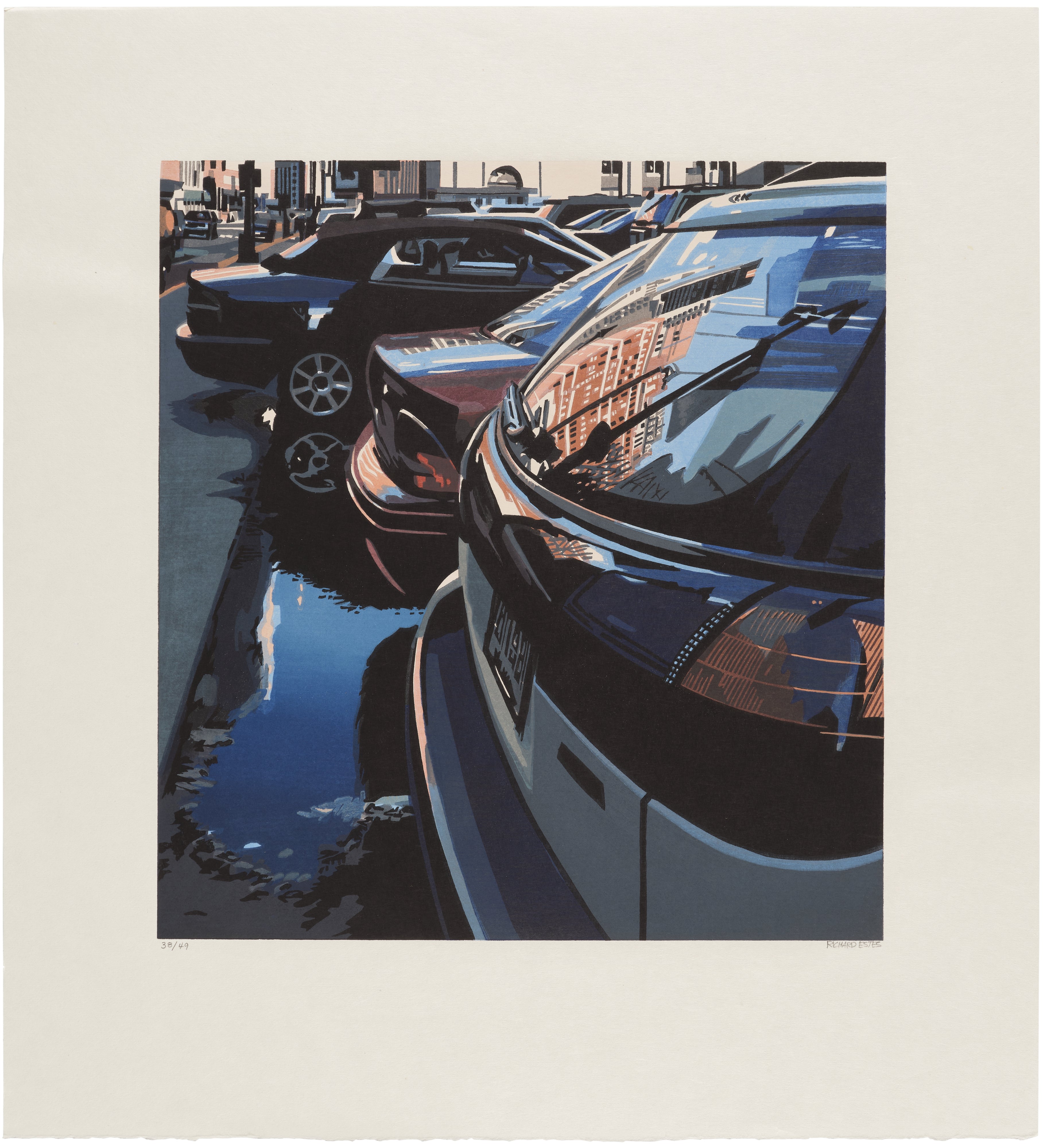
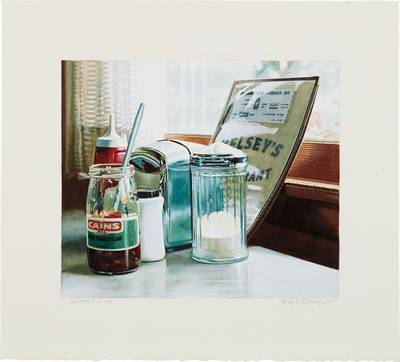
A lesser work in the genre can feel like an exercise, a demonstration of skill that exhausts its own interest in the first thirty seconds of looking. The great ones do something far more unsettling: they use technical mastery to open up philosophical questions rather than close them down. Chuck Close spent decades interrogating the act of portraiture itself, asking what it means to know a face, what we lose and what we gain when we translate lived presence into gridded information. Richard Estes, whose sharp urban reflections place you simultaneously inside and outside a New York storefront, creates images where perspectival logic quietly breaks down the longer you study them.
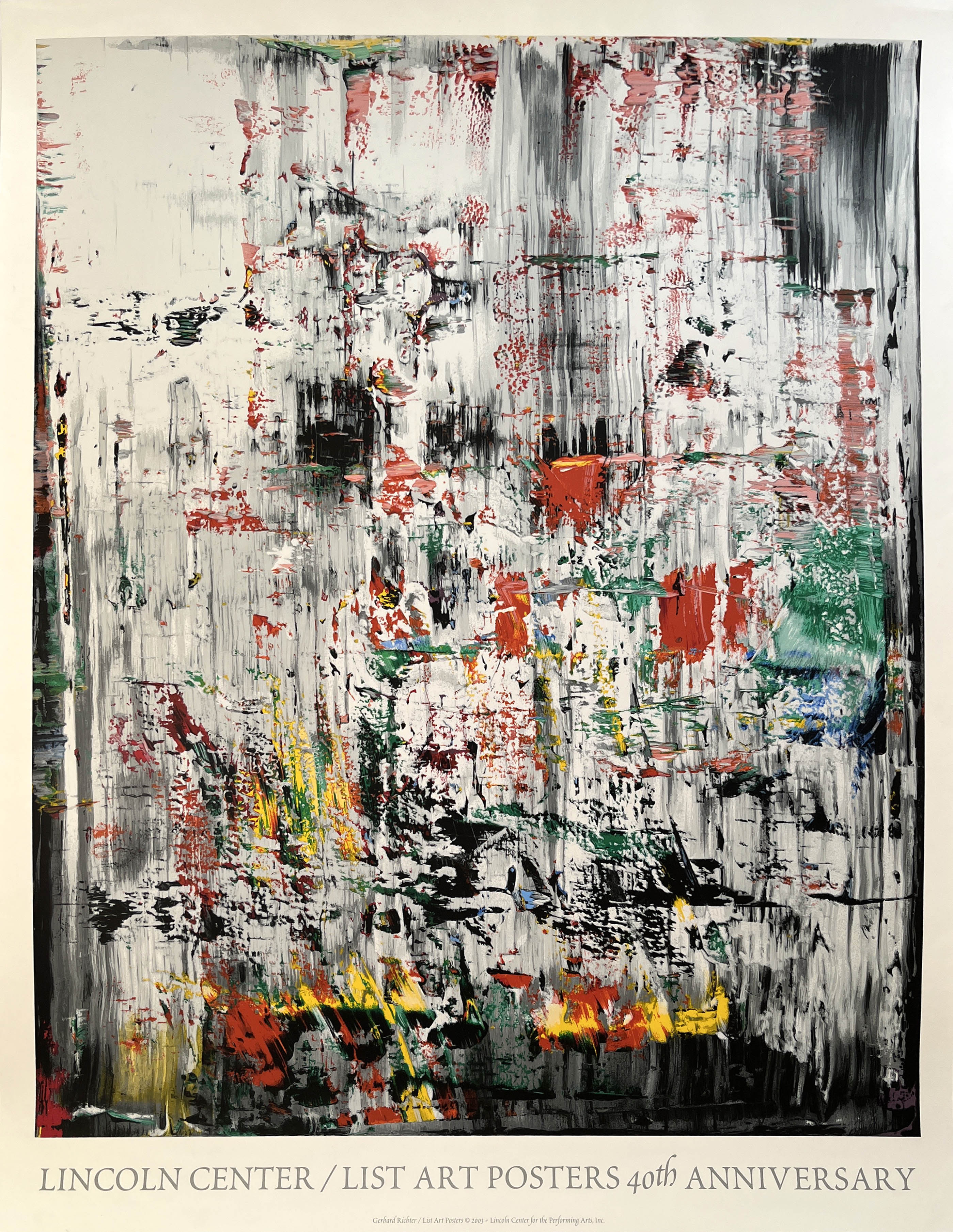
The best works in this category reward patience, and patience is the quality collectors should bring to their acquisitions. When assessing a photorealist work for a collection, it helps to think about the underlying conceptual position of the artist rather than the surface dazzle alone. Gerhard Richter, whose influence on this conversation is impossible to overstate, has never been a photorealist in the strict American sense of the term that emerged around the 1972 Documenta exhibition in Kassel, but his photo paintings occupy adjacent territory in ways that continue to generate serious critical and market attention. His blurred, slightly airless canvases ask what photography does to memory and to grief, and that question has proved durable across decades.
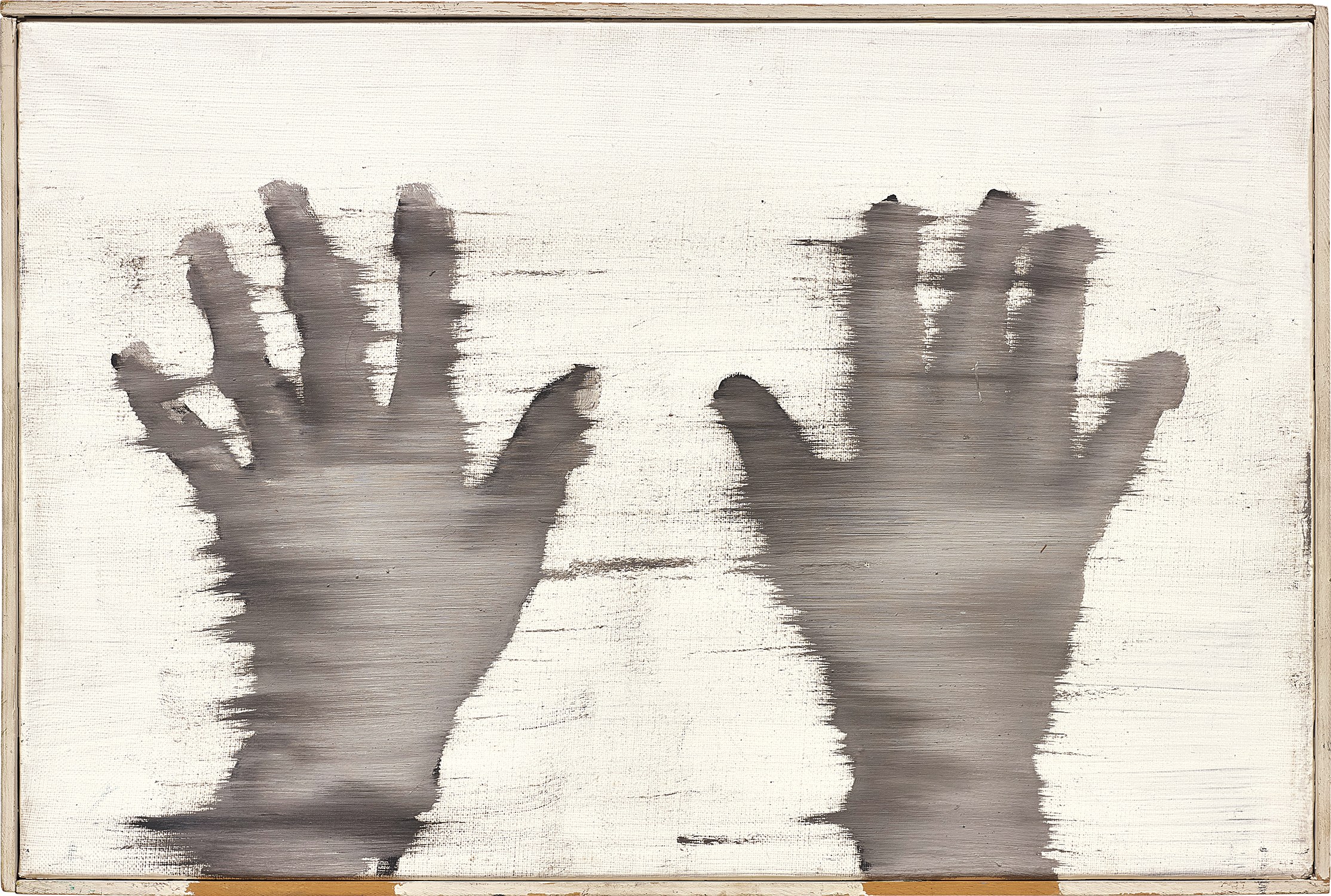
Gerhard Richter
Hände, 1963
On The Collection, his presence is substantial and spans a wide range of approaches, which gives collectors an unusual opportunity to trace the full arc of his thinking. Works on paper, editions, and unique canvases all carry different risk profiles, and understanding that distinction before you buy is essential. For collectors focused on the American photorealist tradition specifically, Richard Estes and Ralph Goings represent anchoring positions in any serious collection. Estes commands consistent respect at auction, with his urban reflections appearing regularly at Christie's and Sotheby's, where they tend to hold value well relative to the broader contemporary painting market.
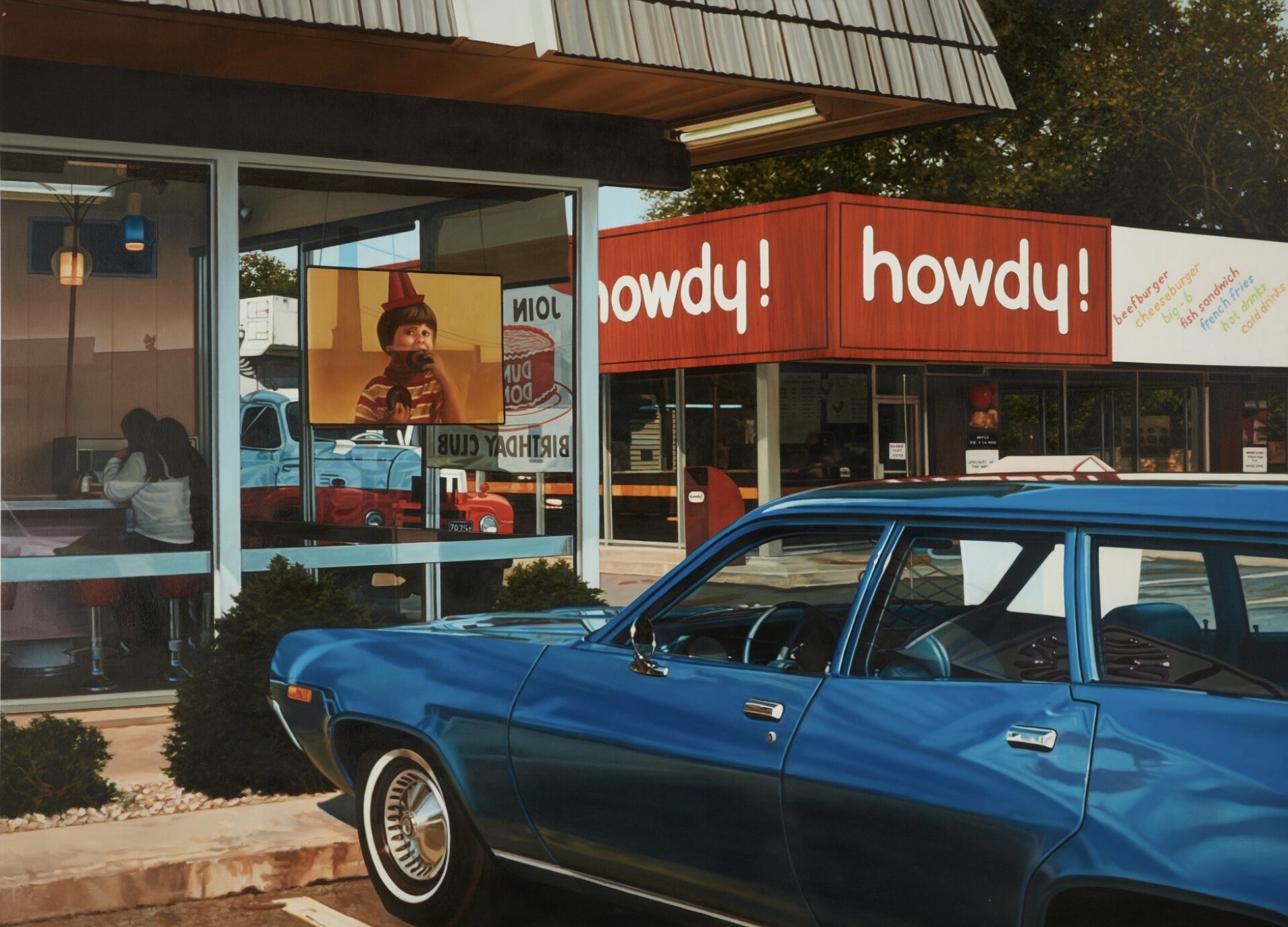
Goings, whose diner interiors and pickup trucks carry a warmth and specificity that the sharper urban photorealists sometimes avoid, remains underpriced relative to his historical importance. He was central to the movement's early critical framing and his work has an accessibility that does not come at the cost of rigor. Tom Blackwell and Robert Cottingham are in a similar position: artists whose contributions to the movement are well documented but whose market has not yet fully caught up with their critical standing. The emerging opportunities in this space are genuinely exciting, and they tend to cluster around artists who are using photorealist technique to address contemporary image culture rather than simply restating the concerns of the 1970s.

Marilyn Minter
Ruby Slippers, 2006
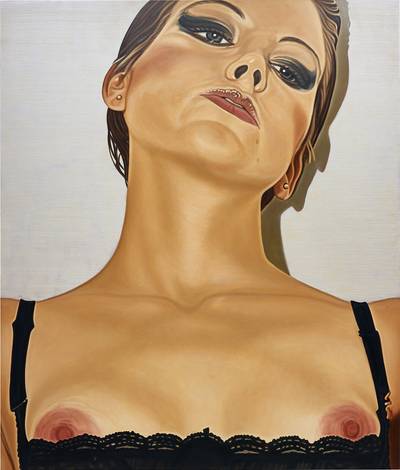
Marilyn Minter's work, which occupies its own singular territory somewhere between photorealism, glamour photography, and feminist critique, has attracted significant institutional and collector attention. Andy Denzler brings a painterly softness to digital image sources that feels very much of this moment. Hurvin Anderson's swimming pool paintings engage with questions of race, leisure, and belonging through a photorealist stillness that is genuinely moving. These artists are not footnotes to a historical movement.
They are extending it into territory that earlier practitioners could not have imagined. At auction, photorealist works have shown resilience that some categories of postwar and contemporary painting have not. This is partly because the technical demands of the work create a natural scarcity of truly successful examples, and partly because the genre occupies a comfortable position between figuration and conceptual practice that appeals to a broad range of collectors. Vija Celmins, whose meticulous graphite and oil renderings of ocean surfaces and night skies have achieved extraordinary prices in recent years, is perhaps the clearest example of a photorealist adjacent artist whose market has recognised the full depth of her achievement.
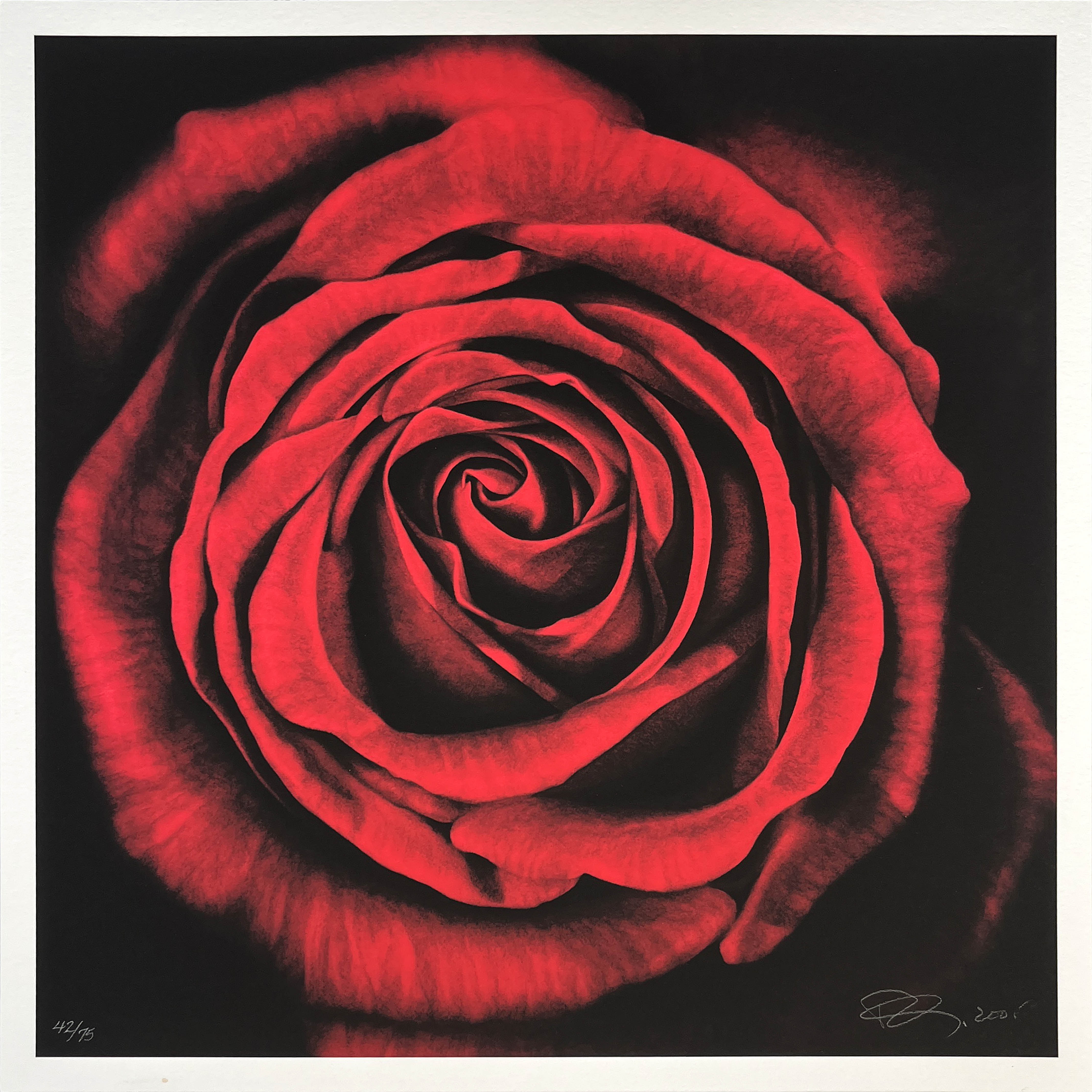
Robert Longo
Untitled Rose, 2005
Her works rarely disappoint at resale, and the waiting lists for new work through her gallery reflect a demand that the secondary market consistently validates. Practically speaking, collectors in this space should pay close attention to condition in ways that differ from other painting categories. Because so much of the effect of a photorealist work depends on the integrity of its surface, any inpainting or restoration is particularly consequential and must be disclosed fully. Ask for a full condition report and, if the work is significant, commission an independent examination before purchase.
Unique works almost always outperform editions in this market over time, but editions by artists like Richter and Close have their own liquidity and can serve as an intelligent entry point for a collection building toward stronger positions. When speaking to a gallery, ask specifically about provenance, exhibition history, and whether the work appears in the artist's catalogue raisonné if one exists. In a genre where technical authenticity is central to the entire proposition, paperwork is not a bureaucratic formality. It is part of the work itself.