Artist Spotlight
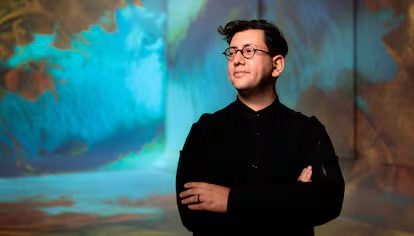
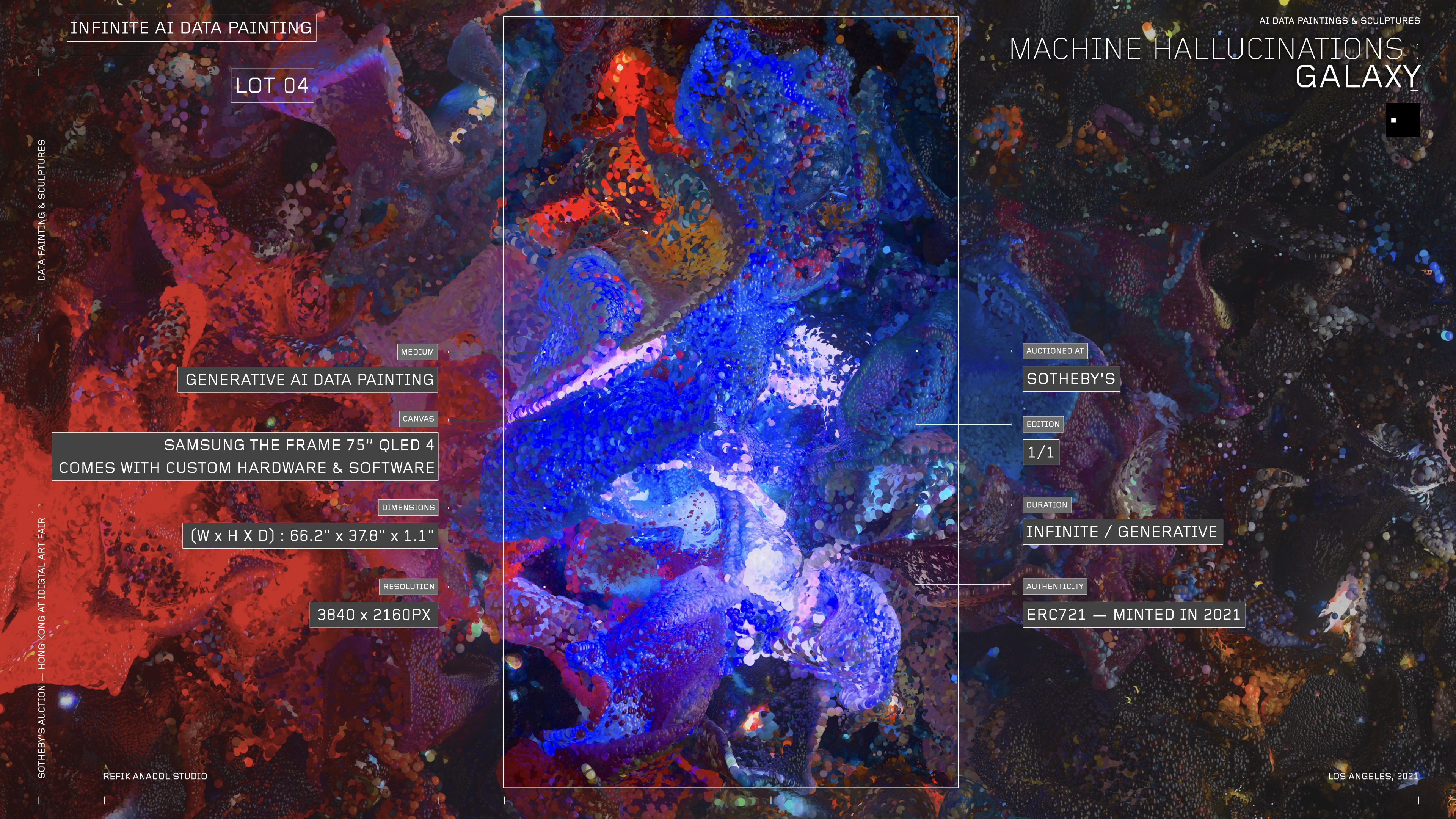
Refik Anadol Turns Data Into Pure Wonder
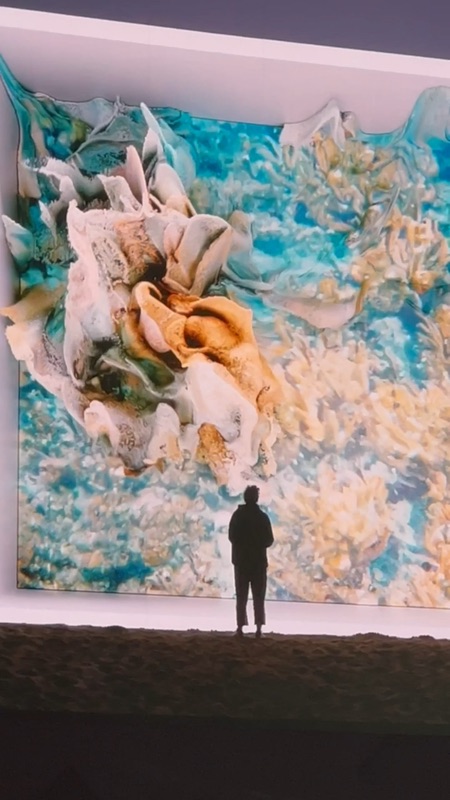
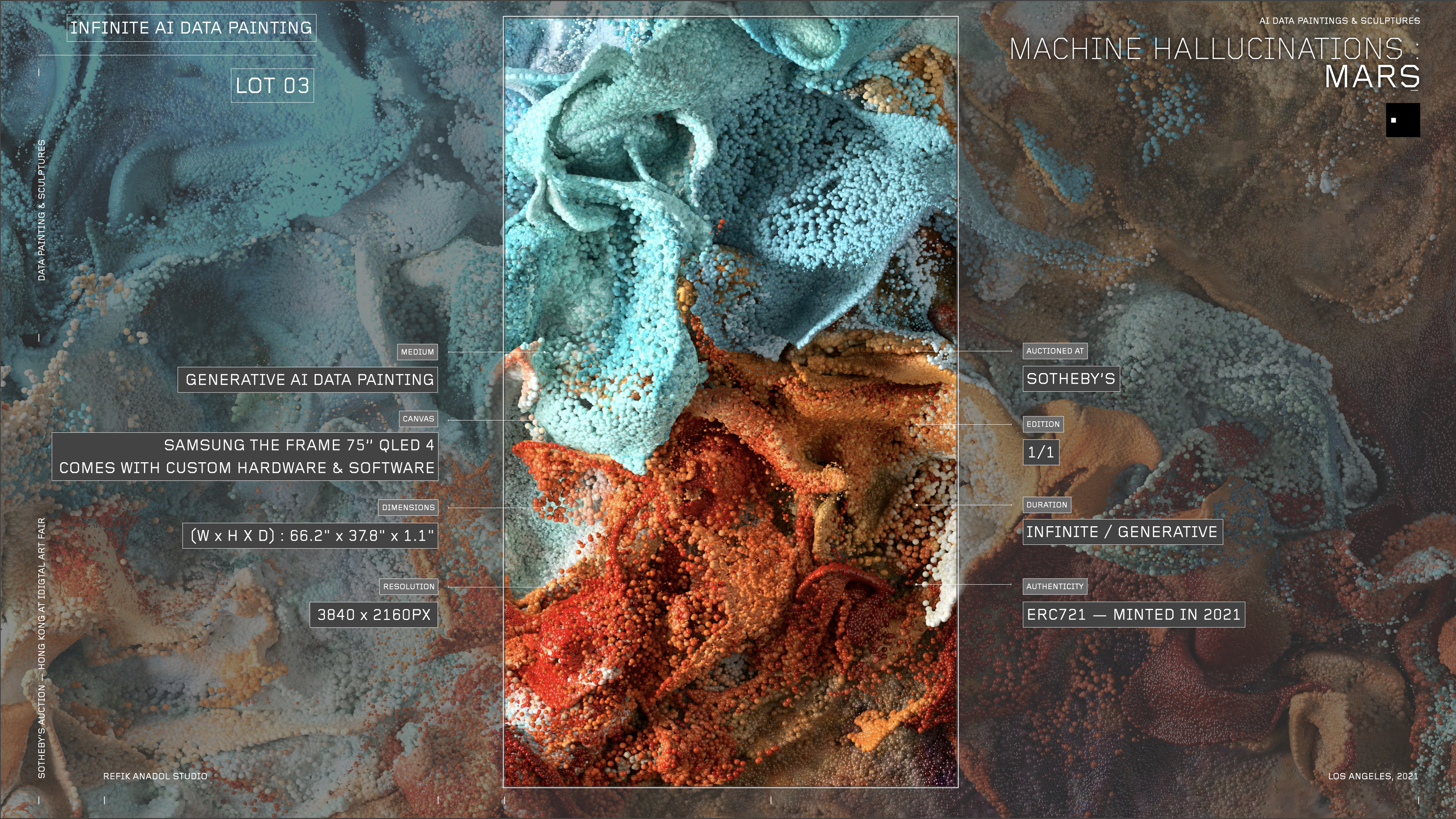
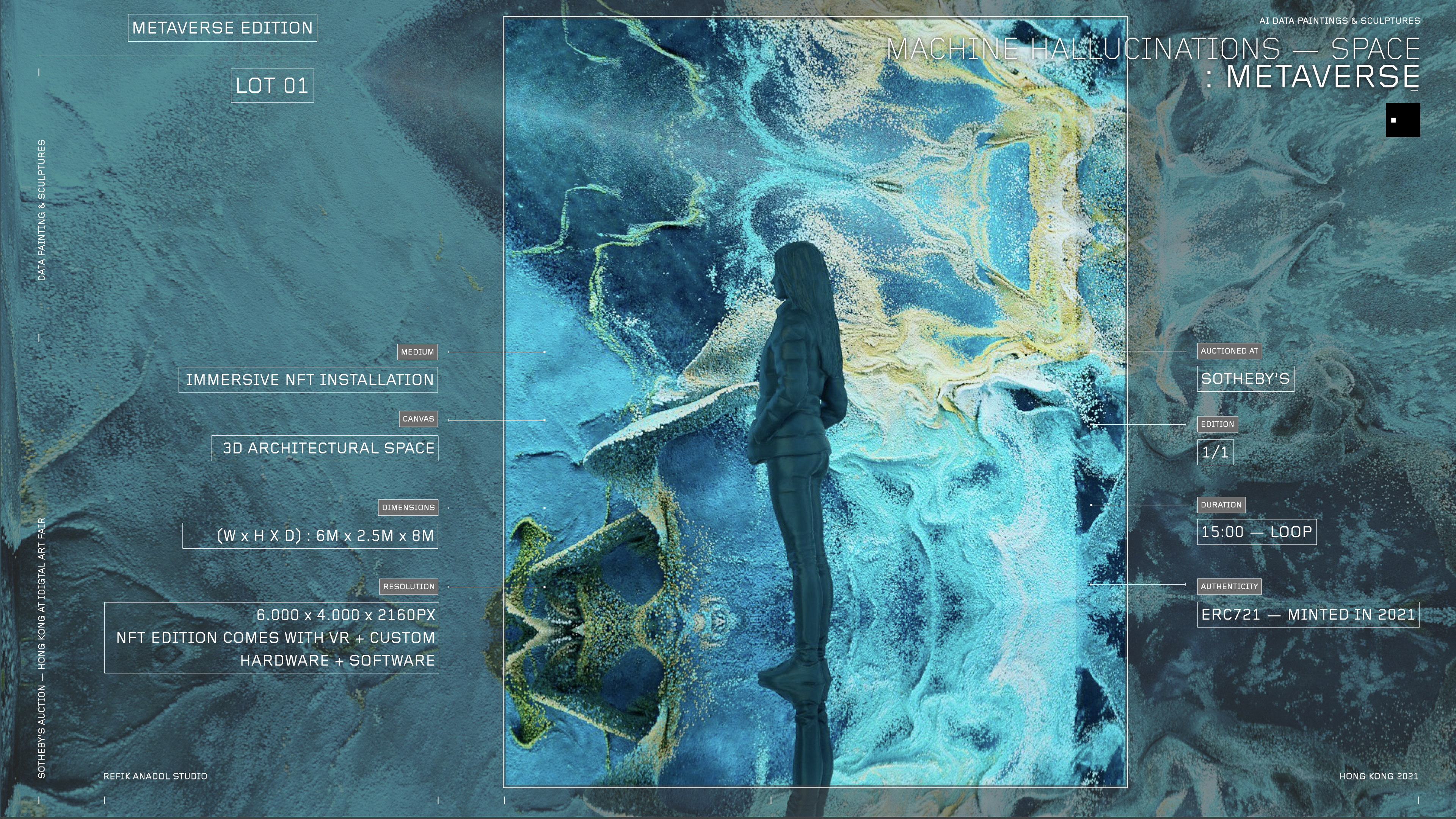
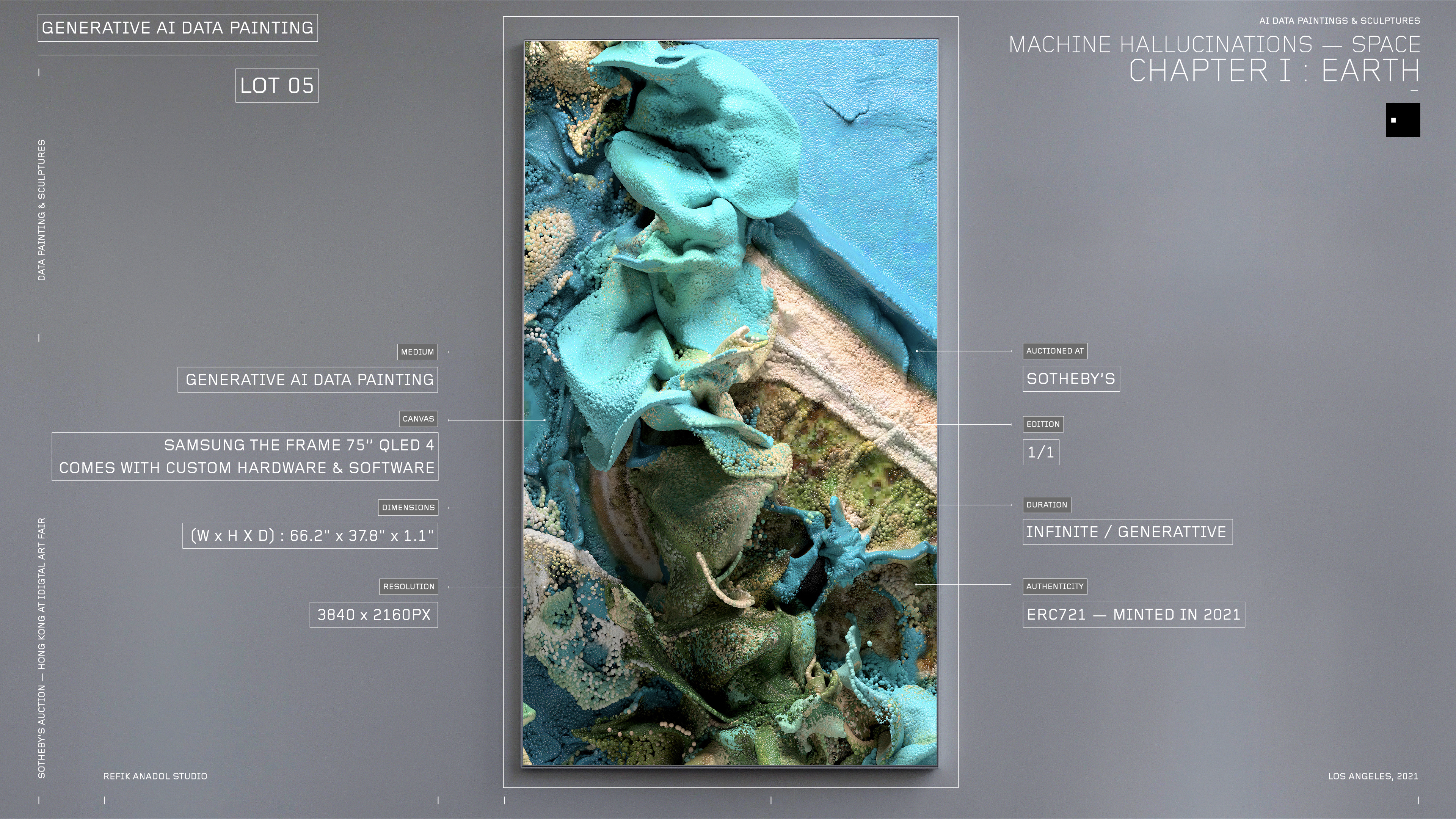
When the Museum of Modern Art in New York unveiled Unsupervised in late 2022, something remarkable happened. Crowds gathered not simply to observe a work of art but to witness a living, breathing entity seemingly dreaming in real time. The towering installation, fed on MoMA's own archive of over two hundred years of art history, generated an endless flow of shifting, luminous forms in the museum's street level gallery window. Passersby stopped on West 53rd Street in the winter cold, faces tilted upward, watching a machine imagine what art might look like if it could feel. It was a cultural… Continue reading
Collectors
Also spotted by
Artists in conversation
Casey Reas
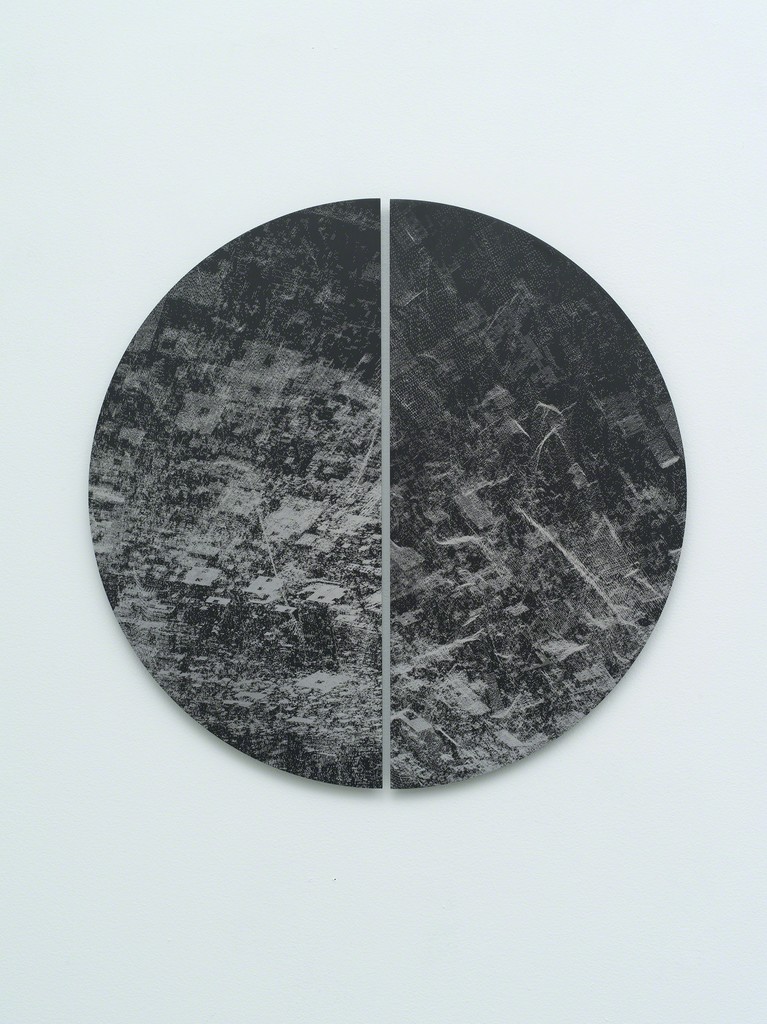
Reas similarly uses custom software and generative algorithms to produce large scale visual artworks that blur the boundary between computation and aesthetic expression. Both artists treat code as a primary artistic medium to explore organic and data driven forms.
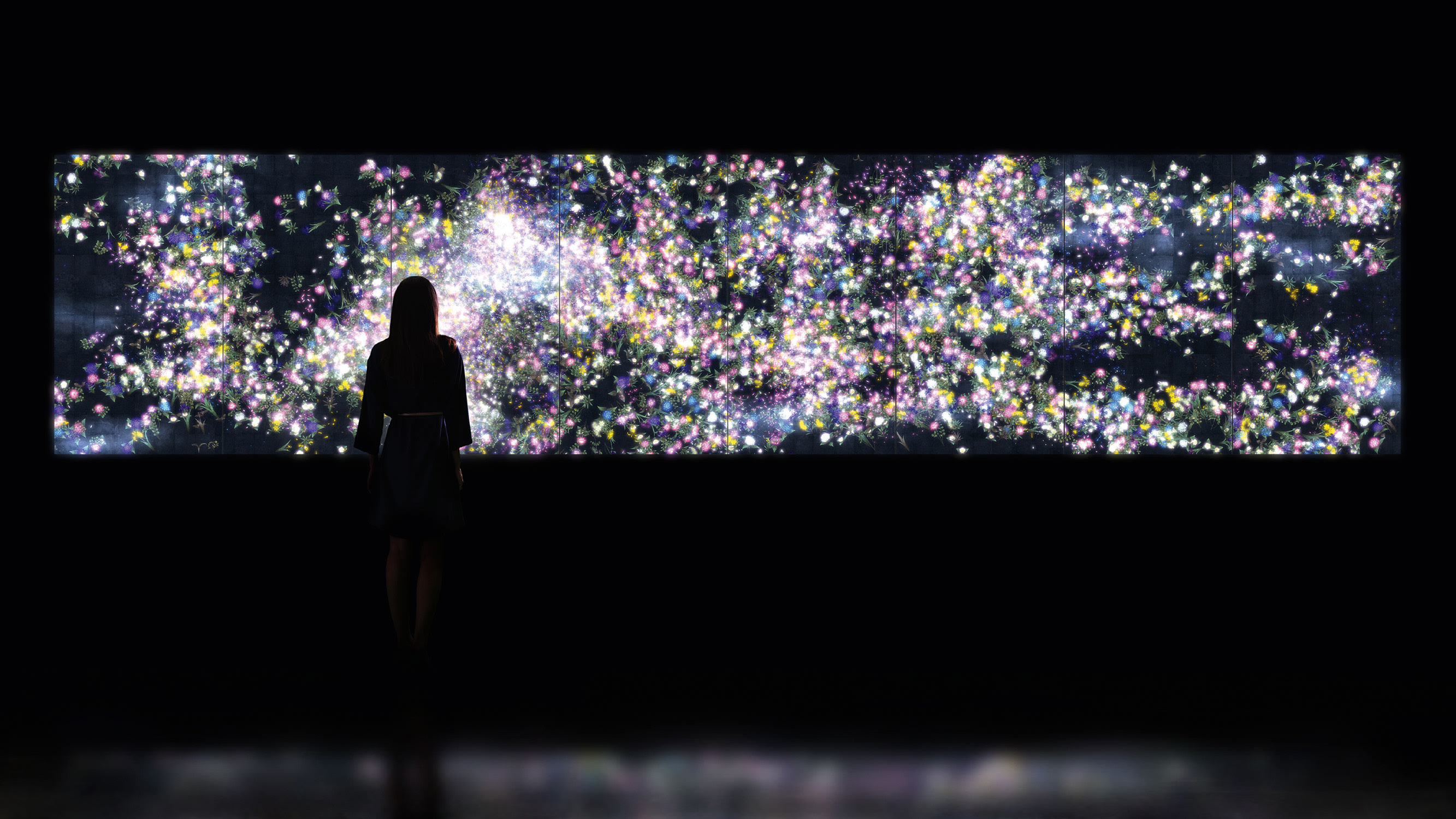
teamLab
teamLab creates immersive digital environments that envelop viewers in dynamic, algorithmically animated imagery, closely paralleling Anadol's approach to transforming data into architectural scale sensory experiences. Both practices prioritize the dissolving of boundaries between the viewer and the digital artwork.
Ryoji Ikeda
Ikeda converts vast datasets and mathematical structures into overwhelming audiovisual installations that share Anadol's ambition to make invisible information perceptible at a monumental scale. Both artists employ rigorous data aesthetics to produce work that feels simultaneously scientific and sublime.
Artists who inspired them
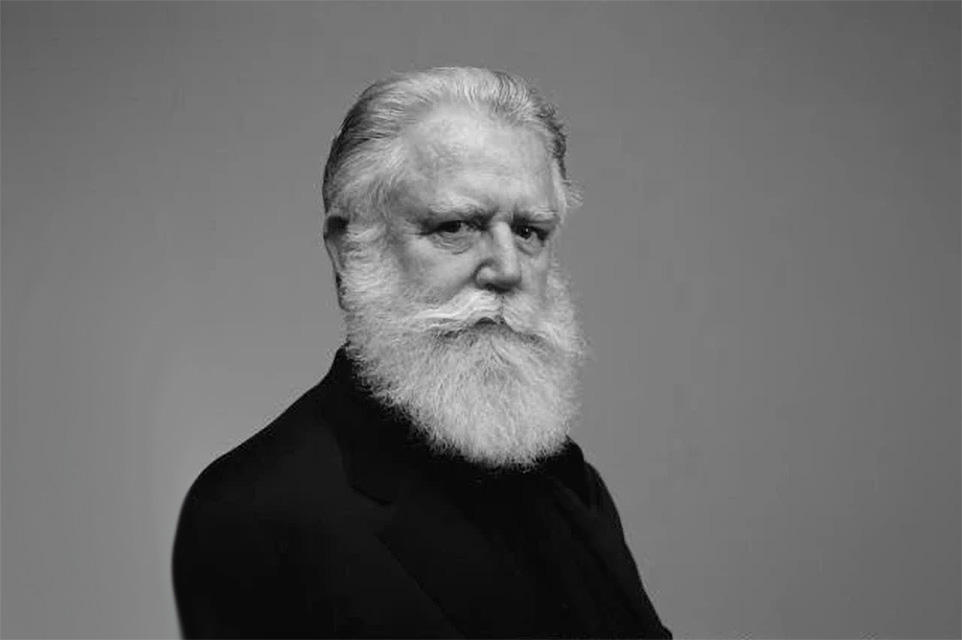
James Turrell
Turrell's lifelong investigation into light as a sculptural and perceptual medium directly informed Anadol's interest in creating immersive environments that alter the viewer's sense of space and consciousness. Anadol has cited Turrell's ability to make light itself the subject of contemplation as foundational to his own practice.
Ben Laposky
Laposky was among the first artists to use electronic oscilloscopes to generate abstract visual imagery, pioneering the very idea that machines could be creative partners in art making. His early experiments with electronically produced forms established a conceptual lineage that Anadol explicitly builds upon with artificial intelligence.
Cedric Price
Price's visionary architectural thinking treated buildings as dynamic information systems responsive to human behavior rather than static objects, a concept that deeply shapes Anadol's fusion of data and architectural space. Anadol studied Price's ideas as part of his architectural education and channels them into his data driven building scale installations.