Modernist Style
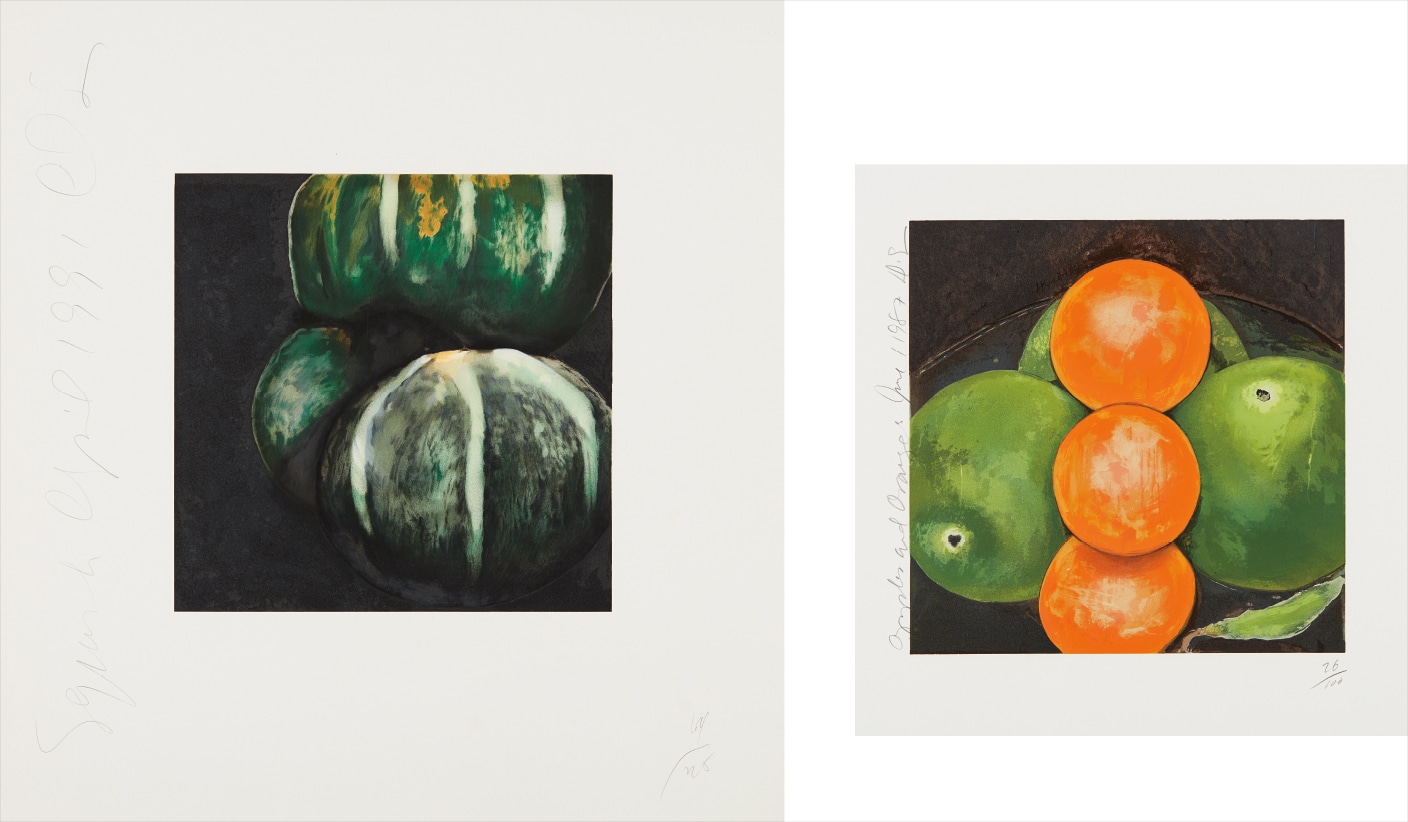
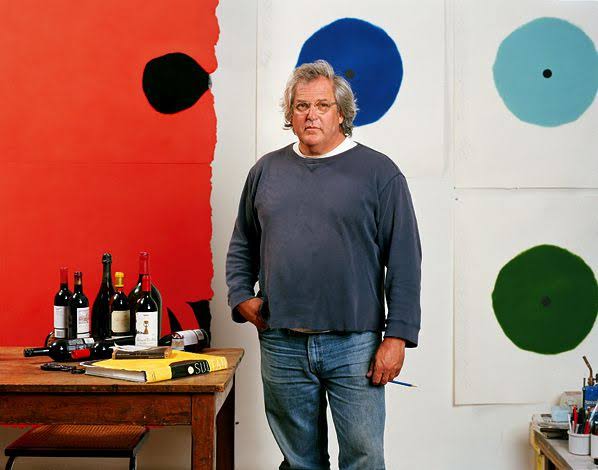
Donald Sultan
Squash from, Fruits and Flowers; and Apples and Oranges
The Century That Broke Every Rule
There is a moment in the early twentieth century when Western art stops trying to describe the world and starts trying to feel it. That rupture, so total and so fast, is what we call Modernism. It is not a style exactly, more a fever that spread across painting, sculpture, photography, and design simultaneously, driven by the conviction that old forms had become dishonest, unable to carry the weight of what modern life actually felt like. To collect Modernist work is to collect that argument in its most electric form.
The origins reach back into the 1880s and 1890s, into the restless experiments of Cézanne and the Post Impressionists who began pulling apart perspective and reassembling it according to feeling rather than geometry. But the acceleration happens in the first two decades of the twentieth century with a kind of velocity that still feels astonishing. By 1907, Picasso had completed Les Demoiselles d'Avignon, a work so violently discontinuous that even his closest allies were unsettled. By 1913, the Armory Show in New York had brought European radicalism crashing into American consciousness, and the arguments about what art could and could not do were suddenly everywhere.
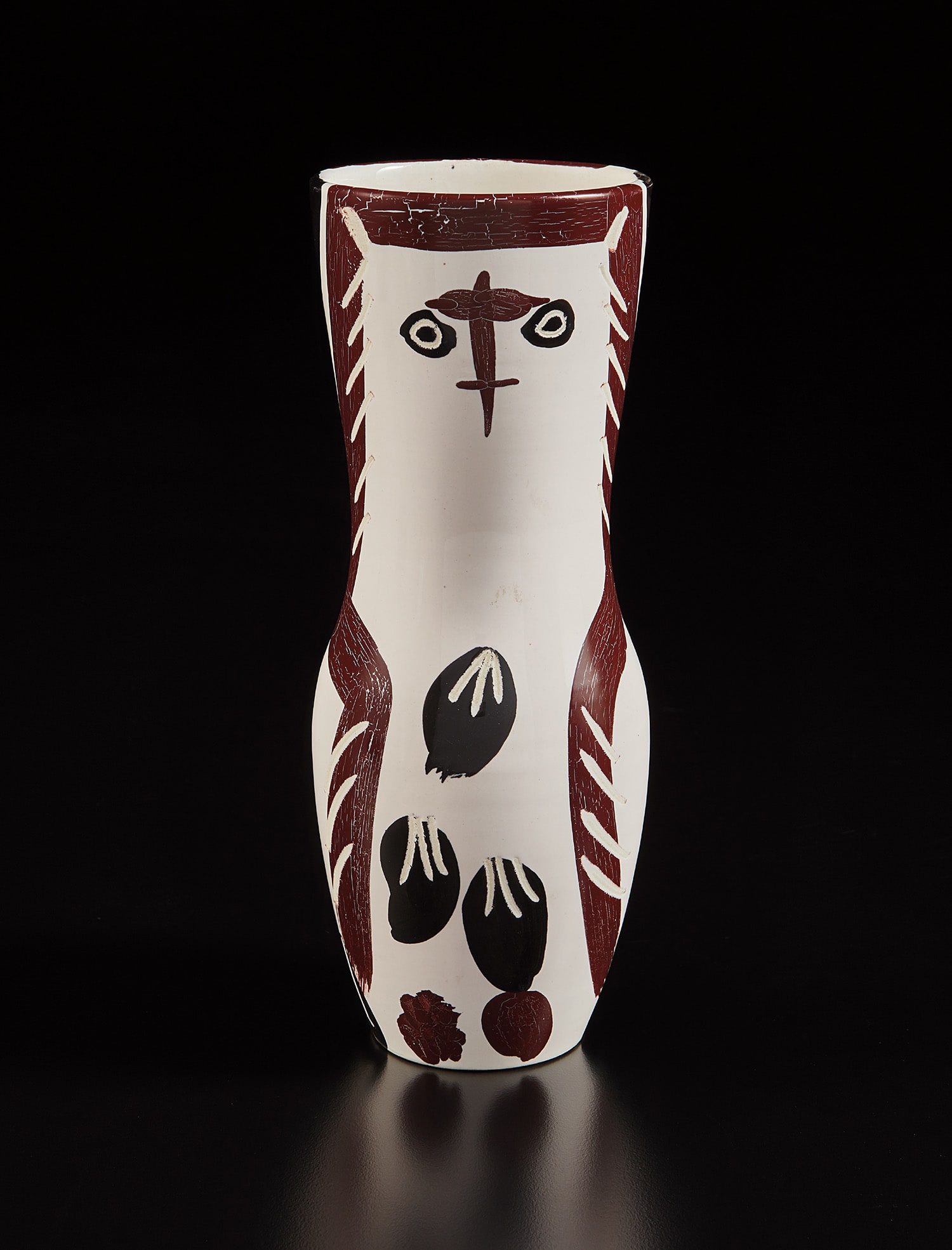
Pablo Picasso
Young wood-owl (Chouetton)
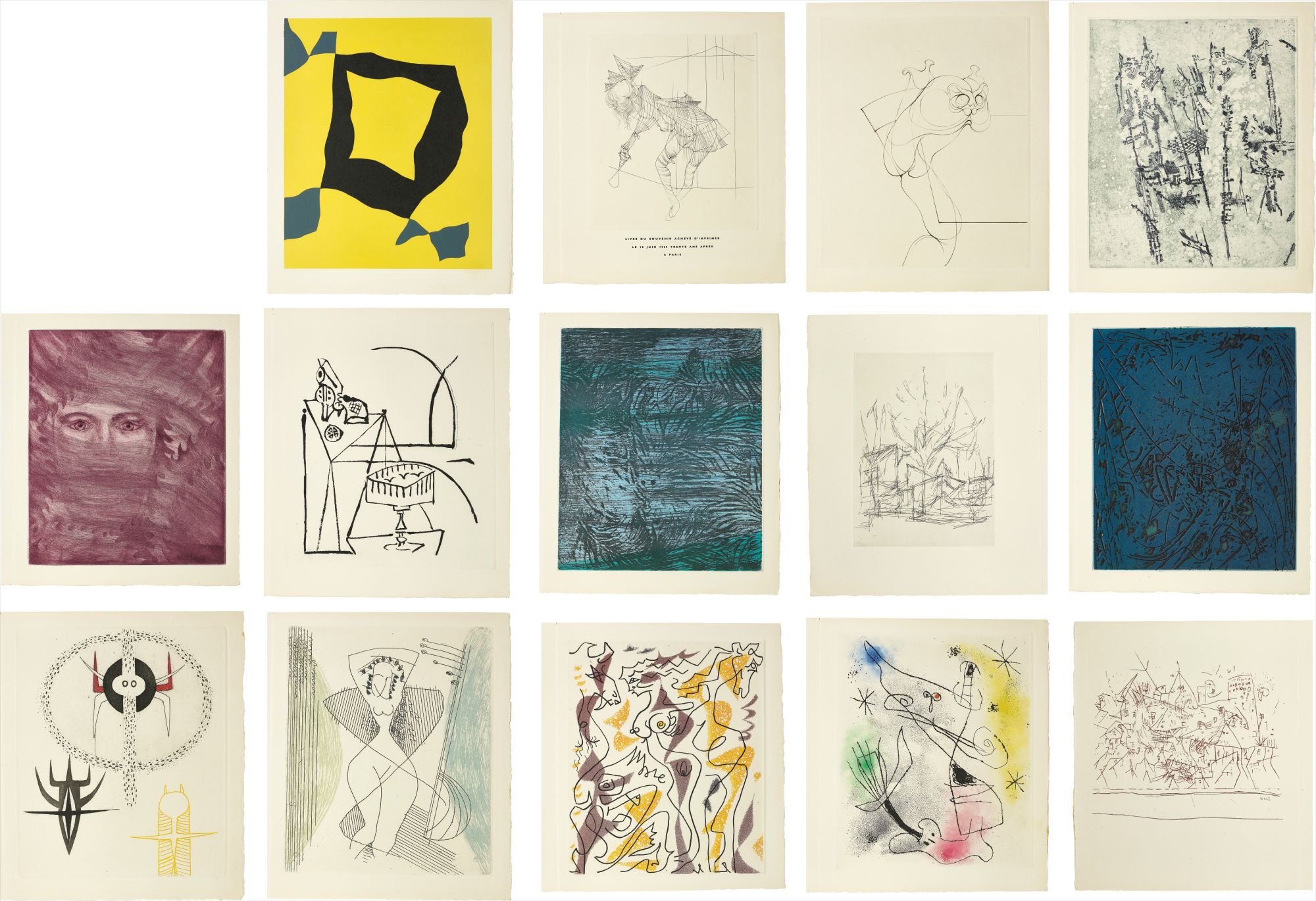
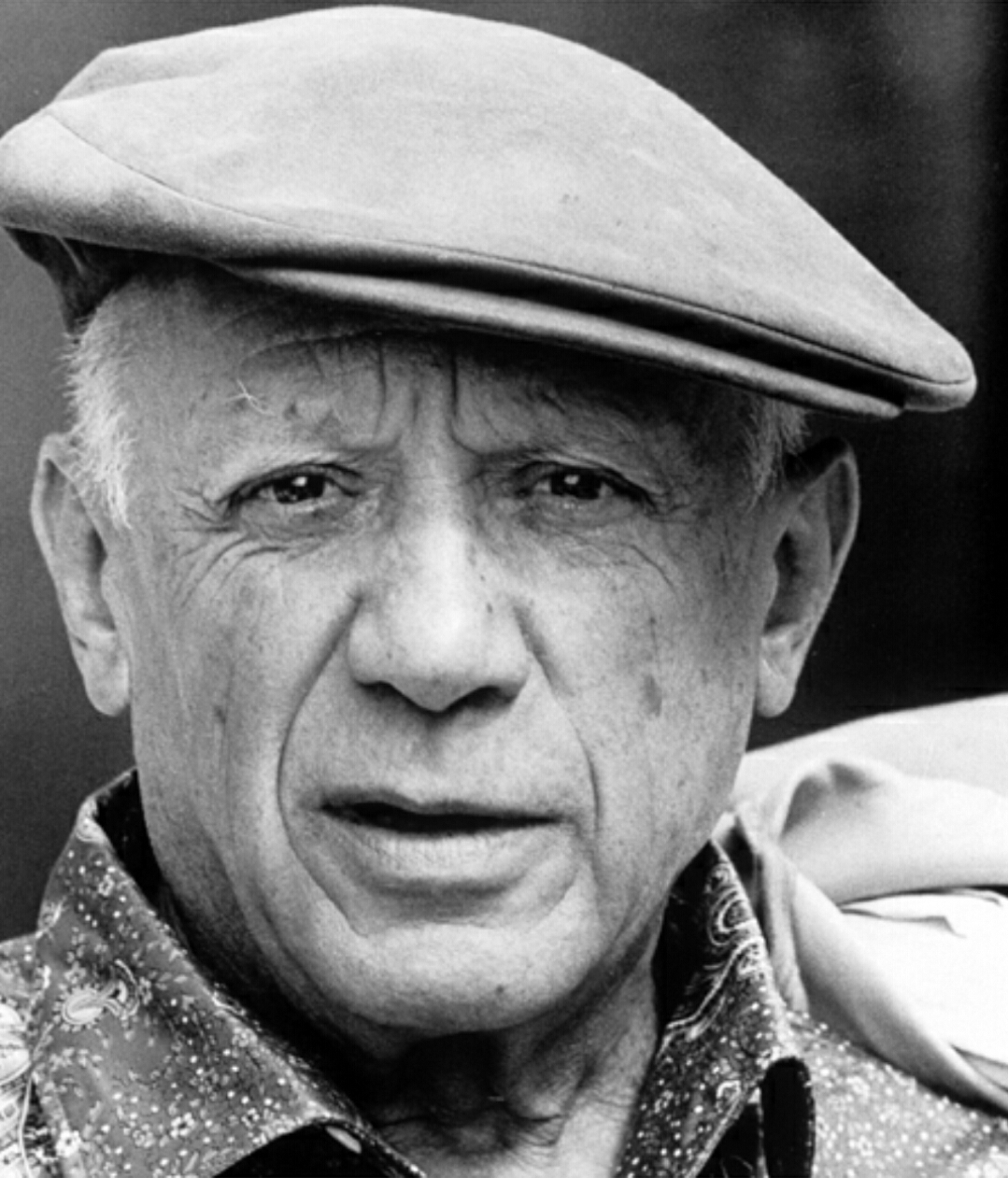
The institutions could barely keep pace with the ideas. Pablo Picasso stands at the center of any conversation about Modernist style, not because he invented it alone but because he embodied its core principle more completely than anyone: that form should serve truth rather than convention. His work on The Collection speaks to the range that made him so consequential across several decades, from the Cubist fracturing of the early years through the more classical inflections of the 1920s and the raw expressionist energy that followed. Alongside him, Joan Miró was pursuing a different avenue entirely, dissolving figuration into biomorphic signs and colors that felt as much like dream language as visual art.
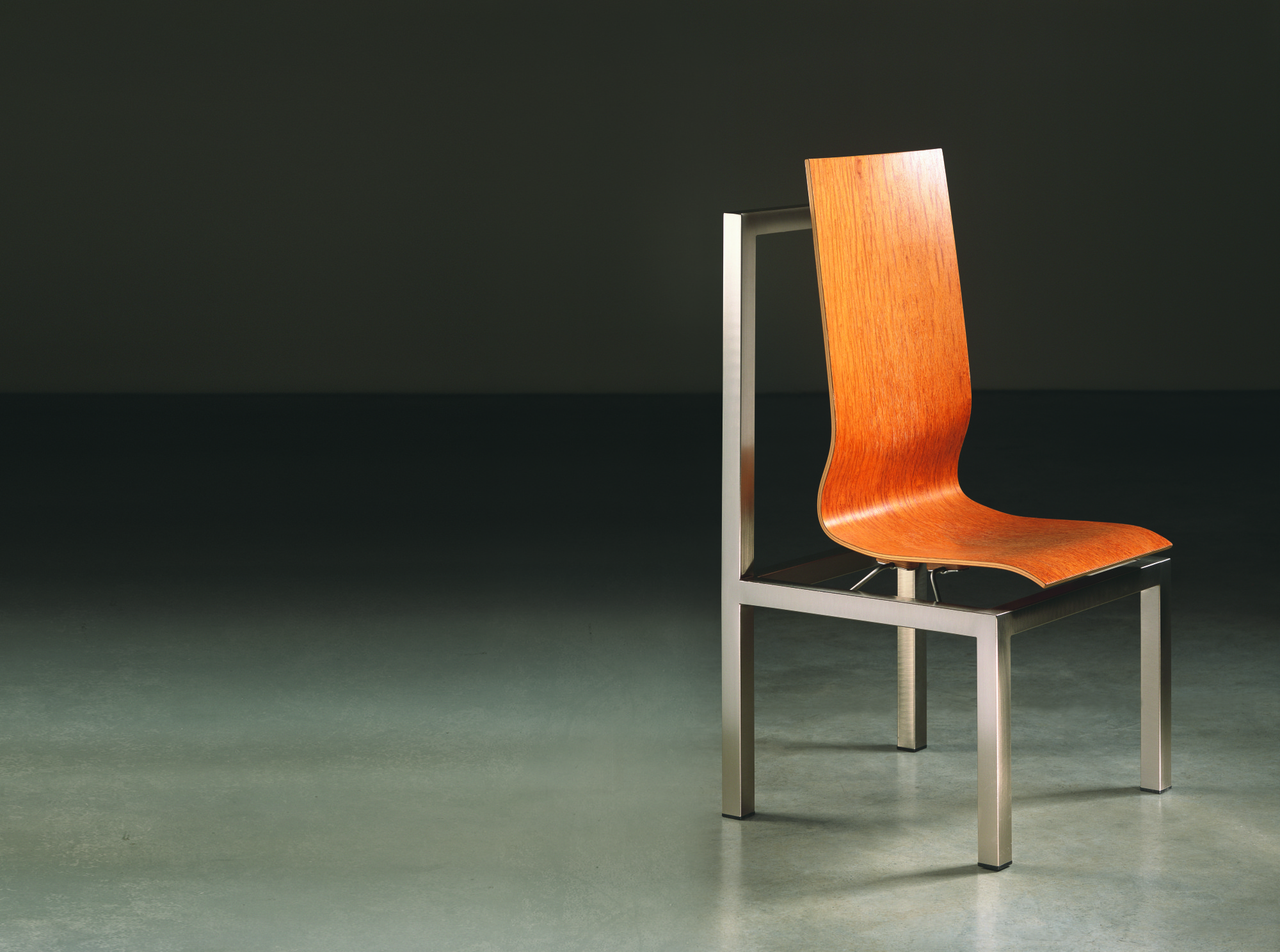
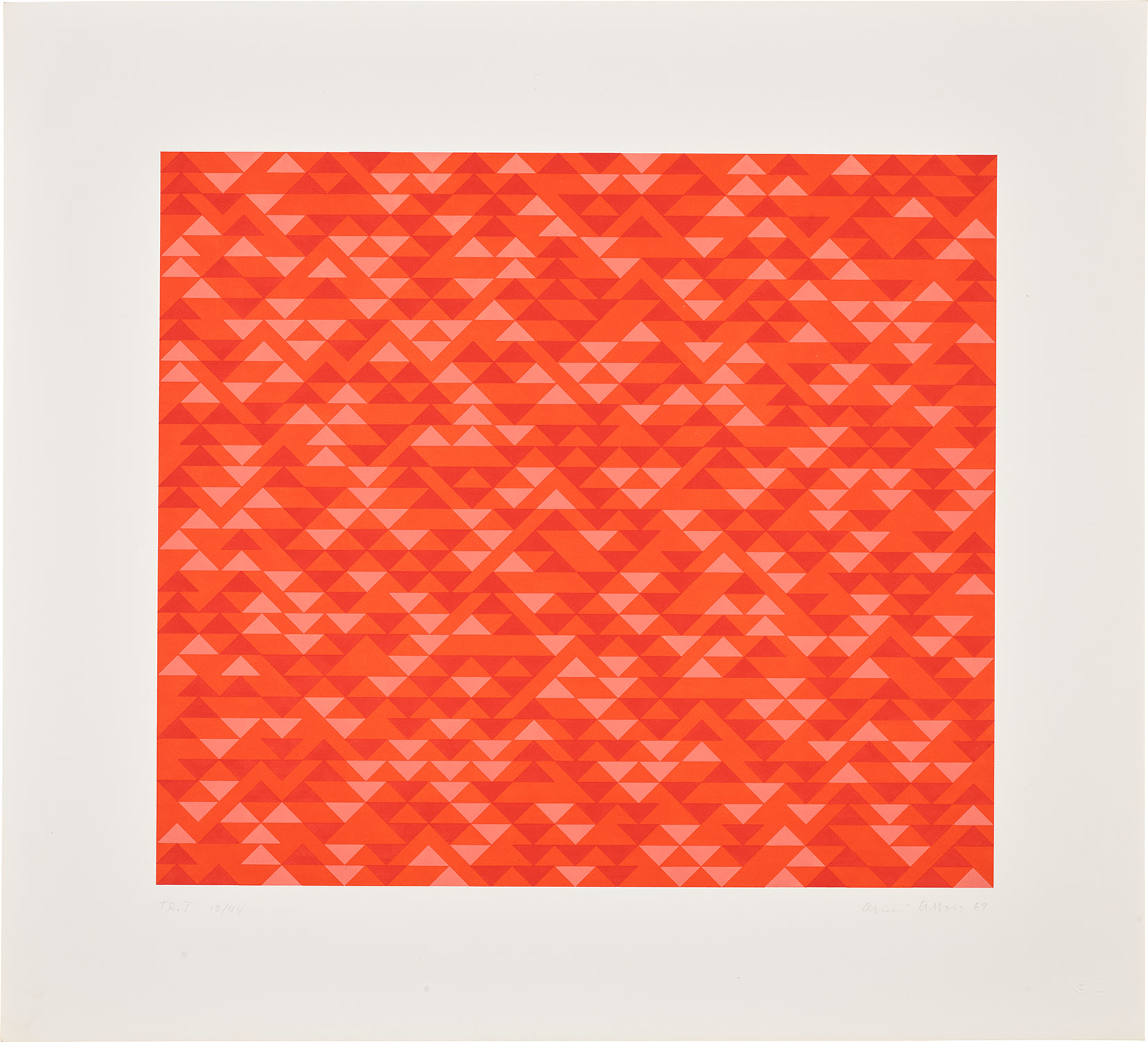
Miró's mature work from the 1940s onward reads almost like a private alphabet, one that takes years to learn and rewards the patient collector immensely. Modernism was never a single voice, and some of its most compelling chapters were written in the spaces between painting and design, between fine art and the applied. Anni Albers, who studied and later taught at the Bauhaus, made the argument brilliantly through textiles, treating the woven grid as a space for formal invention as rigorous as anything happening on canvas. The Bauhaus itself, founded in Weimar in 1919 by Walter Gropius, was perhaps Modernism's most radical institutional experiment, its insistence on collapsing the hierarchy between art and craft still resonating in how we think about design today.
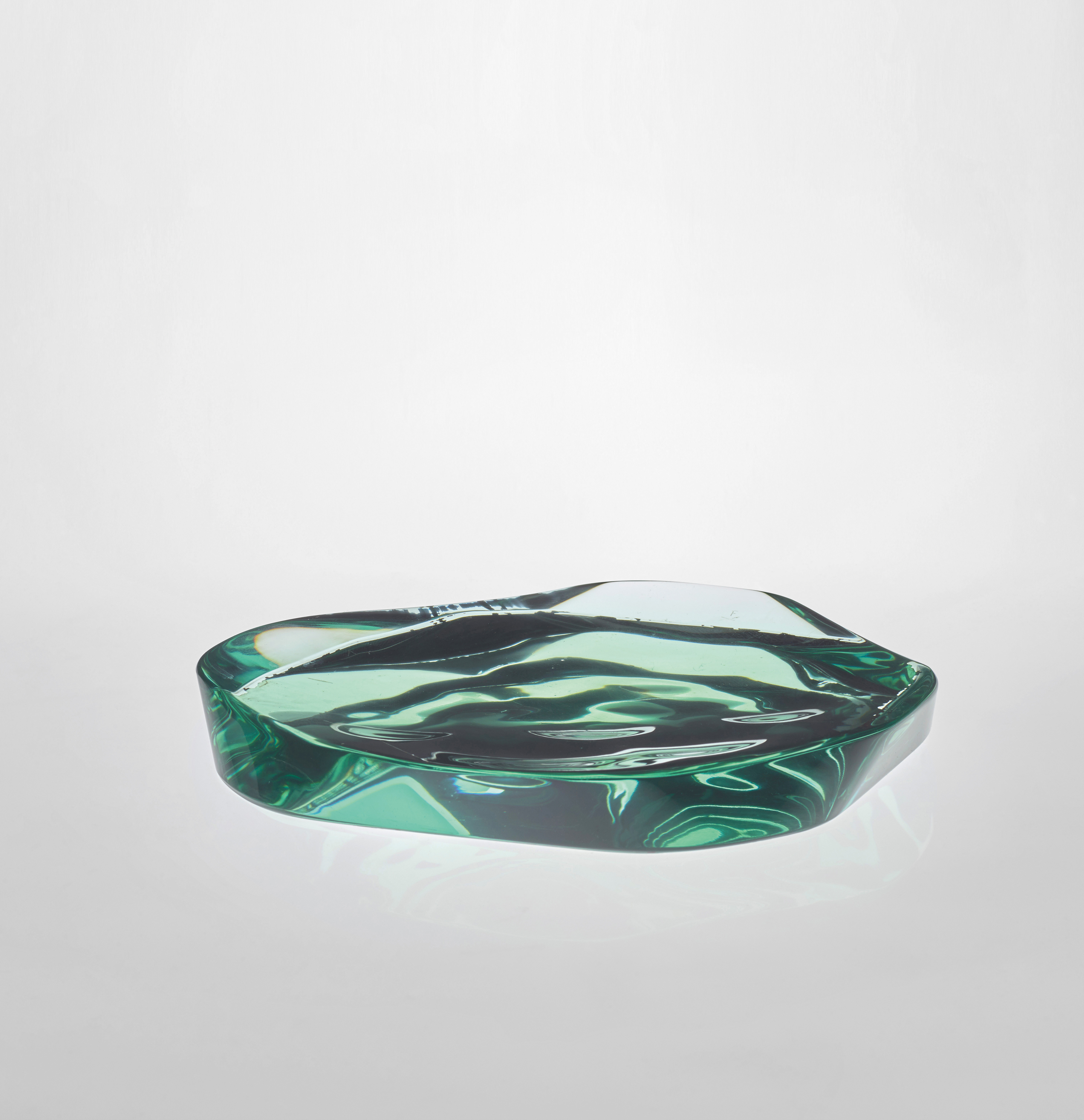
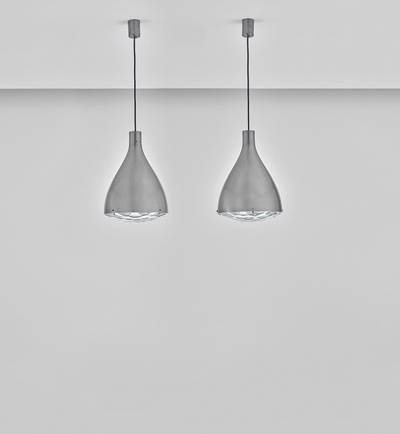
Fontana Arte
Vide-poche
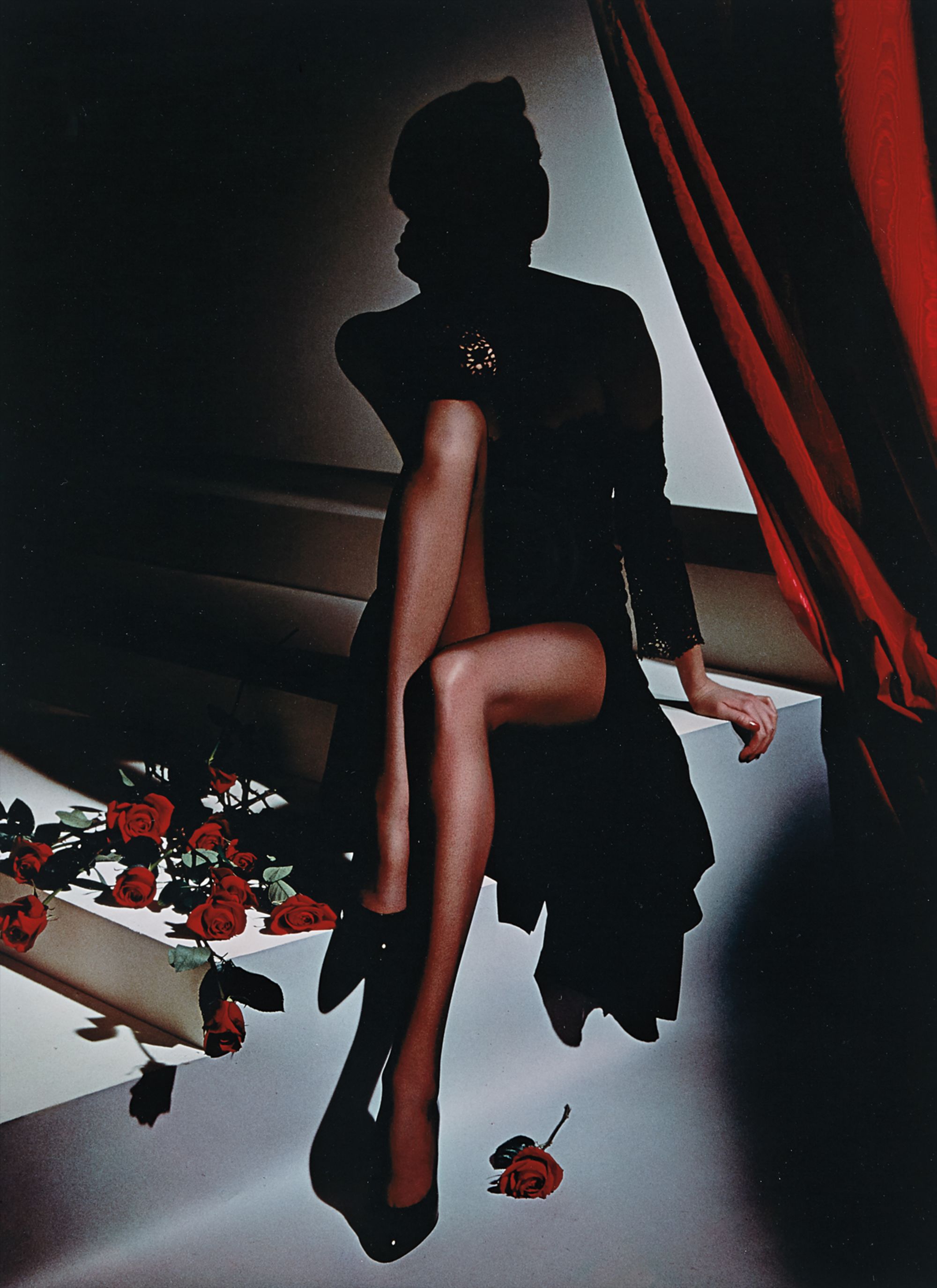
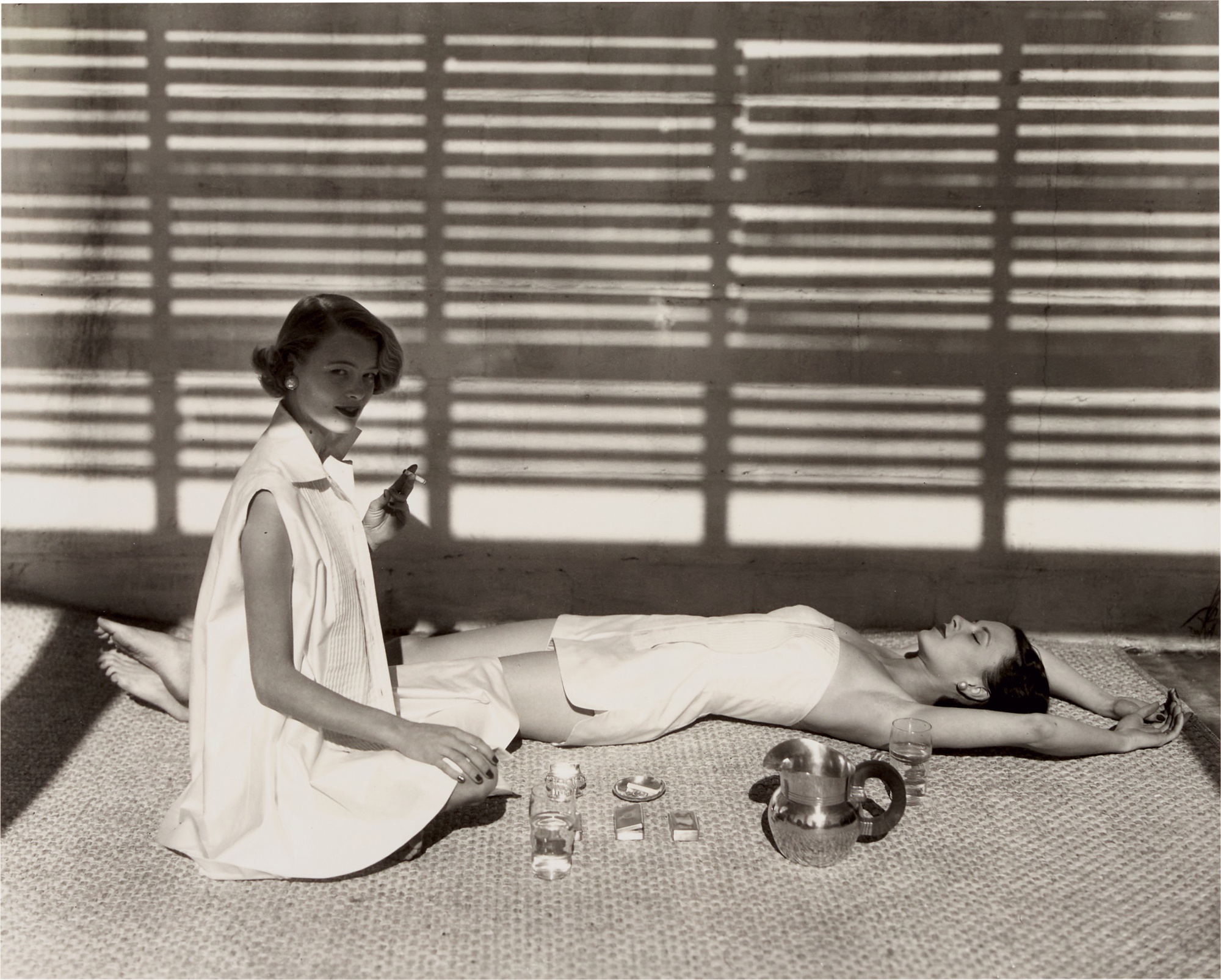
Albers brought that thinking to America when she and her husband Josef emigrated in 1933, and the work she made afterward carries both the precision of her European training and the openness of a new landscape. Photography occupies a fascinating and sometimes underappreciated position within the Modernist canon. The medium was young enough to have no academic tradition to rebel against, which gave its practitioners a particular freedom. Horst P.
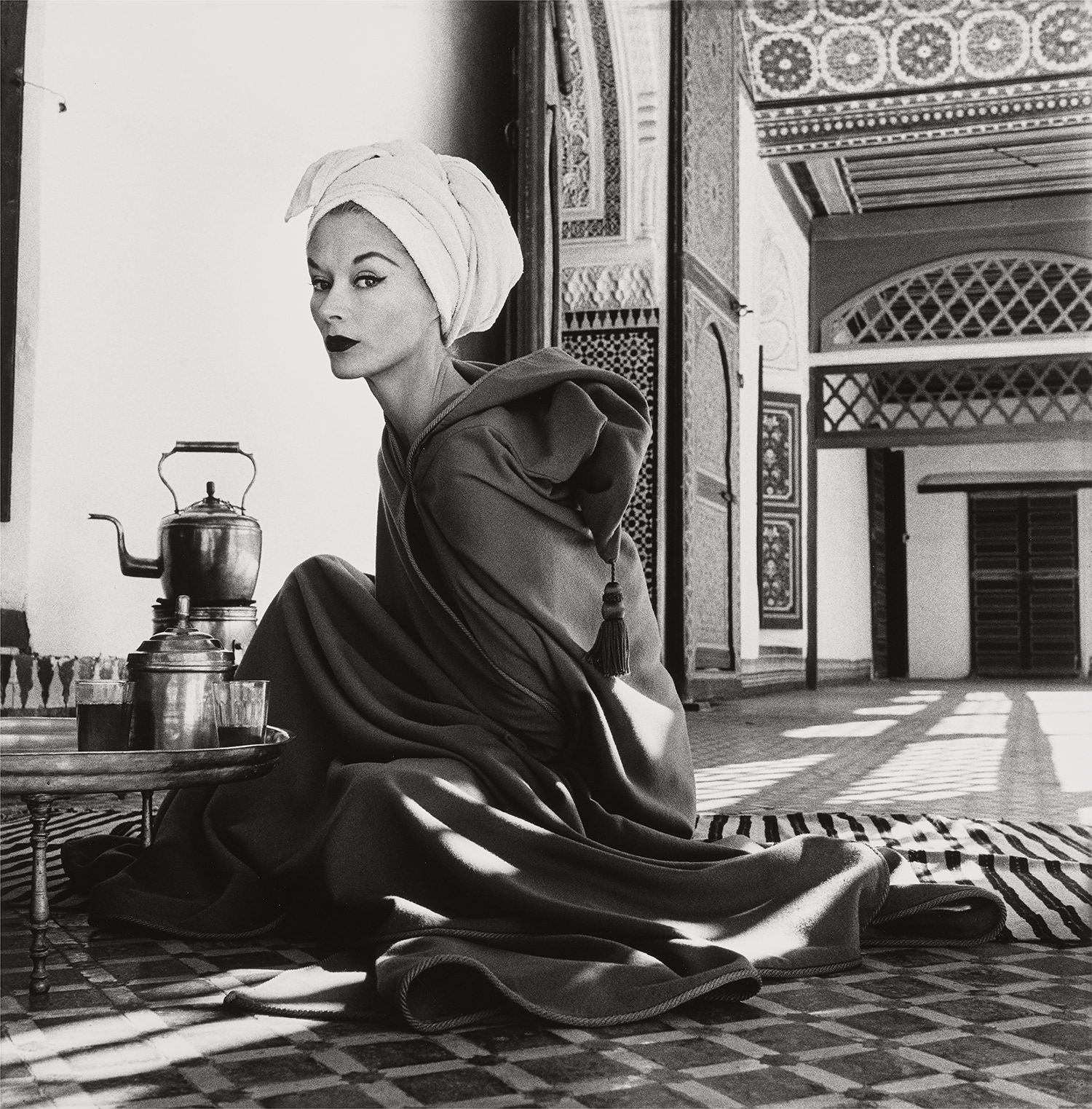
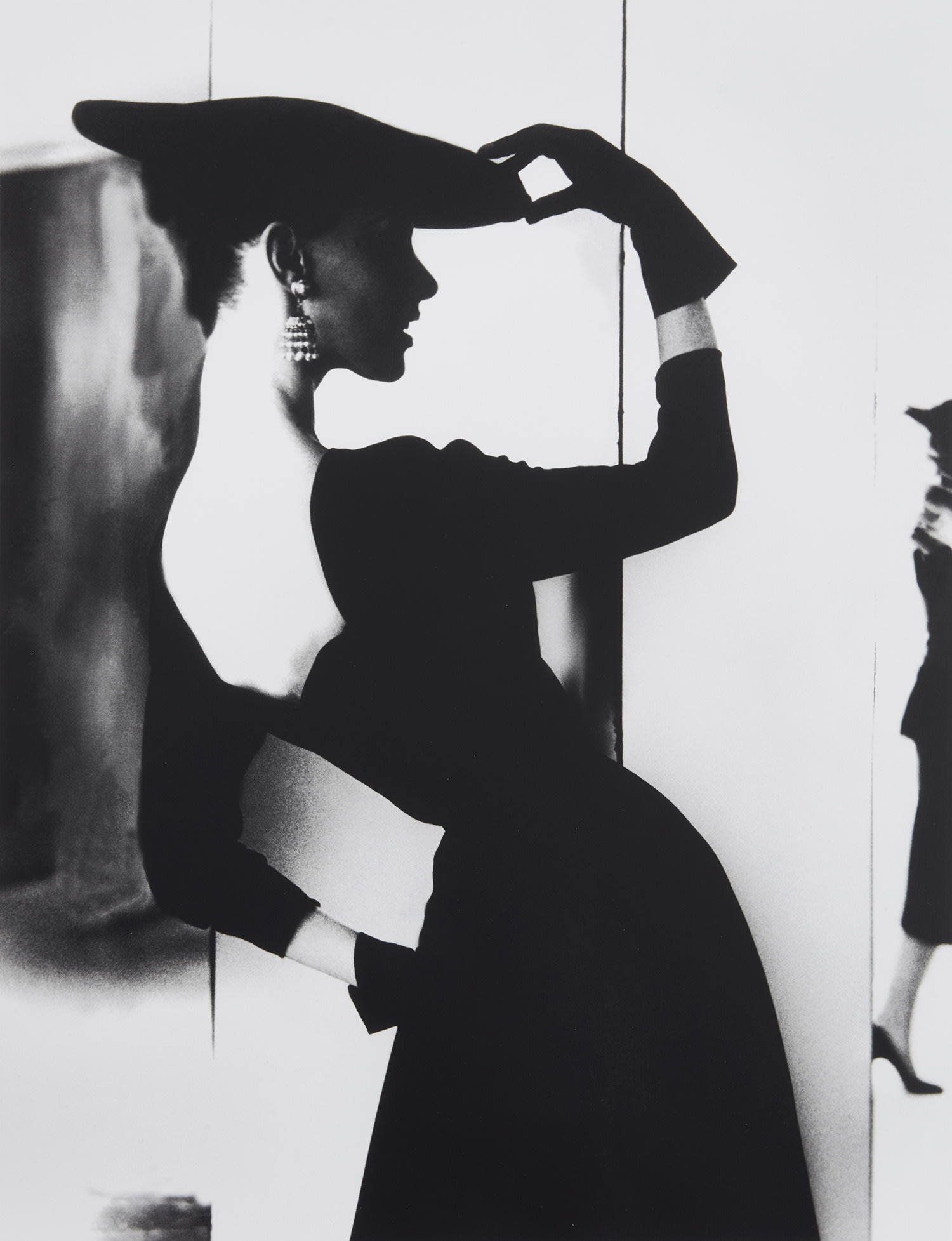
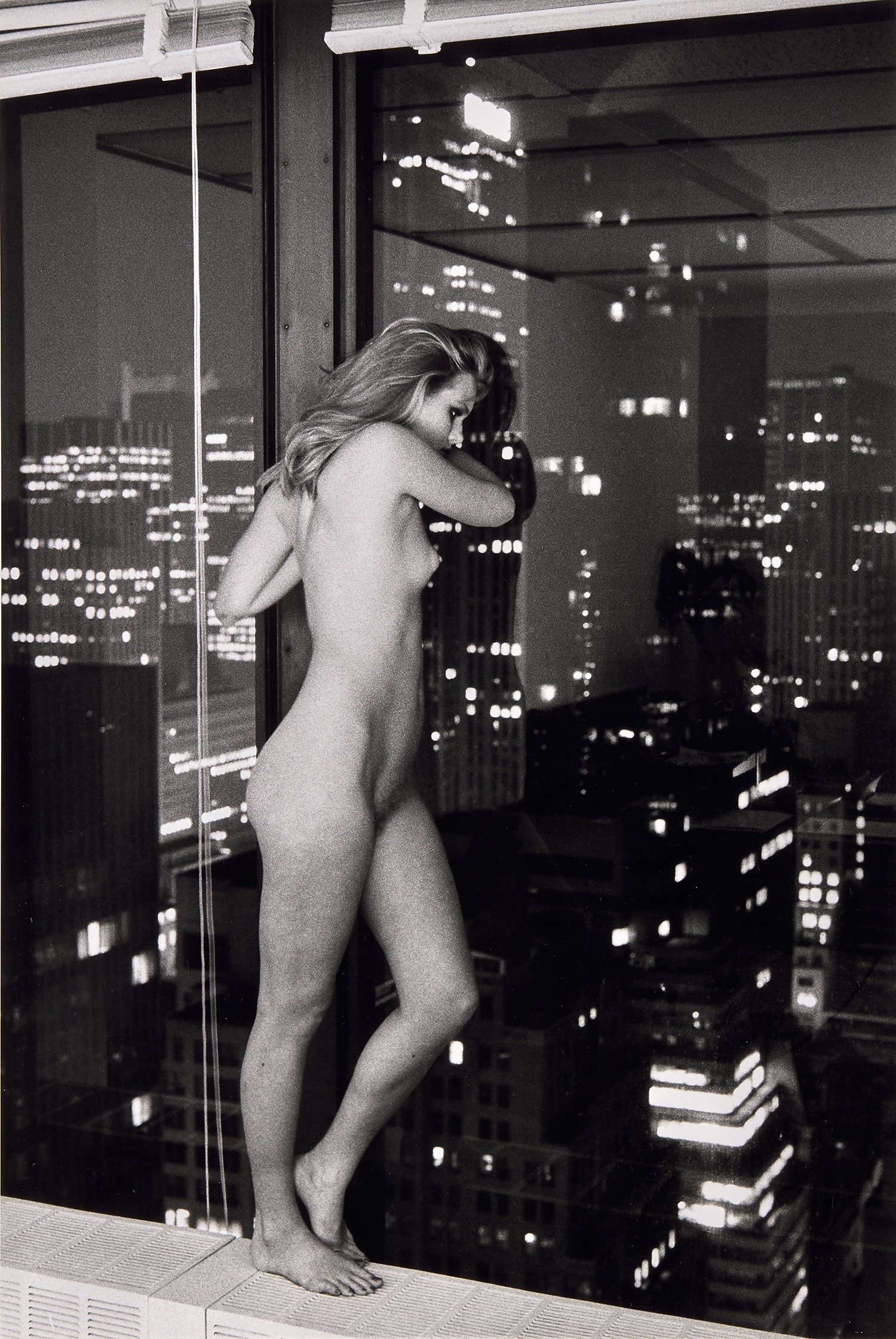
Horst, working primarily in Paris and New York from the 1930s onward, brought the formal vocabulary of Modernist painting into the studio, using shadow and light with a sculptor's sense of volume. His images for Vogue carry the influence of Surrealism and classical form in the same frame. Irving Penn, working from the late 1940s, brought a similar formal intelligence to bear but stripped the environment down further still, finding extraordinary drama in absolute simplicity. And Lillian Bassman, whose work for Harper's Bazaar in the late 1940s and 1950s pushed darkroom technique toward something approaching abstraction, showed that the photographic image could dissolve almost entirely into texture and gesture without losing its emotional core.
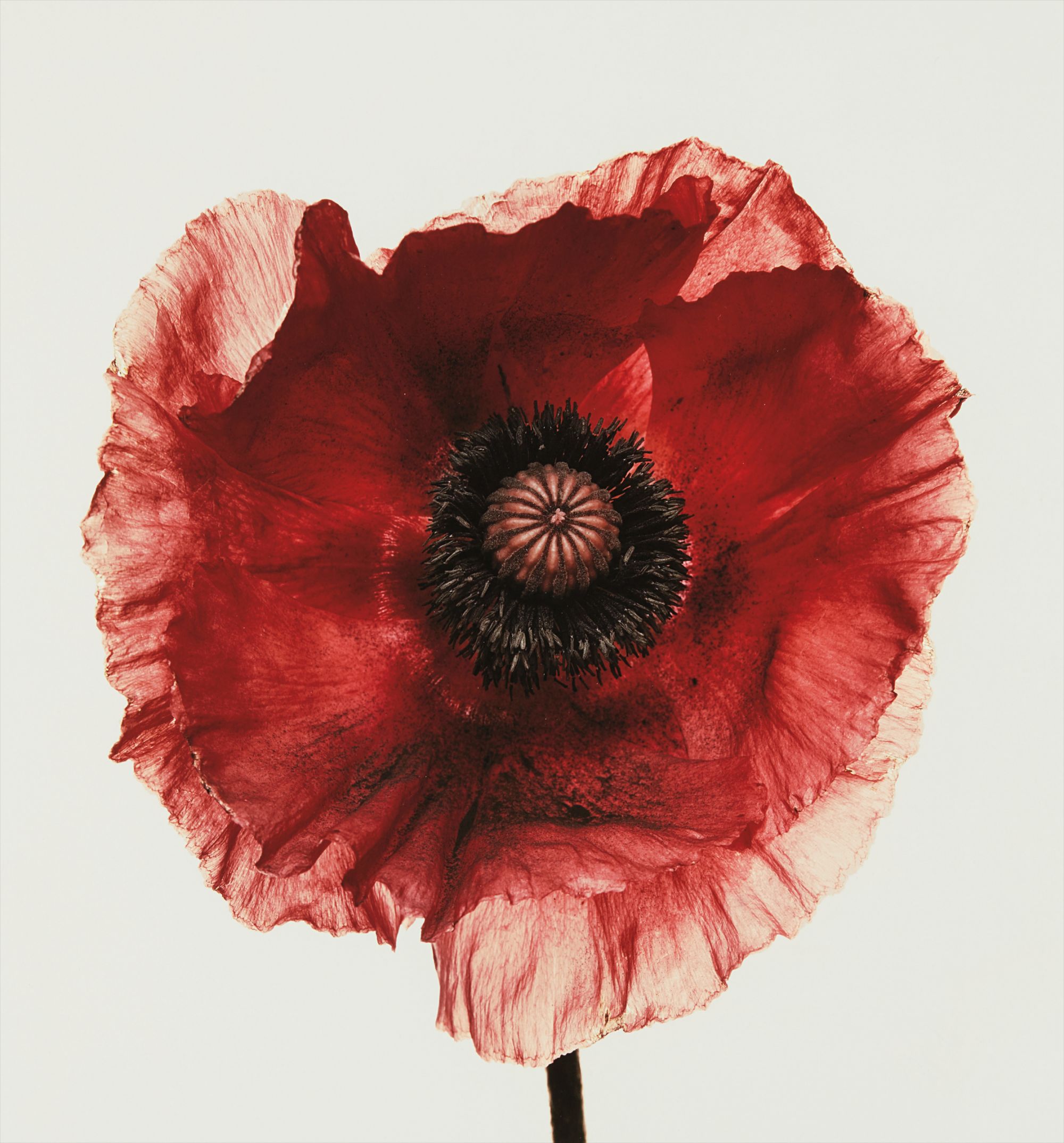
Irving Penn
Poppy: Burgundy, New York
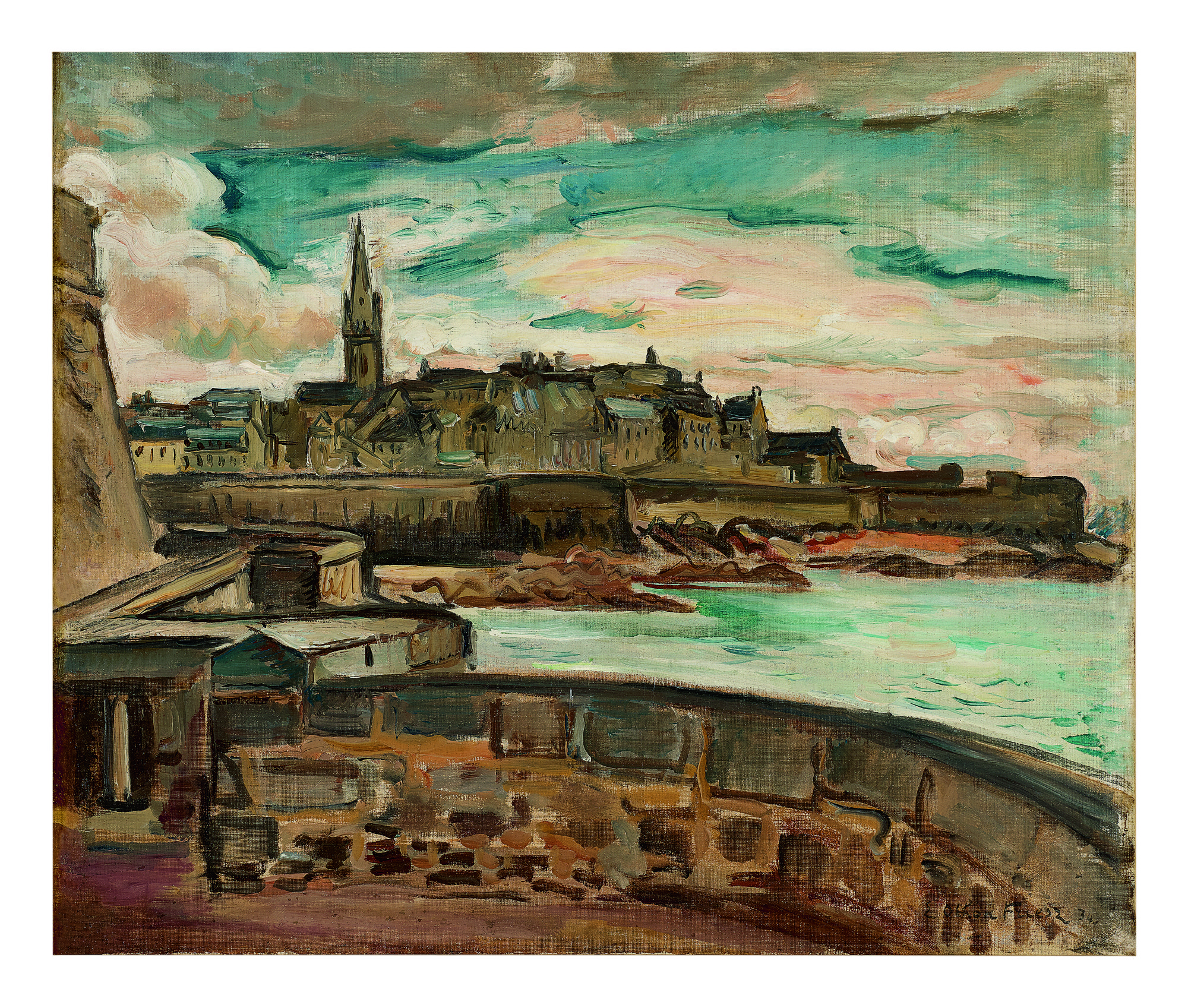
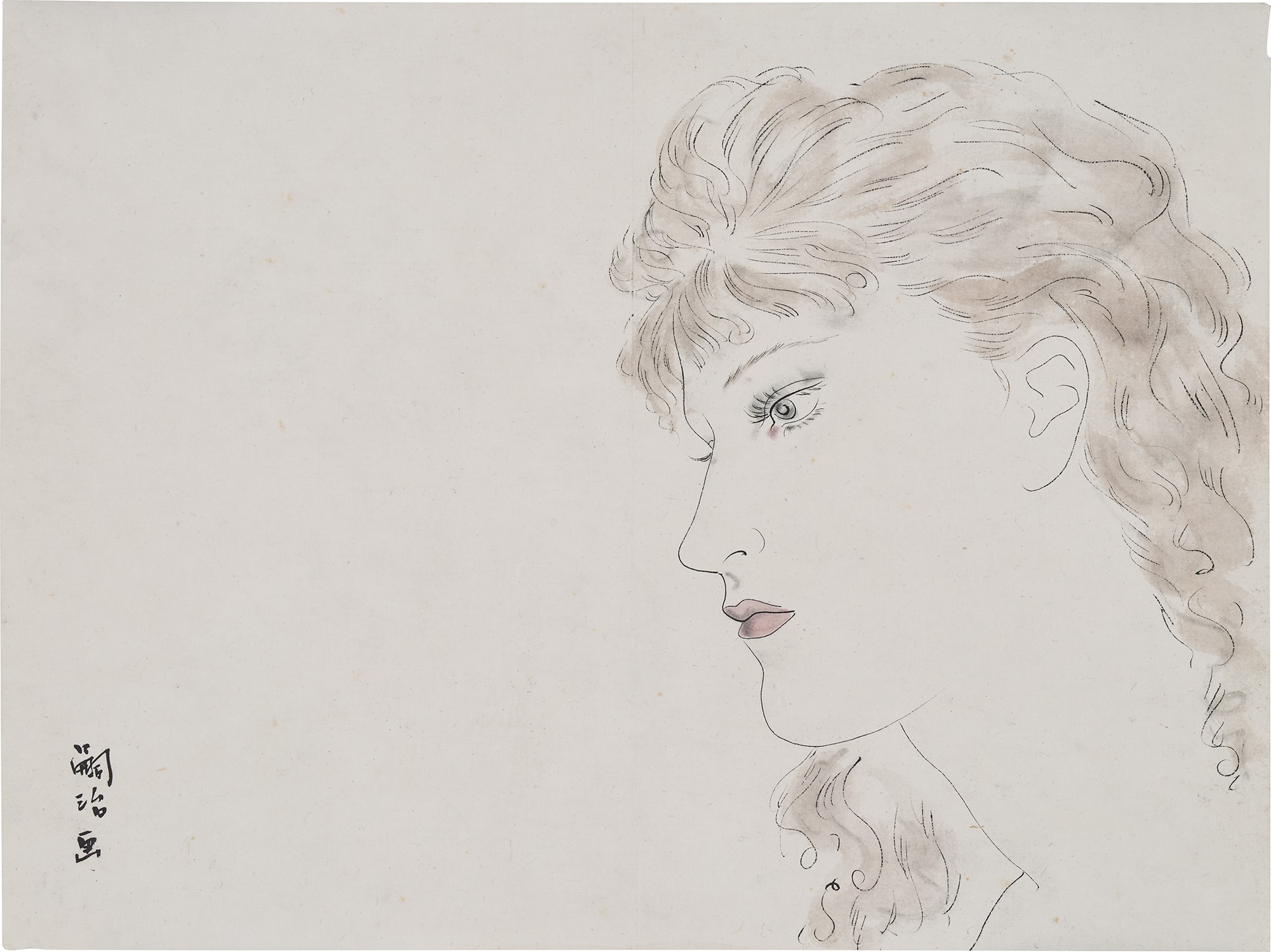
The painters working at the edges of Modernism often produced some of its most lasting surprises. Maurice Prendergast, an American who absorbed the lessons of Cézanne and the Nabis during time in Paris in the 1890s, translated them into a mosaic like pointillism that feels joyful and formally inventive in equal measure. His beach scenes and park crowds vibrate with color in a way that rewards close looking over many years. Léonard Tsuguharu Foujita brought a remarkable cross cultural perspective to the Paris of the 1920s, combining the ink traditions of Japanese painting with the formal concerns of the European avant garde in a way that felt genuinely new.
Francis Newton Souza, who emerged from post colonial Goa and became a founding member of the Progressive Artists Group in Bombay in 1947 before moving to London, extended the Modernist argument into territories that the European mainstream had ignored, bringing raw expressionist force to questions of identity, flesh, and faith. What unites these artists across all their differences is a shared commitment to the idea that visual form has moral stakes. Modernism was not merely a style shift, it was an argument that the way something is made carries meaning as much as what it depicts. That conviction, once absorbed, changes how you look at everything.
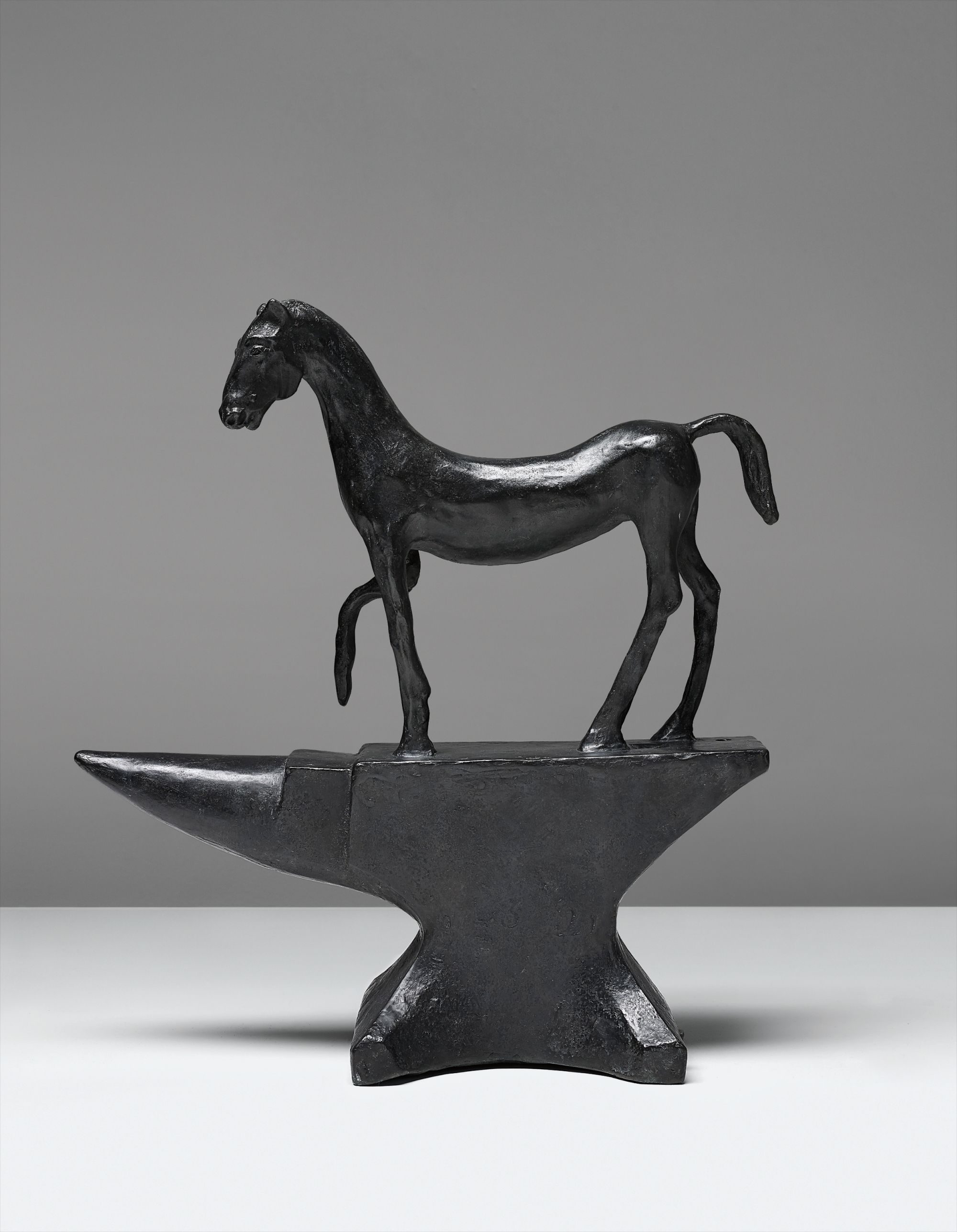
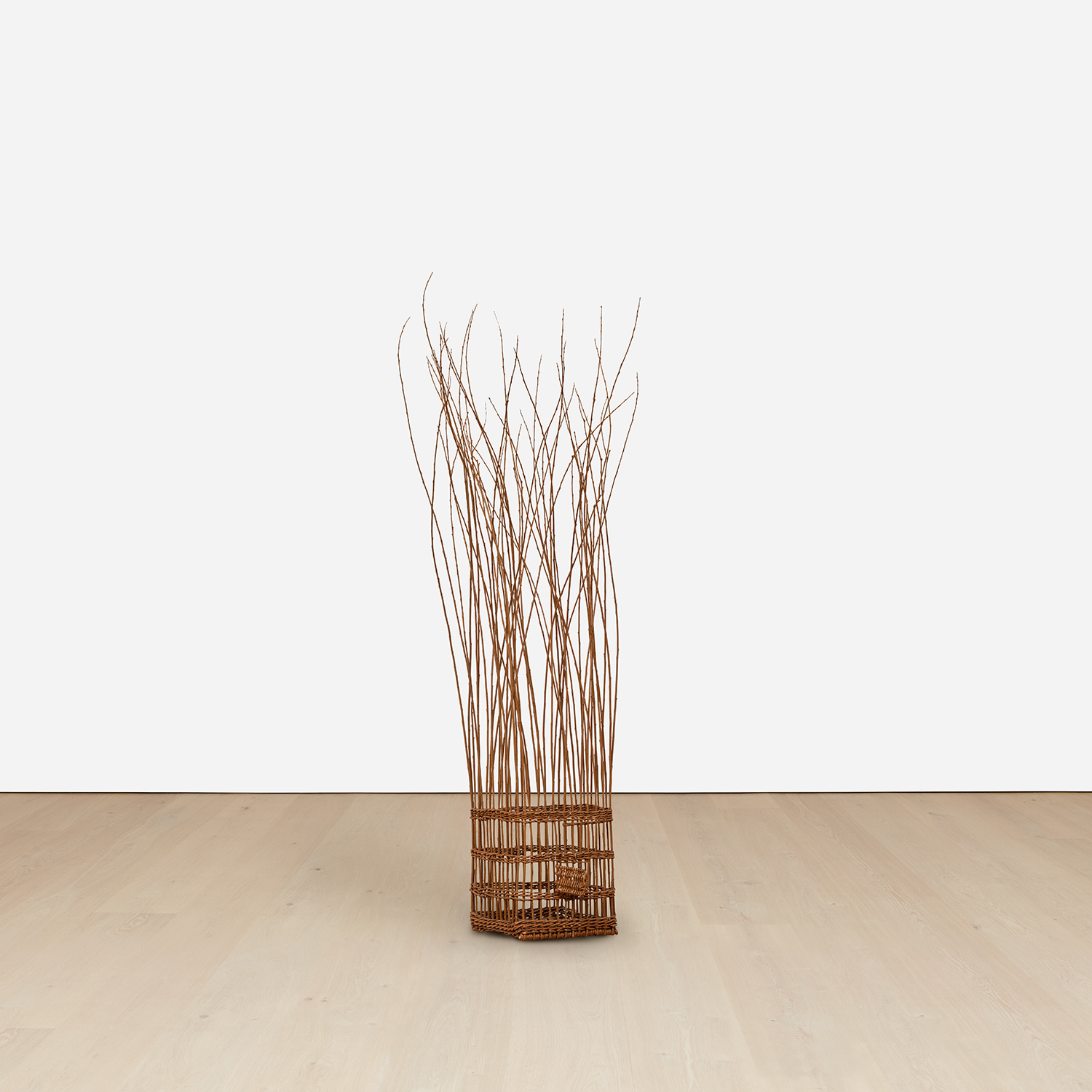
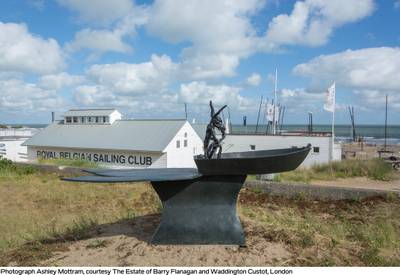
Barry Flanagan RA
Horse on Anvil, 2001
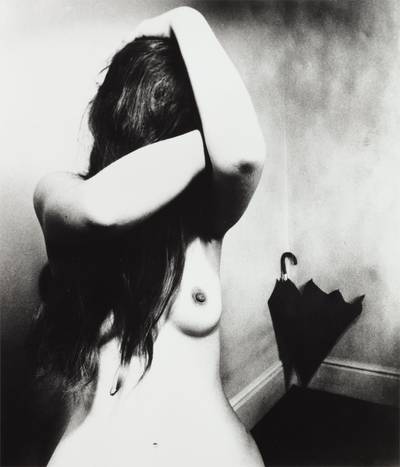
It is why Modernist works remain such active presences in a room rather than simply decorative objects. They ask something of you. The artists represented on The Collection across this current reflect that breadth, from the formal rigors of Albers to the photographic elegance of Bill Brandt, from Picasso's Cubist geometries to Dora Maar's Surrealist photographs and paintings that sit at one of the movement's most fascinating intersections. For collectors today, Modernism offers something rare: works that have been tested thoroughly by time but have not been flattened into mere art history.
The best pieces still feel alive because the questions they were asking have not been answered. What does form owe to feeling? What does abstraction reveal that representation conceals? How far can an image be pushed before it becomes something else entirely?
These were the questions that animated the century, and they remain the questions that make collecting in this territory one of the most rewarding conversations a serious collector can have.