Social Realism
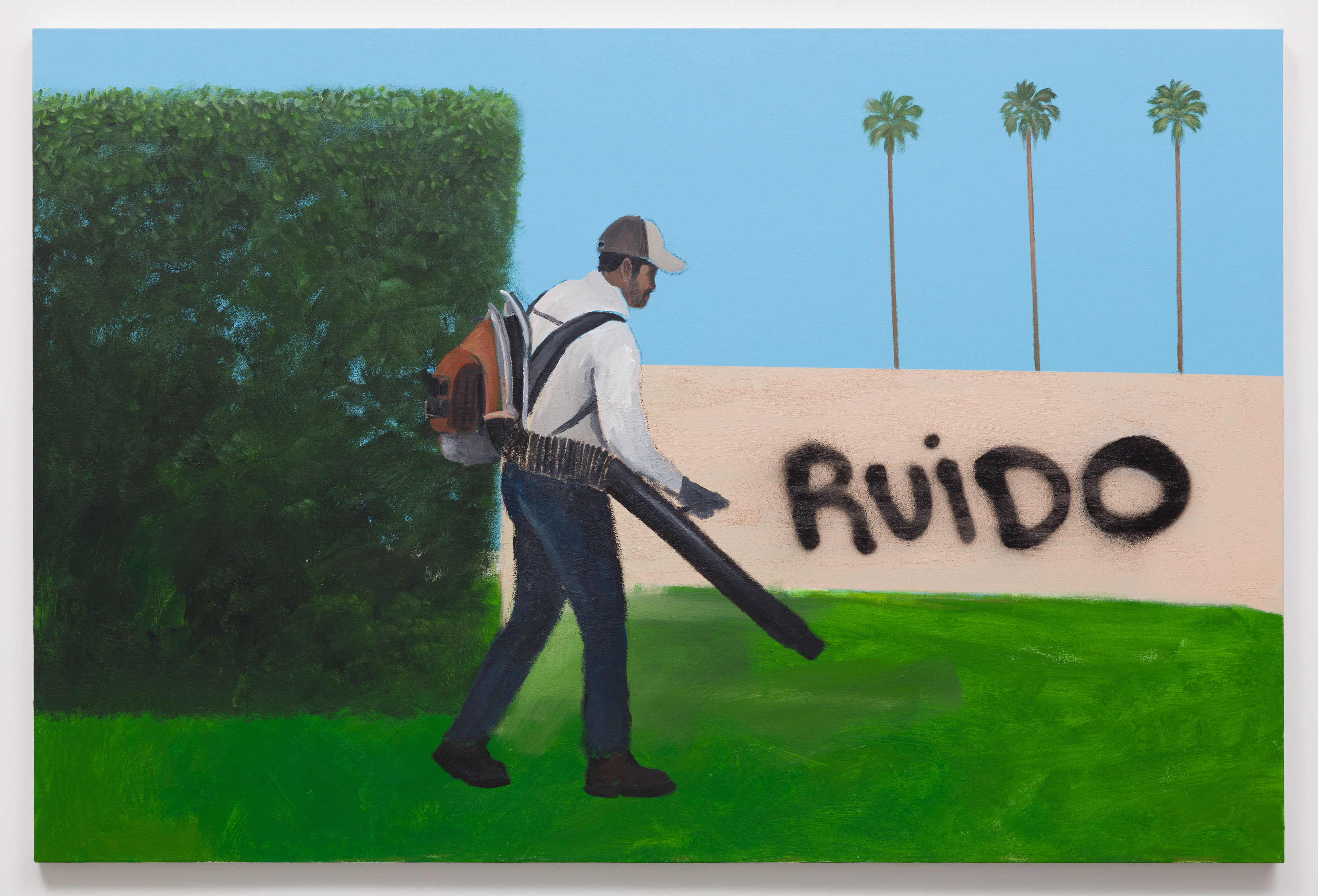
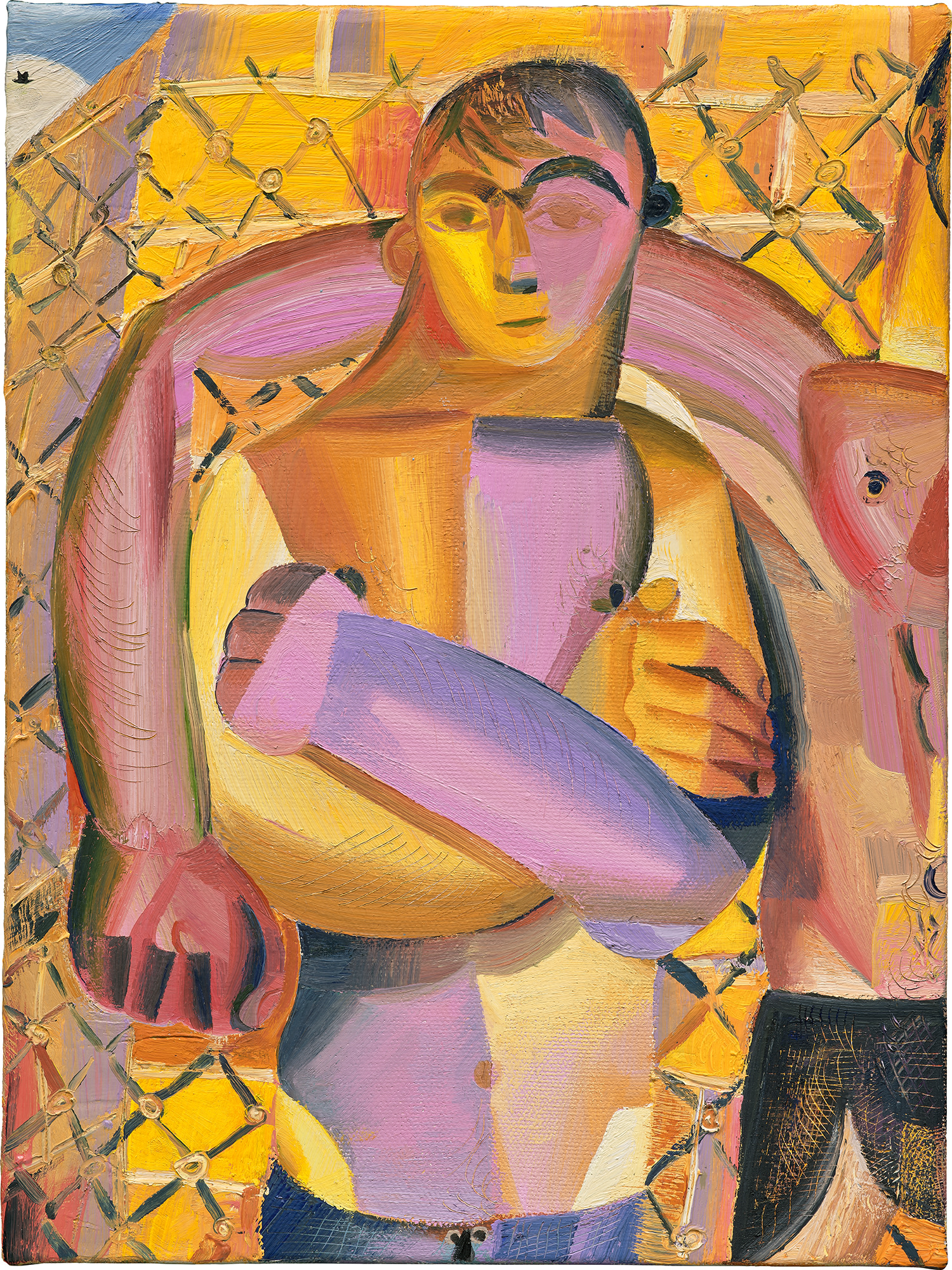
Ramiro Gomez
Ruido, 2019



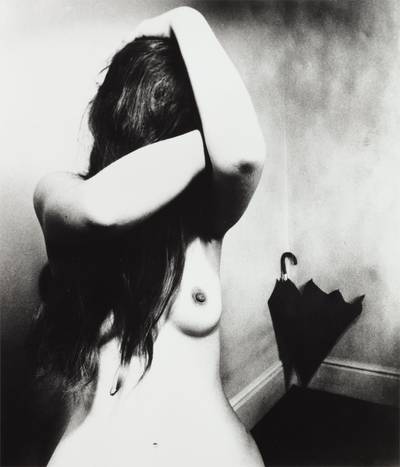
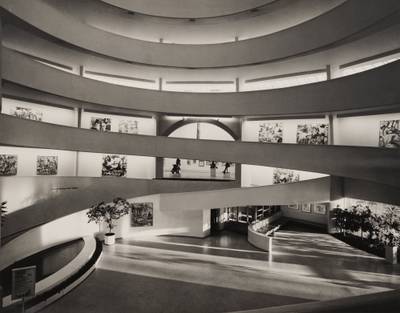

The Gaze That Refuses to Look Away
When a print by Dorothea Lange sold at a major auction house in recent years for well above its estimate, the room went quiet in a particular way. Not the silence of surprise, but the silence of recognition. People understood, almost instinctively, that they were not simply bidding on a photograph. They were bidding on a moral position, on a way of seeing that felt, in the current climate, almost unbearably relevant.
Social Realism has always had this quality: it arrives at its best precisely when the world needs it most. The market for Social Realist work has matured considerably over the past decade, shifting from a niche scholarly interest into something collectors across multiple disciplines are actively pursuing. Photography has led this charge, with the canonical figures commanding serious prices. Walker Evans prints, long beloved by institutions, now appear regularly in postwar and contemporary sales where they compete with far more recent names.
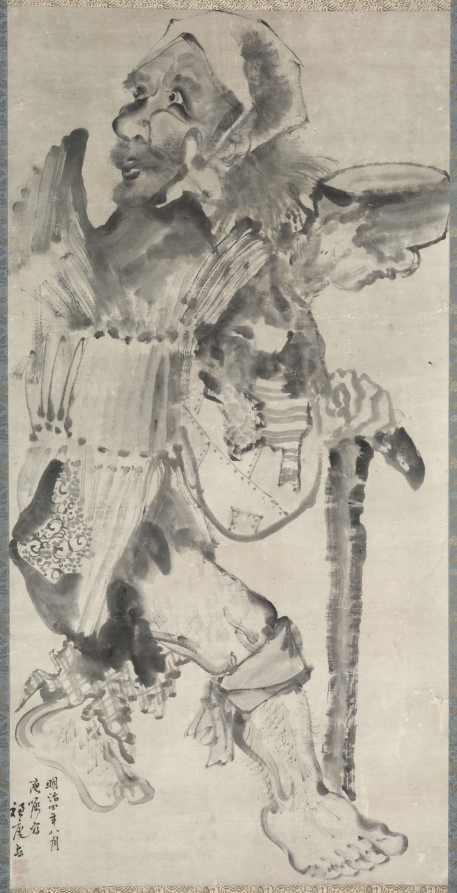
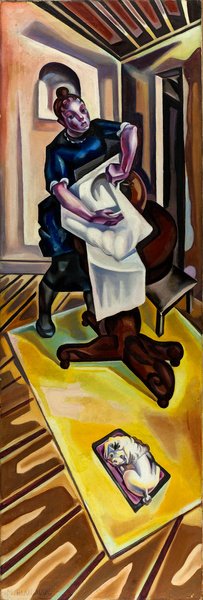
Hirafuku Suian
Beggar (Kojiki), 1871
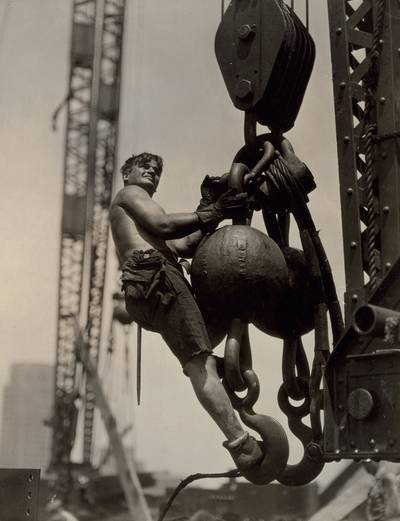
George Bellows, whose painterly depictions of working class New York life retain an astonishing physical energy, has seen consistent institutional and private demand. The Mexican muralists, particularly Diego Rivera and David Alfaro Siqueiros, have benefited from renewed scholarly attention and a broader reconsideration of Latin American modernism at the highest levels of the market. Among photographers, the name that currently generates the most sustained auction conversation is Lewis Wickes Hine, whose early twentieth century documentation of child labor and immigrant life at Ellis Island occupies a strange and powerful position in the market. His work is simultaneously art historical bedrock and something that feels shockingly contemporary in an era of renewed debate around labor, migration, and economic inequality.
The Collection holds a remarkable depth of Hine material, reflecting the range and ambition of his project across decades. Similarly, Robert Frank's work continues to appreciate steadily, driven by the permanent cultural status of The Americans as one of the defining documents of postwar life. Institutionally, the collecting energy has been genuinely exciting to watch. The Museum of Modern Art's ongoing commitment to photographers like Diane Arbus and Bill Brandt signals a refusal to treat Social Realism as a closed chapter.
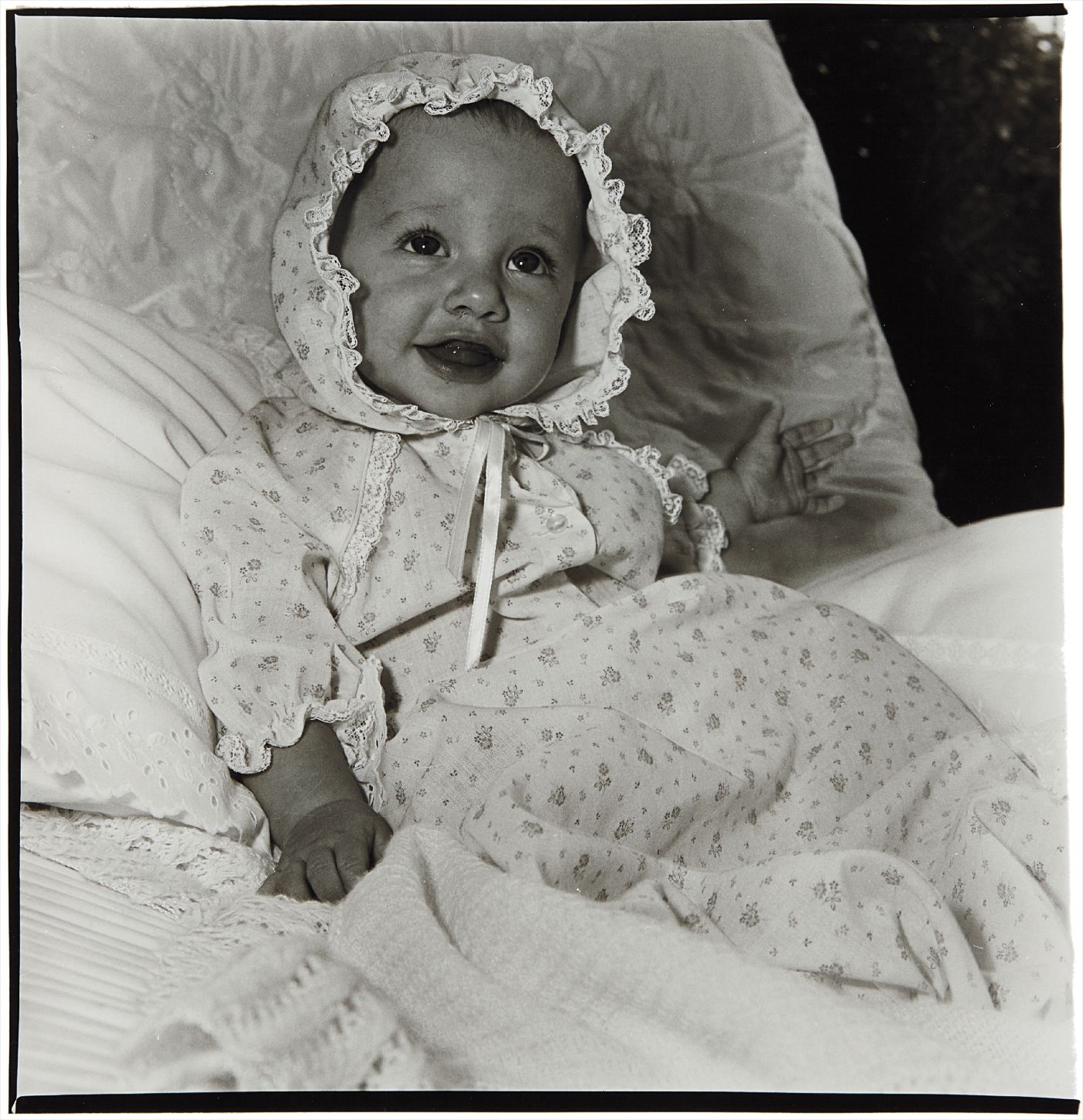
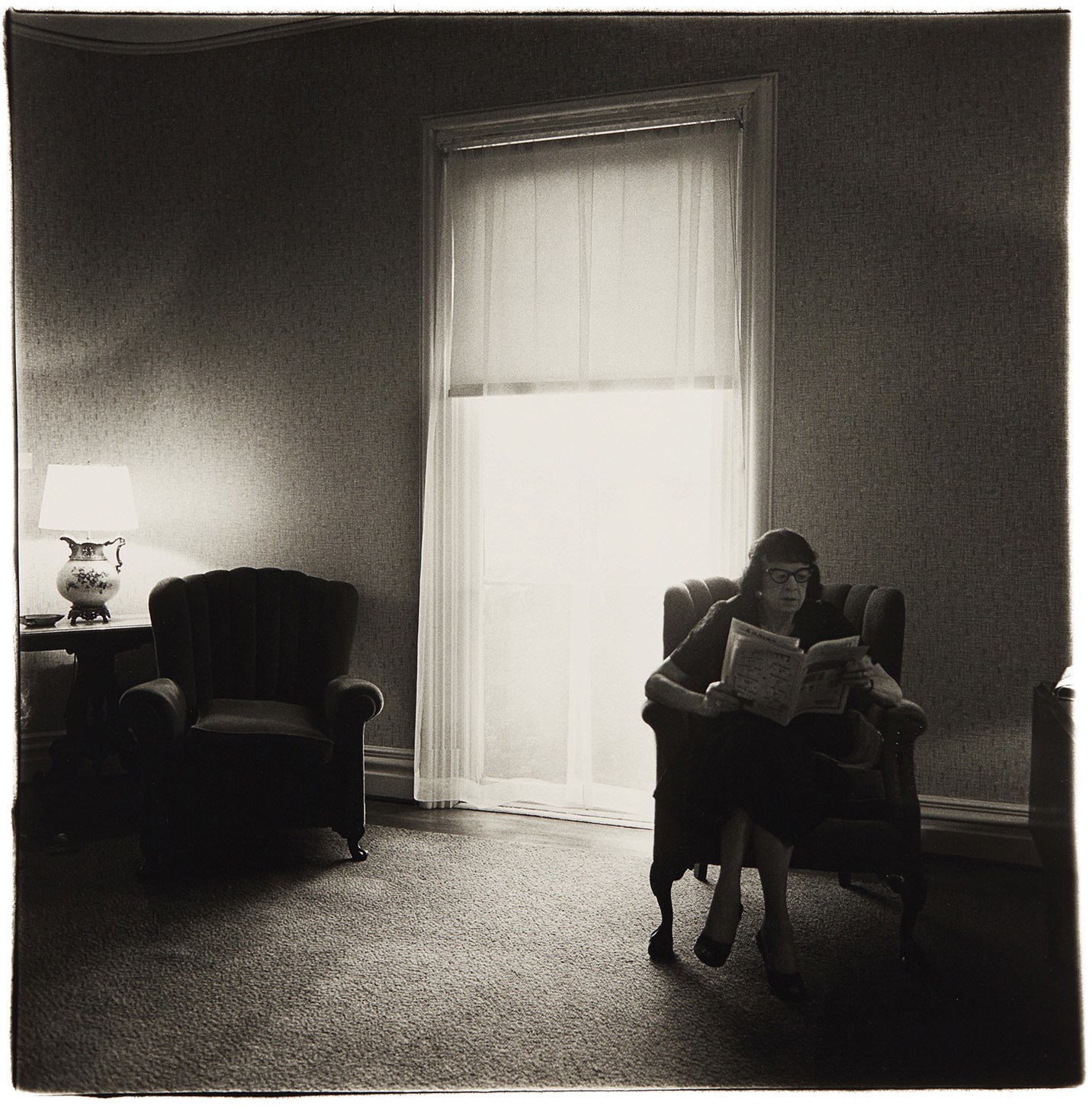
Diane Arbus
Baby in a lacey bonnet, N.Y.C.
The Getty Museum in Los Angeles has built one of the most serious holdings of Lange material anywhere in the world, and their programming around her work has consistently shaped the critical conversation rather than simply reflecting it. The International Center of Photography in New York remains the intellectual home of this tradition in American photography, with exhibitions that draw direct lines between the documentary impulse of the 1930s and the work being made right now. In Britain, the situation around L.S.
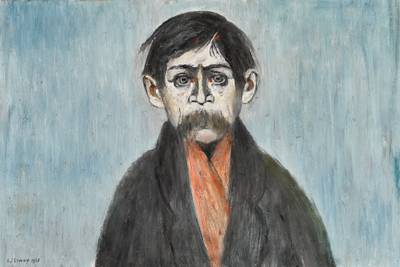
Lowry is particularly interesting. For years his matchstalk figures and industrial Lancashire landscapes were treated with a certain condescension by the metropolitan art establishment, seen as too regional, too populist, somehow insufficiently serious. That attitude has shifted dramatically. The Lowry centre in Salford has done essential curatorial work in repositioning him not as a charming eccentric but as a genuine witness to a specific industrial world that no longer exists.
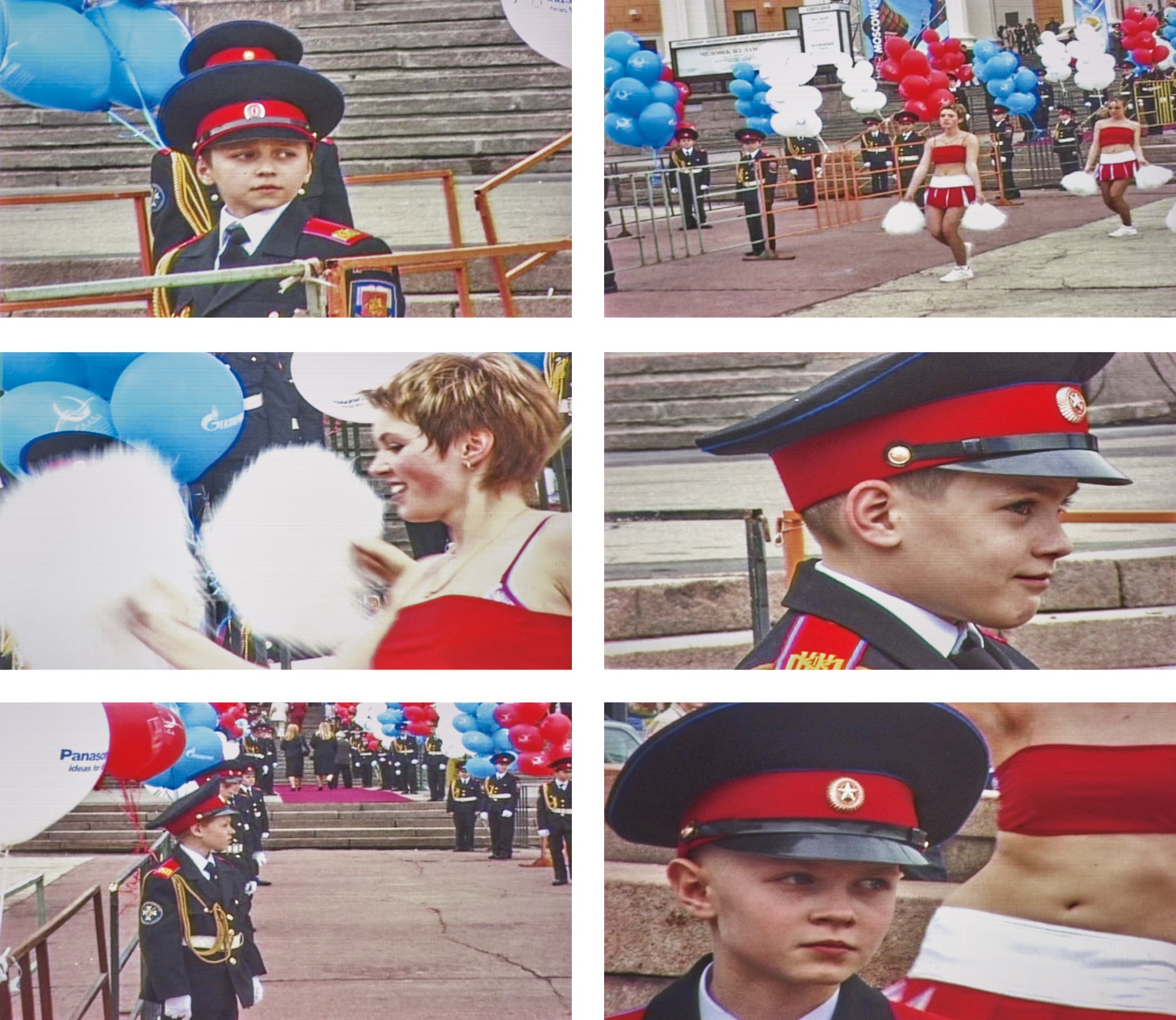
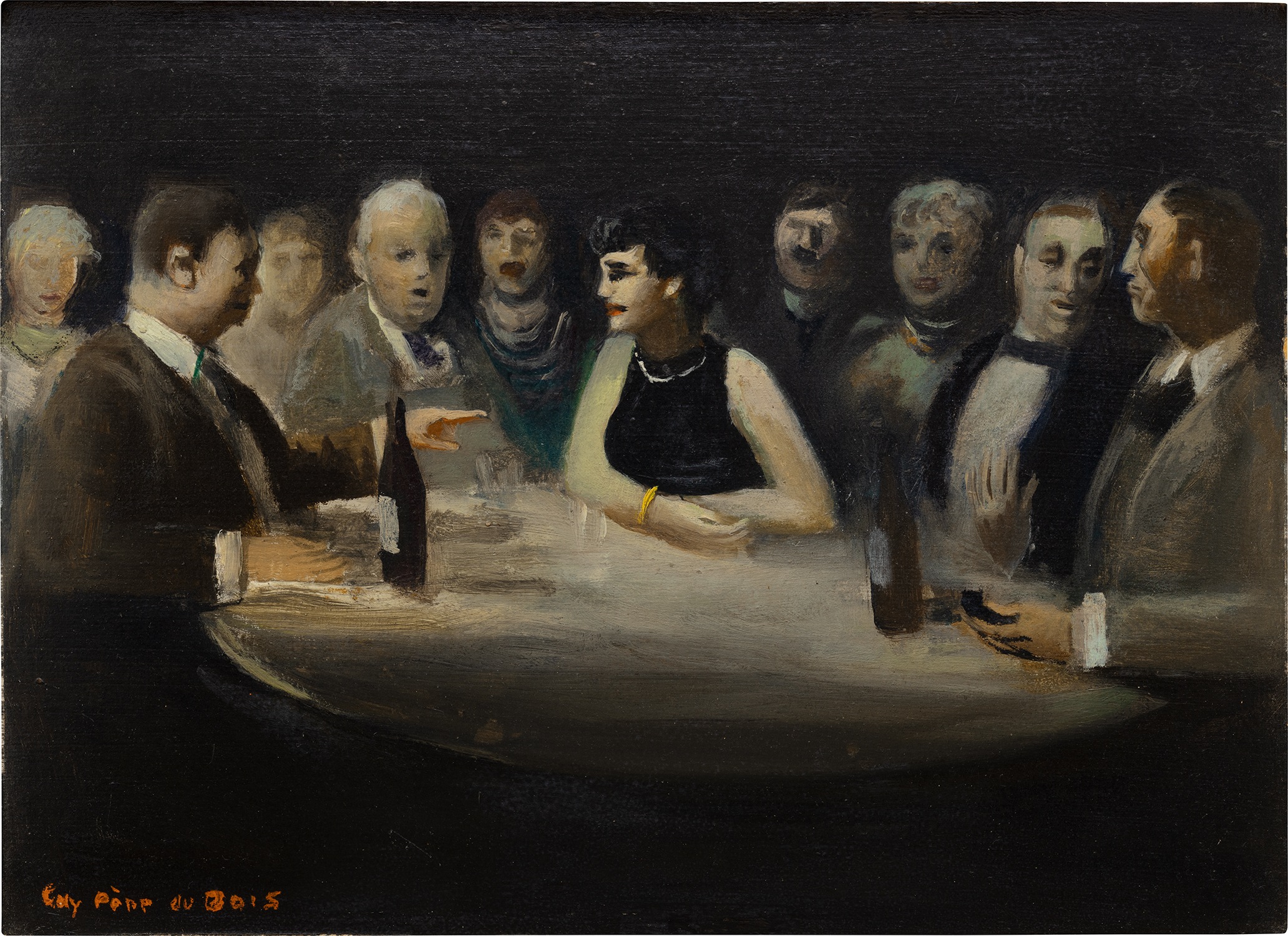
Olga Chernysheva
March, 2005
Auction results have followed critical reappraisal, with strong prices appearing in sales where his work might once have seemed out of place. He sits on The Collection alongside figures like Chris Killip, whose photographs of post industrial northeast England operate in a related tradition of unflinching northern witness. The critical writing reshaping this field is worth paying close attention to. Curator and writer Maria Morris Hambourg has long been essential on the American documentary tradition.
More recently, younger critics and scholars have been drawing connections between Social Realism and contemporary practices in ways that feel generative rather than forced. The publication of new monographs on figures like Sebastião Salgado, whose epic long term projects on labor and migration echo the scale of ambition of the 1930s generation, has opened conversations about what documentary photography can still do ethically and aesthetically. Salgado is represented on The Collection, and his presence alongside August Sander, whose systematic portrait project of Weimar Germany Germans remains one of the most ambitious sociological documents in photographic history, suggests something about the breadth and coherence of this collecting area. What feels alive right now is the intersection of Social Realism with questions of authorship and representation.
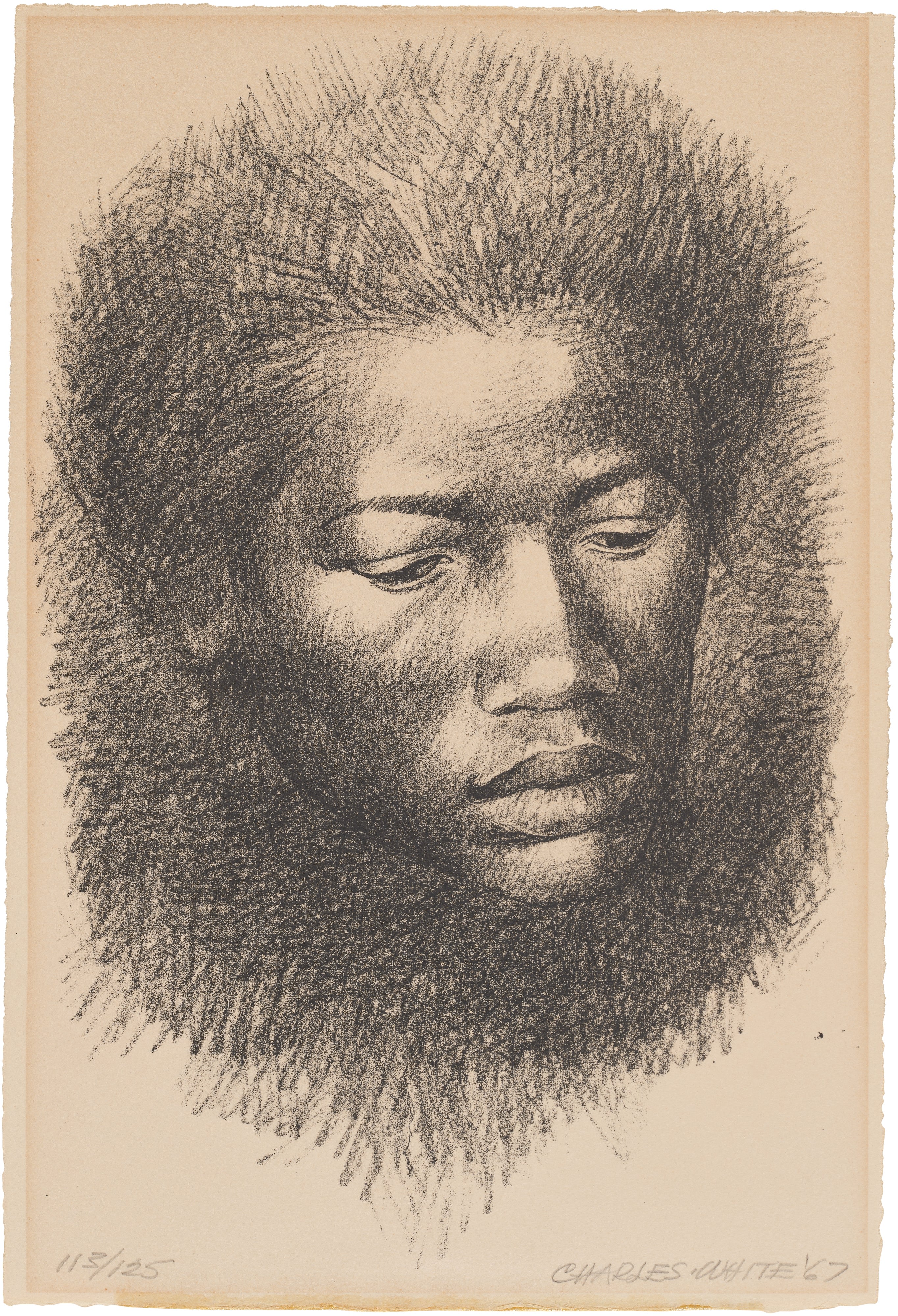
Charles White
Young Woman (Head)
The work of Elizabeth Catlett and Charles White, both African American artists whose Social Realist commitments were inseparable from their politics and their identities, has been substantially revalued in recent years. Their prices have risen sharply, and not only because of broader market correction toward overlooked figures. It is because curators and collectors have genuinely reconsidered what the tradition is and who belongs to it. Ernie Barnes, whose images of Black American social life carry an exuberant physicality entirely unlike the dominant register of Social Realist gravity, represents another kind of expansion of the category.
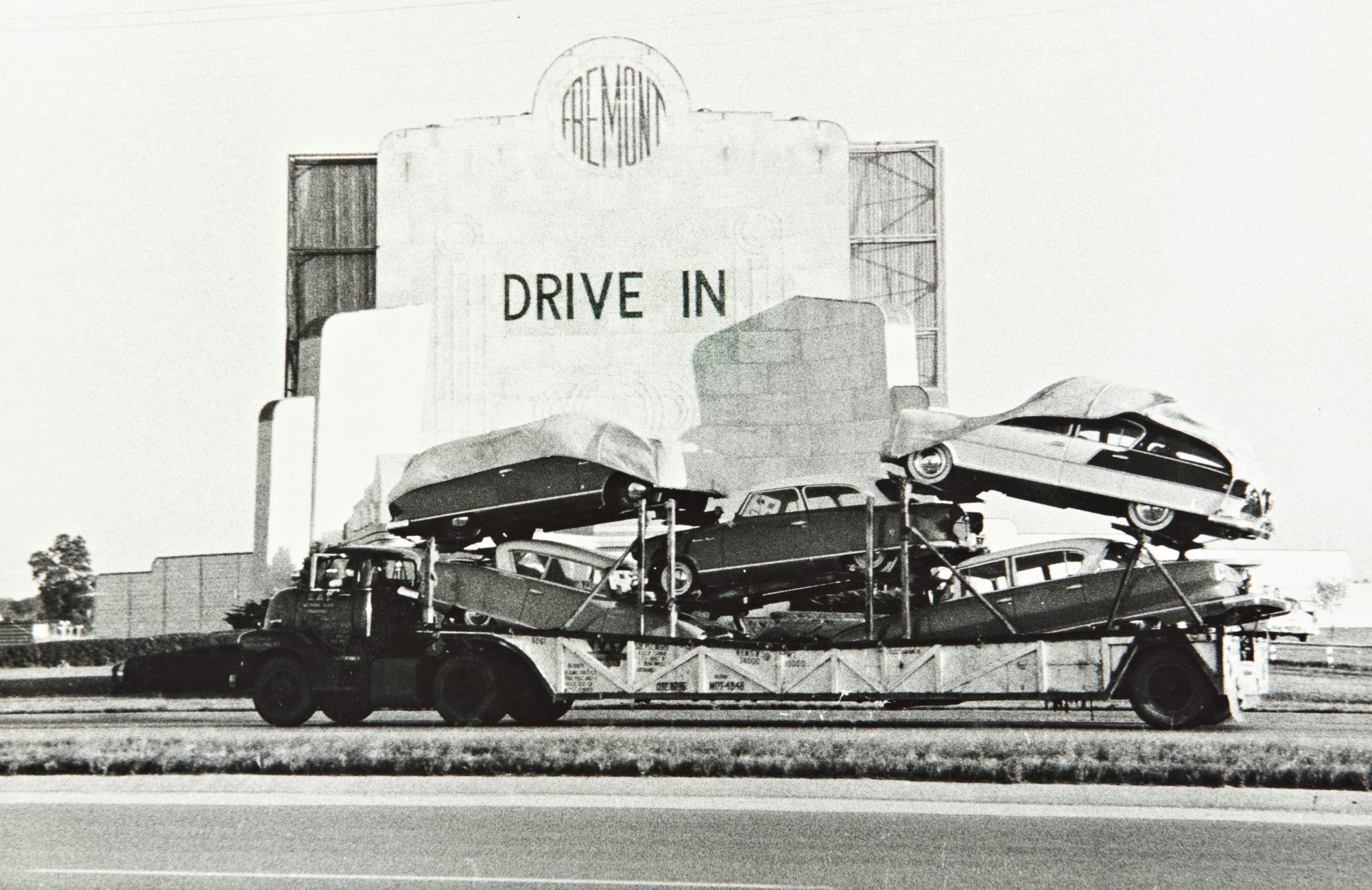
His market has transformed almost overnight. Malick Sidibé, the Malian photographer whose studio portraits of Bamako youth in the 1960s and 1970s document a moment of postcolonial joy and self invention, points toward where the most interesting scholarly and curatorial energy may be heading. The question of what Social Realism looks like when it is not organized around suffering or struggle, when it is instead organized around pleasure, community, and dignity on the subjects' own terms, is one that the field is only beginning to answer properly. Bruce Davidson's East 100th Street project and the subway photographs open similar questions from within the American tradition.
For collectors entering this space now, the opportunity is real and the framework is clear. The canonical American photographers are well established but not yet overpriced relative to their art historical importance. The Mexican muralists remain undervalued at auction compared to their European counterparts of the same period. And the expanding definition of Social Realism, one that now encompasses West African studio photography, British industrial witness, and African American printmaking alongside the New Deal photography everyone already knows, means there is genuine discovery still available.
The work on The Collection reflects all of this range. And the market, like the tradition itself, shows no sign of looking away.