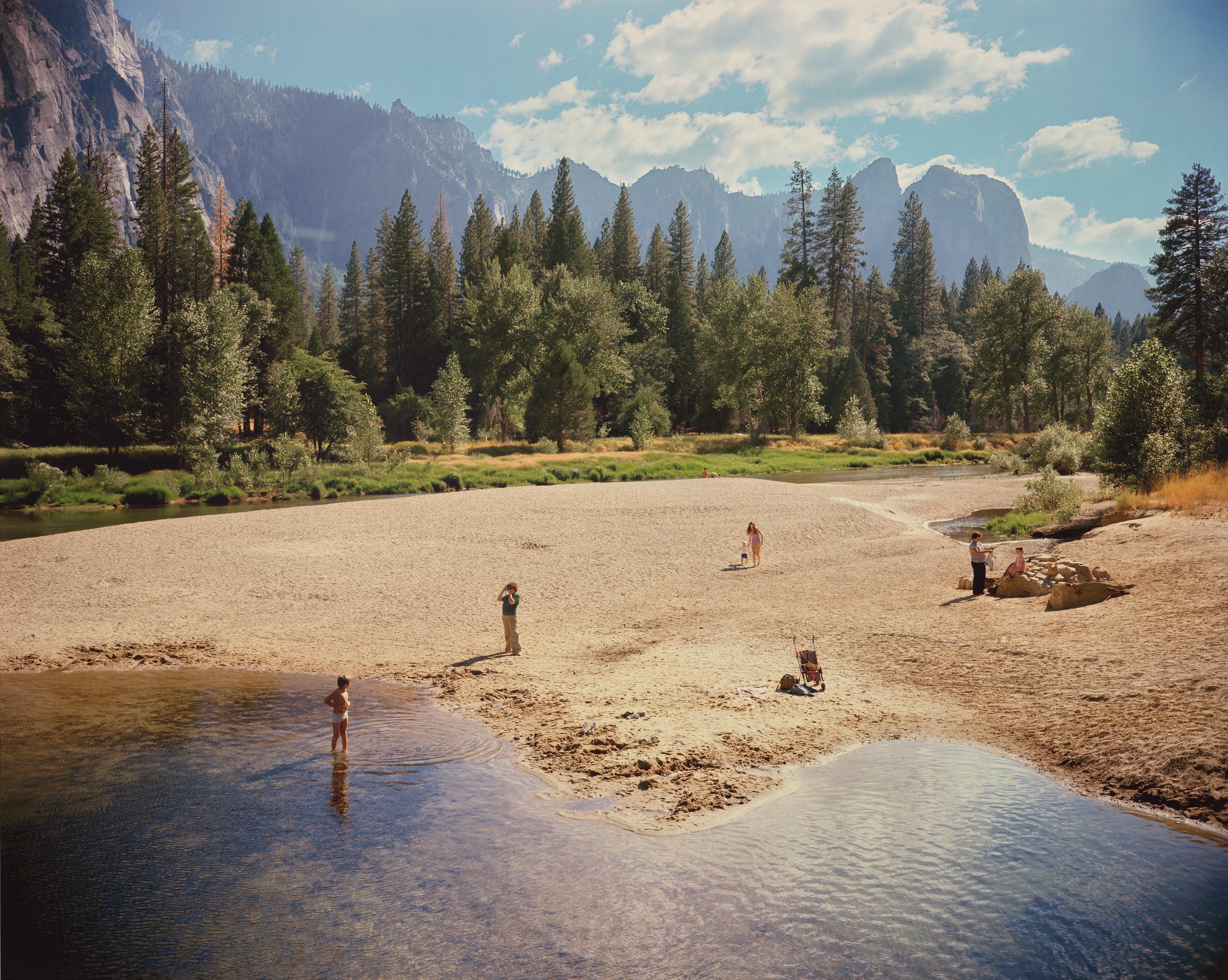
Stephen Shore
Artist Spotlight
Stephen Shore Sees America Like No One Else
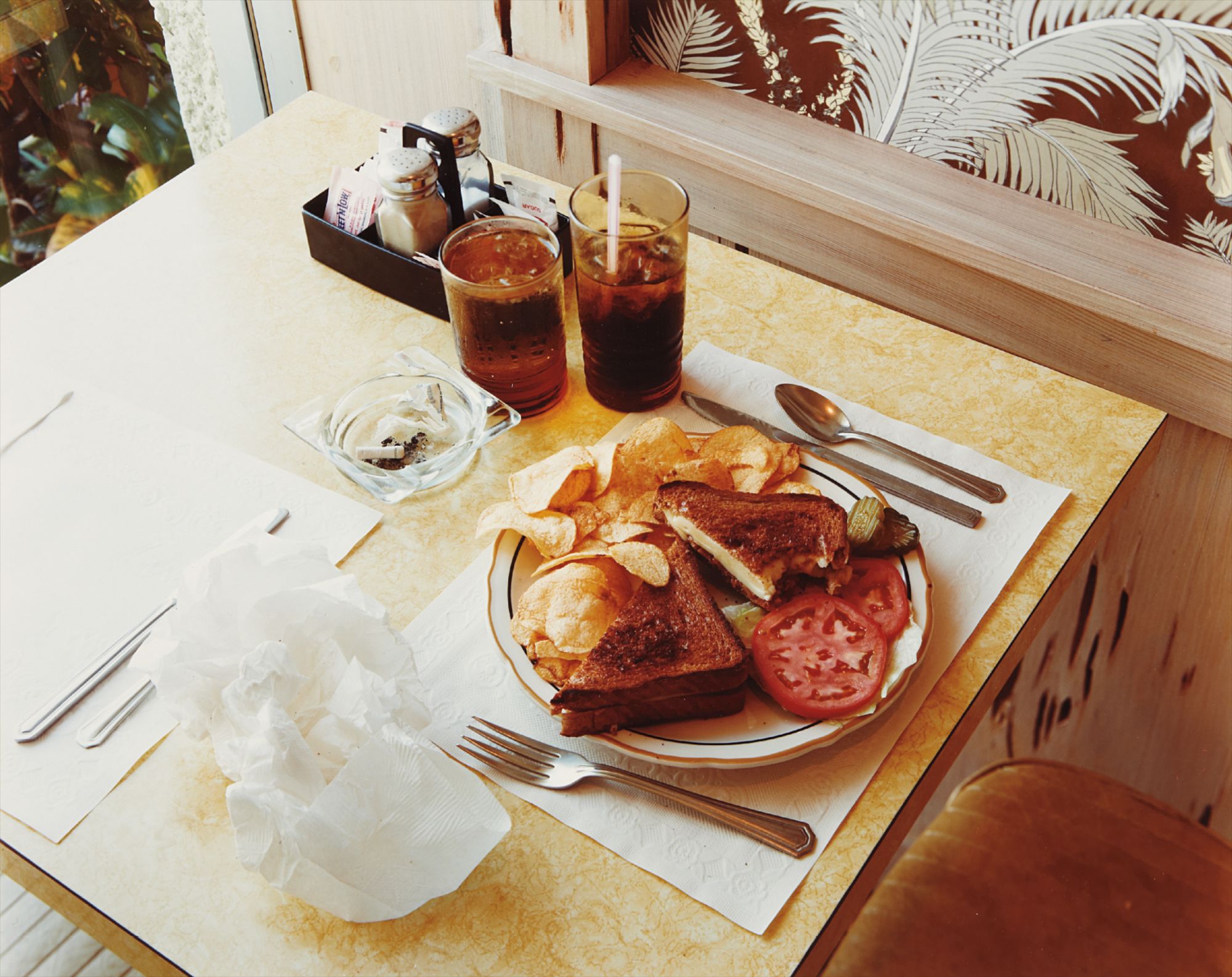
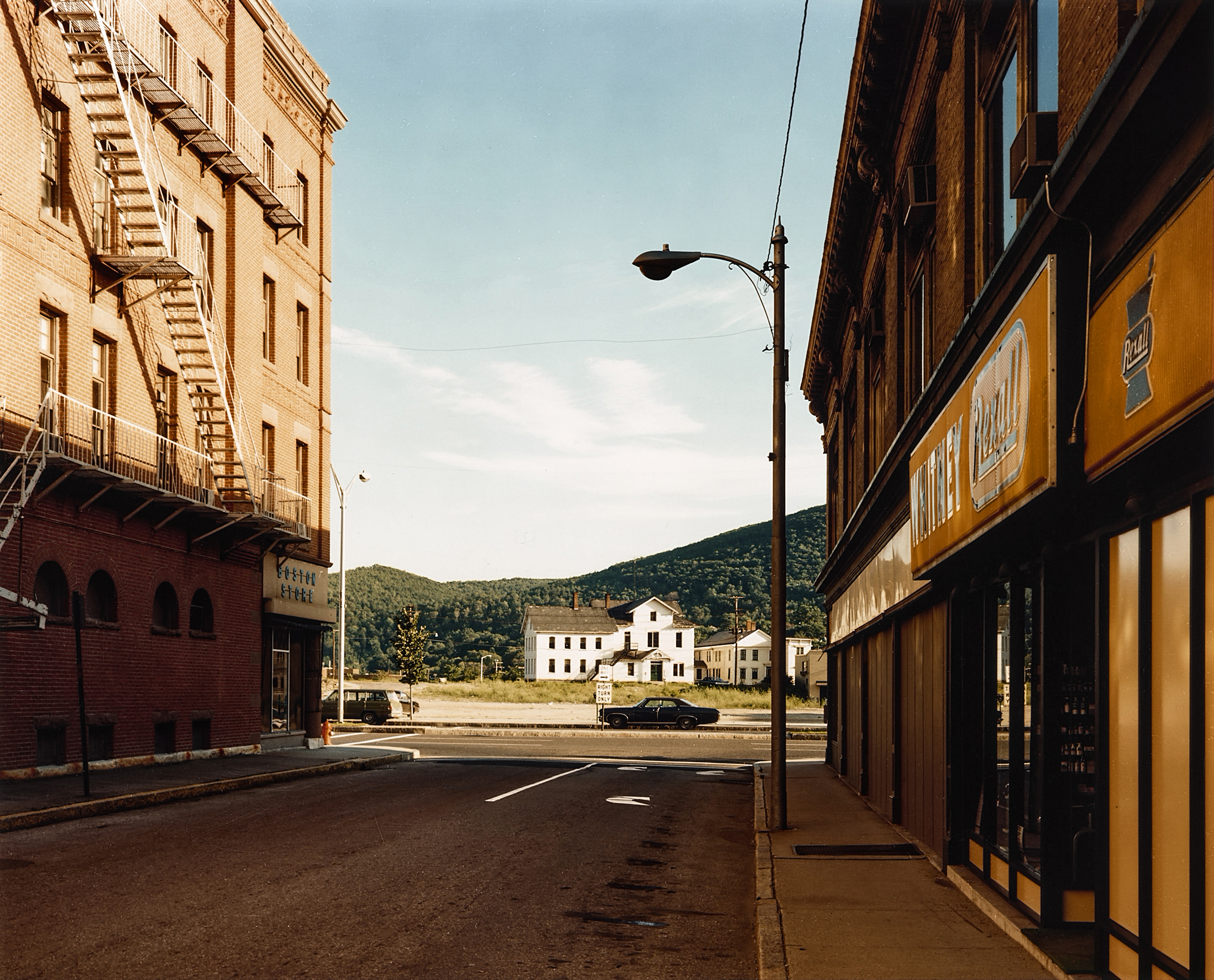
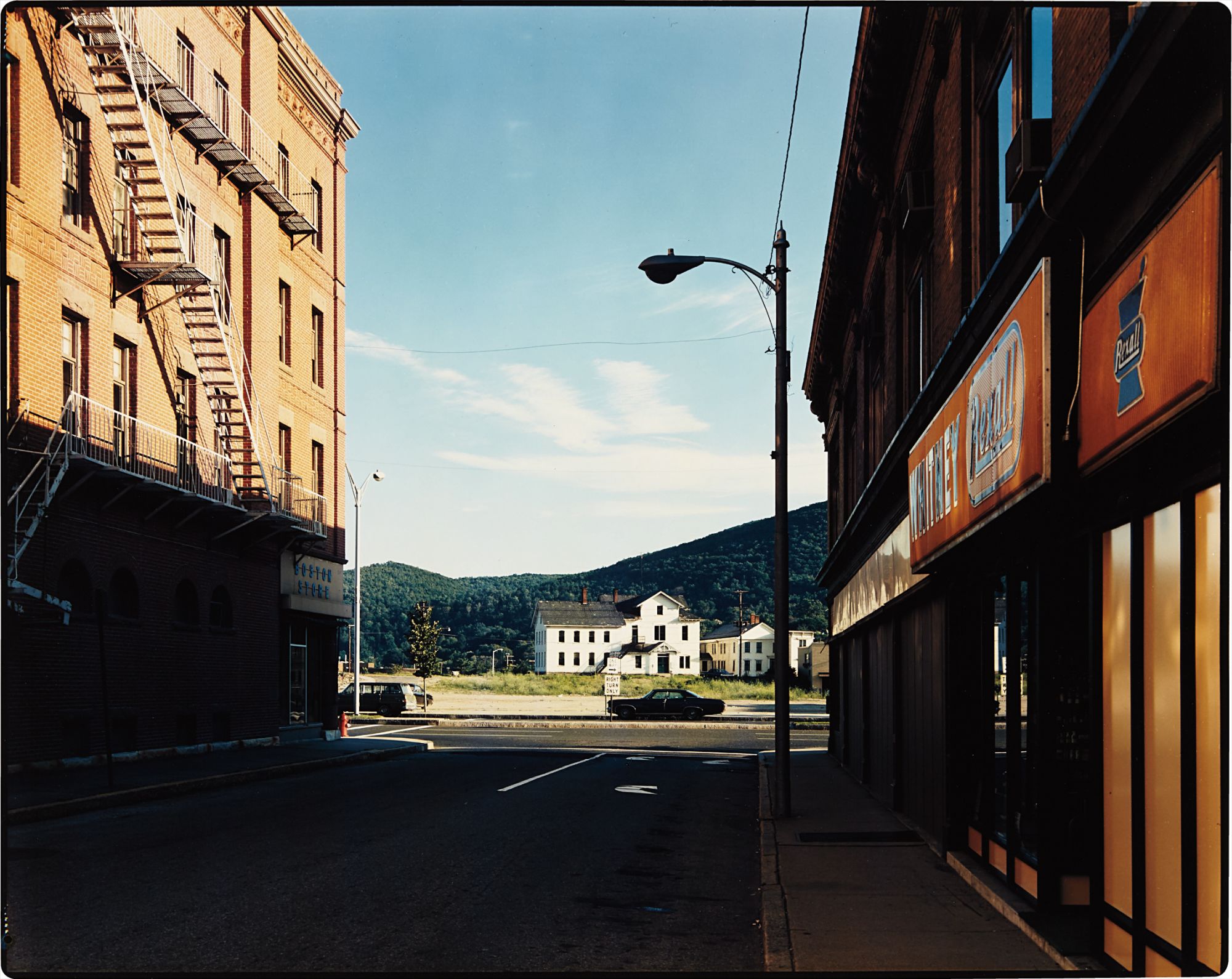
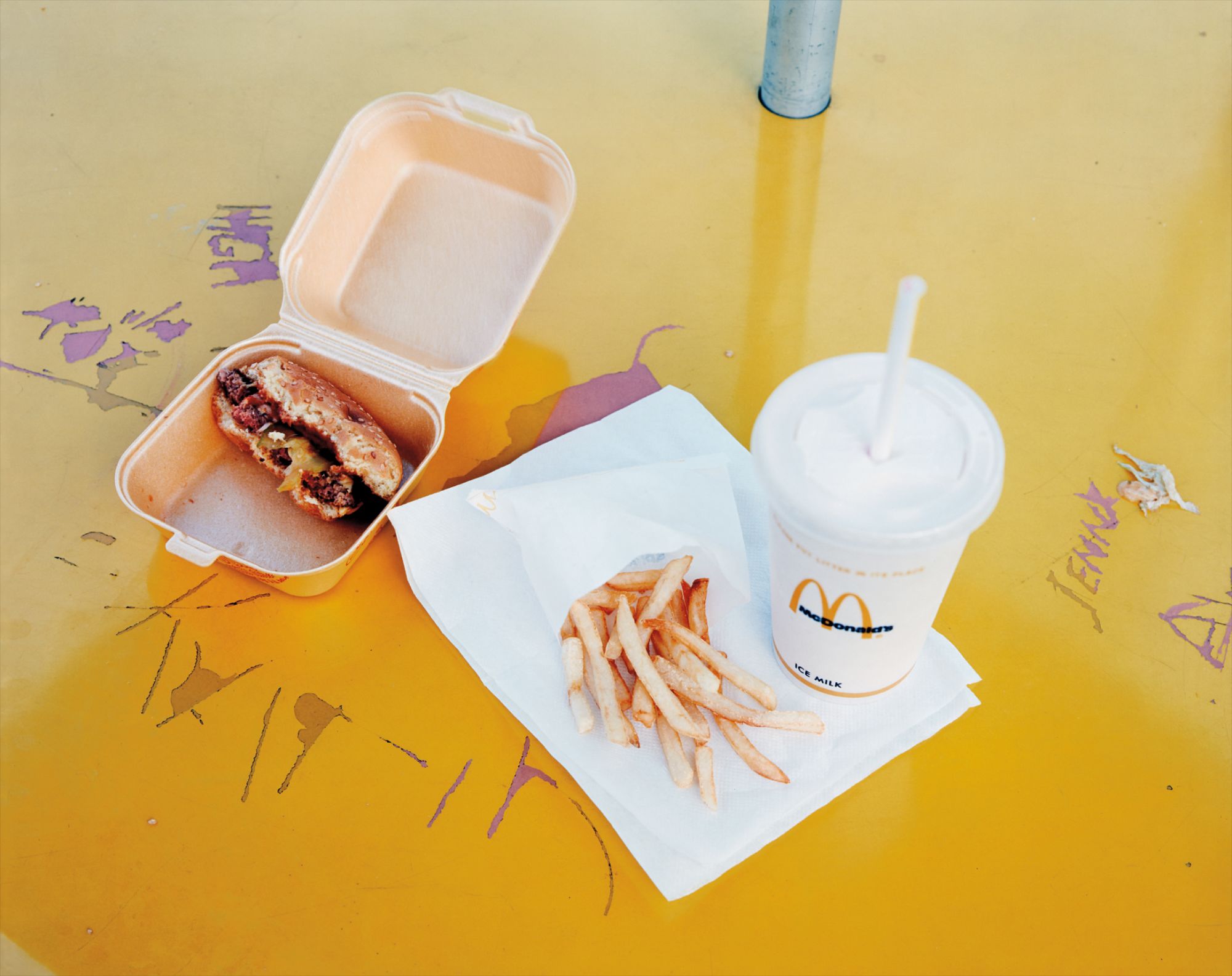
When the Museum of Modern Art mounted its landmark retrospective of Stephen Shore's work in 2017, the art world paused to take stock of an achievement that had been quietly reshaping photography for nearly five decades. The exhibition drew together the full arc of Shore's practice, from his teenage years documenting Andy Warhol's Factory to the sun drenched asphalt poetry of Uncommon Places, reminding a new generation that the America they thought they knew had already been seen, and transfigured, by this singular eye. Critics who had long admired Shore in the abstract found themselves… Continue reading
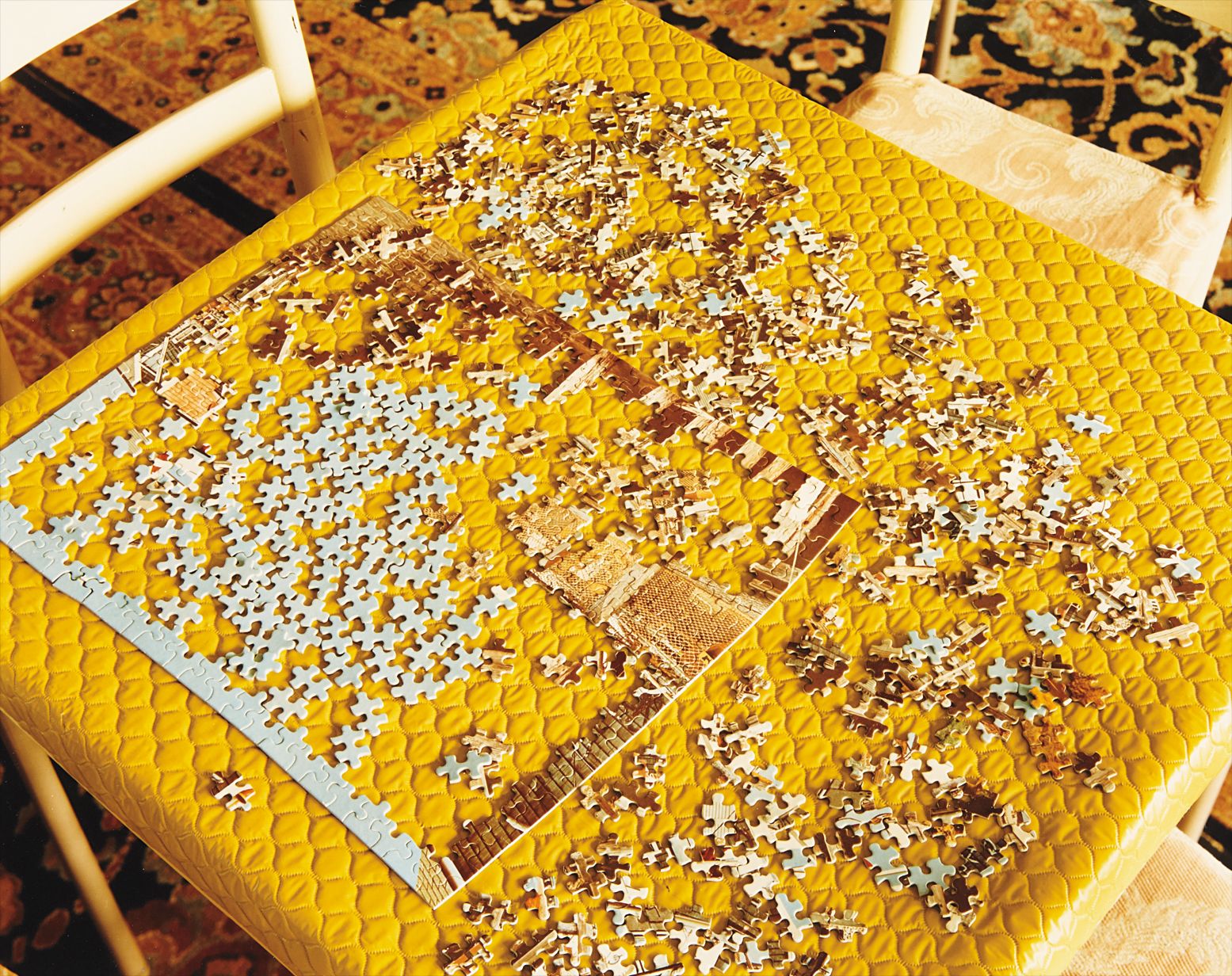
Artists in conversation
William Eggleston
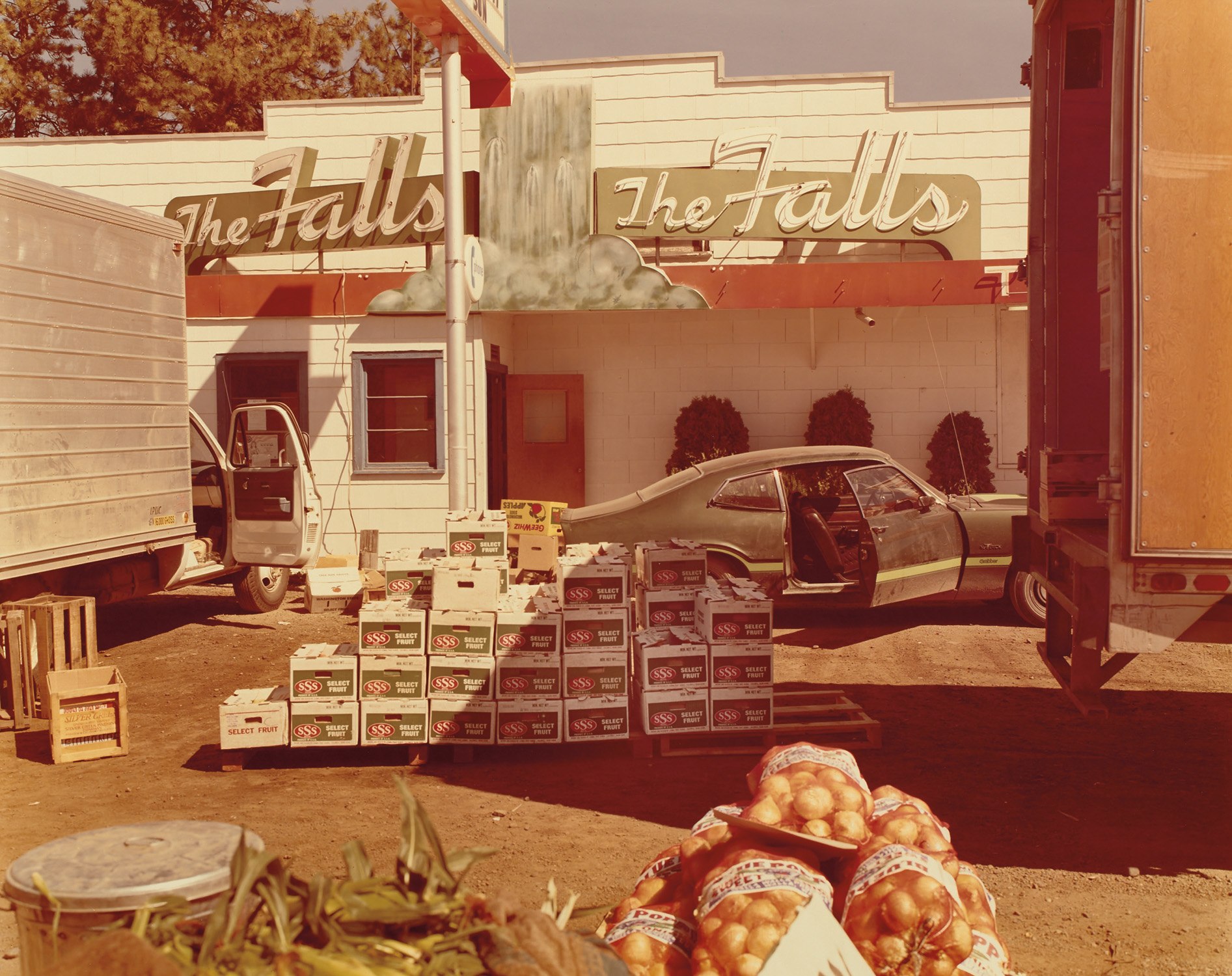
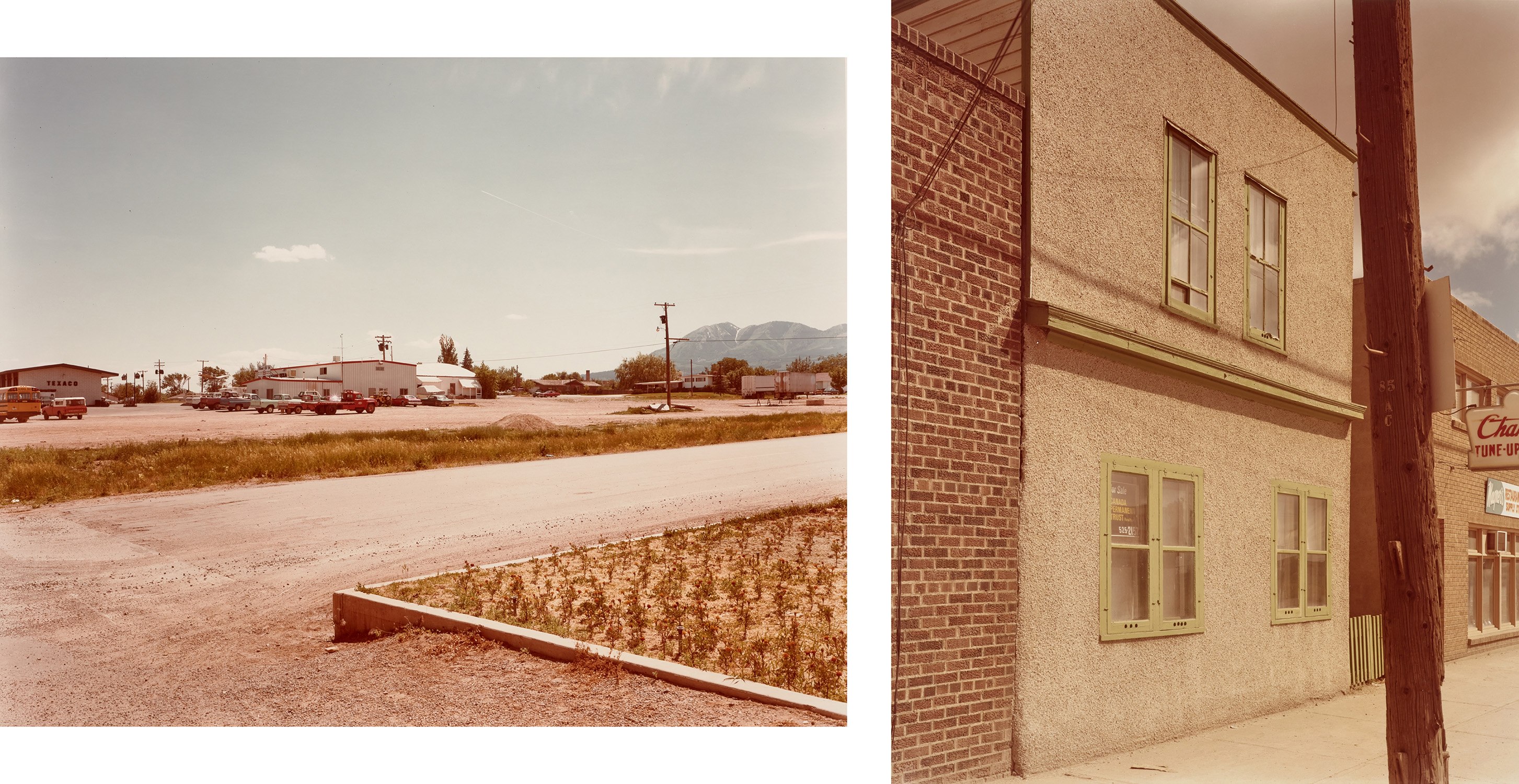
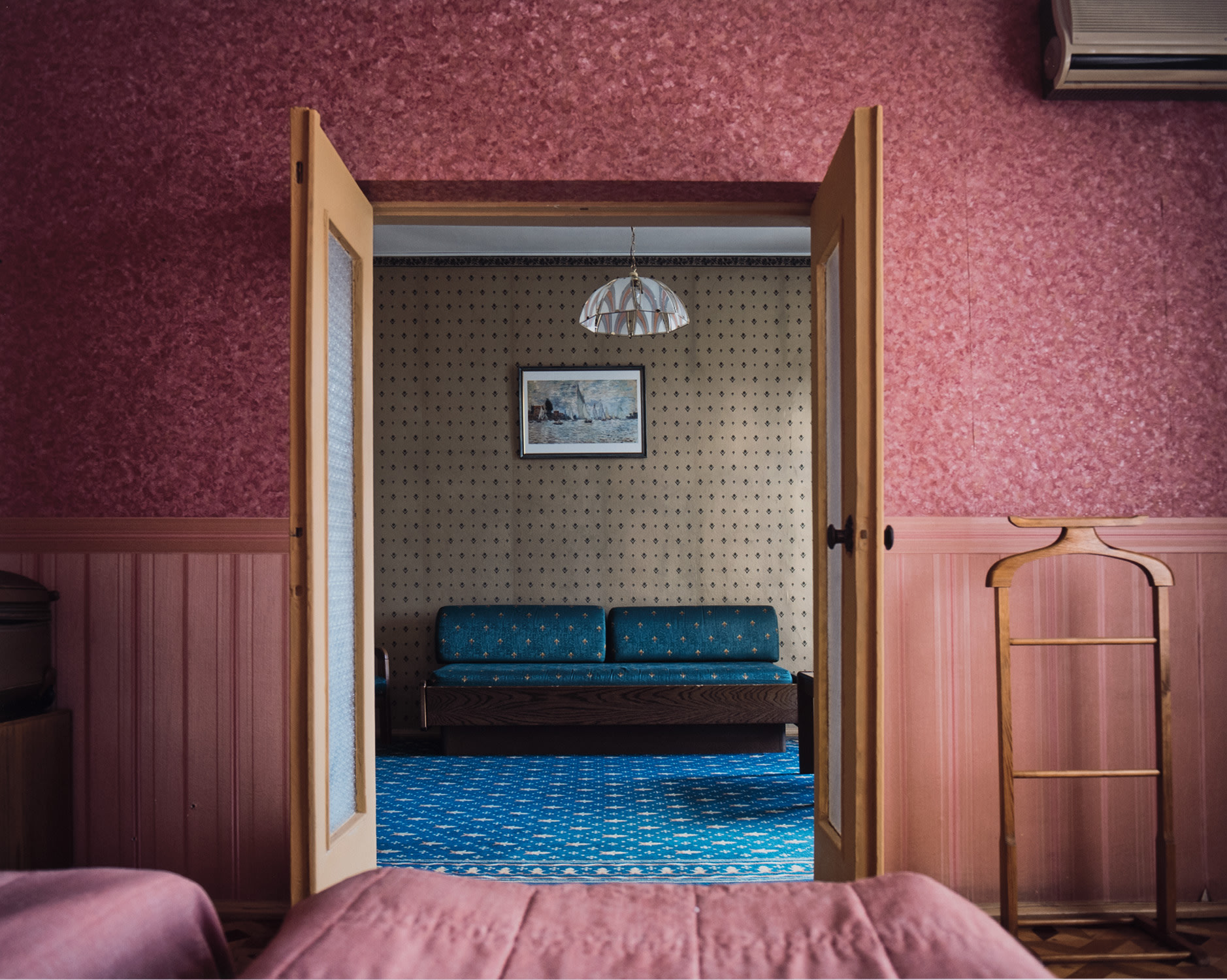
Eggleston shares Shore's pioneering use of color photography to document mundane American scenes and vernacular subjects with a detached, democratic eye. Both artists elevated everyday roadside and domestic subjects into fine art through careful chromogenic printing.
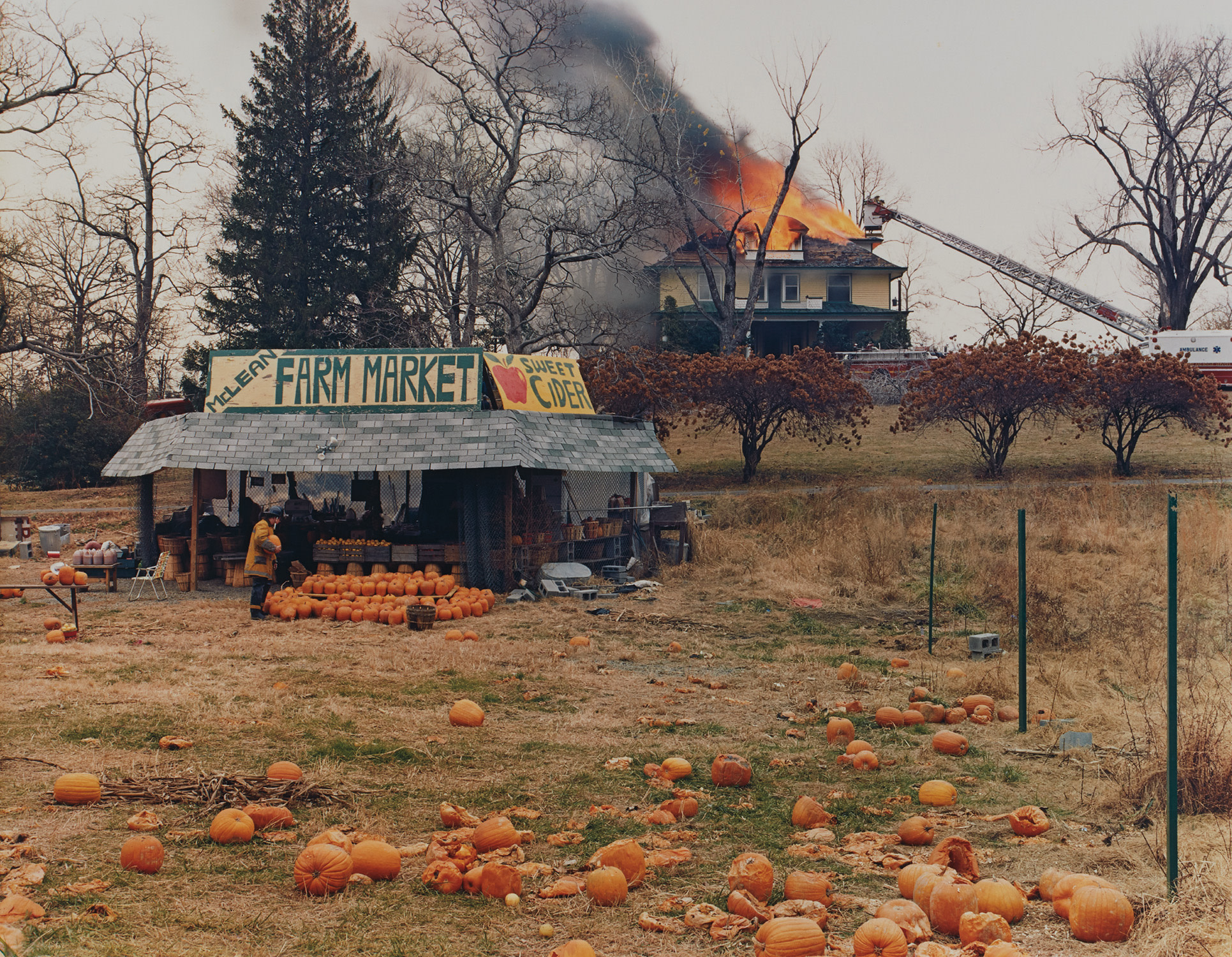
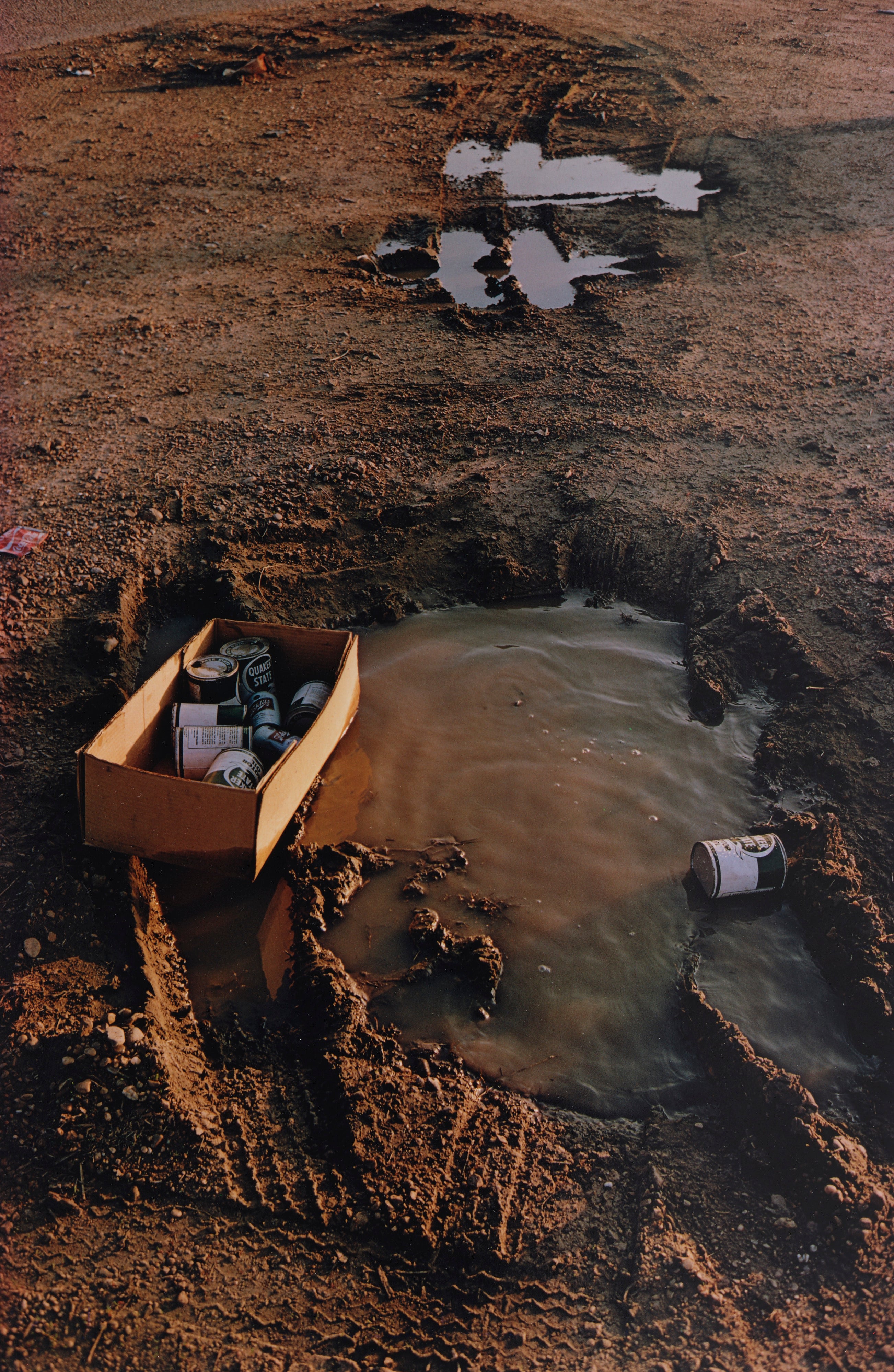
Joel Sternfeld
Sternfeld similarly uses large format color photography to capture the American landscape and its cultural contradictions with a quiet, observational tone. His work shares Shore's interest in the tension between beauty and the banal in everyday American environments.
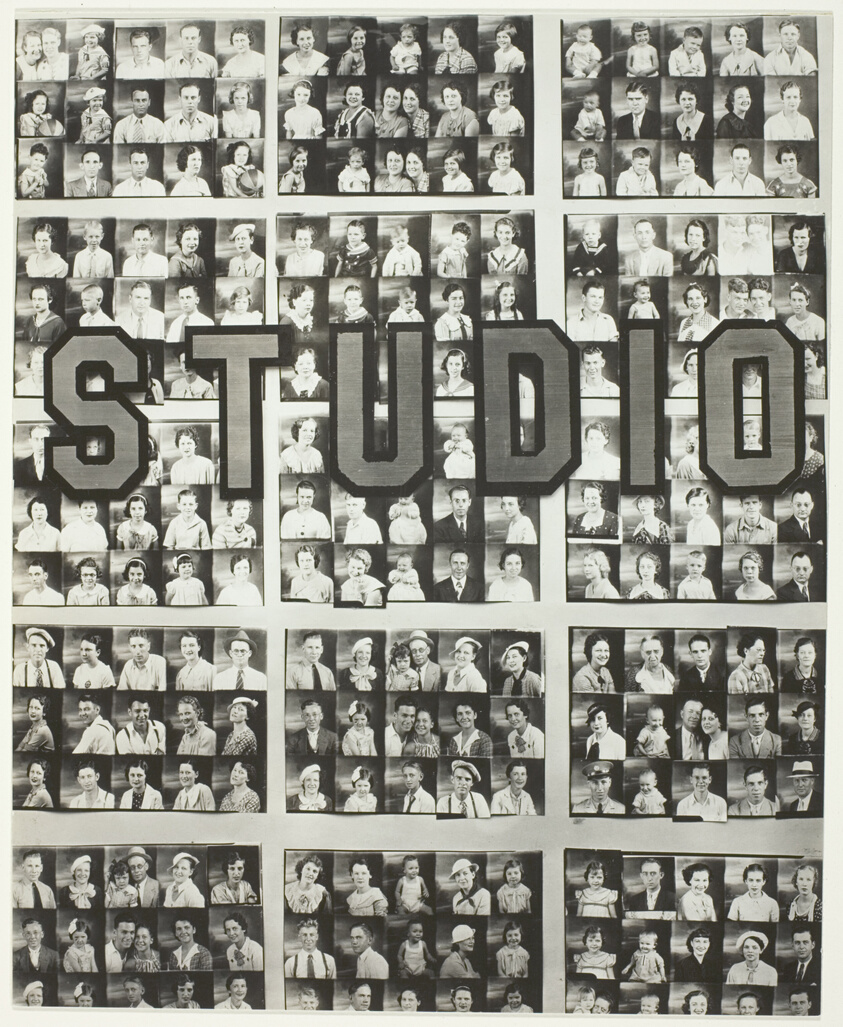
Walker Evans
Evans documented American vernacular architecture, roadside culture, and everyday interiors with a straightforward documentary approach that closely parallels Shore's own aesthetic concerns. Both photographers treated ordinary American subjects as worthy of serious artistic attention.
Artists who inspired them
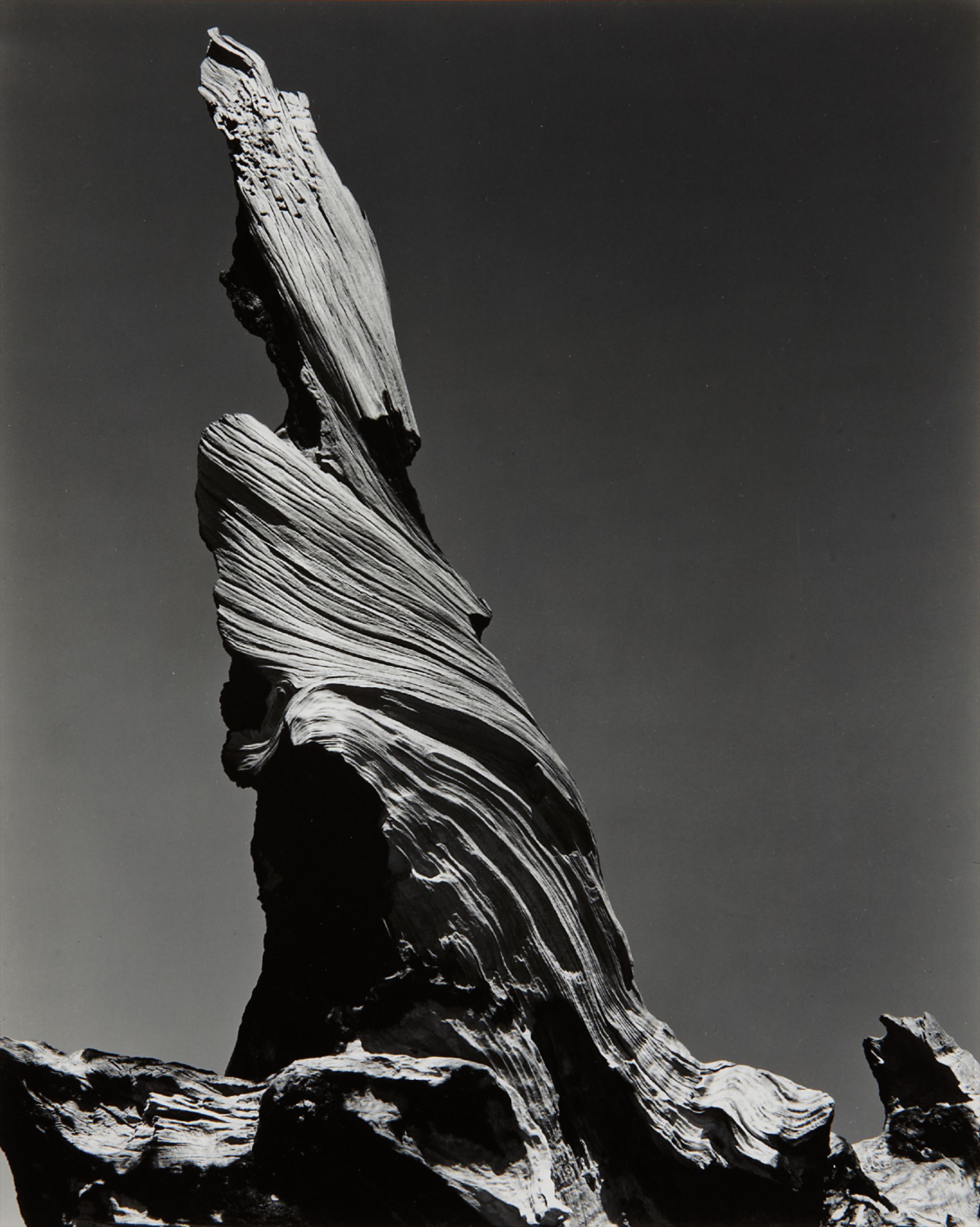
Edward Weston
Shore has cited Weston as a formative influence on his understanding of photographic seeing and the formal qualities of the medium. Weston's rigorous attention to composition and the intrinsic properties of photography shaped Shore's own disciplined approach.
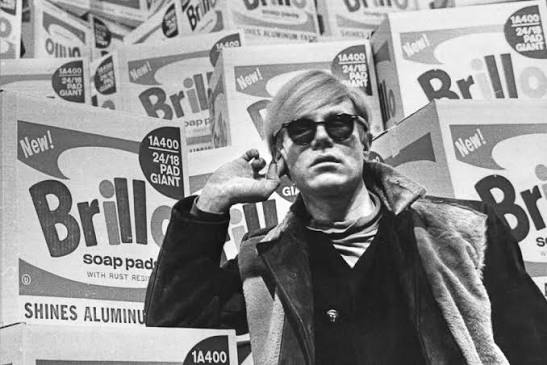
Andy Warhol
Shore worked closely with Warhol at the Factory as a teenager and was deeply shaped by his conceptual embrace of popular culture and serial documentation of everyday subjects. Warhol's influence is visible in Shore's interest in repetition, mass culture, and the aesthetics of the ordinary.
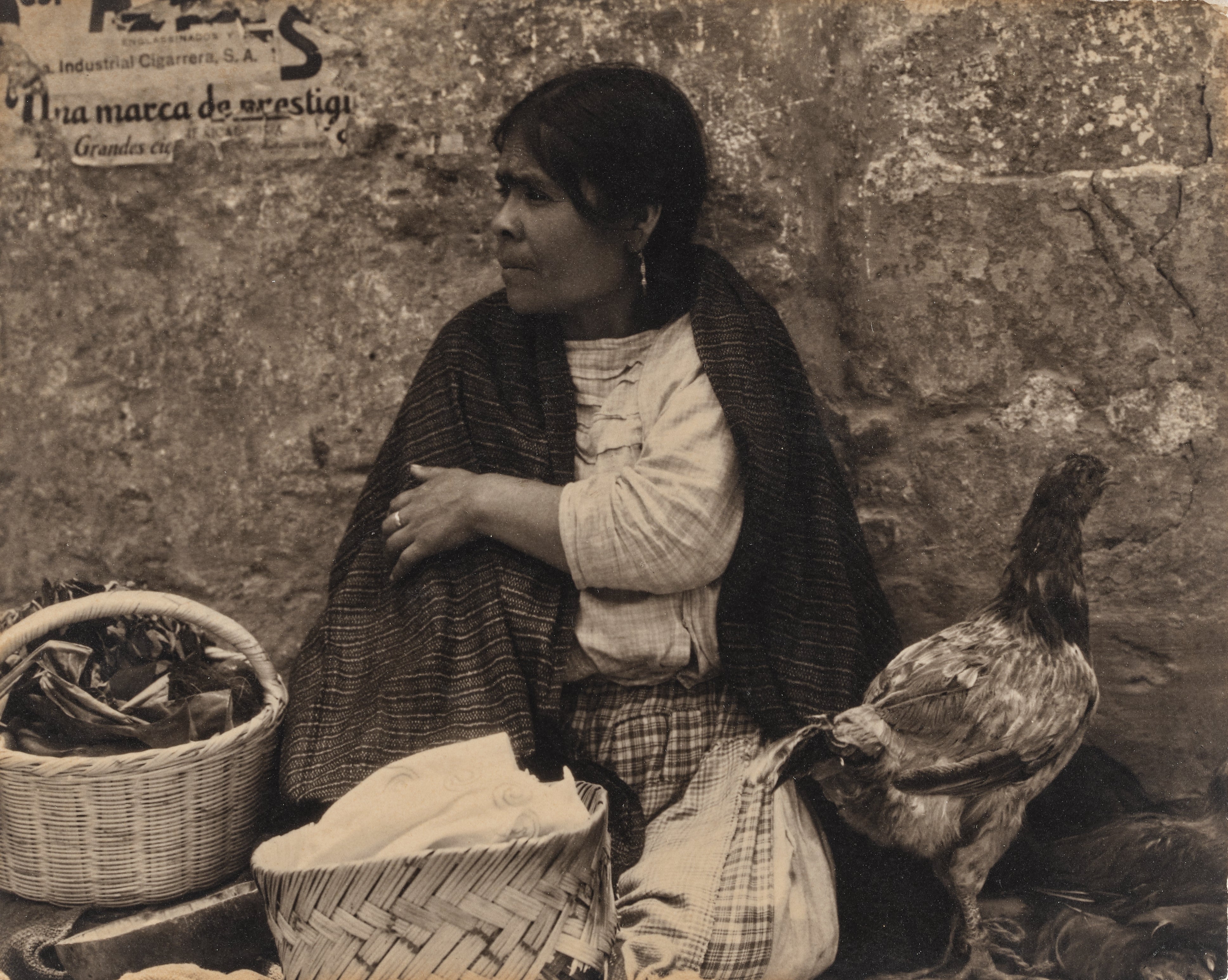
Paul Strand
Strand's commitment to straight photography and his rigorous documentary approach to American life provided an important precedent for Shore's own documentary sensibility. Shore encountered Strand's work early and it reinforced his belief in photography as a form of serious artistic inquiry.
Artists they inspired
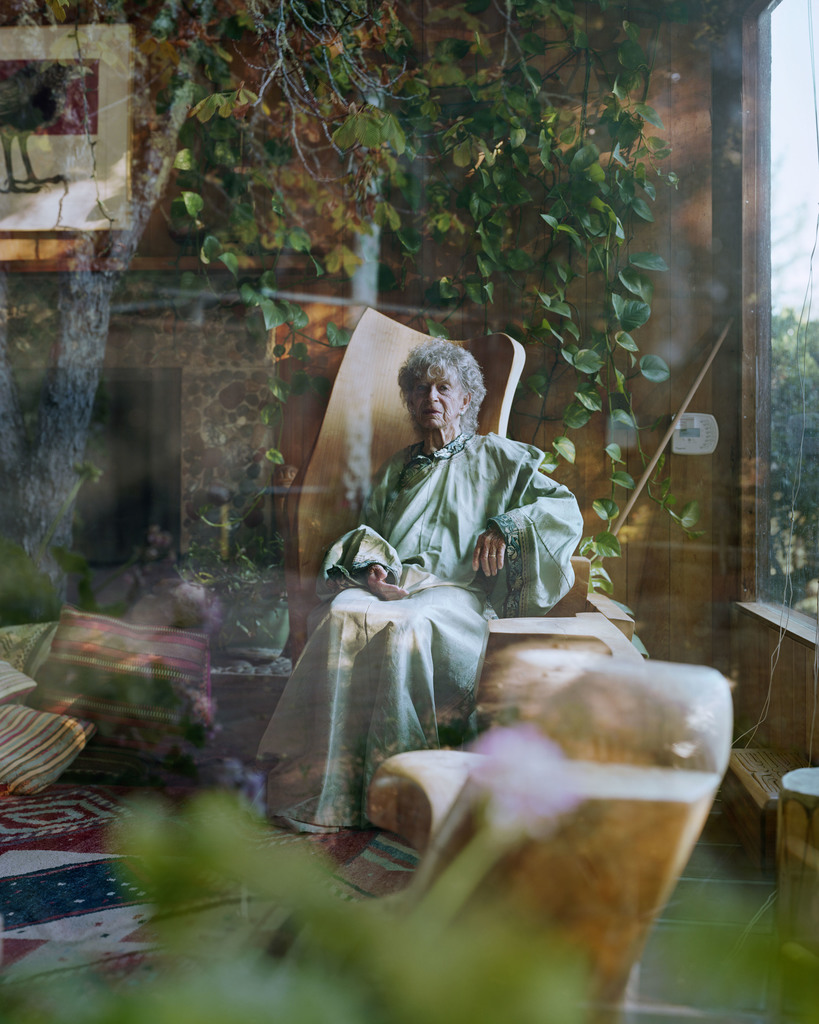
Alec Soth
Soth's large format color photography of American landscapes and interior spaces shows a clear debt to Shore's groundbreaking work in Uncommon Places. His peripatetic documentation of marginal American life follows the road trip framework that Shore helped define as a photographic genre.
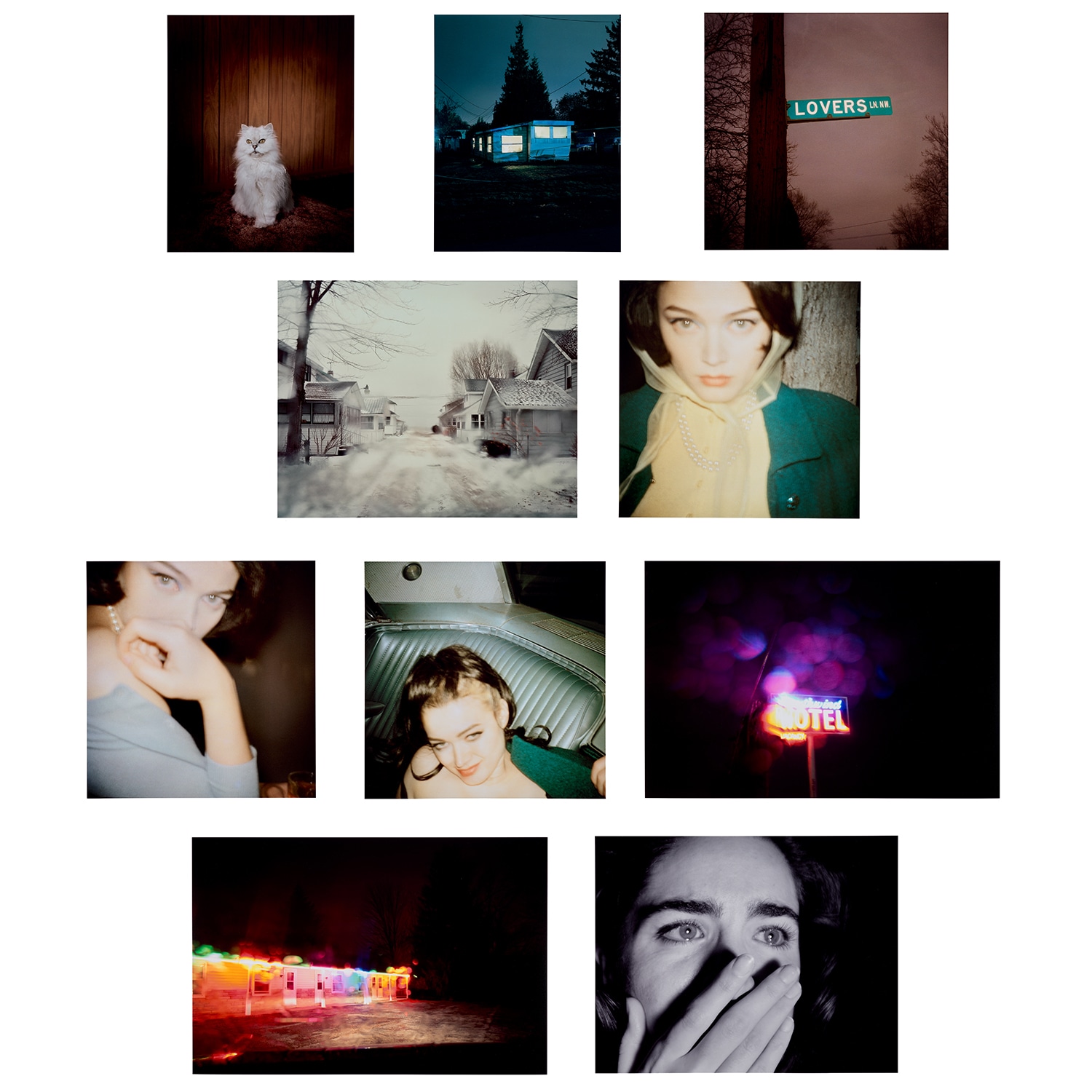
Todd Hido
Hido's color photography of suburban American interiors and roadside landscapes reflects Shore's influence in treating domestic and vernacular spaces as subjects of quiet psychological intensity. His use of chromogenic color and attentiveness to artificial light echoes Shore's foundational approach.

Roe Ethridge
Ethridge's engagement with American vernacular subjects and his conceptual approach to color photography place him in a lineage that Shore established. His interest in the relationship between commercial imagery and fine art photography builds directly on Shore's blurring of those boundaries.