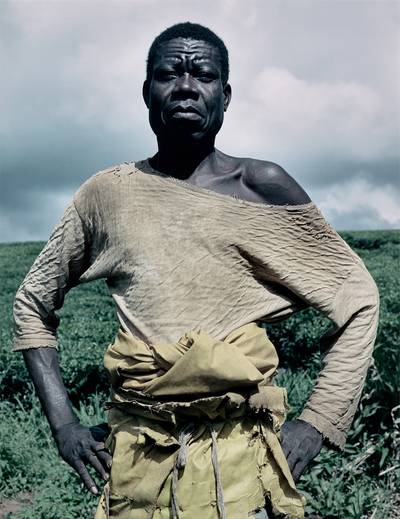
Jackie Nickerson
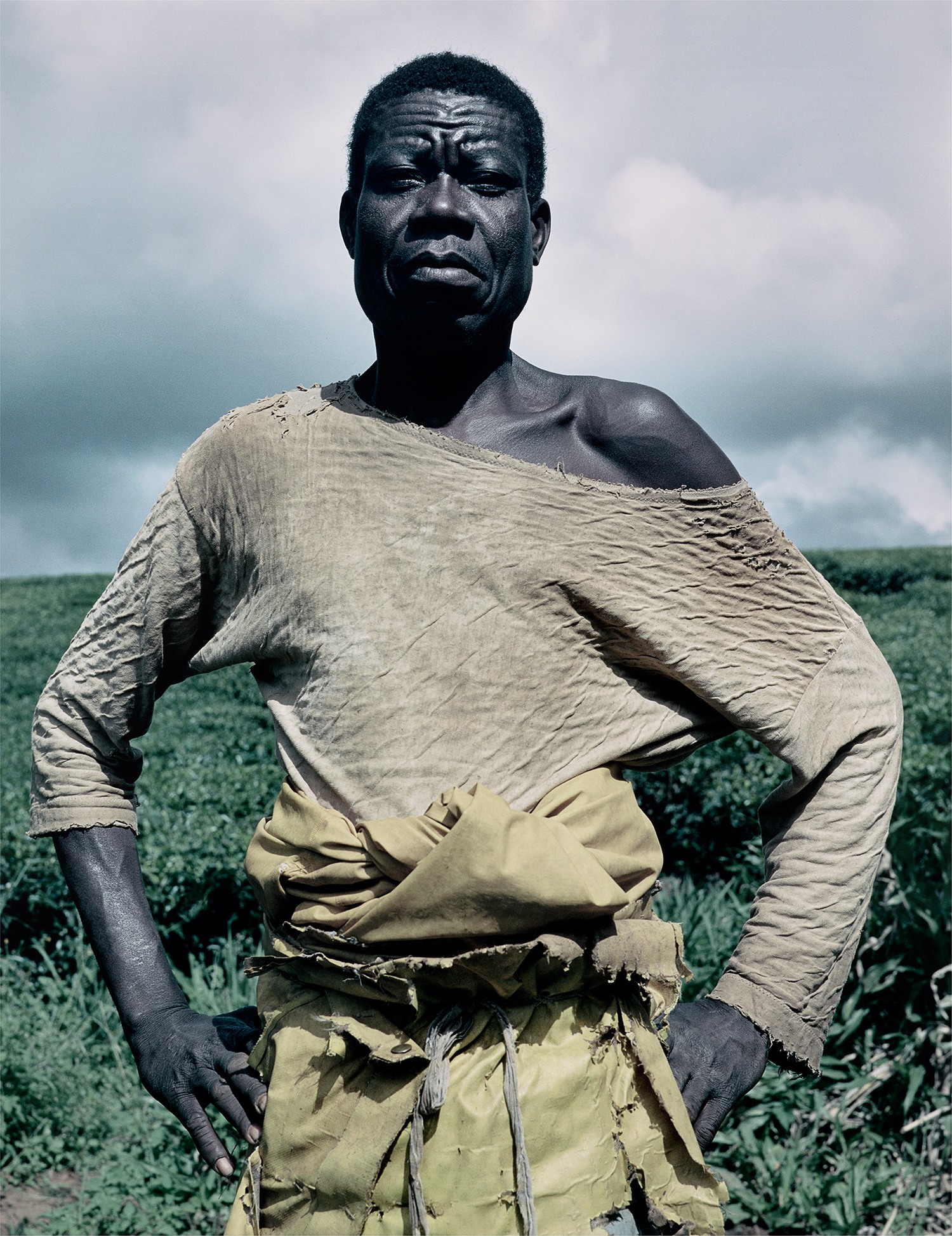
Jackie Nickerson is an Irish-born photographer known for her intimate and visually striking documentary work, particularly her series 'Farm' (2002), which captured agricultural workers in sub-Saharan Africa in a manner that blurred the boundaries between documentary and fine art photography. Her work often focuses on labor, the human body, and its relationship to land, textiles, and materials, presenting subjects with a dignified and sculptural quality. She has exhibited internationally and her photographs are held in notable collections, with her work recognized for its ability to transform social observation into poetic visual narratives.
Artists in conversation
Zwelethu Mthethwa
Mthethwa photographs laborers and marginalized communities in southern Africa with a similarly dignified and painterly quality that elevates documentary subjects into fine art portraiture. Both artists share a deep interest in the human body within contexts of physical work and material conditions.
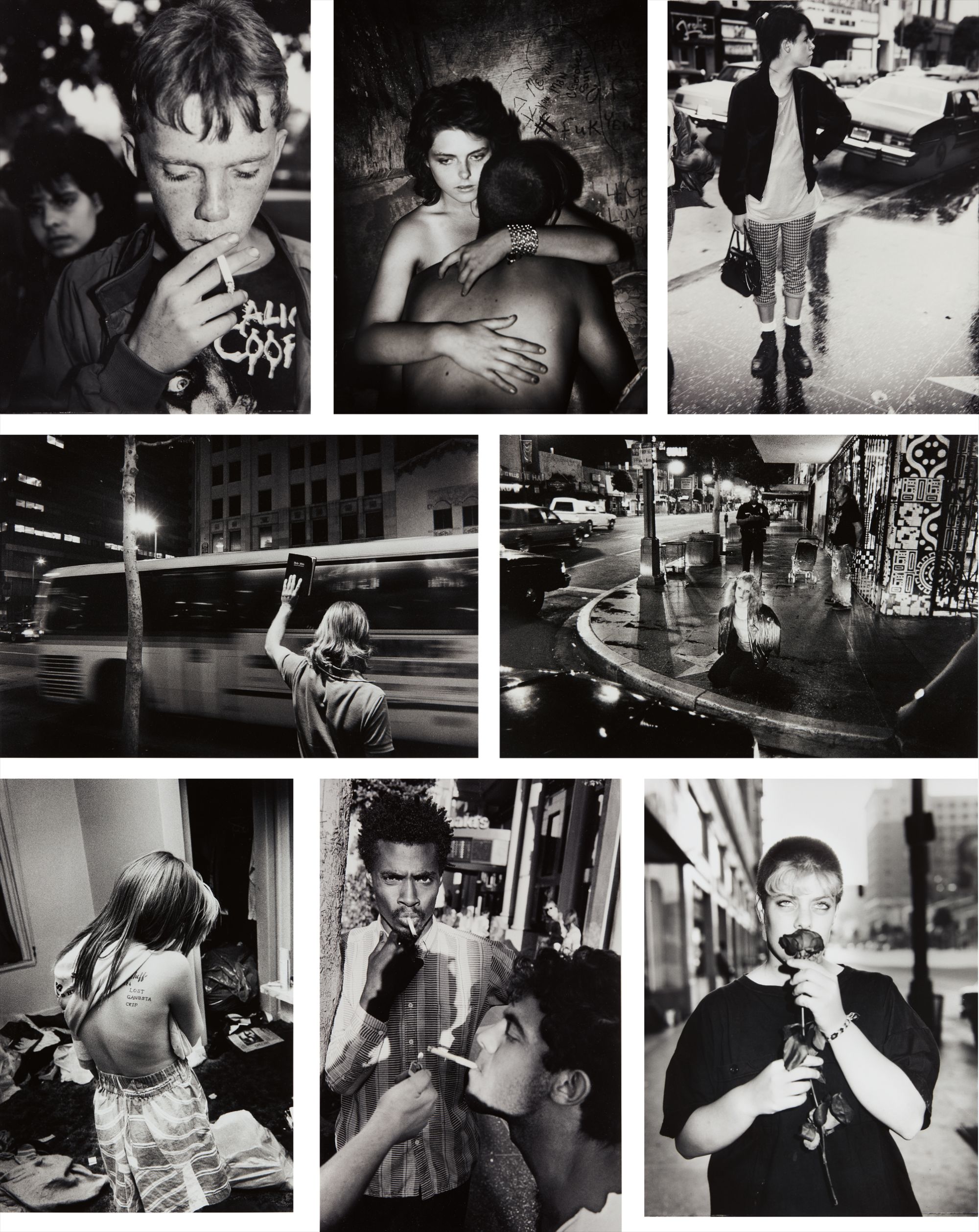
Jim Goldberg
Goldberg works at the intersection of documentary and fine art photography with intimate portrayals of vulnerable and working communities that carry a strong sculptural and conceptual weight. His commitment to humanizing subjects through rigorous formal composition closely parallels Nickerson's approach.
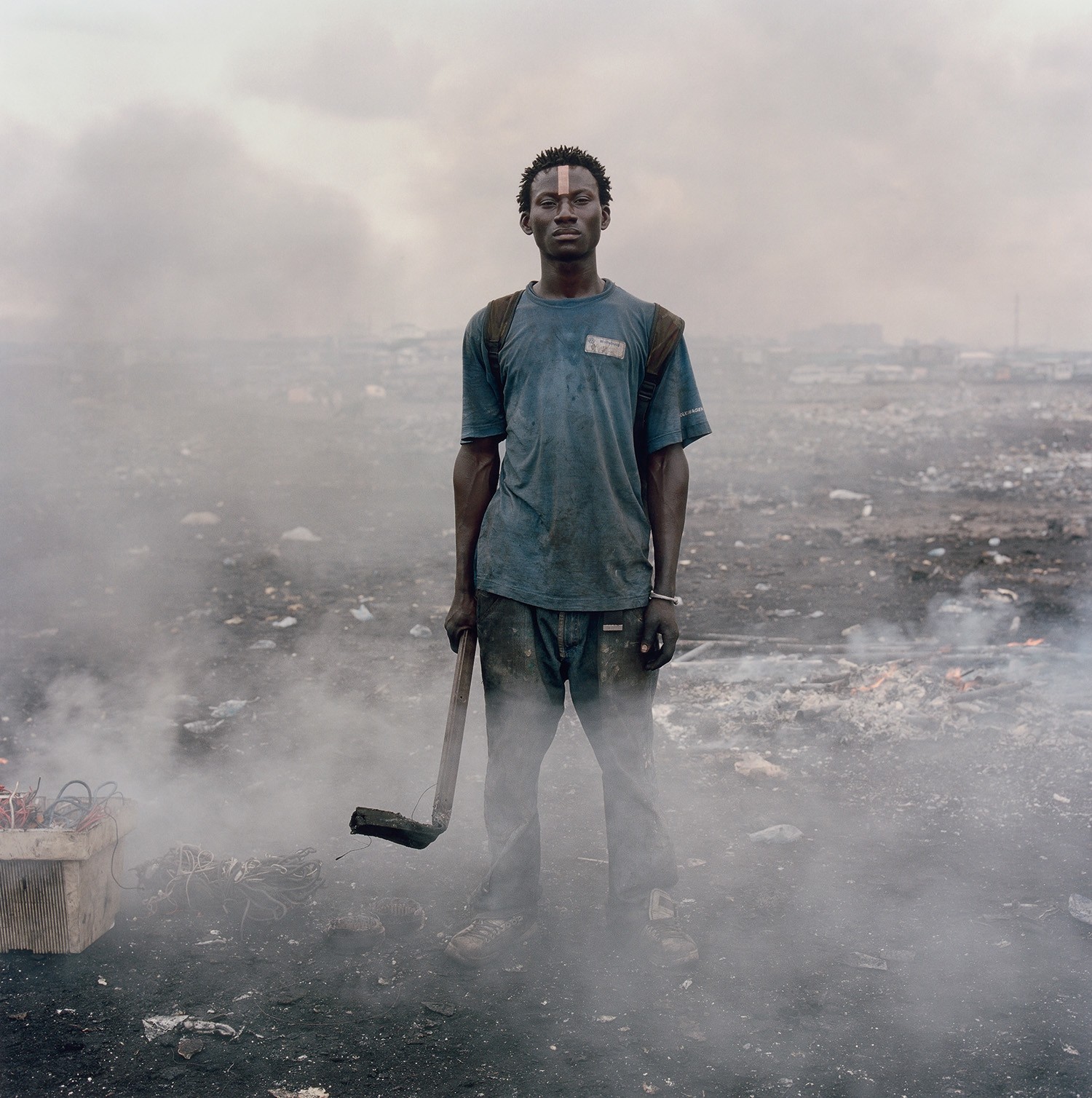
Pieter Hugo
Hugo produces unflinching large format portraits of African subjects that blend documentary truth with fine art staging, sharing Nickerson's tendency to present the body in relation to its immediate physical and social environment. Both photographers challenge the boundaries between photojournalism and gallery art.
Artists who inspired them
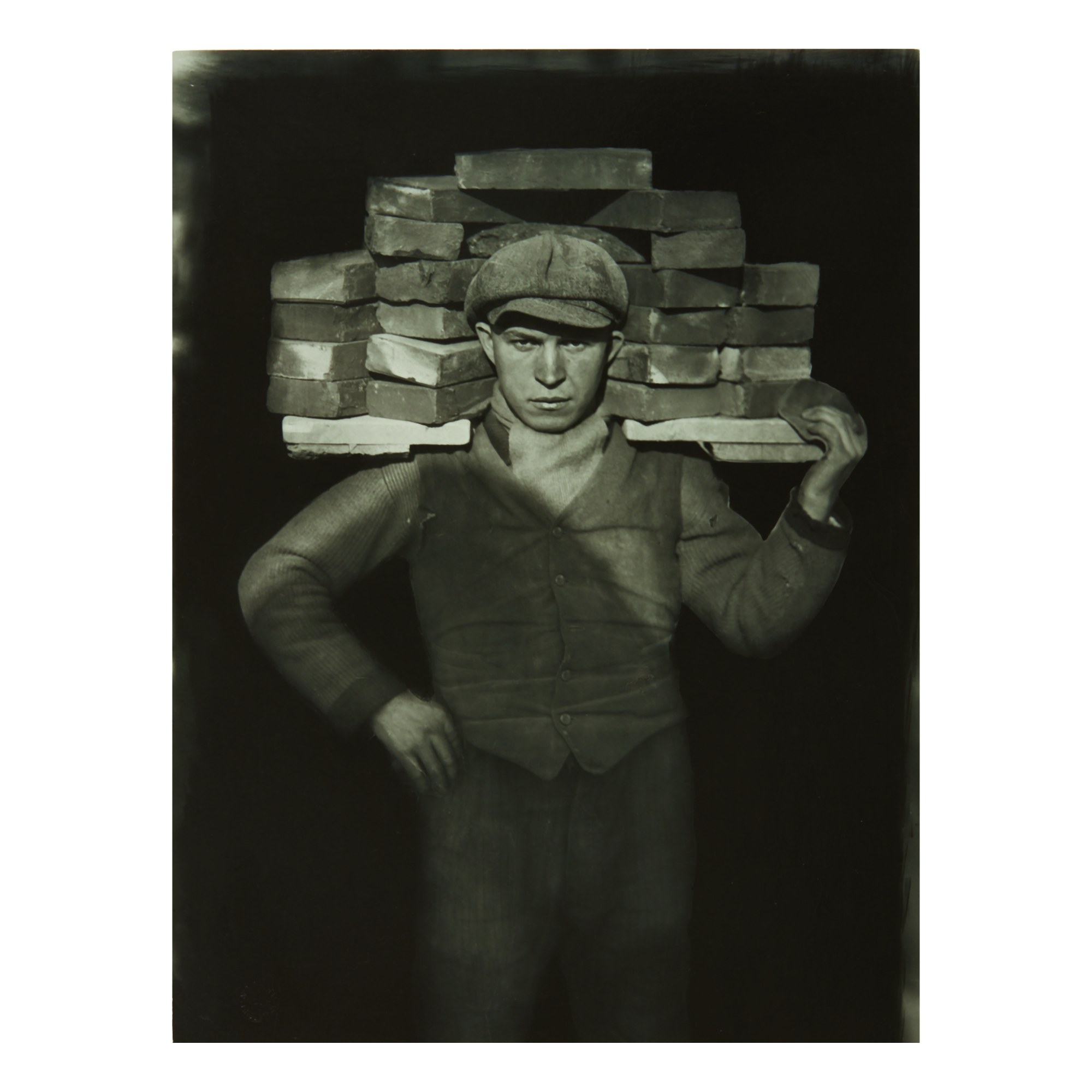
August Sander
Sander's systematic typological portraits of working class Germans established a foundational language for photographing laborers with unflinching dignity and sociological seriousness that is visibly echoed in Nickerson's Farm series. His elevation of ordinary workers into monumental photographic subjects is a clear precursor to her practice.
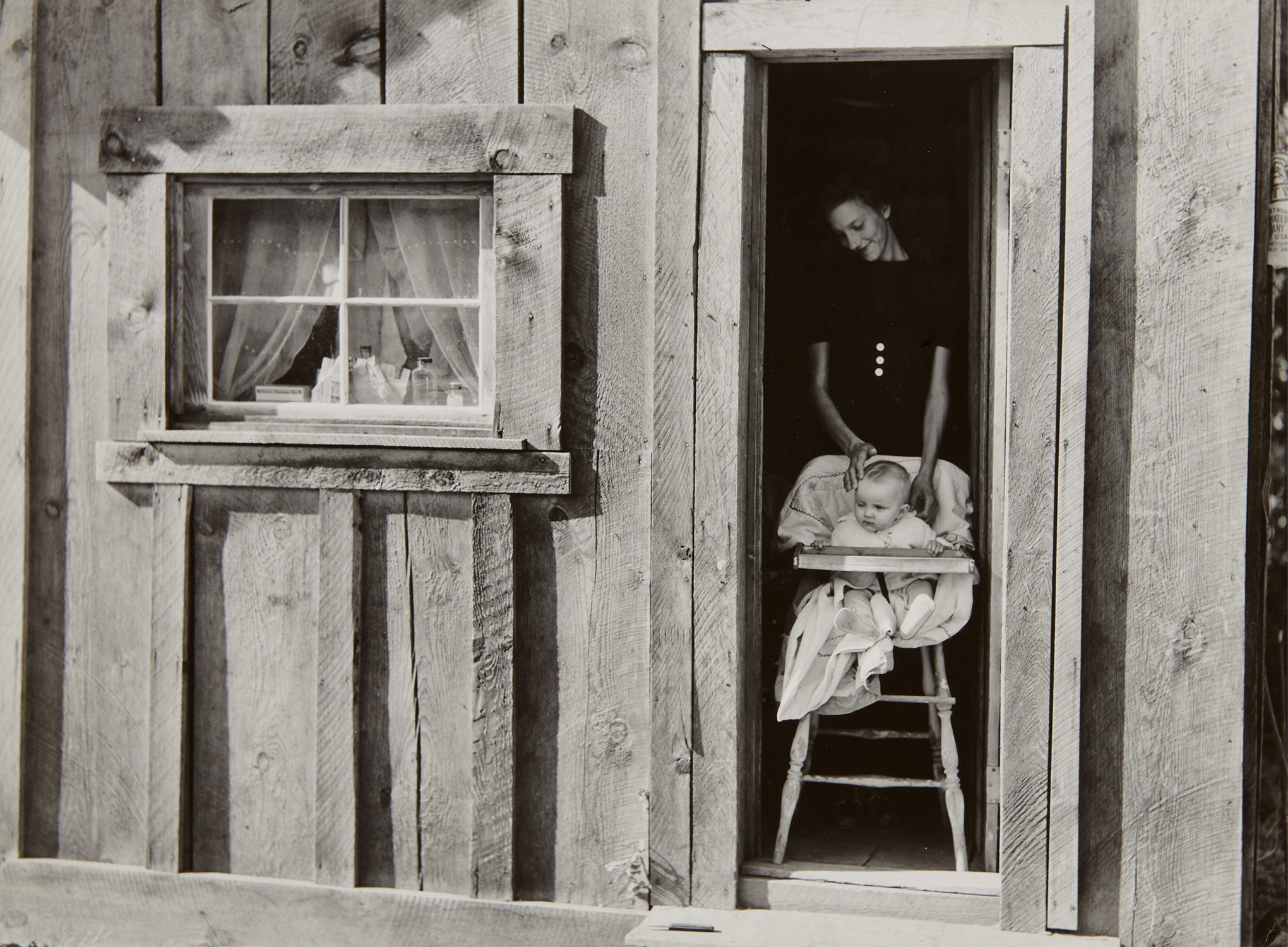
Dorothea Lange
Lange's social documentary portraits of agricultural workers during the Depression era established the ethical and aesthetic template for photographing labor with empathy and formal rigor. Nickerson's sustained attention to farm workers and their bodily relationship to the land carries a strong debt to Lange's humanitarian photographic tradition.
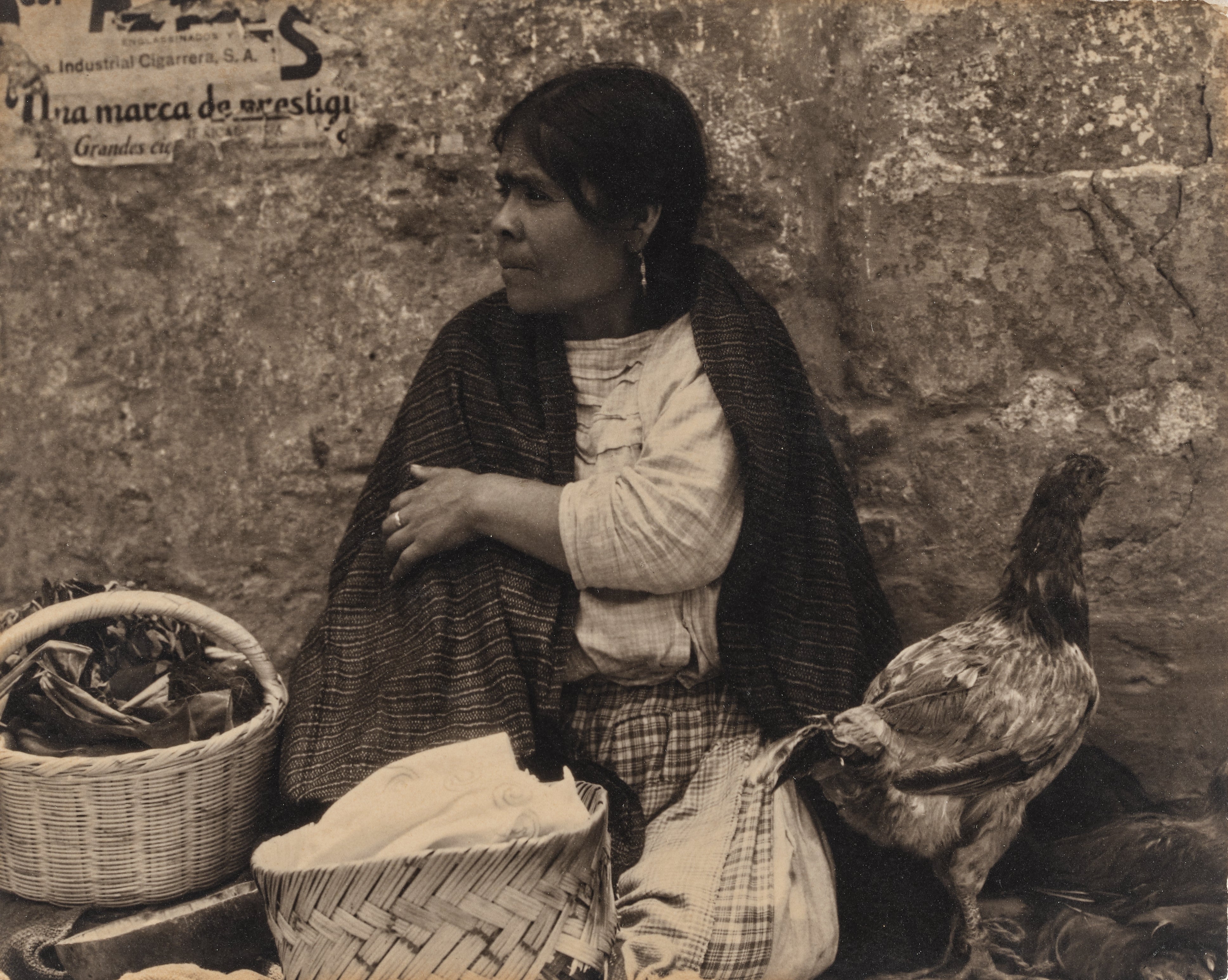
Paul Strand
Strand's combination of modernist formal precision with documentary portraiture of working people in rural and postcolonial settings across Africa and Mexico anticipates the sculptural and humanistic qualities central to Nickerson's work. His ability to treat subjects as monumental presences rather than passive social evidence is a direct influence on her approach.