George Condo
219
Works
2
Followers
Artist Spotlight
George Condo: Painting the Glorious Human Condition
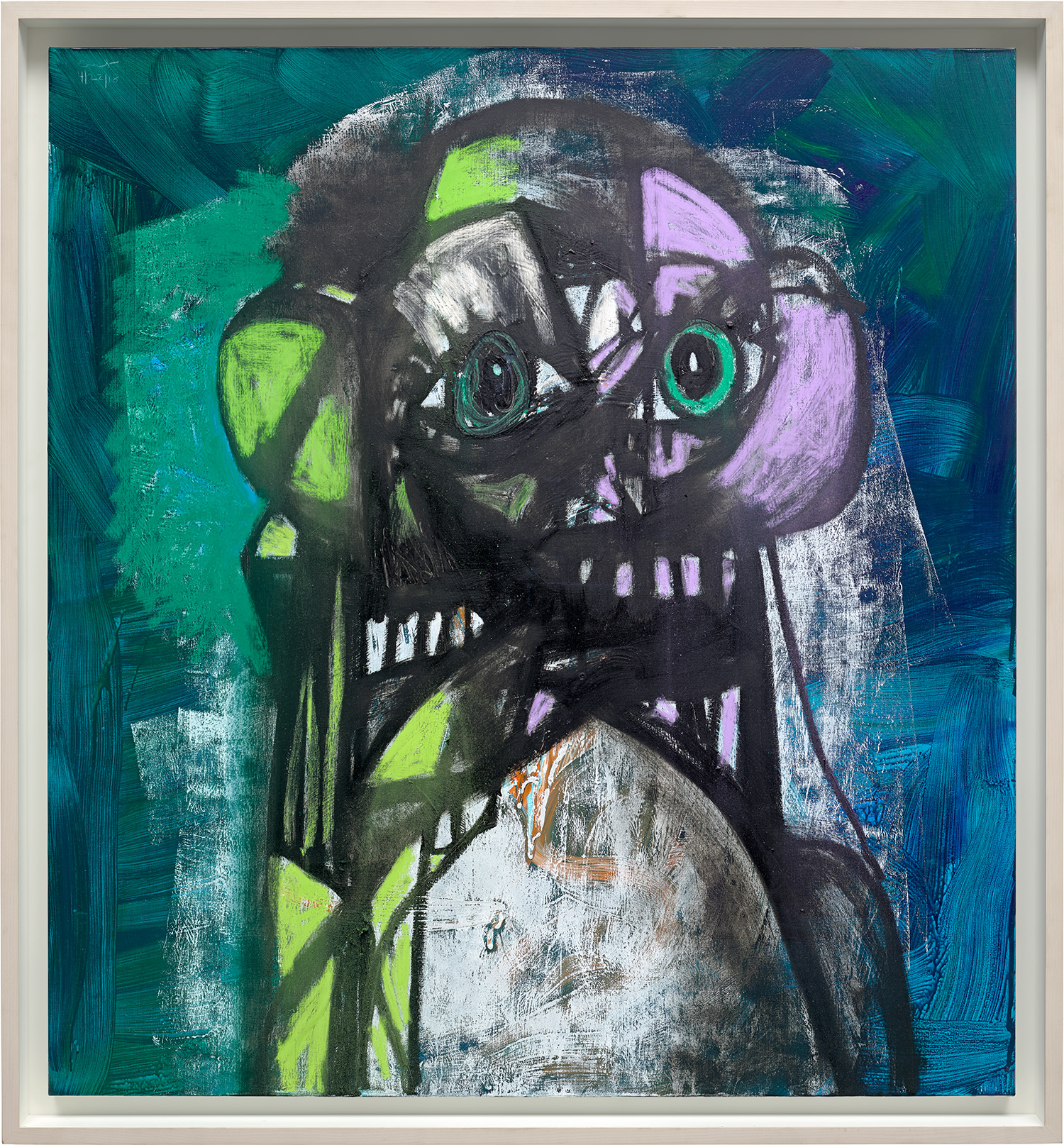
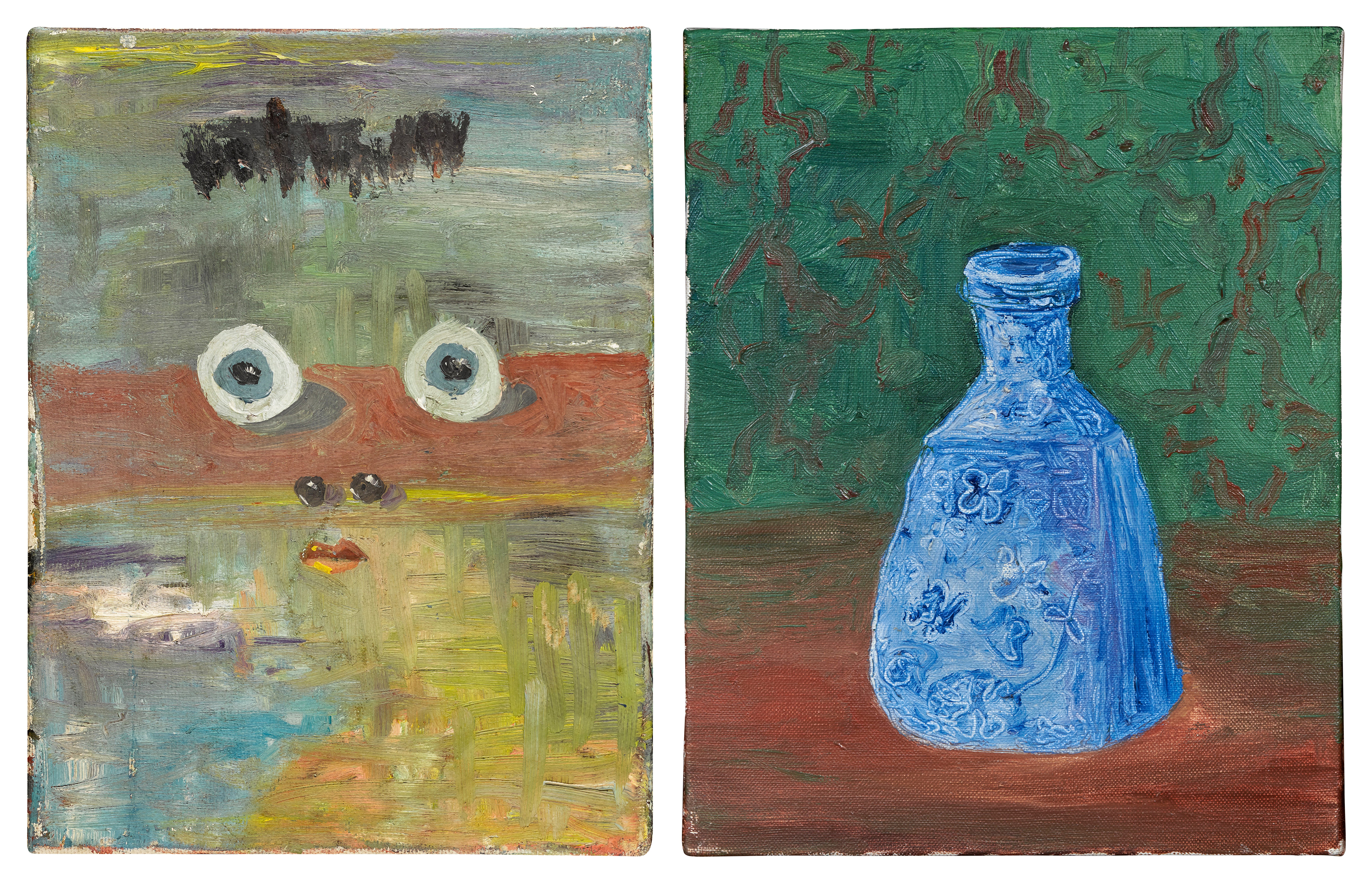
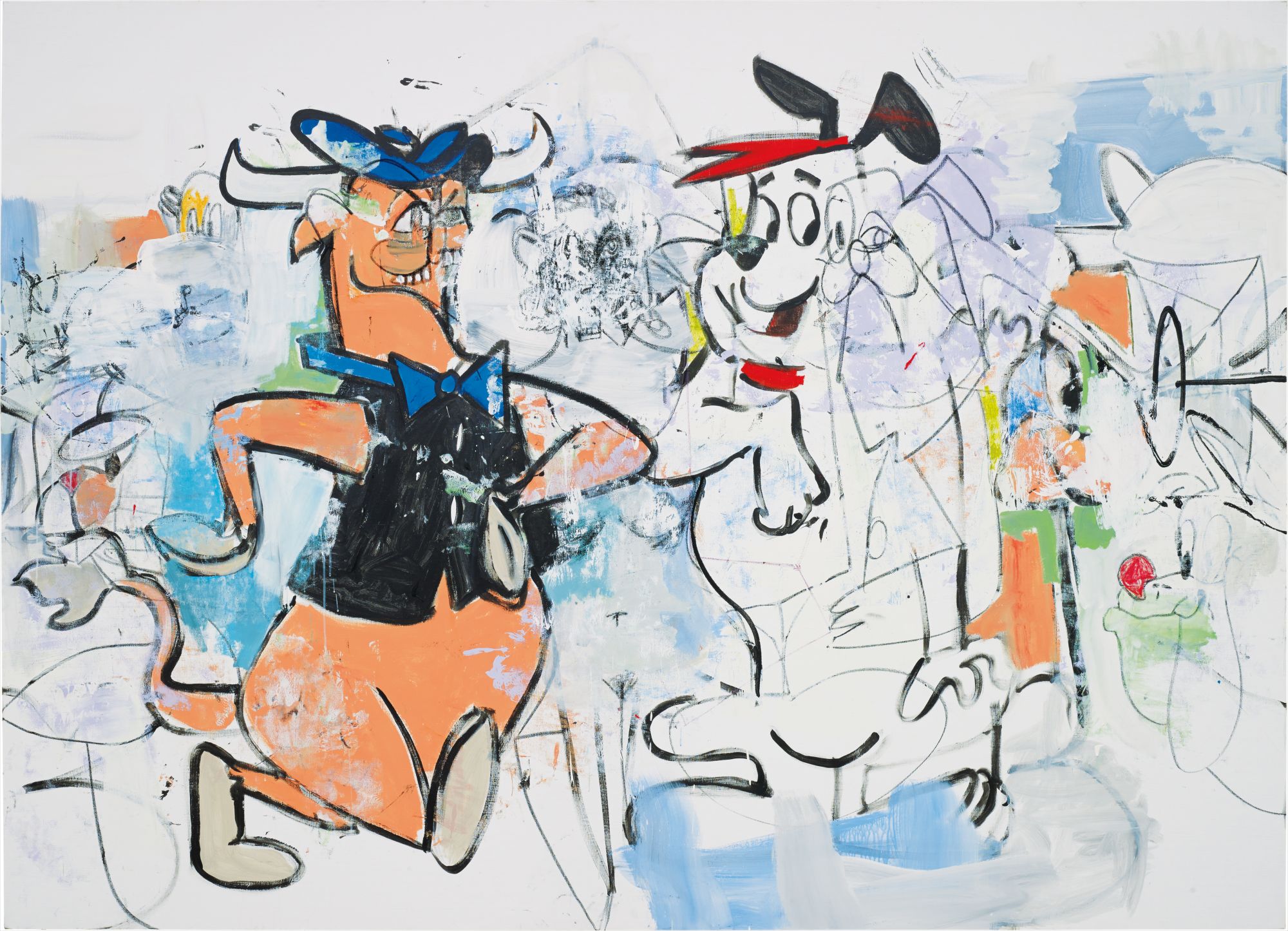
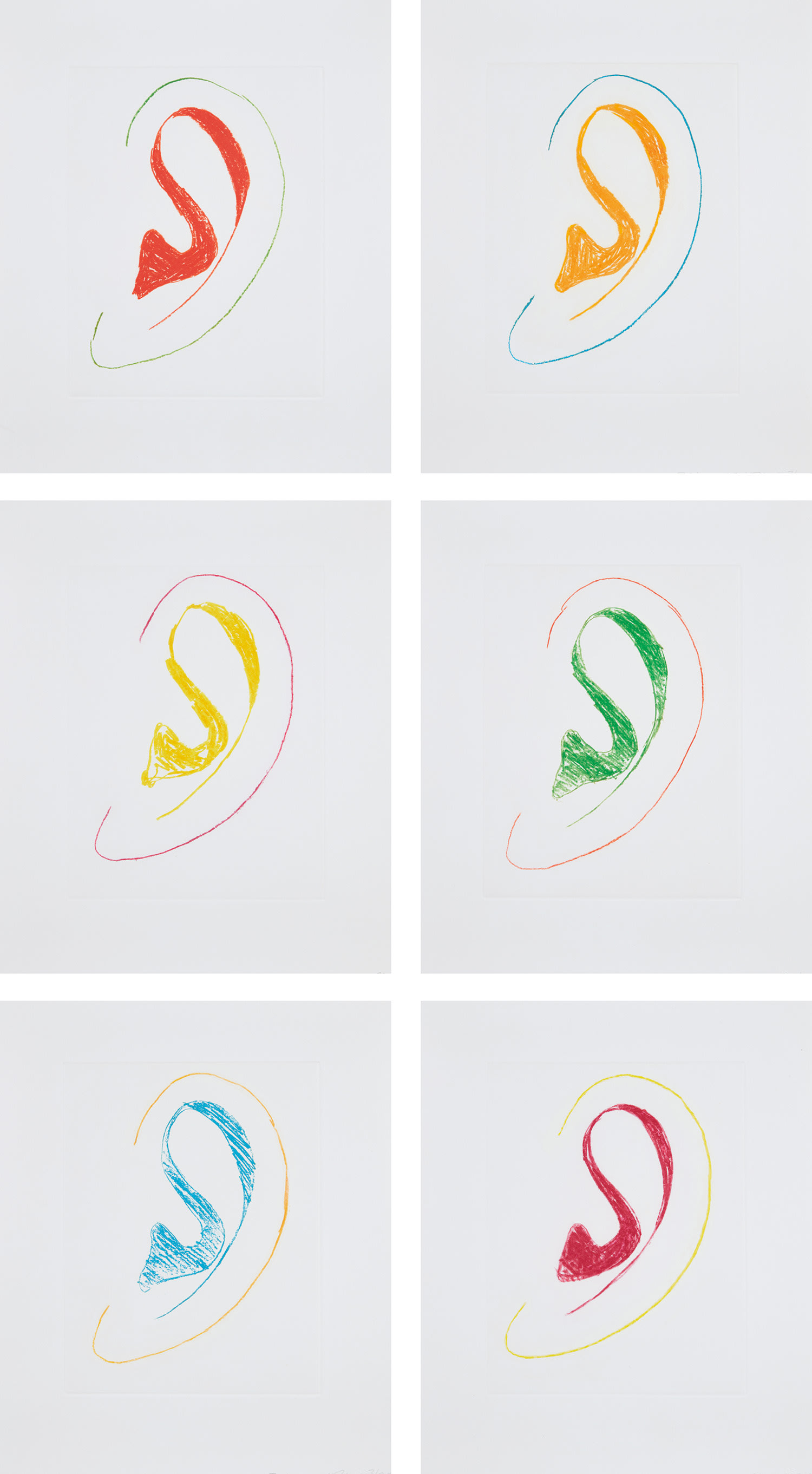
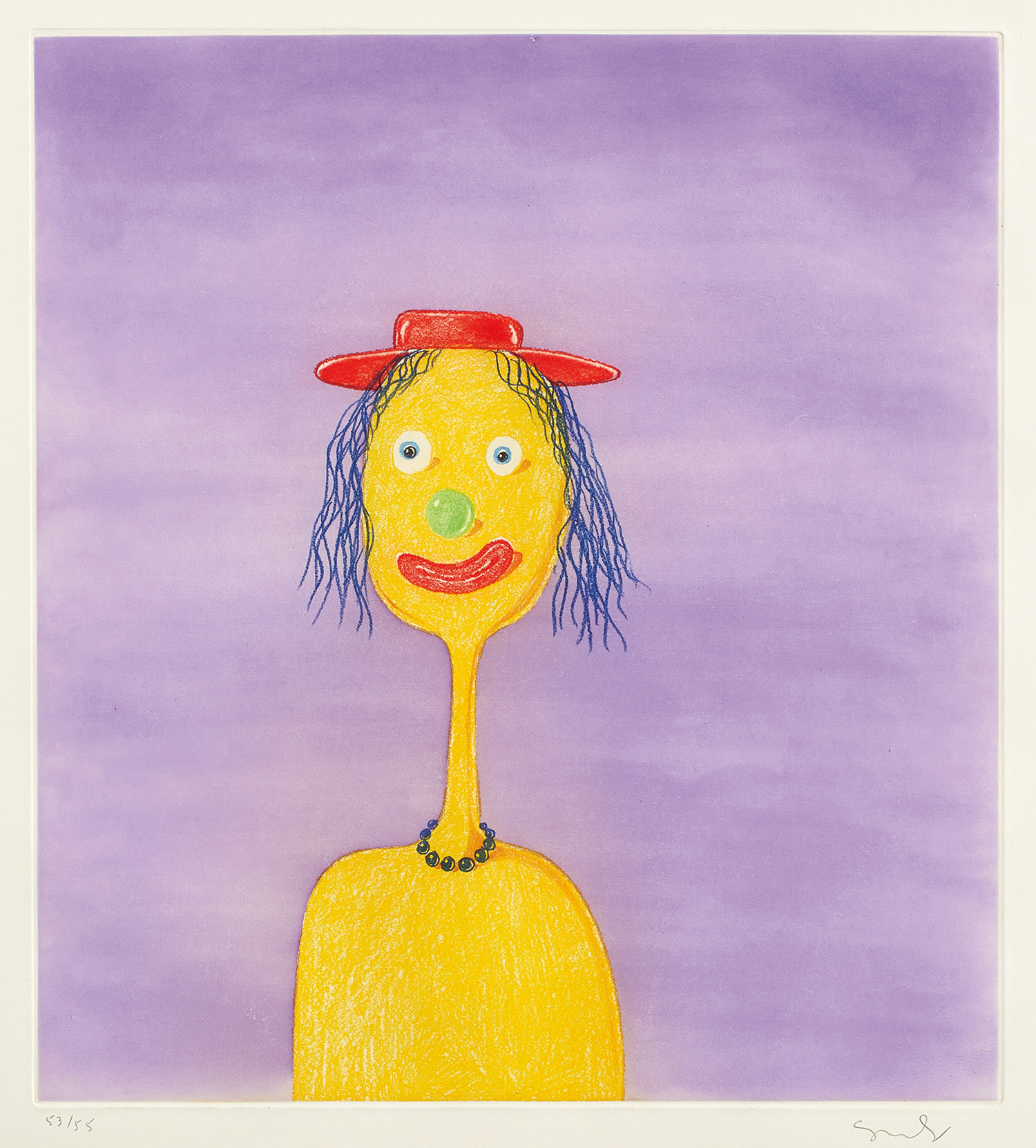
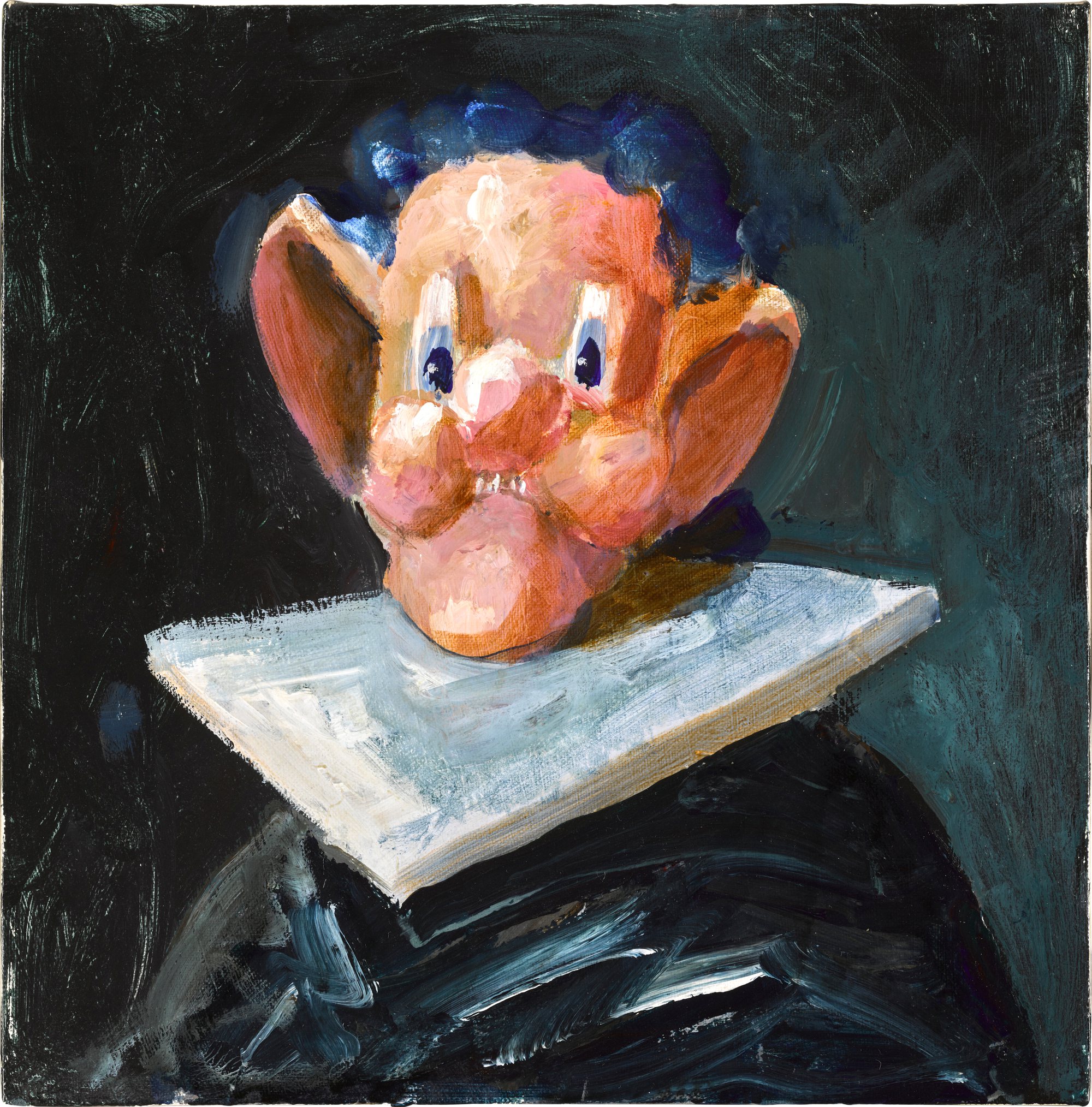
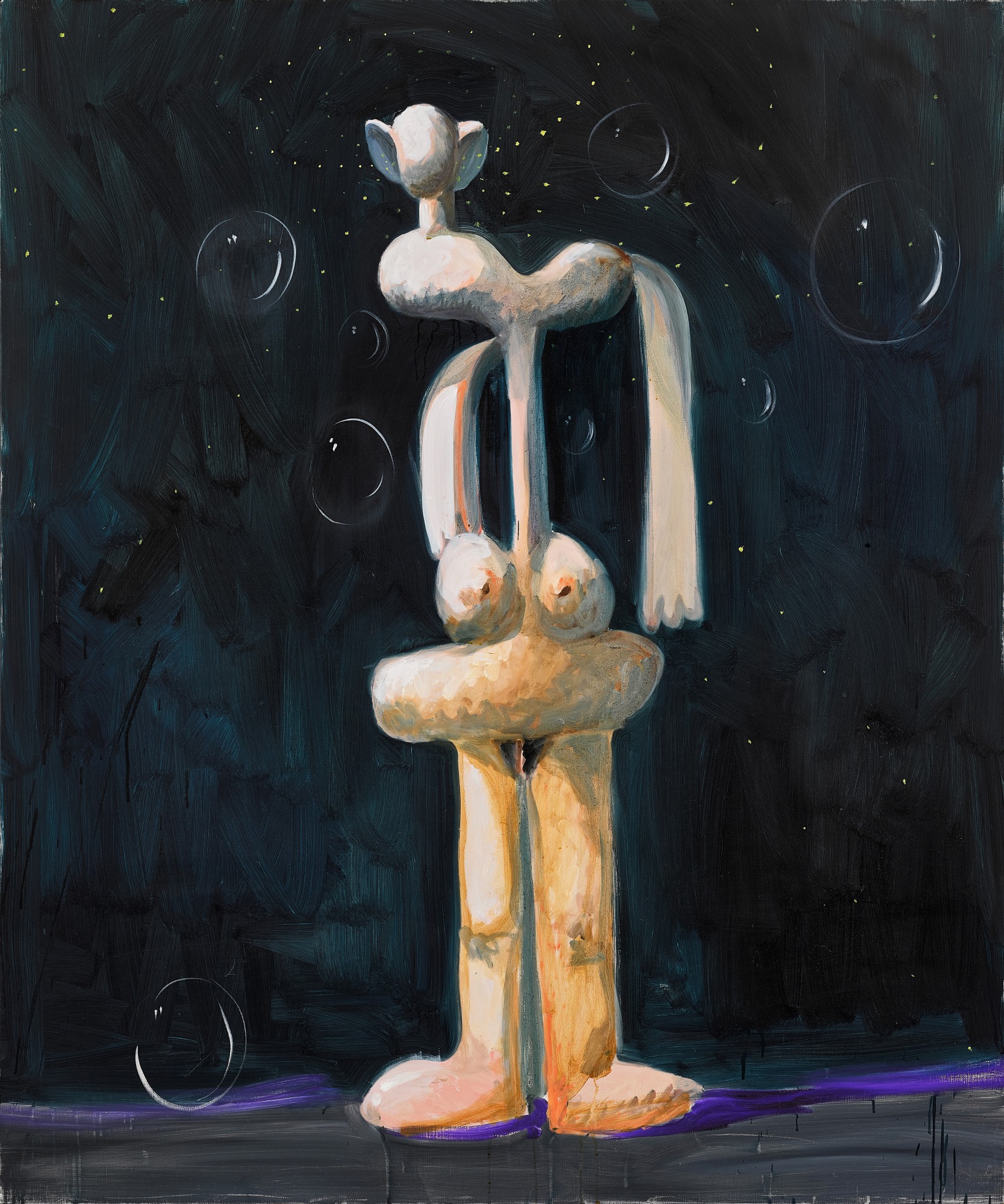
Few painters working today command the kind of sustained critical and cultural attention that George Condo has earned over four decades. His 2021 exhibition at Hauser and Wirth in London, "Worshippers of the Apocalypse," drew devoted audiences eager to stand before his monumental canvases and reckon with faces that seemed simultaneously ancient and urgently contemporary. That same year, works at auction continued to set records, with major paintings achieving prices well into the millions, confirming what collectors had understood for years: Condo is among the most important figurative… Continue reading

Collectors

Also spotted by

Artists in conversation
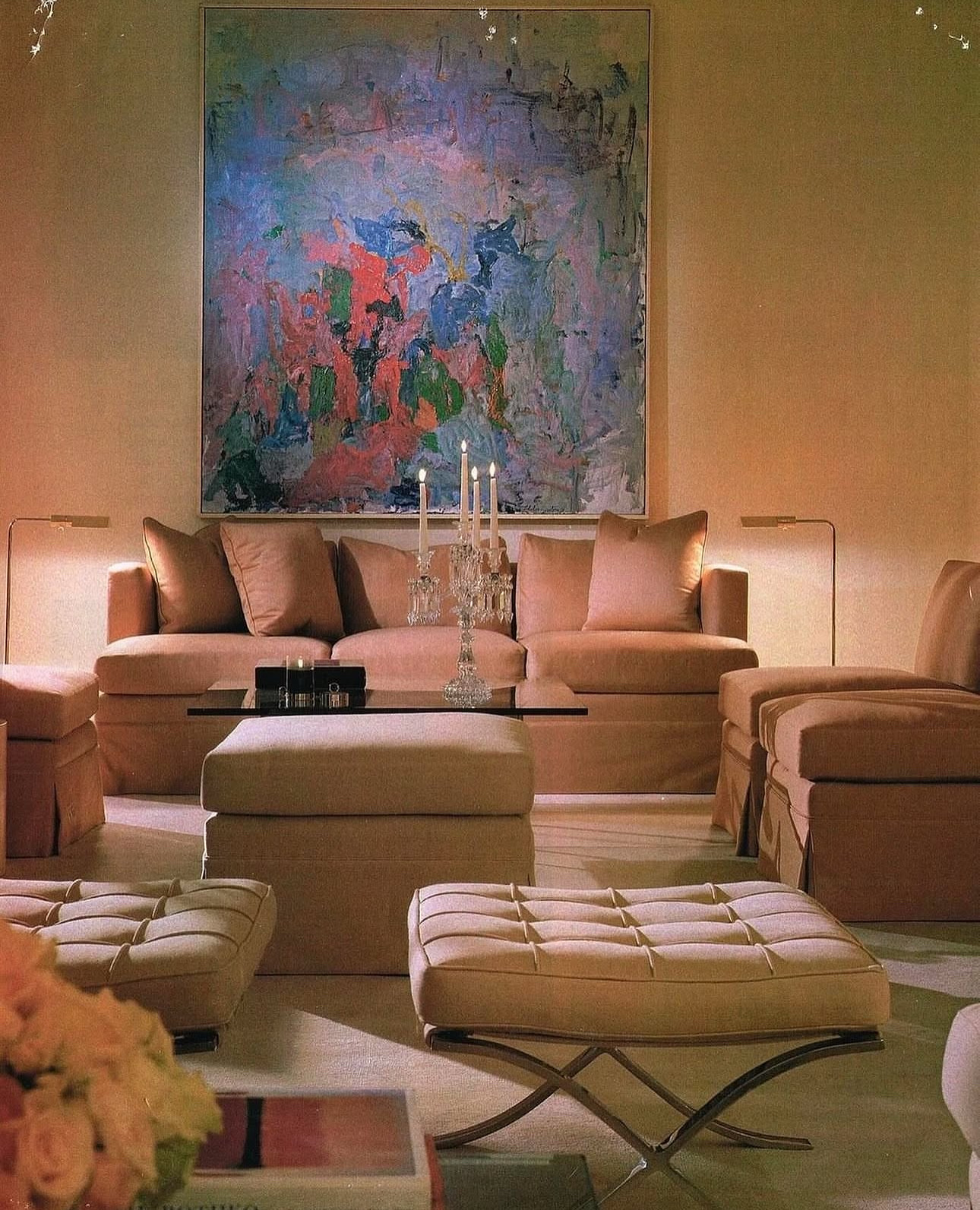
Philip Guston
Guston similarly merged figurative painting with psychological intensity and a darkly cartoonish sensibility, producing distorted figures that carry emotional and existential weight comparable to Condo's portraits.
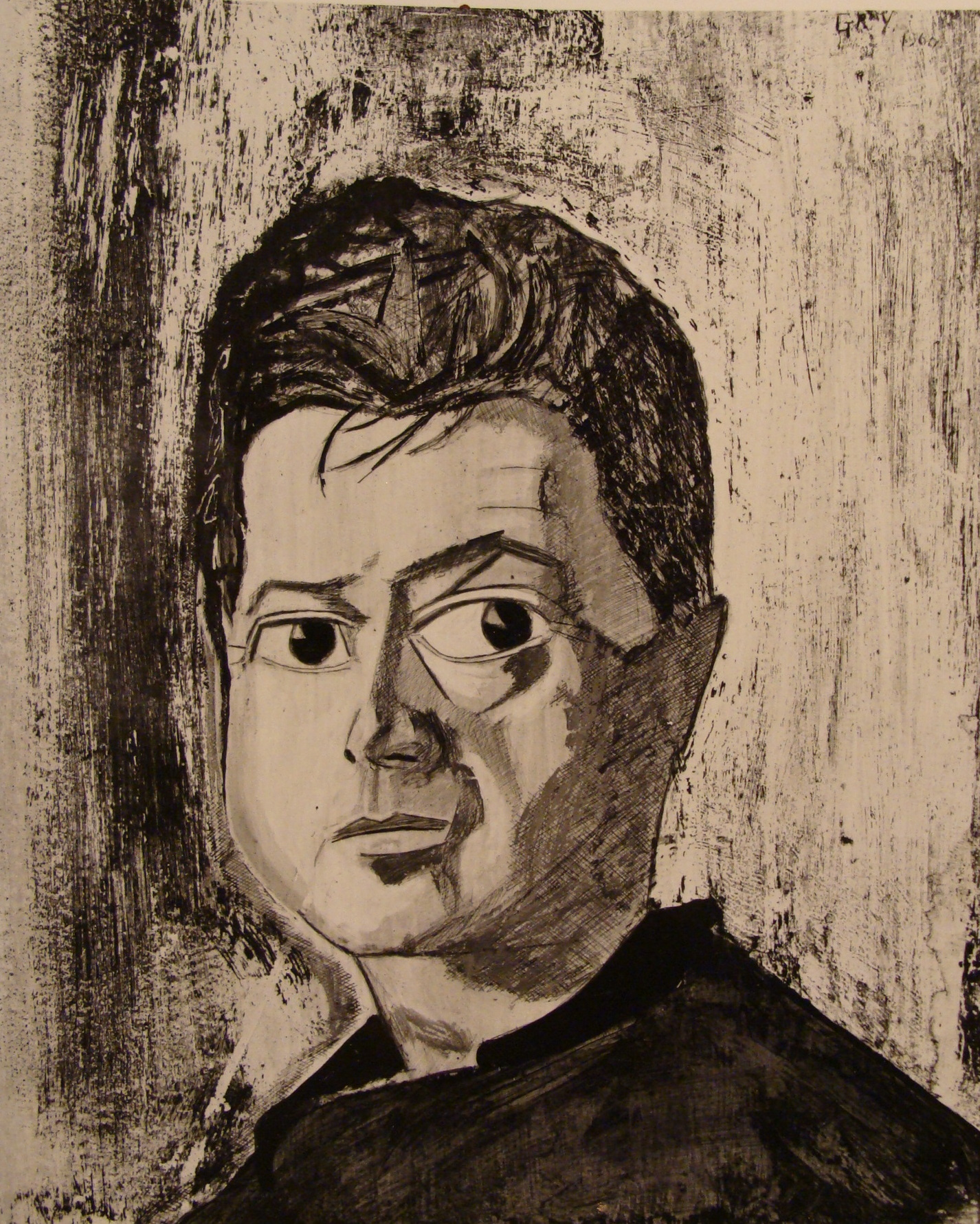
Francis Bacon
Bacon's deeply psychological and viscerally distorted figurative paintings share Condo's obsession with fragmented identity and the psychological complexity of the human face and body rendered in oil.
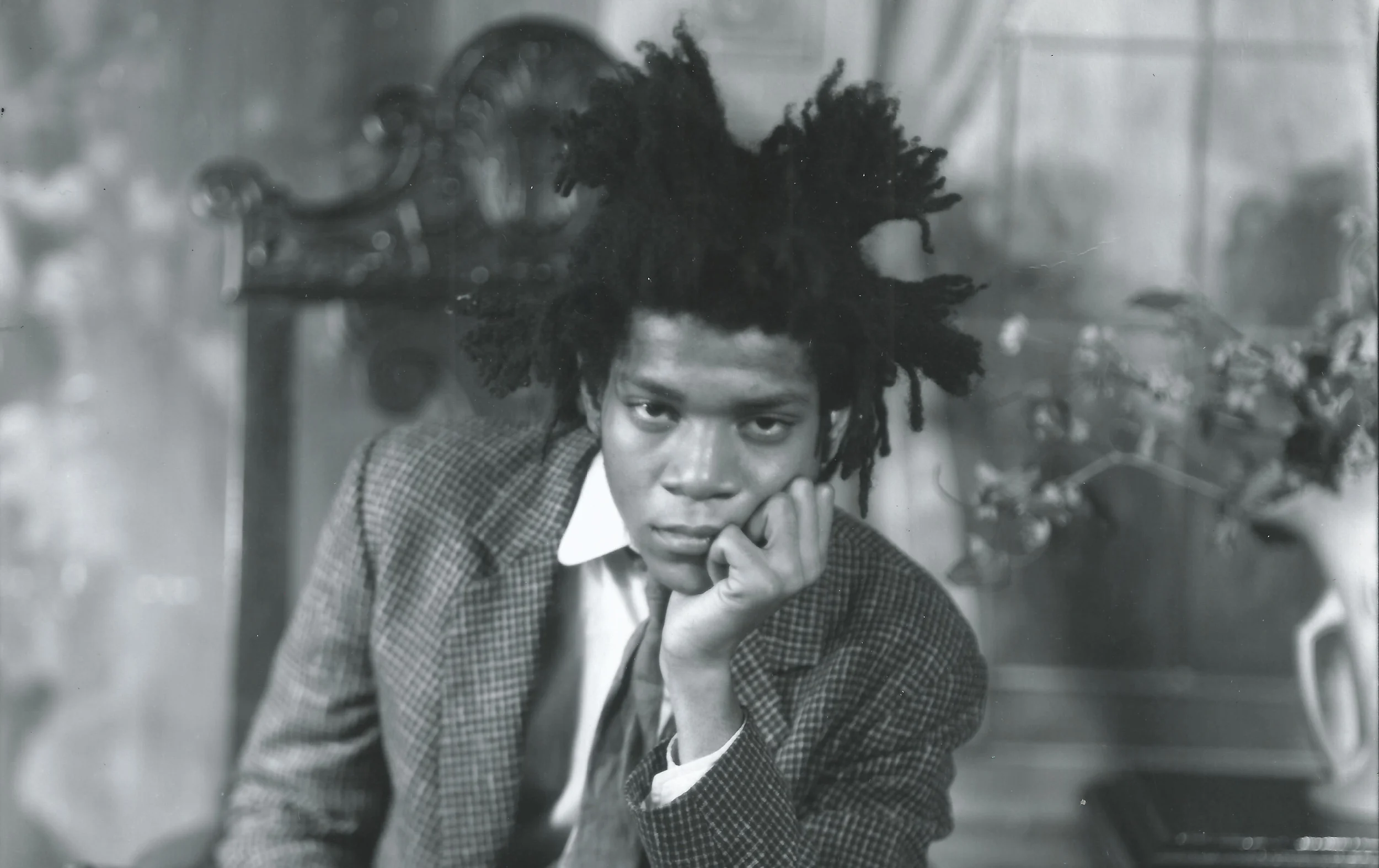
Jean-Michel Basquiat
Basquiat combined raw figuration with art historical references and contemporary cultural commentary in a bold and expressive manner that parallels Condo's blending of high and low visual registers.
Artists who inspired them
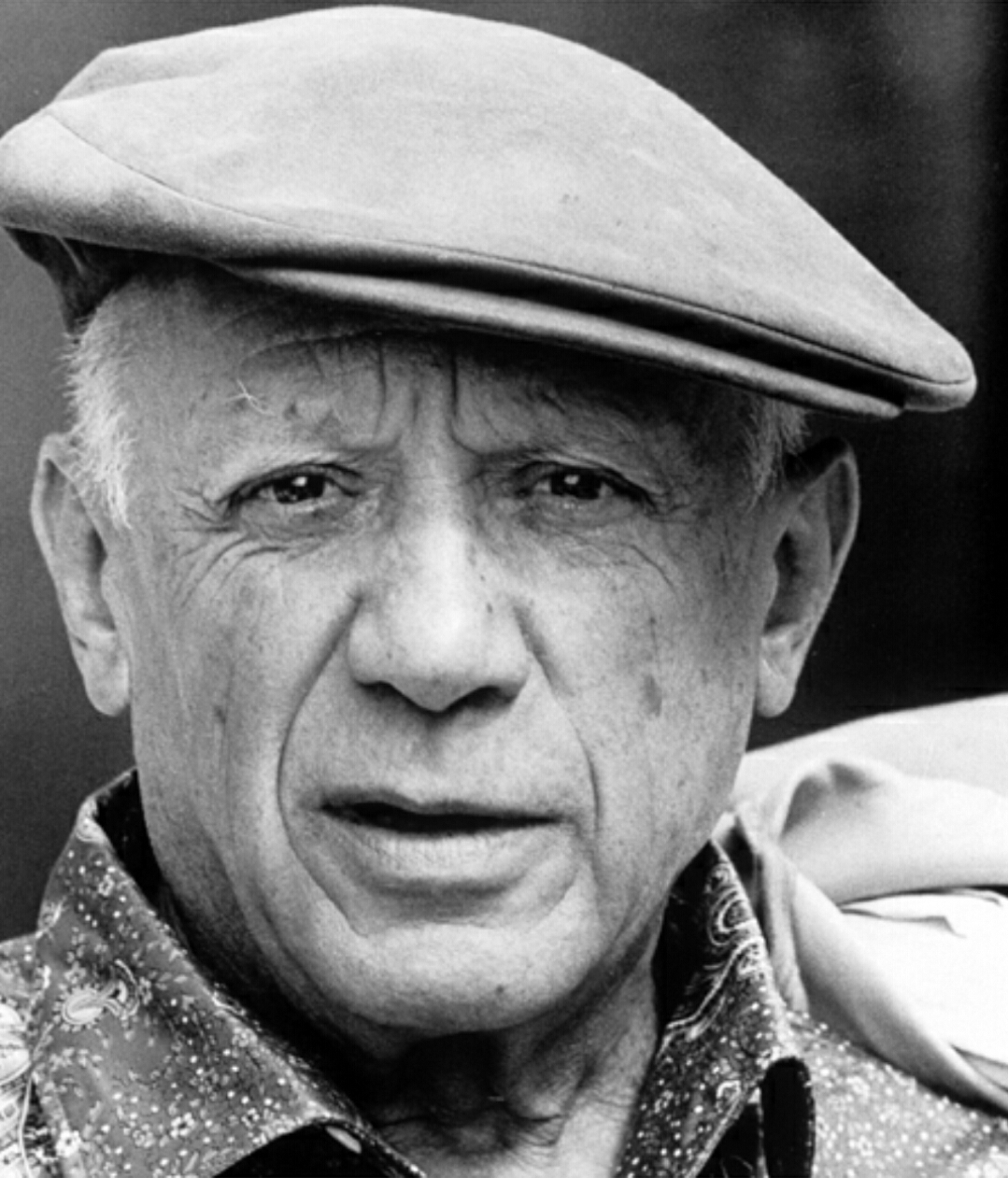
Pablo Picasso
Condo has explicitly cited Picasso as a foundational influence, adopting the Cubist fragmentation of the face and the simultaneous presentation of multiple viewpoints within his distorted portrait compositions.
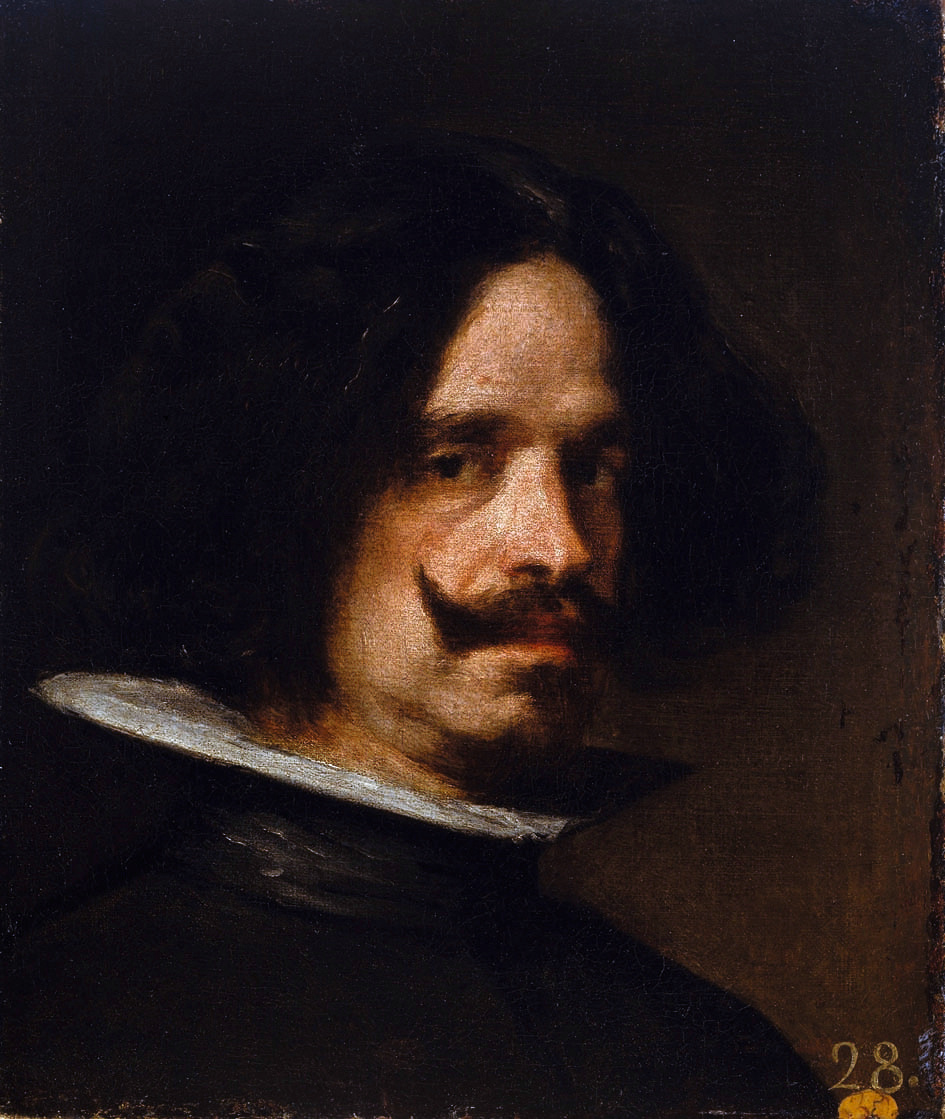
Diego Velázquez
Condo's Artificial Realism draws directly on the Old Master portrait tradition that Velázquez exemplifies, incorporating his sophisticated handling of oil paint, tonal depth, and formal portraiture conventions as a foundation for distortion.
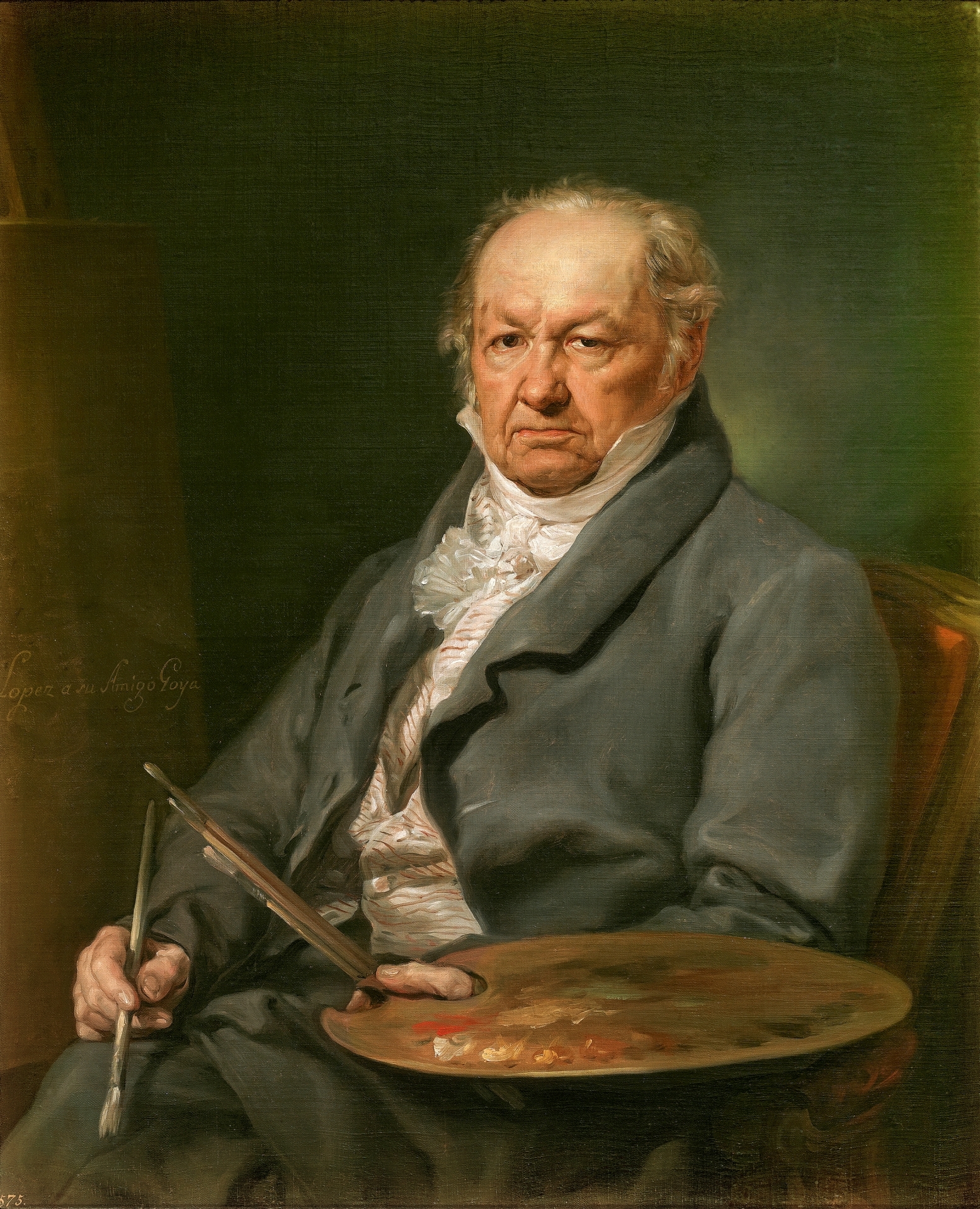
Francisco Goya
Goya's dark psychological imagery, grotesque figures, and willingness to push portraiture into unsettling emotional territory provided a clear precedent for the psychological intensity Condo pursues in his own figurative work.