Yuan Dynasty
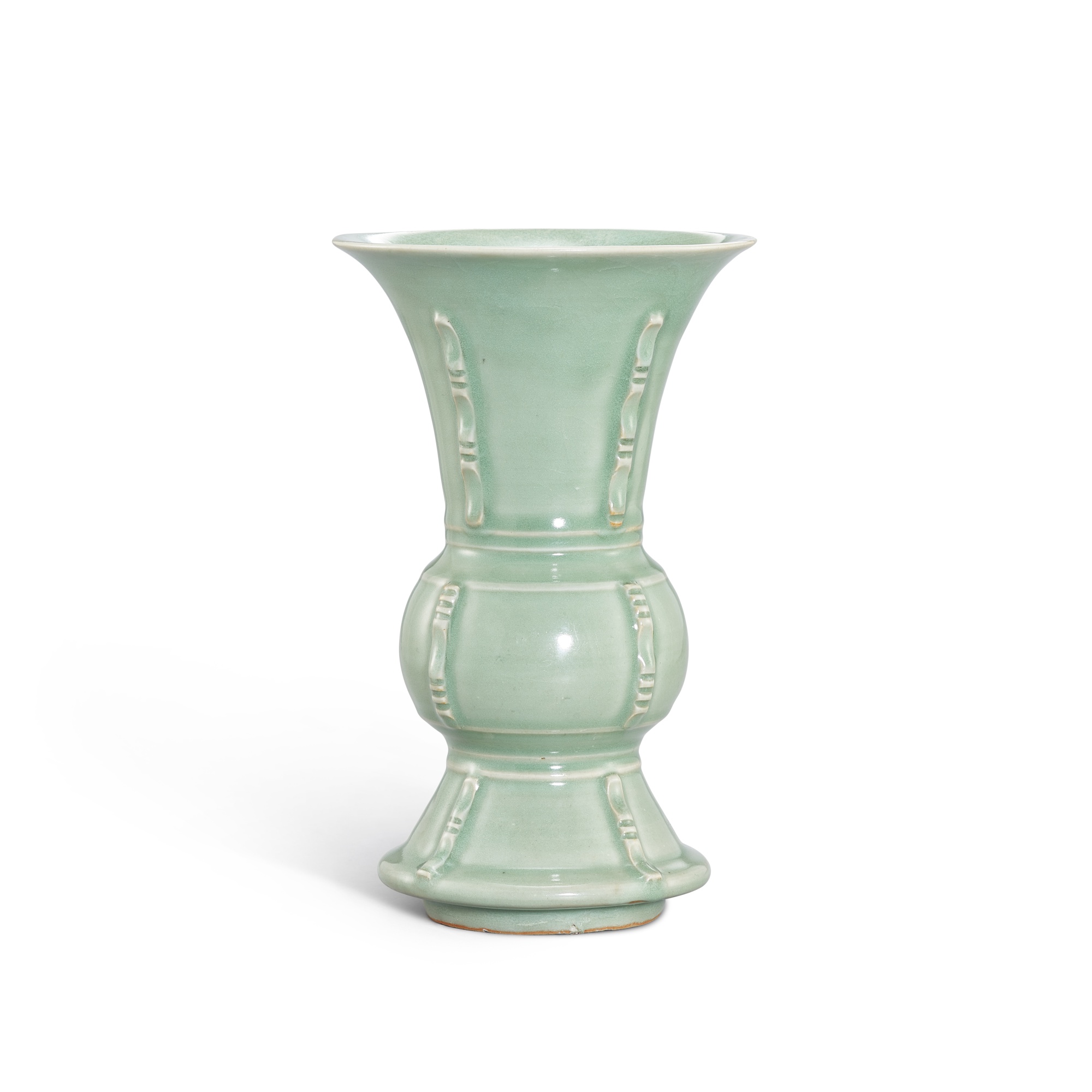
A Longquan celadon gu-shaped vase,
A Longquan celadon gu-shaped vase, Yuan dynasty 元 龍泉青釉花出戟觚
The Yuan Dynasty: Collecting Civilisation at Its Rawest
There is something almost paradoxical about Yuan dynasty objects. They were made during a period of immense disruption, when Mongol rule had upended the established order of Chinese court culture, and yet the ceramics, lacquerwork, and painting that survive from this relatively brief period between 1271 and 1368 possess a confidence and formal clarity that feels anything but unsettled. Collectors who come to this period once tend to stay. The works carry a physical authority that photographs struggle to communicate and a sense of historical weight that more recent material rarely matches.
What draws serious collectors to Yuan is partly the rarity, and partly what that rarity demands of you. You cannot drift through this category. The period is specific, the connoisseurship is demanding, and the rewards for careful looking are proportionally significant. Collectors often describe living with a good Longquan celadon or a Cizhou painted pillow as a slow process of discovery, pieces that reveal new subtleties in different light, at different times of year, in ways that contemporary works often do not.
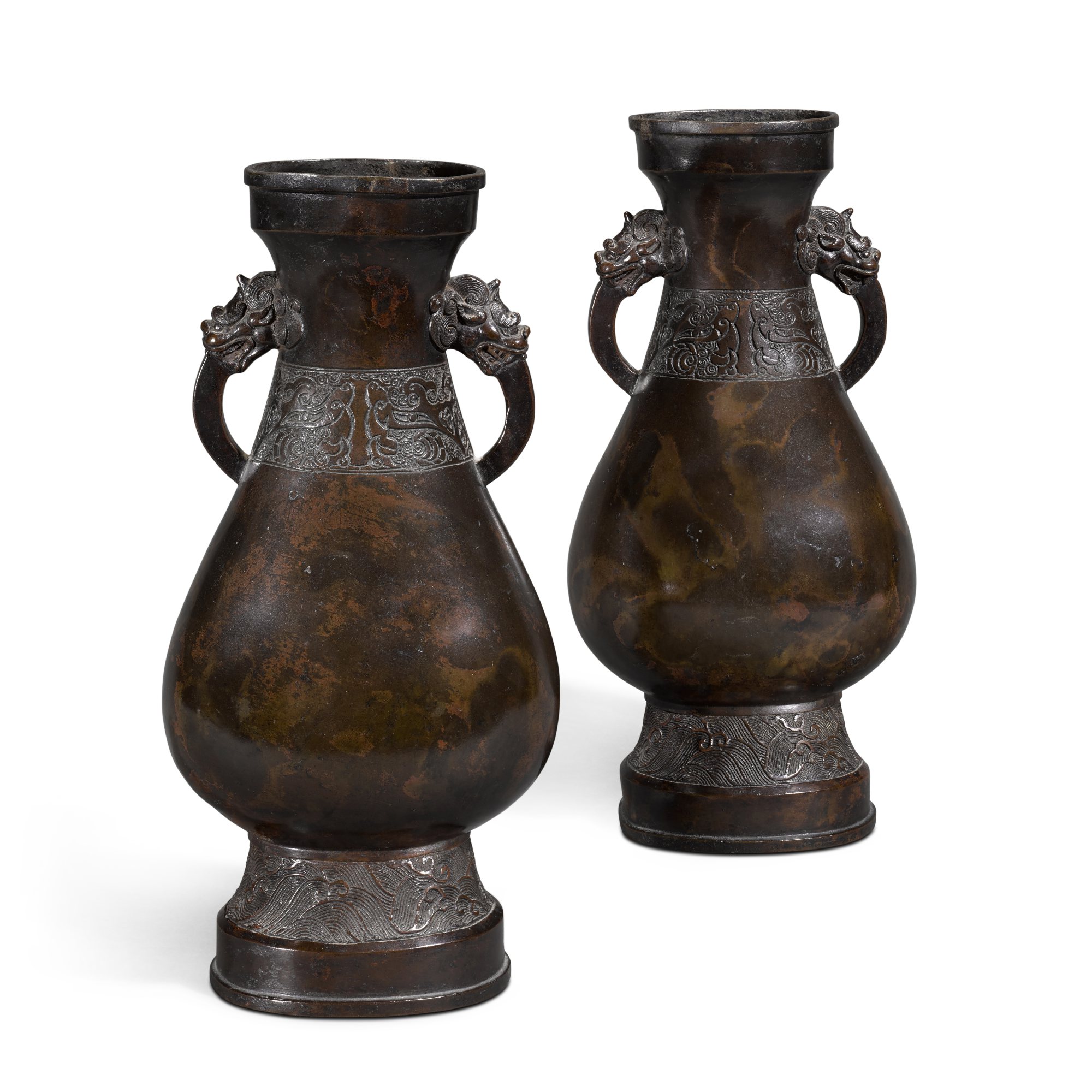
A pair of bronze baluster vases
A pair of bronze baluster vases, Yuan/early Ming dynasty
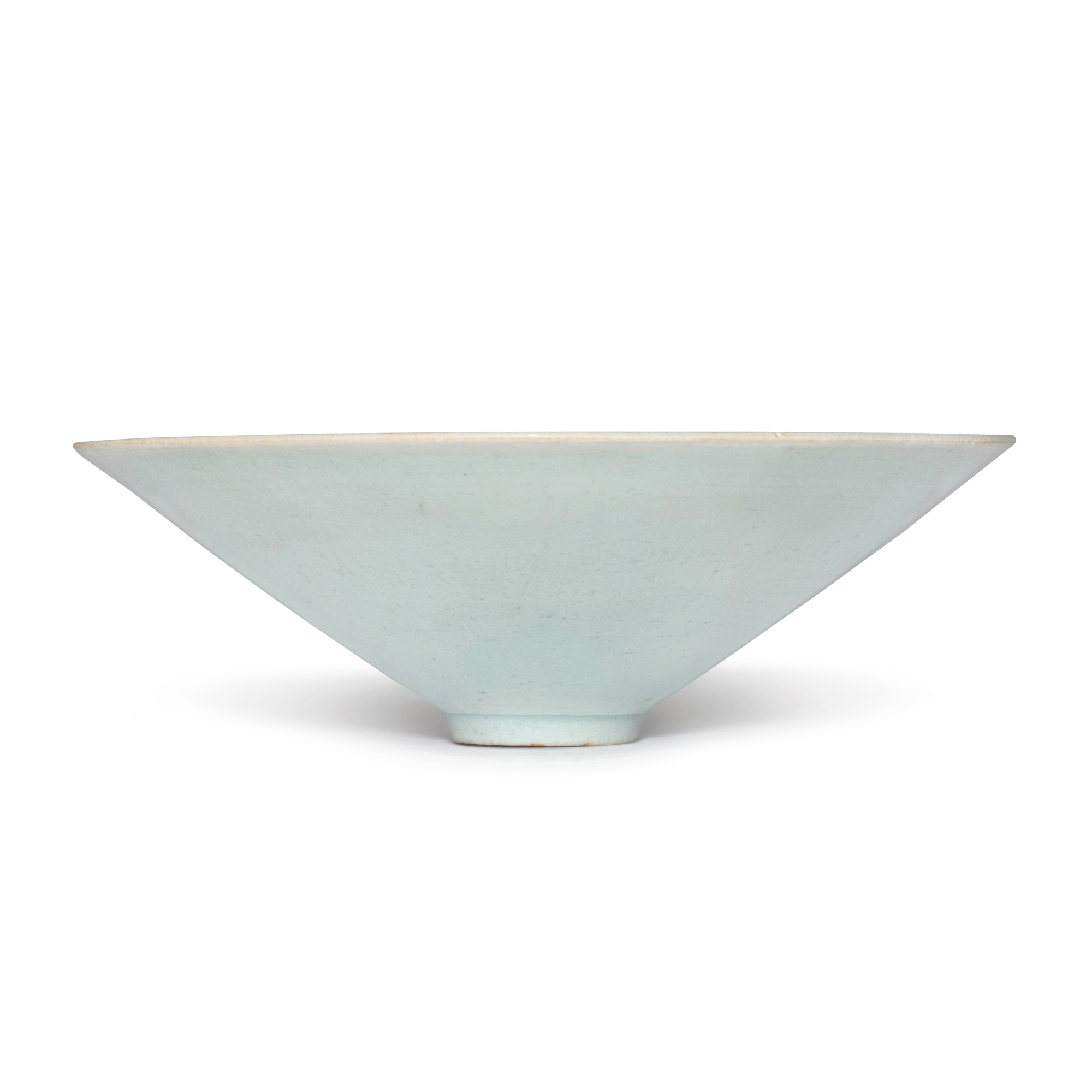
The objects were made to be used, to be held, to be part of daily life at various levels of society, and that lived quality communicates itself across seven centuries. Separating a good work from a great one in this category comes down to a few interconnected factors. Glaze quality is perhaps the most immediate indicator in ceramics, and the Longquan tradition offers one of the clearest demonstrations of this principle. The finest Longquan pieces achieve a depth and translucency in their celadon glaze that looks almost mineral rather than ceramic, a quality sometimes described as resembling jade.
A Longquan celadon dragon charger with crisp, confident moulding and an even, deeply saturated glaze is a fundamentally different object from a later imitation, and experienced eyes will feel the difference before they can fully articulate it. Form matters equally: the cong shaped vase, with its ancient ritual references, and the gu shaped vase, reaching back to bronze age prototypes, speak to a Yuan aesthetic that was consciously reaching backward while producing something entirely of its moment. The Cizhou tradition rewards attention of a different kind. These were popular rather than imperial wares, made in the north of China, and their vigor reflects that.
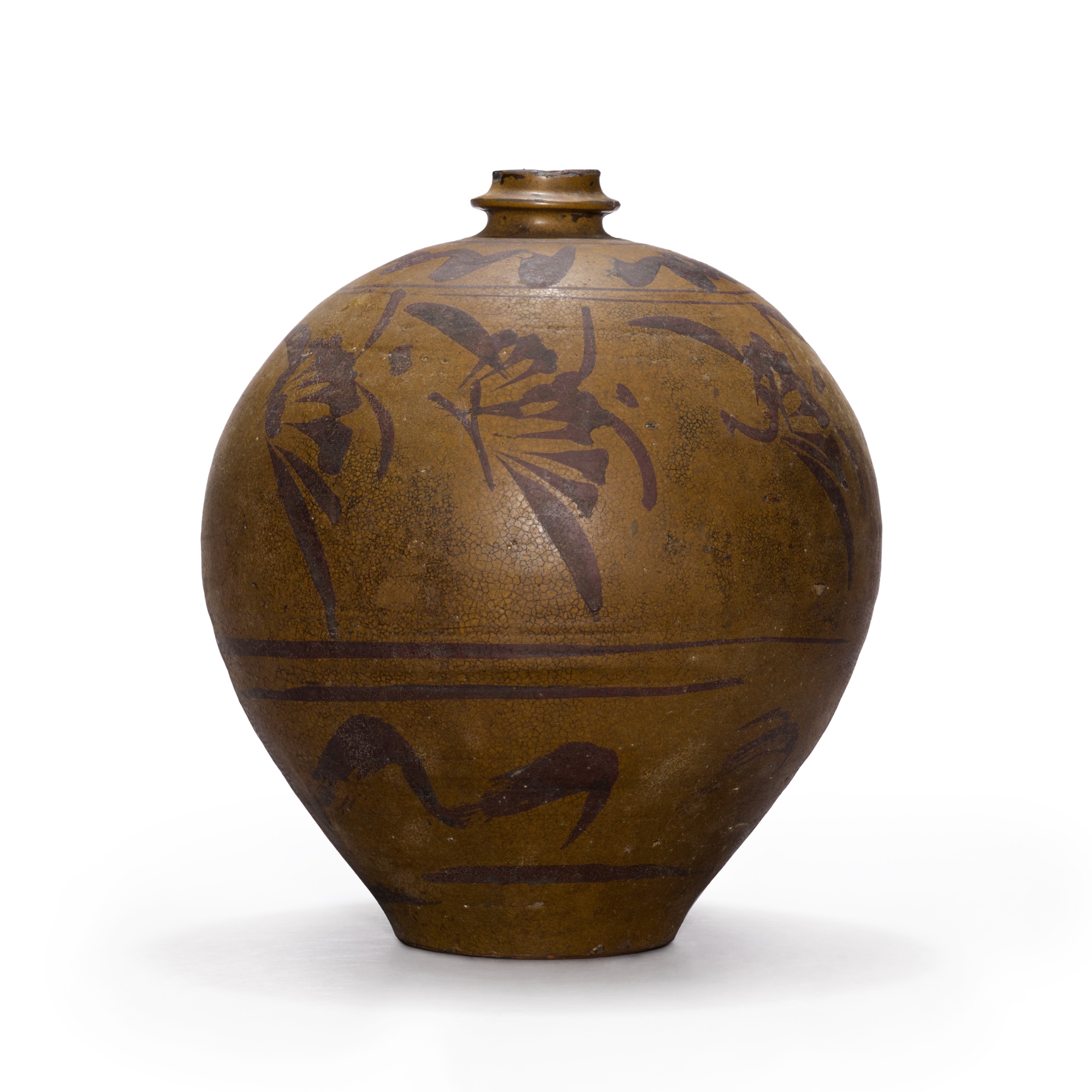
A painted 'Cizhou' vase,
A painted 'Cizhou' vase, Song - Yuan dynasty
A Cizhou sgraffiato vase with carved peony decoration or a painted Cizhou pillow with boldly brushed imagery can possess an immediacy that feels almost modern, closer in spirit to certain twentieth century abstraction than to the refinement we associate with Song dynasty court taste. The best Cizhou pieces have a spontaneity to the brushwork or carving that cannot be faked convincingly. When that quality is present alongside sound form and good condition, you have something genuinely desirable. Among the works well represented on The Collection, the Longquan celadon pieces make a strong case for the category as a whole.
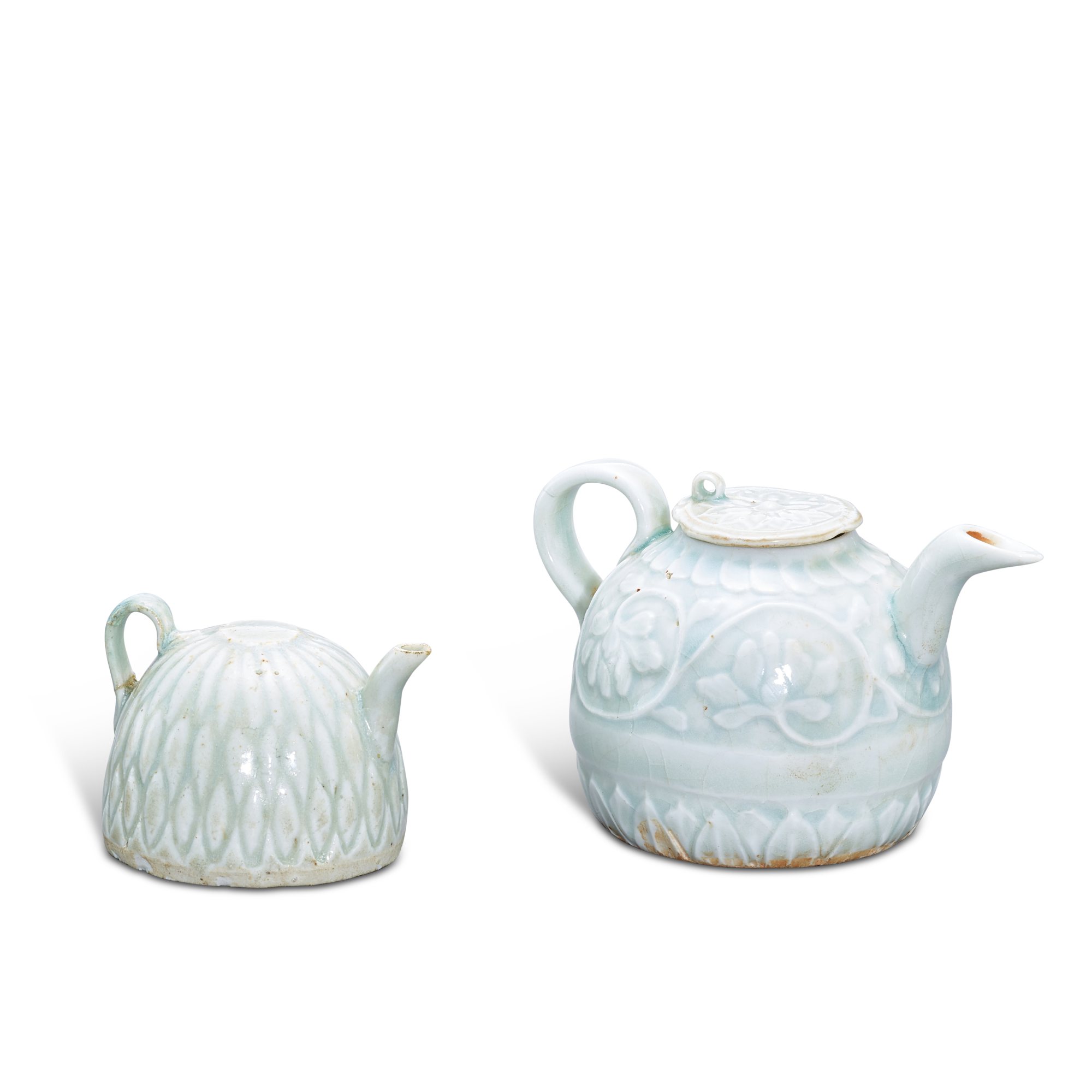
The tobi seiji stand, for instance, represents a particularly refined sub category of Longquan production in which the iron spots in the glaze were deliberately cultivated, a technique so admired in Japan that it generated its own aesthetic discourse. For collectors interested in the intersection of Chinese production and East Asian collecting history, these pieces carry a layered significance that amplifies their market value. Similarly, the qingbai tradition, represented here by delicate ewers and a moulded hexagonal box, offers an entry point into Yuan ceramic collecting that is sometimes underpriced relative to its art historical importance. Qingbai wares, with their pale blue white glaze and often exquisite moulded decoration, represent a direct precursor to the blue and white tradition that would define the subsequent Ming dynasty, and understanding them changes how you see the whole arc of Chinese ceramic history.
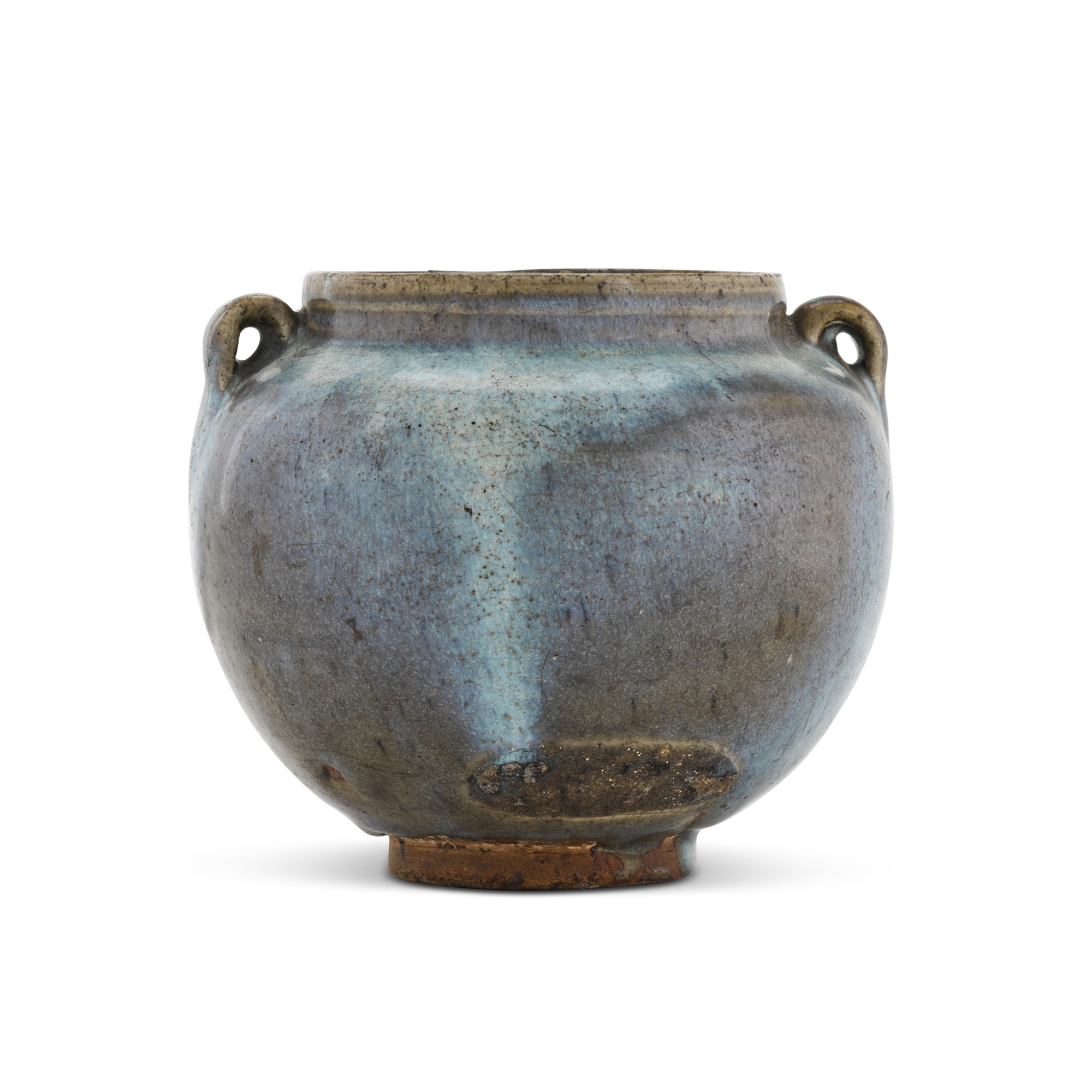
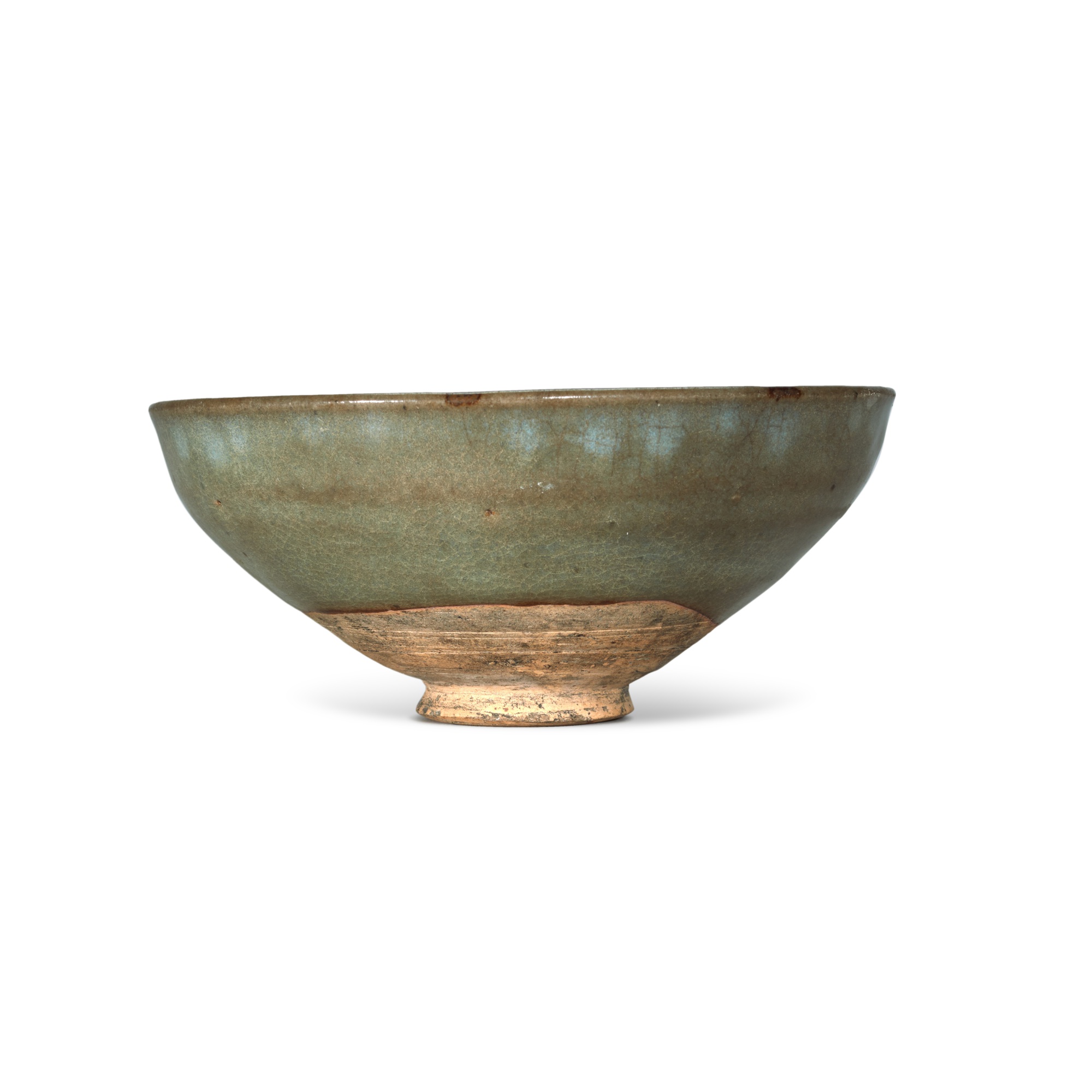
A 'Jun' handled jar,
A 'Jun' handled jar, Jin / Yuan dynasty
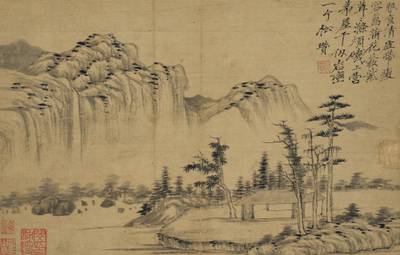
In terms of painting, the attribution to Ni Zan represented on The Collection points toward the summit of Yuan literati achievement. Ni Zan, active in the fourteenth century, became almost synonymous with a certain ideal of scholarly withdrawal and formal austerity, his spare landscapes with their empty middle grounds read as philosophical statements as much as pictorial ones. Works attributed to him, even where attribution requires careful scrutiny, carry significant weight in the market because his cultural position is so firmly established. The market for attributed rather than documented works in this period is complex, and collectors should approach it with specialist advice, but the presence of such material signals the seriousness with which the Yuan period is now treated by the major institutions and auction houses.
At auction, Yuan material has performed with notable consistency over the past two decades. The major sales at Christie's, Sotheby's, and Bonhams in both New York and Hong Kong have demonstrated sustained demand for exceptional pieces, with the highest premium reserved for works with strong provenance, ideally passing through distinguished collections before their current appearances. Condition remains critical in a way that is perhaps more pronounced here than in many other collecting categories. Kilns losses, minor glaze flaws, and even some restoration can be acceptable in very rare pieces, but structural damage or restoration that compromises the reading of a glazed surface will significantly affect value.
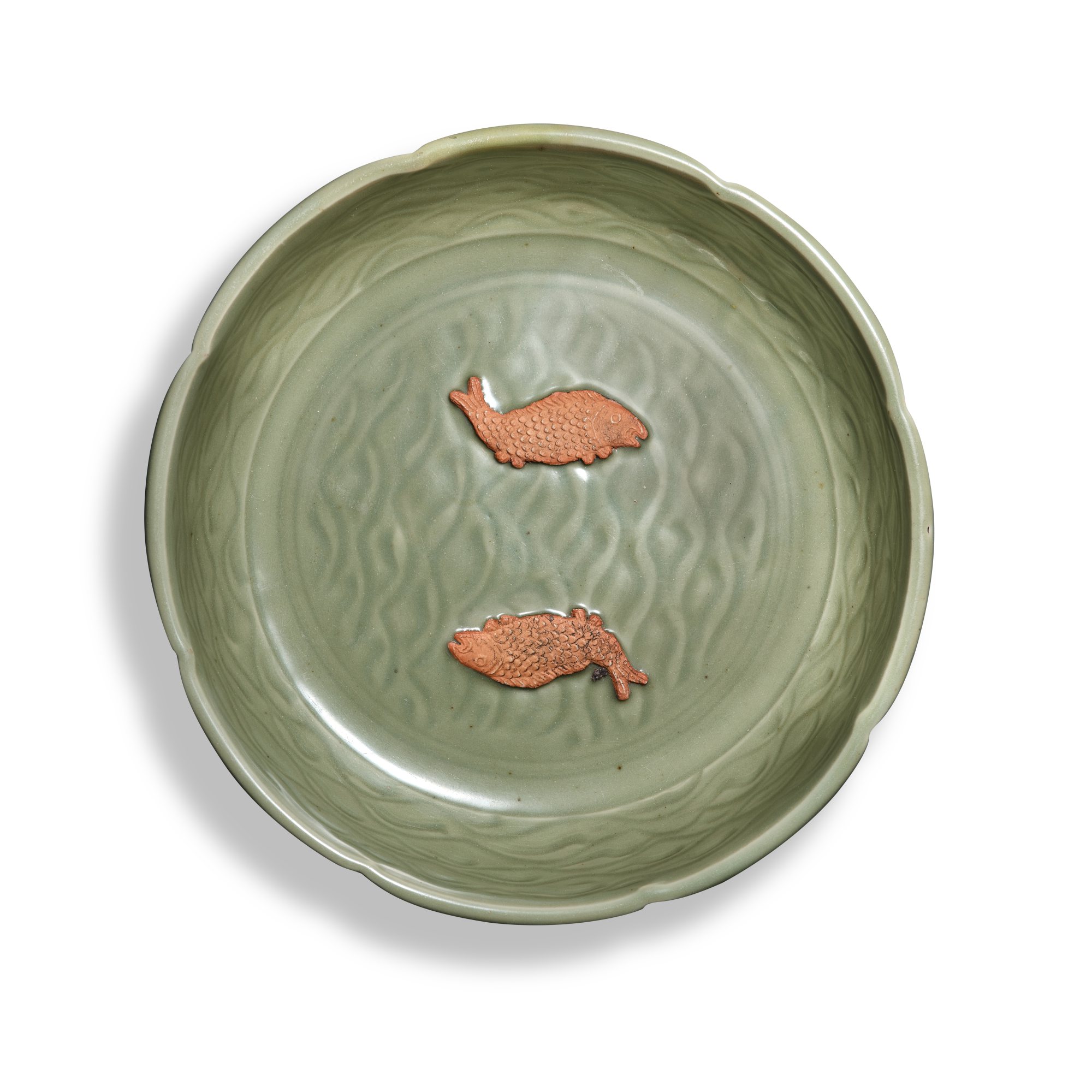
A Longquan celadon-glazed 'fish' washer
元 龍泉青釉貼雙魚盤
Always ask for a detailed condition report and, where possible, examine pieces under ultraviolet light to identify any restoration work. For those newer to the category, the practical advice is straightforward: start with categories where your eye can develop genuine confidence before moving to areas where attribution is contested. The Cizhou tradition and the Longquan celadons offer enough visual range and market depth that you can build real connoisseurship over time. Ask galleries and specialists about exhibition history and publication history for any significant piece, as works that have appeared in major catalogues carry both scholarly endorsement and a kind of collecting provenance that the market values.
Display these objects simply and with good natural light where possible. They were not made for vitrines and spotlights, and they are often most themselves in conditions closer to how they were originally used: as beautiful, serious things made to be part of a life lived attentively.