Woodcut
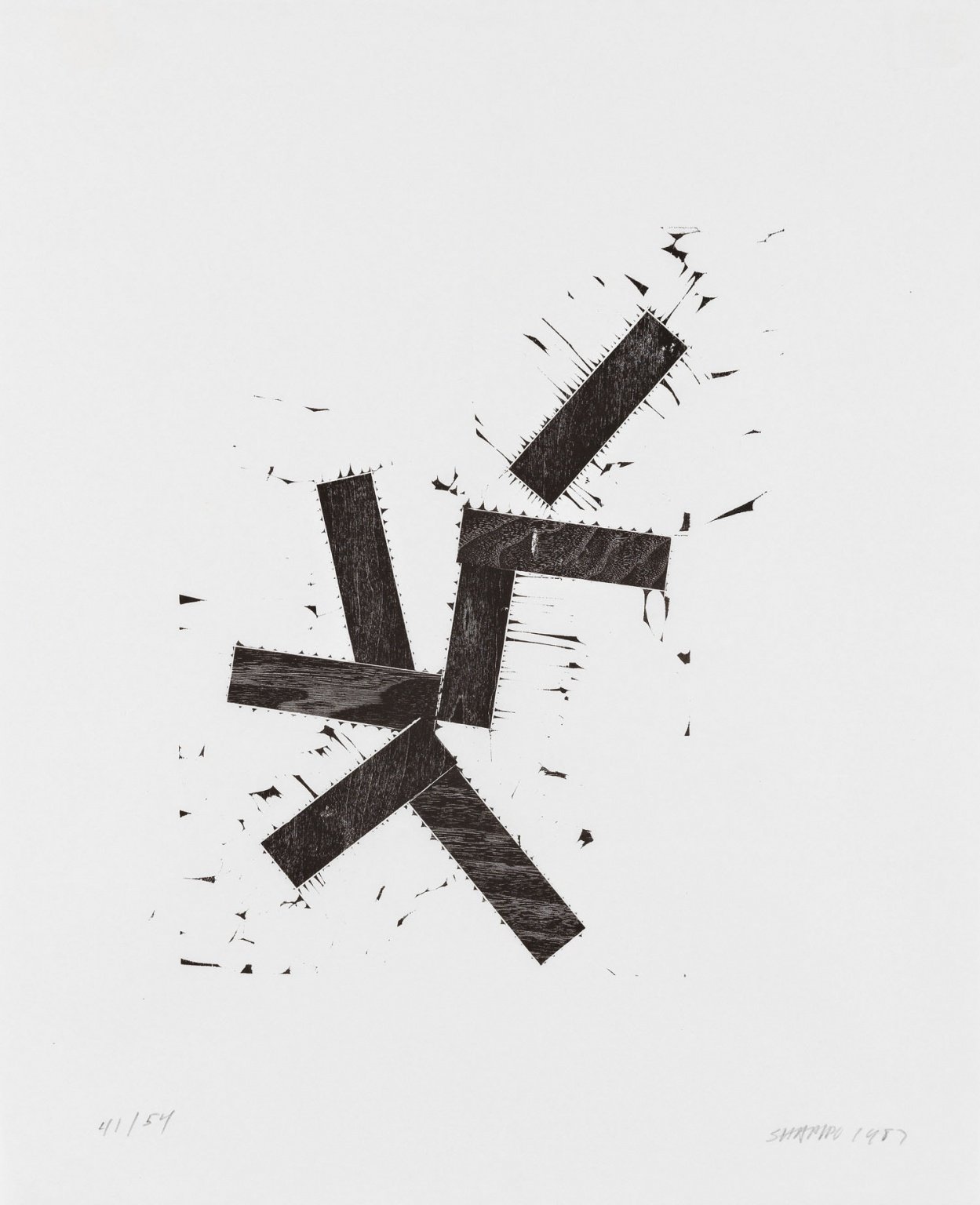
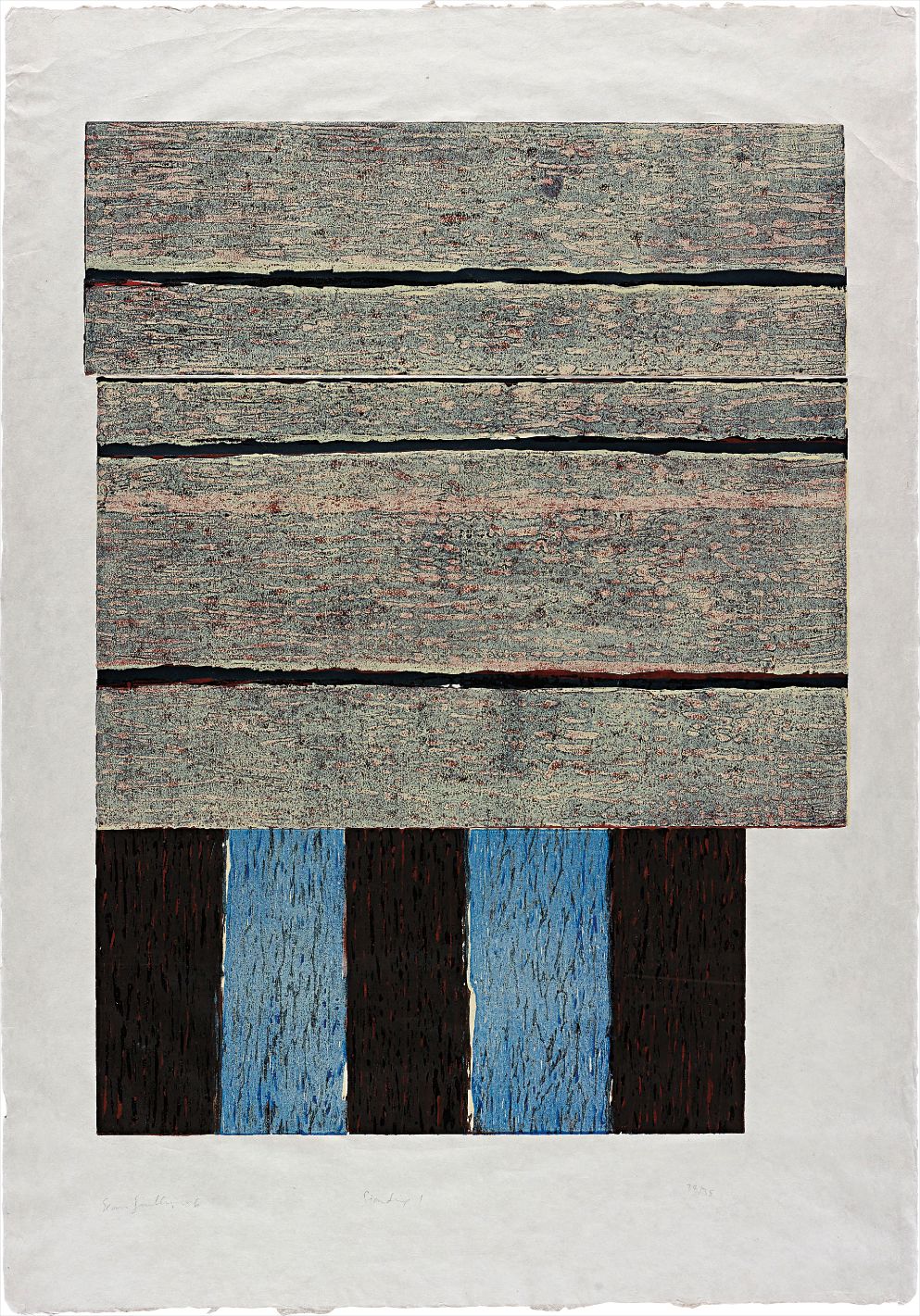
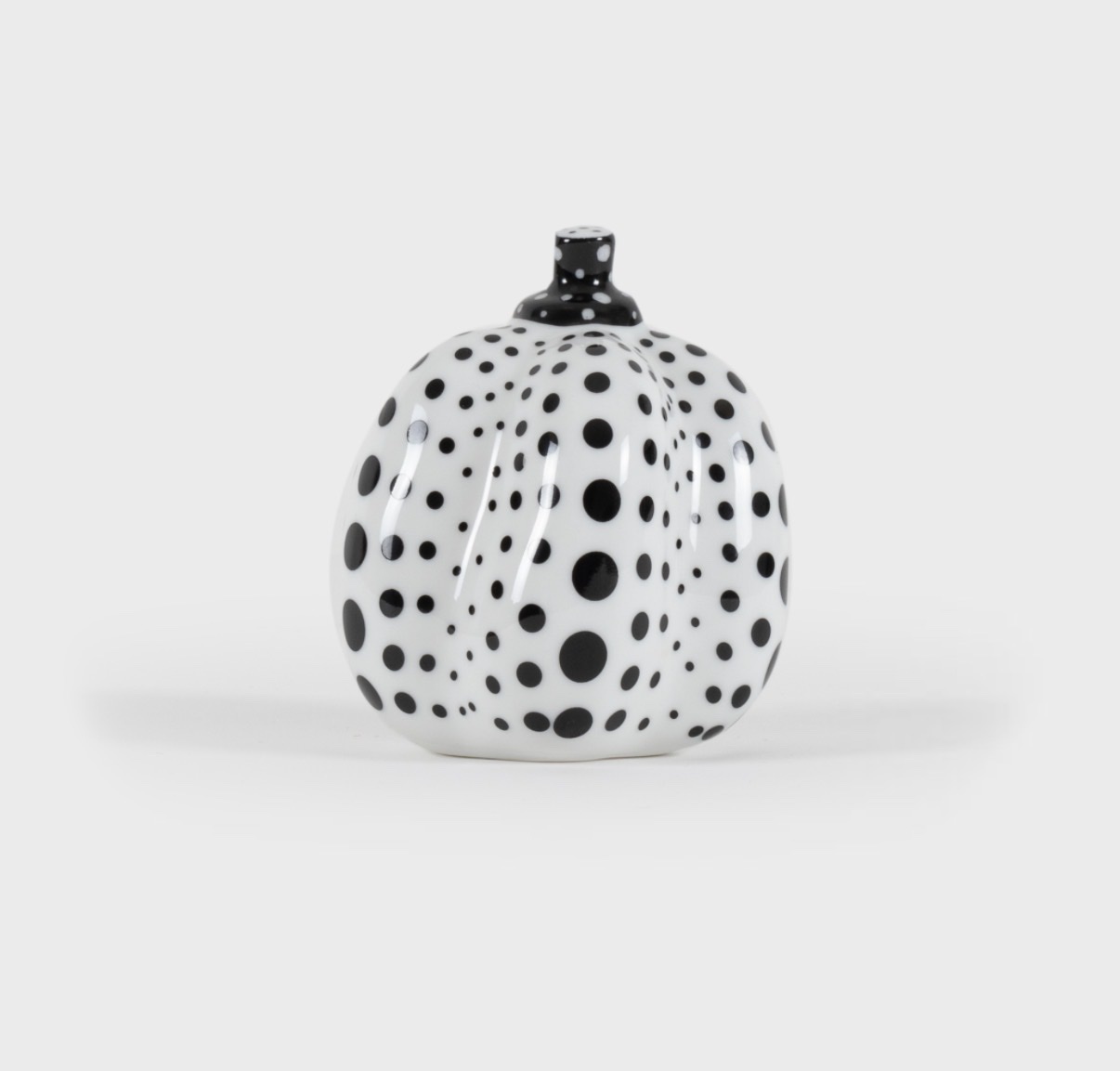
Joel Shapiro
5748 (For Jewish Museum), 1987
The Knife Decides: Woodcut's Radical Edge
There is something primal about making a mark by destroying a surface. Woodcut, the oldest of the Western printmaking traditions, asks the artist to think in reverse, to carve away what should not be seen and trust what remains to carry the image. That productive tension between removal and revelation has kept the medium alive for more than six centuries, attracting artists who want their work to feel bodily, direct, and unambiguous. Few mediums leave less room to hide.
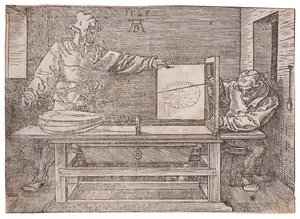
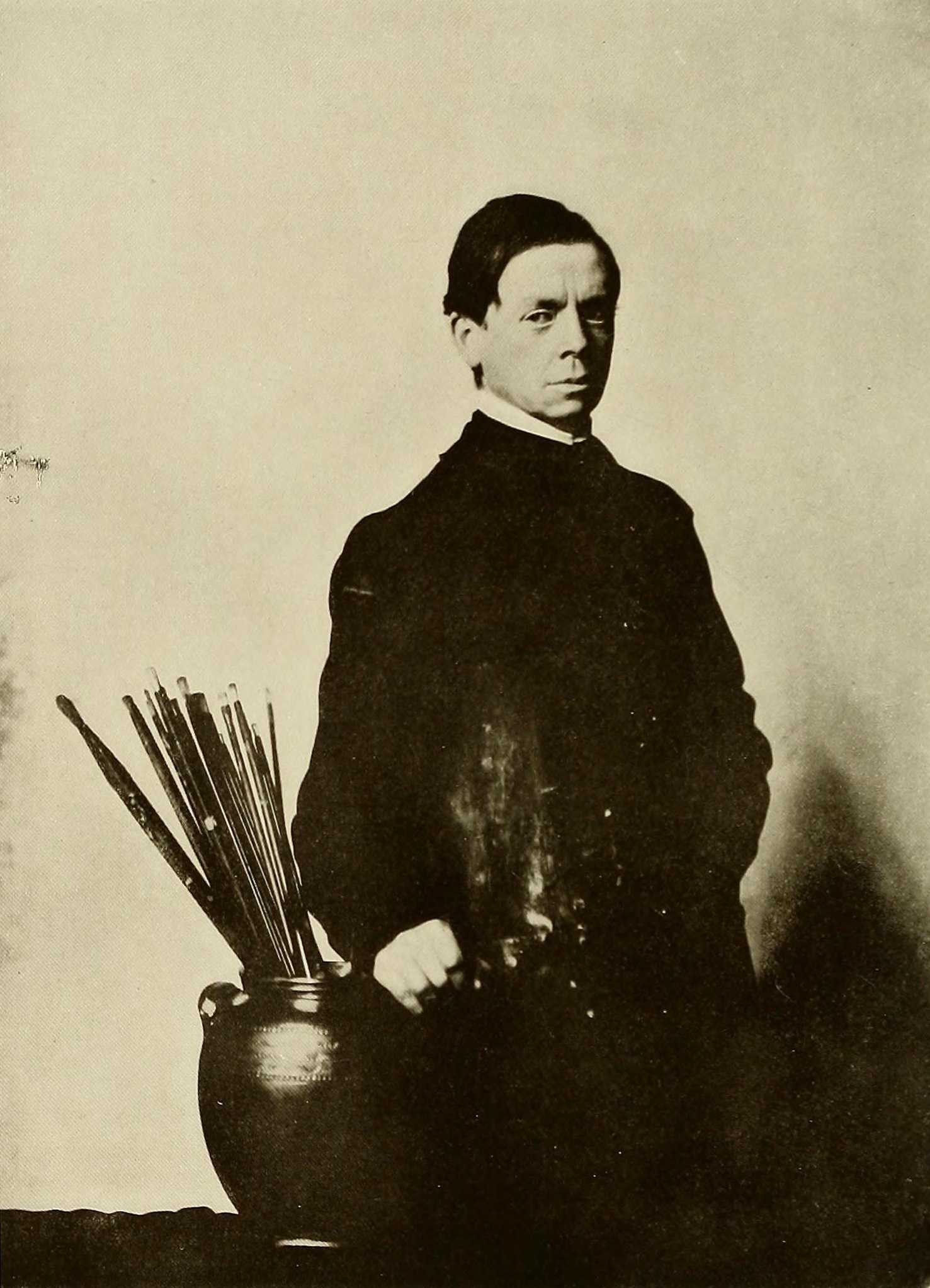
The technique arrived in Europe around the late fourteenth century, carried along trade routes from China and Japan where it had flourished for a millennium. Early European woodcuts were devotional objects, anonymous and mass produced, pressed onto paper or fabric for pilgrims and the pious. What changed everything was Albrecht Dürer. Working in Nuremberg at the turn of the sixteenth century, Dürer brought the full weight of his draftsmanship to the woodblock, producing series like the Apocalypse of 1498 with a precision and emotional intensity that had no precedent.
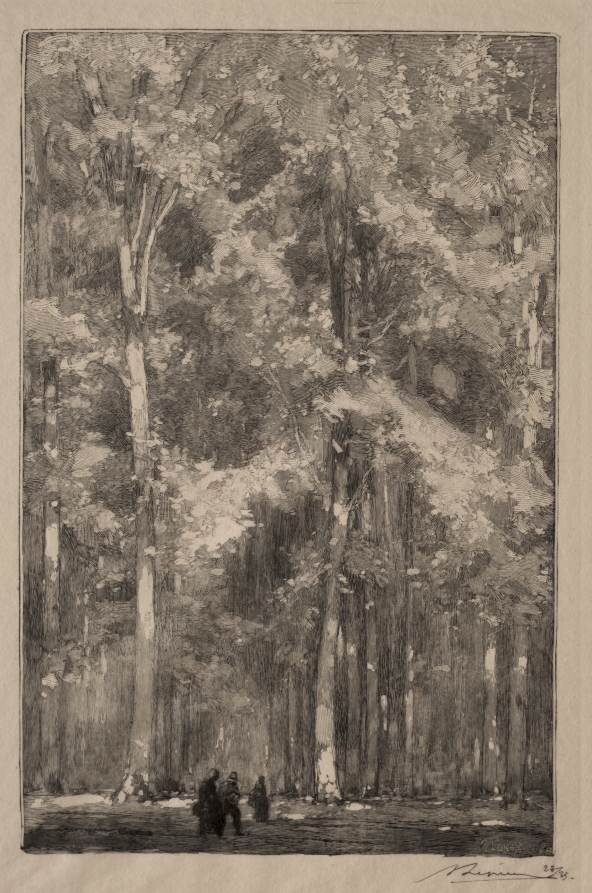
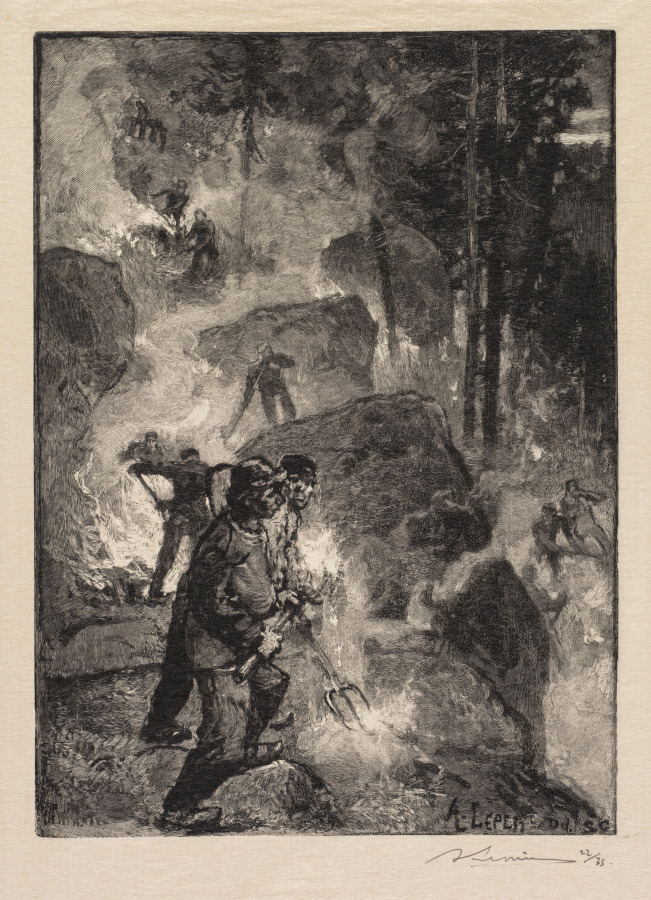
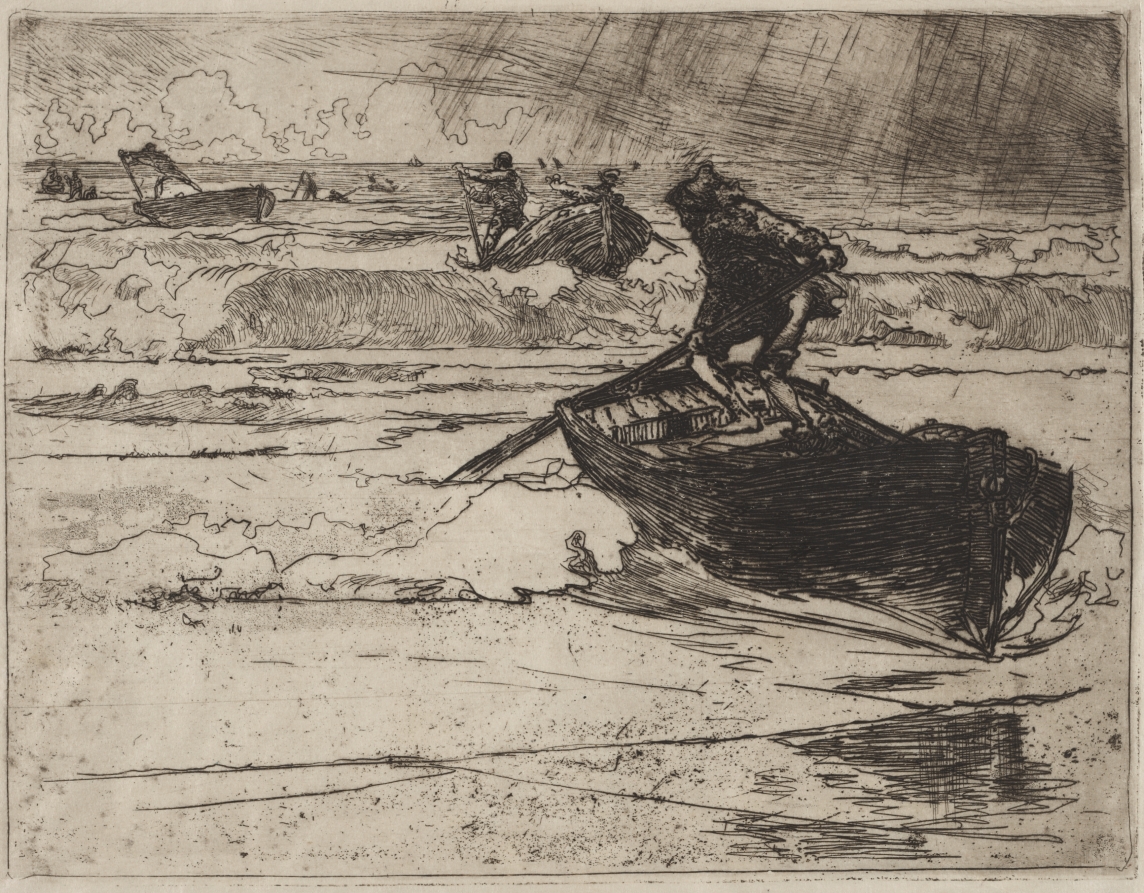
Auguste Louis Lepère
Le Matin, carrefour des Forts Marlotte, 1889
He demonstrated that woodcut could be a serious artistic statement rather than a vehicle for cheap reproduction. The works he left behind remain among the most consequential prints ever made, and the depth of his representation on The Collection speaks to how seriously collectors continue to regard them. For nearly two centuries after Dürer, woodcut was gradually eclipsed by engraving and etching, mediums that offered finer lines and greater tonal nuance. The medium moved to the margins, used mostly for book illustration and popular imagery.
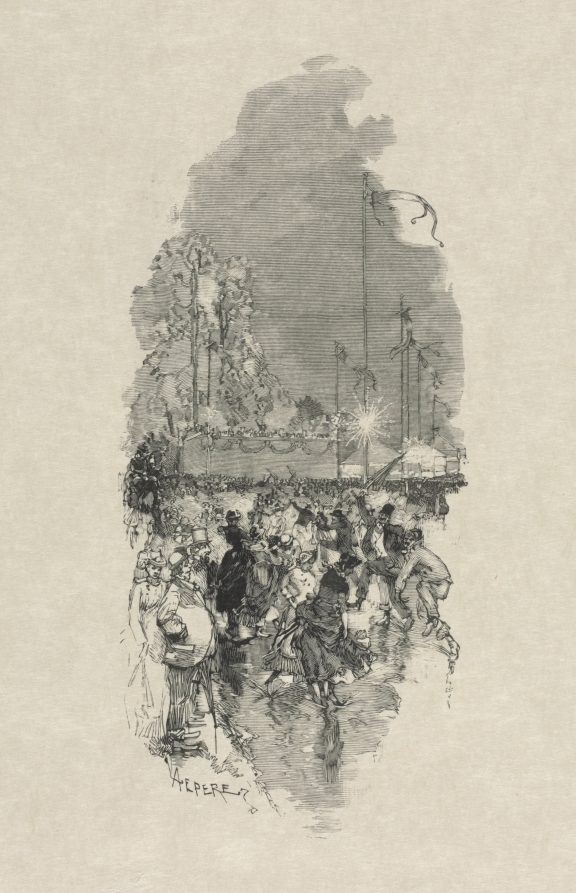
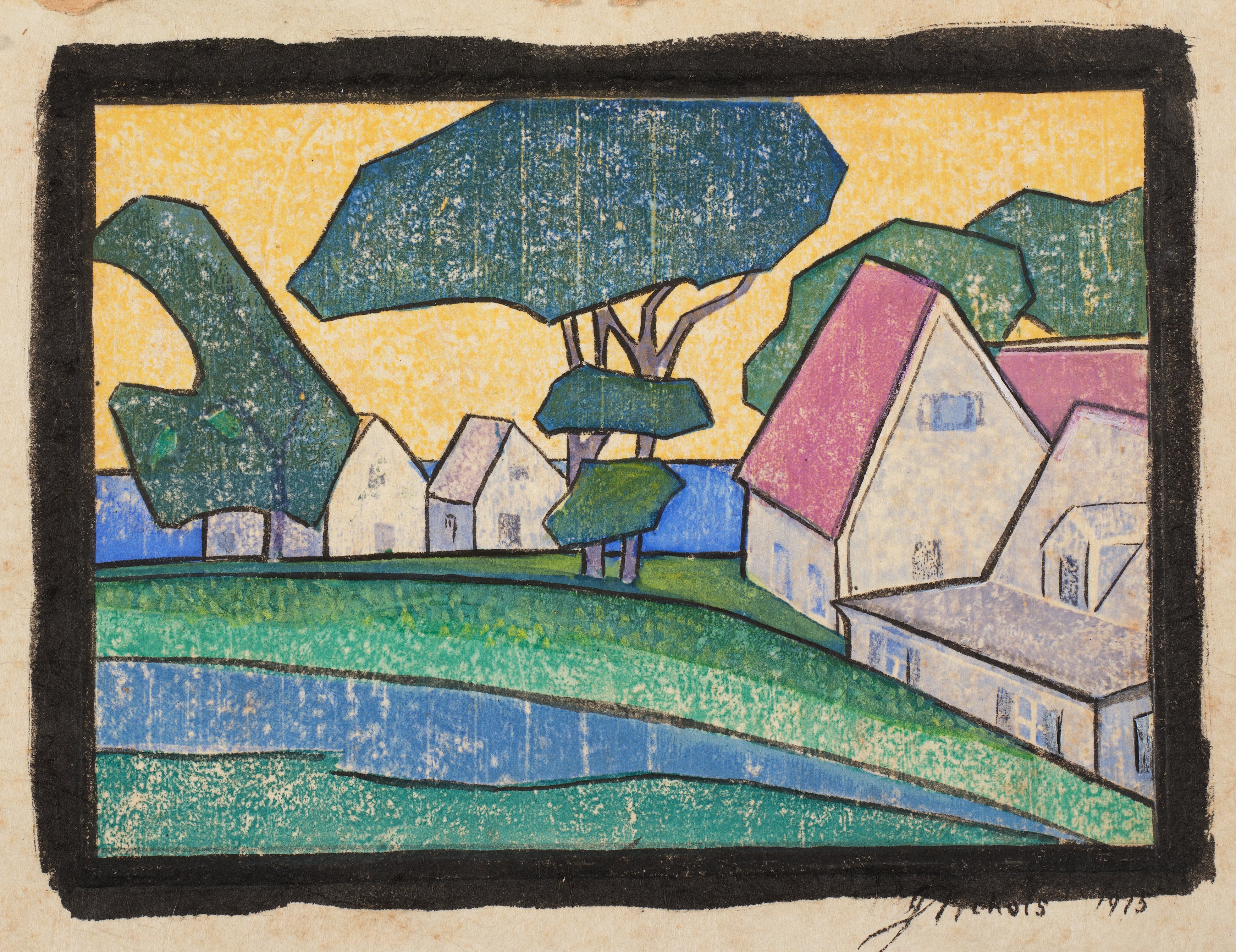
Its revival came with the nineteenth century's appetite for the handmade and the honest. In France, Auguste Louis Lepère championed a return to woodcut with almost evangelical conviction, arguing that the medium's grain and resistance gave prints a vitality that the smoother intaglio processes could not match. Lepère's influence radiated outward through the studios and salons of Paris, and his prolific output, well represented on The Collection, made the case through sheer quality that woodcut deserved its place among the serious arts again. The timing was fortunate.
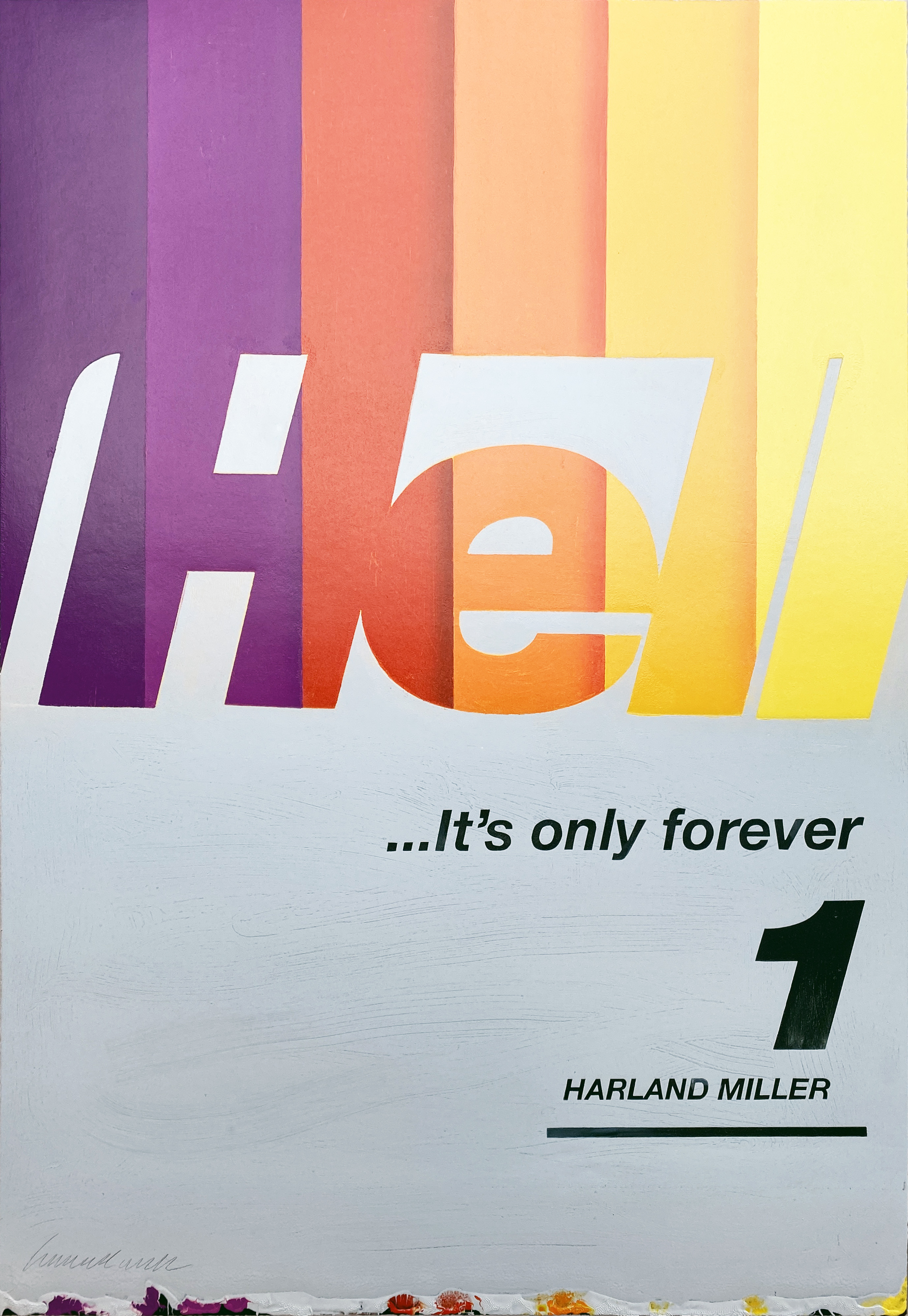
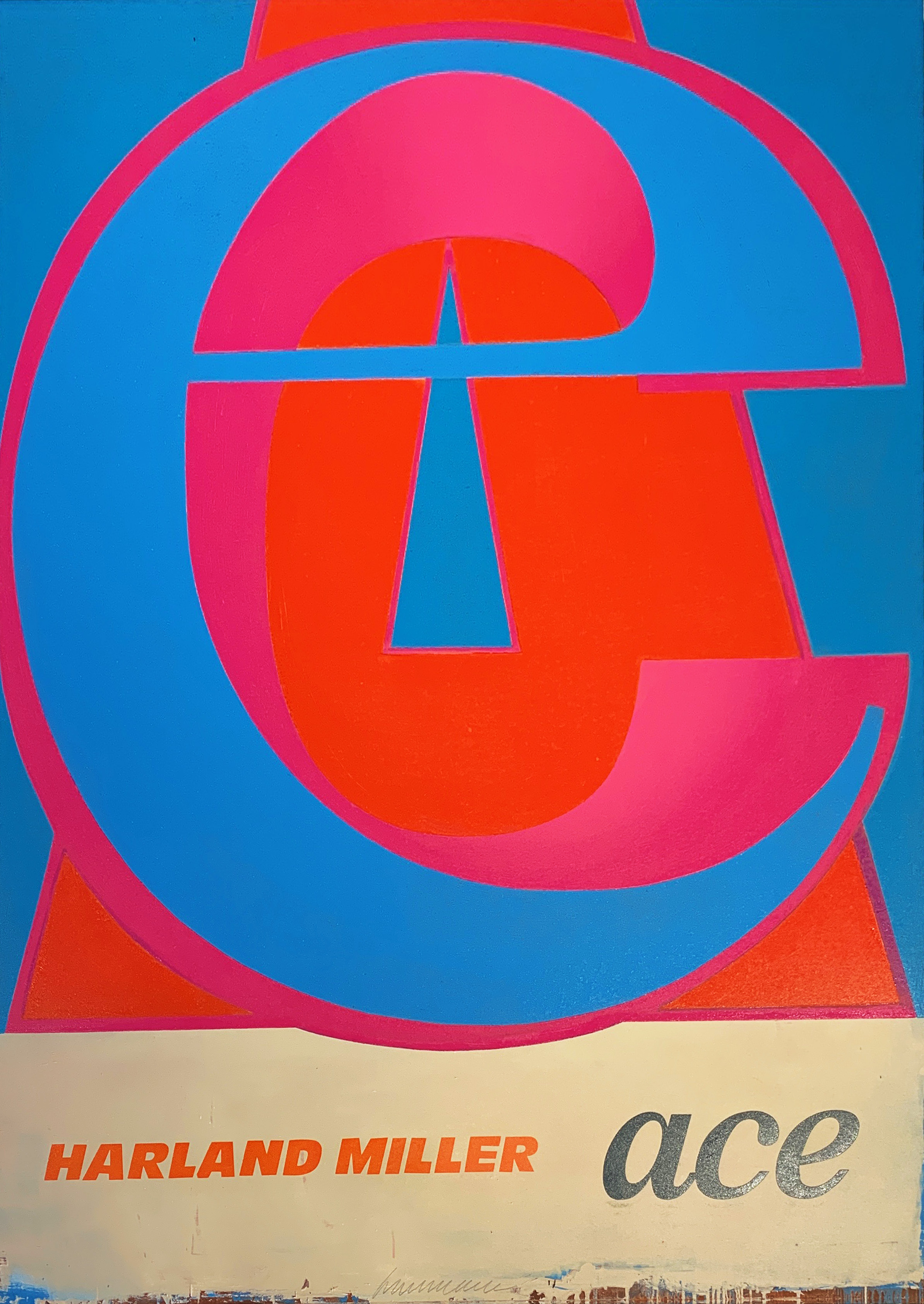
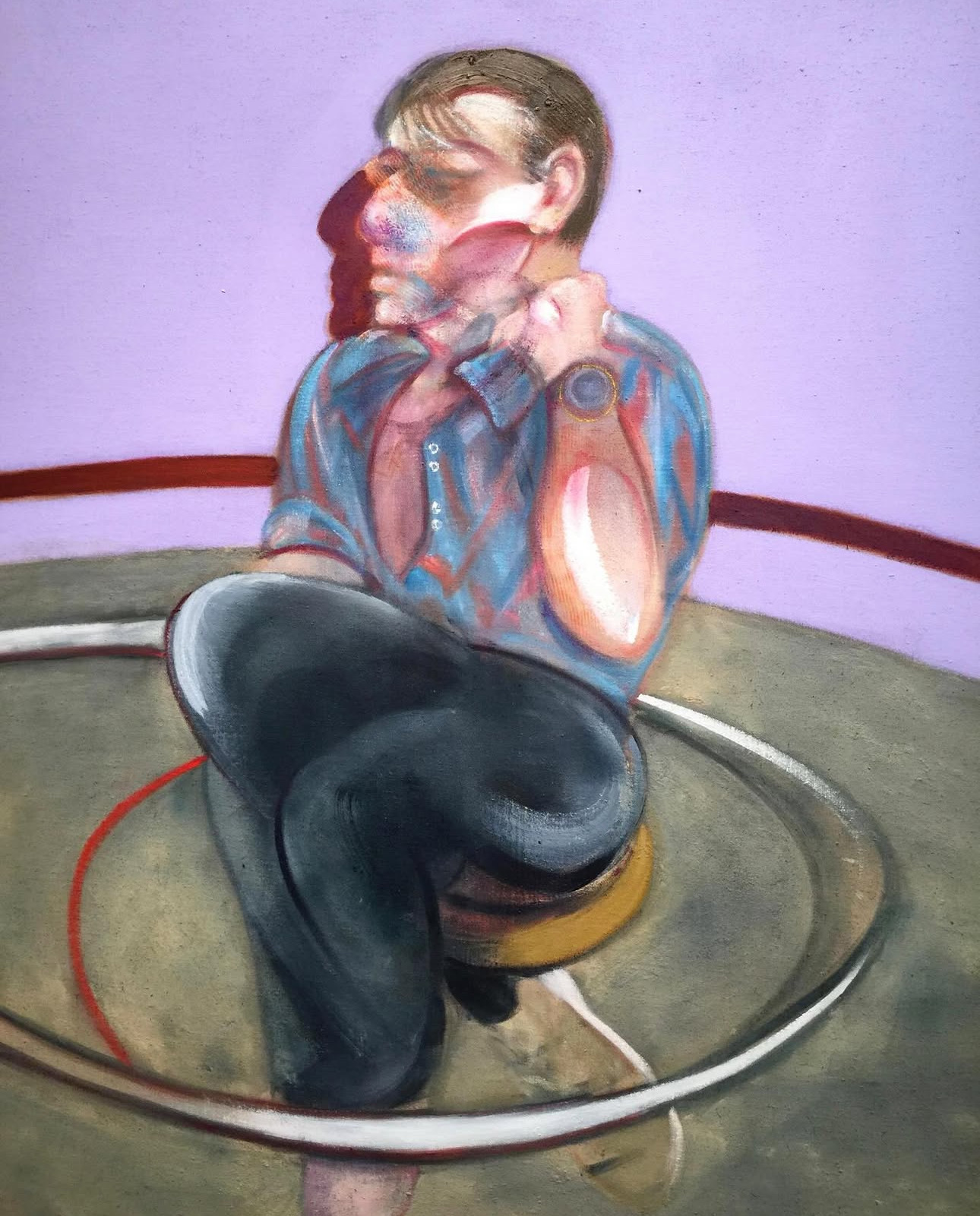
Harland Miller
Hell... It's only Forever 1, 2020
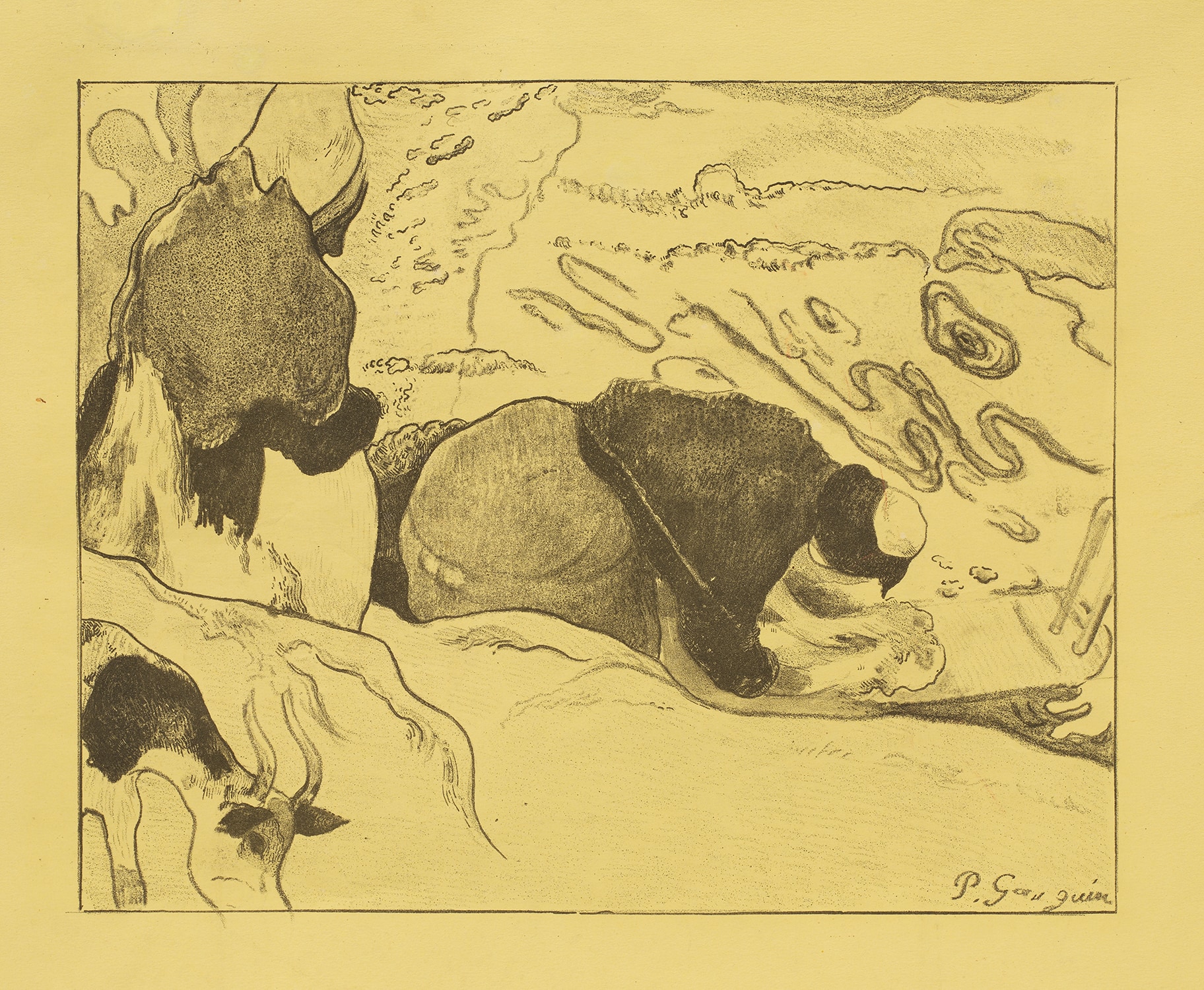
As the symbolist and post impressionist movements reshaped what art was supposed to do, the expressive rawness of woodcut suddenly seemed not like a limitation but like an argument. Paul Gauguin took the medium to Polynesia and used it to make something that looked like no European print before it, with gouged surfaces, uneven inking, and a deliberate embrace of accident that aligned perfectly with his ideas about instinct over intellect. In Germany, the Expressionist generation that formed around Die Brücke in Dresden from 1905 onward treated woodcut as their defining medium. Ernst Ludwig Kirchner and Max Pechstein pushed the grain of the wood into the image itself, making anxiety and energy visible through the physical character of the material.
The cut marks were not tidied away. They were the point. The Japanese tradition exerted its own gravitational pull throughout this period. Artists across Europe and America absorbed ukiyo e composition and the flat planes of unmodulated color that distinguished it from Western conventions.
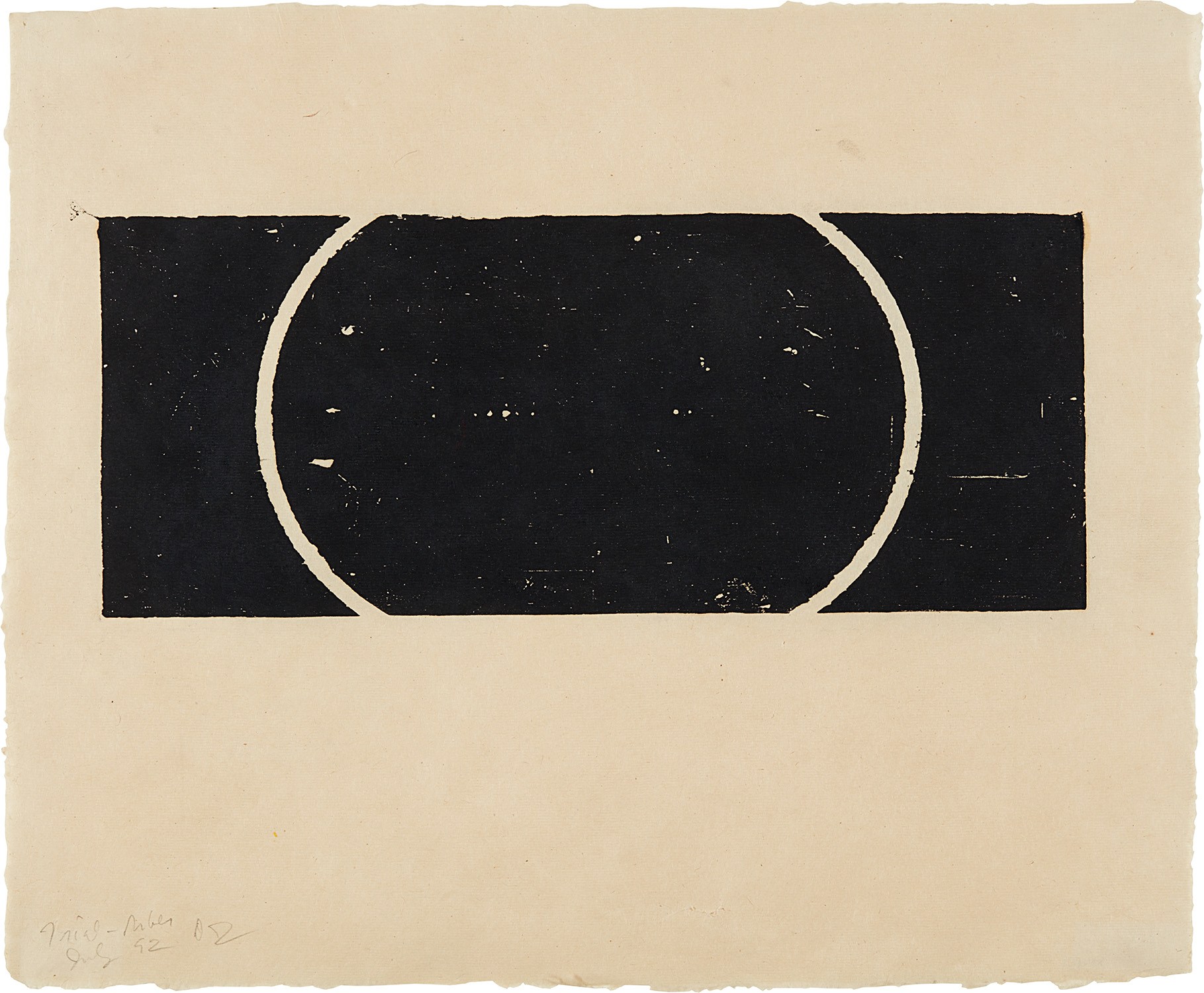
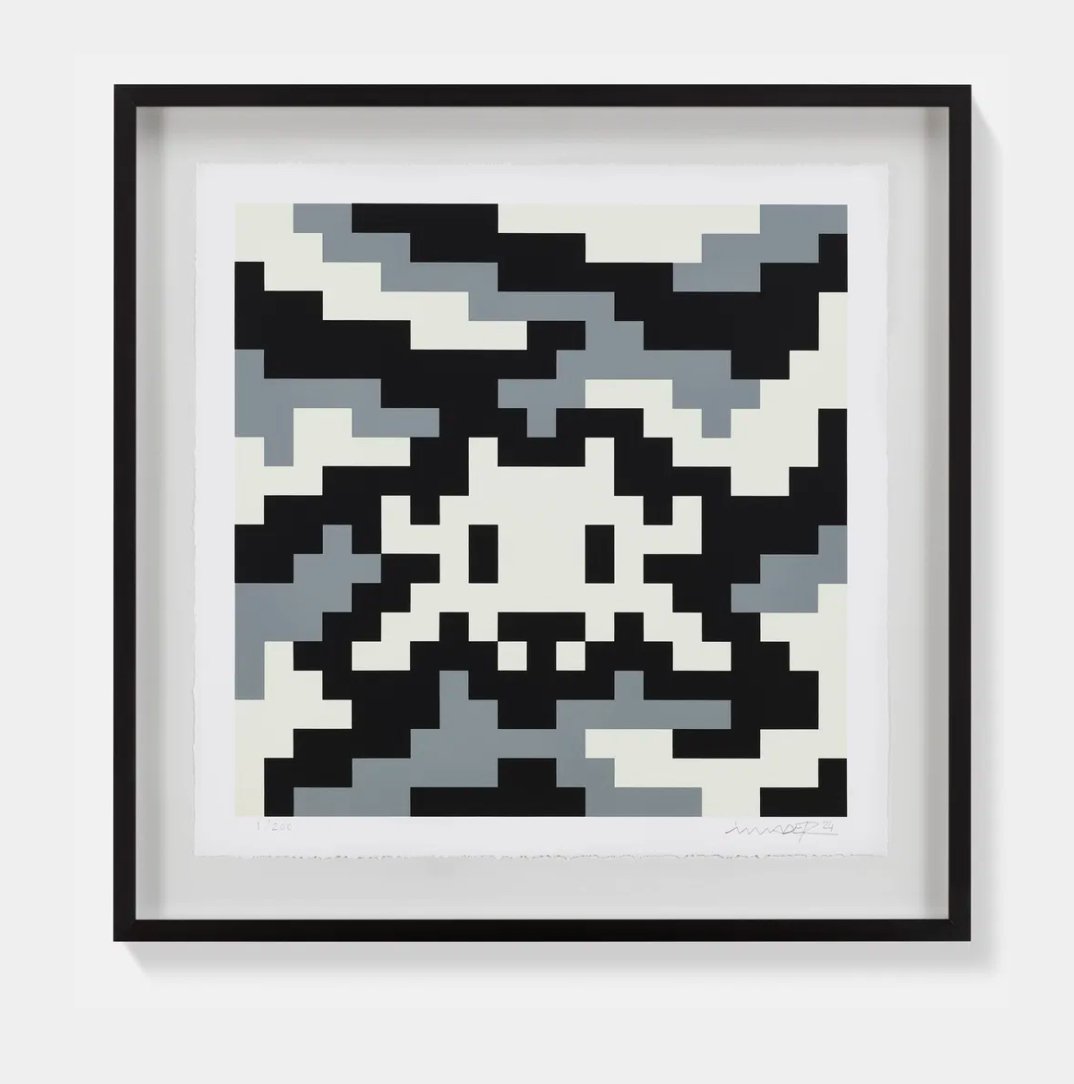
Donald Judd
1961/1993-94
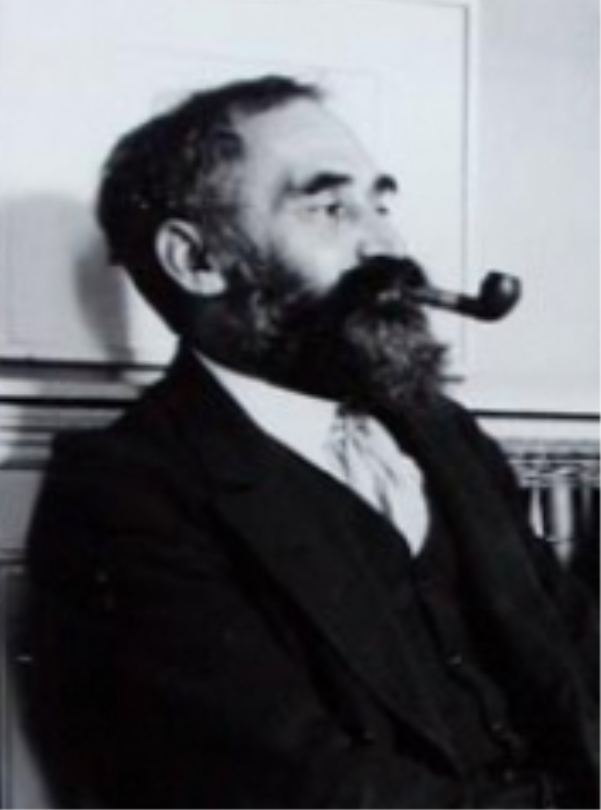
In America, Blanche Lazzell developed what she called the white line woodcut, a method in which a single block holds an entire composition and thin unprinted lines separate areas of color, producing work of extraordinary delicacy and sophistication. Arthur Wesley Dow, who had studied Japanese aesthetics closely, spread those principles through his influential teaching at Columbia and elsewhere. The cross pollination between East and West gave American printmaking a distinctive character that it still carries. By the mid twentieth century, woodcut had absorbed enough influences and survived enough dismissals to emerge genuinely versatile.
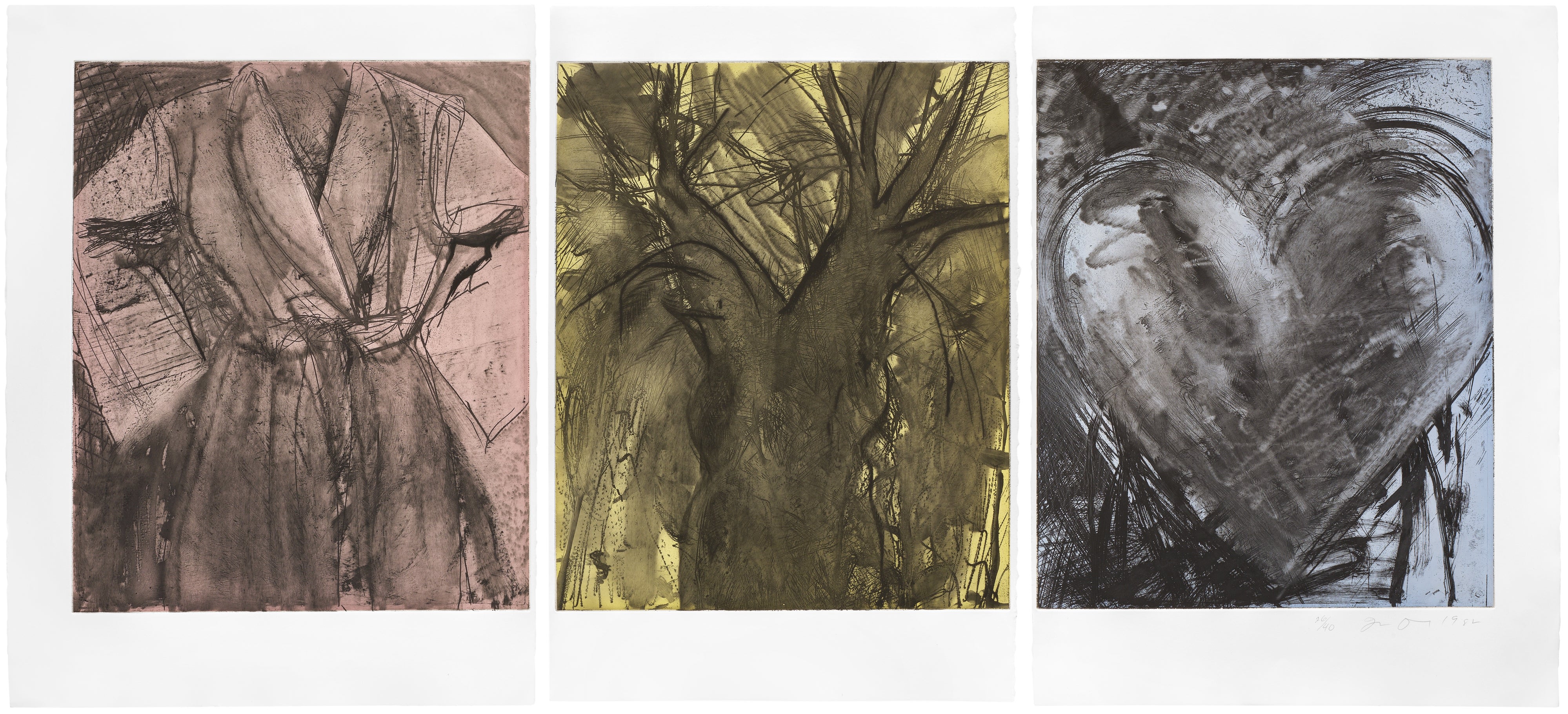
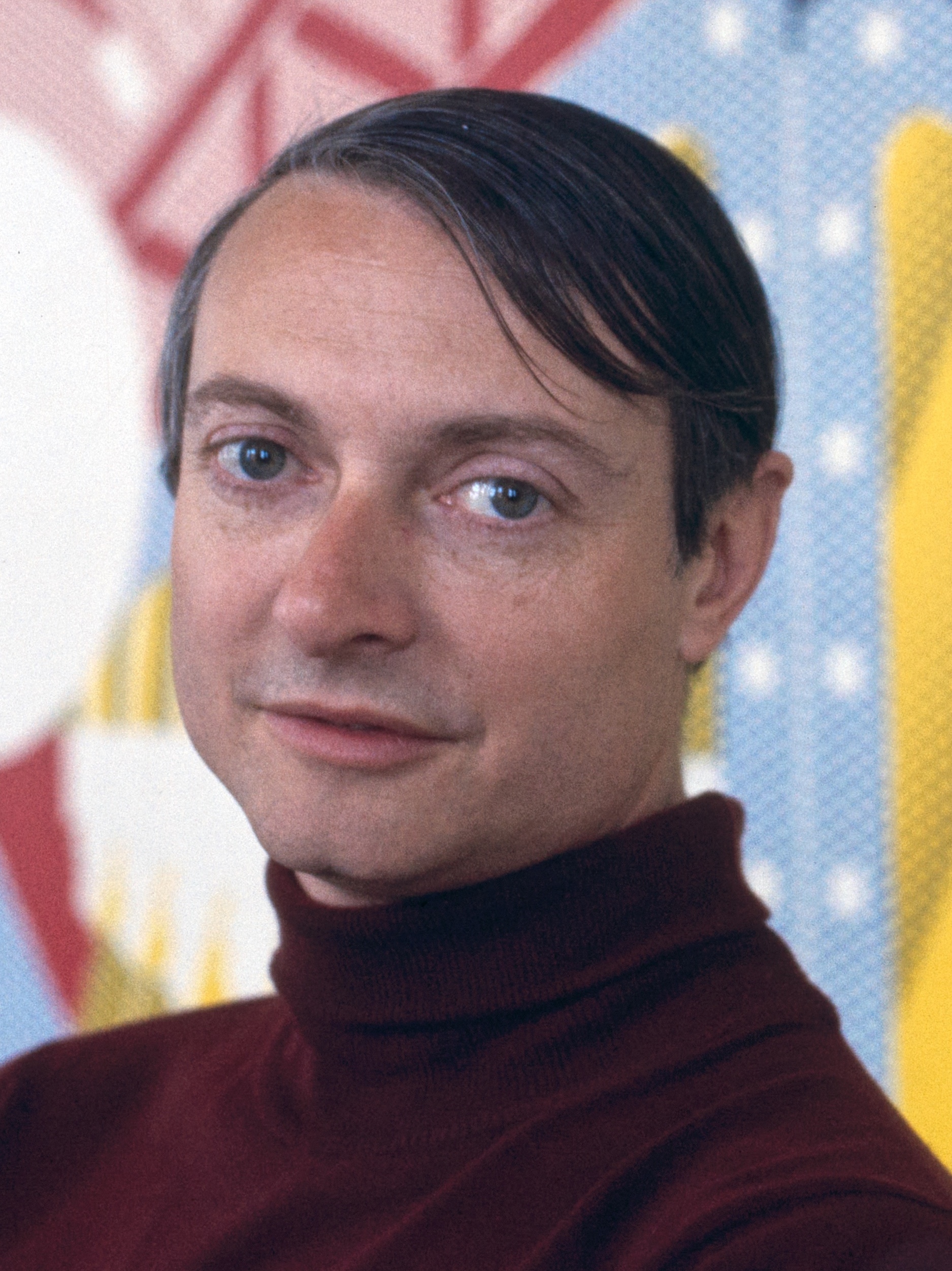
Helen Frankenthaler brought the sensibility of abstract expressionism to woodcut late in her career, working with master printers at Tyler Graphics to produce works that translated her fluid color fields into the harder logic of the carved block with unexpected and moving results. Roy Lichtenstein used the medium's flat planes and bold outlines as a natural extension of the pop vocabulary he had built in other mediums. Jim Dine found in it a roughness and vulnerability that suited his confessional approach to the heart and the studio and the body. These are not artists who chose woodcut because it was traditional.
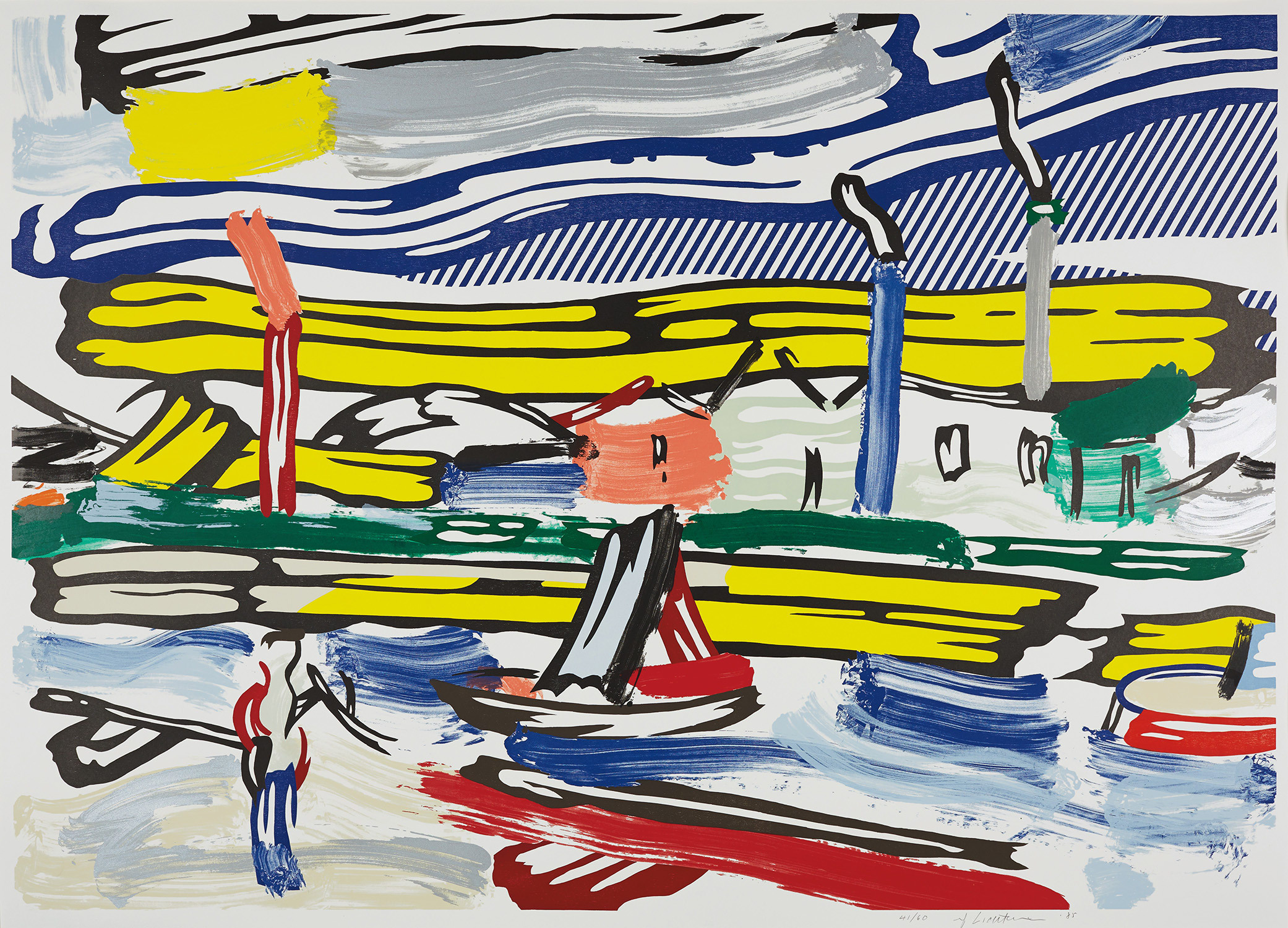
Roy Lichtenstein
The River, from Landscapes Series
They chose it because it gave them something specific that no other process could. The conceptual wing of contemporary art found its own uses for the medium. Sol LeWitt's engagement with printmaking extended to woodcut, where the tension between his systematic instructions and the inherent irregularity of the wooden surface produced a dialogue between order and material reality that is entirely characteristic of his broader practice. Christiane Baumgartner works exclusively from video stills, translating the pixelated noise of digital imagery into the grain of the woodblock, making works that meditate on speed and memory and the relationship between old and new technologies of image making.
Her work is among the most genuinely thought provoking in contemporary printmaking. What the medium offers that other processes do not is a quality of decisiveness. The blade goes in one direction and does not come back. There is no equivalent in woodcut of the aquatint's soft gradation or the lithograph's ability to suggest pencil marks or washes.
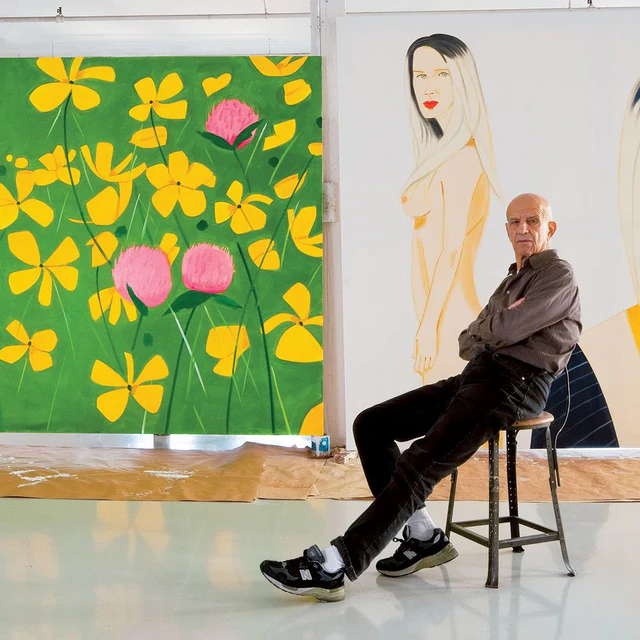
You get what you cut, and you cut what you believe. That demand for commitment draws a certain kind of artist and produces a certain kind of image, one that tends to feel resolved and present in ways that more forgiving mediums sometimes do not. Alex Katz understood this instinctively, using woodcut to strip his portraits and landscapes down to their essential geometries with a confidence that suits the medium perfectly. Collecting woodcuts means collecting decisions.
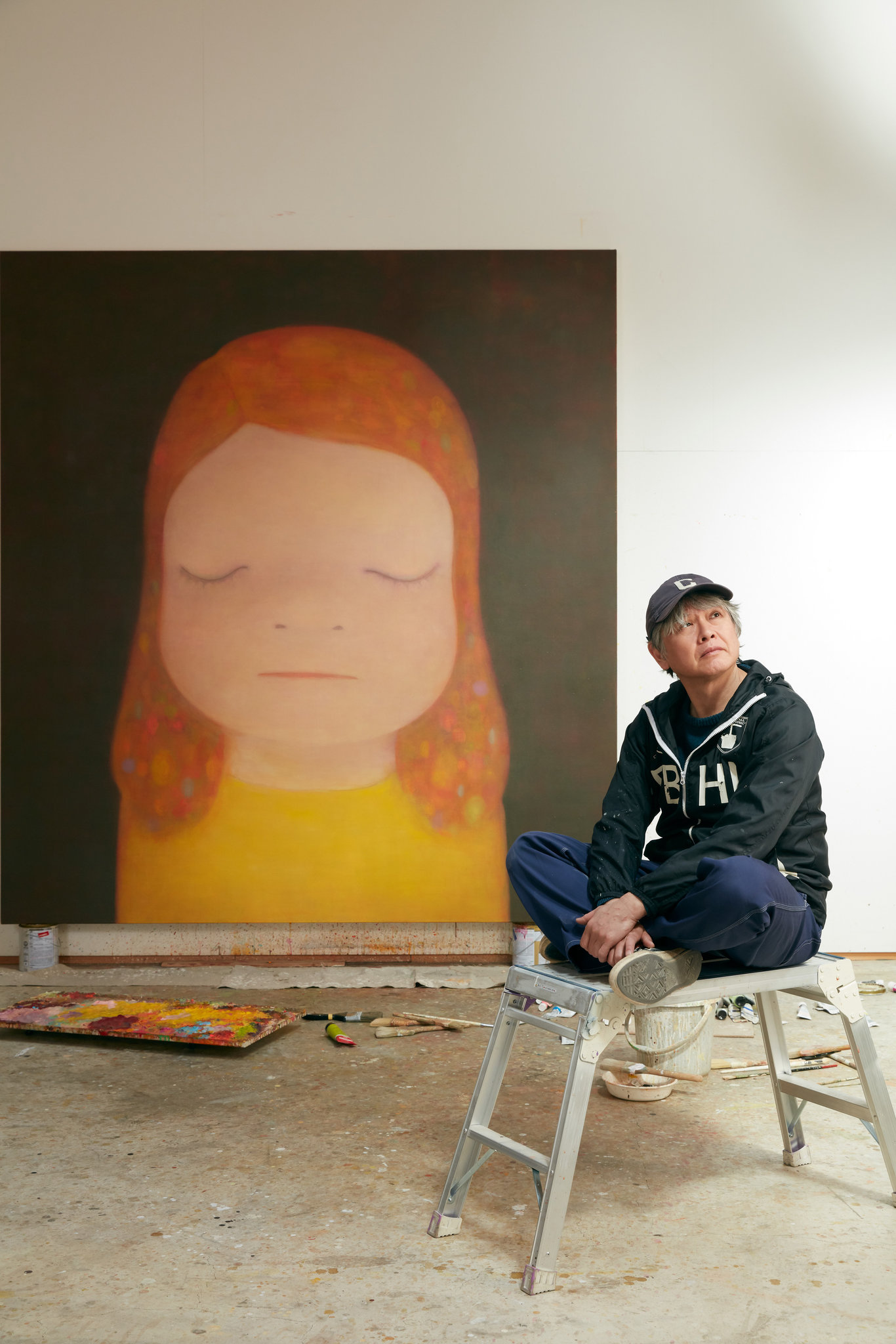
Every work on The Collection in this medium carries the physical evidence of an artist's hand pressing against resistance and prevailing. From Dürer's apocalyptic visions to Yoshitomo Nara's quiet and unsettling children rendered in stark contrast, the range is extraordinary. The medium connects the fifteenth century to the present through a continuous thread of makers who chose difficulty over ease and found in that choice something irreplaceable.