Whimsical Imagery
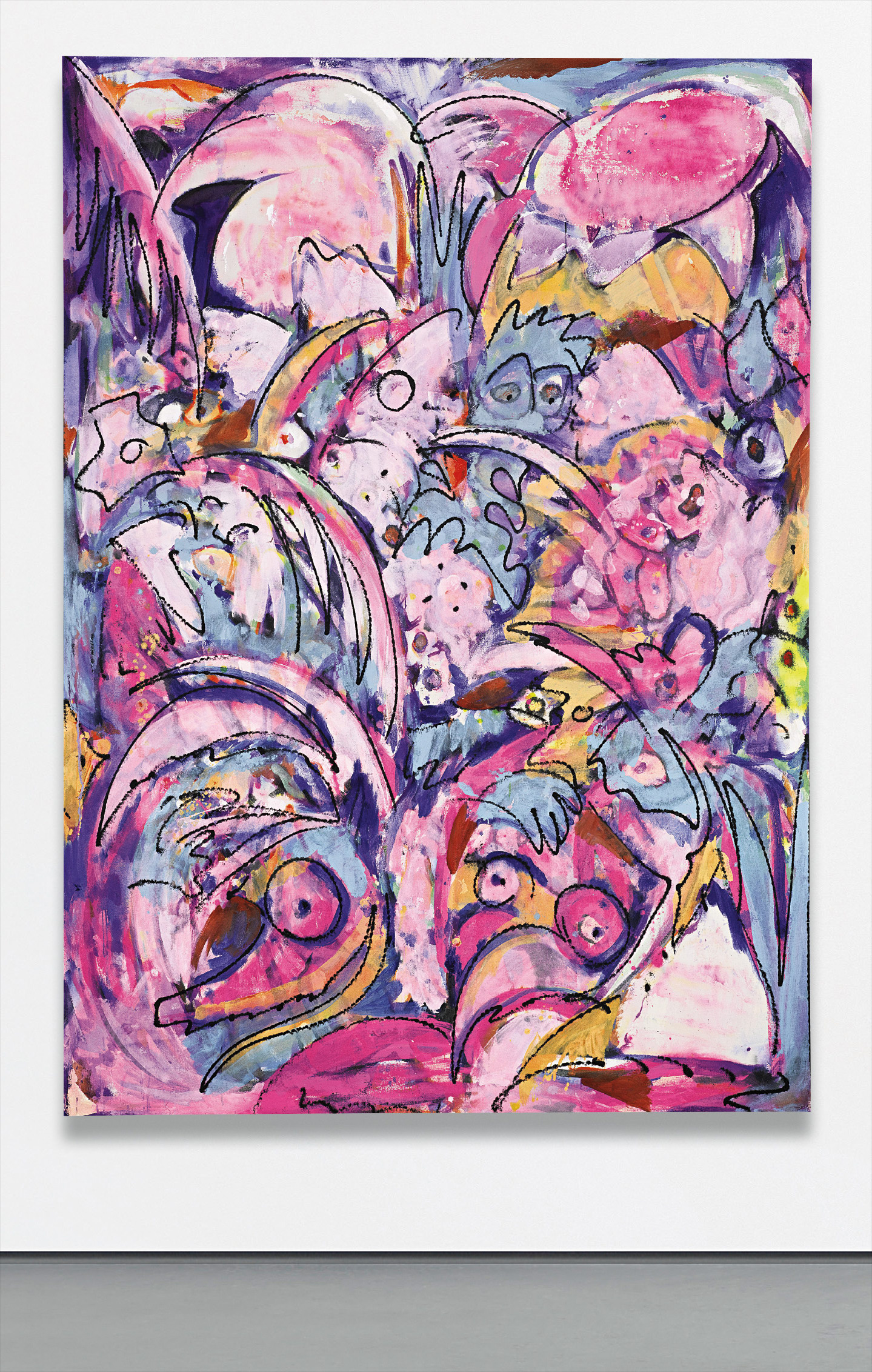
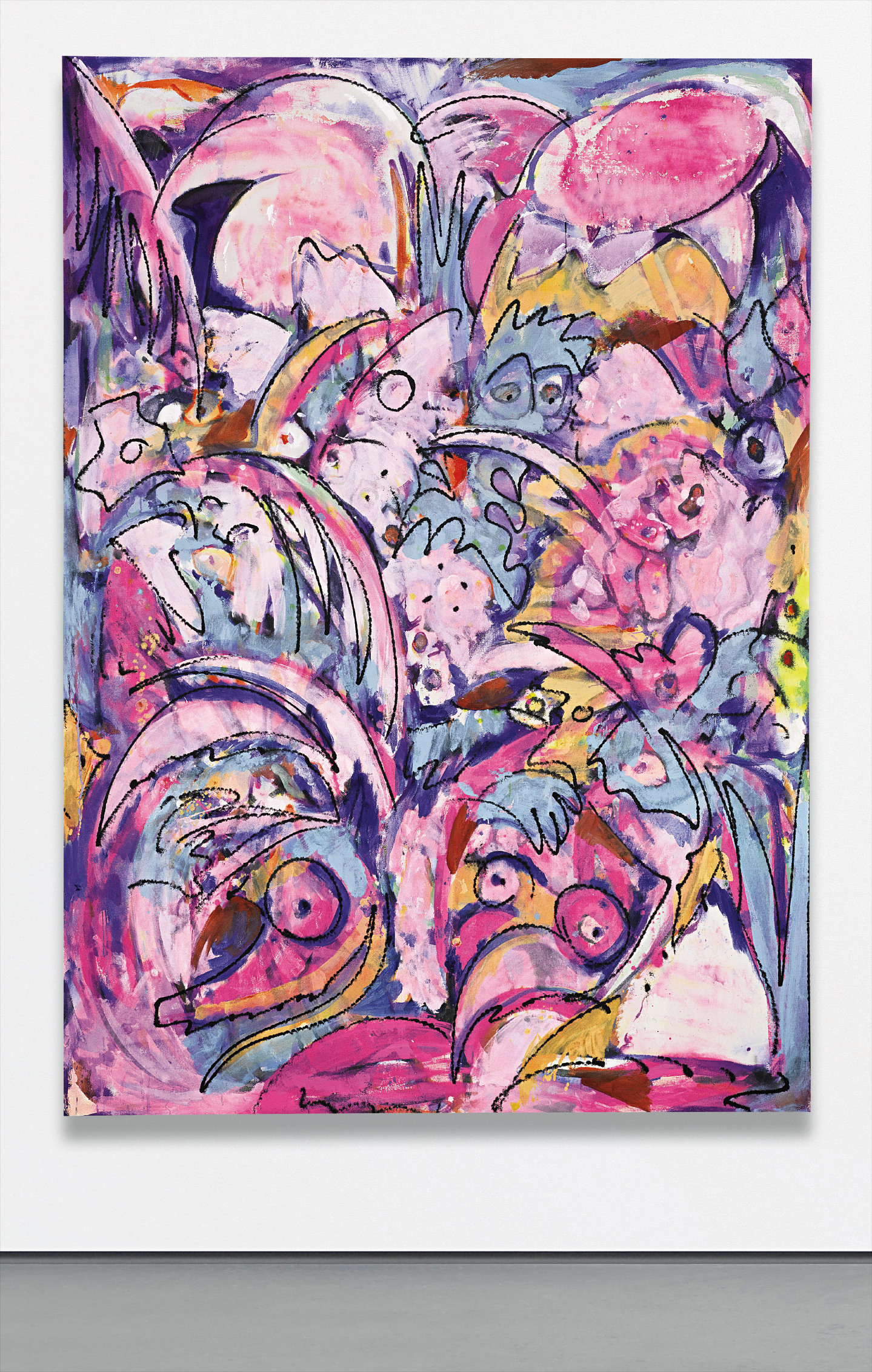
Jim Thorell
Freak Farm, 2015
Joy Is a Radical Act in Art
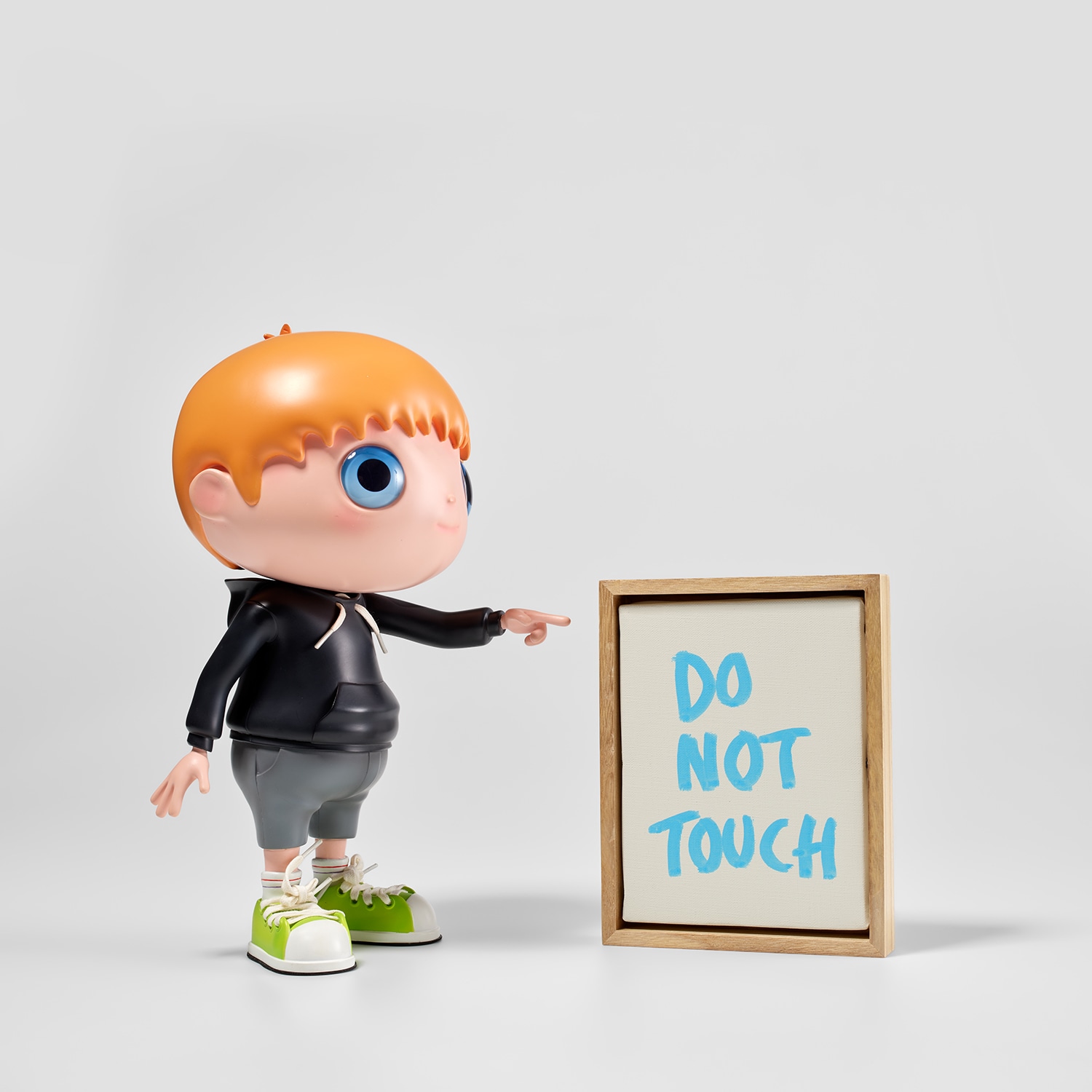
When a painting by Javier Calleja sold at Phillips London in 2022 for more than fifteen times its low estimate, the auction room paused. Calleja's wide eyed figures, rendered with a cartoonish sincerity that reads as both innocent and quietly melancholic, had crossed a threshold that the market reserves for artists who touch something real. The result was not a fluke. It was confirmation of a longer conversation that collectors, curators, and critics had been having in hushed tones for years: that whimsical imagery, long condescended to by a critical establishment that confused difficulty with depth, had become one of the most charged and contested territories in contemporary art.
The critical rehabilitation of playfulness as a serious mode has roots that stretch back through the twentieth century, but the present moment feels distinct. After a period of institutional art world gravity, marked by years of politically urgent but often exhausting conceptualism, something shifted. Collectors began chasing work that offered imaginative transport alongside intellectual substance. The market followed, and the institutions, as they tend to do, followed the market and the collectors in roughly equal measure.
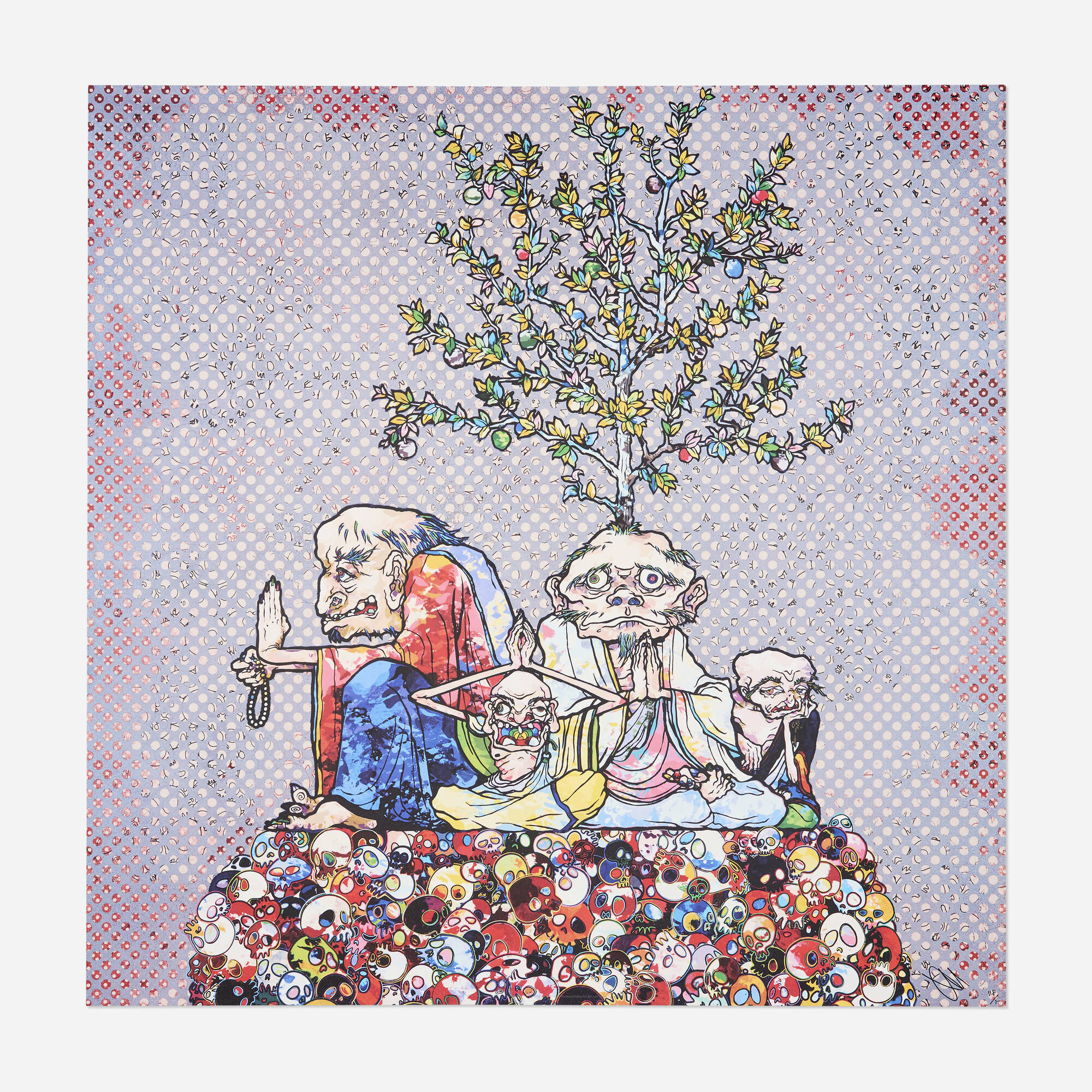
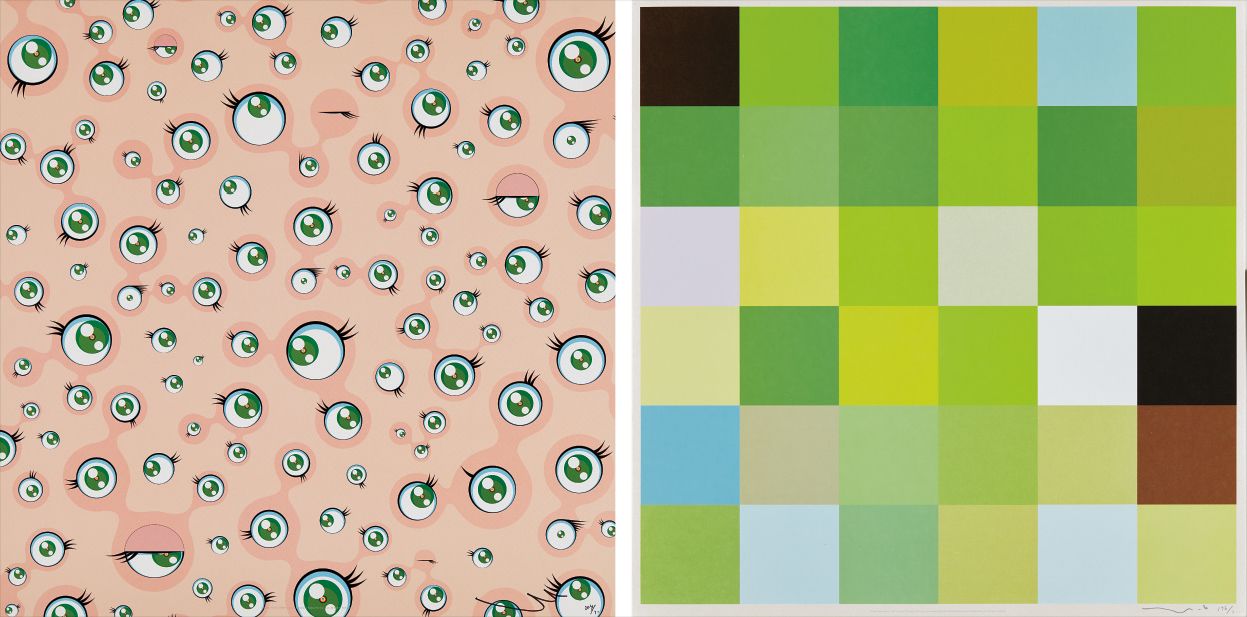
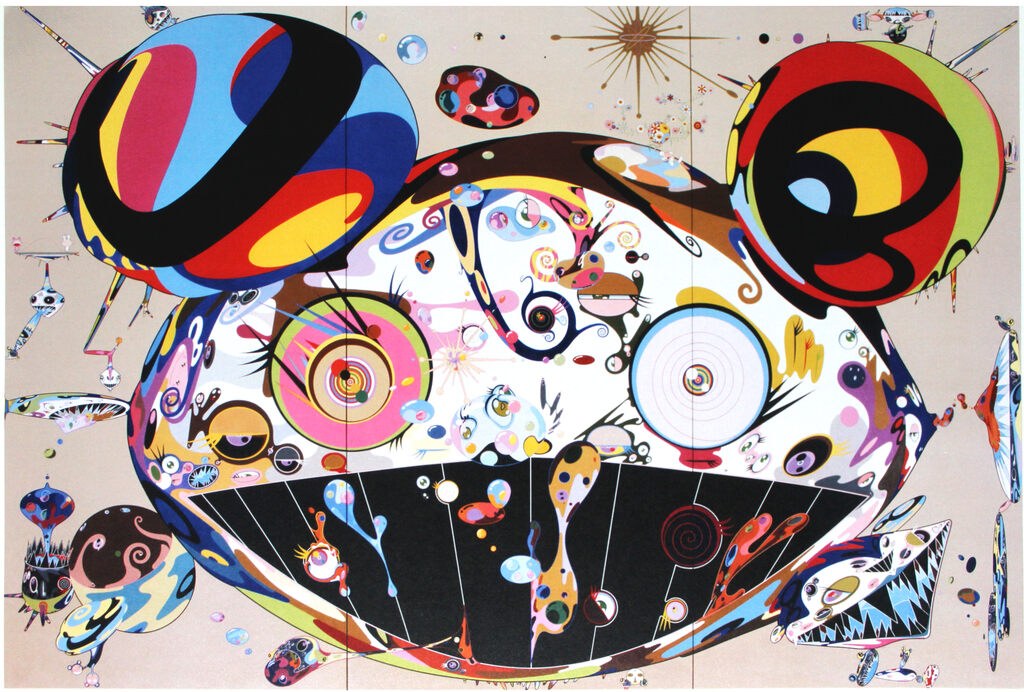
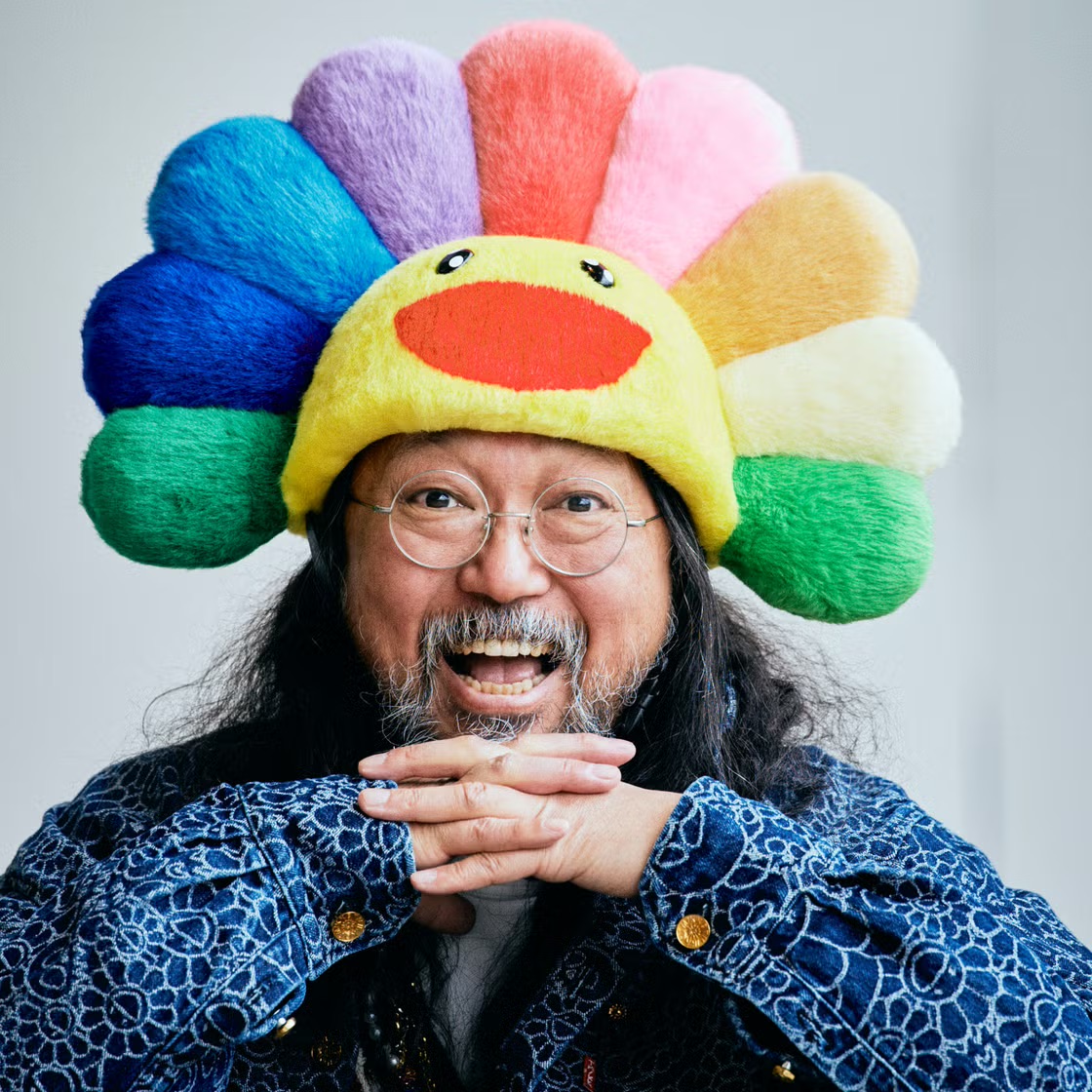
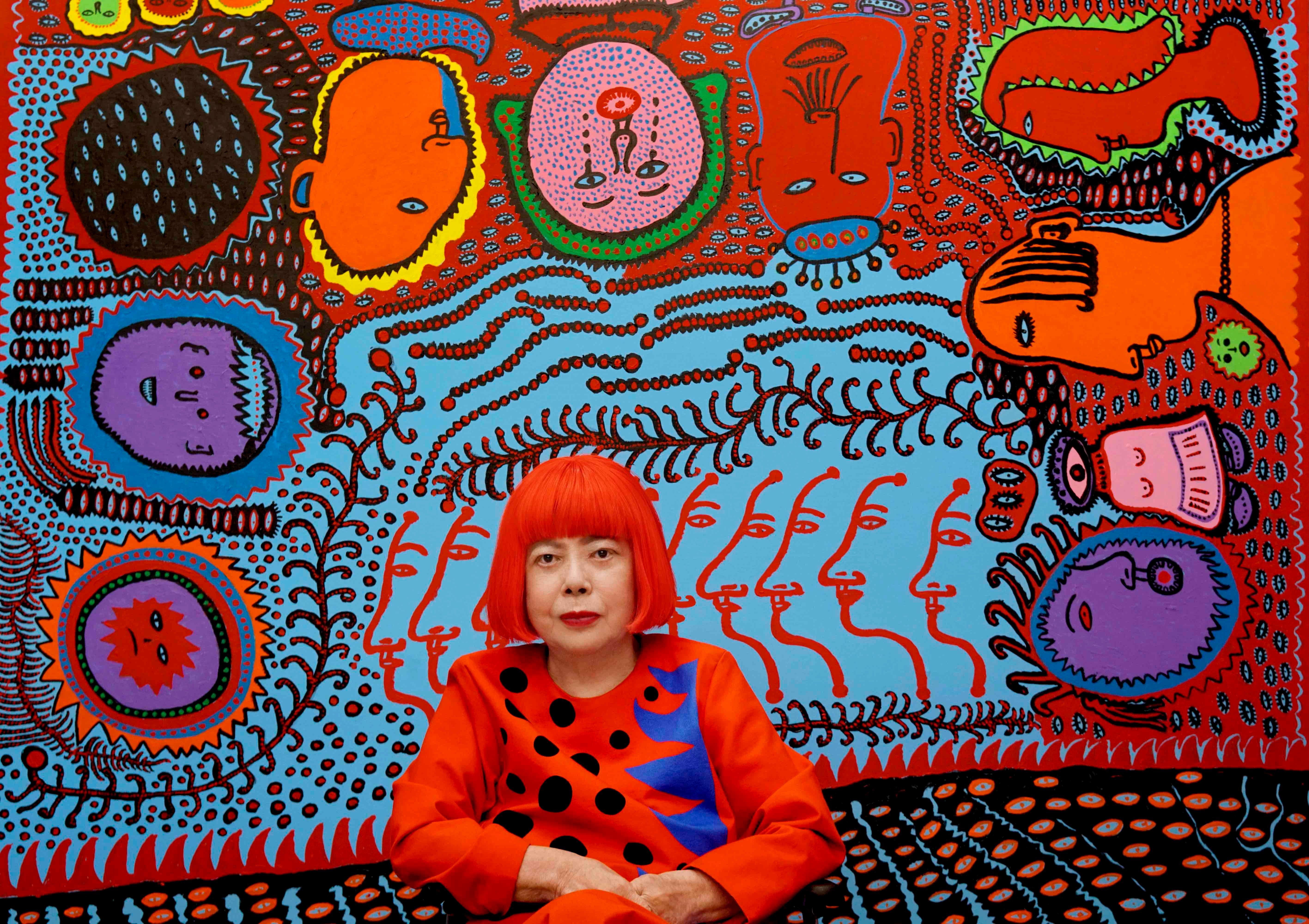
Takashi Murakami
While Practicing Sādhanā, I Sprouted A Tree From My Head, 2013
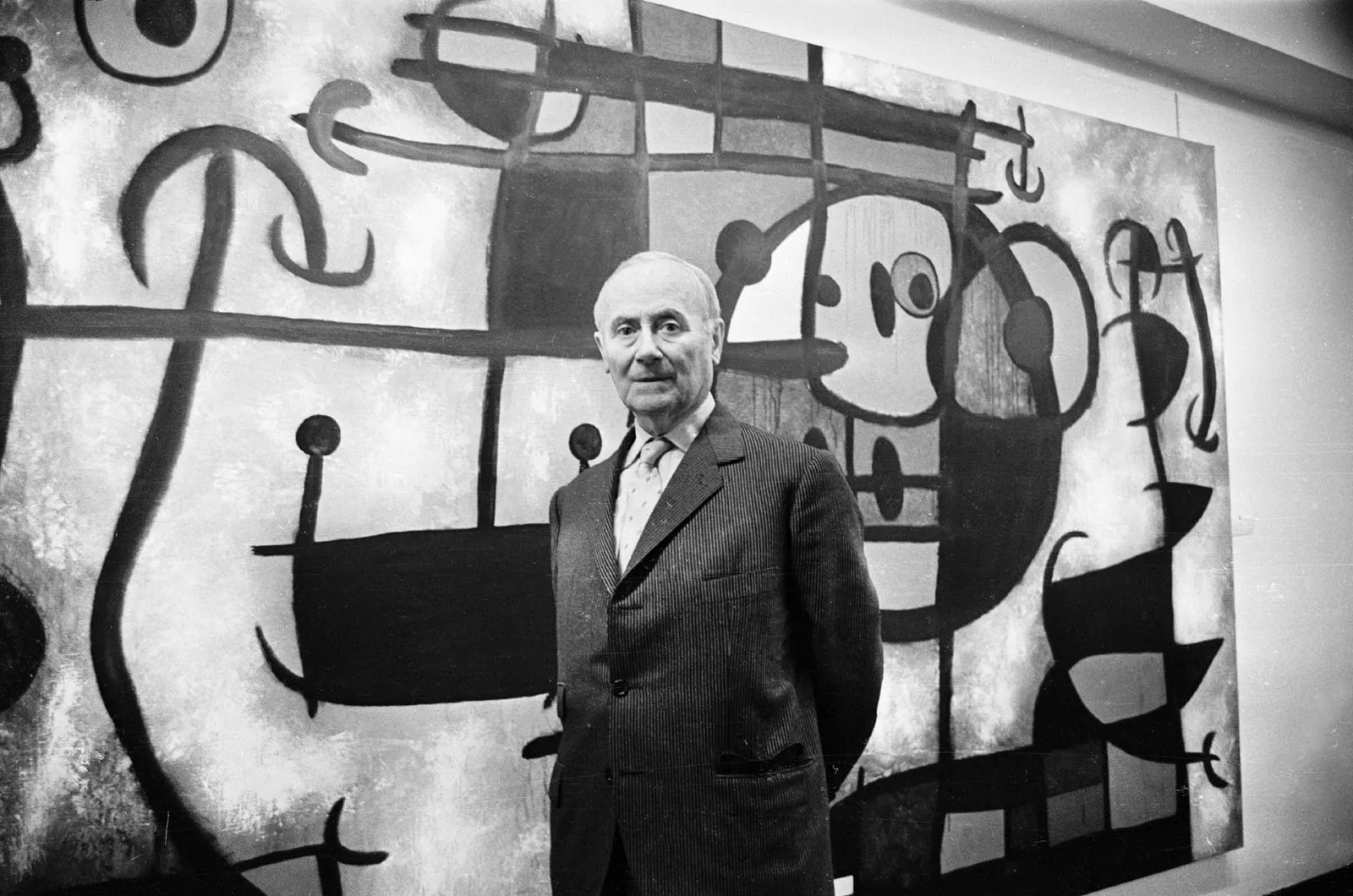
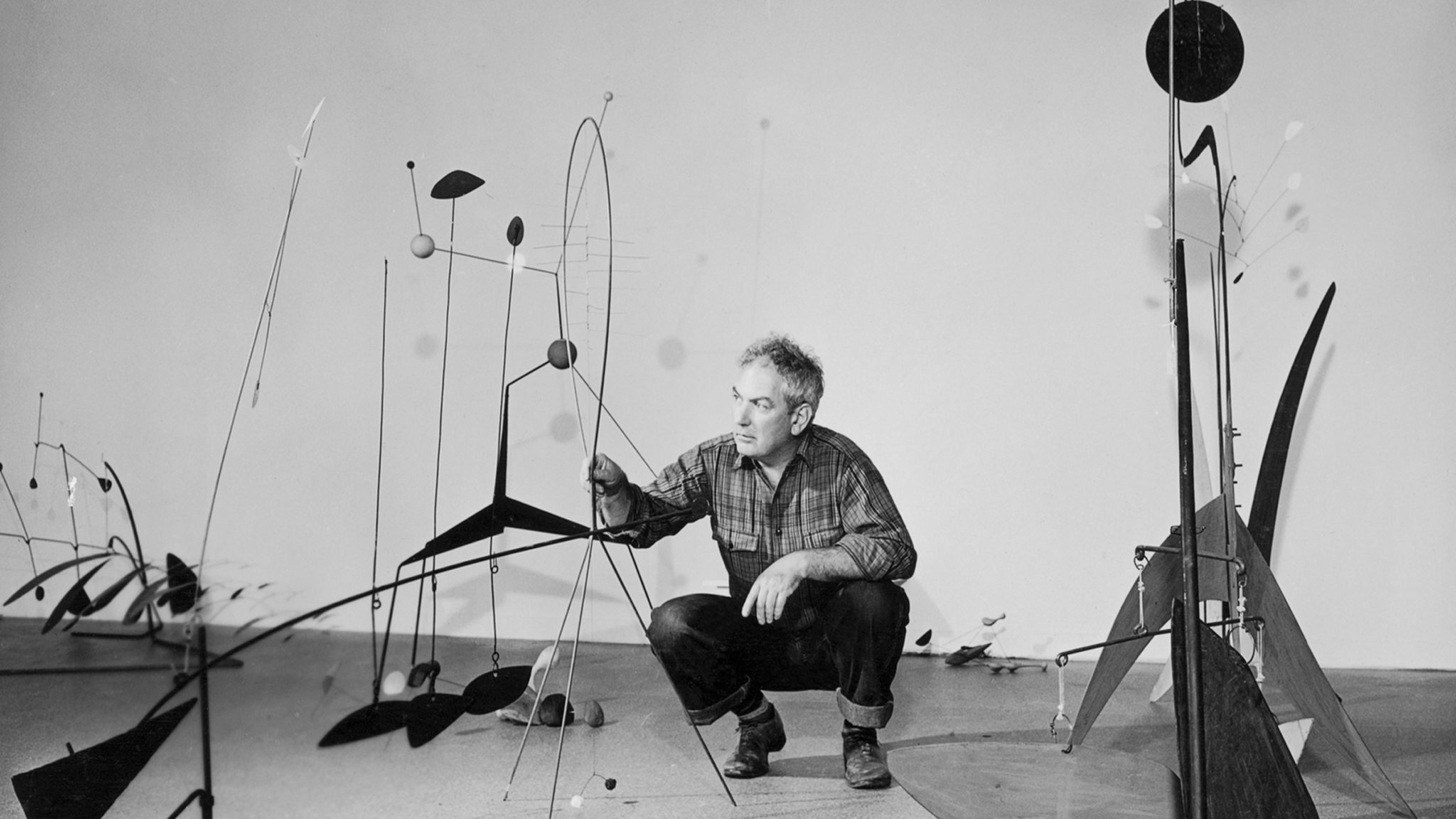
The most consequential exhibition in this conversation may have been the Museum of Modern Art's retrospective of Joan Miró, whose celestial forms and biomorphic creatures feel as fresh today as they did when they first scandalized the Paris salon circuit. Miró's insistence that painting could be a form of dreaming rather than a form of argument laid conceptual groundwork that artists from Alexander Calder to Takashi Murakami have built on in radically different ways. Calder's mobiles, now the subject of renewed scholarly attention and recent gallery retrospectives from Hauser and Wirth, demonstrate that whimsy is not the opposite of formal rigor. His work is deeply structural, deeply physical, and yet it moves through the world with a lightness that feels like a gift.
Murakami is the figure who most thoroughly industrialized this sensibility and brought it into conversation with the highest tiers of the market. His auction results remain staggering by any measure. In 2008, his sculpture My Lonesome Cowboy sold at Sotheby's New York for over fifteen million dollars, a number that reframed what cartoon inflected imagery could command. What made that result significant was not simply the price but what the price argued: that the lineage running from Japanese manga through pop culture into fine art was not a detour but a legitimate genealogy.
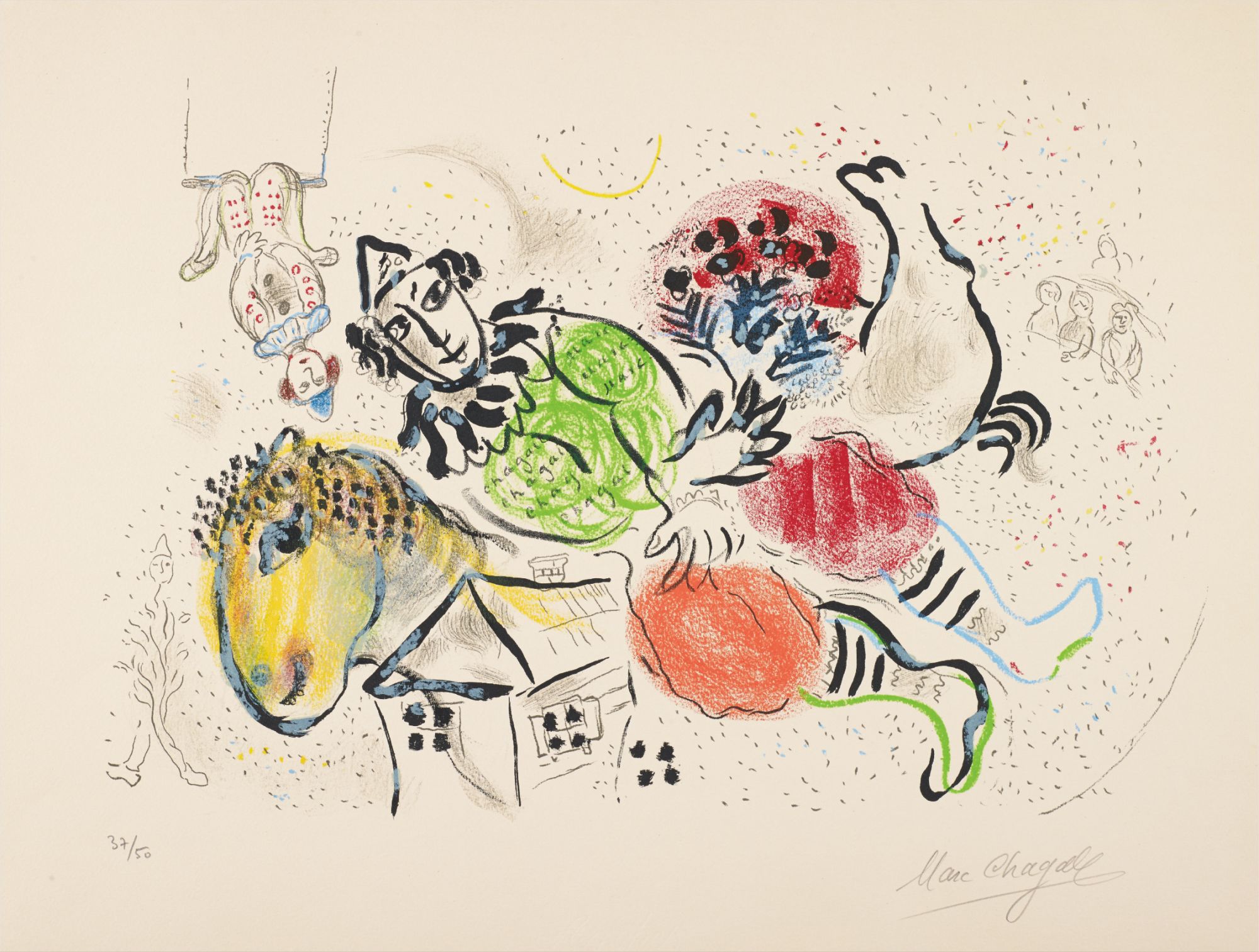
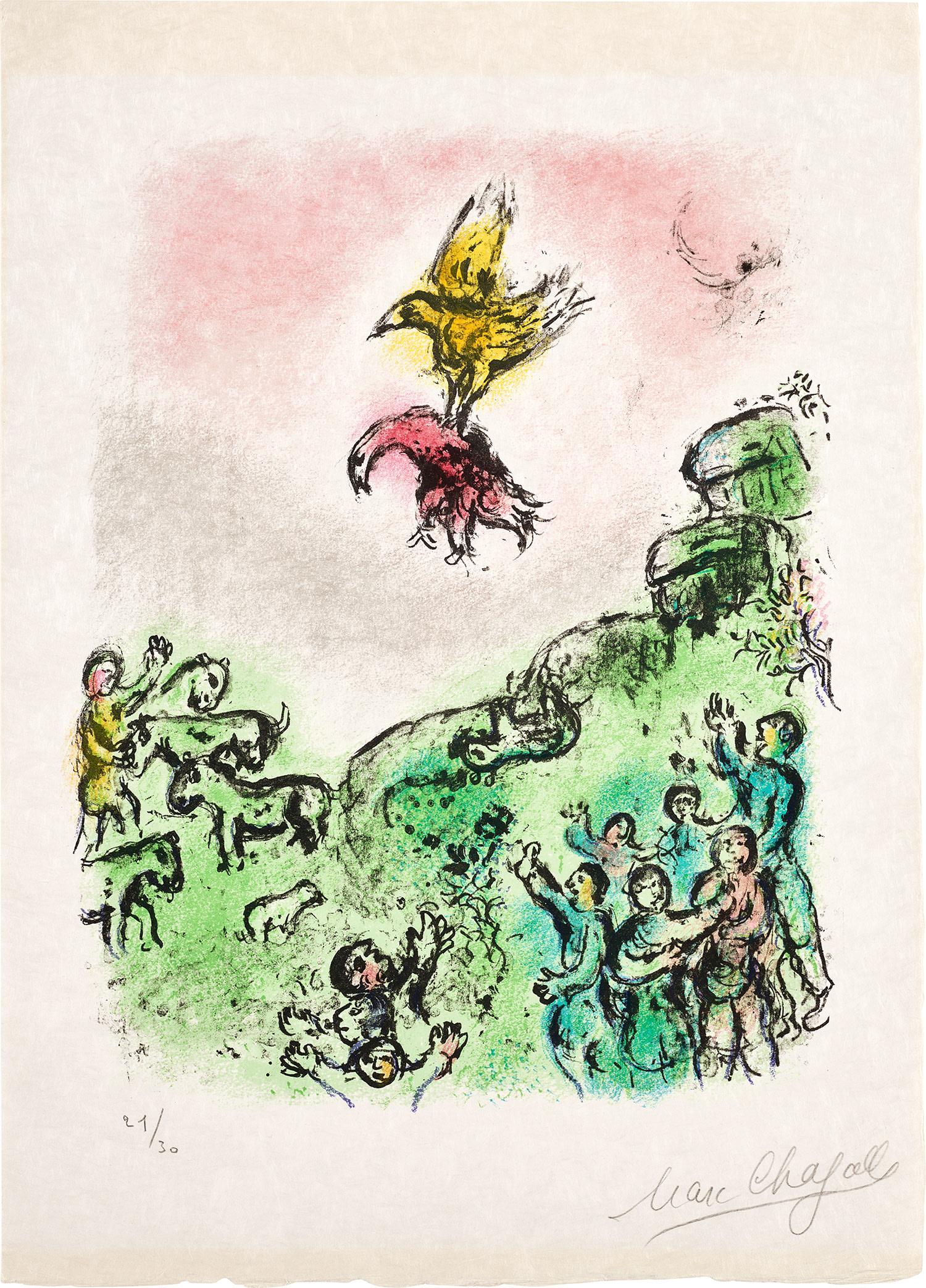
Marc Chagall
Le cirque ambulant (The Traveling Circus)
Murakami's presence on The Collection reflects a sustained collector appetite for work that operates simultaneously as spectacle, critique, and pure visual pleasure. Marc Chagall belongs to a different chapter of this story but remains deeply relevant to it. His floating figures, airborne lovers, and village animals exist in a dreamspace that the art market has never stopped valuing. Chagall's prices at auction have held with remarkable consistency across decades, which says something important about works that achieve genuine emotional resonance.
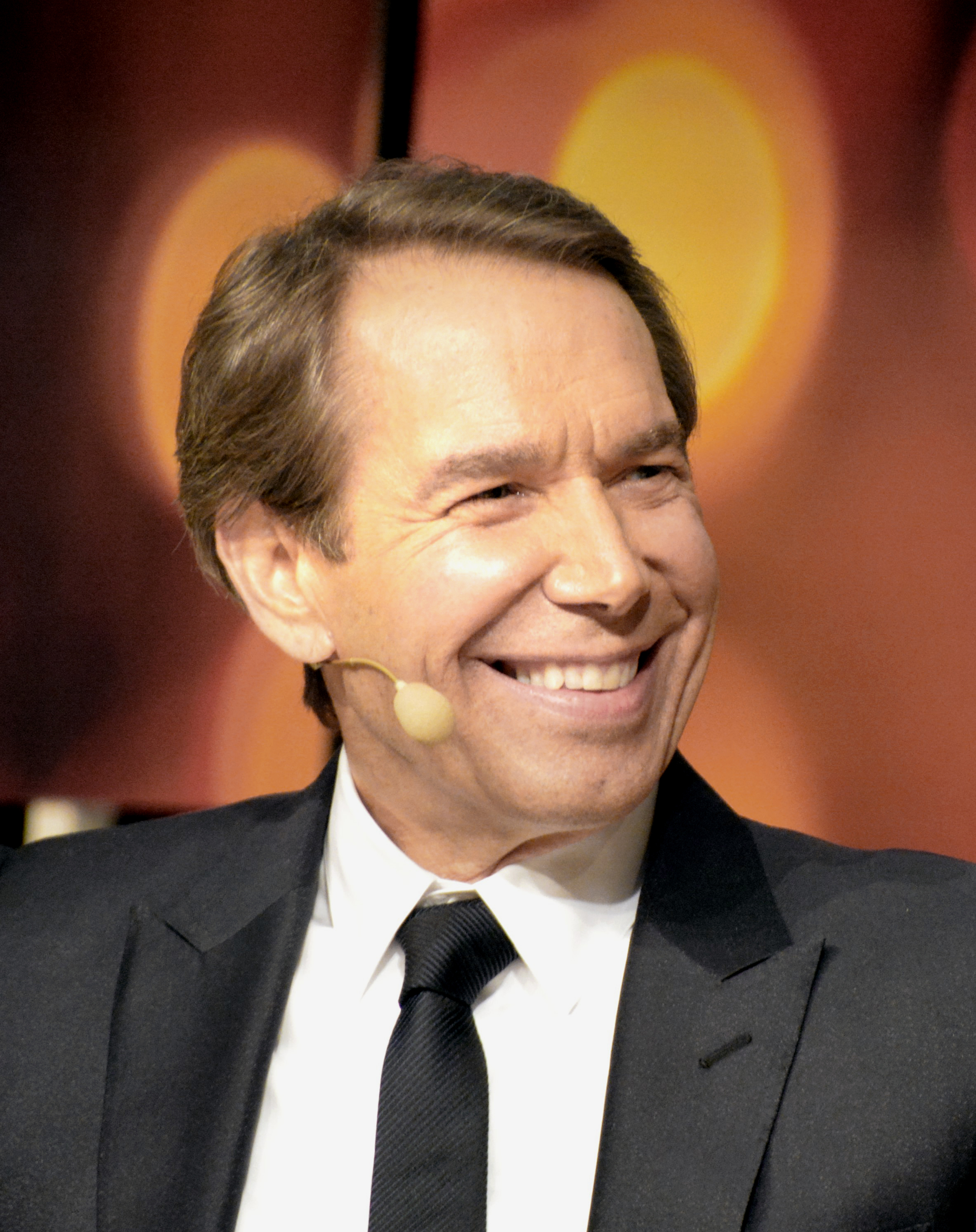
Whimsical imagery, when it works, bypasses the intellectual gatekeeping that can date so much conceptual work. It lands directly. Jeff Koons understood this instinctively, and his Balloon Dog sculptures became among the most recognizable objects in late twentieth century art. When Orange sold at Christie's New York in 2013 for over fifty eight million dollars, it set a record for a living artist at the time and made undeniable the argument that beauty, surface, and wit could coexist at the absolute summit of the market.
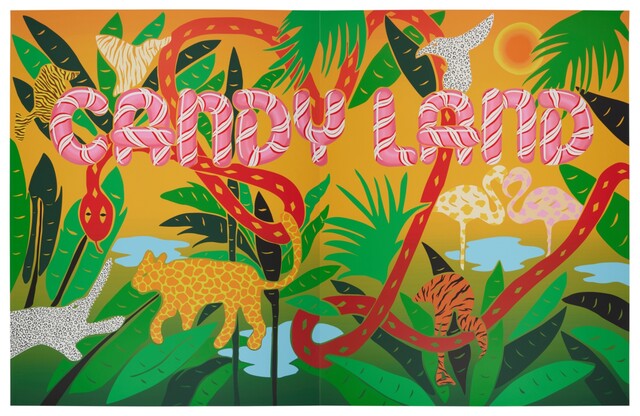
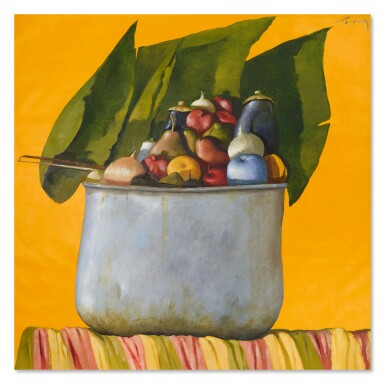
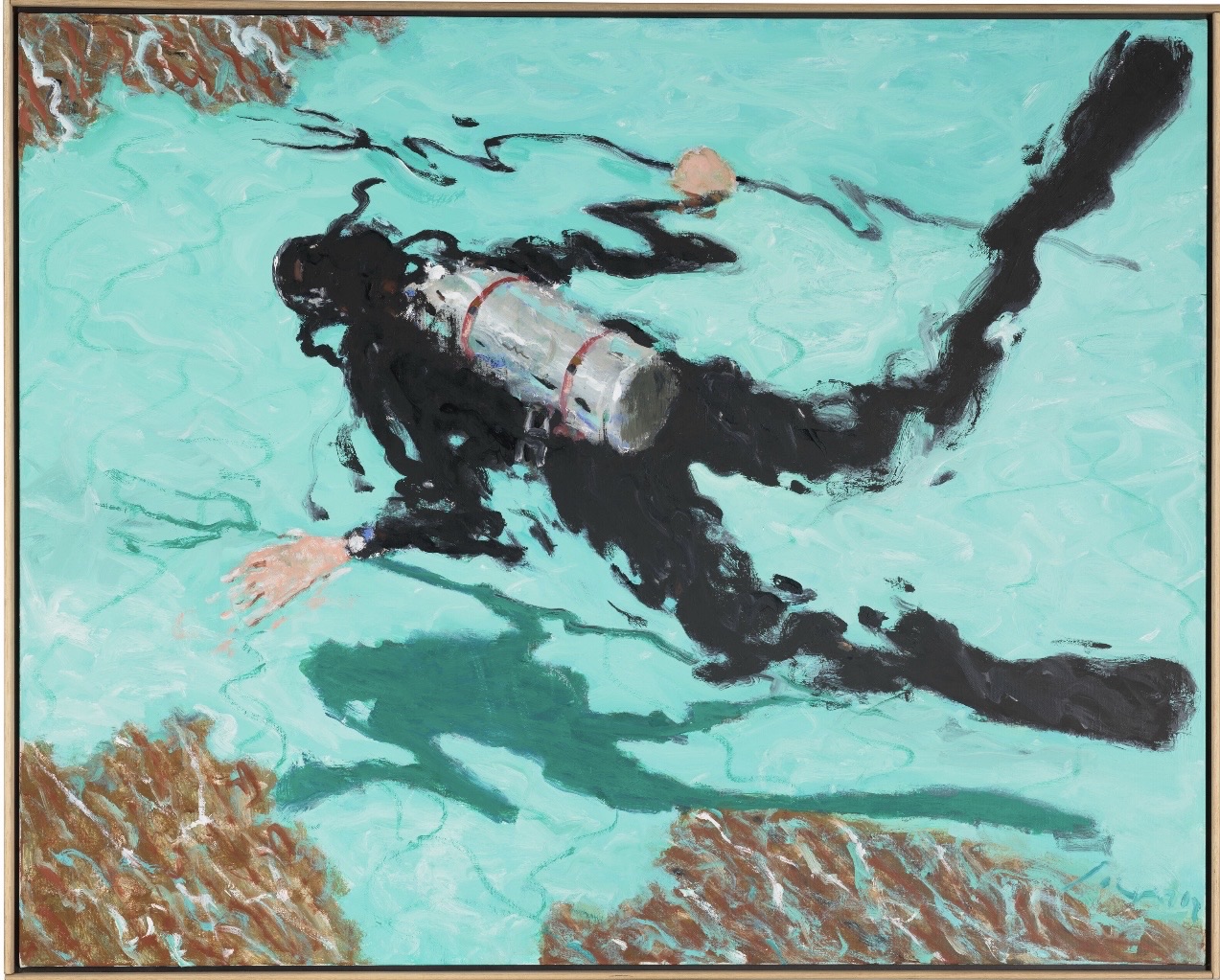
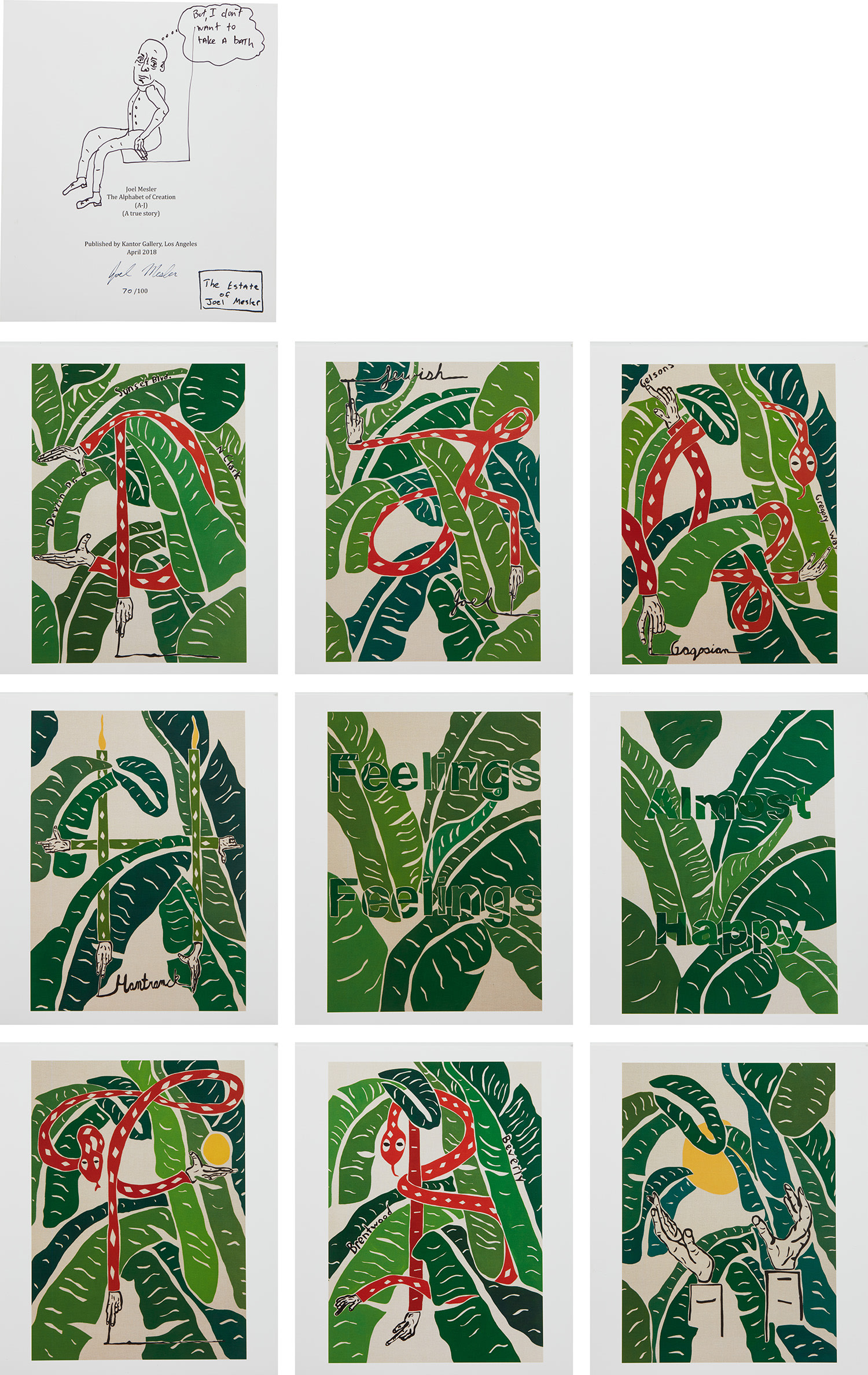
Joel Mesler
Candy Land, 2023
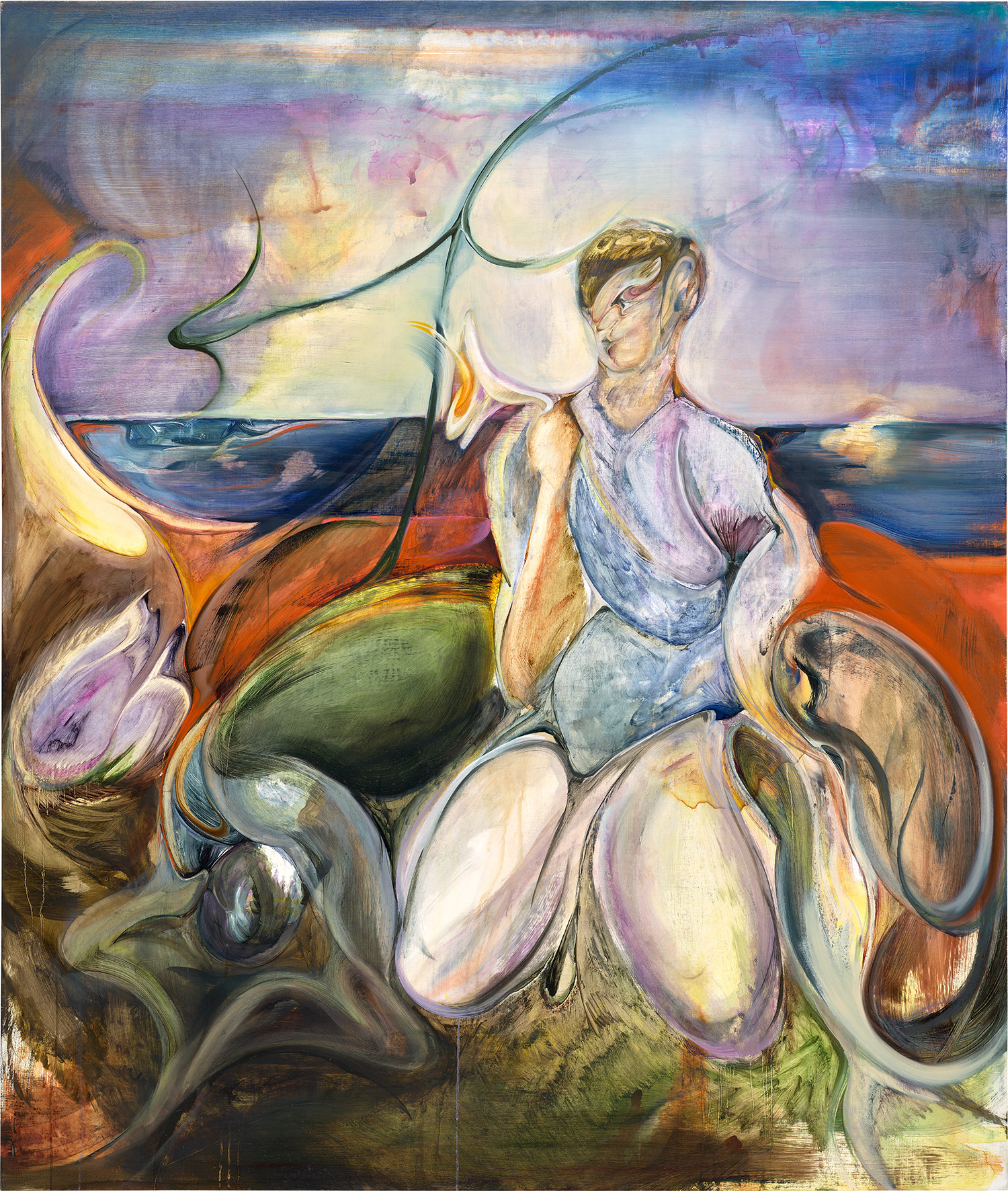
The younger artists building on this tradition are doing so with more vulnerability and psychological complexity than some of their predecessors. Haley Josephs paints figures in states of reverie and metamorphosis, reaching toward the sky or dissolving into flowers, and her recent shows at Jack Hanley Gallery in New York have drawn serious critical attention alongside strong collector demand. Joel Mesler brings a confessional warmth to his text based and figurative paintings that positions him somewhere between folk art, outsider sensibility, and deeply literate studio practice. Scott Campbell, perhaps best known outside the art world for his tattoo work, brings a precision of line and a romantic imagination to his fine art practice that collectors have responded to with real enthusiasm.
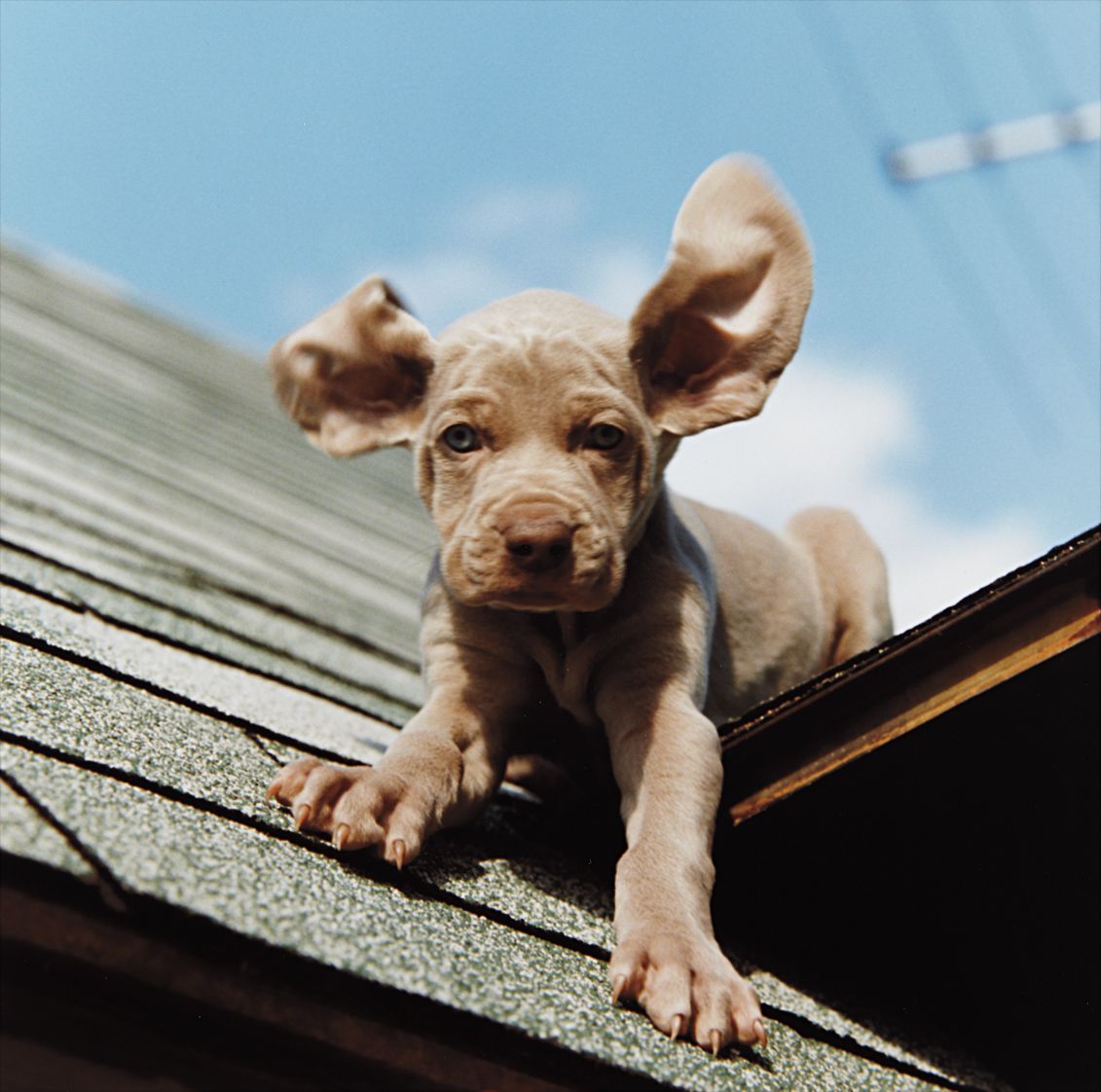
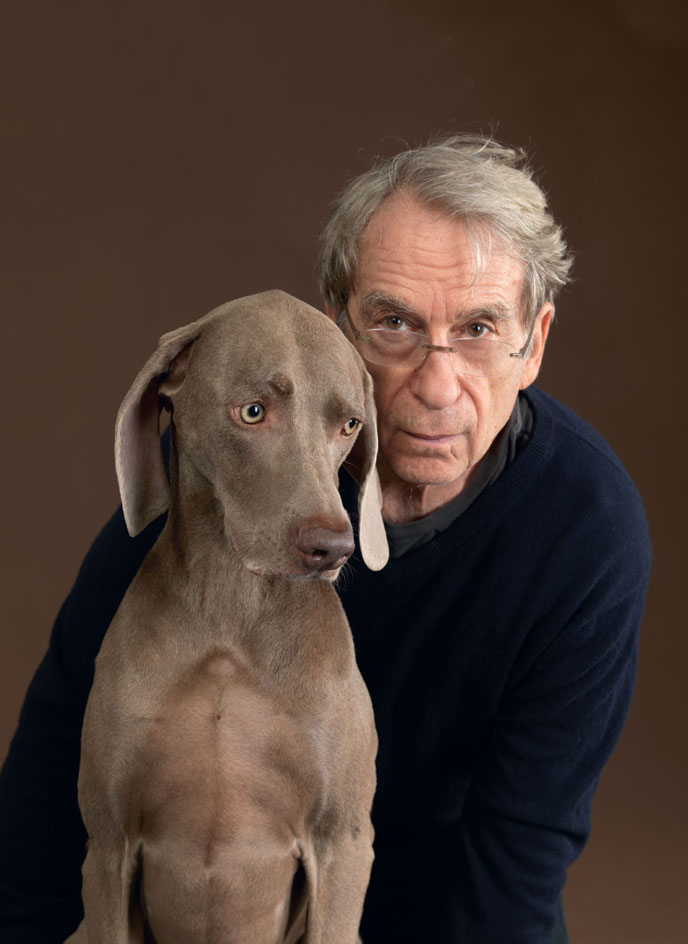
William Wegman sits slightly apart from this group but belongs to the same impulse: his photographs of Weimaraners in absurdist costumes manage to be simultaneously funny, strange, and genuinely moving, a combination that is rarer and harder than it looks. The institutions collecting most aggressively in this space include the Broad in Los Angeles, which holds significant Koons and Murakami, and the Rubell Museum in Miami, which has consistently supported artists whose work carries emotional directness alongside conceptual ambition. The Broad's collecting philosophy, which prioritizes accessibility and engagement alongside art historical significance, has done more than most to legitimize the idea that work aimed at delight deserves the same institutional seriousness as work aimed at difficulty. When major museums stage these acquisitions alongside more austere practices, the message to the broader collecting community is clear.
Jim Thorell
Freak Farm, 2015
Critically, the writers shaping this conversation include Sarah Thornton, whose work on the sociology of the art world opened space for honest discussion of market forces, and a younger generation of critics at publications like Artforum and The Brooklyn Rail who have been willing to take sincerity seriously as an aesthetic position. The curator Massimiliano Gioni has been particularly thoughtful about the relationship between the visionary and the playful, most notably in his 2013 Venice Biennale, The Encyclopedic Palace, which placed folk art, outsider visionaries, and contemporary artists in productive dialogue. What feels alive right now is the space between earnestness and irony, the place where Jim Thorell works, where Calleja works, where the best of this generation refuses to choose between meaning something and making you smile. What feels settled is the old critical prejudice that equated whimsy with superficiality.
That argument has been lost, and collectors who understood it early are sitting with extraordinary work. What surprises are coming is harder to say, but the energy suggests that the next generation will push further into the personal and the strange, making work that is less interested in the cute and more interested in the genuinely uncanny. The door that Miró opened, that Calder walked through with such elegance, remains wide.