Water Reflection
Archived article
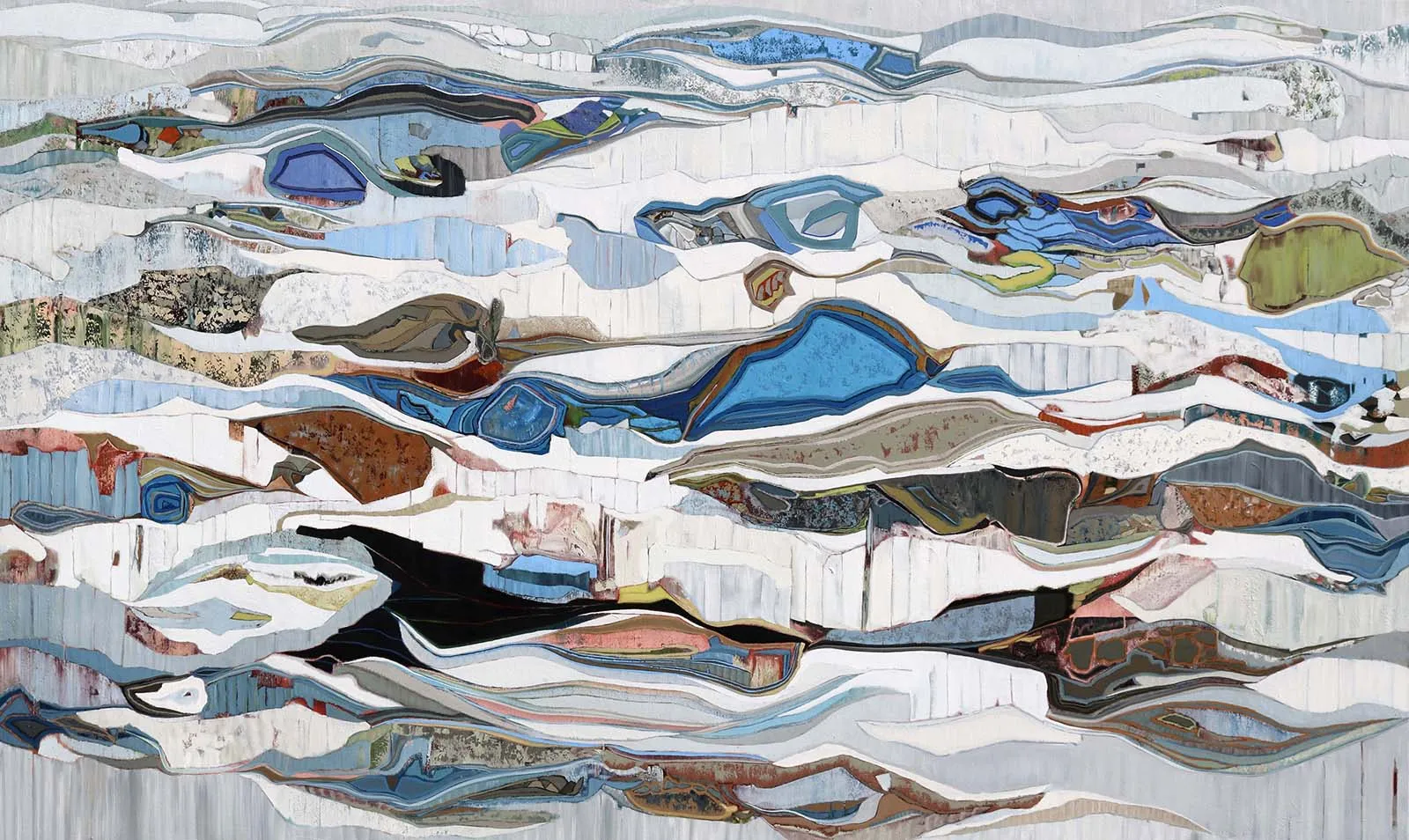
Chase Langford
Loon Point
You are reading a previous version of this article.
Read the latest version```json { "headline": "Still Waters That Never Stop Moving", "body": "There is something almost unreasonable about the power a reflected image holds over us. Water takes the world and gives it back altered, trembling, suffused with a quality of light that feels more emotional than factual. Artists have understood this for centuries, which is why the subject of water reflection sits at such a fascinating crossroads of perception, philosophy, and pure visual pleasure. It is a theme that refuses to be merely decorative, insisting instead on asking something genuine of whoever stands before it.
", "Painters of the Dutch Golden Age were among the first to treat reflections with systematic seriousness, embedding canal scenes and harbors with mirrored skies that doubled the compositional weight of a canvas. But it was the nineteenth century that truly elevated reflected water into a subject worthy of sustained artistic investigation. The Hudson River School artists brought to American landscape painting an almost devotional attention to still lakes and mountain fed rivers, reading moral meaning into clarity and distortion alike. Jervis McEntee, whose melancholy autumn landscapes occupy a quietly distinguished place in that tradition, understood how a glassy surface could amplify the loneliness or sublimity of a scene without a single human figure needing to appear.
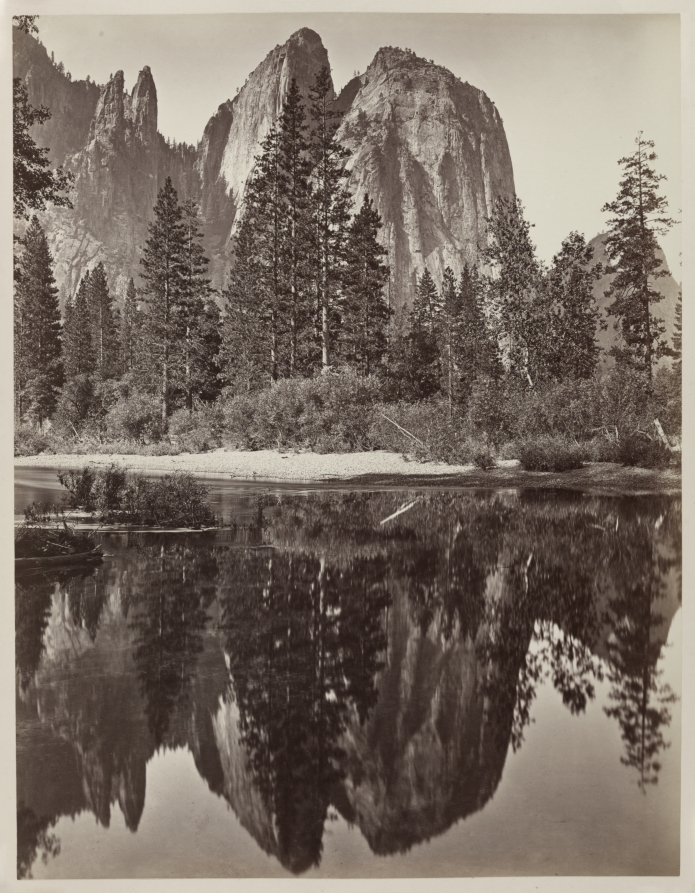
Charles Leander Weed
Cathedral Rocks and Reflections, Yosemite, 1864
", "The arrival of photography complicated and enriched everything. When Charles Leander Weed carried his equipment into Yosemite Valley in the 1860s, he was among the first photographers to grapple seriously with how a lens renders reflected light off water and ice. The technical challenge was immense because the tonal range of a bright sky mirrored in a dark pool pushed the limits of wet collodion processes. What emerged from those early expeditions was a body of work that proved photography could carry the same contemplative weight as painting, and that reflected surfaces were particularly suited to revealing what the medium did best: slowing perception down to something approaching stillness.
", "Impressionism changed the terms of the conversation entirely. When Claude Monet began the series that would culminate in the Water Lilies, exhibited at the Orangerie in 1927 after his death, he was no longer painting a pond with reflections on its surface. He was painting the reflection itself as the entire world, dissolving the distinction between what is real and what is mirrored until the question became irrelevant. Pierre Auguste Renoir approached water with a different sensibility, more social and shimmering, interested in the way light on a river surface could make leisure feel like a form of grace.
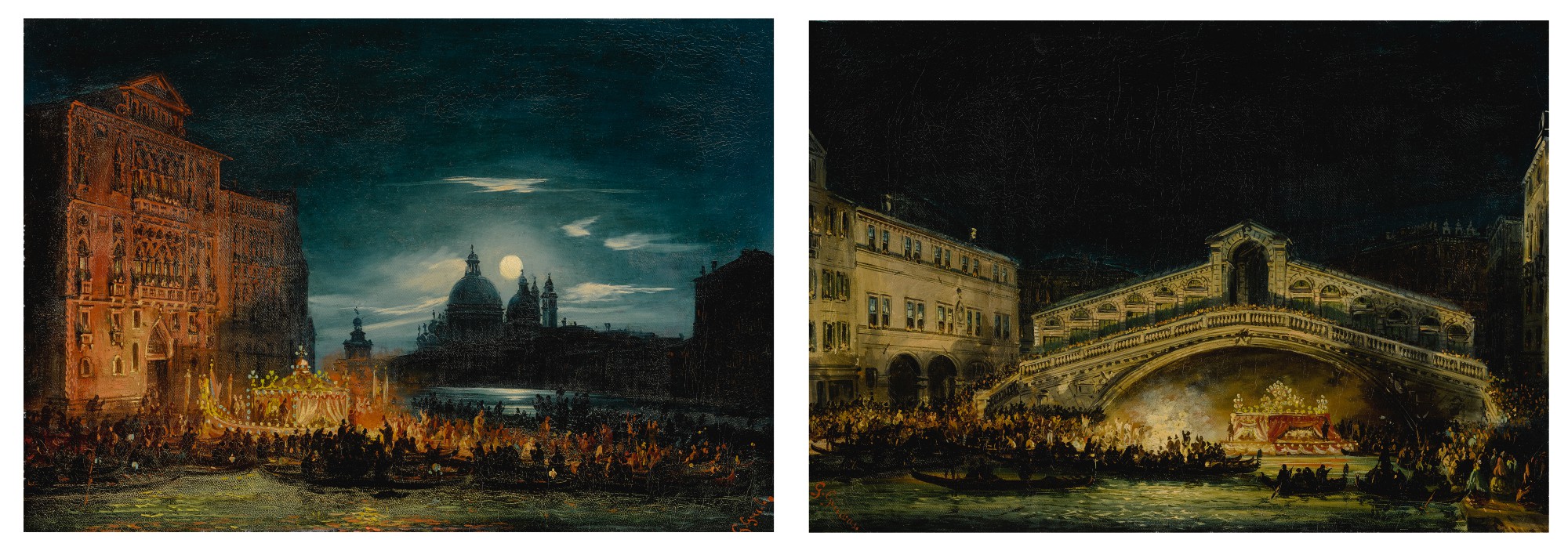
Giovanni Grubacs
A pair of nocturnal Venetian scenes on the Feast of the Redentore
His riverside scenes from the 1870s and 1880s carry that warmth even now, the reflections loose and celebratory rather than philosophical.", "Venice has always been a special case in this history, a city that essentially forces the issue. Giovanni Grubacs, the nineteenth century Venetian painter who documented the city's grand spaces with meticulous attention, worked in an environment where reflection was not a painterly choice but an architectural condition. The lagoon around Venice behaves like a second sky, and the city's buildings exist simultaneously in stone and in light.
What Grubacs captured in his views of the Grand Canal and the Piazzetta was that specific Venetian doubling, the sense that the real city and its reflection together constitute something more complete than either alone.", "Abstract expressionism and its aftermath cracked the subject open again. Pat Steir, whose work has been shown extensively at galleries including Cheim and Read in New York and whose large scale poured canvases carry the logic of cascading water to its most radical conclusion, does not paint reflections in any literal sense. And yet her surfaces produce exactly the perceptual effect that a reflected image does: you cannot fully trust what you are seeing, cannot locate the seam between process and intention, between accident and control.
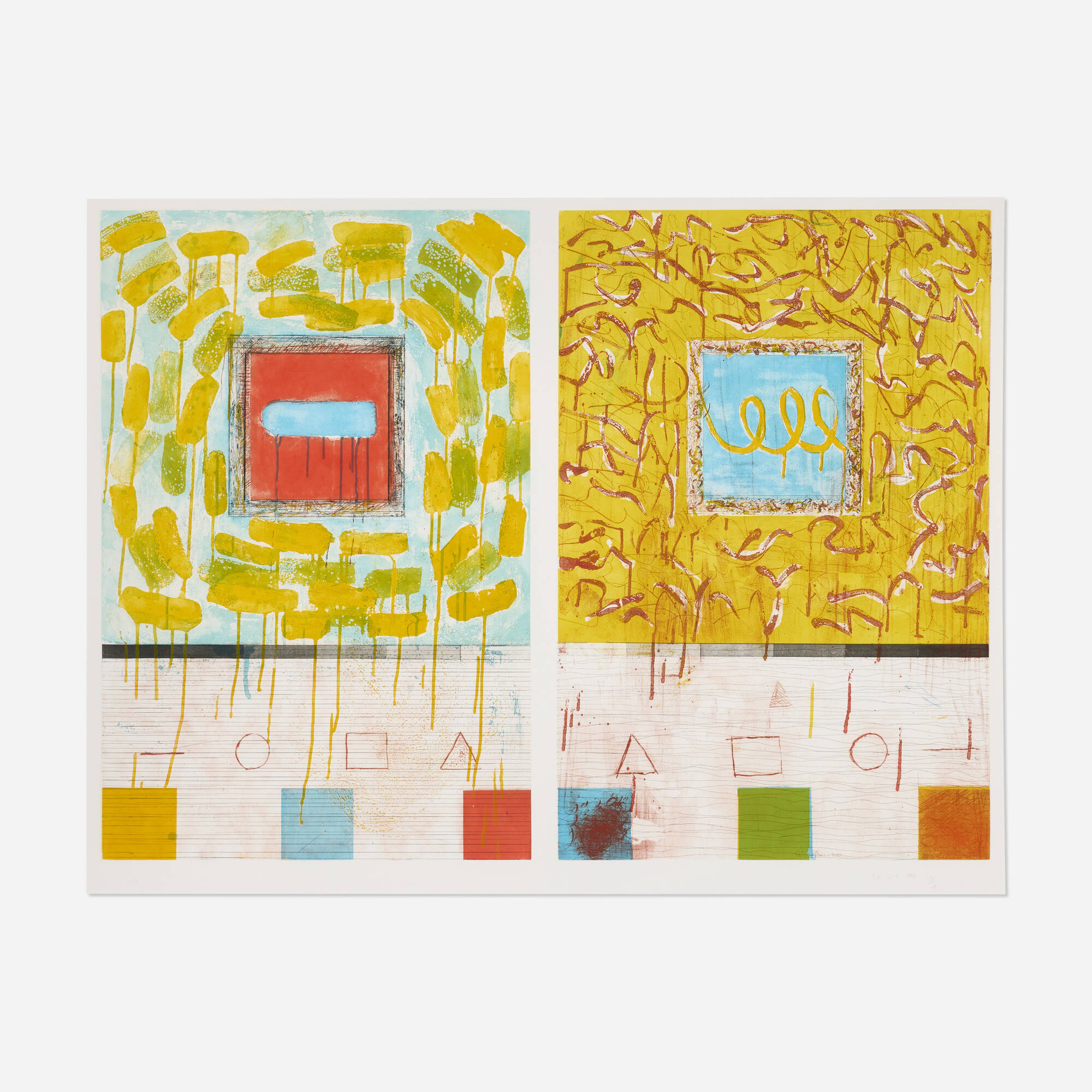
Pat Steir
When I Think of Venice, 1980
That ambiguity is precisely what makes water reflection as a subject so generative for artists working in every register from representation to pure abstraction.", "Chase Langford brings a different kind of intelligence to the theme, one rooted in cartographic thinking and the layered qualities of translucent surfaces. His work is interested in how information accumulates and dissolves, which aligns naturally with what water does to an image: it holds it and disperses it at the same time. This conceptual approach to reflection finds perhaps its most ambitious contemporary expression in the practice of Ólafur Elíasson, who has made the perceptual and political dimensions of water central to installations across institutions worldwide.
His Weather Project at Tate Modern in 2003 did something that most artists only approach obliquely: it made visitors aware of themselves as perceivers, aware that seeing is always a kind of reflection, always a two way relationship between the world and the person looking at it.", "What draws collectors to works engaging with water reflection is often something they find difficult to articulate, which is itself telling. There is the obvious visual seduction, the play of light, the implied movement within apparent stillness. But beneath that is something more structural.
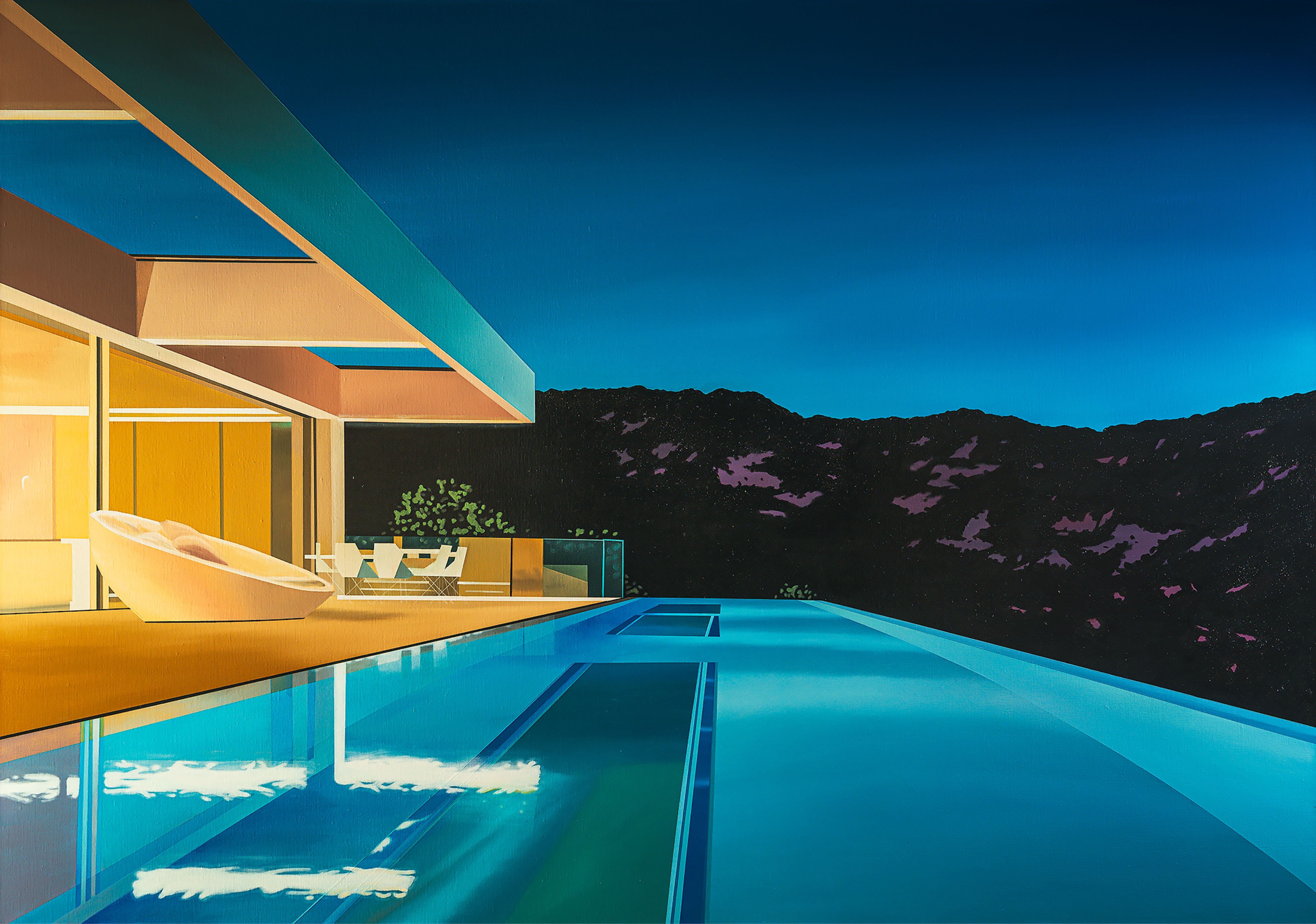
Laurence Jones
Memories In Sapphire, 2024
A reflected image is always a meditation on the nature of representation itself, on the gap between a thing and its image, between reality and how it appears to a particular observer at a particular moment. Every artist in this tradition, from the Hudson River School painters through the Impressionists and into contemporary practice, has been working on that fundamental question whether or not they would have framed it that way.", "The works gathered on The Collection in this vein carry that long history lightly but unmistakably. They connect a nineteenth century American photographer wrestling with Yosemite's mirror lakes to a contemporary Venetian tradition, to the radical poured canvases of Pat Steir, to Elíasson's immersive perceptual environments.
What holds these works together is not style or period but a shared preoccupation with looking carefully at something that is always in the process of changing. Water reflection remains one of the most honest subjects in art, because it refuses to pretend the world is fixed.
Works tagged Water Reflection
Charles Leander Weed
Cathedral Rocks and Reflections, Yosemite
Laurence Jones
Memories In Sapphire
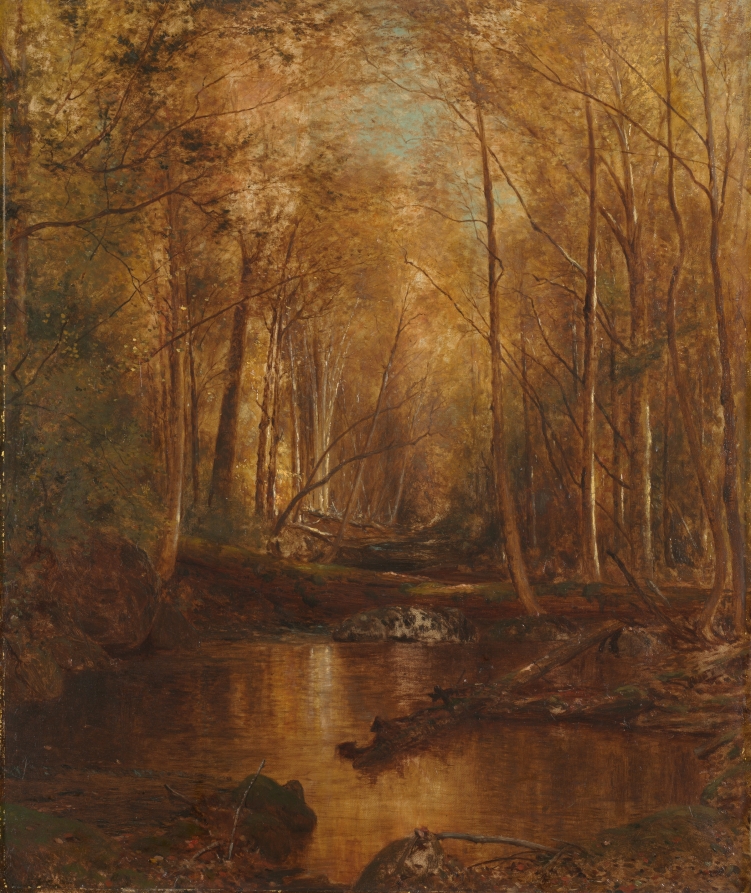
Jervis McEntee
Autumn in the Catskills
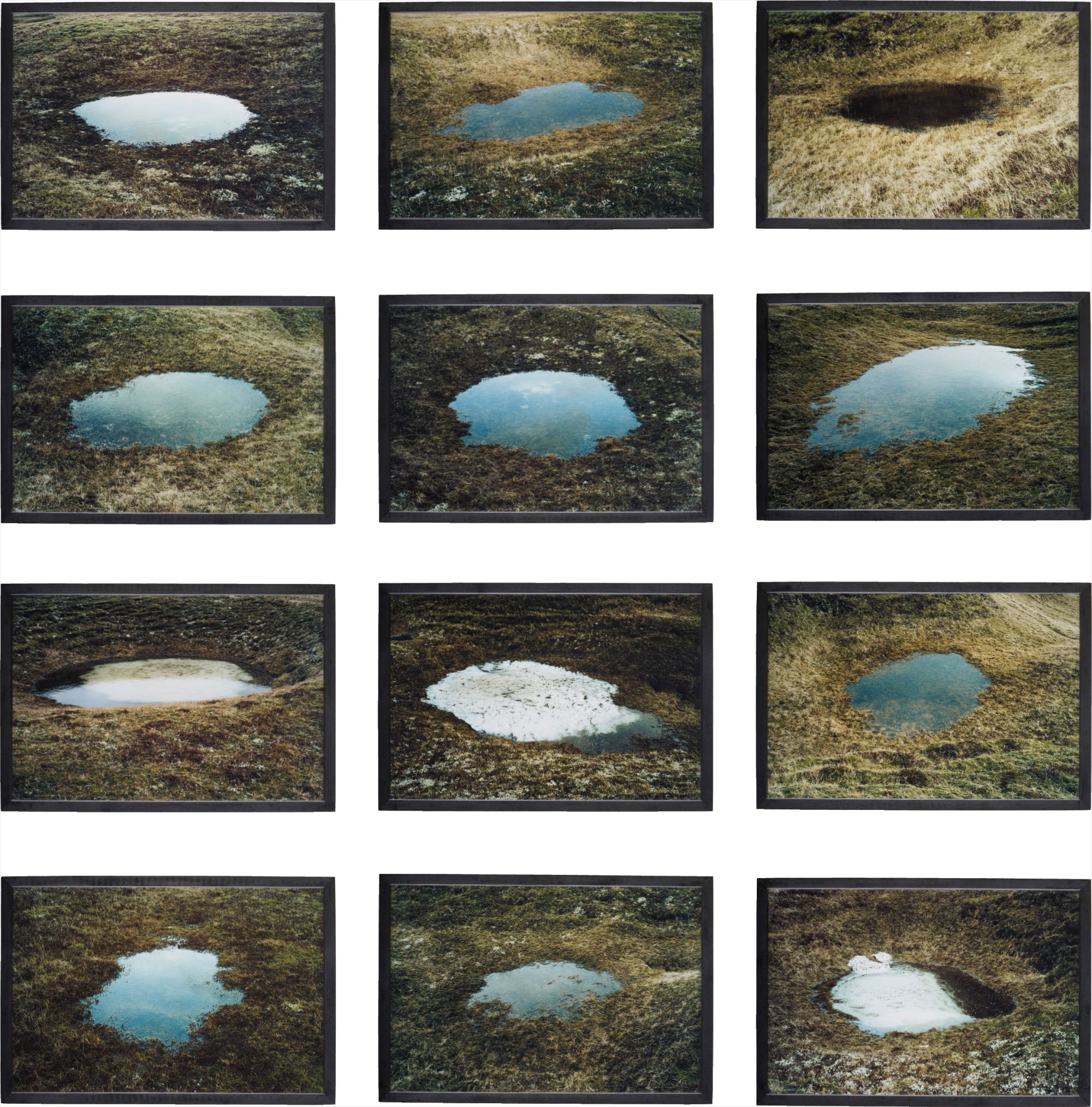
Ólafur Elíasson
Spring puddle series (set of 12)
Giovanni Grubacs
A pair of nocturnal Venetian scenes on the Feast of the Redentore
Pat Steir
When I Think of Venice
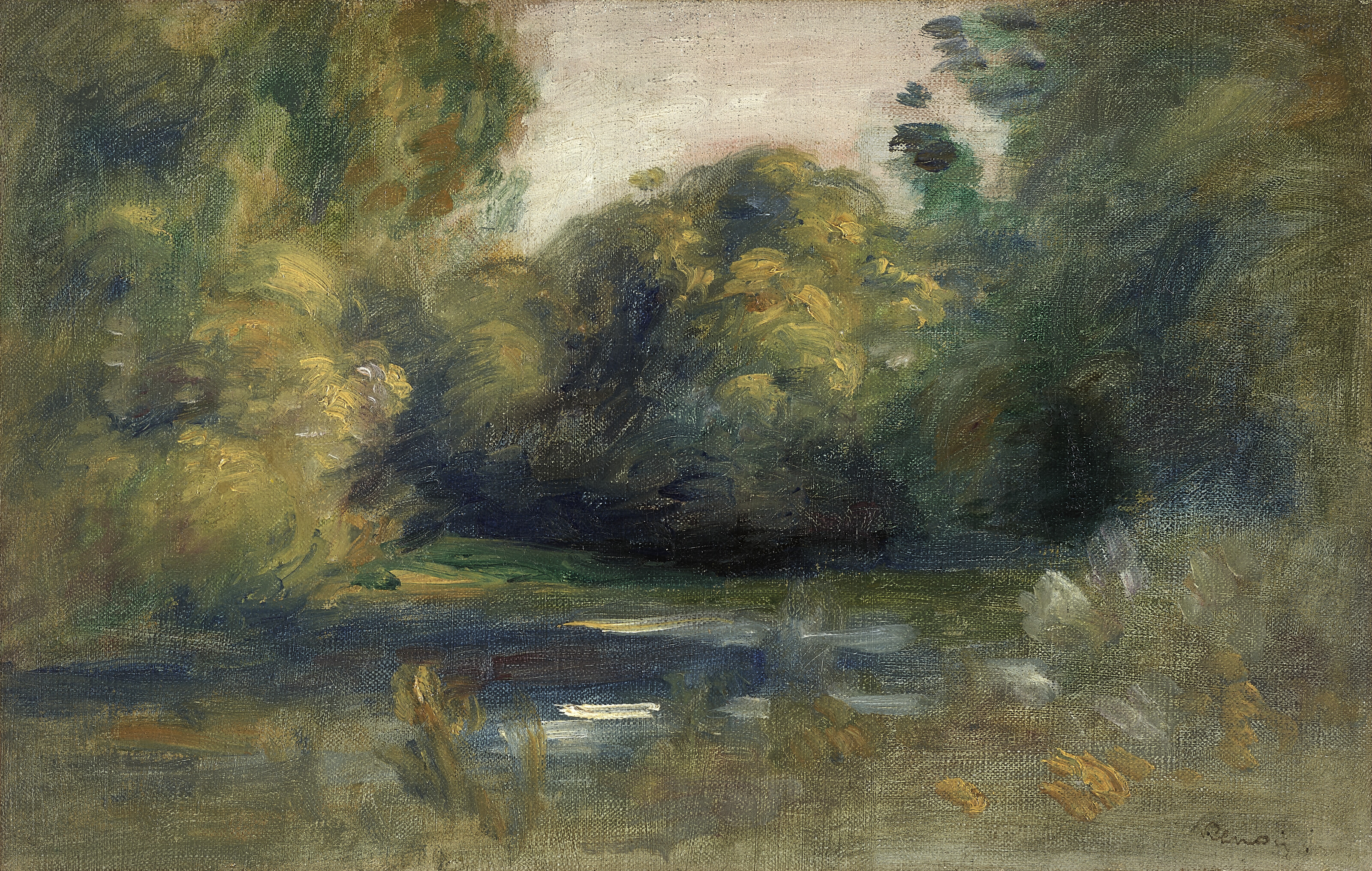
Pierre-auguste Renoir
Arbres au bord d'un étang
Chase Langford
Loon Point