Visceral Imagery
Ahmed Alsoudani
You No Longer Have Hands


The Art That Gets Under Your Skin
There is something almost confessional about admitting you collect visceral art. Friends visit your home and pause in front of a work that unsettles them, and you find yourself explaining not just the artist but the strange intimacy of choosing to live with an image that refuses to look away. This is precisely what draws serious collectors to this territory. It is not shock for its own sake.
It is the conviction that certain truths about the body, mortality, desire, and suffering can only be told through imagery that presses on a nerve, that refuses the comfort of aesthetic distance. The collectors who build lasting collections in this space tend to share a particular quality: they are people who trust their nervous system as much as their eye. A work by Jenny Saville or Francis Bacon does not let you settle into passive appreciation. It demands a kind of reckoning, and collectors who respond to that demand often describe the experience of living with such works as one of ongoing conversation rather than static decoration.
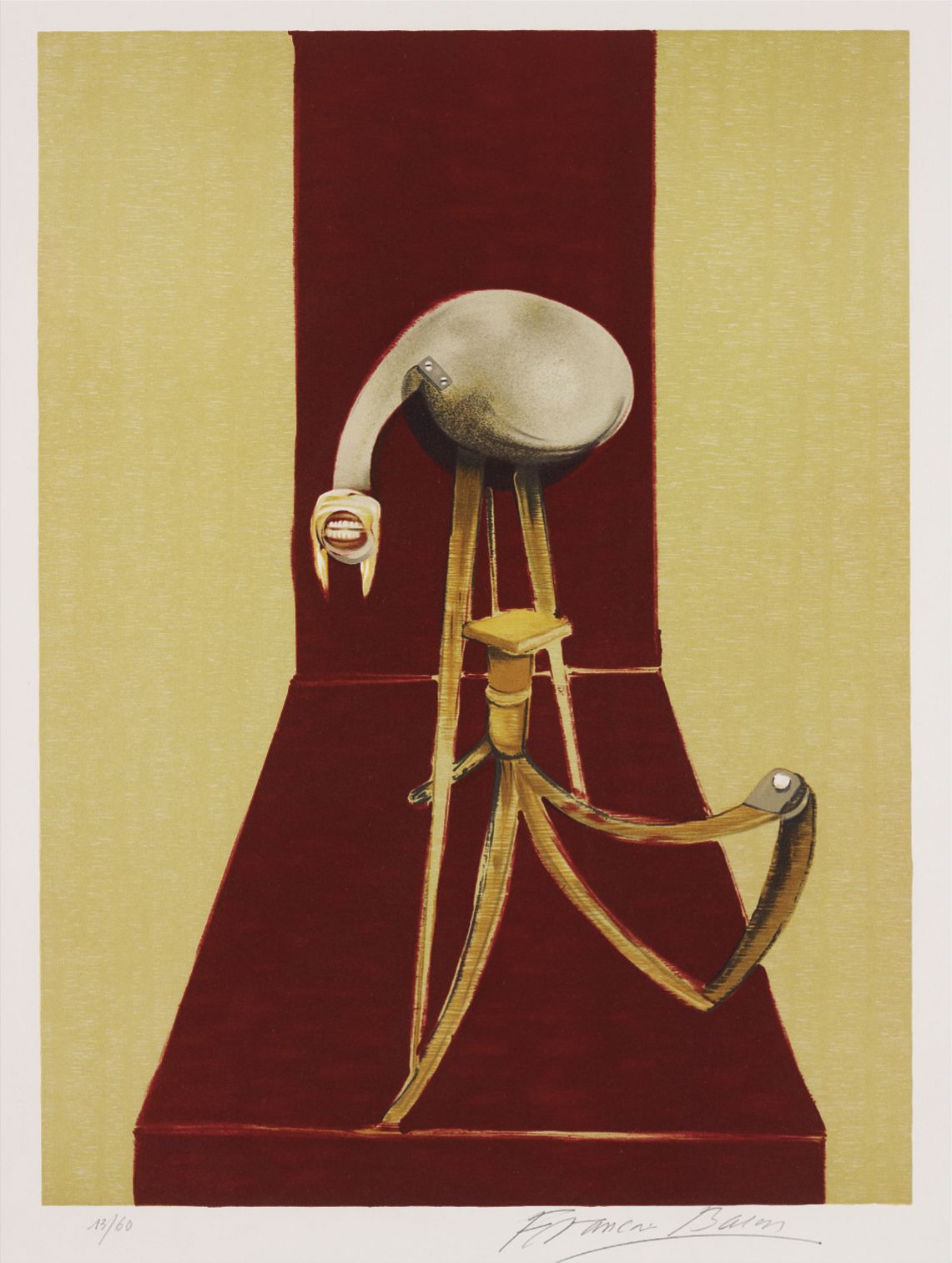
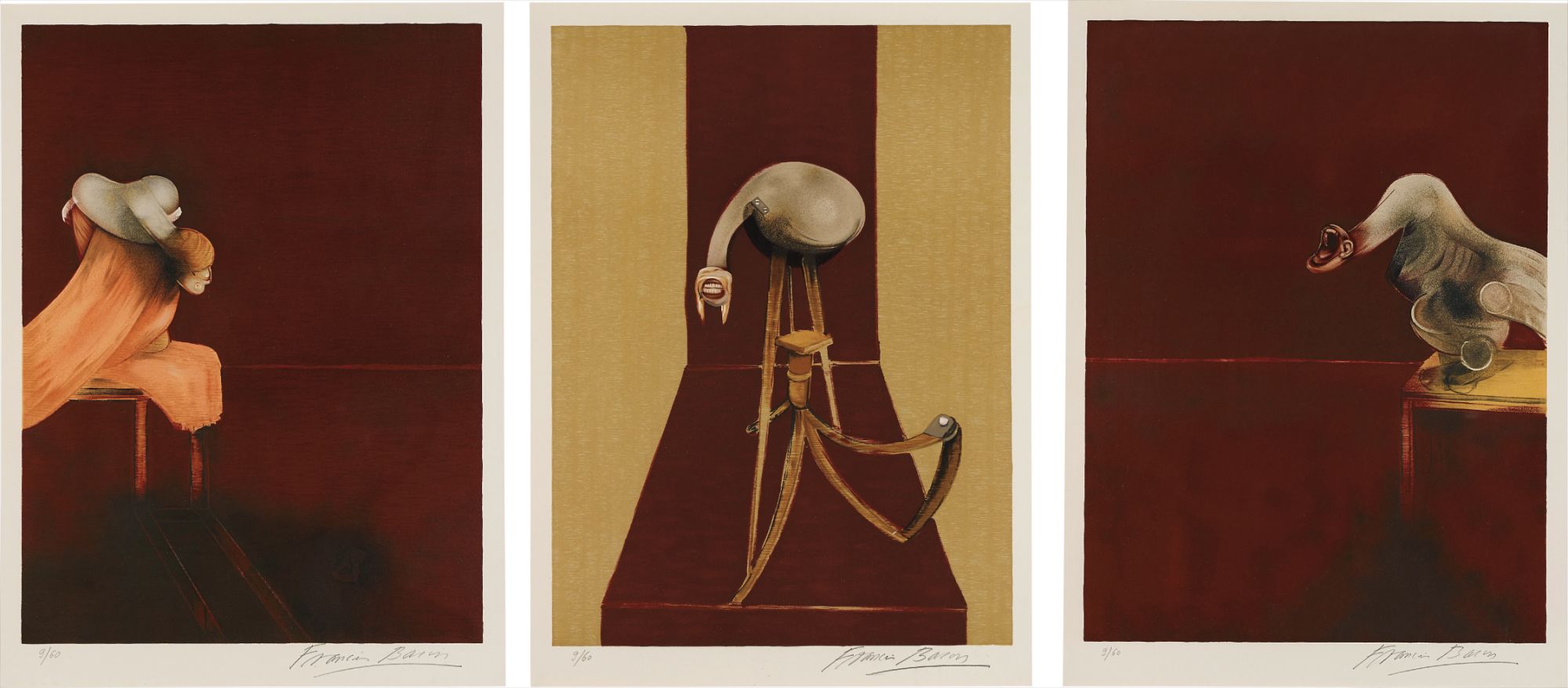
Francis Bacon
Second version of the Triptych 1944: centre panel
Over time, these pieces reveal more, not less. That depth is part of what gives visceral imagery its staying power on the wall and in the market. What separates a good work from a great one in this category comes down to intentionality and pictorial intelligence. There is a wide spectrum between work that uses the body as mere provocation and work that uses it as genuine philosophical inquiry.
The best pieces demonstrate an artist who understands the history of flesh in paint, from Rembrandt's carcasses to Lucian Freud's unflinching nudes, and who is making a specific argument within that lineage. When you are standing in front of a work, ask yourself whether the discomfort you feel is productive. Does the image deepen as you look, or does it flatten once the initial impact fades? Great visceral work tends to be compositionally rigorous even when it appears chaotic.


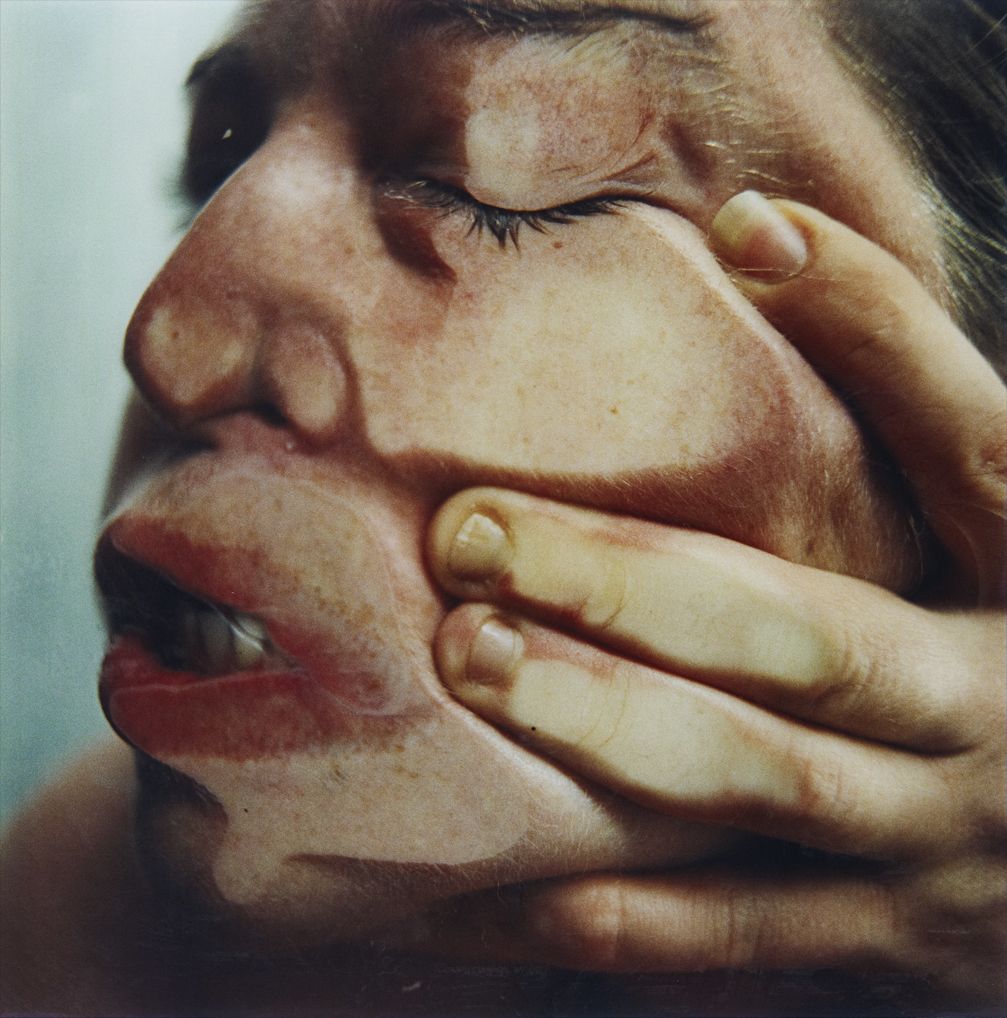
Jenny Saville
Closed Contact #15, 1995
The violence or rawness is structured, controlled at the level of form even when it seems abandoned at the level of subject. Francis Bacon remains the anchoring figure in any serious discussion of this market. His triptychs and isolated figure paintings, particularly those made between the late 1950s and the 1970s, have consistently outperformed broader market trends, with major works now firmly in the category of generational assets. The secondary market for Bacon is deep and liquid, with strong representation at Christie's, Sotheby's, and Phillips.
Works on paper and smaller studies offer collectors a meaningful point of entry into his practice at a fraction of the cost of major canvases. Jenny Saville, whose reputation was cemented by her Sensation show appearance in 1997 and her long relationship with the Gagosian gallery, has seen her market mature considerably over the past decade. Her large scale paintings of female bodies have achieved record prices at auction, and her drawings and works on paper are increasingly sought after as the gap between her major canvases and more accessible works continues to widen. Berlinde De Bruyckere occupies a different register within this space, one rooted in sculpture and the abject.
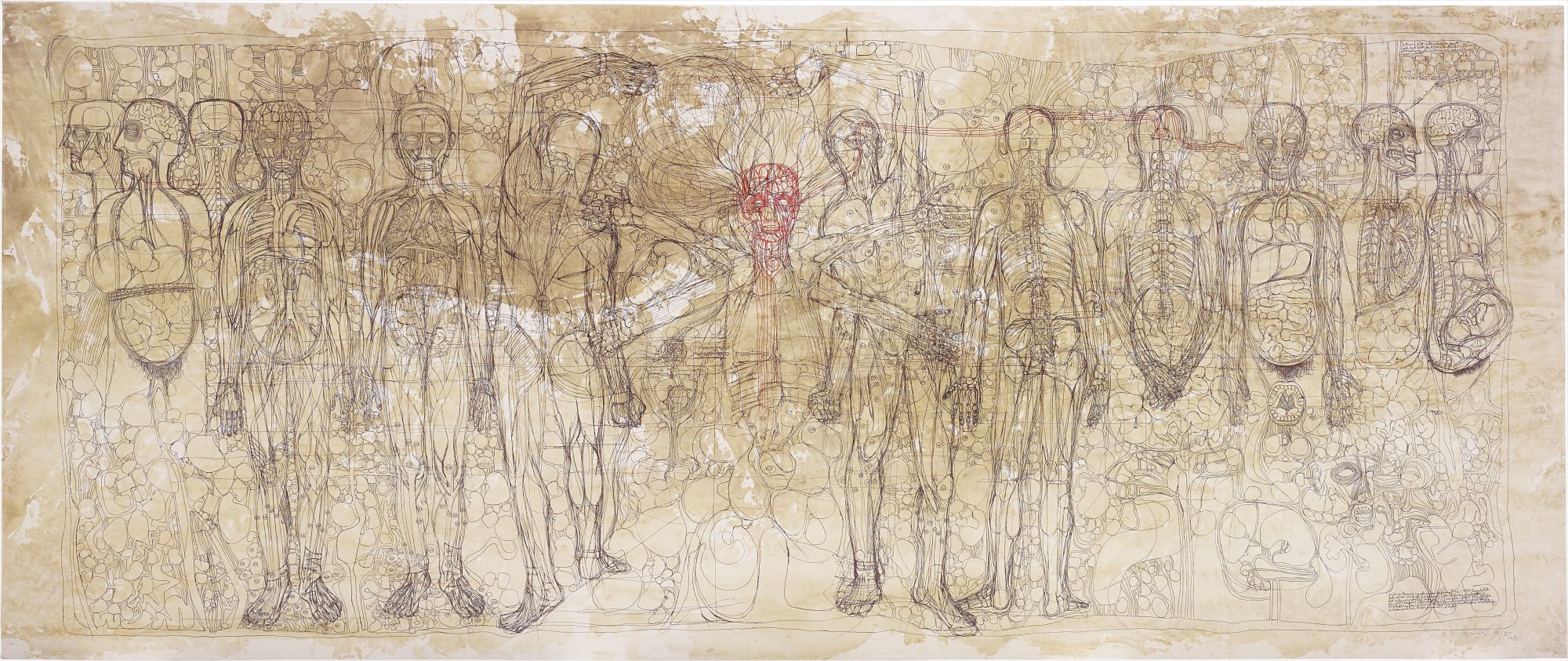
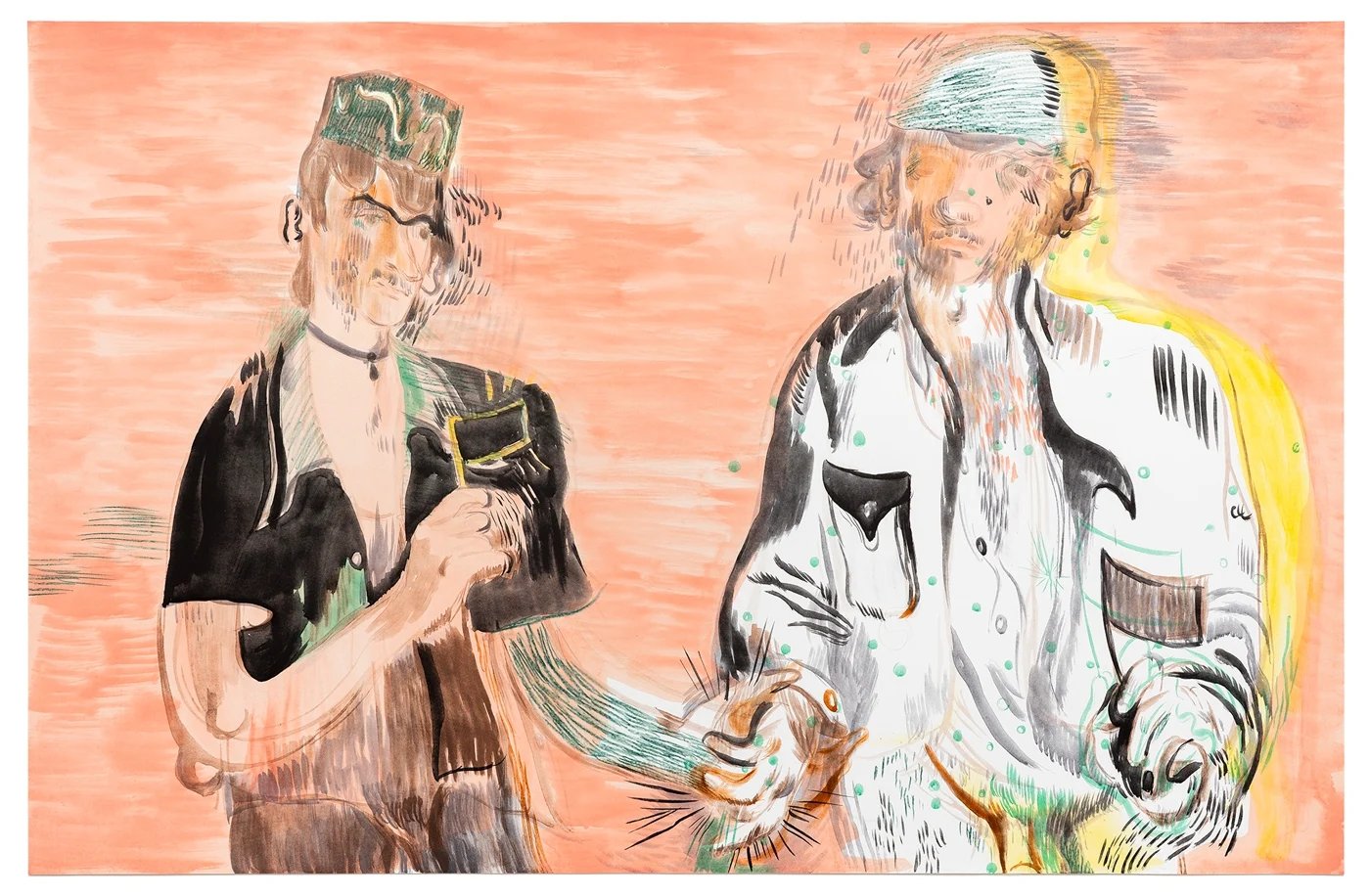
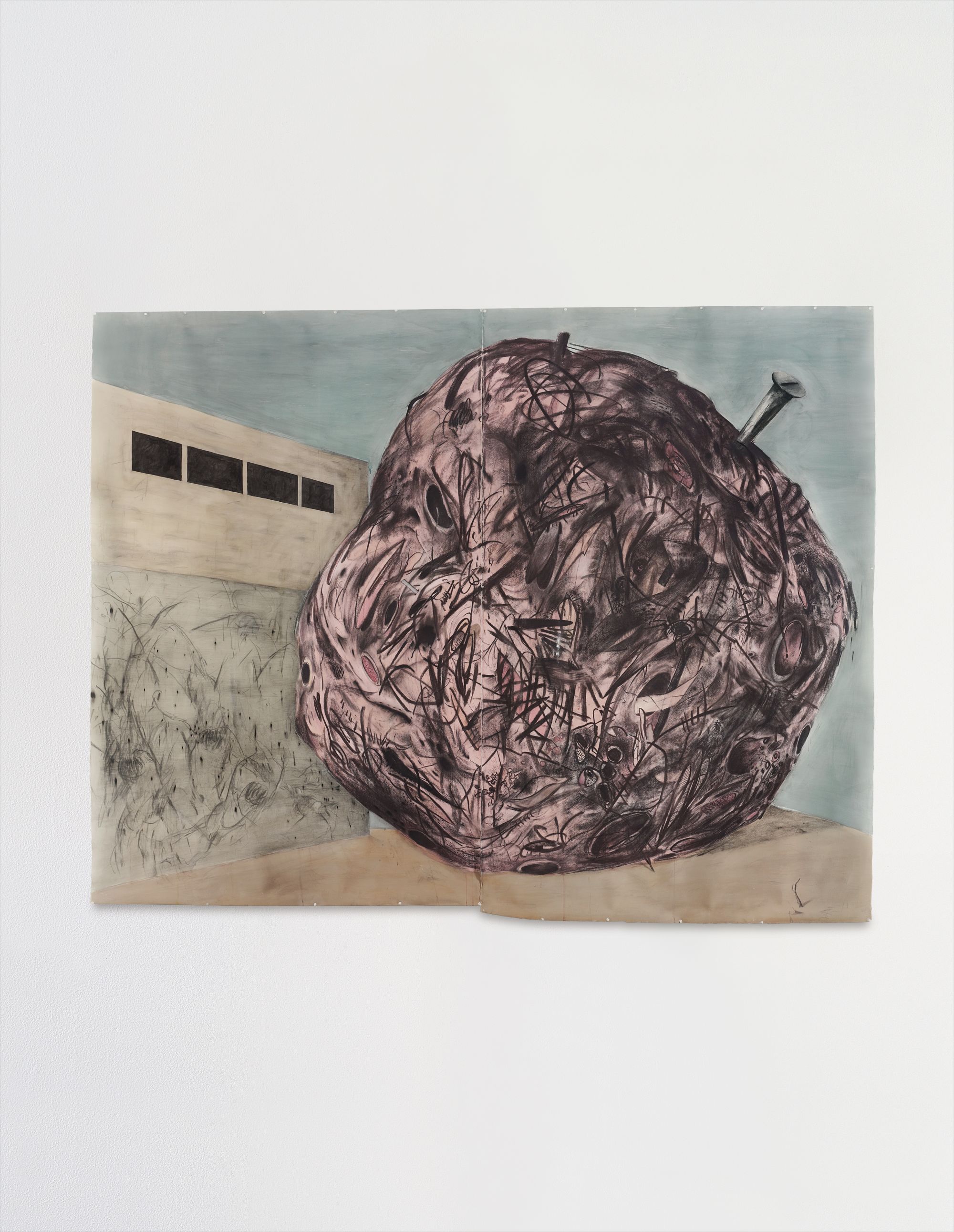
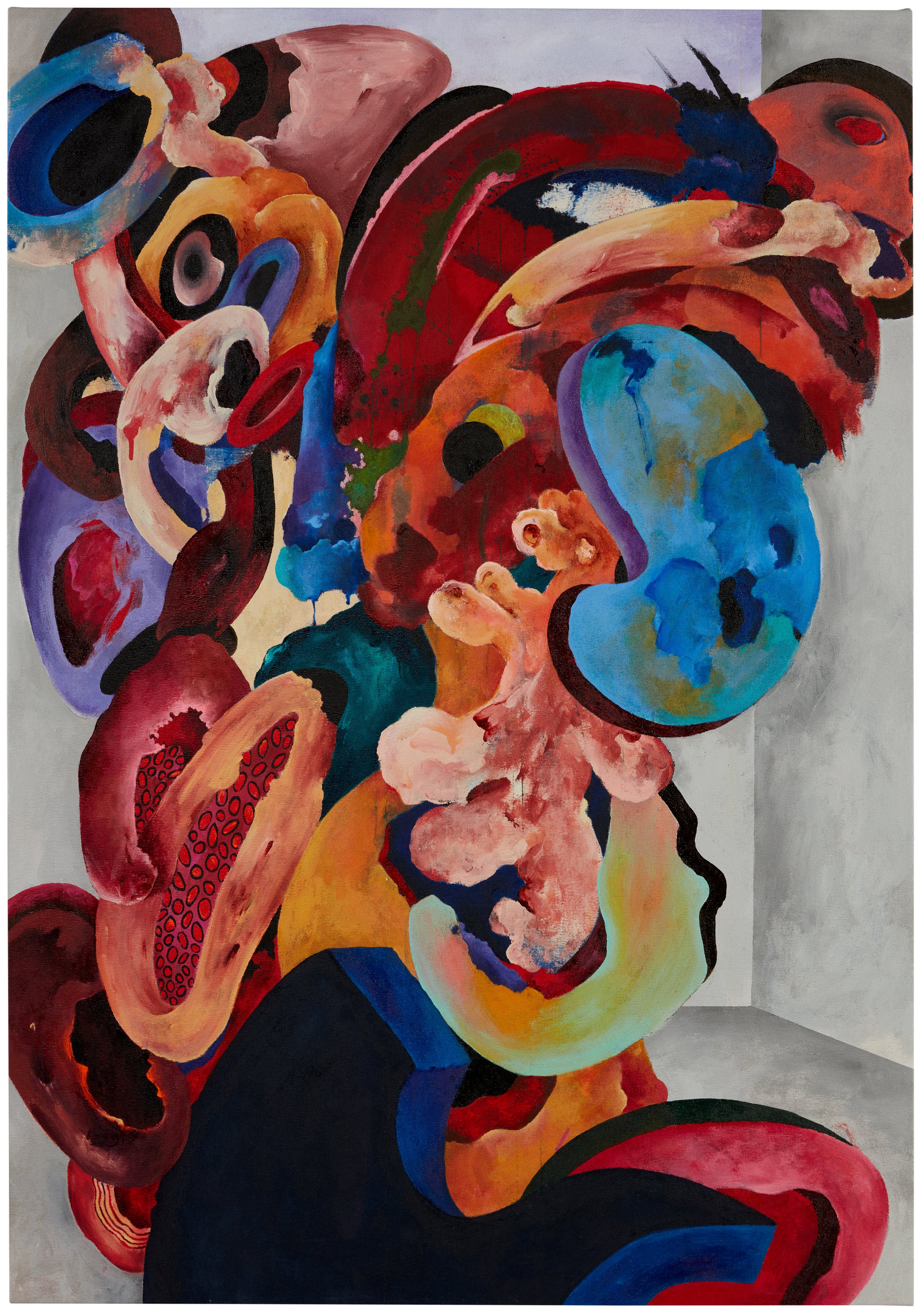
Ahmed Alsoudani
You No Longer Have Hands
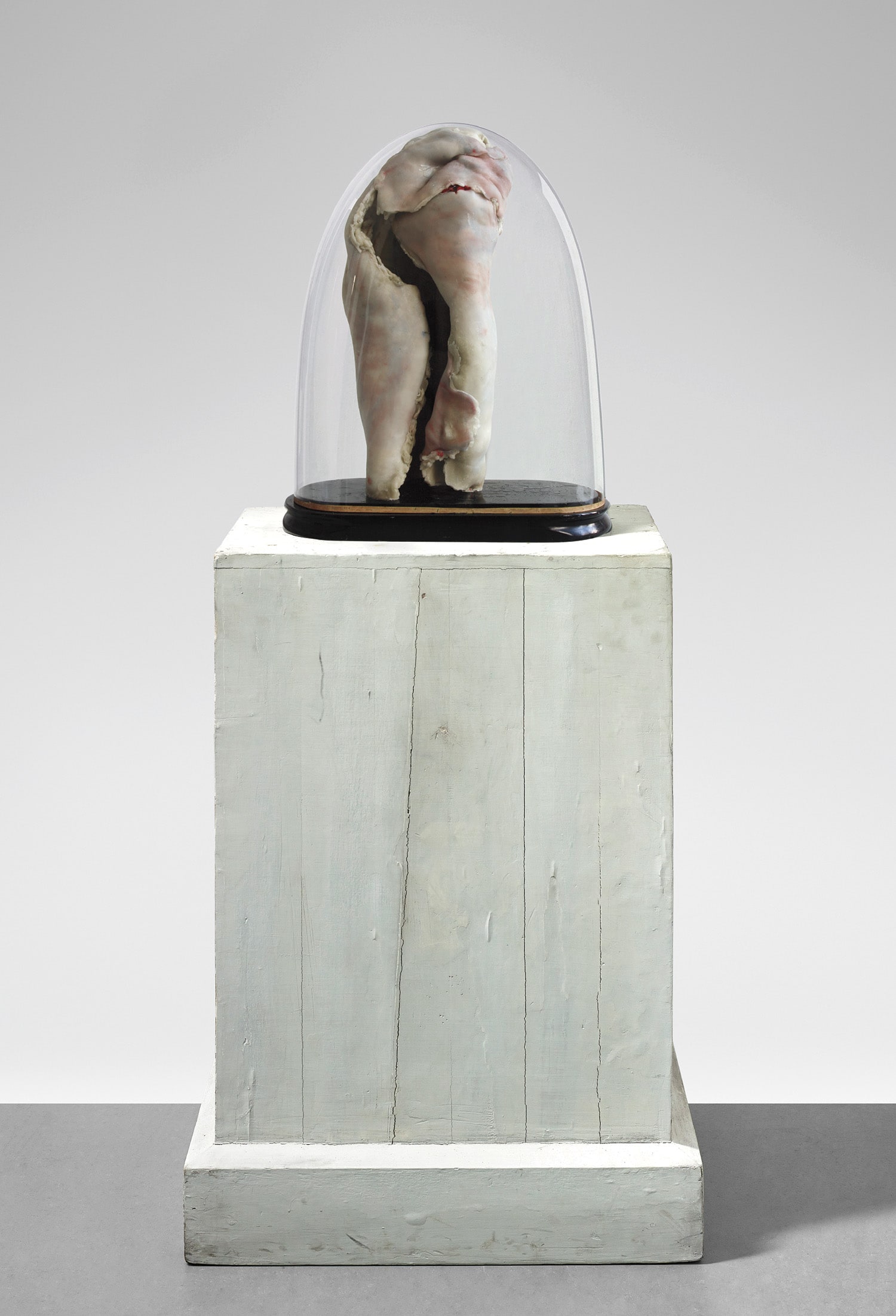
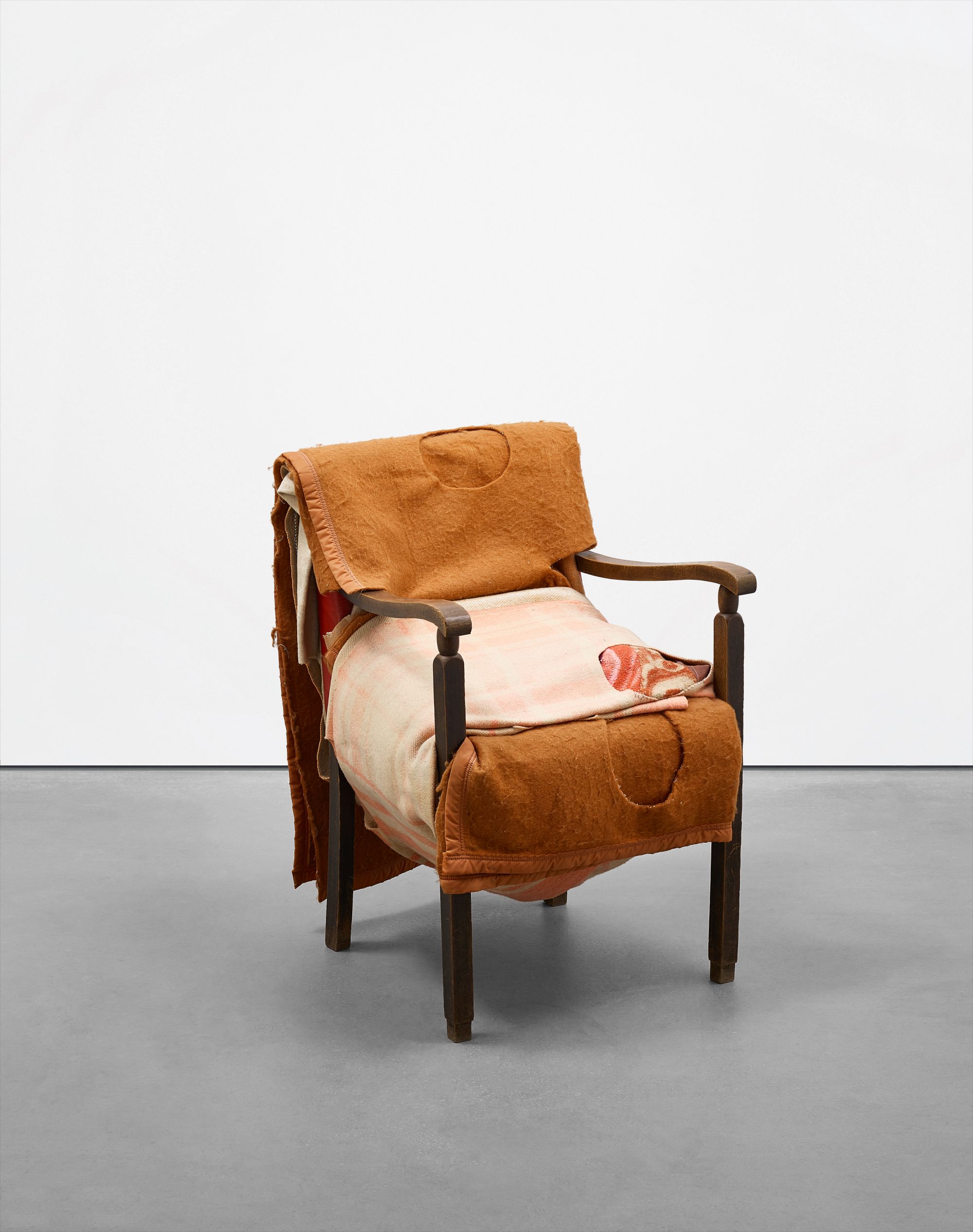
Her use of wax, horsehide, and blankets to construct forms that hover between human and animal, wounded and sheltered, has placed her among the most important European artists working today. Her work holds strong in both institutional collections and the private market, and her sustained relationships with galleries like Hauser and Wirth give collectors a reliable framework for understanding her market positioning. Ahmed Alsoudani brings a charged, politically saturated energy to visceral figuration, drawing on the trauma of war and displacement to produce drawings and paintings of remarkable density. His work is still available at price points that will likely look modest in retrospect, making him one of the more compelling mid career propositions in this space right now.
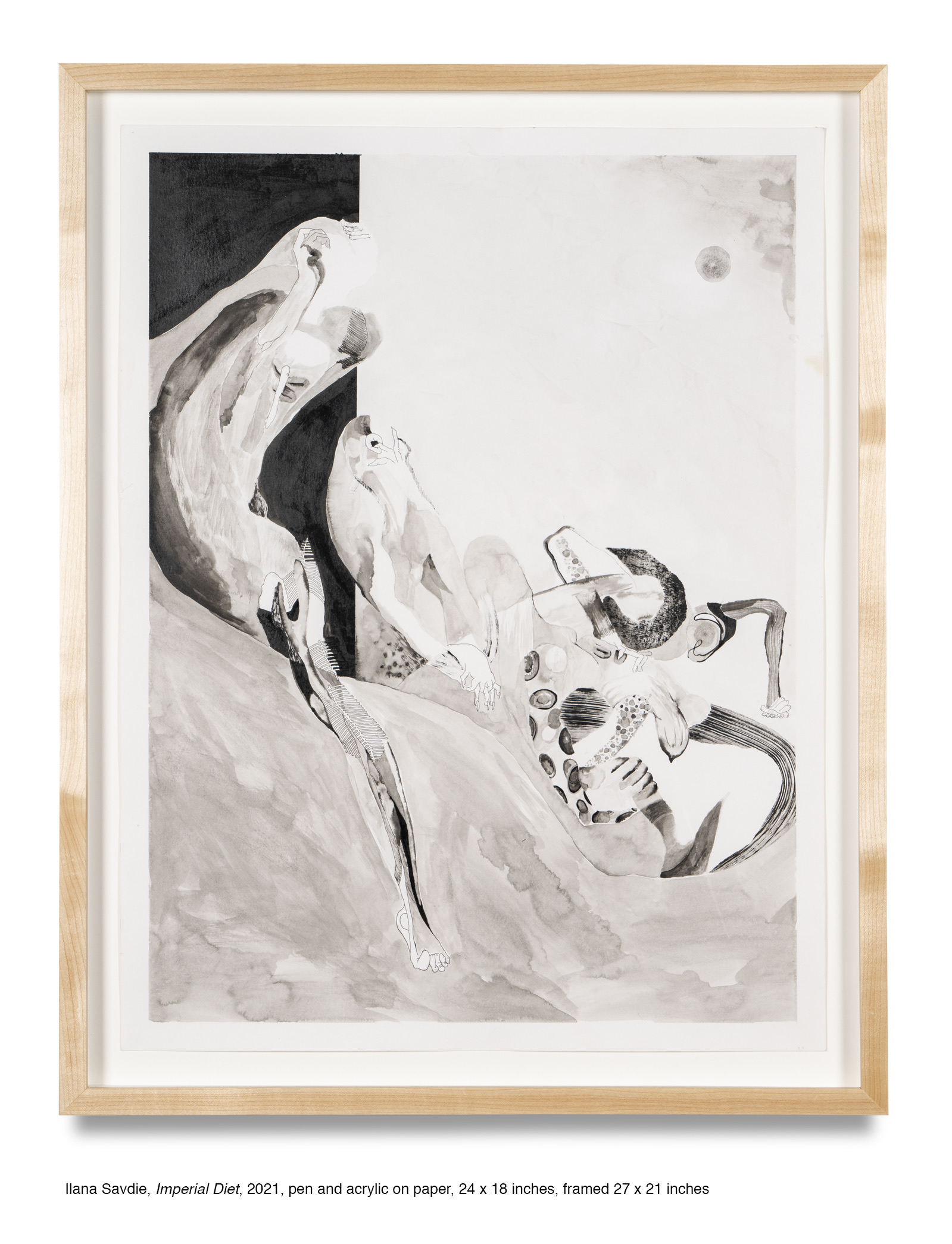
For collectors with an eye toward emerging positions, Ilana Savdie is a name that deserves close attention. Her paintings, which stage feverish encounters between bodies and environments drawn from carnival traditions and biological imagery, have gained serious institutional momentum in recent years. She is represented by White Cube, and her market is building with the kind of critical support that tends to precede significant secondary market activity. Luther Price, whose work in film and altered found imagery creates a visceral language all its own, represents a different kind of opportunity.
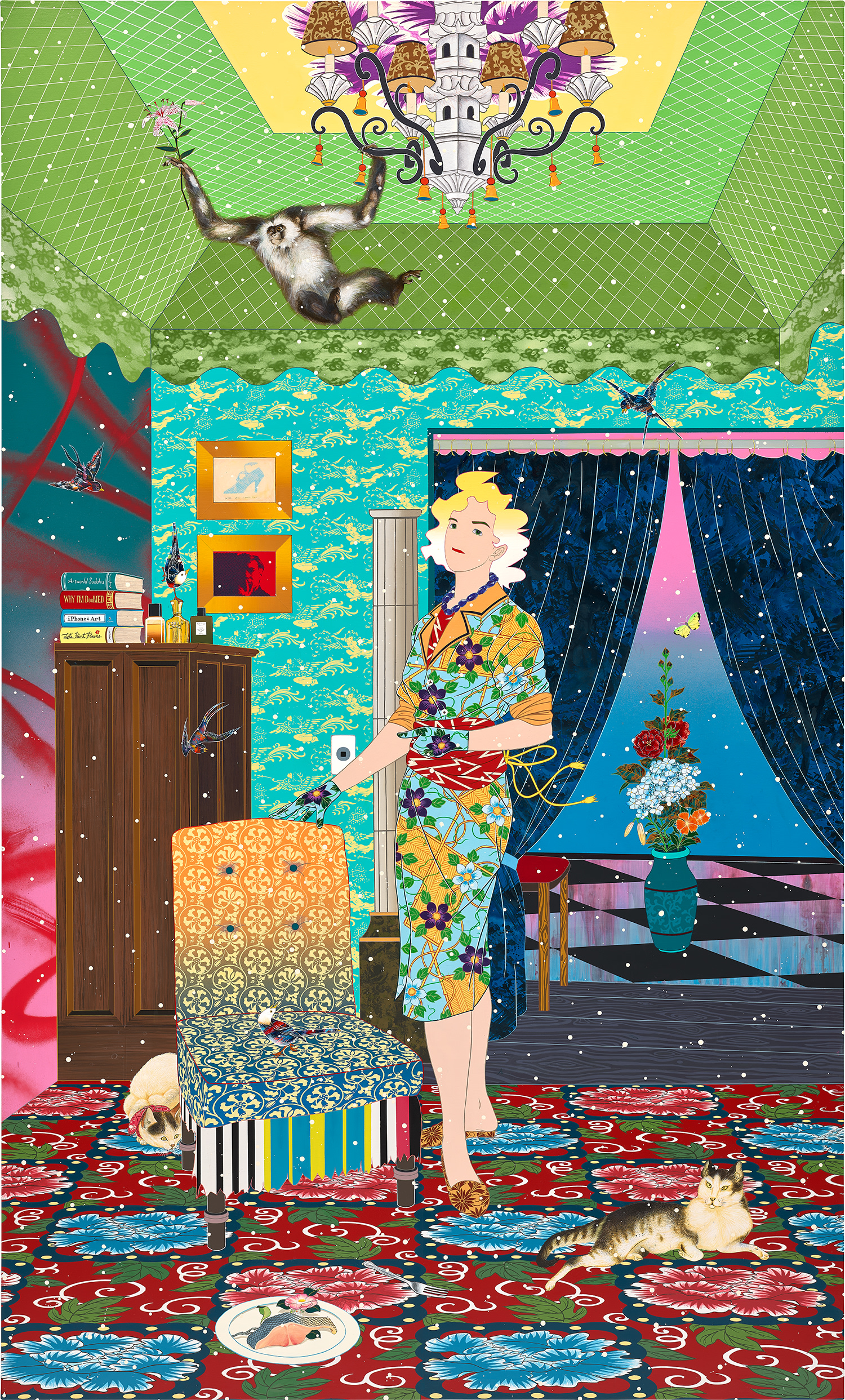
Ilana Savdie
Under questionable jurisdiction, 2020
His practice is less legible through traditional collecting frameworks, which has kept prices relatively contained, but his influence on younger image makers is substantial and his work is held in important collections. At auction, visceral imagery performs well in moments of broader cultural anxiety, which is to say it tends to perform well consistently. Works that engage the body as a site of political or psychological meaning have found consistent demand from institutional buyers as well as private collectors, and the category has shown resilience through market corrections that hit more decorative or trend driven work much harder. Condition is a particularly important consideration here.
Many artists working in this vein use unconventional materials. De Bruyckere's wax surfaces, for instance, require specific environmental conditions and careful handling. Always ask a gallery for a full condition report and conservation history before acquiring work in unusual media. For works on paper, which represent a significant portion of this market, framing with museum quality UV protective glazing is essential rather than optional.
When speaking with a gallery, the questions that matter most are around provenance, exhibition history, and whether the work has been published in a catalogue or monograph. These factors directly influence secondary market performance. For works that exist in editions, as is sometimes the case with prints and photographs in this space, understanding the total edition size and how many works have entered public collections versus private hands is critical to understanding future liquidity. Hermann Nitsch, whose Aktionsmalerei paintings are the material residue of his durational performance practice, presents a compelling case here.
The unique nature of his action paintings, tied as they are to specific events and performances, gives them a documentary weight that editions cannot replicate. Uniqueness, when it is earned by the logic of the work rather than simply asserted, remains one of the most durable drivers of value in this or any category.