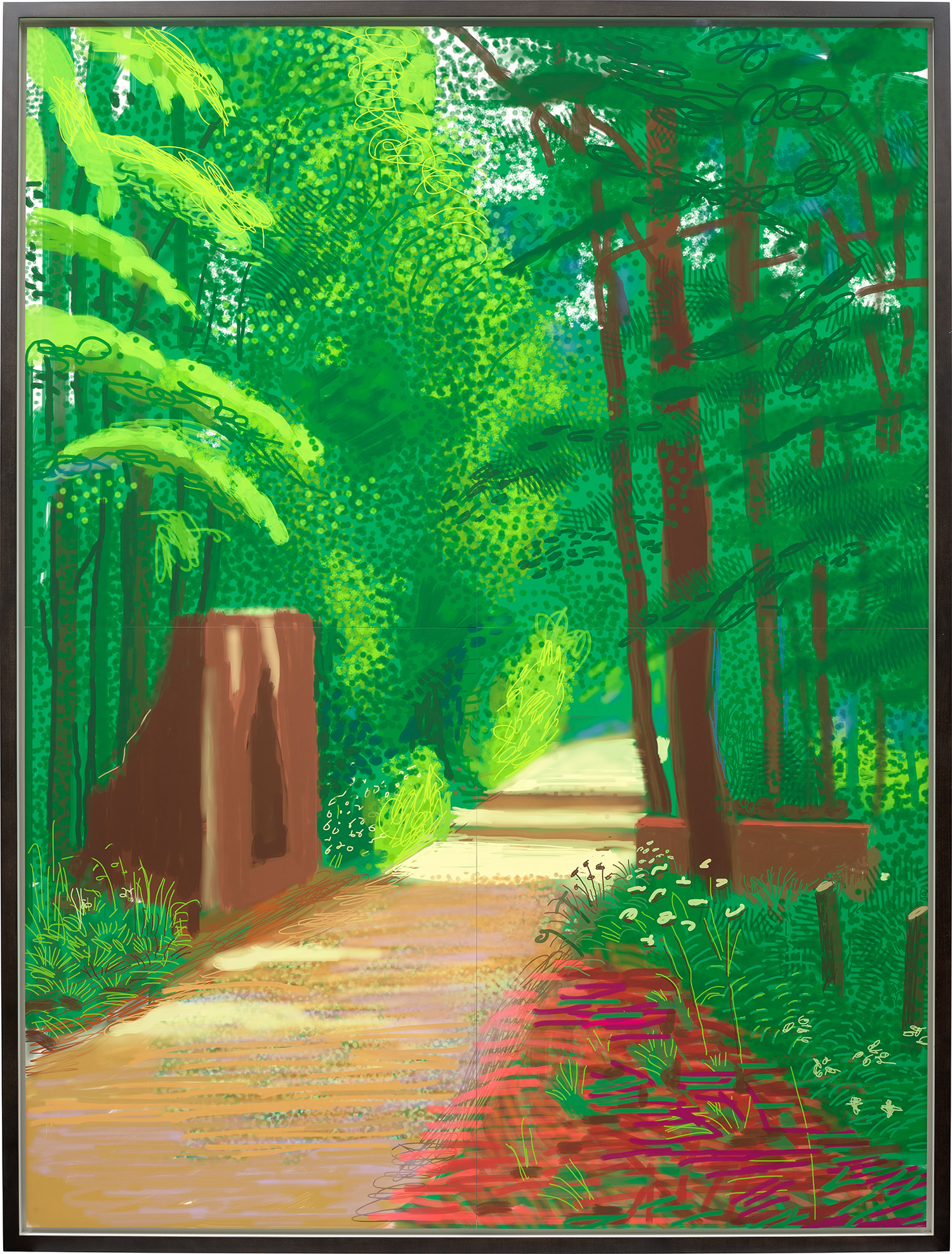
Superflat
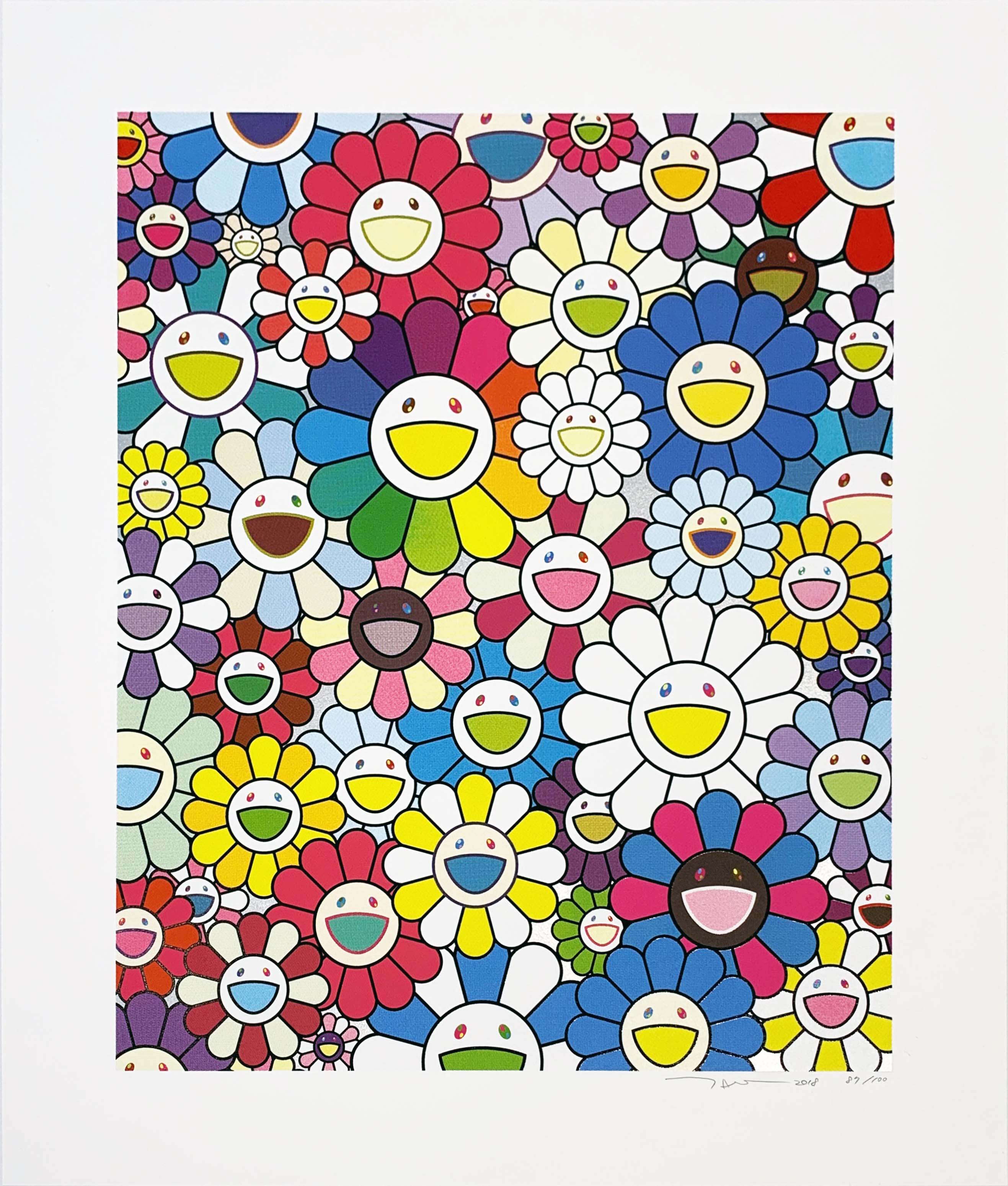
Takashi Murakami
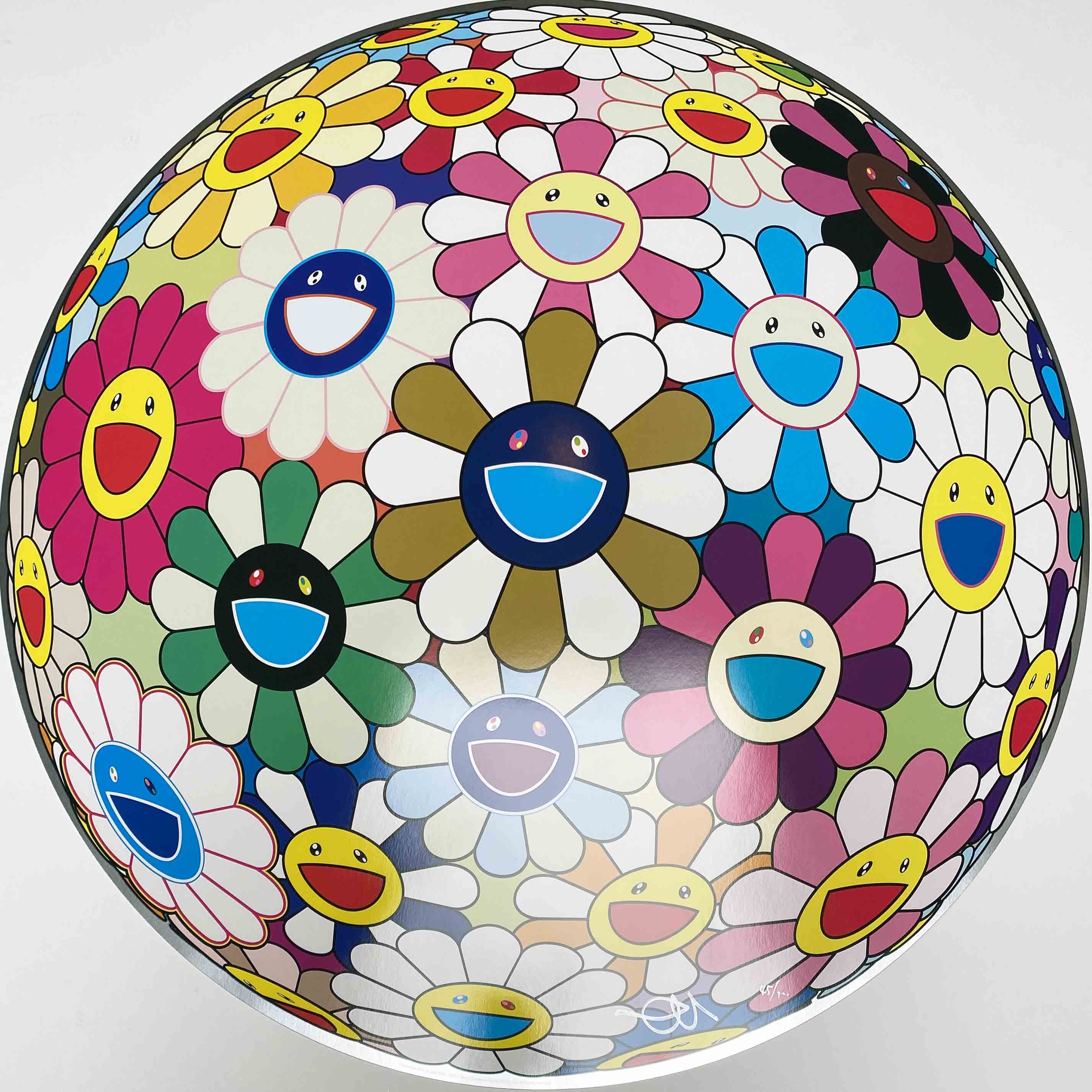
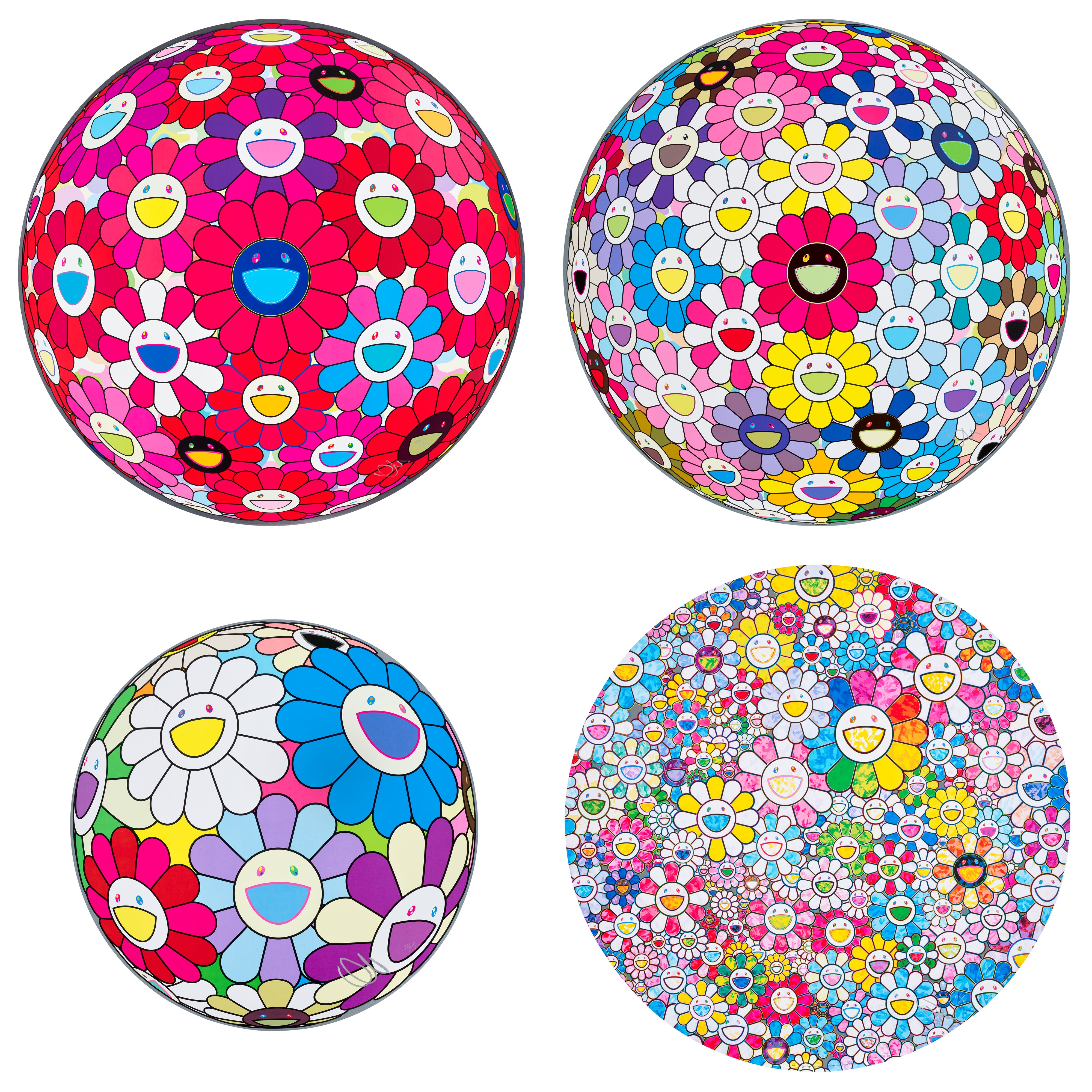
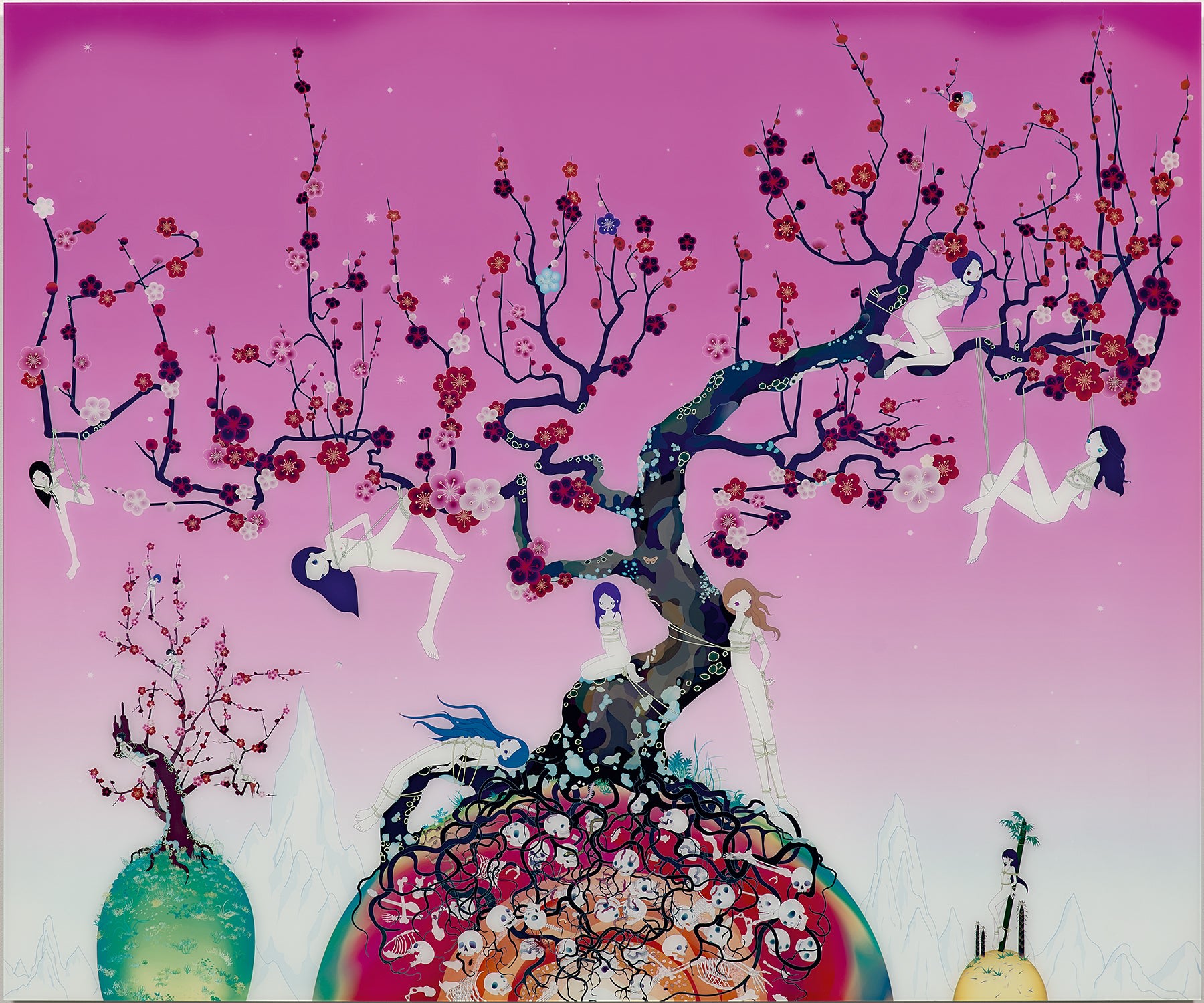
Flowers on the Island Closest to Heaven, 2018
Superflat Is Not Done With Us Yet
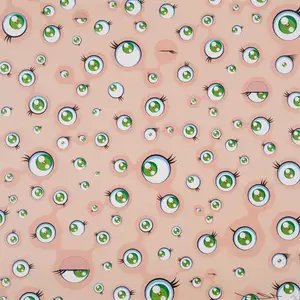
When Takashi Murakami's 'Untitled' painting sold at Phillips New York for well into the seven figures in recent seasons, the room barely flinched. That steadiness, that sense of inevitability, tells you something important about where Superflat stands today. What began as a provocation, a term Murakami coined around the year 2000 to describe the flattened visual culture of postwar Japan, has become one of the most durable and commercially vital movements in contemporary art. The question worth asking now is not whether Superflat matters, but what it is becoming.
The movement announced itself to Western audiences most dramatically through Murakami's exhibition 'Superflat' at the Museum of Contemporary Art in Los Angeles in 2001, which then traveled to Minneapolis and Seattle. That show reframed Japanese pop imagery, anime aesthetics, and consumer culture not as lowbrow curiosity but as a coherent critical language, one that had something serious to say about desire, mass production, and national trauma. Murakami was careful to position Superflat as more than personal style. He assembled artists around him, including Aya Takano and Chiho Aoshima, whose work extended the vocabulary in directions that were sometimes warmer, sometimes more unsettling than his own.
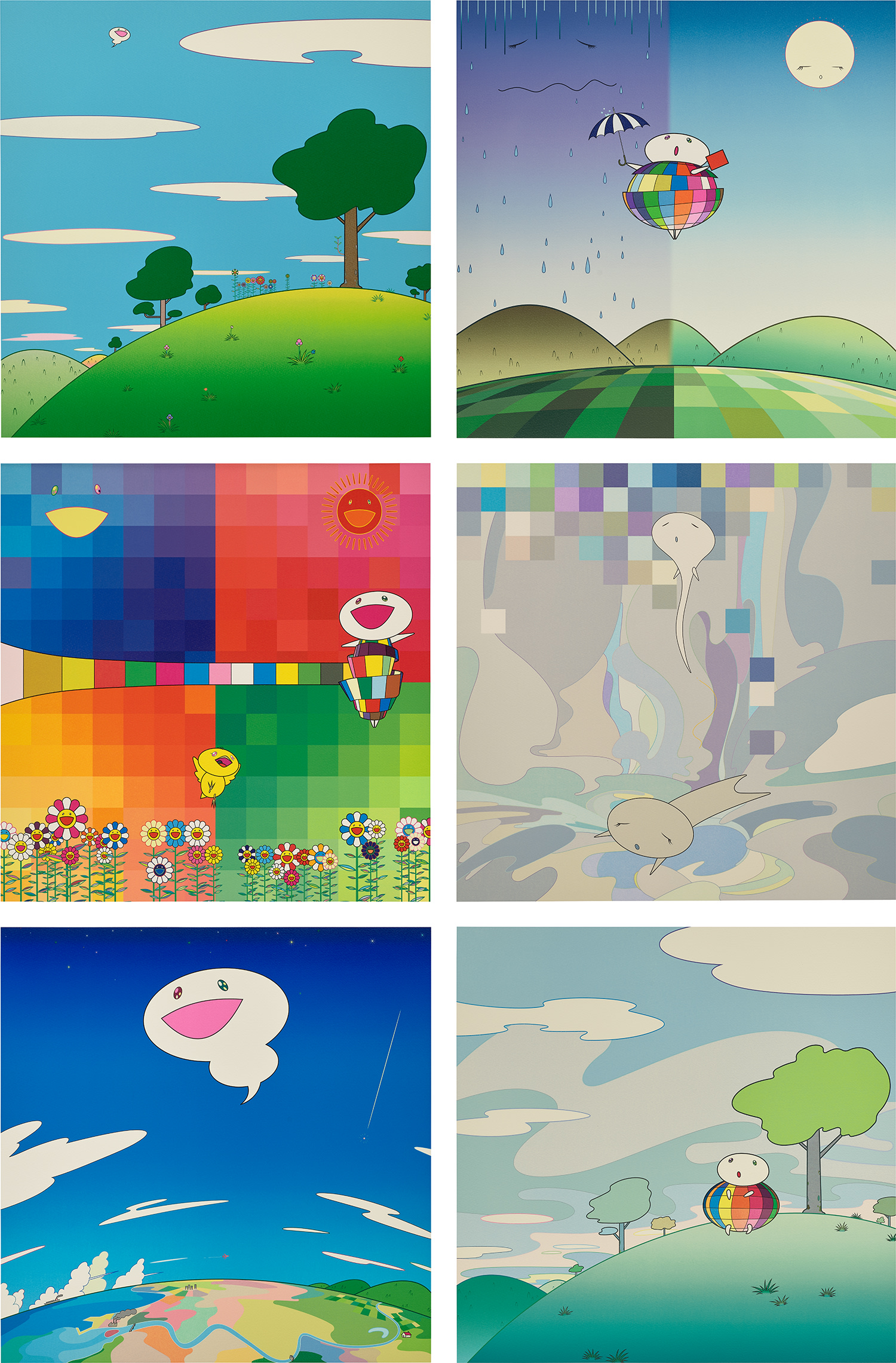
Takashi Murakami
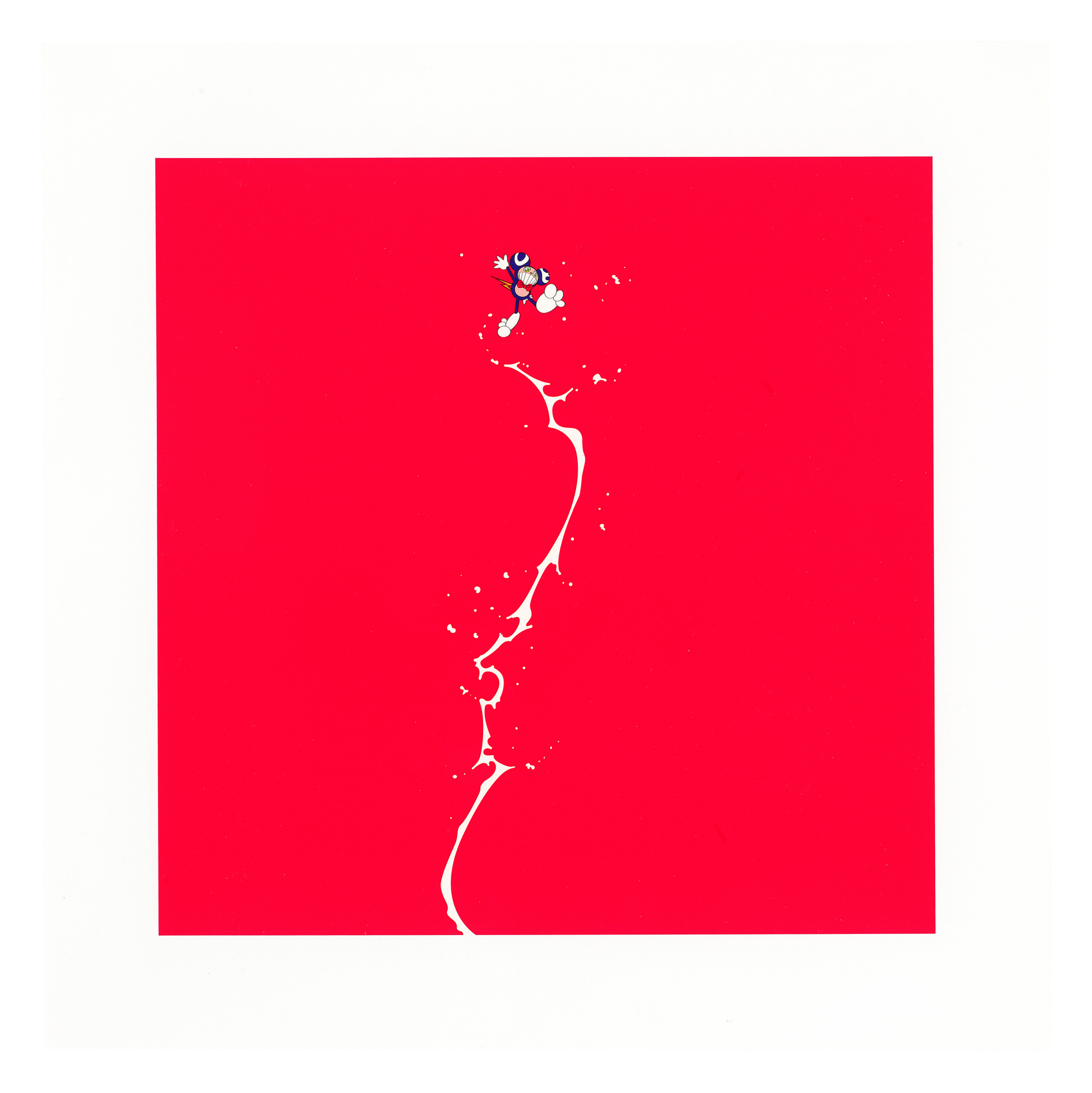
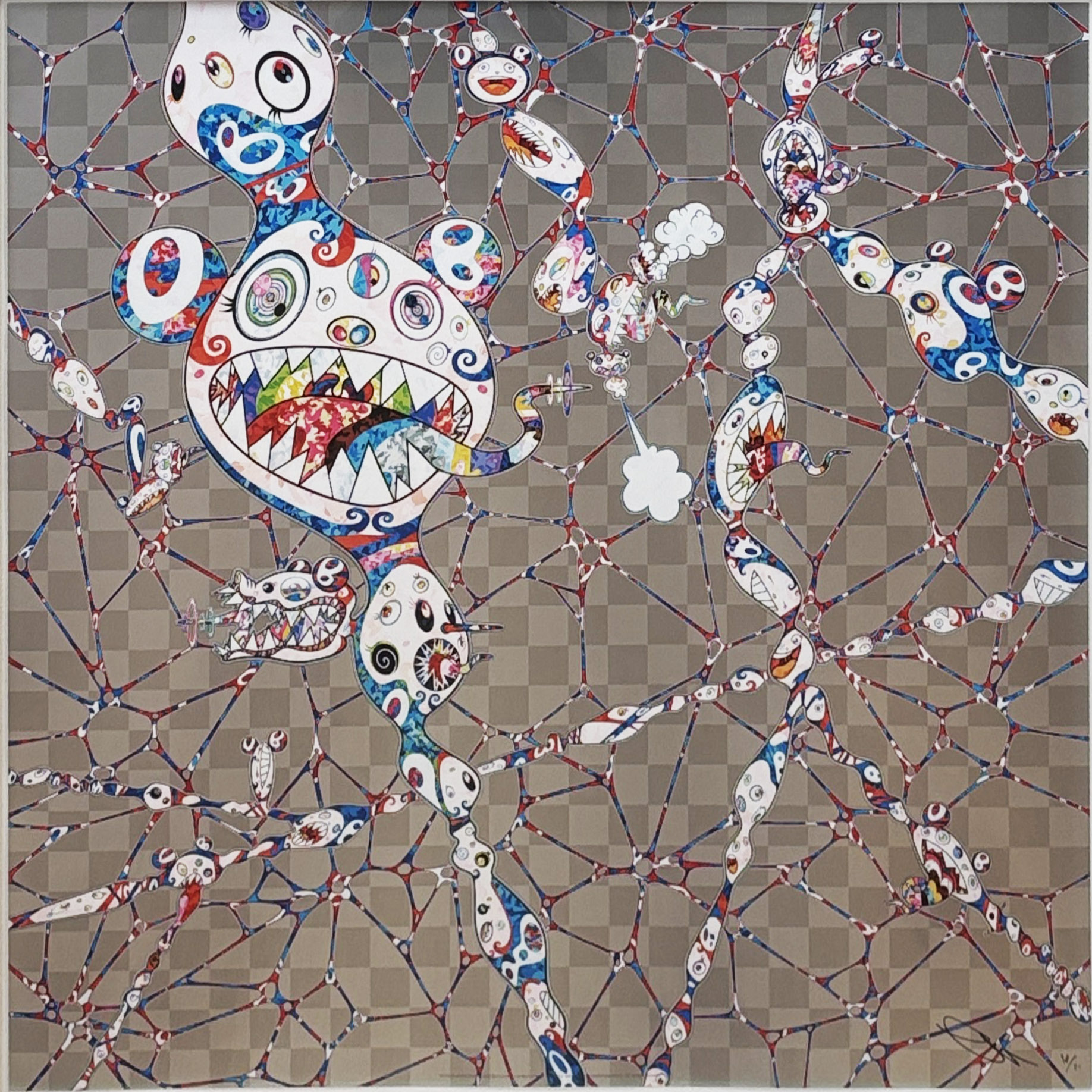
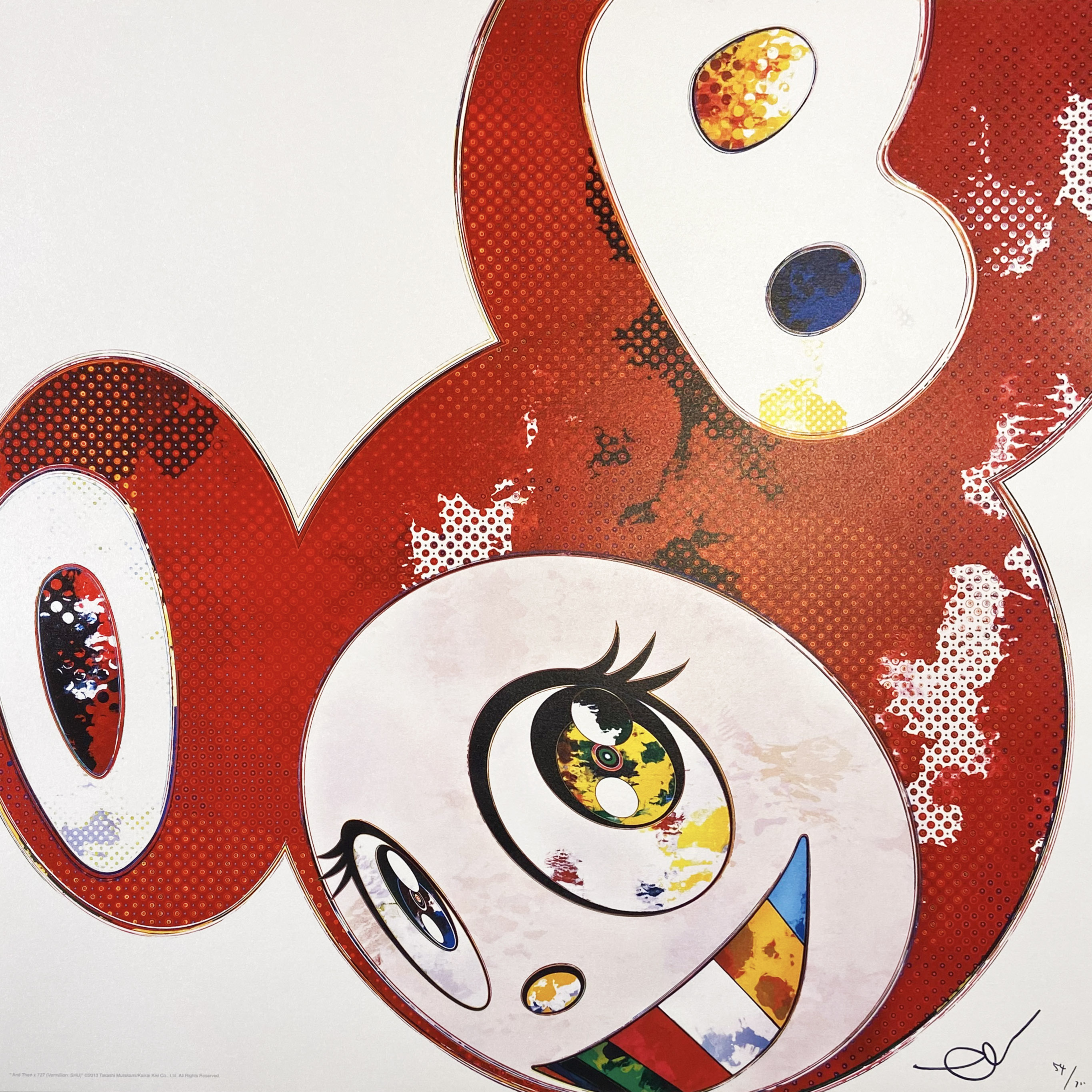
And Then x 727 (Vermillion: SHU), 2013
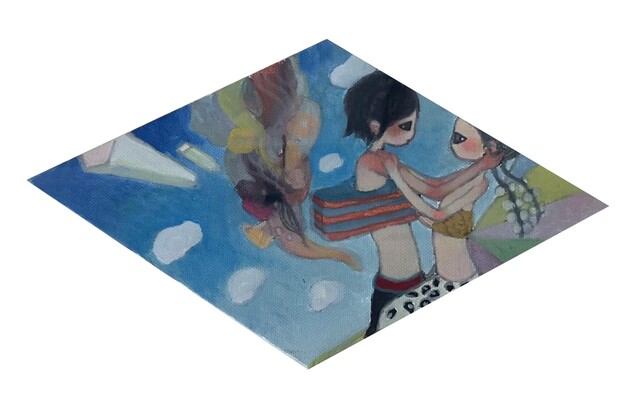
Aya Takano brings a quality to the movement that Murakami's more maximalist productions do not always reach. Her figures, often adolescent and androgynous, float through cosmic and ecological spaces with a vulnerability that feels genuinely felt rather than constructed. Her work, represented on The Collection, rewards the kind of looking that slows you down. Chiho Aoshima works in a related but distinct register, her digital paintings populated by girls and landscapes that carry an undertow of melancholy.
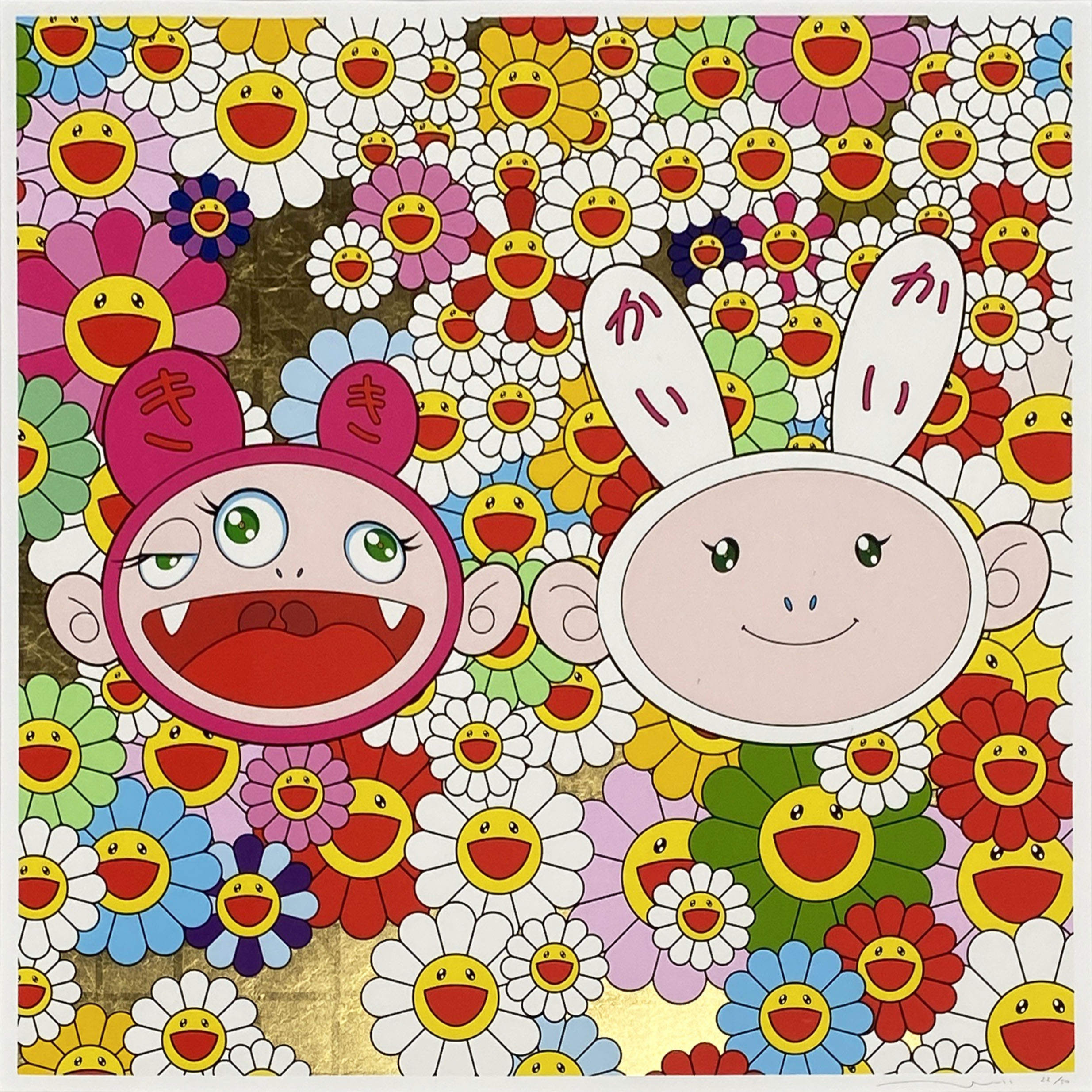
The pieces on The Collection give a sense of how Aoshima uses scale and repetition to create something close to the uncanny, even when the palette is soft. On the auction market, Murakami remains the dominant force and one of the most reliably traded names in postwar and contemporary sales globally. His best results at Christie's, Sotheby's, and Phillips in recent years have confirmed that certain signature works, particularly those featuring his iconic flower motifs and his DOB character, sit in the upper tier of market demand. The 2019 sale of 'And Then, and Then and Then and Then and Then' at Sotheby's Hong Kong for around three million dollars underscored that Asian market appetite for his work is not simply nostalgic but actively speculative.
Collectors in the region understand Murakami as a figure who belongs to world art history, not just to Japan or to a particular stylistic moment. Museum acquisitions have played a significant role in cementing that status. MoMA holds works by Murakami, and the Broad in Los Angeles has been an important institutional collector of the movement more broadly. The Museum of Fine Arts Boston and various European institutions have also moved into this space.
When museums acquire works from the Superflat orbit, they are not simply acknowledging popularity. They are making an argument that this work belongs in dialogue with Warhol, with Lichtenstein, with the full arc of pop art's engagement with consumer culture. That argument is now largely settled, and the settling of it has consequences for value. The critical conversation around Superflat has grown considerably more nuanced since the early debates about whether Murakami was celebrating or critiquing the culture he depicted.
Writers like curator Midori Matsui and scholars writing in journals such as Third Text and Art Journal have pushed the discourse toward questions of postcoloniality, of what it means for Japanese artists to adopt and transform the visual language that American occupation and media culture imposed on Japan after 1945. That framework makes Superflat feel less like a pop art revival and more like a form of aesthetic reckoning. It also makes the work harder to reduce to its surface appeal. Frieze and Artforum have both returned to Superflat periodically over the past decade, usually in the context of larger pieces about anime's influence on contemporary art or about the art market's relationship with Asia.
What those pieces often find is that the movement is more porous and more alive than it might appear from the outside. Younger artists working in Tokyo, Los Angeles, and Seoul are drawing on Superflat's grammar without necessarily claiming allegiance to it. The flat picture plane, the merger of high and low, the debt to manga and animation, these have become available tools in a broader global visual language. What feels alive right now is the conversation between Superflat and digital culture.
NFTs brought Murakami into that arena in a complicated and very public way, and while the initial frenzy has passed, the underlying question remains interesting. How does a movement built around the aesthetics of reproduction and flatness translate into a world where images exist primarily as data? Murakami has approached that question with characteristic restlessness, and his experiments continue to draw attention even when they divide opinion. For collectors, that restlessness is part of the proposition.
What feels settled is the canonical status of the core works. Strong examples by Murakami, Takano, and Aoshima are unlikely to become cheaper or less sought after as institutional and scholarly attention continues to build. If anything, the supply of museum quality material is becoming more constrained as works enter permanent collections. For those looking at The Collection, the breadth of Murakami's presence alongside the more intimate holdings of Takano and Aoshima offers a genuine opportunity to understand the movement not as a single artist's vision but as a conversation across sensibilities.
That conversation started in Osaka and Los Angeles in the late 1990s and it is still very much in progress.