Seated Figure
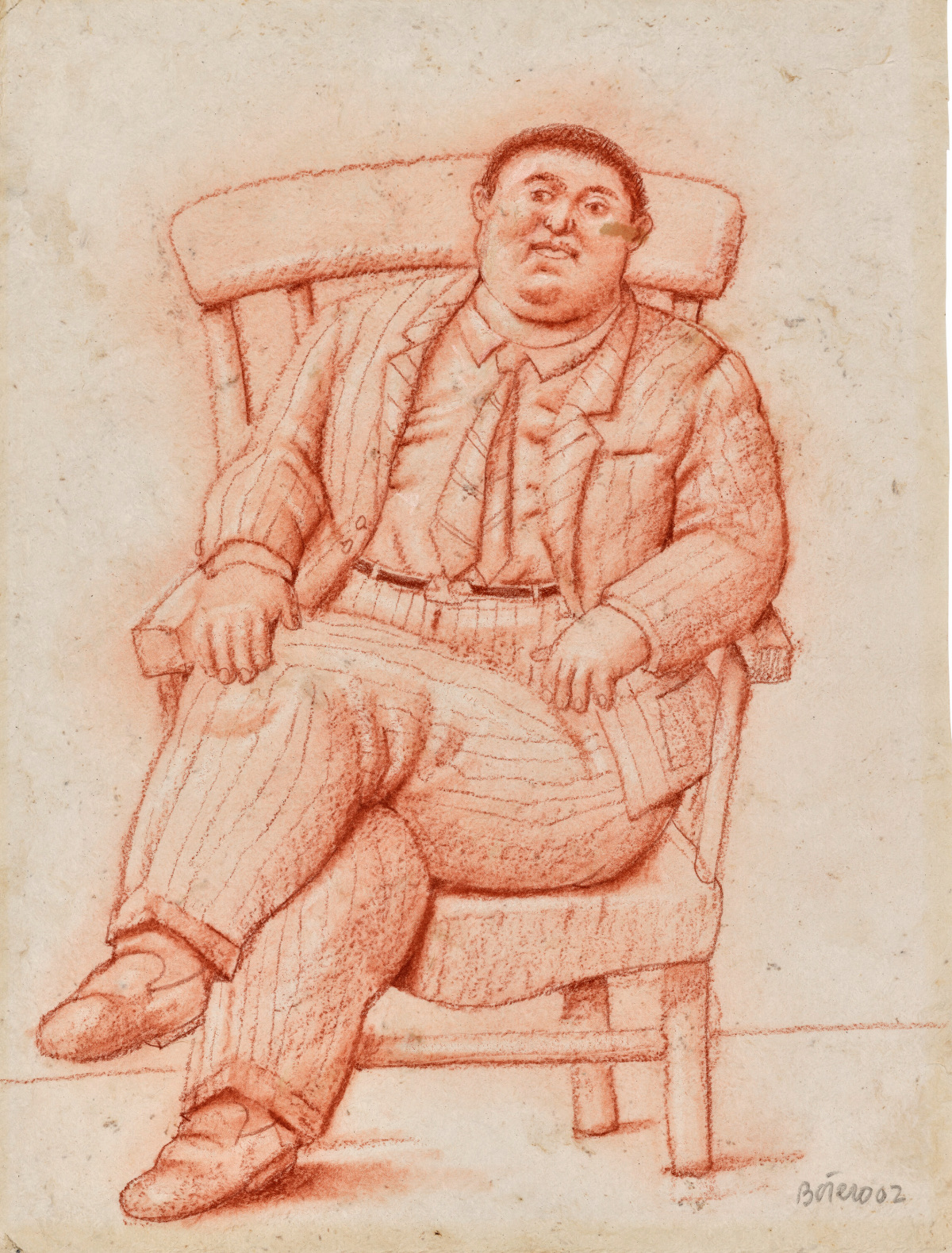
Fernando Botero
Seated Man, 2002
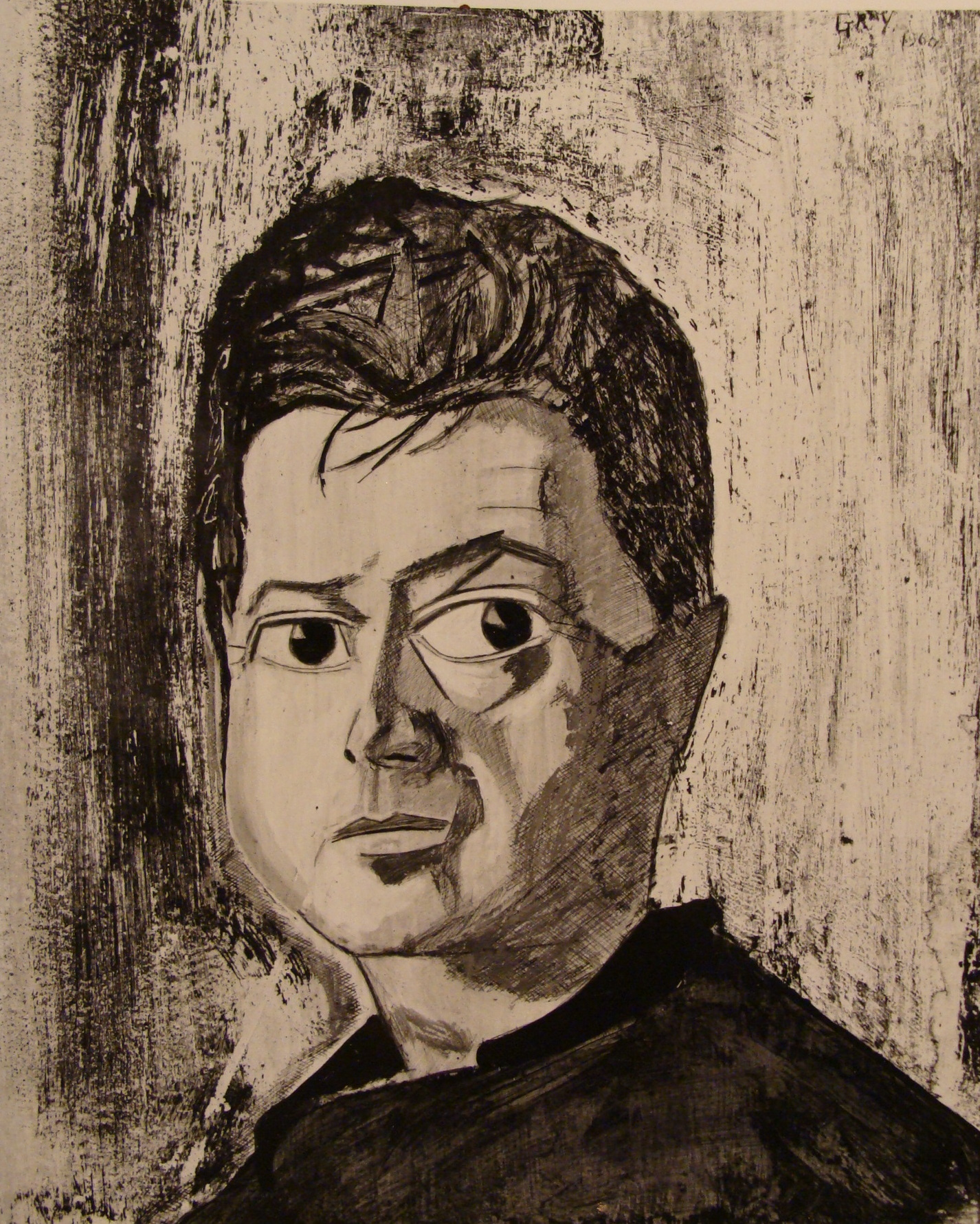
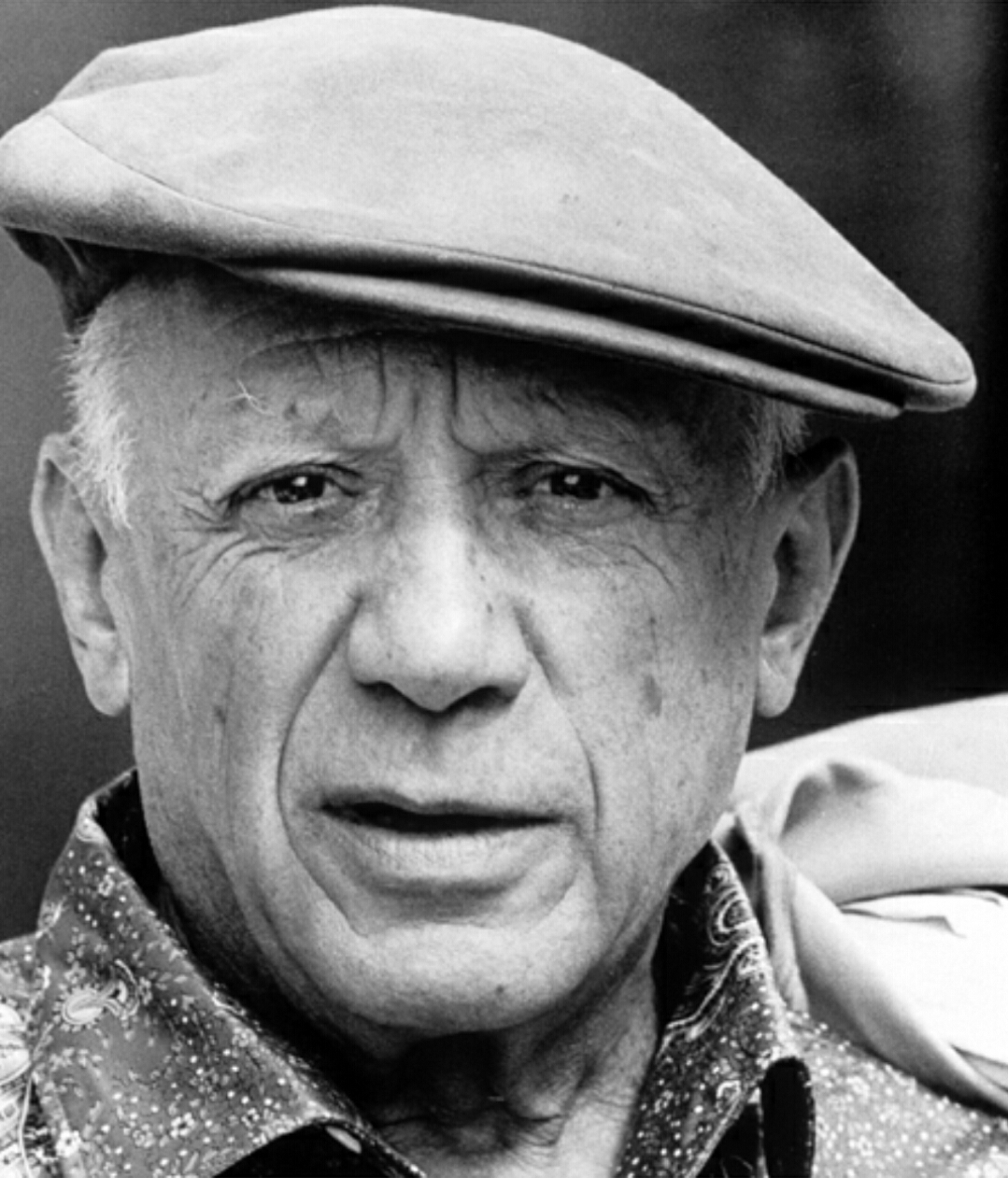
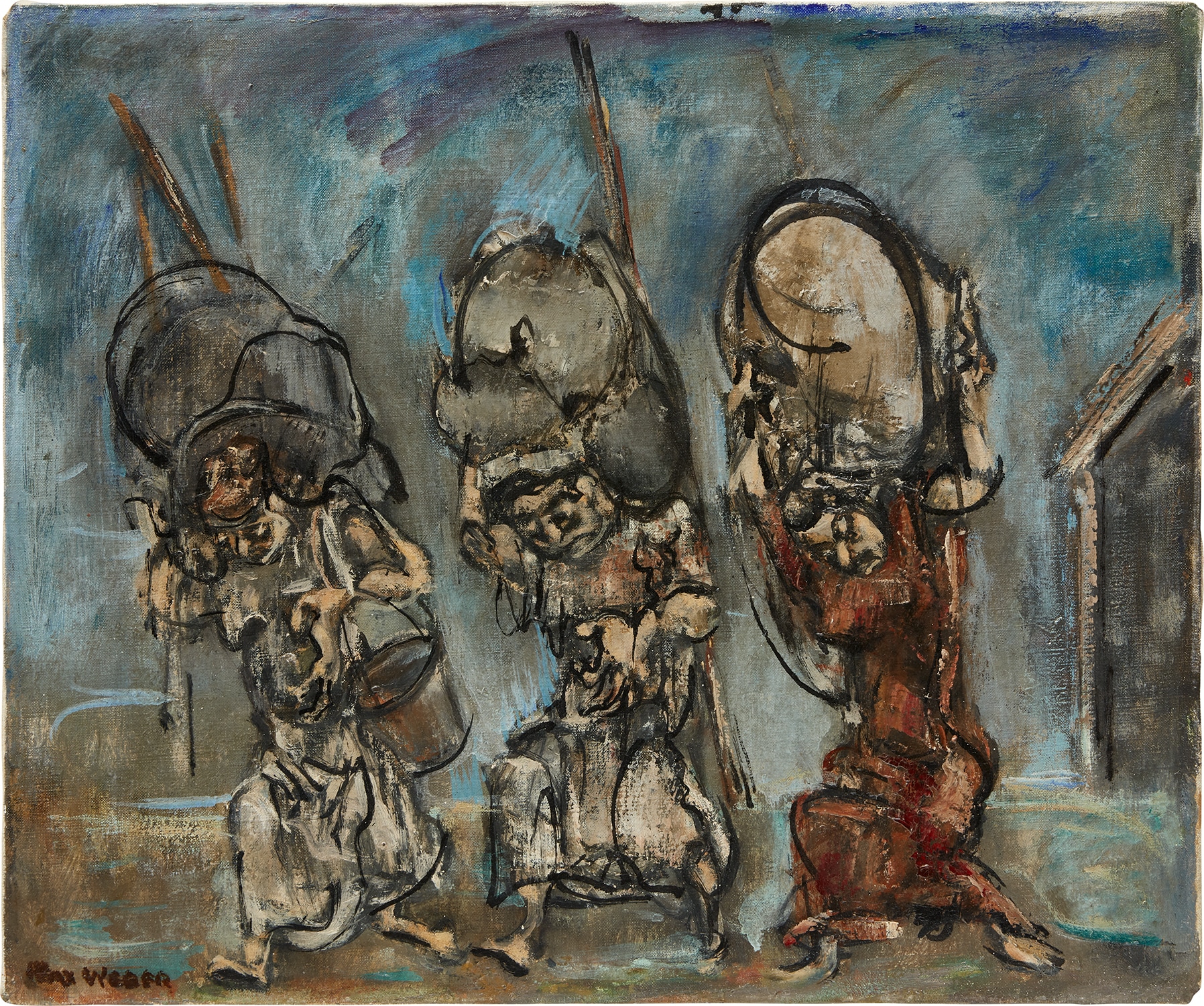
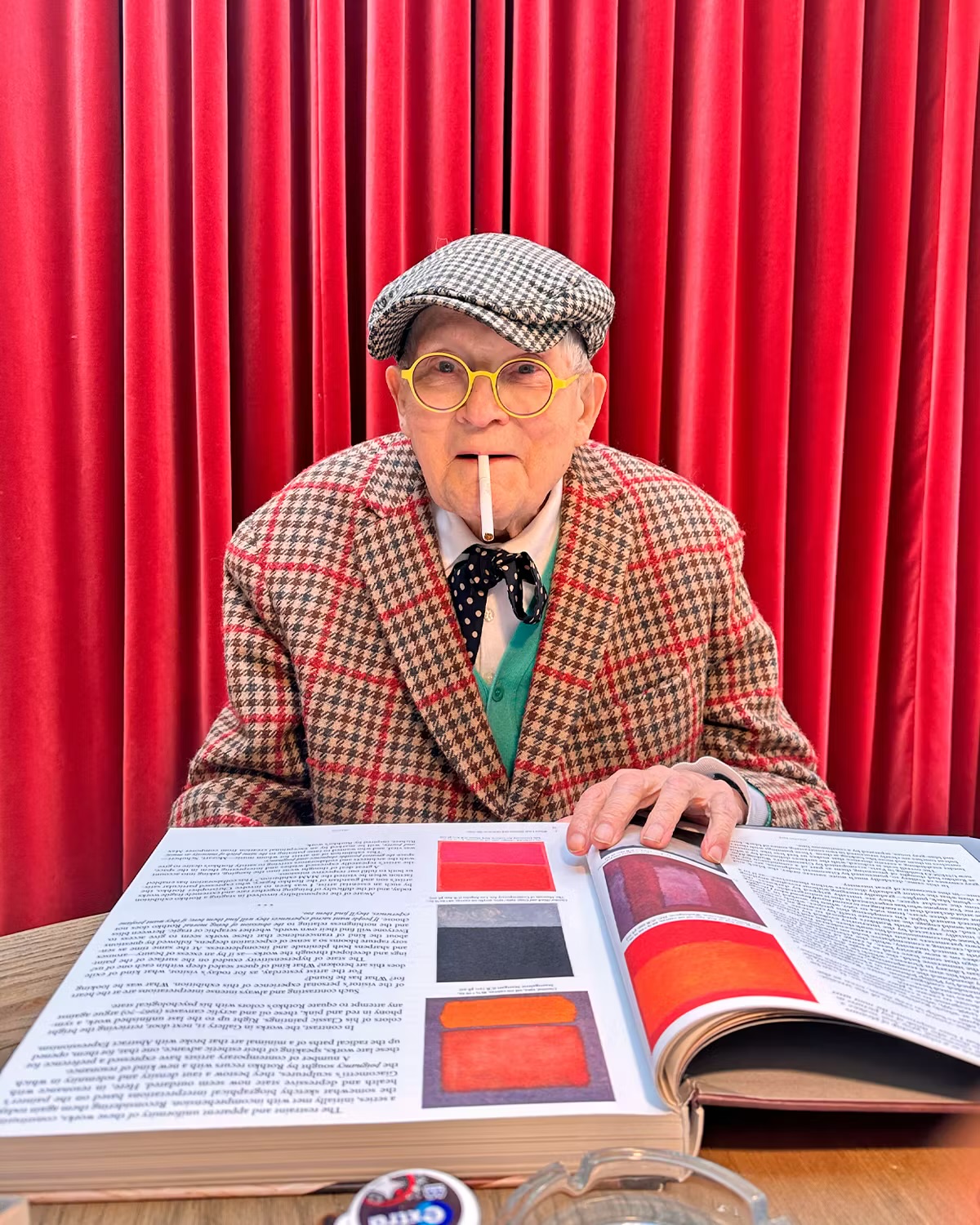
The Seated Figure Will Not Sit Still
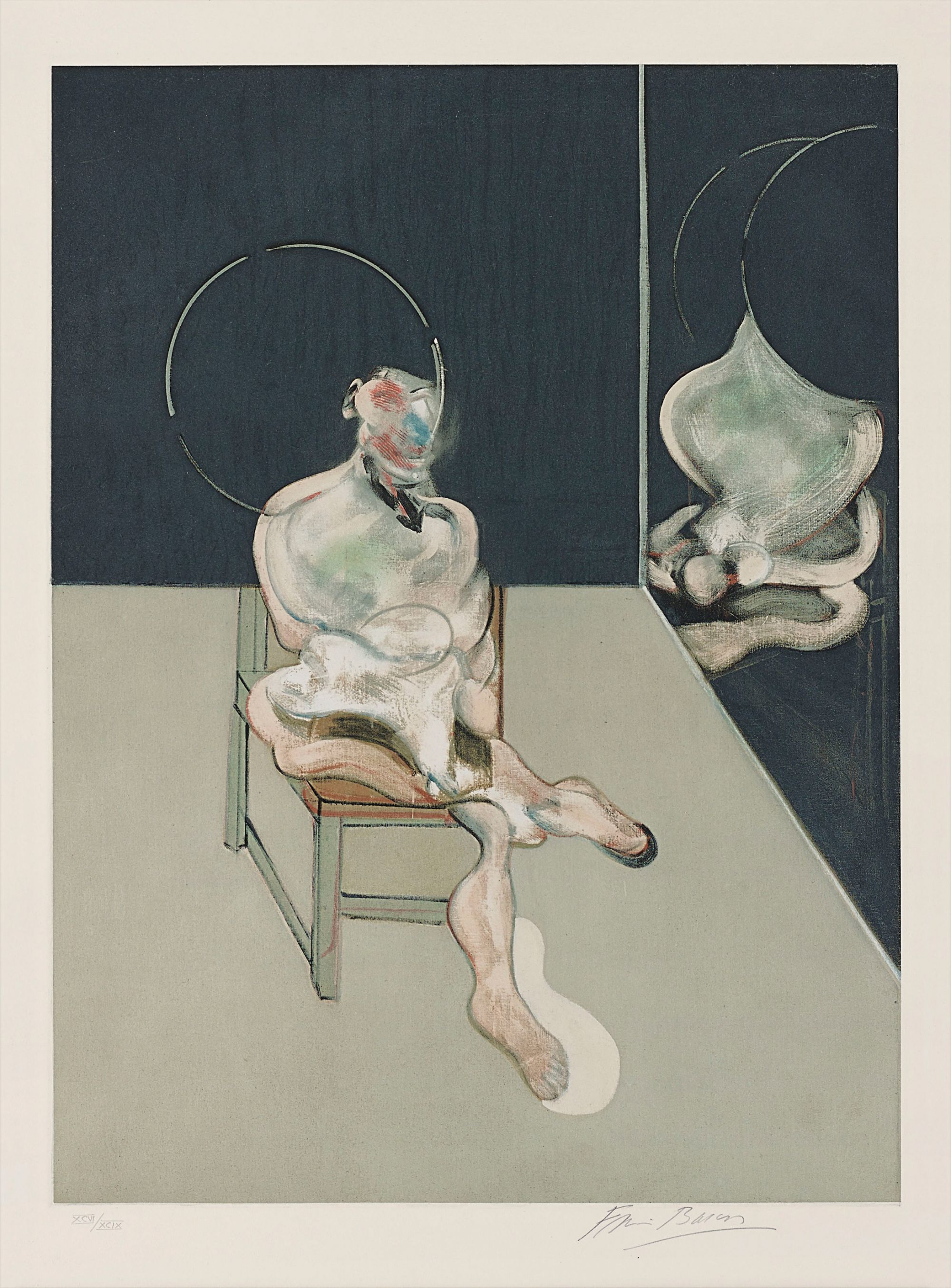
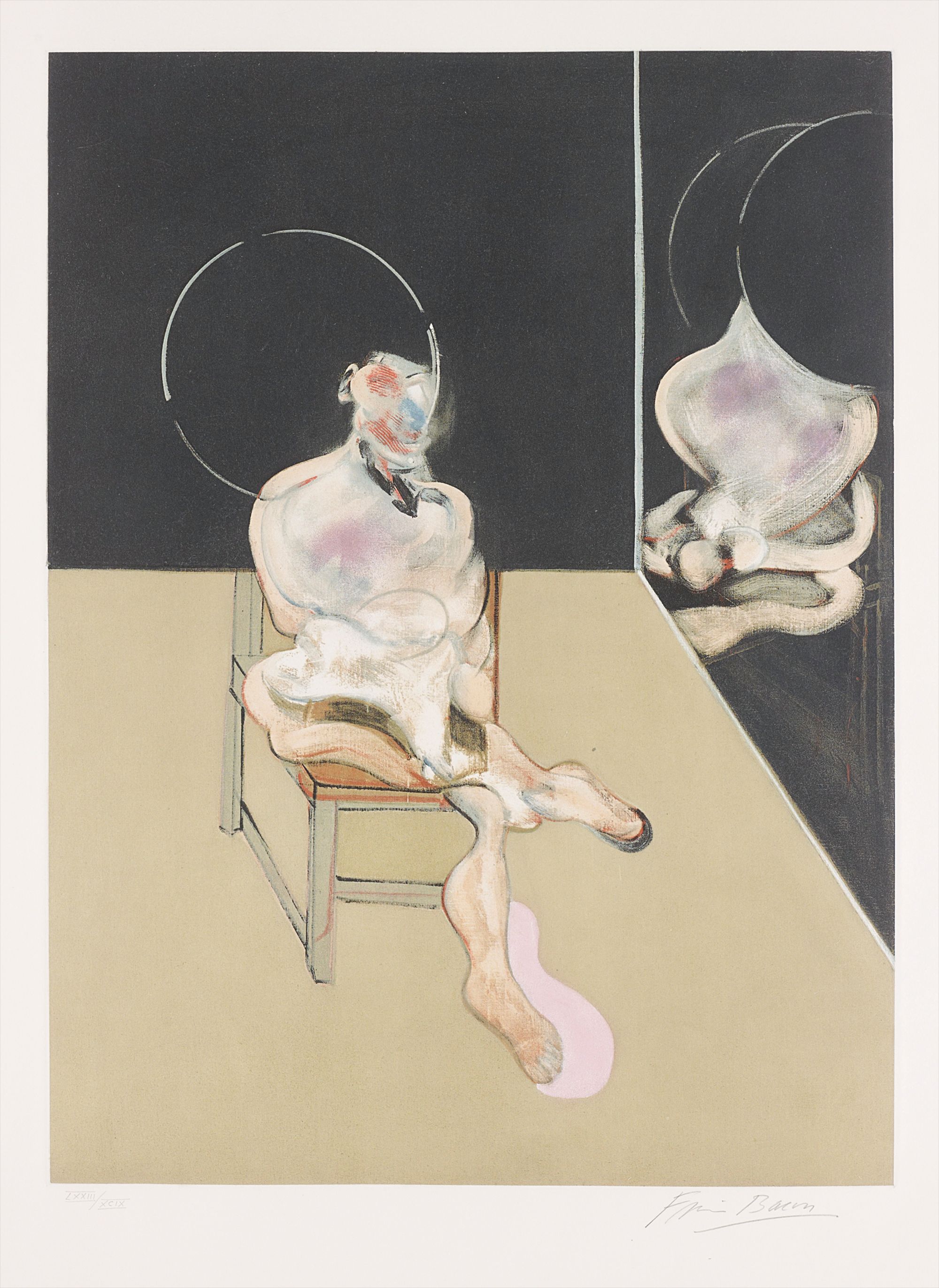
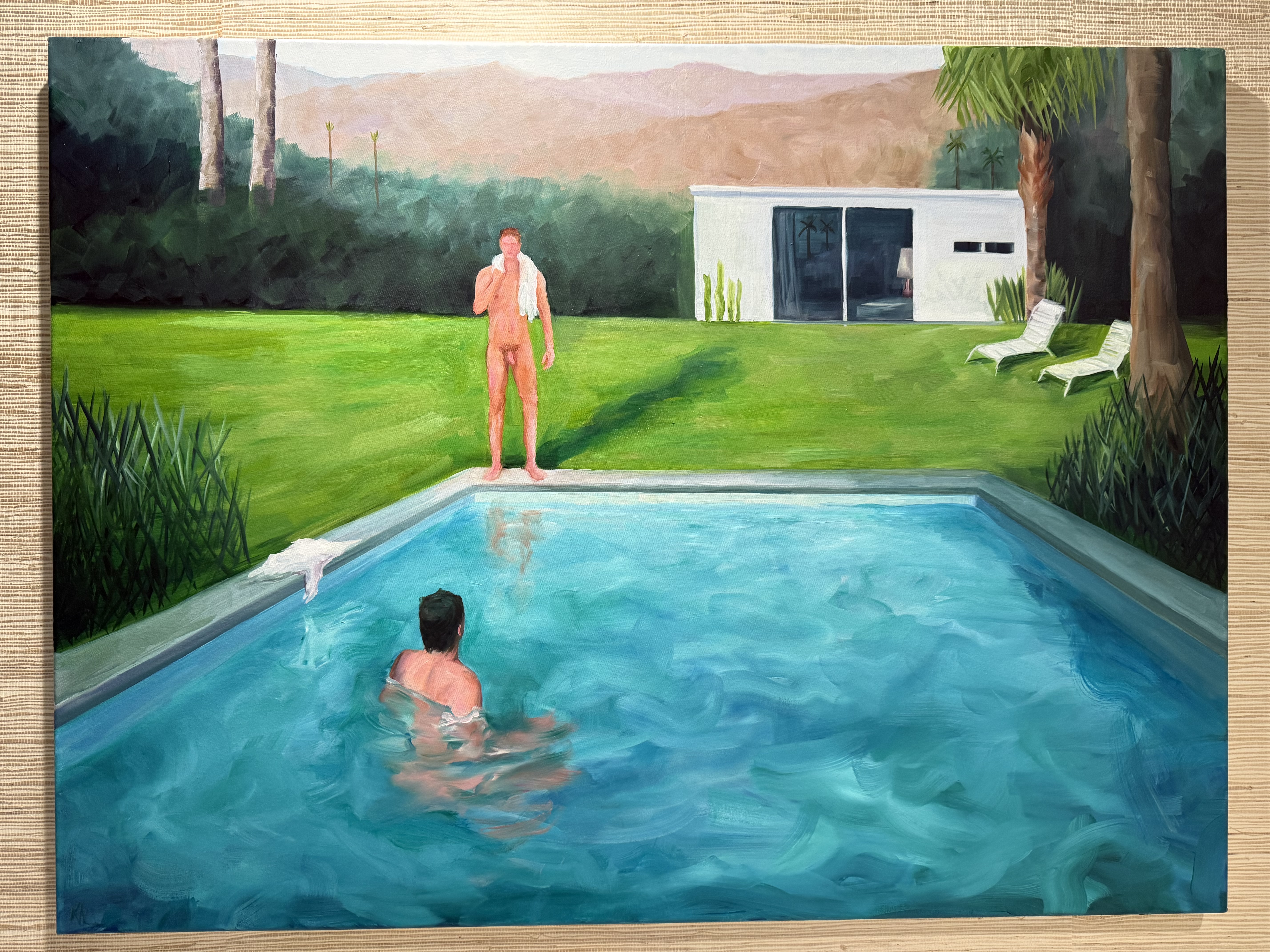
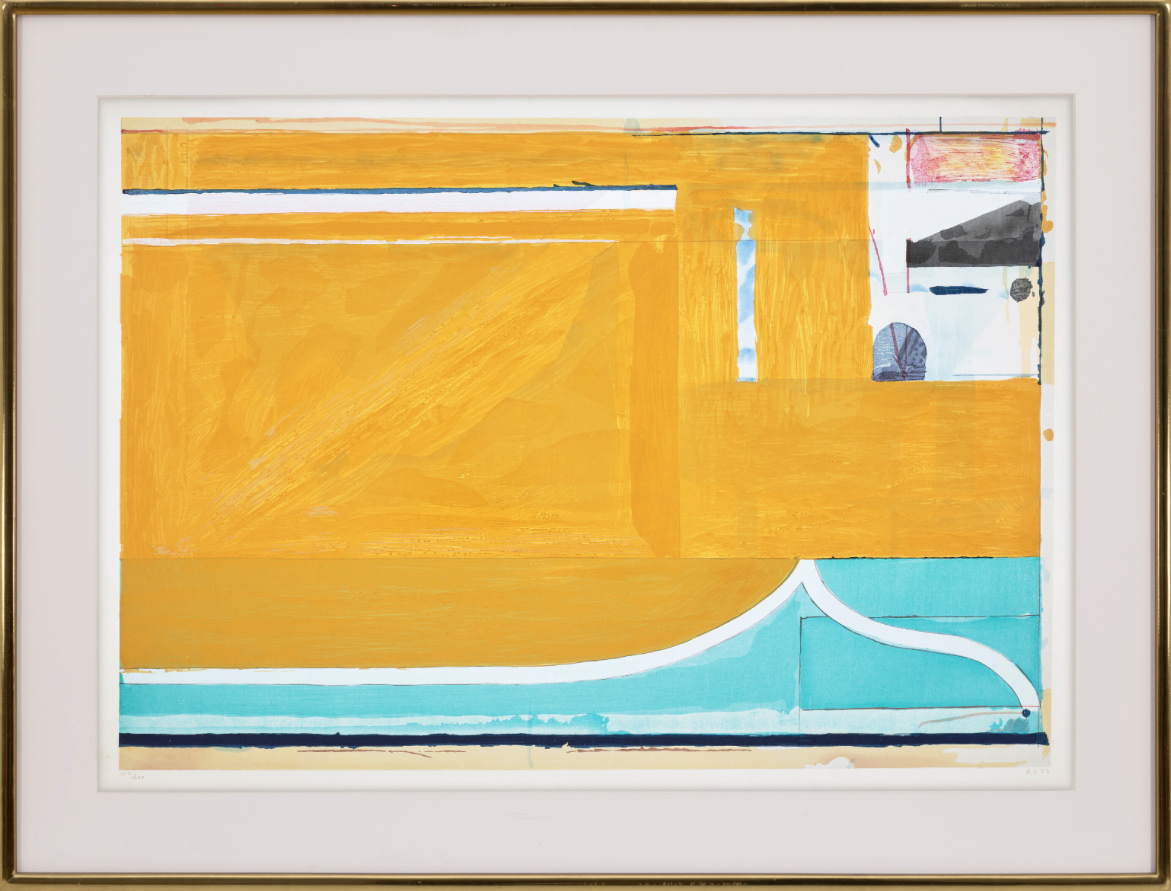
Last year, a Francis Bacon triptych anchored around the seated human form crossed the block at Christie's and reminded everyone in the room why this subject refuses to age out of relevance. Bacon's contorted, isolated figures, trapped on their pedestals and thrones and bare mattresses, have become a kind of shorthand for postwar psychological dislocation. But the seated figure is not Bacon's alone. It belongs to the full sweep of human image making, from the votive statuary of ancient Egypt to the cool chromatic interiors of Richard Diebenkorn, and right now the market and the museum world are both paying close attention.
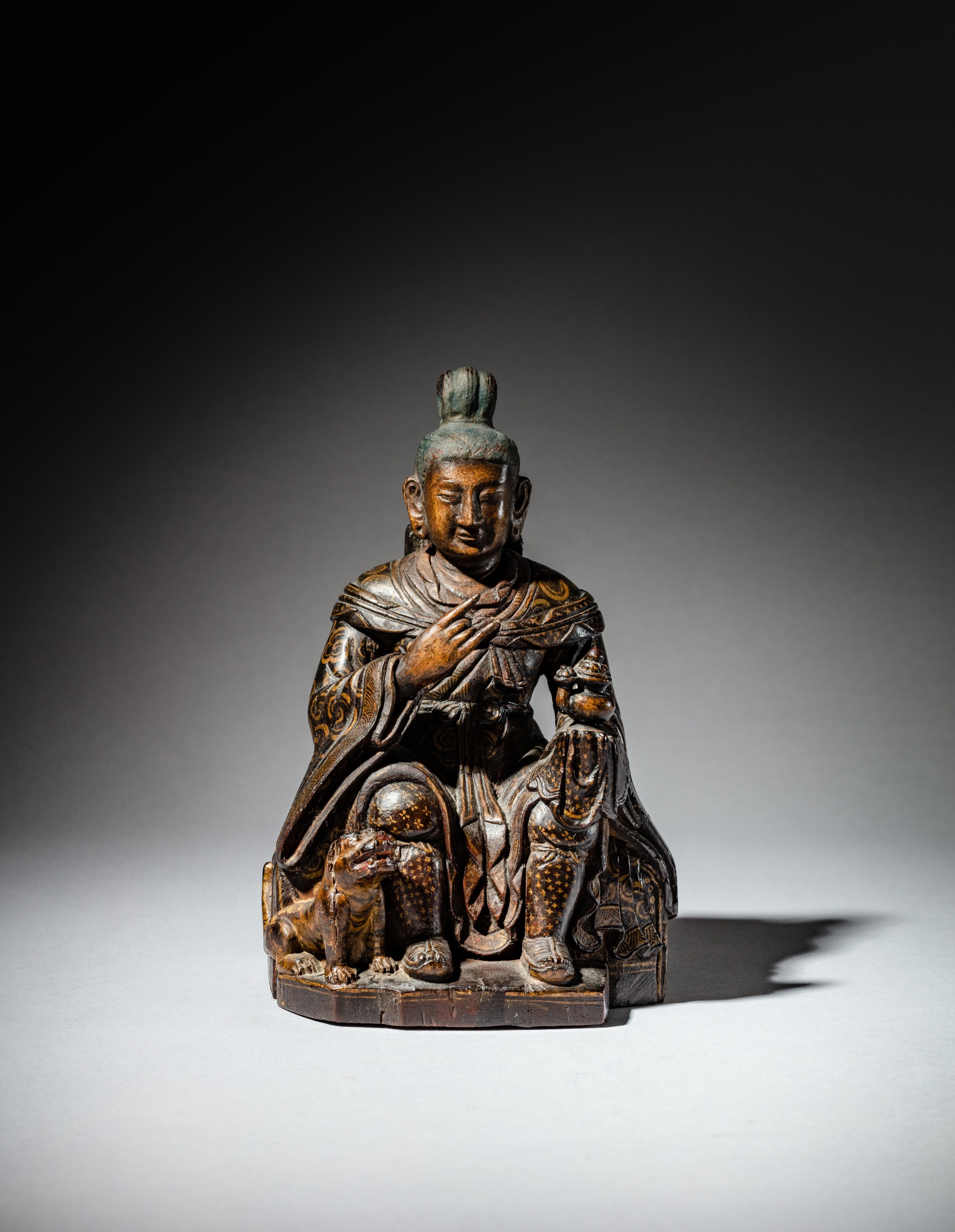
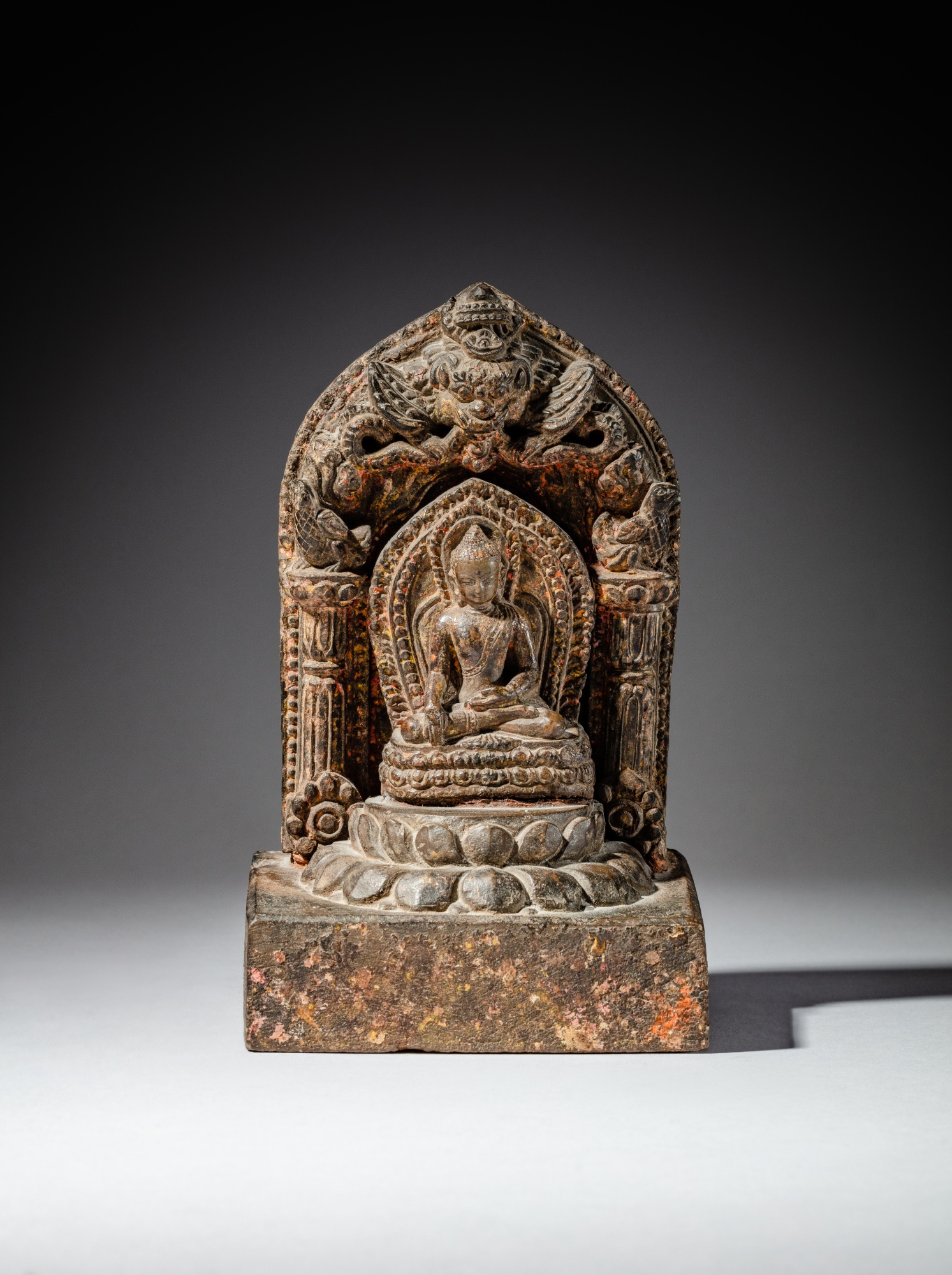
The appetite for this subject across periods and media is striking. When the Metropolitan Museum of Art staged its extended presentation of ancient and non Western sculptural objects in recent years, seated figures in bronze, jade, and stone drew some of the longest contemplation from visitors. A celadon jade figure of a Luohan, the kind of meditative seated presence that radiates compressed spiritual authority, commands serious attention both aesthetically and commercially. Buddhist seated figures in bronze and copper alloy have seen sustained collector interest, particularly from buyers in Asia and from Western institutions building out their Asian art holdings with more intentionality than previous generations allowed.
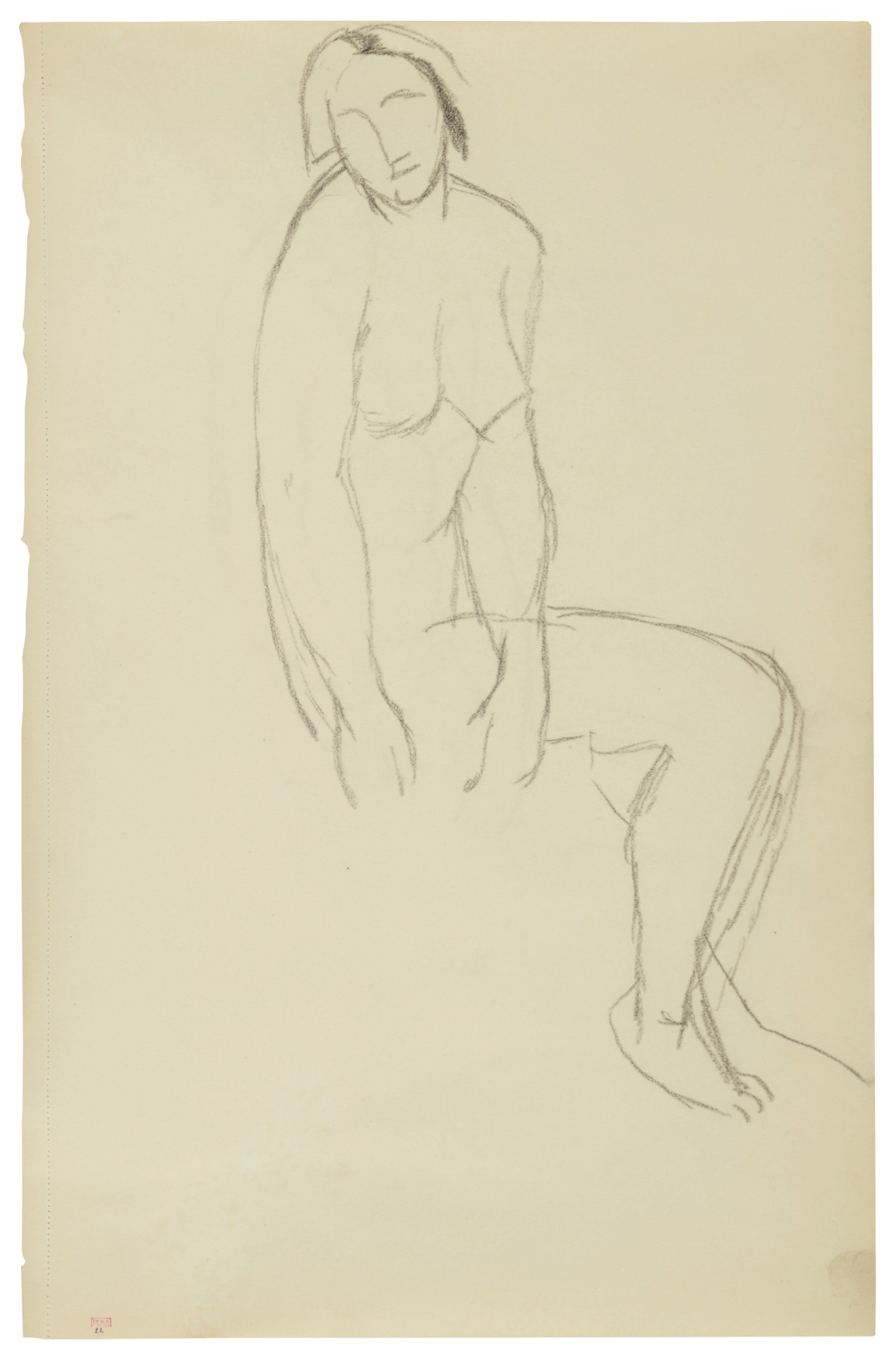
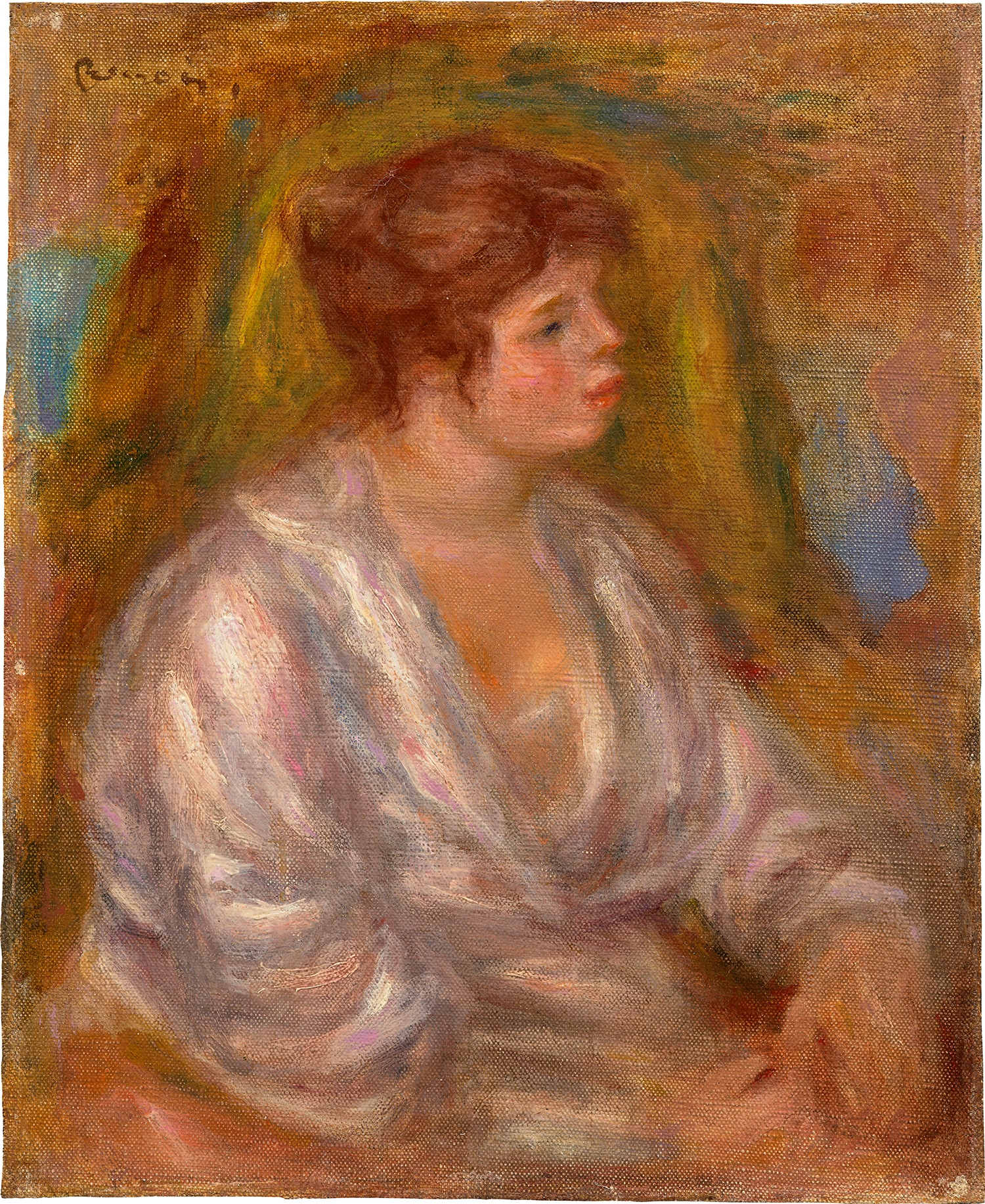
Amedeo Modigliani
Femme nue assise de trois quarts, 1907
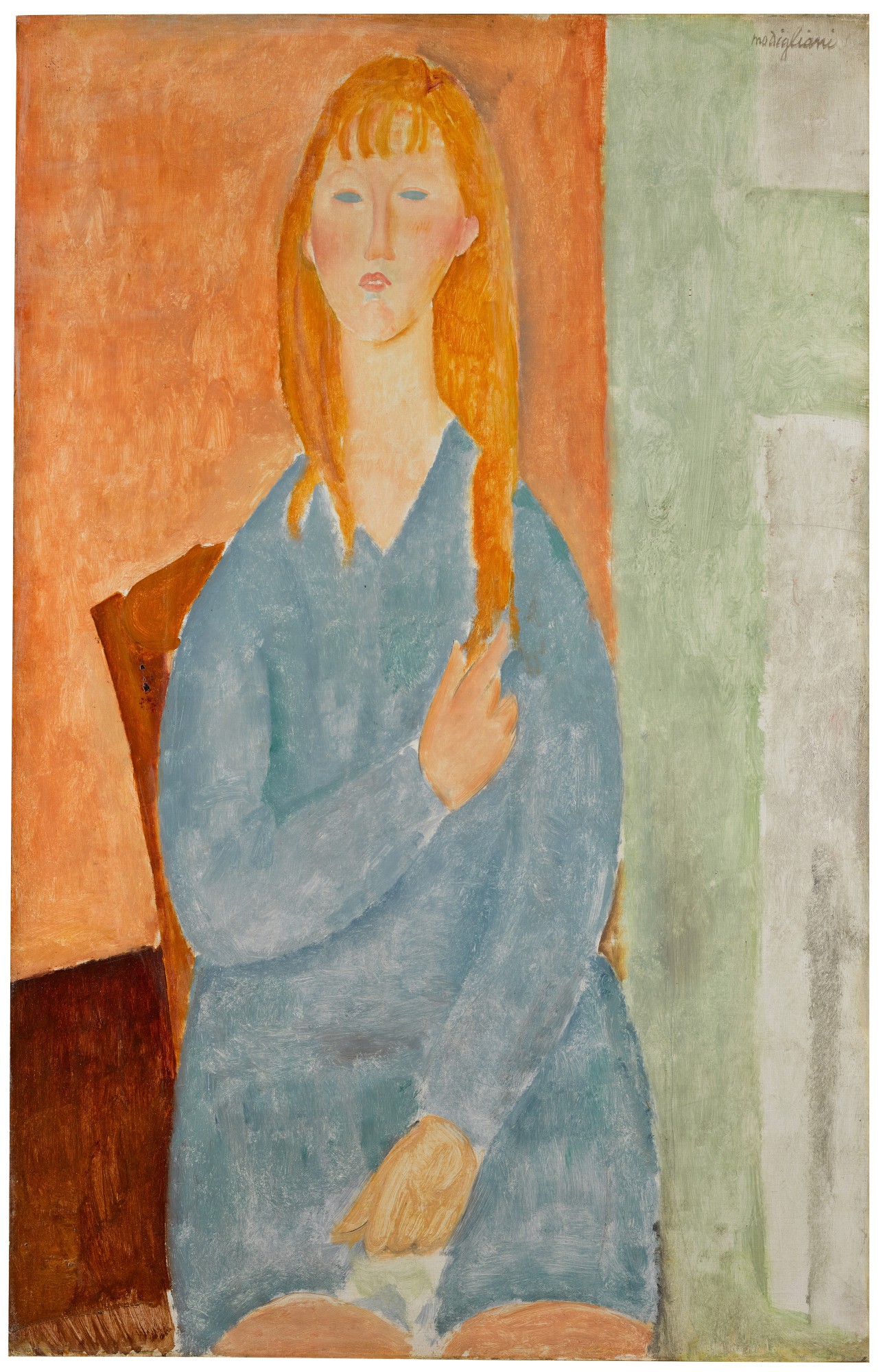
On the auction front, the data tells a clear story about which artists command the deepest pockets. Pablo Picasso's seated figures have repeatedly set records at the major houses. His ability to fracture and reassemble the body while keeping it unmistakably present and psychologically charged means that even secondary market examples attract fierce competition. Amedeo Modigliani's elongated seated women, with their tilted heads and almond eyes, remain among the most coveted works from the School of Paris era, and strong examples surface at auction with the kind of price trajectory that makes advisors reach for their phones.
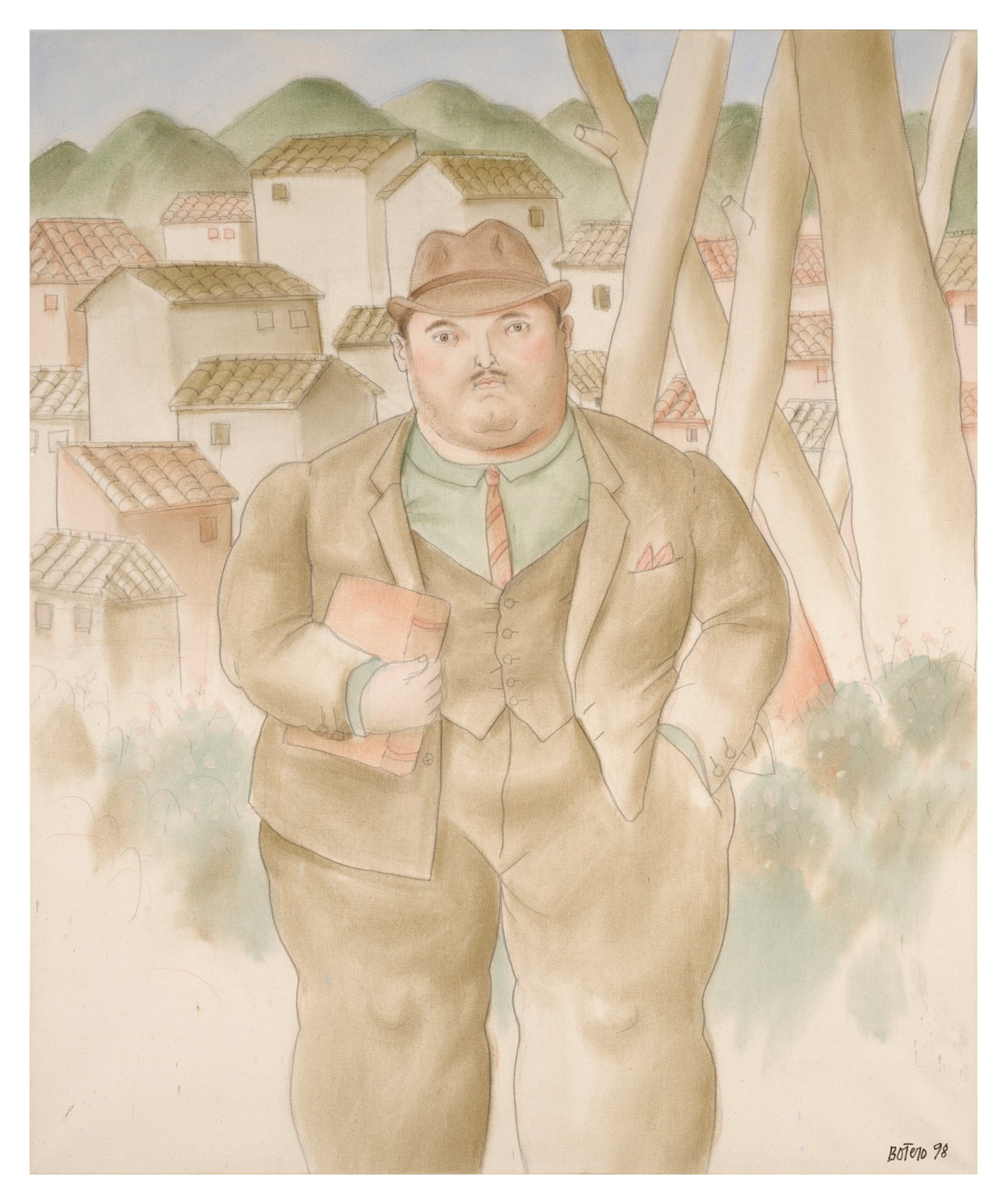
Fernando Botero's voluminous seated figures occupy a different register, playful and monumental at once, and his market has proven remarkably stable across economic cycles, which is something collectors note. The School of Paris connection runs deep in this conversation. Moïse Kisling and Sanyu both produced seated figures that feel newly urgent after years of relative critical neglect. Sanyu in particular has experienced a dramatic reappraisal, with his seated nudes achieving prices at Asian auction houses that would have seemed implausible two decades ago.
Fernando Botero
Seated Man, 2002
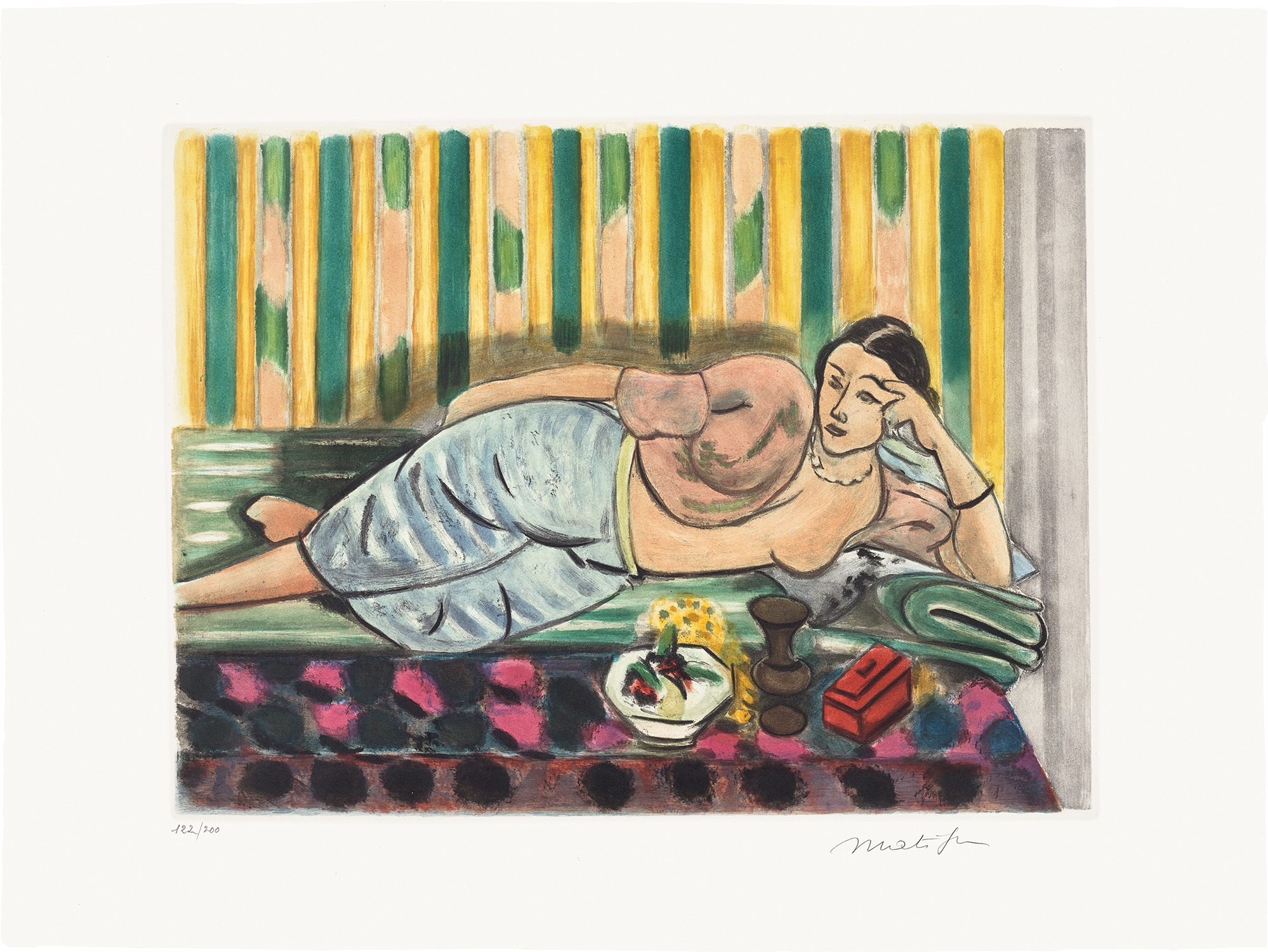
The critical establishment is still catching up to what the market intuited earlier, which is that his figures carry a formal intelligence and an emotional restraint that places him in genuine dialogue with Matisse and Modigliani rather than simply in their shadow. Henri Matisse himself is well represented in this conversation, his seated odalisques and studio models being among the most studied and desired works in modern art. Museum acquisition strategies are shifting in ways that illuminate broader cultural priorities. The British Museum, the Rubin Museum of Art in New York, and major Asian institutions have all deepened their holdings of seated Buddhist and Hindu figures in recent years, signaling a recalibration of what gets called universal rather than regional.
Meanwhile institutions like SFMOMA and the Oakland Museum of California have continued to champion the Bay Area Figurative tradition, ensuring that painters like Diebenkorn remain anchored in serious institutional context rather than floating free as collector favorites without critical scaffolding. That institutional grounding matters enormously for long term value, both cultural and financial. The critical conversation around the seated figure is being shaped by a generation of curators who are comfortable moving across period and geography without anxiety. Writers at Artforum and Burlington Magazine have increasingly situated ancient sculptural objects alongside modernist and contemporary works in the same analytical frame.
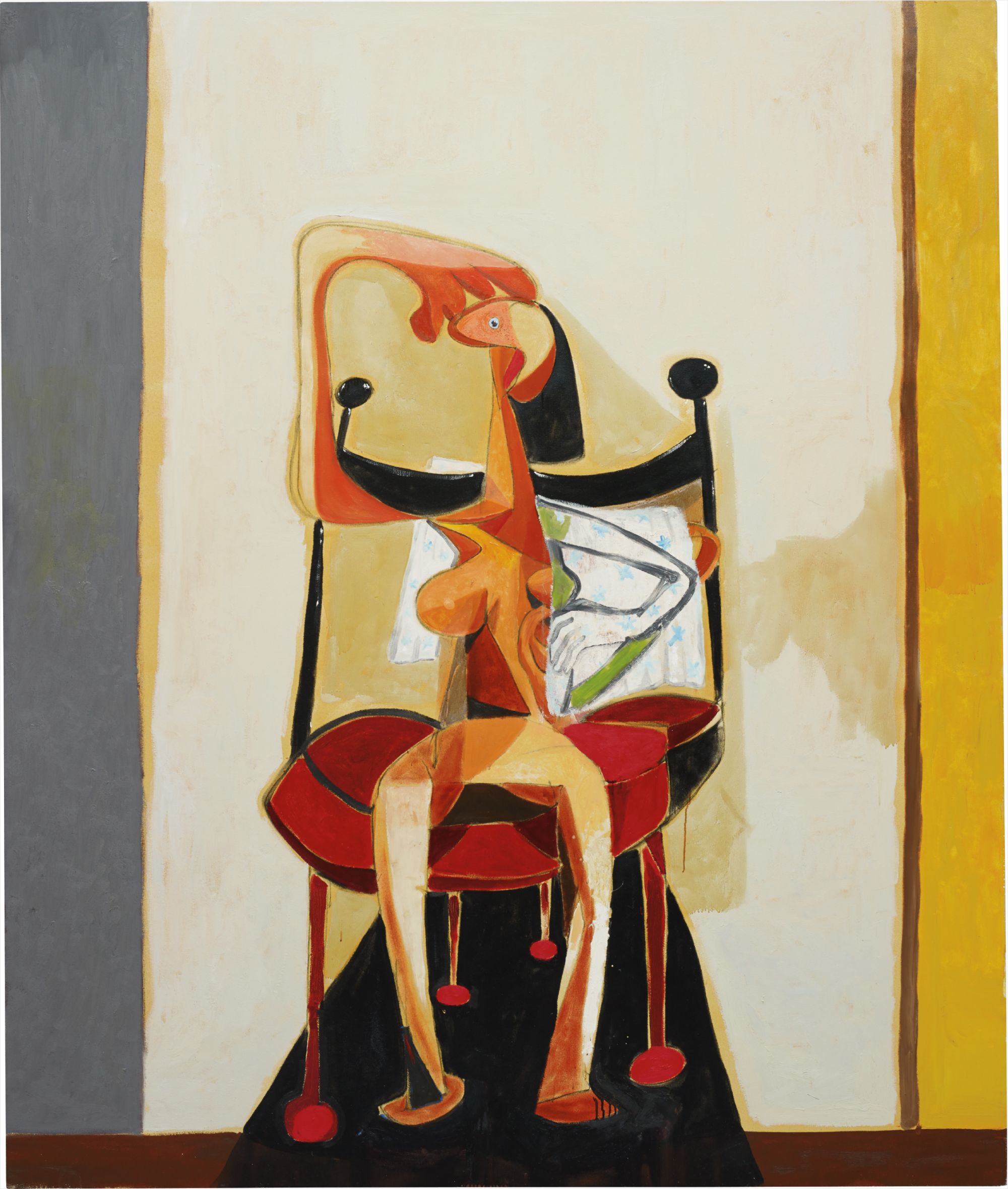
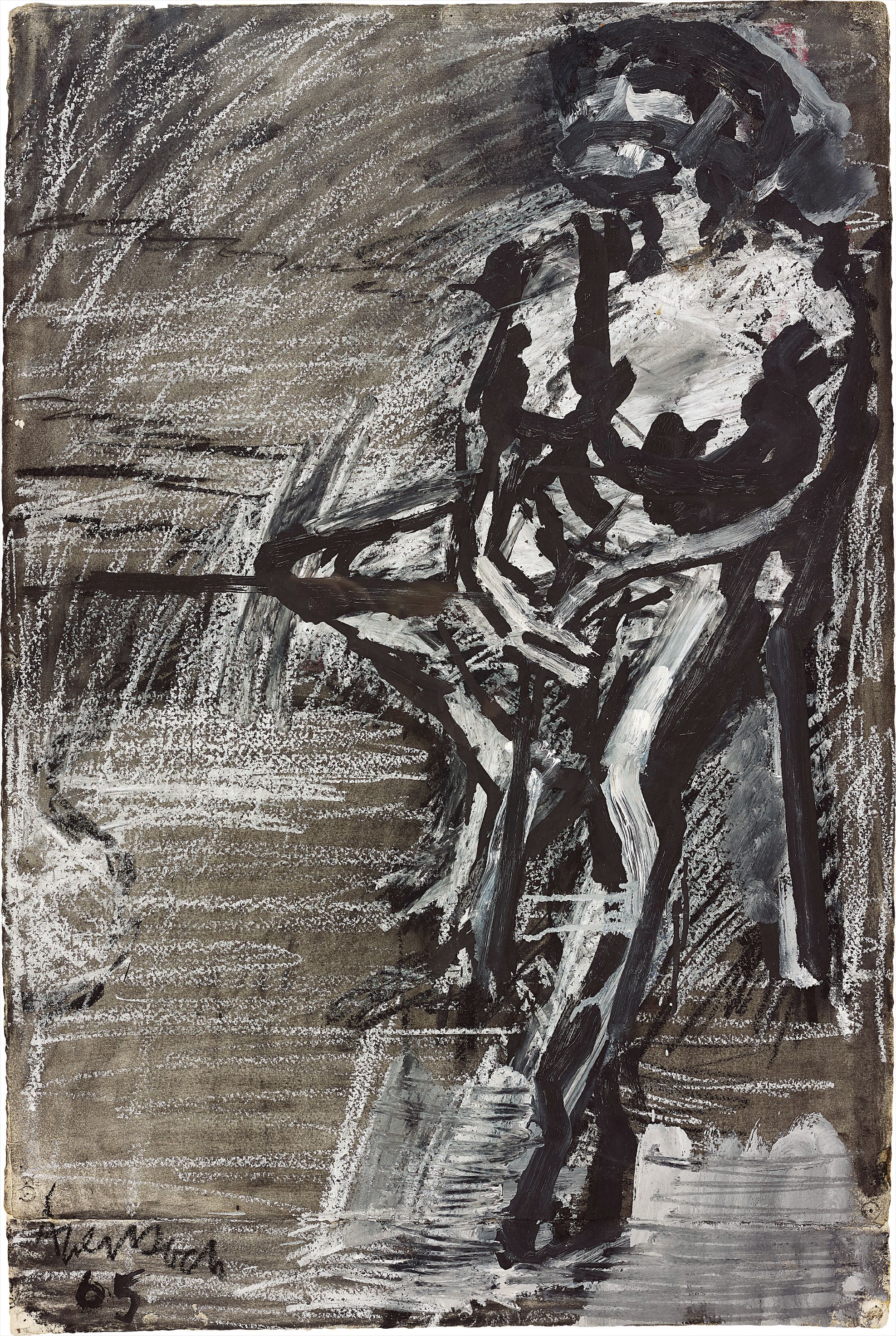
George Condo
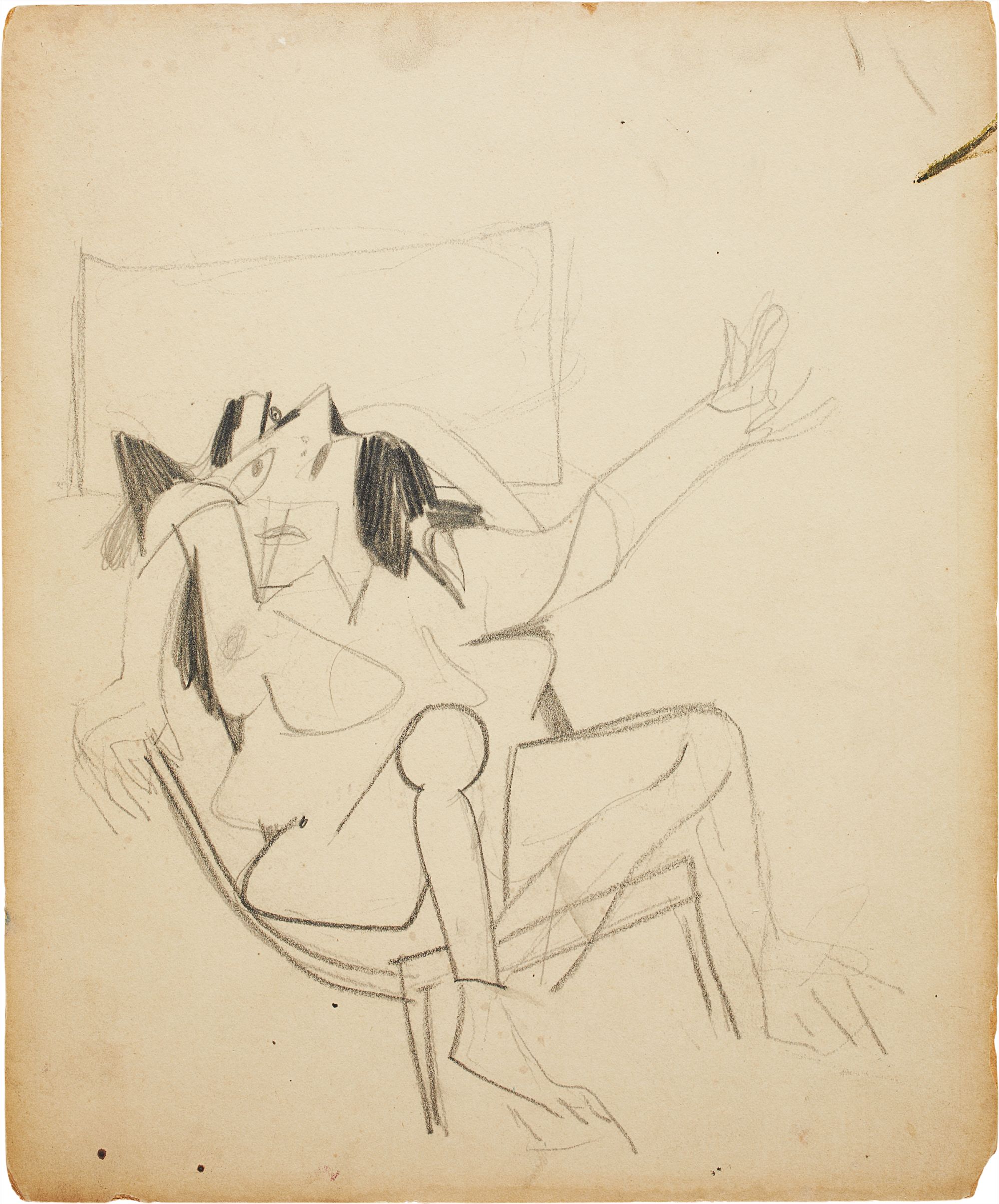
Seated Figure with Towel
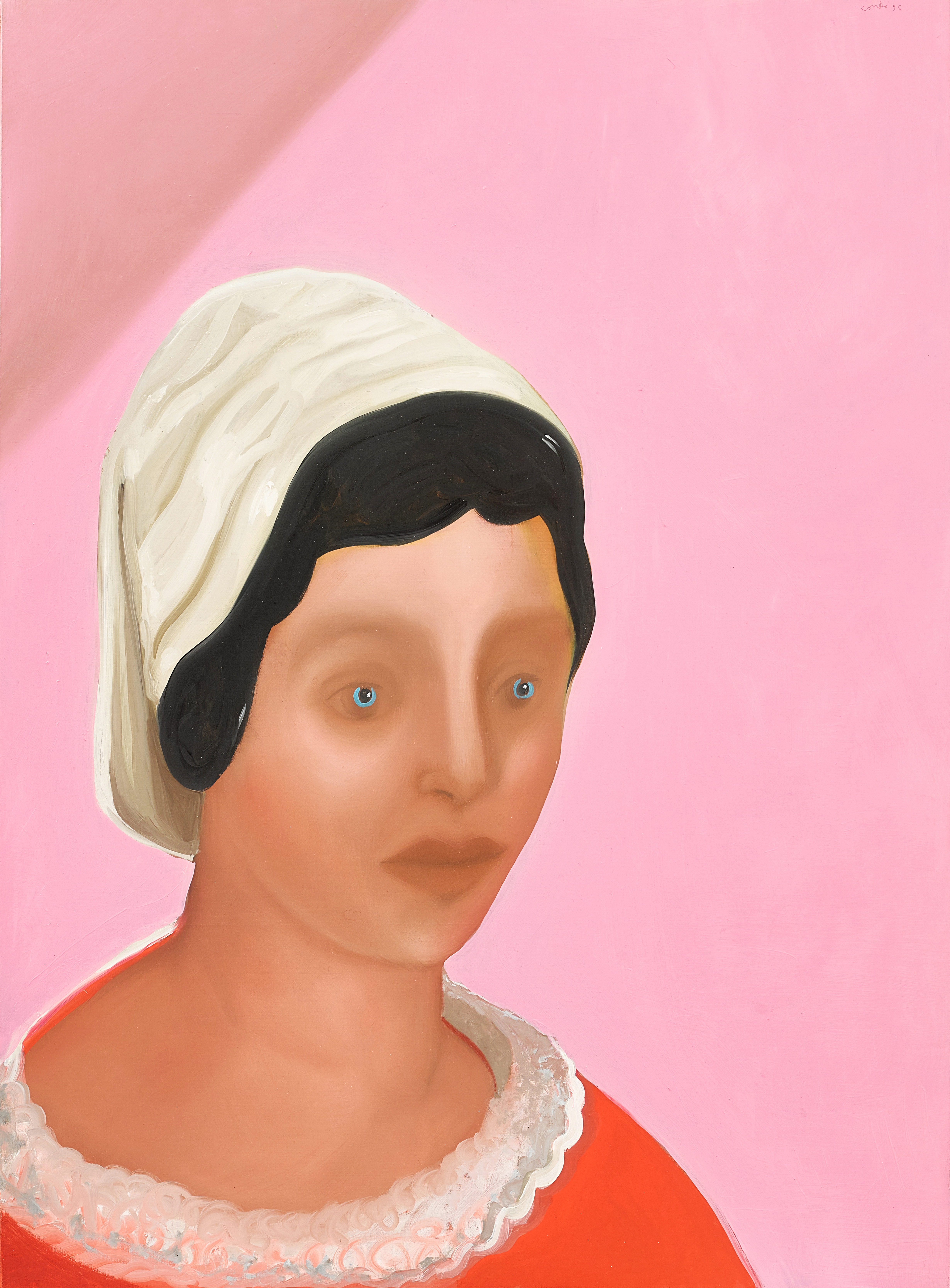
The philosopher and critic T.J. Clark, whose work on the body in modern painting remains essential reading, helped establish a critical language that later writers have extended and complicated. More recently, curators working on the legacy of George Condo and Willem de Kooning have traced how the seated human body became a site of psychological excavation in postwar American art, a line that connects directly back to Bacon and forward into contemporary practice.
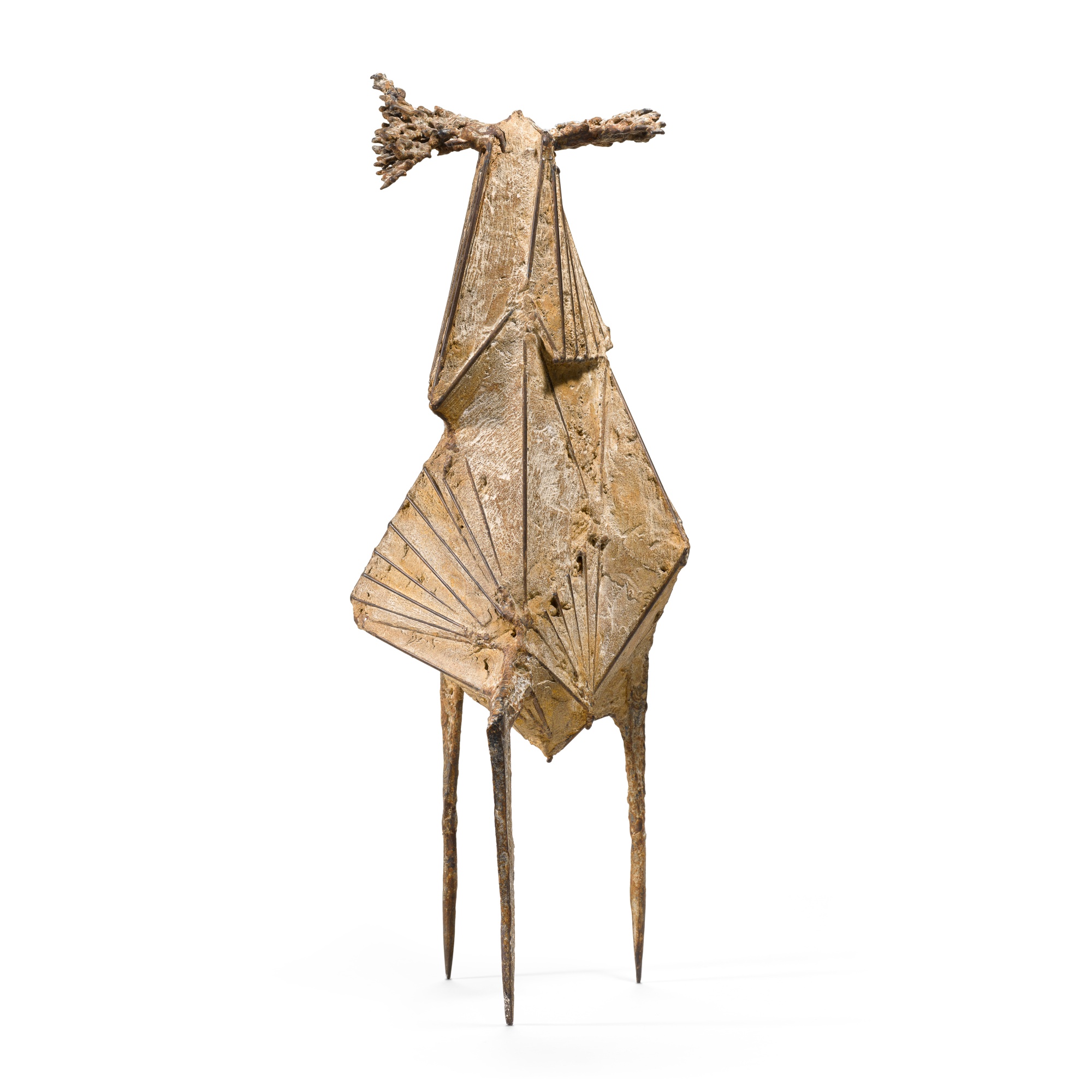
Lynn Chadwick's seated bronze figures occupy a fascinating position in this lineage. His abstracted couples and solitary forms, angular and slightly menacing, were dismissed by certain critics in the mid twentieth century and then quietly rehabilitated by the market and eventually by institutions. Chadwick's recent auction results have been strong, and his work appears with growing frequency in curated private collections that prize formal rigor alongside emotional charge. The lesson his career offers is one that experienced collectors understand well: critical fashion and genuine quality are not always synchronized, and the gaps between them are where interesting acquisitions happen.

Circle of Jean-Etienne Liotard
Portrait of an old Lady, seated, holding a book
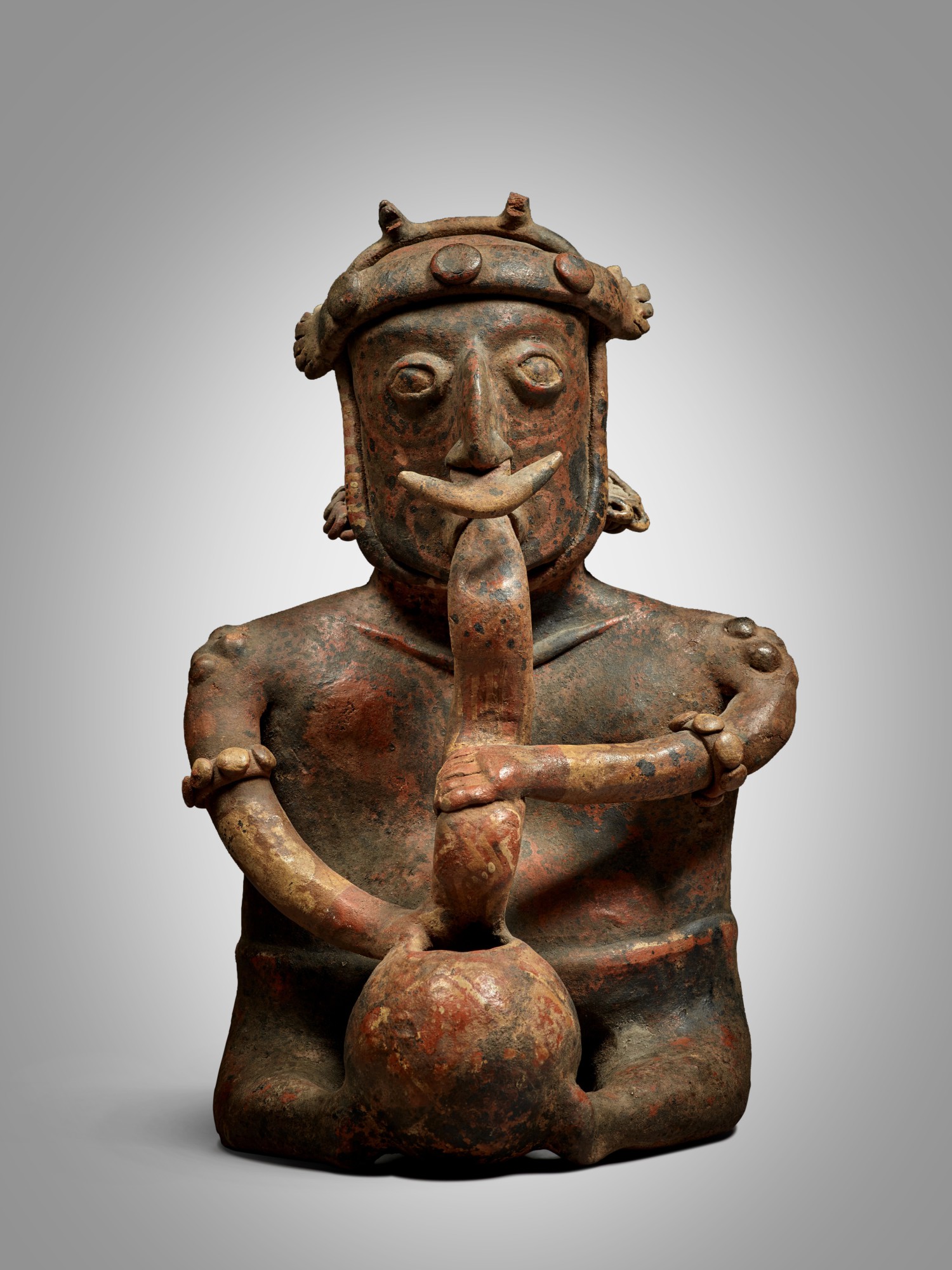
Looking at where the energy is moving, a few currents feel particularly alive. Pre Columbian seated figures, including Nayarit examples from West Mexico, are attracting renewed scholarly and collector attention as provenance research matures and as cultural repatriation conversations push the field toward greater transparency and deeper engagement with source communities. This is a complicated space, but it is not a dormant one. Simultaneously, the figurative painting revival that has been building through the 2010s and into the present decade continues to produce young artists whose seated figures command serious gallery and auction attention.
The human body, still and present and weighted with interiority, turns out to be inexhaustible as a subject. Every generation thinks it has finished with the seated figure, and every generation discovers it has not.