Sculptor
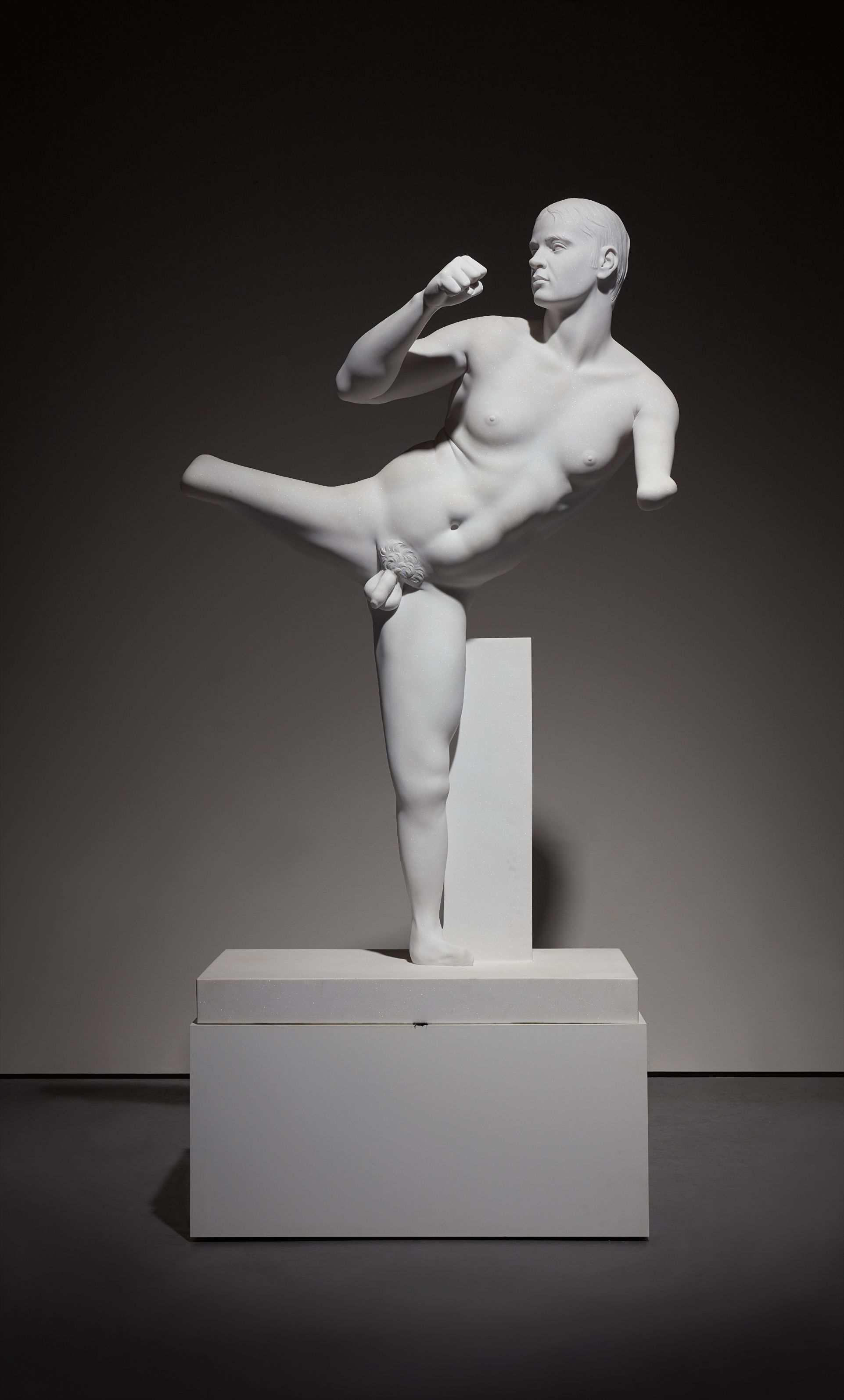
Marc Quinn
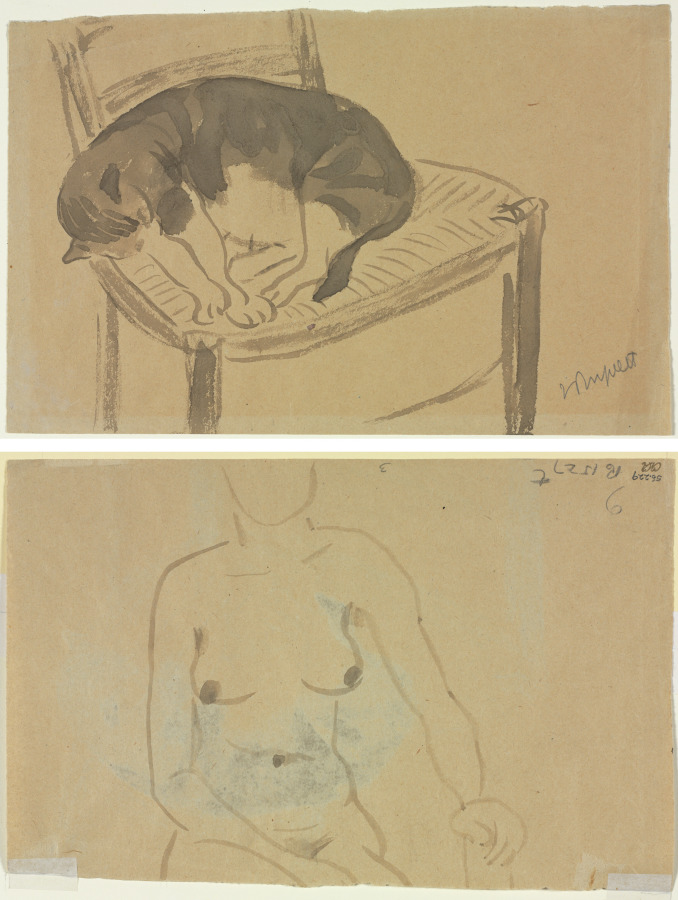
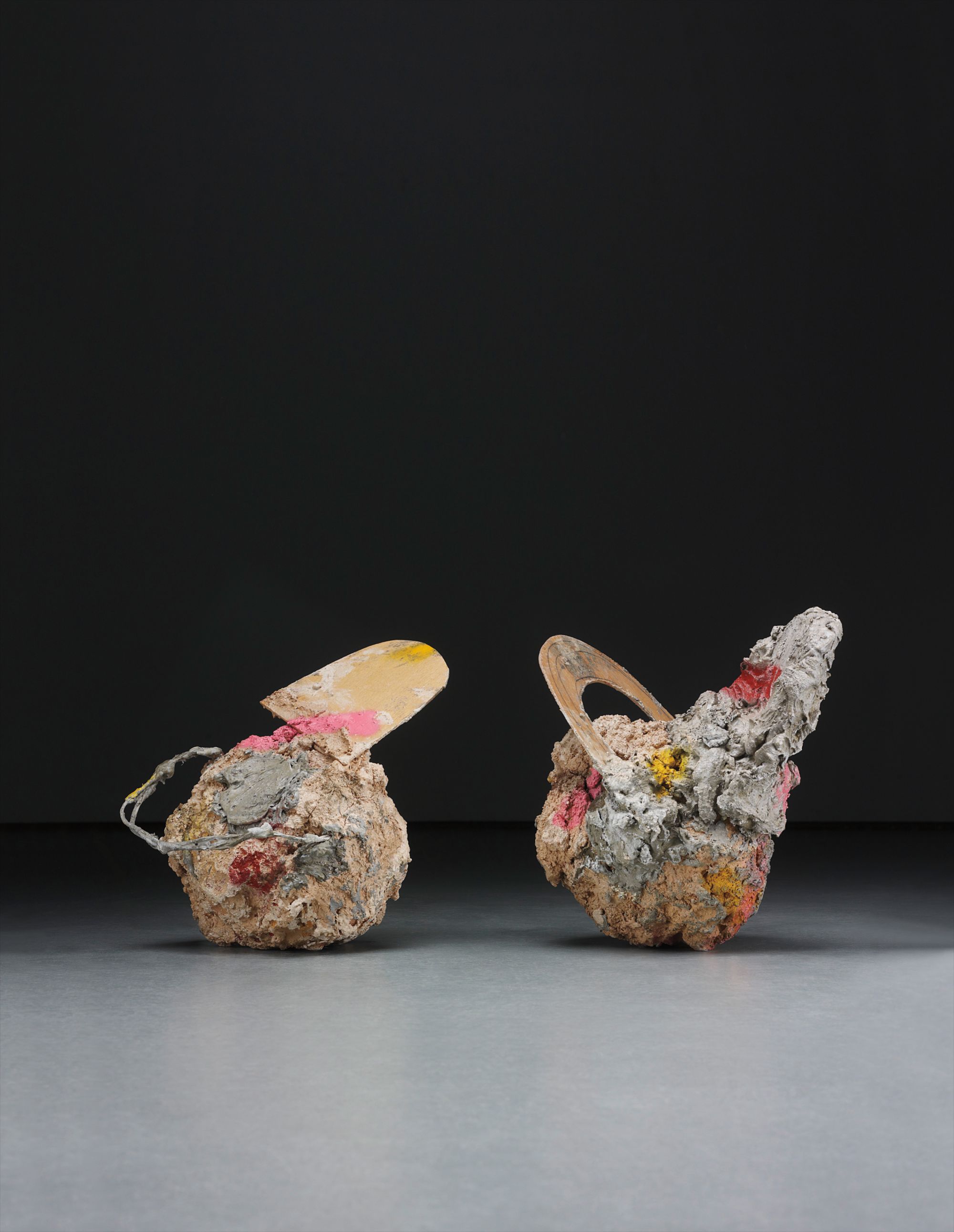
Stuart Penn


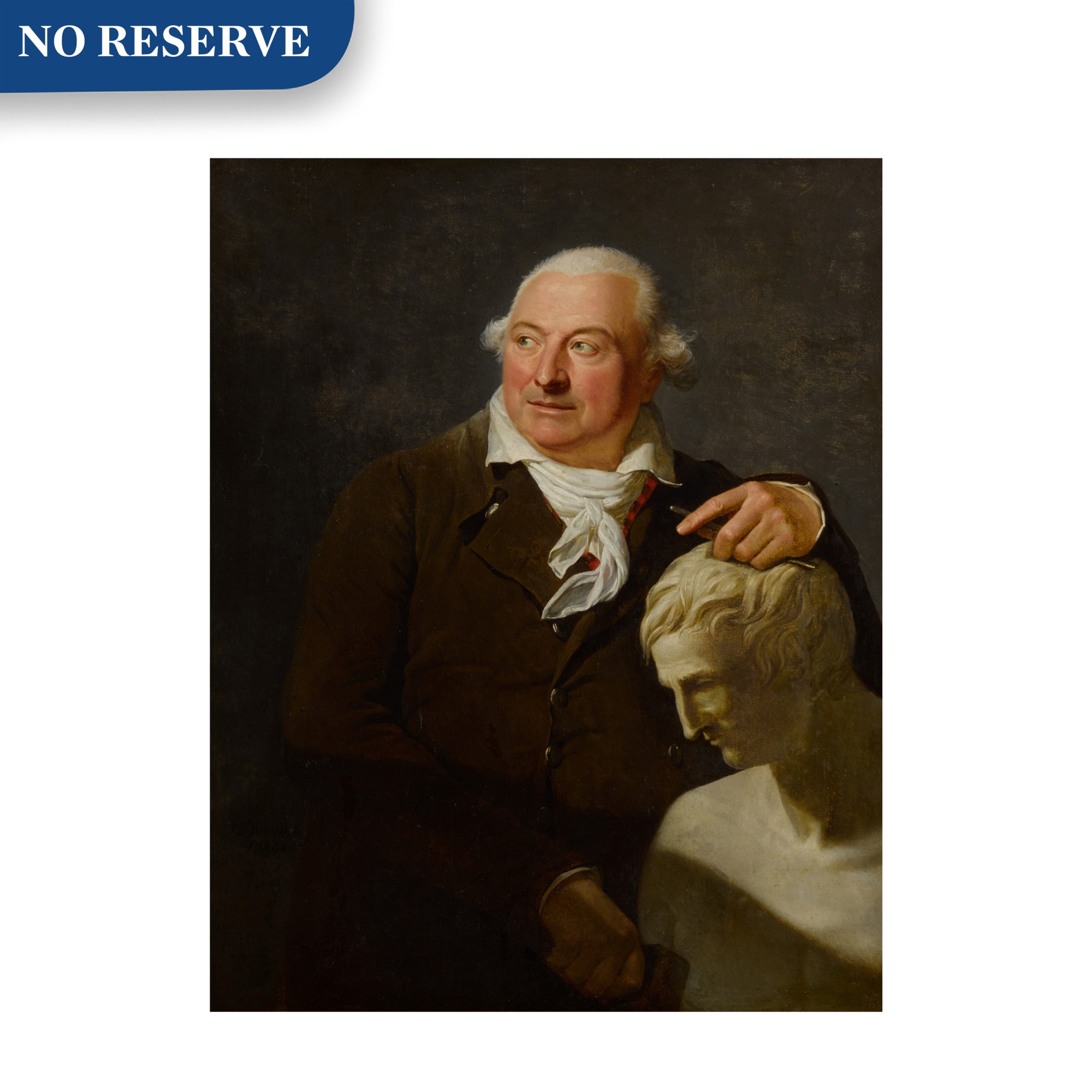
The Weight of an Object That Endures
There is something almost irrational about the desire to own sculpture. Unlike painting, which asks only for wall space and a little light, sculpture demands negotiation. It takes up room. It casts shadows.
It changes as you move around it, offering a different face from every angle, never quite settling into a single meaning. And yet collectors who fall into this world tend to fall hard, because living with a three dimensional object is a fundamentally different experience from living with an image. A sculpture holds its ground. It exists in your space the way a person does, with presence and weight and a kind of silent insistence.
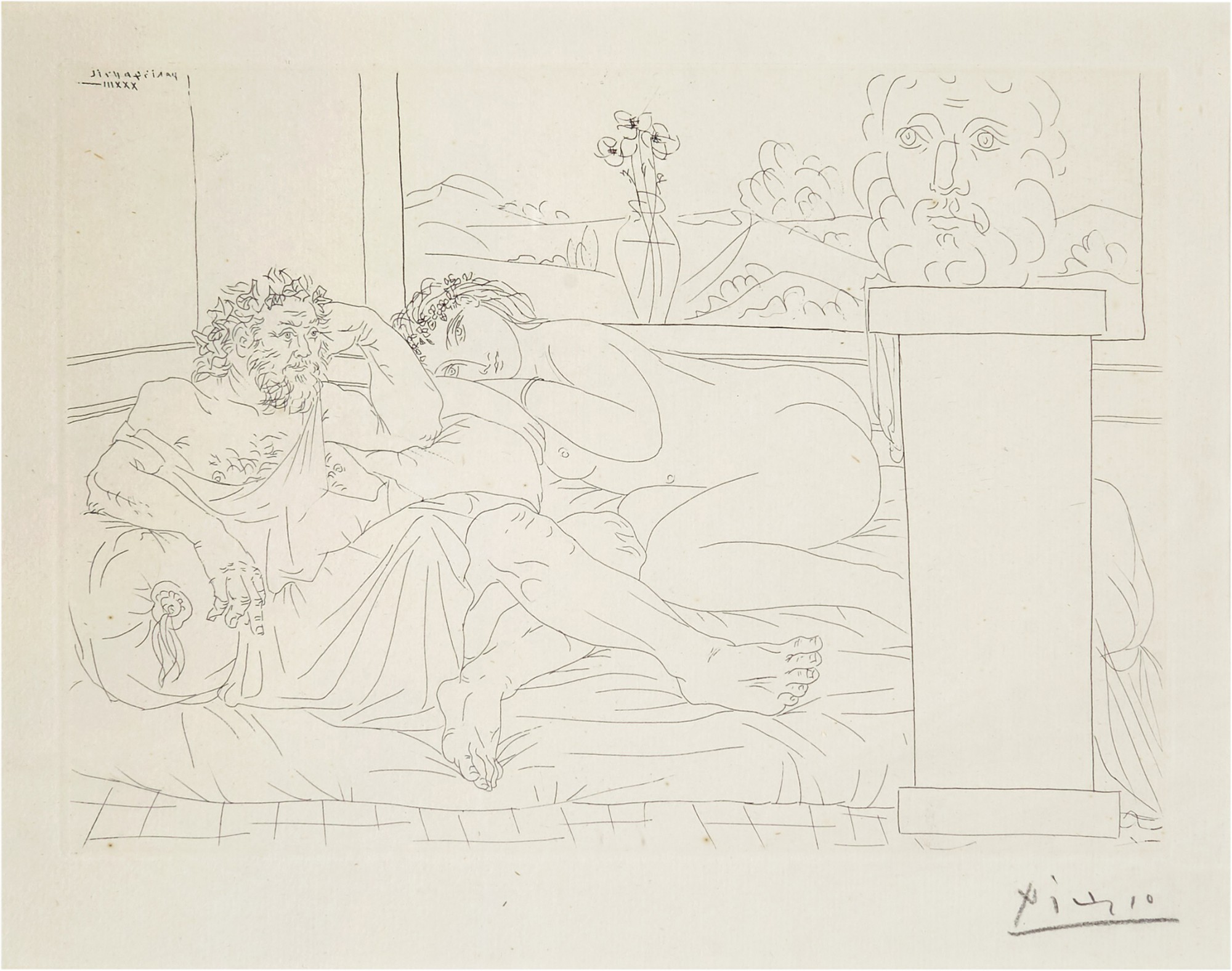
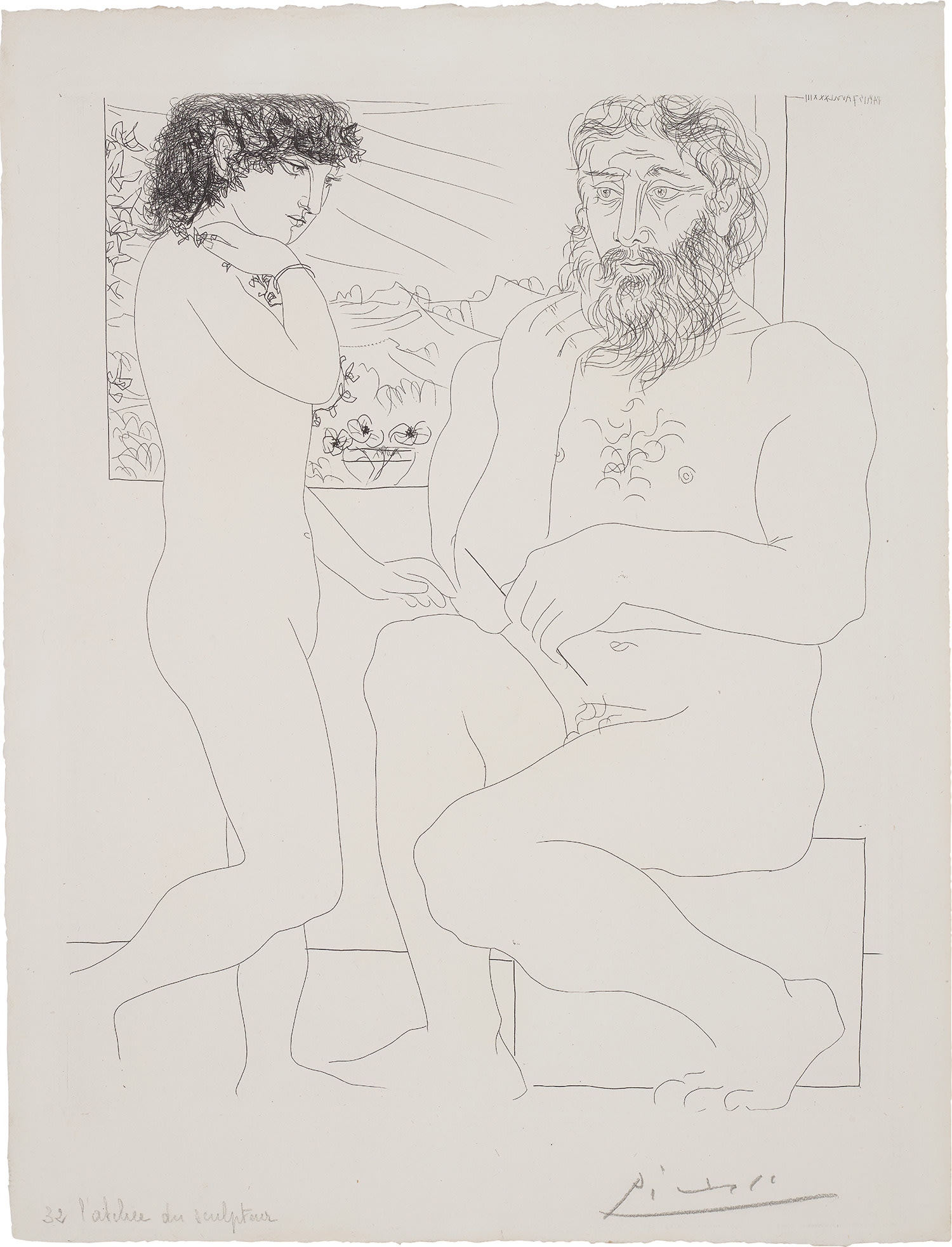
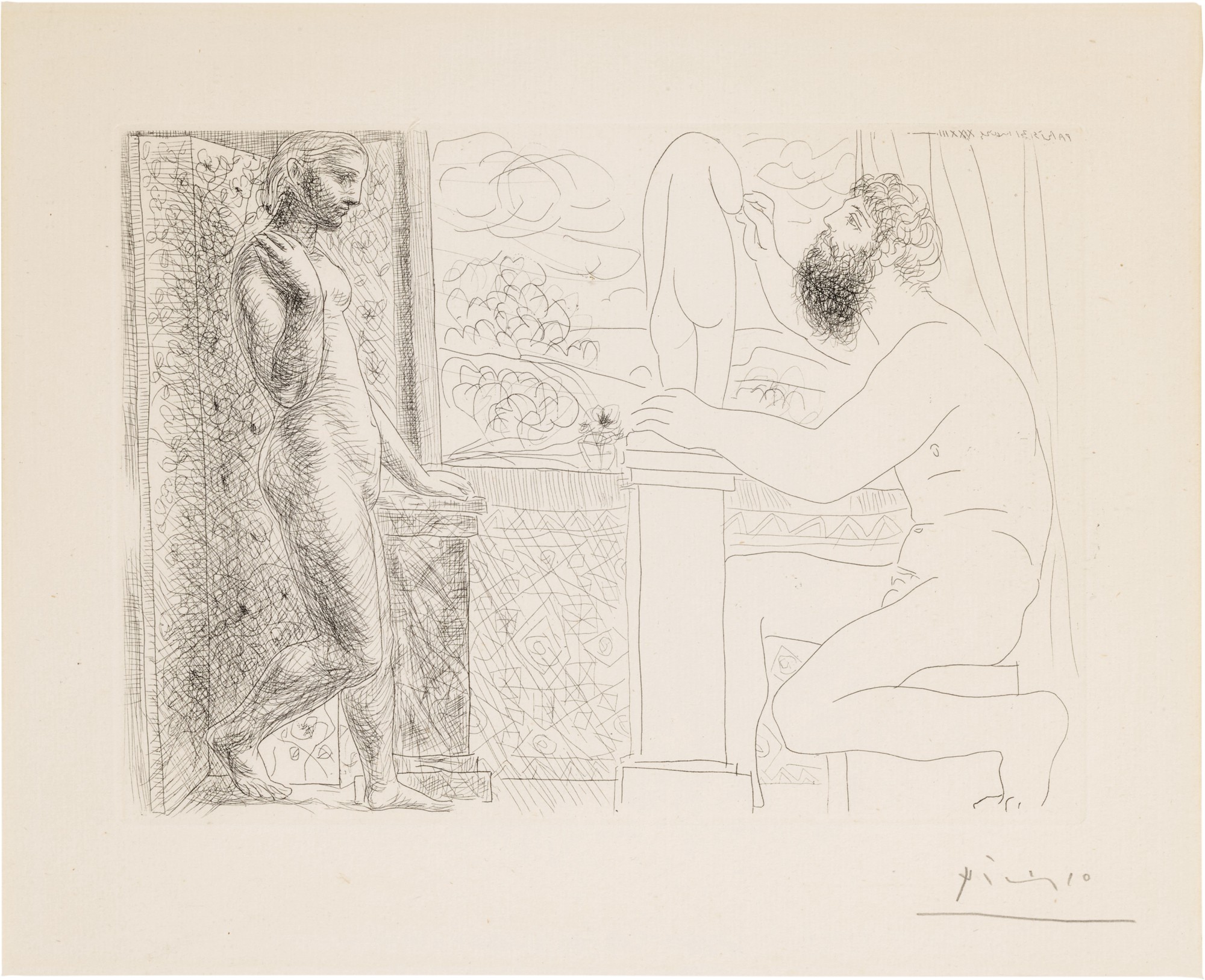
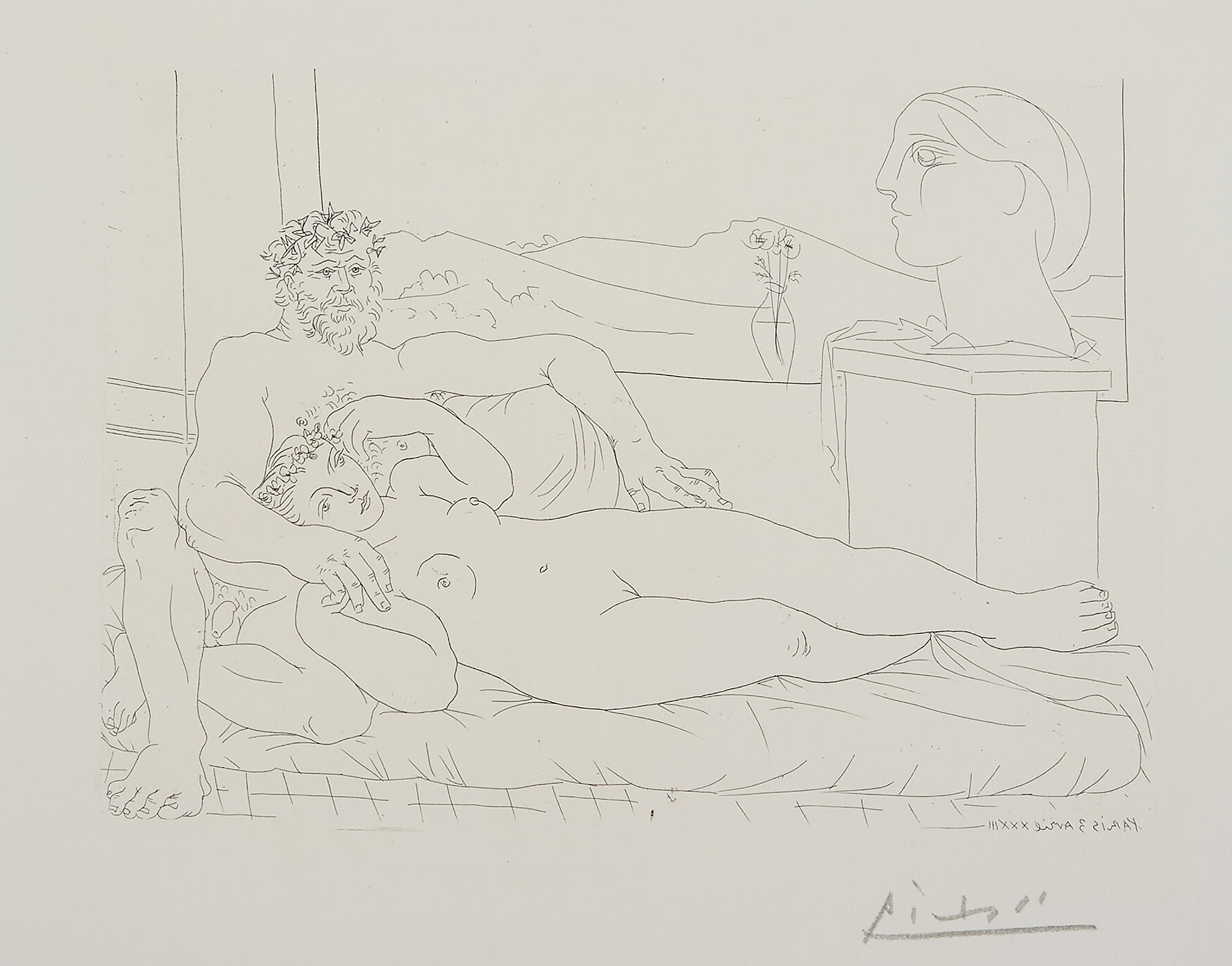
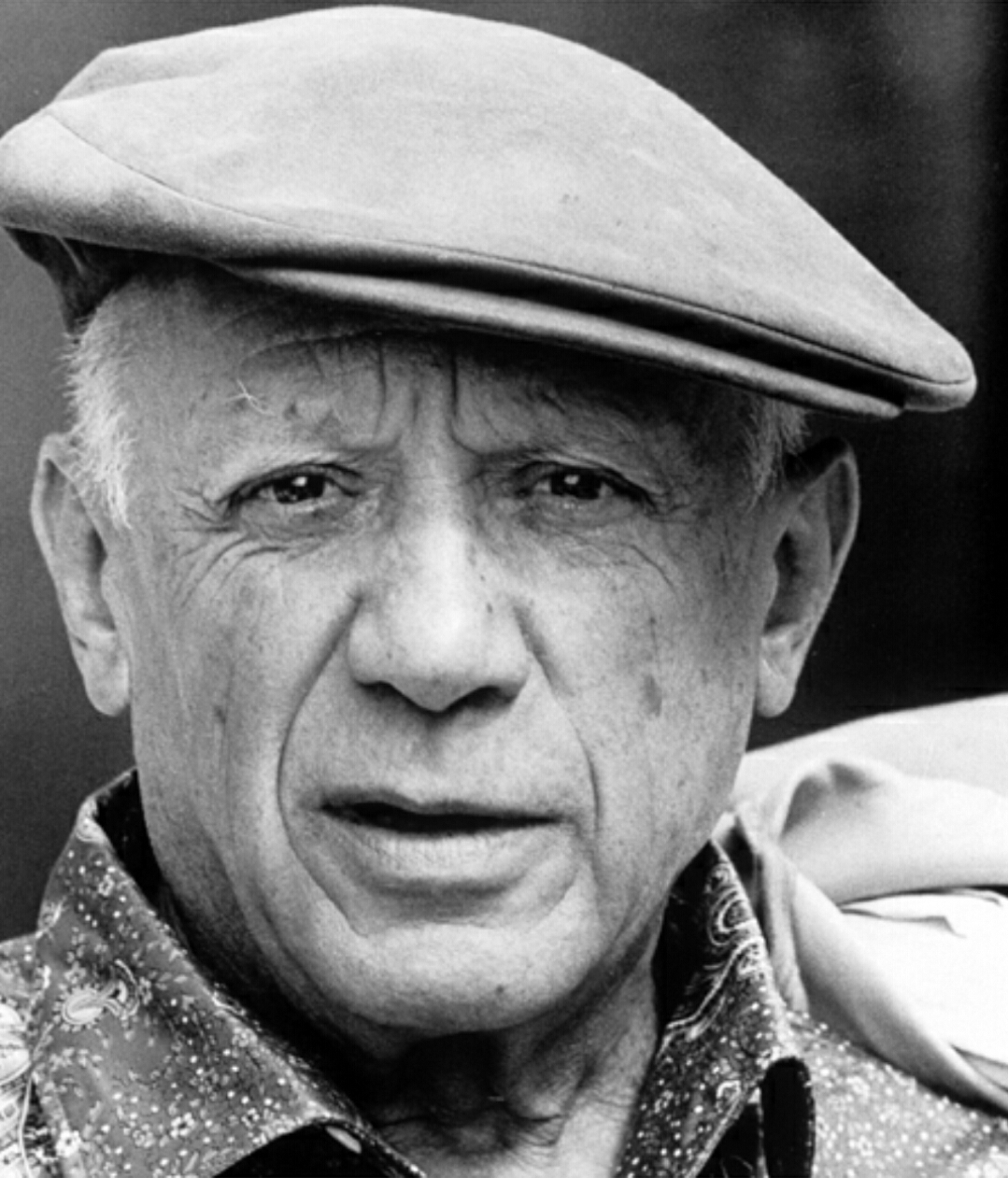
Pablo Picasso
Le Repos du Sculpteur, IV (B. 174; Ba. 327)
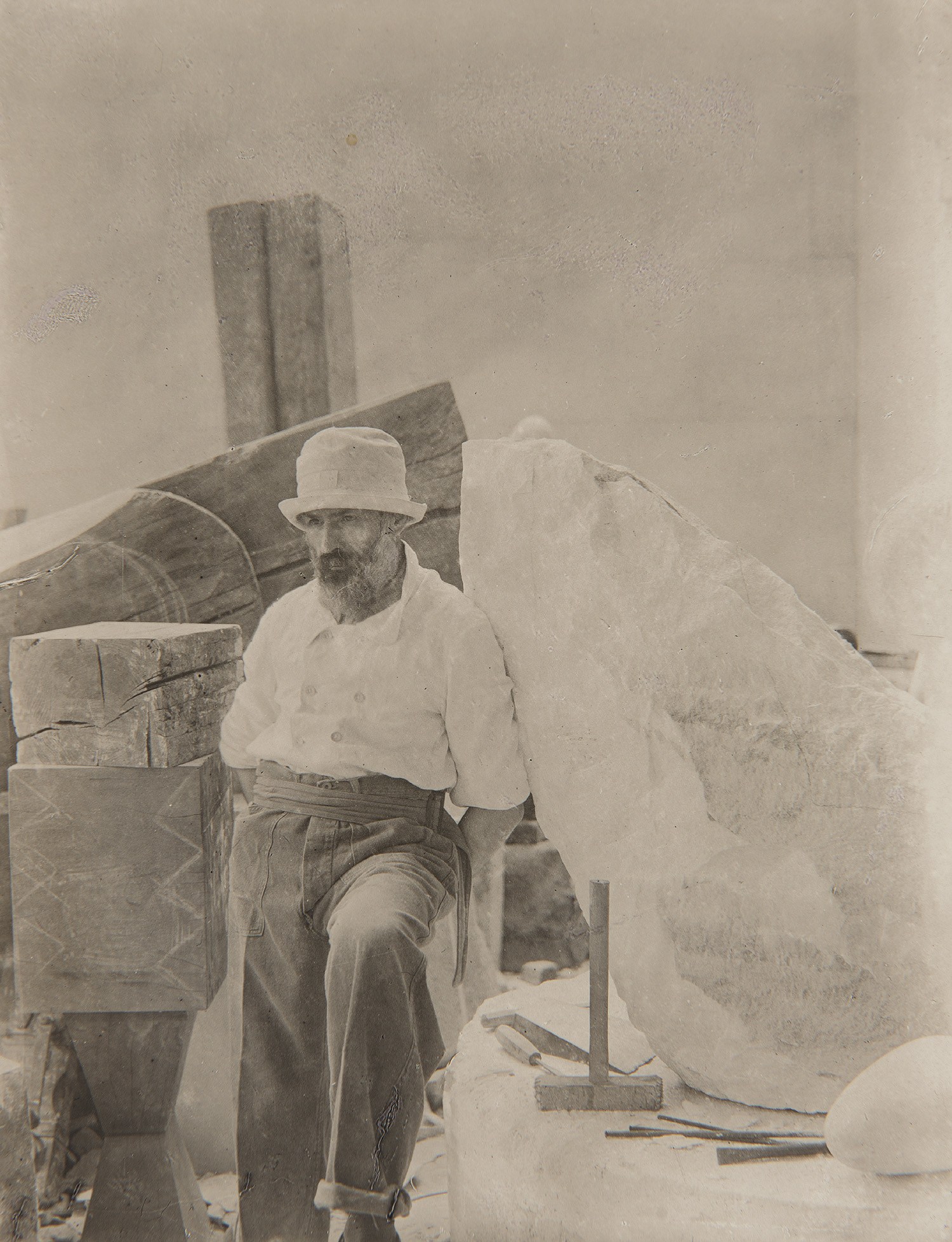
That physical reality is also what makes sculpture so intellectually rich for collectors. The choices a sculptor makes are relentlessly material: what substance, what scale, what surface, what relationship to gravity. When Constantin Brâncuși reduced the human form to a smooth continuous curve in the 1920s, he was not merely making formal decisions. He was arguing about the nature of essence itself.
To own a work by Brâncuși, even a bronze cast from his studio, is to carry that argument into your home. The object keeps asking questions. So what separates a good sculpture from a great one? The honest answer is that the best works have a quality of inevitability.
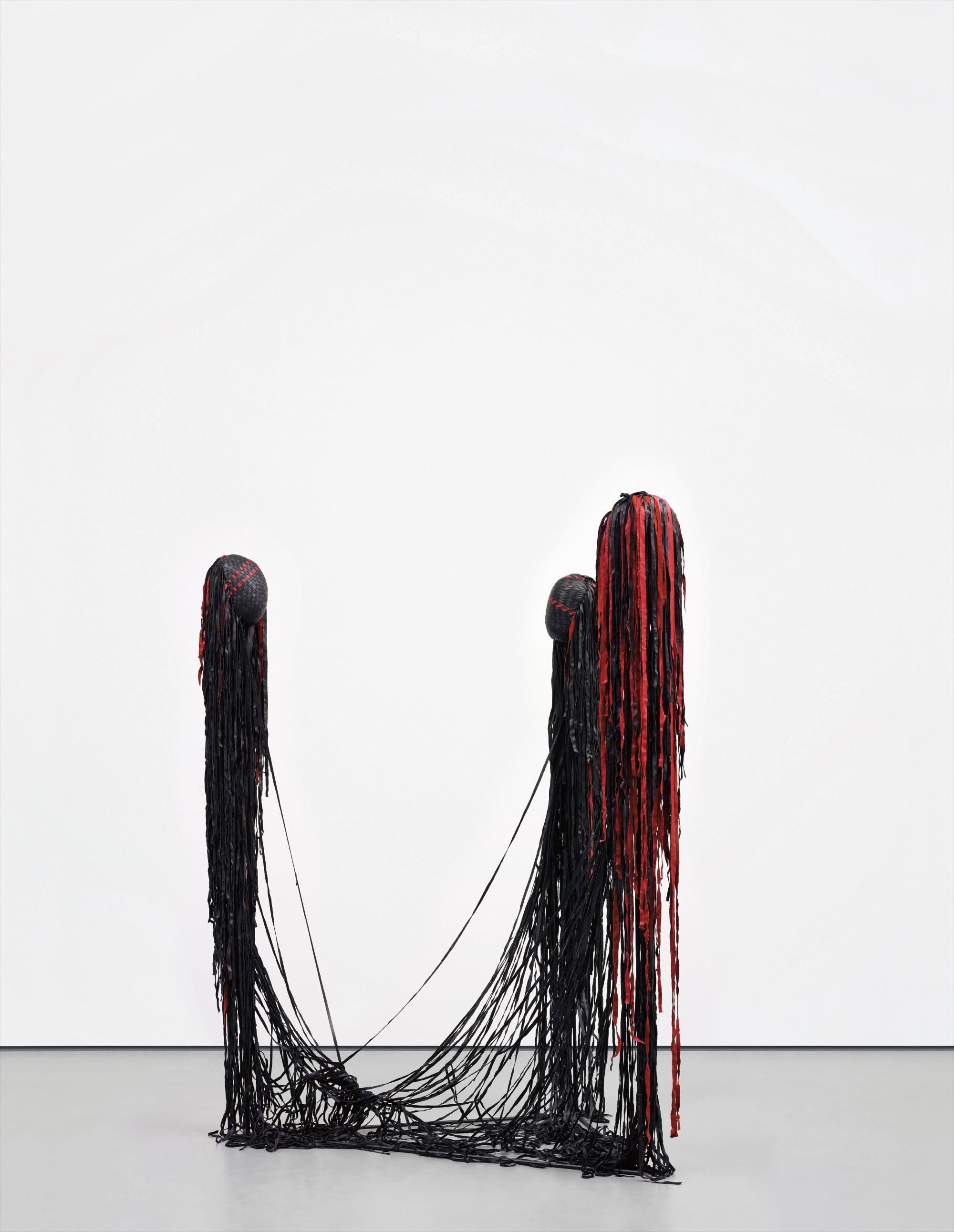
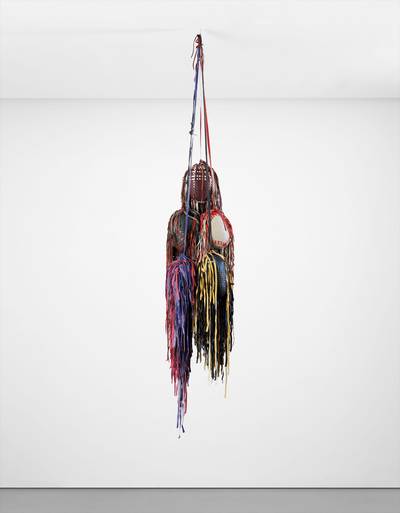
Eva Rothschild
Soldier of Fortune
They could not have been made from any other material, at any other scale, in any other configuration. You feel this immediately in front of a Brâncuși, where the polished bronze seems to have arrived at its form through some internal logic rather than external decision. You feel it equally in the work of Eva Rothschild, whose geometric constructions in steel and cord carry a tension that feels alive rather than resolved. When a sculpture looks like it could have been made differently and simply wasn't, that is usually a sign that something important is missing.
Collectors should also pay close attention to how a work occupies space rather than simply filling it. Phyllida Barlow built her career on sculptures that feel genuinely disruptive of the architectural environments around them, using cheap industrial materials like concrete, fabric, and timber to create forms of surprising emotional intensity. Her work rewards collectors who are willing to give it room and to let it reshape how a space feels rather than simply decorating it. The question to ask in front of any sculpture is not whether it is beautiful in isolation but whether it changes the room.
Marc Quinn
Stuart Penn
The best work always does. In terms of long term value and art historical position, the artists on The Collection represent a compelling range of entry points. Marc Quinn has maintained consistent institutional and market support since his early notoriety in the 1990s British art scene. His work engages directly with the body, time, and biological process, themes that have only deepened in critical relevance.
Joan Miró's sculptural output, which developed significantly in the 1960s and 1970s as he worked in ceramics and bronze, remains somewhat undervalued relative to his paintings. For collectors who cannot access major Miró canvases, the sculptures offer a genuine connection to his visual language at a more approachable level of the market. The secondary market for sculpture has shown consistent strength at the upper end, with postwar and contemporary works by established names performing reliably at the major houses. Christie's and Sotheby's evening sales have demonstrated over successive seasons that collectors retain high confidence in sculpture as a store of value, particularly for unique works or small numbered editions in bronze.
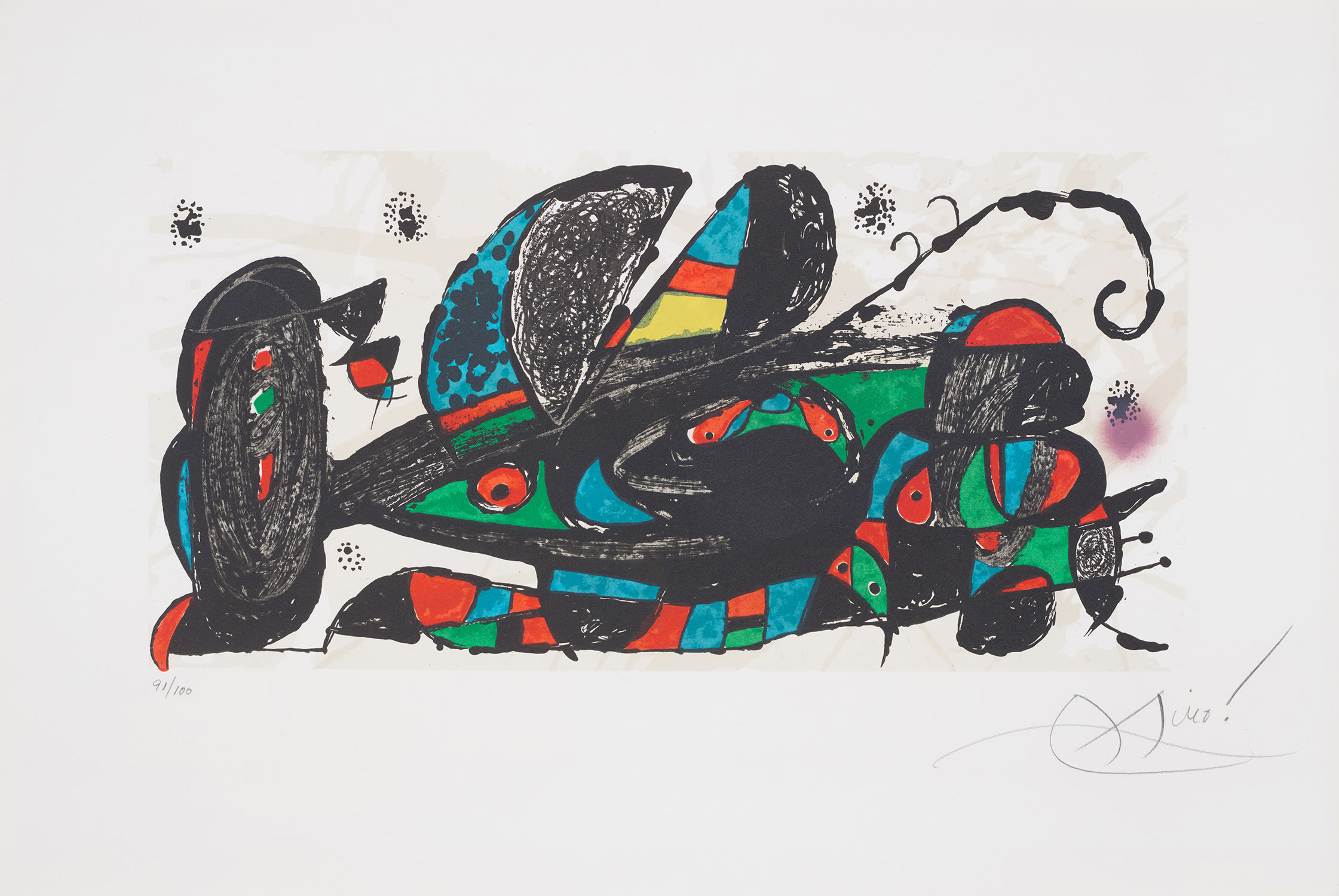
Joan Miró
Joan Miró escultor (Joan Miró Sculptor): one plate (M. 934, C. 191)
Where collectors encounter volatility is typically with large scale works in materials that are difficult to transport and install, which can suppress bidding simply through practical complexity. This is worth bearing in mind when building a collection: works that travel and install with relative ease tend to find larger secondary audiences. Editions are a particularly important consideration in sculpture collecting. Bronze casting has a long tradition of legitimate posthumous and estate editions, and the distinction between a lifetime cast and a later one can be significant in terms of both value and personal meaning.
When acquiring any cast work, it is entirely reasonable to ask a gallery or dealer for full documentation: the edition number, the total edition size, the date of casting, and whether the cast was made during the artist's lifetime. Reputable galleries will provide this readily. For contemporary artists like Eva Rothschild or Marc Quinn who are working now, editions are typically well documented and strictly controlled, which adds to their market integrity. Condition is another area where sculpture collectors face specific challenges that differ from those confronting buyers of works on paper or canvas.
Surface patination on bronze can be deliberately altered or accidentally damaged. Assemblage works are vulnerable at their joints and adhesions. Works incorporating organic or industrial materials, the kind of materials Phyllida Barlow used throughout her career, can be especially complex to maintain and to insure. Before acquiring any significant sculpture, particularly a work with mixed or unusual materials, a condition report from an independent conservator is not an indulgence.
It is simply responsible collecting. For collectors looking beyond established names, the territory worth watching sits at the intersection of sculpture and spatial installation, where younger artists are working with ideas of impermanence, material politics, and ecological thinking. The formal lessons of the twentieth century have been absorbed and are now being redirected toward more urgent questions about what objects mean in a world of mass production and resource scarcity. These conversations feel genuinely fresh, and they are producing sculpture that is both intellectually serious and physically compelling.
The collectors who are paying attention now, building relationships with galleries and artists before the critical consensus has fully formed, tend to be the ones whose collections matter later. What unites all of this, from a Brâncuși bronze to a newly acquired work by an artist just beginning to show seriously, is the fundamental challenge and reward of living with something that has a body. Sculpture does not let you be passive. It requires you to move around it, to accommodate it, to keep noticing it.
That ongoing negotiation between viewer and object is, for many collectors, exactly the point.