Poolside
Kory Alexander
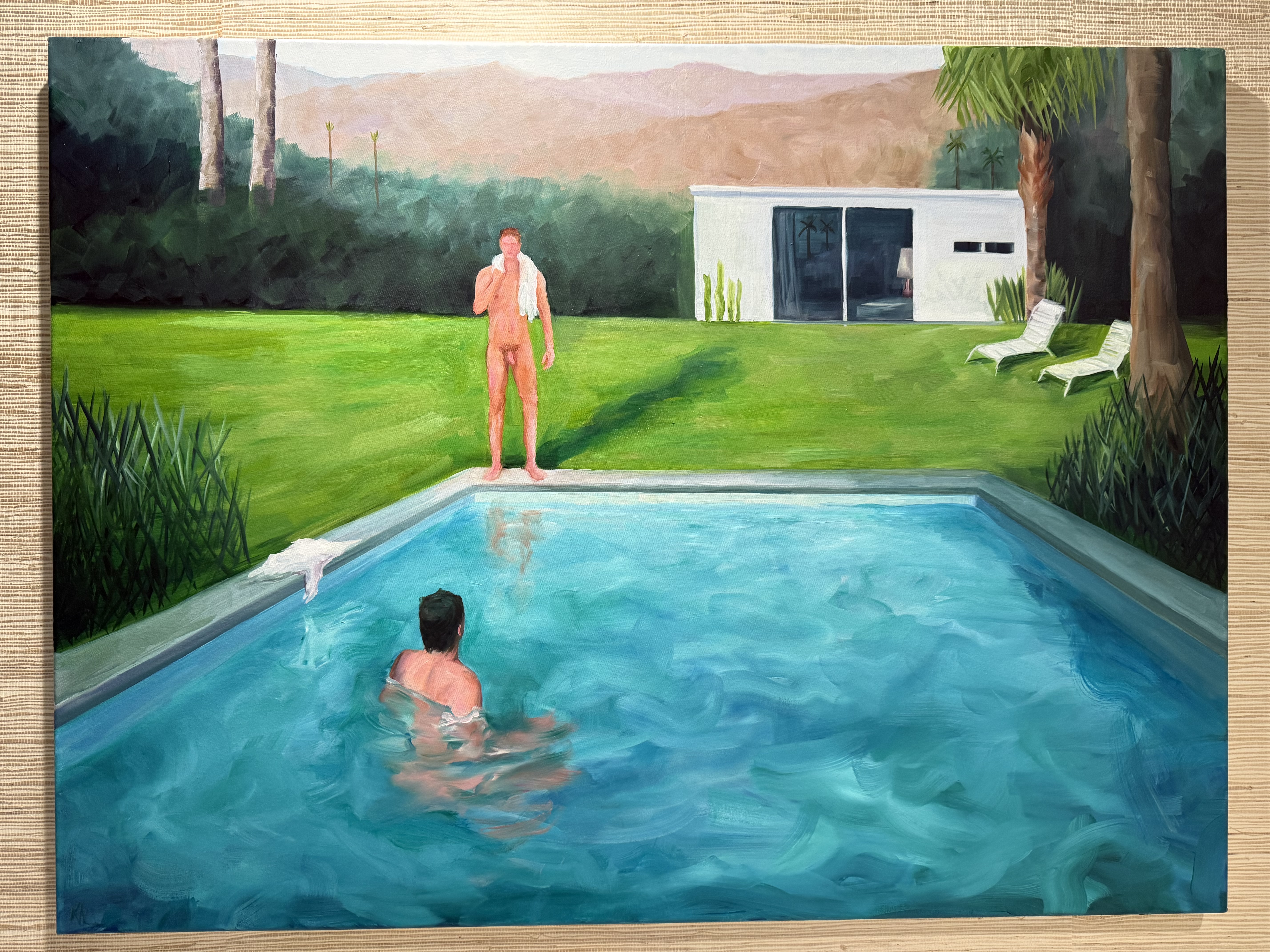
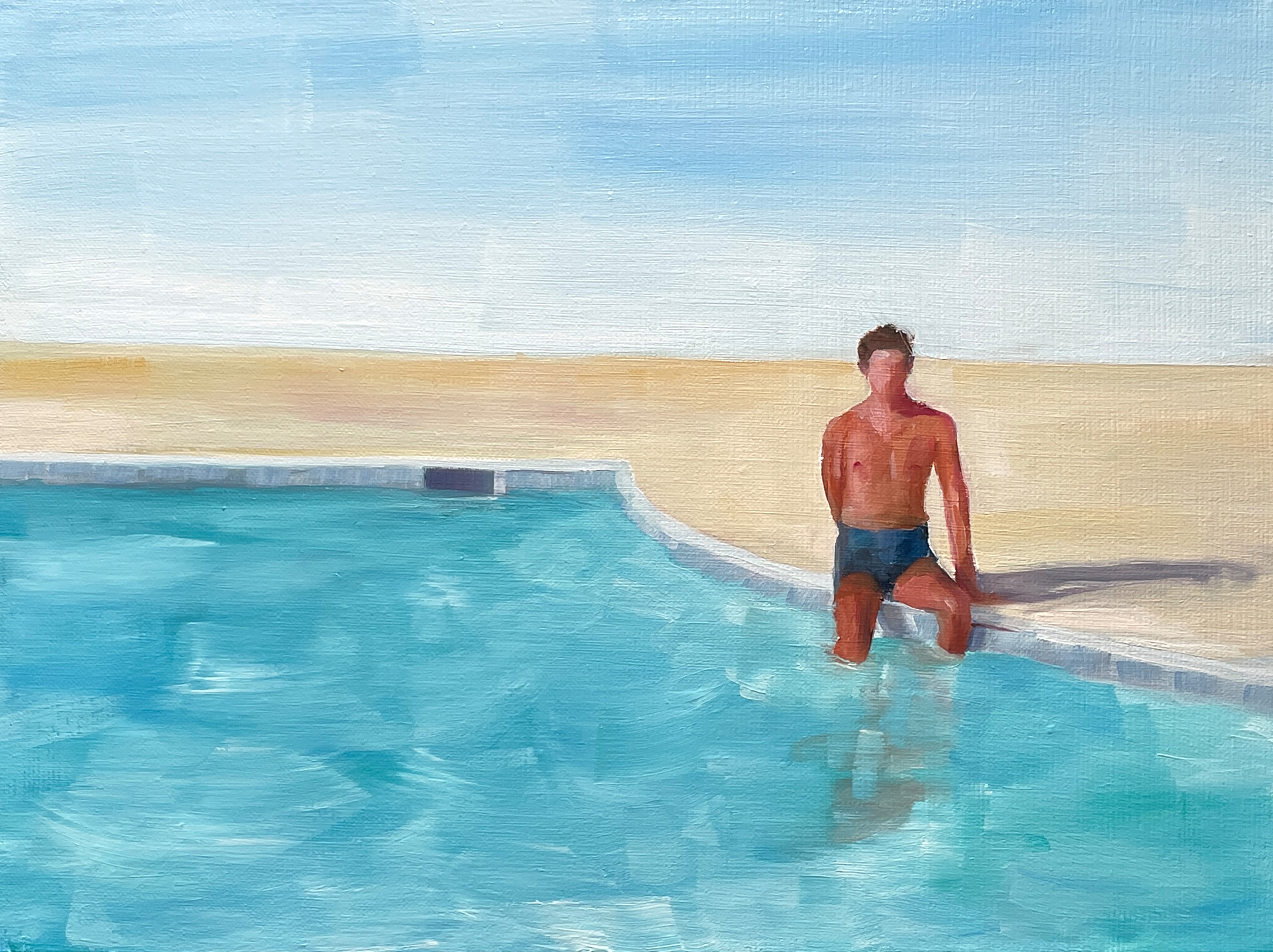
Where I Live, 2023
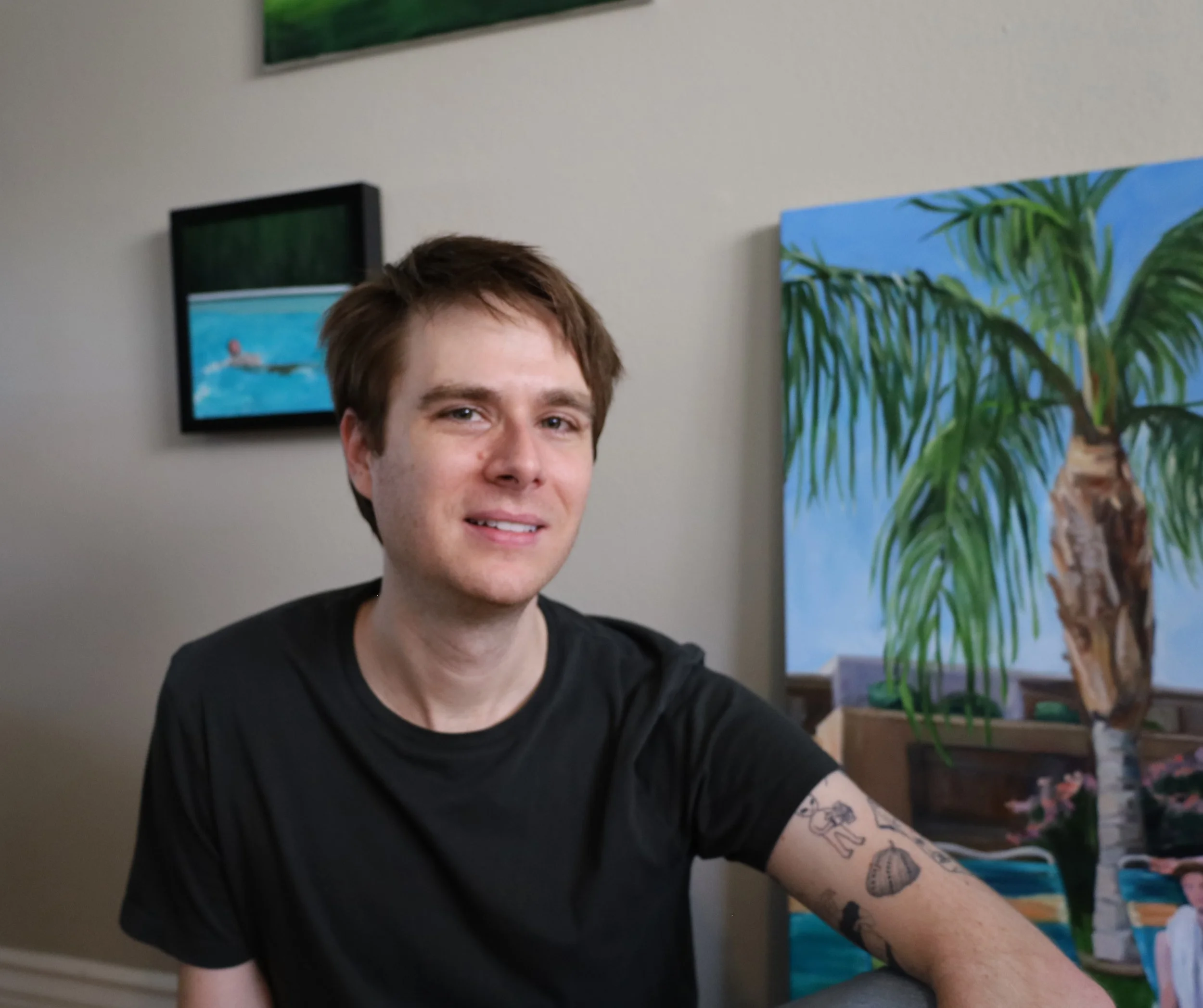

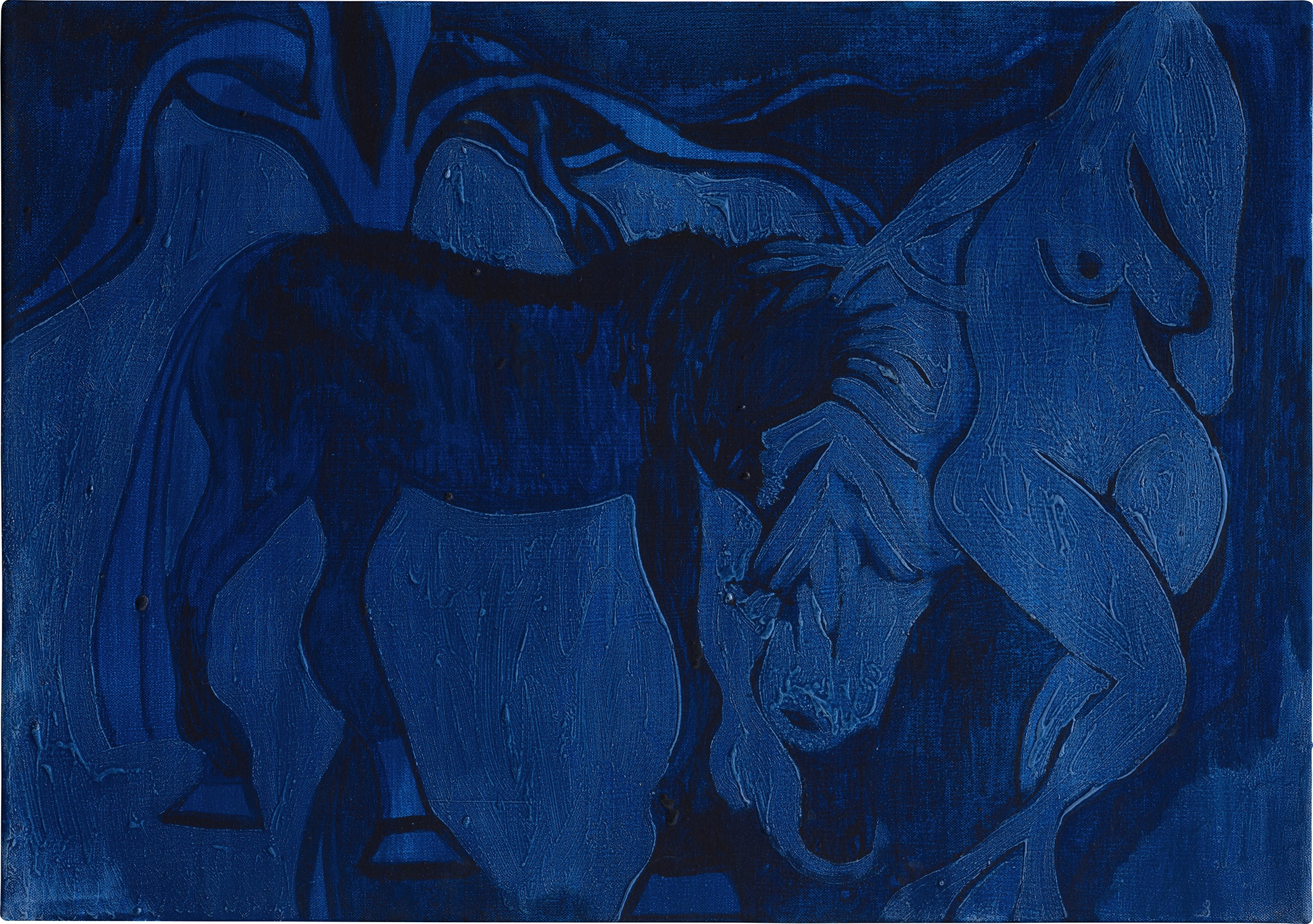
The Pool as Portal: AI Art You Can Live With
There is something almost primal about the pool as subject. It holds leisure and longing in equal measure, suggests wealth without announcing it, and catches light in ways that have obsessed painters, photographers, and now a new generation of AI artists who are finding in its shimmering surface a perfect mirror for questions about perception, desire, and the nature of the image itself. Collectors who come to poolside imagery often describe a quality of aspiration that never tips into vulgarity, a coolness that feels genuinely temperature. It is the kind of work that earns its place on the wall rather than demanding it.
The category of AI art has matured considerably over the last several years, moving well past the novelty phase that characterized its earliest market appearances around 2021 and 2022. Collectors who were early to this space often bought for curiosity and have stayed for depth. What AI makes possible in poolside imagery specifically is a quality of light that sits somewhere between photographic and painterly, a rendered glow that no camera quite captures and no brush quite achieves. Living with these works, collectors frequently report that the pieces change depending on the time of day in the room, responding to ambient light in ways that more traditional works do not.
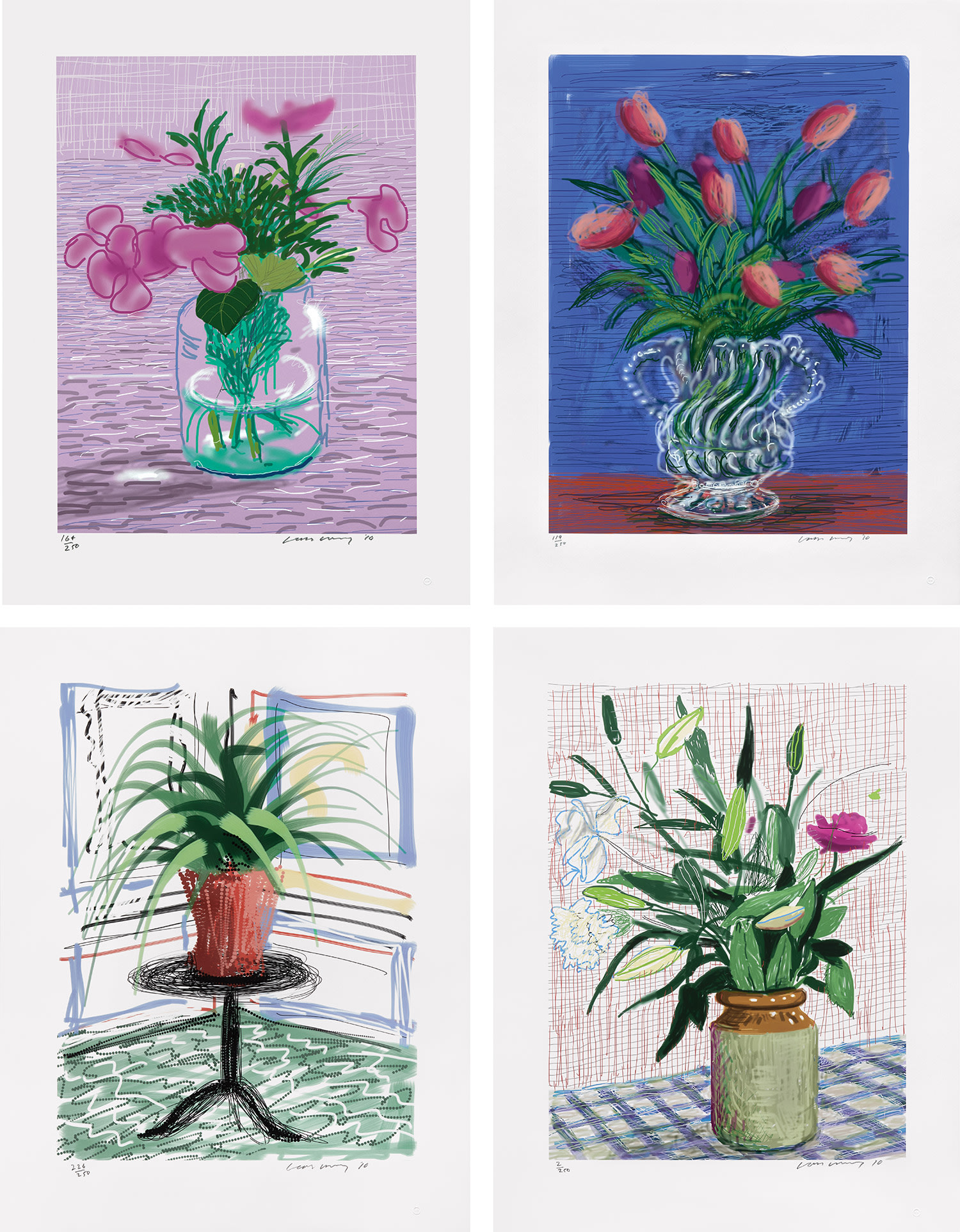
David Hockney
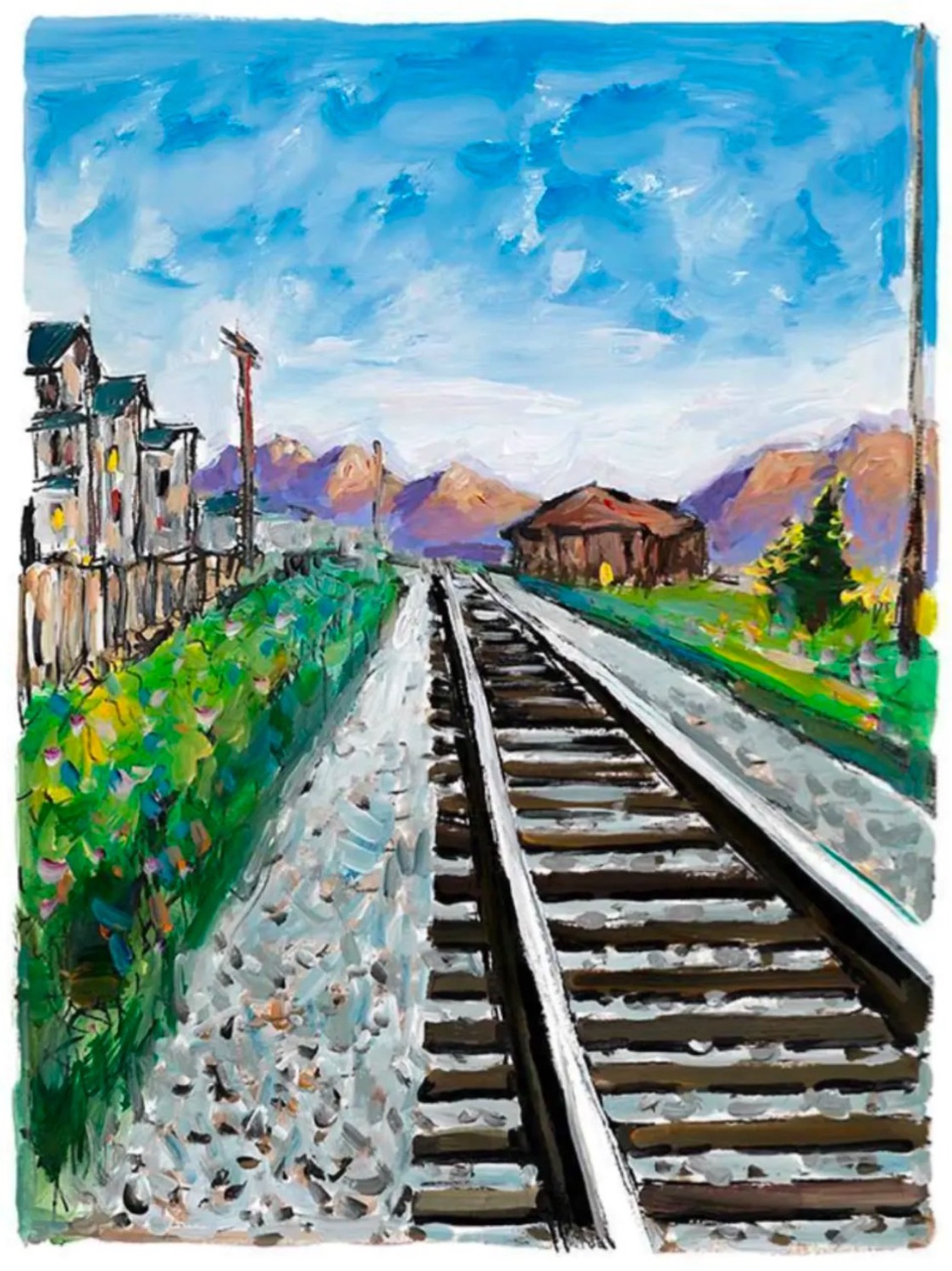
A Bigger Book, Art Edition A, B, C, and D
The question of what separates a good AI poolside work from a great one is worth sitting with seriously. Technically accomplished generation is now relatively commonplace, which means that technical skill alone cannot be the differentiator. The strongest works demonstrate genuine artistic intention behind the prompt architecture, the model selection, and the post processing decisions. A great work in this category shows you something you could not have anticipated before seeing it.
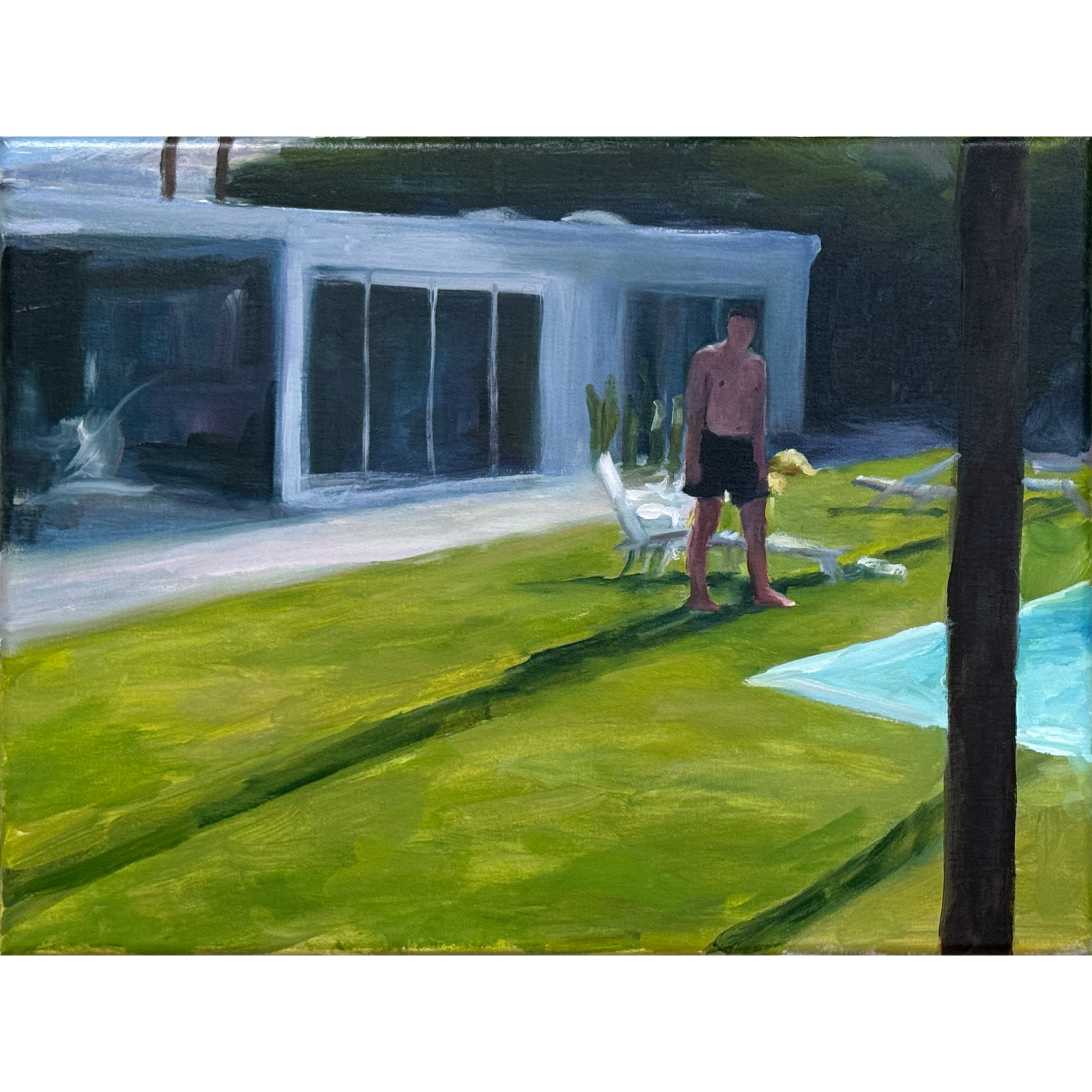
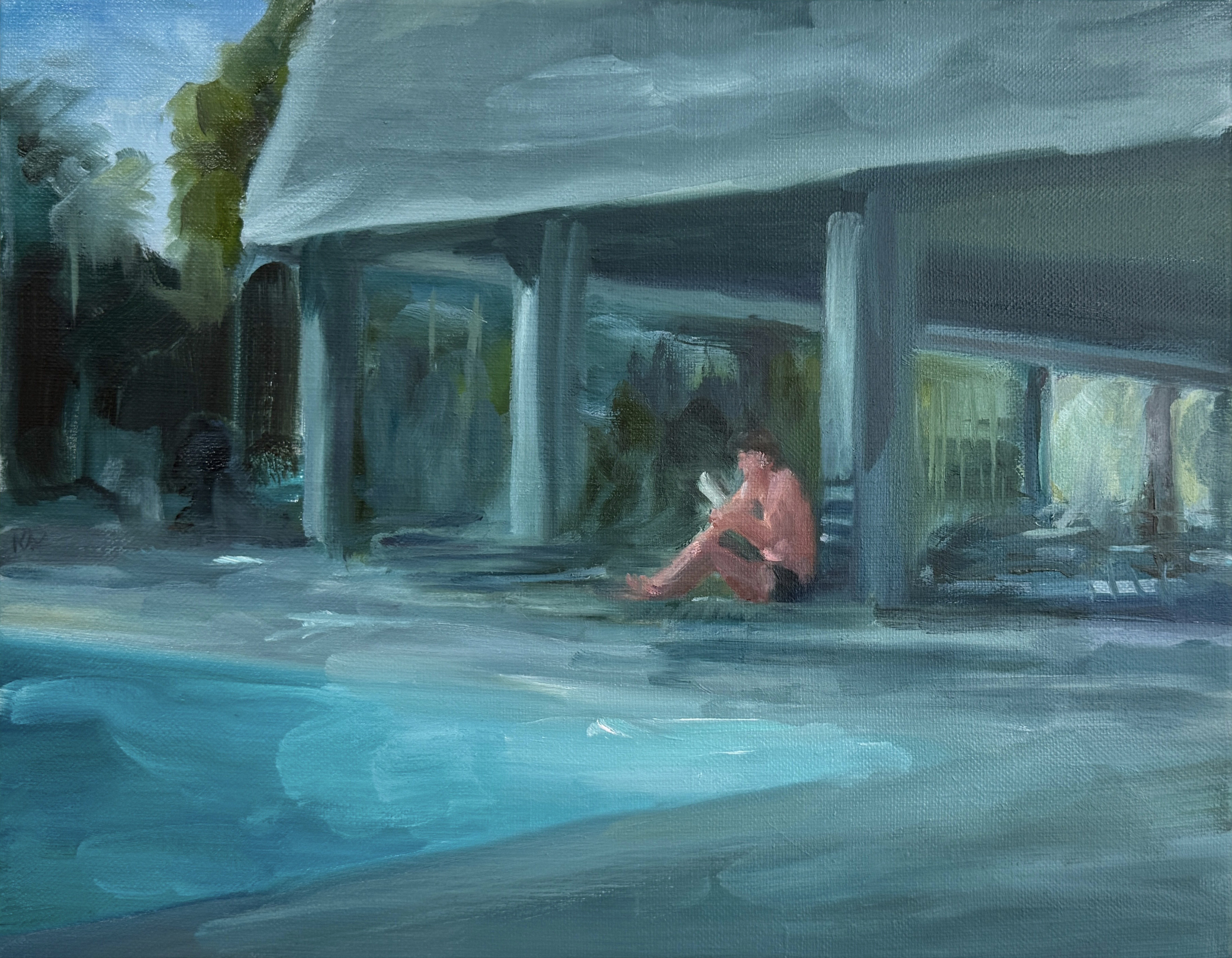
It creates a mood rather than illustrating one. Collectors should look for works where the artist has made deliberate choices that reveal a consistent vision across their practice, not simply a lucky output from an afternoon of experimentation. Kory Alexander is one of the most compelling figures working in this space, and the works on The Collection demonstrate why serious collectors have taken notice. Alexander brings a genuine sense of compositional authority to AI generated imagery, working in a register that feels simultaneously contemporary and rooted in the longer tradition of leisure painting.
Kory Alexander
Where I Live, 2023
The poolside as subject in Alexander's hands carries a kind of suspended time, reminiscent of the psychological charge that David Hockney brought to his California pool paintings in the late 1960s, though translated into an entirely different visual language. That conversation with art history feels earned rather than borrowed. Meanwhile Jeff Burton, whose photographic work has long explored the aesthetics of constructed leisure and the uncanny textures of staged environments, offers useful context for thinking about how AI poolside work operates within a broader conversation about image making and artifice. For collectors watching the emerging market, the opportunity in AI art focused on leisure and poolside imagery lies in identifying artists who are building a body of work with internal coherence.
The field is crowded with one off experiments, so the artists who will hold and grow value are those whose individual works feel like chapters in a larger argument. Edition structures matter enormously here. AI works released as large open editions rarely perform on the secondary market with the same confidence as strictly limited or unique works. When speaking with a gallery or platform, ask directly about the edition size, whether there is a certificate of authenticity tied to a specific output file, and what the artist's stated policy is around releasing further editions in a similar visual register.
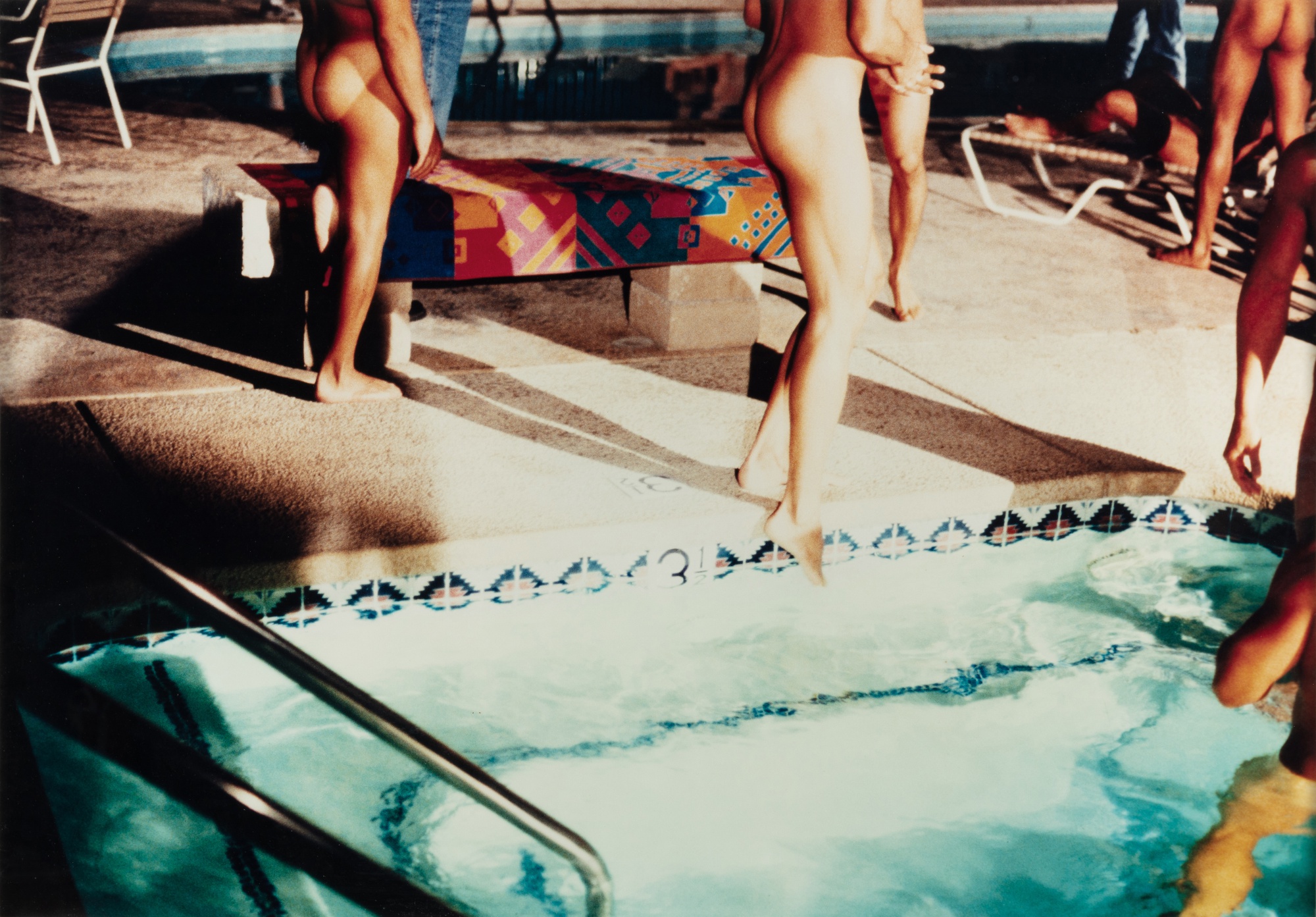
Jeff Burton
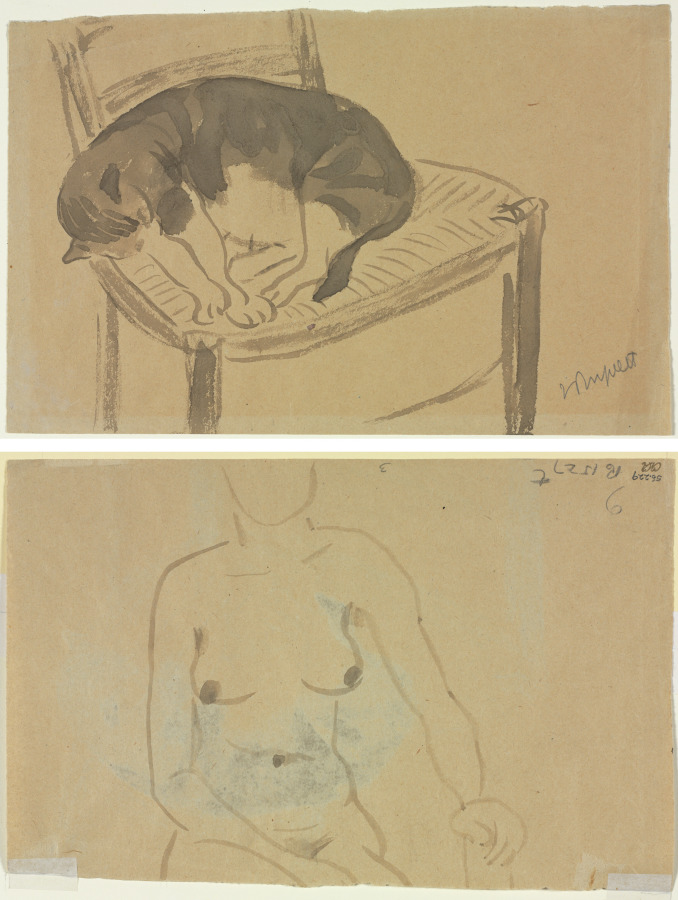
#30 (Poolside)
The secondary market for AI art remains genuinely volatile, which for the right collector represents opportunity rather than risk. Works that were acquired in 2021 and 2022 from artists who have since developed sustained critical attention have in some cases appreciated meaningfully, while works by artists who did not continue developing have softened. The pattern resembles the early photography market of the 1980s and 1990s more than it resembles the contemporary painting market. Liquidity can be limited outside of dedicated digital and new media sales, though houses including Christie's and Phillips have demonstrated that curated presentations of AI and digital work can achieve serious results when the provenance is clean and the edition structure is sound.
Display and condition considerations for AI works are distinct from those governing works on paper or canvas. For print based editions of AI work, the same archival concerns apply as with any fine art print: UV protective glazing, controlled humidity, and avoidance of direct sunlight will all extend the life of the physical object. If the work exists primarily as a digital file with a physical print component, collectors should ensure they hold the master file as part of the acquisition, not merely a derivative. Ask your gallery explicitly whether the acquisition includes the highest resolution source file and how that file is to be stored and transferred.
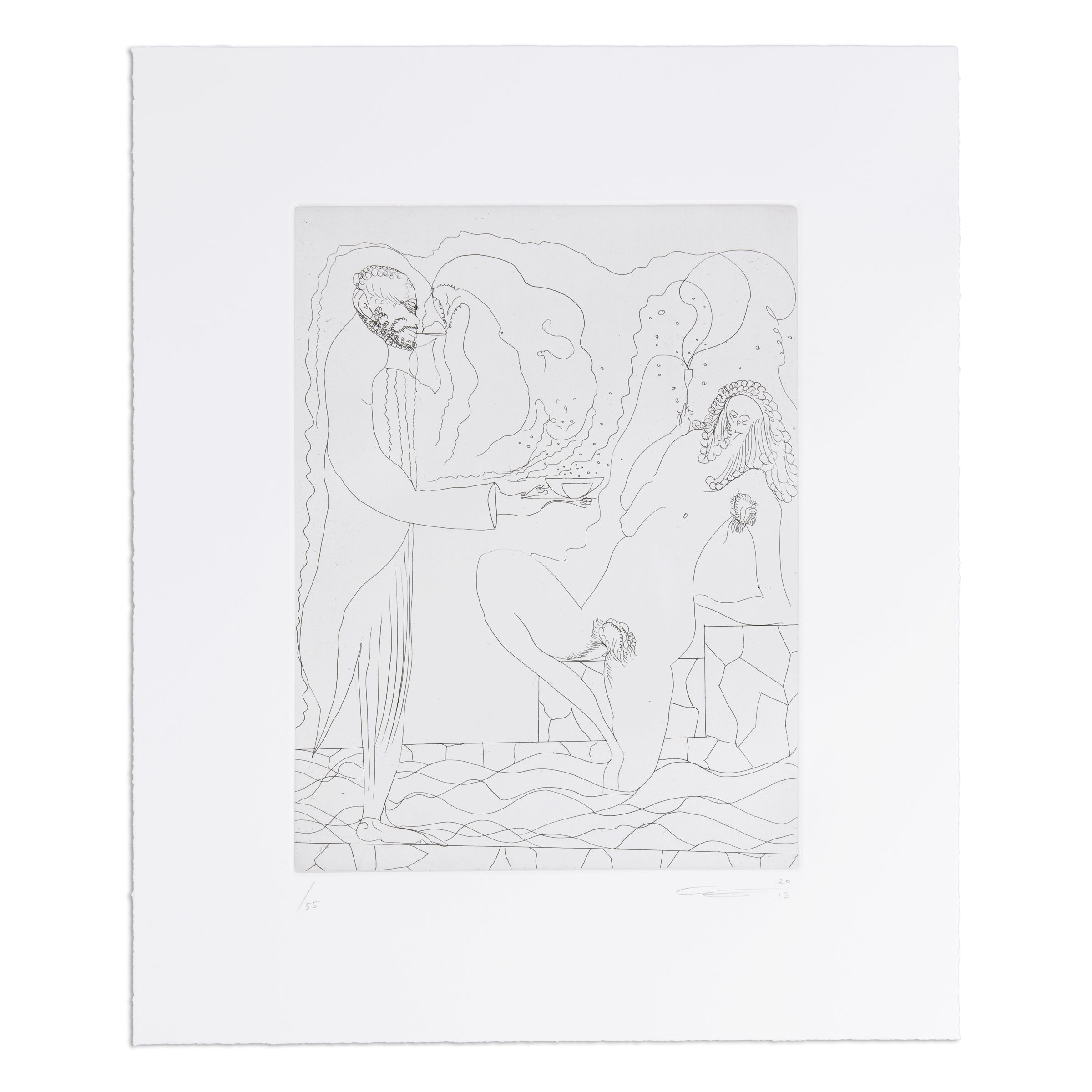
Chris Ofili
Poolside, 2013
This is not a pedantic question. It is the equivalent of asking about stretcher condition on a canvas, and any reputable gallery will welcome it. The poolside will remain a generative subject for AI artists precisely because it is overdetermined in cultural terms. It carries Hockney and Hollywood, the postwar California dream and its contemporary anxieties, heat and reflection and the seductive stillness of water waiting to be disturbed.
Artists who understand those layered meanings and use AI as a tool to complicate rather than simply illustrate them are the ones worth watching and worth collecting. The market will eventually sort itself, as it always does, and the works that survive that sorting will be the ones where genuine intelligence, human and artificial together, made something that could not have existed otherwise.