Photo Etching
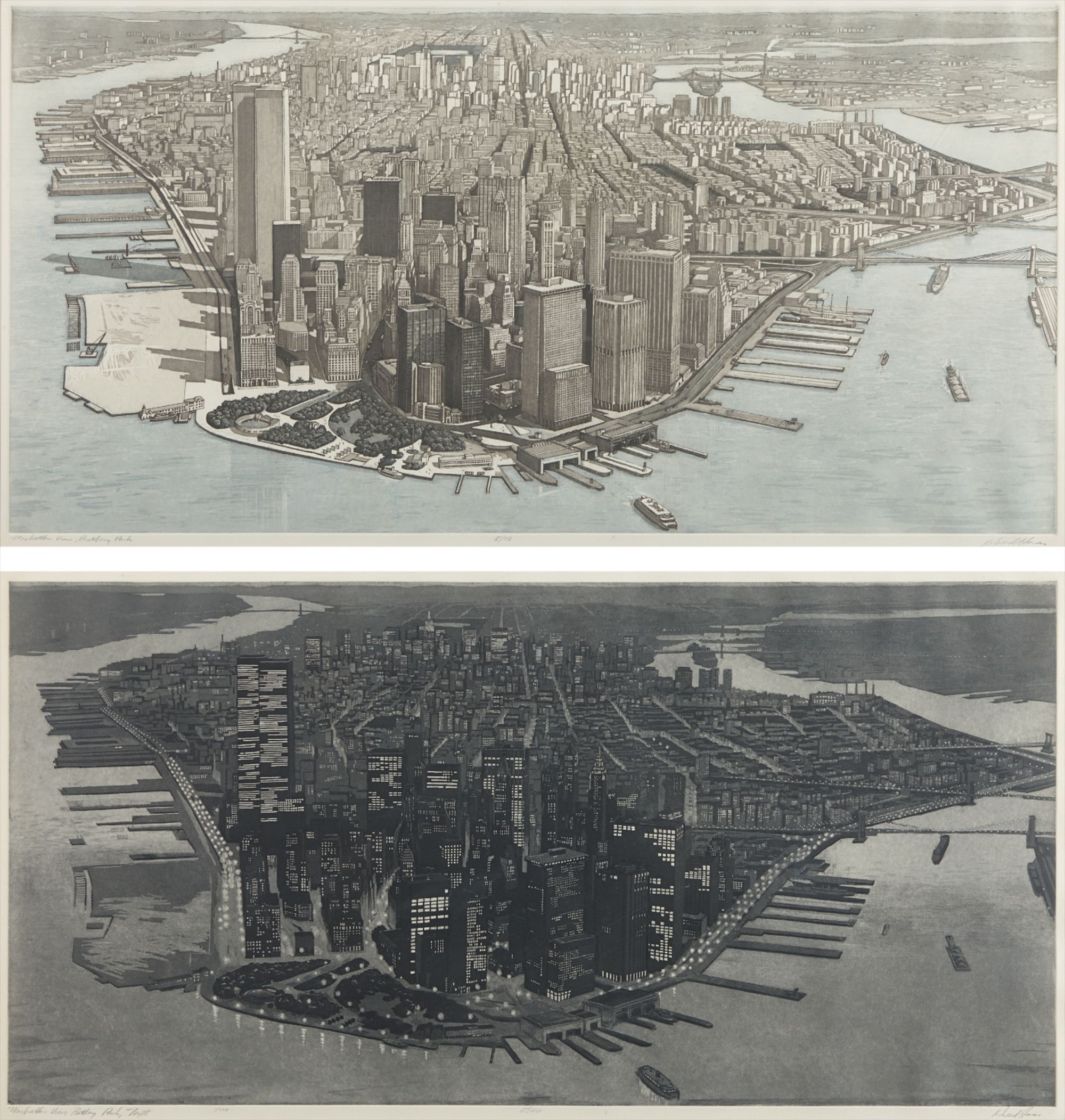
Richard Haas
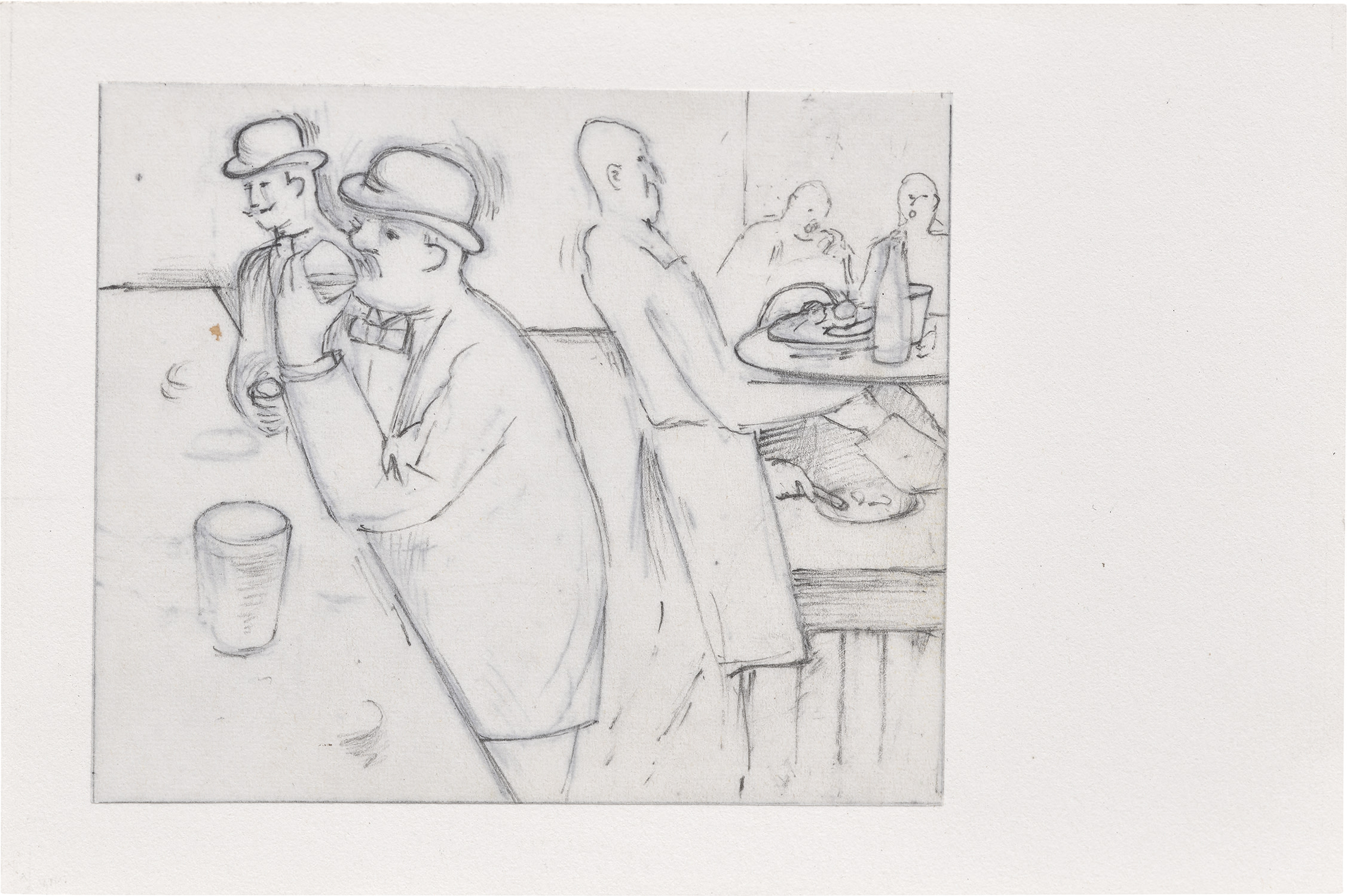
Manhattan View, Battery Park; and Manhattan View, Battery Park, Night
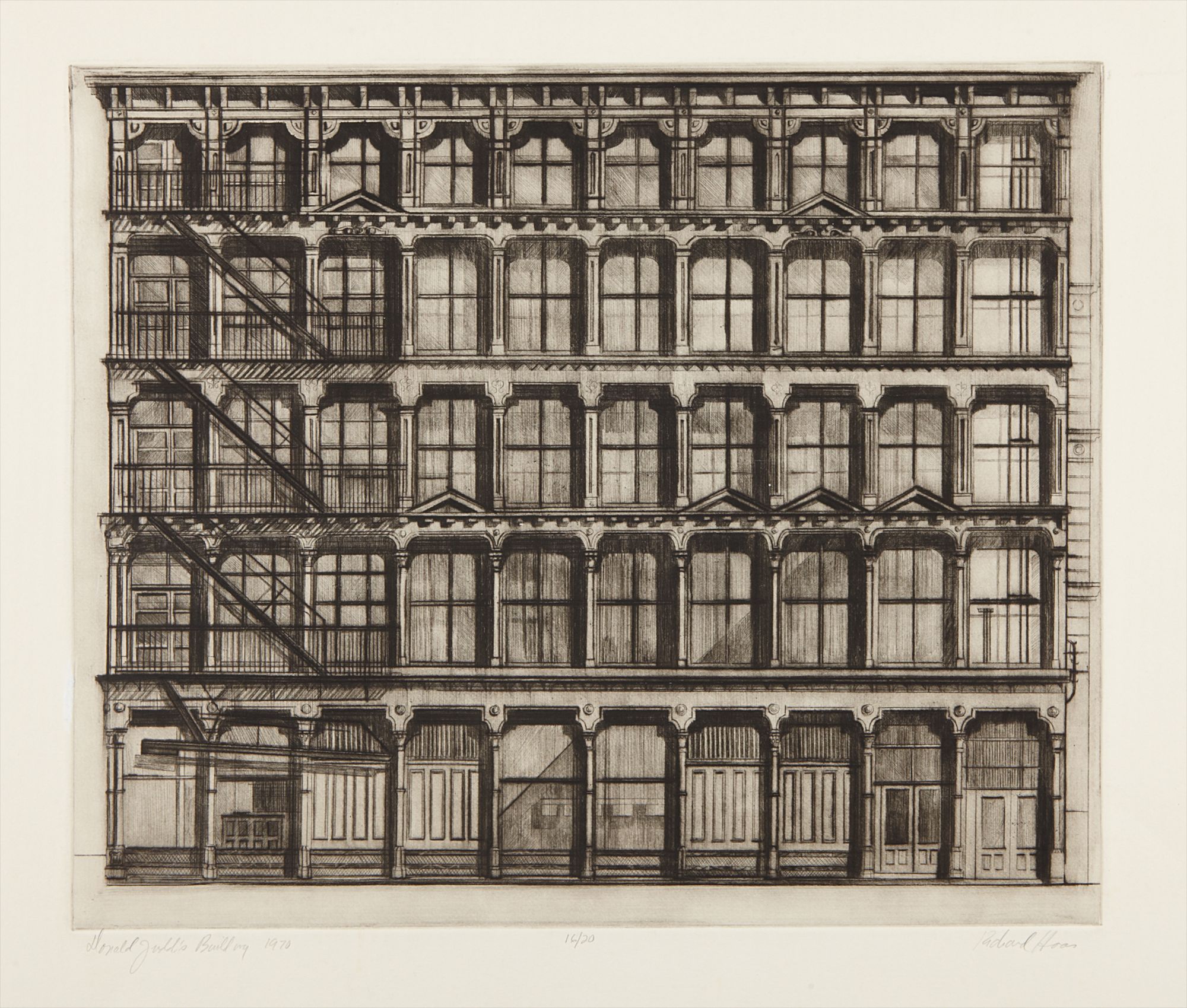
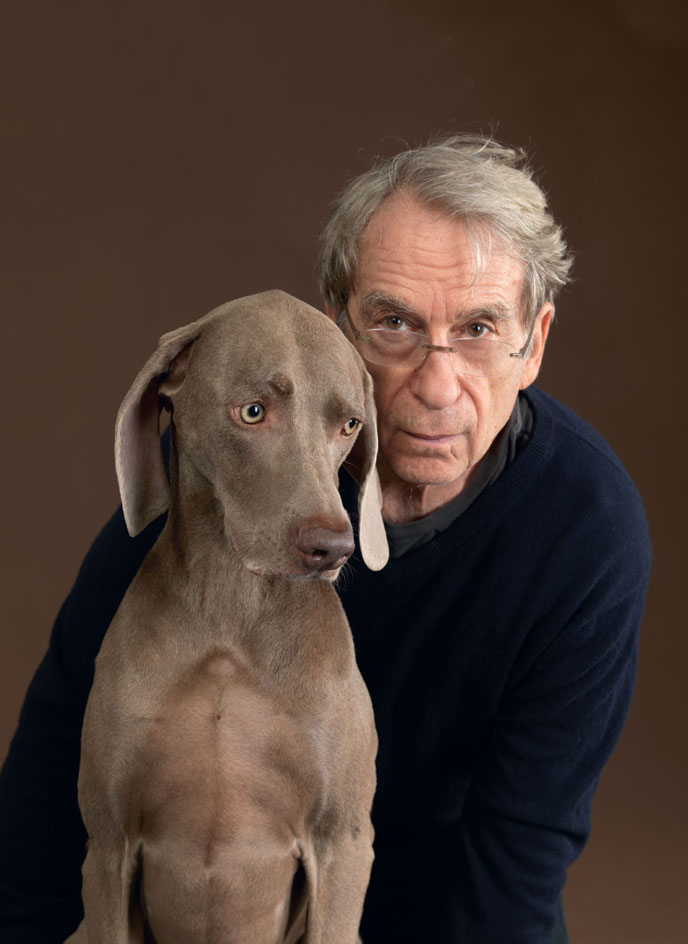
The Ghost in the Metal: Photo Etching Now
When a Robert Longo photo etching crossed the block at Phillips in recent years and drew competitive bidding well past its high estimate, it confirmed something collectors in the know had been sensing for a while. The medium was no longer a footnote to painting or a curiosity attached to printmaking surveys. It had arrived as a category in its own right, with its own logic, its own hunger, and a market beginning to reflect both. The moment felt earned rather than manufactured, which is perhaps the most reassuring thing you can say about any art market development.
Photo etching occupies a fascinating threshold in the history of image making. The process translates a photographic image onto a metal plate through a light sensitive coating, allowing an artist to marry the indexical authority of photography with the tactile intimacy of intaglio printmaking. The result carries something no purely photographic print can quite replicate: the physical evidence of a hand in the world, the plate marks pressing into paper, the ink sitting in the recesses of metal that has been literally eaten by acid. There is a materiality to photo etching that rewards close looking in ways that a photograph on aluminum simply does not.
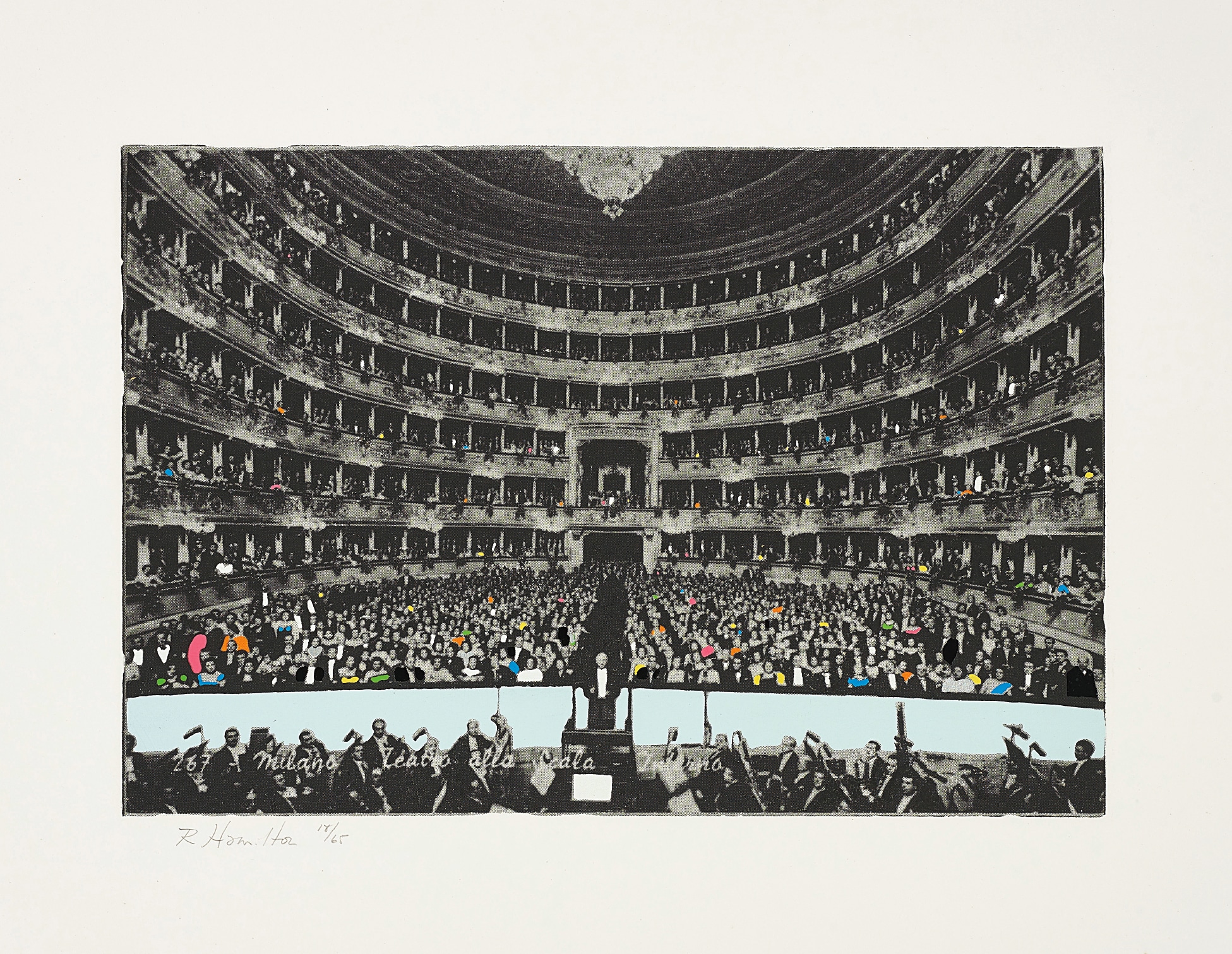
Richard Hamilton
La Scala Milano
The critical rehabilitation of this medium has been building through a series of landmark exhibitions. The Museum of Modern Art's sustained attention to artists who blur the line between photography and printmaking helped establish a theoretical framework that collectors could orient themselves within. MoMA's department of prints and illustrated books has long understood that the most interesting work in this area refuses easy categorization, and their acquisitions have followed that instinct consistently. Tate Modern has been similarly attentive, particularly in how it has framed the work of Richard Hamilton, whose practice treated photo etching not as a reproductive tool but as a primary means of inquiry into how images circulate and accumulate meaning.
Hamilton's influence on how we think about photo etching cannot be overstated. His rigorous engagement with source imagery, his interest in what happens when a photograph passes through multiple mechanical and manual processes, anticipated conversations that are very much alive in contemporary practice. Work from Hamilton's printmaking output has performed steadily at auction, with institutions competing against private collectors for pieces that now feel prophetic given the current obsession with image translation and media archaeology. His presence on The Collection reflects a genuine curatorial conviction about where the art historical weight sits.
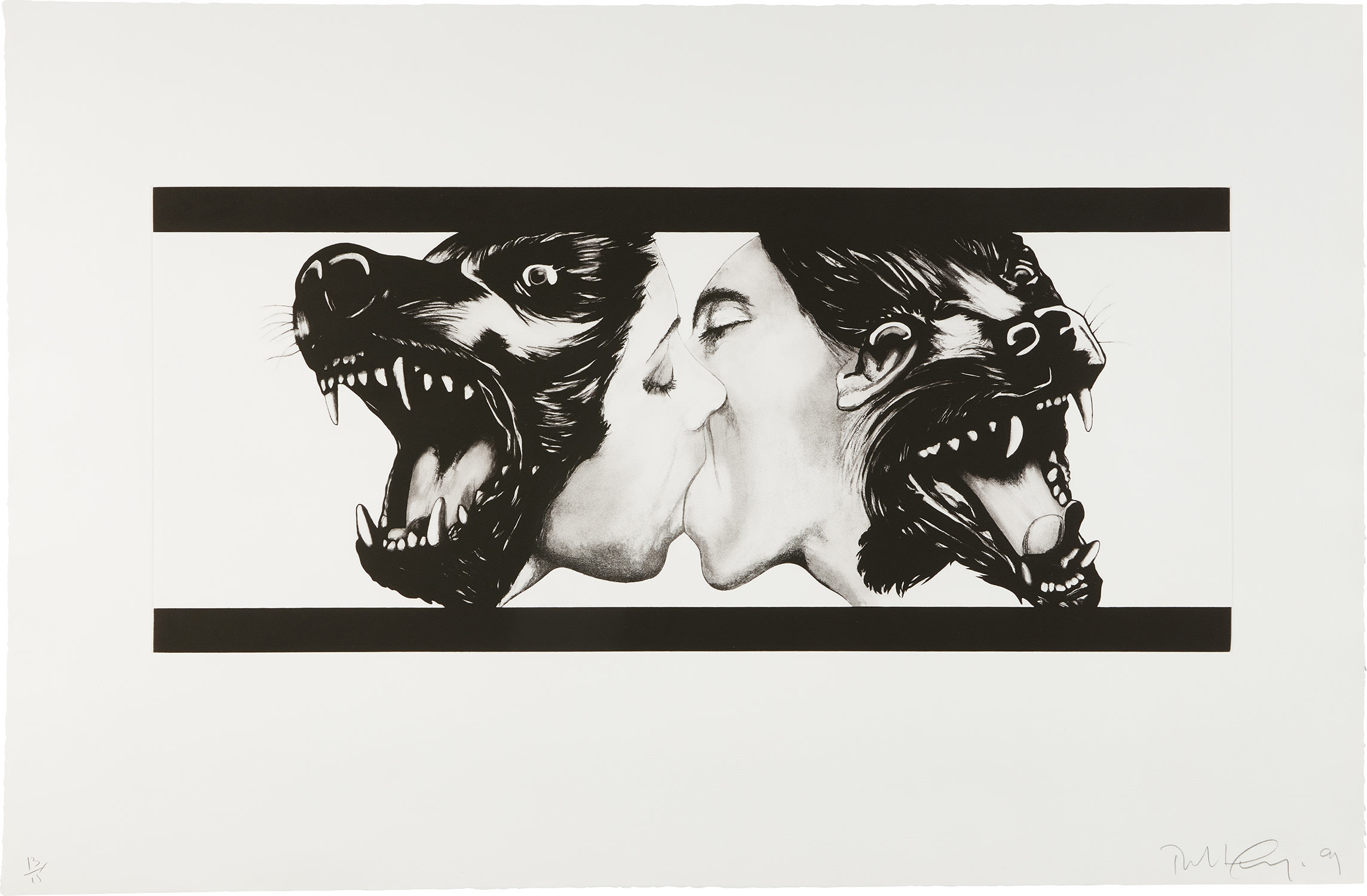
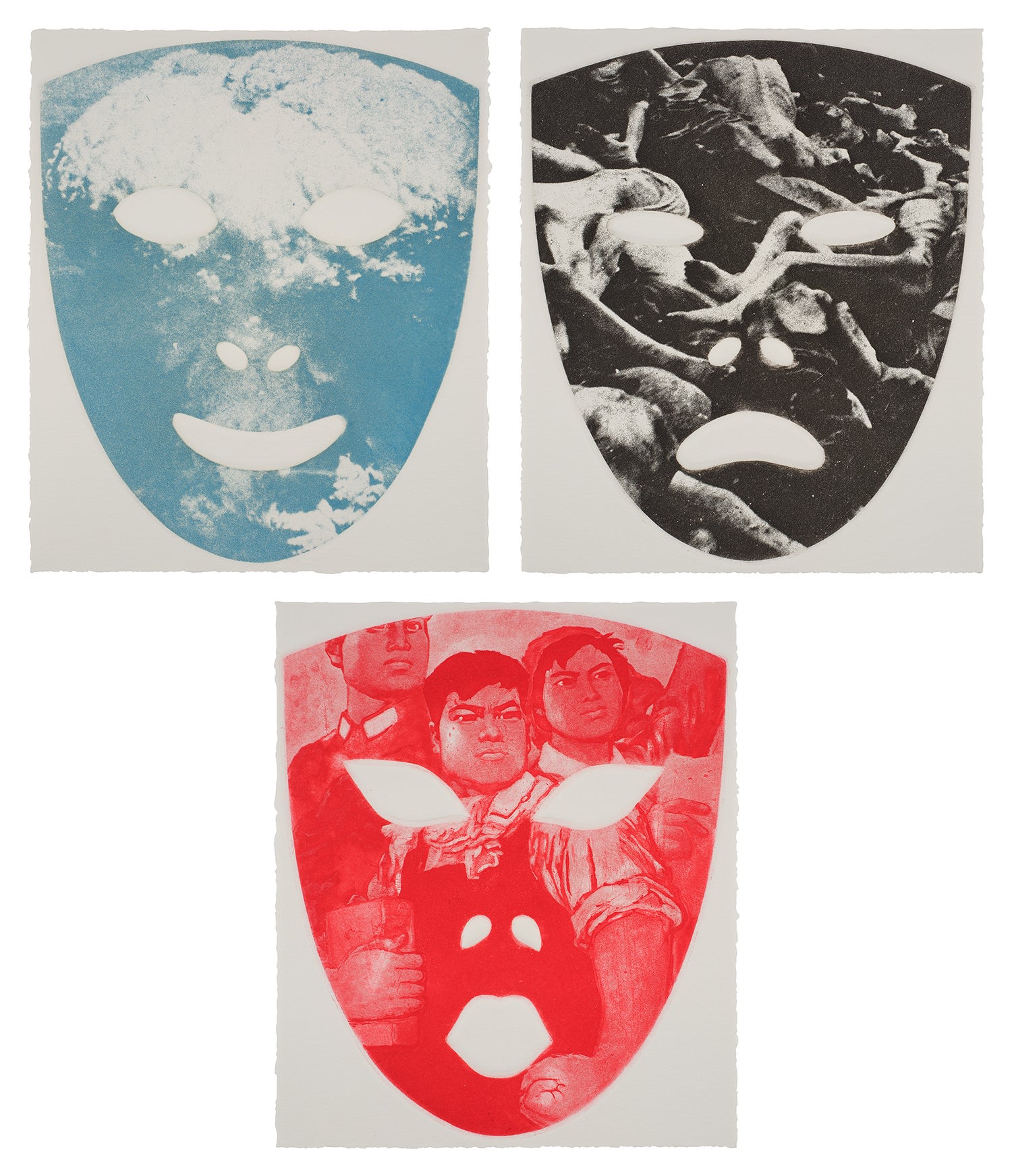
Robert Longo
Strong in Love
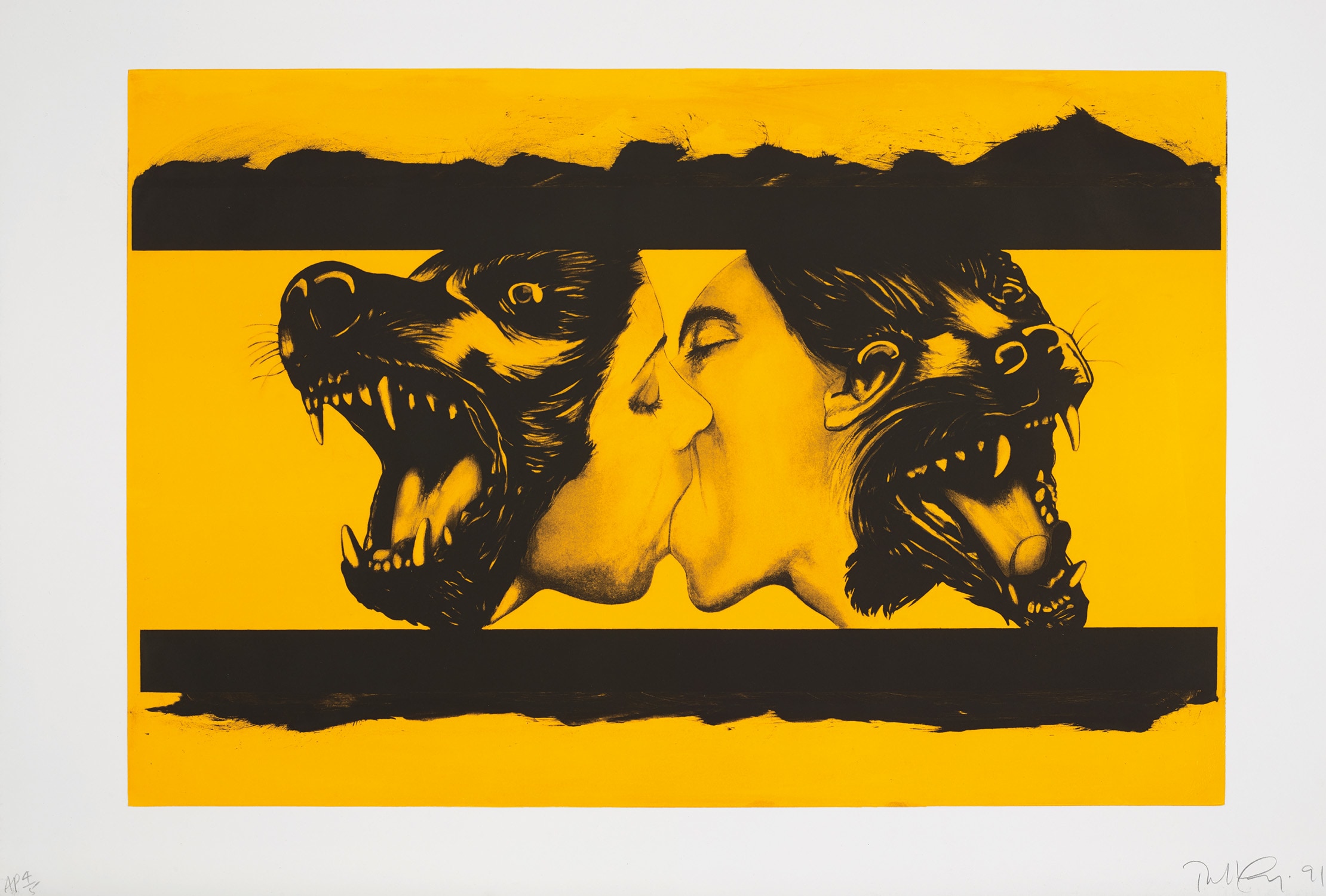
Among living artists, Robert Longo brought photo etching into direct confrontation with the spectacle of American power and violence. His large scale works, many sourced from news photographs and film stills, use the etching process to slow down images that were designed for instant consumption. Something strange and clarifying happens when a photograph of a riot or a crashing wave is worked through the intimacy of a copper plate. The image becomes both more physical and more ghostly, which is precisely the tension Longo has always been after.
His auction results reflect a collector base that understands this work as among the most serious engagements with media and representation produced in the last four decades. The conversation in critical writing has sharpened considerably. Publications like Print Quarterly have provided the scholarly infrastructure, while broader critical voices at Artforum and Frieze have increasingly folded photo etching into discussions of post photography and the so called return to the hand. Curator Faye Hirsch, whose writing on prints and process is among the most rigorous being produced, has helped articulate why the medium matters now rather than just historicizing it.
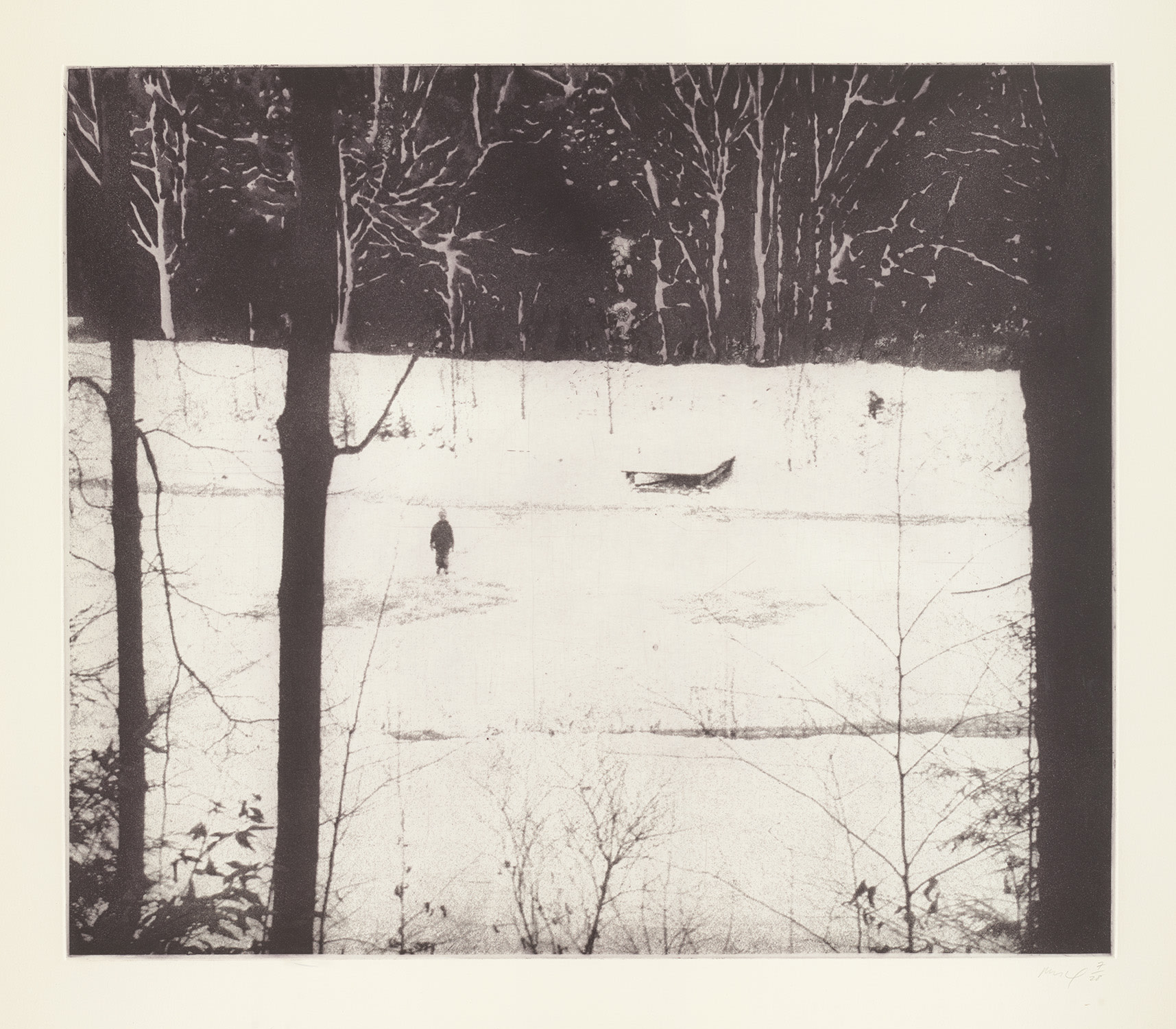
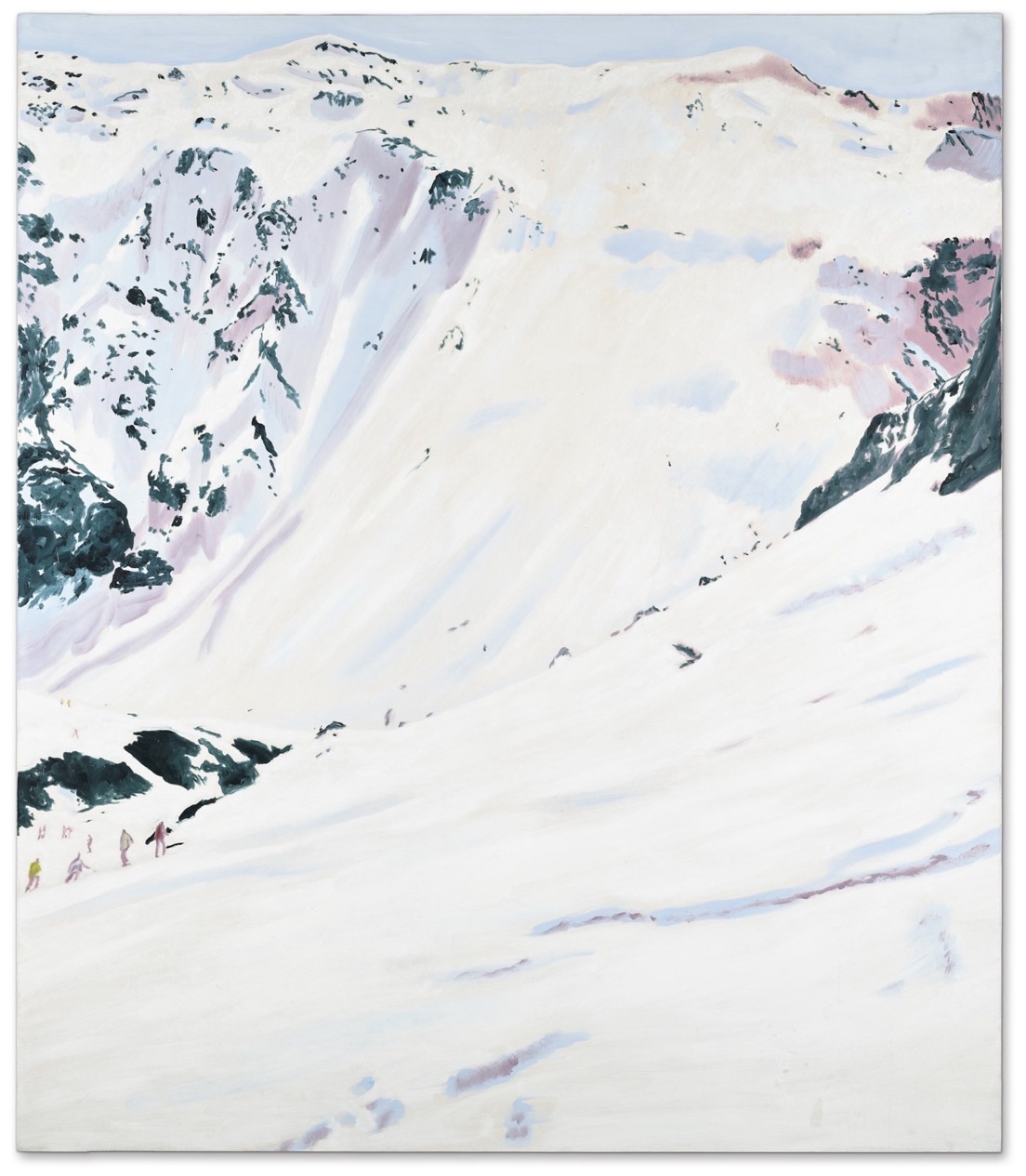
Peter Doig
Almost Grown
There is a growing sense in critical circles that photo etching sits at the precise intersection of concerns that define contemporary art at its most searching: the status of the photographic image, the question of labor and process, and the stubborn desire for objects that carry physical memory. Institutional collecting has accelerated in ways that smart private collectors should be watching closely. The British Museum has deepened its holdings in artists who work across photography and printmaking, as has the Victoria and Albert. In the United States, the Cleveland Museum of Art and the Baltimore Museum of Art have both made significant acquisitions in this area, signaling that the work is being understood not as a secondary medium but as central to the story of how images have been made and remade in the modern era.
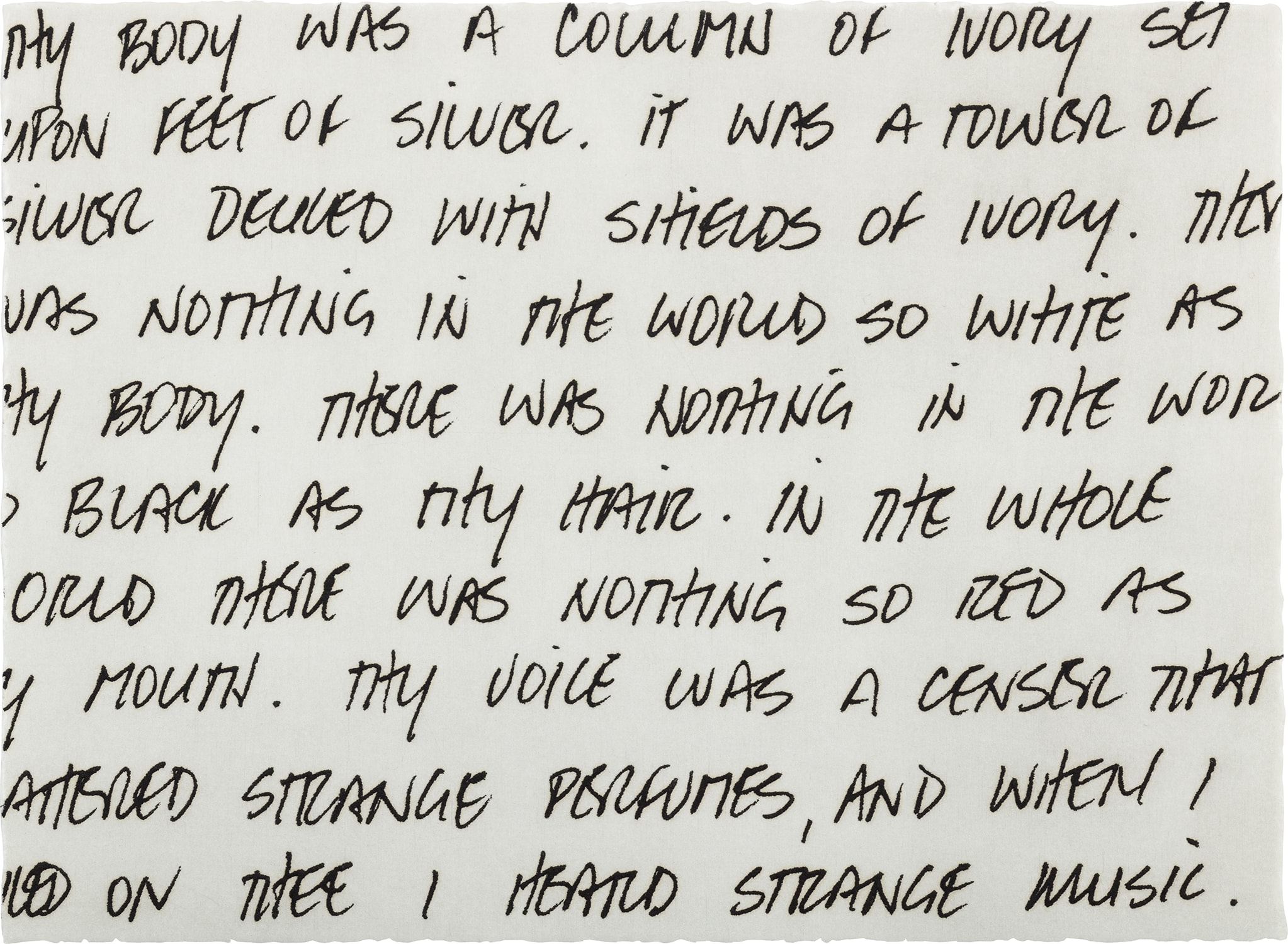
When regional institutions of that caliber commit acquisition funds to a category, it typically means the scholarly consensus has solidified and the market will follow. The energy right now feels most alive around artists whose photo etching practice is inseparable from a larger conceptual project. Vito Acconci, whose work on The Collection rewards exactly this kind of attention, used printmaking processes in ways that were always in dialogue with his performance and body art concerns. The prints are not illustrations of ideas worked out elsewhere; they are the ideas, made physical through a process that leaves its mark on both surface and viewer.

Vito Acconci
2 Wings for Wall and Person
That integration of medium and meaning is what distinguishes the work that will matter in twenty years from the work that is merely accomplished. What surprises might be coming? The next wave of collector interest is likely to focus on artists who came of age in the 1990s and early 2000s and who used photo etching to navigate the early digital moment, treating the analog process as a kind of resistance or counterweight to the weightlessness of the screen. There is also renewed interest in artists like William Wegman, whose engagement with photographic processes across multiple media has always been more philosophically complex than his public reputation suggests.
As the distance from that transitional period grows, the work done in and around photo etching during those years looks increasingly significant. The collectors positioning themselves now are the ones who will be ahead of that conversation when it becomes the dominant one.